

A Ninja Temple Packed with Hidden Tricks! Myoryuji Temple Travel Guide
Myoryuji Temple, also known as the “Ninja Temple,” is filled with clever hidden tricks throughout its grounds.
Because of its defensive mechanisms designed to prepare for enemy attacks and its complex structure, it’s also nicknamed “the temple you can enter once but never get out of twice.”
Built very differently from an ordinary temple, Myoryuji Temple is full of mysterious charm that’s sure to spark anyone’s curiosity.
Let’s take a closer look at Myoryuji Temple’s history and highlights, plus nearby sightseeing spots.
What is Myoryuji Temple Like?
Myoryuji Temple in Kanazawa, Ishikawa Prefecture, is a Nichiren Buddhist temple.
It’s commonly called the “Ninja Temple,” but there’s no historical record of actual ninjas at Myoryuji Temple.
So why is it called the “Ninja Temple”? Because the entire temple has a unique layout and mechanisms that feel like a ninja mansion.
From the outside, it looks like a two-story building, but Myoryuji Temple is actually four stories, with a complex, maze-like interior.
To confuse enemies, there are 29 stairways inside, and in some areas as many as six stairways are packed into a single spot.
The cluster of stairs in the main hall, where you can lose track of where you’re going or where you’ve already been, is a must-see.
It also features mechanisms you won’t find in a typical temple—like trapdoors, hidden stairs, and escape routes—scattered throughout.
However, visits to Myoryuji Temple are only possible on a guided tour, and reservations are required for entry.
Reservations can be made by phone starting one month in advance, so be sure to book early once your plans are set.
History and Origins of Myoryuji Temple
Myoryuji Temple began as a prayer hall inside Kanazawa Castle.
In 1643, Maeda Toshie, lord of the Kaga Domain (now Ishikawa Prefecture), relocated the castle’s prayer hall to an area near Kanazawa Castle, founding Myoryuji Temple.
At the time, tensions ran high between the Kaga Domain led by Maeda Toshitsune and the Tokugawa shogunate, and the shogunate could have launched an attack on Kaga at any moment.
To defend against an assault on Kanazawa Castle, various temple districts and temples were developed and built as outposts to confront the enemy.
Myoryuji Temple was one of them, equipped with many mechanisms to deceive attackers and enable escape even if the shogunate struck.
After that, Myoryuji Temple was relocated several times before moving to its current location in 1659.
In 1862, a fire broke out in part of the Soshido (Founder’s Hall), but it was not a major fire, so it was restored immediately.
Having survived war and the heavy snowfall of the Hokuriku region, Myoryuji Temple still retains much of its appearance from the time it was built.

Access to Myoryuji Temple
Here’s how to get there from Kanazawa Station, the main transportation hub for sightseeing in Kanazawa.
From Kanazawa Station’s East Exit, head to the bus terminal and take either the bus departing from stops 8, 9, or 10 bound for “Heiwamachi, Matto, Nonoichi,” or the “Kanazawa Loop Bus (Left Loop)” departing from stop 7.
Ride for around 15 minutes and get off at the Hirokoji bus stop.
From there, it’s a 5-minute walk to Myoryuji Temple. Total travel time is Approx. 20 minutes.
Myoryuji Temple Admission and Hours
For Myoryuji Temple’s Hours and Admission, please refer to the table below.
Visits are only possible on a guided tour, and advance reservations are required.
Reservations can only be made by phone.
For details on how to reserve and the phone number, check the Official website (Japanese).
- Hours
- 9:00am–4:00pm
- Admission
-
Adults: 1,200 yen
Elementary school students: 800 yen
Myoryuji Temple’s Hidden Tricks That Excite Everyone
Let’s take a closer look at the specific tricks that are Myoryuji Temple’s biggest draw.
Many rooms have special structures designed to deceive enemies, so there’s plenty to see beyond just the mechanisms.
On-site guides explain the highlights in detail.
Still, if you read up on the tricks beforehand, you’ll understand the explanations more deeply and enjoy your visit even more.
1. Actually a Trapdoor? The Dangerous “Offering Box”
At the front entrance of the main hall is an embedded offering box.
This offering box can be removed, turning it into a trapdoor.
In an emergency, they would remove the offering box and cover the opening with tatami mats, causing advancing enemies to fall through.

2. A Hidden Escape Route: “Secret Stairs”
Beneath the floor right after opening the door to the main hall storage area, stairs are hidden away.
The mechanism is designed so that the stairs appear only when all the floorboards are lifted, making it impossible to tell at a glance that stairs are concealed there.
The stairs connect to an underground passage, which allowed escape to outside the temple.

3. One Wrong Step and It’s Game Over: “Trapdoor Stairs”
This is located at the far left, deep within the “main hall stair cluster,” where six stairways are concentrated in one area out of the 29 stairways throughout the grounds.
It’s a mechanism where removing the floorboard at the front turns it into a trapdoor, dropping enemies to the level below to slow their advance.
The level below connects to a servant’s room, where enemies who fell were attacked by servants lying in wait.

4. Get Attacked If You Pass Through? The “Lightwell Stairs”
The “lightwell stairs” are at the far end of the main hall, straight ahead from the front.
In this mechanism, part of the stairs uses shoji paper screens; when enemies attacked, their leg shadows would appear, allowing a preemptive strike with spears and the like.
The space under the stairs connects to the servants’ room, and the light that came in also served as a light source for the servants.

Enjoy Classic Japan and Traditional Culture! 3 Nearby Sightseeing Spots Around Myoryuji Temple
After you’ve enjoyed Myoryuji Temple to the fullest, we also recommend visiting nearby sightseeing spots.
Kanazawa is packed with places beyond Myoryuji Temple where you can soak up classic Japanese streetscapes and traditional culture.
Here are a few sightseeing spots to visit together with your Myoryuji Temple trip.
1. Nishi Chaya District
Nishi Chaya District is one of the geisha districts officially licensed by the Kaga Domain in 1820.
It came to be called this because it lay to the west when viewed from Kanazawa Castle.
Two-story teahouse buildings with beautiful wooden latticework line the streets, making it fun to stroll while stopping by cafes and shops.
Among Kanazawa’s teahouse districts, it’s the place where you can feel the city’s performing-arts culture most strongly—and at dusk, you might even spot elegantly dressed geiko.

2. Shijimaya Honpo: Japanese Sword Viewing
Japanese swords, admired for their refined beauty, have countless fans around the world.
While many famous blades are displayed in museums, Shijimaya Honpo offers a hands-on program where you can actually hold a real sword and feel its weight as you view it.
Shijimaya Honpo’s storehouse has long preserved many Japanese swords as family heirlooms, and in the program you can view a variety of blades that differ by era.

3. Nagamachi Samurai District
An area where the former residences of mid-ranking samurai of the Kaga Domain remain.
Stone-paved lanes and earthen walls continue on, giving you the feeling of time-traveling back to the Edo period. Nearby are shops selling traditional crafts and restaurants, making it a great place to explore on foot.
Through the area runs the Onosho irrigation canal, which has supported local life since long ago, and in winter you’ll see komo-gake straw coverings used to protect the earthen walls from snow.
What makes Nagamachi special is how everyday modern life blends into the historic streets, with traces of samurai culture and a distinctive atmosphere visible everywhere you look.

3 Popular Places to Eat Near Myoryuji Temple
After visiting one of Kanazawa’s top landmarks, Myoryuji Temple (also known as the “Ninja Temple”), you may want to take a break at a restaurant that blends into the historic streetscape.
From Japanese restaurants highlighting Kaga ingredients to quick spots for a light bite between sights, you’ll find plenty of options. Here are a few places where you can enjoy local flavors while soaking in the afterglow of your Myoryuji Temple visit.
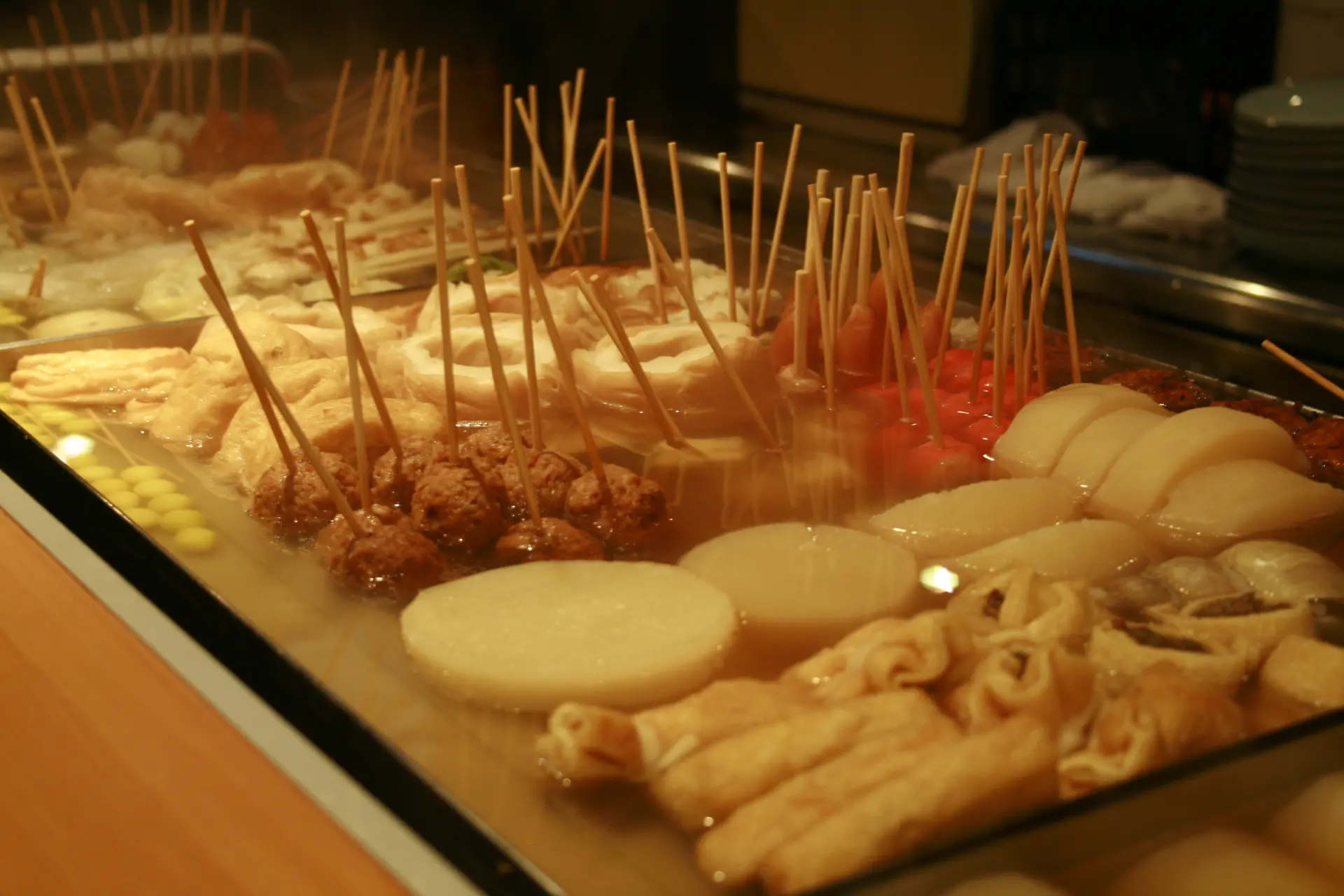
1. Kanazawa Oden Akadama Honten
A long-established Kanazawa oden shop that has been in business since 1927 in Katamachi, said to be Kanazawa’s liveliest downtown area.
Loved not only by tourists but also by locals for many years.
With over 30 oden items available at all times, most priced in the 100–300 yen range, you’ll find everything from classics like daikon radish to Kanazawa oden specialties such as traditional grilled wheat gluten “kurumafu,” chewy “baigai” whelk, and firm fish cake “akamaki,” among many others.
2. Aenokoto
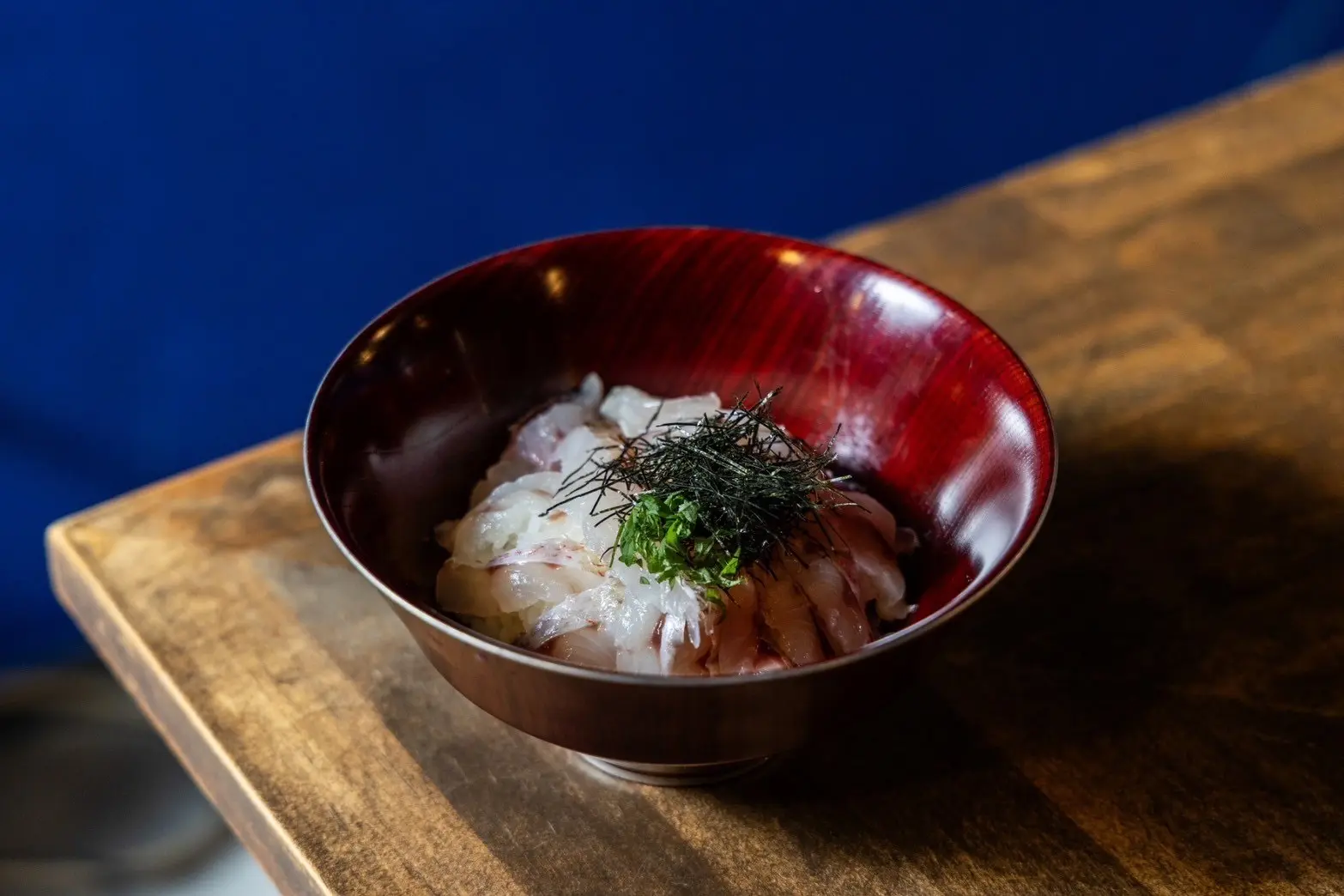
Aenokoto is a nodoguro rice bowl specialty restaurant in Kanazawa, Ishikawa Prefecture.
It’s located inside Tooryanse KANAZAWA FOODLABO, a food-stall village where several eateries gather.
Locals love it for its thick-cut domestic nodoguro (blackthroat seaperch), which you can enjoy with different toppings and preparation styles.
3. CRAFEAT
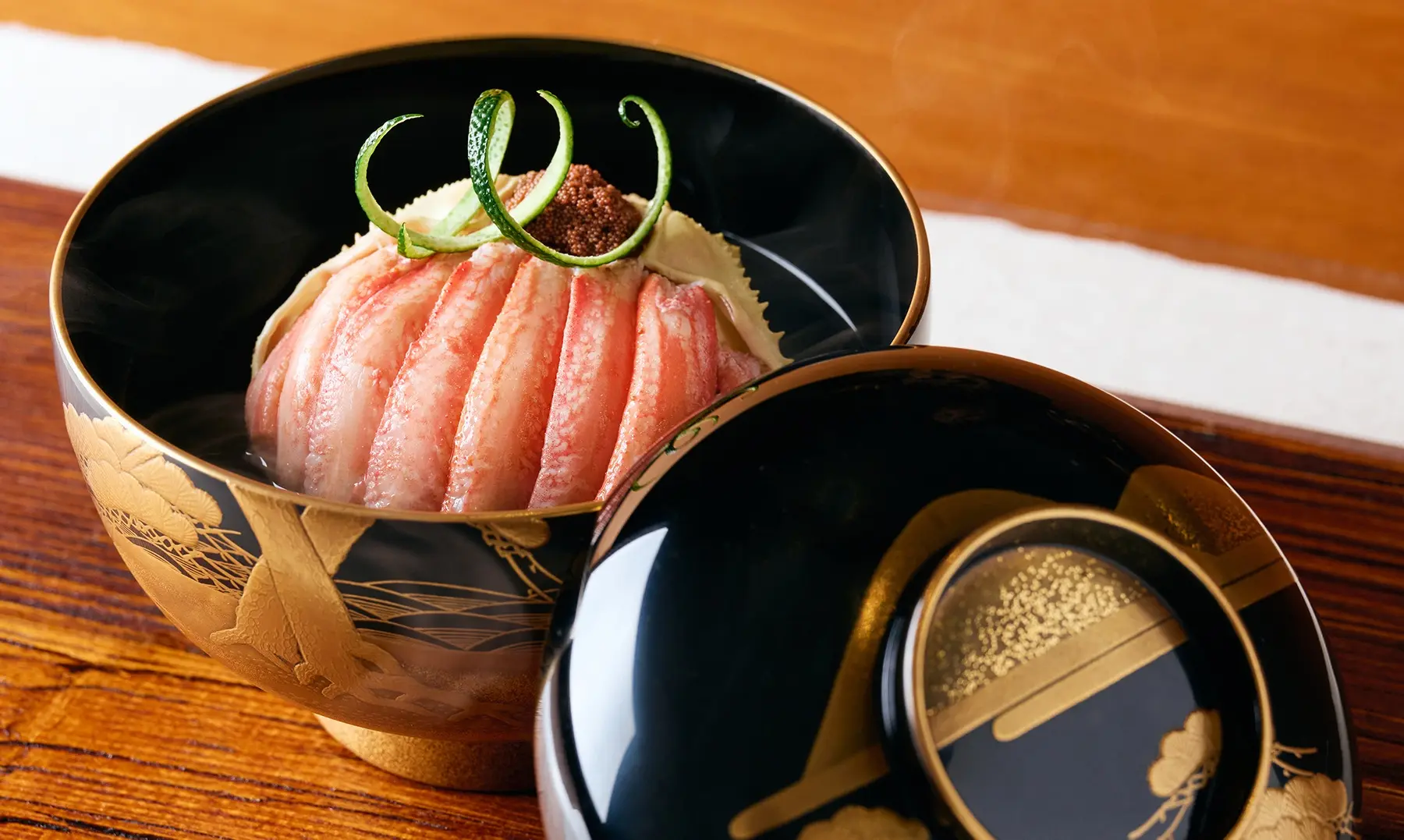
A restaurant run by Taya Shikkiten, a long-established Wajima lacquerware shop with over 200 years of history.
Just as the name combines “CRAFT” and “EAT,” it’s a new-style spot where you can enjoy both food and the appeal of craftsmanship at the same time.
The dishes served in the restaurant use Ishikawa’s signature crafts as tableware, including Wajima lacquerware, Kutani ware, Suzu ware, and Kanazawa gold leaf.
3 Recommended Places to Stay Near Myoryuji Temple
Near Myoryuji Temple, you’ll find accommodations that are convenient as a sightseeing base, with easy access to Kenrokuen Garden and the Korinbo area. From highly functional hotels to quality stays with a calm atmosphere, here are a few recommended options to consider along with your Myoryuji Temple visit.
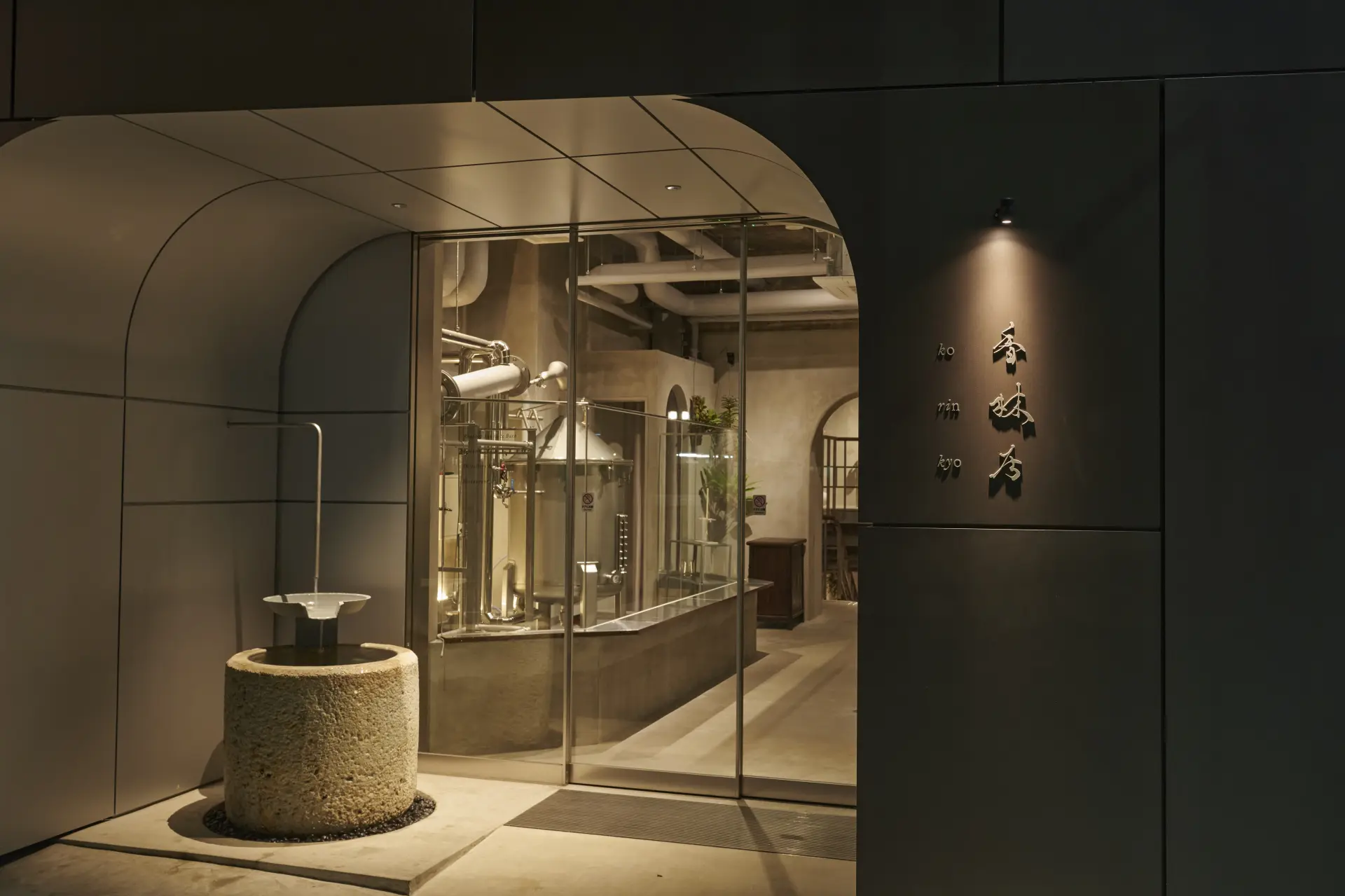
1. Korinkyo
Using forest materials harvested from Mt. Hakusan, the property includes a distillery that extracts essential oils; the moment you step inside, you’ll be soothed by the herbal steam scent produced during the process.
The 10-story building (with one basement level) was renovated from an avant-garde gallery building that once traded crafts from around the world.
It features interiors that reuse the original arched design elements and offers 18 guest rooms in total.
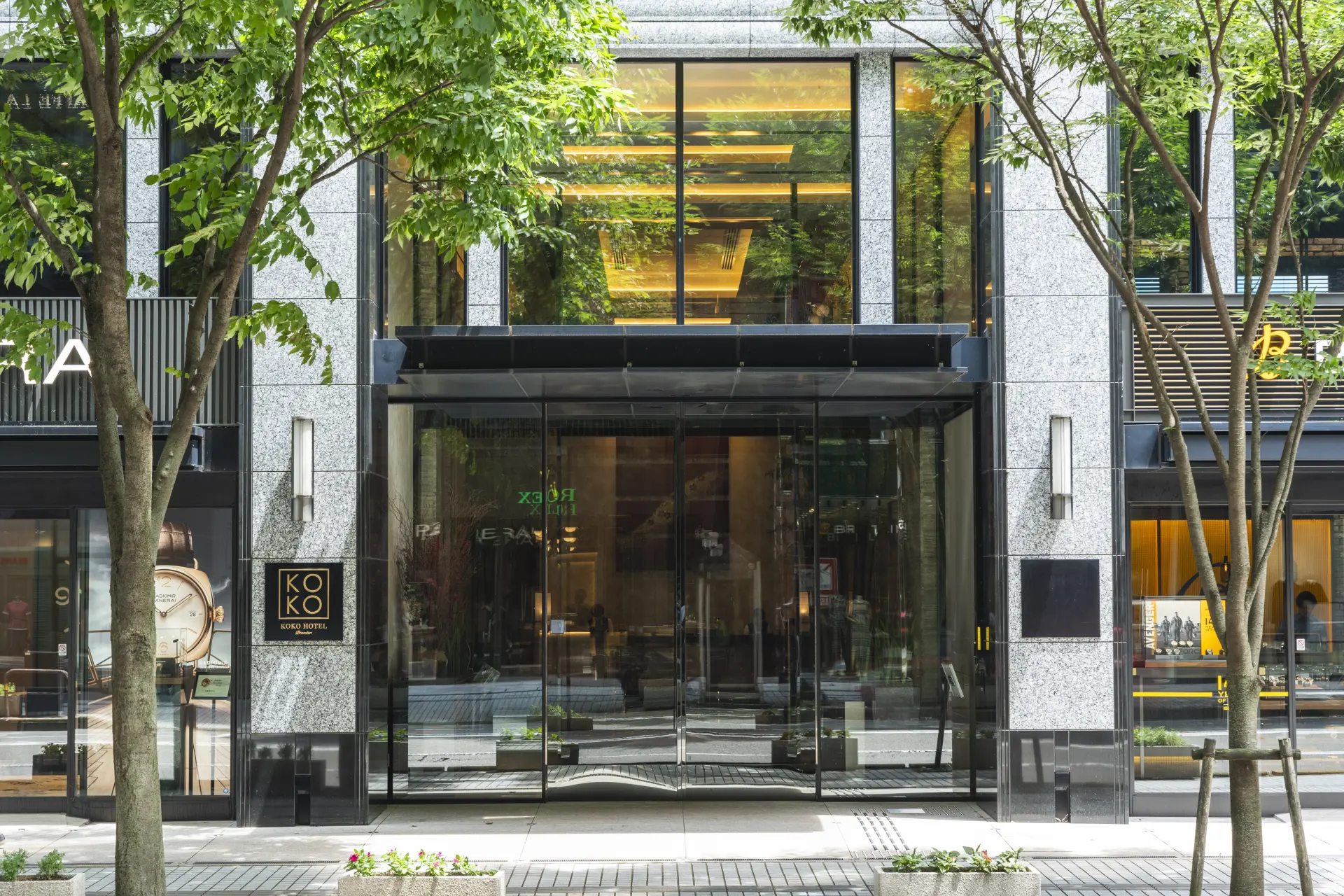
2. KOKO HOTEL Premier Kanazawa Korinbo
A hotel located in the heart of Korinbo, Kanazawa’s largest downtown area.
It sits along Hyakumangoku-dori, a main road for getting around central Kanazawa, and is Approx. 10 minutes from Kanazawa Station by bus.
With top sights like Kenrokuen Garden, the 21st Century Museum of Contemporary Art, Kanazawa, and the Nagamachi Samurai District within walking distance, it’s an excellent location.
3. Hotel Intergate Kanazawa
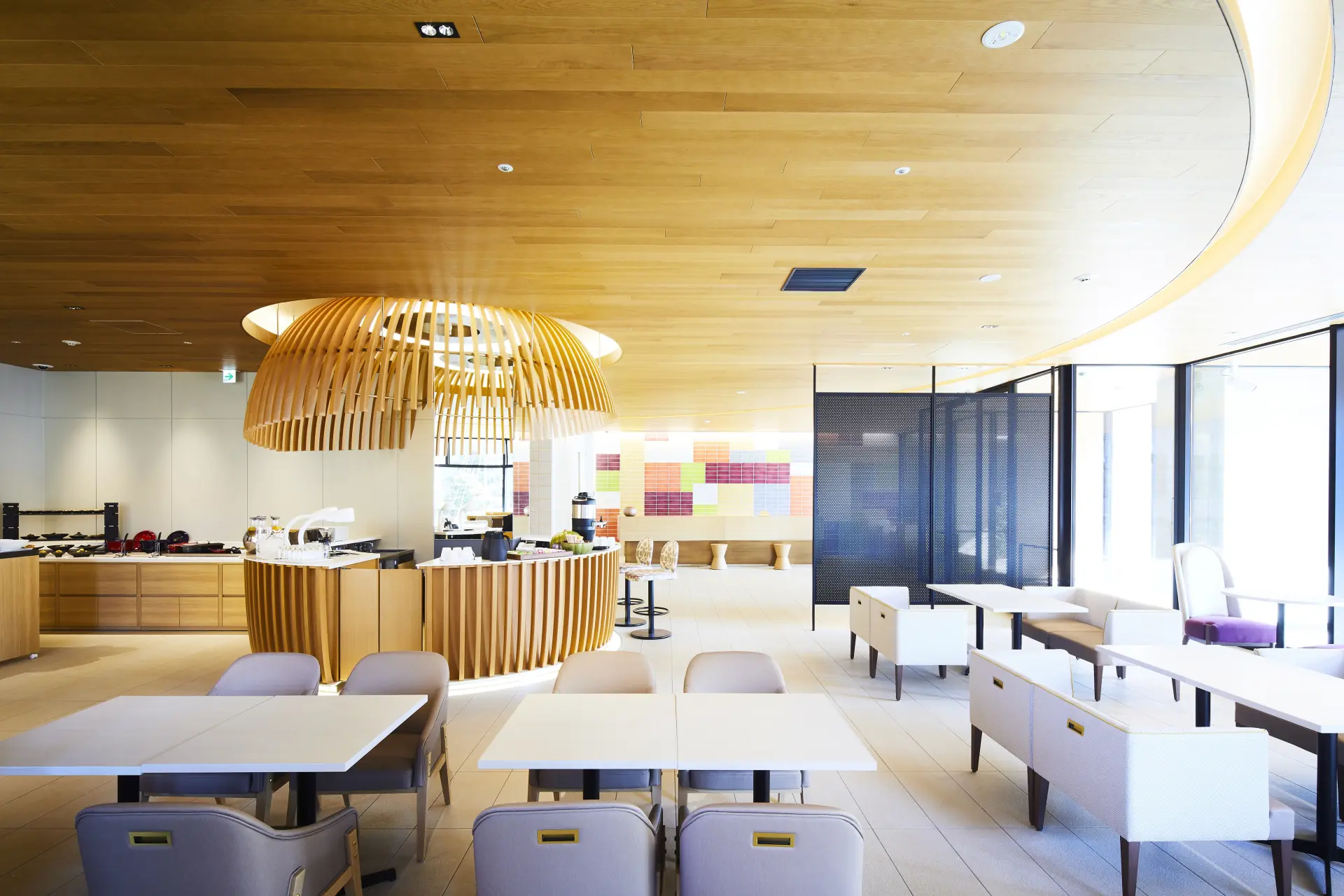
A hotel featuring design and services that incorporate Kanazawa’s traditional culture throughout the property.
It regularly hosts Kanazawa-style hands-on experiences such as painting “Kaga Hachiman Okiagari” dolls and painting “kokeshi wearing Kaga Yuzen,” providing a place that connects travelers with the local community.
The interior is unified with design elements inspired by tea whisks and “Kaga Goshiki” colors, bringing Kanazawa’s traditional culture into a modern space.
In the lobby, there’s a library introducing local crafts and food culture, creating an environment where you can learn about the area’s culture alongside your stay.
Reviews
3.58
Some reviews are AI-translated.
-
From the outside, it looks like it's only three stories tall, but inside there are actually seven floors! There are all kinds of hidden features designed to protect the lord from assassination. If you want to visit, you need to make a reservation by phone in advance.
FAQ about Myoryuji Temple
Q
Why does Myoryuji Temple have so many hidden tricks?
A
They were created to repel attacking enemies and protect Maeda Toshitsune.
Q
How much is admission to Myoryuji Temple?
A
1,200 yen for adults and 800 yen for elementary school students.
Summary
Myoryuji Temple’s tricks may be simple, but they’re cleverly designed—and you’re sure to be impressed.
If you visit after learning a bit about the history behind them and the key highlights, you’ll be able to enjoy Myoryuji Temple even more.
There are plenty of great sightseeing spots around Myoryuji Temple, so if you’re not sure where to go next, be sure to check out the next article as well.
An article that carefully selects and introduces Kanazawa’s sightseeing spots should help you plan your trip.