
![[Ueno Zoo Travel Guide] A Complete Look at the Highlights, Dining, and Gift Shops!](https://static.gltjp.com/glt/data/article/21000/20962/20250312_170116_2dde0011_w1920.webp)
[Ueno Zoo Travel Guide] A Complete Look at the Highlights, Dining, and Gift Shops!
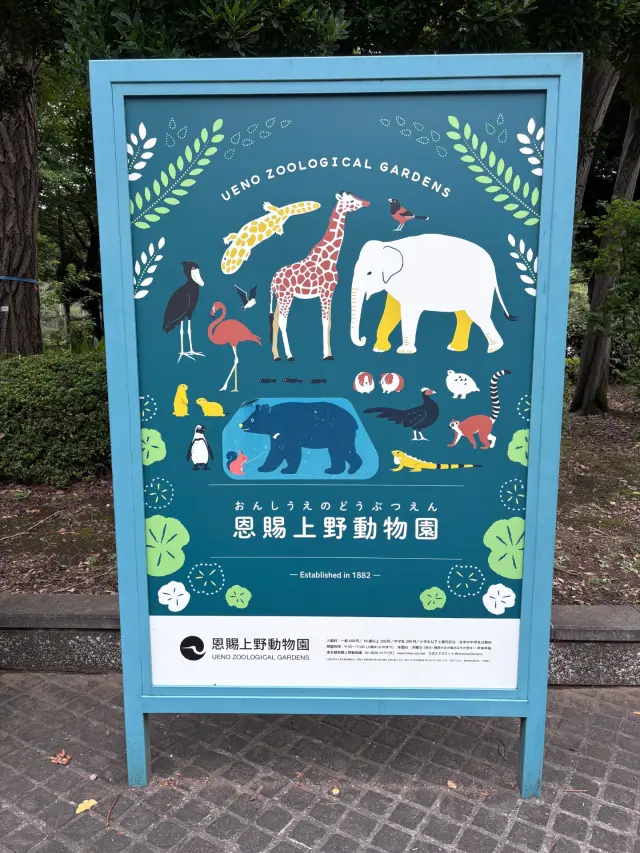
Ueno Zoo, which opened in 1882, is the oldest zoo in Japan.
Even though it is located in central Tokyo, it maintains a rich natural environment and is a popular spot where visitors can encounter a wide variety of animals.
It is also a place where you can experience ecosystems and culture while enjoying the charm of the animals, with plenty of highlights that both children and adults can enjoy.
This article introduces the basic information and details of each area of Ueno Zoo.
It is a complete guide packed with helpful information so even first-time visitors can make the most of their trip, so be sure to read to the end.
What is Ueno Zoo Like?
Ueno Zoo is located inside Ueno Park in Taito City, Tokyo.
It is the most visited zoo in Japan and a sightseeing spot where you can encounter about 3,000 animals from around 300 species gathered from all over the world.
The vast, greenery-filled grounds are divided into the East Garden and West Garden, where animals ranging from famous favorites to rare species are kept in environments close to their natural habitats.
No introduction to Ueno Zoo would be complete without its symbolic giant pandas. They arrived in 1972 to commemorate the normalization of diplomatic relations between Japan and China, sparking an unprecedented panda boom and becoming a social phenomenon.
Viewing of the two giant pandas ended on January 25, 2026, and they departed Ueno Zoo for a breeding facility in China on January 27.
In addition, Ueno Zoo is home to animals such as the fossa and aye-aye that can only be seen here in Japan, and the grounds are dotted with historic buildings, making it full of things to see.
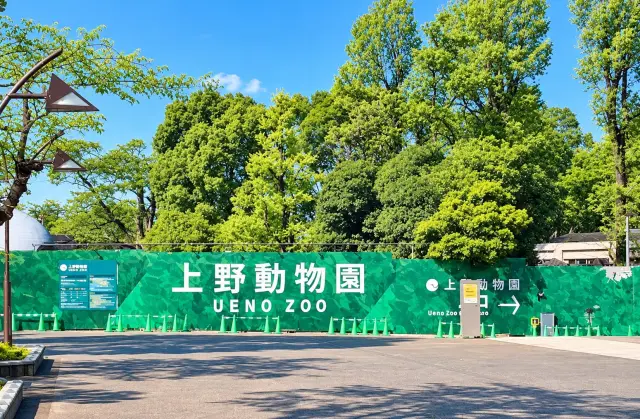
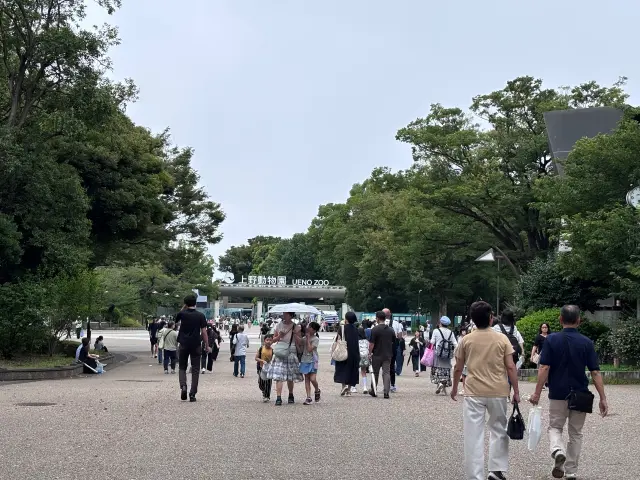
Access to Ueno Zoo
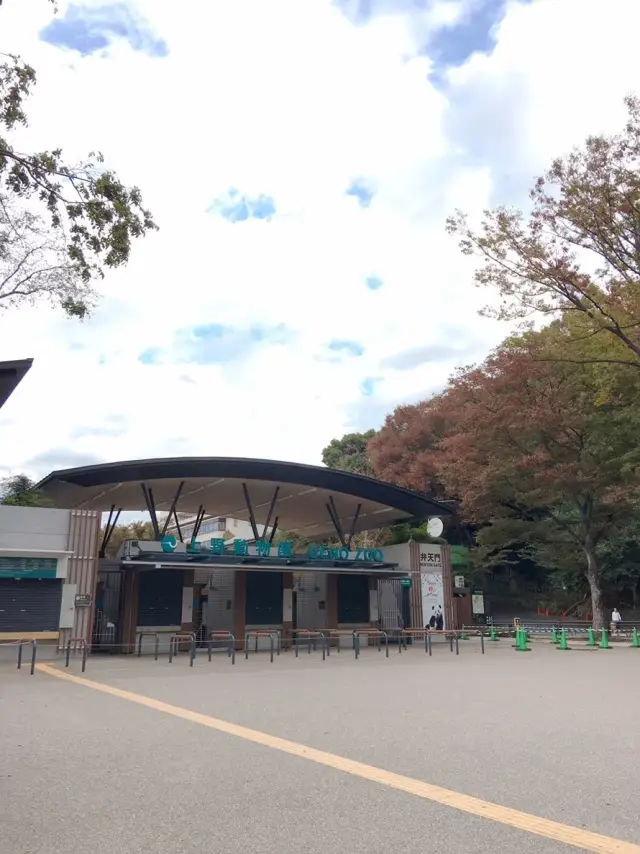
Ueno Zoo has three entrances: the Main Gate, Benten Gate, and Ikenohata Gate, all of which are just a few minutes on foot from the nearest station.
Since the best entrance depends on which animals you want to see and how you plan to get around, it is recommended to decide in advance which gate to use, with the information below as a reference.
The Main Gate, which is the easiest to reach by going almost straight after leaving the ticket gate, is also the most crowded.
| Entrance (Area) | Nearest station, ticket gate, and travel time | Animal exhibits near the entrance |
|---|---|---|
| Main Gate (East Garden) | Approx. 5-minute walk from the Park Exit ticket gate of JR Ueno Station | Elephants, polar bears, gorillas, etc. |
| Benten Gate (West Garden) |
・Approx. 5-minute walk from the Shinobazu Exit ticket gate of JR Ueno Station ・Approx. 4-minute walk from Keisei Ueno Station on the Keisei Line |
Aye-ayes, penguins, etc. |
| Ikenohata Gate (West Garden) | Approx. 5-minute walk from Nezu Station on the Tokyo Metro Chiyoda Line | Giraffes, hippos, rhinos, etc. |
*Ikenohata Gate opens and starts ticket sales at 10:00am.
Ueno Zoo Hours and Admission
Ueno Zoo’s hours and admission fees are as follows.
- Hours
-
9:30am–5:00pm (Last admission at 4:00pm)
*Subject to change. - Closed on
-
Mondays (or the following day if Monday is a national holiday), December 29–January 1
*Subject to change. - Admission
-
・Adults: 600 yen
・Ages 65 and over: 300 yen
・Junior high school students: 200 yen (free for junior high school students who live in or attend school in Tokyo)
・Elementary school age and younger: Free
*Free admission days: March 20, May 4, and October 1.
Free for junior high school students and younger on May 5, and free for visitors age 60 and over plus one companion from September 15–21.
*Information as of April 2026
How to Buy Tickets for Ueno Zoo
You can enter Ueno Zoo by purchasing a ticket at the ticket window located at each gate.
In addition to cash, some credit cards and e-money are also accepted.
Reservations are not required, and only same-day tickets are sold, but there may be a wait during busy times.
If you want to enter smoothly, you may also want to consider purchasing a date-specific online ticket in advance.
From the Official website (Japanese), enter your preferred visit date (up to 30 days before entry), ticket type, and required information, then complete payment to receive a ticket with a QR code.
You then save the ticket on your smartphone and show it to a staff member to enter.

What Is the Best Season to Visit Ueno Zoo?
If you are planning to visit Ueno Zoo, spring is especially recommended.
With its mild and comfortable temperatures, spring is a great time to watch the animals being active outdoors.
It is also the season when many animals give birth, so seeing adorable newborn babies is another highlight.
In addition, the 66 cherry trees of nine varieties planted throughout the zoo come into full bloom, creating a beautiful collaboration between the animals and the blossoms.
Ueno Park is famous for its cherry blossoms, so you can also enjoy hanami together with your zoo visit.

When Is Ueno Zoo Crowded?
Easy to access and popular with all age groups, Ueno Zoo stays busy throughout the year.
It tends to be especially crowded during spring break (from mid-March to late April), Golden Week (from late April to early May), and Obon (around mid-August).
Among these periods, March 20 and May 4, when admission is free, are the busiest days of the year.
It can also get crowded during events held around Ueno Park, such as autumn foliage and illumination events.
If you plan to visit during these periods, it is recommended to check the Official website (English), which shows crowd conditions in real time.

Main Highlights of Each Area of Ueno Zoo
Ueno Zoo is divided into two large areas, the East Garden and the West Garden, each with different animals, features, and attractions.
You can move between the two by crossing the central “Isoppu Bridge,” but the grounds are very large.
From here, we will introduce the main zones, highlights, and animals you can encounter in each area, so use it as a guide when planning your route.
For an efficient visit, it is recommended to explore while checking the zoo map.
Meet Classic Zoo Favorites Too! 5 Highlights of the East Garden Area
The East Garden Area, which is easy to access from the station through Ueno Zoo’s Main Gate, is the main area and always lively with visitors.
Its main appeal is the chance to see large and carnivorous animals that are classic zoo favorites, including gorillas, tigers, and polar bears.
It also features nocturnal animals (such as owls and bats), Japanese animals and wild birds (such as Ezo deer and Japanese squirrels), and various kinds of bears, making it especially rewarding to explore.
Here are the main zones and highlights of the East Garden Area.
1. Elephant Woods
Located in the center of the East Garden, Elephant Woods is one of the zoo’s most popular zones, where you can observe Asian elephants living comfortably in a spacious environment.
The area is divided into multiple facilities, including outdoor yards and indoor rooms, with various features designed to encourage the elephants’ natural behavior.
At present, three elephants live here together as a family, and depending on the timing, you may get to enjoy behaviors such as dust bathing, sleeping, and living together as a herd from many different angles.
Feeding time and bath time in the pool are especially exciting, as the elephants show off dynamic movements that delight visitors.

2. Bear Hill
Located in the center of the East Garden, beyond the Elephant Woods area, Bear Hill is a zone where you can observe several kinds of bears.
The long, narrow facility recreates natural habitats, and currently displays three species of bears with different body types and habitats.
Each one has its own highlights, from the white crescent marking on the chest of the Japanese black bear, to the regal presence of the brown bear, to the sun bear’s excellent climbing ability, and comparing them is part of the fun.
The winter booth, where you can observe hibernation, is also recommended.
The otters displayed in a small space are also adorable and popular.

3. Gorilla Woods and Tiger Forest
Located at the far end of the East Garden, Gorilla Woods and Tiger Forest is a vast zone inspired by a tropical rainforest environment.
The main displays are gorillas (western lowland gorillas) and tigers (Sumatran tigers), each kept in separate facilities.
In the gorilla zone, you can observe the social nature of gorillas living in groups, their interactions, parental leadership, and young gorillas playing.
Meanwhile, the Sumatran tiger is an endangered species whose wild population is declining, and its beautiful stripes and sharp gaze are major highlights.
If you are lucky, you may be able to observe valuable behaviors up close that are close to those seen in the wild, such as walking along the water’s edge or climbing trees with sharp claws.

4. Night Forest
Adjacent to Gorilla Woods and Tiger Forest, Night Forest is an indoor facility where you can observe nocturnal animals.
In 2023, the lighting system inside was completely renovated to create a reversed day-night environment that stays dark even during the daytime.
As soon as you step inside, a fantastical scene illuminated by numerous black lights unfolds before you.
One of the biggest attractions is seeing the unusual and active nighttime behaviors of animals that are not easy to observe under normal circumstances.
Especially impressive are the owls flying quietly through the darkness, the civets moving quickly around, and the bats darting through the air.
Enjoy this mysterious world of light and darkness, unlike any other area of the zoo.

5. Polar Bear and Seal Sea
Located on the north side of the East Garden near Isoppu Bridge, Polar Bear and Seal Sea is a zone where you can observe animals that live in the ocean and in cold regions.
It features spacious tanks and rocky areas, with polar bears, spotted seals, and sea lions as the main exhibits.
In the polar bear zone, you can enjoy seeing them move quickly underwater, swim with their large front paws, and roam freely on land through large glass viewing panels.
Meanwhile, the spotted seals are charming as they glide smoothly through the water and play around, and their active movements make them fun to watch for a long time.
While learning about the adaptability of animals from cold climates, you will also be able to fully appreciate their charm.

Meet Rare Animals! 5 Highlights of the West Garden Area
The West Garden Area, where Shinobazu Pond occupies about half of the grounds.
It is known for exhibits of rare animals that are not often seen, such as aye-ayes and shoebills.
It is also home to many lesser-known favorites, including hippos and amphibians and reptiles (such as Japanese giant salamanders and poison dart frogs).
Each zone recreates an environment close to nature, and another charm of the area is that every zone is distinctive and offers an enjoyable experience.
1. Panda Forest
Located in the center of the West Garden Area, Panda Forest is a giant panda facility that opened in 2020.
It recreates a habitat modeled after Sichuan Province in China, with trees, rocks, water features, and other details carefully designed so the giant pandas can live in an environment close to nature.
Panda Forest is scheduled to be preserved as it is in the future. The keeper notes that carefully recorded the births of Xiang Xiang, Xiao Xiao, and Lei Lei will also be stored for the long term, and both the facility and the materials are planned to be used again when giant pandas return to the zoo.

2. Aye-aye Forest
Located beyond the Benten Gate entrance near Shinobazu Pond and Ikenohata Gate, Aye-aye Forest is a zone that keeps a wide variety of animals native to Madagascar.
The most unusual of them is the aye-aye, which can only be seen in Japan at Ueno Zoo.
The interior is kept dark, allowing you to observe the nocturnal aye-ayes moving around naturally at close range.
One of the highlights is watching them tap tree trunks with their long fingers and skillfully eat their food. c
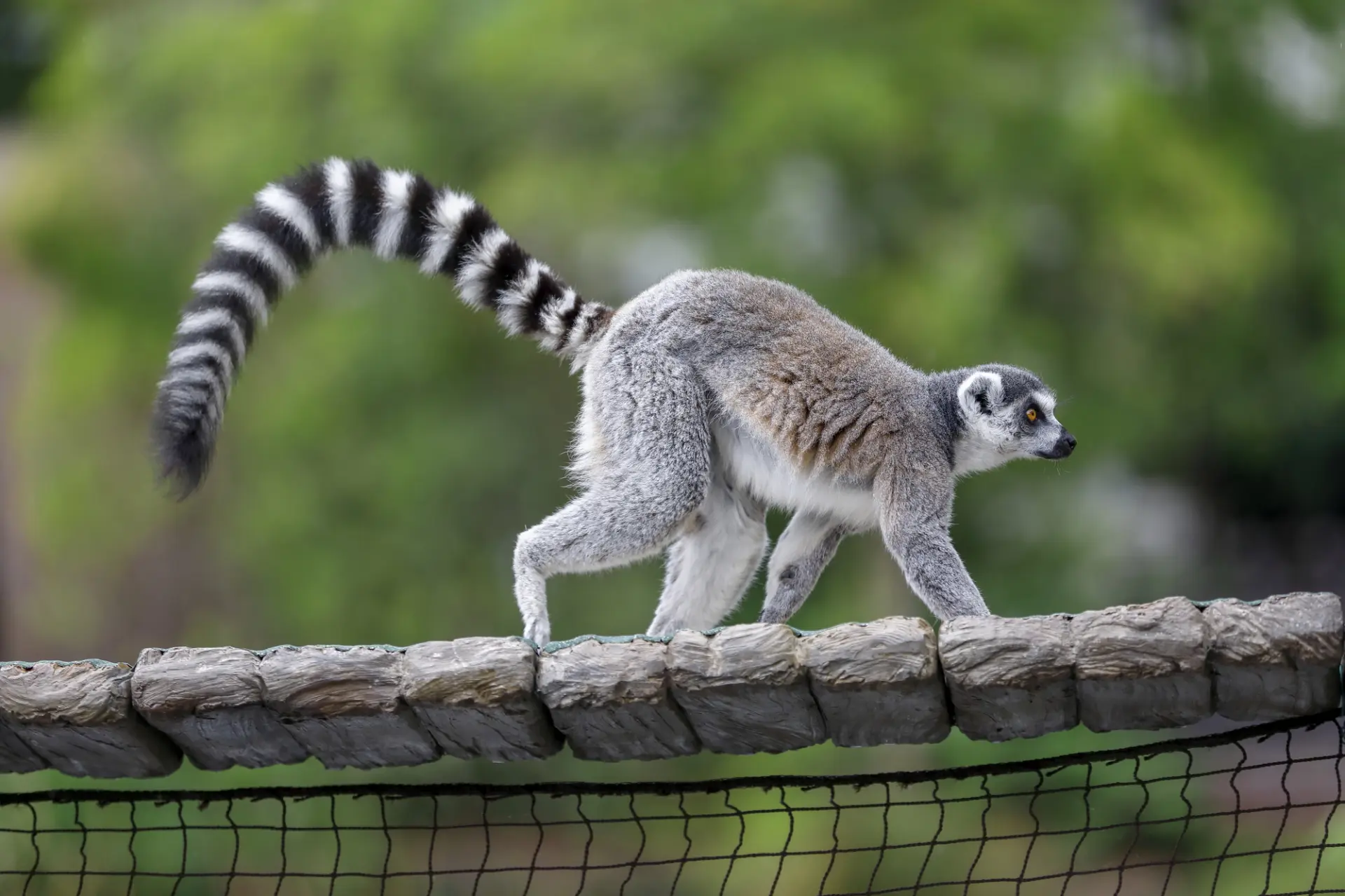
Rare species such as ring-tailed lemurs, radiated tortoises, and tufted capuchins are also exhibited, making it an appealing place to learn about this unique ecosystem.
You will be able to immerse yourself in the mysterious world of nocturnal animals.

3. African Animals
Located near Ikenohata Gate, African Animals is the main zone of the West Garden, displaying animals from Africa, South America, and Australia.
The spacious exhibition environment lets you enjoy their natural behavior while taking in the atmosphere of the savanna.
You can encounter large animals such as giraffes, rhinos, and hippos, as well as unusual animals like shoebills and collared peccaries.
There are plenty of highlights, including giraffes stretching their long necks to eat leaves and the beautiful stripes of zebras.
Above all, two of the world’s three great rare animals, the okapi and the pygmy hippopotamus, should not be missed.
Okapis in particular can only be seen at three places in Japan, and their distinctive pattern and ecology make them especially noteworthy.

4. Amphibian and Reptile House
Located to the right of the Ikenohata Gate entrance, the Amphibian and Reptile House lets you enjoy exhibits in a jungle-like atmosphere, with natural environments recreated in each section.
The building is designed as a vivarium, with humidity and temperature controlled year-round regardless of the season.
Its main appeal is the chance to closely observe amphibians and reptiles from around the world, including turtles, snakes, and frogs, displaying behaviors close to those seen in the wild.
Highlights include Galápagos tortoises weighing over 200 kg walking around and West African dwarf crocodiles slowly swimming through the water.
You can also take your time learning about animals with unique traits, such as chameleons, which are rare in Japan, and brightly colored frogs.

5. Children’s Zoo Step
Located just inside Ikenohata Gate, Children’s Zoo Step is a zone where children can learn kindness toward animals and the importance of life.
In addition to observing domestic animals such as goats, sheep, and chickens from up close, it also offers plenty of programs where children can learn about the care and ecology of small animals while having fun.
Especially popular is the hands-on experience with guinea pigs and rabbits (reservation required), where children can communicate directly by placing them on their laps and petting them gently.
Because families can safely encounter many animals here, it is a perfect place for those visiting with children.

The Highlights Aren’t Just the Animals! 3 Sightseeing Spots at Ueno Zoo
The highlights of Ueno Zoo go beyond the animal exhibits alone.
From seasonal scenery created by rich nature to buildings where you can feel the history and culture of Ueno, there are plenty of appealing sights to enjoy.
You can feel excited watching the lively animals, or relax and enjoy the calm, quiet atmosphere while strolling around or sitting on a bench.
Below are some specific spots to check out, so be sure to enjoy the attractions beyond the animal exhibits as well.
1. Shinobazu Pond
As mentioned above, nearly half of the West Garden Area of Ueno Zoo is occupied by Shinobazu Pond.
Of the pond’s three sections, the Cormorant Pond spreads across the south side of the area and offers different scenery in each season.
One of the charms of Shinobazu Pond is that many waterbirds and other creatures live there, allowing visitors to feel the harmony between animals and nature.
The summer view, when lotus flowers bloom across the entire pond, is especially spectacular and lets you refresh yourself away from the bustle of the city.
In winter, migratory birds such as Eurasian coots and black-headed gulls arrive, making the area feel even livelier.
It is also recommended to take a break and enjoy some birdwatching as you observe the birds reflected on the water’s surface.

2. Former Kaneiji Temple Five-Story Pagoda
Rising immediately to the left after entering through the Main Gate in the East Garden Area is the Former Kaneiji Temple Five-Story Pagoda.
This five-story pagoda was built in 1631 and is one of the Edo-period (1603–1868) structures that remain in Ueno Park.
Designated as an Important Cultural Property of Japan, it captivates visitors with its traditional beauty and historical value.
The striking 32-meter vermilion tower stands out within the zoo, harmonizing beautifully with the surrounding greenery.
Visitors cannot enter the interior, but it can still be fully appreciated from the outside.
In autumn, it is also popular as a photo spot thanks to the beautiful contrast with the fall foliage.

3. Kankantei
Standing on the northwest side of the East Garden near the Sumatran tiger exhibit, Kankantei is a traditional Japanese tea house.
It was originally built to entertain Tokugawa Iemitsu, the third shogun of the Edo shogunate, and was rebuilt in 1878.
It still retains the atmosphere of a former resting place for shoguns and Kaneiji Temple monks, making it a spot where you can feel the breath of history alongside scenery that changes with the seasons.
Here, you can spend a peaceful moment in a quiet setting that contrasts with the lively atmosphere of the zoo.

Dining Spots Inside Ueno Zoo You Should Know in Advance
Currently, Ueno Zoo has four dining spots in total, with two each in the East Garden and West Garden areas.
Below is an introduction to where each one is located, what makes it special, and what kind of food you can enjoy there.
They tend to get crowded at lunchtime and on weekends and holidays, so it is recommended to decide in advance where you want to go.
1. Saruyama Kitchen
Located right in front of the Monkey Mountain zone in the East Garden Area, Saruyama Kitchen is a fully indoor, two-story restaurant with a free rest area attached.
In addition to Japanese dishes such as rice bowls and udon, it also offers kid-friendly menu items like curry and hamburg steak.
Recommended items include the “Beef or Kenchin Udon” with panda-shaped fish cake and the “Sarumann” monkey buns (a set of two with red bean paste and custard filling) featuring a monkey illustration.
These are unique to Ueno Zoo, and besides being tasty, they also make for memorable treats.
Another appeal is being able to enjoy your meal while looking out at the Japanese macaques.

2. Birdsong
Birdsong is a fast-food shop located in the East Garden Area, right next to the Polar Bear and Seal Sea zone.
It sells light meals such as chicken curry sets and churros, along with a variety of drinks.
Since it is takeout only, it is recommended to enjoy your food on one of the nearby benches or at the nearby wisteria trellis rest area.
A popular menu item is “Experience! Panda Dango,” which lets you feel like a panda.
It is inspired by the snack giant pandas eat, but arranged as dumplings for people, with a mildly sweet flavor and pleasantly chewy texture.
On hot summer days, the original Ueno Zoo “Panda Milk Ice Cream” is also recommended.

3. Cafe Chameleon
Located by the shore of Shinobazu Pond in the West Garden Area, Cafe Chameleon is a fast-food shop selling light meals such as hamburgers and frankfurters, along with drinks.
It is takeout only, but terrace seats and benches are set up nearby, making it a perfect place to take a short break during your visit.
The terrace seating in particular is an excellent viewpoint overlooking Shinobazu Pond, where you can enjoy the songs and flight of migratory birds while eating.
A recommended item is the Ueno Zoo-exclusive “Bamboo-Wrapped Panda Bento.”
When you unwrap the bamboo covering, you will find an adorable panda face made with ingredients such as shiitake mushrooms and black beans on top of seasoned rice.

4. West Garden Rest Area
West Garden Rest Area is a self-service food shop located in front of the Small Mammal House in the West Garden Area.
It mainly serves Western-style dishes such as spaghetti and omurice, along with sweets like cheesecake and mont blanc.
Popular menu items include the “Creamy Egg Omu-Hayashi Rice” and “Sangen Pork Fillet Cutlet Curry,” both loved by visitors of all ages.
Both are hearty original dishes unique to Ueno Zoo.
The area around it is surrounded by animal enclosures, so if the animals are outside, one of its charms is that you can enjoy your meal surrounded by giraffes, hippos, and rhinos.

Take Home Original Goods! Gift Shops Inside Ueno Zoo
There is one gift shop in each of the East Garden and West Garden areas inside the zoo.
Both are well stocked with items unique to Ueno Zoo, making them fun to browse even if you are just looking around.
There are also many high-quality items with carefully designed details, so you are sure to find great souvenirs both for yourself and as gifts.
Below is an introduction to where the shops are and some recommended items.
1. Gift Shop Little Trunk
Little Trunk is a gift shop located in the center of the East Garden Area, in front of the Asian elephant exercise area.
The name comes from combining two meanings, “elephant trunk” and “luggage compartment,” and the shop offers a wide range of original goods including stuffed animals and key chains.
As expected, giant panda-related products are especially popular.
Recommended items include various “Panda Plushies” carefully recreated down to the smallest detail based on their size after birth, and the soft “Blanket Ueno no Panda” featuring all five pandas together.
There is also a wide selection of stationery and sweets that make perfect souvenirs or gifts, so even visitors who prefer other animals will enjoy shopping here.

2. Gift Shop Petit Chameleon
Petit Chameleon is a gift shop located in the West Garden Area beside the Shinobazu Pond Terrace.
Like Little Trunk, it carries a wide range of goods, including plenty of everyday items such as socks, clear folders, and zipper bags.
In particular, it offers many original products inspired by the animals that are popular inside the zoo.
Recommended items include the “Shoebill Charm,” loved for its adorable expression, and the long-selling “Panda Cookies in a Tin,” known for its cute design.
The “100-Piece Jigsaw Puzzle Ueno Zoo,” which gathers the zoo’s animal friends in a layout inspired by the zoo grounds, is also unique and makes a perfect souvenir.

Facilities and Services for Families with Small Children
Many people planning a family visit to Ueno Zoo may be wondering about child-friendly facilities.
Throughout the zoo, there are facilities and thoughtful services that are helpful for families with small children, so you can enjoy your visit with peace of mind.
Here are some of the convenient services available.
Stroller Rental
At Ueno Zoo, strollers (type-B strollers with a reclining function) are available for rent near the entrance of each area.
They can also be used to carry belongings when a child is not riding in them, but since they can make moving around difficult when the zoo is crowded, please decide whether to rent one depending on the situation.
If you have a large stroller or suitcase, you can also leave it in the large coin lockers for oversized baggage near the rental area. *There is no stroller parking area.
Details of the stroller rental service are as follows.
- Rental location
- East Garden: In front of the Main Gate, West Garden: In front of Benten Gate
- Return location
- East Garden: In front of the Main Gate, West Garden: In front of Benten Gate, Ikenohata Gate
- Admission
- 500 yen per stroller per day
- Number available
- 400
- Eligible age
- Approx. 7 months to around 4 years old (Approx. 18 kg) *Only for children who can hold up their own head

Baby Rooms
There are a total of three baby rooms (nursing rooms) inside the zoo as follows, all equipped with nursing chairs, hot water for formula, and baby beds.
- East Garden
-
Inside Saruyama Kitchen (free rest area)
*Women-only space available - West Garden
-
・Immediately to the left of the Benten Gate entrance *Women-only space available
・Inside the West Garden Rest Area (free rest area) *Men may also use it when no women are using it
In addition, except for some men’s restrooms, baby beds for diaper changing are installed in the restrooms throughout the zoo.
If you are not sure where the nursing rooms, outdoor chairs and tables, first-aid room, or general information center are, check the zoo map.

3 Nearby Attractions to Visit Together with Ueno Zoo
Finally, here are some recommended museums and a shopping street around Ueno Station.
All of them are popular spots representing Tokyo, where you can enjoy art, shopping, and street food.
Be sure to visit them together with Ueno Zoo and make your sightseeing experience even more fulfilling.
1. Tokyo National Museum
The Tokyo National Museum, founded in 1872, is the oldest museum in Japan.
It consists of six exhibition buildings in total: the Honkan (Japanese Gallery), Toyokan (Asian Gallery), Gallery of Horyuji Treasures, Heiseikan, Hyokeikan, and Kuroda Memorial Hall. It houses Japanese and Asian artworks and archaeological artifacts.
The collection numbers about 120,000 items, including 89 National Treasures and 646 Important Cultural Properties.

2. Tokyo Metropolitan Art Museum
Known for its distinctive brick-colored tiled building standing in Ueno Park, this museum has served as a hall of art since it opened in 1926.
It hosts many exhibitions, including special exhibitions featuring masterpieces from Japan and abroad, independently planned exhibitions, and open-call exhibitions.
It also has excellent restaurant and museum shop facilities.

3. Ameyoko Shopping Street
This shopping street, affectionately known as “Ameyoko,” stretches for about 500 meters between JR Ueno Station and JR Okachimachi Station and is lined with about 400 shops. It brings together stores from many different categories, including food, sweets, clothing, miscellaneous goods, and jewelry.
There is also a wide variety of street food, making it a fun destination for food-focused sightseeing as well.

3 Popular Restaurants Near Ueno Zoo
Around Ueno Zoo, you will find a selection of popular dining spots that are easy to stop by during your walk.
There is a wide range of options, from casual lunches and local specialty dishes loved by the community to cafes where you can take a relaxing break.
Choose one that suits your mood that day.
1. Obon de Gohan Ueno
This stylish restaurant, with an interior like a chic cafe and views of Ueno Station outside the windows, serves healthy Japanese meals.
Its set meals are especially popular, allowing you to choose both the main dish and the type of rice.
Not only is the food delicious, but the sweets are also famous for their high quality, so it is well worth visiting as a cafe just for dessert.

2. EVERYONEs CAFE
A cafe that opened in July 2022 inside Ueno Park, Japan’s first urban park.
The food menu focuses on dishes made with plenty of seasonal ingredients, along with “Edomae ingredients,” “Tokyo vegetables,” and “Edo vegetables.”
The lineup is extensive, including garden plates where you can choose either a meat or fish main dish, as well as pasta, curry, and sandwiches.

3. Hantei Nezu
Located in a corner of Nezu, a neighborhood where the present and the past coexist, Hantei Nezu has a unique appearance that blends old and new, as if expressing the character of the area itself, with glimpses of an old building seen through gaps in a modern iron fence.
Inside this atmospheric restaurant, you can enjoy a variety of kushikatsu prepared with great care for both the frying oil and the ingredients.
The head chef carefully selects the ingredients, and the kushikatsu are expertly fried by skilled cooks in a blend of four kinds of oil, resulting in a flavor that is light yet rich.

3 Recommended Places to Stay Near Ueno Zoo
Here are some especially recommended hotels among the accommodations scattered around Ueno Zoo.
Each one lets you feel the charm of the Ueno area, making your stay an even more memorable part of your trip.
1. Mitsui Garden Hotel Ueno
Just a 2-minute walk from Ueno Station, this hotel is popular as a sightseeing base thanks to convenient connections to major train lines and easy access to popular destinations such as Asakusa and Akihabara.
Among its 242 guest rooms, the panda-themed rooms inspired by Ueno Zoo’s beloved stars are especially recommended.
With panda designs featured throughout the room on items like coffee cups, cushions, and shower curtains, this hotel offers a uniquely charming way to enjoy them.

2. NOHGA HOTEL UENO TOKYO
NOHGA HOTEL UENO TOKYO is a lifestyle hotel that values connections with Ueno’s culture and people.
Located about Approx. 3 minutes on foot from JR and Tokyo Metro Ueno Station, it is an ideal base for both sightseeing and business, and a great place to experience the appeal of Tokyo more deeply.
The guest rooms display photos capturing scenes of Ueno, works by Japanese artists, and ukiyo-e. They also feature highly functional layouts with separate bath and toilet areas in a shower booth style, creating a comfortable stay.

3. Sato san’s Rest
This guesthouse is run by a former backpacker couple and is popular for its warm, homey service.
Located in the nostalgic downtown arcade known as Joyful Minowa Shopping Street, it also offers the chance to experience the atmosphere of old-fashioned Japan.
On the first floor, there is a reception area with a traditional earthen floor and a shared Japanese-style room covered with tatami mats, both of which guests are free to use.
The Japanese-style room also has Wi-Fi, making it a comfortable place to enjoy a meal, relax, or spend time interacting with other guests as you like.


Reviews
Some reviews are AI-translated.
-
When visiting Ueno Park in Tokyo, of course you can’t miss Japan’s first zoo—Ueno Zoo! Although the zoo isn’t very large, admission is affordable, and the grounds are well maintained and pleasant. It’s a great place to bring children for a walk and see all kinds of cute animals. The zoo is divided into the East Garden and West Garden, with a bridge connecting them, and walking along the way is enjoyable too.
If you have enough time, you can spend half a day or even a full day exploring at a leisurely pace, taking breaks along the way without feeling rushed at all. For a family trip, it’s a great place to take the kids! The main reason for visiting Ueno Zoo this time was to see the adorable pandas. Just thinking about them felt so soothing!
Overall, the surroundings are beautiful, it’s easy to get to, and you can see many animals all in one place. It’s well worth adding to your Tokyo itinerary.
-
-
If you're visiting Tokyo, consider making time for a stroll around Ueno Zoo. Opened in 1882, this zoo is located in central Tokyo, so you can enjoy seeing all kinds of animals up close without traveling far〜 It always attracts many locals on holidays and is not only a popular spot for families with children, but also a nice place for a date.
The zoo's two extremely popular pandas were returned to China in January 2026 when their loan period ended, and many fans came to say goodbye.
-
-
Ueno Zoo has a spacious grounds and is home to a wide variety of animals from around the world. As you stroll through, you can observe different species and their behaviors up close.
The setting is comfortable and full of greenery, making it great for a relaxing walk and a bit of time in nature. It’s a popular Tokyo spot that’s definitely worth visiting.
-

FAQ about Ueno Zoo
Q
How much time does sightseeing at Ueno Zoo take?
It depends on how you want to explore and which animals you want to see, but many people stay for about 1 hour 30 minutes to 3 hours 30 minutes.
Q
When is Ueno Zoo crowded?
It gets crowded during spring break, Golden Week, and the Obon holiday period. In particular, March 20 and May 4, when admission is free, are extremely crowded, so please be careful.
Summary
This article has introduced the ways to enjoy Ueno Zoo, the first zoo in Japan, focusing on its attractions and the highlights of each area.
The spacious grounds are home to about 3,000 animals from around 300 species, so there is no shortage of things to see.
Another part of its appeal is that the animals show different expressions, behaviors, and growth depending on the season and timing, so every visit brings new discoveries.
With easy access and affordable admission, Ueno Zoo is definitely worth visiting at least once.
Be sure to also read the article below, which brings together popular sightseeing spots and recommended shopping areas in Ueno, and make the most of your trip.