

A Travel Guide to Tsuruga Castle, Where You Can Experience the History and Culture of Aizuwakamatsu
Tsuruga Castle is a symbol of Aizuwakamatsu City in Fukushima Prefecture.
Its reconstructed castle tower, tea room, and various historic remains recreate the era when samurai were active, making it a great place to experience the history and culture of Aizuwakamatsu.
The natural scenery is also beautiful in every season, so you can enjoy its many different faces throughout the year.
This article introduces the highlights of Tsuruga Castle and covers everything you should know to fully enjoy its charm.
What is Tsuruga Castle Like?
Tsuruga Castle is located in the center of Aizuwakamatsu City, Fukushima Prefecture.
Its official name is “Wakamatsu Castle,” but locals more commonly call it Tsuruga Castle, and because it is located in Aizuwakamatsu, it is also sometimes called “Aizuwakamatsu Castle.”
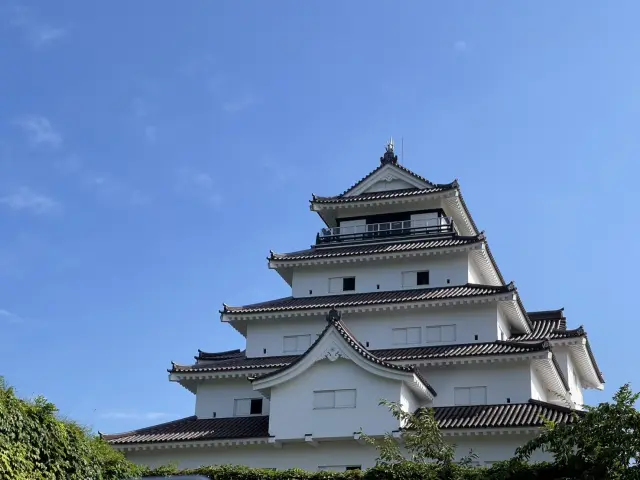
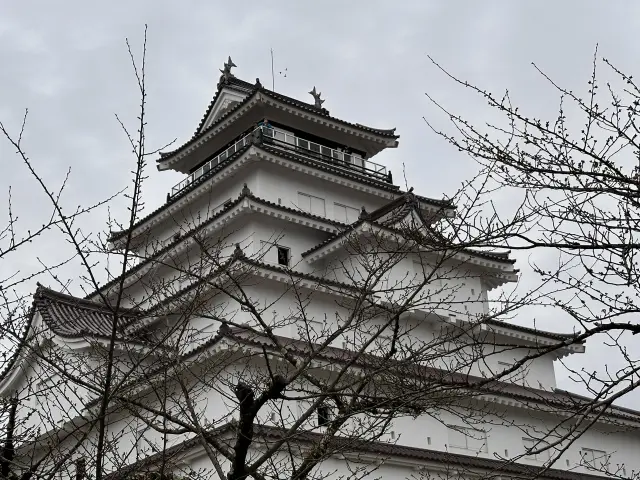
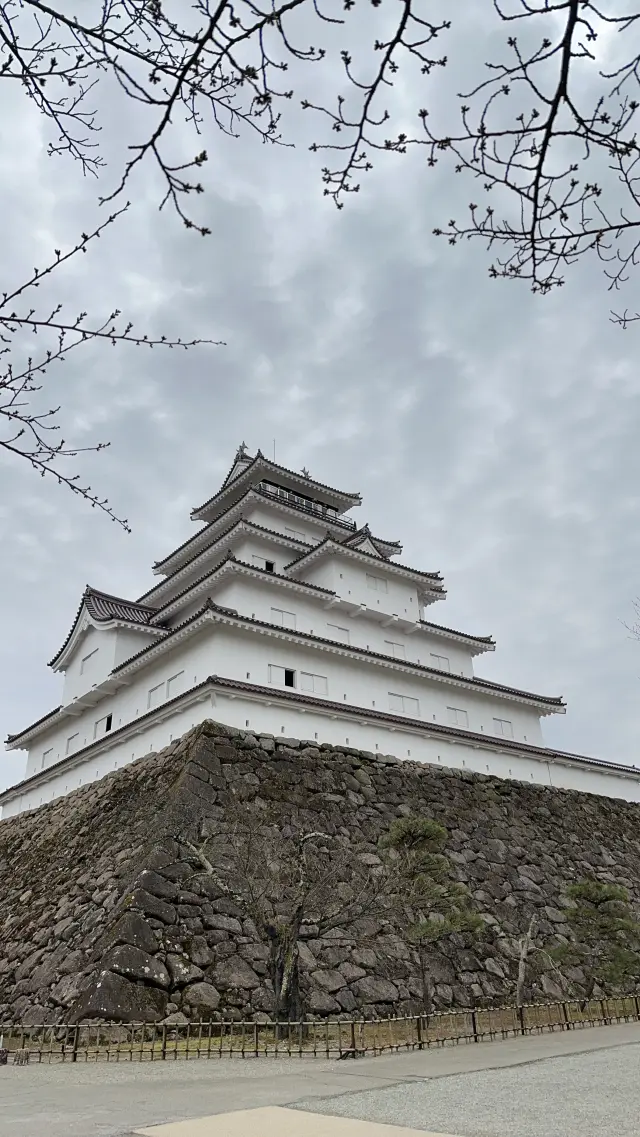
The contrast between the white plaster walls and red roof tiles of its castle tower is striking and attracts many visitors.
The area around the castle tower has been developed as Tsuruga Castle Castle Ruins Park, and it is also known as a famous spot for cherry blossoms and autumn leaves.
In spring, Approx. 1,000 cherry trees bloom in full glory, while in autumn, vivid fall foliage colors the castle grounds. In winter, the castle is wrapped in snow, creating a magical scene, making this a spot where you can enjoy different charms in every season.
The park is also home to a variety of facilities, including the tea room “Rinkaku,” a museum shop, and a cafe.

History of Tsuruga Castle
The origins of Tsuruga Castle date back to “Higashikurokawa Residence,” built in 1384 by Ashina Naomori, who ruled the surrounding area.
Later, during the Sengoku period (1467–1615), power struggles unfolded, and in 1590, Date Masamune, the warlord who ruled Aizu, built a full-scale castle complete with stone walls and moats. In 1593, the castle tower was completed, and the castle was named Tsuruga Castle.
During the Boshin War, which broke out at the end of the Edo period (1603–1868), the Aizu Domain, which ruled what is now the Aizu region, fought as a central force on the side of the former government.
In August, Aizu became a battlefield, and after a month-long siege at Tsuruga Castle, the domain surrendered.
The buildings other than the stone walls were demolished under the policy of the new government, but thanks to the passion of local citizens, the castle tower was rebuilt in 1965. Later, the tea room and corner turret were also restored, and the roof tiles of the castle tower were changed to the original red tiles.
Access to Tsuruga Castle
The nearest station to Tsuruga Castle is JR Aizuwakamatsu Station. You can walk from the station, but it takes 30 to 40 minutes, so taking the bus is recommended.
From the bus stop in front of the station, take the “Machinaka Loop Bus Haikara-san” and get off at the “Tsurugajo Iriguchi” bus stop. From there, it is a 5-minute walk. The trip from the station to Tsuruga Castle takes Approx. 25 minutes.
The retro-style vehicle of the “Machinaka Loop Bus Haikara-san” is also part of the charm.

Admission and Hours at Tsuruga Castle
Admission to Tsuruga Castle Castle Ruins Park is free, but the following admission fees apply for the castle tower and the tea room “Rinkaku.”
- Rinkaku Tea Room Combined Ticket
- 520 yen
- Adult
- 410 yen
- Child
- 150 yen
You can also purchase advance tickets on a smartphone or other device. This is recommended if you want to enter the castle smoothly.
Please refer to the table below for the castle tower’s hours and closed days.
- Hours
- 8:30 am–5:00 pm (Last admission at 4:30 pm)
- Closed on
- Open daily
Seasonal Highlights and Attractions of Tsuruga Castle
With so much to see, Tsuruga Castle shows a different side in every season.
Use the guide below to find the best way to enjoy it at that particular time of year.
Spring at Tsuruga Castle, Where Cherry Blossoms and Historic Architecture Create a Beautiful Scene
In spring, Approx. 1,000 Somei Yoshino cherry trees bloom in full glory, giving Tsuruga Castle the look of one of Japan’s great cherry blossom spots.
The castle tower seen through the cherry blossoms is especially beautiful, creating a scene full of Japanese charm.
From mid to late April, when the blossoms are at their best, the “Tsuruga Castle Sakura Festival” is held. After sunset, one of the largest illuminations in eastern Japan takes place.
You can enjoy magical scenery, including the illuminated corridor bridge with cherry blossoms and the moat reflecting the lit-up blossoms on its surface.
Along with the wide variety of events held during the festival, be sure to enjoy these beautiful cherry blossoms, which have earned the site a place among Japan’s “100 Best Cherry Blossom Spots.”
-

The castle tower seen through the cherry blossoms
-

Fantastical illuminated cherry blossom trees
Summer at Tsuruga Castle, Highlighted by Events That Let You Feel the History of Aizuwakamatsu
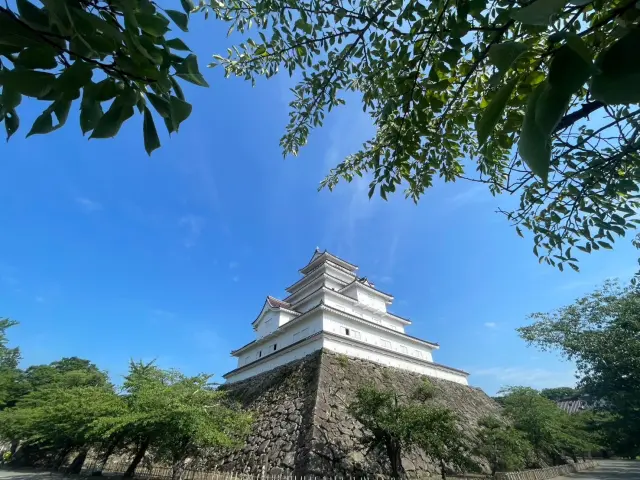
At Tsuruga Castle in summer, surrounded by lush green trees, the red roof tiles stand out vividly against the blue sky.
Even during the hottest season, the shade of the trees in Tsuruga Castle Castle Ruins Park offers a pleasantly cool break.
The “Aizu Festival,” held every September, is also an event you should definitely join if your timing works out.
It is Aizu’s biggest festival, with a variety of events held over three days.
The biggest highlight is the “Aizu Domain Lord Procession,” held on the final day.
People dressed as feudal lords, samurai, and others from the late Edo period march through Aizuwakamatsu City, and a departure ceremony is held at Tsuruga Castle Castle Ruins Park.
Combined with sightseeing at Tsuruga Castle, it offers a great opportunity to experience the history and culture of Aizuwakamatsu more deeply.

Autumn at Tsuruga Castle, Colored by Fall Foliage
From October to November each year, the trees across the grounds turn brilliant shades of color.
The beautiful contrast created by the castle tower’s white walls and red roof tiles, golden ginkgo trees, and crimson maples is spectacular.
If you visit during the fall foliage season, enter the castle grounds from the Kitademaru area.
Along Kitademaru Odori, which leads to Kitademaru, historic-looking buildings line the street beside colorful trees, creating a distinctly Japanese atmosphere.
Beyond that, the path continuing from Kitademaru is also filled with autumn leaves, allowing you to fully enjoy the charm of Tsuruga Castle in fall.
It is also recommended to visit after sunset, when the castle tower and autumn leaves are illuminated.
-

Tsuruga Castle surrounded by autumn-colored trees
-

The illuminated castle tower and fall foliage
Winter at Tsuruga Castle, with Magical Scenery of Snow and Light
In winter, you can see scenery unique to a castle in Aizuwakamatsu, an area known for heavy snowfall.
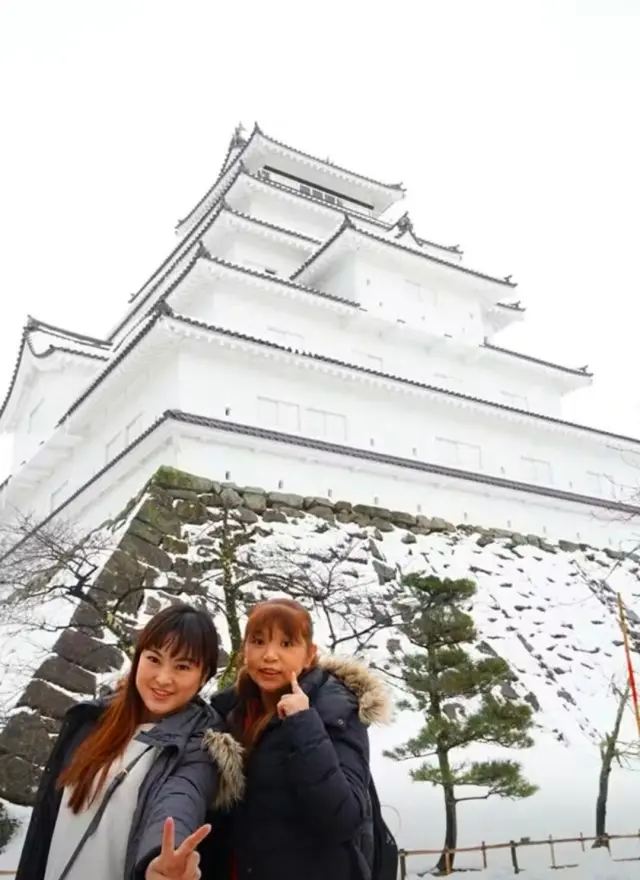
Tsuruga Castle covered in snow is as beautiful as a painting. The sight of white snow piled on the red roof tiles creates a special view unlike that of any other castle.
On top of that, two events are held in winter that let you enjoy even more magical scenery.
Hikari no Mori Museum Aizu Terrace
“Hikari no Mori Museum Aizu Terrace” is an illumination event usually held from February to March each year.
Not only are the grounds decorated with illuminations, but the snow-covered castle tower is also lit up.
Enjoy this collaboration between illuminations and a historic site, something you cannot see in other seasons.

Aizu Erosoku Festival: Yuki Hotaru
Different from an illumination event, “Aizu Erosoku Festival: Yuki Hotaru” offers a distinctly Japanese atmosphere. It is usually held in late February each year.
During the event, many Aizu painted candles are arranged to gently illuminate the snow-covered Tsuruga Castle.
Aizu painted candles are traditional crafts, each one vividly decorated with flowers such as peonies and chrysanthemums. Be sure to appreciate the beauty created by skilled artisans by hand.
Aizu painted candles are displayed not only at Tsuruga Castle but also in various places around the city, making an evening stroll through Aizuwakamatsu even more enjoyable.


5 Must-See Highlights of Tsuruga Castle
Tsuruga Castle offers much more than just the castle tower, with a wide range of highlights including surrounding buildings, gardens, and even modern productions.
From here, we will introduce a carefully selected list of must-see spots for first-time visitors.
1. Castle Tower (Wakamatsu Castle Tower Local Museum)
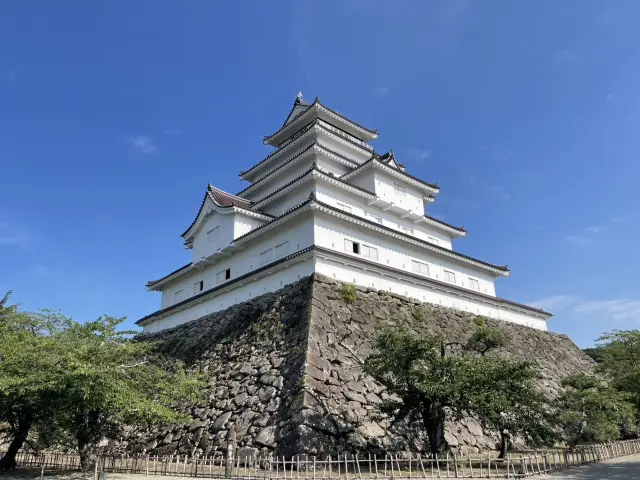
The castle tower, a symbol not only of Tsuruga Castle but also of Aizuwakamatsu, is a five-story castle structure.
The current building was rebuilt in 1965, and its exterior has been faithfully recreated.
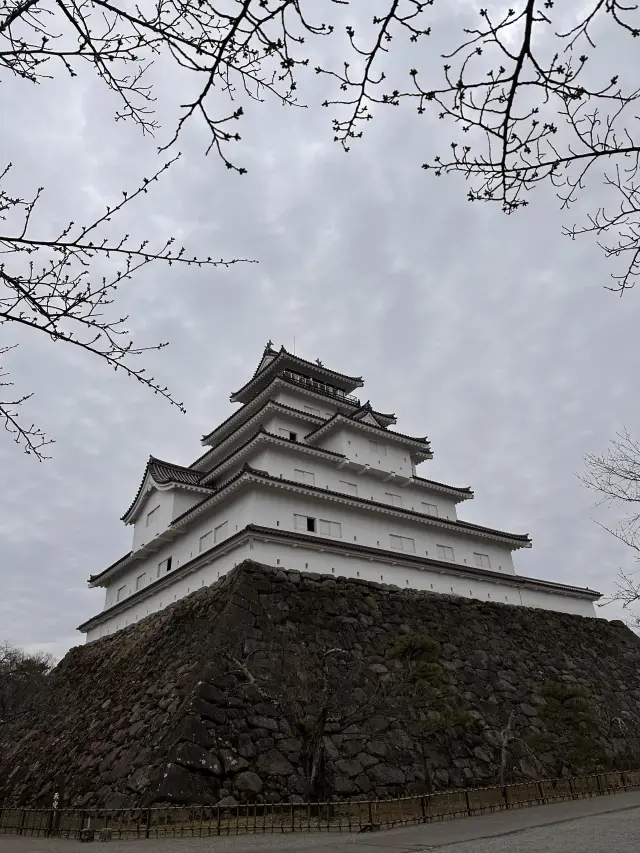
The only castle tower in Japan today to use red roof tiles, it creates a beautiful contrast with snowy scenery and cherry blossoms, making it a popular photo spot.
Inside is a history museum, with exhibits from the underground salt storehouse to the top-floor observation room that let you experience the history and culture of Aizu with all five senses.
Please refer to the table below for an overview of each floor.
- Salt Storehouse
- A space once used as a salt storehouse for preserving food by salting it, where you can see the stone walls, a symbol of reconstruction, up close.
- 1st Floor
- Exhibits featuring wall graphics and videos allow you to experience the beauty of Tsuruga Castle.
- 2nd Floor
- Displays materials and information about the lords who once ruled this land.
- 3rd Floor
- Introduces the turmoil at the end of the Edo period and the course of the Boshin War.
- 4th Floor
- Introduces the achievements of great figures who laid the foundation for present-day Aizu and the places associated with them.
- 5th Floor
-
An observation room with a panoramic view of central Aizuwakamatsu.
Using a smartphone, you can compare the scenery of the Edo period with the present-day view.

2. Tea Room “Rinkaku”
Located in the southeastern part of Tsuruga Castle Castle Ruins Park, “Rinkaku” is a tea room closely associated with Sen no Rikyu.
It is said to have been built when Sen no Rikyu’s son, Shoan, was sheltered there after incurring the anger of the warlord Toyotomi Hideyoshi and being ordered to die.
Its distinctive features include a charming thatched roof and plaques bearing the names of the three Senke schools of tea ceremony founded by Shoan’s grandson: Omotesenke, Urasenke, and Mushakojisenke.
In addition to touring the building, you can enjoy matcha while viewing the garden from the nearby tea seating area.
It is also a nice touch that the matcha comes with jo-yomanju, a steamed bun made with a dough of grated tsukuneyamo, sugar, and rice flour, filled with smooth bean paste.
Experience the spirit of the tea ceremony in a space alive with history and culture.
- Hours
-
8:30 am–5:00 pm
※1. Last admission at 4:30 pm
※2. Last drink order at 4:00 pm - Admission
-
・Adult: 210 yen
・Child (elementary and junior high school students): Free - Closed on
- Open daily

3. Digital Art “Tsuruga Castle: Illuminated Historical Picture Scroll”
At Hoshii Yagura, Minami Hashiri Nagaya, and Tetsumon Gate inside Tsuruga Castle, you can enjoy productions and exhibits centered around projection mapping and audio guides.
The projection mapping show, which uses the entire wall of Hoshii Yagura, is an especially impressive must-see.
While watching the fantastical visuals, you can have fun learning about the history of Tsuruga Castle.
There is also plenty more to see, including exhibits explaining how “teppo hazama,” openings used for firing guns and arrows, were used, lanterns bearing the family crests of successive castle lords, and a VR experience show depicting the history of famous generals who served as castle lords. Come experience the history of Tsuruga Castle and the sentiments that have been passed down through it.

4. Minami Hashiri Nagaya and Hoshii Yagura
“Minami Hashiri Nagaya” is connected to the Honmaru, the castle’s central enclosure, and “Hoshii Yagura” extends from it.
Minami Hashiri Nagaya is thought to have been used as an armory, while Hoshii Yagura is believed to have served as a storehouse for preserved food made by drying cooked rice. Both were restored in 2001.
Although detailed plans did not survive, the exterior, interior, and room layout were faithfully recreated based on archaeological excavations.
Exhibits help visitors imagine what functions these buildings had and how they were used at the time.

5. Musha-bashiri
Behind Taiko Gate is “Musha-bashiri,” a rare structure in Japan consisting of two stairways arranged in a V shape.
They were placed parallel to the stone walls so as not to obstruct the passageway, and soldiers used these stairs during battles and training.
In the stone wall beyond Musha-bashiri, there are both a large heart-shaped stone and a small one, and many couples take photos there with the stones as a backdrop.
When you visit Musha-bashiri, try looking for the heart-shaped stones as well.


Enjoy Original Menu Items at “Tsuruga Castle Cafe”
If you want to take a break during your visit, stop by “Tsuruga Castle Cafe,” located northwest of the castle tower.
It is takeout only, but you can sit and rest on the chairs near the shop.
Popular items include “Shachihoko-yaki,” made with batter shaped like a shachihoko, premium rich matcha soft serve, and “Matcha Tempura Manju,” a fried matcha manju.
All of them are original menu items from Tsuruga Castle Cafe, so they are well worth a try.
The drink menu is also extensive, with options such as coffee, cocoa, and apple juice made with apples from Aizu.

For Souvenirs, Head to the “Tsuruga Castle Tower Museum Shop”
The “Tsuruga Castle Tower Museum Shop” inside the castle tower carries a wide selection of items perfect for souvenirs, including Tsuruga Castle exclusives and traditional folk crafts from Aizu.
You will find plenty of memorable keepsakes, such as tote bags and magnets featuring the castle tower of Tsuruga Castle. Don’t miss items showcasing artisan craftsmanship either, such as Aizu painted candles and Aizu lacquerware.
They also sell “goshoin books,” on which you can have stamps related to the castle, such as the family crests of past castle lords, placed.
Admission is free, so be sure to look for items unique to Tsuruga Castle as mementos of your trip.

Pick Up a “Goshoin” as a Travel Keepsake
A popular commemorative item for castle visits, the “goshoin” is sold at the Tsuruga Castle Tourist Information Center.
Tsuruga Castle’s goshoin come in a variety of designs, including ones with “Tsuruga Castle” written in the center and the family crests of successive castle lords arranged around it, ones stamped with the castle tower, and seasonal or limited-time versions.
Have it placed in a goshoin book purchased at the Tsuruga Castle Tower Museum Shop.

3 Popular Tourist Spots Near Tsuruga Castle
Around Tsuruga Castle, with its rich historic atmosphere, you will find many attractions unique to a castle town.
Along with famous spots where you can experience Aizu culture and late Edo-period history, be sure to visit relaxing places perfect for a leisurely stroll.
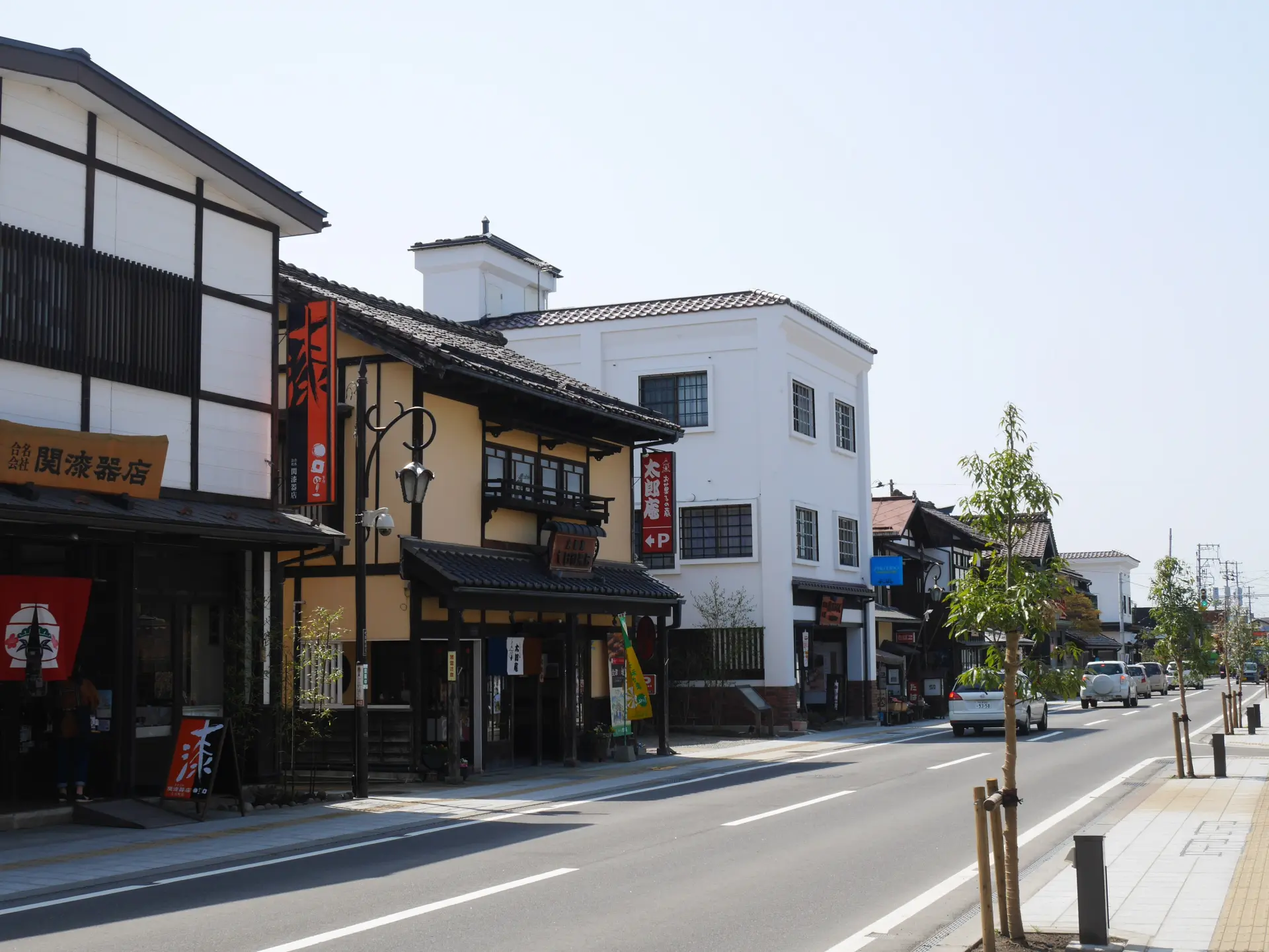
1. Nanokamachi Street and Hideyo Noguchi Seishun Street
Nanokamachi Street and Hideyo Noguchi Seishun Street are retro sightseeing streets located in central Aizuwakamatsu City.
With buildings from the Meiji, Taisho, and early Showa periods lining the roads, walking here feels like stepping back in time to a bygone era.
The two streets connect at a right angle, and walking the full route takes about 20 minutes (Approx. 1.2 km).
2. Aizu Bukeyashiki
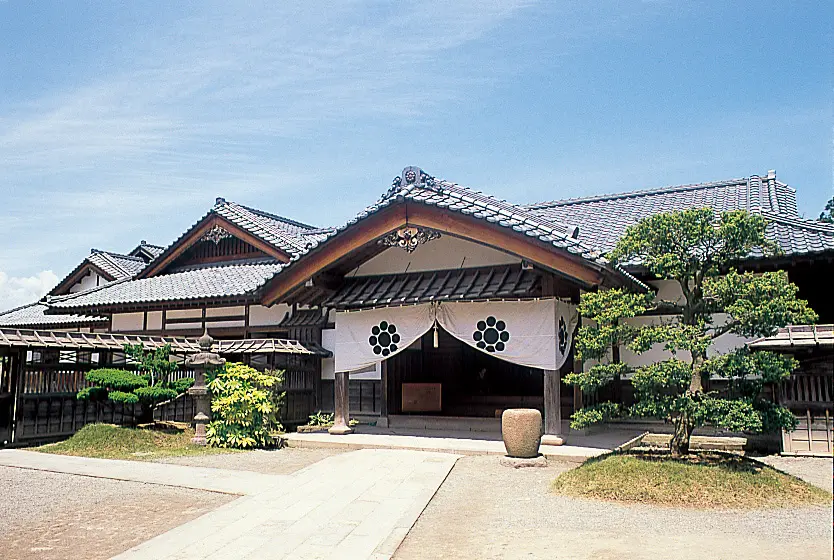
Located near Higashiyama Onsen, this large-scale history museum park recreates the residence of Saigo Tanomo, chief retainer of the Aizu Domain, and features traditional buildings relocated and restored around it, along with museums and other facilities.
Hands-on activities such as glass engraving, painting Akabeko and Okiagari Koboshi figures, kyudo, and challenge programs like quiz cards are also fun.
3. Aizuwakamatsu Station Akabeko
Served by the JR Banetsu West Line, JR Tadami Line, and Aizu Railway, Aizuwakamatsu Station is a central hub among stations in the Aizu region. Its castle-style station building suits this historic city and has also been selected as one of the “100 Best Stations in Tohoku.”
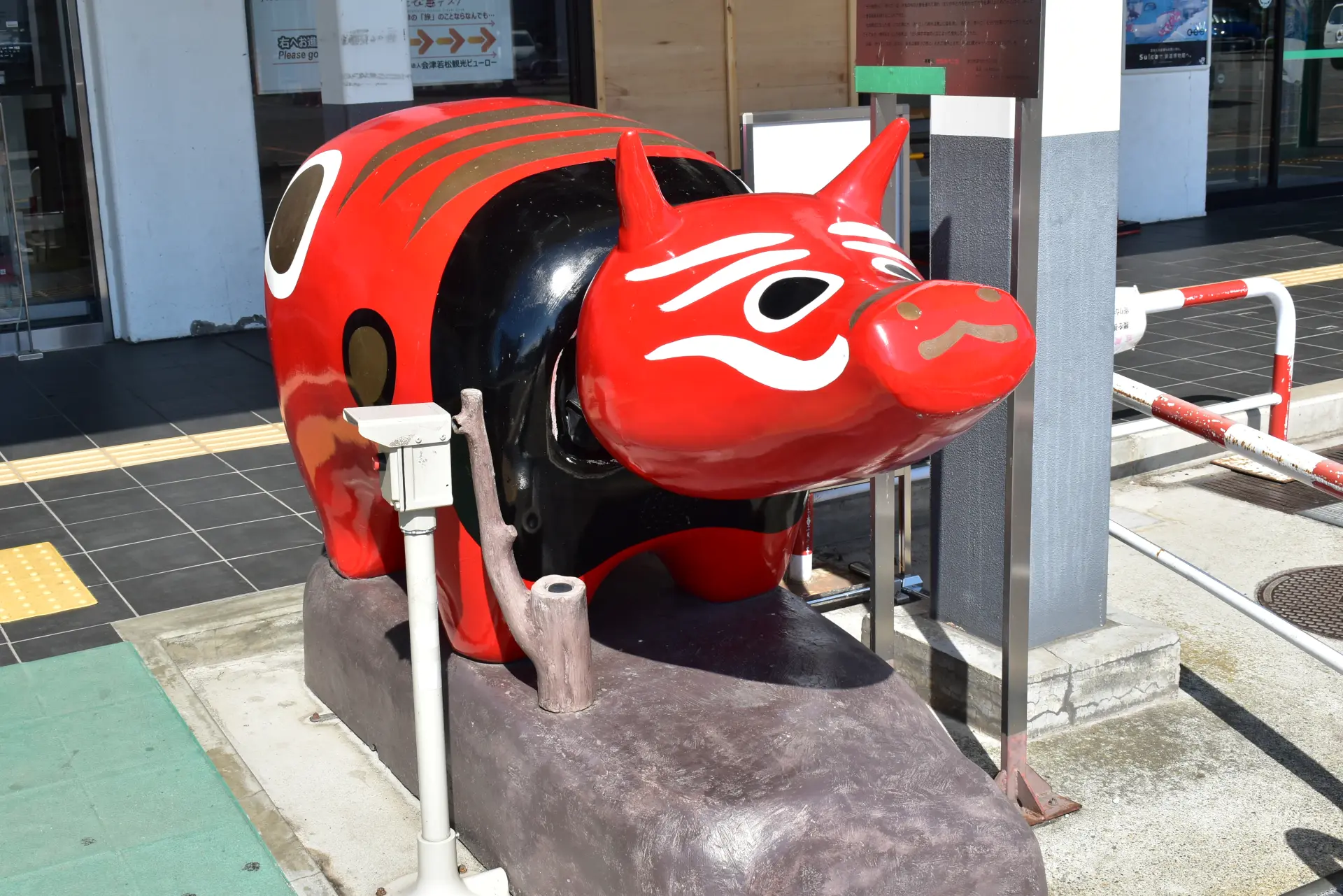
At the east exit of Aizuwakamatsu Station stands a giant Akabeko that welcomes visitors to Aizu and is also famous as a popular photo spot.
When you press the installed red button, it shakes its head and starts speaking, saying, “Hello! I’m Akabee!” and even sings the “Akabeko Ondo.”
3 Popular Restaurants Near Tsuruga Castle
Among the restaurants scattered around Tsuruga Castle, here is a carefully selected list of places with a long history where you can enjoy Aizu cuisine.
Be sure to savor not only the culture of Aizu, but its food as well.
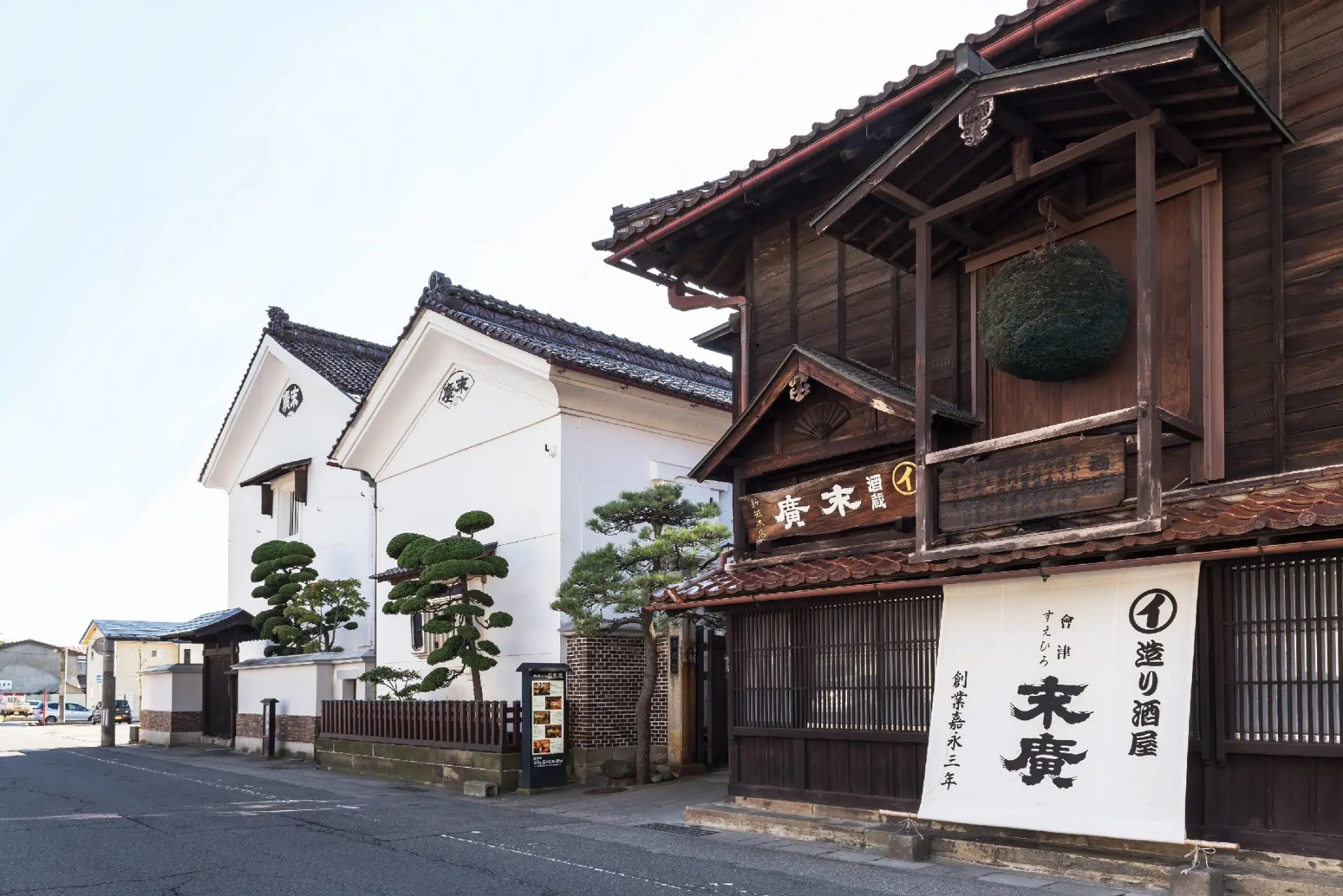
1. Suehiro Sake Brewery Kaieigura
Founded in 1850, this long-established sake brewery stands out even in Aizuwakamatsu, a city known for its many old kura storehouses.
To this day, it continues to follow its three principles of local sake brewing: “1. Delicious natural brewing water,” “2. The craftsmanship of Aizu master brewers passed down through generations,” and “3. Sake rice grown in the land where the same water as the brewing water springs forth.”
You can also join a free brewery tour and enjoy coffee brewed with the brewery’s water, chiffon cake made with daiginjo sake, and more.
2. Tontei
Founded in 1972 in Aizuwakamatsu City, Fukushima Prefecture, “Tontei” is a restaurant specializing in sauce katsudon.
The deciding factor in its flavor is the secret “Tontei Special Sauce,” which has been continuously added to since the restaurant first opened.
Among Aizu locals, it is known as a familiar taste that just about everyone has tried.

3. Tonkatsu Banban
A tonkatsu specialty restaurant founded in 1978, located along Sengoku Street in Aizuwakamatsu City.
It is known for its sweet secret sauce, handed down since the time it first opened.
Popular dishes include “sauce katsudon” and “stewed sauce katsudon,” made with house-made breadcrumbs and juicy, tender meat.
The pork loin is cut into two pieces and fills the bowl, making it a very hearty meal.

3 Recommended Places to Stay Near Tsuruga Castle
After sightseeing at Tsuruga Castle, staying overnight at an inn where you can fully enjoy the atmosphere of Aizu’s hot springs is highly recommended.
The scenery of the valley and the traditional Japanese decor will help you unwind and make your trip feel even more special.
If you have not chosen your accommodation yet, be sure to consider the ryokan introduced below.
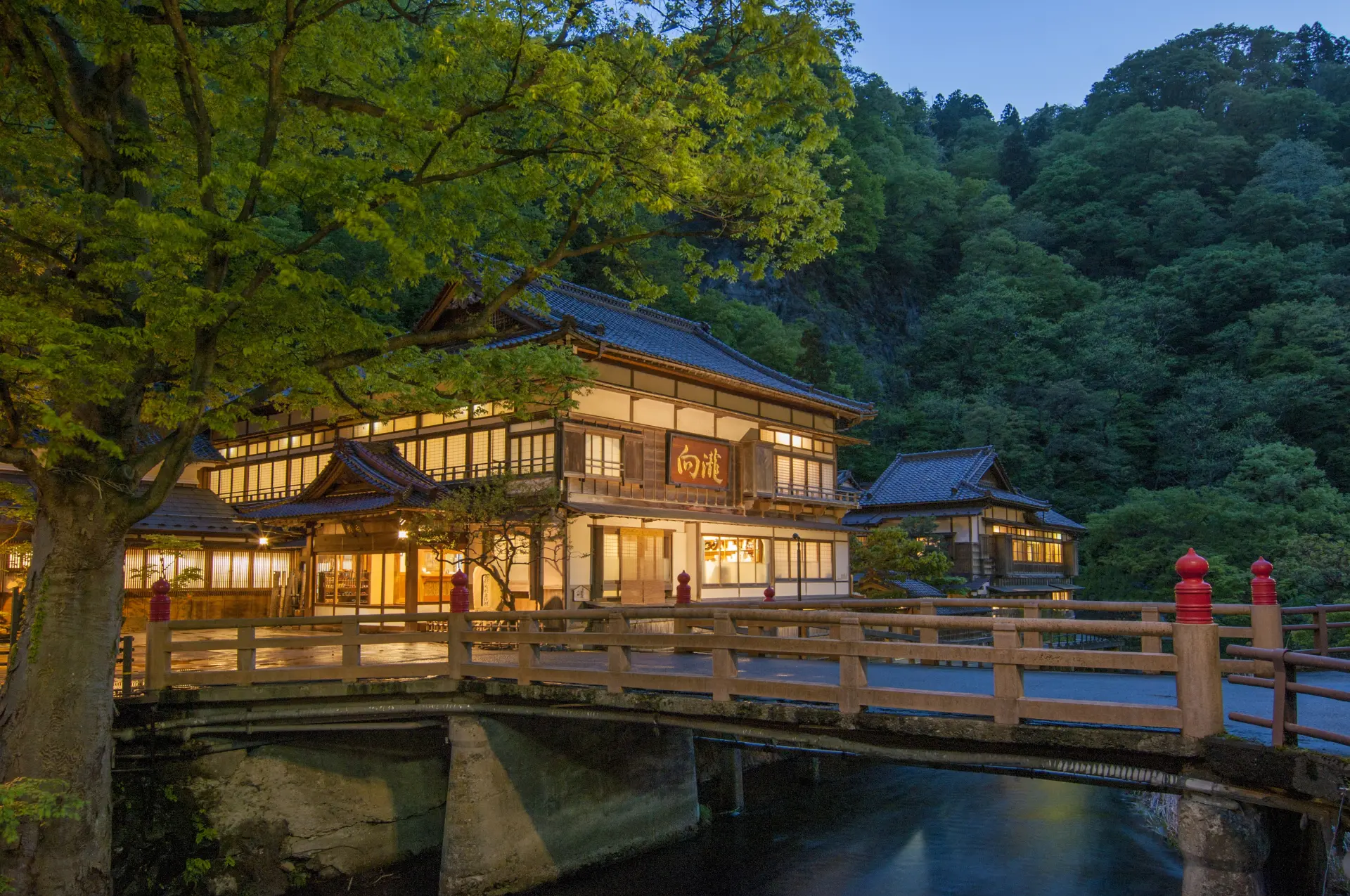
1. Mukaitaki
A long-established hot spring ryokan representing Higashiyama Onsen, the inner retreat area of Aizuwakamatsu.
It received “Kitsune-yu,” which had been used as an officially designated retreat by the Aizu Domain during the Edo period, and opened as a hot spring inn in 1873.
The building is a nationally registered tangible cultural property, and the guest rooms feature traditional tatami interiors. You can enjoy the atmosphere of a classic Japanese hot spring inn.
The courtyard surrounded by corridors and guest rooms offers seasonal beauty throughout the year, with cherry blossoms in spring, fireflies in summer, and candlelit snow viewing in winter.
2. Aizu Higashiyama Onsen Harataki
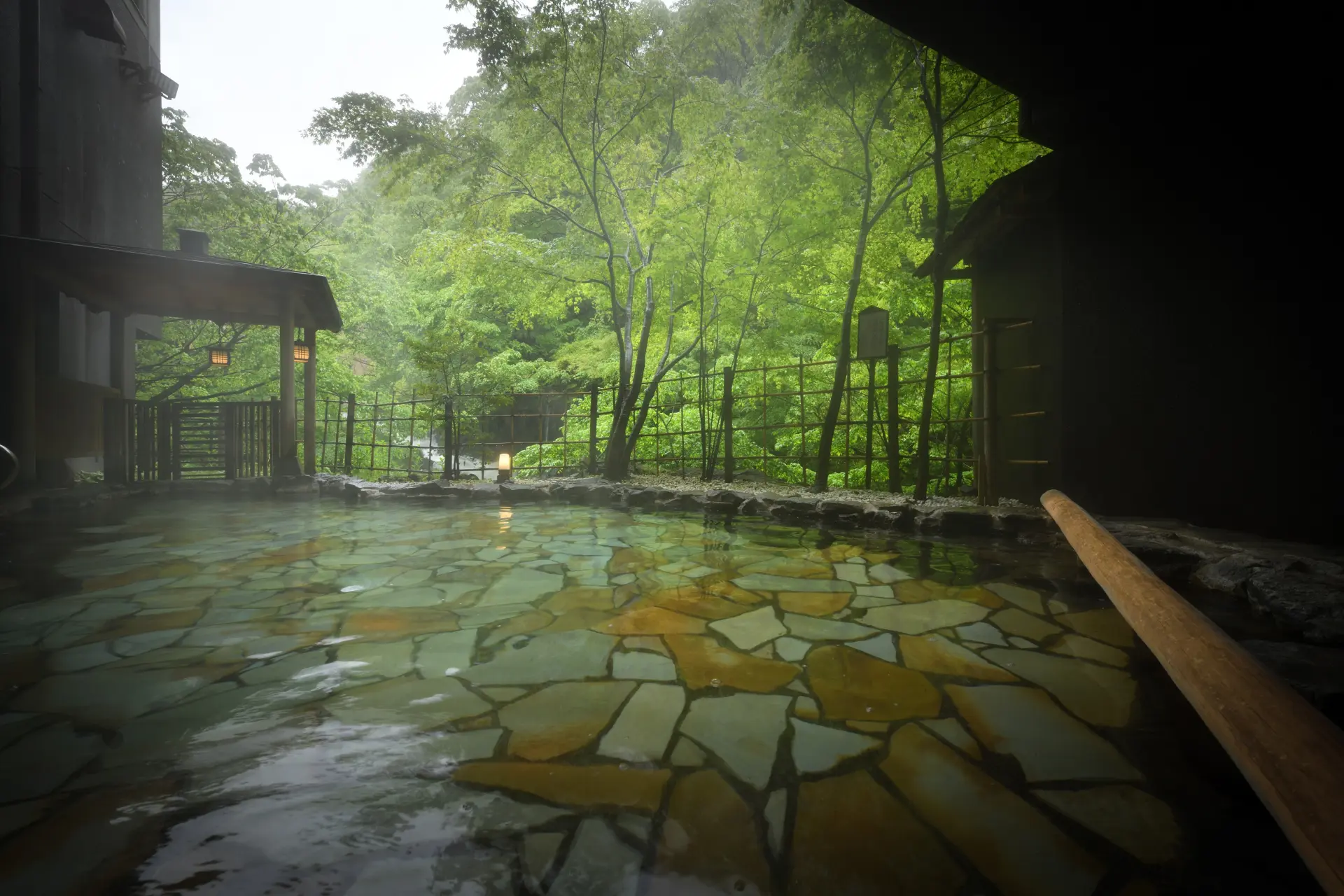
A ryokan in Yumoto, Higashiyamamachi, the inner retreat area of Aizuwakamatsu, with its own private hot spring source.
Founded in 1924, it is a long-established inn with over 100 years of history.
Higashiyama Onsen is a hot spring resort area with Approx. 1,300 years of history, but even there, inns that can offer free-flowing spring water directly from an untouched source are rare.
On the grounds surrounded by mountains flows the natural waterfall “Harataki,” which gave the inn its name. From the open-air bath, you can enjoy the sight of the waterfall, the sound of the stream, and the pleasant river breeze.
3. Aizu Ashinomaki Onsen Marumine Keikokubi no Yado Kawane
A long-established inn standing along a mountain stream in Ashinomaki, the inner retreat area of Aizu.
Among its wide range of guest rooms, including Japanese-style rooms with spectacular valley views and compact twin rooms, the inn’s signature is its luxurious rooms with private open-air baths fed directly by natural hot spring water.
There are five room types, including Japanese-Western rooms combining a Japanese room with a sunken kotatsu and a bedroom, pure Japanese-style rooms with a 12-tatami room and a wide engawa-style sitting area, and Western-style rooms furnished with a queen-size bed.
You can choose the one that best suits the purpose of your trip and your travel companions.

Reviews of Tsuruga Castle
Some reviews are AI-translated.
-
I was very happy to visit this month. It's a beautiful place, and every photo looks like a painting. Wonderful memories to share with everyone.
-
-
Tsurugajo Castle in winter has a quiet, charming beauty.
The white snow covering Japan’s only red-tiled castle tower creates a completely different scene from summer or cherry blossom season. Walking through the castle grounds feels like traveling back 500 years to the Aizu era, and every angle has so much character.
It may be cold, but the view is absolutely worth it. If you visit Fukushima, this classic castle definitely deserves a place in your memories!
-
-
Tsurugajo Castle in Aizu-Wakamatsu is truly a fascinating old castle.
What makes it especially unique is that it’s the only castle keep in Japan that has preserved its red roof tiles.
It has a different charm in every season.
Cherry blossoms in spring, lush greenery in summer, fall foliage in autumn, and snowy scenery in winter all make you want to come and experience the beauty of the four seasons.
-


FAQ about Tsuruga Castle
Q
Are Tsuruga Castle, Wakamatsu Castle, and Aizuwakamatsu Castle the same castle?
Yes, all of them refer to the same castle. Its official name is “Wakamatsu Castle,” while “Tsuruga Castle” and “Aizuwakamatsu Castle” are common names.
Q
When is the best time to see the cherry blossoms at Tsuruga Castle?
Usually from mid to late April.
Q
When can I see Tsuruga Castle covered in snow?
Snow usually falls from late December to February, so there is a good chance you will be able to see Tsuruga Castle covered in snow during that time. In particular, from mid-January to early February, snowfall tends to be more consistent, making it one of the best times to enjoy the snowy scenery.
Summary
We have introduced the highlights of Tsuruga Castle, including its seasonal charms and the information you need to fully enjoy everything it has to offer.
It is a spot filled with the history and culture of Aizuwakamatsu, so be sure to visit if you have the chance.
If you would like to learn about other popular sightseeing spots besides Tsuruga Castle, check out the article below as well.