
Experience the Bounty of Sea and Land in Mie, the Ancient “Land of Sacred Food”: 9 Food Culture Spots
Centered around Ise Jingu, Oharai-machi, and Okage Yokocho, Mie is steeped in the history of supporting Japan’s food culture as Miketsukuni, the “Land of Sacred Food.”
At Osatsu Kamado Ama Hut and Toba Marche, you can experience the bounty of the sea, while Iga no Sato Mokumoku Tezukuri Farm and Inabe City Agricultural Park showcase the gifts of the land.
Following this food culture, nurtured alongside prayer, reveals the stories behind the ingredients and the rhythms of local life. Explore these spots as part of your trip, and savor the character of the region with every bite.
Discover Ise Jingu’s Food Culture and the Story of Miketsukuni
The starting point of Mie’s food culture is the world of faith centered on Ise Jingu. The practice of offering food to the gods continues today, and its philosophy has also influenced the region’s food culture.
By combining shrine visits with a walk through town, you can feel the connection between food and prayer. Understanding the background first makes the flavors of this region even more rewarding.
1. Ise Jingu (Ise City)
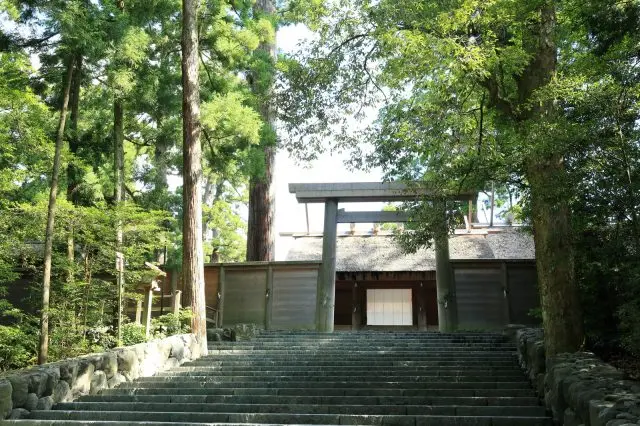
Ise Jingu is a place where the practice of offering food to the gods is still passed down. At the shrine’s Geku, or Outer Shrine, rituals continue every day to offer meals to Amaterasu Omikami and other deities.
The shrine buildings are built of hinoki cypress in the ancient Japanese architectural style known as shinmei-zukuri. At its two main sanctuaries and 14 auxiliary shrines, the Shikinen Sengu ceremony is held once every 20 years, rebuilding the shrine buildings and transferring the sacred objects. As you walk the approach, take a moment to notice the traditions behind it.
2. Oharai-machi and Okage Yokocho (Ise City)
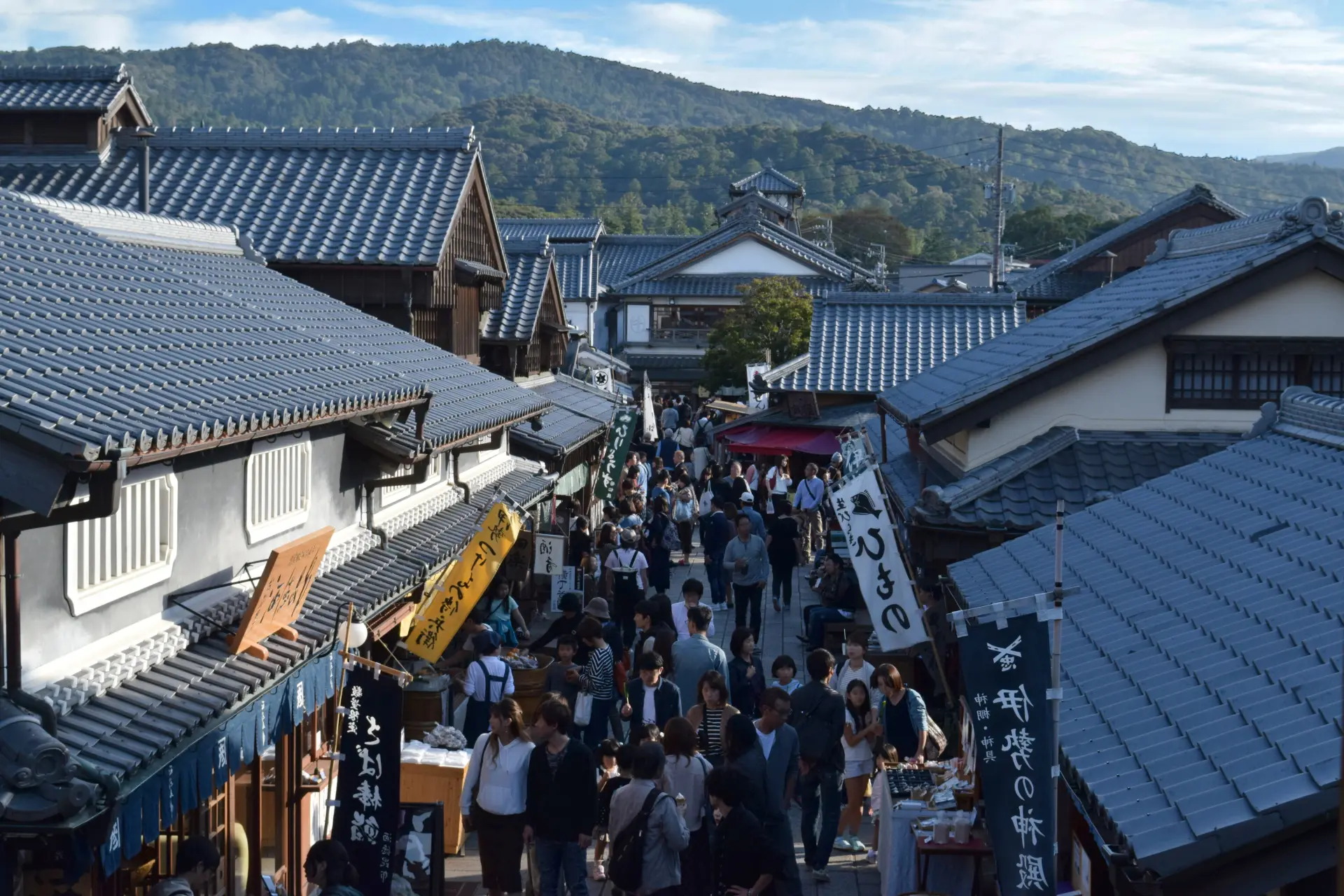
Oharai-machi, stretching out in front of Naiku, the Inner Shrine, is a temple-town-style district where worship and food naturally come together.
Near the middle of Oharai-machi is an area called Okage Yokocho, where buildings from the Ise Route dating from the Edo period to the Meiji period have been relocated and recreated.
Local specialties such as Akafuku mochi and Ise udon line the streets, and even a simple stroll reveals the depth of the area’s food culture. It is an ideal place to take a break after visiting the shrine.
3. Sushikyu (Ise City)
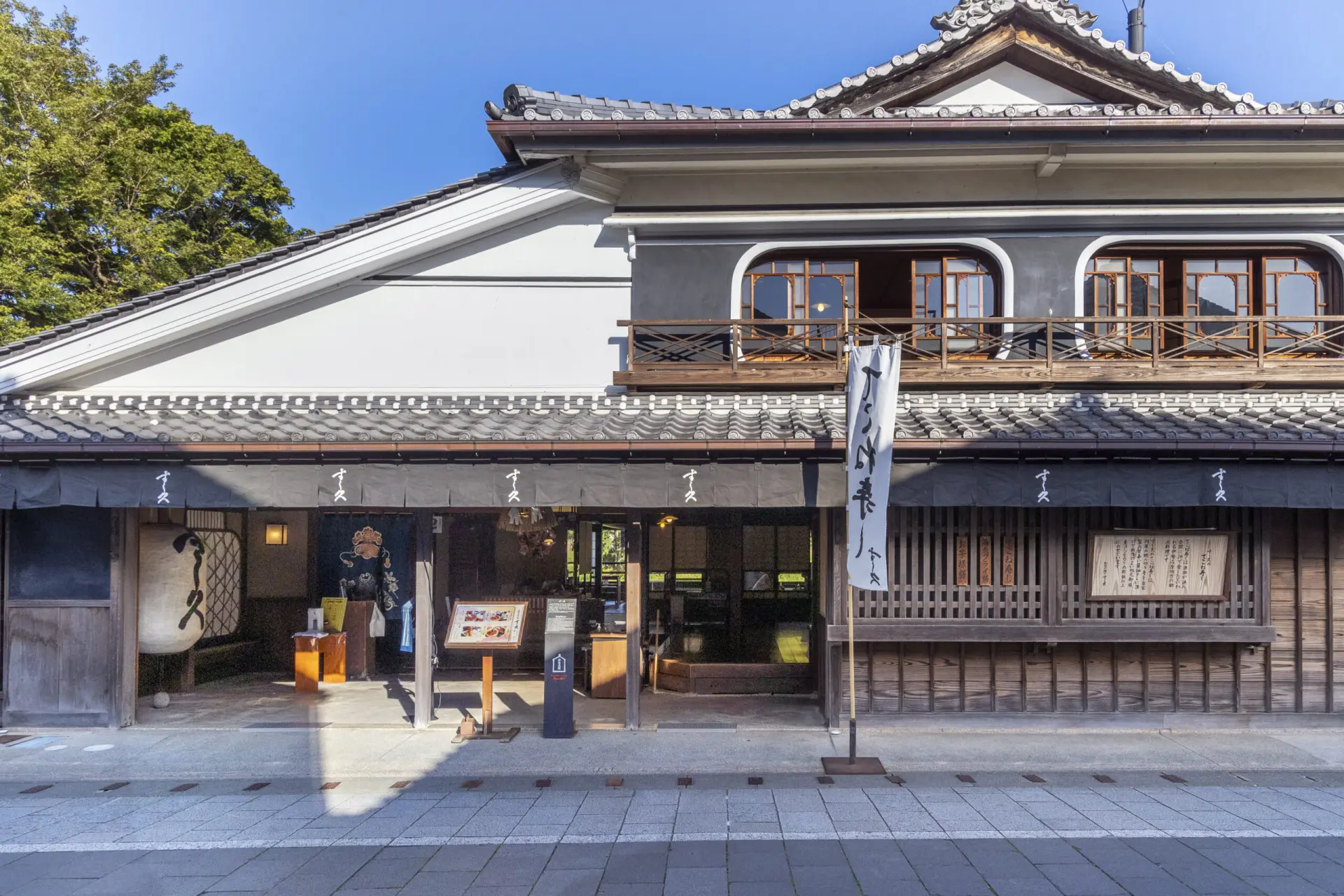
Located in Okage Yokocho, Sushikyu is a local cuisine restaurant worth visiting as part of an Ise pilgrimage. Founded during the Tenpo era of the Edo period, it has a long history as a culinary inn.
Its specialty is tekone-zushi, a beloved regional dish of Ise-Shima. Thick slices of bonito marinated in sweet-savory soy sauce are generously served over vinegared rice made with locally grown Koshihikari rice, creating a simple yet bold flavor that leaves a lasting impression. It is a great place to enjoy a distinctly Ise-style meal after visiting the shrine.
Experience Ama Culture and the Bounty of the Sea in Coastal Villages
Along the coasts of Shima and Toba, the culture of living with the sea remains strong. Ama divers free-dive into the ocean, bringing back ingredients shaped by that way of life.
Being able to experience that connection firsthand is a special appeal of this area. Time seems to move in a way unique to places close to the sea.
4. Osatsu Kamado Ama Hut (Toba City)
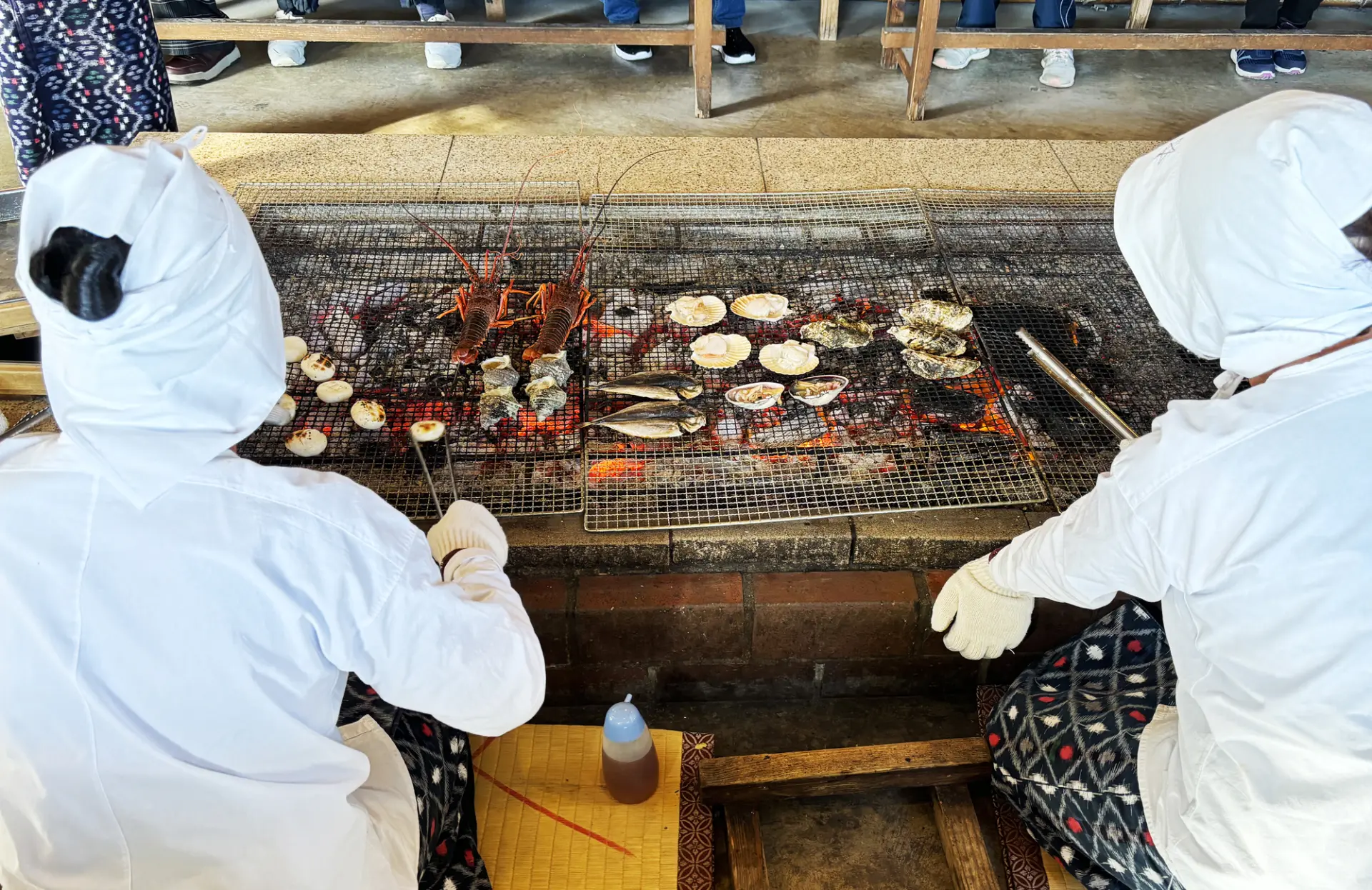
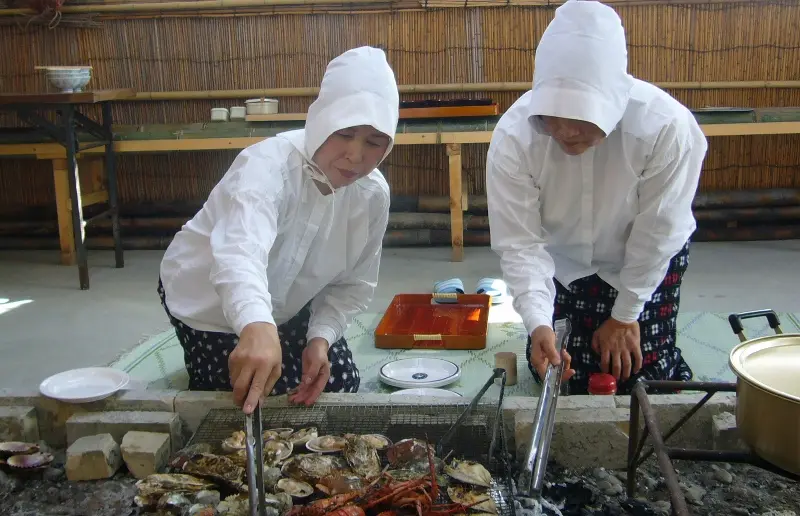
What makes Osatsu Kamado Ama Hut special is the chance to dine in the same space as active ama divers. As you enjoy shellfish and dried fish grilled over charcoal, you can hear stories about fishing and everyday life.
The history of ama divers is ancient, said to date back 3,000 to 5,000 years and even appearing in old Japanese texts. Talking with ama divers who carry on that history is part of the experience.
5. Satoumian Ama Hut Experience Facility (Shima City)
Satoumian Ama Hut Experience Facility is a place where visitors can learn about ama culture in an easy-to-understand, hands-on way.
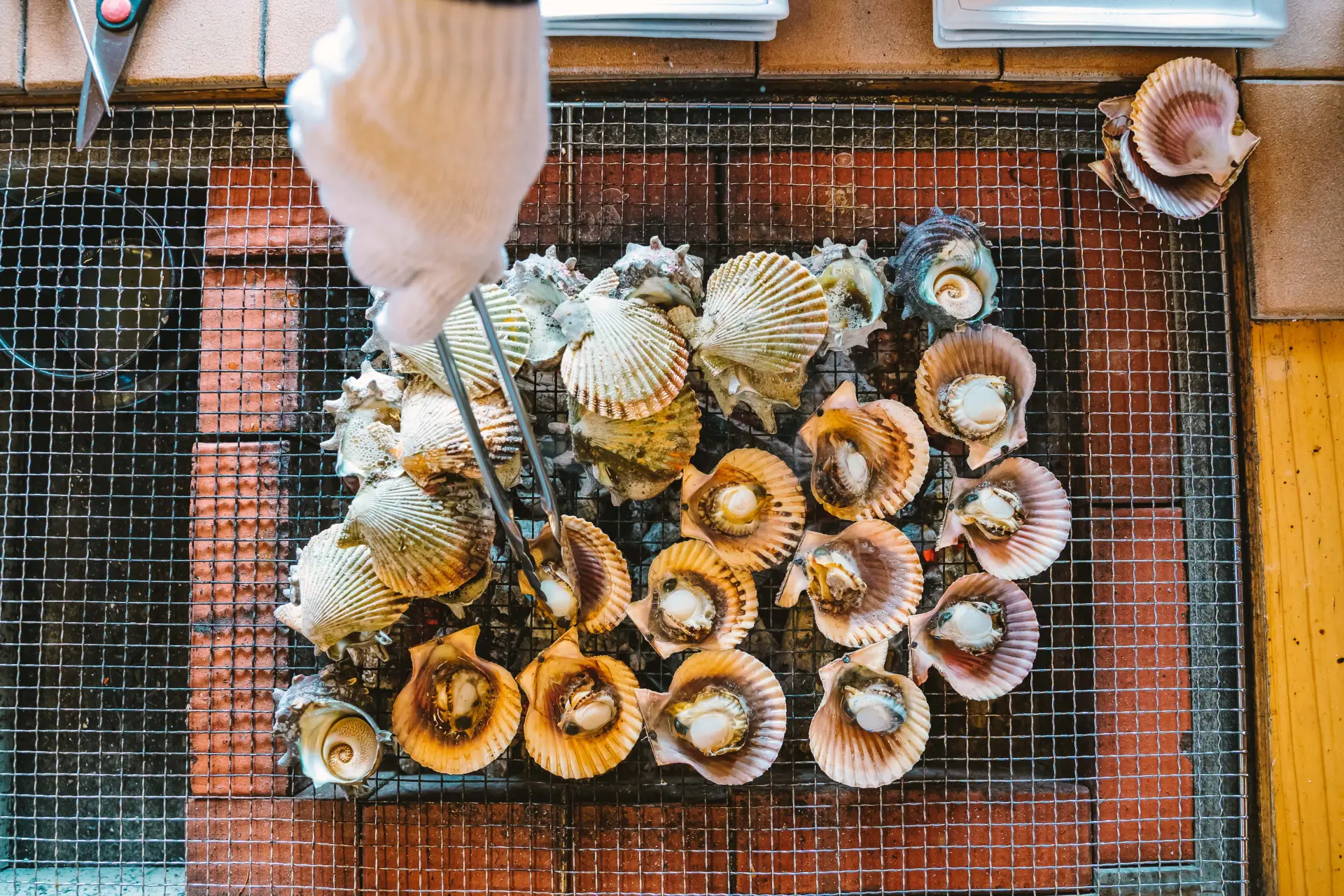
During the ama hut experience, ama divers grill freshly caught large clams, turban shells, and other seafood over charcoal for you to enjoy while they share a variety of stories. As you listen to them talk about fishing methods and customs, your understanding of the ingredients deepens. This facility lets you experience both food and culture together.
6. Toba Marche (Toba City)
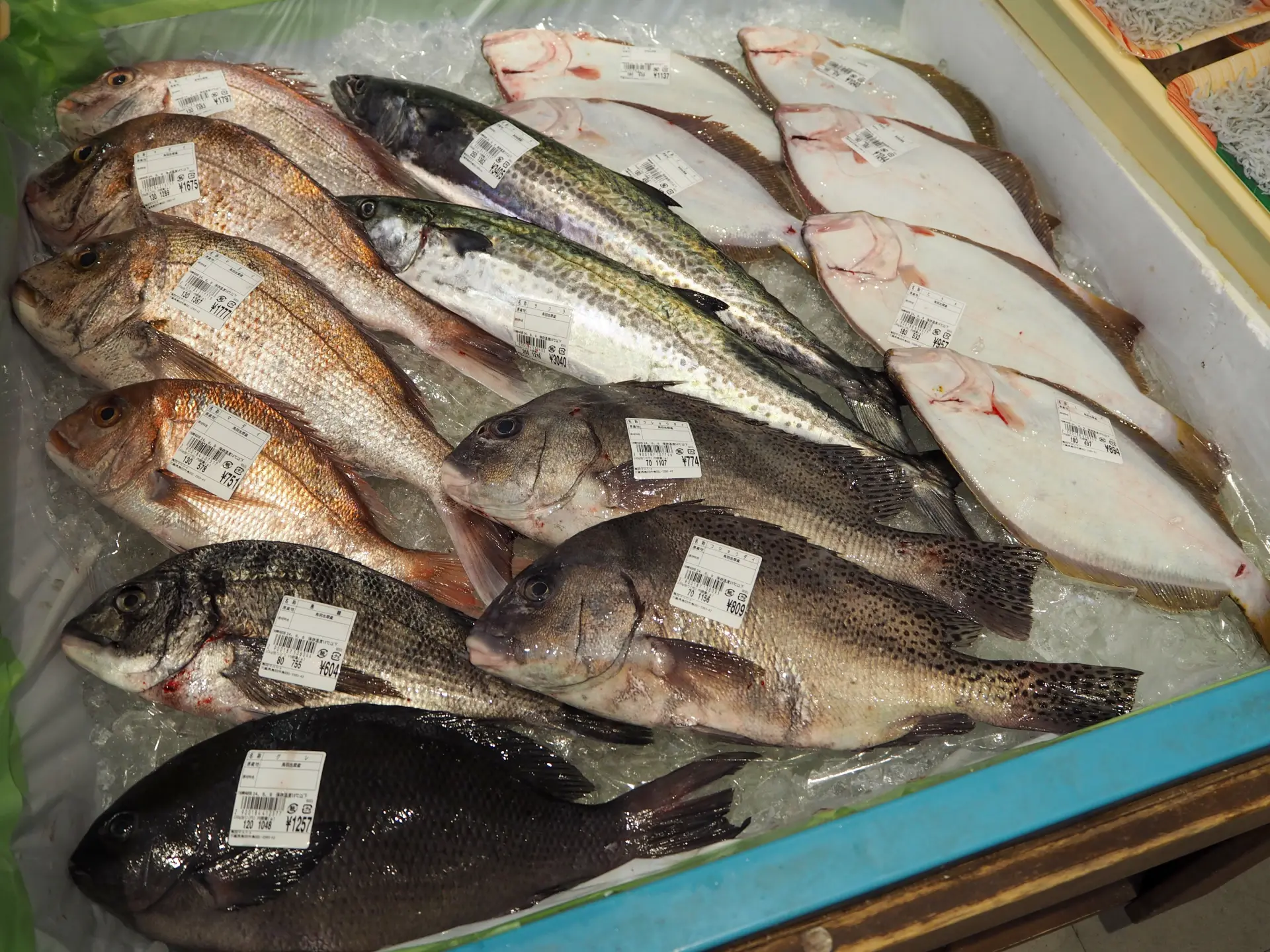
This convenient food hub near the station is easy to stop by. The direct sales area is filled with seafood landed that day, locally grown seasonal vegetables and fruits, processed foods, and prepared dishes themed around food and health.
Fish you purchase can also be cleaned or prepared on the spot for a fee, so you can enjoy it as fresh sashimi. The chance to choose ingredients and taste them right away is a highlight unique to this place.
7. Toba Ichibangai (Toba City)
Located in front of Toba Station, Toba Ichibangai is a base for enjoying the flavors of Ise-Shima all in one place. Inside, you will find specialty shops selling seafood landed at Osatsu Port, pearl shops, and souvenir stores offering famous sweets and local products.
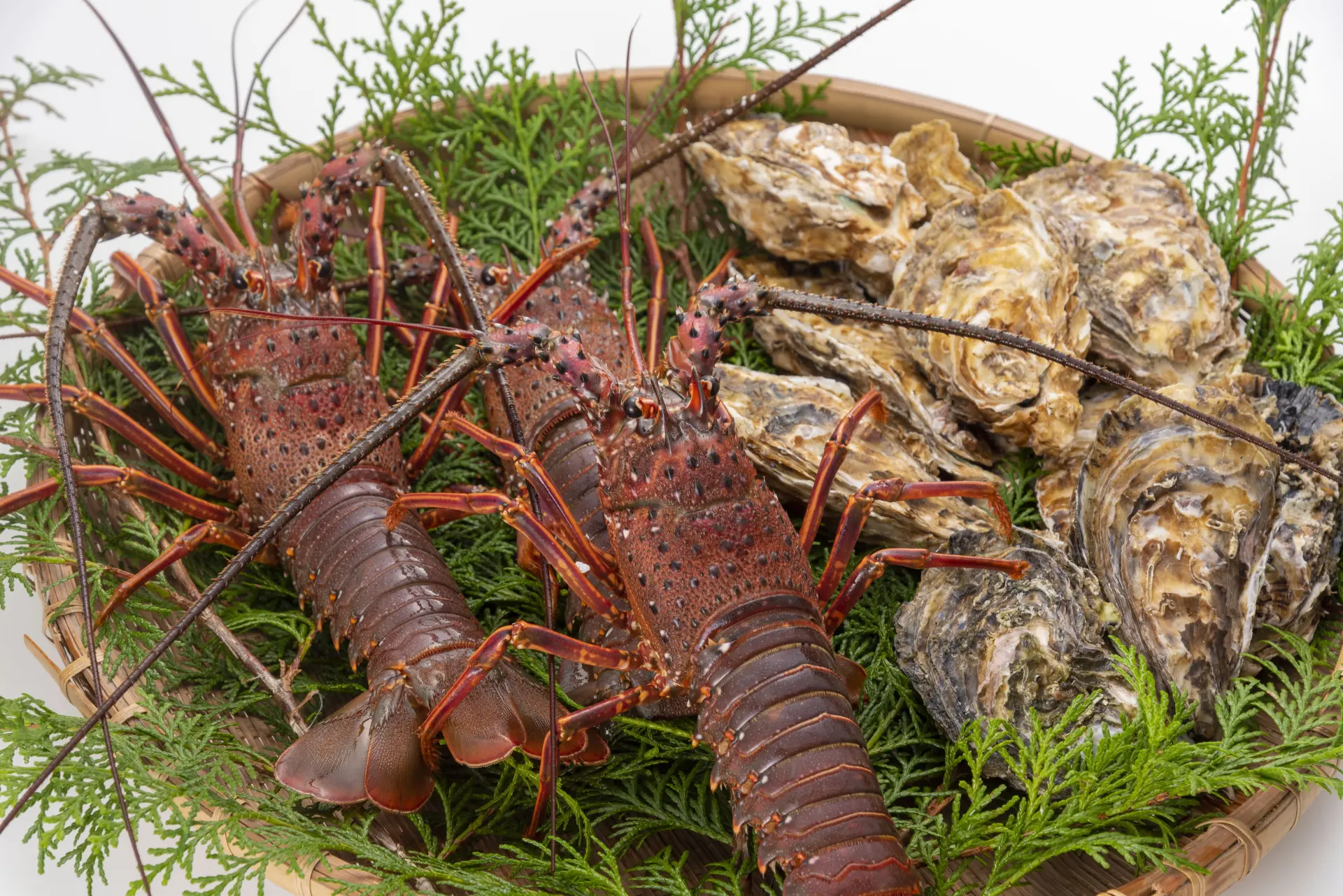
There is also a wide variety of restaurants, from Ise lobster and abalone to many dishes made with distinctive local ingredients. It is an easy spot to visit between transfers or sightseeing stops.
Taste the Gifts of the Land and Experience Mie’s Food Culture
Mie’s food culture is supported not only by the sea, but also by agriculture and craftsmanship.
Visiting the places where ingredients are grown and seeing the processes behind production can change the way you look at food. Through hands-on experiences, food feels much closer.
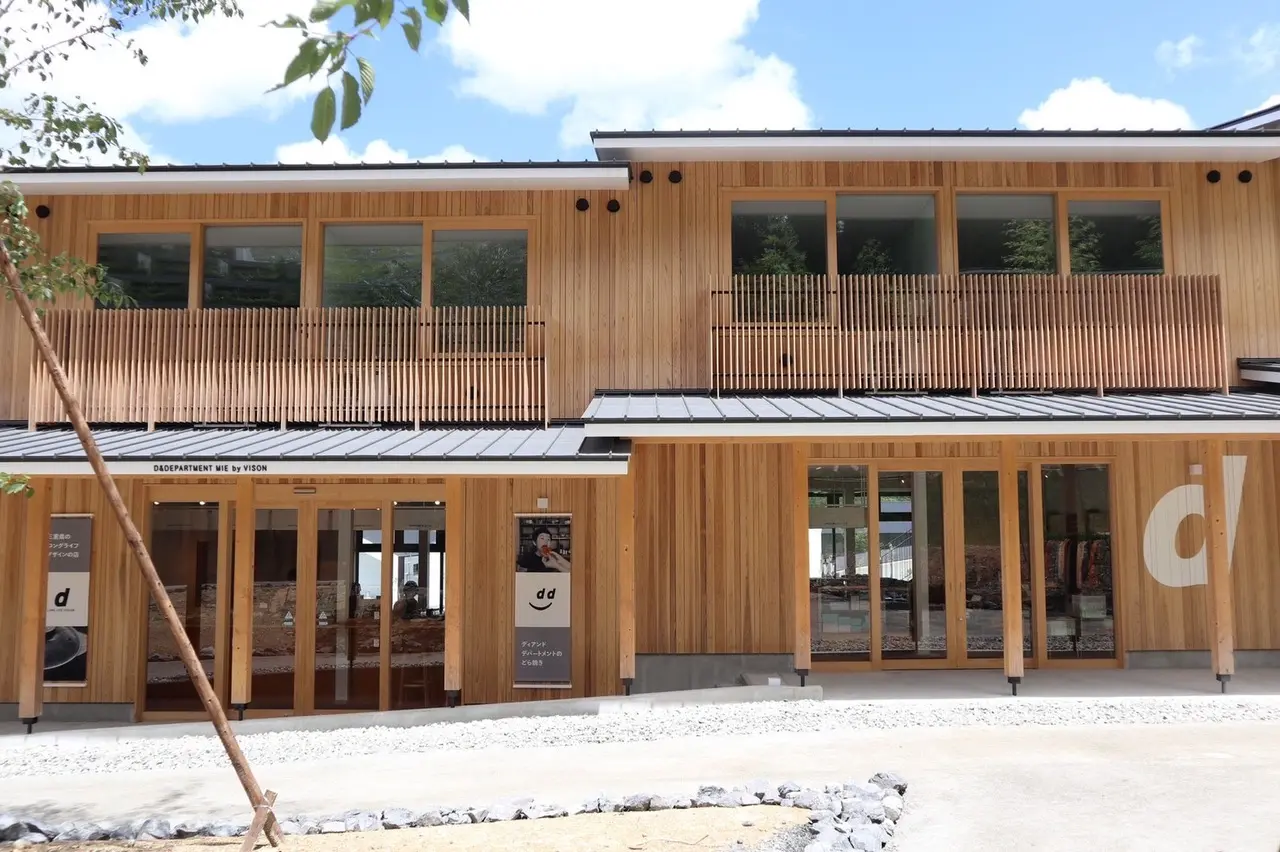
8. D&DEPARTMENT MIE by VISON (Taki Town)
D&DEPARTMENT is a community shop and network project that rediscovers regional long-life design and shares the appeal unique to each place.
The shop features products rooted in Mie’s materials and culture, helping visitors see the connection between food and everyday life. Shopping here is a way to experience the value of the region.
9. Iga no Sato Mokumoku Tezukuri Farm (Iga City)
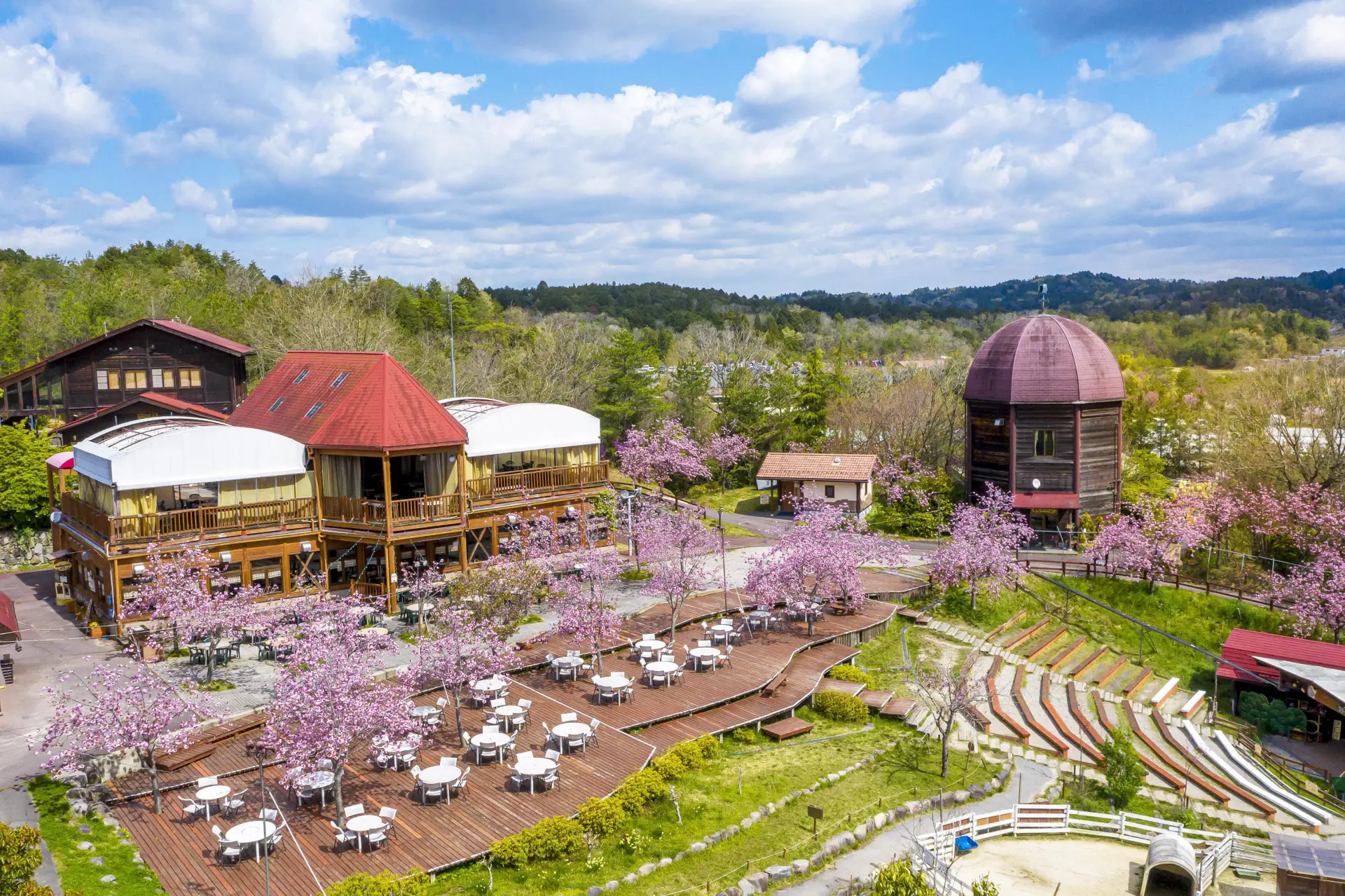
This popular spot is an interactive agricultural park. In its hands-on learning programs, visitors can try making a variety of items using ingredients produced in the park, including wieners, Jersey milk bread, tarts, and ice cream.
You can experience the process from raw ingredients to finished product, bringing food much closer to home. In addition to areas included with admission, such as the Rice Husk Plaza and bamboo stilt and jump rope areas, the park also has hot springs and lodging, making it enjoyable for a wide range of ages.
Summary
In Mie, known as Miketsukuni, the “Land of Sacred Food,” many layers of food culture come together, including Ise Jingu rituals, the work of ama divers, and agricultural life. By visiting each spot, you can see the culture and history beyond the ingredients.
As you explore the area, stop by the places that interest you and experience each theme at your own pace.