
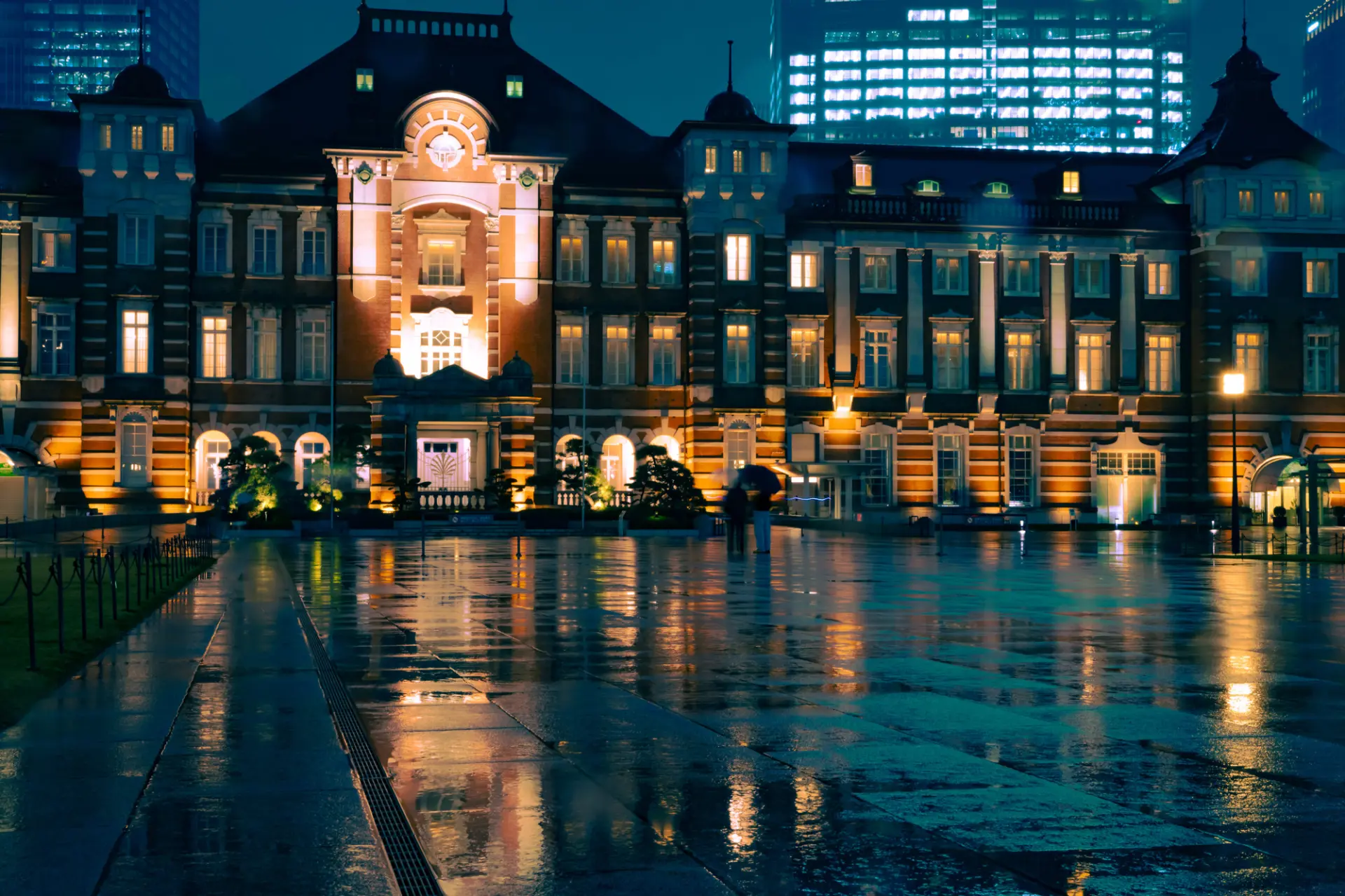
19 Tokyo Spots to Visit on a Rainy Day: Discover a Different Side of Tokyo
Tokyo is home to many immersive facilities you can enjoy regardless of the weather, including teamLab Borderless, teamLab Planets, The National Art Center, Tokyo, and the National Museum of Emerging Science and Innovation.
Be surrounded by cutting-edge art, explore the depth of science and culture, or experience traditional craftsmanship. Because these places are indoors, you can take your time and focus on a single theme.
A change of plans due to rain might lead to an unexpected discovery.
Immersive Experiences That Make You Forget the Sound of Rain
Video, light, VR, attractions—Tokyo has many hands-on facilities where the line between reality and fantasy seems to blur.
The time you spend walking into artworks and moving your body as you immerse yourself in their worlds is so absorbing that you may forget the weather outside. Here are some spots to visit when you want to step into the extraordinary.
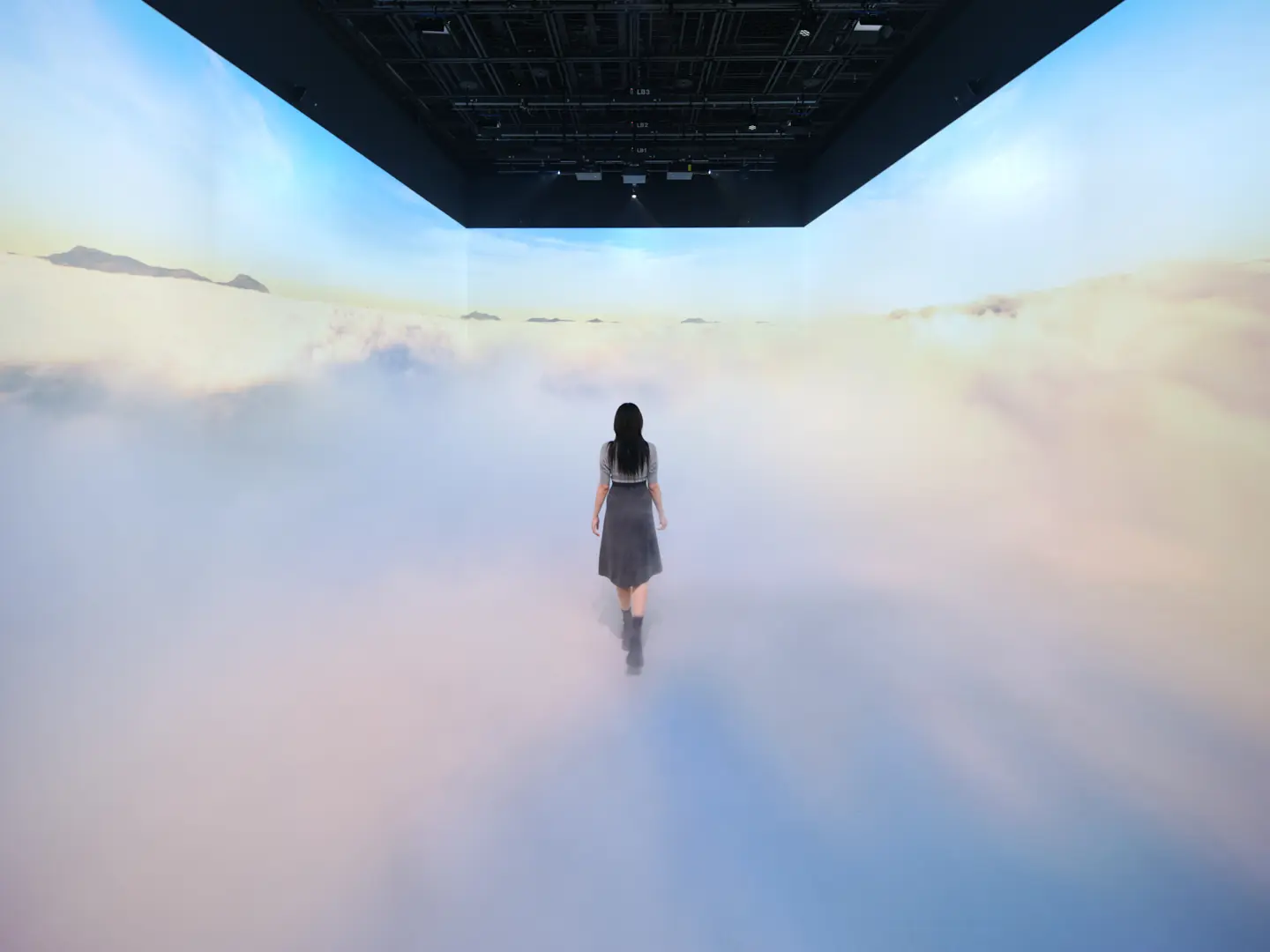
1. teamLab Borderless: MORI Building DIGITAL ART MUSEUM (Minato City)
This digital art museum lets you enter a world of art that expands without boundaries.
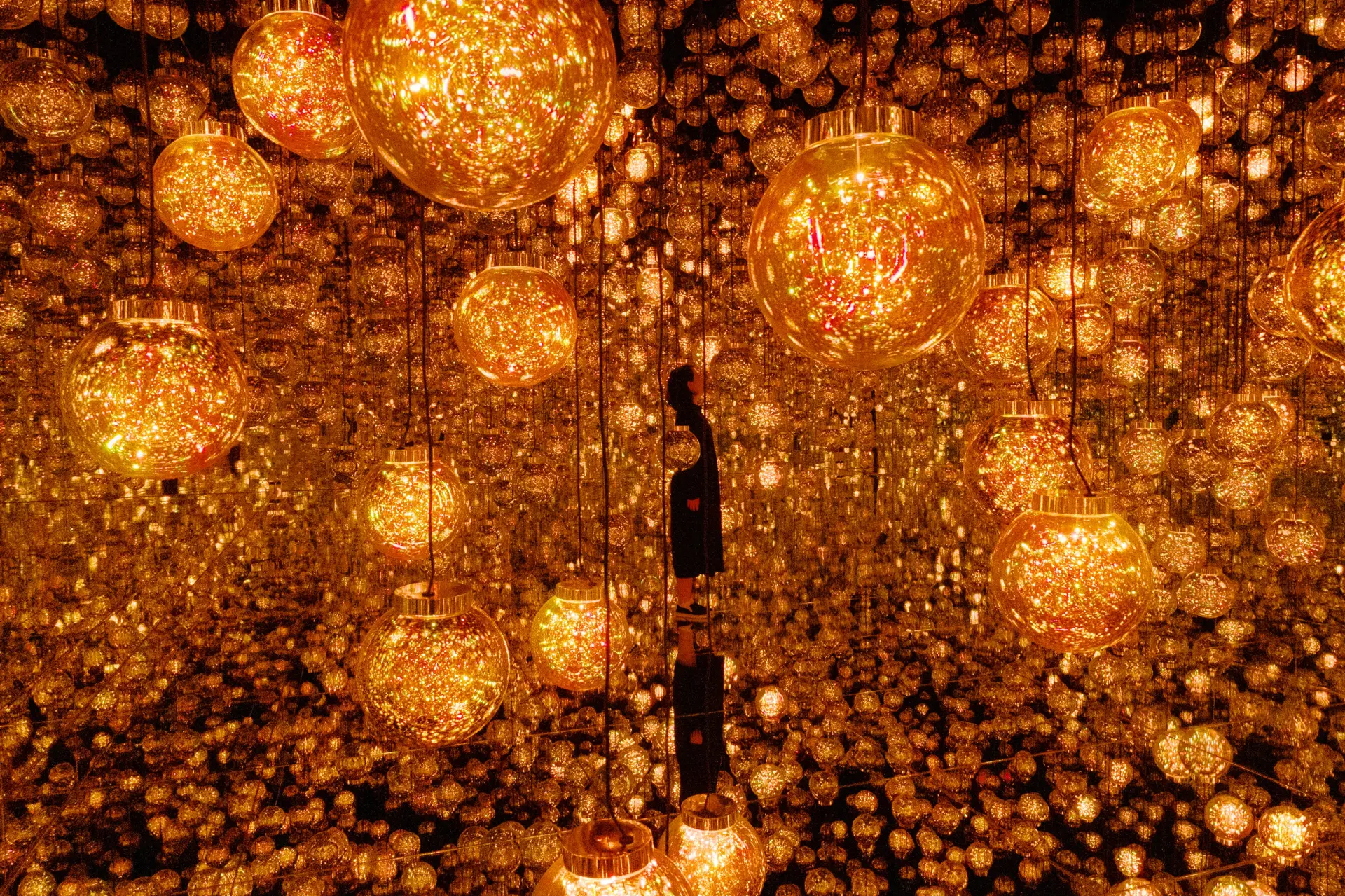
For example, in “Bubble Universe,” countless spheres fill the space, where lights like soap bubbles and jelly-like, wavering lights coexist. The appeal lies not only in viewing the artwork, but also in becoming part of the space. The light changes with the movements of people inside the artwork, creating a one-of-a-kind piece that shifts from moment to moment and offers a new kind of emotional experience.
2. teamLab Planets TOKYO DMM.com (Koto City)
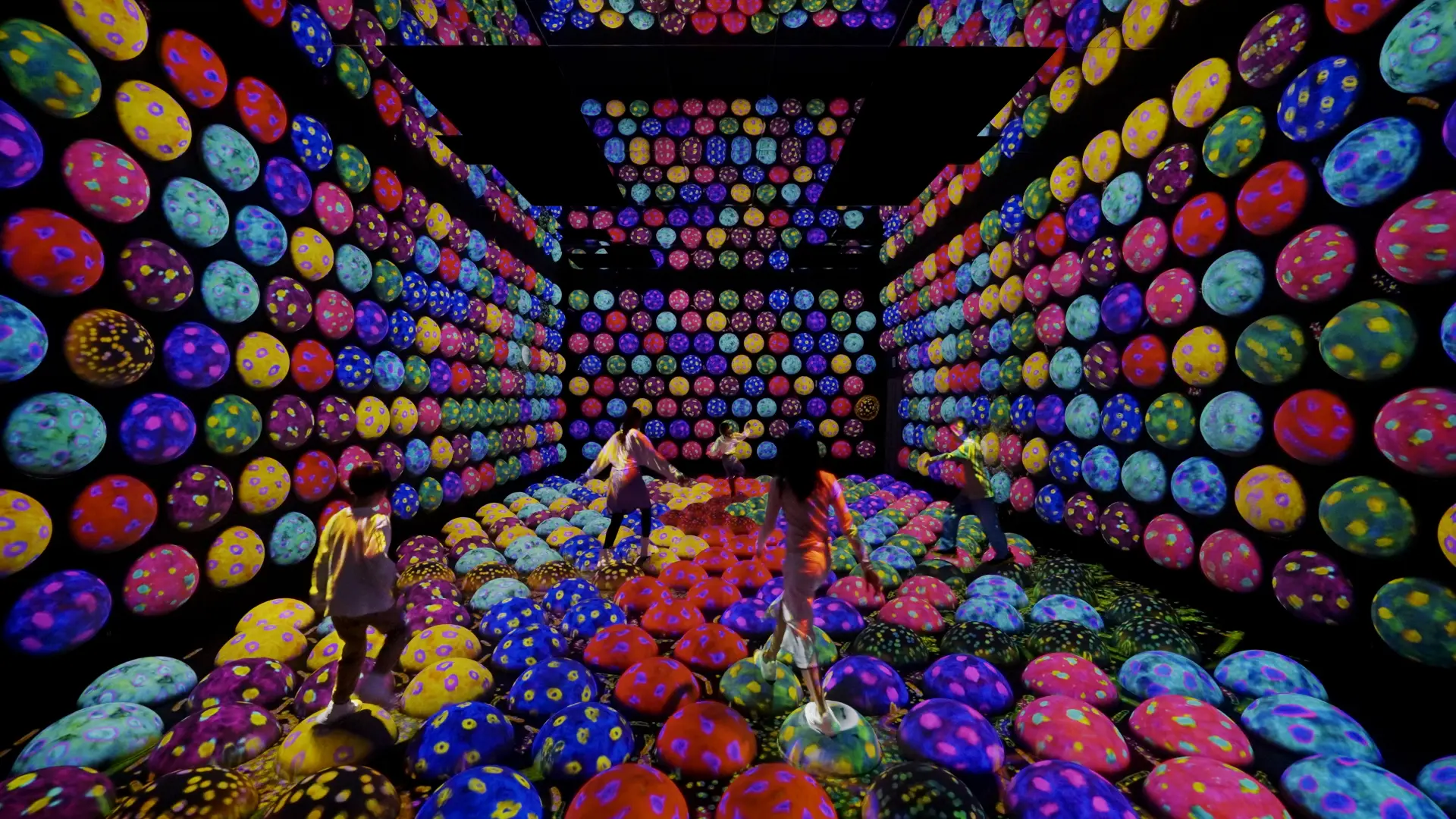
This hands-on museum is popular for exhibits where visitors walk through water and artworks that involve the whole body. There are also plenty of participatory features, such as changing the light of artworks through a smartphone connection or taking home a product made from a drawing you created.
Three new educational projects have also been introduced: “Catching and Collecting Forest,” “Athletics Forest,” and “Learn & Play! Future Park.” More than just a place to view art, this is a museum where the experience itself becomes the artwork.
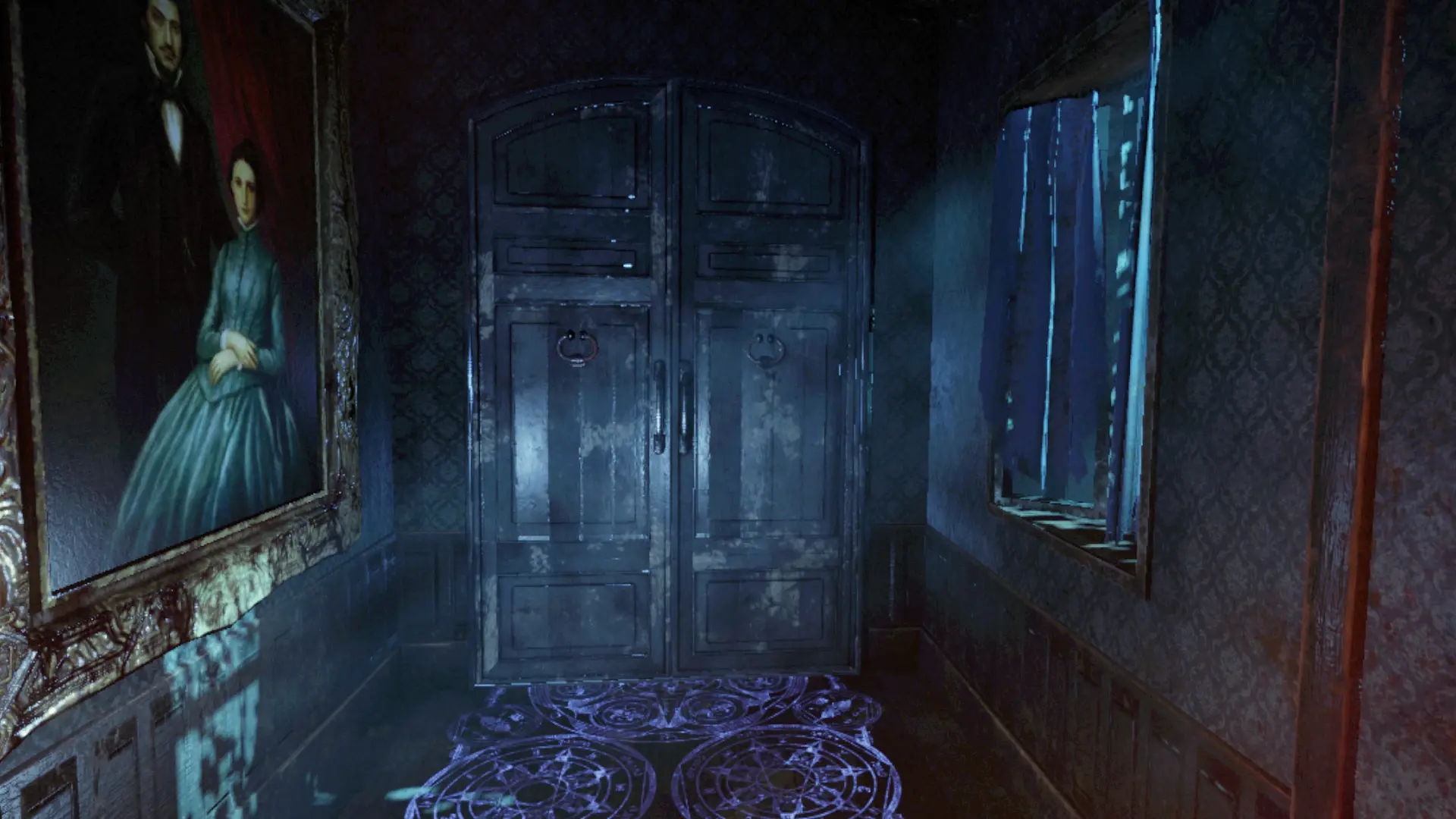
3. TYFFONIUM Odaiba (Koto City)
This immersive entertainment facility combines VR and AR. It is popular for letting visitors step into visually striking worlds created with the latest technology.
It offers six distinctive experiences, including the horror attraction “Corridor,” which takes you through a ruined Western-style mansion; an attraction based on the world of the movie “IT”; and “FLUCTUS,” a journey through a fantastical alternate world. It is a place to walk through another world while surrounded by cinematic visuals and storytelling.
4. Tokyo Joypolis (Minato City)
A popular Odaiba spot known as one of Japan’s largest indoor theme parks. The facility spans three floors and offers attractions using the latest technology, including “Gekion Live Coaster,” a roller coaster fused with a rhythm game, and “ZERO LATENCY VR,” which allows up to 6 players at once.
In addition to attractions, it also hosts events and shows, offering entertainment for both adults and children.
Learning and Discoveries That Engage Both Parents and Children
Robots, dinosaurs, job experiences, toys—one of Tokyo’s appeals is its range of facilities where visitors can not only watch and learn, but also deepen their understanding by trying things themselves.
With many exhibits and experiences that spark children’s curiosity, there are plenty of moments that adults may find themselves absorbed in as well. Visit these spots to encounter new worlds while having fun.
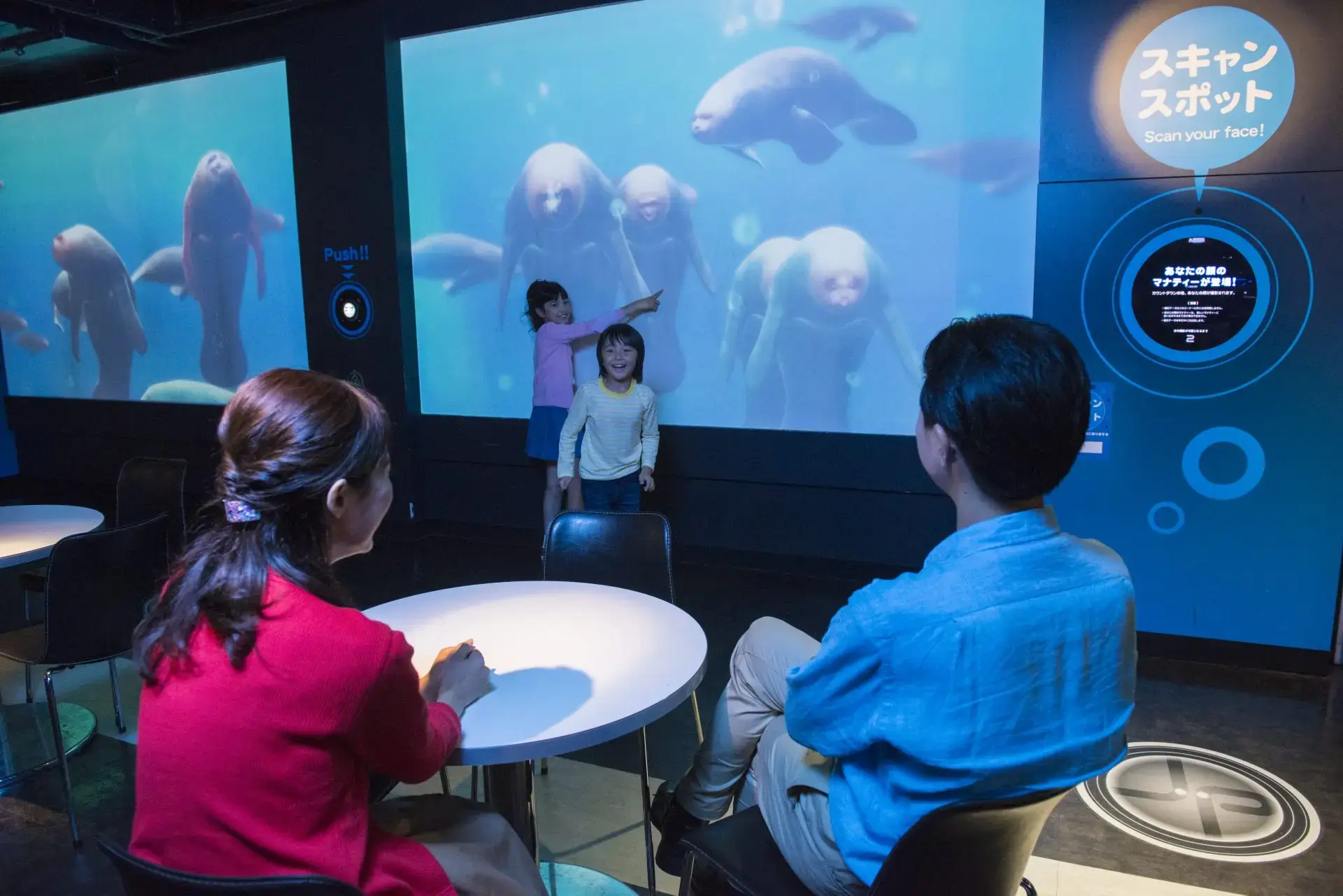
5. National Museum of Emerging Science and Innovation (Miraikan) (Koto City)
A science museum themed around cutting-edge technology and the future of humankind. As visitors move through the exhibition floors, they can explore a wide range of fields, from robotics and space to life sciences. With many hands-on exhibits that invite visitors to touch,explore,and discover for themselves,the museum can be enjoyed by both adults and children according to their own interests. It also offers a rich selection of immersive video works, making it a place where you can spend a full day enjoying yourself, even on a rainy day.
6. National Museum of Nature and Science (Taito City)
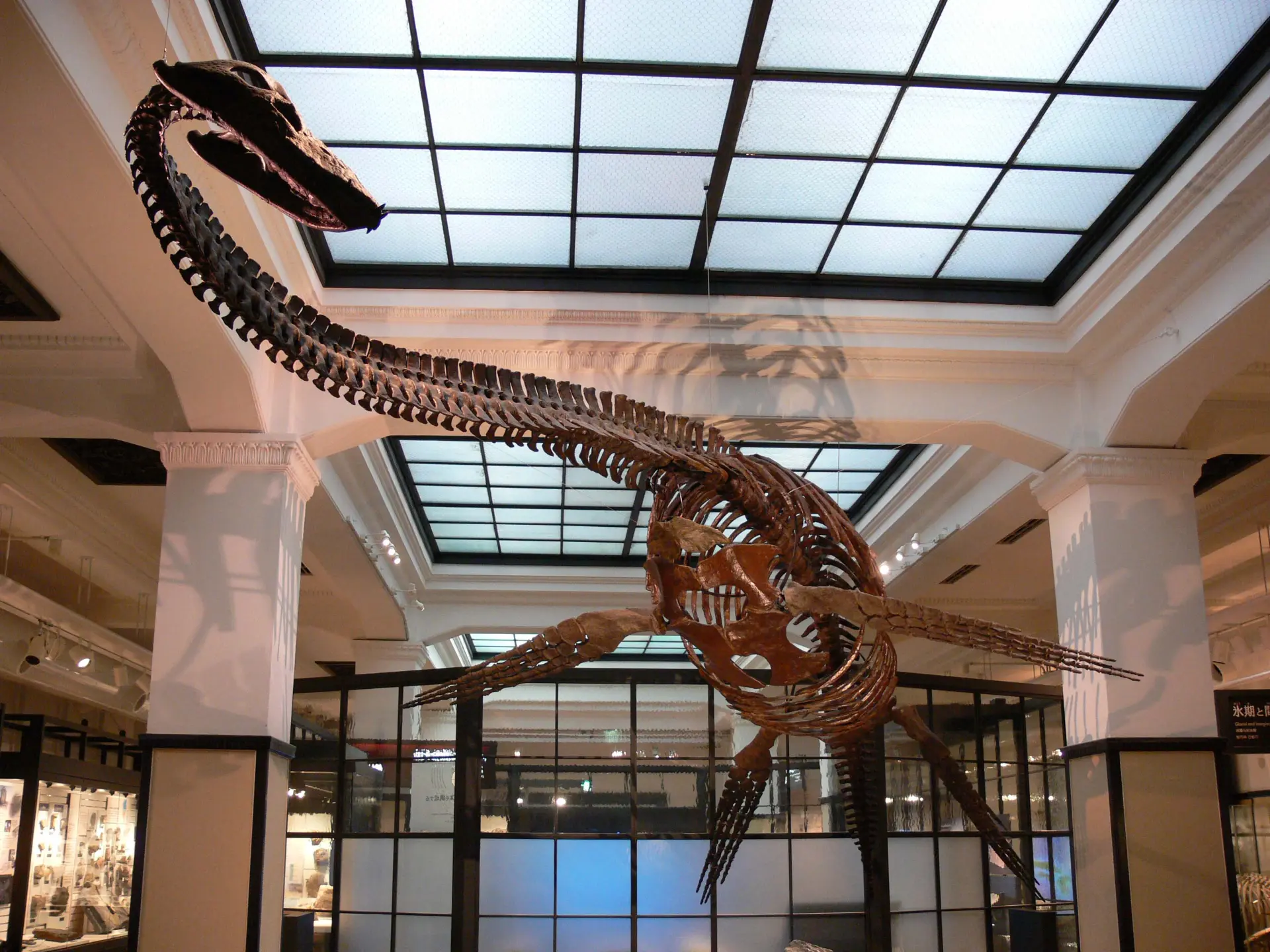
One of Japan’s leading comprehensive science museums, located in a corner of Ueno Park. The Japan Gallery is housed in a distinctive Neo-Renaissance-style building completed in 1931, which has also been designated an Important Cultural Property of Japan.
The Global Gallery, meanwhile, introduces the evolution of life and the development of science and technology. Highlights continue from the powerful skeletal specimens of a Tyrannosaurus and Triceratops displayed underground to an outdoor exhibit of the rocket launcher used to launch “Ohsumi,” Japan’s first artificial satellite.
7. KidZania Tokyo (Koto City)
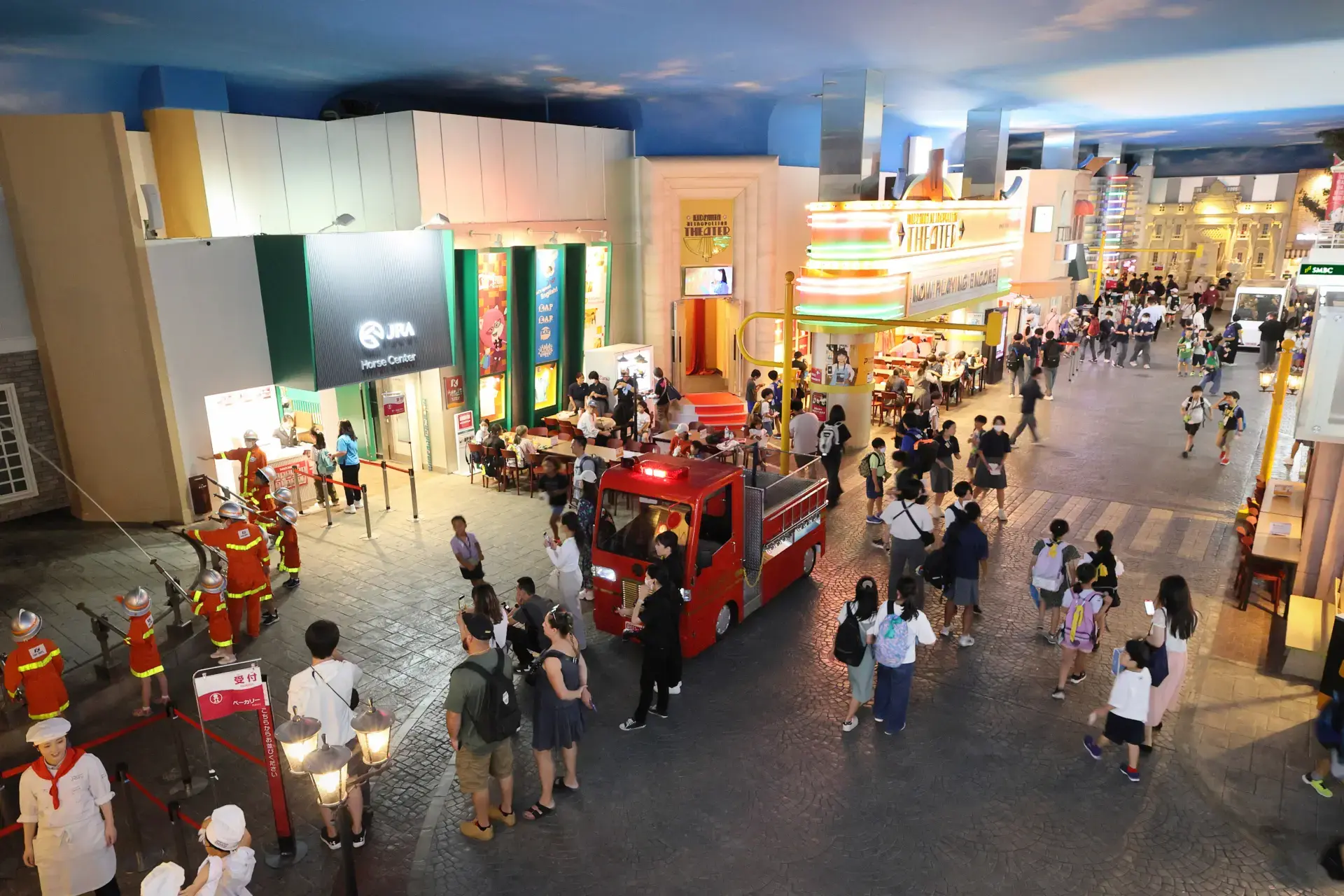
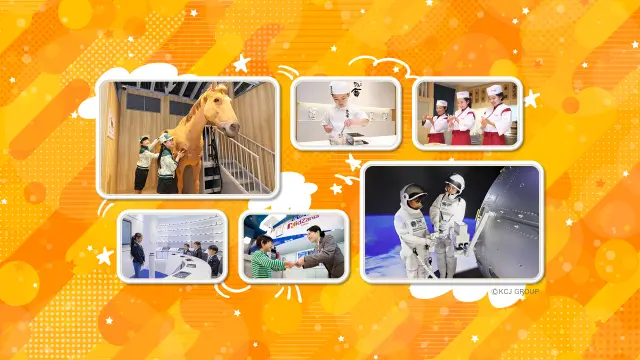
A work and social experience facility where children take center stage and learn how society works. Inside, pavilions operated by real companies line the facility, offering around 100 types of jobs and services to experience.
When children work, they receive the facility’s dedicated currency, “KidZo,” which can be used for shopping and services. With experiences such as depositing money at a bank and activities conducted in English, the facility is designed to help children learn about society through play.
8. Tokyo Toy Museum (Shinjuku City)
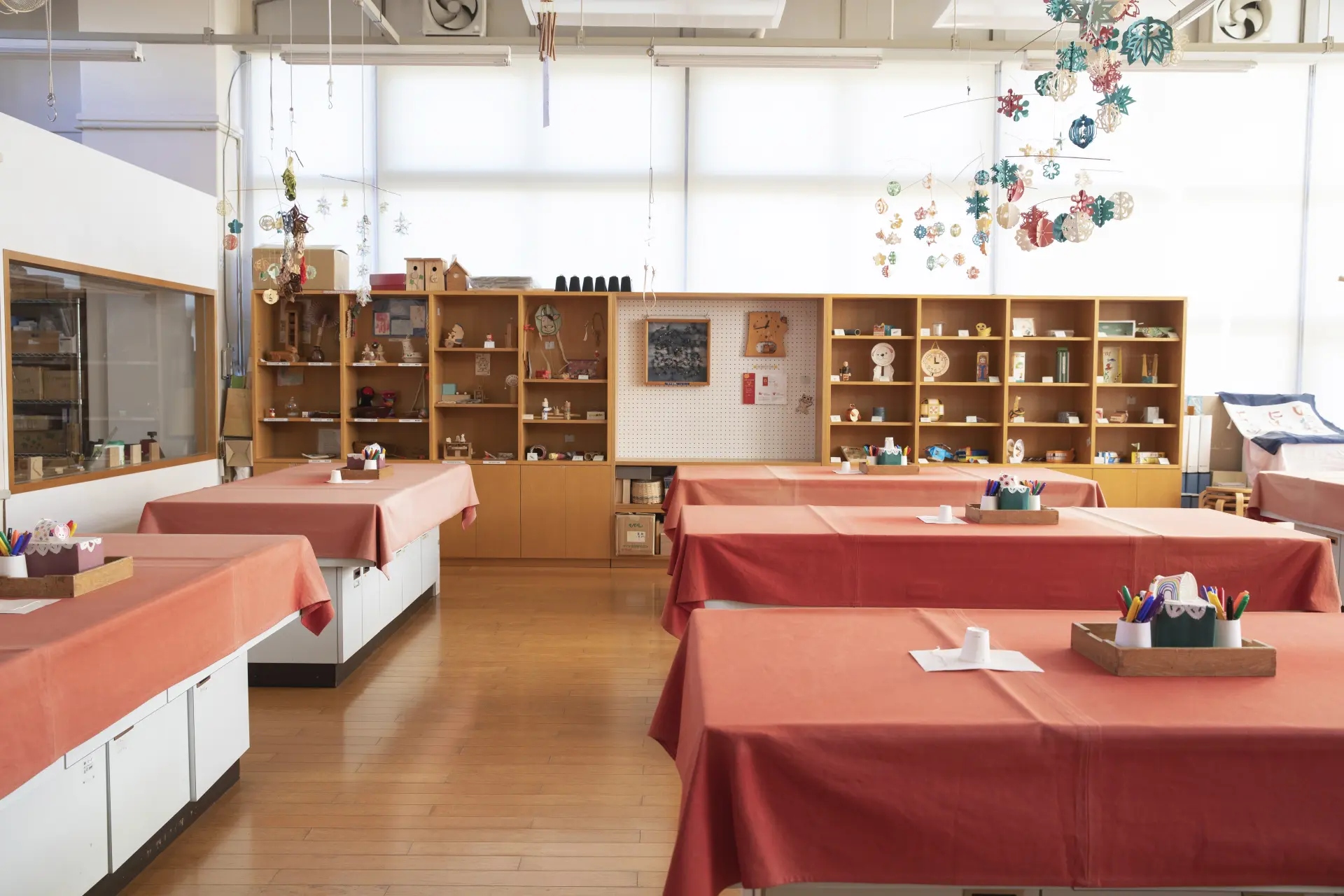
A hands-on museum where people of all generations can play amid the warmth of wood. The building uses the former Yotsuya Fourth Elementary School, built before World War II and now closed, and has been renovated with generous use of domestic wood into a welcoming space full of warmth.
It features 8 rooms, including “Toy Forest,” which has a ball pool filled with 20,000 wooden balls, as well as exhibition rooms introducing toys from around the world, a wooden education play area, and a craft workshop. Through play, visitors can experience the appeal of wood and toys.
Immerse Yourself in Art on a Rainy Day
Touring large-scale special exhibitions, appreciating the architecture itself, or reflecting on the eras and ideas behind the works—Tokyo has many art museums that invite you to spend a full day with them.
Many facilities offer more than exhibitions, including architecture, views, and cafés, making them ideal for days when you want to slowly immerse yourself in culture.
9. Mori Art Museum (Minato City)
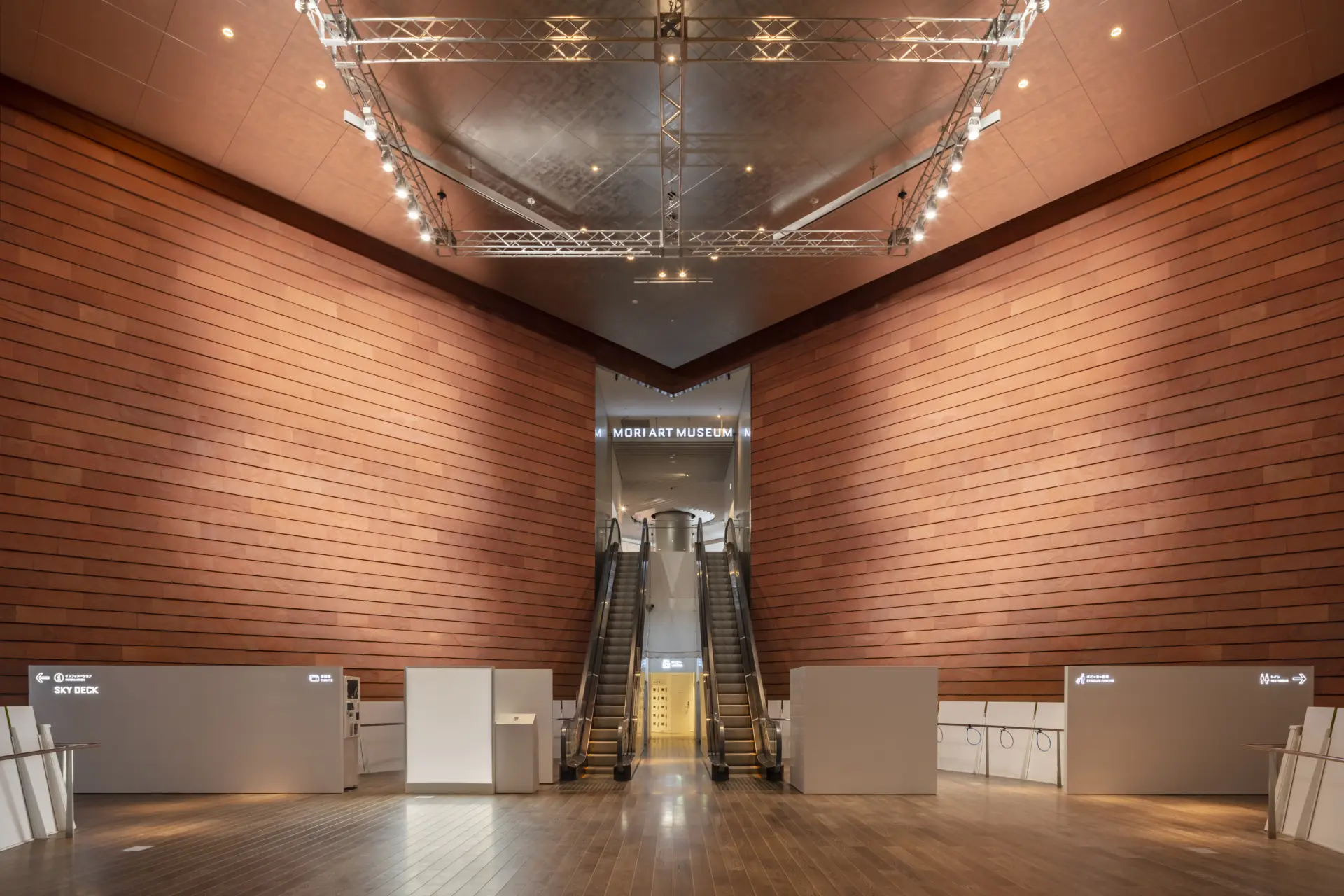
A hub for contemporary art located on the 53rd floor of Roppongi Hills Mori Tower. Roppongi Hills was developed around the concept of a “cultural city center,” and this museum plays an important role as a place where people can experience contemporary culture.
In addition to special exhibitions, it offers a wide range of programs, including “MAM Collection,” which introduces works from the museum’s collection; “MAM Screen,” which presents video works; and “MAM Project,” which features experimental projects. After viewing the exhibitions, take time to enjoy the lingering impressions at Tokyo City View or the museum café.
10. The National Art Center, Tokyo (Minato City)
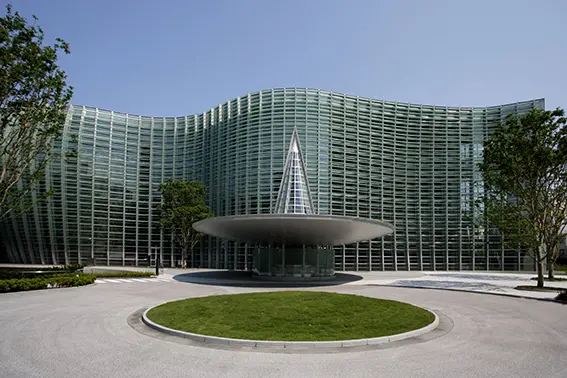
An art museum with one of Japan’s largest exhibition spaces, known for its striking large glass waves. Designed around the concept of an “art center in the forest,” the building is worth seeing in its own right, including its wave-like glass curtain wall.
The expansive 14,000-square-meter space contains 12 exhibition rooms and hosts exhibitions on a wide range of themes, from world-famous masterpieces to manga. With a well-equipped art library, museum shop, and restaurants, this museum lets visitors enjoy both architecture and exhibitions.
11. Mitsubishi Ichigokan Museum, Tokyo (Chiyoda City)
An art museum that stands out in the Marunouchi cityscape. The impressive red-brick building is a reconstruction of “Mitsubishi Ichigokan,” originally completed in 1894 and designed by British architect Josiah Conder, who also worked on the Ueno Museum and Rokumeikan.
The collection centers on late 19th-century Western art, including works by Lautrec and Redon. Take time to view the artworks while also noticing details such as the lattice-patterned staircases, wooden ornamentation, and glass corridors.
12. Tokyo Photographic Art Museum (Meguro City)
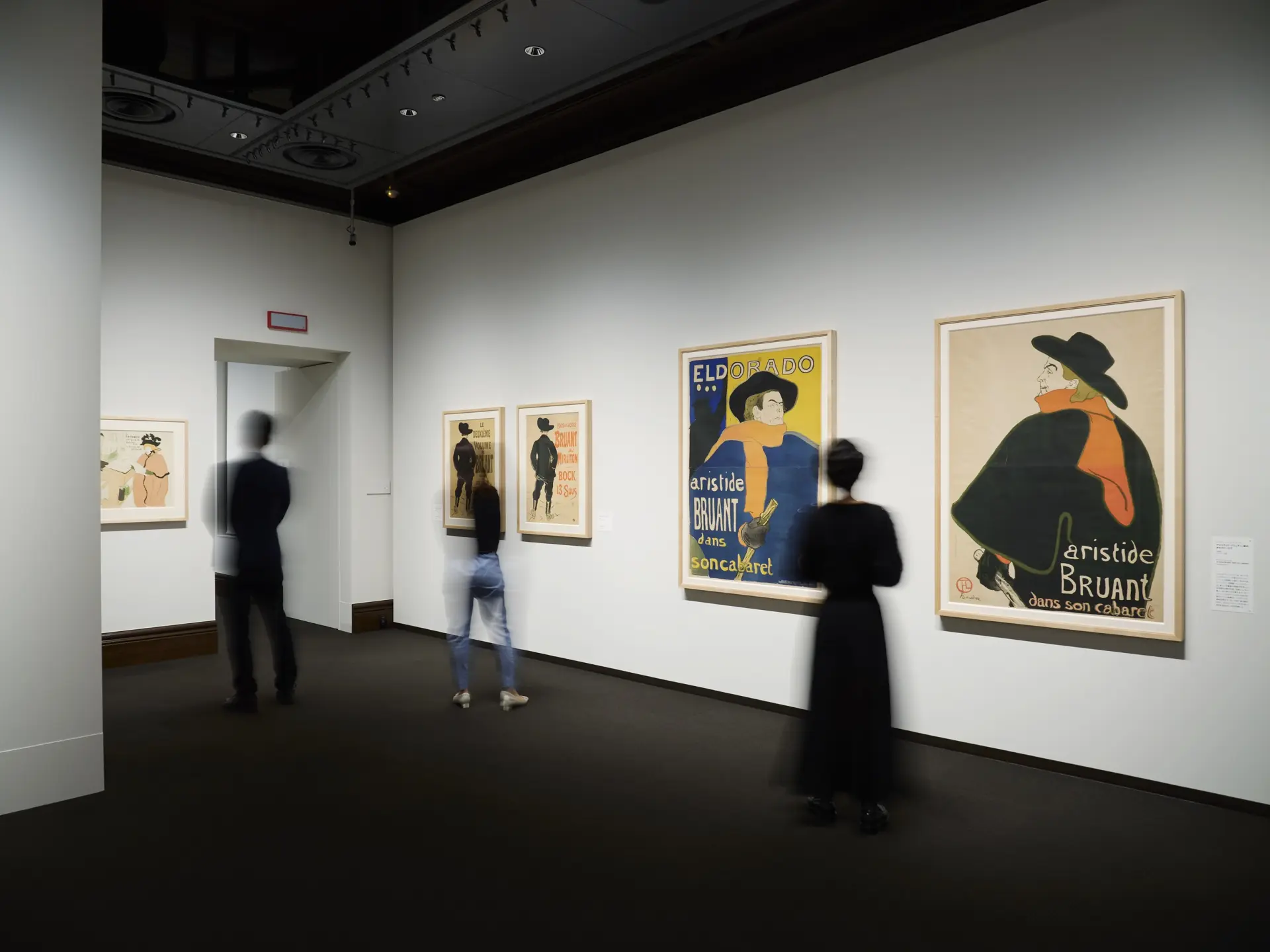
Japan’s first art museum specializing in photography and moving images. Located in Yebisu Garden Place, it presents works from Japan and abroad in three exhibition galleries and a hall.
Its collection includes more than 37,000 works, systematically covering everything from materials that convey the dawn of photography and moving images to the latest works by contemporary artists. In the collection exhibition “TOP Collection,” curators select works according to a theme, and together with special exhibitions, the museum holds about 15 exhibitions a year.
13. ART AQUARIUM MUSEUM GINZA (Chuo City)
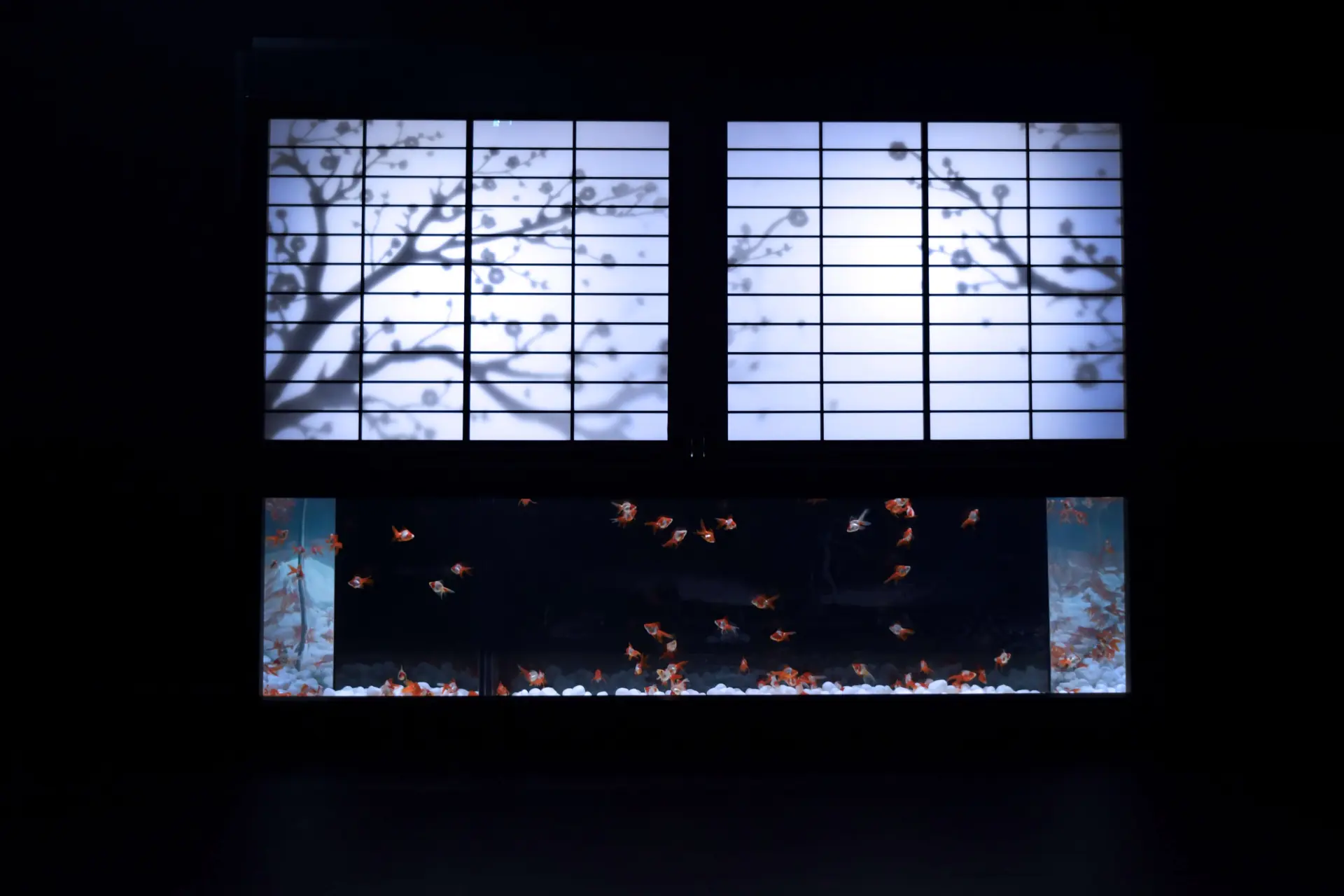
A fantastical world of goldfish art that appears in the city of Ginza. Not only the goldfish and aquariums, but the entire venue is staged with light, music, and fragrance, creating an extraordinary space that makes you forget the bustle of the city.
One highlight is a work that combines many varieties of goldfish with floral arrangements by flower artist Shogo Kariyazaki. Photography is also allowed, giving visitors the pleasure of capturing fleeting scenes created by light and goldfish.
Experience Japanese Aesthetics and Traditional Culture
Another appeal of Tokyo is the chance to encounter handcrafts, performing arts, and everyday cultural traditions passed down through a long history.
By trying things with your own hands or watching craftsmanship and traditional performing arts up close, you can experience a depth that textbooks alone cannot convey. Spend a quiet moment discovering what makes Japanese culture so interesting.
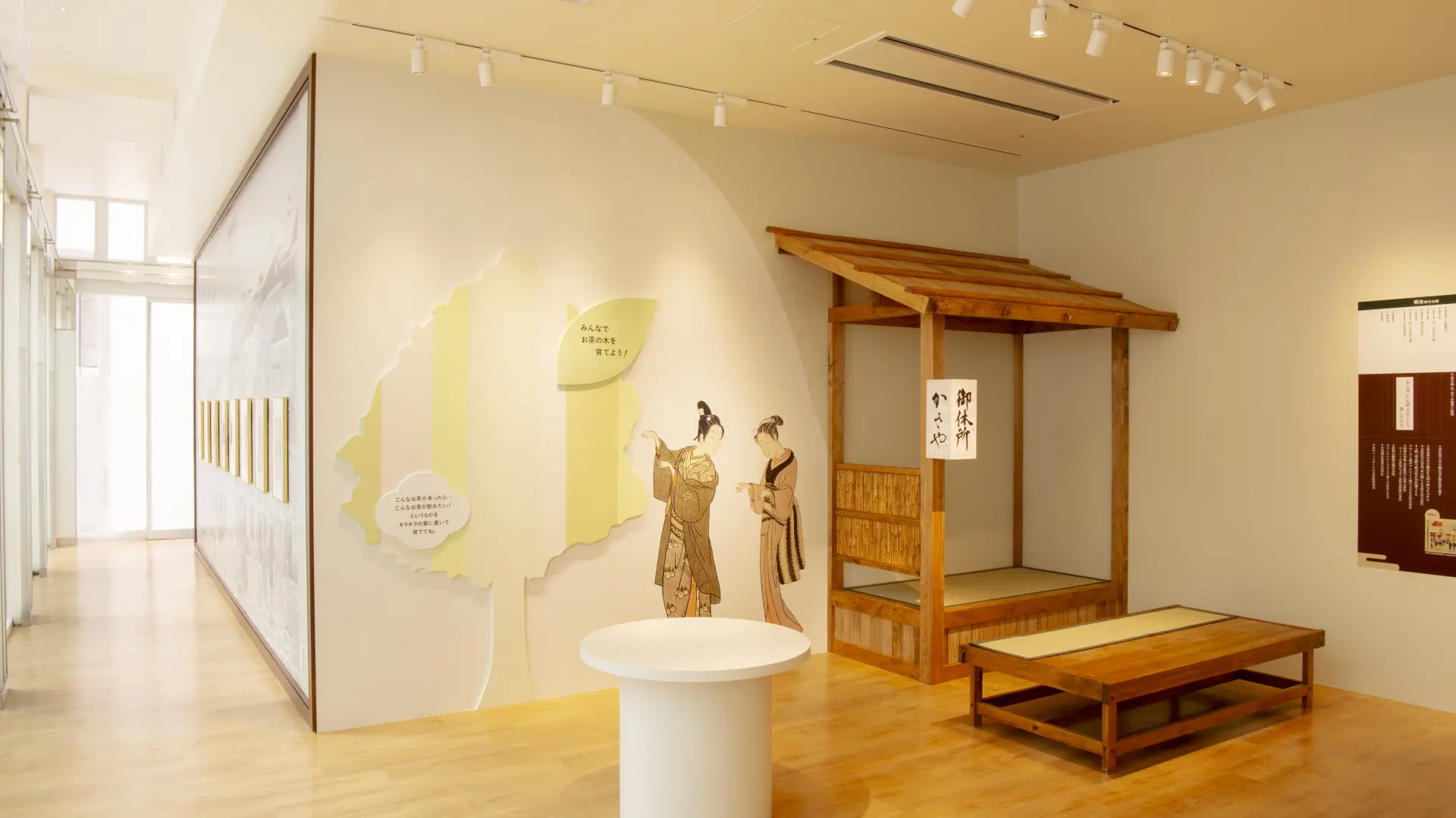
14. Ocha no Bunka Sozo Hakubutsukan / Oi Ocha Museum (Minato City)
A complex museum where visitors can learn about the world of tea, which is deeply rooted in Japanese daily life, from many angles. It consists of two museums with different themes, offering a hands-on look at the appeal of tea and its close connection to Japanese life.
In addition to exhibits recreating a tea house from the Edo period and introducing tea utensils, popular hands-on programs include brewing tea in a kyusu teapot and making a bottle with an original label. Be sure to stop by the café, where you can taste sweets made with tea.

15. Ozu Washi (Chuo City)
A washi paper specialty shop in Nihonbashi with more than 300 years of history. Visitors can experience the process from the basic method of making washi to drying it, and take the finished paper home the same day.
Inside the shop, handmade washi from across Japan is on display, with options for calligraphy, crafts, interior décor, and more. A museum related to paper and special exhibitions are also on site, offering an accessible way to feel the depth of washi culture that has been passed down for more than 1,300 years.

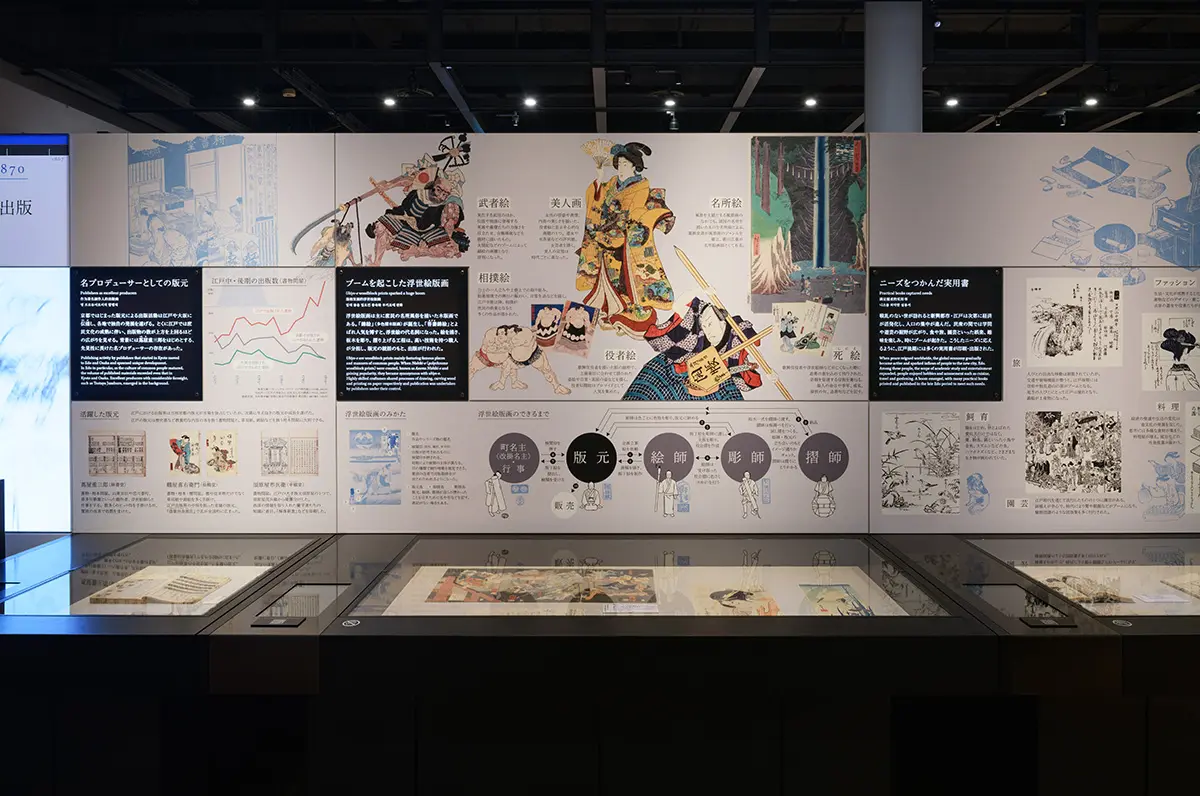
16. Printing Museum, Tokyo (Bunkyo City)
A specialized museum where visitors can trace the history of letters, books, and printing culture. The permanent exhibition displays materials from the collection, including movable type and machinery, as well as the “Hyakumanto Darani,” considered the world’s oldest surviving printed material.
In addition to exhibits explaining the relationship between printing and society from the perspective of the history of civilization, the “Printing Workshop” introduces equipment and materials related to letterpress printing. Through guided tours and letterpress printing experiences, visitors can feel the significance of the technology used to convey words.
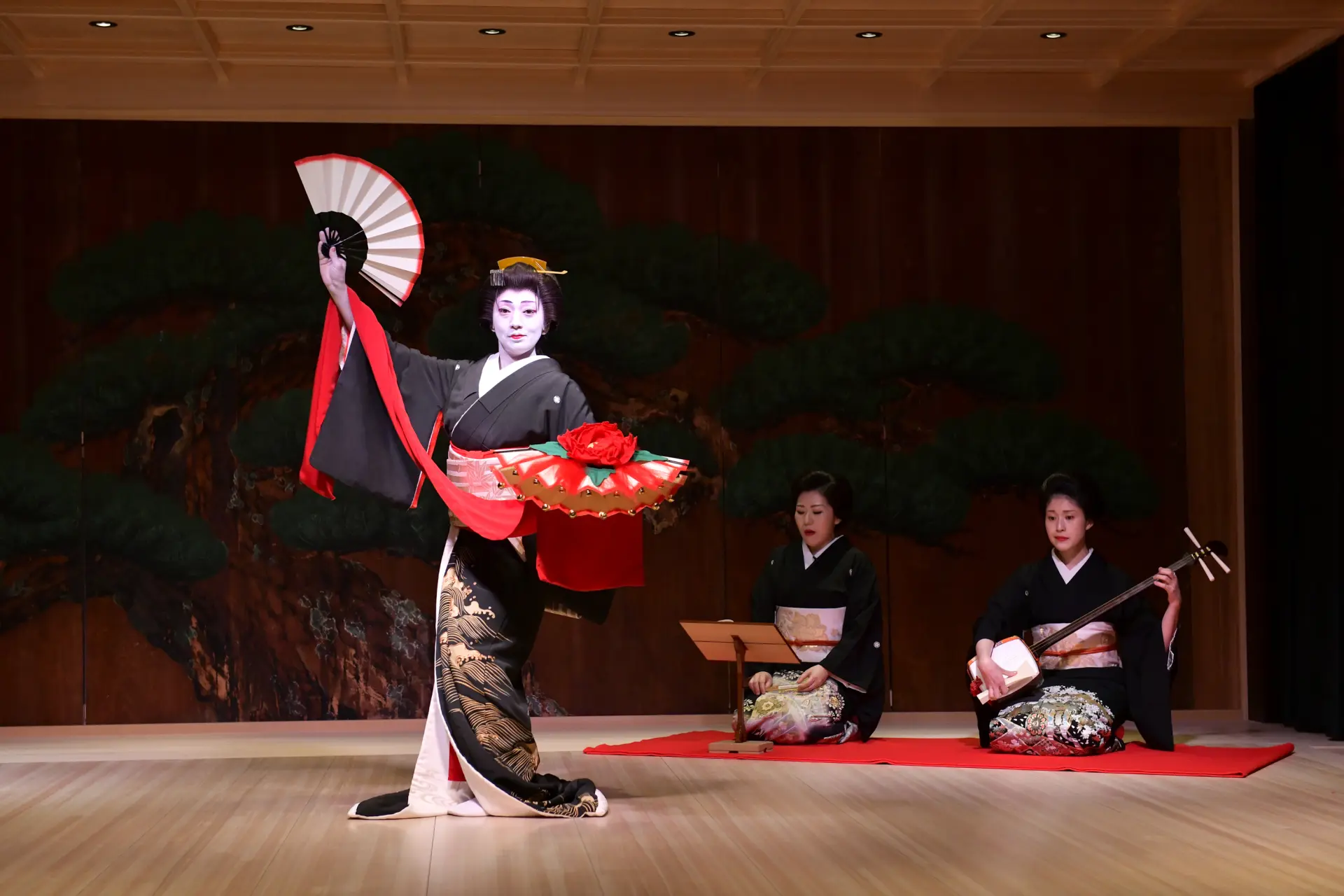
17. Suigian (Chuo City)
A special space where visitors can enjoy traditional performing arts such as noh, kyogen, Japanese dance, and gagaku court music together with a meal. Located in an underground area beneath the forest surrounding a historic shrine in Tokyo’s Nihonbashi, it has the feel of a hideaway that sparks a playful sense of curiosity in adults.
It also includes a gallery displaying ukiyo-e and prints, with a design that naturally incorporates traditional culture. With Japanese cuisine expressing the changing seasons and cocktails inspired by noh, visitors can spend a moment immersed in Japanese aesthetics.
Enjoy Grown-Up Tokyo Culture on a Rainy Day
Spending quiet time surrounded by books or tracing the history of a long-loved brand is another Tokyo-style way to pass the day. The city offers spots where you can satisfy your intellectual curiosity while enjoying the exhibits and spaces themselves.
Discover a calmer side of Tokyo, a little different from busy sightseeing.
18. Toyo Bunko Museum (Bunkyo City)
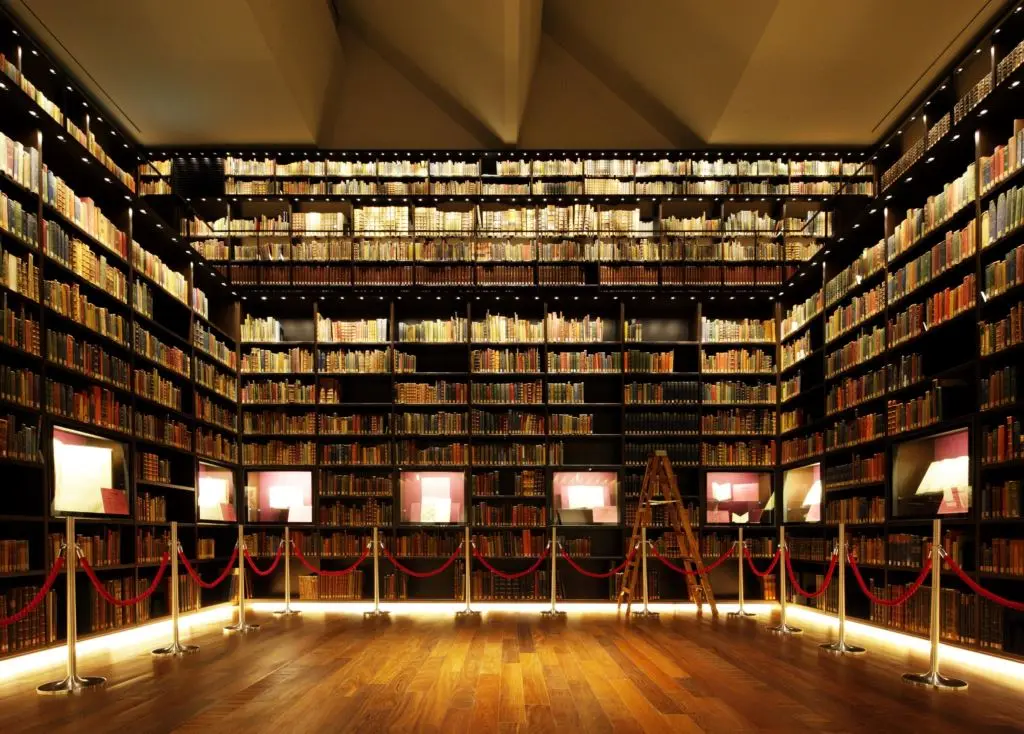
A museum open to the public by a specialized library for Asian studies. With a collection of about 1 million books as its backdrop, its exhibitions of National Treasures, Important Cultural Properties, ukiyo-e, and more are well worth seeing.
After going up the stairs to the second floor, you will find the “Morrison Stacks,” an impressive space with bookshelves packed with East Asia-related materials reaching all the way to the ceiling. Between exhibits, take time to relax in the garden where plants associated with Siebold are grown, or at the Orient Café.
19. YEBISU BREWERY TOKYO (Shibuya City)
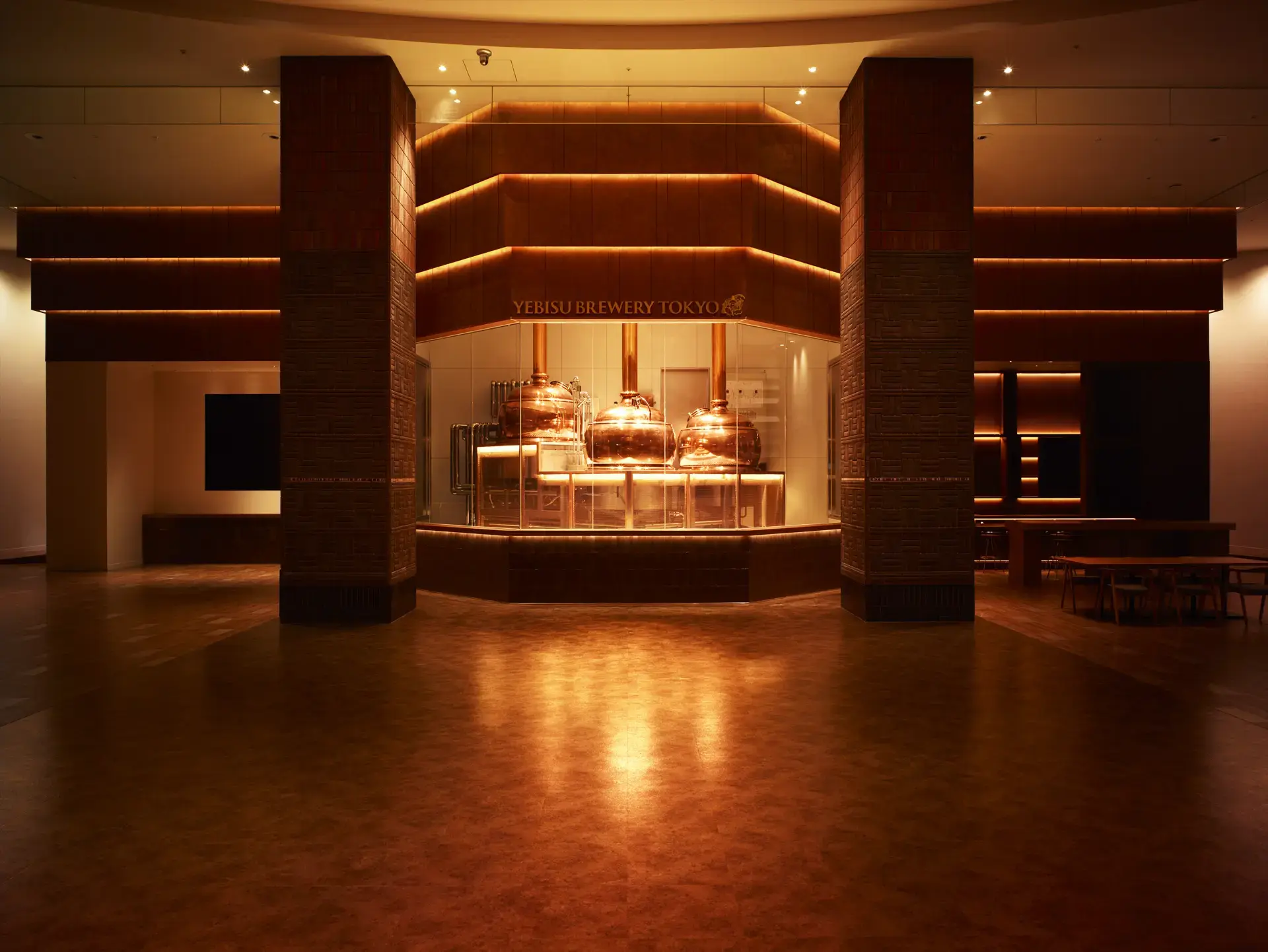
An experiential facility where visitors can discover the history and appeal of Yebisu Beer at its birthplace. The paid “Yebisu Tour,” guided by a Yebisu Beer expert, is held twice every hour and offers a complete introduction to Yebisu Beer.
At the end of the tour, visitors can taste 2 types of Yebisu, and the tasting salon also offers the chance to compare a variety of labels. Don’t miss the original goods available only here.
Summary
Tokyo has many spots that can be enjoyed regardless of the weather.
The range is remarkably diverse, from teamLab Borderless and teamLab Planets, where you can immerse yourself in cutting-edge art, to the National Museum of Emerging Science and Innovation and KidZania Tokyo, where families can learn while playing, and Ozu Washi and Suigian, where you can experience the depth of Japanese culture.
One of the pleasures of a rainy day is being able to slow down and settle into one place instead of rushing between destinations. Head out to discover a slightly different side of Tokyo.