
Miyakejima Travel Guide: An Easily Accessible Volcanic Island with Distinctive Natural Landscapes
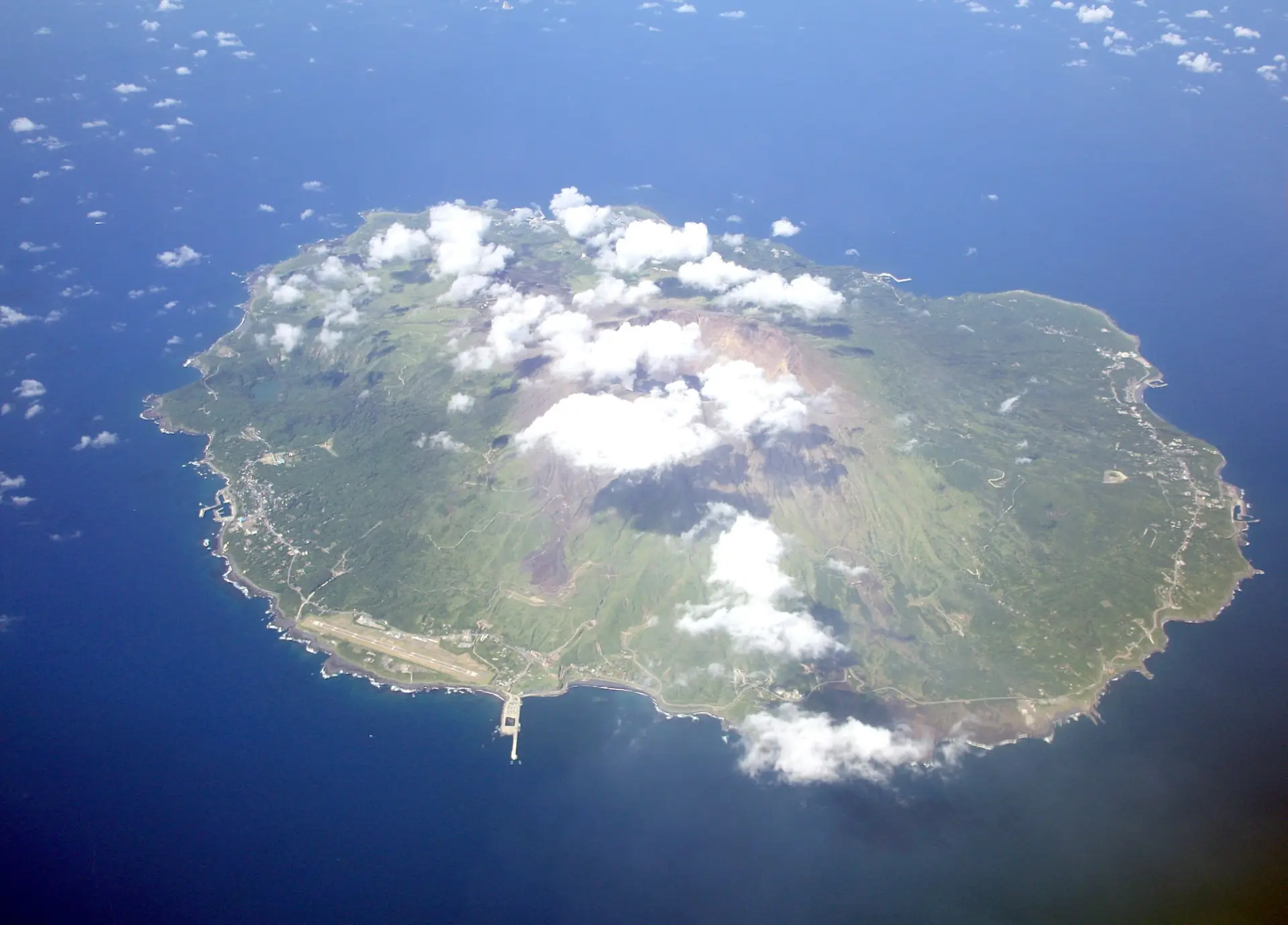
Miyakejima is an island in the southern Izu Islands, part of Tokyo, that has experienced repeated volcanic eruptions.
Although accessible from Tokyo, the island has a distinctive character and offers a close look at nature's dynamic forces.
This guide introduces attractions and travel tips for Miyakejima, a volcanic island that can even be visited on a day trip.
What Is Miyakejima Like?
Miyakejima lies about 180 kilometers south of Tokyo, with daily ferry and air service.
The island is roughly circular and slightly elongated from north to south. Its coastal road is about 30 km long and can be driven in around 1 hour.
Including its underwater portion, the volcano is about 25 km in diameter—about 8 km at sea level—and rises 1,200 m from the seafloor. It has repeatedly produced fissure eruptions on its slopes.
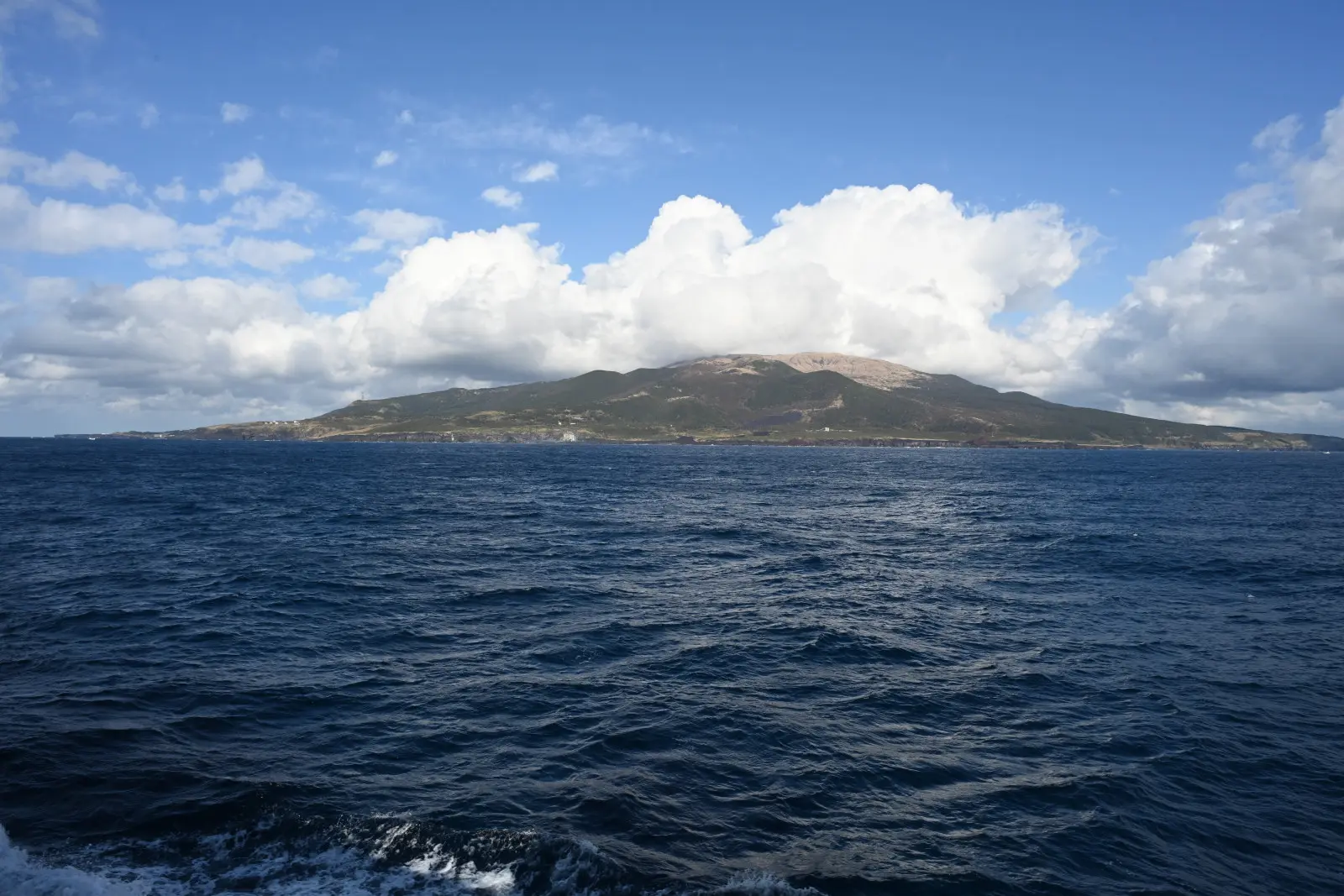
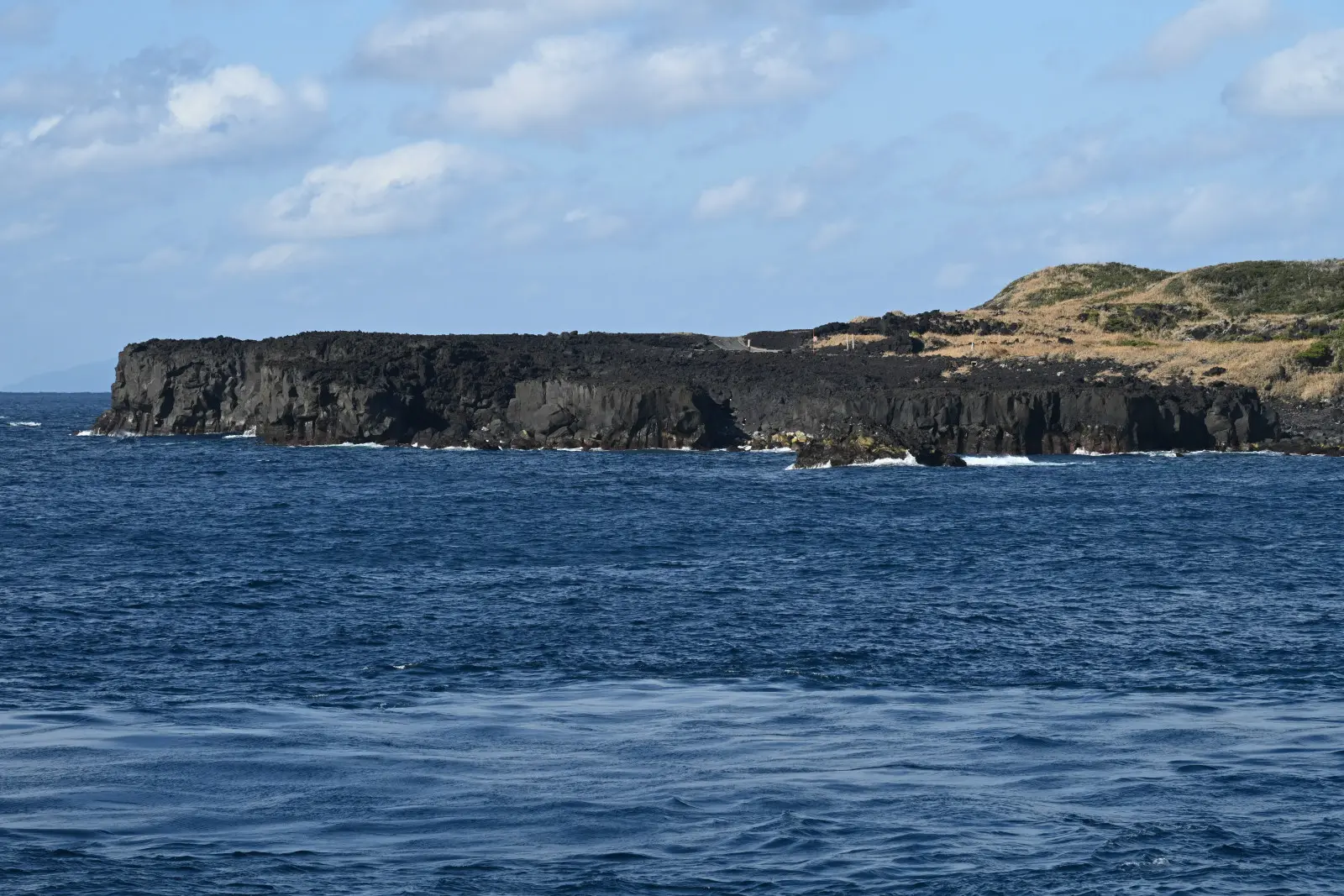
Miyakejima has experienced four major volcanic eruptions over the past 100 years. The 1983 eruption buried the Ako district in lava, while the 2000 eruption released enormous amounts of volcanic gas.
The 2000 eruption began in late June and gradually intensified. As toxic volcanic gas continued to be released, the entire island was evacuated in September.
The evacuation lasted 4 years and 5 months. The evacuation order was lifted on February 1, 2005, and by the following year, about 70% of the evacuated residents had returned.
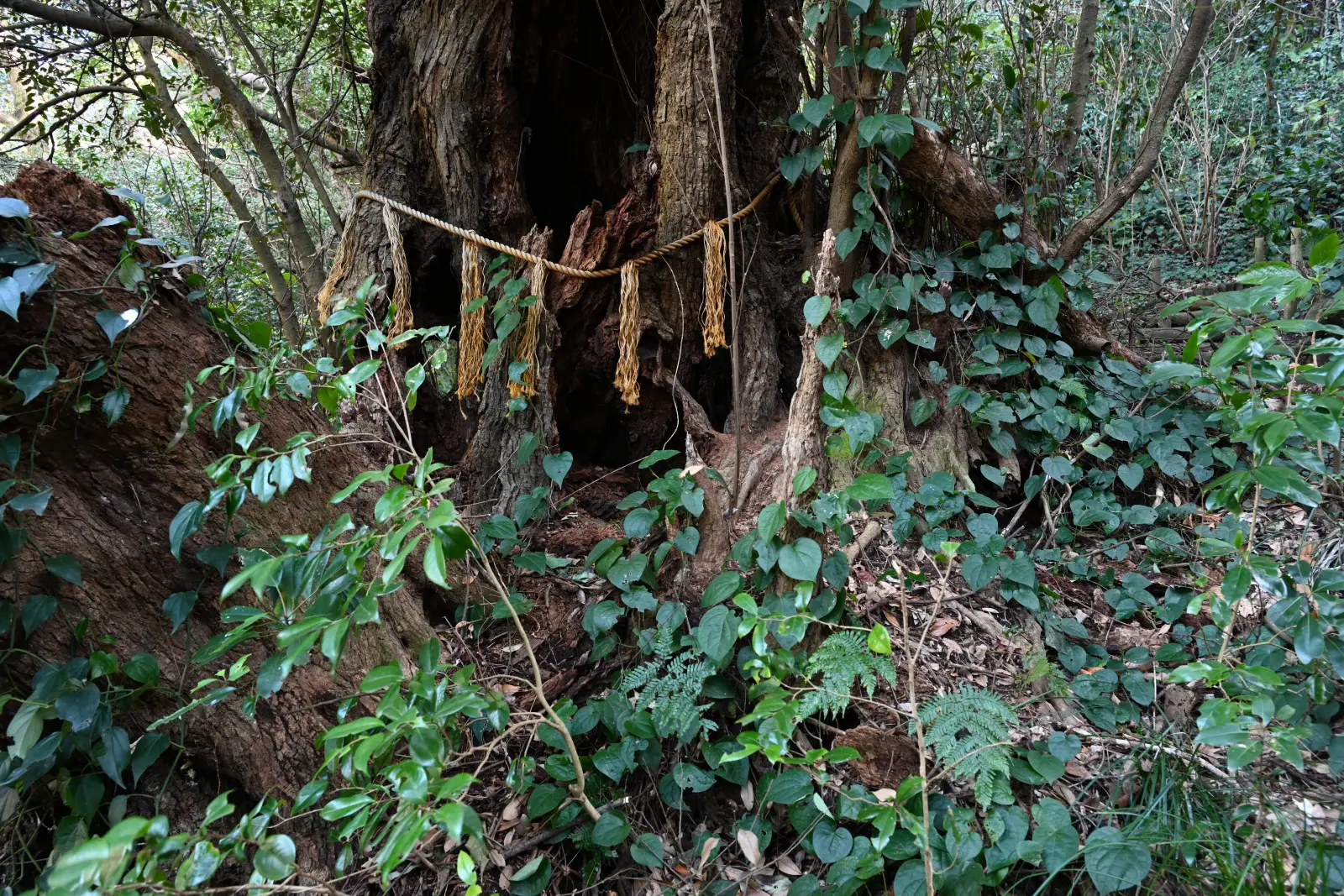
Volcanic gas and ash severely affected the island's trees, killing about 60% of its planted and natural forests. Bird populations also fell sharply.
Although eruptions have caused extensive damage, the island's vegetation has recovered each time, and giant trees that have lived for centuries still survive.
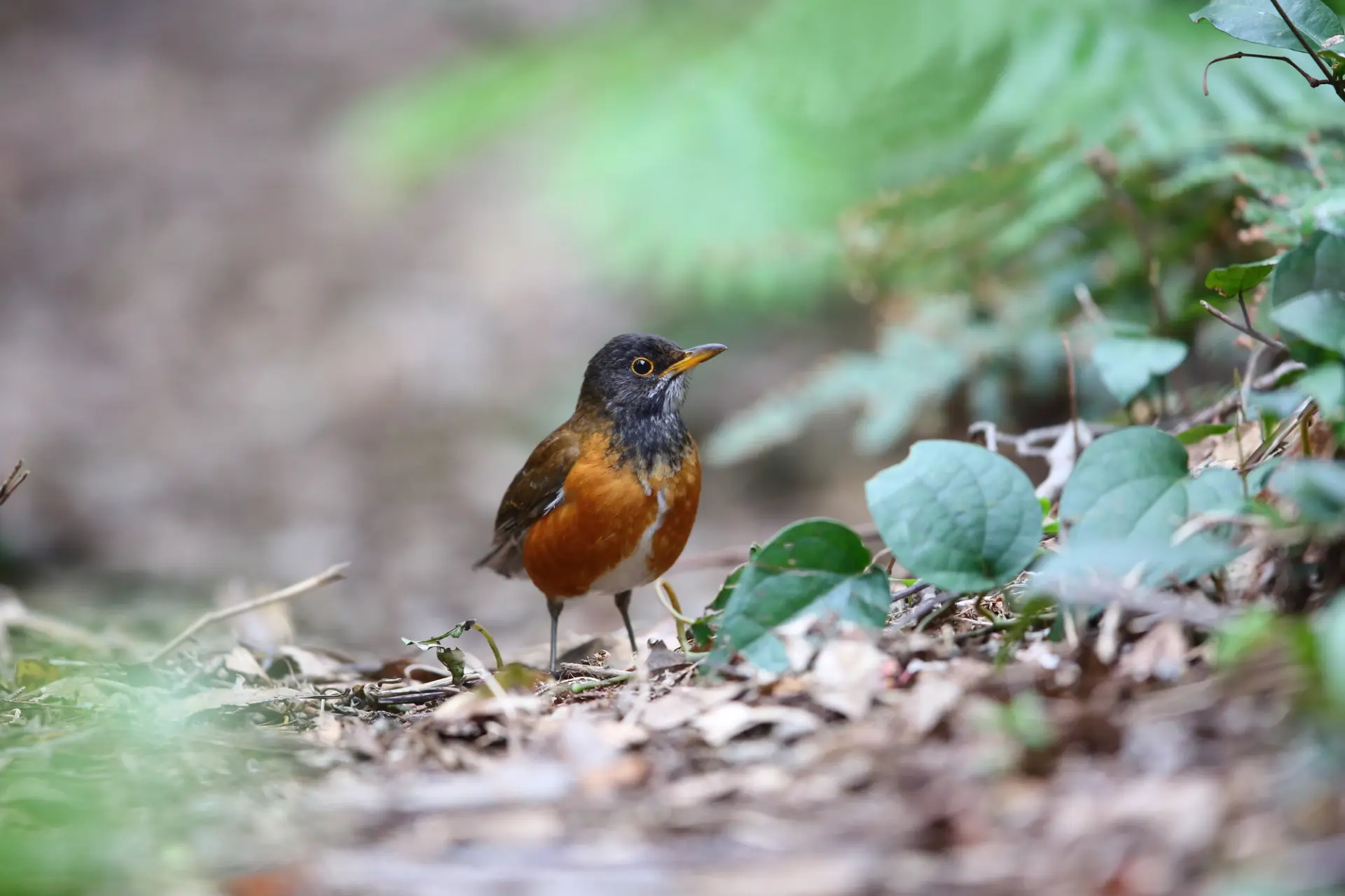
Conservation efforts are also underway for the endangered Izu thrush, with attempts to increase its population by expanding its natural habitat.
Miyakejima's Climate and the Best Time to Visit
Influenced by the warm Kuroshio Current flowing nearby, the island has a rainy maritime climate.
Although the climate is mild, summers are not excessively hot. Even when highs exceed 35°C on Honshu, temperatures on Miyakejima are often around 30°C.
Winter lows rarely fall below 0°C, and even in January, the coldest month, the average temperature is only slightly below 10°C.
Temperatures are comfortable throughout the year, but typhoons and winter low-pressure systems often affect the island. If poor weather is forecast for your visit, check ferry and flight operations frequently.
April to June for Birdwatching
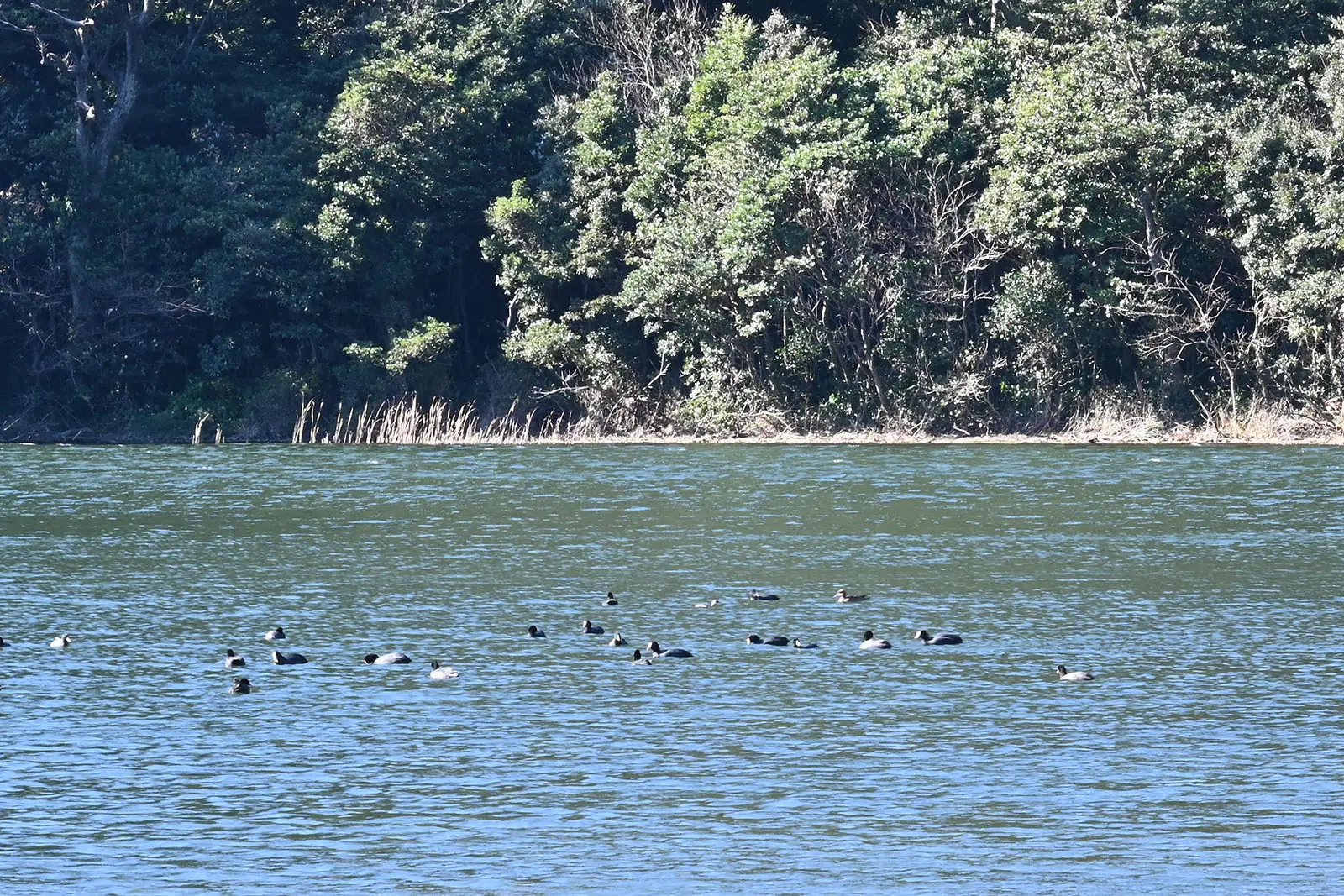
Miyakejima is so well suited to birdwatching that it is known as Bird Island. Spring, when migratory birds arrive, is particularly good, with May considered the best month.
Birds are active early in the morning, so if birdwatching is your main purpose, take the Tokai Kisen passenger ferry that arrives on Miyakejima at dawn.
July to August for the Sea
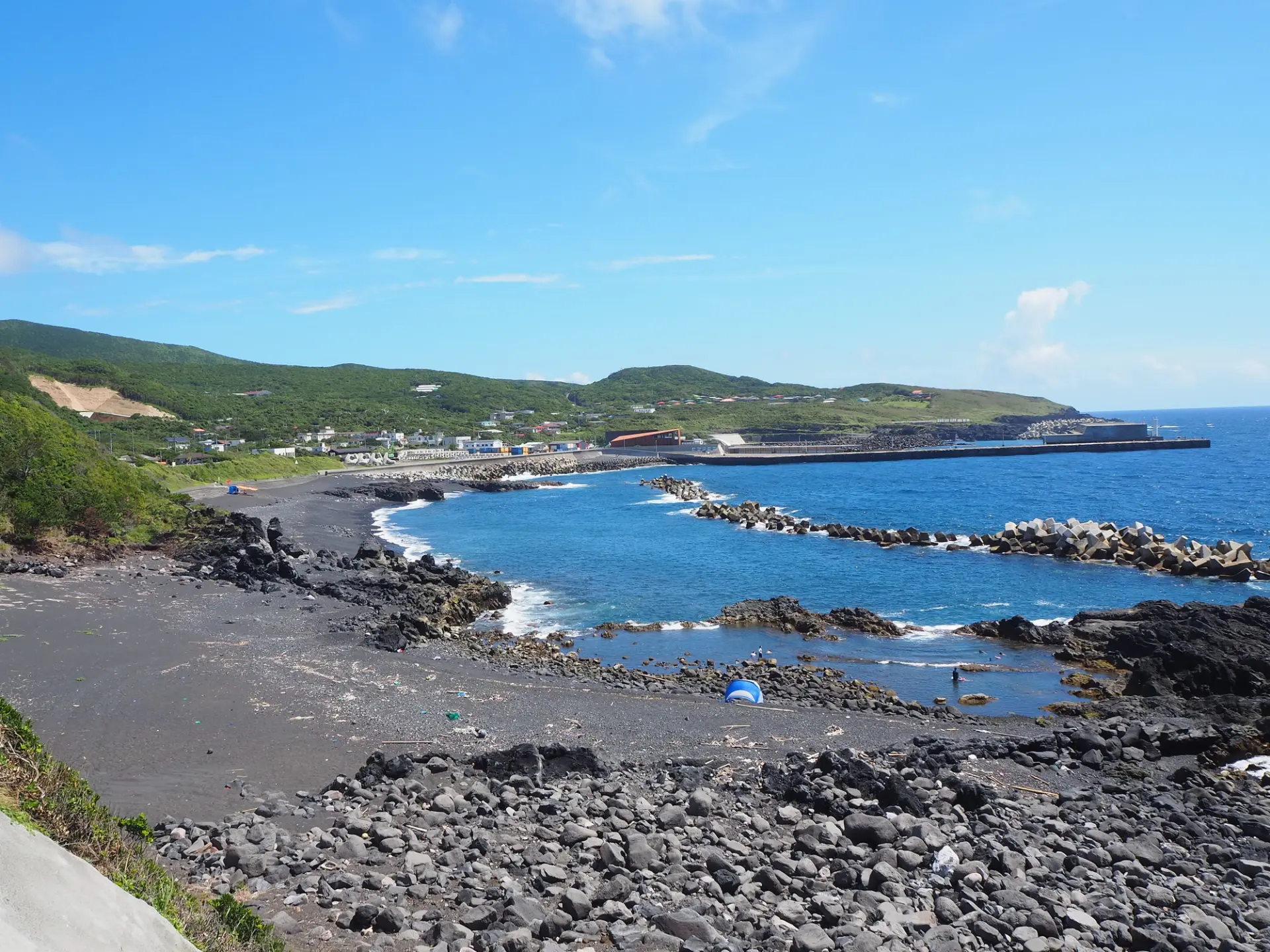
For swimming, the best time is July and August, when schools are on summer vacation. Some beaches have lifeguards on duty from mid-July to mid-August.
July and August are the island's busiest months, and peak-season accommodation rates apply.
Book your accommodations, ferry, or flight well in advance.
How to Get to Miyakejima from Tokyo
You can reach Miyakejima from Tokyo by ferry or plane.
Both operate daily, making a day trip possible, though the itinerary will be rushed.
By Tokai Kisen Passenger Ferry
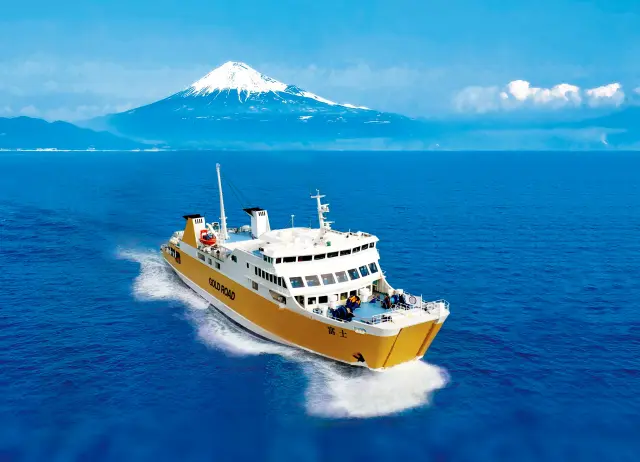
Tokai Kisen operates a large passenger ferry to Miyakejima from Tokyo's Takeshiba Pier, about a 10-minute walk from JR Hamamatsucho Station. The trip takes 6 hours and 30 minutes.
The outbound ferry leaves Tokyo at 10:30 p.m. and arrives on Miyakejima at 5:00 a.m. the next day. On the return trip, the ferry from Hachijojima arrives at 1:35 p.m., departs Miyakejima at 1:45 p.m., and reaches Tokyo at 7:50 p.m. the same day.
From Miyakejima, the ferry continues to Mikurajima and Hachijojima. It then turns around at Hachijojima, returns via Mikurajima and Miyakejima, and heads back to Tokyo.
Passenger ferry timetable (example for July–September 2026)
| Tokyo | Miyakejima | Mikurajima | Hachijojima | |||
|---|---|---|---|---|---|---|
| Departs 10:30 p.m. the previous day | ⇒ | Arrives 5:00 a.m. / Departs 5:15 a.m. | ⇒ | Arrives 6:00 a.m. / Departs 6:05 a.m. | ⇒ | Arrives 8:55 a.m. |
| Arrives 7:50 p.m. | ⇦ | Arrives 1:35 p.m. / Departs 1:45 p.m. | ⇦ | Arrives 12:35 p.m. / Departs 12:40 p.m. | ⇦ | Departs 9:40 a.m. |
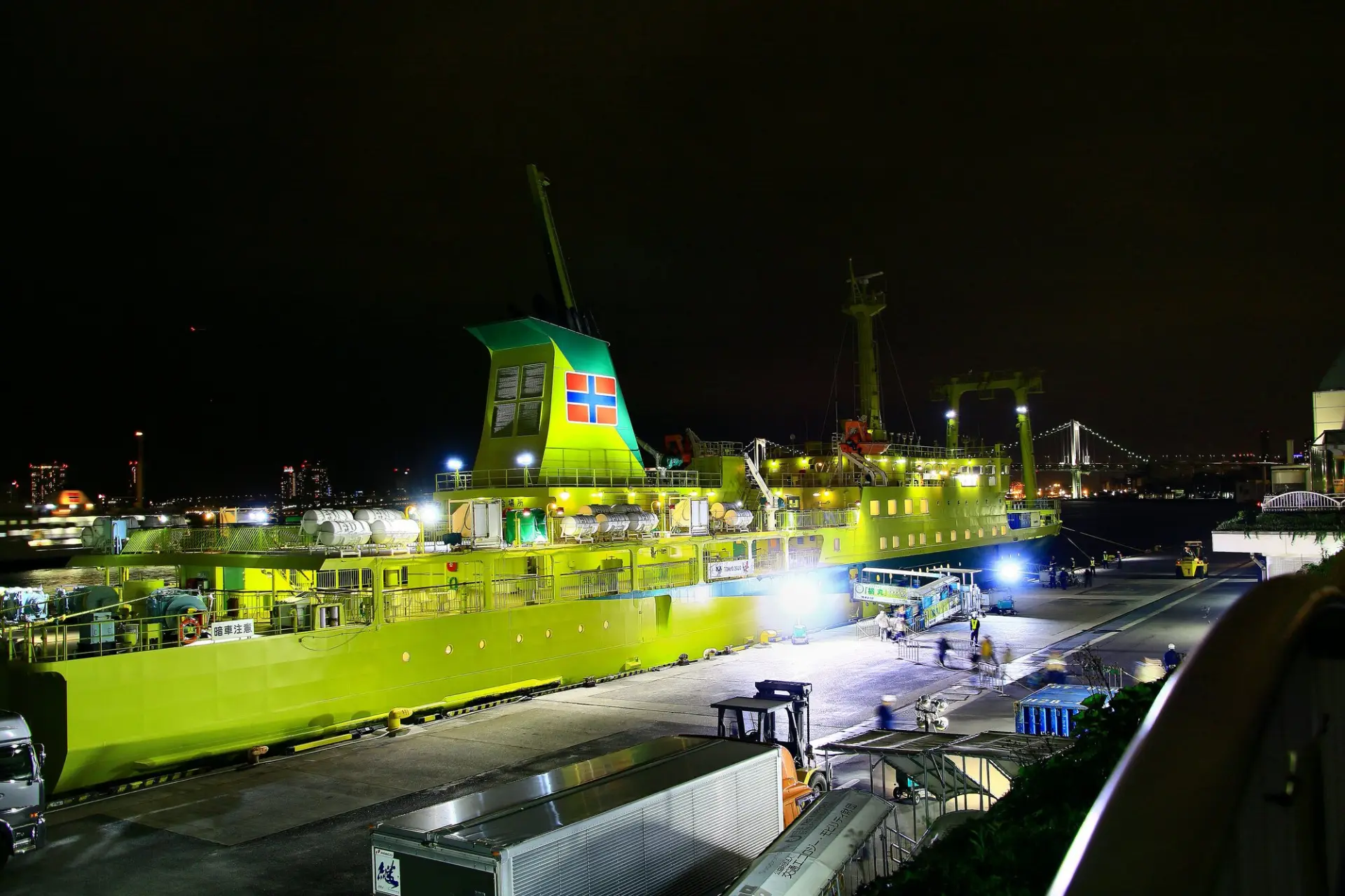
Whether a ferry operates depends on conditions at sea and at its ports of call, and services are canceled when severe weather is expected.
Three ports are used on Miyakejima: Miike Port in the east, Igaya Port in the west, and Sabigahama Port in the southwest.
The port used is selected according to conditions when the ferry reaches Miyakejima, so you will not know which one it will be until the day of travel.
The outbound ferry's port is decided late at night, while the return ferry's port is decided at 11:00 a.m. The morning arrival and afternoon departure may use different ports.
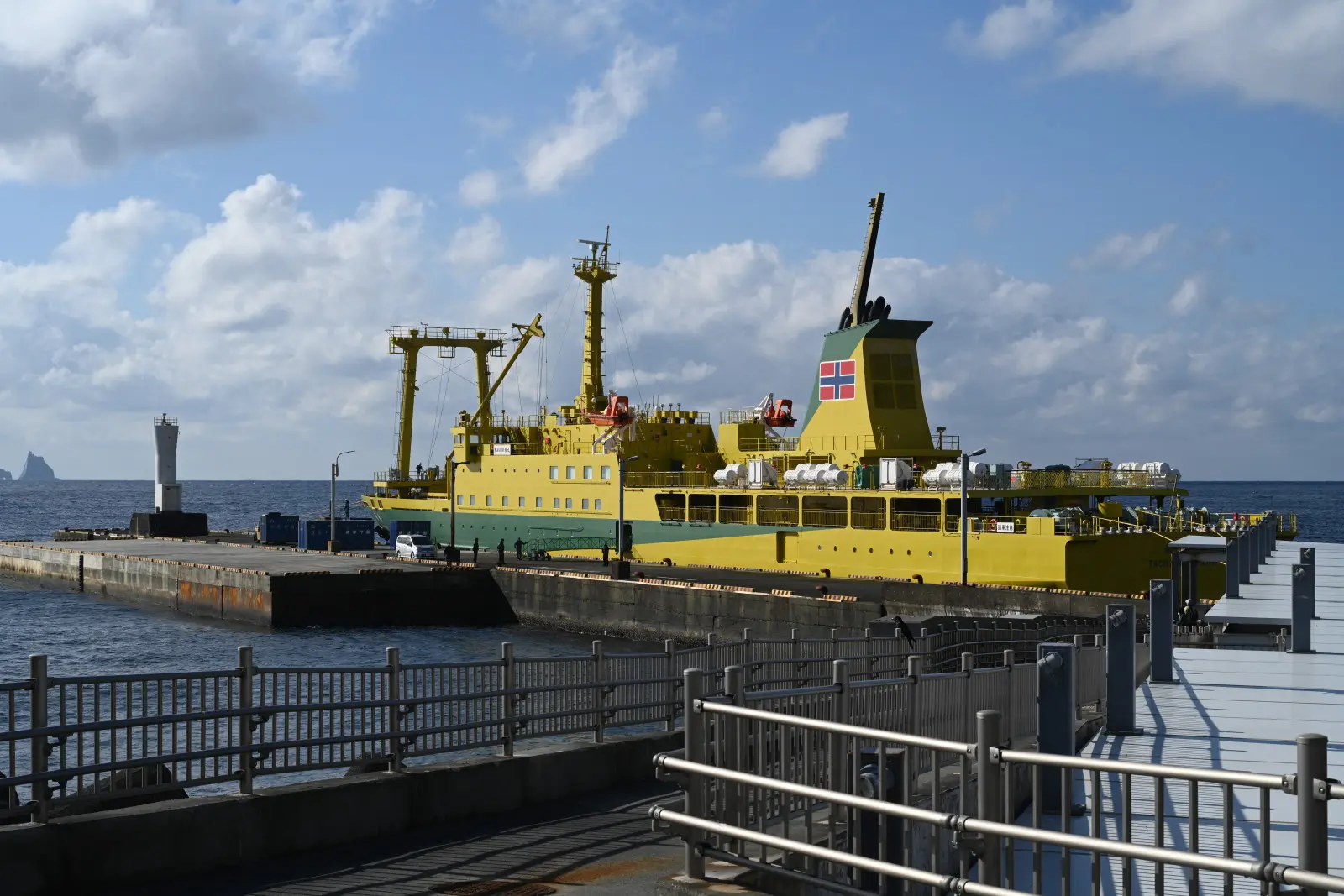
Even on a day trip, you must confirm which port the Tokyo-bound ferry will depart from.
If you have booked an early-morning rest plan with transportation, the facility's shuttle will meet you at the arrival port, so there is no need to contact it yourself.
The municipal bus also operates one clockwise and one counterclockwise service to coincide with the early-morning arrival of the passenger ferry from Tokyo.
You can book passenger ferry tickets to Miyakejima through the Tokai Kisen website, but free advance membership registration is required.
Cancellations and booking changes cannot be made online; you must contact the company by phone or email.
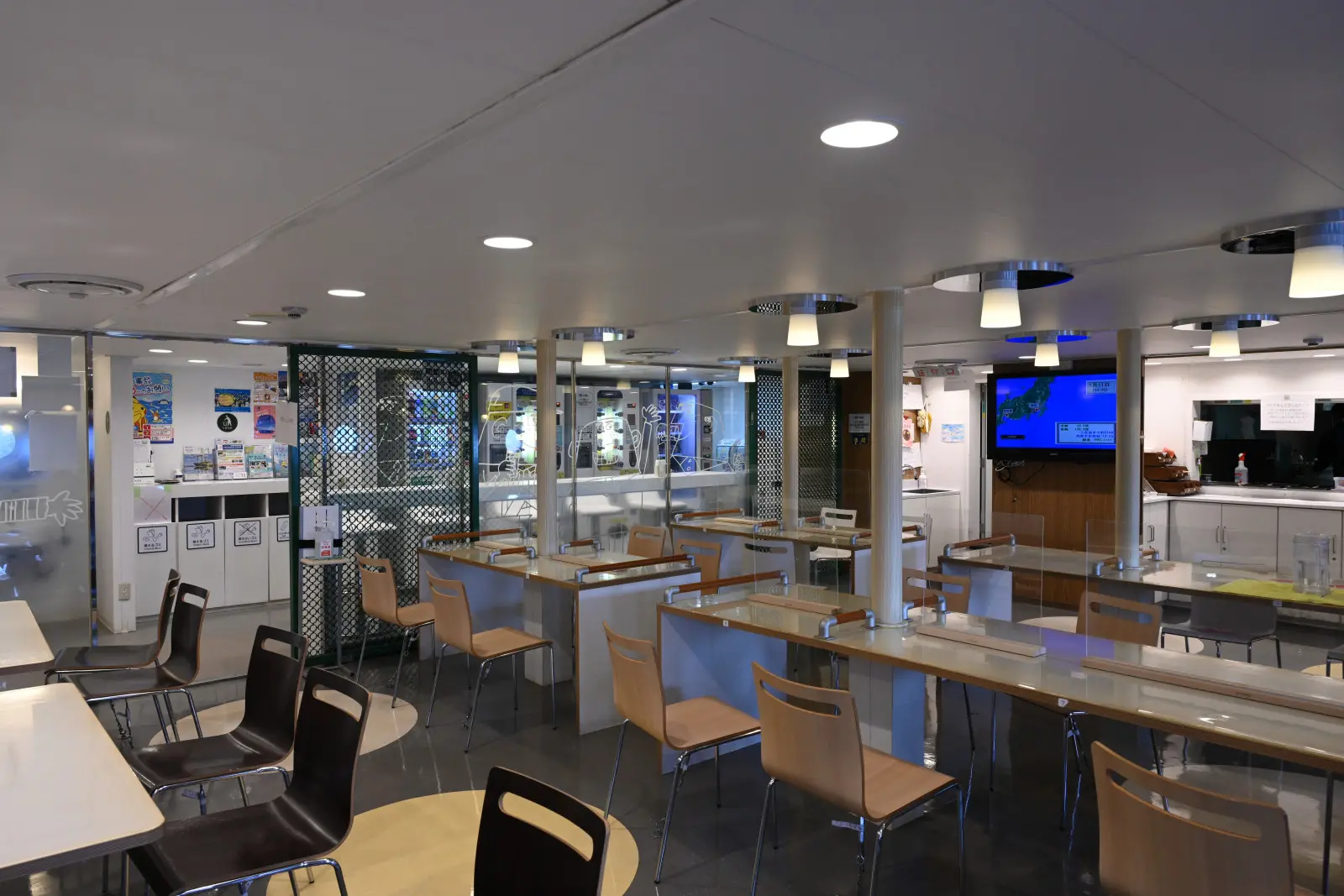
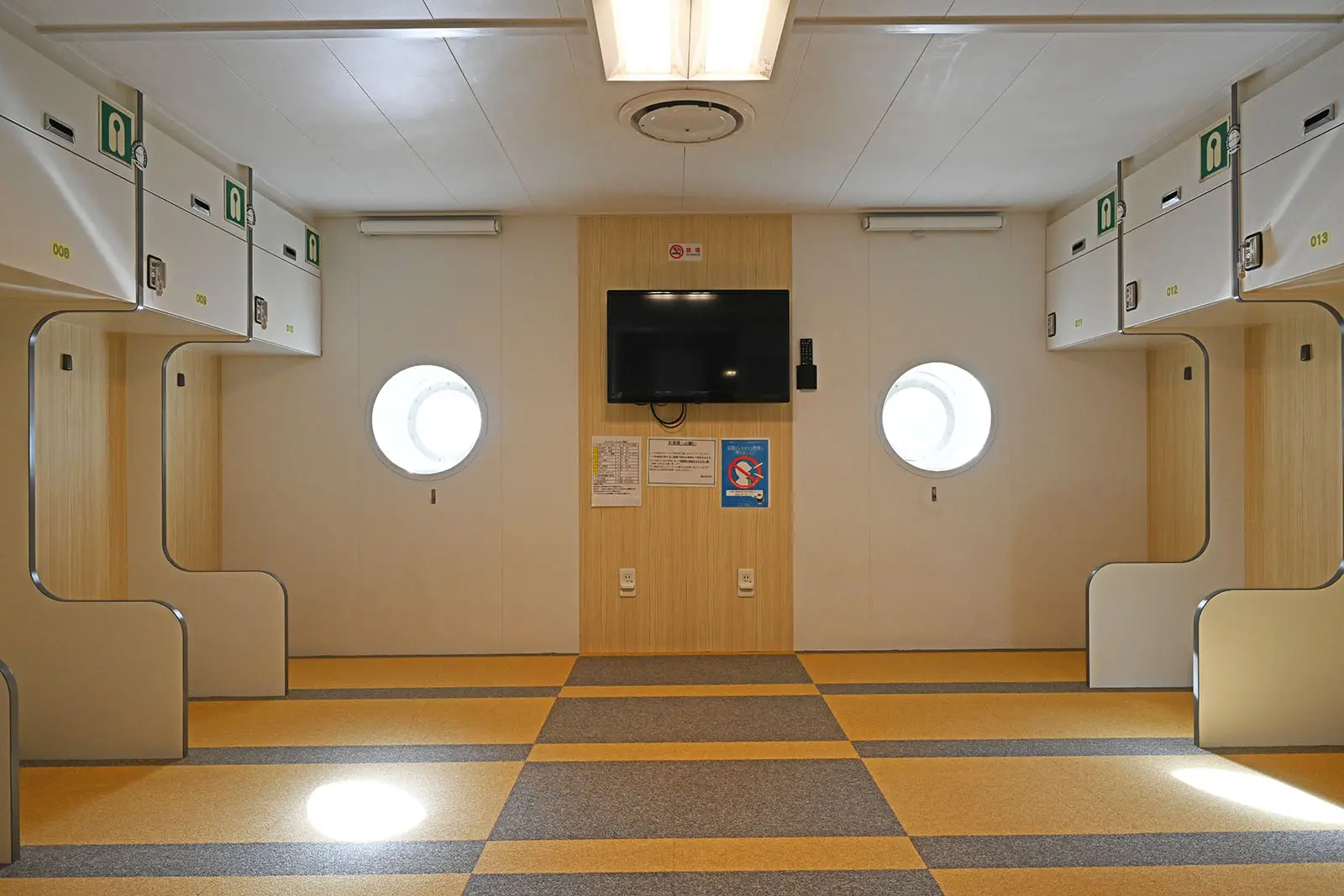
The ferry offers everything from first-class cabins resembling hotel rooms to bunk-bed cabins and shared sleeping rooms where passengers can lie down. A restaurant and showers also make the overnight voyage comfortable.
During typhoon season from June to October and in winter, when seas are often rough, check Tokai Kisen's operating status right up until departure.
If conditions are judged suitable, “○ In Service” appears on the operating status list. If the ferry may not be able to dock locally, a “★” is displayed.
In this case, the ferry may approach Miyakejima but be unable to dock, continuing to Mikurajima and Hachijojima before returning to Tokyo.
Service beyond Miyakejima may also be canceled. On August 5, 2026, a typhoon caused the ferry to turn around at Miyakejima, and its departure was moved forward to 6:00 a.m.
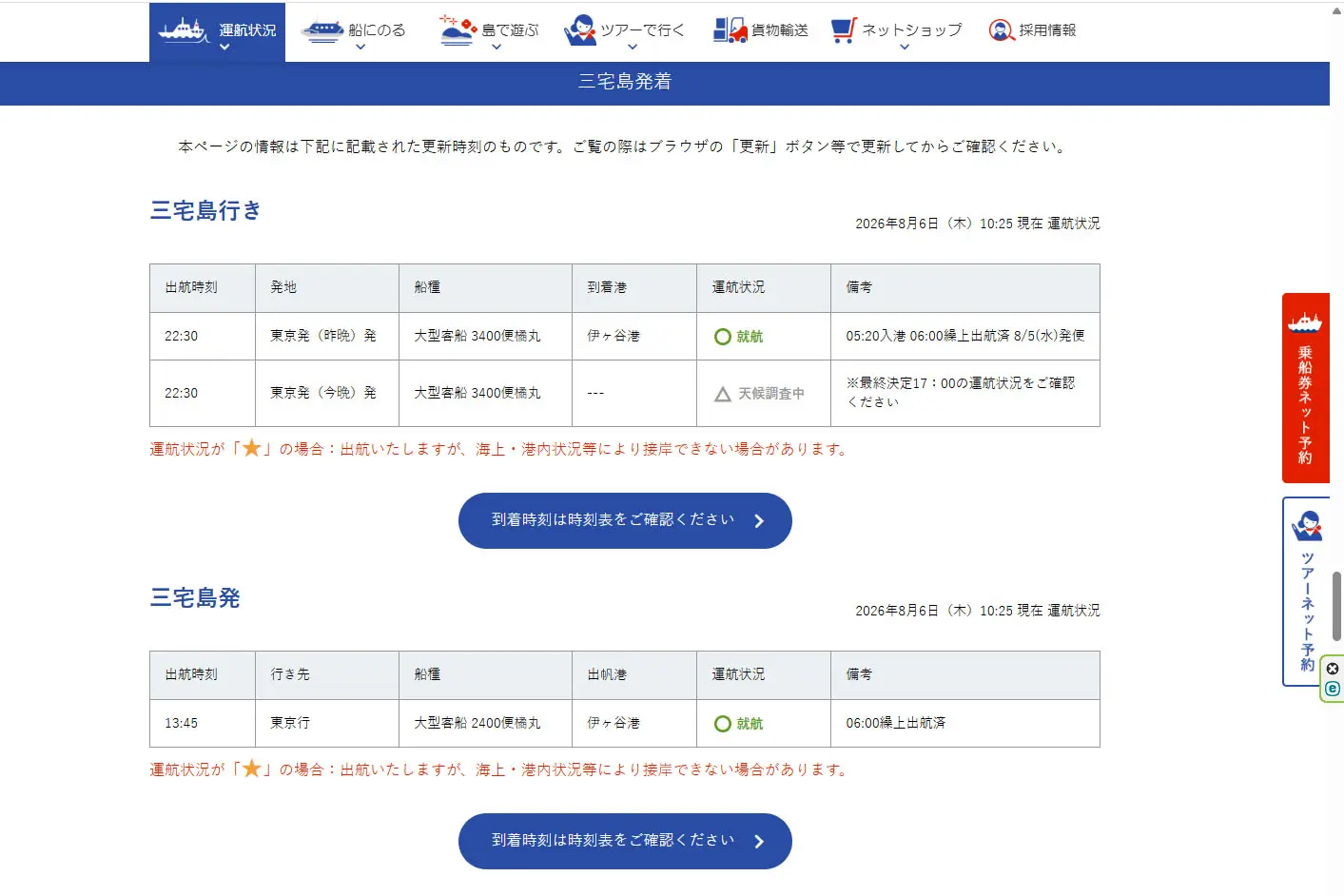
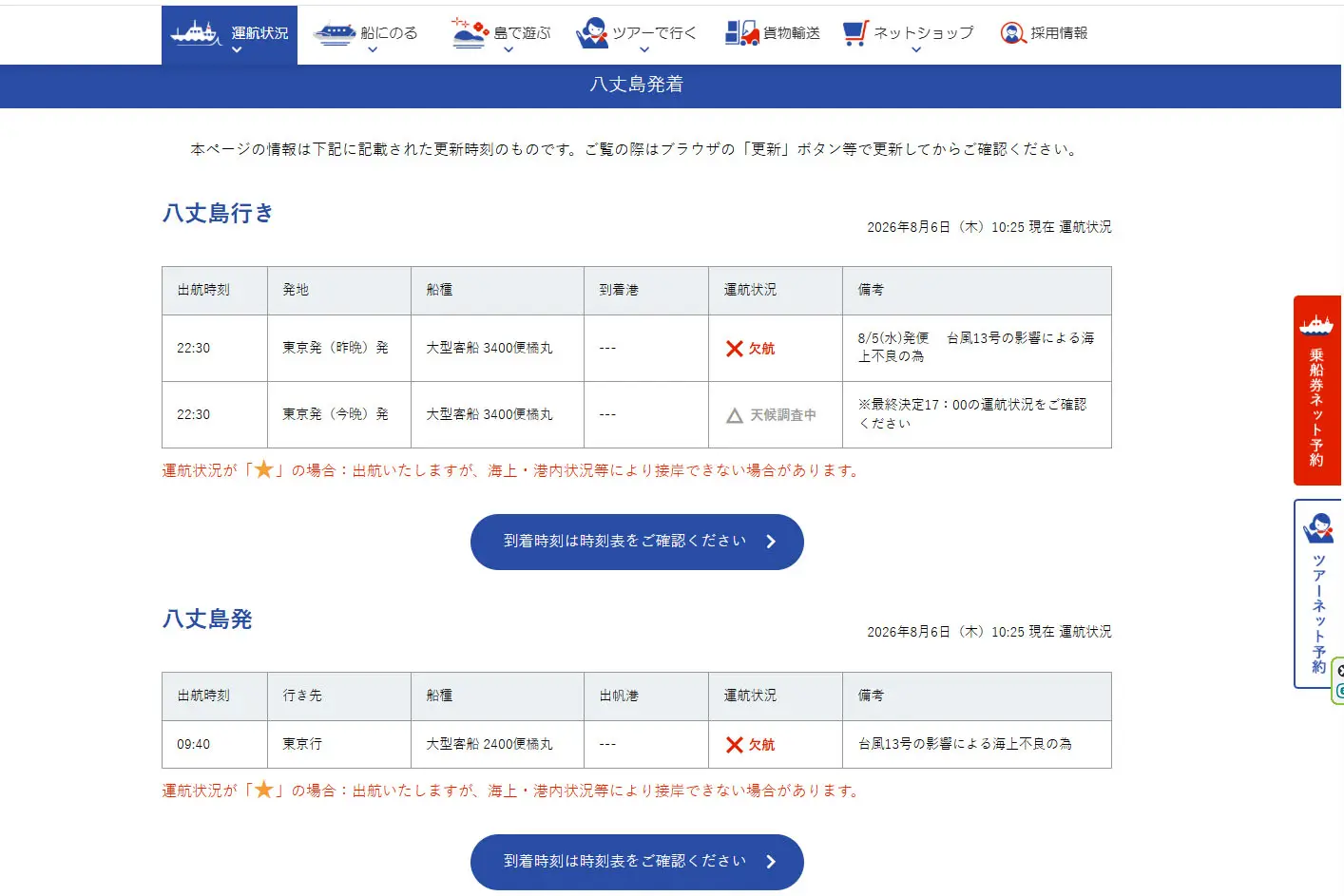
If you are planning a day trip, you may be unable to disembark and have to return directly to Tokyo.
When traveling during typhoon season, winter, or another period likely to affect sea travel, plan for the possibility that your ferry may be canceled.
By Air from Chofu Airport
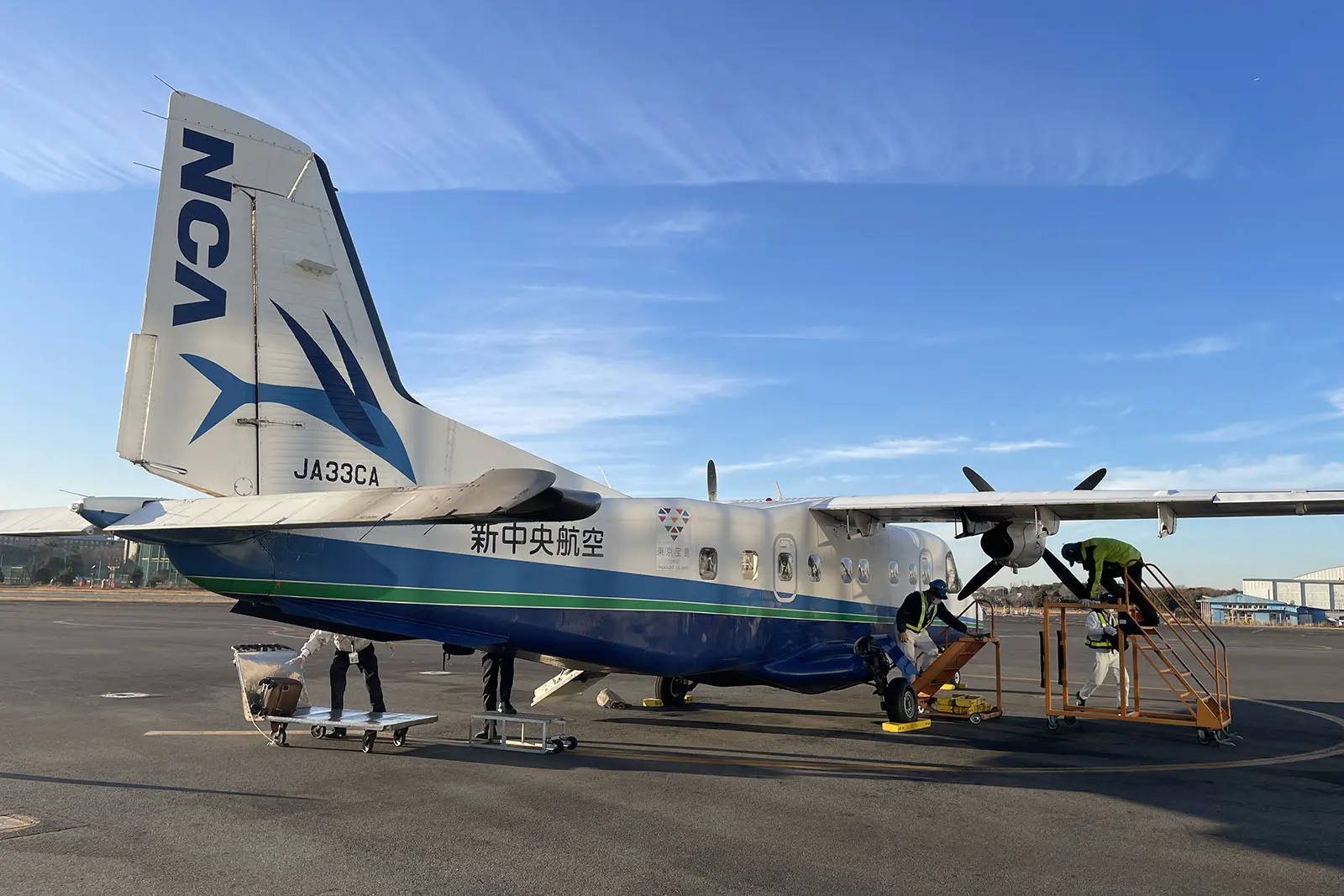
New Central Airservice operates small aircraft from Chofu Airport to Miyakejima, with a flight time of about 50 minutes.
There is usually one round-trip flight each in the morning, around noon, and in the afternoon—though only two may operate at certain times of year—making a day trip to Miyakejima possible.
Chofu Airport is in Chofu, western Tokyo, but it is some distance from a train station. Reaching it by train and local bus takes more than 1 hour even from Shinjuku.
Odakyu buses run to Chofu Airport from the north exit of Chofu Station on the Keio Line and from Mitaka Station. However, service from Mitaka is infrequent and connects only with the third afternoon flight to Miyakejima.
To save time and effort, consider taking a taxi from JR Mitaka Station or Chofu Station on the Keio Line.
Transportation and Getting Around Miyakejima
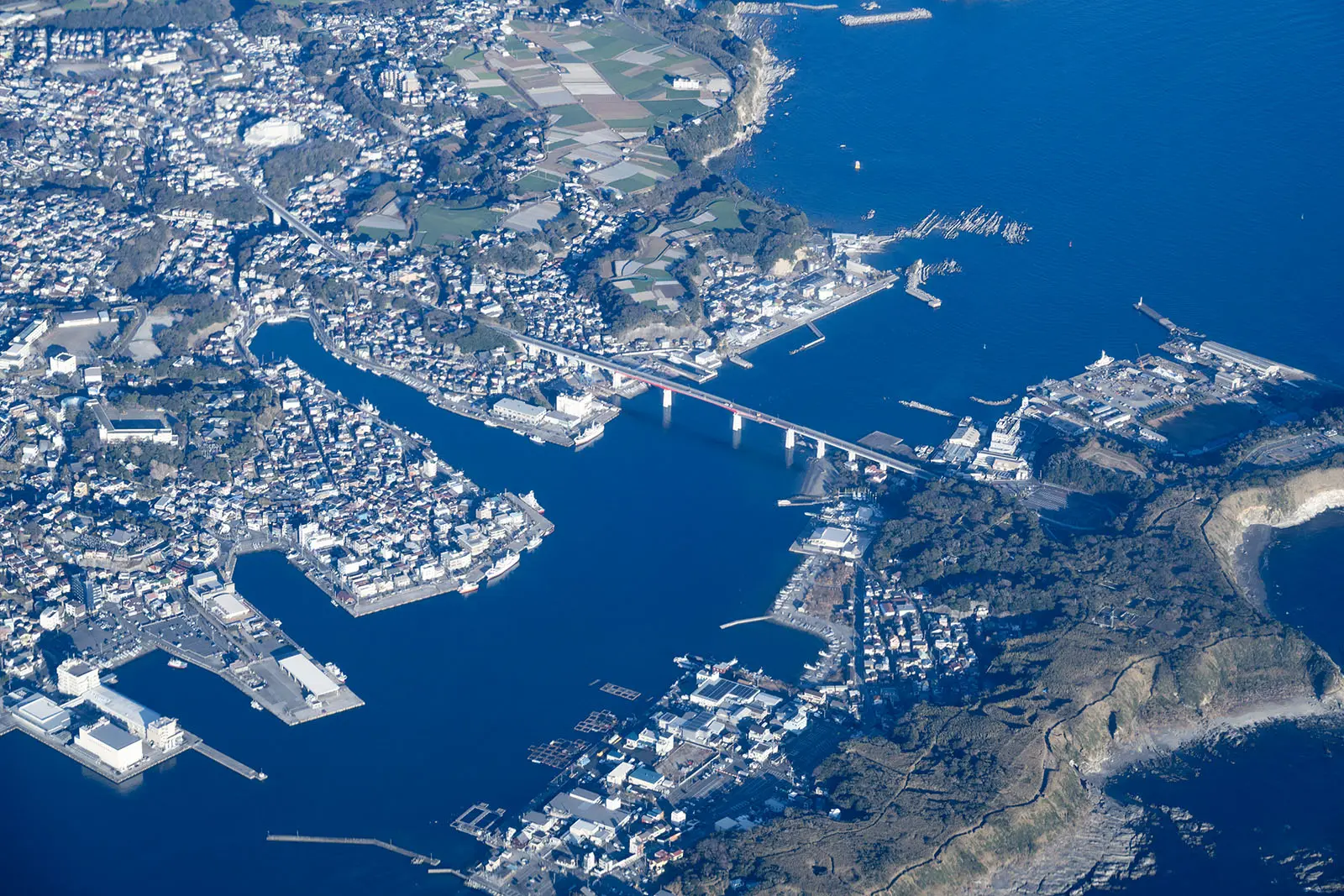
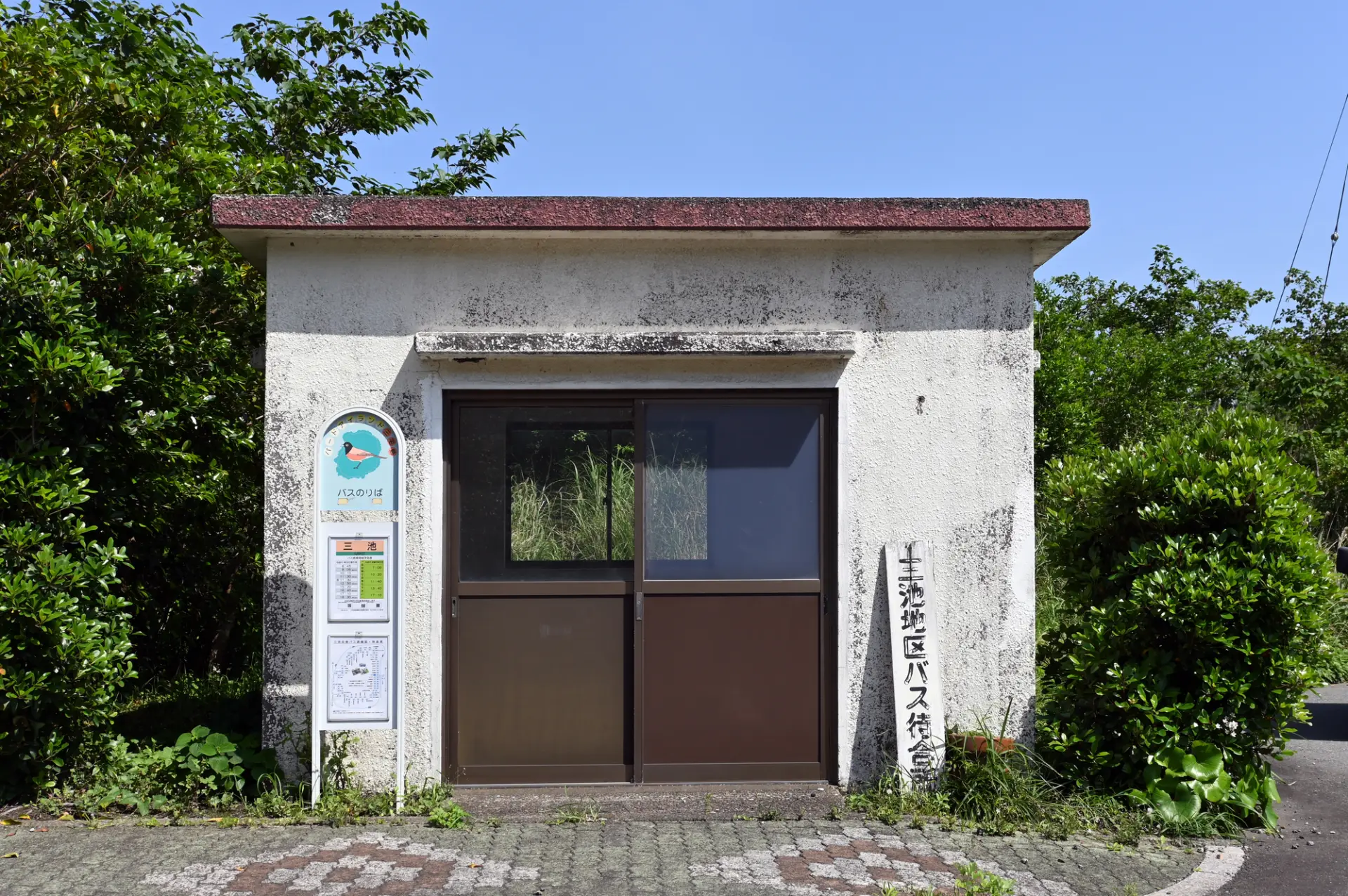
The main form of public transportation for visitors is the municipal bus, which circles the island.
Five clockwise and five counterclockwise services operate each day. Almost all the attractions introduced in this article can be visited by bus during a 2-day, 1-night stay.
Taxis are also available and are useful when exploring the northern part of the island.
Most rental cars are minicars. If you plan to use one for fishing, inform the rental company in advance.
A rental bicycle is another good option if you limit the area you explore.
Electric-assist bicycles are available in half-day increments at the passenger terminal inside Kokopoto at Sabigahama Port, also known as Ako Fishing Port.
The elevation change between the Volcano Experience Trail and Lake Tairo is not particularly large, making cycling a manageable way to get around this area.
Advance reservations are required. If you will be late for the scheduled pickup time, contact the facility to keep your reservation.
What Makes Miyakejima's Natural Environment Distinctive?
Many visitors currently come to Miyakejima for fishing and diving.
Because volcanic activity formed the island, it has many geological attractions and is also an excellent place to observe giant trees and birds.
Similar natural environments can be found elsewhere in Japan, but Miyakejima offers many different experiences in one compact destination.
Striking Scenery Created by Volcanic Eruptions
Scenic viewpoints are scattered along the coast from the southeast to the northeast of the island.
Nippana Shinzan near Lake Tairo was formed in just 1 day by a steam explosion.
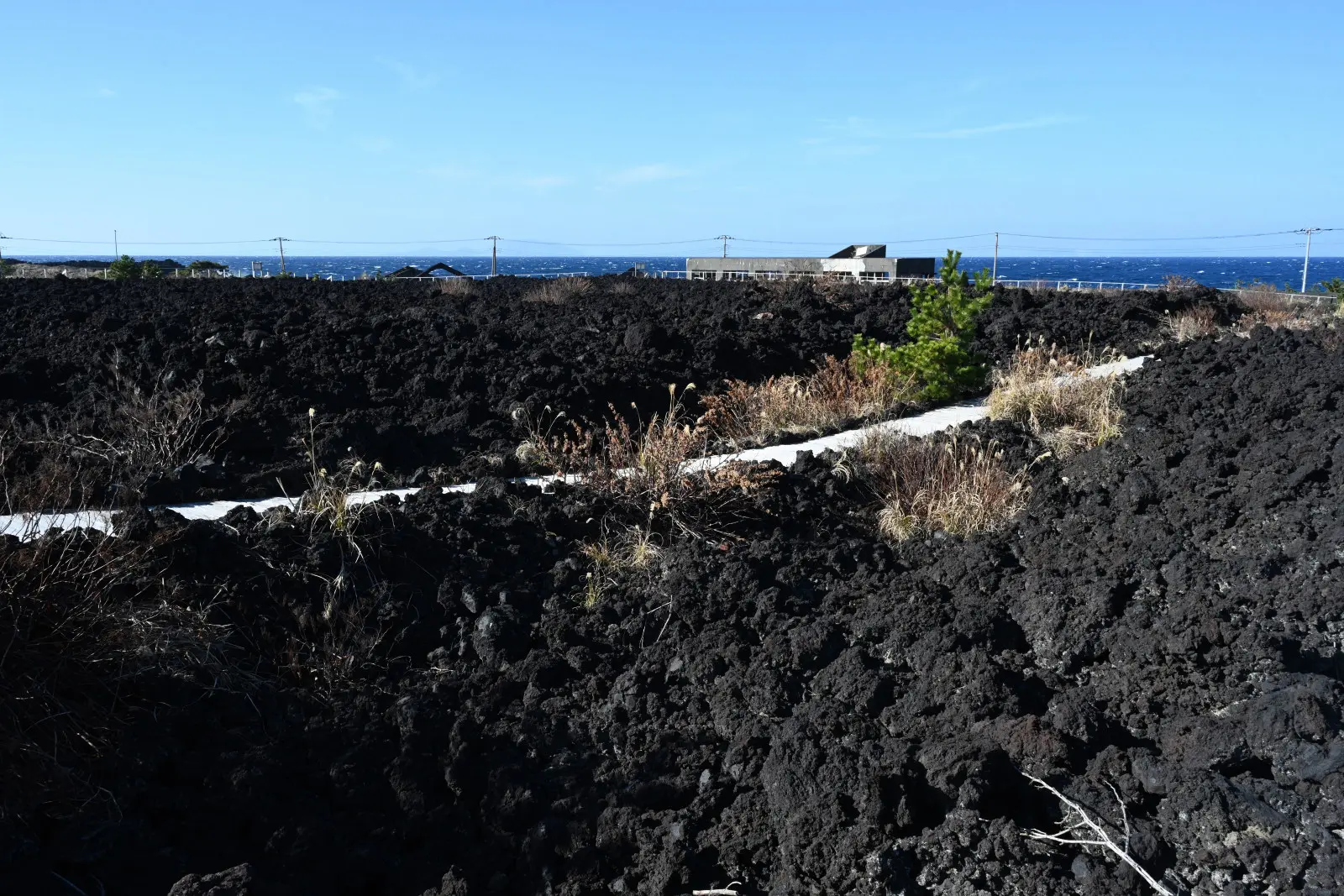
The 1983 and 2000 eruptions had a major impact on the island's environment, but greenery is returning to forests that once withered, and plants are gradually taking root on hills of accumulated volcanic material.
Observe Numerous Wild Birds, Including Endangered Species
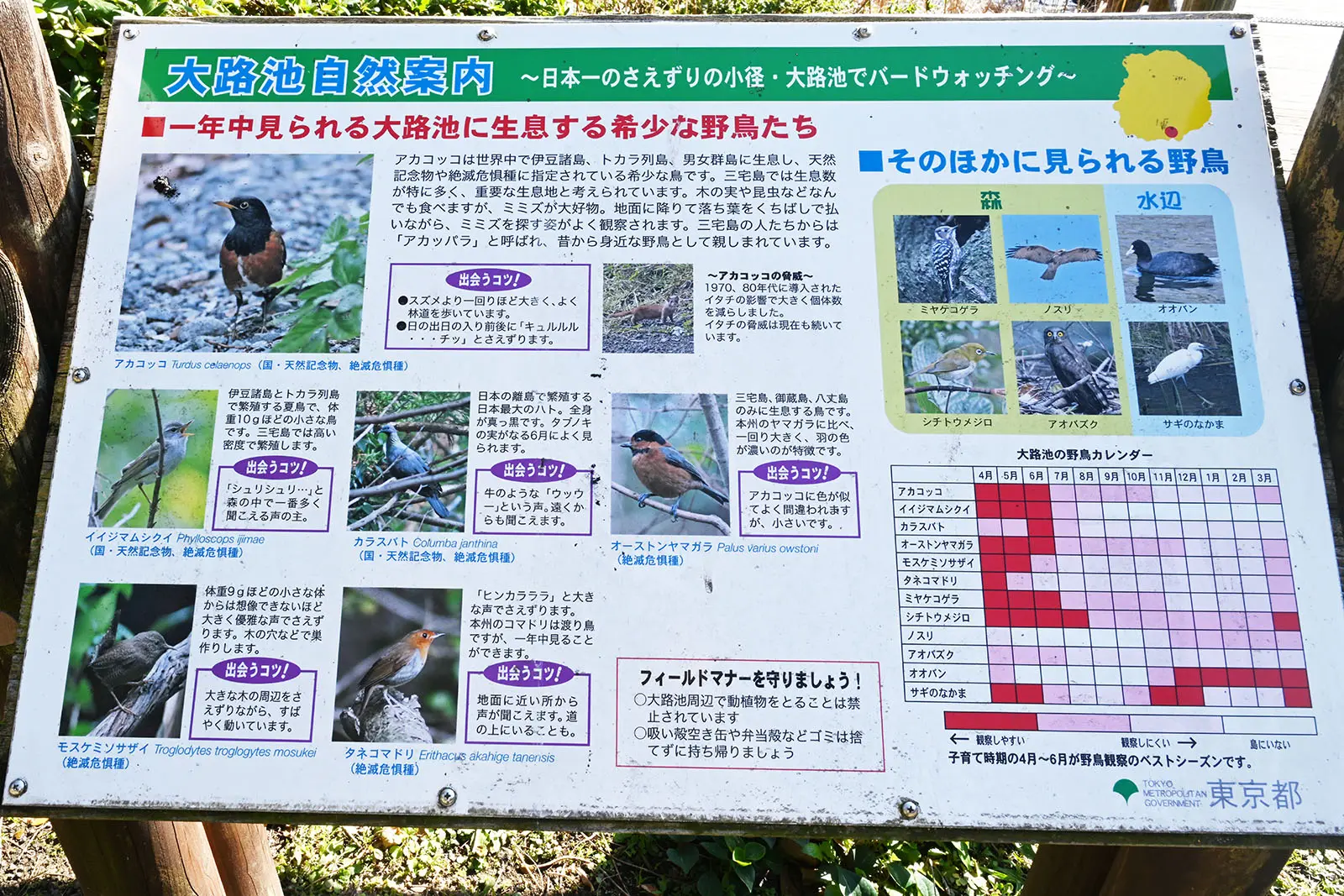
The Izu thrush, a thrush endemic to Japan, is the bird most closely associated with Miyakejima. It lives year-round only in the Izu Islands and the Tokara Islands of Kyushu.
Other birds seen on Miyakejima that, like the Izu thrush, are designated National Natural Monuments include the Japanese wood pigeon, Ijima's leaf warbler, Owston's tit, and Japanese murrelet.
9 Recommended Attractions on Miyakejima
Attractions are scattered across the island. Here are recommended places that can be visited on a day trip or during a 2-day, 1-night stay.
Miyakejima Nature Center Akakokko Station
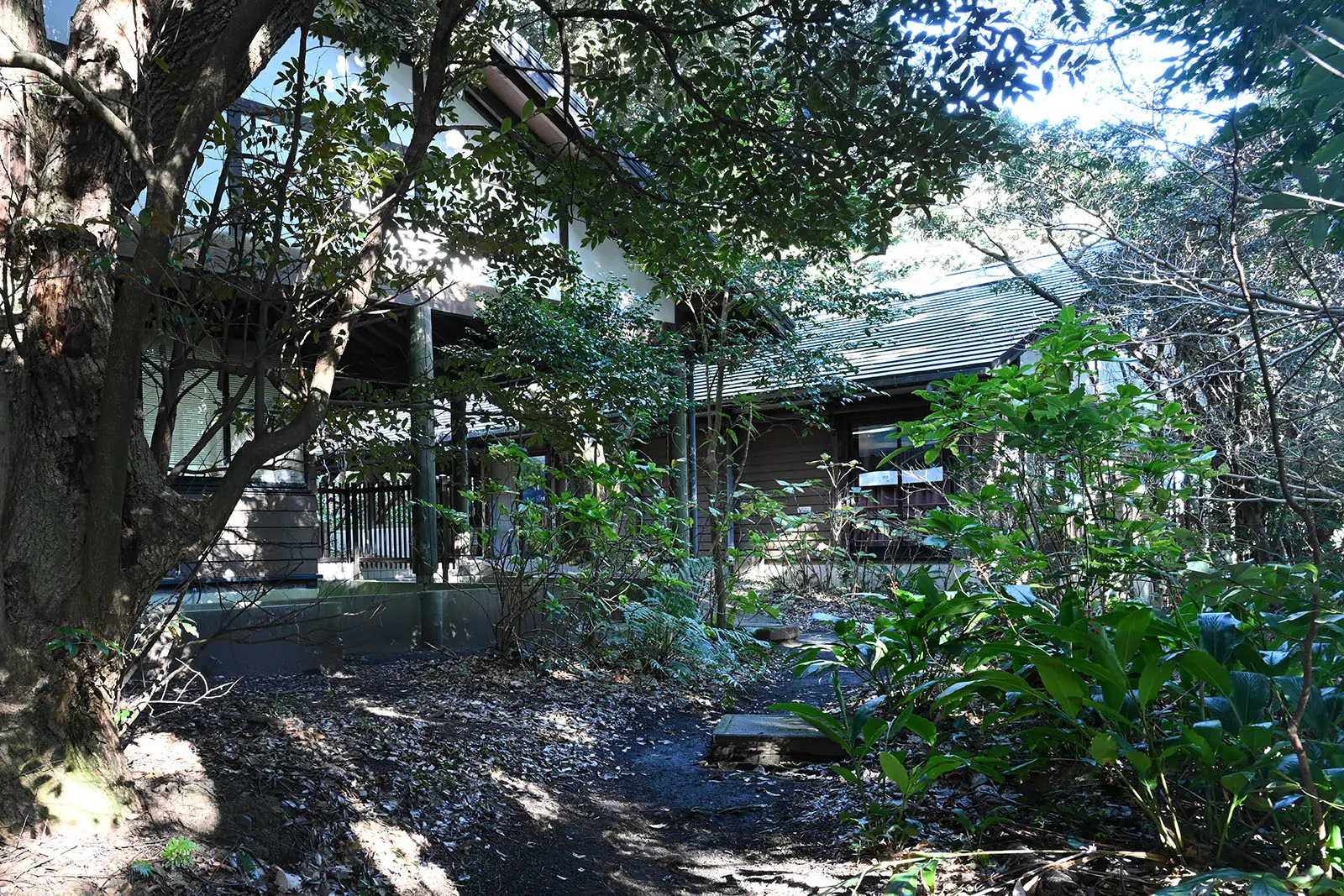
This nature exhibition center offers insight into Miyakejima's environment and is staffed by rangers from the Wild Bird Society of Japan.
If you are interested in the Izu thrush, make this your first stop and learn about its ecology.
The exhibition room also has a birdwatching area where you can observe birds that come down to the ground at eye level.
Lake Tairo
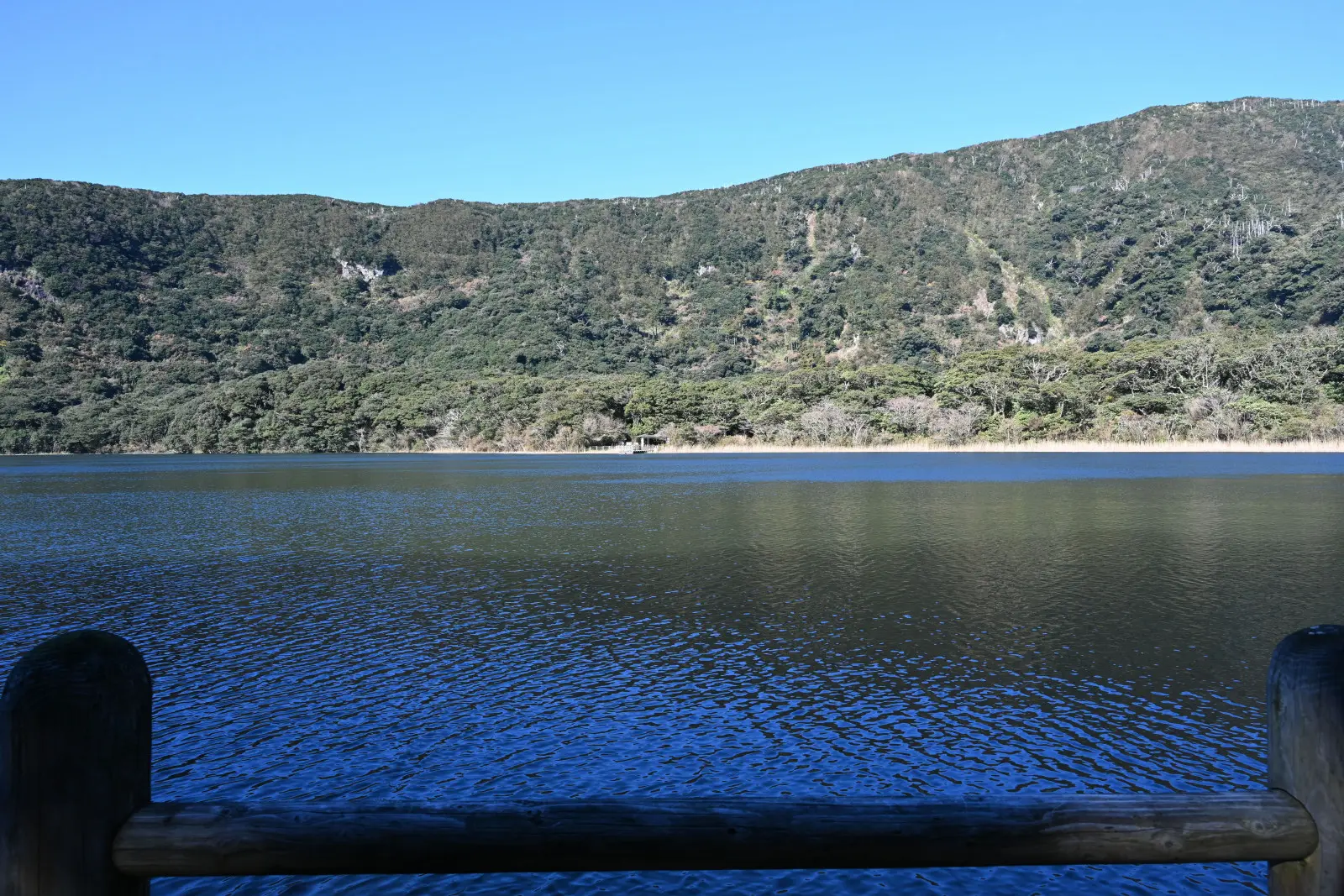
Believed to have formed during an eruption 2,500 years ago, this freshwater crater lake is the largest in the Izu Islands and serves as a water source for island residents.
Many birds inhabit the surrounding forest. In the early morning, the area is filled with birdsong, earning it the nickname “Japan's finest birdsong trail.”
A park area with benches and restrooms on the north side of the lake provides a relaxing place to spend time.
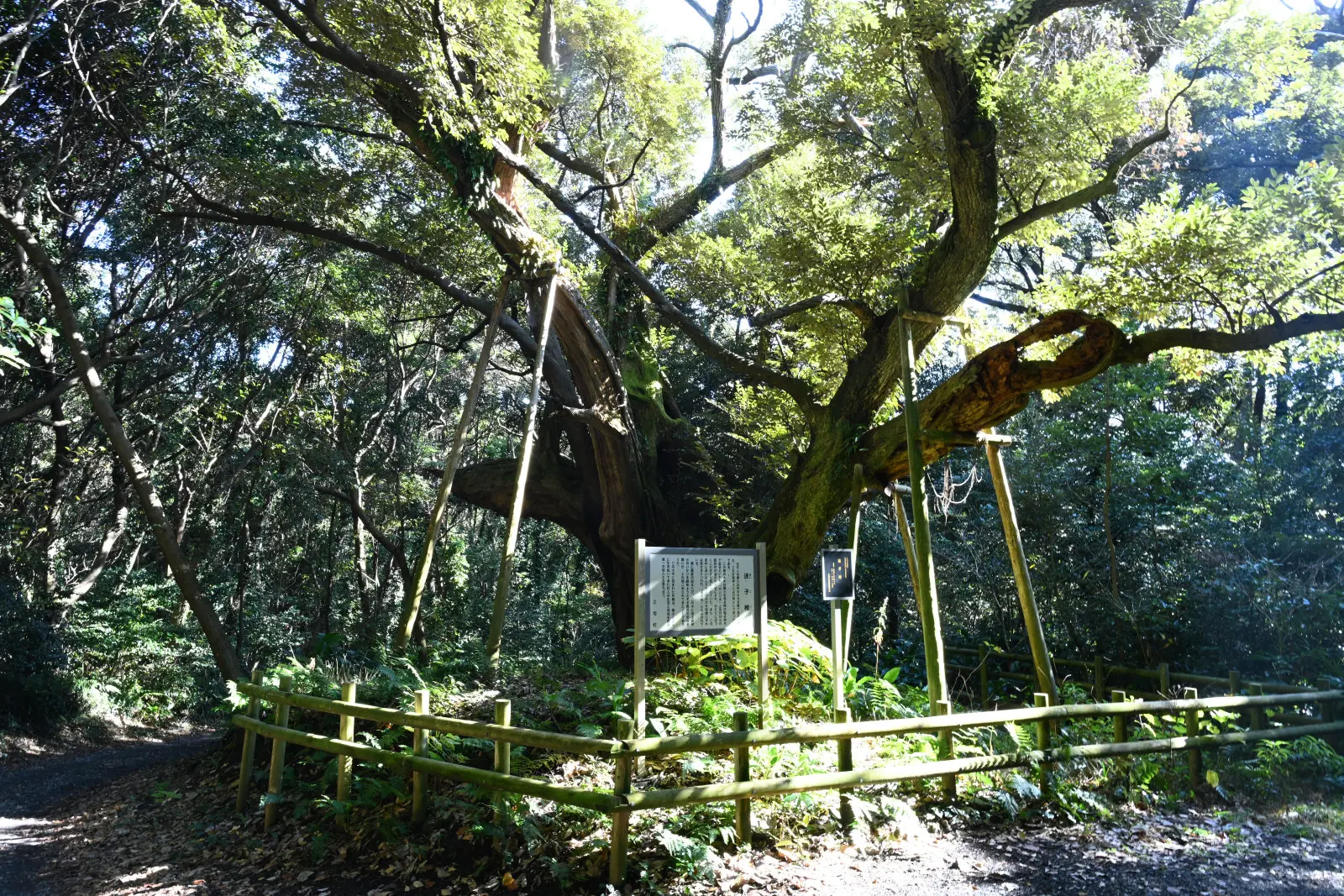
Maigojii
Standing beside the road west of Lake Tairo, this giant tree is said to be several centuries old and is a symbol of Miyakejima.
It came to be called Maigojii, or “the lost child's chinquapin,” because legend says that anyone lost in the forest could escape its depths by heading toward this tree.
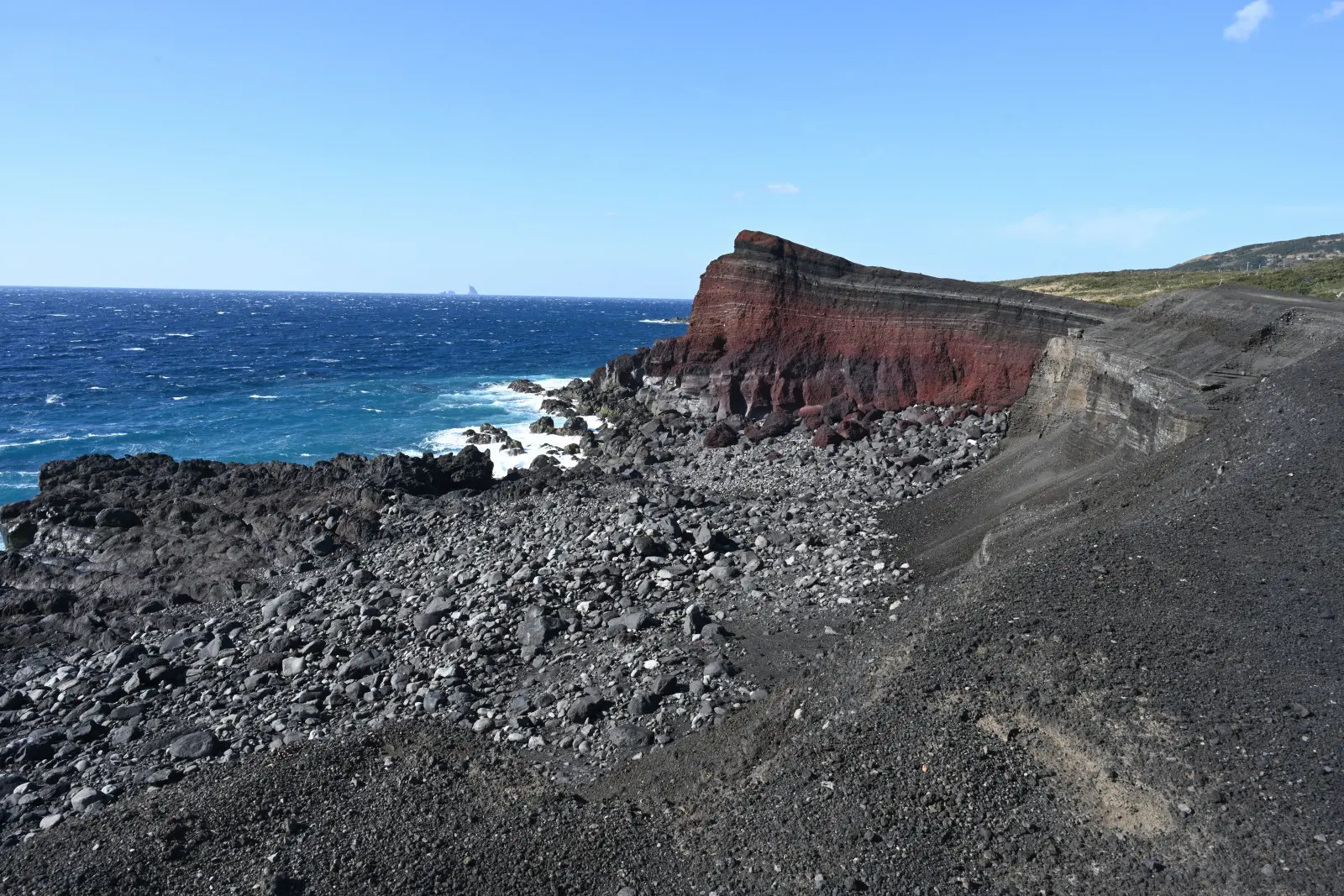
Nippana Shinzan
A mountain formed in just 1 day during the 1983 eruption was eroded into its present shape.
Viewed from the sea, its resemblance to a human nose is easy to see.
This hill of accumulated volcanic material, known as a scoria cone, creates a landscape that resembles another planet.
The footing is poor and winds are strong, so take care not to approach the cliff edge.
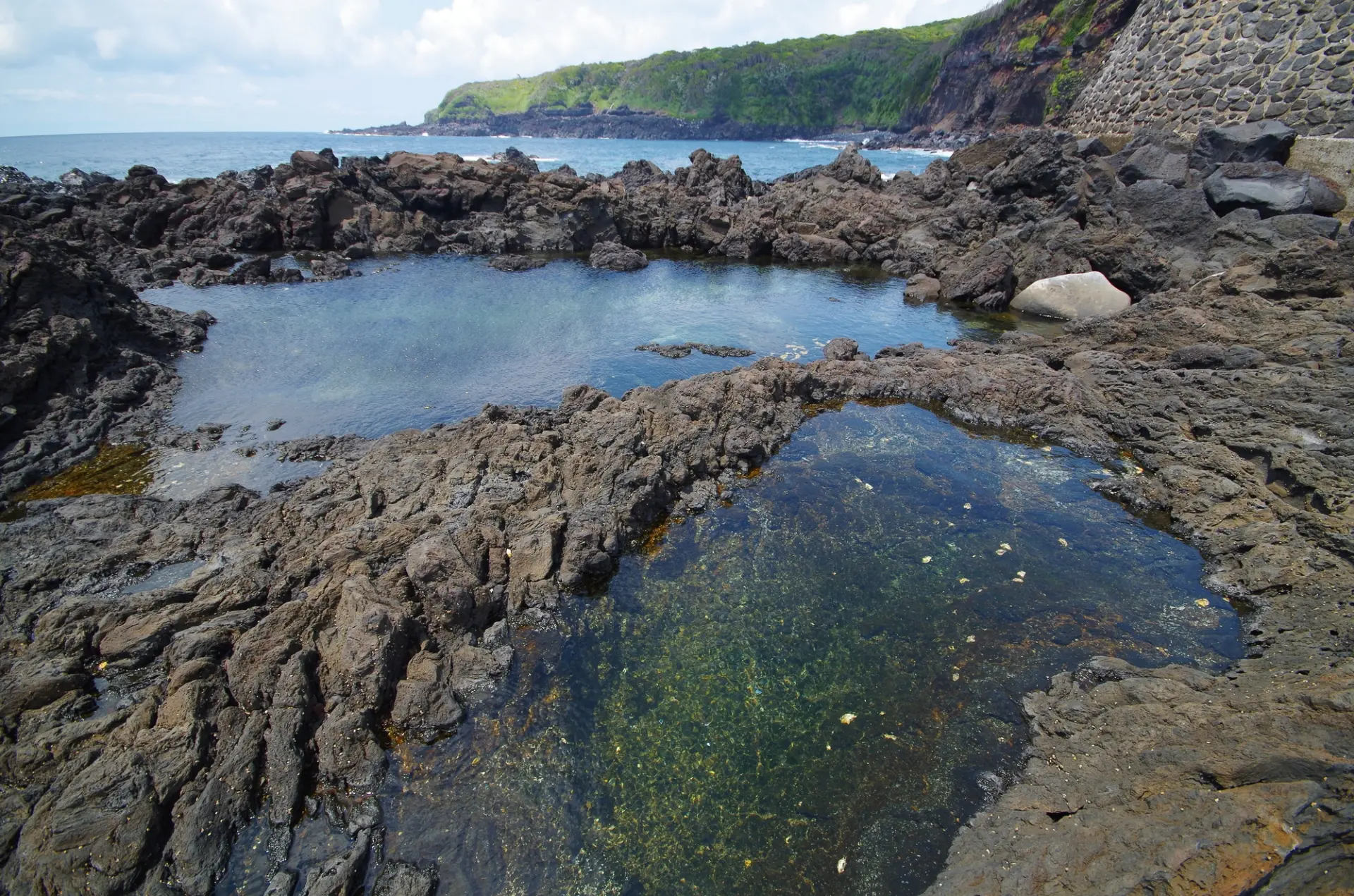
Chotaroike
This natural tide pool was formed by lava flowing into the sea.
At low tide, even children can play safely, and snorkeling offers views of a variety of fish.
During summer vacation, events are also held where participants can snorkel with a ranger.
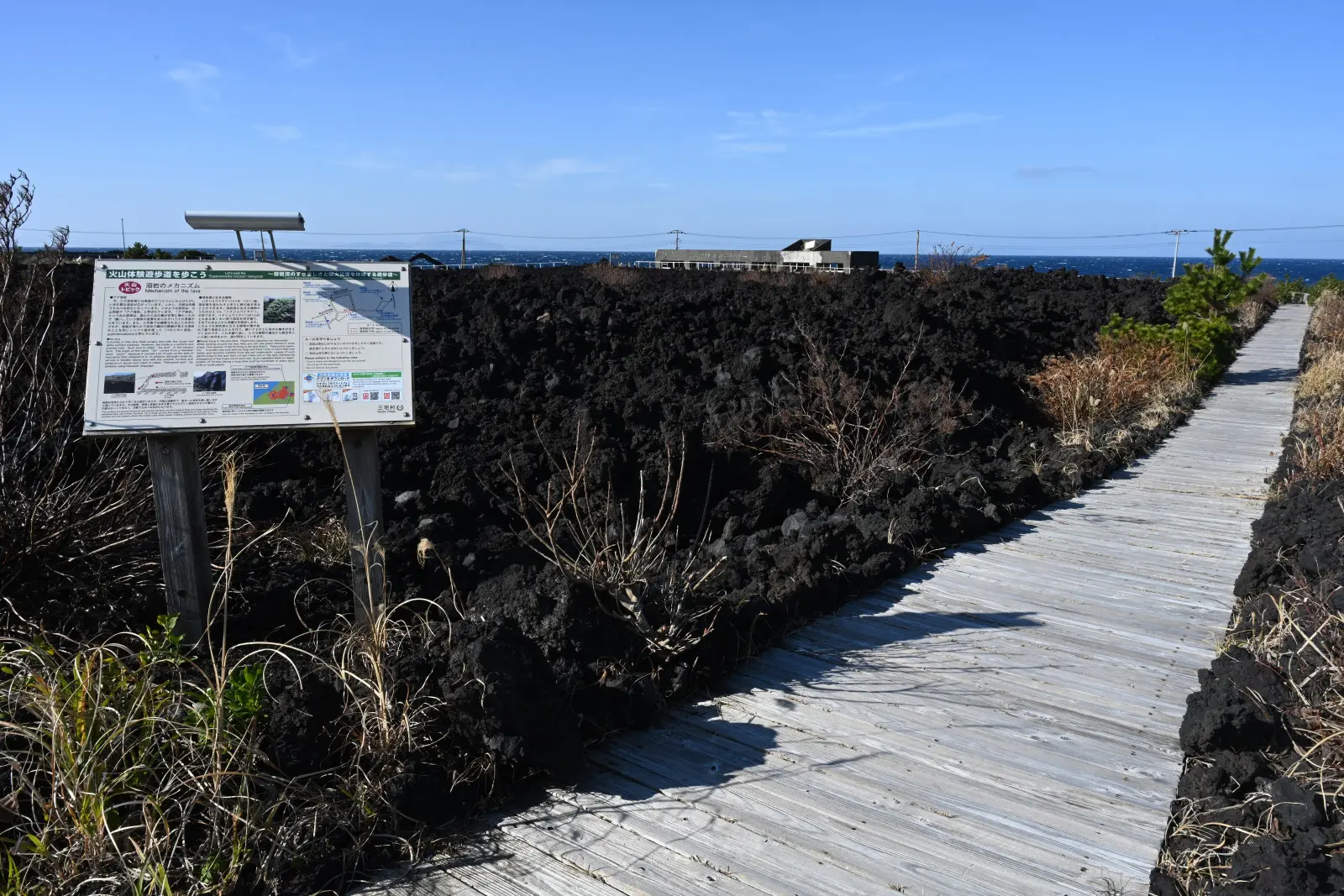
Volcano Experience Trail
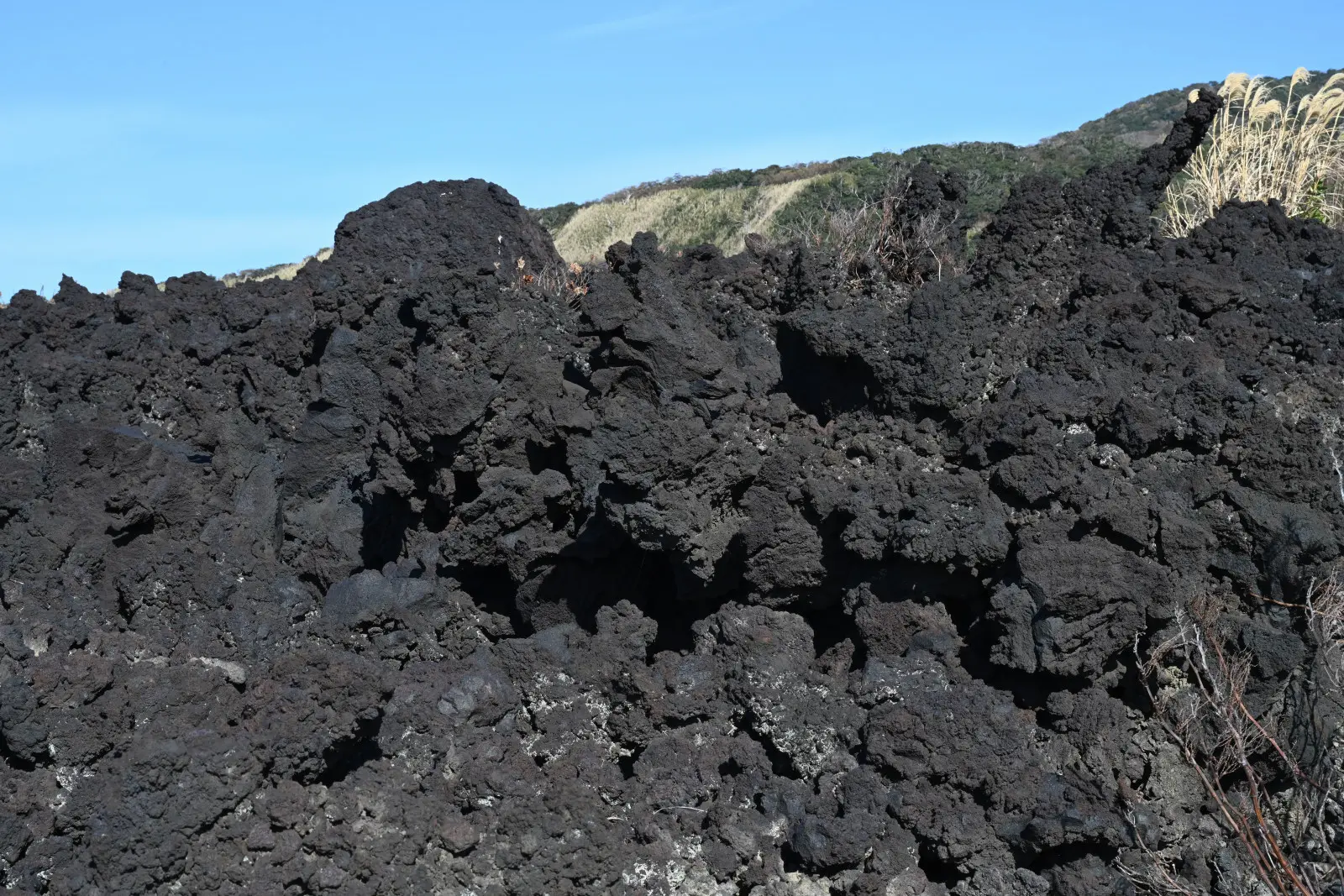
Lava flows from the 1983 eruption covered the Ako district, formerly a hot-spring area in western Miyakejima.
On the Volcano Experience Trail, you can walk along a wooden boardwalk over the lava and sense the tremendous force of the eruption.
Nearly 400 homes were engulfed by lava almost 2 m thick. However, partly because an evacuation drill had been conducted in August, 2 months before the eruption, none of the nearly 1,300 residents were killed or injured.
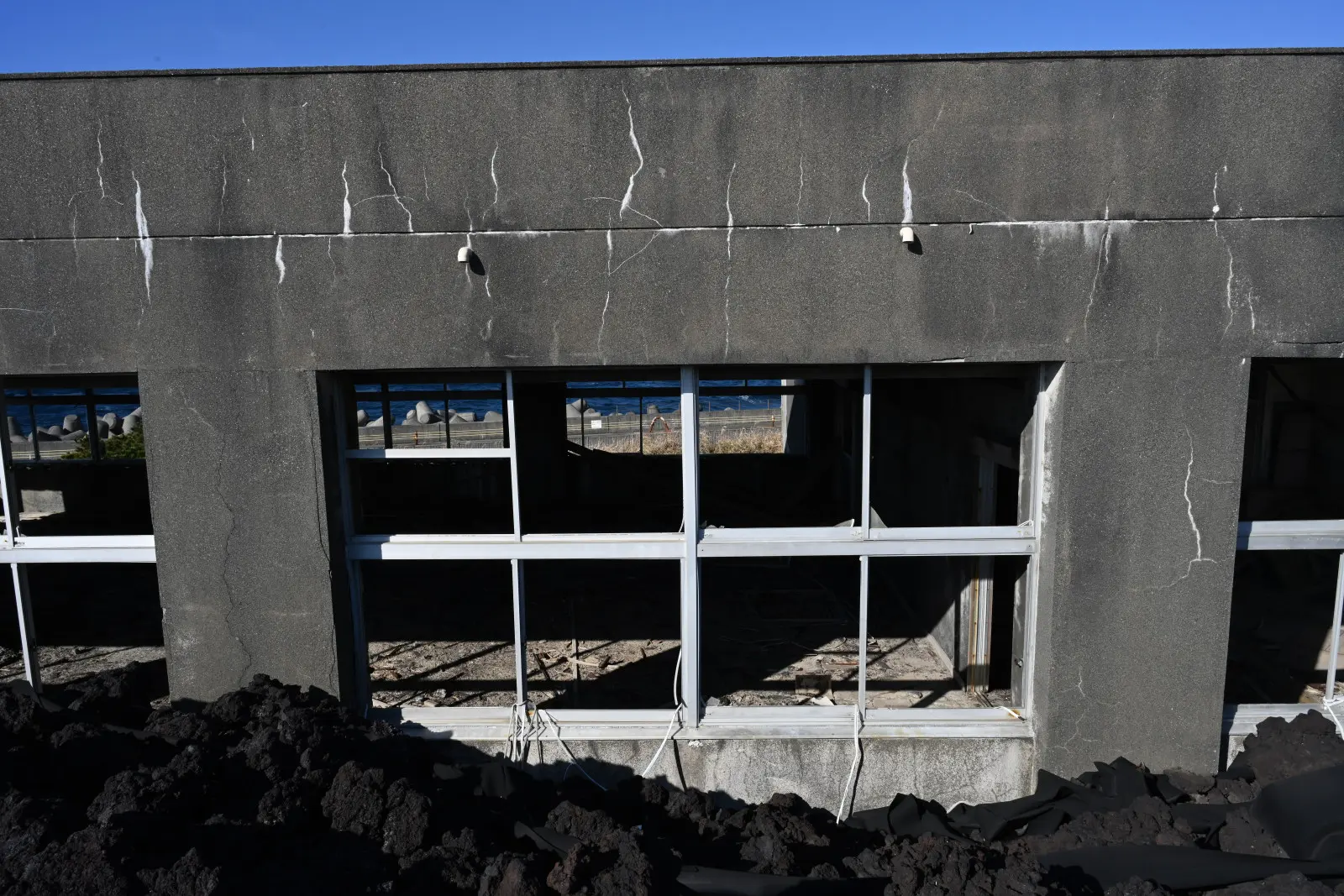
Ruins of Ako Elementary and Junior High School
Ako Elementary and Junior High School stood near the coast. The lava flow stopped here after covering the school building up to the second floor.
The third floor housed a music room and library, and the grand piano and books reportedly survived intact.
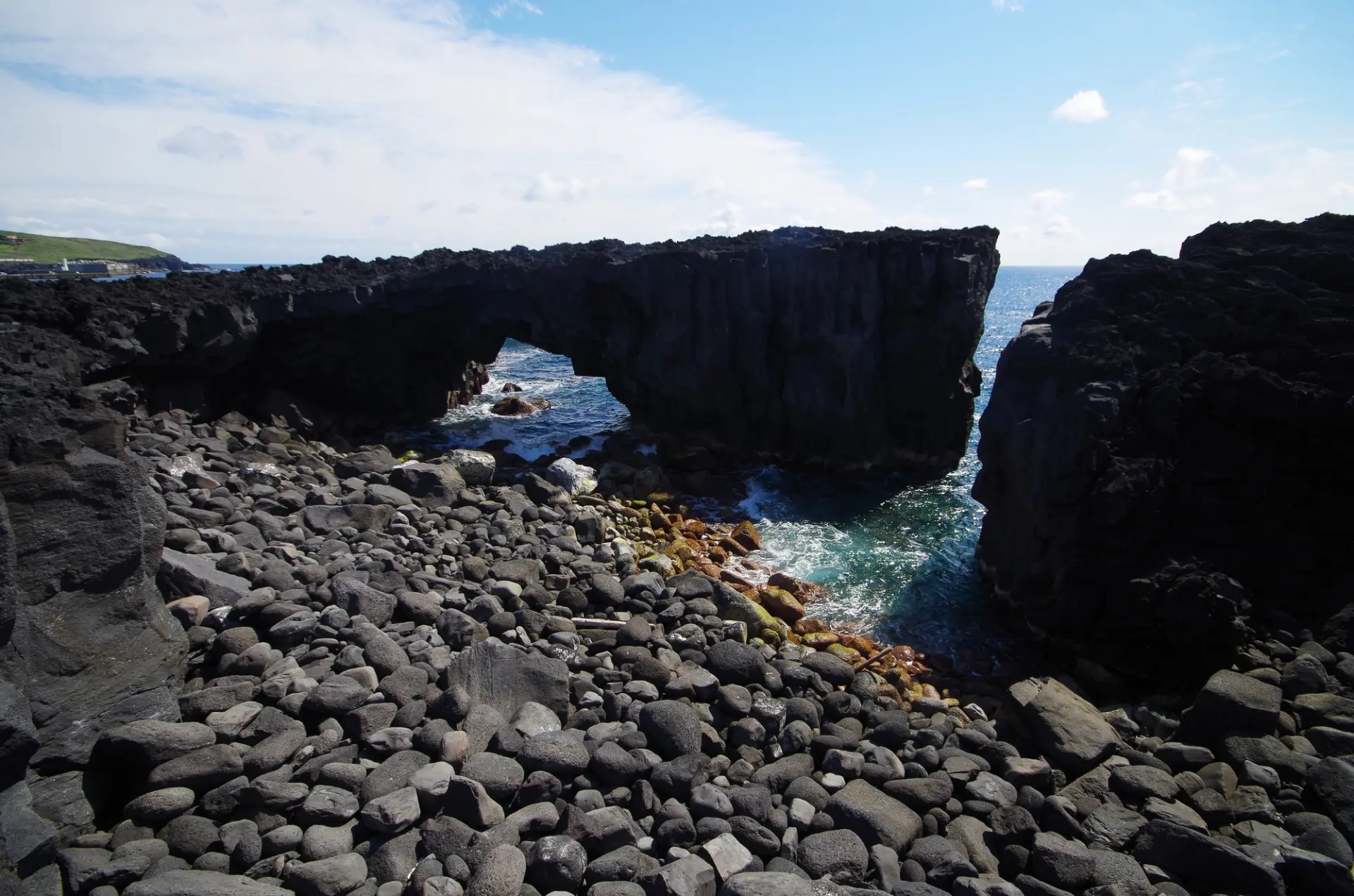
Meganewa Rock
This rock arch can be seen on the Imazaki Coast, southeast of the Volcano Experience Trail.
It is called Meganewa, or “Eyeglasses Rock,” because there was once another arch on the right, but that section has since collapsed.
It is also known as a diving site and is open to divers only on Saturdays and Sundays in June and October.
Visitor numbers are limited and a certain skill level is required, but divers can see an underwater arch and dense schools of fish.
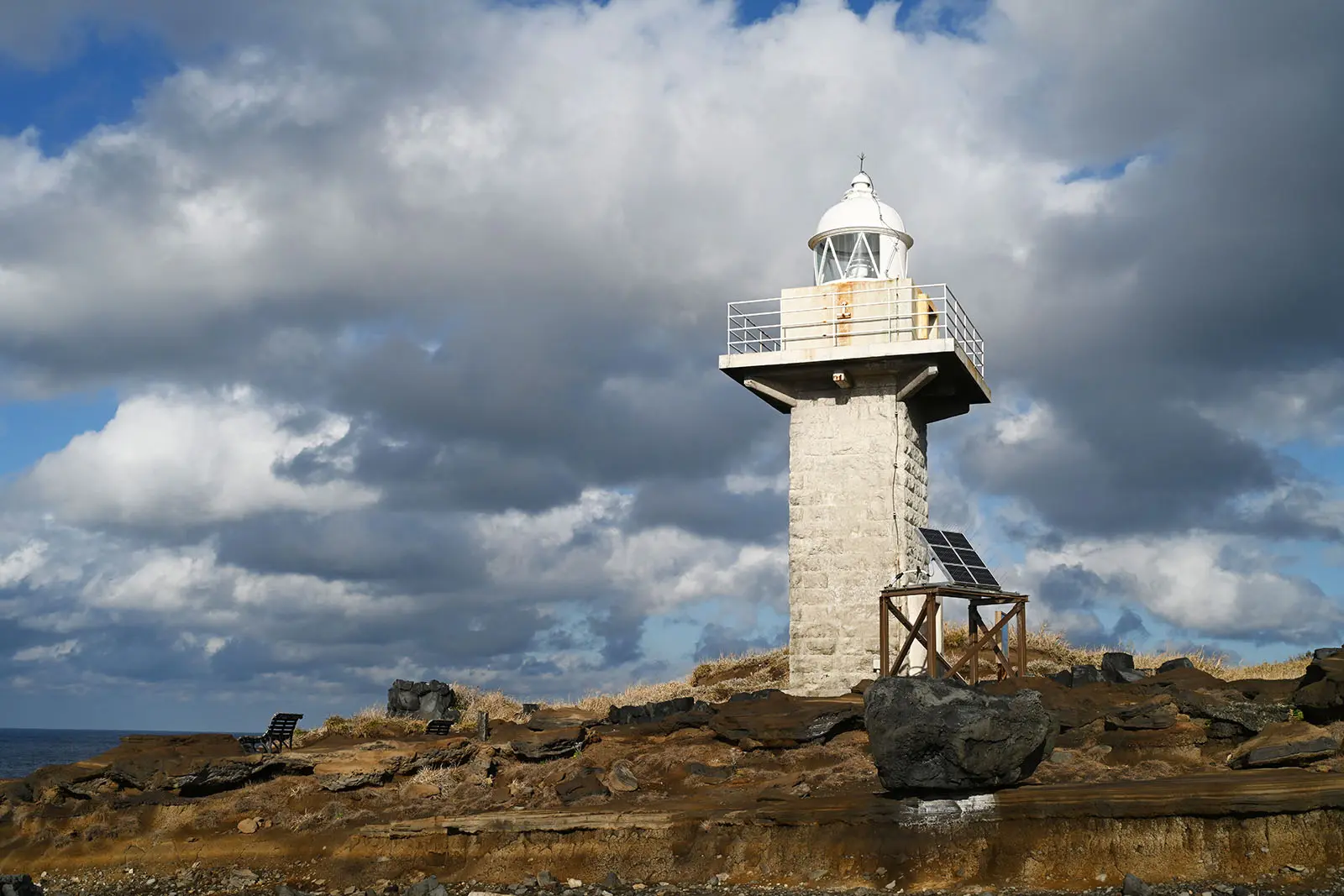
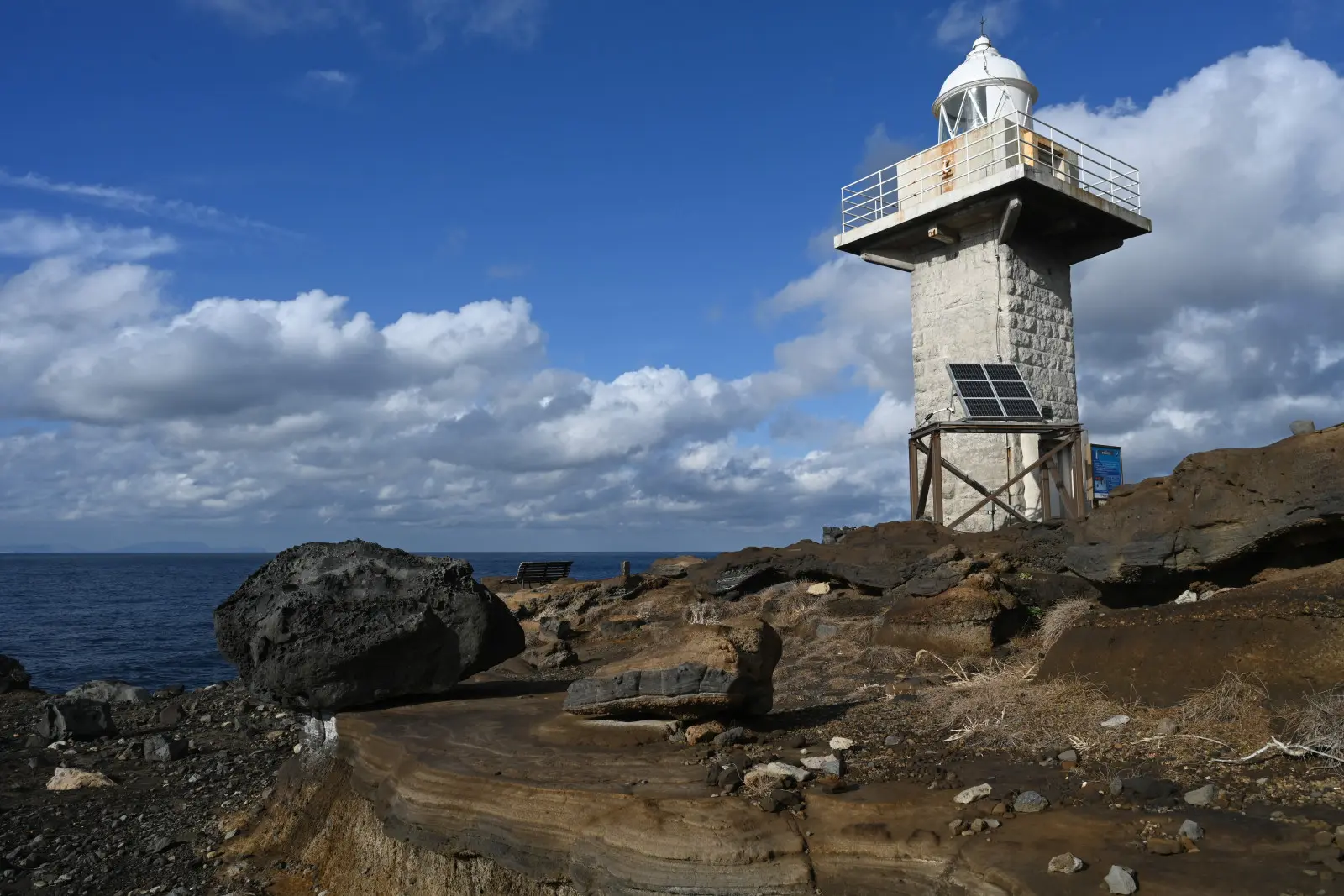
Izu Misaki Lighthouse
Located in the northwest of the island, this open area has broad views of both land and sea.
It is home to the oldest lighthouse in the Izu Islands. Although far from the island's other attractions, its views make it a popular place to watch sunsets and stars.
Benches overlooking the sea also make it a good place for a picnic lunch.
Sample Ferry Itineraries for Miyakejima
Miyakejima is small enough to drive around in 1 hour, but its distinctive natural environment and history provide many attractions.
These sample itineraries cover a day trip and a 2-day, 1-night visit. If possible, extend your stay to experience the island at a more relaxed pace.
When adding Miyakejima to your itinerary, it is best to leave the day after your planned return completely open.
A cancellation could prevent you from returning to Tokyo on your scheduled departure date.
Day-Trip Itinerary
A day trip is possible, but visiting the attractions using only municipal buses is difficult.
This itinerary uses the ferry both ways, along with a taxi and rental bicycle on the island.
- 5:00 a.m. Arrive on Miyakejima by passenger ferry
- 5:15 a.m. Take the early-morning bus, departing 15 minutes after the ferry arrives, to Lake Tairo
- 伊ヶ谷港からは左回りバスで所要約30分、錆ヶ浜港から左回りで約10分、三池港からは右回りで約15分
- 5:30 a.m. Lake Tairo, Maigojii, and birdwatching (duration: 120 minutes)
- 8:00 a.m. Take a prebooked taxi from Lake Tairo to Izu Misaki Lighthouse
- 8:40 a.m. Izu Misaki Lighthouse (duration: 120 minutes)
- 待たせておいたタクシーで錆ヶ浜港へ
- 9:30 a.m. Pick up a rental bicycle at Sabigahama Port (Ako Fishing Port)
- 9:45 a.m. Volcano Experience Trail, ruins of Ako Elementary and Junior High School, and Meganewa Rock (duration: 75 minutes)
- メガネ岩から新鼻新山まで自転車で移動(所要時間:20分)
- 11:30 a.m. Nippana Shinzan (duration: 120 minutes) *About a 10-minute walk each way from the road to Nippana Shinzan
- 新鼻新山から錆ヶ浜港へ自転車で移動(所要時間:15分)
- 12:30 p.m. Return the rental bicycle at Sabigahama Port
- タクシーまたは徒歩で港まで移動(所要時間:3〜20分)
- 1:45 p.m. Depart Miyakejima
2-Day, 1-Night Itinerary
This sample itinerary uses the passenger ferry both ways and mainly municipal buses to visit attractions around the island.
It is arranged so that you can see most of the attractions on the first day.
A rental car makes travel smoother and lets you spend longer at places you particularly like.
Day 1
- 5:00 a.m. Arrive on Miyakejima by passenger ferry
- 5:30 a.m. Rest at an accommodation offering early-morning facilities
- 7:00 a.m. hour Take a counterclockwise bus from the accommodation to Lake Tairo
- 8:12 a.m. Arrive at the nearest bus stop to Lake Tairo
- 8:30 a.m. Lake Tairo and Maigojii
- 所要時間:75分
- 9:45 a.m. Miyakejima Nature Center Akakokko Station
- 所要時間:30分
- 10:23 a.m. Take a clockwise bus from Lake Tairo to Izu Misaki Iriguchi
- 11:01 a.m. Arrive at Izu Misaki Iriguchi bus stop
-
伊豆岬入口バス停から伊豆岬灯台まで徒歩で移動(所要時間:10分)
11:15 40分 伊豆岬灯台 - 伊豆岬灯台から伊豆岬入口バス亭まで徒歩で移動(所要時間:15分 )
- 12:21 p.m. Board a counterclockwise bus at Izu Misaki Iriguchi
- 12:36 p.m. Get off at Sabigahama Port Iriguchi bus stop
- Have lunch near Sabigahama Port
- 1:30 p.m. Pick up a rental bicycle at Sabigahama Port (Ako Fishing Port)
- 1:50 p.m. Cycle from Sabigahama Port to Nippana Shinzan
- 1:50 p.m. Nippana Shinzan (duration: 40 minutes) *About a 10-minute walk each way from the road to Nippana Shinzan
- 2:50 p.m. Cycle from Nippana Shinzan to the Volcano Experience Trail
- 3:15 p.m. Volcano Experience Trail, ruins of Ako Elementary and Junior High School, and Meganewa Rock (duration: 75 minutes)
- 4:45 p.m. Return the rental bicycle at Sabigahama Port
- Take a taxi or walk to your accommodation
Day 2
- 5:00 a.m. Birdwatch around Lake Tairo (duration: 120 minutes)
- 8:00 a.m. Return to your accommodation for breakfast
- 宿泊先からタクシーを使い長太郎池へ
- 10:00 a.m. Chotaroike
- 11:10 a.m. Walk from Chotaroike to the nearest bus stop, Koko-mae (duration: 15 minutes)
- 11:30 a.m. Take the bus from Koko-mae to Sabigahama Port
- 11:54 a.m. Have lunch near Sabigahama Port, or buy a boxed meal
- タクシーまたは徒歩で港まで移動(所要時間:3〜20分)
- 1:45 p.m. Depart Miyakejima
Accommodations and Restaurants on Miyakejima
Miyakejima has no large accommodations or restaurants; all are relatively small.
Many accommodations are minshuku guesthouses or traditional inns with shared toilets and baths, and most accept reservations only by phone.
A search for “Miyakejima” on hotel booking websites may return nearly 10 properties, but some may actually be on other islands in the Izu chain, such as Oshima or Kozushima, so check carefully.
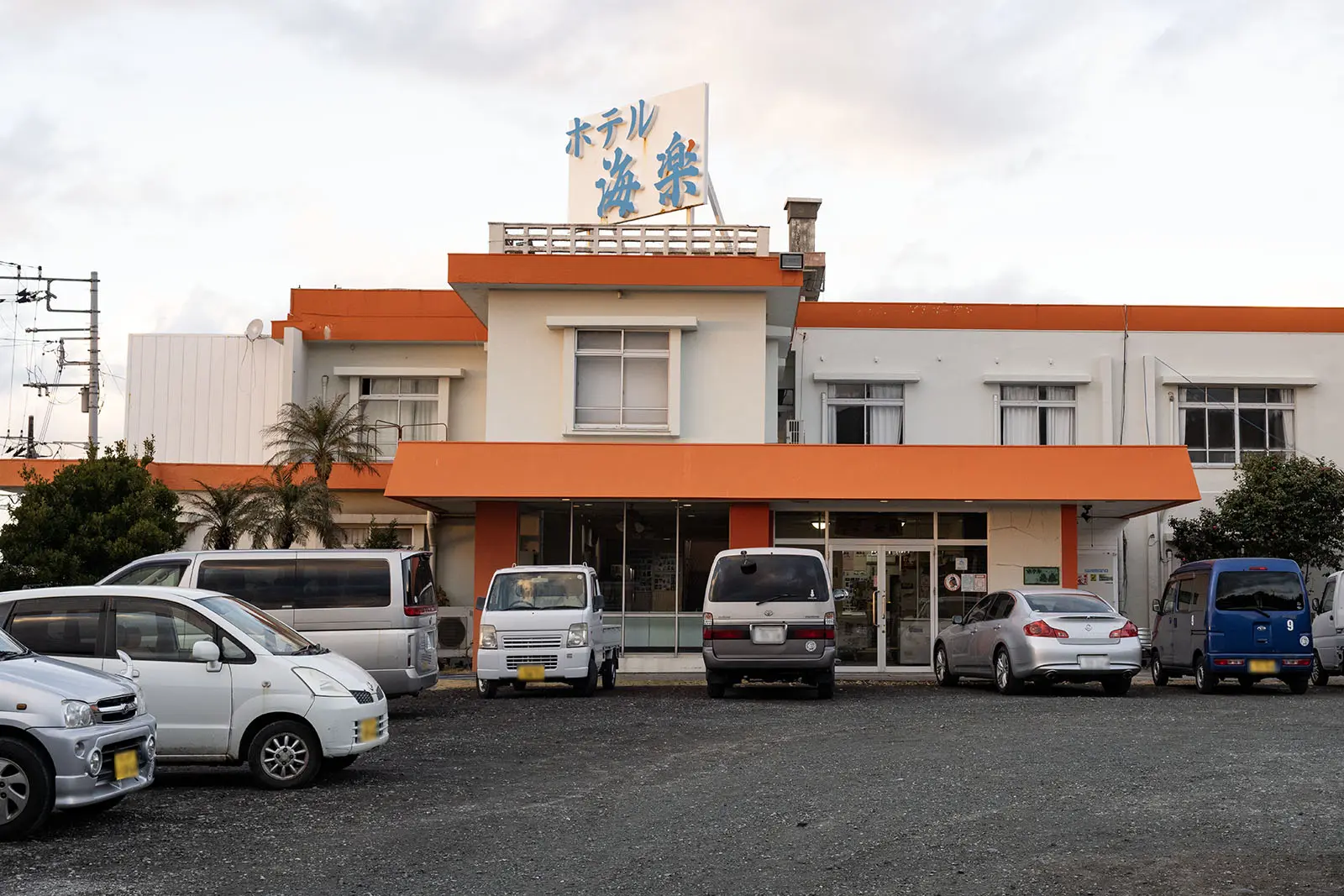
Miyakejima accommodations offering online booking include CS RESORT in the Kamitsuki district, bookable through its own website, and Pension & Restaurant Hanamizuki, bookable through several reservation sites.
Some properties, including Santomo and Guesthouse Tsunagu in the Ako district, have booking and inquiry forms on their websites. However, these are request forms, and the property will contact you later to confirm whether your reservation has been accepted.
One accommodation service distinctive to Miyakejima is early-morning facility use and check-in.
To coincide with Tokai Kisen's early-morning arrival, some accommodations provide transportation from the port, breakfast, and a place to nap, or offer early check-in to overnight guests.
Expect to pay ¥5,000–¥6,000, including breakfast.

Most accommodations offer plans including dinner and breakfast.
You can book a breakfast-only plan and eat dinner elsewhere, but restaurants may be far from your accommodation. Unless you have a particular preference, booking dinner as well is advisable.
Lunch requires particular planning on Miyakejima.
Although some restaurants open in the evening, surprisingly few operate at lunchtime.
There are no convenience stores on the island, so rice balls and boxed meals are not always available.
Hasegawa and Tsuchiya Shokuhin supermarkets in the Ako district sell boxed meals, but they may sell out by the afternoon.
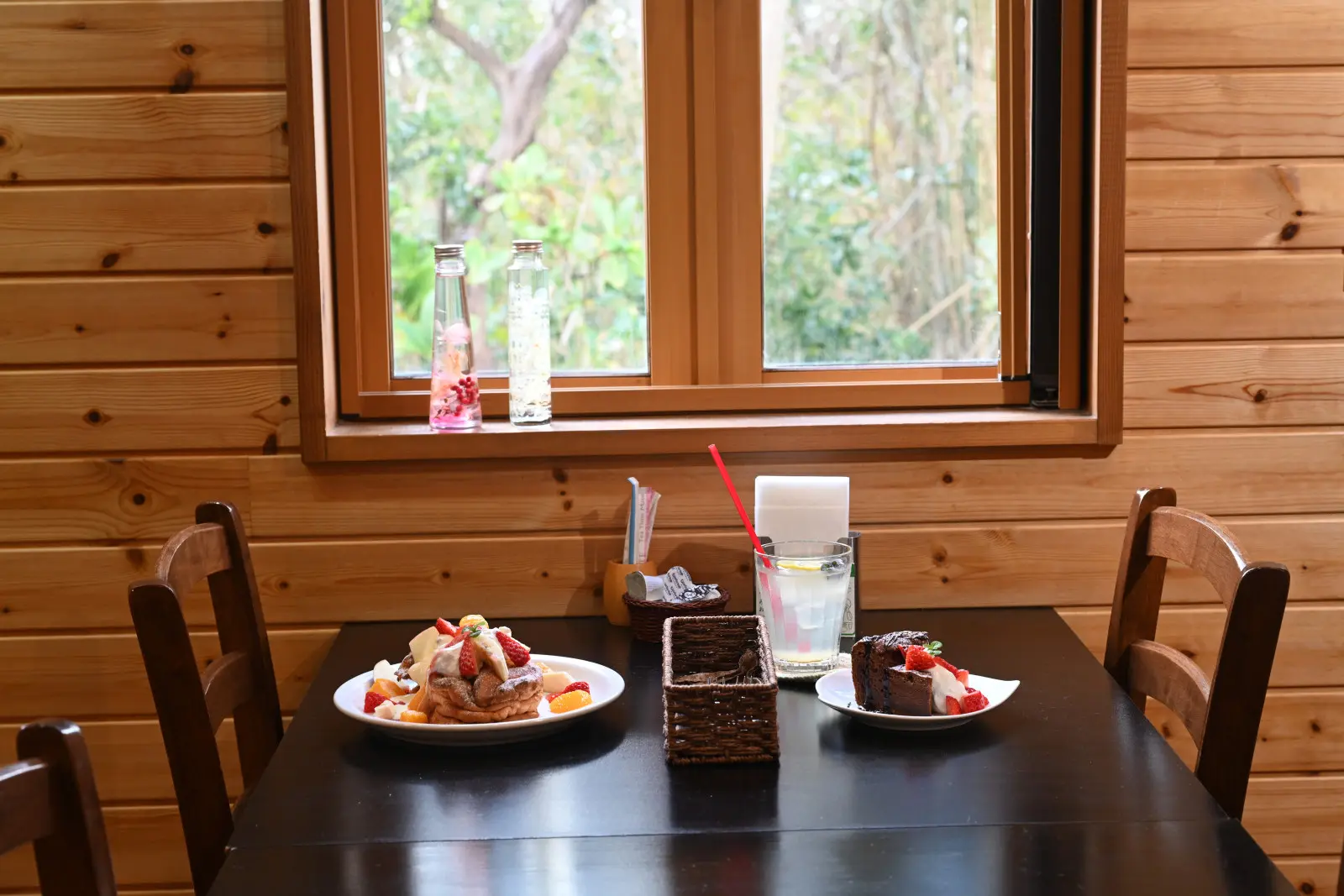
The island has popular cafes, but they are scattered around, so check their business hours before visiting.
If you plan to have lunch on the island, do not assume you will simply find somewhere to eat. Research restaurants open on the day of your visit in advance.
Frequently Asked Questions About Visiting Miyakejima
Q
Is it better to travel by ferry or plane?
For a day trip, flying both ways is recommended. If birdwatching is your main purpose, take the ferry to the island so you can begin exploring early in the morning.
Q
Can transportation and accommodations for a Miyakejima trip be booked online?
Ferry and plane tickets can be booked entirely online, from checking availability to securing a seat.
Few accommodations offer online booking, so you will generally need to call them directly to confirm availability.
Q
Are the effects of the eruptions still present?
Some areas remain off-limits, but toxic gas is now rarely a concern, and visitors can explore without special preparations.
Q
Can I use credit cards or mobile payment apps?
Some accommodations accept credit cards, but carrying cash is advisable. Mobile payment apps are accepted more widely than credit cards, though some places you visit may not accept them.
Q
Can I visit Hachijojima on the same trip?
You cannot visit both on a day trip, but you can visit both islands if you stay at least 1 night on each.
For an efficient route, fly to Hachijojima, take the ferry from Hachijojima to Miyakejima, and then return to Tokyo by ferry or plane.
Q
Can I also go hiking?
Mount Oyama rises 775 m above sea level, but the area from its mid-slope to the summit remains off-limits.
On a few days each year, there may be opportunities to climb with a guide, so check for current information if you are interested.
Summary
Even among Japan's many islands, Miyakejima has a particularly distinctive character.
It is a valuable place to observe landscapes shaped by volcanic activity and see up close how nature is recovering from recent eruptions.
The island also offers active pursuits such as birdwatching, diving, and fishing.
Its manageable size is another advantage: with a rental car, you can visit many attractions during a 2-day, 1-night stay.
Rather than treating Miyakejima only as a quick side trip from Tokyo, visit when you have enough time to experience the island fully.

Author
Photographer & Writer
Hiroaki Oyamada
A photographer and writer who loves nature and is passionate about sharing the emotions and inspiration found through travel.