
A Ferry Lover’s Obsessive Travel Guide, by and for Ferry Lovers: The Appeal of Ferry Travel and 14 Recommended Routes
In today’s world, where travel styles often lean toward speed and efficiency, ferry travel, which deliberately takes time, has been quietly gaining popularity.
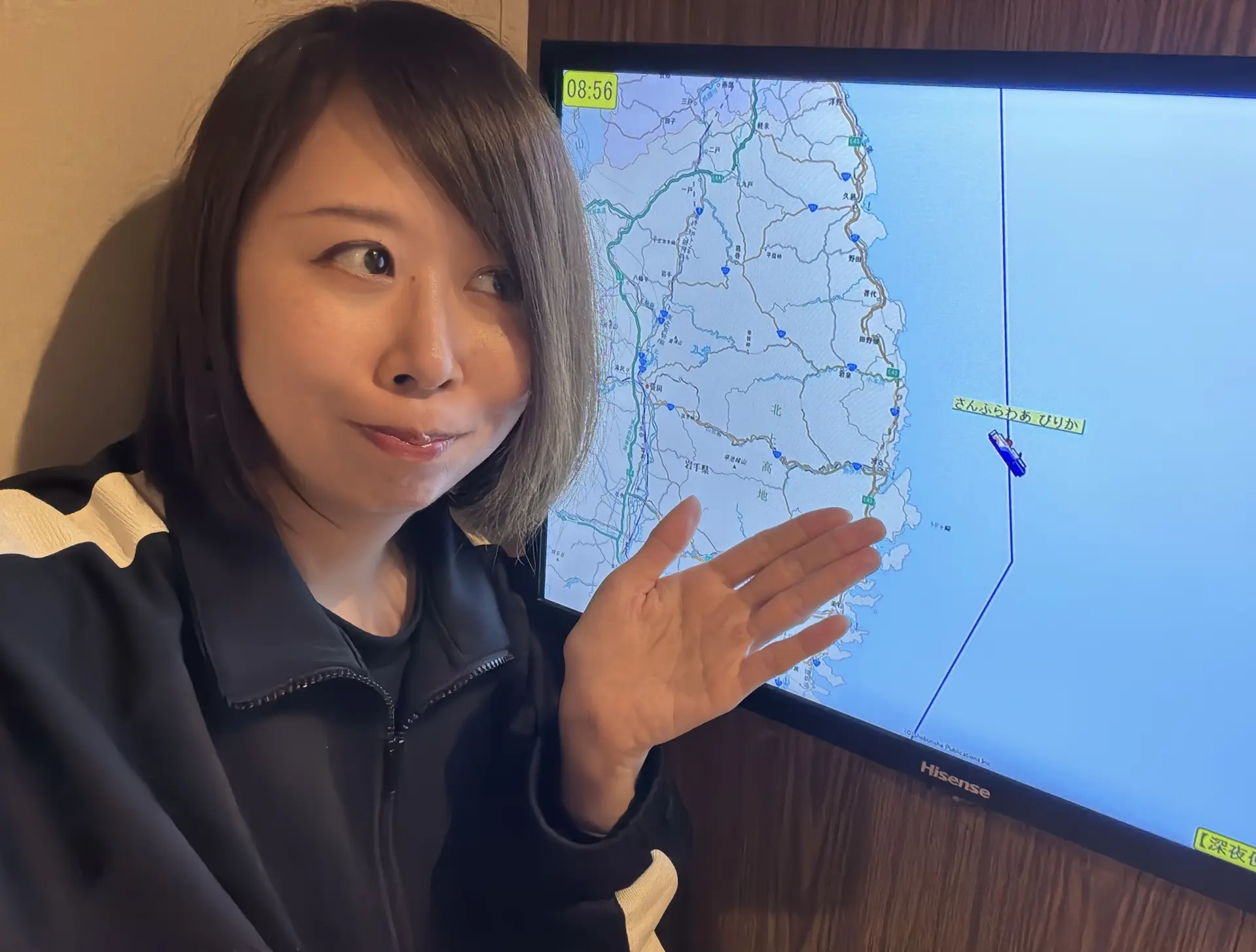
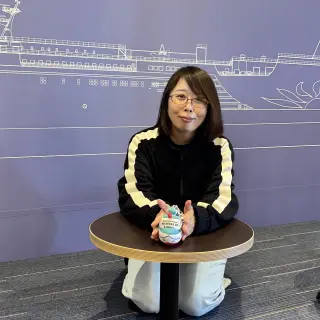
This edition of the Hen’ai Travel guide focuses on ferry travel and features Keiko Yoshizawa, who works as an illustrator while also being a passionate ferry enthusiast. In just the past three years, she has boarded ferries across Japan more than 130 times, and she sometimes rides Tokyo Wan Ferry, a 40-minute one-way route, as many as 10 times in a single day.
Compared with the Shinkansen or airplanes, ferries may still feel less familiar to many people, but where exactly does their appeal lie?
The Ferry Rabbit Hole That Captivated Me, Even Though I Grew Up in a Landlocked Prefecture
I was born and raised in Saitama Prefecture, and I still live there today. Growing up in landlocked Saitama, what first made me love ferries was a luxury cruise ship I saw in a video game as a child.
Back then, the vehicles around me were trains, buses, cars, and at most, airplanes. Ferries and passenger ships were completely unfamiliar to me, and they felt like extraordinary, fantasy-like vehicles.
As an adult, I developed a hobby of photographing large ships docked at Yokohama Port, including passenger ships, cruise ships, container ships, car carriers, and tankers. As I kept going to Yokohama Port almost every week to take photos of ships, the desire to see the large ships I loved from closer up began to grow inside me.
After doing some research, I learned that if I went to Kanmon Bridge, which connects Mojiko Port in Fukuoka and Shimonoseki in Yamaguchi, I could see large ships passing close by. I also learned that Shinmoji Port is located very close to Mojiko Port and that many long-distance ferries arrive and depart there. I thought, “I can watch them and ride them, so this is perfect!” That was how I decided to take a solo trip, and it became my first ferry journey. When I actually boarded one, it was so much fun that I fell completely into it, and about 10 years have passed since then. I still feel like I am just as hooked as ever.
What Kind of Ship Is a Ferry?
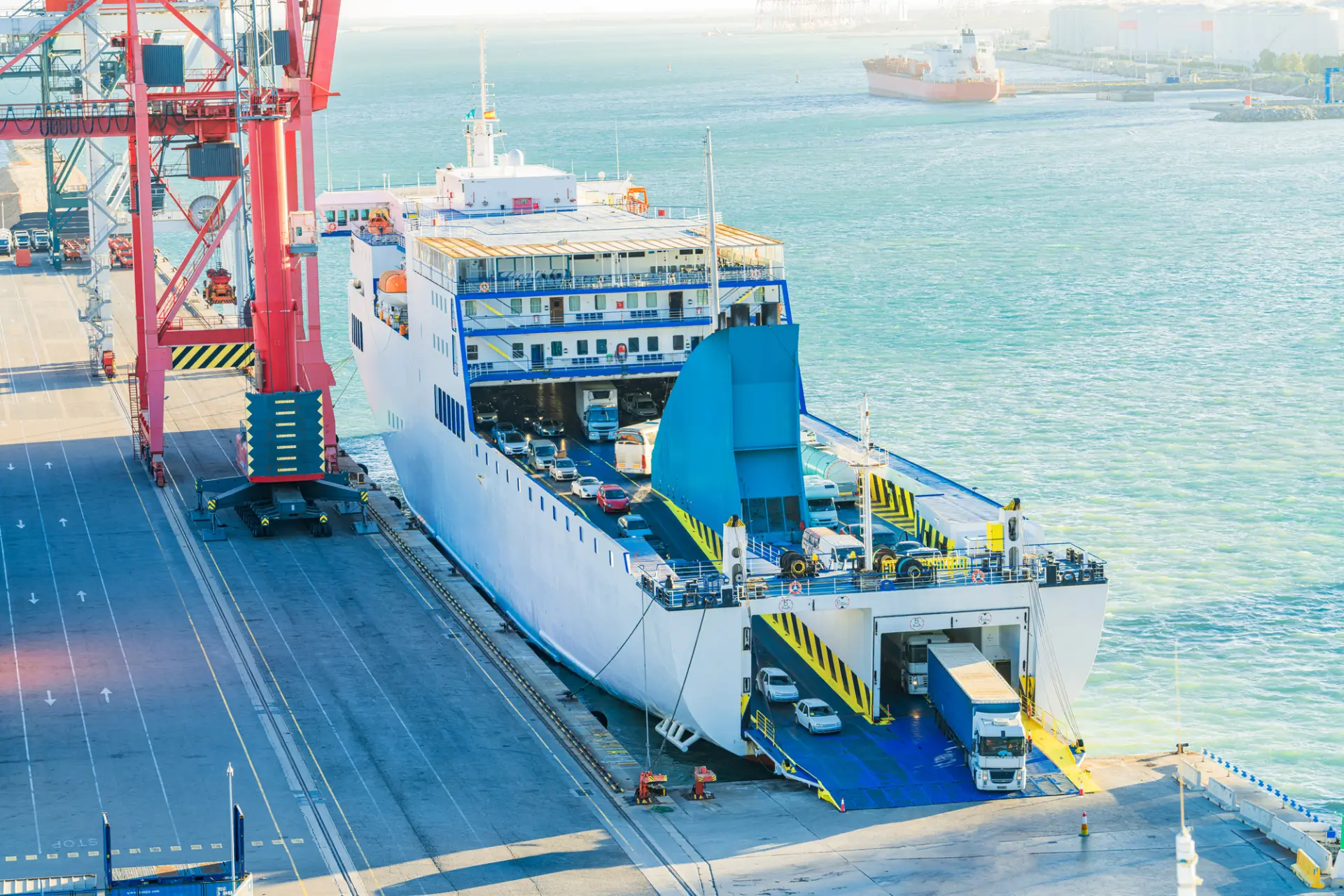
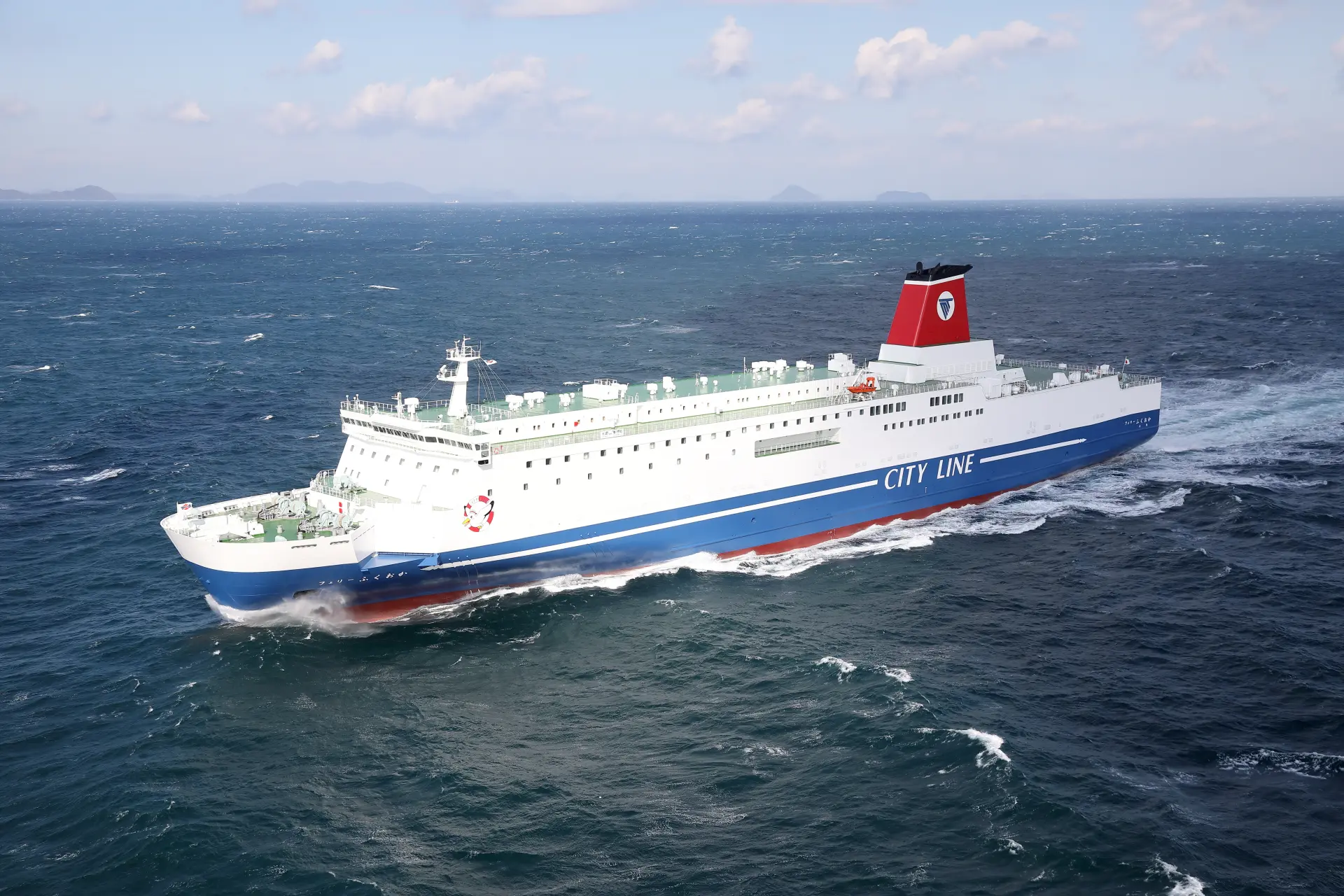
Before getting into the main topic, let’s first clarify the definition of a ferry. It is surprisingly easy to misunderstand, but there is one decisive difference between a ferry and a regular passenger ship. That difference is whether it can carry cars.
- Ferry
- A ship with a vehicle deck that can transport cars.
- Passenger ship
- A ship that carries people only, without loading cars.
For example, the large ships that connect Takeshiba in Tokyo with the Izu Islands do not carry cars, so they are treated as passenger ships rather than ferries. On the other hand, the ships used to access Itsukushima, or Miyajima, in Hiroshima are small and run on a short route of about 10 minutes one way, but because they carry cars, they are classified as ferries.
That said, what fits the theme of “ferry travel” in this article is a relatively large ferry that operates on a somewhat longer route.
Comfortable Facilities That Make Ferry Travel Pleasant for Passengers
Some people may wonder, “Can you really spend time comfortably on a ferry trip?” Those are exactly the people I would love to see try boarding a ferry.
In the past, ferries may have had aspects that felt more focused on freight than passengers. Recently, however, I feel that more ferries are designed to satisfy not only freight truck drivers, but also passengers traveling by ship.
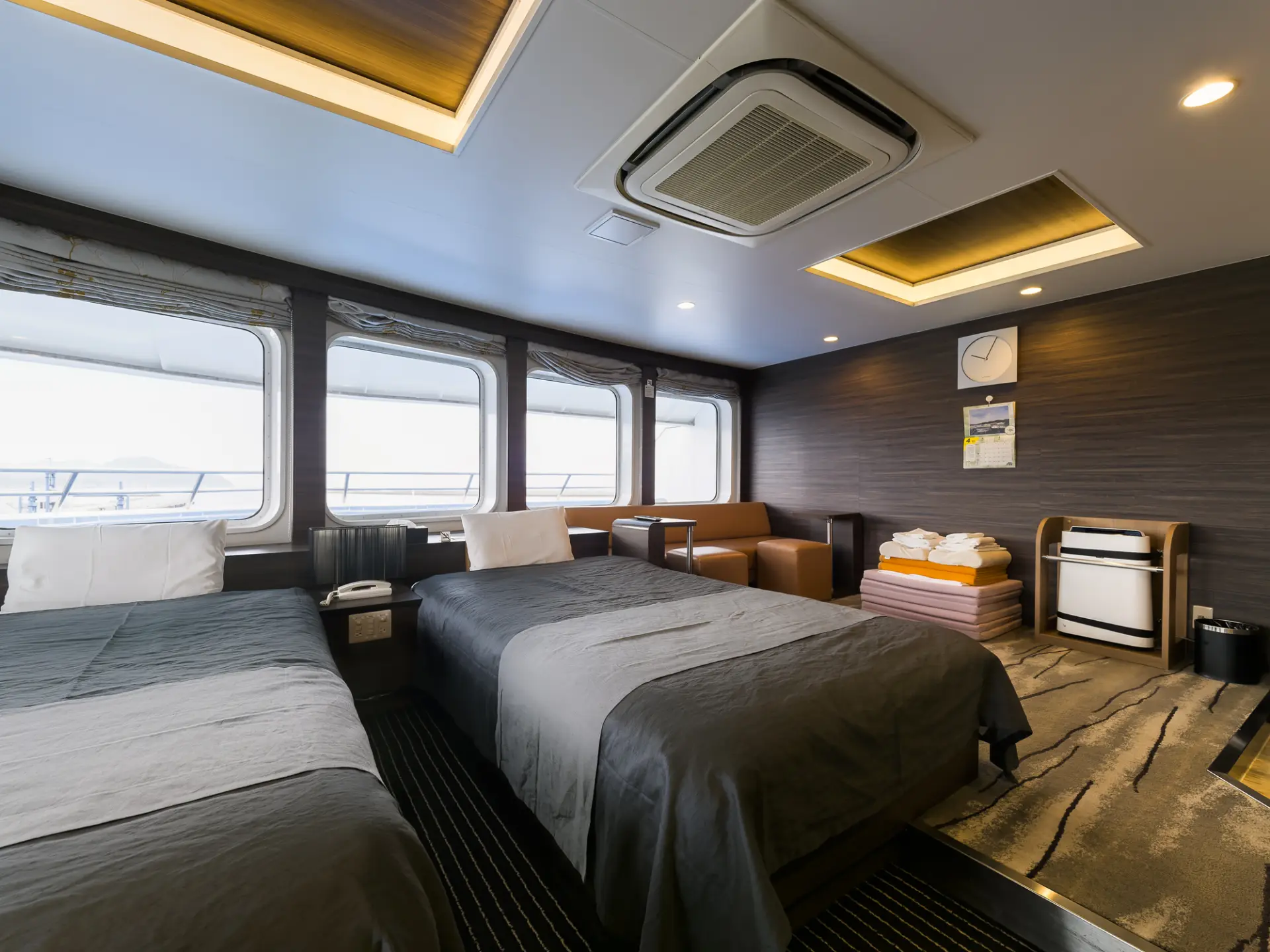
Internet access has become easier thanks to satellite communications and other systems, private cabins designed with privacy in mind have become more common, public spaces have become more cabin-like, large shared sleeping rooms have decreased, private space is secured even in shared cabins, and some ferries no longer have shared cabins at all because every room is private.
On recent ferries, it has become increasingly normal to find features and services that make trips more comfortable for passengers.
Solo Trips by Women and Group Trips by Students Are Also Increasing
The fact that ferries are comfortable and satisfying vehicles can also be seen from passenger trends.
Compared with 10 years ago, when I was taking ferries, the number of women using ferries for solo trips has increased a lot. I get the impression that many are women around my age, in their 30s or 40s, and I think the number will continue to grow.
Unlike other forms of transportation, you can take a bath, lie down and sleep, have a private cabin space, and feel reassured about safety. There are also more facilities such as women-only rooms and women-only powder rooms, making it easier to get ready.
Another key point is the operating time of long-distance ferries. Long-distance ferries often depart in the evening or at night and arrive early the next morning. Being able to sleep well, wake up refreshed, and start moving from the morning is a major benefit for travelers.
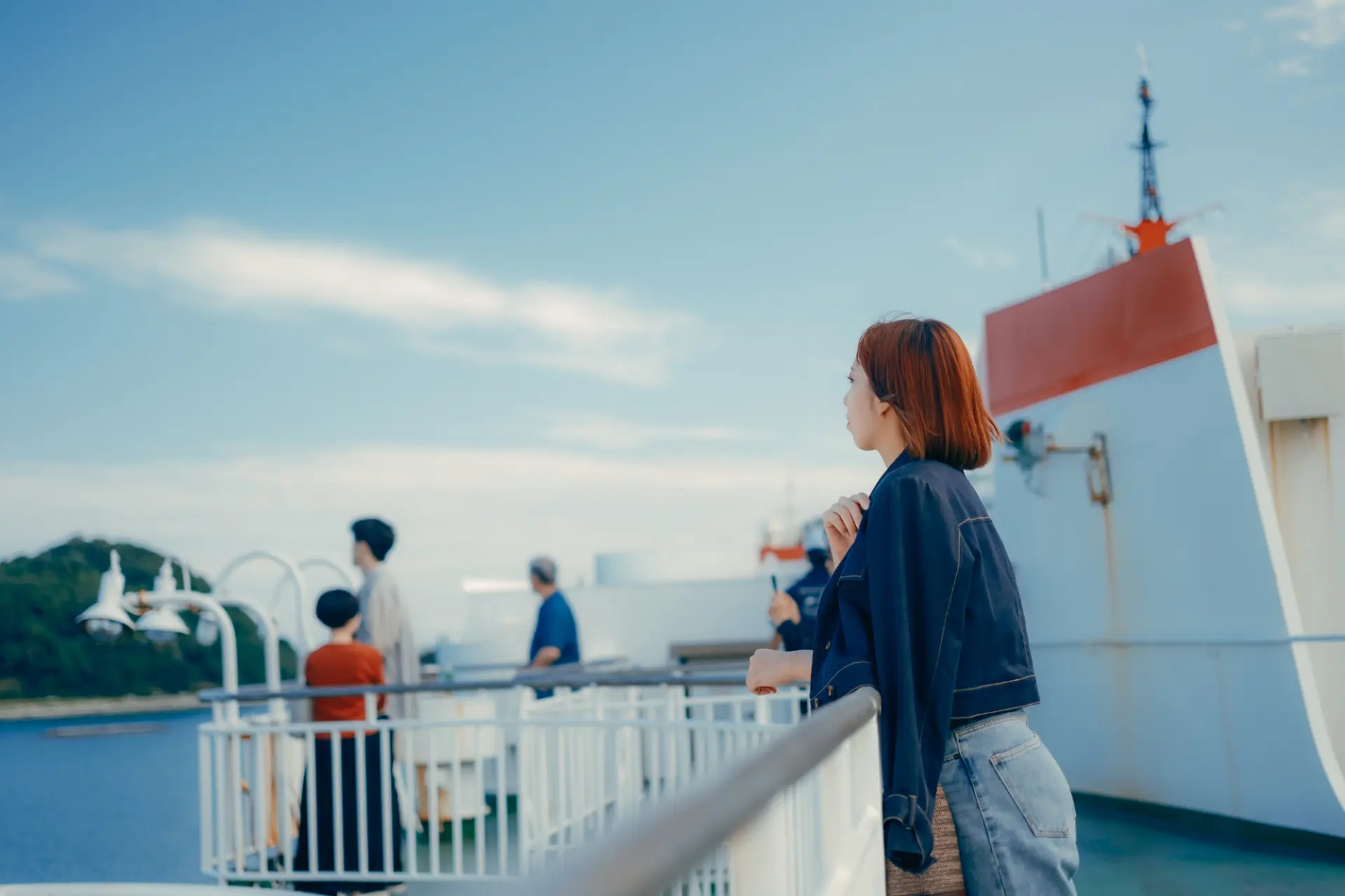
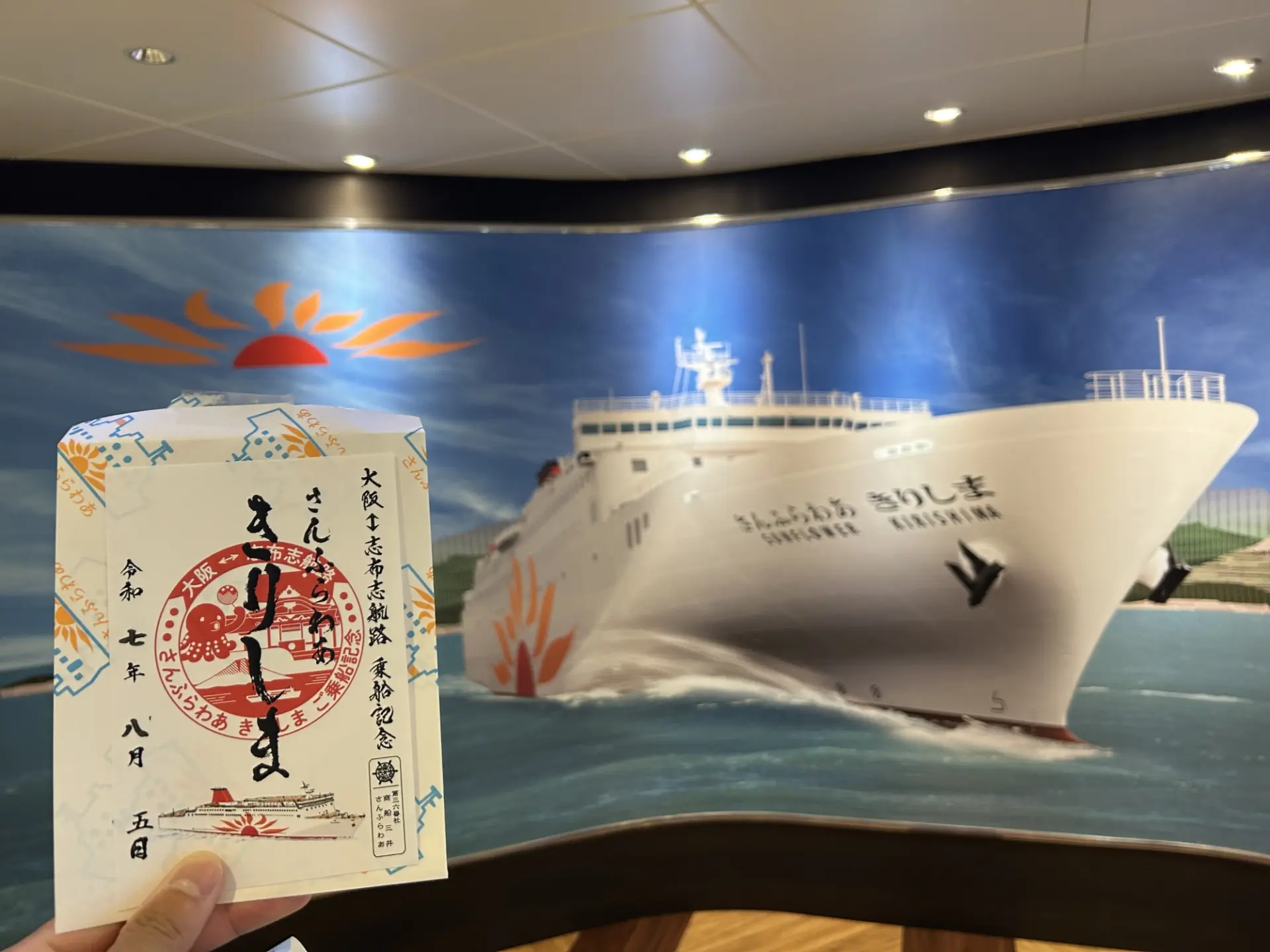
Once You Start Collecting Them, You May Fall into the Rabbit Hole: GOSEN-IN Cruise Stamps, the Ship Version of Goshuin
One thing strongly supporting the recent popularity of ferries is the GOSEN-IN Cruise Stamp, the ship version of goshuin, stamps collected at shrines and temples. The project started in 2021, but I had been looking forward to it even before it began, and I have been collecting them ever since it launched. Once you start collecting them, it is dangerous. It is a rabbit hole. From the very beginning, I jumped straight into it.
When limited-edition GOSEN-IN Cruise Stamps are released for ship events, such as anniversaries of a ship entering service or farewell commemorations for a ship’s retirement, I plan trips around them. Sometimes I ride another ship along the way just to get its stamp. GOSEN-IN Cruise Stamps have given me more types of ships to ride. I used to ride mostly long-distance ferries, but now I also ride restaurant ships, sightseeing boats, and other vessels besides ferries. I feel that my range of ship travel has expanded greatly as I have come to understand the appeal of each type.
Recently, I also deliberately board ships on my birthday and enjoy getting GOSEN-IN Cruise Stamps as birthday cards.

Food, One of the Great Joys of Travel, Is Also Fully Satisfying
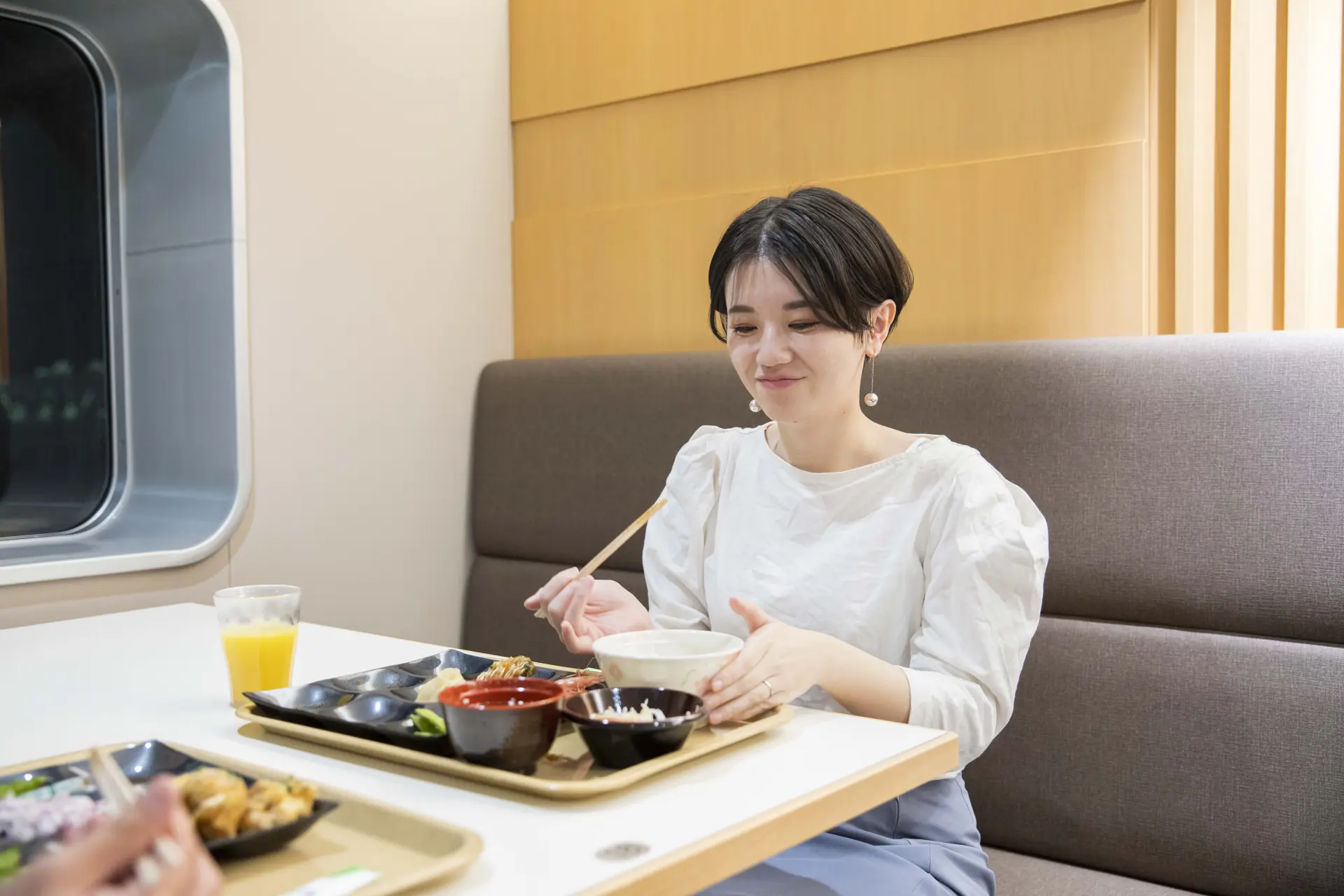
When it comes to the joys of travel, food is definitely one of them. Of course, ferry travel lets you enjoy that pleasure to the fullest. On Kyushu routes, restaurants may serve baked curry, while on Shikoku routes, they may serve udon noodles, offering famous local dishes from the departure and arrival areas. Another appeal is that the dining style differs from ferry to ferry.
Many are buffet-style, but some use an order system, some are cafeteria-style, and in some cases, you can even enjoy barbecue on the deck.
On the other hand, some ferries have no restaurant and instead are lined with vending machines selling frozen meals. It may sound plain, but this is incredibly fun in its own way. The sight of vending machines lined up all across one wall, with rows of microwaves nearby for heating what you bought, is truly impressive.
The variety is also fun, ranging from easy items such as udon noodles and rice balls to luxurious items costing nearly 1,000 yen each, as well as snacks to pair with drinks.
Each ferry has its own dining style, system, and personality, so try riding different ones and experiencing the differences for yourself.
Highly Flexible Ferry Travel: Tips and Points for Enjoying It
Ferries are an extremely flexible form of transportation. Some have luxurious private cabins with balconies, while others have shared cabins lined with many bunks that feel a little like a capsule hotel.
Depending on your budget, mood, and condition at the time, you can make all kinds of choices. Unlike airplanes or railways, each ferry also has a different atmosphere. I think it is fun to try riding various ferries while exploring how you personally like to spend your time on board.
There is no set how-to guide or manual for enjoying such flexible ferry travel. That said, there are a few tips and points that can help you enjoy it more, so here I will introduce what to bring.
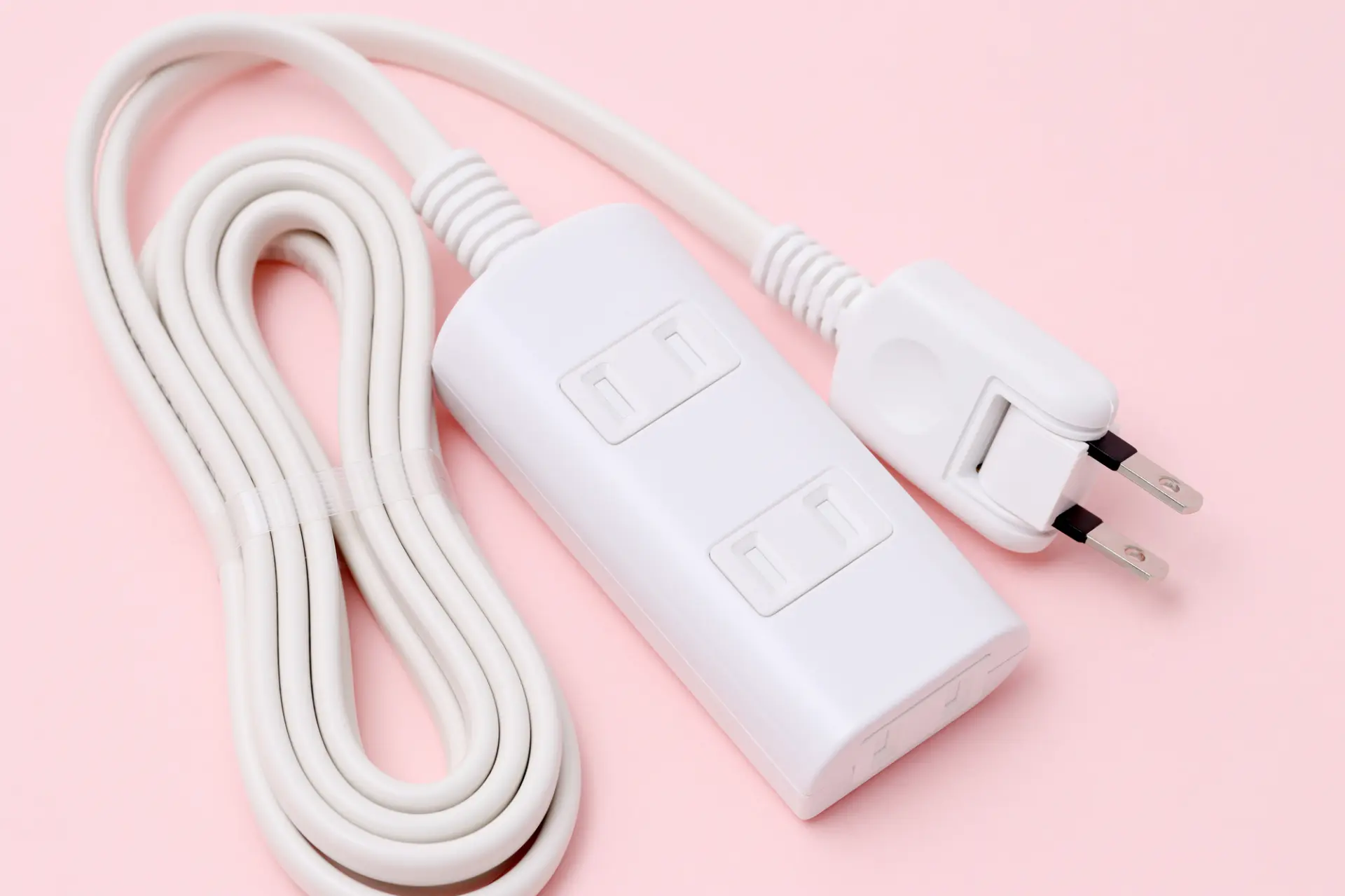
One useful item to have is an extension cord. There are often not many outlets on board, or they may be far from the bed. I often hear people say, “I wish I had brought an extension cord.”
Another thing that can lift your mood during ferry travel is bringing along a favorite food or drink that you often enjoy in daily life. For me, that is coffee. I bring paper-cup coffee, get only hot water from a place where it is available, and drink it whenever I like. It feels like my everyday routine and the extraordinary experience of traveling by ship are blending together, which I find fun.
Seasickness Measures, an Essential Part of Ferry Travel
Quite a few people may feel anxious or worried about seasickness when it comes to traveling by ship, whether on a ferry or another vessel. I myself have a weak vestibular system and even get motion sick on elevators and swings.
What I would recommend to people like me is a Seto Inland Sea route. It was the route I first took, going from Kansai to Kitakyushu. The sea there is truly calm with almost no waves, to the point that you can barely tell whether the ship is moving. Starting there made me feel that ferries were actually manageable, and my resistance to seasickness gradually faded.
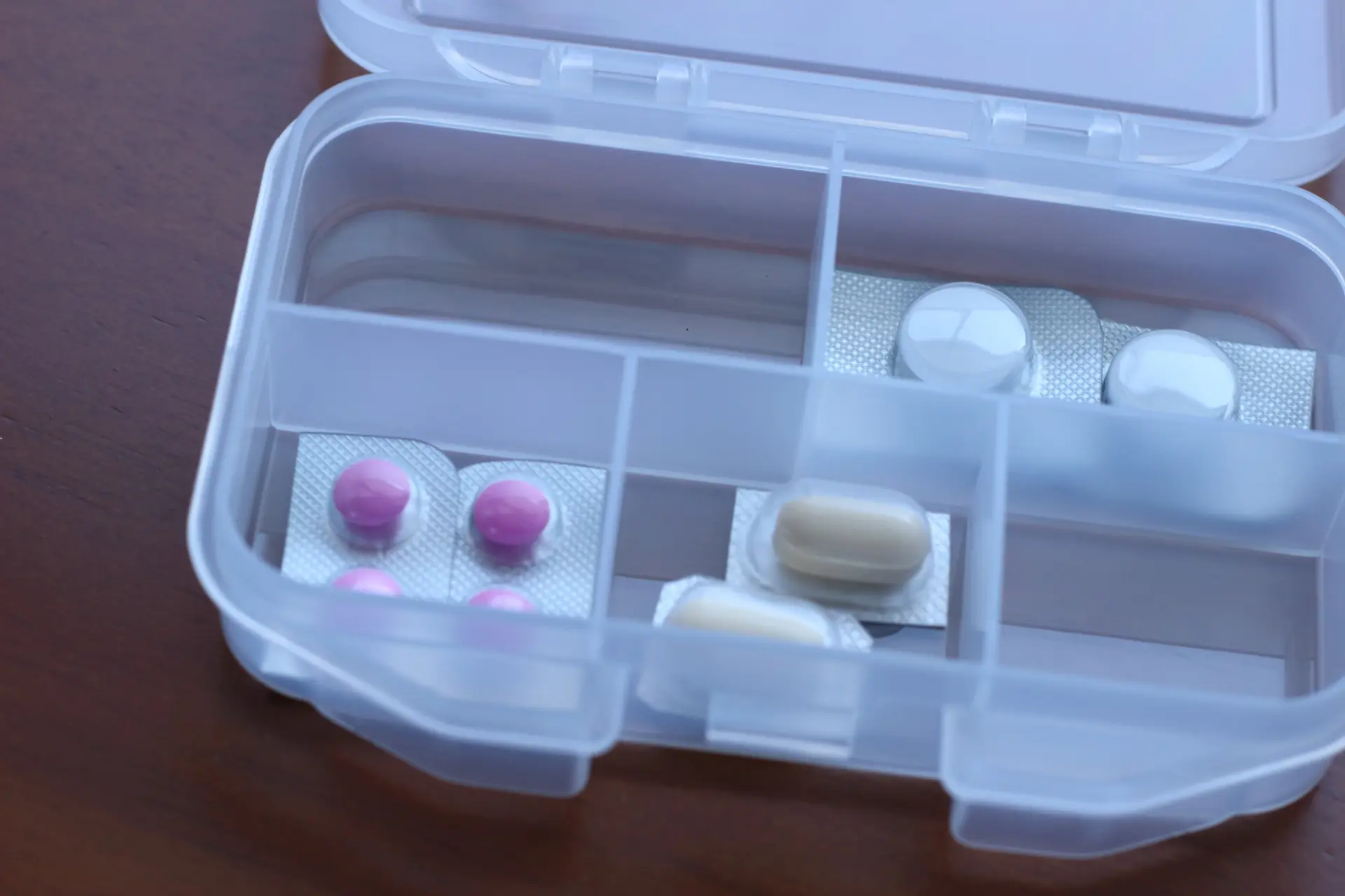
Another thing is medicine. I always board ferries with Aneron Niscap, a powerful motion sickness medicine, on hand. It gives me peace of mind because I feel that even if something happens, I will definitely be okay if I take it. This is just my personal impression.
How you sleep is also an important point for preventing seasickness. If you sleep with your head facing toward the center of the ship, the sensation of rocking is reduced. If your head faces outward, your head moves together with the rocking, making it easier to feel sick.
Ride Them Once and You May Get Hooked: 14 Recommended Ferries around Japan
From ferries all across Japan, I have carefully chosen my recommended ferries after much thought. I cannot explain the appeal of ferries in a perfectly logical way, so this is very much a guide based on my own experiences and personal impressions. I would be very happy if it makes you want to try riding one.
1. Hokkaido|Silver Ferry Silver Tiara: Tomakomai West Port, Hokkaido - Hachinohe Port, Aomori
The Spectacular View from the Forward View Seats Is a Must-See!
From Hokkaido, I will introduce two ferries that arrive at and depart from Tomakomai West Port Ferry Terminal.
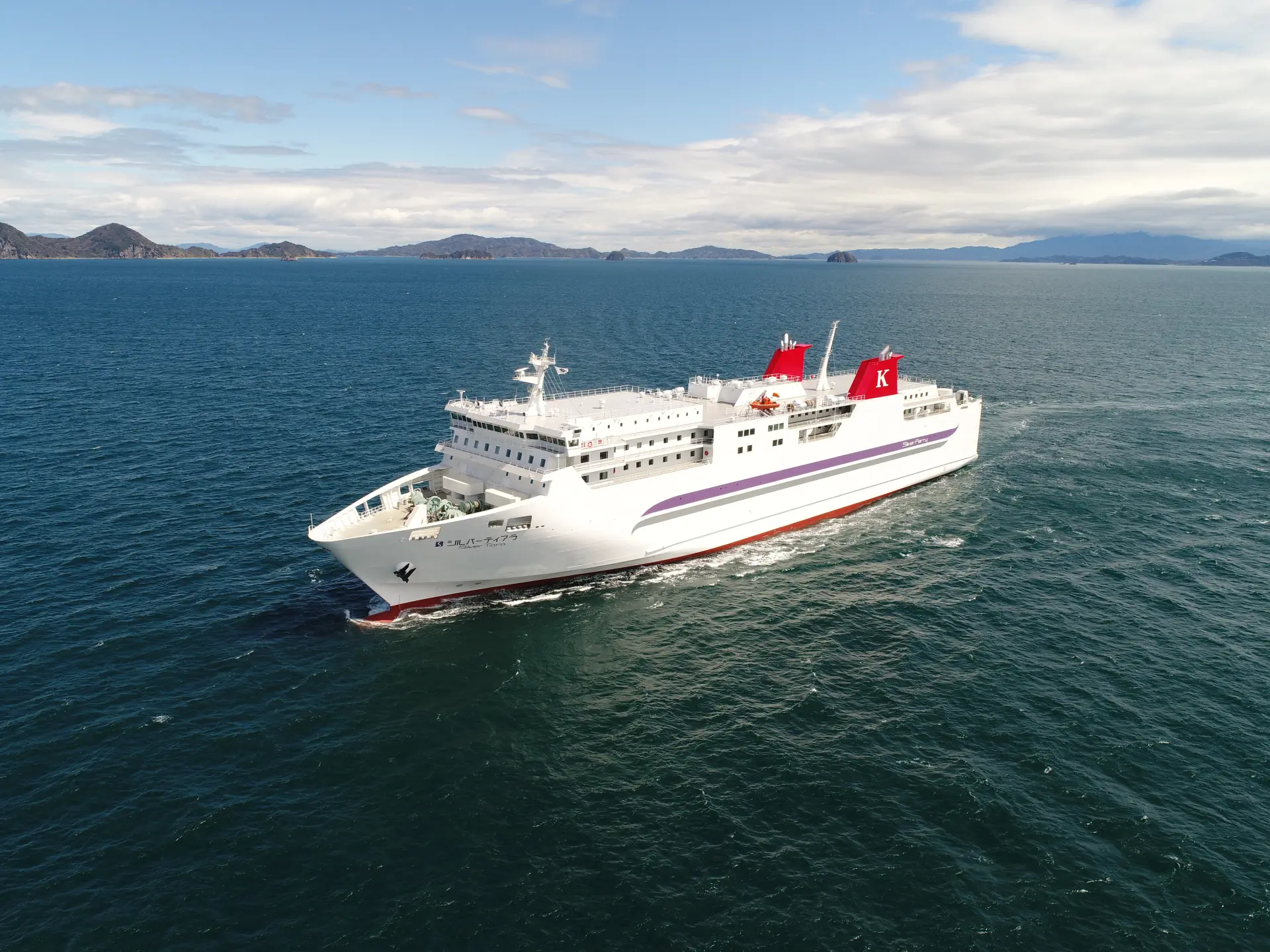
The first is Silver Ferry, which connects Tomakomai and Hachinohe. It operates four sailings a day with a fleet of four ships. Among them, I recommend a ship called Silver Tiara, which departs at 11:59 pm.
In addition to the ship itself being relatively new and clean, I like that it has forward-facing view seats. They are seats like premium seats with a clear view ahead, so you can watch the sky gradually brighten as night turns into morning. Because it departs late at night, the stars also look incredibly beautiful.
〜Recommended Terminal Information〜
Tomakomai West Port Ferry Terminal is like a northern sacred place for ferry fans. The sight of Silver Ferry, Taiheiyo Ferry, and MOL Sunflower ships docked at the same time is absolutely irresistible. If you walk about 10 minutes, there is a small park called Irifune Park, where you can watch docking and undocking scenes up close.
2. Hokkaido|MOL Sunflower: Sunflower Sapporo and Sunflower Furano: Tomakomai West Port, Hokkaido - Oarai Port, Ibaraki
Passing Each Other at Close Range Is Full of Impact
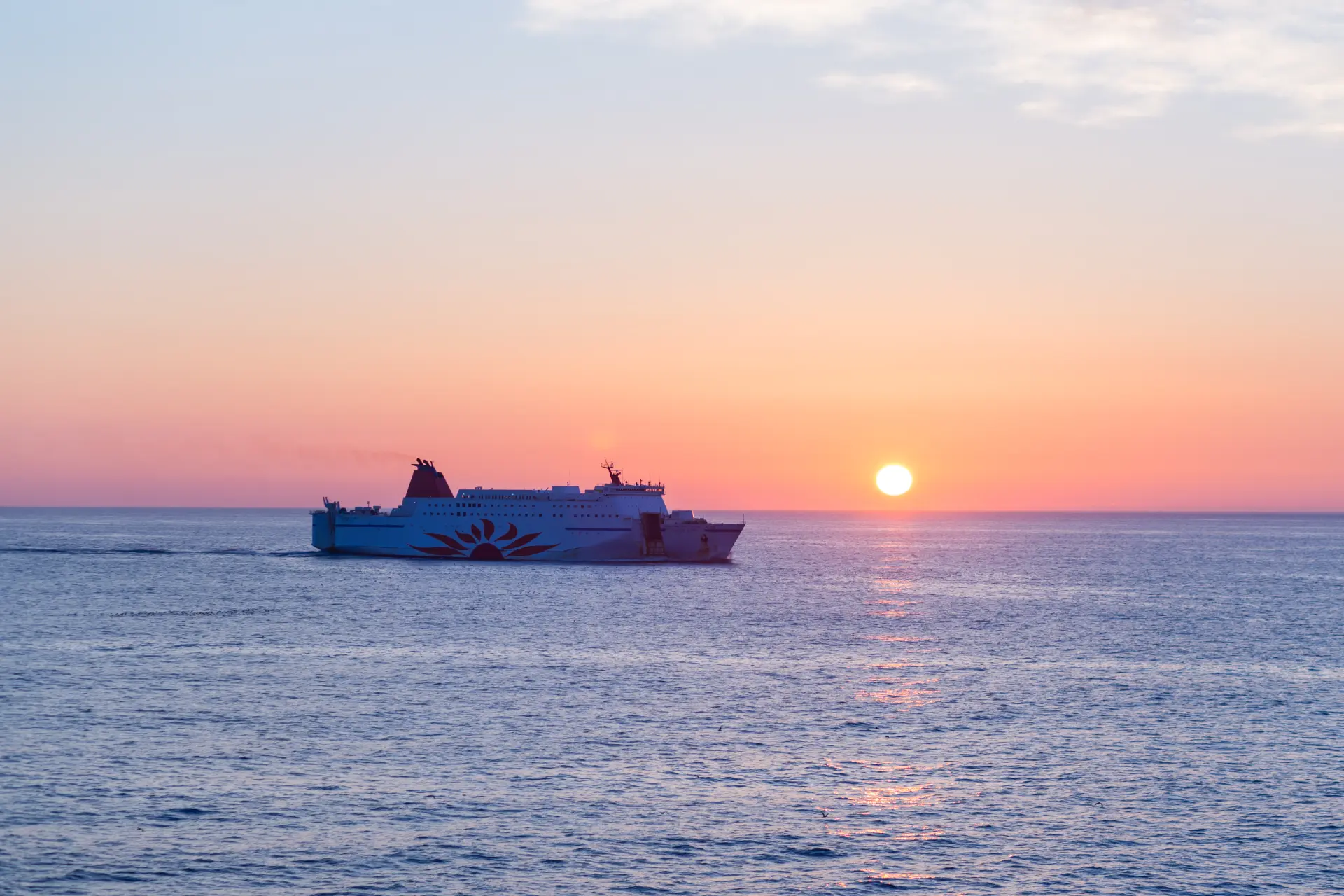
The second recommendation is the evening service of MOL Sunflower, Sunflower Sapporo and Sunflower Furano. It departs Tomakomai at 6:45 pm and arrives in Oarai, Ibaraki Prefecture, at 2:00 pm the next day.
A little less than an hour after departure, it passes close to the late-night service heading into Tomakomai. There is no special announcement, and the ships do not sound their whistles. They simply pass each other quietly, so it feels like something only people in the know are aware of. Many ship fans look forward to it, and at that moment, the deck is full of nothing but enthusiasts.
It depends on the sea conditions that day, but when they pass close by, they can be close enough that you can see the people on the other ship.
3. Tohoku|Tsugaru Kaikyo Ferry: Aomori Port, Aomori - Muroran / Hakodate, Hokkaido
Its Famous Vending Machine Meals Are Hearty and Filling
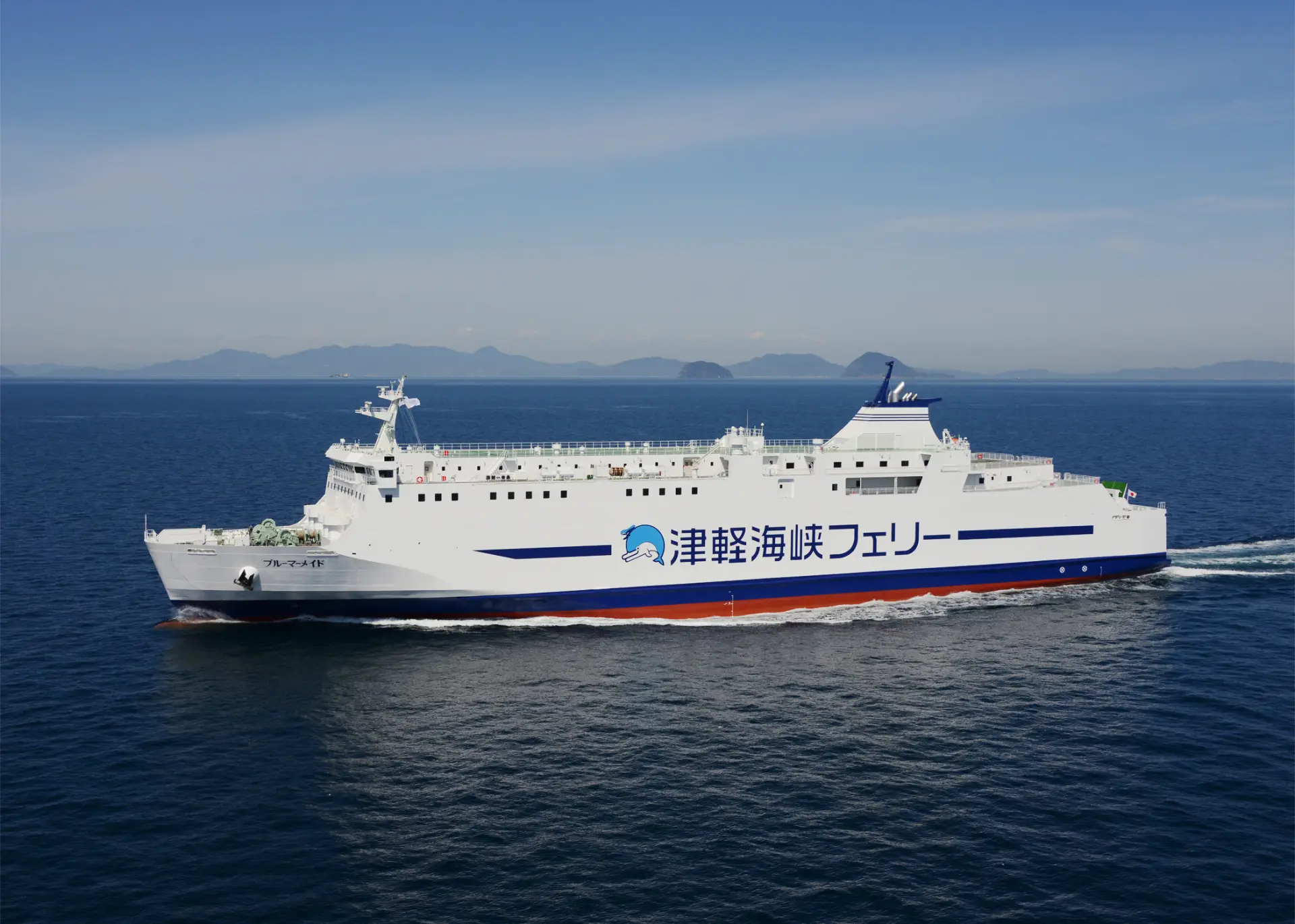
For Tohoku, my pick is Tsugaru Kaikyo Ferry, which arrives at and departs from Aomori Port. There is also a route connecting Oma and Hakodate, but I often use either the Aomori to Muroran route or the Aomori to Hakodate route. Although the distance is not especially long, there are surprisingly solid private cabins, and the prices are not that high. There are also discounts for foot passengers, so I think it is easy to use casually.
There is no restaurant, so meals are the type where you enjoy vending machine meals. Because it is geared toward drivers, the portions are large and filling. The rice balls, for example, come in a pack of two huge ones with butter on top. Wondering what to eat is also a lot of fun.
4. Kanto|Ocean Tokyu Ferry: Tokyo Port (Ariake) - Tokushima Port (Nakasu) - Shinmoji Port, Fukuoka
A Long-Distance Route of over 1,000 km, Taking 34 Hours over 3 Days and 2 Nights
Kanto is also very hard to choose from, so please let me introduce two options.
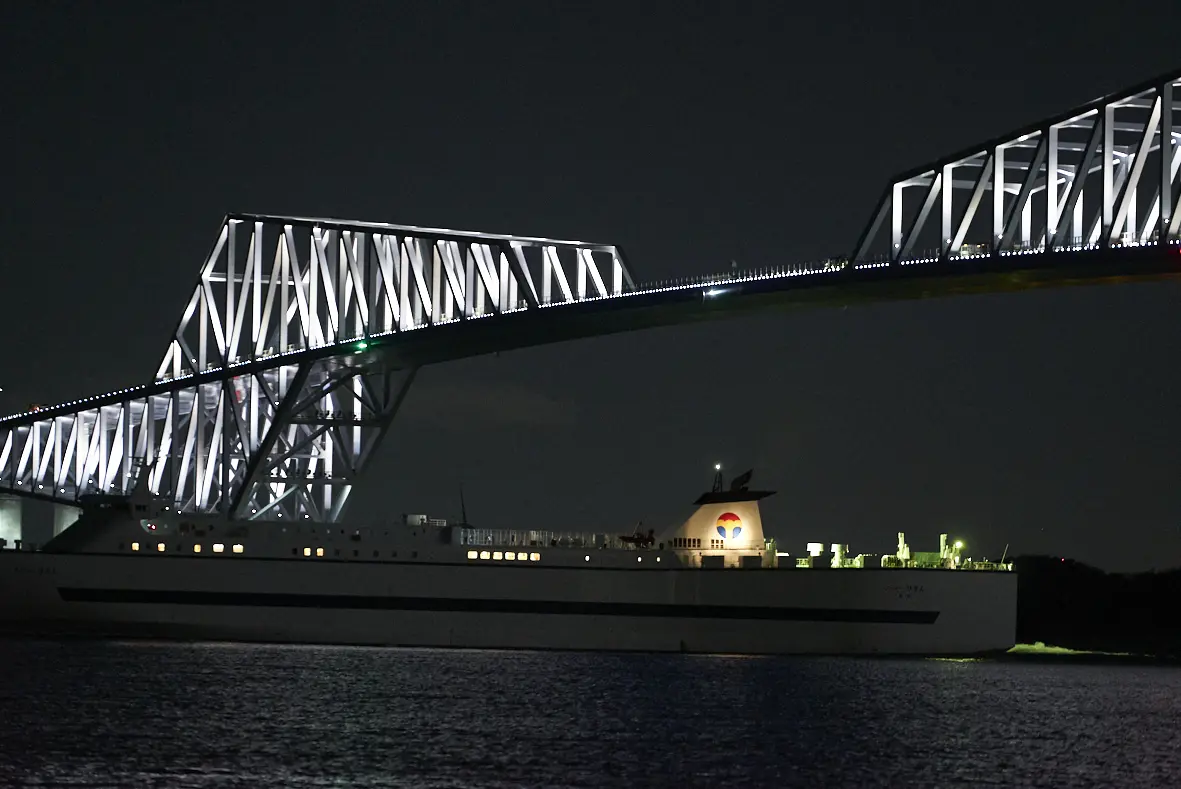
The first is Ocean Tokyu Ferry, a long-distance route that runs from Ariake in Tokyo to Shinmoji in Kitakyushu via Tokushima. It is one of the few ferries that arrive at and depart from Tokyo, and among long-distance ferries, it is the only one that passes under Tokyo Gate Bridge. I love passing under bridges by ferry, so I always watch from the deck or from a window.
This ferry also has no restaurant and is the type where you enjoy vending machine meals. Unlike other hospitality-focused ferries, it mostly leaves you alone, so I recommend it to people who like something a little more understated and rugged.
You can get off at Tokushima, but if you are going to ride it, I hope you continue all the way to Shinmoji and enjoy the 1,151 km ferry journey over 3 days and 2 nights.
5. Kanto|Tokyo Wan Ferry: Kurihama Port, Kanagawa - Kanaya Port, Chiba
Large Ships Passing Close by and Views of Mt. Fuji Are Outstanding
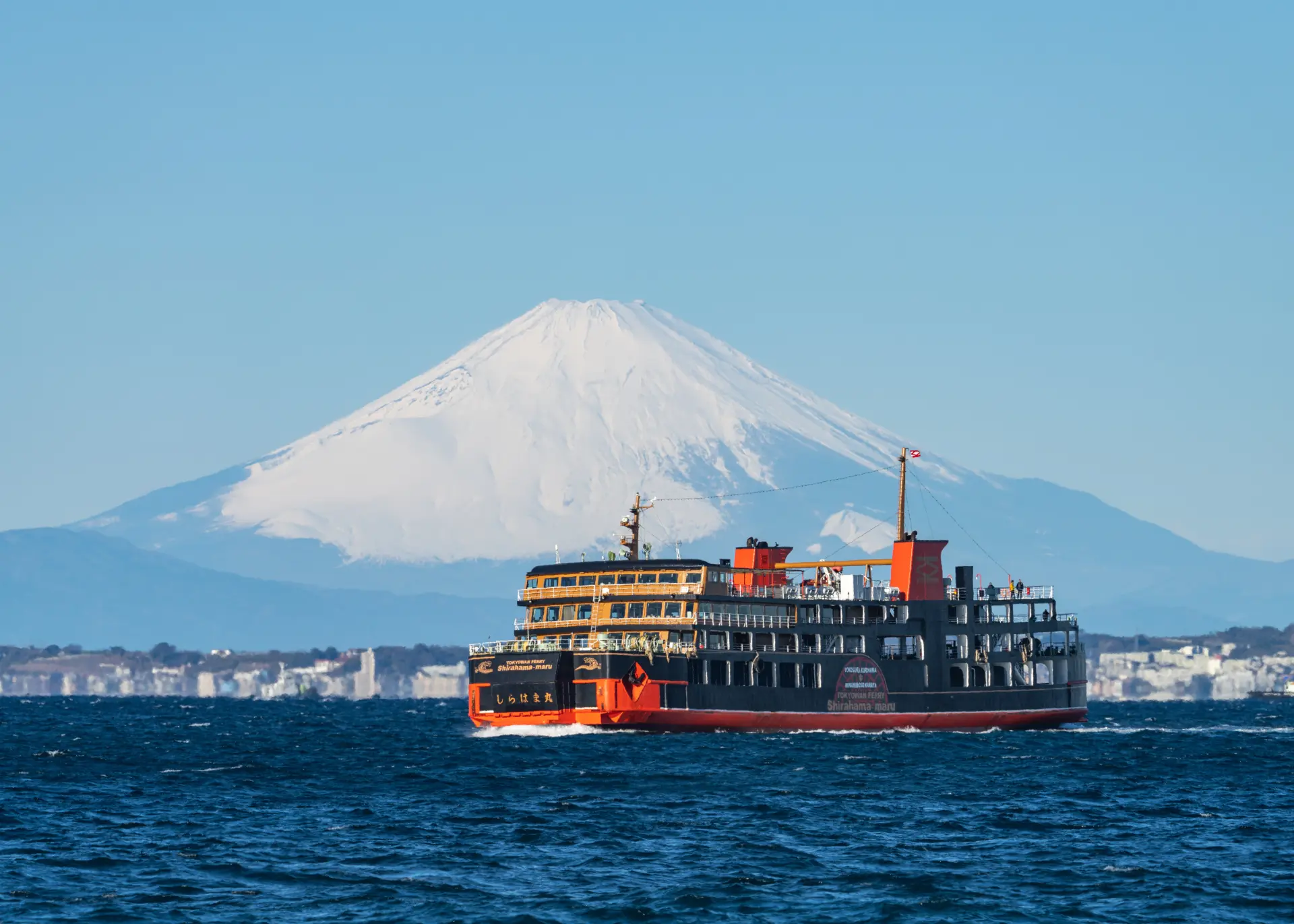
The second Kanto recommendation is Tokyo Wan Ferry, a short-distance route. It cuts straight across Uraga Channel and connects Kanaya in Chiba Prefecture with Kurihama in Kanagawa Prefecture in about 40 minutes one way.
Uraga Channel is a golden route for ships, with many different vessels traveling to and from Tokyo, Yokohama, Yokosuka, and other ports. Tokyo Wan Ferry itself is not such a large ship, but you can see giant 300-meter-class vessels passing right in front of you, which is irresistible for ship lovers.
Because Kurihama, the departure and arrival point, is close to Yokosuka, the onboard shop sells navy-inspired curry bread. It is fun to have it warmed up, eat it on the outside deck, and look out over the sea. If the weather is good, you can see Mt. Fuji beautifully.
〜Recommended Terminal Information〜
Kanaya Port Ferry Terminal is small, but it has a wide selection and sells all kinds of delicious items. My recommendation is the Ryoshi Burger, or Fisherman’s Burger, which sandwiches a thick piece of fried horse mackerel made with local fish in a fluffy bun. They serve it freshly fried, so it is really delicious. I buy and enjoy it every time.
6. Kanto|Tokyo Kyusyu Ferry: Yokosuka Port, Kanagawa - Shinmoji Port, Fukuoka
A Long-Distance Ferry Connecting Yokosuka and Shinmoji
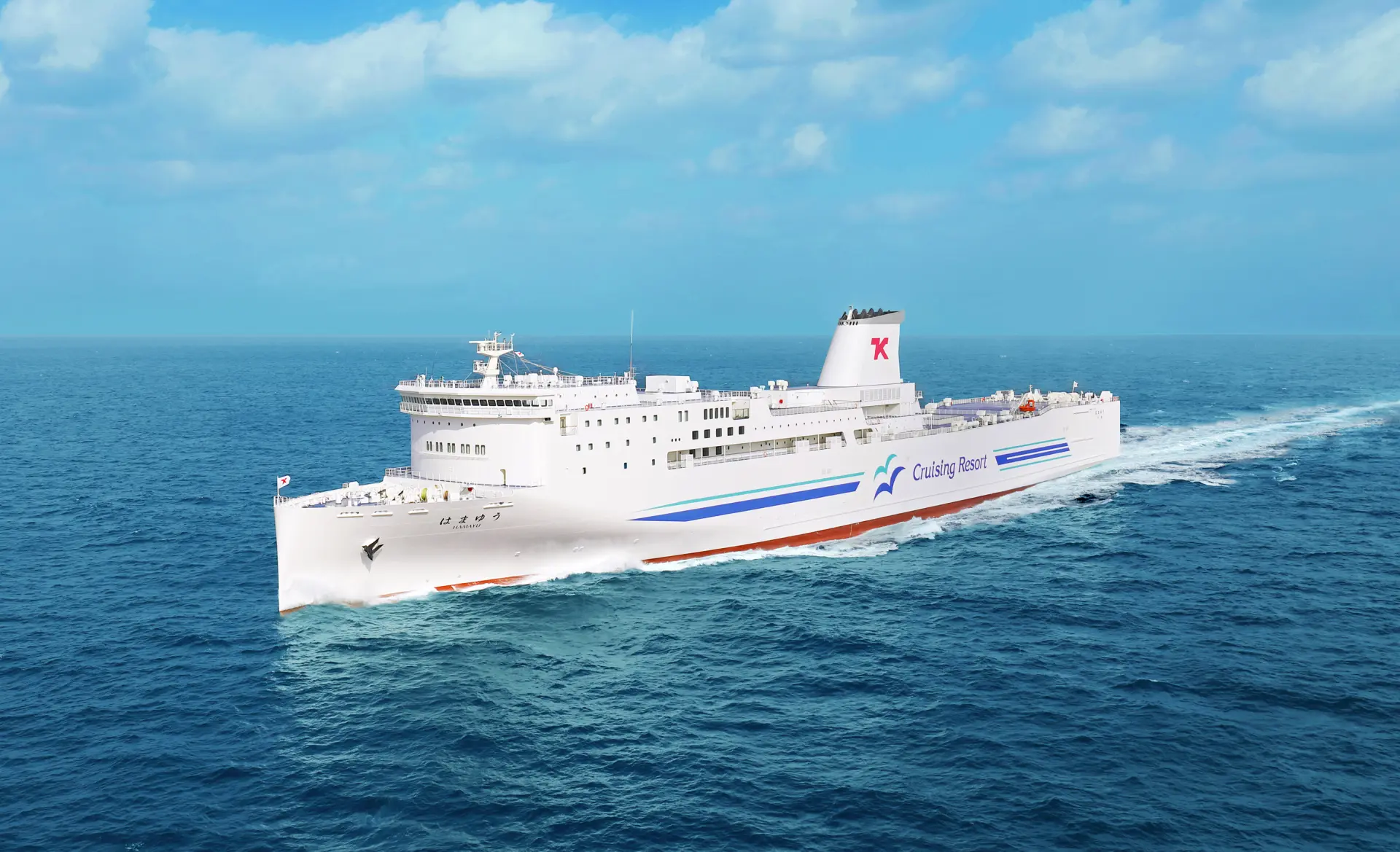
Since we are here, let me add one more from Kanto. This is Tokyo Kyusyu Ferry, which connects Yokosuka and Shinmoji. Kurihama and Yokosuka are close enough that you can travel between them quickly by train. After riding Tokyo Wan Ferry and arriving at Kurihama, you can also enjoy a ferry-hopping trip by boarding Tokyo Kyusyu Ferry and heading straight for Kyushu.
〜Recommended Terminal Information〜
I also like Yokosuka Ferry Terminal for Tokyo Kyusyu Ferry. Nearby, there is Memorial Ship Mikasa, one of the world’s three great memorial ships, which preserves and exhibits the battleship Mikasa, once the flagship of the Combined Fleet. You can enjoy scenery and an atmosphere unique to Yokosuka, a port city with a naval history. Oh, and I recently heard a rumor that the mixed juice at the cafe inside the terminal is incredibly delicious. I am definitely going to try it the next time I ride.
7. Chubu|Taiheiyo Ferry Ishikari: Nagoya Port, Aichi - Sendai Port, Miyagi - Tomakomai West Port, Hokkaido
A Luxurious Ferry on Japan’s Longest Route
I have two favorites in Chubu, but first I will introduce the ferry I fell in love with at first sight. It is Ishikari by Taiheiyo Ferry, which runs from Nagoya to Tomakomai via Sendai. This was the first long-distance ferry I encountered, and Ishikari has always felt special to me.
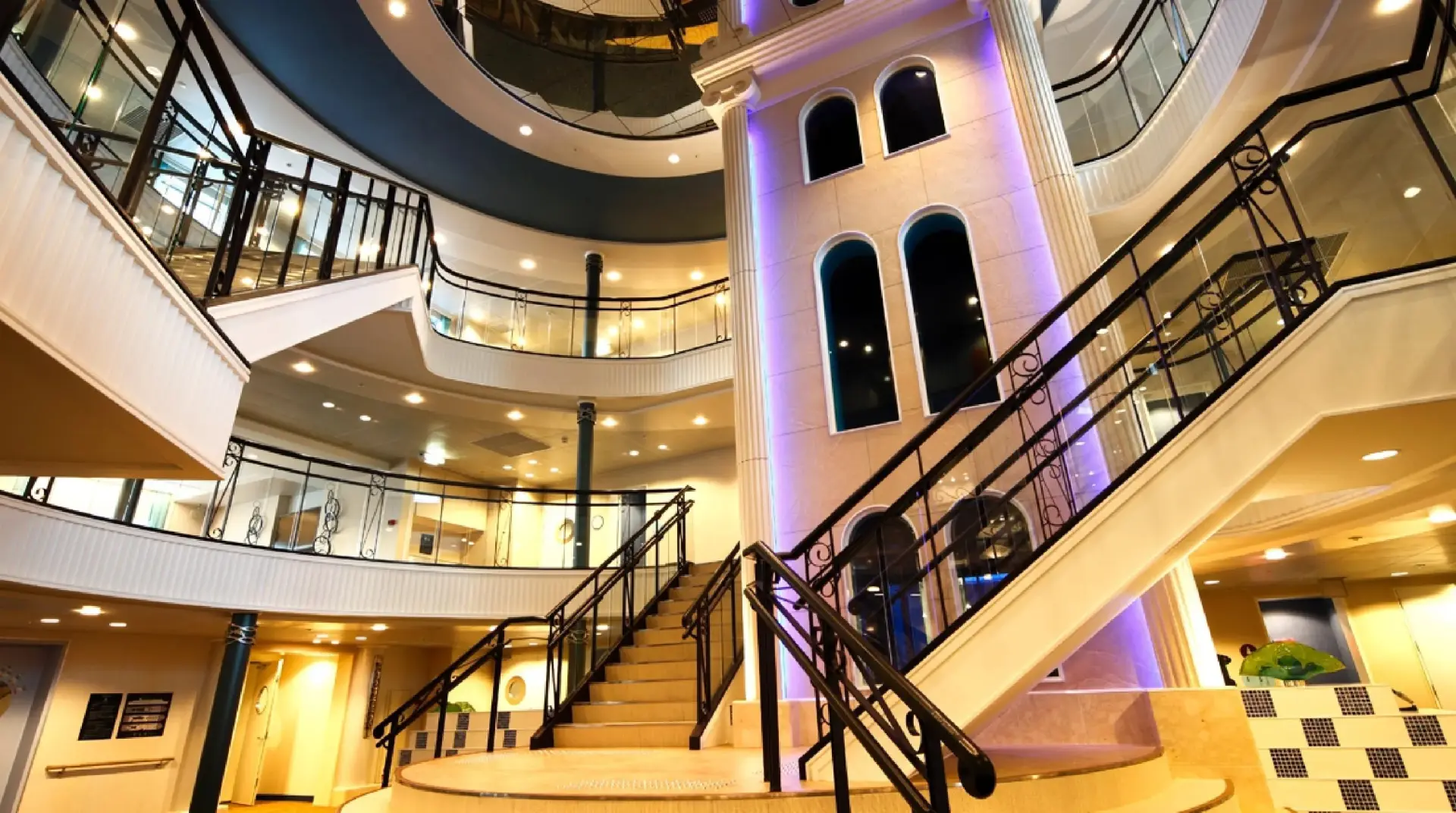
With the concept of “the brilliance of the Aegean Sea,” the interior is luxurious throughout. I love it because it gives me a sense of spaciousness and composure as a ship. The public spaces include a glass-walled observation elevator and even a transparent grand piano.
Another reason I recommend this route is that it passes under Meiko Triton, a bridge complex.
When the ship passes under it at departure, it makes me feel like the journey has begun, and when returning from Hokkaido, I feel sad, as if the trip is ending. It feels like a switching point in the journey, making my mood rise and fall.
Taiheiyo Ferry’s sister-ship parallel sailing is another highlight. Ships sail close to each other, sounding their whistles and waving to one another. It gives the journey a sense of travel romance that can only be experienced on a ship, and I really love it.
Incidentally, this route is 1,330 km one way and takes about 40 hours over 3 days and 2 nights, making it the longest in Japan. You can also temporarily disembark in Sendai, so it is fun to stroll around or go shopping there, then continue toward Hokkaido while eating local Sendai specialties.
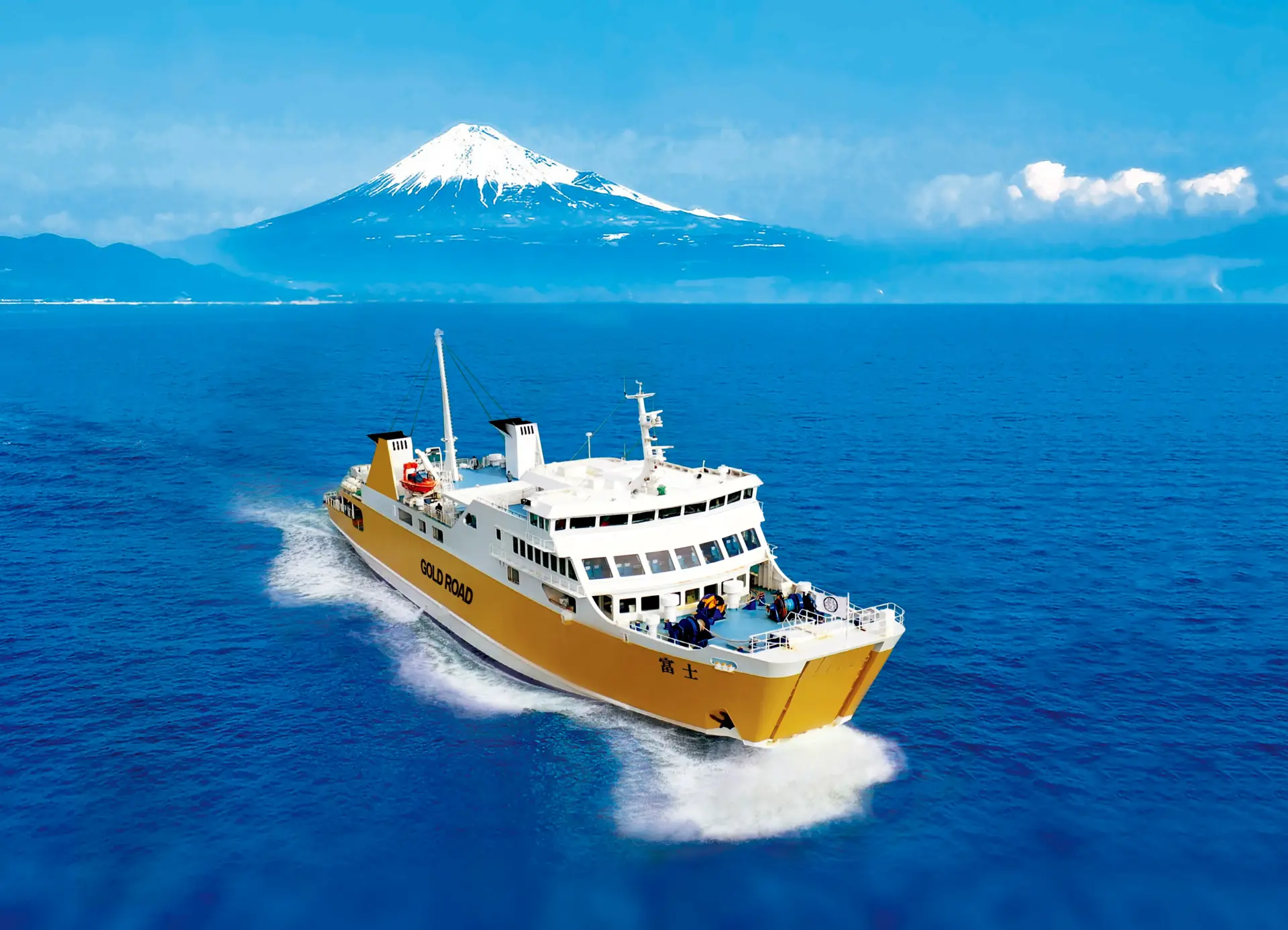
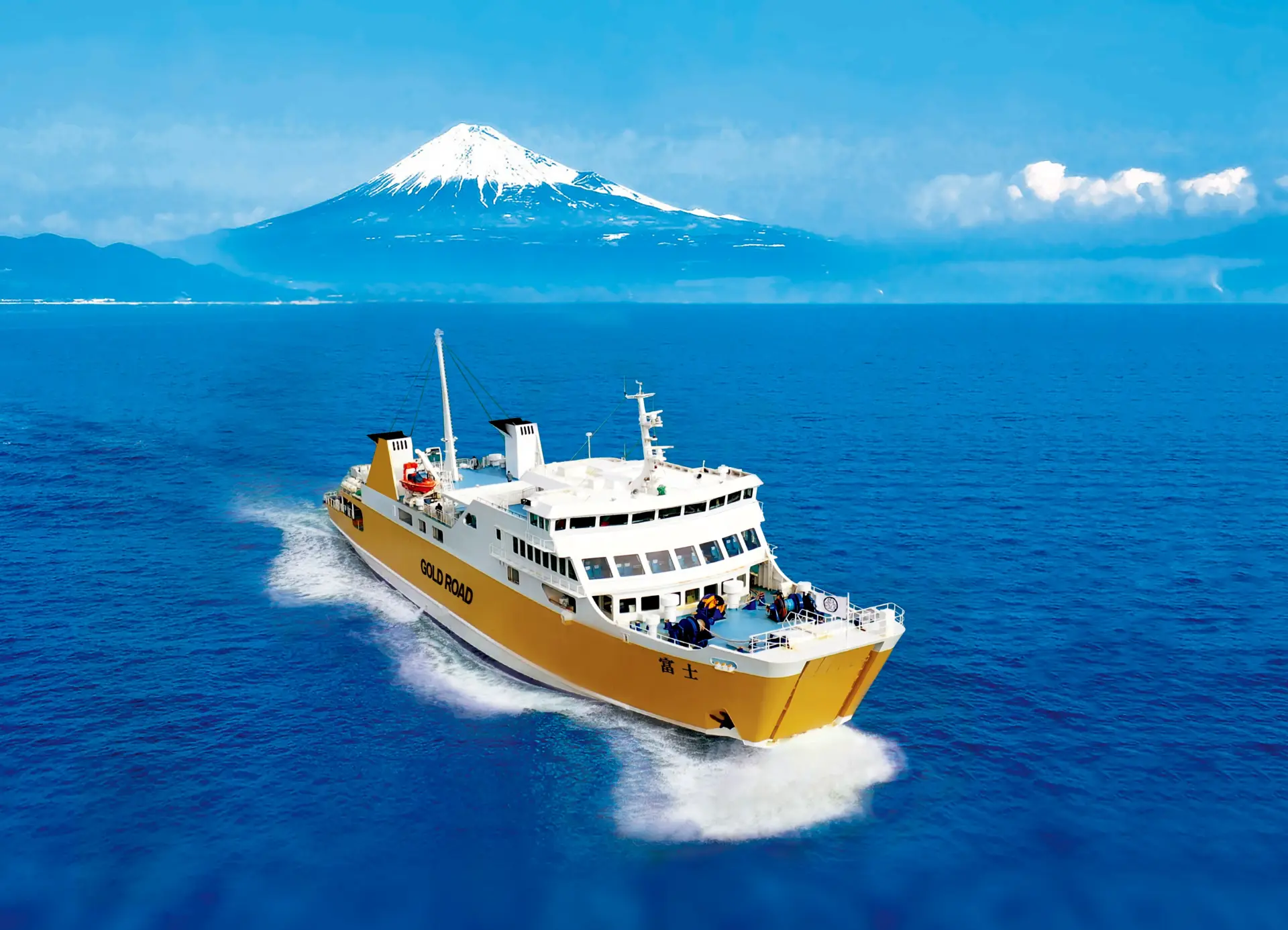
8. Chubu|Suruga Bay Ferry: Shimizu Port, Shizuoka - Toi Port, Shizuoka
A Sweeping View of Mt. Fuji from the Waters of Suruga Bay
The second Chubu recommendation is Suruga Bay Ferry, which connects Shimizu Port, counted as one of Japan’s three most beautiful ports, with Toi Port in Nishi-Izu, known as a base for maritime transport and coastal fishing.
The ship is named Fuji, and just as the name suggests, it offers excellent views of Mt. Fuji. The spectacular view stretching from Mt. Fuji’s summit to its foothills and the coastline is moving no matter how many times you see it.
On the deck, there is an interesting sign for Prefectural Road 223, pronounced like Fujisan, and if you take a photo with Mt. Fuji in the background, it is sure to look great. Incidentally, this route is said to have been designated by Shizuoka Prefecture as Prefectural Road 223.
At the onboard cafe, they also sell gelato and baumkuchen inspired by the ocean blue of Suruga Bay.

9. Hokuriku|Shin Nihonkai Ferry Suzuran and Suisen: Tsuruga Port, Fukui - Tomakomai East Port, Hokkaido
A Long-Distance Route That Evokes Melancholy and a Sense of Travel Romance
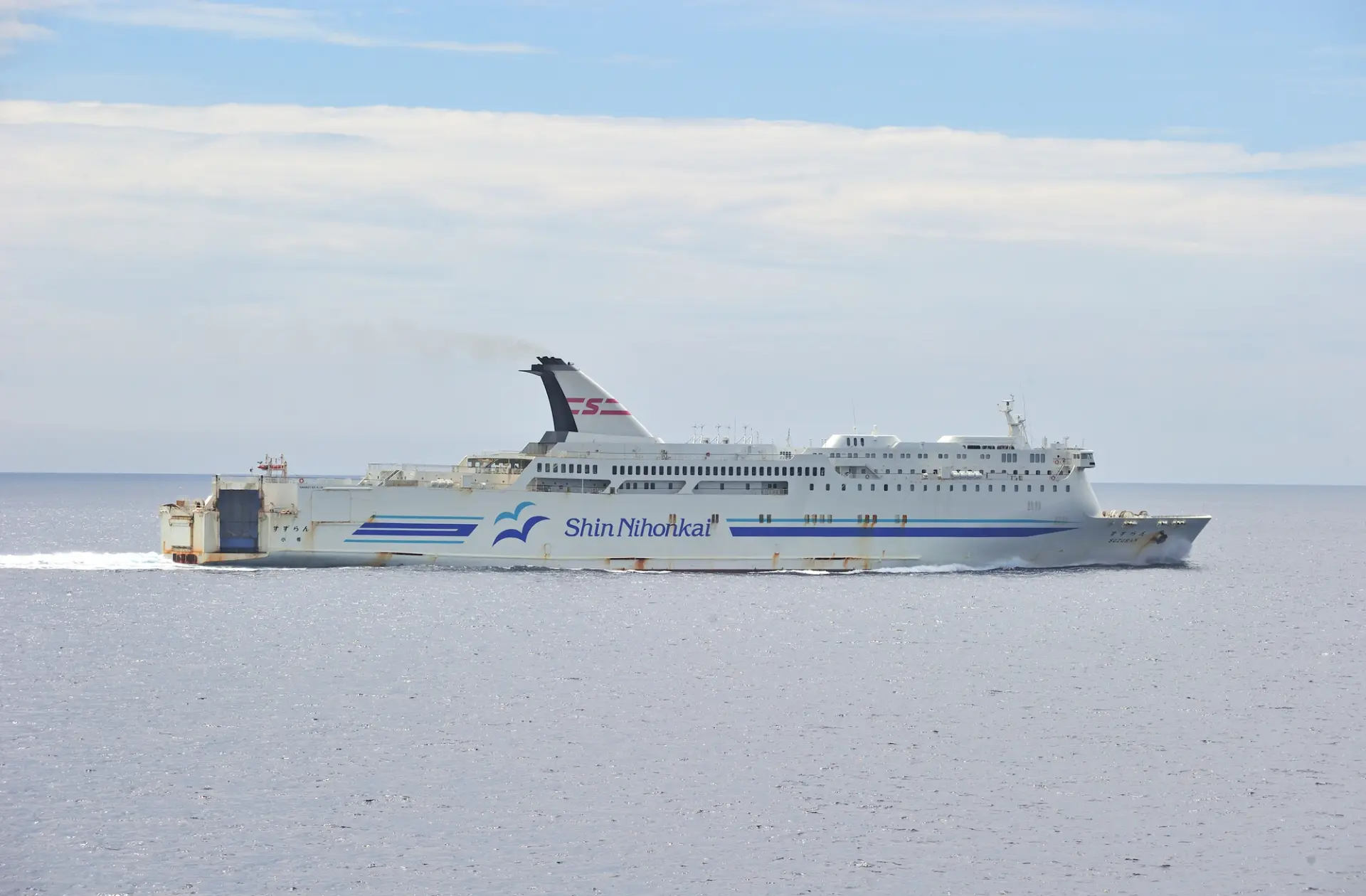
I am still exploring ferries in Hokuriku, but I have one recommendation. They are Suzuran and Suisen by Shin Nihonkai Ferry, which connect Tsuruga Port in Fukui Prefecture with Tomakomai East Port in Hokkaido. The ships of Shin Nihonkai Ferry are each named after flowers, and signs with flower illustrations are displayed throughout the ship, which is very cute.
I have not ridden them many times yet, but I like departing from Tsuruga while looking at other ships because it has a feeling similar to Tomakomai. The atmosphere of leaving behind a port that feels like an industrial area gives me a sense of melancholy.
Then, as the ship approaches Hokkaido, gradually passing other ferries gives the journey a sense of travel romance, which has stayed with me.
10. Kansai|Orange Ferry: Osaka Nanko Port, Osaka - Toyo Port, Ehime
Known for Delicious Meals Such as Uwajima Taimeshi
Kansai is also truly hard to choose from, but I will recommend Orange Ferry. There are several points I love, so let me go through them in order.
First, the terminal is right near the nearest station at Osaka Nanko Port, so access is extremely convenient. Meimon Taiyo Ferry is also right next door, so you can enjoy looking at ships too.
Next, the food is delicious. In particular, Uwajima taimeshi, a local sea bream rice dish from Ehime Prefecture, is so delicious that my ship friends say, “Orange Ferry’s version is better than eating it locally.”
It also has many private cabins with windows. In general, single private cabins for one person are often placed inside the ship and do not have windows. But on Orange Ferry, if you book a Deluxe Single private cabin, you can spend your time in a cabin with a window. When traveling by ship, whether or not you have a window really matters. The price is not that much higher than a windowless private cabin, so I definitely recommend trying a single private cabin with a window.
Also, you can bring a bicycle into the room, which makes it convenient for cycling the Shimanami Kaido.
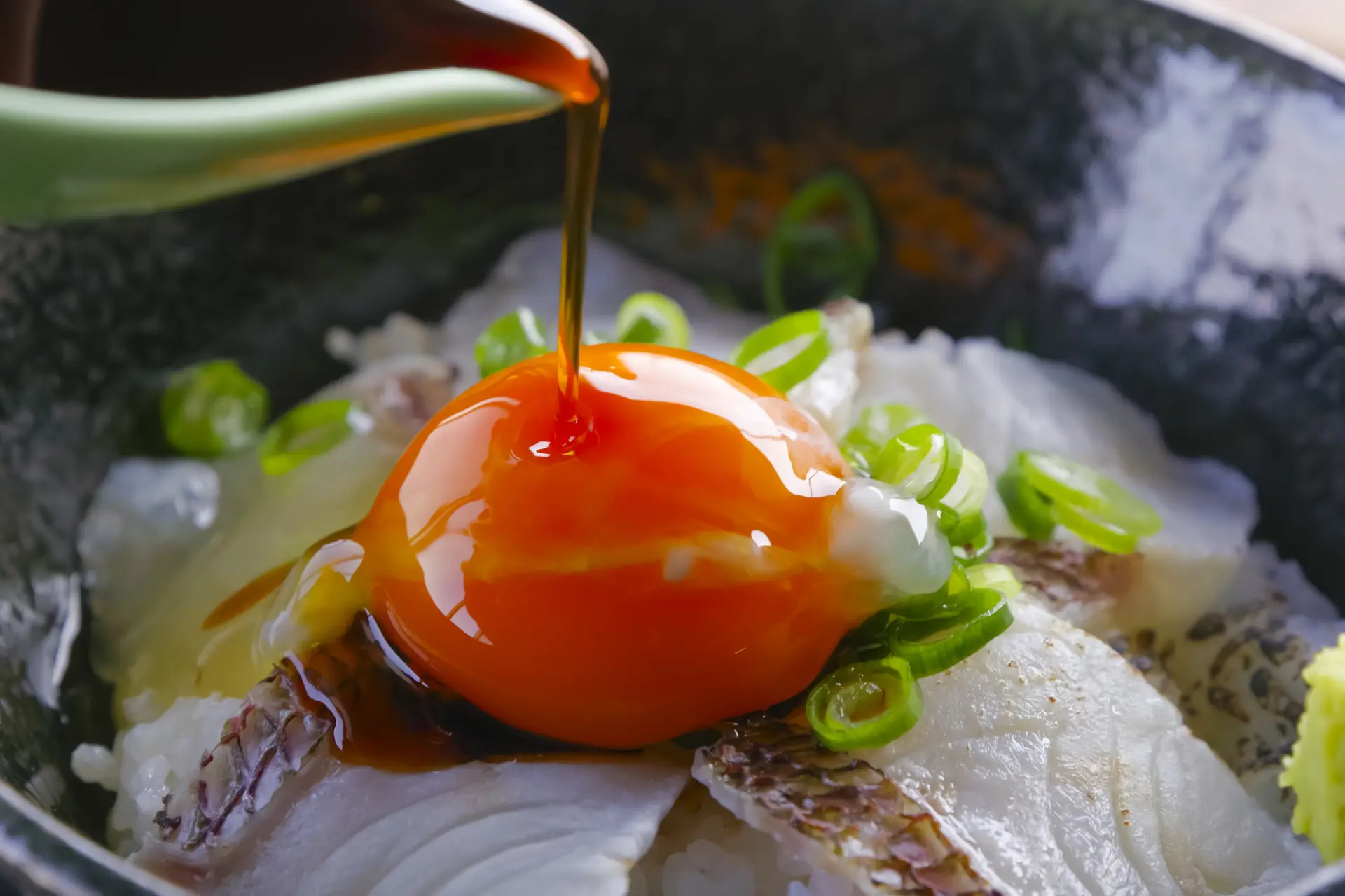
*Photo for illustrative purposes only.
〜Recommended Terminal Information〜
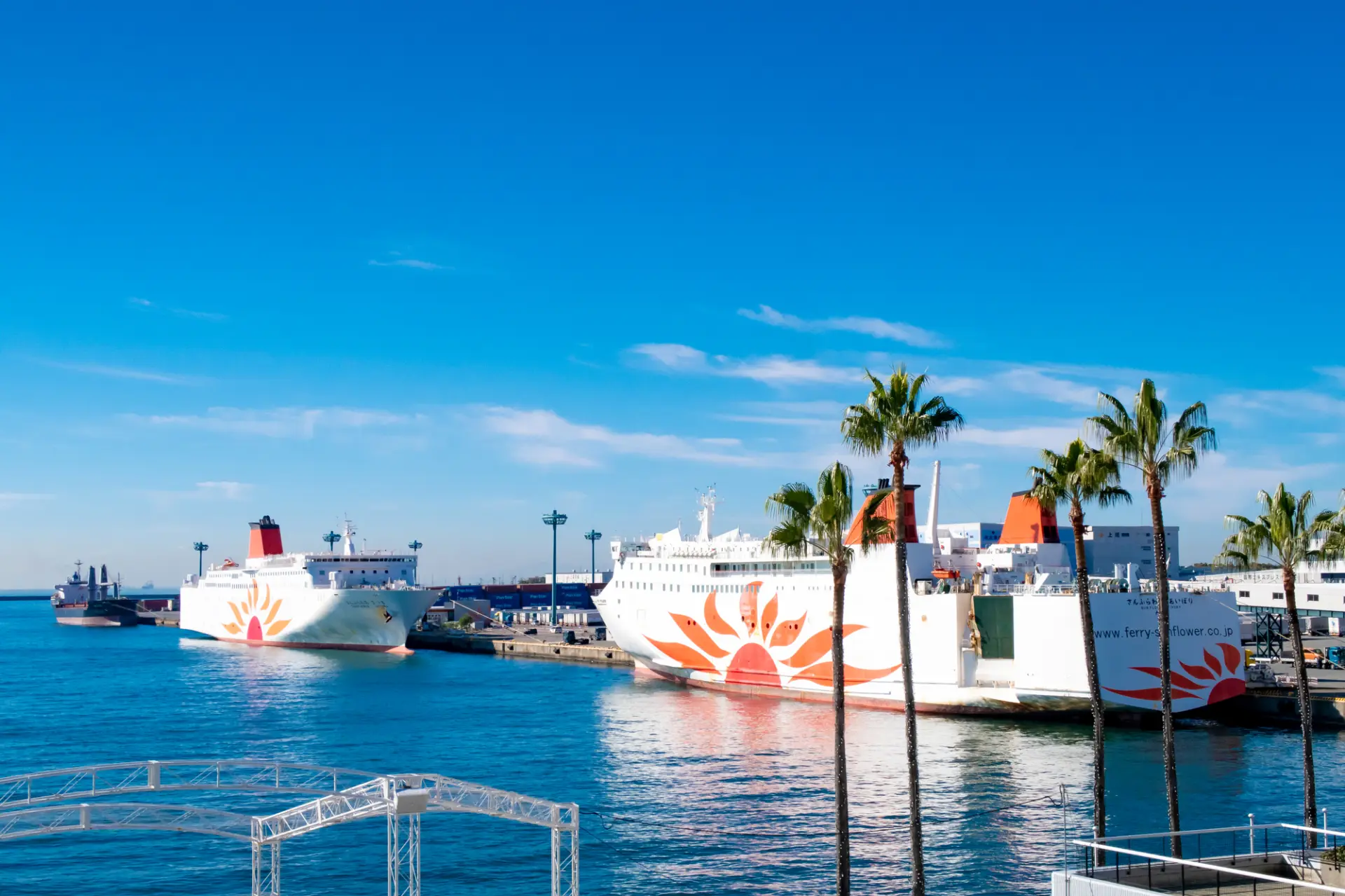
This is not directly related to Orange Ferry, but the terminal used by MOL Sunflower is also nearby, and from Osaka Nanko ATC, you can clearly see Sunflower ships. I also have fond memories of watching Sunflower ships arrive and depart from a nearby hotel, practically glued to the view.
Inside ATC, there is also Funesiru, a ship museum operated by Sunflower. The ship goods sold there are incredibly cute.
11. Chugoku and Shikoku|SEA PASEO: Hiroshima Port - Kure Port - Matsuyama Tourist Port, Ehime
A Stylish and Wonderful Ferry with a Distinctive Personality
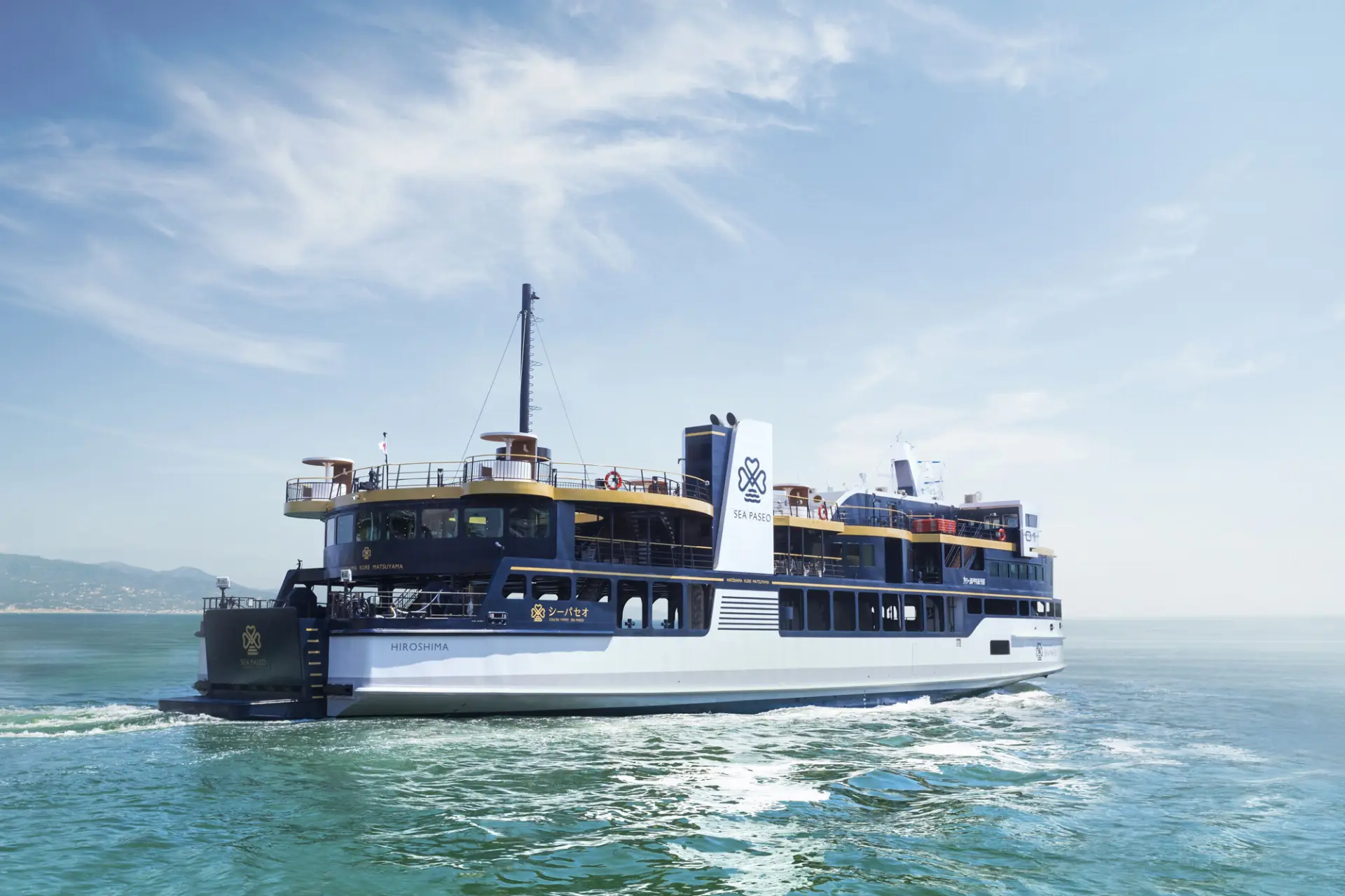
From Chugoku and Shikoku, I will first recommend SEA PASEO by Setonaikai Kisen. It is a ferry that travels from Hiroshima to Matsuyama via Kure, with 10 round-trip regular sailings a day.
Its exterior is so distinctive that when I first saw it, I wondered, “Is this really a ferry?” I think its structure and design are possible precisely because it runs on the calm waters of the Seto Inland Sea. The food menu is delicious, the non-alcoholic drink menu is extensive, and everything feels stylish. It is truly wonderful.
Inside the ship, there are panoramic sofa seats arranged in a stepped layout, and on the deck, there are about six gazebo-like pavilions placed here and there. I tried sitting in every seat to see how comfortable they were, and every one was excellent. I highly recommend it.
12. Chugoku and Shikoku|Jumbo Ferry: Takamatsu East Port, Kagawa - Sakate Port (Shodoshima), Kagawa - Kobe Port, Hyogo
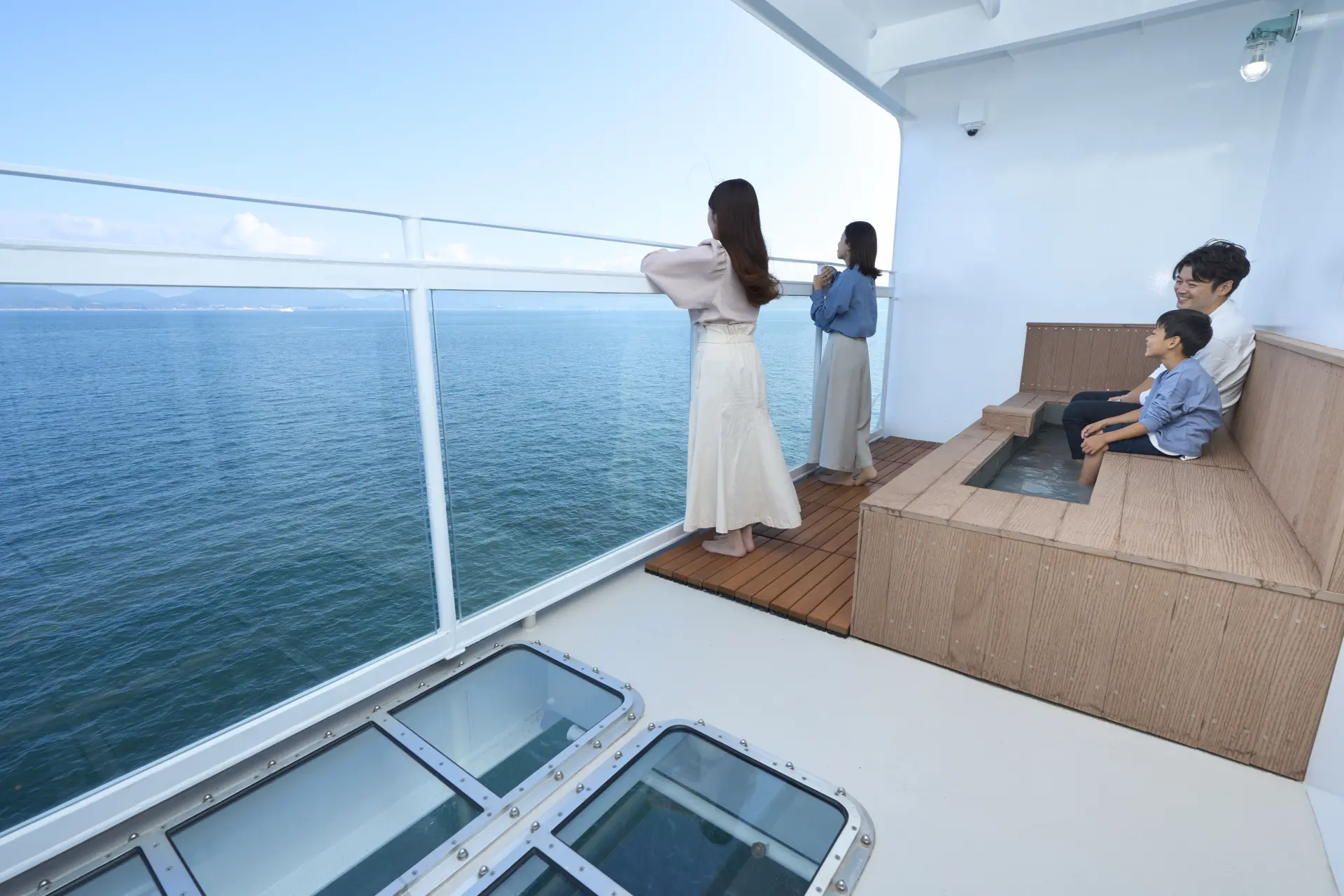
The Premium Area on the New Ship Has an Observation Bath and Foot Bath
The other recommendation from Chugoku and Shikoku is Jumbo Ferry, which runs between Takamatsu, Shodoshima, and Kobe. Among its services, I especially love the late-night departure from Takamatsu.
Like other ferries, it has a special appeal because it is an overnight ferry designed to arrive at the destination early in the morning. On the way to Kobe, it runs alongside other large long-distance ferries that departed from places such as Shinmoji, and it may pass under Akashi Kaikyo Bridge at the same timing. From a place where I can enjoy the front view, I keep looking through binoculars, thinking, “Is there a ship somewhere?” I like searching for and finding the lights of ships in the darkness.
The premium area on the new ship Aoi has an observation bath and a foot bath, so I definitely recommend upgrading to premium. The guilty pleasure of taking a bath or foot bath late at night is simply irresistible.
13. Kyushu|Marix Line / A''LINE Ferry: Kagoshima New Port - Amami Islands - Naha Port, Okinawa
From Kagoshima to Okinawa While Calling at Remote Islands
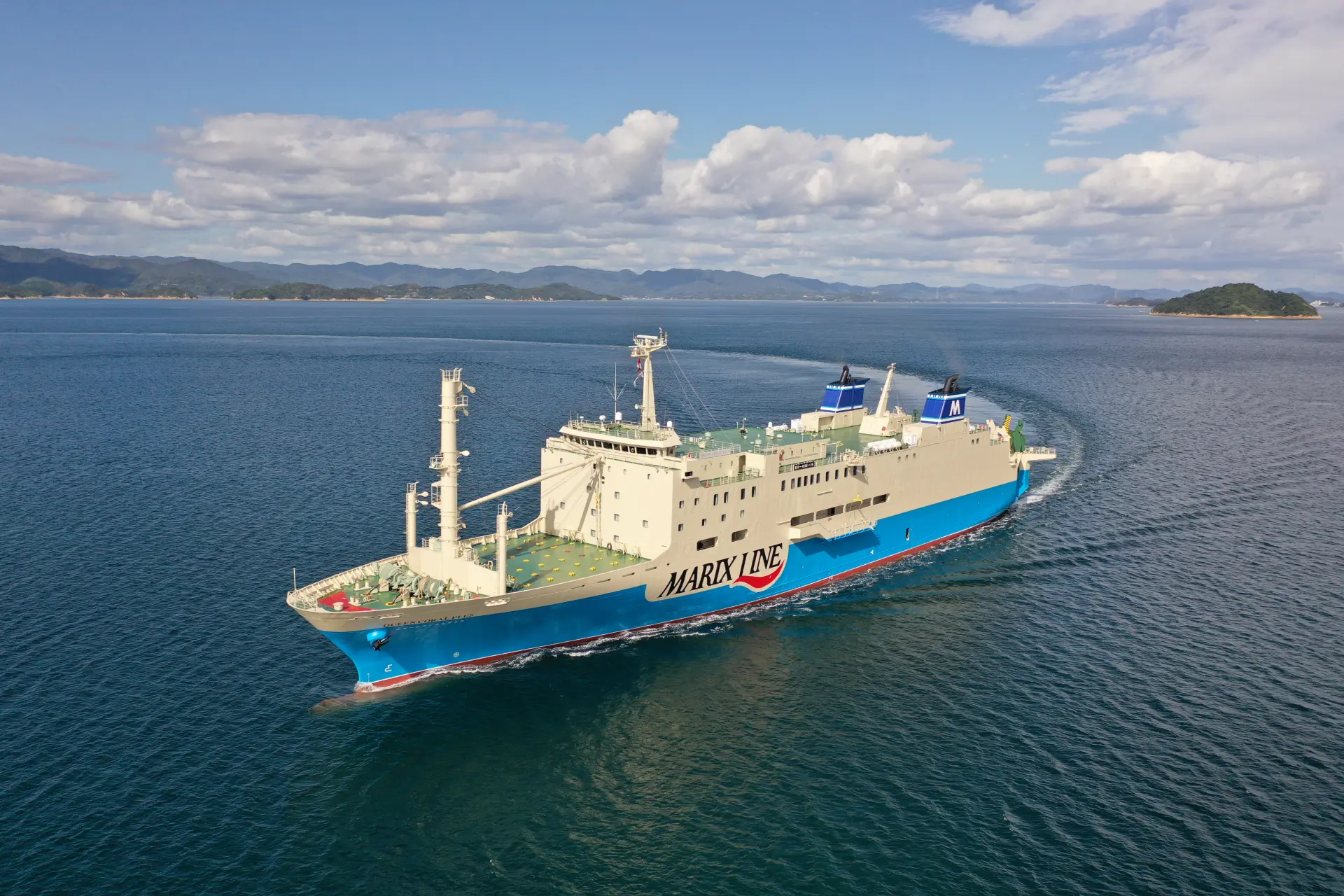
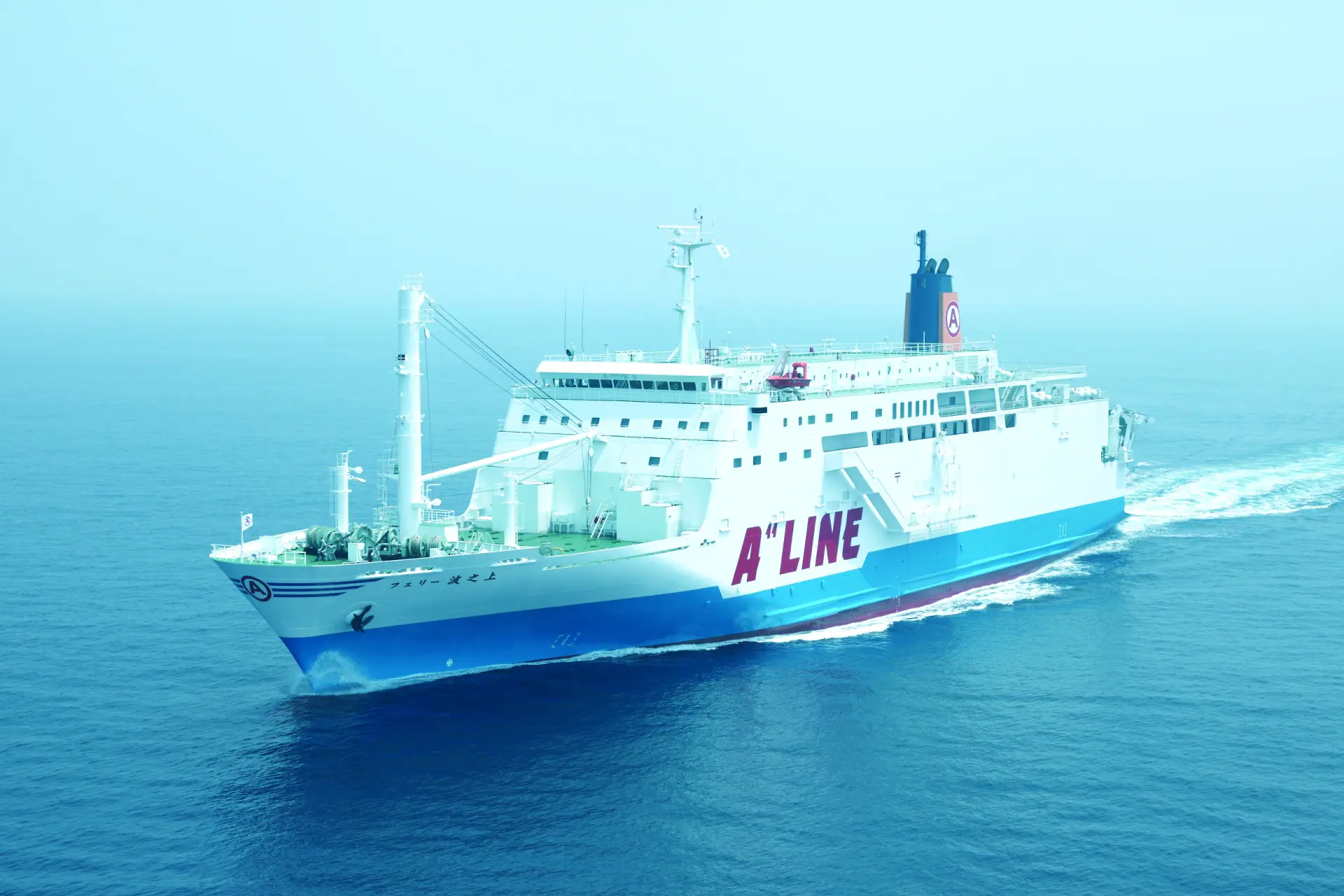
For Kyushu and Okinawa, I recommend Marix Line and A''LINE Ferry, which run from Kagoshima to Okinawa Island via the Amami Islands.
It is a unique ferry route that feels like it combines the best parts of a long-distance route and a remote-island route. I enjoy watching up close as the ship calls at various ports and loads and unloads containers. When I see goats and cows on board, it does hurt my heart a little, though.
As the ship heads toward Okinawa, you can also clearly see the color of the sea changing. I think this is a deeply moving experience that you cannot feel by airplane.
Also worth noting is the 14-day unlimited-ride pass sold by Marix Line and A''LINE Ferry. It is a great-value and interesting plan that allows you to get on and off freely at other islands between Kagoshima and Naha for 30,000 yen. The basic setting is a second-class large shared sleeping room, but if there is availability, you can upgrade to a private cabin for an additional fee. I have not tried it yet, but I have an ambition to someday spend a full 14 days traveling entirely by ship.
14. Kyushu and Okinawa|Meimon Taiyo Ferry: Shinmoji Port, Fukuoka - Osaka Nanko Port, Osaka
Relatively Affordable Fares and a Wide Variety of Buffet Dishes
We are finally at the last one. Kyushu has the sacred place of Shinmoji, so this was truly hard to choose. I love all of them equally, but I will recommend Meimon Taiyo Ferry, which connects Kitakyushu Shinmoji Port and Osaka Nanko Port and which I rode just the other day.
In both directions, there are two sailings a day: one departing at 5:00 pm and arriving at 5:30 am, and another departing at 7:50 pm and arriving at 8:30 am. I rode the second sailing with the later departure. At departure, all the ships leaving Shinmoji had already departed, so I could not look at other ships, but on arrival, Orange Ferry and the first Meimon Taiyo Ferry service were docked at Osaka Nanko Port ahead of us, so I was able to gaze at them to my heart’s content.
One reason I recommend Meimon Taiyo Ferry is that the fares are relatively affordable even for private cabins. Another point is that the buffet food is extremely delicious. The menu was wide-ranging and tasty, including Mojiko specialty baked curry and Sanuki udon noodles.
Summary
Immerse Yourself in the Extraordinary Feeling of Ferry Travel without Worrying about Time
Through Yoshizawa’s Hen’ai guide, we have seen many different ways to enjoy ferry travel. Fast access by airplane or Shinkansen is great too, but sometimes, try boarding a ferry and slowly moving across the sea while immersing yourself in an extraordinary feeling without worrying about time. A ferry is not just a means of transportation. Riding it is the journey itself.
Supervising Editor
Part-Time Illustrator and Ferry Enthusiast
Keiko Yoshizawa
Ferries are this much fun!