
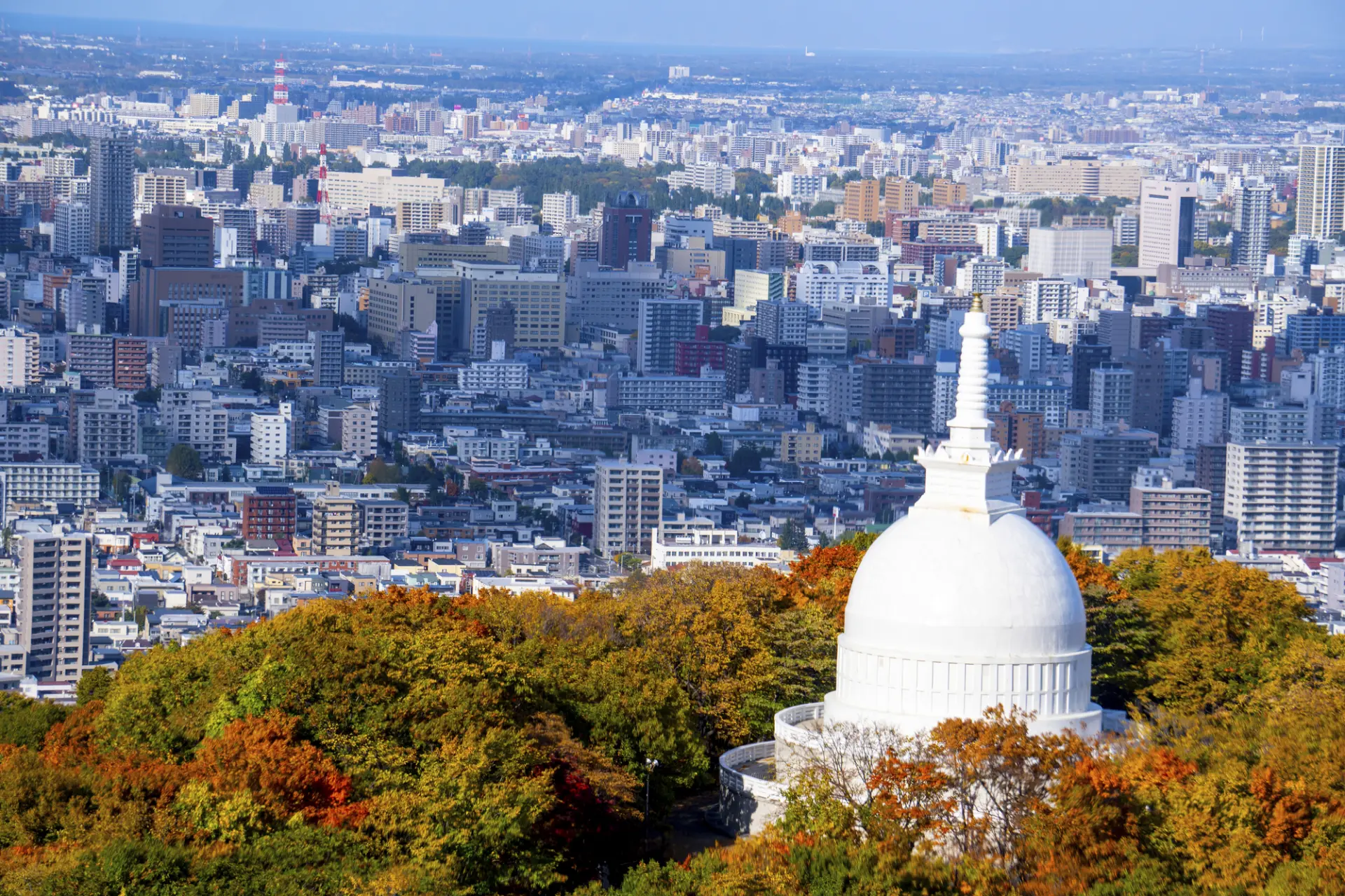
Sapporo Fall Travel Guide: Fall Foliage, Hot Springs, and Local Cuisine
To experience fall in Sapporo, combine the golden ginkgo-lined streets and colorful mountains with hot springs, art, and Hokkaido cuisine.
Admire the fall scenery at Hokkaido University and Mt. Moiwa, then stroll through the hot spring town of Jozankei amid colorful foliage. Seasonal highlights also include fresh seafood at Sapporo Nijo Market and food from across Hokkaido at the Sapporo Autumn Fest.
Fall events begin in earnest in September, while peak foliage gradually shifts from the suburbs to central Sapporo between early October and early November. Make the most of the brief season by exploring both the city and its outskirts.
How to Spend Fall in Sapporo, from the City to the Suburbs
A fall trip to Sapporo lets you combine time exploring historic architecture and markets in the city with time amid colorful natural scenery.
After visiting the Former Hokkaido Government Office Building and Sapporo Nijo Market, head to Sapporo Art Park or Makomanai Park. Venture farther to Jozankei, and you can stroll through the hot spring town while admiring the fall foliage.
A day filled with seasonal scenery, food, and culture is a distinctly Sapporo experience.
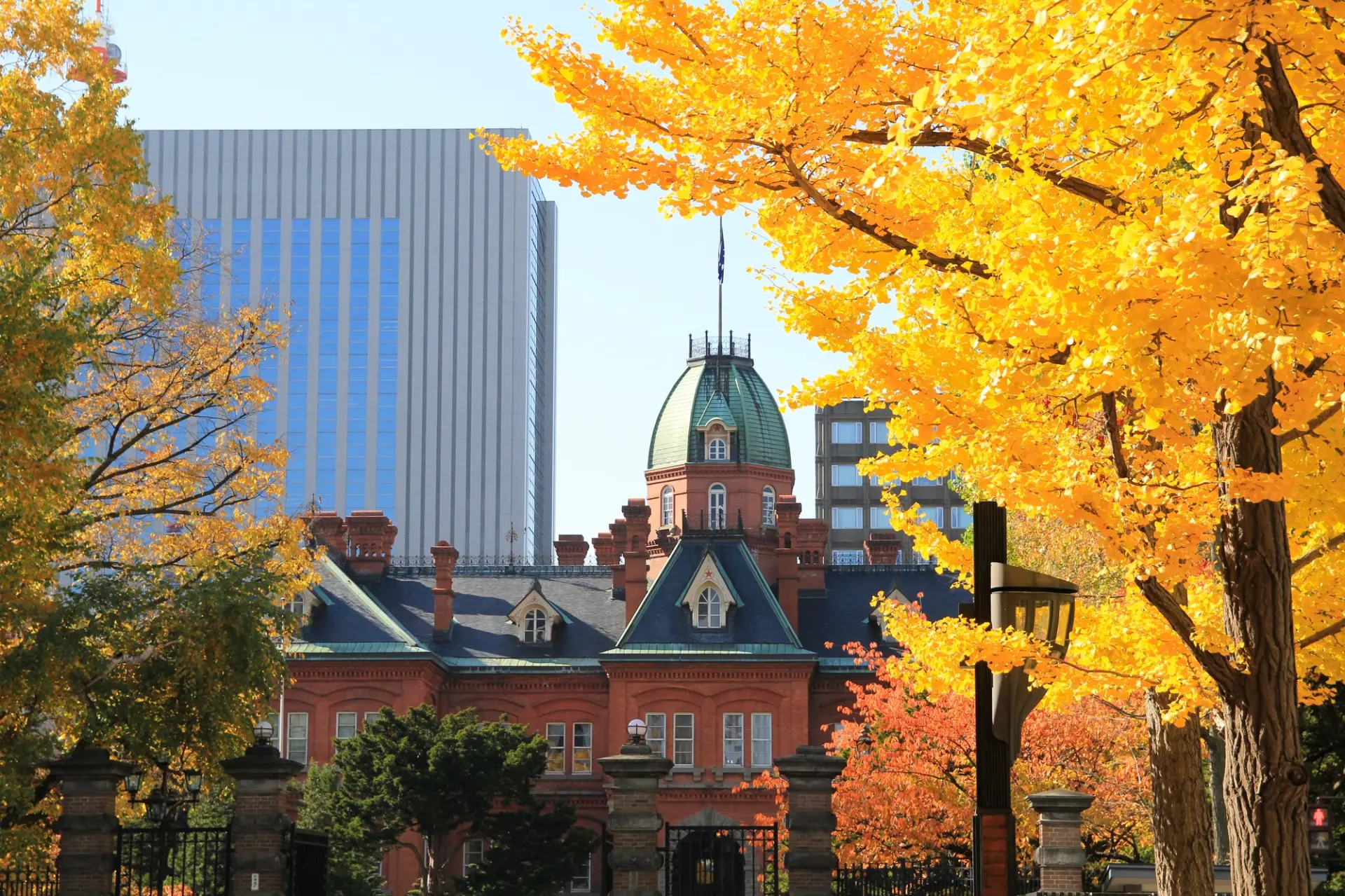
7 Popular Sapporo Attractions to Visit in Fall
Fall is an excellent season for exploring Sapporo's many attractions, from historic buildings and markets downtown to forests and hot spring towns in the suburbs.
There are many ways to spend your time, including walking through colorful foliage and experiencing art and Hokkaido's food culture. As temperatures fall, consider adding indoor destinations such as museums and markets to your itinerary. Here are seven places to visit with the fall scenery in Sapporo, where the city and nature are always close together.
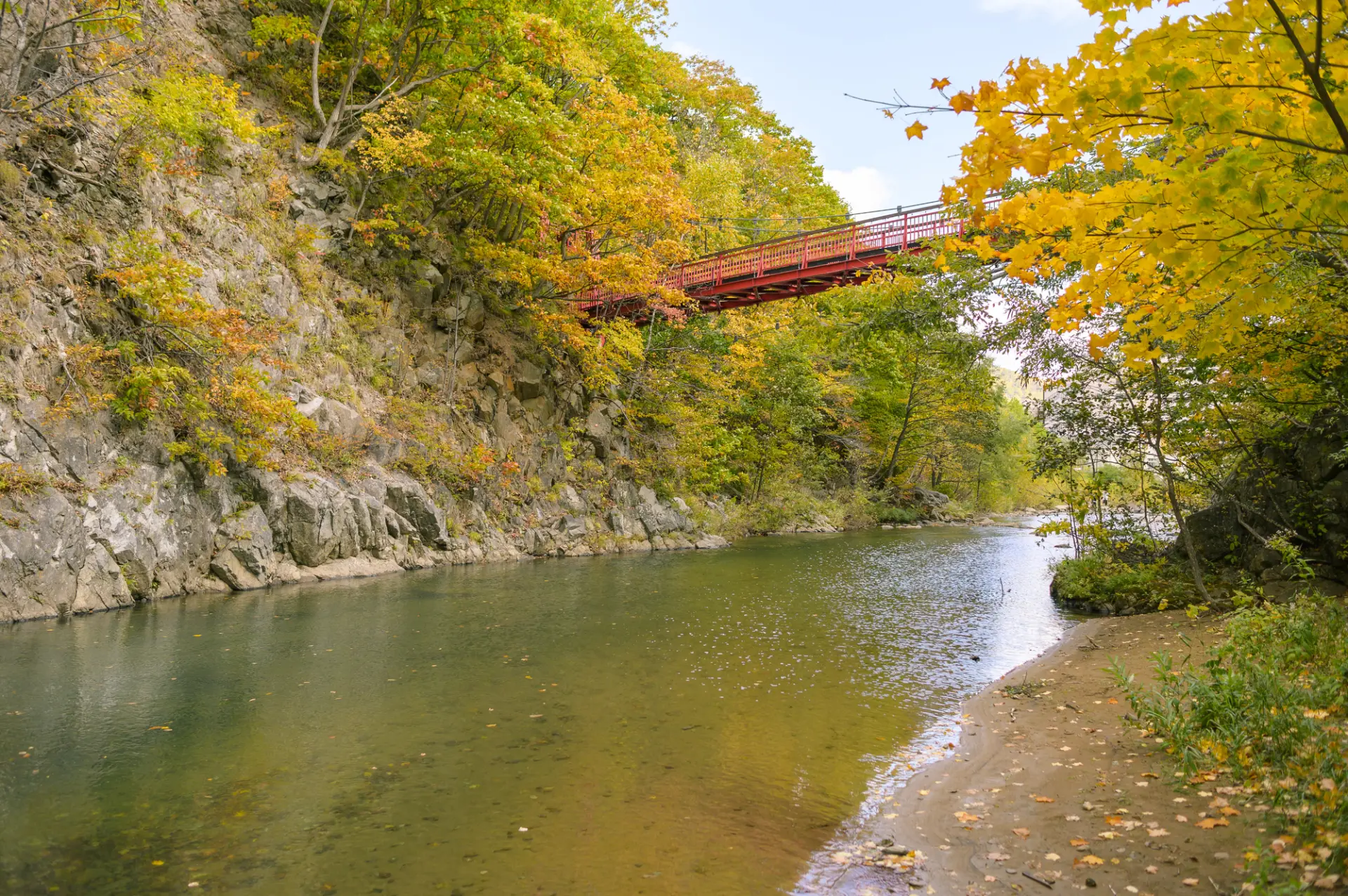
1. Jozankei Onsen Town
This hot spring town extends along the banks of the Toyohira River and has a history spanning more than 150 years.
Its 56 hot spring sources naturally emerge from cracks in the bedrock along the riverbanks and riverbed, producing 8,600 liters per minute at relatively high temperatures of 140°F to 176°F.
Nearby Futami Suspension Bridge is a well-known spot for forest bathing and fall foliage in Jozankei. Walk along the Toyohira River beneath the colorful trees and take in the hot spring town's seasonal scenery.

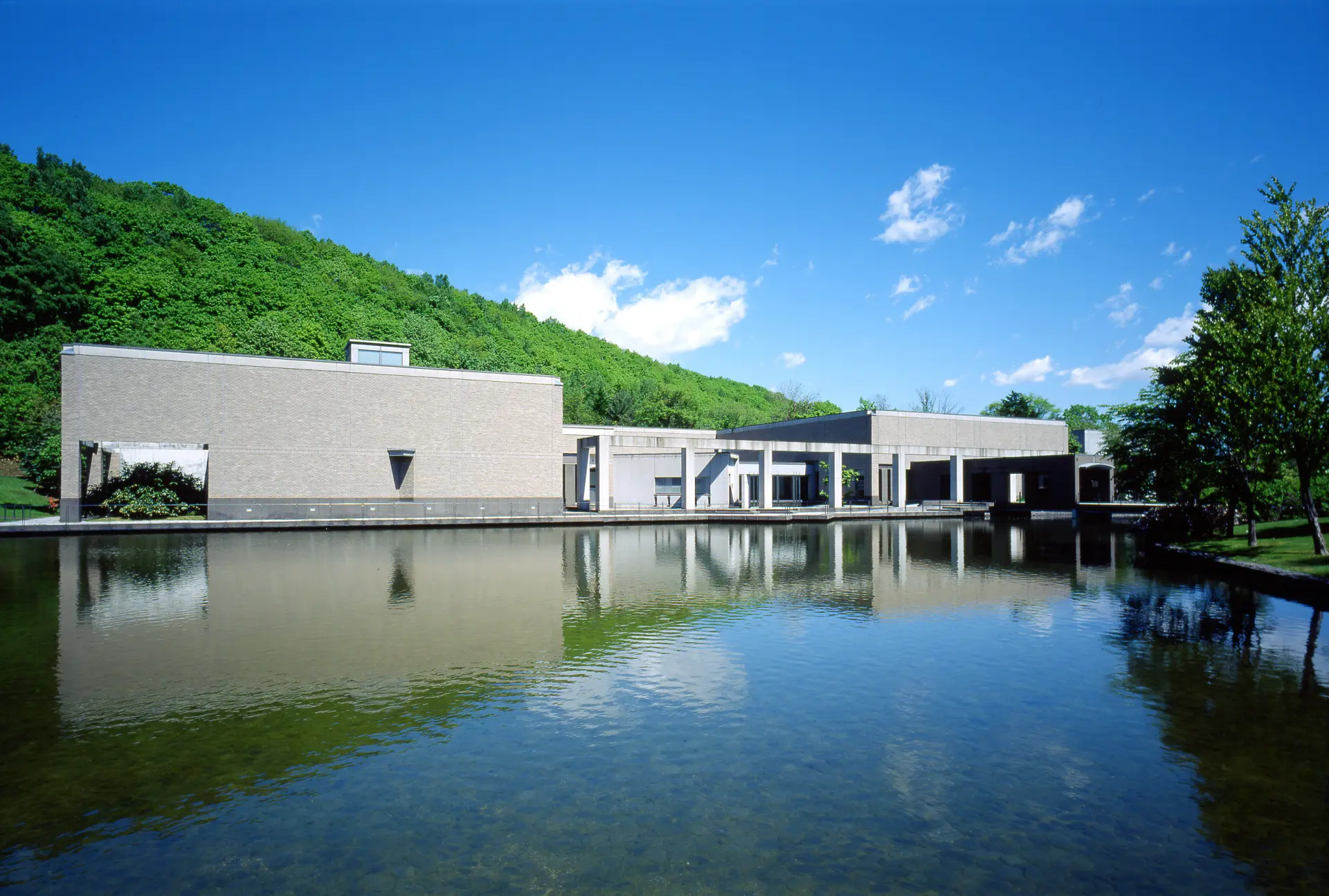
2. Sapporo Art Park
Sapporo Art Park is an arts complex where visitors can experience art amid abundant natural surroundings. Its expansive 40-hectare (99-acre) grounds contain a museum, studios, craft workshops, an outdoor stage, and other arts facilities.
The craft workshops offer classes and hands-on activities in ceramics, textiles, cloisonné, glass, metalworking, woodworking, and printmaking. There is also a museum in the relocated and restored former home of writer Takeo Arishima. Explore a wide range of art as you stroll through the colorful forest.
3. Former Hokkaido Government Office Building (Red Brick Office)
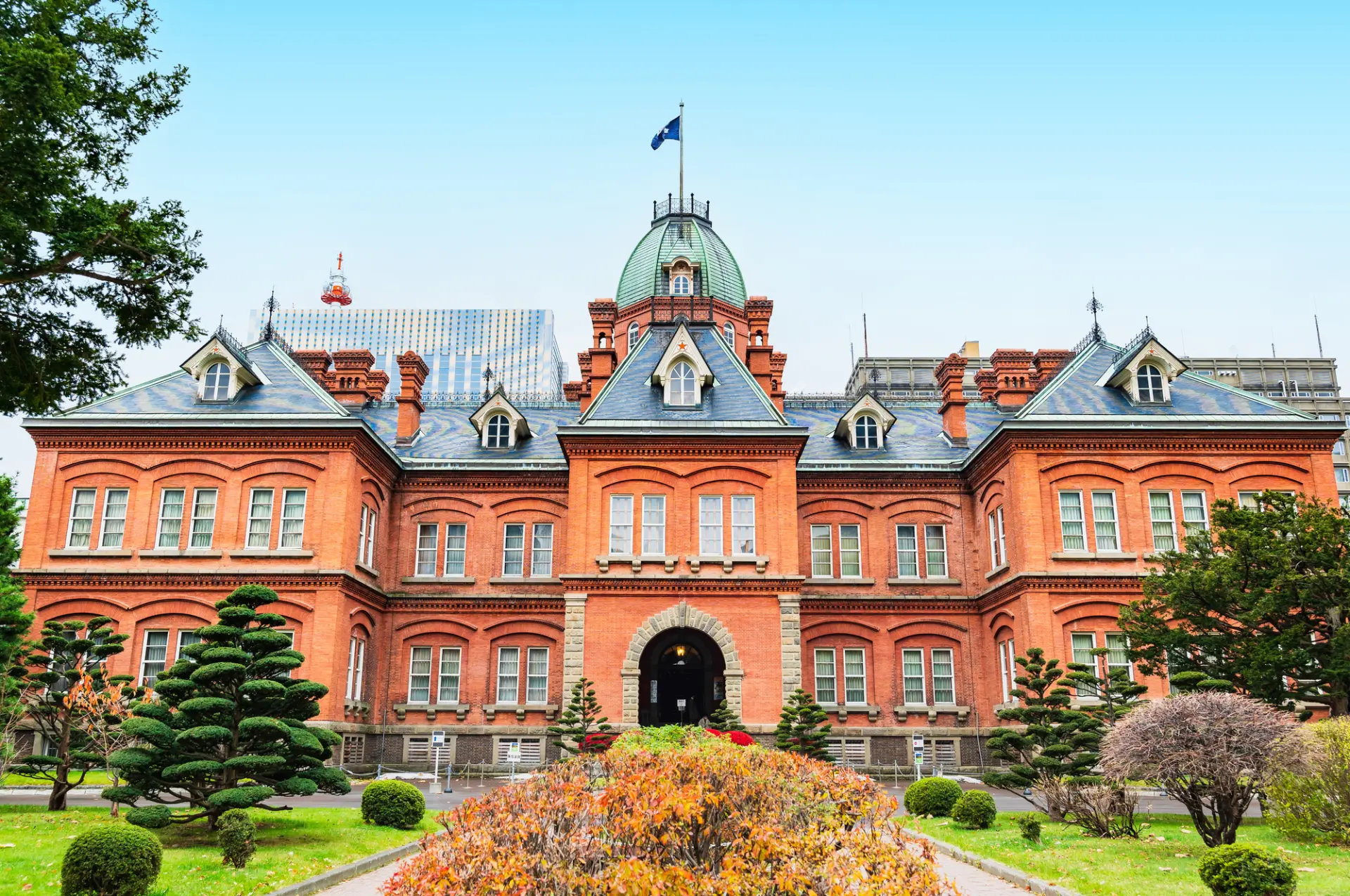
This historic American Neo-Baroque building was constructed with approximately 2.5 million bricks. Beside the Red Brick Office are the remains of the main office of the Hokkaido Development Commission, which played a major role in Hokkaido's development and industrial promotion during the early Meiji period.
The surrounding grounds offer abundant natural scenery, with cherry blossoms and lilacs in spring, greenery in summer, and colorful foliage in fall. Stroll through central Sapporo while viewing the historic building and its front garden with a pond.
4. Sapporo Nijo Market
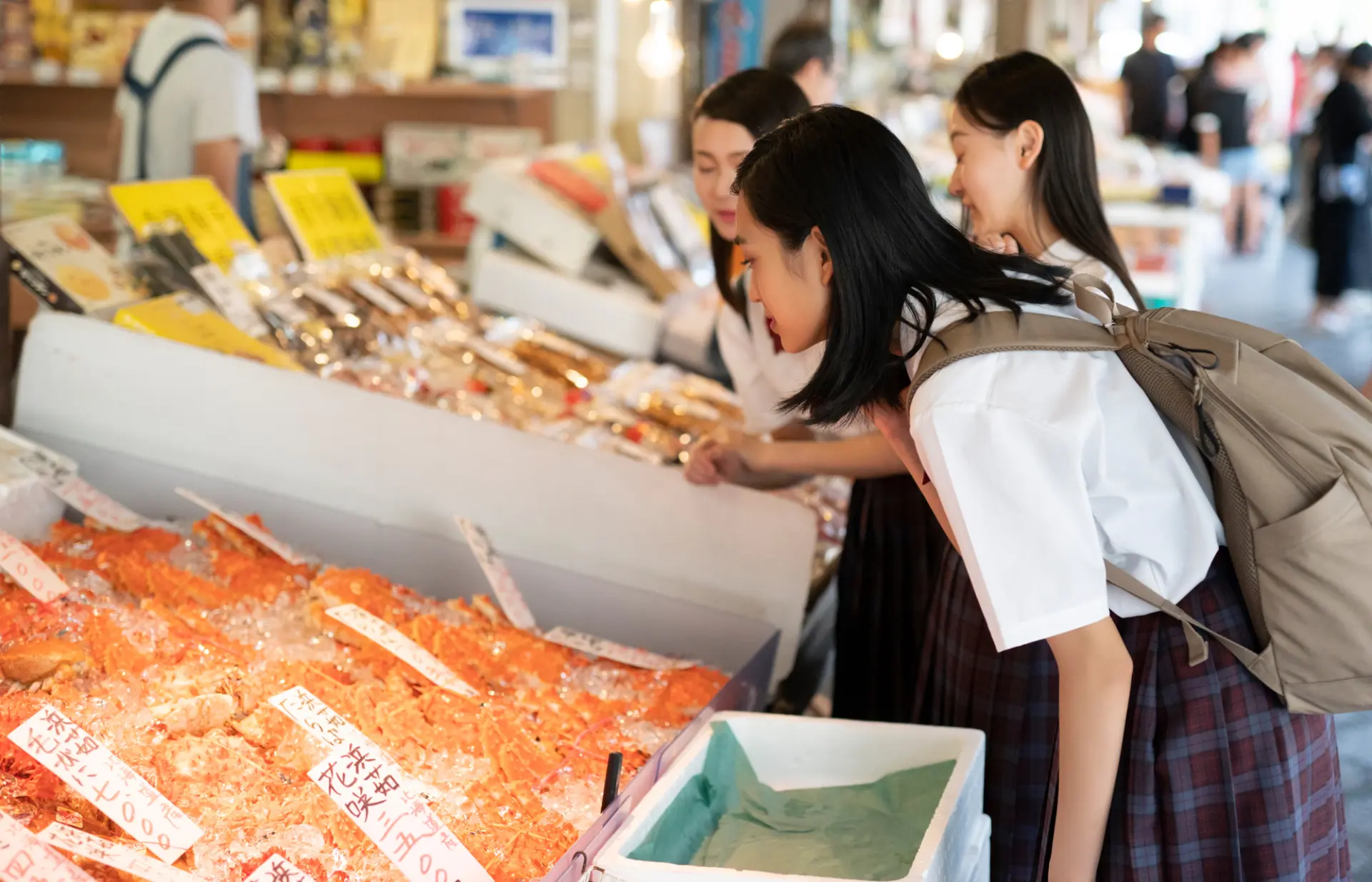
This market is said to have originated in the early Meiji period, when fishermen from Ishikari Beach began selling fresh fish. About 20 seafood shops form the heart of the market, alongside produce vendors and restaurants, with the day's catch filling the storefronts.
The extensive selection ranges from Hokkaido seafood such as crab, atka mackerel, and scallops to dried fish and processed seafood products. Restaurants serve sushi, seafood rice bowls, and flame-seared dishes, while some seafood shops also have eat-in areas.
5. Sapporo Beer Museum
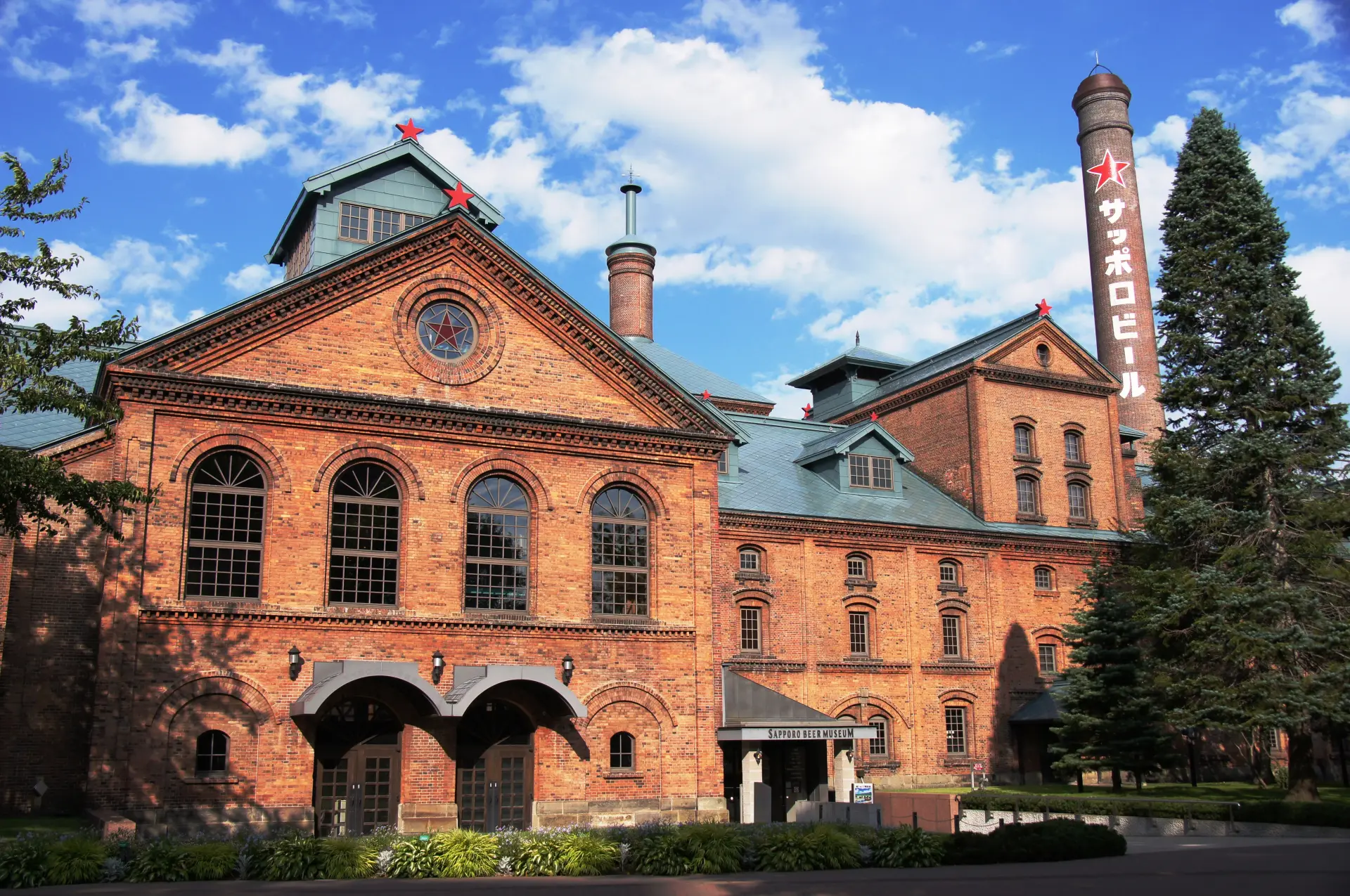
This beer museum traces the development of Japanese brewing alongside the history of Hokkaido's settlement. A paid Premium Tour is also available, featuring the 6K Premium Theater and guided explanations of period advertising posters, beer bottles, and other exhibits.
The brick building is designated a Hokkaido Heritage site, while its red-brick chimney and enormous brewing kettle are also popular photo spots.
6. Chitosetsuru Sake Museum
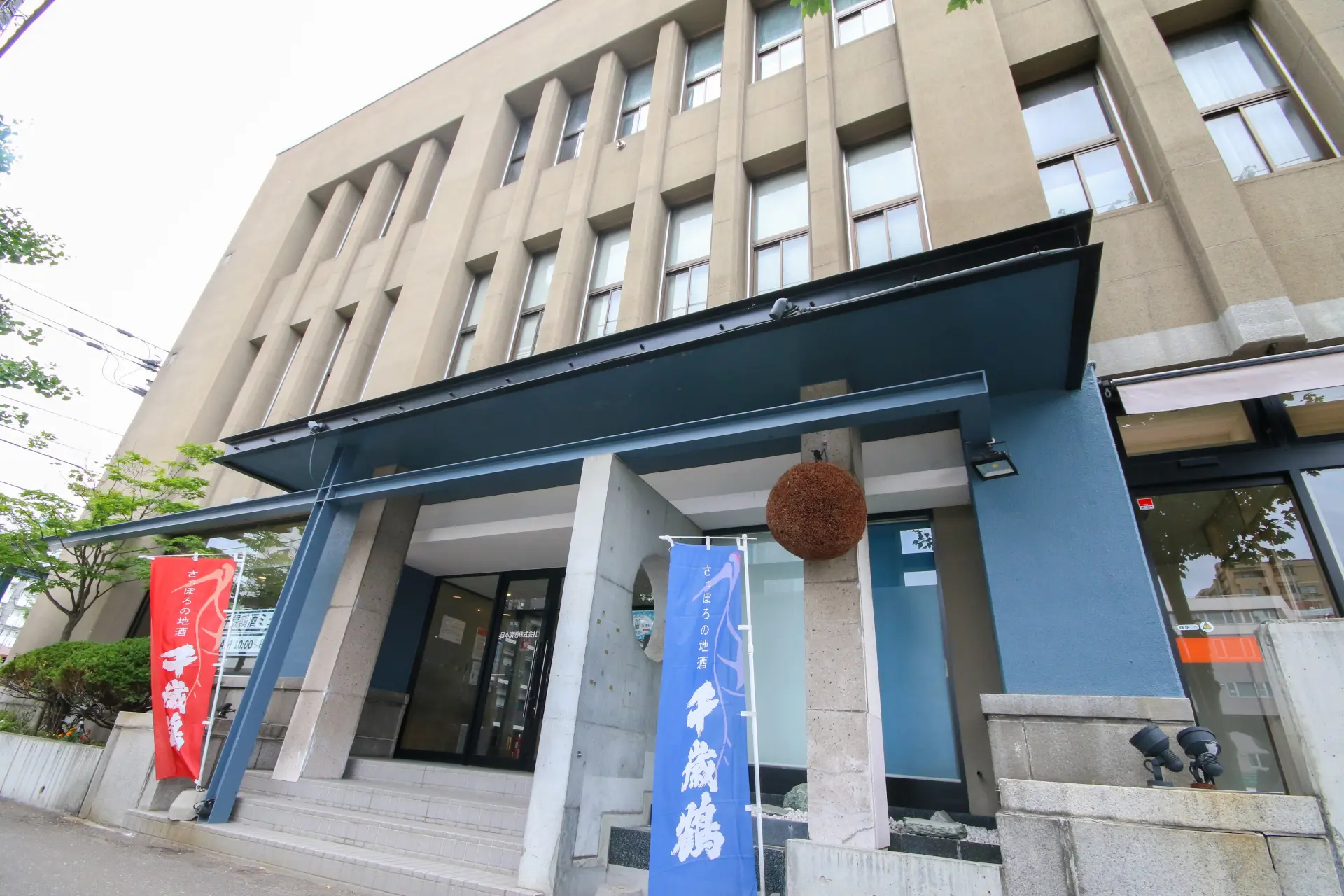
Nippon Seishu Co., Ltd., which first began brewing sake in Sapporo in 1872, operates this museum beside the Chitosetsuru brewery. It sells a range of notable sake, including brewery-exclusive labels available only here.
Staff can explain the flavor and brewing characteristics as you search for a bottle that suits your taste. The rest area also serves sake lees soft-serve ice cream and amazake. Take your time browsing while learning about Sapporo's sake culture.
7. Hokkaido Prefectural Makomanai Park
Located about 8 kilometers (5 miles) south of central Sapporo, this urban park encompasses approximately 85 hectares (210 acres) of natural scenery. It served as the main venue for the 1972 Sapporo Winter Olympics, and related facilities remain today.
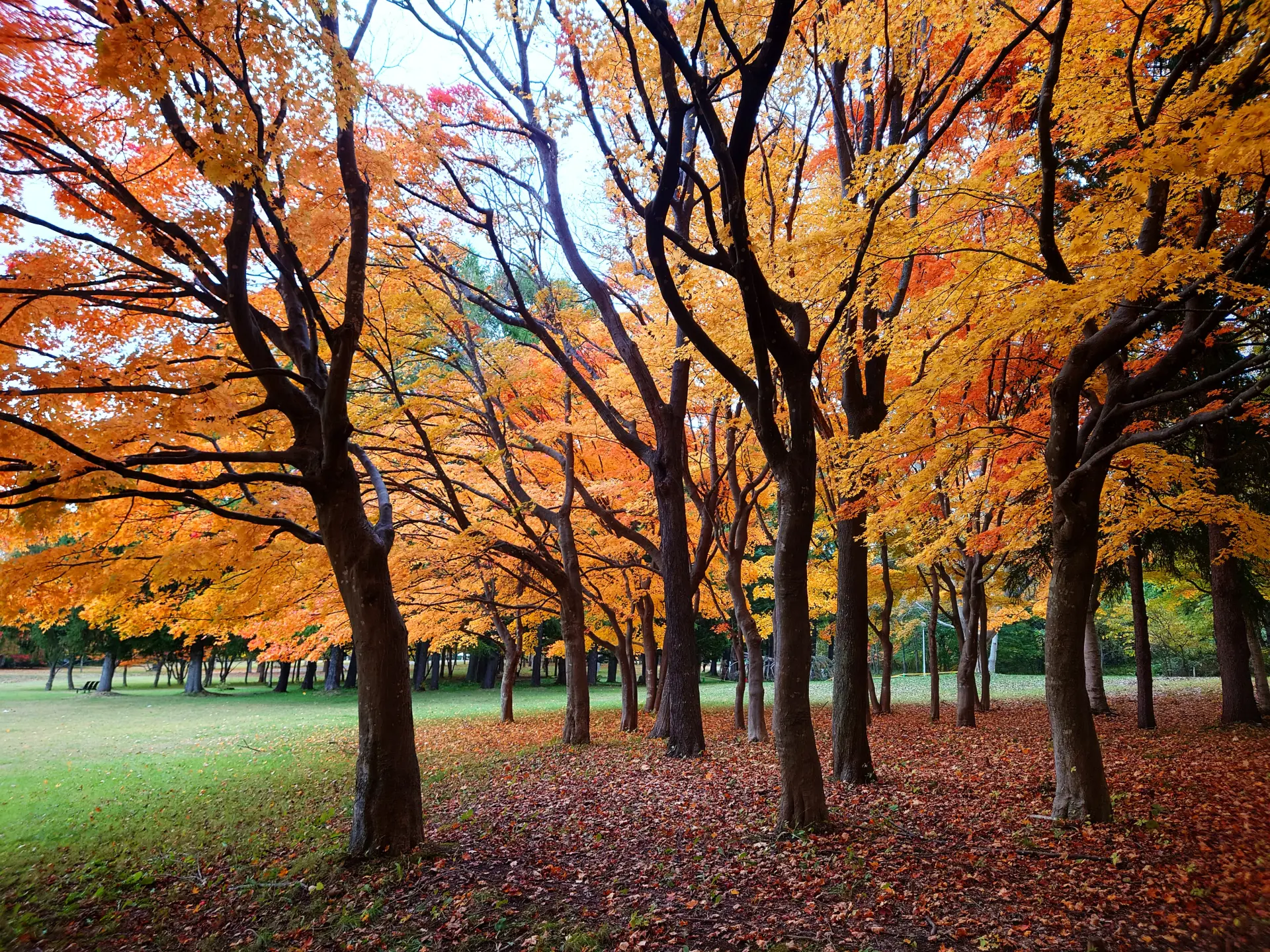
In spring, the park's famed dogtooth violets bloom alongside approximately 1,000 cherry trees. In fall, maples and other trees turn brilliant colors. Walk through the spacious grounds and immerse yourself in the colorful maples and expansive natural surroundings.
3 Fall Foliage Spots in Sapporo
Sapporo's fall scenery varies from place to place. Hoheikyo Dam offers expansive views of mountains and a reservoir, Mt. Moiwa provides vistas from 531 meters (1,742 feet) above sea level, and Hokkaido University's golden ginkgo avenue brightens the city. Check the typical peak foliage periods and follow the changing colors from downtown to the suburbs.
1. Hokkaido University
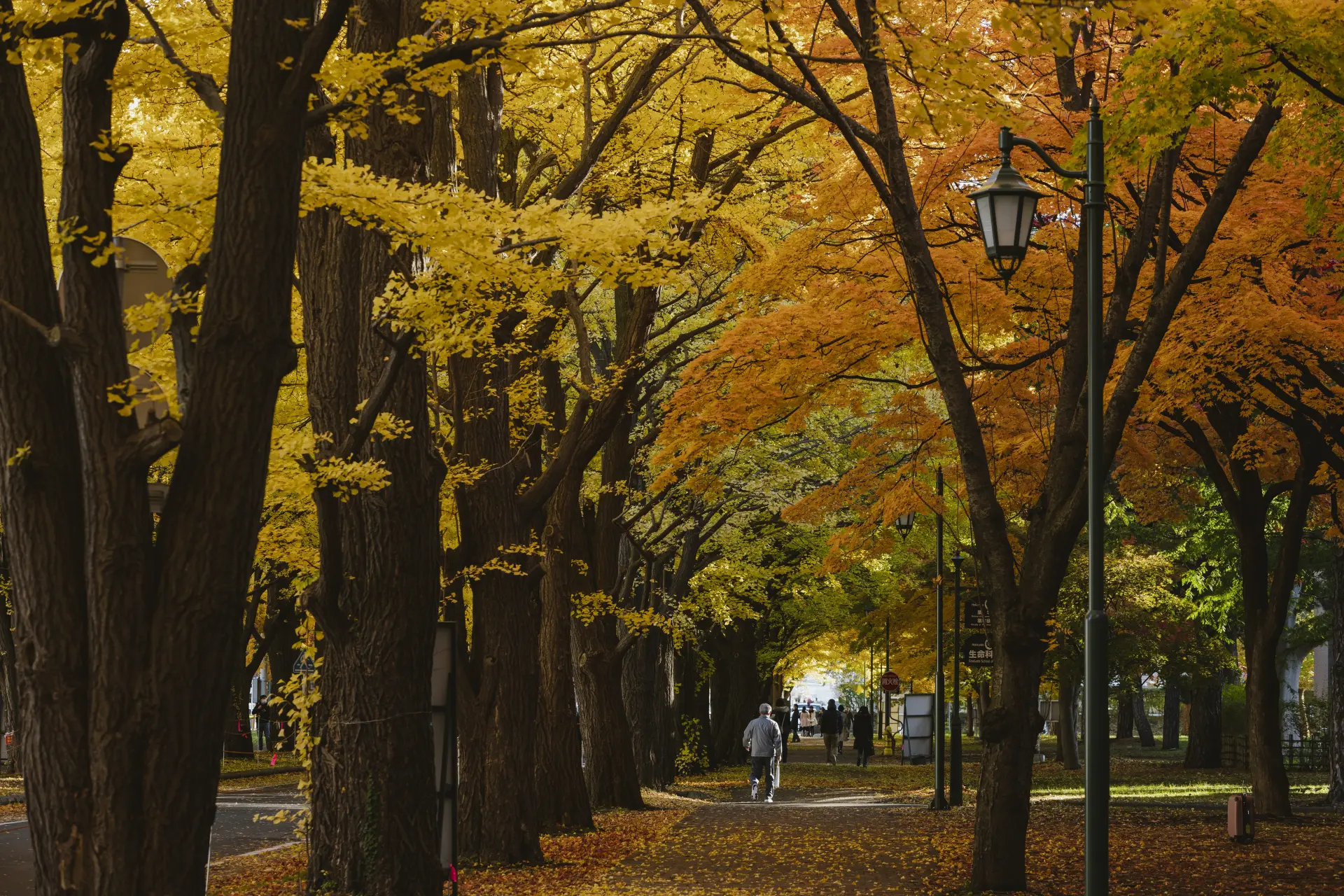
Although within walking distance of Sapporo Station, Hokkaido University has an expansive campus ideal for a stroll. Its many attractions include a row of towering poplars, the statue of Dr. Clark, and the Hokkaido University Museum.
Both sides of Kita 13-jo Street are lined with ginkgo trees, creating an impressive golden display in fall. The colors typically peak from late October to early November. Walk beneath the golden canopy along Kita 13-jo Street while observing the entry rules for this educational and research facility.
2. Hoheikyo Dam
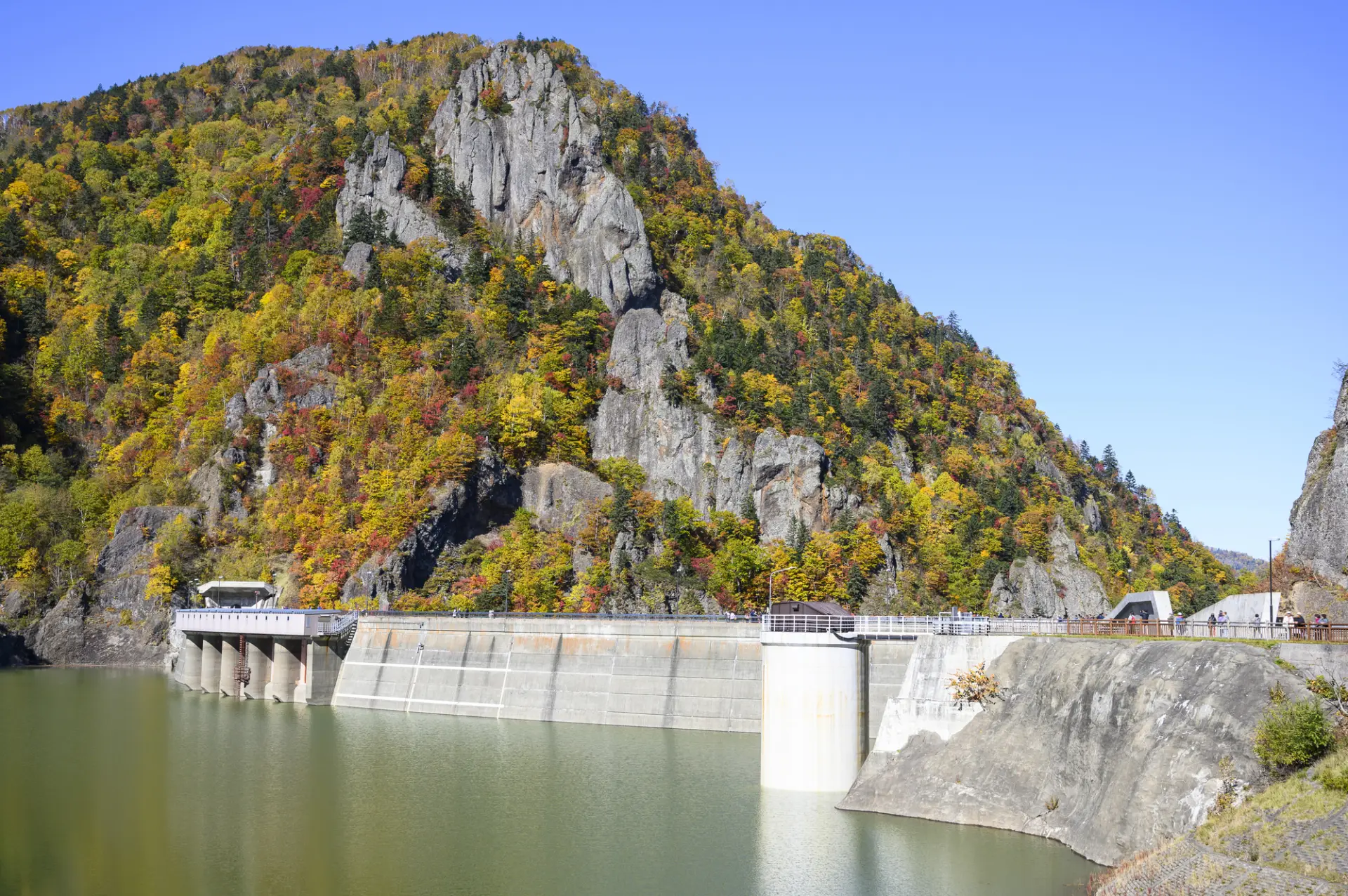
Located upstream on the Toyohira River, this dam also serves as a water source for Sapporo. The surrounding mountains become a popular fall foliage destination when they change color.
To protect the environment, hybrid electric buses run from the entrance to the dam. Upon arrival, visitors can admire the expansive scenery from observation decks and other vantage points. Walking paths extend around the dam, and the nearby Kudan Waterfall is another sight to see. The foliage typically peaks from early to mid-October. Follow the paths to view the sweeping landscape formed by the colorful mountains and dam.
3. Mt. Moiwa
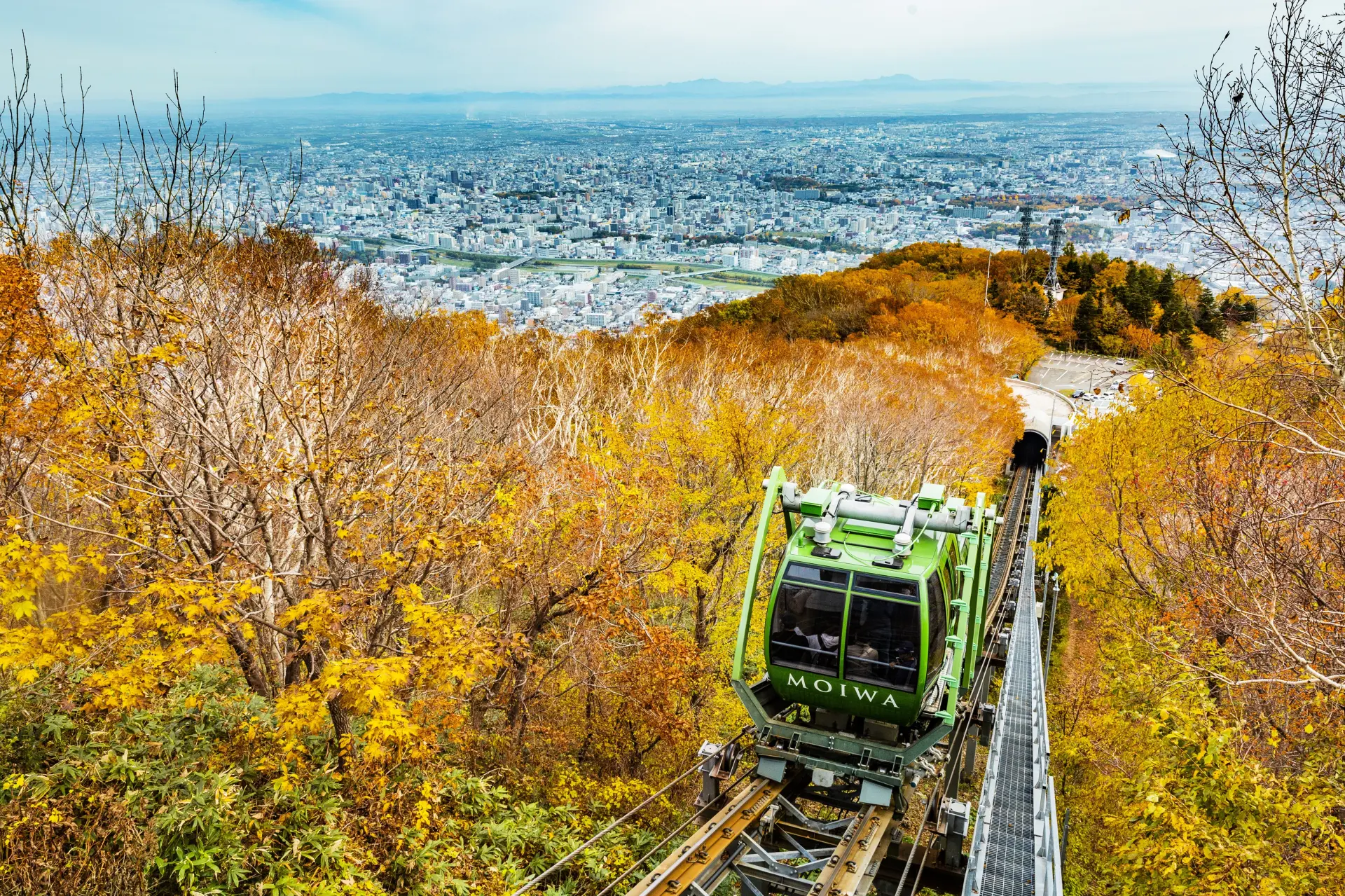
About 20 minutes from central Sapporo by public transportation, this 531-meter (1,742-foot) mountain preserves a primeval forest. Ride the ropeway and mini cable car to the summit while watching the urban scenery gradually give way to mountain views.
From the observation deck at the summit, you can look across the Ishikari Plain and even see the waters of Ishikari Bay in the distance. The foliage typically peaks from mid- to late October. Stay to watch the scenery change from daytime vistas to Sapporo's city lights, recognized as one of Japan's New Three Most Spectacular Night Views.

3 Notable Events to Enhance Your Fall Visit to Sapporo
Food, flowers, and fireworks bring different dimensions to fall in Sapporo.
Odori Park hosts flavors from across Hokkaido, while fields of cosmos and fireworks synchronized with music create seasonal scenery in the suburbs. Combine these events with sightseeing to experience Sapporo in ways available only during their respective seasons.
1. Sapporo Autumn Fest
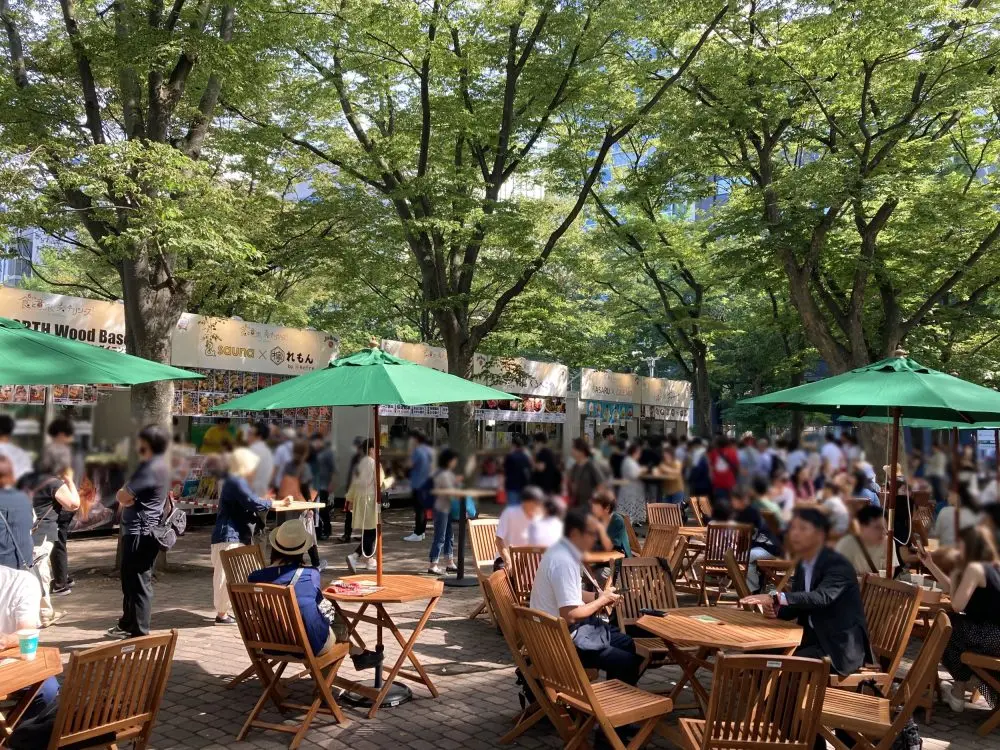
Centered on the theme of food from Hokkaido and Sapporo, this culinary event attracts 2 million visitors in a typical year. It takes place across seven sections of Odori Park in central Sapporo, with a total of 300 vendors extending for about 1 kilometer (0.6 miles).
Each section has a different theme, such as Hokkaido sake and appetizers or meat and vegetable dishes, and specialties from outside Sapporo also appear. Sample flavors from throughout Hokkaido as you walk through Odori Park.
2. Cosmos Festa (Takino Suzuran Hillside National Government Park)
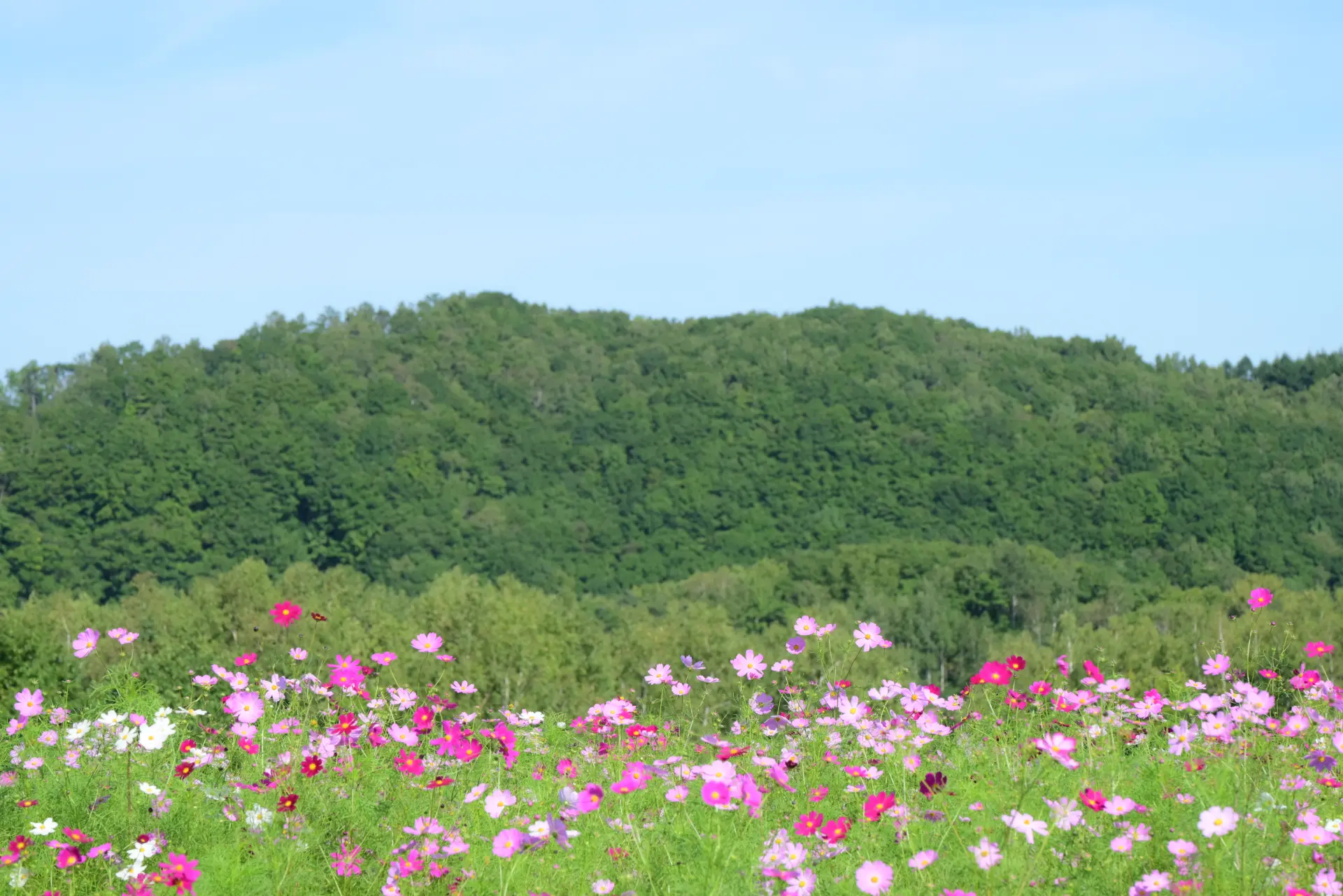
This annual celebration of Hokkaido's brief fall season features approximately 700,000 cosmos flowers covering the upper section of the Country Garden. Alongside familiar varieties, visitors can see cosmos with distinctive colors and shapes while exploring the many different blooms.
The flowers typically peak from mid- to late September. The festival also offers activities such as crafts and garden tours, while kochia and dahlias add further color to the park. Walk through the expansive flower fields and discover one fall color after another.
3. Hokkaido Artistic Fireworks
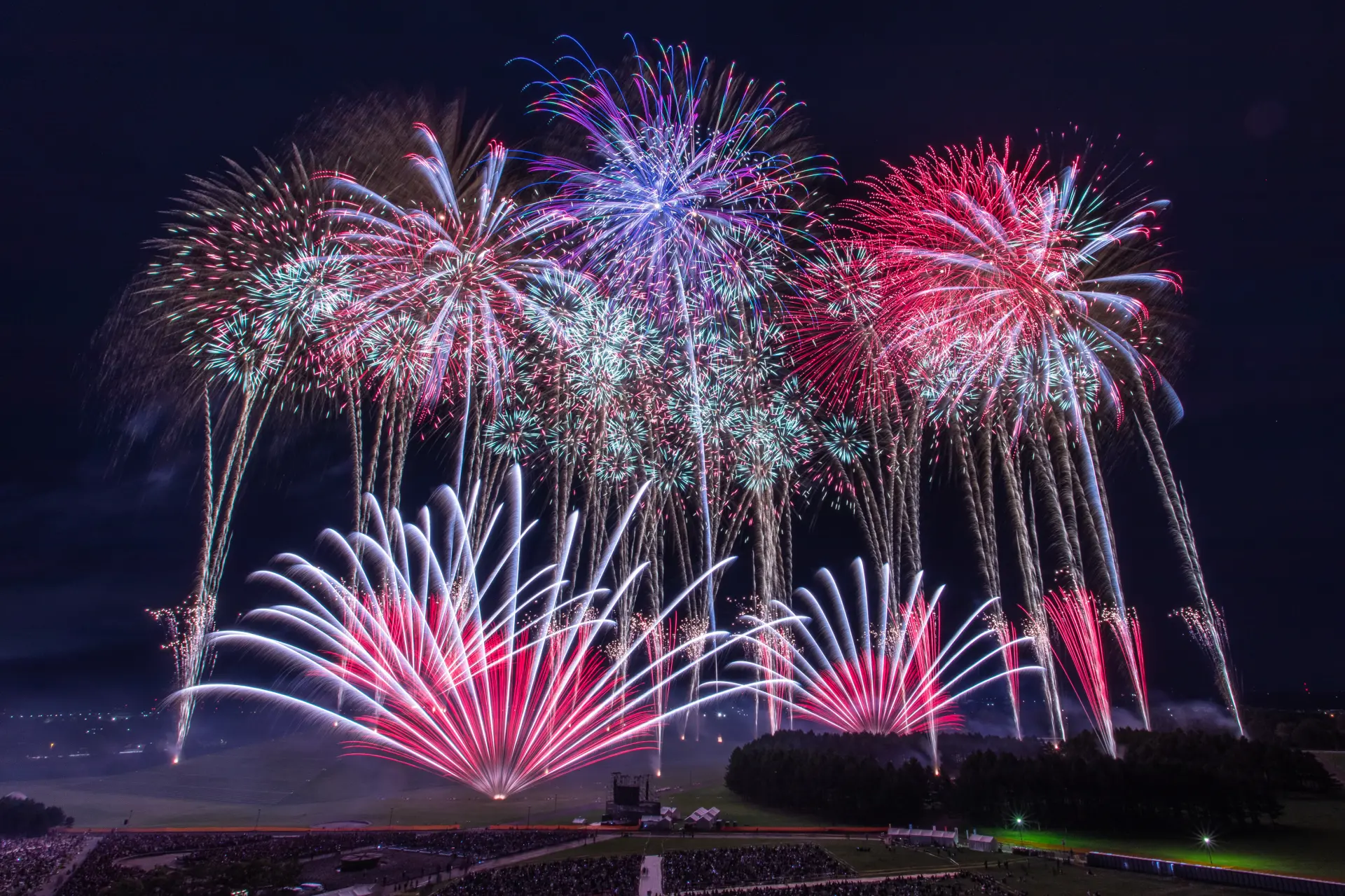
Held at Moerenuma Park, which Isamu Noguchi designed as a single sculptural work, this event showcases artistic shells created by leading Japanese pyrotechnicians.
Highly regarded as a comprehensive art performance combining music, fireworks, and landscape, it differs markedly from conventional fireworks festivals and draws large audiences as one of Hokkaido's signature fireworks events. Watch as the production unfolds across both the night sky and the entire park.
5 Places to Eat During a Fall Trip to Sapporo
One pleasure of traveling in Sapporo is discovering flavors distinctive to Hokkaido.
Options range from seafood rice bowls, jingisukan, and soup curry to sweets served in a historic building.
Stop by a market while sightseeing or spend the evening enjoying seafood in Susukino. Choose Sapporo cuisine that fits your itinerary for the day.
1. Kitakaro Sapporo Main Store
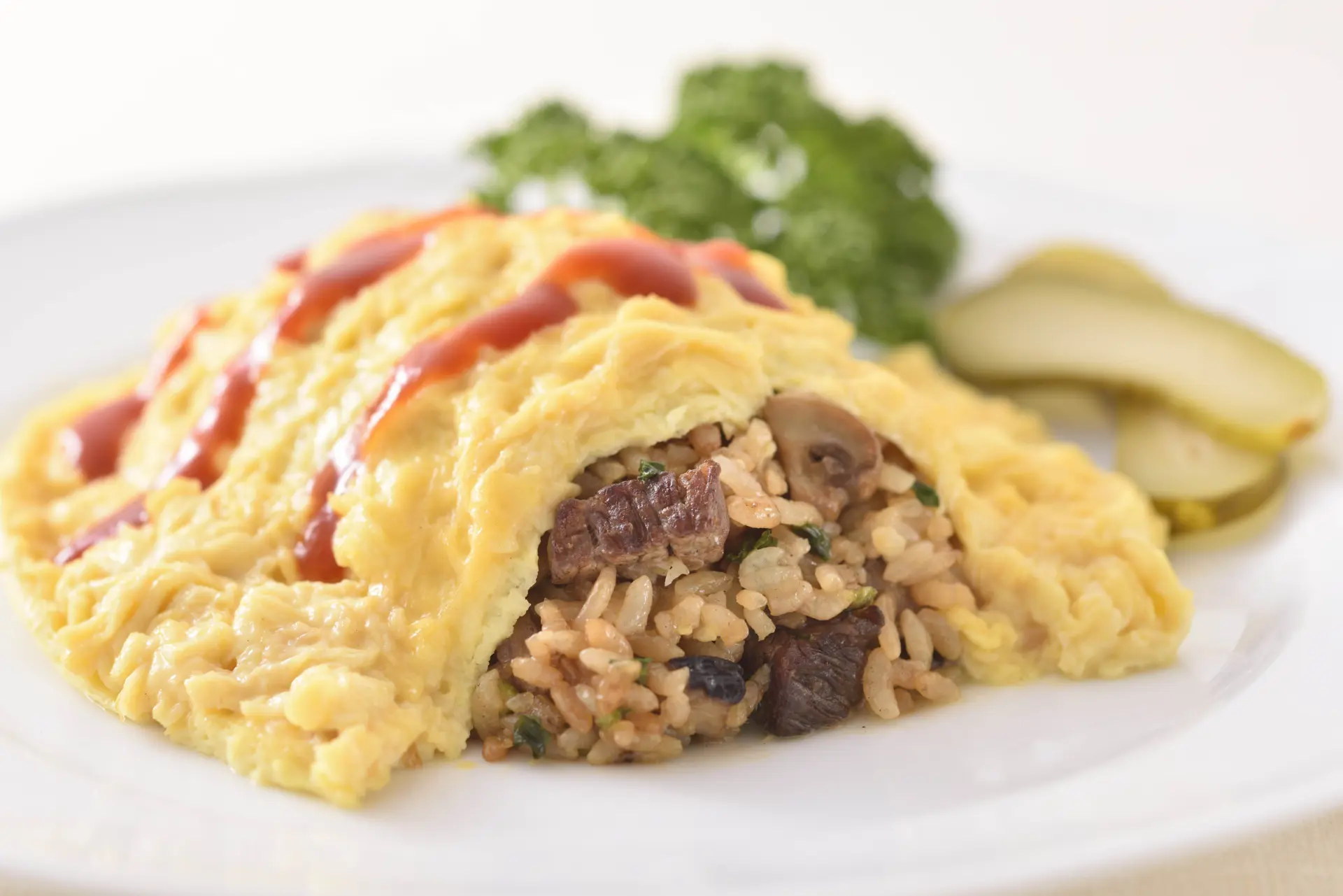
This confectionery shop opened in 2016 in a Western-style building that formerly housed the Hokkaido Government Library. The first floor offers Hokkaido Kaitaku Okaki rice crackers, baumkuchen, and a wide selection of cream puffs, while the second floor contains a café.
Climb the grand stone staircase to a welcoming space accented by sunlight streaming through the windows. In a setting where internationally renowned architect Tadao Ando blended the old building with modern design, guests can enjoy exclusive pasta dishes, omurice, and cakes.
2. Donburi Chaya Sapporo Nijo Market
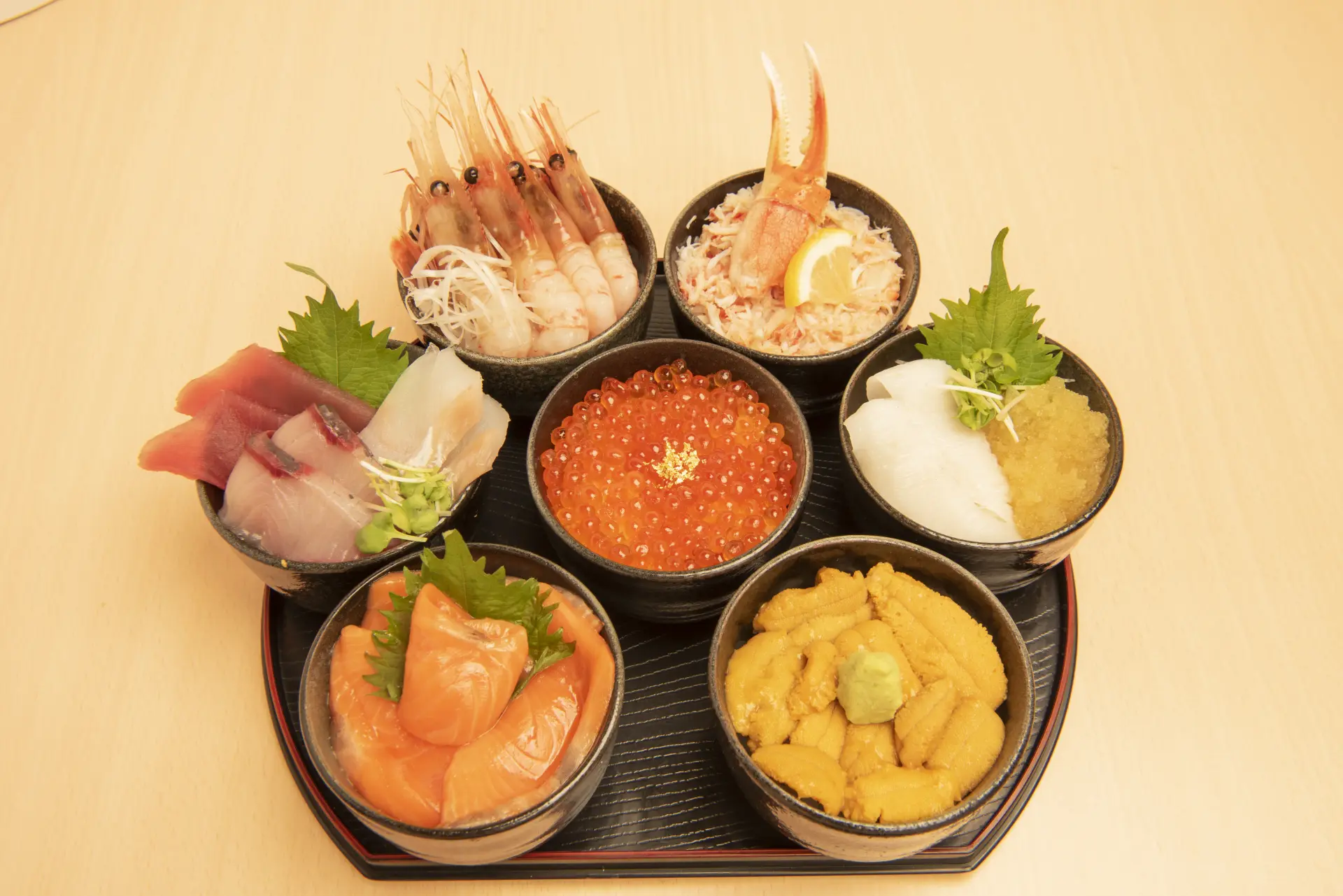
This seafood rice bowl restaurant makes the most of its Sapporo Nijo Market location with a wide variety of seafood bowls. After exploring the market, choose from options such as raw sea urchin or salmon roe bowls, the Golden Kaiho-don set of seven small bowls, or the Kita no Zeitaku-don topped with 13 popular ingredients.
Another appeal is the extensive selection expected of a specialty restaurant, with more than 50 seafood bowls to choose from.
3. Sapporo Beer Garden
This distinctly Sapporo beer hall serves draft beer and jingisukan in a brick building. Its spacious interior features the imposing Kessel, an enormous brewing kettle made in 1912.
There are five restaurants inside. The Kessel Hall on the second and third floors of the Kaitakushi-kan serves this classic Hokkaido pairing. Enjoy food and beer in spaces with different atmospheres, including the classical Trommel Hall and Lilac, which specializes in seasoned jingisukan.

4. Magic Spice Sapporo Main Store
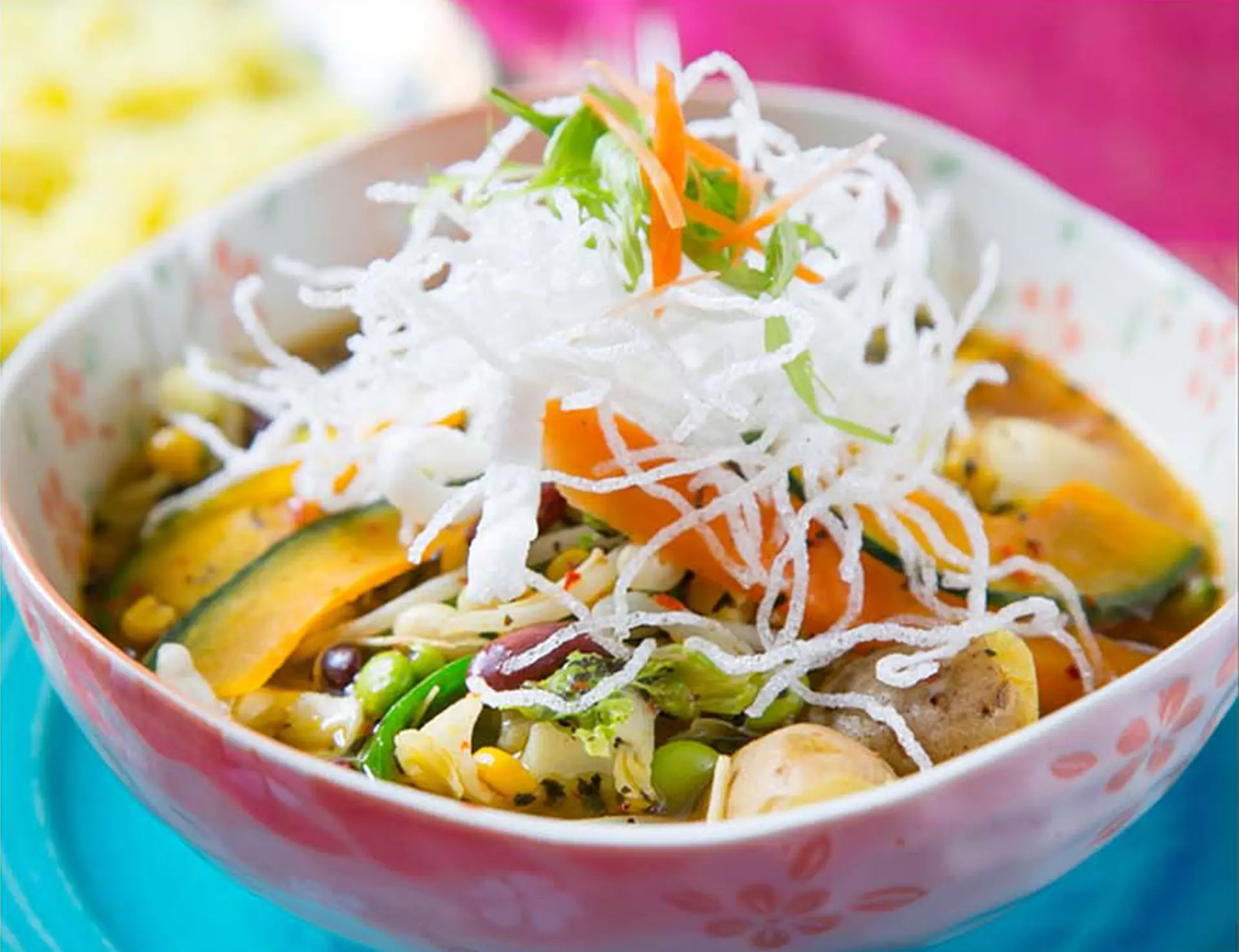
This restaurant is known for coining the term “soup curry,” now firmly established as a Sapporo specialty. Its curry soup was inspired by the Indonesian dish soto ayam. Around 30 spices are combined with sweet, spicy, and sour notes to create a complex yet delicate flavor.
The vegetables are simmered in the soup, infusing it with their sweetness and producing a deeply satisfying flavor. Choose from seven spice levels to create a bowl that suits your taste.
5. Local Cuisine Oga
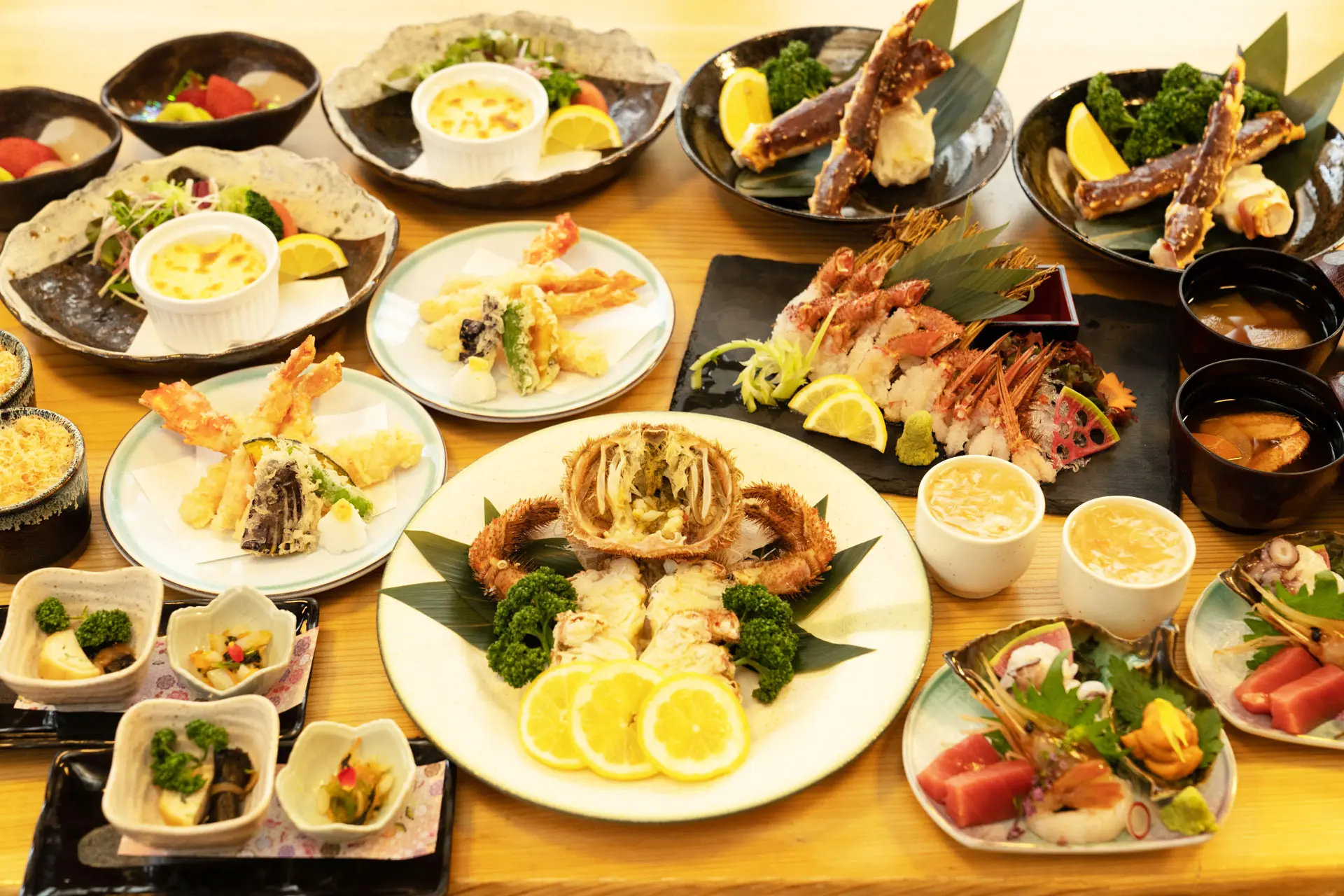
Located in the Susukino area, this regional cuisine restaurant serves fresh seafood. It sources live seafood through its own channels and prepares it only after an order is placed.
The most popular dish is sashimi made from line-caught kinki rockfish from Abashiri, prepared using ikejime locally. After the sashimi, the remaining fish can be served in a hot pot with vegetables. Boiled live hairy crab and live squid sashimi are also popular. Select Hokkaido seafood from more than 200 à la carte dishes and savor an evening in Sapporo.

3 Convenient Hotels for a Fall Trip to Sapporo
Choose your fall accommodations in Sapporo according to the kind of trip you want.
You might immerse yourself in hot springs and nature in Jozankei, use the area around Odori Park as a base for city sightseeing, or experience the atmosphere of a hot spring ryokan in central Sapporo. Consider the next day's sightseeing route when selecting a place to conclude your fall day.
1. Jozankei Tsuruga Resort Spa Mori no Uta
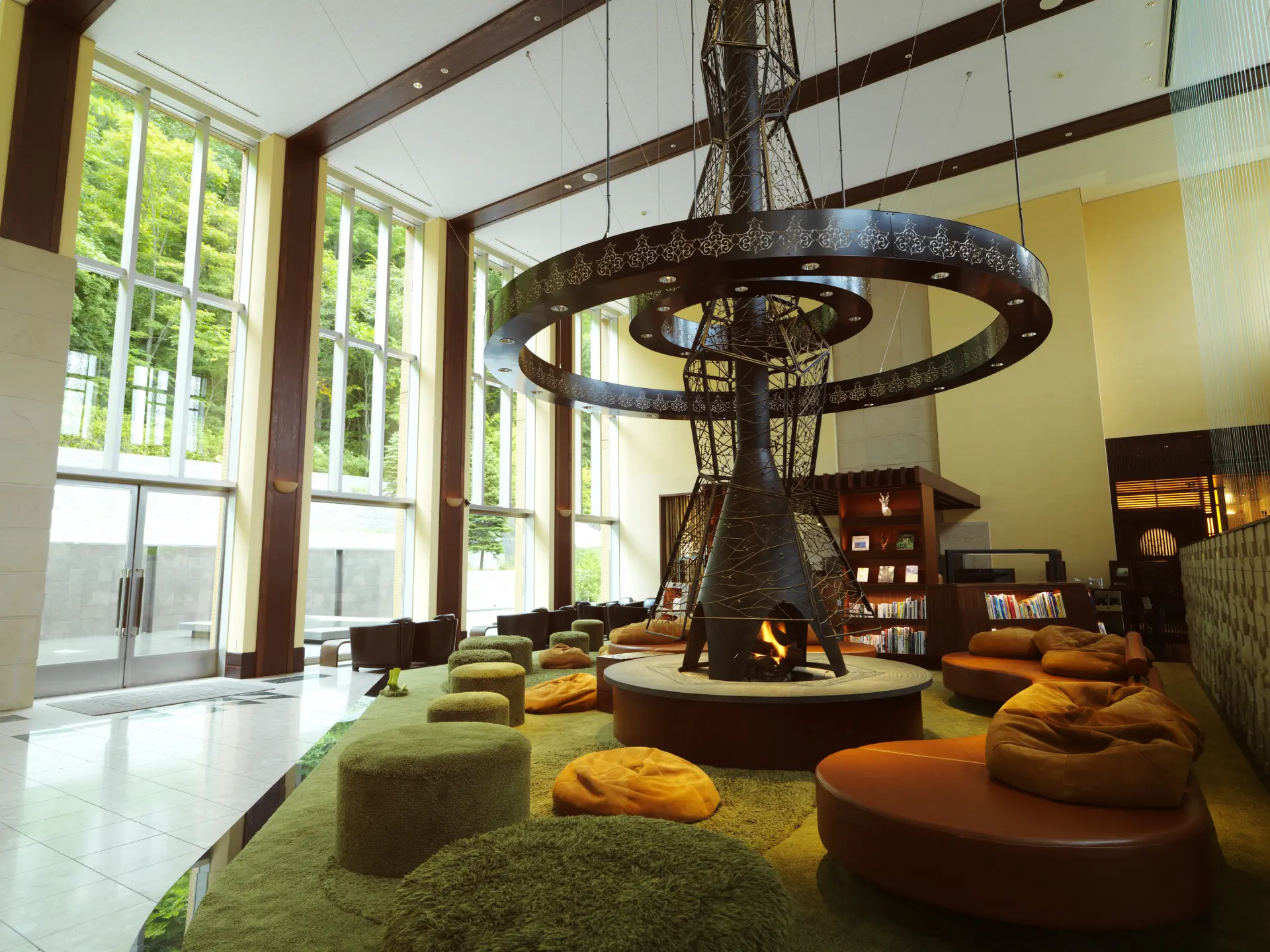
Located in Jozankei, often called Sapporo's inner retreat, this hot spring resort offers a stay surrounded by nature. Nestled amid the forest, the hotel provides a relaxing resort atmosphere among abundant greenery and tranquil surroundings.
After unwinding in your room, head to the open-air bath with birdsong and rustling leaves as your soundtrack. Facilities also include a large communal bath, a Finnish sauna with self-service löyly, and a hot stone spa exclusively for women. At dinner, spend the evening choosing from an open-kitchen buffet featuring dishes made with seasonal vegetables and kiln-baked pizza.
2. Sapporo View Hotel Odori Park
Located alongside Odori Park, this hotel is also within walking distance of Susukino. After a day of sightseeing, guests can relax in rooms filled with natural light.
The distinctive hotel lobby features a 50-meter (164-foot) atrium that creates an exceptionally open atmosphere. Accommodations include Japanese-Western rooms, Japanese-style rooms, and accessible rooms. Breakfast features Hokkaido pork shoulder, lamb, and seasonal vegetables cooked in a stone oven.
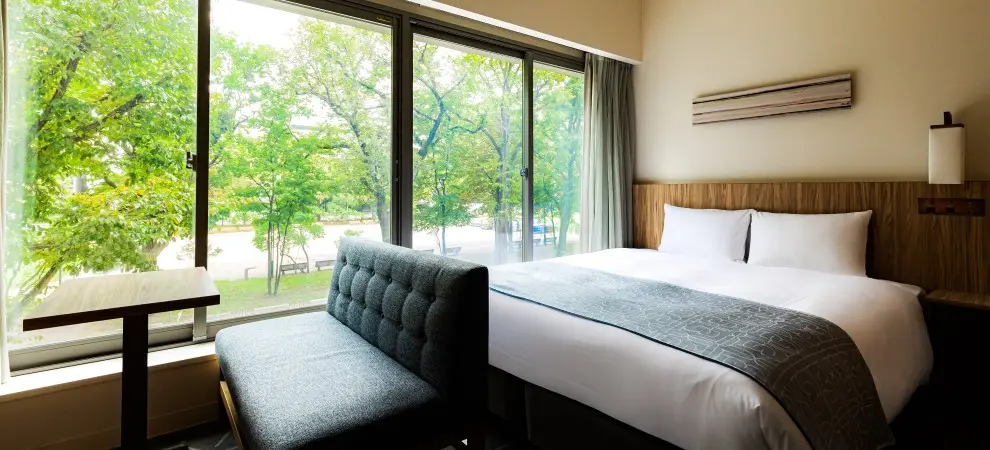
3. ONSEN RYOKAN YUEN SAPPORO
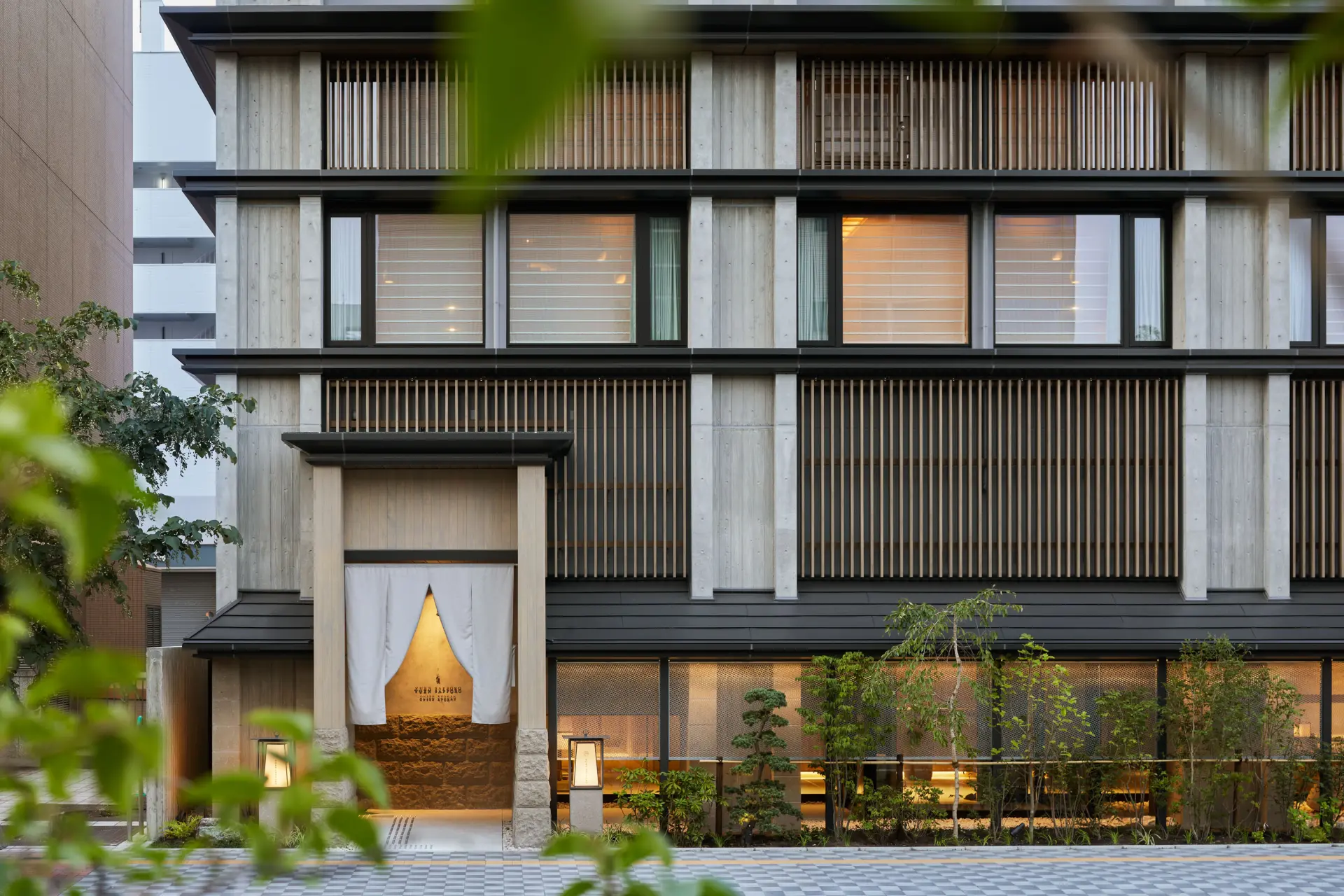
This inn in central Sapporo offers the atmosphere of a hot spring ryokan and features an open-air bath. Designed around the concept of a northern inn, it uses high-quality Hokkaido oak and Sapporo soft stone in key areas, giving traditional ryokan architecture a modern interpretation.
With reservations made by the previous day, the Japanese restaurant serves a Japanese breakfast set featuring seasonal Hokkaido ingredients and a dinner centered on genshiyaki charcoal grilling. Spend the evening surrounded by Hokkaido materials and relaxing in the hot spring.

Recommended Fall Sapporo Itinerary for Foliage and Hot Springs
After experiencing the history and food culture of central Sapporo, drive a rental car to Jozankei. On the following day, visit Hoheikyo Dam and Hokkaido University to see two different displays of fall foliage. This two-day, one-night itinerary combines city walks, hot springs, and fall colors for a distinctly Sapporo journey through both downtown and the suburbs.
Day 1
- Rent a car near JR Sapporo Station
- Stroll around the Former Hokkaido Government Office Building (Red Brick Office)
- Have lunch at Sapporo Nijo Market
- Visit the Chitosetsuru Sake Museum
- Stroll through Jozankei Onsen Town
- Stay overnight at Jozankei Onsen
Day 2
- Take in the fall foliage at Hoheikyo Dam
- Return to Sapporo
- Return the rental car near JR Sapporo Station
- Stroll along the Hokkaido University Ginkgo Avenue
- Buy souvenirs near JR Sapporo Station
Average Fall Temperatures in Sapporo
Average fall temperatures in Sapporo drop considerably each month, from 65.5°F in September to 53.8°F in October and 41.4°F in November. Pack clothing appropriate for the time of your visit. Temperatures are particularly low from October through November as the foliage progresses and winter begins to approach.
| Month | September | October | November |
|---|---|---|---|
| Temperature | 65.5°F | 53.8°F | 41.4°F |
What to Wear in Sapporo in Fall
Temperatures in Sapporo fall steadily throughout the season, so choose layers that are easy to adjust for the month. In September, wear long sleeves and bring an additional outer layer. In October, when the average temperature falls to 53.8°F, layering with a jacket is practical. By November, bring a winter coat, scarf, and gloves. As the season may bring the first snow and icy roads, shoes with good traction are advisable.
Frequently Asked Questions About Visiting Sapporo in Fall
Q
When is the best time to see fall foliage in Sapporo?
It varies by location, but the colors typically peak from early October to early November. As a general guide, Hoheikyo Dam peaks from early to mid-October, Mt. Moiwa from mid- to late October, and Hokkaido University's ginkgo avenue from late October to early November.
Q
Can I visit Jozankei Onsen and Hoheikyo Dam together?
Yes. The electric bus stop for Hoheikyo Dam is about a 15-minute drive from Jozankei Onsen Town, making them a standard combination for a fall trip near Sapporo.
Q
What foods are recommended in Sapporo during fall?
Hokkaido specialties such as seafood, jingisukan, and soup curry are recommended. Try a seafood rice bowl at Sapporo Nijo Market or jingisukan at Sapporo Beer Garden.
Q
How many nights should I spend in Sapporo in fall?
Two days and one night can be enough for city sightseeing, but three days and two nights offer a more relaxed pace if you also plan to visit Jozankei Onsen and fall foliage spots.
Summary
Fall in Sapporo offers far more than Hokkaido University's golden ginkgo avenue and the colorful foliage at Hoheikyo Dam. Other seasonal experiences include the hot springs of Jozankei, fresh seafood at Sapporo Nijo Market, and the Sapporo Autumn Fest.
Discover history and food culture downtown, then venture a little farther to colorful forests and mountains. Move between the city and nature to fill your days with experiences distinctive to fall in Sapporo.