Himeji Castle
One of Japan's most renowned castles and a UNESCO World Heritage Site. Built by Ikeda Terumasa in the early Edo period, the main keep has five exterior tiers, six aboveground floors, and one basement level. It is the largest surviving castle keep from the Edo period. The castle was constructed using a comprehensive defensive layout known as sokamae, with the entire castle town enclosed within its moats. It was large enough to encompass what is now central Himeji, and the outer moat is said to have been located around present-day Himeji Station.
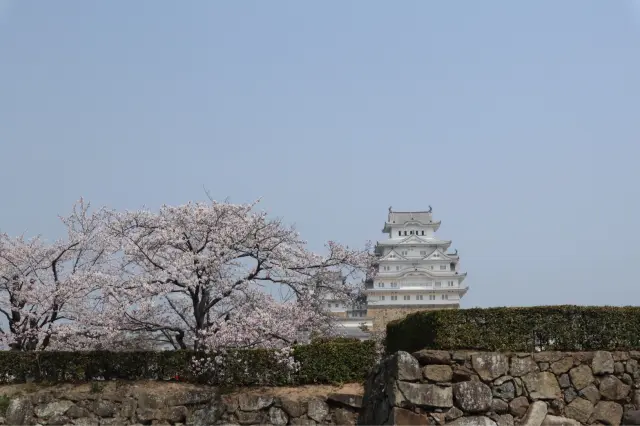
Himeji Castle is known as the “White Heron Castle” because of its white walls and elegant appearance, and it is one of the most iconic surviving castles in Japan. It is not only designated as a National Treasure of Japan, but was also one of the first Japanese castles to be listed as a UNESCO World Heritage Site, giving it an important place in the history of Japanese castles. Walking through the castle, the layers of stone walls, winding passageways, and well-preserved wooden structures make it easier to imagine its defensive design in the past. Admiring the white main keep from a distance, you can really feel the elegant grandeur it has retained over the years.
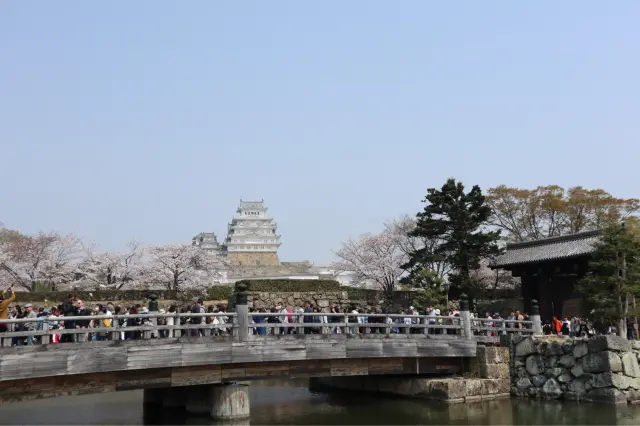
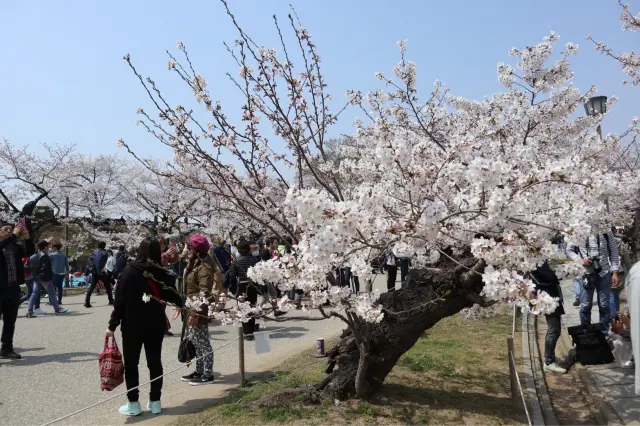
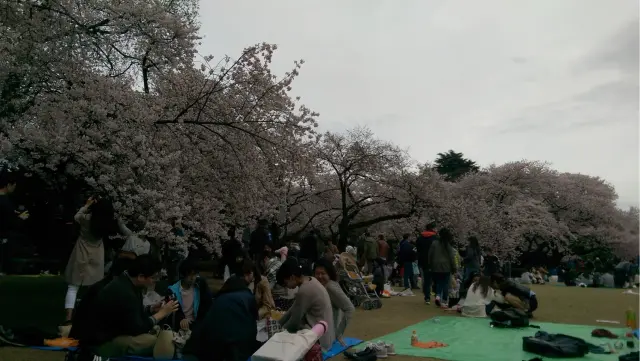
Especially when cherry blossom season arrives in spring, it feels as though everyone has planned to meet up and flock to Himeji Castle to see the flowers. From far away, you can see the bridge packed with people, all joining in the festivities. It is such a lively scene. The cherry blossoms throughout the grounds are in full bloom, and the pale pink blossoms paired with elegant Himeji Castle create an unforgettable view!