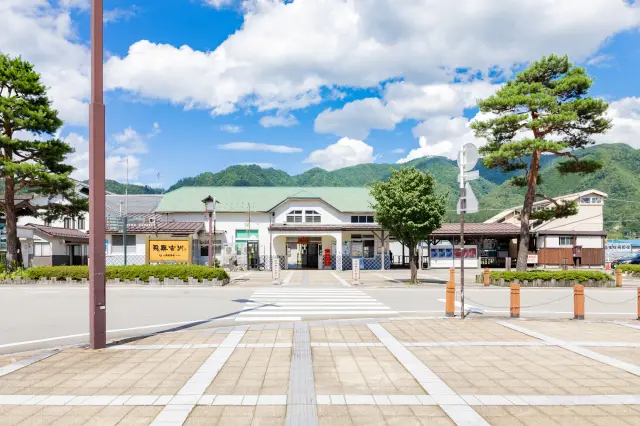
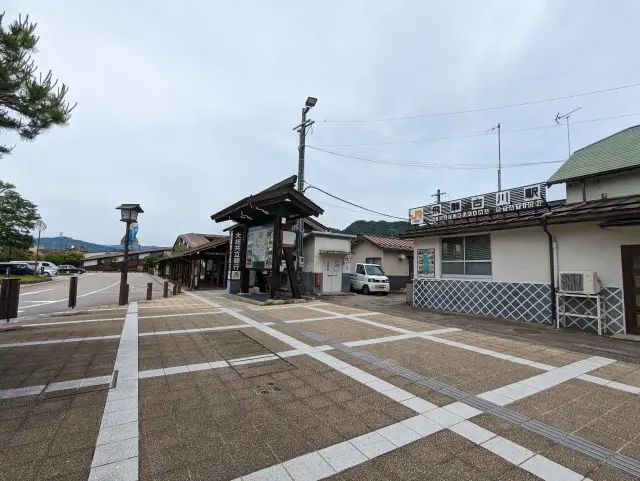
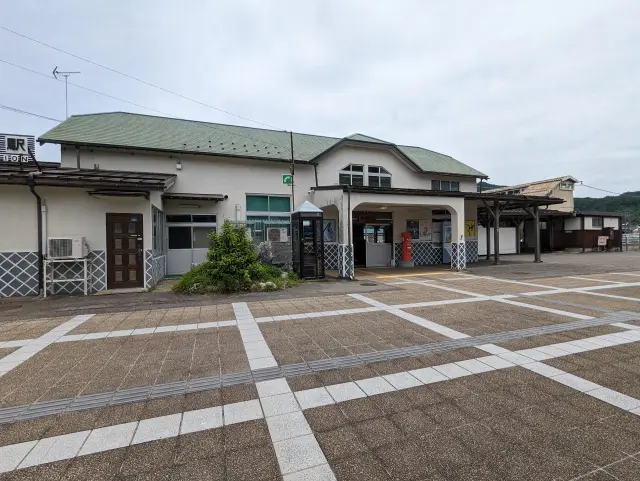
If you’re heading to Shirakabe Dozogai, you’ll probably start at Hida-Furukawa Station.
I came here by bus from Takayama, and as soon as I got off, I saw this retro wooden station. It has that peaceful atmosphere that’s so unique to the Japanese countryside, and it blends perfectly with the town.
Hida-Furukawa Station | Review by 金己田
Other Reviews by 金己田
-
Togetsukyo Bridge
The bridge was built in the first half of the 9th century during the Heian period (794-1185). It has been washed out many times, but each time it has been rebuilt. It is said that the name was given by Emperor Kameyama in the Kamakura period (1185-1333), as the moon moved across the bridge as if it were crossing over it.
Looking out at Togetsukyo Bridge from the banks of the Katsura River felt like stepping into a landscape painting. Even though it was cloudy when I visited, the combination of the pine trees along the shore, the gently flowing river, the rustic Togetsukyo Bridge, and the mountains in the background looked like a scene carefully arranged by nature.
At night, the bridge was lit up. The visual impact wasn’t quite as strong as during the day, but the overall atmosphere had a different kind of charm. It truly deserves to be one of Arashiyama’s iconic landmarks! -
-
Irohazaka Winding Road
Connecting central Nikko to Lake Chuzenji, this 15.8 km scenic road is a renowned tourist route. It consists of two separate roads: the "First Irohazaka" for descending and the "Second Irohazaka" for ascending. The road features 48 hairpin turns, named after the 48 characters of the ancient Japanese syllabary "Iroha." The origins of Irohazaka trace back to the mountain worship of Mt. Nantai, dating to the Nara period. Due to its sacred nature, the Okunikko area, which begins at Irohazaka, was considered holy, and women were prohibited from entering until the Meiji era. The area was developed and opened in the Showa era.
The Irohazaka mountain road is full of twists and turns, but the bus driver was incredibly skilled. I didn’t feel scared or carsick at all going up or down the mountain.
Watching the mountains covered in red autumn leaves through the window was amazing, and every turn brought a different view.
Even better, we didn’t run into the traffic jams we’d heard about. Being able to enjoy this fall foliage trip without having to drive ourselves made it absolutely perfect. -
-
Mahoroba Daibutsu Pudding at the flagship Mahoroba Daibutsu Pudding Store!
Mahoroba Daibutsu Pudding is a classic Nara souvenir that includes a line of luscious, local flavors including the Nara special custard, Yamato Tea, a spiked pudding made with regionally sourced Nara sake and the Nara yae-zakura pudding topped with Yoshino cherryblossoms.
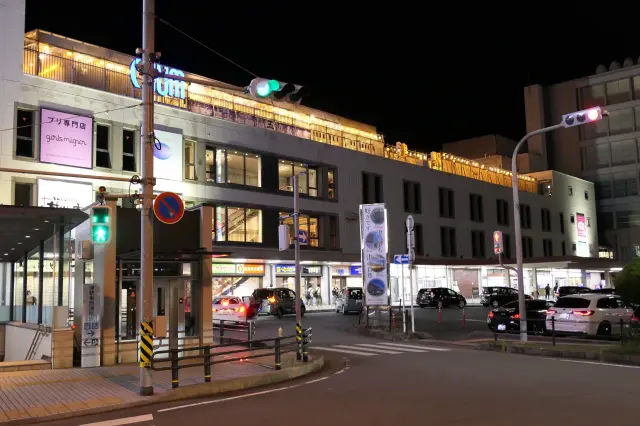
I came across a branch of Mahoroba Daibutsu Pudding inside Kintetsu Saidaiji Station without planning to, and there was no line at all, so I could take my time choosing.
In the end, I bought the yogurt and ancient rice pudding flavors to try. Both were on the lighter, more refreshing side. After finishing them, you can also keep the jar lids as souvenirs. -