• See More

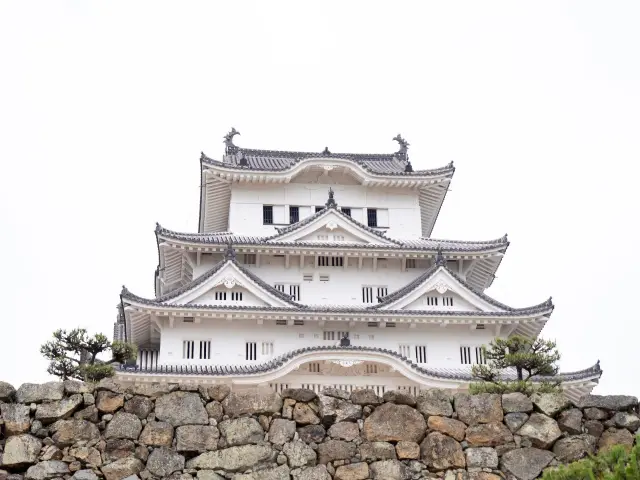
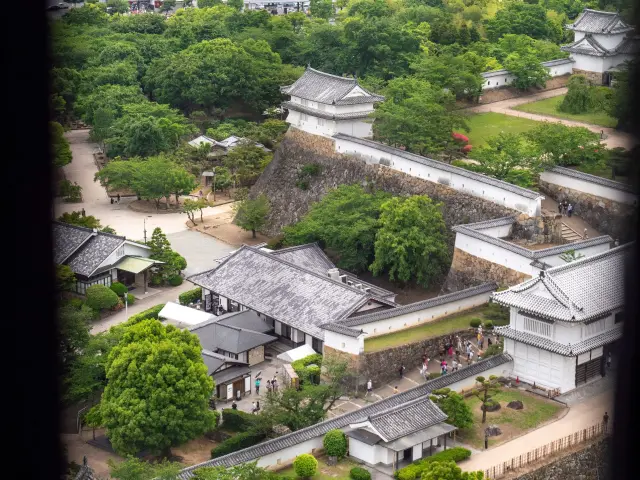
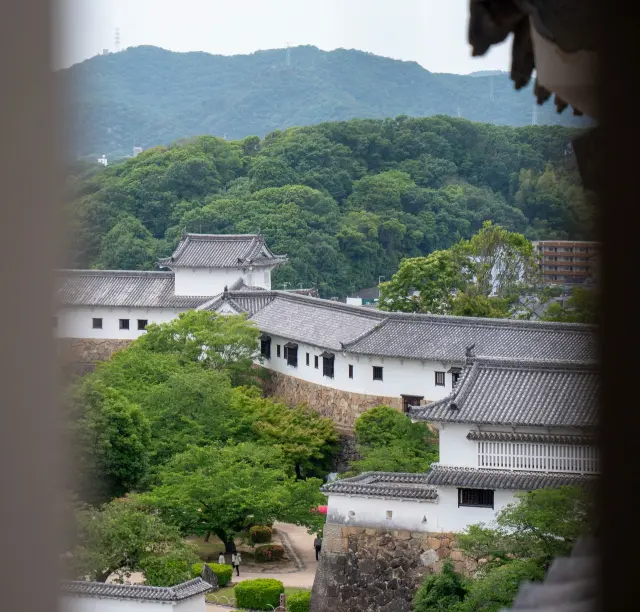
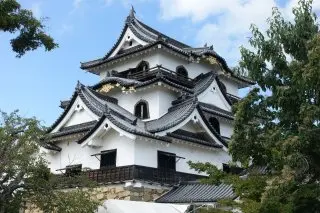
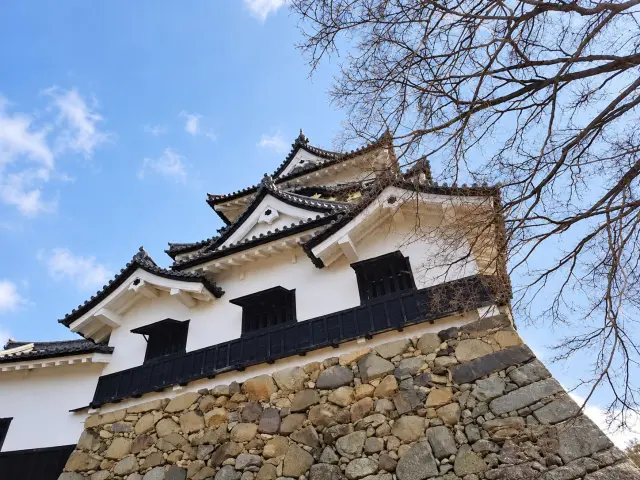
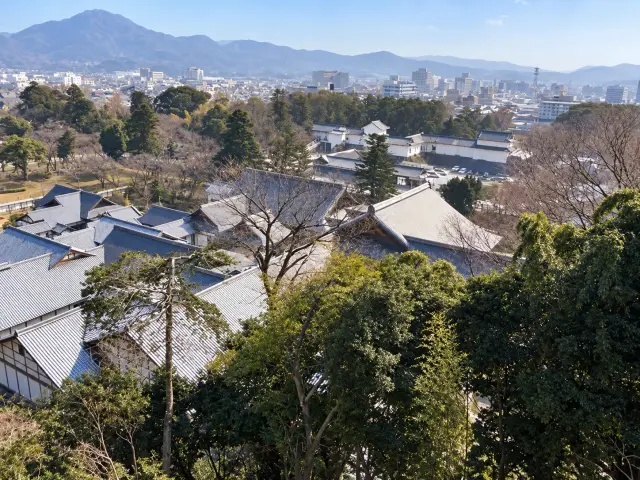
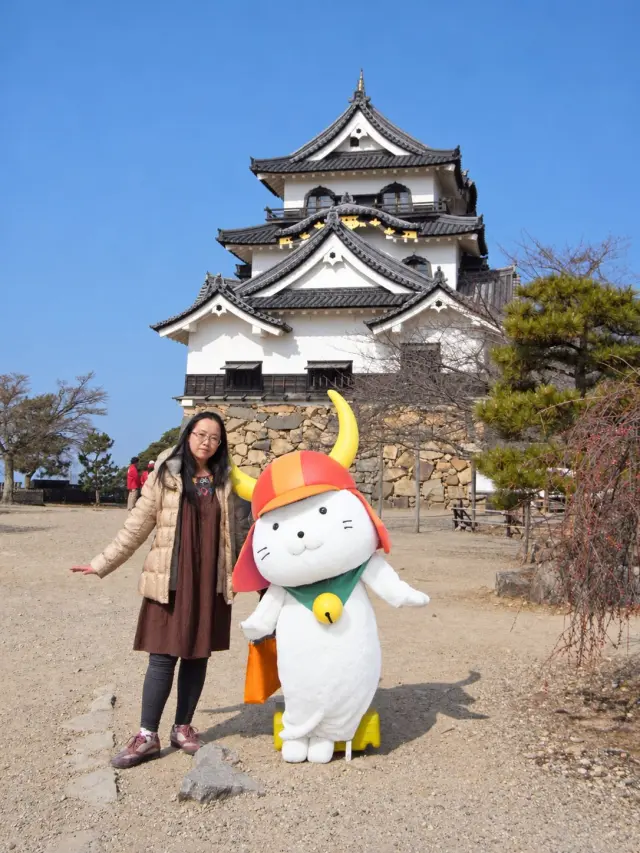
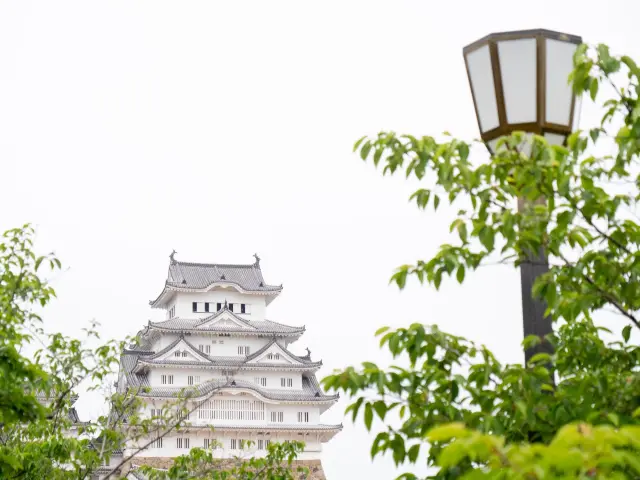
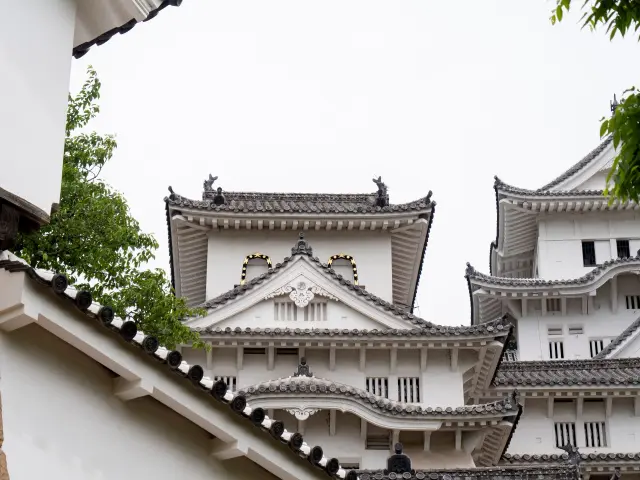
    I originally thought the main difference between Himeji Castle and other Japanese castles was simply its beautiful white exterior. But once I went inside, I realized its scale, state of preservation, and architectural details were far beyond what I had expected. After entering from Sakuramon Bridge, it already takes a while just to cross Sannomaru Square and reach the ticket gate. Once officially inside the castle grounds, I was drawn in by the layered views of the main keeps, smaller keeps, connecting corridors, and multiple gates. I kept stopping to walk, take photos, and look around, so there was no way I could finish the visit in the two hours I had originally planned.

    Compared with the main keep, which gets the most attention, I really liked the Hyakken Corridor and Keshō Yagura in Nishinomaru. This area preserves a rare glimpse of women’s living spaces within a Japanese castle. As I walked along the wooden corridor and looked at the small rooms used by attendants, household items, and exhibits related to Princess Sen, I realized that castles were not only places for lords, samurai, and war. They also once held the everyday lives of women. Princess Sen spent some rare peaceful years at Himeji Castle, but in the end she lost both her child and husband one after another. It gave that seemingly glamorous life a sense of fated sadness.

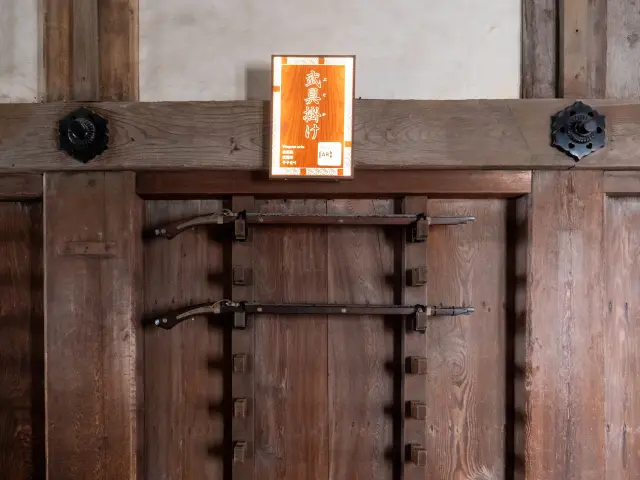
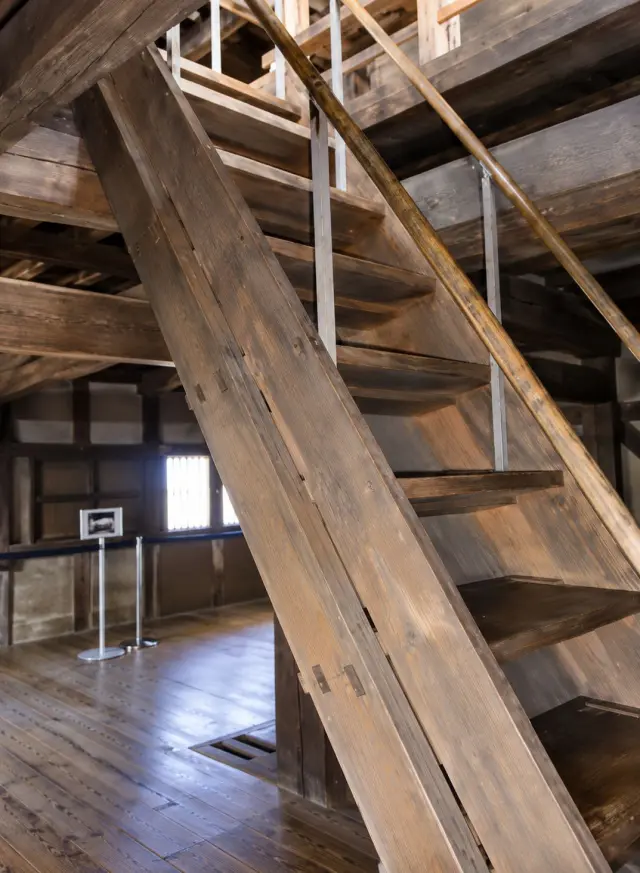
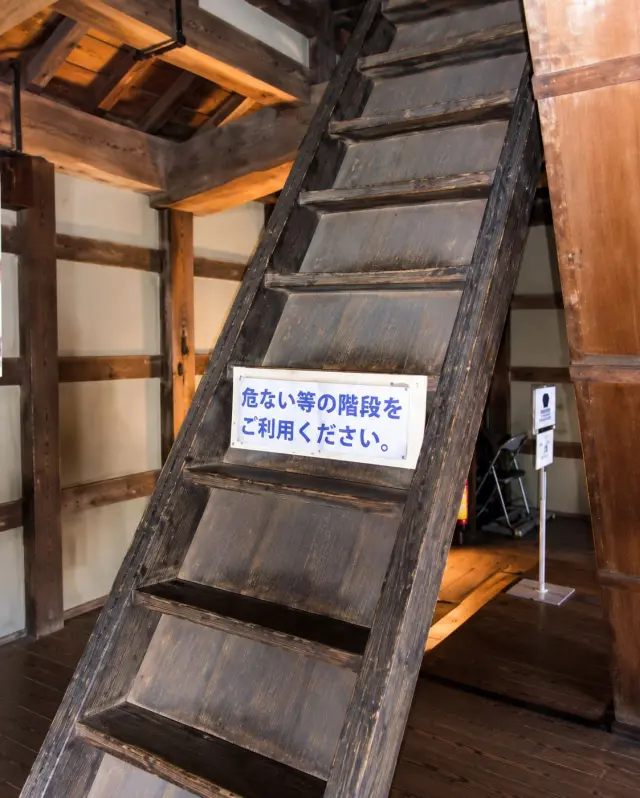
    The main keep area has a completely different atmosphere. The low gates, steep stone steps, winding passages, and sudden corners are already quite tiring for ordinary visitors, so it’s hard to imagine how enemy soldiers in armor would have advanced through them. After entering the keep and seeing the many weapon racks, shooting holes, stone-dropping openings, and hidden rooms, I finally understood that beneath Himeji Castle’s elegant white appearance lies an extremely cold, warlike nature. I’m also grateful to live in a peaceful era, when this castle built for defense can finally be appreciated for its most beautiful side.
Other Reviews by Holly

  • Kyoto Tourist Information Center “Kyo-navi”

    A tourist information center located at JR Kyoto station, the gateway to Kyoto. It provides a wide range of information such as guidance of sightseeing, accommodations, and public transport tickets, and tickets for events.

    • Kyoto Station, Shijo Kawaramachi, Kyoto Imperial Palace
    • Stations & Roadside Stations & Tourist Information Centers
    See More

    The Kyoto Tourist Information Center is a great place to pick up materials and get ideas for your itinerary. I came here specifically because I was staying in Kyoto for a longer period and wanted to see if there were any attractions or activities with less information available in Chinese, to use as references for the rest of my trip.
    There really are a lot of materials available, not just for Kyoto City but also for other areas of Kyoto Prefecture. It's very useful for anyone looking to plan a more in-depth itinerary. Besides picking up maps and brochures, you can also purchase some Kyoto transportation and sightseeing passes. However, I had already prepared most things in advance, so this time I mainly focused on collecting information.
    It's located inside Kyoto Station, making it convenient to stop by while transferring or right after arriving in Kyoto. Just note that it's only open until 7:00 p.m. I specifically returned to Kyoto earlier so I could get there in time to pick up materials.

  • Kyoto Gyoen

    The premises has the Kyoto Imperial Palace at the center in which Meiji Emperor lived until he moved to Edo, surrounded by the town where the homes of aristocrats lined up. In Meiji Period, the premises were turned into the Kyoto Gyoen Park. Kyoto Imperial Palace and Kyoto Sento Imperial Palace are still used by the imperial families.

    • Kyoto Station, Shijo Kawaramachi, Kyoto Imperial Palace
    • Parks & Gardens
    See More

    Kyoto Imperial Palace no longer requires advance reservations and admission is free. If you want to join an official guided tour, you just need to gather at the visitors' lounge at the designated time. Bags are inspected before entry, and overall security is quite strict.
    The palace itself is actually not as ornate as you might imagine. If you're expecting a lavish palace, Nijo Castle may be closer to what you have in mind. What really matters about Kyoto Imperial Palace is its buildings, such as the Shishinden and Seiryoden, and its history as the longtime residence of the emperor and a venue for important ceremonies. Inside the Shishinden are the Takamikura throne used for enthronement ceremonies and the Michodai throne for the empress. In front of the hall are the iconic Sakon cherry tree and Ukon tachibana tree, though visitors are kept at a distance and can only view them from outside.
    What I found most interesting about Kyoto Imperial Palace was the layout of the space itself and its sense of history. Some of the sliding doors and wall paintings are also very intricate. However, if you're simply comparing architectural details or gardens, Kyoto has quite a few places with more to see. For gardens, I would recommend Katsura Imperial Villa more.
    If you want to experience buildings related to the imperial family up close, I would actually highly recommend Daikakuji Temple near Arashiyama. It was formerly the Saga Imperial Palace and also has buildings relocated from Kyoto Imperial Palace, and you can view them from much closer than at Kyoto Imperial Palace.
    Overall, what makes Kyoto Imperial Palace special is its historical significance rather than its splendor. If you're already interested in Japan's imperial family, court system, or traditional architecture, it's still worth a visit.

  • Art Aquarium Museum GINZA

    A modern artistic reinterpretation of the goldfish appreciation culture that originated in the Edo period, this unique museum presents the enchanting world of Art Aquarium in the historic heart of Ginza.

    • Ginza, Yurakucho
    • Museums
    See More

    The Art Aquarium Museum GINZA is somewhere I'd wanted to visit for a long time. When I actually walked in, my first impression was that it was very lavish, with a touch of the splendor and allure of an oiran procession. The lighting, music, tanks, and decorations all blend together, but what I think was done especially well is that the lighting doesn't overshadow the goldfish themselves. Instead, it acts like stage lighting for them, ensuring that the goldfish remain the true stars of the exhibition.
    I especially liked the area where you can view the goldfish from above. Goldfish originated in China, and when they were first kept in containers such as bowls and jars, they were generally viewed from above. This top-viewing style later spread to Japan and also influenced the appreciation of goldfish in terms of their back patterns, body shapes, and the way their tail fins spread out. Today, we're mostly used to viewing fish from the side through glass, so in everyday life there are very few opportunities to appreciate them from this traditional perspective. Being able to experience this ancient way of appreciating the beauty of goldfish here felt quite special.
    Another area uses a large number of Japanese lanterns to create the atmosphere, and at first glance it reminded me of the densely arranged lanterns at Kasuga Taisha Shrine in Nara. The other areas make extensive use of light and shadow, reflections on the water, flowers, and traditional Japanese elements to create different moods. Some of the decorations clearly use artificial flowers, but with the lighting and colors of the water, they don't look cheap. Instead, they give the whole space a feeling somewhere between a stage and a dream.
    They also offer different seasonal themes, with the flowers, lighting, and some of the exhibits changing accordingly. As a result, the scenery may look completely different depending on when you visit. This time, I happened to catch the end of the winter exhibition. I'm really looking forward to summer, since summer is the season for goldfish, and I hope I'll have a chance to come back and see it.

Hokkaido Tohoku Kanto Chubu Hokuriku Kansai Chugoku Shikoku Kyushu Okinawa