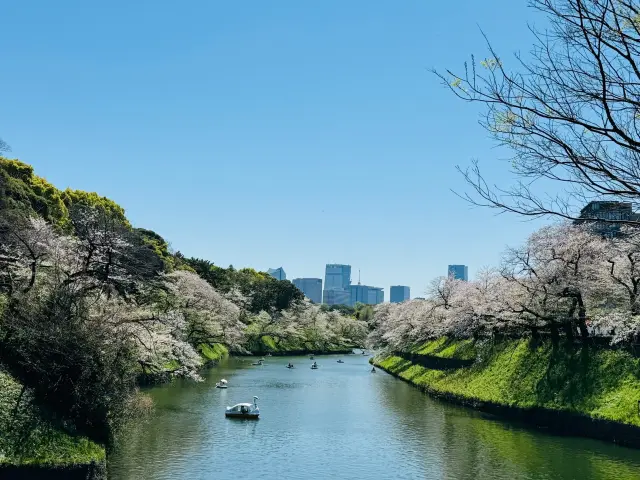
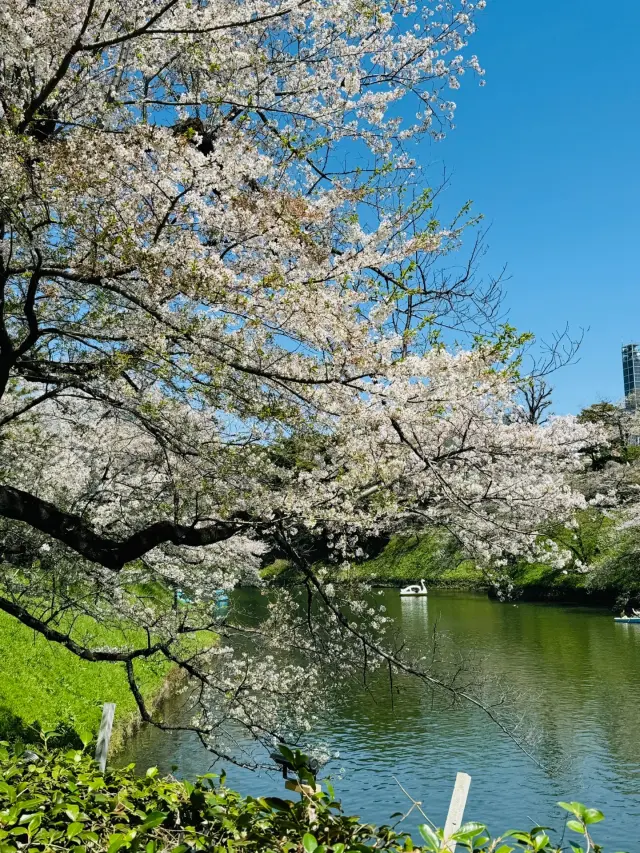
Chidorigafuchi Green Way is undoubtedly one of Tokyo's premier cherry blossom viewing spots. Walking beneath the 700-meter-long tunnel of cherry blossoms, the blooms on both sides form a beautiful pink tunnel. When a gentle breeze blows, the petals flutter down, creating a very romantic scene that blends with the surface of the moat into an incomparable poetic landscape. Whether admiring the profusion of blossoms during the day or the dreamlike illuminated cherry blossoms at night, it is deeply enchanting.
Chidorigafuchi Green Way (Chidorigafuchi Moat) | Review by BobbyJenny
Other Reviews by BobbyJenny
-

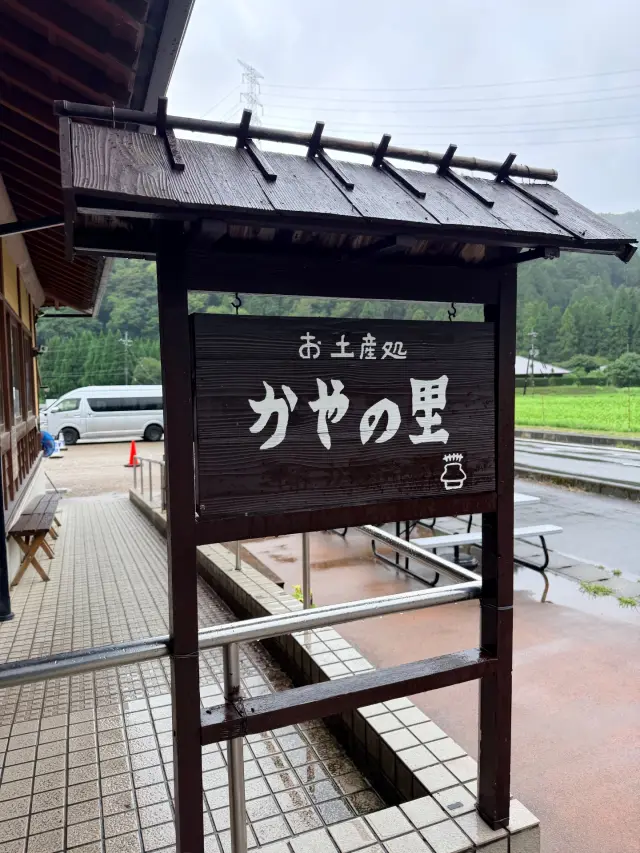
Kaya-no-Sato Souvenir Shop
Located in the scenic thatched-roof village of Kayabuki no Sato in Miyama, Nantan City, Kyoto, Kaya-no-Sato Souvenir Shop is a charming stop that adds a special touch to your journey through this picturesque countryside.
After arriving at Miyama Kayabuki no Sato and walking around, I made a point of stopping by the Kaya-no-Sato Souvenir Shop to look for souvenirs. The shop has quite a few local Miyama specialties and keepsakes, and browsing through them really made it feel like I was traveling.
In the end, I chose a magnet shaped like Miyama to take home. Although it’s just a small souvenir, it feels especially meaningful. Whenever I see it, I’ll remember this visit to Miyama, the rows of beautiful thatched-roof houses, and the quiet, relaxing mountain village scenery around them.
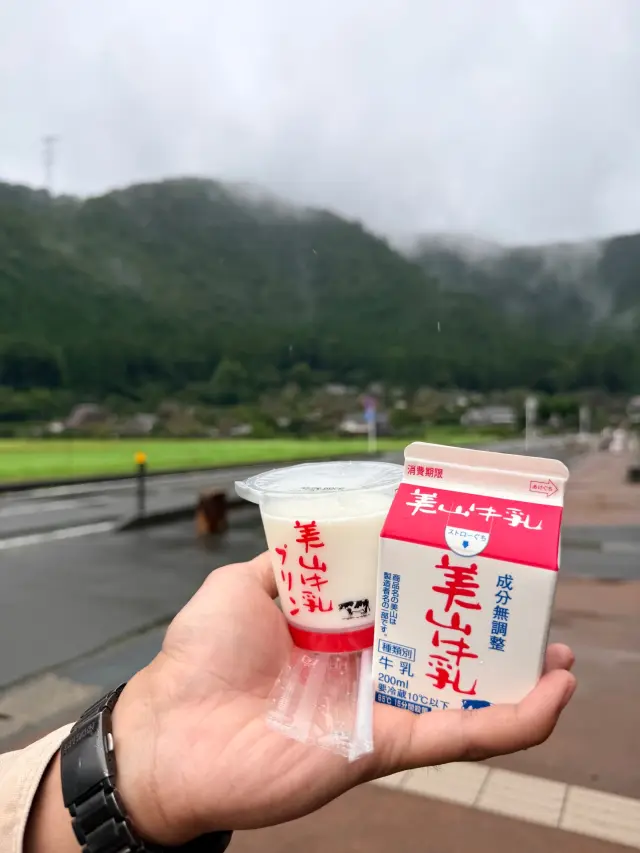
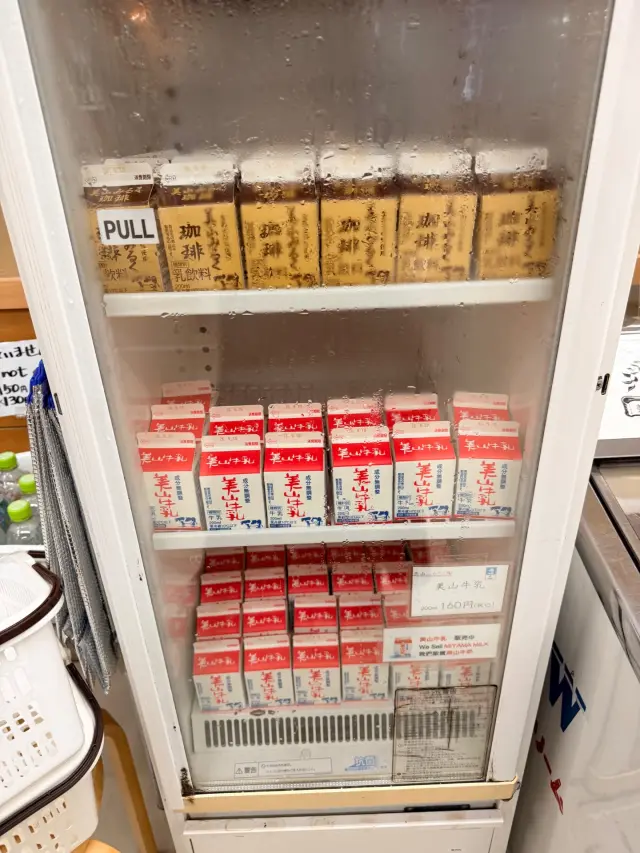
I also bought a bottle of Miyama milk. It was nice and cold, with a natural milky flavor, and having a bottle after walking all around was really refreshing.
When I travel, I like buying small souvenirs. They don’t have to be expensive, but they let me bring home memories of the place.
-
-
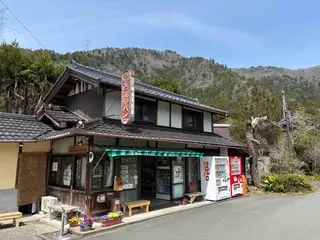
Kayabuki no Sato Noda Shop
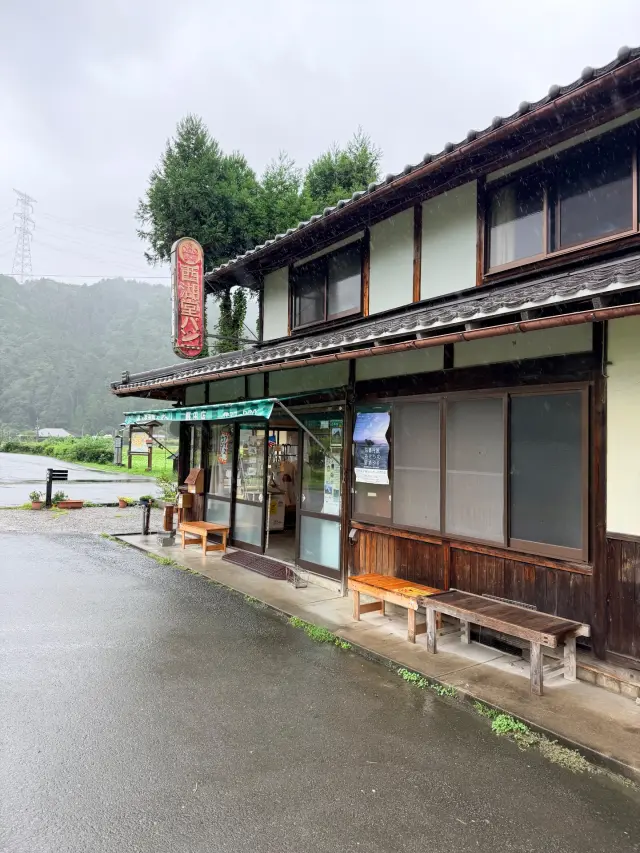
Noda Shop has long supported local residents as a community store. After being closed for many years, it reopened in 2024 as a combination tourist information center and souvenir shop known as Kayabuki no Sato - Noda Shop. With a concept centered around connecting visitors with the local community and preserving Kayabuki no Sato for future generations, the shop actively contributes to maintaining the area’s traditional landscape. Here, you'll find tourist brochures and helpful guidance on exploring the village, making it the perfect first stop on your visit.
While visiting Kayabuki no Sato in Miyama, I came across Noda Shop, a small store with a real local feel. Compared with shops at typical tourist attractions, it has a more down-to-earth, rural atmosphere. Stepping inside also gives you a sense of everyday life in Miyama.
The shop carries some local everyday items and specialty products. There’s no pressure while browsing; it feels more like casually exploring a small village. Stopping by to look around after getting tired from walking was also a very pleasant little moment during the trip.
What I liked most was how well Noda Shop fit in with the surrounding thatched-roof houses. As soon as you step outside, you’re greeted by Miyama’s distinctive traditional village scenery, with forests, fields, and rows of thatched-roof houses all woven together. It really has the feel of the Japanese countryside.
-
-
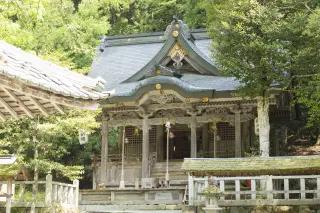
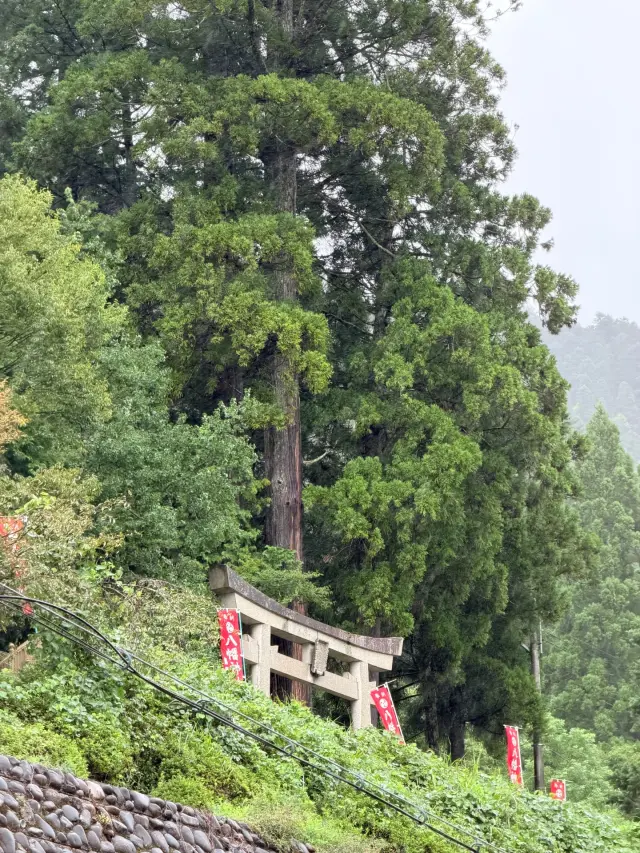
Chii Hachiman Shrine
Founded in 1071 as the main shrine of Chii-no-sho Village, Chii Hachiman Shrine carries a rich history deeply intertwined with local legend and tradition. Originally located at Minami Murakami-no-Miya on the opposite bank of the Yura River, the shrine was relocated to its current site after a landslide and flood swept it away. The existing honden (main hall) was rebuilt in 1767. According to legend, the shrine’s origins date back to 713 AD, when Kōga Saburō Kaneie established the shrine after heroically slaying a mythical eight-headed deer that had appeared in the village.
I joined a one-day tour of Miyama this time, so the schedule was fairly limited. When we arrived at Chii Hachiman Shrine, I only had time for a short walk near the foot of the mountain and couldn’t make it all the way up to the shrine, which was a little disappointing. The surroundings along the way were very quiet and enclosed by forest, with the natural atmosphere unique to the Miyama countryside.
Although I didn’t actually make it to the top, just seeing the shrine and the surrounding scenery near the entrance was enough to feel how different the atmosphere was from shrines in the city. It was less crowded and noisy than a tourist attraction, and more simple and peaceful.
My biggest regret was that there really wasn’t enough time. If I had planned an independent trip, I could probably have walked and taken in the scenery at a leisurely pace without constantly checking the meeting time.
So for now, I’ll keep Chii Hachiman Shrine in mind and save this small regret for next time. When I return to Miyama, I hope to allow plenty of time and walk all the way up to see the entire shrine for myself!
-