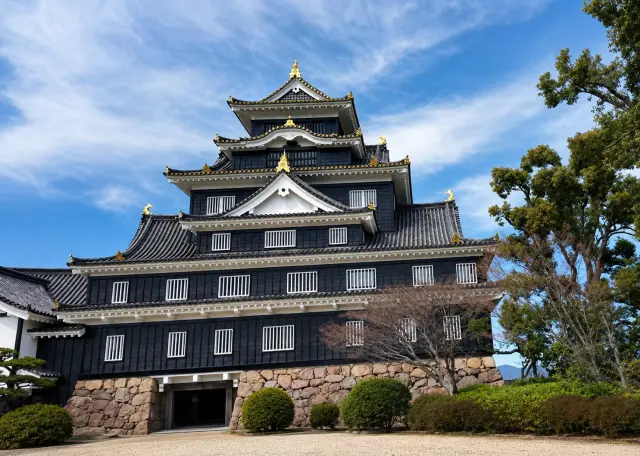
Okayama Castle is one of Japan's 100 Famous Castles. Its distinctive black exterior has earned it the nickname “Crow Castle.” I highly recommend adding it to your itinerary when visiting Okayama. Take the streetcar to Shiroshita Station, then walk a short distance to the castle. I recommend buying the Okayama Castle and Korakuen Garden combination ticket, which costs just JPY 800. There is an elevator inside the castle tower, so you can take it to the upper floors first and then make your way down. The second floor has a drink shop, a samurai sword experience, and other facilities. The first floor has the ticket counter and a souvenir shop, and you can also collect a commemorative stamp nearby. Overall, it's very easy to explore.
Okayama Castle | Review by 王小鈞
Other Reviews by 王小鈞
-
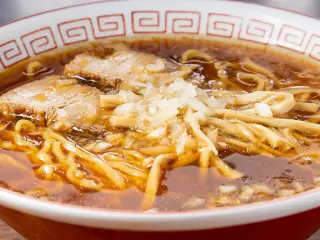
Ramen Tenichi
Ramen Tenichi is a ramen shop in Ichihara City, Chiba Prefecture. It serves Takeoka-style ramen, a local ramen variety that originated in the Uchibo area. With its community-focused approach, it is a popular spot that enjoys overwhelming support from local ramen lovers.
When in Chiba, of course you have to find an authentic bowl of Takeoka-style ramen! This place, Ramen Tenichi, was recommended by locals. You hardly see any foreign tourists inside, which makes it feel even more like you're blending into everyday local life.
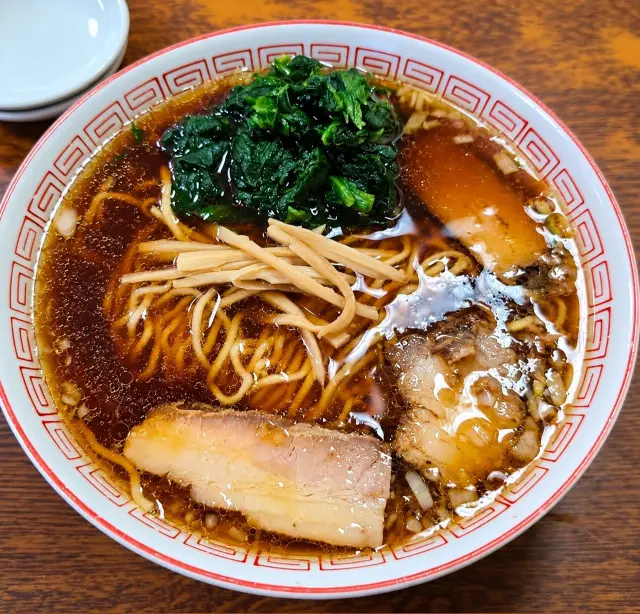
I ordered the spinach chashu ramen. The dark brown soy sauce broth looked rich and had a strong aroma, with plenty of umami in every sip. It went down very smoothly with the thin, flat noodles.
What surprised me most was the chashu. The slices of pork were braised until extremely tender and practically melted in my mouth. The mix of lean and fatty meat was incredibly flavorful! Together with the spinach, the whole bowl had even more layers of flavor.
-
-
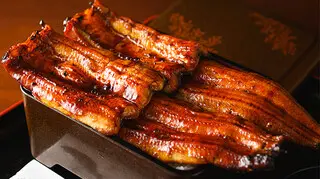
Unagi no Nedoko - Chiba
Unagi no Nedoko - Chiba is an eel specialty restaurant located about an eight-minute walk from JR Chiba Station. The restaurant is dedicated to high-quality, domestically sourced eel, carefully grilled over binchotan charcoal. Since opening in 2023, it has attracted not only locals but also food lovers from outside the prefecture.
Near Chiba Station, I found this eel restaurant that comes highly recommended by locals. It's about a 10-minute walk from Chiba Station, a tucked-away eel izakaya hidden along the city streets.
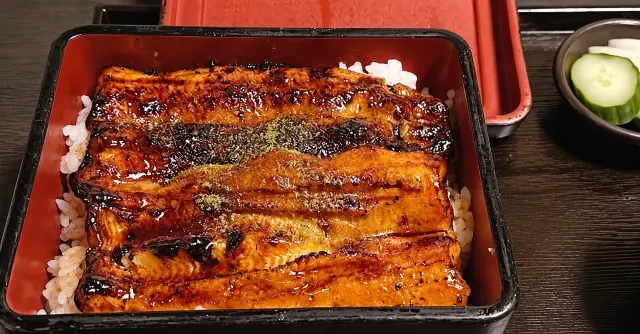
For lunch, I ordered an unagi rice bowl for 2,700 JPY. The domestically sourced eel, grilled over charcoal, was very aromatic, with lightly charred skin. Eaten together with the fluffy white rice, the savory flavor of the eel blended with the sauce and really kept me going back for bite after bite. Recommended.
-
-
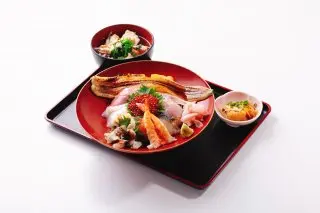
Banya Main shop
The restaurant is situated inside the fishing port in the Chiba Uchibo area of the Boso Peninsula, facing the Uraga Channel in Tokyo Bay. As the local fisherman’s union manages this restaurant, the quality of seafood is guaranteed. At the entrance, the fish caught in that morning swim in a giant tank in the same environment as the ocean.
When you're in Chiba, you have to eat seafood! This time I came to Banya Main Shop, and after trying it, I couldn't help but say, “Wow—I haven't had seafood this delicious in such a long time!”
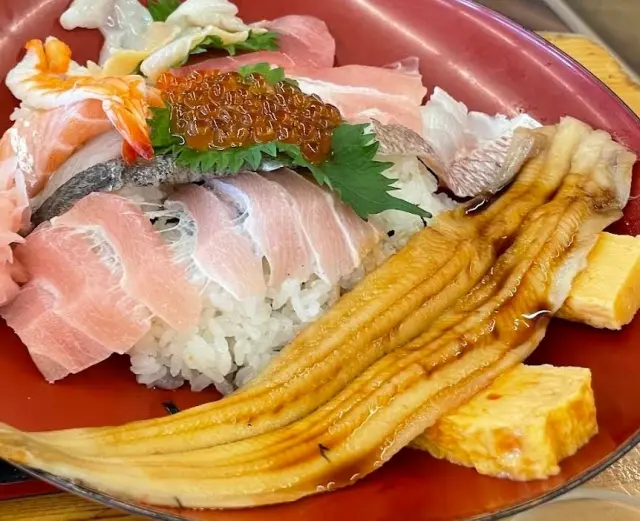
The seasonal fish was freshly caught, the ingredients were fresh, and the portions were generous. Most importantly, the prices were reasonable and the meal was very satisfying. You could taste the seafood's fresh sweetness in every bite. It didn't disappoint at all.
As expected, it was busier around mealtime and there were quite a few people, but fortunately, we only waited about 10 minutes for a table. It was well worth the wait. This meal was super satisfying!
-