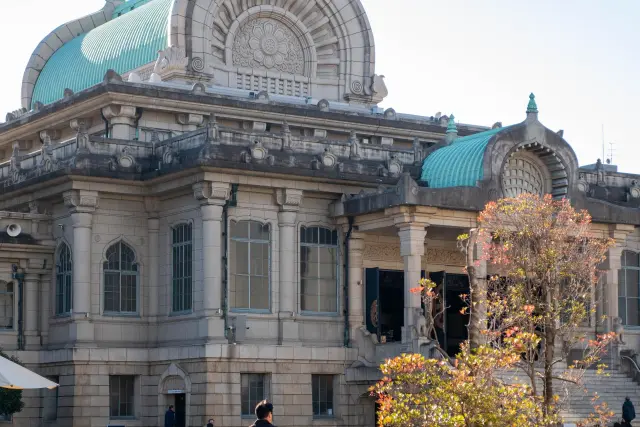
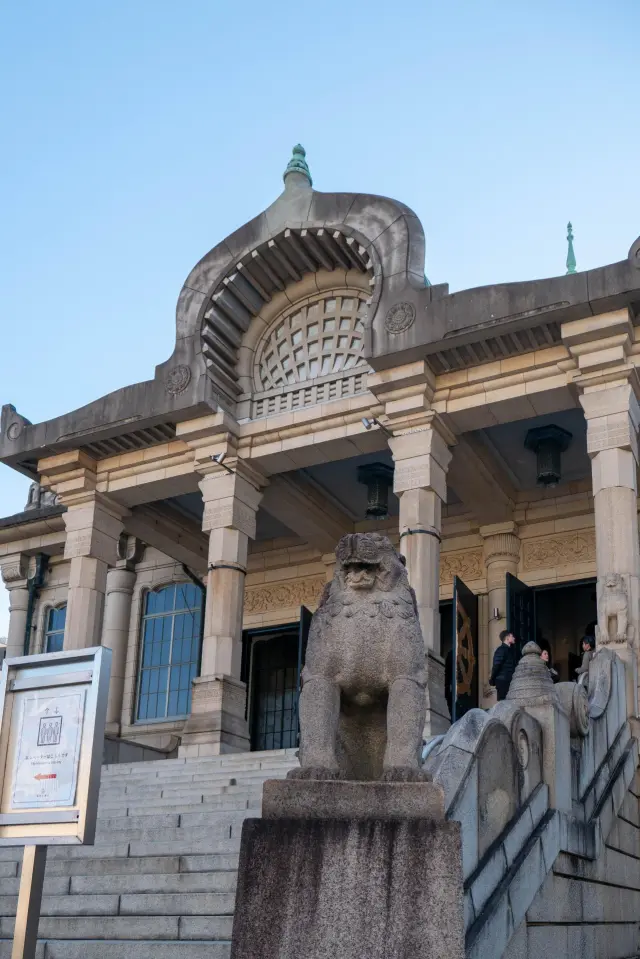
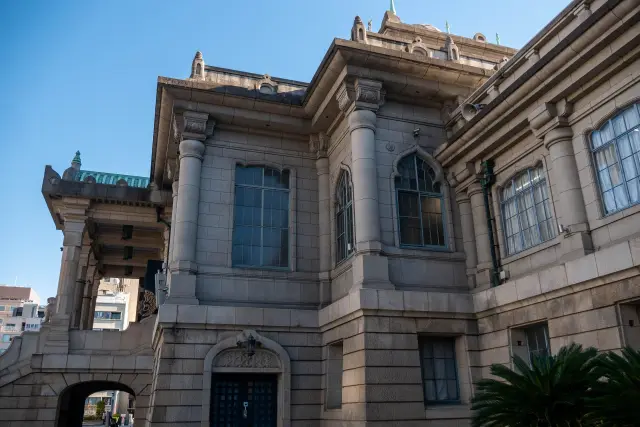
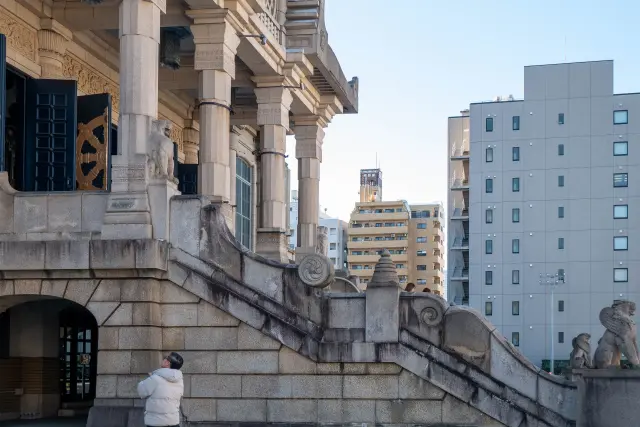
Tsukiji Hongwanji Temple was originally just a place I planned to stop by on my way to Tsukiji Market, but after seeing it in person, its architecture ended up leaving a deep impression on me. The current main hall was designed by architectural historian Chuta Ito, and its exterior has a strong Indian and South Asian Buddhist architectural style. The dome, stonework, and overall silhouette are completely different from what you would normally picture as a Japanese temple.
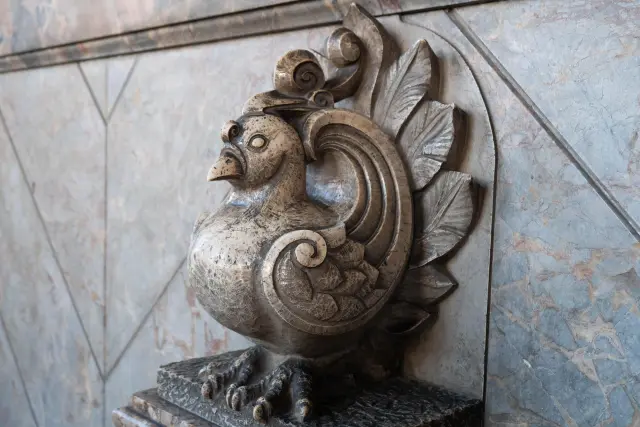
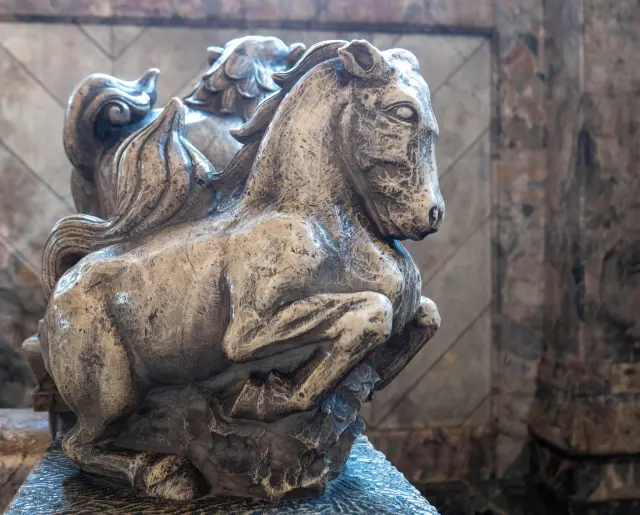
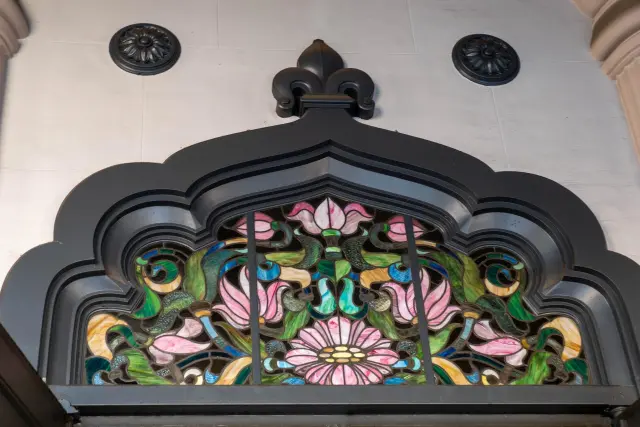
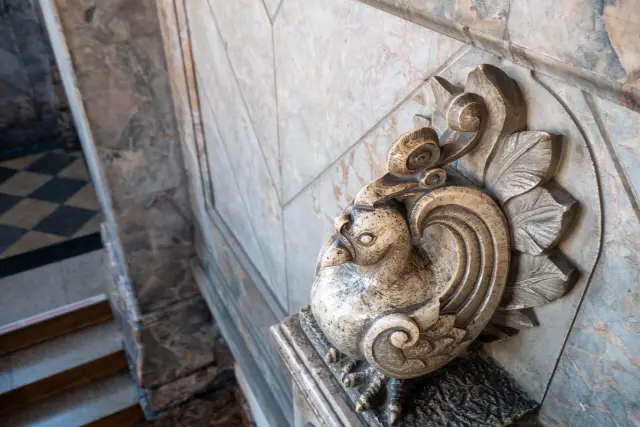
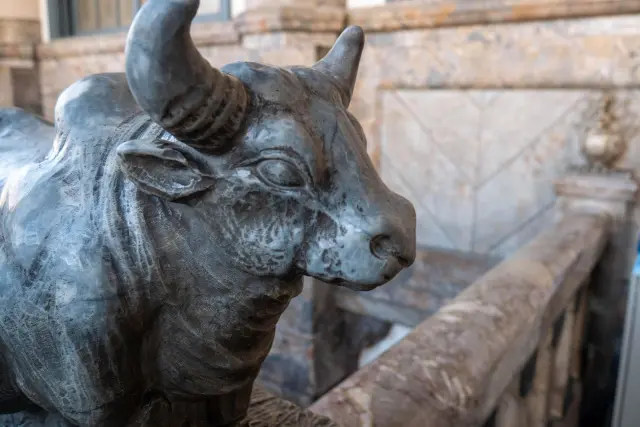
But what is really interesting is that when you get closer, you notice that it still retains much of the refinement distinctive to Japanese architecture. The animal carvings, decorative details, stained glass, and interior furnishings do not simply copy an Indian style. They incorporate a lot of Japanese aesthetics and craftsmanship, so the building looks very foreign overall, yet very Japanese when viewed closely. This kind of blend is truly uncommon among Japanese temples.
There is also a large pipe organ inside the main hall, which is quite unusual in a Buddhist temple. Unfortunately, photography is prohibited in the worship area. Otherwise, the contrast between the interior and exterior would be even more striking, since the inside of the main hall looks much like many other Hongwanji temples.
The Tsumugi cafe next to Tsukiji Hongwanji Temple is also well known, and its signature offering is the “18-Dish Breakfast,” which lets you try a variety of small Japanese dishes at once. I did not pay much attention to the breakfast hours this time, which was a bit of a shame. If you are planning to continue on to Tsukiji Market for food afterward, I would recommend watching how much you eat, or you may end up full before you even explore the market.