Roppongi Hills | Review by Norton Liang

Norton Liang’s Profile Page
  • See More

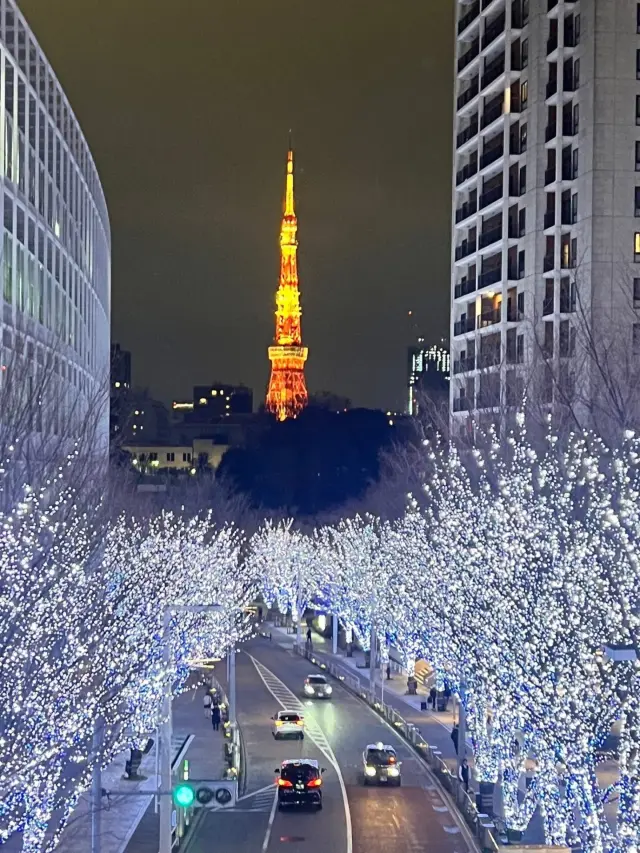
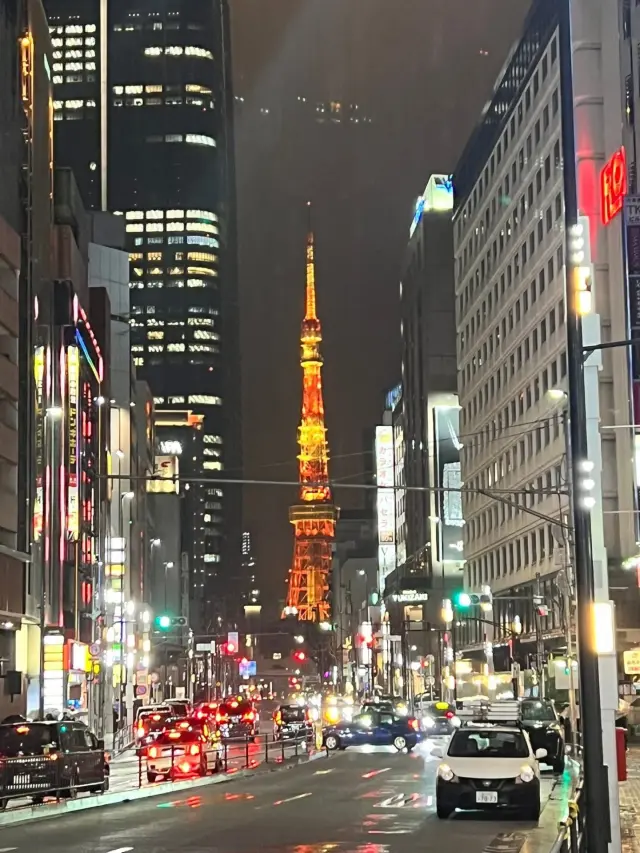
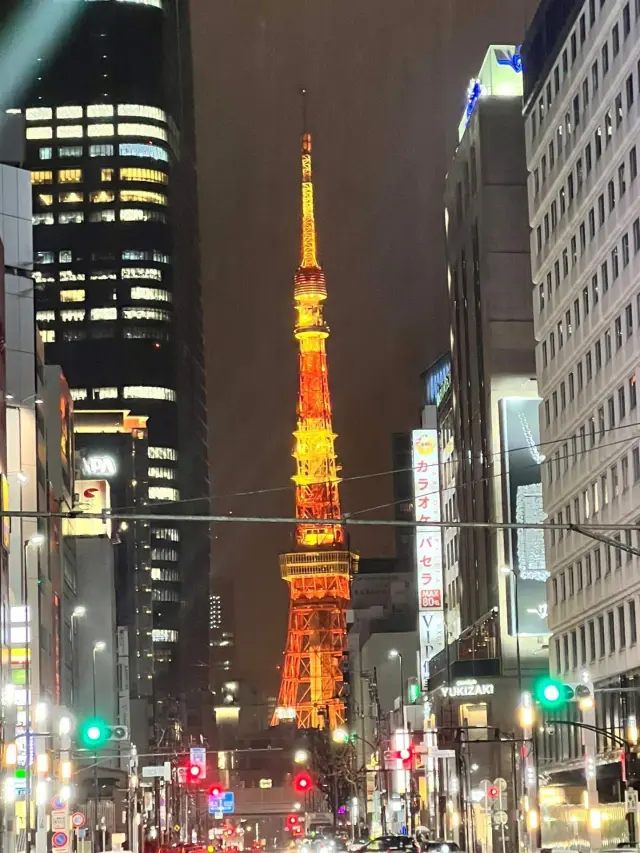
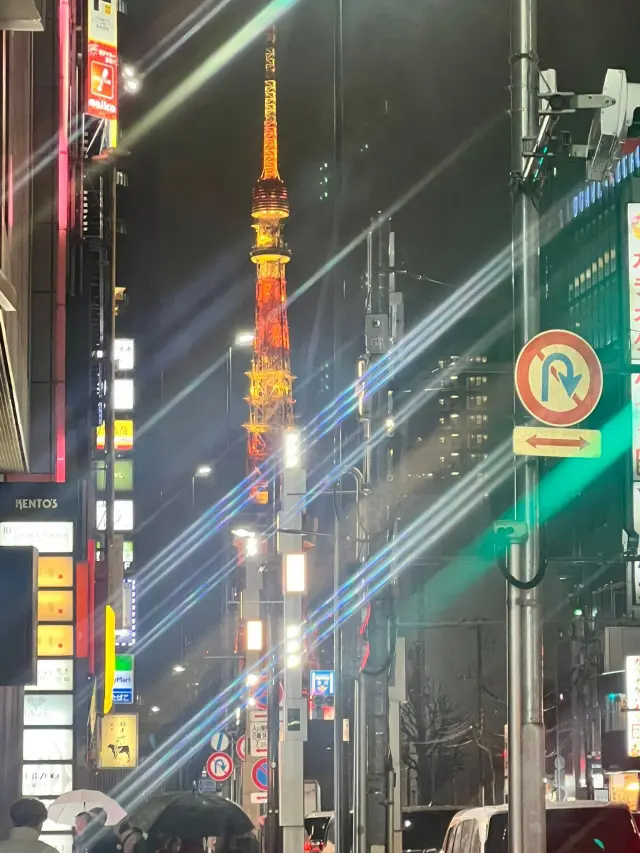
    Roppongi's winter illuminations are one of Tokyo's most iconic Christmas attractions, mainly divided into two areas: Roppongi Hills and Tokyo Midtown.
    1. Roppongi Hills
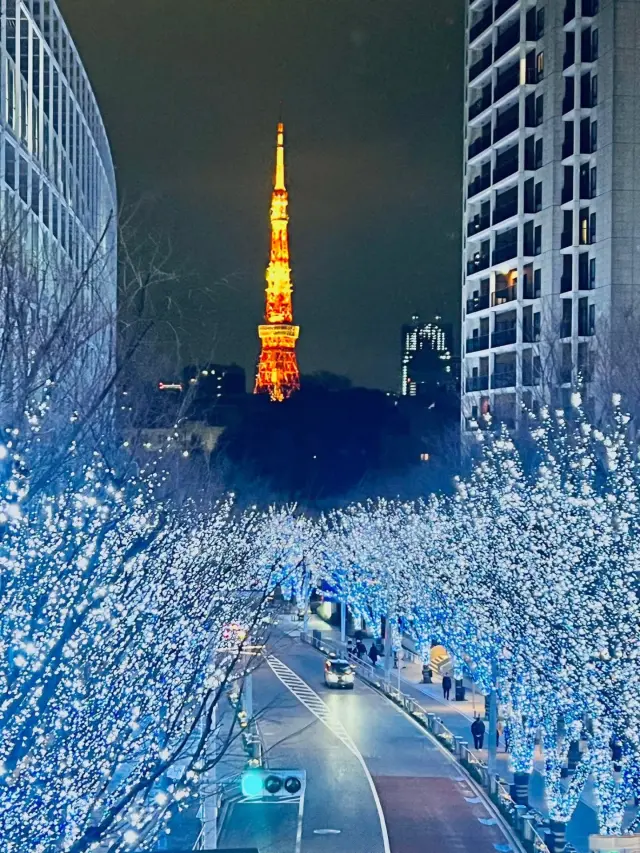
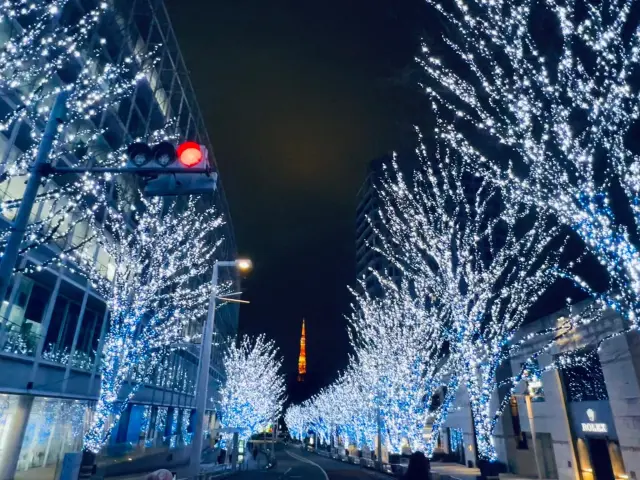
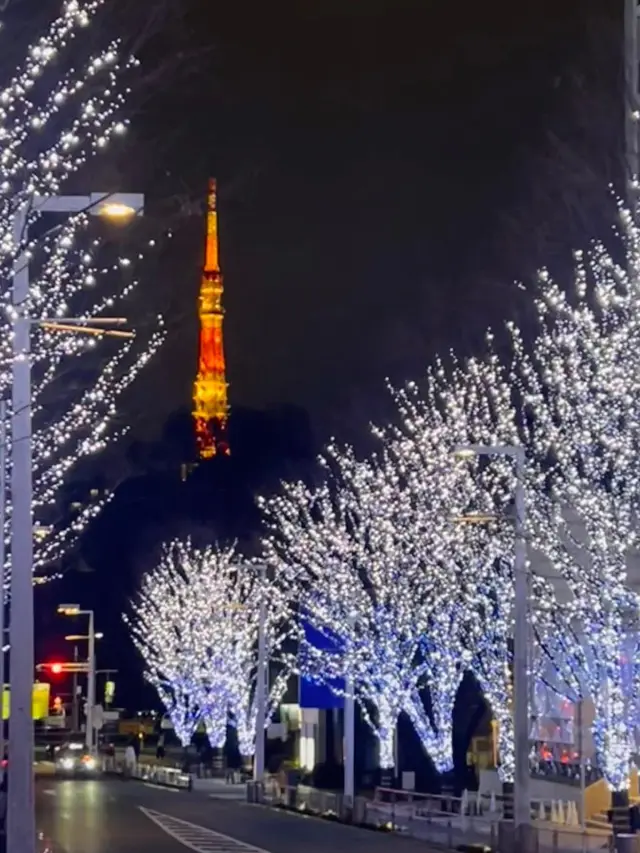
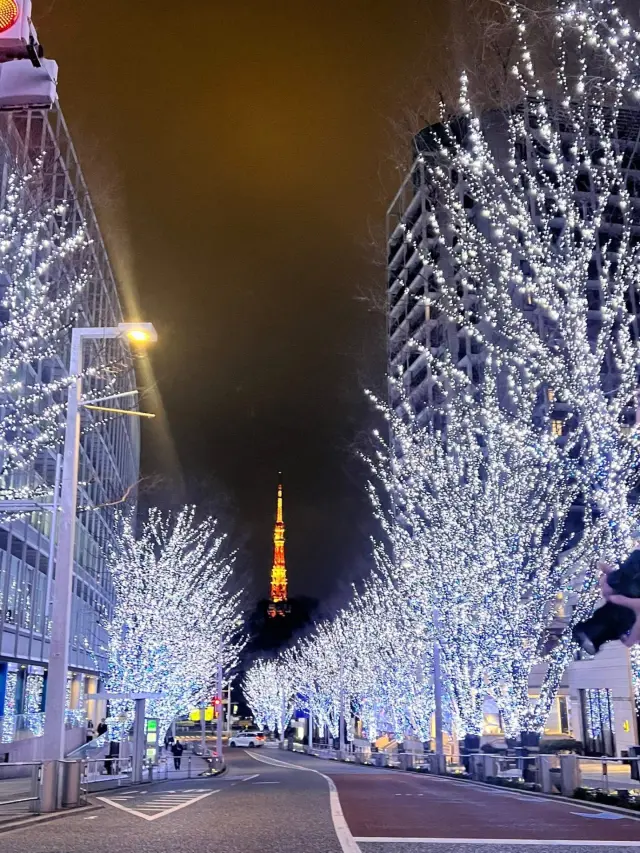
    Keyakizaka: The classic “Snow & Blue” display features a 400-meter-long sea of silver-white and blue lights.
    Best photo spot: The pedestrian bridge over Keyakizaka Street, where you can capture both the tunnel of blue lights and Tokyo Tower in the center.
    Dates and hours: Early November through December 25 each year, 5:00 p.m.-11:00 p.m.
    Christmas market: Held at O-YANE PLAZA at Mori Tower, this is Tokyo's oldest German-style Christmas market, selling hot mulled wine and Christmas decorations.

    2. Tokyo Midtown
    Walkway of Lights: Around 320,000 gold LED lights create a romantic golden corridor. Illuminations in some areas continue through the end of February the following year.
    Outdoor ice rink: Usually open in the garden area during the illumination event, it is one of Tokyo's largest outdoor ice-skating rinks.
    Dates and hours: Mid-November through December 25 each year, 5:00 p.m.-11:00 p.m.

Other Reviews by Norton Liang

  • Meiji Jingu Gaien (Outer Garden)

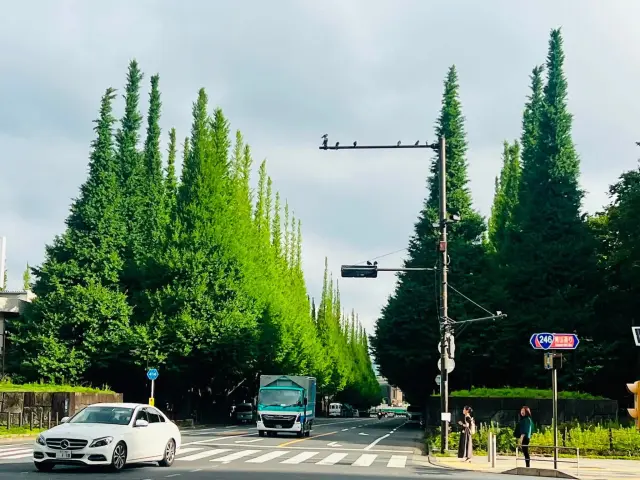
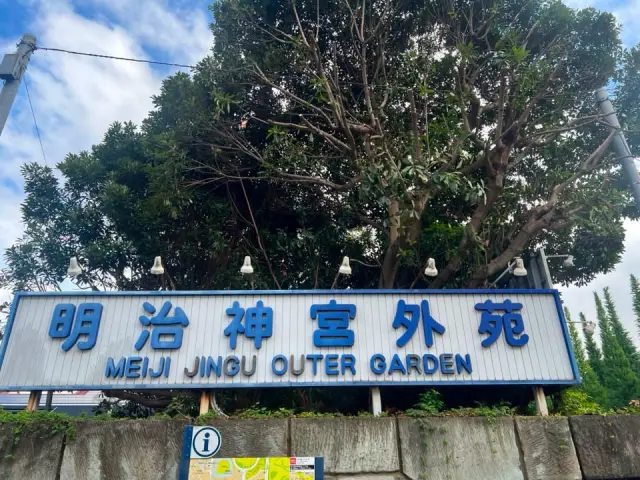
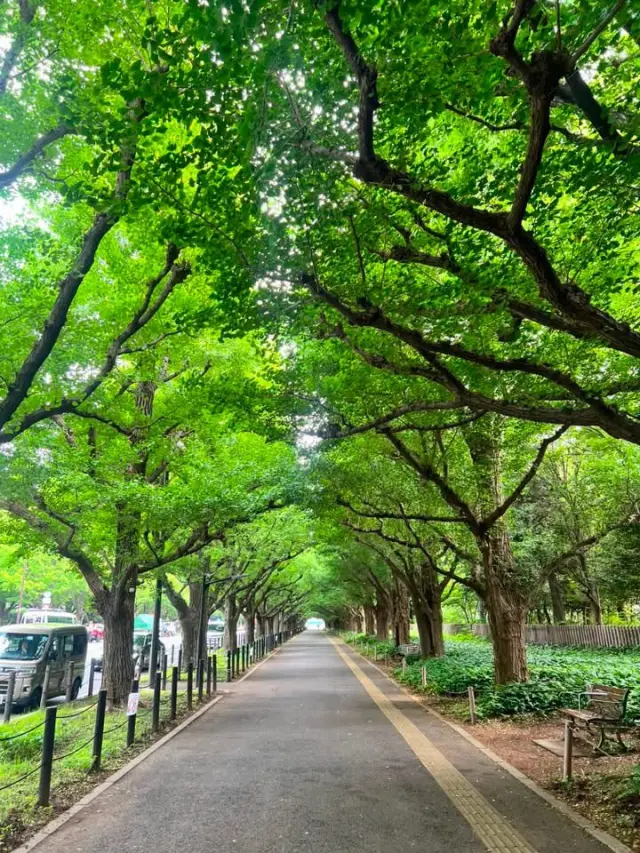
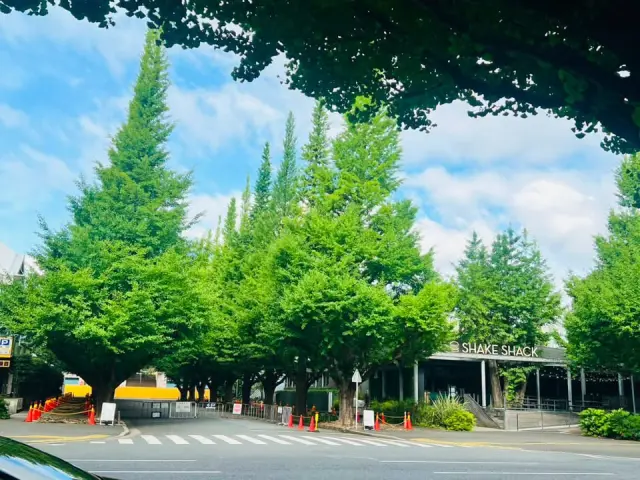
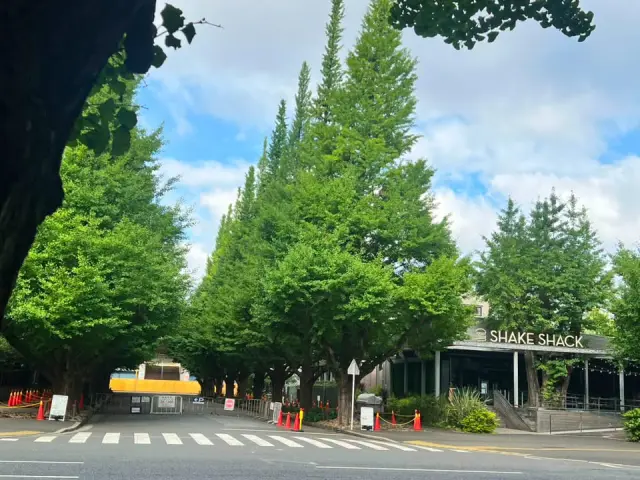
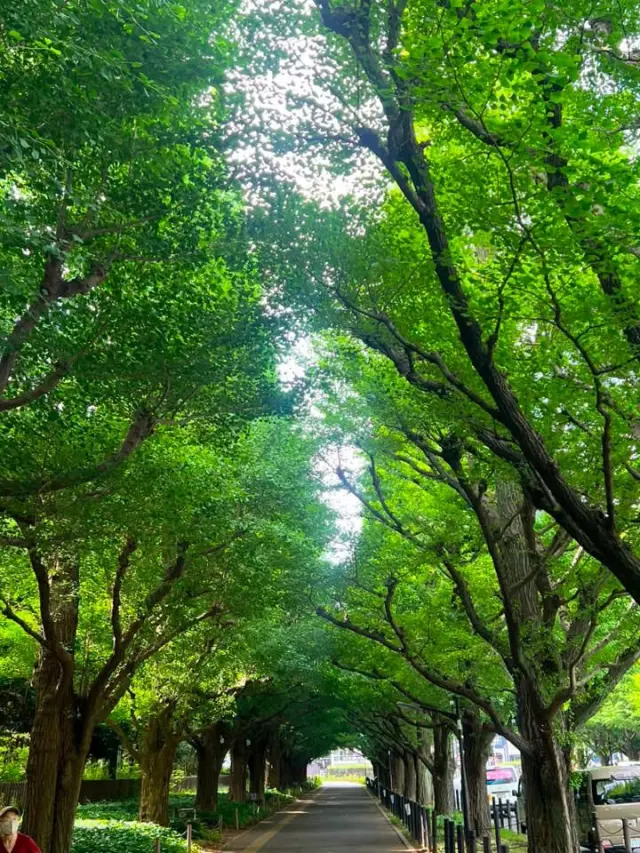
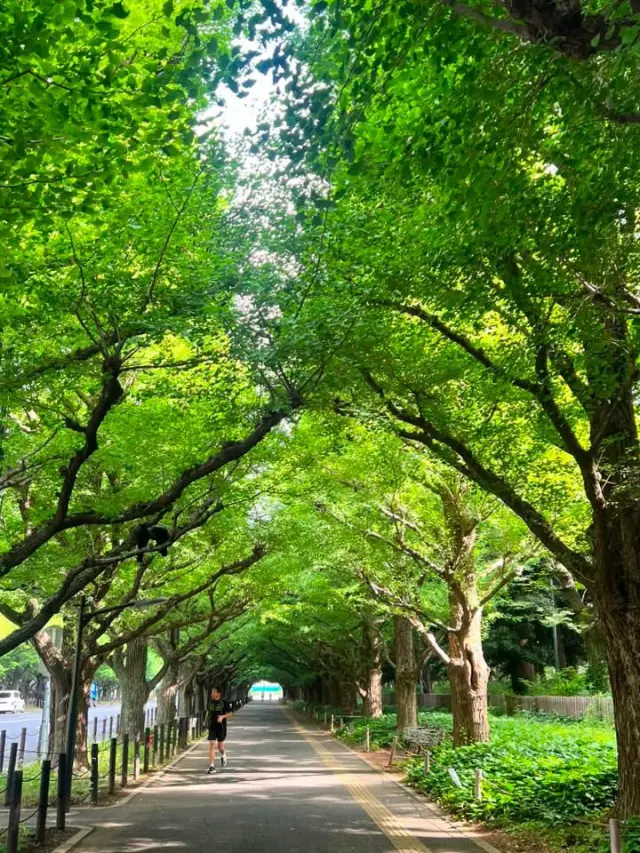
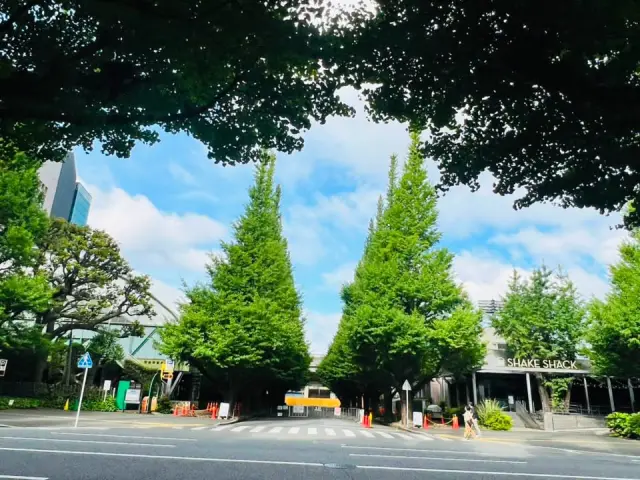
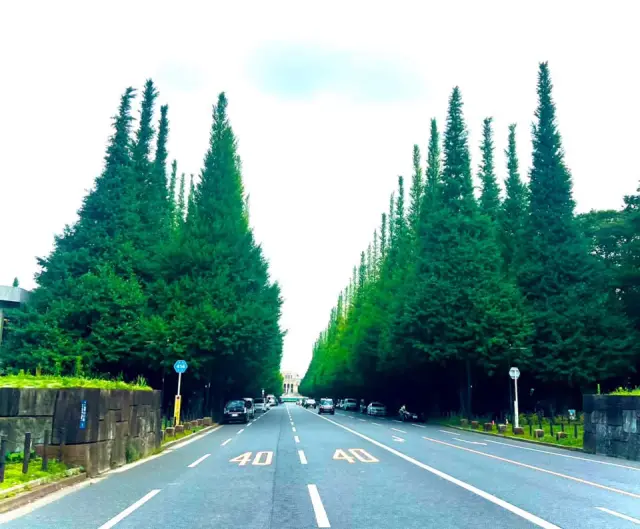
    Meiji Jingu Gaien, the outer park of Meiji Shrine, was established in 1926. It features the Meiji Memorial Picture Gallery and various sports facilities, such as the Meiji Jingu Stadium, where you can enjoy nature throughout the four seasons.

    • Aoyama, Omotesando, Harajuku
    • Parks & Gardens
    See More

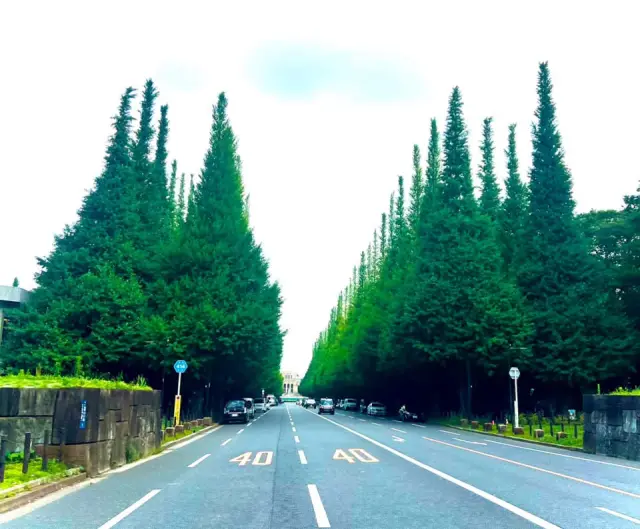
    在非銀杏季來到外苑
    已經被長達390公尺的兩排綠色銀杏森林大樹🌳震撼
    驚艷
    一定要再找銀杏滿開的秋天🍂再來感受一趟
    震撼人心的美景

  • Otaru Triangle Market

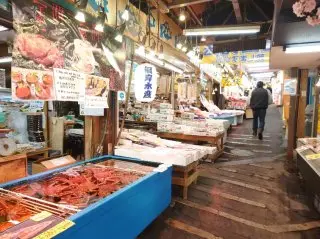
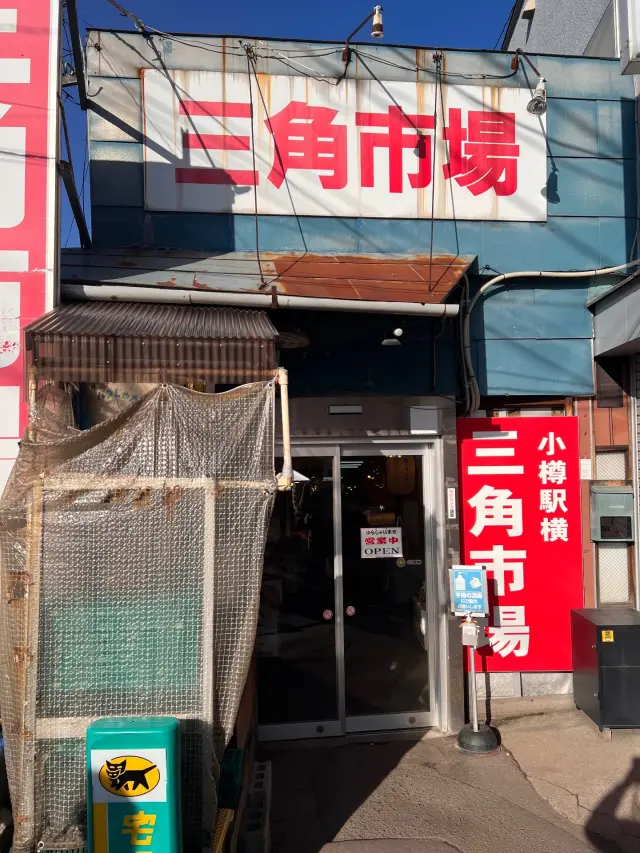
    The Otaru Triangle Market, nestled between JR Otaru Station and National Route 5, is a small yet historic marketplace with origins dating back to the 1940s. It began with a few street vendors and developed as a morning market, accumulating over 60 years of history. Just a minute's walk from Otaru Station, the market is conveniently accessible and, except for New Year's Day, is open almost daily. Its reputation for affordable prices attracts a steady flow of both locals and tourists from Japan and abroad. The market's name derives from its triangular-shaped plot and roof.

    • Otaru and Niseko
    • Shopping Streets
    See More

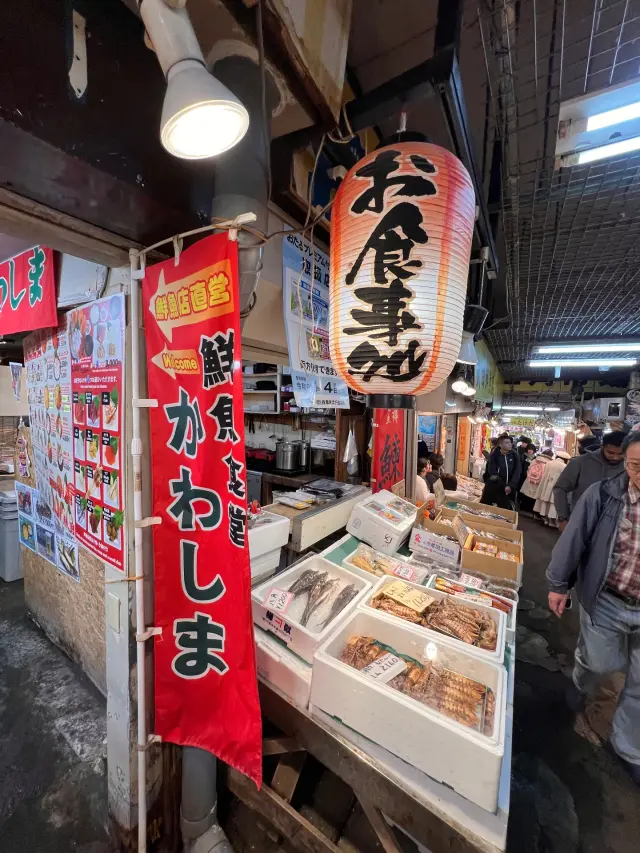
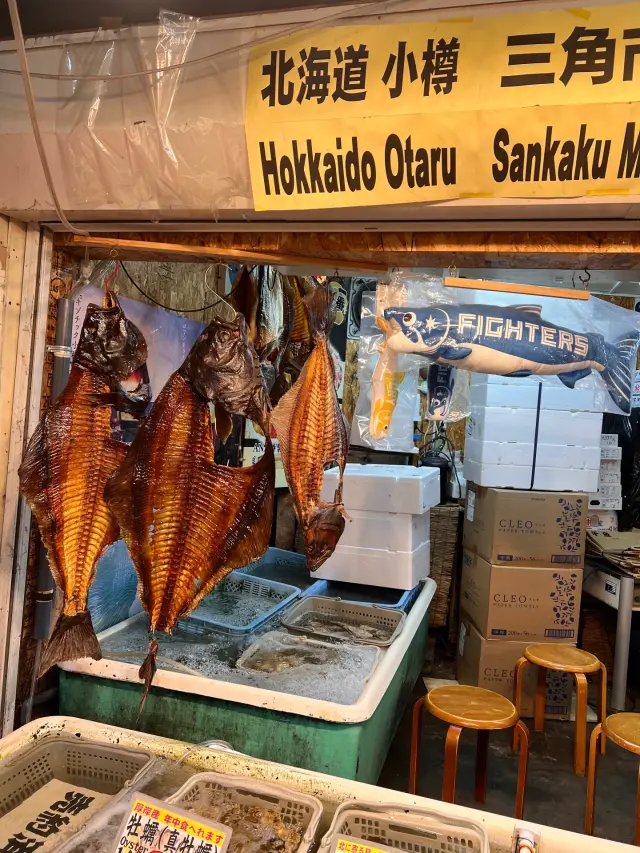
    #小樽三角市場 is next to Otaru Station in Otaru, Hokkaido. Named for the triangular shape of the site and building, it’s one of the area’s best-known traditional morning markets and a popular spot for seafood. The narrow, slightly sloped aisle is lined with fish shops, produce stalls, dried goods vendors, and seafood restaurants. It’s bustling from early in the morning.
    * Location and access: Right next to Otaru Station (#JR小樽站). Turn left when you exit the station and go up a short flight of stairs to reach the entrance. It’s a very convenient 1–2-minute walk.
    * Hours and what to expect: The market is generally open from early morning until late afternoon. Most shops open around 6:00 or 7:00 a.m. and close around 5:00 p.m., though hours vary by vendor and season. It’s a good stop for breakfast or brunch.
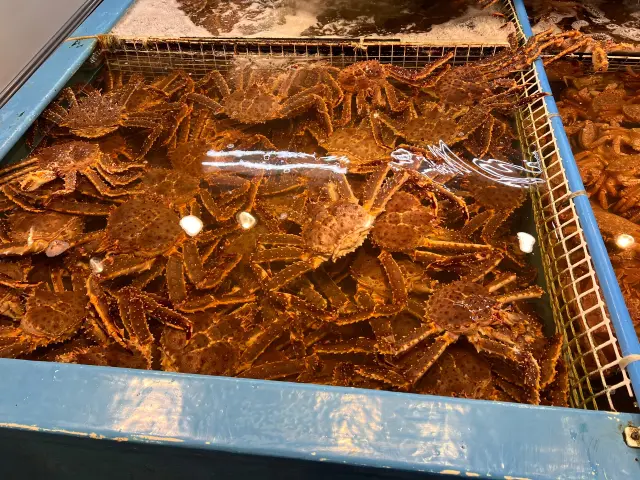
    * Local produce, seafood, and souvenirs: Besides live crabs, sea urchin, scallops, and overnight-dried fish, you’ll also find Hokkaido potatoes, cantaloupes, and local snacks.
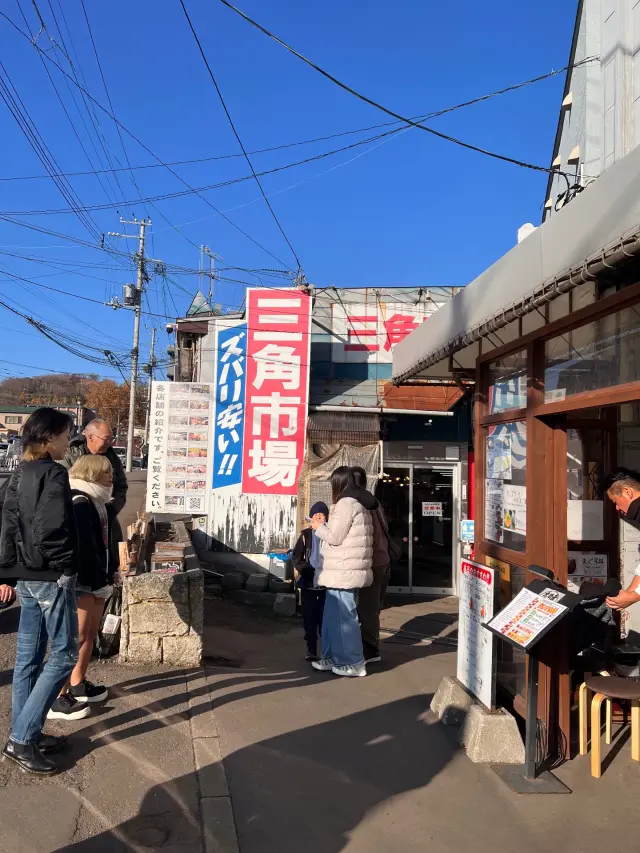
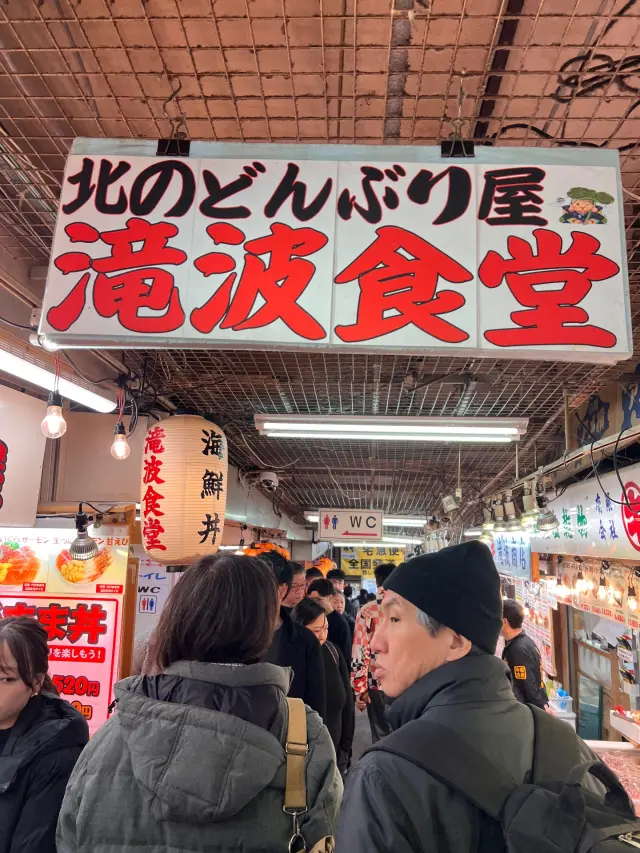
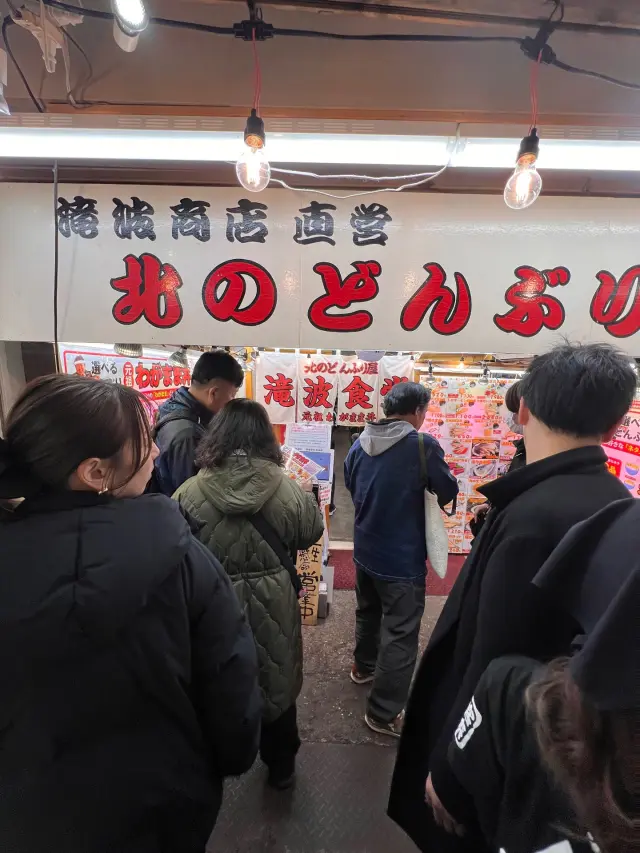
    Takinami Donburi Restaurant - Donburi of Otaru North (北のどんぶり屋 滝波食堂) is a very popular seafood restaurant in the market and often draws a line.
    * Signature dishes: The restaurant specializes in seafood rice bowls and set meals. You can pick one of the house combinations or choose your own toppings, such as sea urchin, salmon roe, crabmeat, and scallops. It also serves sashimi, grilled dishes, and crab dishes.
    * Dining experience: The restaurant is small and lively, and you may have to wait at mealtimes. Visitors are generally impressed by how fresh and sweet the seafood is and by the flexibility to choose their own toppings.
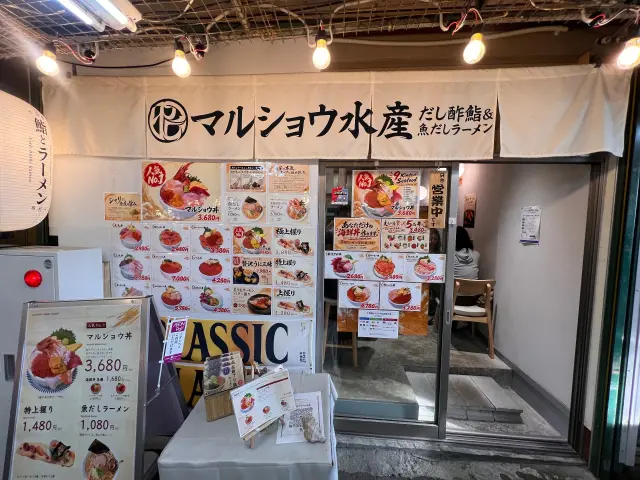
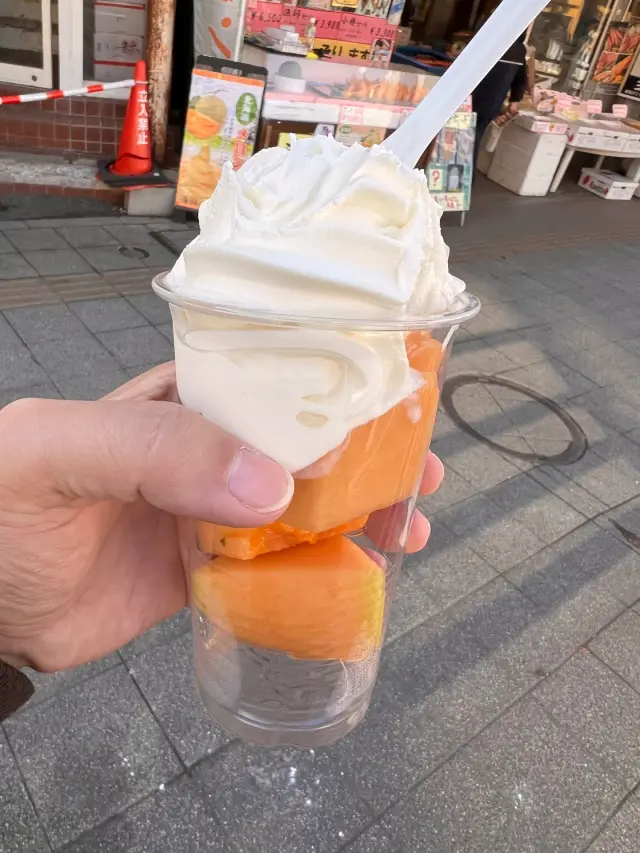
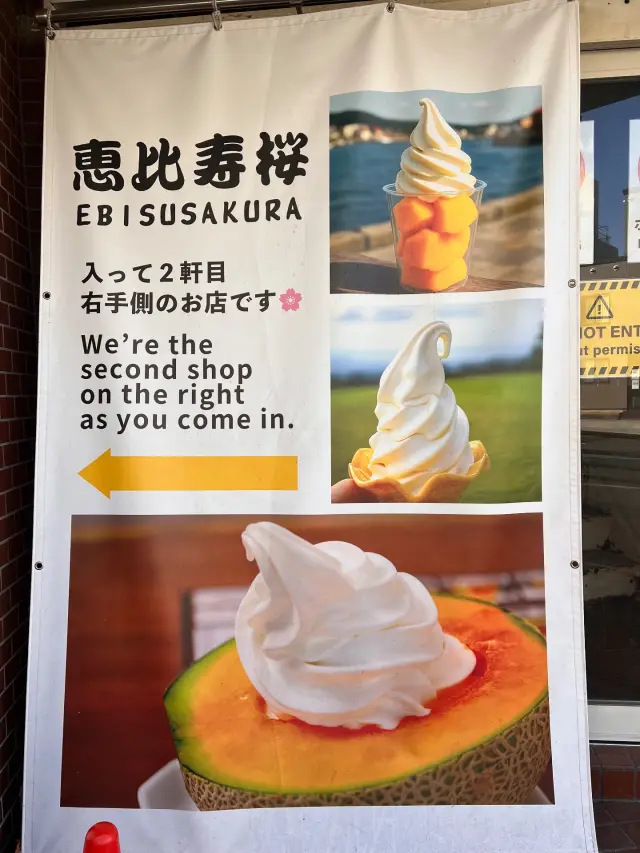
    Ebisu Sakura (恵比寿桜) is another Triangle Market spot that gets quite a bit of attention from international visitors. You can see the storefront and posters for its featured dishes in the photos you provided.
    * Menu highlights: Besides seafood rice bowls and live crab dishes, the posters outside show desserts such as cantaloupe with soft serve, giving you a dessert option after your meal at the market.
    * Tips for visiting and ordering: The aisle is narrow and crowded, and the floor can be slippery in winter or early in the morning, so watch your step. Opening times and when dishes sell out can vary a bit from one restaurant to another, so it’s best to go early.

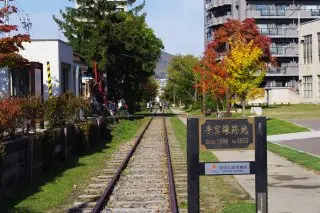
  • Former Japan National Railways Temiya Line

    Part of the first railway in Hokkaido, the "Government-Operated Horonai Railway," was laid to transport coal mined from the Horonai coal mine in the current Mikasa City to the port city of Otaru. It was in operation from its opening in 1880 until its closure in 1985.

    • Otaru and Niseko
    • Tourist Attractions
    See More

    I also highly recommend this
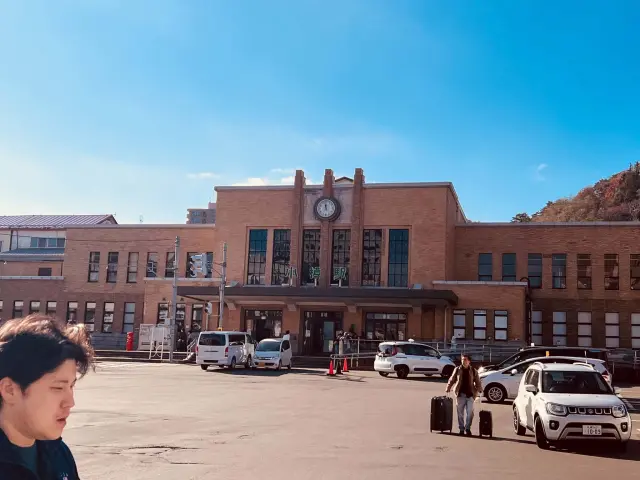
    #小樽站 was built in 1903, and the current, third-generation station building was completed in 1934 (Showa 9). It’s one of the oldest reinforced concrete train stations in Hokkaido (#北海道最古老的鋼筋混凝土車站之一), and the entire station is listed as one of Japan’s nationally registered tangible cultural properties (#國家登錄有形文化財).

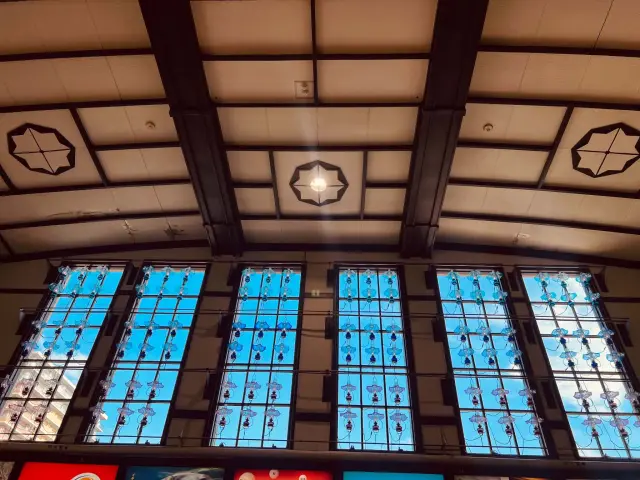
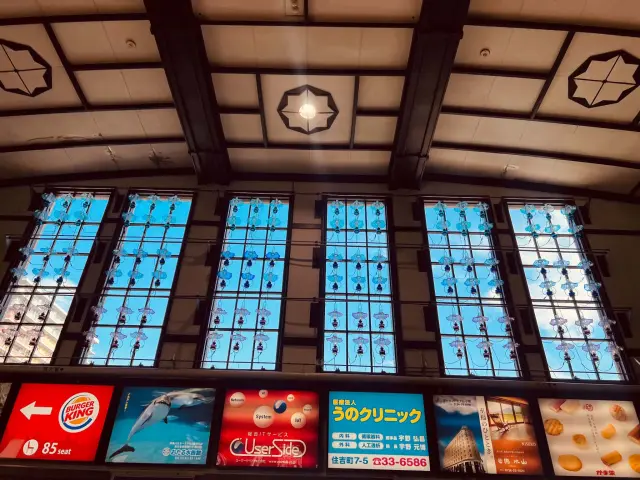
    💡1. The station lobby and its high windows with 333 kerosene lamps
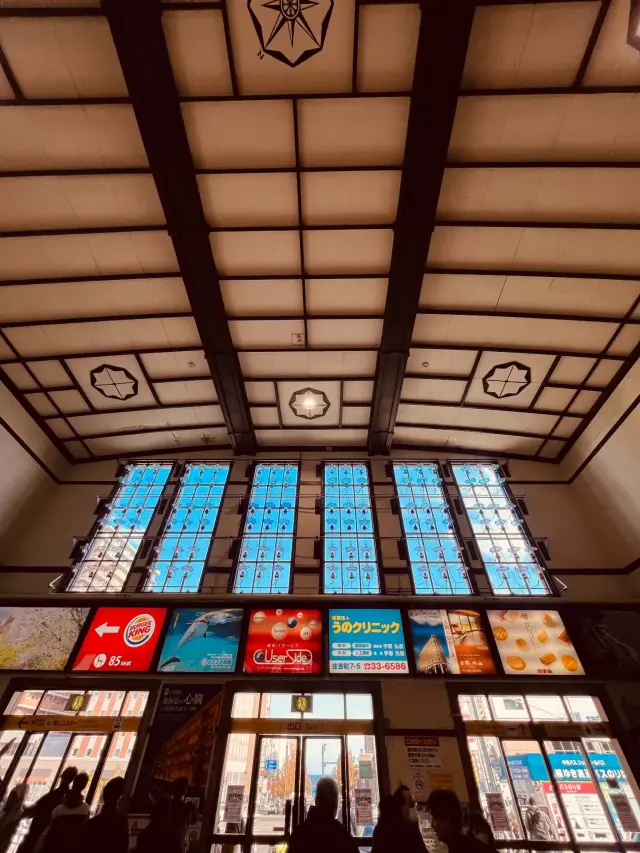
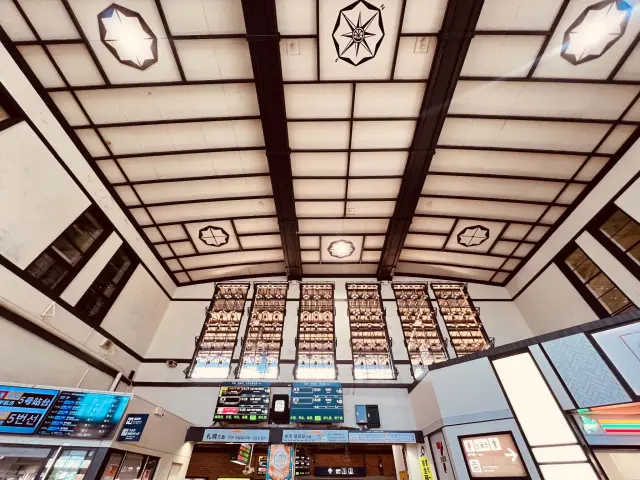
    * A symbol of a city known for its glasswork: Otaru is famous for its glasswork, and as many as 333 kerosene lamps made by Kitaichi Glass (#北一硝子) hang in neat rows across the six large windows high up in the lobby. They were donated by local residents and businesses and installed in 1987, when Japanese National Railways was privatized.

    * The interplay of light and shadow: Like you said, when sunlight streams through the high windows, the clear and slightly blue-tinted glass shades sparkle against the blue sky. The way the light refracts through them really does look like the mosaic stained glass in a church. Then at dusk, when the lamps come on, the whole lobby takes on a warm, nostalgic orange-yellow glow.

    * High grid-patterned ceiling: The lobby has a dark wood lattice ceiling, with symmetrical octagonal light fixtures and a compass motif in the center that nods to Otaru’s history as an important port in Hokkaido.

    💡2. Retro details on the platforms (Platforms 4 and 5 / Yujiro Platform)
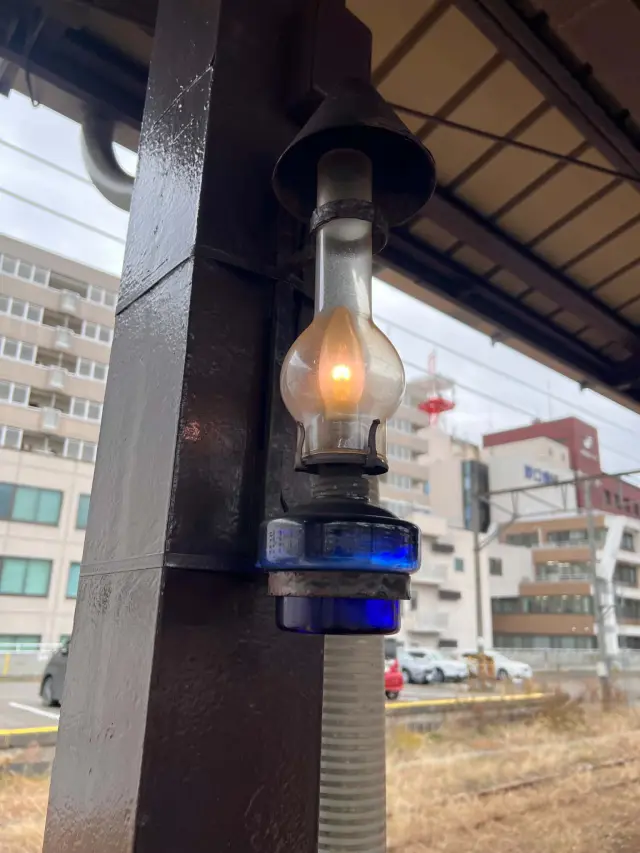
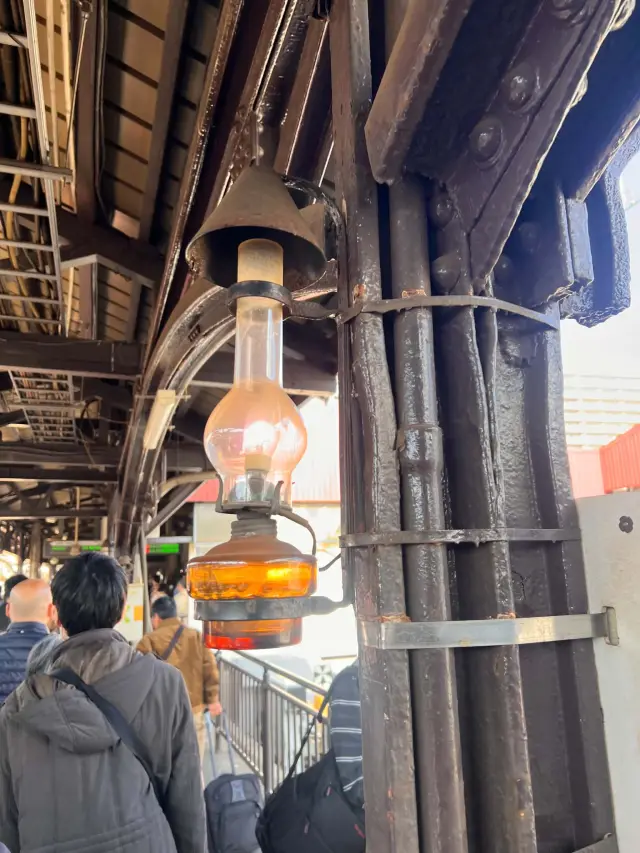
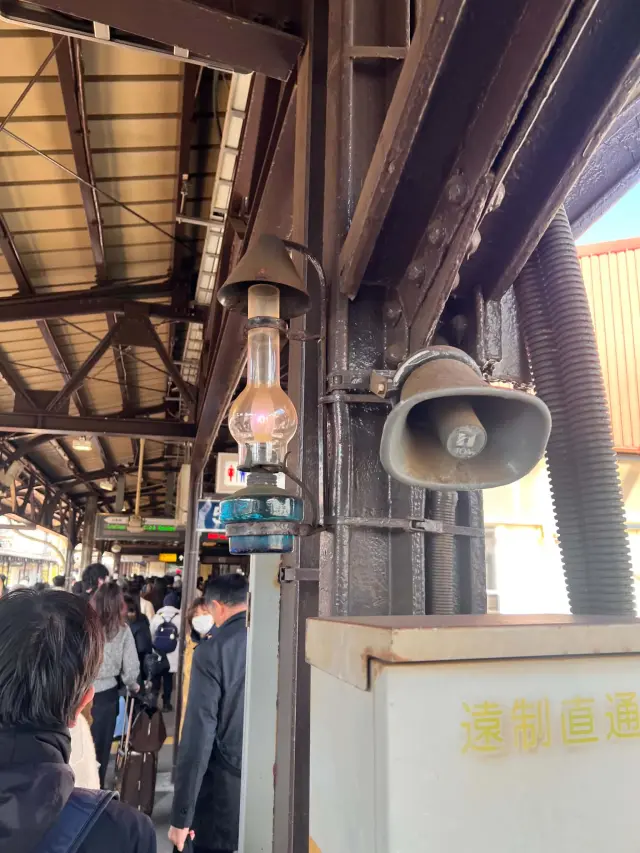
    * Kerosene lamps with two colors of glass: Lit kerosene lamps still hang from the cast-iron columns on the platforms (they now use electric bulbs to mimic candlelight). Their glass bases come in amber and deep blue, and they give off a soft glow beside the timeworn ironwork. It’s a favorite spot for travelers to take photos.

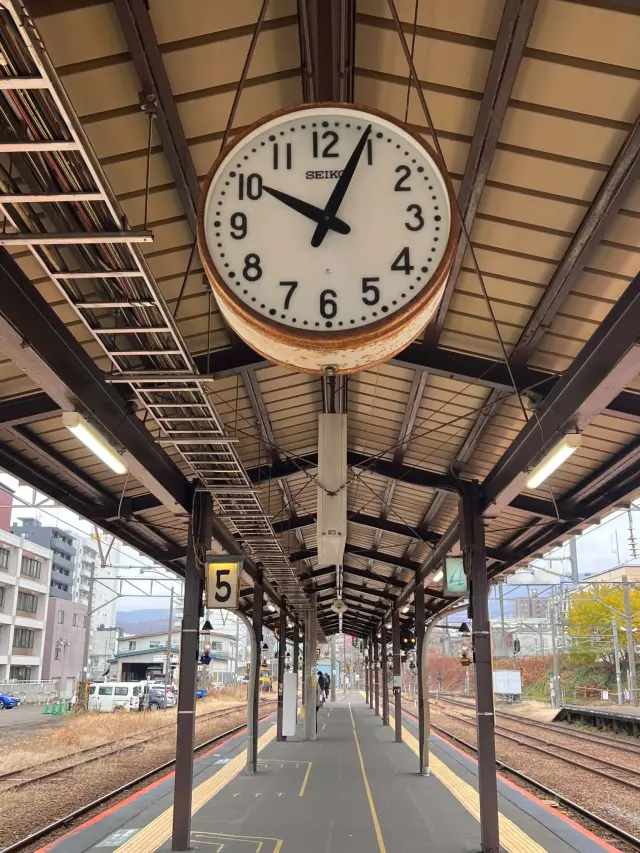
    * Rusty SEIKO clock: The round, double-sided clock hanging under the platform canopy has a naturally rusted, weathered casing. Together with the old canopy supports overhead, made from bent, repurposed rails, it makes you feel like you’ve stepped straight into a Showa-era movie.

    * Yujiro Platform: Platform 4 at Otaru Station is also known as Yujiro Platform, named in honor of Showa-era superstar Yujiro Ishihara, who spent his childhood in Otaru.

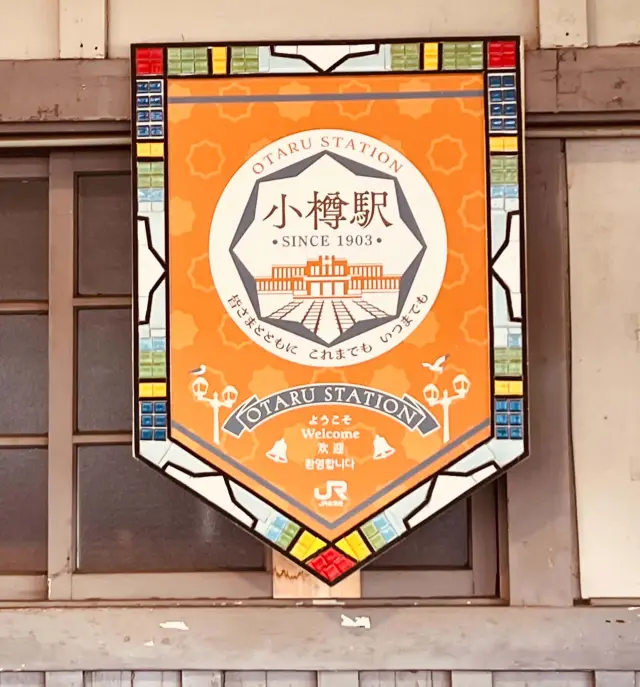
    💡3. The station exterior and stained-glass station sign
    * Symmetrical Showa Modern architecture: Seen from the plaza out front, the light brown tile facade, three projecting vertical columns, and large round clock in the center show the transition from Art Deco to modernism in the 1930s. It has a dignified, elegant look.
    * Stained-glass welcome sign: The banner-shaped sign on the station wall that reads “#小樽駅 SINCE 1903” is framed with colorful pieces of red, yellow, blue, and green stained glass. The center shows the station building and tracks stretching away, perfectly bringing together Otaru’s railroad history and glass art.

    💡This station isn’t just a transportation hub. It’s a living museum of architecture and craftsmanship in its own right!

Hokkaido Tohoku Kanto Chubu Hokuriku Kansai Chugoku Shikoku Kyushu Okinawa