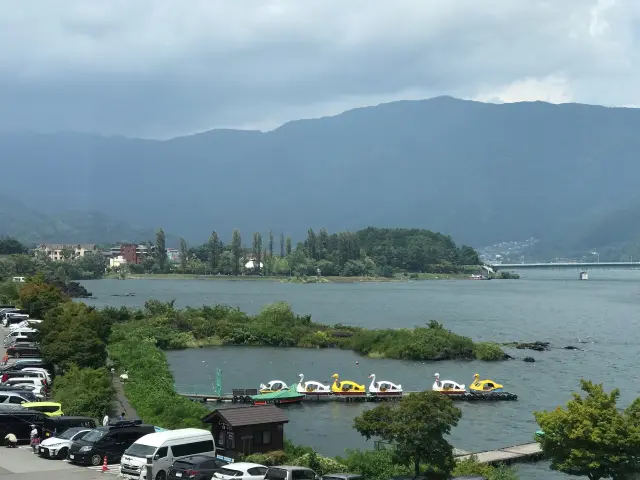
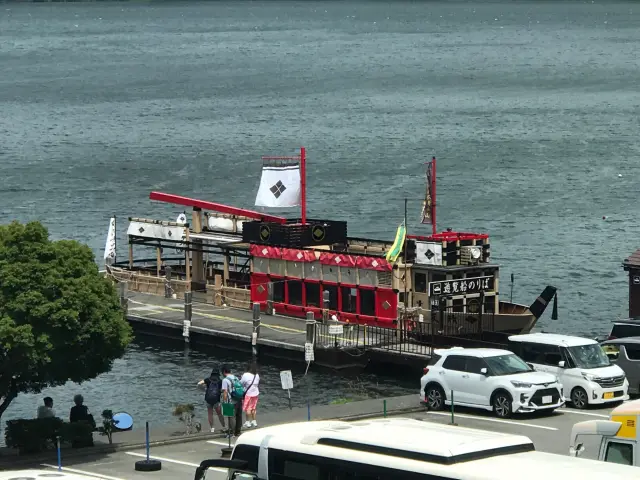
Lake Kawaguchi is probably one of those places everyone should visit! What I looked forward to most was enjoying the beautiful views of Mount Fuji. When the weather is good, Mount Fuji is reflected on the lake, surrounded by mountains, forests, and shimmering water. The scene is so beautiful that you can’t help but pick up your camera and keep taking pictures. Walking along the lakeshore, you can enjoy a leisurely and pleasant atmosphere. Compared with the busy streets of central Tokyo, it feels much more peaceful and relaxing. If you have enough time, you can also take a sightseeing boat or the ropeway to see Mount Fuji from different angles and enjoy a different view.
I recommend setting aside half a day to a full day to explore Lake Kawaguchi without packing your itinerary too tightly. Views of Mount Fuji depend heavily on the weather, so check the forecast before setting out. Mornings are usually also a good time for viewing. Some attractions around the lake are a fair distance apart, so plan your bus route or check the schedule in advance to save travel time. Dress warmly if you visit in winter, and bring a jacket in other seasons as well. If you want clear photos of Mount Fuji, it’s best to leave some flexibility in your schedule so you can fully enjoy the beautiful scenery when the weather is good.
Lake Kawaguchi (Kawaguchi-ko) | Review by 汪汪妮
Other Reviews by 汪汪妮
-

Yamanakako Hananomiyako Park
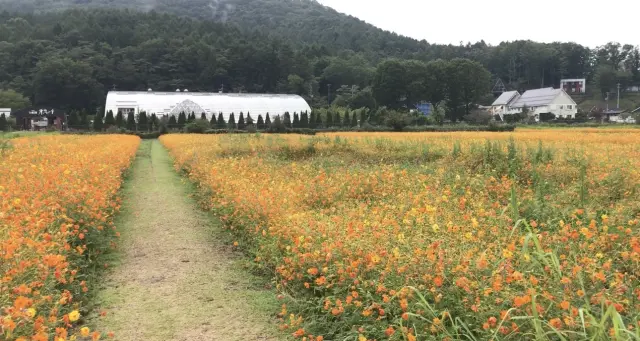
Mount Fuji can be seen right before your eyes at Hananomiyako Park, located in the vicinity of Lake Yamanaka. There are free and paid areas inside this park. The free area features a vast field of 300,000 square meters, in which seasonal flowers and trees have been planted.
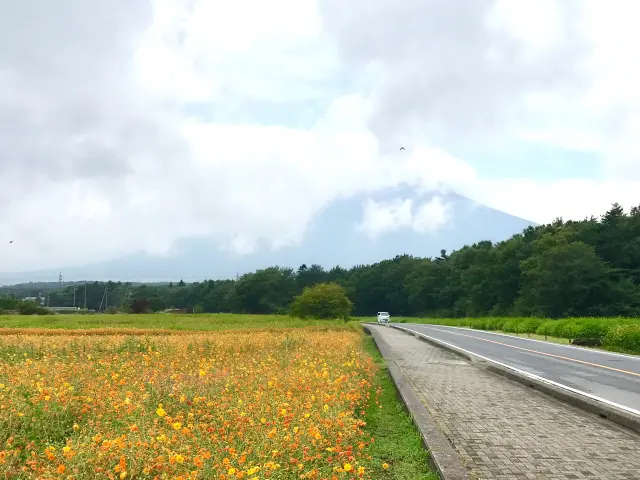
Yamanakako Hananomiyako Park is a great place to enjoy beautiful flowers and views of Mount Fuji. You can see vast fields of flowers changing colors with the seasons, with Mount Fuji in the distance. The whole scene is very beautiful. The park grounds are well maintained, and walking among the flower fields feels relaxing and pleasant. It’s also a nice place to take a leisurely stroll and enjoy the scenery. On the road outside the park, you can take photos of the road stretching toward Mount Fuji at the end. Everyone can’t help but stop to take pictures, and the local residents driving by are probably used to tourists doing this by now (lol)! I really can’t help but envy the residents who get to drive this road to work every day!
Before visiting, I recommend checking which seasonal flowers are in bloom and whether the park is open. The park will close if there is a typhoon. If the weather is clear, you may also get a chance to photograph the flower fields and Mount Fuji together. The park is fairly large, so allow one to two hours to explore at a leisurely pace. Comfortable walking shoes are also recommended so you can easily enjoy this trip filled with fragrant flowers and beautiful scenery. -
-

Mt. Omuro
Omuro Mountain, an independent peak with an altitude of 580m, is located in Ito City, Shizuoka Prefecture. This volcano, which looks like an overturned bowl, is a beloved symbol of the Izu Plateau. Formed by volcanic activity about 4000 years ago, Omuro Mountain is a nationally designated natural monument and the largest scoria cone in the eastern Izu Volcanic Group.
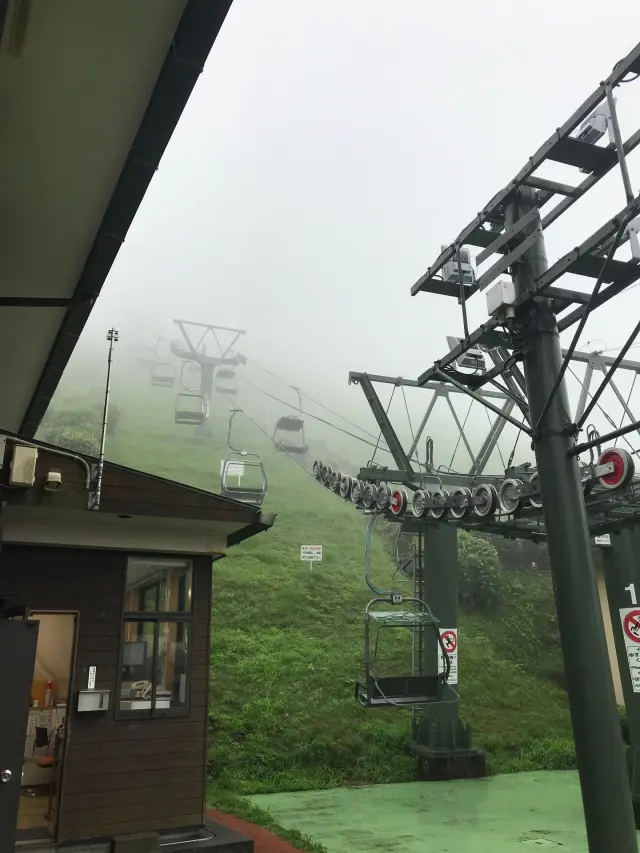
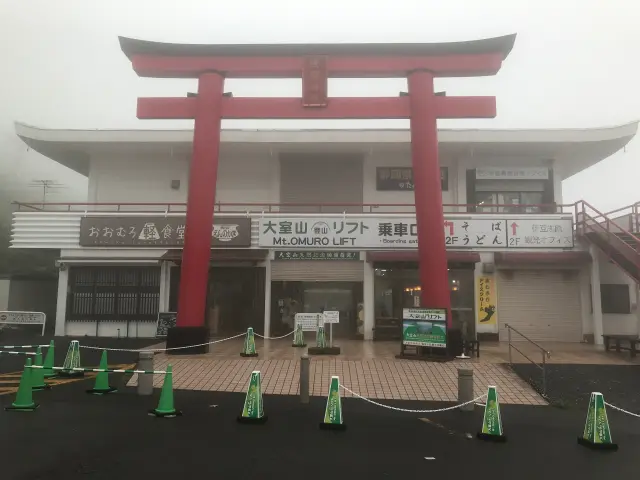
Taking the Mt. Omuro chairlift was a very special experience on this trip. As the chairlift takes you up to the summit, you can enjoy the green grass covering the slopes and the surrounding natural scenery. I heard that you can see Mt. Fuji when the weather is good, but unfortunately, the weather was bad during this visit, and Mt. Fuji was hidden behind the clouds. I guess leaving with a small regret is also a good excuse to come back someday!
-
-

Hakone Shrine
Hakone Shrine sits just steps from Lake Ashi, a spot dotted with coveted Hakone destinations like Owakudani and Togen-dai. The shrine heralds the Hakone Ookami god, and remains one of the most renowned shrines in Kanto.
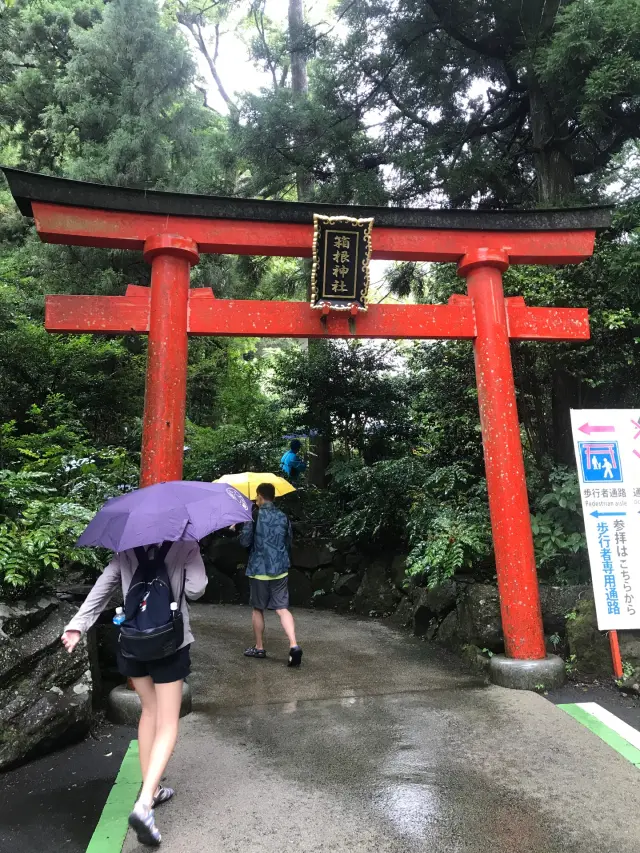
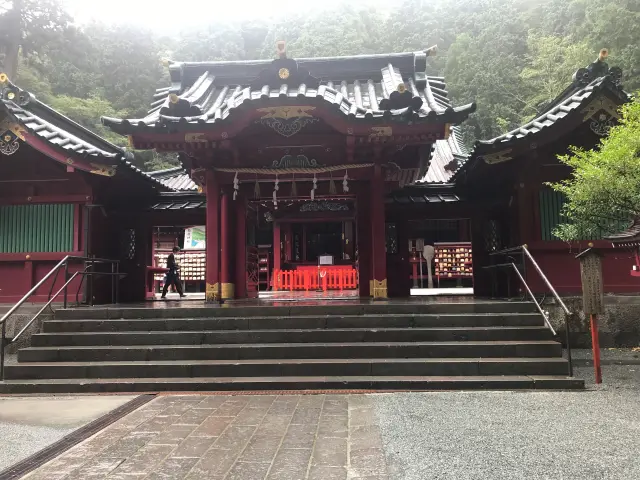
The most memorable part of Hakone Shrine is the approach surrounded by towering cedar trees. The entire path has a peaceful, solemn atmosphere, as if you’ve stepped into a forest far removed from the hustle and bustle. Hakone Shrine was founded during the Nara period and is a well-known local shrine, as well as a popular stop for many travelers visiting Hakone.
As you slowly make your way up the stone steps, you can sense the rich history all around you. The ancient trees and traditional Japanese architecture complement each other, making you want to stop and take it all in. One of the most popular sights is the Peace Torii by Lake Ashi. The red torii stands at the edge of the lake, surrounded by beautiful views of the water and mountains, and is also a popular spot for taking photos.
Although there were quite a few worshippers, the overall setting still felt peaceful. There’s no need to plan any special activities while walking around the shrine. Just slow down and take in the atmosphere created by the forest, lake, and shrine, and you can enjoy a relaxing time. This visit to Hakone Shrine not only gave me a chance to appreciate the distinctive features of a traditional Japanese shrine, but also left me with wonderful memories filled with nature and culture.
-