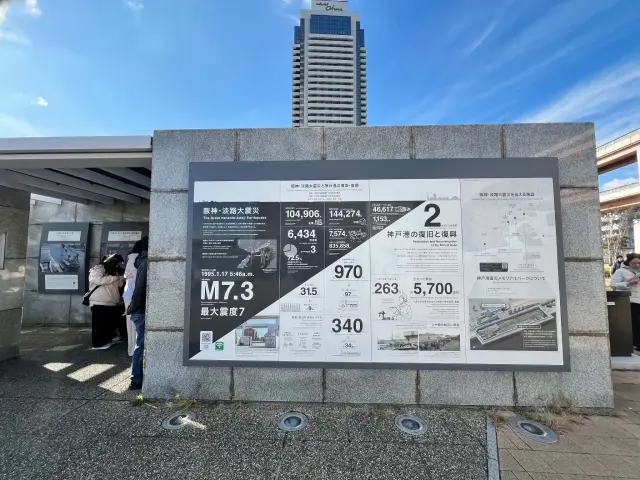
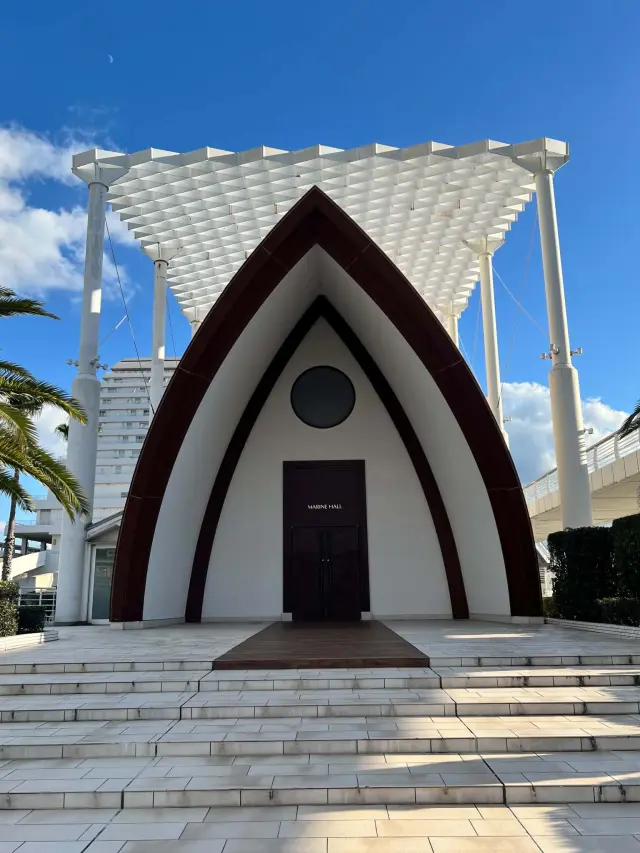
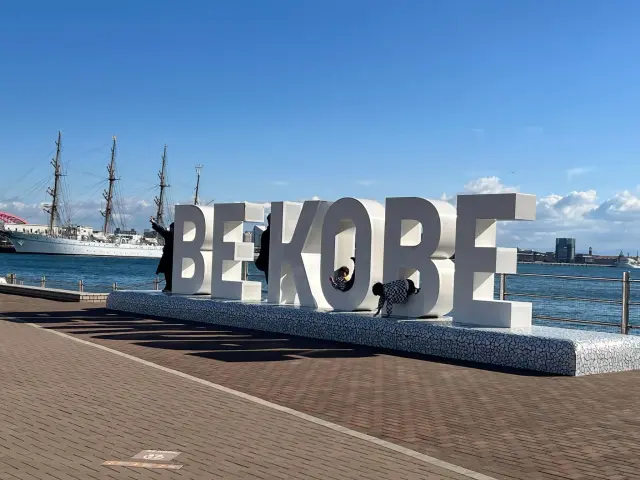
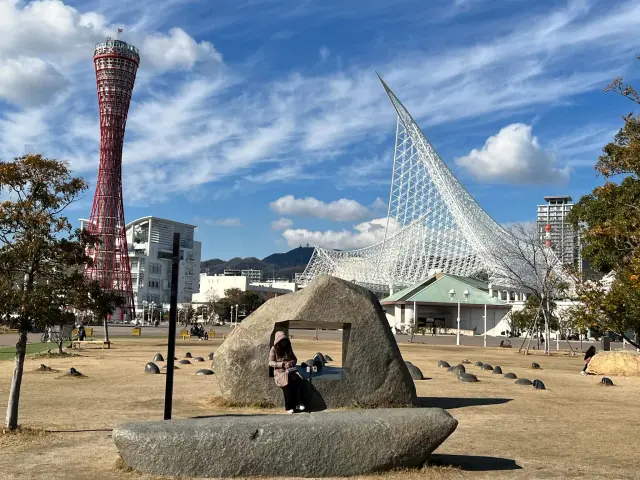
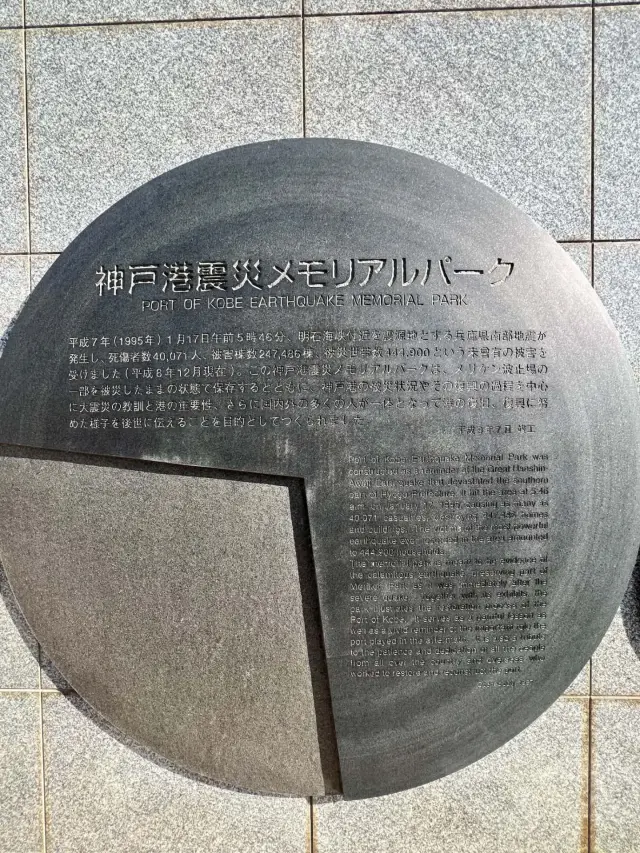
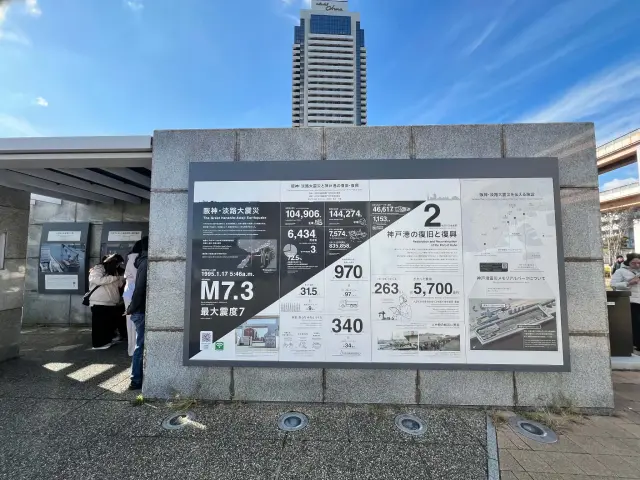
This area in Kobe’s Meriken Park mainly commemorates the Great Hanshin-Awaji Earthquake that occurred in #1995.
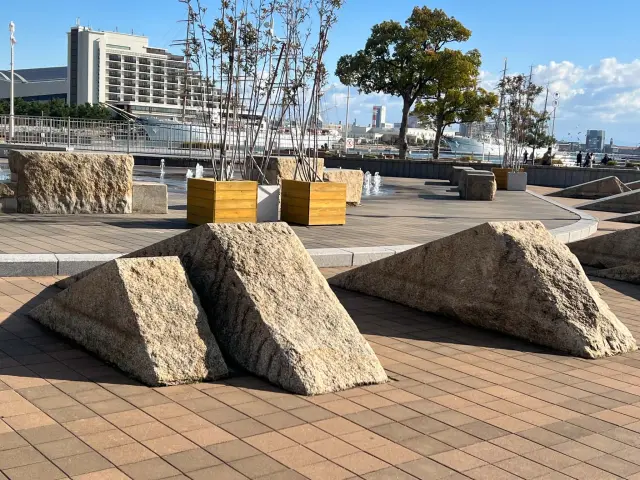
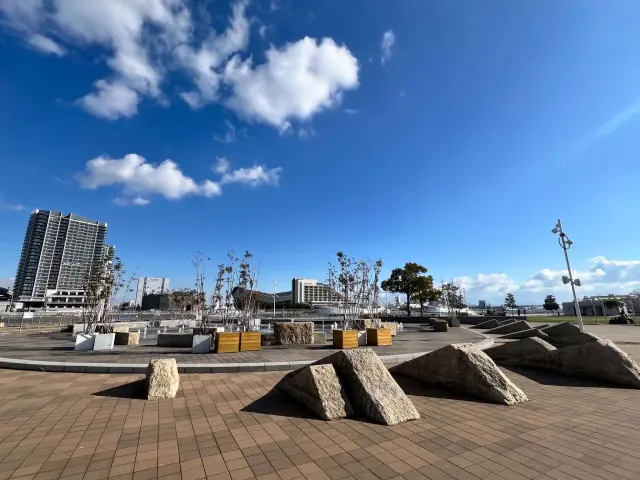
1. The triangular stones on the ground and the landscape
These large stones scattered across the ground and the tilted streetlights are not simply landscape decorations. They are actual remnants showing how the Meriken breakwater collapsed and the ground shifted during the Great Hanshin-Awaji Earthquake. These ruins have been preserved exactly as they were as “living witnesses,” reminding people of the horror of earthquakes and the importance of disaster preparedness, while passing this historical memory on to future generations.
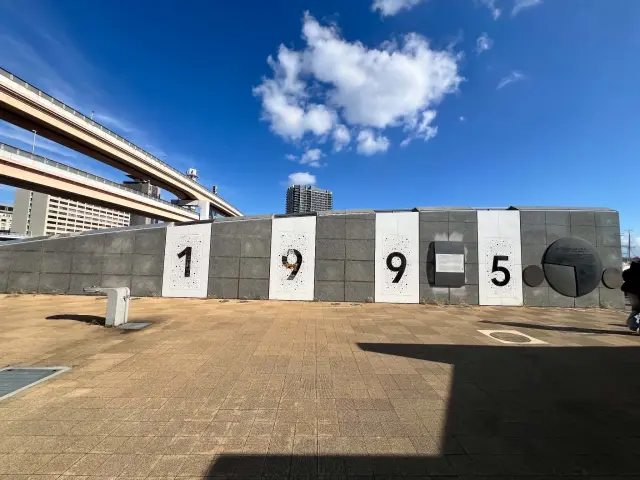
2. Meaning of the “1995” numbers
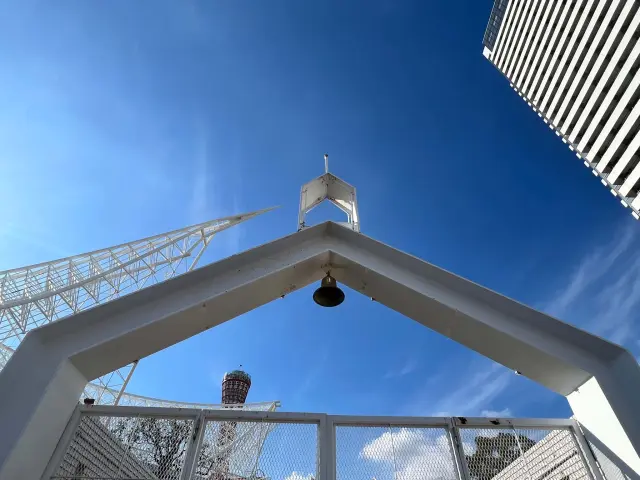
The “1995” numbers on the wall represent the year when the Great Hanshin-Awaji Earthquake occurred. The disaster struck in the early morning of January 17, 1995, causing tremendous destruction and casualties. These numbers and the memorial park were created so that the lessons of the disaster and the courage of Kobe’s residents in rebuilding could be remembered and passed down.
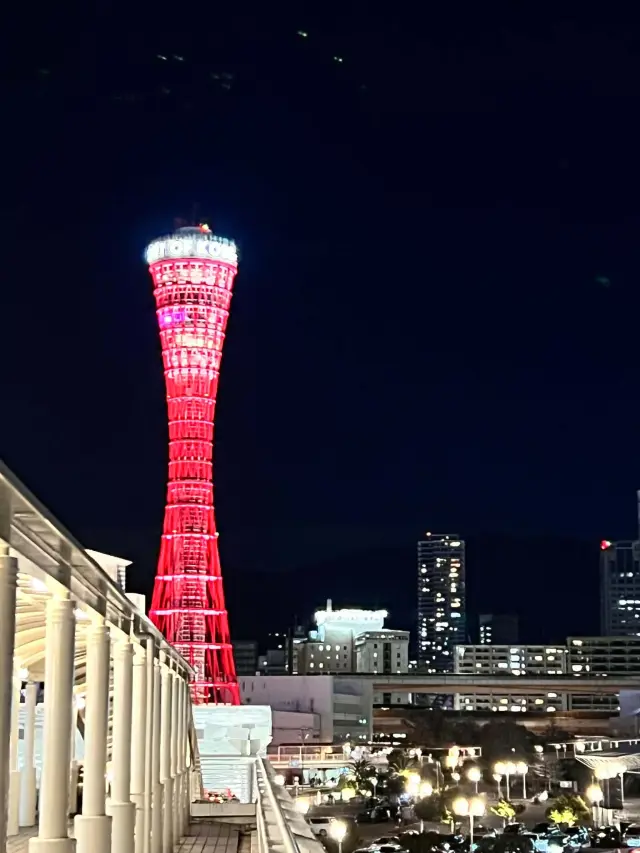
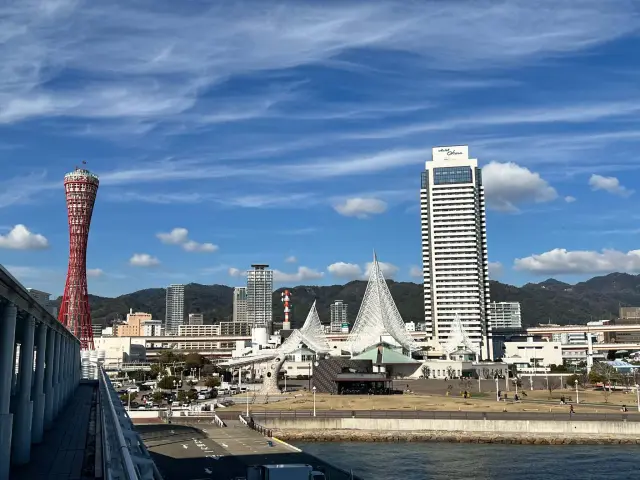
3. Red structure (Kobe Port Tower)
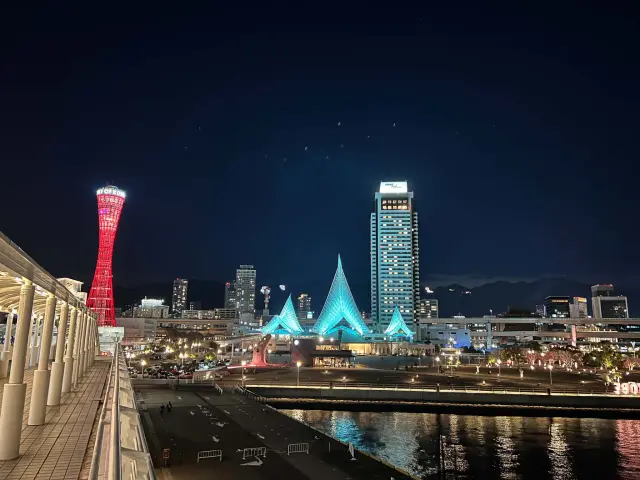
“Kobe Port Tower.”
*Exterior design: Its distinctive red tubular structure was inspired by the traditional Japanese musical instrument known as a “drum,” earning it the nickname “Beauty of the Iron Tower.”
*Symbolic meaning: Kobe Port Tower opened in 1963 and is a landmark of Kobe Port. After the earthquake, its bright red appearance was often seen as a positive symbol, representing Kobe rising again like a phoenix and demonstrating its strong vitality and spirit of recovery.
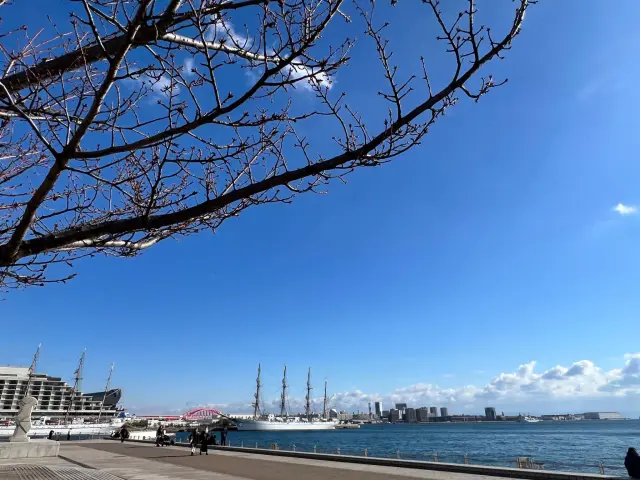
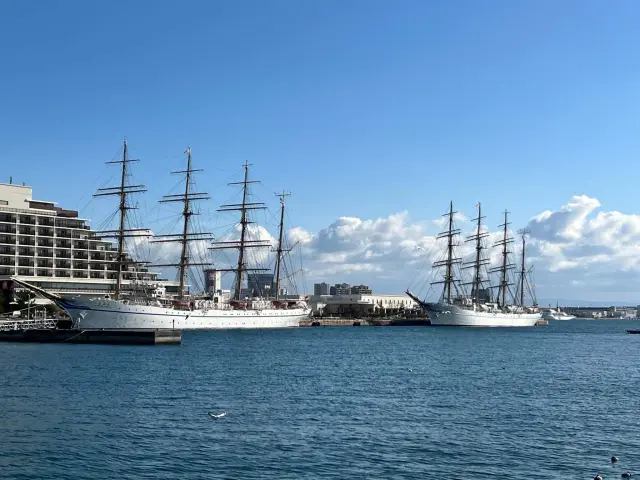
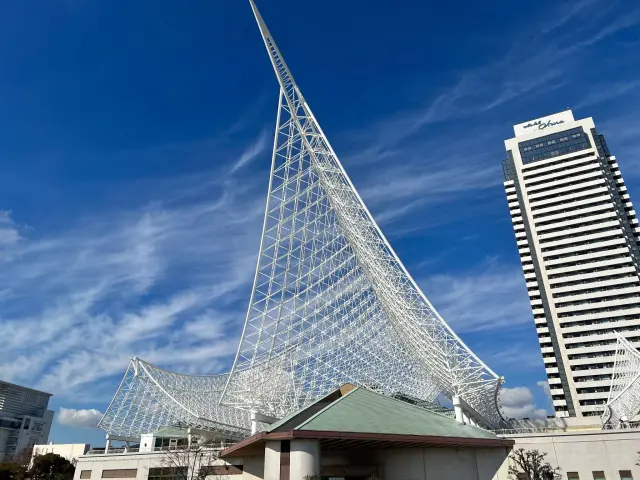
In addition, there is another white building nearby with a structure made of multiple intersecting triangles. This is the “Kobe Maritime Museum,” whose design was inspired by a sailboat cutting through the wind and waves.
Together with the earthquake memorial park, these two buildings form important historical and cultural landmarks in Kobe’s port area.
Meriken Park | Review by Norton Liang
Other Reviews by Norton Liang
-

AQUARIUM ✕ ART átoa
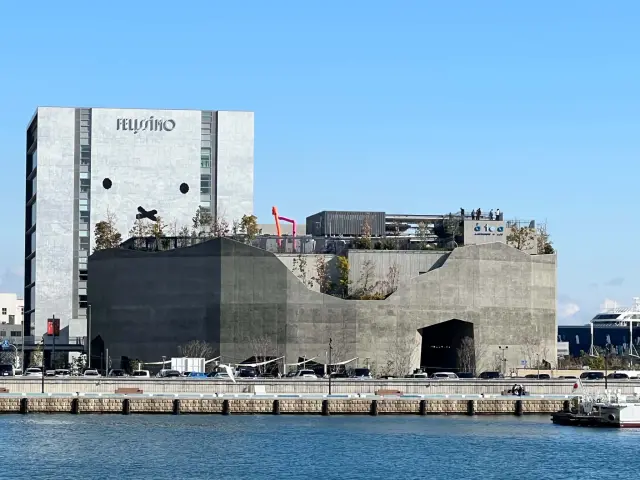
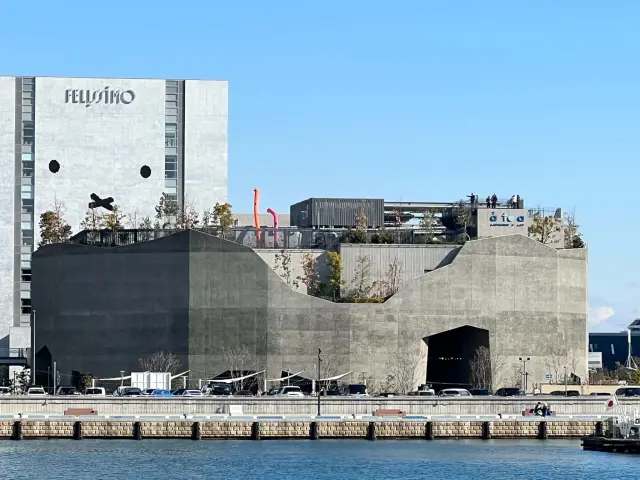
Opened in 2021 within the “Kobe Port Museum,” a multi-purpose cultural facility in Kobe’s bay area, this urban aquarium is home to around 60 tanks, housing approximately 100 species (3,000 individual creatures), and showcases about 50 pieces of stage art and digital art. It’s a new kind of theater-style aquarium.
At first sight at Kobe Port, I was drawn to this building 🤩
* “Uplifted Land and Eroding Water”
Its rugged, vibrant texture resembles biomimetic rock formations. It turns out to symbolize Kobe’s unique geography, formed through crustal movement between the Rokko mountain range and the Seto Inland Sea.Historical significance symbolizing “revival” after the Great Hanshin Earthquake
* An architectural language that directly confronts trauma:
The Great Hanshin-Awaji Earthquake, which occurred on January 17, 1995, caused devastating damage to Kobe’s port area and the city’s foundations.This building uses “fault lines,” “uplifted land,” and “torn rock layers” as its design vocabulary. Rather than deliberately forgetting the pain, it boldly confronts the painful memories caused by the shifting earth, symbolizing the city rising proudly again from the trauma of the quake and being reborn from fractured layers of earth.
* A symbol of waterfront regeneration and cultural revival:
In the past, the Shinkocho area of Kobe Port mainly consisted of traditional industrial warehouses and cargo terminals. Following long-term postwar and post-earthquake urban renewal and redevelopment plans, this integrated building combining aesthetics, art, and tourism rose along the waterfront. It symbolizes Kobe’s port area successfully emerging from the shadow of the disaster and transforming into a “new-era urban living room” filled with endless creativity and vitality, demonstrating the powerful resilience of Kobe’s citizens as they rose from the ashes. -
-

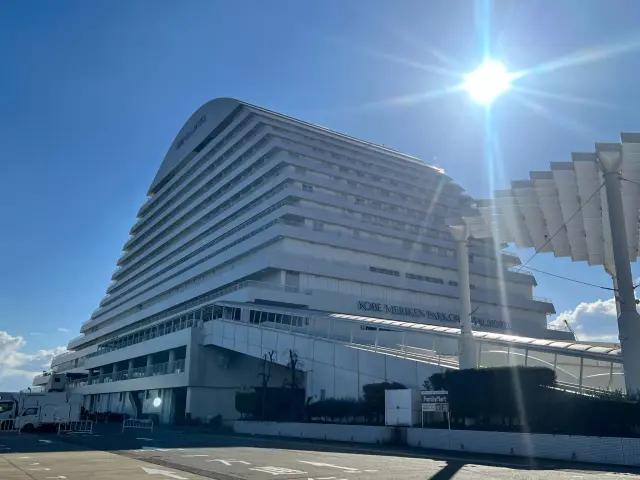
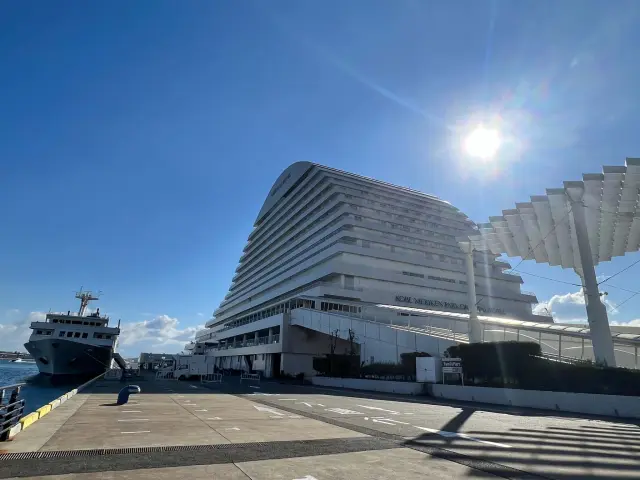
Kobe Meriken Park Oriental Hotel
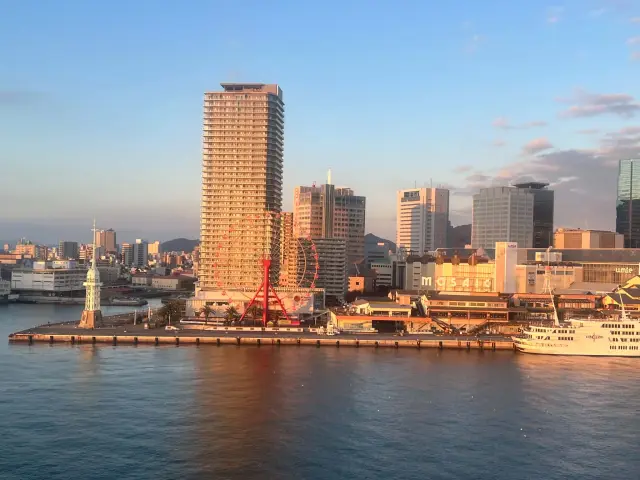
With its curving design inspired by white waves, this striking hotel stands out in Kobe’s bay area. Located on Kobe Port’s Naka Pier, it is surrounded by the sea on three sides, offering four distinct views to the east, west, south, and north.
The view from the room when you open the window is unbeatable
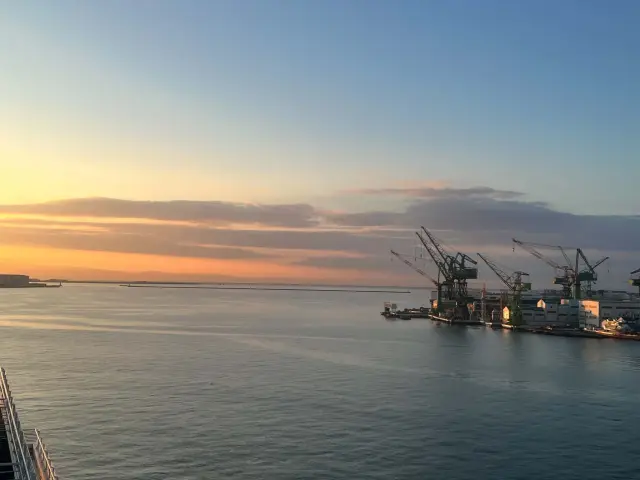
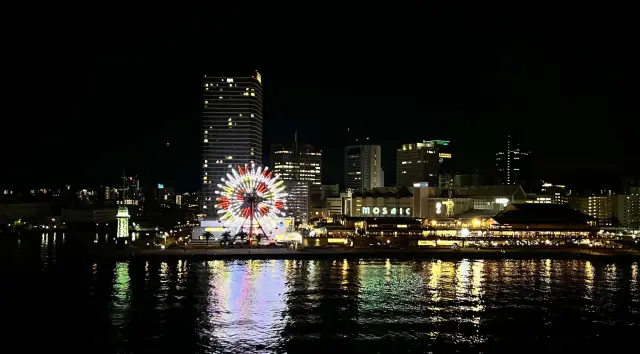
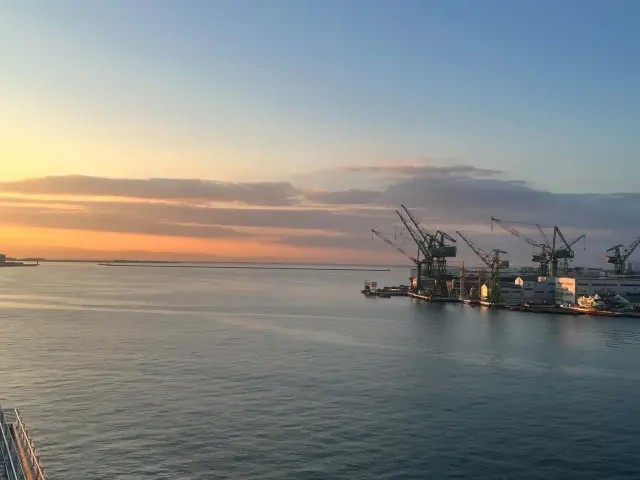
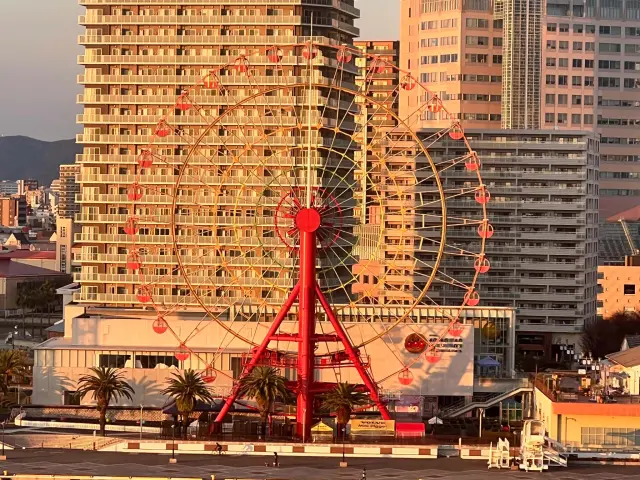
There’s a Ferris wheel 🎡, and the orange-red light of dawn paints Kobe Port in romance 💕
At night, the lights create an even more colorful atmosphere
A super chill, super romantic harbor-view hotel 🏨
And in November, there are also all-you-can-eat crab legs
Dinner and breakfast 🍳 are unbelievably delicious 😋 -
-

Maruyama Park (Kyoto)
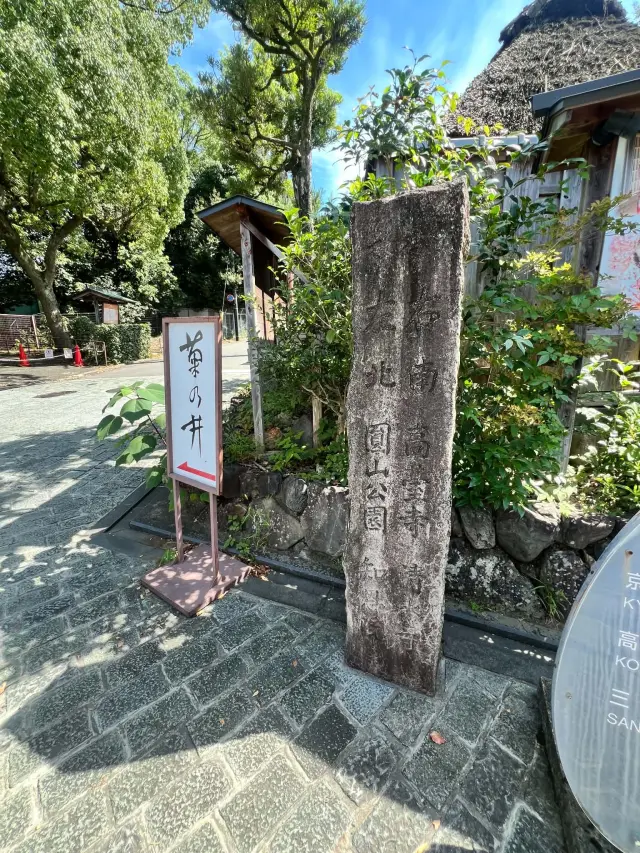
The oldest park in Kyoto, built on land once owned by temples and shrines. It is located across the Shijo Ohashi Bridge from Kawaramachi and straight down the Gion shopping street on Shijo Dori Street. From the Shijo Ohashi Bridge, pass the Keihan Gion-Shijo Station and continue along the shopping street, and you will see Yasaka Shrine in front of you.
When visiting Kyoto’s Higashiyama area, Maruyama Park is a must;
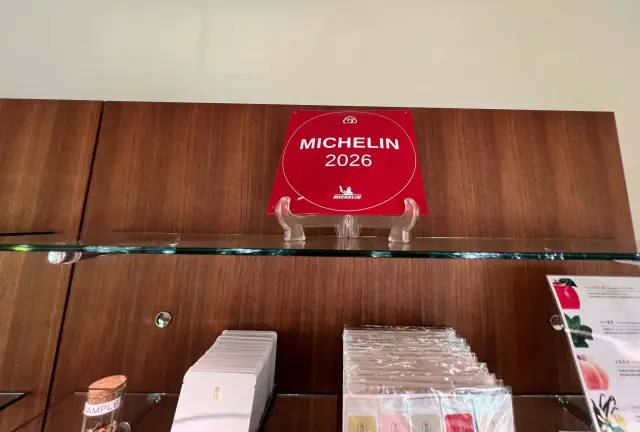
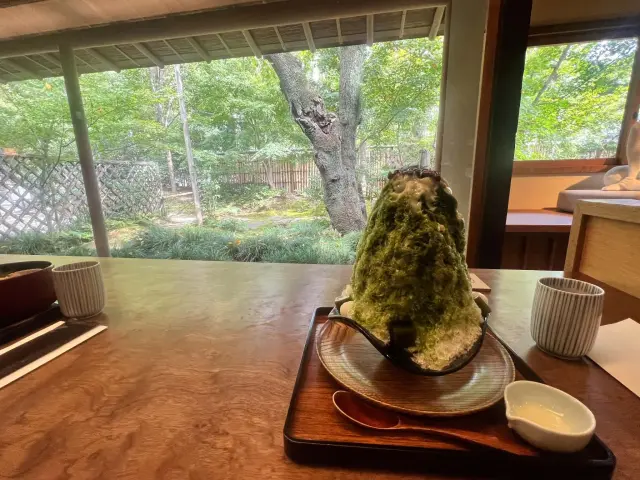
I especially recommend this reasonably priced eatery run by a Michelin-starred restaurant, hidden in a green garden.
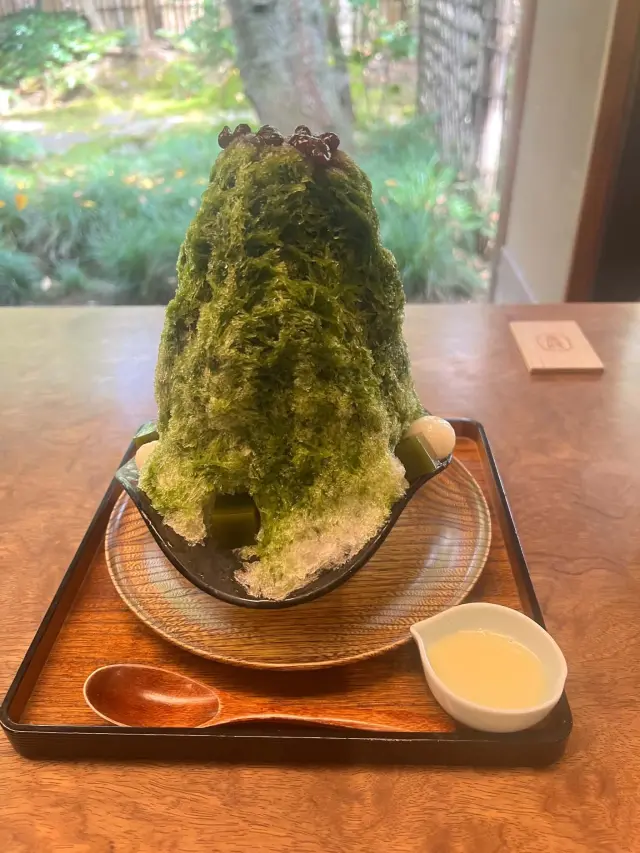
The matcha ice cream is also top-notch.
On this trip to Kyoto,
this was the most memorable meal,
along with the unforgettable matcha 🍵
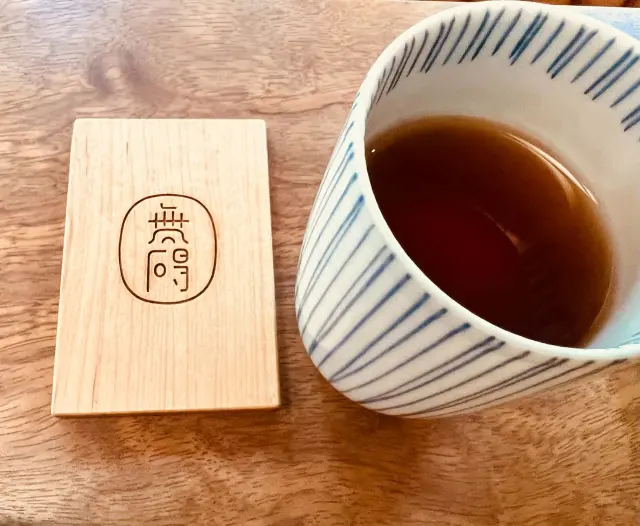
Great value for the money.#京都東山「無礙山房 #無碍( #SalondeMuge)」Highlights of the food, attention to detail, and garden scenery at the main location
1. Distinctive dishes and exceptional attention to detail (combining kaiseki cuisine with everyday flavors)
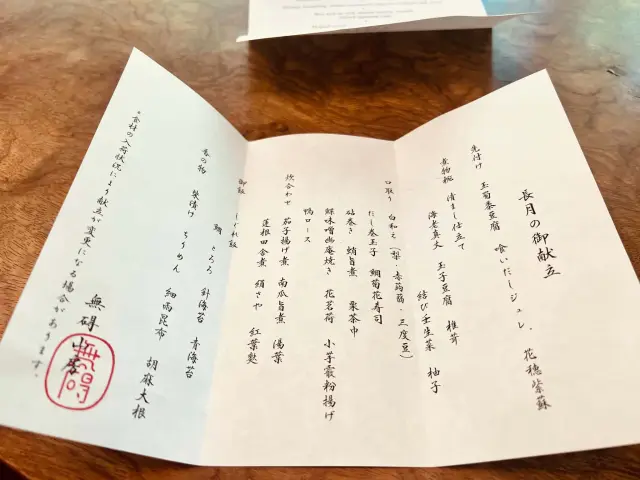
#無礙山房 is a tearoom and dining venue opened by Kyoto’s renowned three-Michelin-starred ryotei, #米其林三星料亭「#菊乃井」. It offers a more relaxed, approachable way to experience master chef Yoshihiro Murata’s dedication to the spirit of Japanese cuisine.* An exquisite, seasonal menu (Nagatsuki menu)
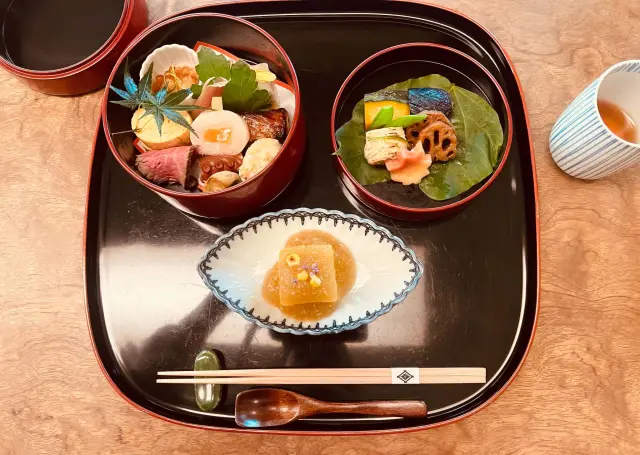
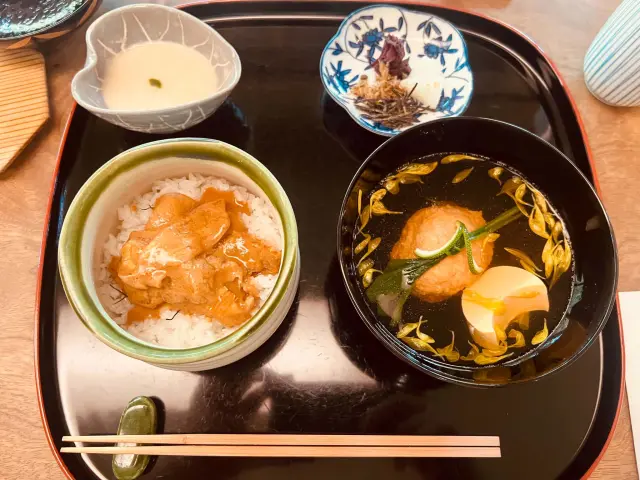
* Sakizuke (appetizer): Corn tofu served with dashi jelly and shiso blossoms. The smooth corn tofu and elegant dashi jelly create a refreshing, delicate beginning that evokes early fall (Nagatsuki).
* Nimono-wan (soup): A clear soup containing shrimp shinjo, Oji tofu, shiitake mushrooms, knotted ginger, and yuzu. The clear yet deeply savory dashi is the soul of Kikunoi’s cuisine, and the shrimp dumpling is springy and richly textured.
* Kuchitori (hassun platter):
* Presented in an exquisite round lacquered jubako box, it is as impressive as a jewelry box.
* It includes shira-ae (Asian pear, red konjac, and green beans), dashimaki tamago (soft, juicy rolled omelet made with dashi), sea bream chrysanthemum sushi, savory simmered octopus, kuri chakin (a chestnut sweet filled with the feeling of fall), Spanish mackerel miso-an-yaki, hana myoga, deep-fried baby taro with kasumi-ko coating, and duck loin.
* Each small dish uses a different cooking method—grilling, simmering, frying, or pickling—to bring out the ingredients’ natural flavors, with exceptional attention paid to knife work and seasoning.
* Takiawase (simmered dish): Deep-fried and simmered eggplant, savory simmered pumpkin, yuba, country-style simmered lotus root, snow peas, and maple-leaf-shaped wheat gluten. The vegetables absorb the essence of the dashi, becoming tender and flavorful, while the colors reflect the changing season.
* Rice and pickles: Sea bream shigure rice (rice topped with finely minced simmered sea bream), served with yam puree (とろる), miso soup, and refined pickles (shibazuke, chirimen, drizzle-cut kombu, and sesame daikon). Every bite carries the thoughtful warmth of traditional Japanese home cooking.* Careful attention to tableware and aesthetics
* From the delicate blue-and-white porcelain bowl used for the appetizer and the two-tiered round red lacquer box for the main dishes to the ceramic bowls for rice and soup, every piece of tableware is selected to complement the season and colors of the food, perfectly expressing the idea that “cuisine is a visual art.”
2. Serene and elegant garden scenery
* Borrowed scenery and a Japanese dry landscape/natural-style garden
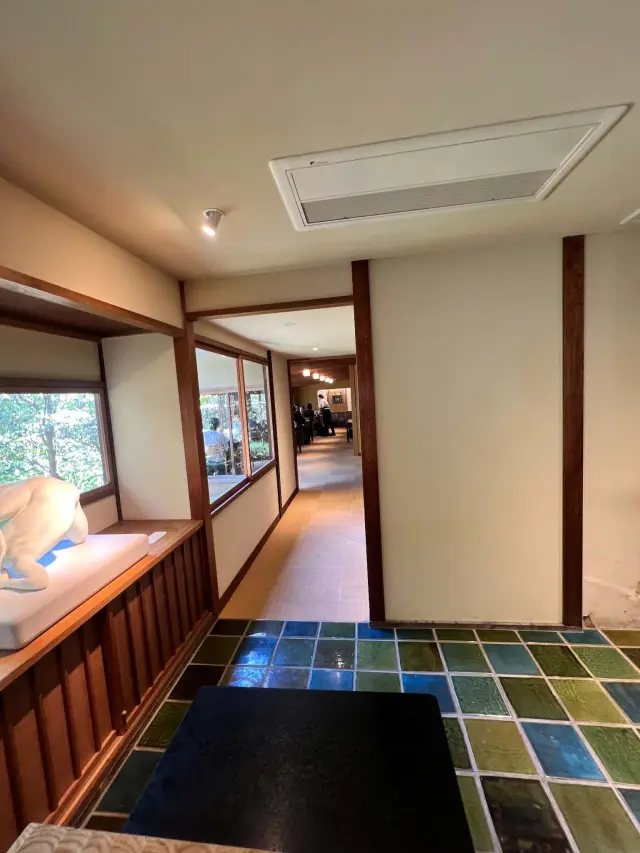
* Looking out from the seats, large open windows bring the greenery of Higashiyama and the garden scenery fully indoors. The garden combines moss, stones, bamboo fences, and carefully arranged trees such as maples.* Thick old tree trunks and low green moss create a rustic, composed Zen atmosphere. While dining or enjoying tea by the window, light filters through the leaves, and together with the spacious feeling of the traditional Japanese wooden architecture, it offers rare peace and quiet amid the bustle of Kyoto’s Higashiyama area.
* Integration of architecture and nature
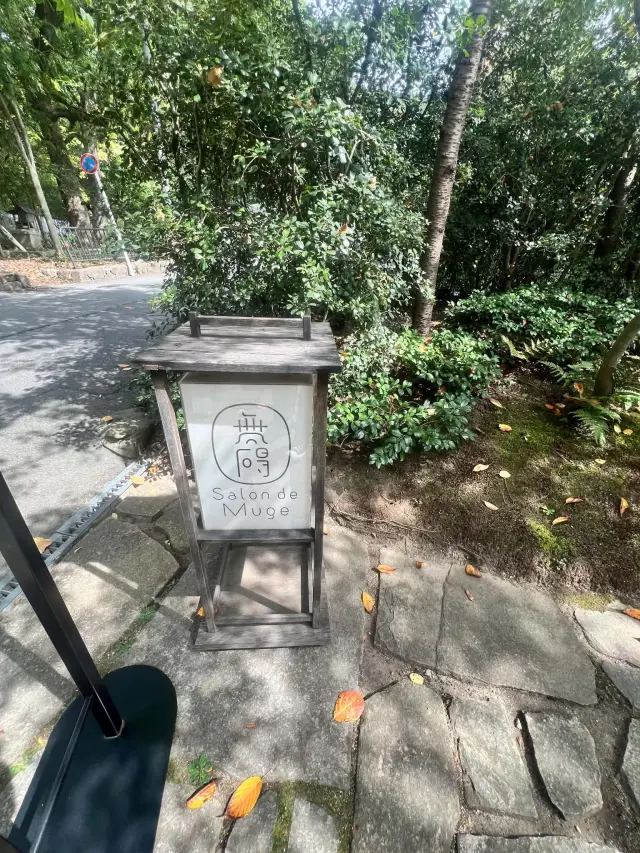
* Outside, a stone path and traditional Japanese lanterns (wooden andon lamps) welcome guests, blending the character of a machiya townhouse with modern minimalist aesthetics. Whether it is the lush greenery outdoors or the calm wooden tones indoors, the setting offers a high level of privacy and comfort while dining. -