

8 Popular Attractions in Namba, the Heart of Osaka Culture
When you think of sightseeing in Osaka, the giant Glico sign and enormous crab sign may come to mind. You might also think of takoyaki and okonomiyaki.
All these iconic sights and foods are concentrated in the Namba area.
Like the popular Kita area around Umeda, Namba is a major entertainment district. Here are the attractions, restaurants, and shopping destinations you should visit while exploring the area.

What Is Namba Like?
Namba generally refers to the entertainment district extending from Chuo Ward to Naniwa Ward in Osaka City, Osaka Prefecture.
It is part of the area known as Minami and is one of Osaka’s two major entertainment districts, alongside Umeda in the Kita area.
Note that the name is rarely used to refer only to the neighborhood officially called Namba in Chuo Ward.
Osaka culture is concentrated in Namba. The giant Glico sign, enormous crab sign, and Tsutenkaku Tower—all symbols of Osaka—are located in this area.
Namba is also packed with Osaka specialties, making it the perfect place to feast on takoyaki, okonomiyaki, kushikatsu, and other local dishes.
There are also plenty of places to shop for Osaka-themed products and souvenirs, as well as items from the latest brands.

When Is the Best Time to Visit Namba?
Since sightseeing in Namba mainly revolves around dining and shopping, the area can be enjoyed in any season.
If you can choose when to visit, spring and fall are recommended because the mild weather makes it more comfortable to explore the area on foot.
What to Wear in Namba by Season
- Spring (March-May): A light jacket and thin sweater
- Summer (June-August): Lightweight clothing and short-sleeved shirts
- Fall (September-November): A light jacket or coat
- Winter (December-February): A coat, thick sweater, or jacket
How Do You Get to Namba?
From Kansai International Airport, the Rapi:t limited express train takes you directly to Nankai Namba Station in approximately 45 minutes without any transfers.
The trip from Osaka Station or Shin-Osaka Station, both major gateways to Osaka, takes 15-20 minutes.
Six train and subway lines serve Namba, and each has its own Namba Station, so make sure you know which line’s station you need.
Getting Around Namba
The area generally known as Namba is not especially large, so you can visit several attractions in a short time by walking and taking the train or subway.
If you have trouble finding a station, taking a taxi is also convenient because the attractions are relatively close together.
Experience Osaka Culture: 8 Attractions in Namba
It is no exaggeration to say that how much you enjoy Namba can shape your overall impression of Osaka.
Here is a carefully selected list of essential attractions in Namba, one of the highlights of any trip to Osaka.
1. Dotonbori
Giant three-dimensional signs featuring crabs, octopuses, cattle, cranes, and more project over the streets of Dotonbori, creating a lively scene. Numerous restaurants line both the Dotonbori River to the north and the main street to the south. The main street is pedestrian-only, and many visitors stroll around while snacking on takoyaki and other foods.
Kuidaore Taro, a cheerful figure who rings a bell and beats a drum, is another essential part of Dotonbori. His lively performance outside the building has made him widely known as the face of the district.

2. Shinsaibashi
Shinsaibashi is best known as one of Osaka’s leading shopping districts. Shinsaibashi-suji Shopping Street extends north and south along the east side of Midosuji, crossing Nagahori-dori Avenue. It is always bustling with shoppers visiting commercial facilities such as the Daimaru Shinsaibashi department store and Shinsaibashi PARCO, along with fast-fashion stores, popular clothing shops, and restaurants.
Midosuji is also lined with street-level luxury-brand boutiques, making the area one of Japan’s premier luxury shopping districts alongside Ginza in Tokyo.

3. Shinsekai Hondori Shopping Street
The Ebisuhigashi neighborhood of Naniwa Ward, home to Tsutenkaku Tower, Janjan Yokocho Alley, and Spa World, is commonly known as Shinsekai. The name dates back to 1912, when Tsutenkaku Tower and Luna Park, Japan’s second amusement park, opened here. The area came to be called Shinsekai, meaning “New World,” because it was a newly created Osaka attraction. It later developed into an entertainment district, appeared in numerous movies and television dramas, and became one of the city’s most recognizable destinations.

4. Amerikamura
In the 1970s, stores in converted warehouses began attracting attention by selling used clothing, records, and miscellaneous goods imported from the West Coast of the United States. This led the surrounding Nishishinsaibashi area to become known as Amerikamura, or “American Village.”
Its symbol is Triangle Park, located near the center of the neighborhood. As its name suggests, the park occupies a triangular lot and is a popular meeting and rest spot. A famous takoyaki shop stands across from the park, and this flour-based Osaka specialty has also become part of the neighborhood’s youth culture.

5. Namba Grand Kagetsu
Operated by Yoshimoto Kogyo, this theater is known as the “Hall of Laughter.” Affectionately called NGK by Osaka residents, it has presented manzai comedy, rakugo storytelling, Yoshimoto Shinkigeki comedy shows, and more every day of the year since opening in 1987.
Two performances are held on weekdays, at 11:00 a.m. and 2:30 p.m. Three performances are held on weekends and national holidays, at 10:00 a.m., 1:30 p.m., and 5:00 p.m. Special performances are also staged during extended vacation periods such as summer vacation and the New Year holidays.
It is no exaggeration to say that this is where you can experience some of Japan’s finest comedy all in one place.

6. Dotonbori Konamon Museum
Look for the large red octopus sign. Dedicated to konamon, the flour-based foods closely associated with Osaka cuisine, this museum is filled with takoyaki experiences based on the theme “Make, Learn, and Eat.”
At Takoyaki Dojo Kukuru Takumi on basement level 1, visitors can make their own original takoyaki. Choose your favorite fillings and cook them using professional equipment. Staff members provide assistance, so even beginners can join with confidence.

7. Tombori River Cruise
This cruise travels along the Dotonbori River through the Minami entertainment district, surrounded by glittering neon lights and distinctive three-dimensional signs. Although each cruise lasts only about 20 minutes, the route offers plenty to see and experience, including memorable views of the city that can only be seen from the river.
Nine bridges span the route from Nipponbashi Bridge to Ukiniwa Bridge. The lively Tombori Riverwalk promenade also runs along the riverbanks.

8. Osaka Shochikuza Theatre
Built and opened in 1923, this was the Kansai region’s first full-scale Western-style theater.
It was renovated in 1997 with modern facilities while preserving its Neo-Renaissance front facade, long known and loved as Dotonbori’s Arc de Triomphe.
The theater continues to present a wide variety of entertainment, including kabuki, contemporary plays, comedies, concerts, musicals, and rakugo performances.

Eat Your Way Through Osaka: 3 Popular Food Destinations and Restaurants in Namba
With its abundance of restaurants, Namba is the perfect place to eat your way through Osaka.
Many restaurants serve classic Osaka dishes such as takoyaki, okonomiyaki, and kushikatsu at affordable prices, making Namba an essential destination for anyone who wants to explore the city’s cuisine.
Choosing where to eat can be difficult, so start your culinary tour with these popular dining destinations and restaurants serving classic Osaka specialties.
1. Hozenji Yokocho
Hozenji Yokocho consists of two stone-paved alleys on the grounds of the Jodo Buddhist temple Tenryuzan Hozenji. Worshippers have continued to visit since the Meiji period (1868-1912), making it one of Japan’s best-known sightseeing destinations.
The two alleys extend east to west and are approximately 262 feet long and 10 feet wide. Although they are located just beside lively Dotonbori and its enormous signs, they retain a calm atmosphere. On rainy days, the wet stone pavement creates a particularly refined and nostalgic scene.
Long-established traditional restaurants, okonomiyaki restaurants, kushikatsu shops, bars, and other establishments crowd both sides of the alleys.

2. Okonomiyaki Mizuno
This okonomiyaki specialty restaurant is located in Dotonbori, one of Osaka’s busiest entertainment districts.
A long-established restaurant loved by local residents since its founding in 1945, it was selected for the Michelin Guide’s Bib Gourmand category for six consecutive years. Today, the third-generation owner preserves its traditions while pursuing new ideas under the concept of “an evolving long-established restaurant.”

3. Kushikatsu Daruma Shinsekai Main Store
This restaurant opened in 1929 near Tsutenkaku Tower, one of Osaka’s landmarks.
It is the flagship location of Kushikatsu Daruma, which operates primarily in Osaka City.
The kushikatsu are fried in Daruma’s specially blended oil, which has little of the heaviness associated with cooking oil, making them easy to eat. The finely ground breadcrumbs create a thin, crisp coating. Around 40 varieties are available, including beef, pork, shrimp, tomatoes, onions, and shiitake mushrooms. Freshly fried skewers are dipped into an original sauce developed through extensive testing.

From Osaka Specialties to the Latest Trends: 4 Shopping Destinations in Namba
Namba offers a wide range of shopping destinations, from markets selling distinctly Osaka-style products to commercial facilities featuring the latest trends.
Here are four carefully selected places where you can make the most of shopping in Namba.
1. Namba Parks
Directly connected to Nankai Namba Station, this nine-story mixed-use commercial facility contains more than 200 stores, including fashion boutiques, lifestyle shops, restaurants, and a movie theater.
Its most distinctive feature is Parks Garden, which combines trees, flowers, and open plazas. From the second-floor entrance, visitors can look up at a terraced garden that extends continuously to the ninth floor. Parks Garden is filled with a diverse range of plants and attracts seasonal birds and insects. Dedicated gardeners maintain the grounds, allowing visitors to experience nature throughout the seasons while remaining in the heart of the city.

2. Kuromon Market
Kuromon Market is located in the Minami area in central Osaka. Its origins are believed to date back to around 1822, and it was officially recognized as a public market by Osaka Prefecture in 1902. It became known as Kuromon Market, or “Black Gate Market,” because the gate of the nearby Enmyoji Temple was painted black. Long cherished as “Osaka’s Kitchen,” the market has also become a popular sightseeing destination in recent years.
Kuromon is especially known for its many fresh-fish shops selling conger pike and pufferfish. Specialty pufferfish shops account for nearly 10% of all businesses in the market.

3. Osaka Takashimaya
This long-established department store is a landmark in Osaka’s Namba district. It reopened after renovations in March 2011 with an expanded selection of shops and products.
Floors 1-6 feature numerous luxury labels, women’s fashion brands, and lifestyle goods. The first-floor cosmetics department is among the largest in the Kansai region, with approximately 80 brands. The basement food floor includes prepared foods, Osaka-based traditional confectionery shops, and popular sweets stores, making it a convenient place to shop for souvenirs. Floors 7-9 house the Namba Dining Maison restaurant area, where more than 30 notable restaurants serve Japanese, Western, Chinese, and other cuisines.

4. Sennichimae Doguyasuji Shopping Street
Approximately 50 stores line this 492-foot-long covered shopping street.
As the name Doguyasuji, or “Tool Street,” suggests, the stores specialize in equipment and products that support Osaka’s food culture. They offer everything from professional kitchen equipment to tableware for home use.
The exceptionally sharp knives carefully crafted by Japanese artisans are particularly renowned for their quality. Chefs from overseas travel here specifically to purchase them. With a wide selection from numerous manufacturers, you are likely to find a knife suited to your intended use.

3 Distinctive Places to Stay in Namba
As one of Osaka’s largest entertainment districts, Namba offers a wide range of accommodations.
Here are several notable options, including hotels that make convenient bases for sightseeing, hotels with distinctive concepts, and hotels where guests can experience aspects of Osaka culture.
1. KOKO HOTEL Osaka Namba
This hotel stands in the Nipponbashi area, known as the center of Osaka’s subculture scene and lined with shops selling anime merchandise, figures, plastic models, IT equipment, and more. In addition to providing easy access to Namba and Shinsaibashi, it is known for its sophisticated interior, which was completely renovated when the hotel was rebranded in 2021.

2. W Osaka
This was the first hotel in Japan from W, the luxury brand operated by Marriott International. Based on the concept of “more than just a place to stay—an adult playground that unleashes creativity,” the hotel incorporates innovative ideas throughout, distinguishing it from conventional luxury hotels.

3. Vessel Inn Namba
This hotel is located in the Dotonbori area, with direct access to JR Shin-Osaka Station without transfers. As part of a hotel chain operating 29 properties across Japan, it offers attentive hospitality and has also received favorable reviews from international travelers.
Floors 2-14 contain 123 guest rooms in five different types. Room sizes range from approximately 147 to 205 square feet, and the interiors are decorated in soft, natural colors.

3 Classic and Popular Souvenirs from Namba
Namba has so many souvenir shops that deciding what to buy and where to find it can be difficult.
There may be plenty to catch your eye, but if this is your first visit, start by checking out these classic souvenirs.
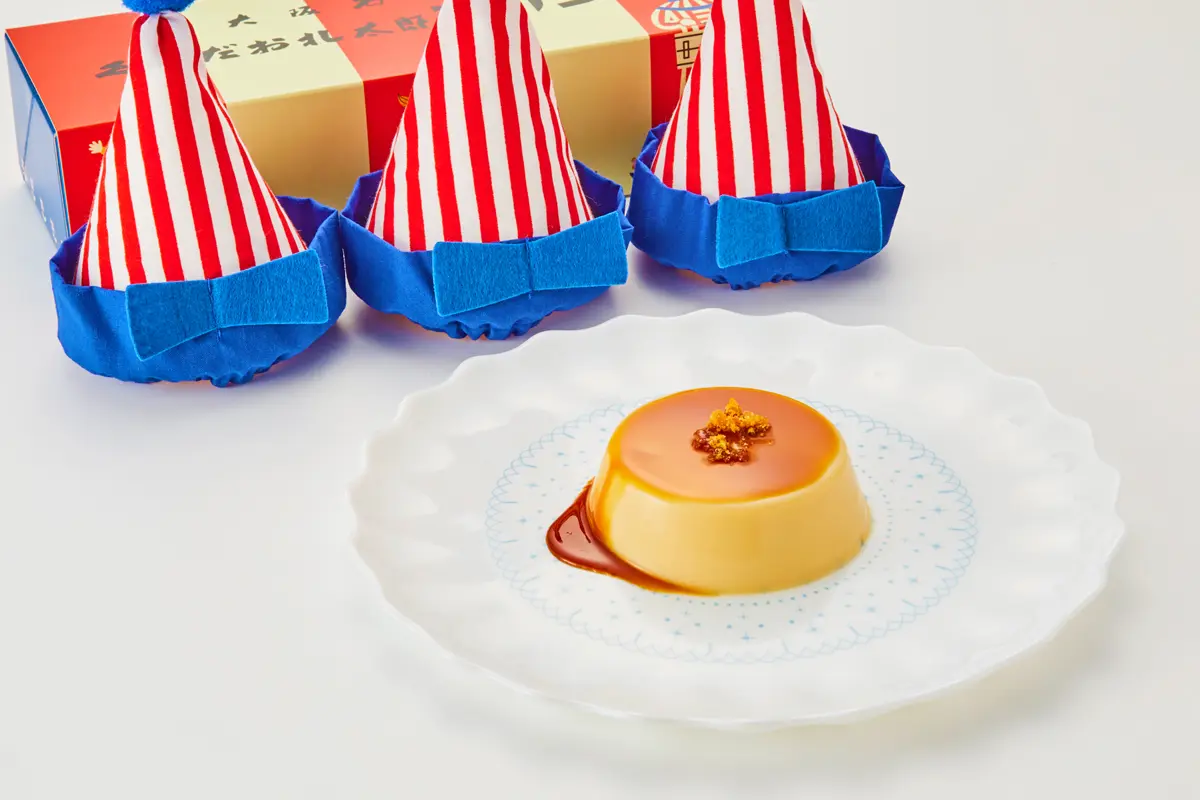
1. Kuidaore Taro Pudding
Kuidaore Taro first appeared in 1950 as the mascot figure of Osaka Meibutsu Kuidaore, a restaurant that once operated in Dotonbori, one of Osaka’s busiest entertainment districts.
Although the restaurant has since closed, he continues to charm visitors in front of the Nakaza Kuidaore Building, an entertainment complex in Dotonbori.
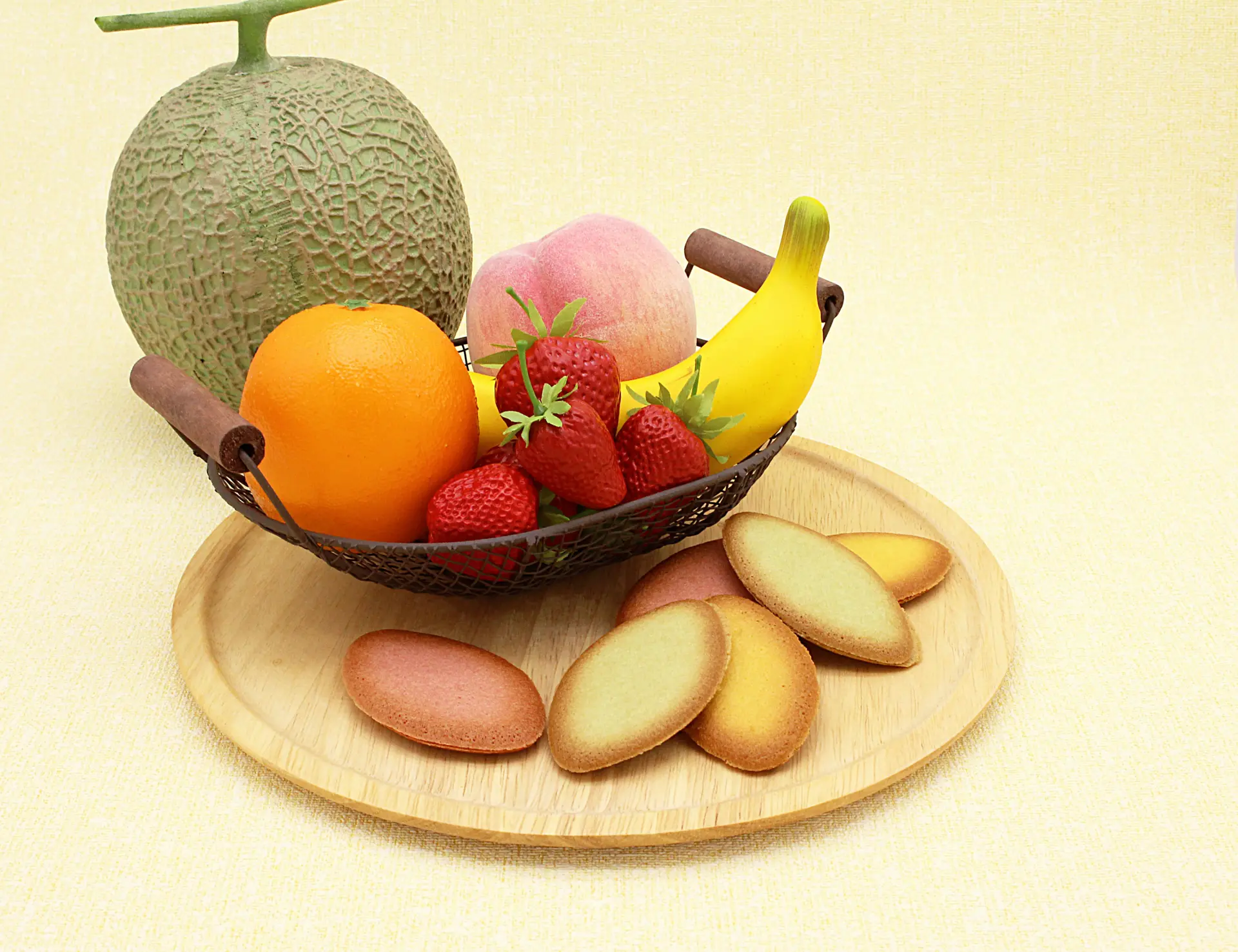
2. Minamoalley Dotonbori Fruit Parlor
Minamoalley is a chocolate brand based in Dotonbori, central Osaka.
Its concept is to offer carefully made, high-quality chocolate at affordable prices while retaining a playful Osaka spirit. The brand creates distinctive products such as Dotonbori Bonbon Town chocolates, okonomiyaki-style crunchy chocolates, and cookies designed to look like takoyaki.
3. Tsurigane Manju
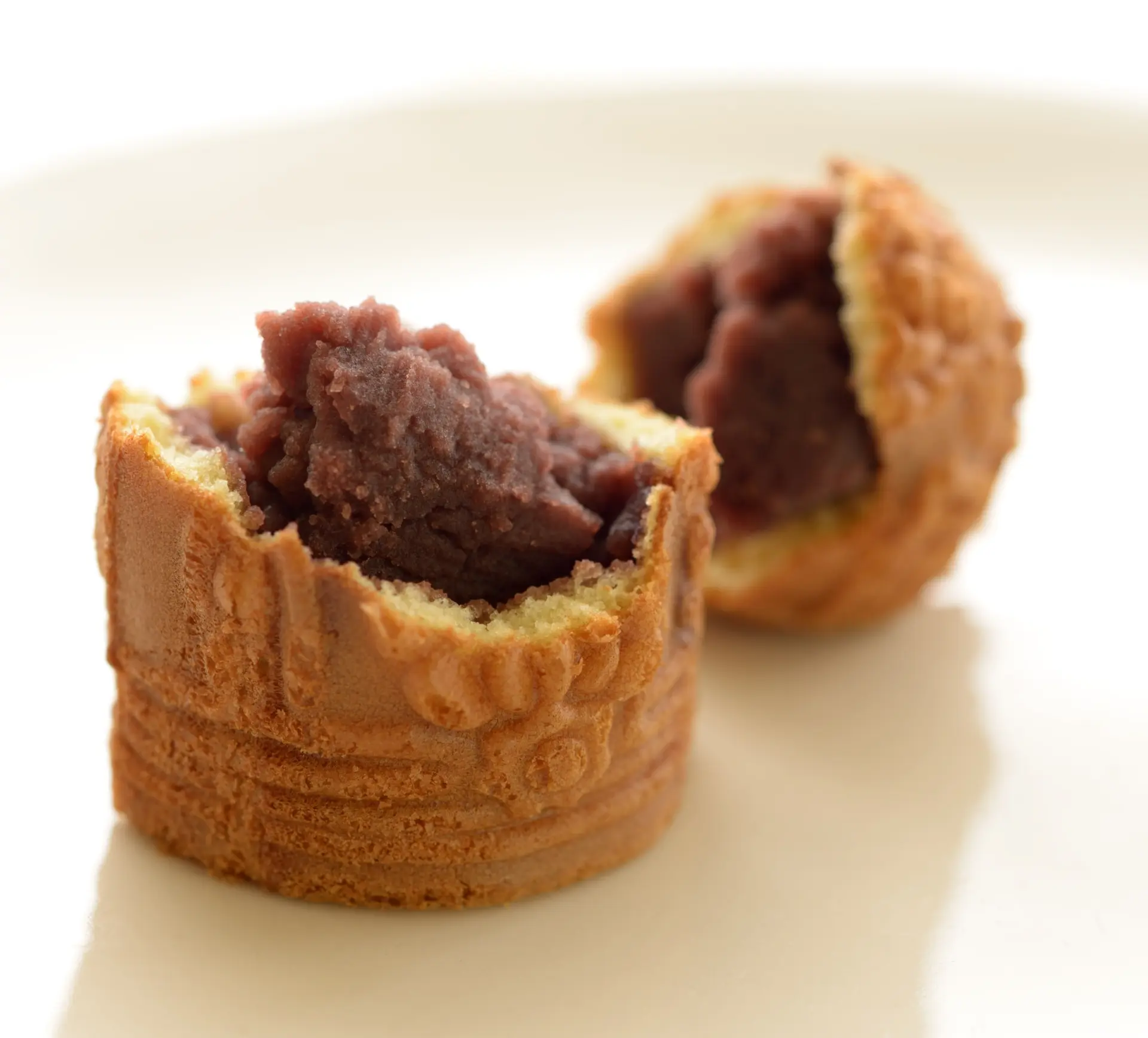
Tsurigane Manju is the signature product of Tsuriganeya Honpo, a long-established confectionery shop that has operated in Osaka’s Shinsekai district since 1900.
These bell-shaped cakes were named after the great temple bell at Shitennoji, a historic temple near the main store. They have remained a beloved Osaka confection for more than 100 years.
Frequently Asked Questions About Namba
Q
How do I get to Namba from Osaka Station?
Walk from Osaka Station to Umeda Station, then take the Osaka Metro Midosuji Line to Namba Station. The journey takes approximately 20 minutes.
Q
How do I get to Namba from Shin-Osaka Station?
Take the Osaka Metro Midosuji Line from Shin-Osaka Station to Namba Station. The journey takes 17 minutes.
Q
Which places should I visit in Namba?
Dotonbori, Shinsaibashi, and Shinsekai should not be missed, as they are home to many places where you can experience Osaka culture. Hozenji Yokocho is also recommended for its calm, sophisticated atmosphere, which contrasts with the area’s livelier destinations.
Summary
Namba is one of Osaka City’s largest entertainment districts, alongside the Kita area.
Osaka culture is concentrated here, making it an essential destination for anyone who wants to experience what makes the city distinctive.
If you would also like to explore areas beyond Namba, see the following article for a comprehensive introduction to Osaka’s attractions, local food, and shopping destinations.
Author
Writers & Editors
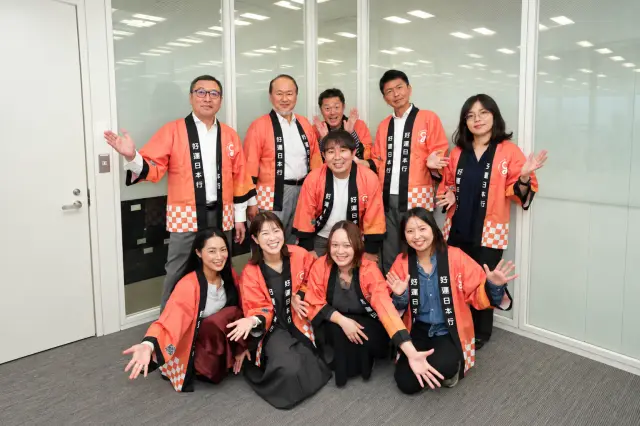
GOOD LUCK TRIP Editors
Sharing lesser-known ways to experience Japan with the world!