

Not Just Shopping: 9 Must-Visit Ginza Hotspots for Food and Sightseeing
Ginza is one of Japan’s top shopping districts, lined with luxury brand boutiques and upscale commercial complexes.
Many people planning a Tokyo itinerary probably have Ginza on their list to enjoy some shopping.
But Ginza actually has plenty of spots where you can also enjoy sightseeing and great food.
If you’re going all the way to Ginza, it’s a shame to make it only about shopping.
Visit the attractions and restaurants introduced in this article and take in Ginza’s many charms.
We also cover popular shopping destinations, so use this as a reference for your Ginza trip.
What is Ginza Like?
Ginza is one of Tokyo’s—and Japan’s—most upscale commercial districts. It’s also known as the area with Japan’s highest land prices.
Department stores and luxury brand boutiques line the streets, and even window-shopping is fun.
Another draw is the abundance of places where you can feel Japan’s traditional culture and history, including long-established shops and spots like Kabukiza Theatre.
You’ll also find many top-tier restaurants, from traditional Japanese cuisine to cutting-edge dining, making it easy to choose a place for anything from a light lunch to a full dinner depending on your mood and occasion.
On weekends and public holidays, the main street Chuo-dori becomes a pedestrian-only zone, making it a popular photo spot where you can take pictures against Ginza’s iconic streetscape of brand boutiques.

When is the best season to visit Ginza?
Ginza is a great place to enjoy sightseeing year-round, from shopping to dining.
If you had to choose, spring or fall is recommended, when it’s comfortable to stroll around while you shop.
What to wear in Ginza by season
- Spring (March–May): A light jacket and a thin sweater
- Summer (June–August): Lightweight clothing, short sleeves
- Fall (September–November): A light jacket, a coat
- Winter (December–February): A coat, a thick sweater or jacket
How do you get to Ginza?
While there are several stations in the Ginza area, the easiest to reach from major Tokyo stations is Tokyo Metro Ginza Station.
Here are the main routes and travel times.
Chuo-dori in Ginza is also only an Approx. 15-minute walk from Tokyo Station’s Yaesu South Exit, so if you’re not confident about transfers, consider walking.
- From JR Tokyo Station
- Approx. 2 minutes via the Tokyo Metro Marunouchi Line
- From JR Shinjuku Station
- Approx. 16 minutes via the Tokyo Metro Marunouchi Line
- From JR Ueno Station
- Approx. 11 minutes via the Tokyo Metro Ginza Line
- From JR Shinagawa Station
- Approx. 11 minutes, transfer from the JR Yamanote Line to the Tokyo Metro Ginza Line
- From JR Shibuya Station
- Approx. 15 minutes via the Tokyo Metro Ginza Line
Getting around Ginza
Ginza’s attractions, dining, and shopping spots can all be explored on foot.
You can also reach nearby areas like Yurakucho, Shimbashi, and Tokyo Station in Approx. 15 minutes on foot, so consider combining them with your Ginza plans.
Experience Japanese Culture and Art! 9 Popular Sightseeing Spots in Ginza
To help you make the most of Ginza, here’s a carefully selected list of recommended sightseeing spots you should visit.
From places where you can experience traditional Japanese performing arts to venues for contemporary art, Ginza has many options for discovering Japanese culture and art.
Try planning a route that fits these stops in between your shopping breaks.
1. Ginza Chuo-dori
Ginza is one of Japan’s leading downtown districts, known for its history and elegance. Its main street, Ginza Chuo-dori, is lined with department stores and luxury brand boutiques and is often compared with New York’s Fifth Avenue and London’s Oxford Street.
Along with department stores such as Wako, Mitsukoshi, and Matsuya, you’ll find flagship stores for luxury brands like Tiffany and CHANEL. In 2017, the large mixed-use complex GINZA SIX opened, housing not only high-end shops but also facilities such as a Noh theater and a tourist information station.

2. Kabukiza Theatre
Kabuki, a traditional Japanese performing art, is staged at theaters across Japan, but the most glamorous venue is Kabukiza, a theater dedicated exclusively to kabuki.
Kabukiza is a large theater with seating for over 1,800 people, and the program changes each month.

3. Ginza Sony Park
A “park in the city” that grand-opened in Ginza, Tokyo on January 26, 2025. The facility consists of five above-ground floors and four basement levels (B4 is used for mechanical rooms, etc.). Designed to embody a “park in the city,” the building stands at roughly half the height of typical Ginza buildings. By deliberately keeping it low, it creates breathing room and a new cityscape in densely built-up Ginza, adding a greater sense of openness.

4. Shiseido Gallery
Shiseido Gallery is a 5-minute walk from JR Shimbashi Station (Ginza Exit) and is built around the concept of “discovering and creating new beauty.”
It’s an art gallery operated by Shiseido, a cosmetics company with the No. 1 domestic market share in Japan and strong popularity worldwide.
Opened in 1919, it is said to be the oldest existing art gallery in Japan.
With over 3,100 exhibitions held to date, many artists who exhibited here have left their mark on Japanese art history, and the gallery has helped introduce a wide range of artists to the world.
In 2001, it reopened after a renovation on the B1 level of the Tokyo Ginza Shiseido Building.
Today, it also runs a project called “shiseido art egg,” where emerging artists hold solo exhibitions.

5. Art Aquarium Museum GINZA
Art Aquarium Museum GINZA is located on the 8th floor of the new building at Ginza Mitsukoshi, one of Ginza’s landmark department stores.
It elevates the goldfish-viewing culture that has continued since the Edo period (1603–1868) into works of art.
Step inside and you’ll find a beautiful Japanese-style space where traditional culture and goldfish come together.
Exhibits are scattered throughout, including the “Goldfish Corridor,” with pillars of swimming goldfish on both sides, and the “Goldfish Stone Lantern,” inspired by stone lanterns used as lighting fixtures at shrines and temples.
Photography is allowed at Art Aquarium, so try capturing a memorable shot in this dreamlike setting.
There are also displays of traditional crafts such as kimono, Kutani ware, and ukiyo-e, offering a rich look at Japanese aesthetics and heritage.

6. Maison Hermes Le Forum Ginza
An art gallery located on the 8th floor of Maison Hermes Ginza, created by the world-famous brand Hermès.
It is organized by the Fondation d’Hermès with the aim of supporting and energizing the art scene.
In an airy atrium space surrounded by glass blocks designed by architect Renzo Piano, it hosts four contemporary art exhibitions a year featuring artists from Japan and abroad.
Be sure to stop by one of only four Hermès art galleries in the world.

7. Seiko Museum Ginza
Seiko Museum Ginza is a place where you can learn not only about the history of Seiko, one of Japan’s leading long-established watchmakers, but also about the broader history of time and timepieces.
At the entrance of the building facing Namiki-dori, you’ll be greeted by “Ronde la Tour,” a large pendulum clock featuring a 4.6-meter pendulum and multiple gears. Inside the museum (B1 through 5F), around 500 items are on display, including past Seiko products as well as sundials, pendulum clocks, karakuri clocks, and historical materials from around the world.

8. Konica Minolta Planetaria TOKYO
Located inside Yurakucho Marion, Konica Minolta Planetaria TOKYO is a complex planetarium facility with a multipurpose digital dome theater, a planetarium dome theater, and a space-themed café and shop.
It features two dome theaters: DOME1, which projects ultra-high-resolution imagery up to 8K and immersive visuals that envelop the entire field from floor to zenith; and DOME2, which uses the latest 3D sound system “SOUND DOME®” to present programs where you can experience beautiful starry skies and moving sound. Enjoy unique content such as live classical performances and music shows fused with Konica Minolta’s beautiful, highly detailed visuals—Konica Minolta is also one of the world’s leading planetarium equipment manufacturers—as well as healing planetarium programs with aromatic scents.

9. Tokyo Takarazuka Theatre
Established in 1934 as the Tokyo base theater for the Takarazuka Revue, headquartered in Takarazuka City, Hyogo Prefecture.
After reconstruction work beginning in 1998, it reopened after renovation on January 1, 2001, marking the start of the 21st century. From the entrance, glamorous red carpeting and dazzling chandeliers create a special, otherworldly atmosphere—fitting as a gateway into a dreamlike world.

10 Recommended Restaurants in Ginza, Home to Top-Tier Dining
Ginza is packed with outstanding restaurants, from long-established institutions to innovative spots serving modern cuisine. Here are some of the most popular picks.
Between shopping and sightseeing, be sure to enjoy lunch or dinner as well.
1. Ginza Bairin (Main Branch)
Founded in 1927, Ginza Bairin is a renowned tonkatsu restaurant. It’s also famous for its founder, a former pharmacist, who developed chuno sauce (tonkatsu sauce).
They use carefully selected ingredients such as Kagoshima kurobuta pork, known for its tender texture, and Yamagata’s branded rice “Tsuyahime,” which pairs well with tonkatsu.

2. Tempura Yamanoue Ginza
Tempura Yamanoue Ginza is where you can enjoy the signature tempura of the long-established Yamanoue Hotel in Ochanomizu, which has a history of 70 years.
With a batter as light as silk, the seasonal vegetables and seafood—selected from across Japan—become even more flavorful when fried. Ingredients are stored in the “ice refrigerator” passed down since the hotel’s founding, helping maintain freshness in optimal condition.

3. Hanayama Udon (Ginza Branch)
An udon restaurant loved for five generations since its founding in 1894, with its main shop in Tatebayashi, Gunma, plus locations in Nihonbashi and Haneda Airport.
The Ginza branch has an upscale atmosphere fitting its location and sits behind Kabukiza on Matsuya-dori.
Its udon, made with Gunma wheat, has a natural sweetness and is known for its chewy, springy texture. For most menu items, you can choose between standard udon and “Oni Himokawa,” revived by the fifth-generation owner for the first time in Approx. 50 years.

4. Ginza Tenkuni
A long-established tempura restaurant that began as a small food stall in Ginza 3-chome in 1885.
Despite being in an area packed with famous tempura restaurants, it’s a popular spot known for its lines.
On the 1st floor, it serves classic Edomae tendon (tempura rice bowls), tempura, set menus, and more.
The same building also has affiliated restaurants, so you can choose based on the occasion: on the 2nd floor, “Ginza Tenkuni Shiori” offers counter seating where chefs cook right in front of you so you can enjoy freshly fried tempura; on the 3rd floor, “Washoku Yuzutsu” offers a wide variety of Japanese dishes made with seasonal ingredients.

5. Tempura Kondo
Tempura Kondo pursues the ultimate tempura with the wish “to let guests discover what truly delicious tempura tastes like.”
Its carefully calculated, thin batter creates a light bite that has long captivated Ginza’s serious food lovers. For head chef Fumio Kondo, tempura is both “fried food” and “steamed food,” drawing out ingredients’ flavor through heat and moisture.

6. Kakin Yasai Ginza
Ryotei Kakin Yasai traces its origins to a gyunabe (beef hot pot) restaurant that opened in 1871 in Kuwana, Mie Prefecture. Enjoy top-tier Matsusaka beef, its original brand “Mie Kakin Yasai Beef,” and Japanese Black beef in dishes such as sukiyaki and charcoal grilled items.
For the signature sukiyaki, the style is to eat the first slice of beef with egg, and the second with grated daikon.

7. Tokyo Kaikan Ginza Sky Lounge
A historic French restaurant in Ginza, right in front of Yurakucho Station.
The circular floor plan places every seat along the windows, and the large panoramic windows offer views toward Marunouchi, Ginza, and the Tokyo Station area.
At dinnertime, you can enjoy an authentic French course meal while taking in the night skyline.

8. Furutoshi
Conveniently located near Tokyo Metro Higashi-Ginza Station and Ginza Station, with well-known sights like Kabukiza and Ginza Mitsukoshi nearby, this restaurant is on the 2nd floor of Solaria Nishitetsu Hotel Ginza.
Originally opened in Nishi-Azabu in 1999. With its commitment to offering “the joy of food” and “time spent with someone important,” it has been loved by many notable figures and discerning diners, and it relocated to Ginza in 2011.

9. Ginza Cafe Paulista
Located along Chuo-dori in Ginza 8-chome, close to Shimbashi, this café was founded in 1911.
With a history of over 110 years, it’s one of the most storied cafés in Japan—an essential name when talking about the roots of café culture in the country.
It also has a deep history: it is said to have opened with support from the São Paulo State Government in Brazil, in recognition of the founder’s contributions to immigration policy.

10. Azabu Yasai Kashi (Ginza Branch)
Opened in March 2022 in the foods area of GINZA SIX, Ginza’s luxury complex where world-class brands and high fashion come together.
The main shop is Azabu Yasai Kashi, a vegetable-sweets specialty store in Azabu-Juban, Tokyo. With the concept of “slightly luxurious sweets made from vegetables,” these creations offer original visuals and flavors made from vegetables.

5 Popular Shopping Spots You Should Visit in Ginza
Ginza, one of Japan’s leading shopping districts, has countless stores and shopping complexes—but start with these popular shopping spots introduced below.
From polished, high-quality selections to places where you can feel Ginza’s history, visiting these destinations will help you fully experience Ginza’s appeal.
1. Matsuya Ginza
A long-established department store founded in 1869, with its main store on Ginza’s main street. It’s directly connected to Tokyo Metro Ginza Station Exit A12, making access easy.
Inside the B2–8F building, you’ll find products across many genres—from fashion maisons around the world and Japanese brands to Japanese tableware like lacquerware and ceramics, plus lifestyle goods—making for an enjoyable shopping experience.

2. Ginza Mitsukoshi
Ginza is famed as an upscale shopping district.
Located at its center, Ginza Mitsukoshi is one of Japan’s leading long-established department stores—and one of Ginza’s signature landmarks.
Mitsukoshi originally began as a kimono shop called Echigoya, with origins dating back to 1673. The Ginza store opened in 1930 and has been a face of Ginza for Approx. 90 years.

3. GINZA SIX
GINZA SIX is a luxury building that stands out even on Ginza Chuo-dori, where high-end brands line the street. It’s Ginza’s largest commercial facility, opened in 2017 as a redevelopment project for Ginza 6-chome that includes the former site of Matsuzakaya Ginza.
With over 200 shops and restaurants across floors from B2 to 6F (in a 13-story building), it features many first-to-Japan and first-location openings and has remained a highly talked-about spot since it debuted.

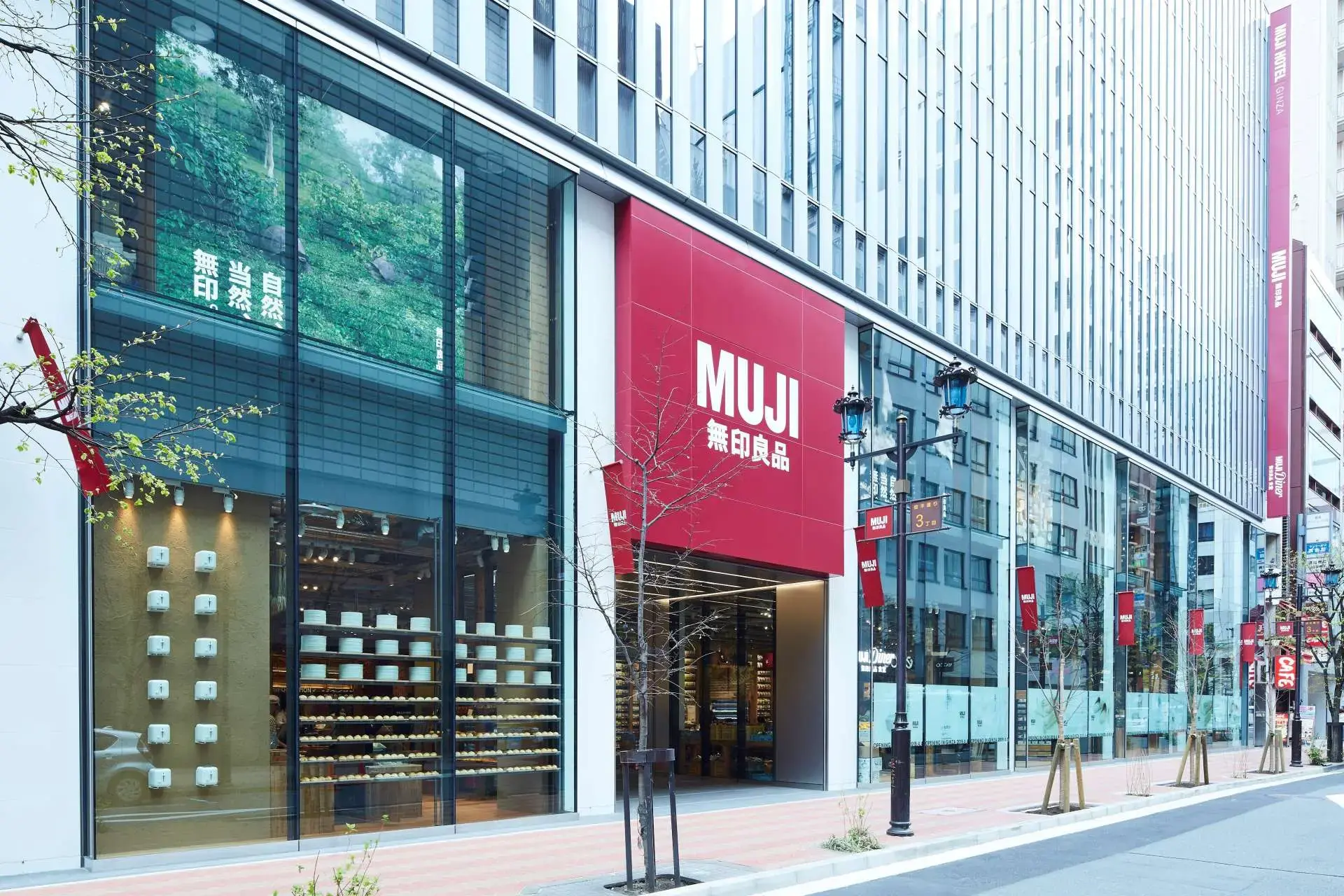
4. MUJI Ginza
A global flagship store on Namiki-dori in Ginza, Tokyo’s upscale shopping district. Here, you can experience MUJI’s concept of “a pleasant life” from many angles across clothing, food, and home.
This multi-faceted facility offers seasonal ingredients, a bakery, drinks, and a restaurant that highlights simple, natural flavors. For clothing, it features ReMUJI and MUJI Labo; for home, it offers household goods and MUJI HOTEL—packed with ideas to enrich everyday living.
5. Hakuhinkan TOY PARK (Ginza Main Store)
Founded in 1899, Hakuhinkan Kankobai (a department store) has long been loved as a Ginza icon.
After several renovations, it is now an eight-story building, and the toy specialty store Hakuhinkan TOY PARK occupies floors 1 through 4.
It carries Approx. 200,000 items, including games, character goods, and novelty items—plenty to delight not only kids but adults, too.
On the 4th floor, Hakuhinkan RACING PARK features an Approx. 36-meter slot car circuit, where you can enjoy the thrill of racing slot cars (electrically powered mini cars).
Floors 5 and 6 have a range of restaurants, including Chinese and Italian, so stop by when you need a break after all the fun.


FAQ about Ginza Sightseeing
Q
Where does the name “Ginza” come from?
A
It comes from the Edo-period coin mint called “Ginza.”
Q
Why are so many luxury brands and high-end stores concentrated in Ginza?
A
There are several theories, but one is that because the area was close to key logistics starting points and hubs, many merchants gathered and the district prospered—ultimately establishing the image of Ginza as an upscale commercial area, which is cited as a reason luxury brands and high-end stores cluster here today.
Summary
We’ve introduced popular attractions, restaurants, and shopping spots in Ginza, one of Japan’s leading upscale shopping districts.
Use this article as a guide to enjoy not only shopping, but also sightseeing and great food.
If you’re planning to explore Tokyo, check out this article as well, which rounds up especially must-visit spots among the city’s many great attractions.