

Enjoy the Charm of a Mountain Resort! 10 Popular Tourist Spots in Hakuba
Hakuba Village in Nagano Prefecture is one of Japan’s top sightseeing destinations, where you can enjoy different scenery in every season.
A defining feature is its location surrounded by the majestic mountains of the Northern Alps, and it is highly regarded in Japan and abroad as a mecca for winter sports and trekking.
The village’s appeal comes from its diverse sightseeing resources, where history, culture, and nature come together, and there is no shortage of highlights, led by grand mountain scenery and beautiful alpine plants.
This article introduces an overview of Hakuba Village, its appeal, and its classic sightseeing spots.
It also brings together the information you need to make the most of your first visit, so use it as a guide while exploring the village.
What is Hakuba Like?
Located in Kitaazumi District in northwestern Nagano Prefecture, Hakuba Village is one of Japan’s leading tourist destinations, rich in nature and spreading out at the foot of the Northern Alps.
It is a highland area embraced by mountains, with the central area sitting at an elevation of around 700m, and is characterized by abundant snowfall in winter and an overall cool, dry climate.
In 1998, it was selected as one of the host locations for the Nagano Olympics, and with infrastructure and facilities further developed, it has become known as a mecca for winter sports.
Its grand mountain scenery and superb powder snow attract visitors, and it is home to many ski resorts recognized around the world.
From spring to fall, visitors can enjoy mountain climbing and trekking, with seasonal activities adding to its appeal throughout the year.
There are also plenty of other highlights, including beautiful alpine plants, hot spring areas known for excellent water quality, and scenic spots with spectacular views.
Hakuba’s local food, nurtured by pure water and a cool climate, is another part of its charm.
Among the most popular are handmade soba noodles with a smooth texture and pork dishes made with locally raised Hakuba pork.
The simple and comforting local dish “Ohyokkuri,” a soup similar to suiton dumpling soup, is also recommended.

What is the best sightseeing season in Hakuba?
Hakuba Village is appealing no matter when you visit, but the most recommended seasons are summer and winter.
In summer, from July to September, the average temperature is around 22°C, making it comfortable and popular as a summer retreat.
It is also a great season for outdoor activities that immerse you in nature, such as mountain climbing, trekking, and camping, and you can enjoy spectacular mountain views and alpine plants in the refreshing climate.
On the other hand, in winter, Hakuba Village, one of Japan’s leading ski resorts, draws many skiers and snowboarders from Japan and abroad in search of high-quality powder snow.
Another feature is the wide variety of ski resorts and courses, along with sweeping views of the majestic mountains right before your eyes.
The silver-white world blanketed in snow can be fully enjoyed even by those who do not take part in winter sports.
What to wear in Hakuba by season
- Spring (March - May): Light jacket, sweater
- Summer (June - August): Light clothing, short sleeves
- Fall (September - November): Light jacket, coat
- Winter (December - February): Down jacket, coat
How do you get to Hakuba?
When sightseeing in Hakuba Village, the most common route is to head to the nearest station, JR Hakuba Station, via JR Nagano Station or JR Matsumoto Station.
From JR Nagano Station, you can take an Alpico Kotsu express bus for Nagano and Hakuba from the East Exit bus terminal and arrive in Approx. 1 hour 10 minutes.
Depending on your destination, you may not need to get off at Hakuba Station, as there are also direct buses timed with departures to places such as Hakuba Iwatake Mountain Resort and Hakuba Norikura.
However, since there are only around seven buses a day, it is recommended to make a reservation in advance.
Access from Tokyo Station is summarized below.
Access to Hakuba from Tokyo Station
- Route
-
1. Take the JR Shinkansen from JR Tokyo Station (Asama, Hakutaka, or Kagayaki), get off at Nagano Station, and walk to the East Exit bus terminal
2. Take the Alpico Kotsu bus for Nagano and Hakuba from the Nagano Station bus stop, get off at Hakuba Station, and arrive - Travel time
- Approx. 2 hours 50 minutes
Main transportation options for sightseeing in Hakuba
There are three main types of public transportation in Hakuba Village: trains, buses, and taxis.
The JR Oito Line, which runs through the village, makes it possible to access various spots with Hakuba Station as the hub, and you can enjoy spectacular views of the Northern Alps from the train window.
Shuttle buses connecting tourist attractions and public buses that run to trailheads and ski resorts by season are also convenient.
If you want to sightsee on a flexible schedule without worrying about timetables, taxis are recommended.
In addition to regular taxis, there are various options such as sightseeing taxis and night demand taxis, so choose according to your needs.
Rental bicycles and rental cars are also options, but be careful when driving on snowy roads.
10 Popular Tourist Spots Where You Can Enjoy Experiences Unique to Hakuba
From here, we will introduce popular sightseeing spots recommended in Hakuba Village.
All of them are popular places where you can enjoy nature, spectacular views, and winter sports while experiencing the unique appeal of Hakuba Village.
If you plan your trip around these spots, you will likely be able to make the most of your visit.
Use this guide as a reference and visit as many places as you can.
1. Hakuba Iwatake Mountain Resort
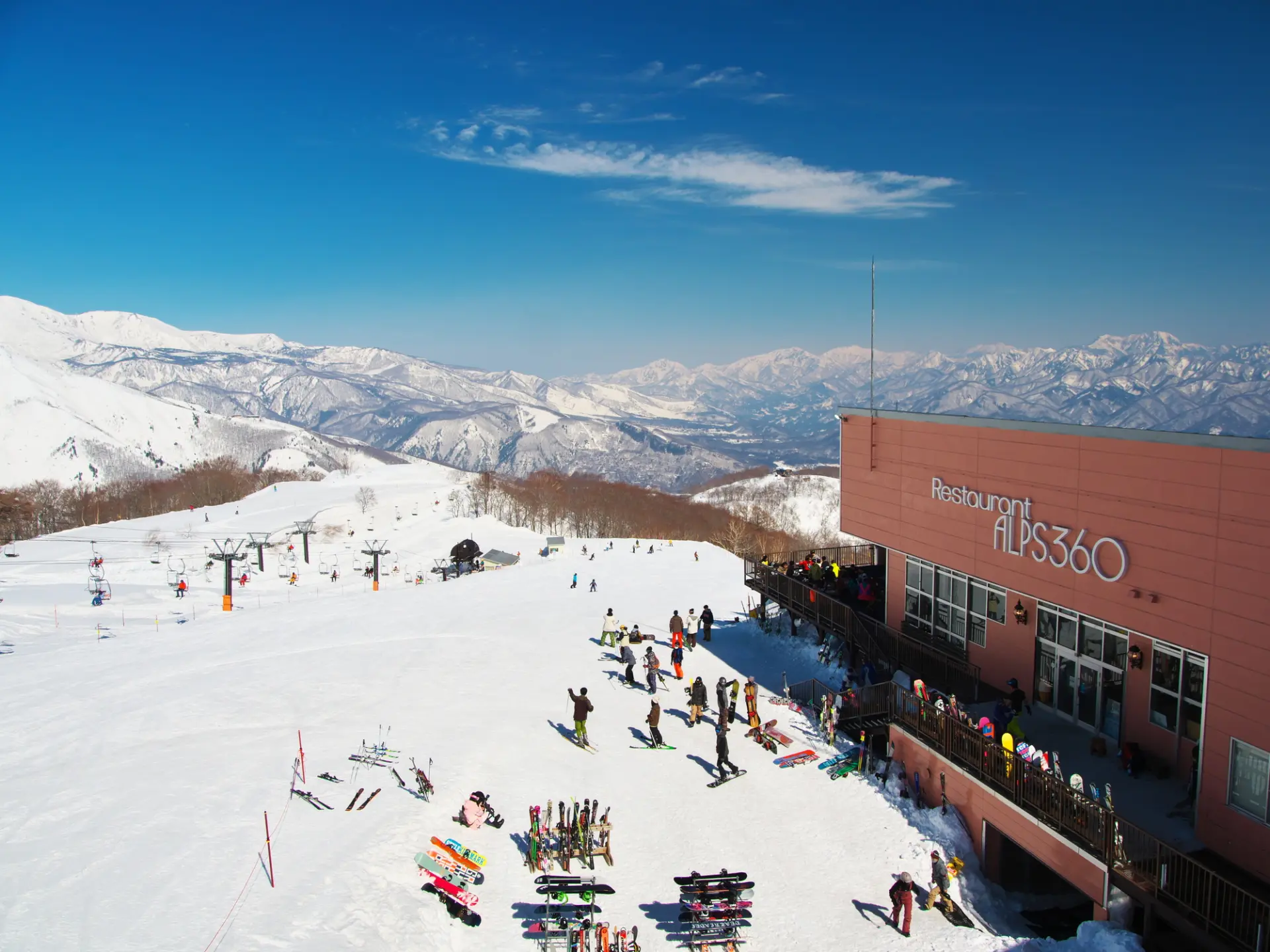
A mountain resort with spectacular views where you can enjoy fresh greenery in spring, refreshing highland greenery in summer, and the Northern Alps’ three-tier autumn foliage in fall.
The snow resort, open in winter, offers a 360-degree panoramic view of a magical silver-white world and a variety of courses spread across natural terrain in every direction.
Highlights include “Iwatake Back Bowl,” one of the area’s largest powder zones where you can feel as if you are skiing into the Alps, as well as long courses that beginners can also enjoy, allowing visitors to have fun at their own skill level.

2. Tsugaike Nature Park
Tsugaike Nature Park is one of Japan’s top high-altitude marshlands, located at an elevation of Approx. 1,900m.
The park has Approx. 5.5km of walking trails, and one of its appeals is being able to experience the majestic nature of the Northern Alps up close.
It takes Approx. 3 to 5 hours at a leisurely pace, and the magnificent mountain range of Mt. Shirouma, Mt. Shakushi, and the Hakuba Daisekkei snow valley spreads out before you.
You can enjoy a walk in the refreshing air, and the emotional scenery that changes with the seasons is also a highlight.
From spring to summer, alpine plants such as Asian skunk cabbage and cotton grass bloom in abundance, while in fall the autumn leaves created by Erman’s birch and rowan trees turning red and yellow are as beautiful as a painting.

3. Usagidaira Terrace
Usagidaira Terrace is a scenic spot located at an elevation of Approx. 1,400m at Hakuba Happo-one Ski Resort.
If you take the Adam gondola lift, you can reach the top in Approx. 8 minutes and enjoy sweeping views of Hakuba Village along with Mt. Asama and the Yatsugatake Mountains.
Events such as hands-on activities and stargazing gatherings where you can enjoy a sky full of stars are also held regularly, offering a refreshing escape in nature that helps relax both body and mind.
Another attraction is the café and restaurant inside the facility, where you can enjoy dishes made with local ingredients and original drinks.
It is also recommended to take in the spectacular views while enjoying specialty menu items such as roast beef bowl with Azumino-grown wasabi and Usagidaira egg chicken rice.

4. Hakuba Happo-one
Hakuba Happo-one offers many activities throughout the year, with trekking and mountain climbing in summer and winter sports in winter.
It is also famous for having been used as a venue for alpine skiing events at the 1998 Nagano Winter Olympics.
The trekking courses are dotted with scenic spots where you can see rare alpine plants and 11 of Japan’s 100 famous mountains, and on clear days you may even be able to see Mt. Fuji.

5. Oide Park
A scenic spot located Approx. 15 minutes on foot from Hakuba Station.
You can enjoy views of the clear Himekawa River, a suspension bridge, and the mountains of Hakuba rising beyond them.
To enjoy this beautiful scenery, head to the observation terrace and lookout within the park. During cherry blossom season, the observation terrace is especially recommended for seeing the blossoms up close.

6. Happo Pond
Happo Pond is a mysterious natural pond located at an elevation of Approx. 2,060m on Hakuba Happo-one.
By taking the Happo Alpen Line, a combination of gondola and lifts, you can go straight up to around 1,830m, and from there it is another 2km trek of Approx. 1 hour 30 minutes to reach the pond.
The walking path is well maintained, so even children and beginners can climb with peace of mind, which is another nice point along with the beautiful scenery created by nature.
In summer, alpine plants unique to Happo-one bloom delicately, while in fall the vivid autumn colors and clear blue sky create a beautiful contrast, giving the area a different charm in each season.
Its greatest attraction is the magical sight on windless days when the Hakuba mountain range is reflected on the water like a mirror.
Early in the morning especially, the light makes the mountains glow beautifully, creating a photogenic spectacular view right before your eyes.

7. Hakuba Mountain Beach
Hakuba Mountain Beach is a new-style resort spot spread across Usagidaira on Hakuba Happo-one at an elevation of Approx. 1,400m.
It is divided into two main areas.
In the first, the Beach Lounge Area, you can relax on open-air beach beds and hammocks while enjoying original food and drinks.
Admission is free, so if you stop by with a beach-perfect drink such as Hakuba Sky Blue Cider in hand, you can enjoy an extraordinary moment.
The second area, the Sauna & Jacuzzi Area, requires a fee, and soaking in the jacuzzi while wearing a swimsuit and taking in the spectacular views offers a luxurious and soothing break for your tired body.

8. Mt. Shirouma
Mt. Shirouma, selected as one of Japan’s 100 Famous Mountains, is one of the great peaks of the Northern Alps, standing at 2,932m.
In particular, the Hakuba Daisekkei snow valley, one of Japan’s three great snow valleys and one of the largest in the country, has long captured the hearts of climbers.
One of the great pleasures here is that snow remains even in summer, allowing you to walk through an impressive corridor of snow while feeling the cool air.
Ridges lined with more than 100 types of alpine plants continue on, and from July to August, colorful flower fields welcome visitors in full bloom.
From the summit, a 360-degree panoramic view unfolds, with Mt. Tsurugi, the Tateyama mountain range, and even Mt. Fuji visible in the distance, making for a truly breathtaking sight.

9. Himekawa Headwaters Nature Exploration Garden
Himekawa Headwaters Nature Exploration Garden is a nature-rich spot centered around the source of the Himekawa River, which has been selected as one of Japan’s 100 Exquisite Waters.
Wooden boardwalks are maintained within the garden, allowing visitors to stroll while experiencing beautiful marshland, babbling streams, and precious vegetation up close.
For example, the garden is filled with seasonal wetland flowers such as clusters of adonis flowers that announce the arrival of spring, Asian skunk cabbage and marsh marigolds blooming from spring to early summer, and autumn foliage.
The pure spring water was also ranked number one in Japan for water quality four times, and its clarity and exceptionally high water quality are sure to impress.
The surrounding area is a nature conservation zone, so please note that entering areas other than designated places and picking plants are prohibited.

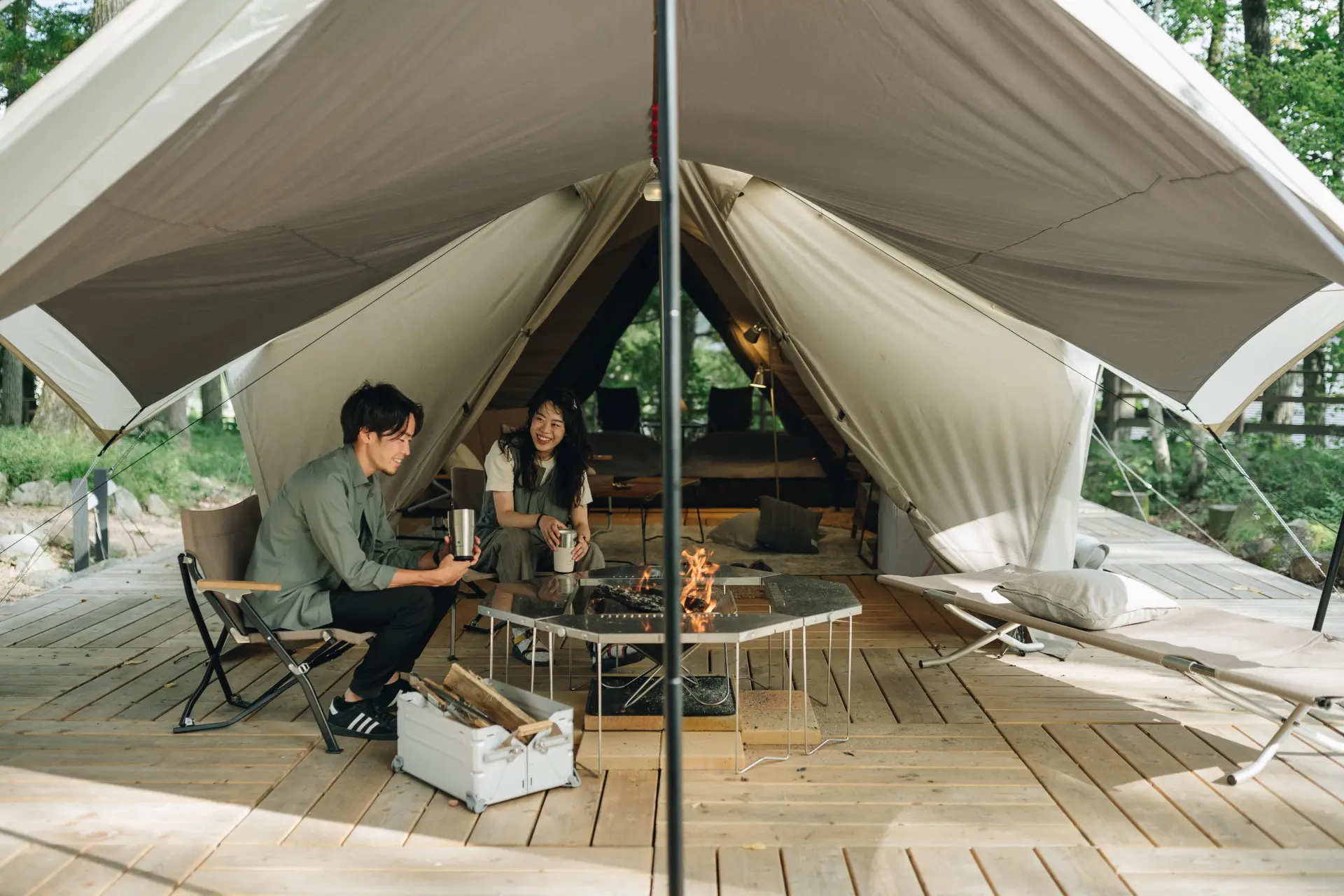
10. Snow Peak LAND STATION HAKUBA
A complex facility with an overwhelming location embraced by the Hakuba mountain range.
The building was designed by world-renowned architect Kengo Kuma, and its wooden ceiling inspired by snow crystals is especially striking.
With glass walls throughout, you can enjoy views of the majestic natural surroundings from anywhere inside the building.
Not Sure Where to Go? 3 Popular Ski Resorts in Hakuba
Hakuba Village is home to many ski resorts that are highly regarded by winter sports fans in Japan and abroad.
The reason is its terrain surrounded by the majestic mountains of the Northern Alps, which provides ideal conditions for ski resorts, including slopes, snow quality, and major elevation differences.
Here, we will introduce three famous ski resorts that attract everyone from beginners to advanced skiers.
All of them offer varied course layouts and powder snow, so be sure to visit.
1. Hakuba Happo-one Ski Resort
A world-recognized ski area with superb powder snow, also known for having hosted the speed alpine skiing events and Nordic combined events at the 1998 Nagano Winter Olympics.
As a single ski resort, it is one of the largest in Japan.
From the summit at 1,831m, an overwhelming panoramic view opens up with the three peaks of Hakuba in the Northern Alps behind you and Mt. Myoko, Togakushi, the smoking peak of Mt. Asama, and the Yatsugatake range in view.

2. Able Hakuba Goryu Ski Resort
One of Hakuba Village’s representative ski resorts, spread out at the foot of Mt. Goryu in the Northern Alps, which rises to 2,814m.
It offers a wide variety of courses for everyone from beginners to advanced skiers, so visitors can enjoy their time according to their level.
For example, in the Alps-daira area at over 1,500m elevation, you can ski briskly over quality powder snow while taking in views of the three peaks of Hakuba.
Iimori Slope, which has many family-friendly courses, is perfect for those with small children and also has a moving walkway.
During winter, it is open for night skiing from 6pm to 9:30pm, making it popular with visitors who want to ski or snowboard after sightseeing or all day long.
Also not to be missed is Escal Plaza, a well-equipped complex facility with nap spaces, hot springs, restaurants, and more.
Open 24 hours during the winter season, it is a reliable presence that supports a comfortable stay for visitors.

3. Hakuba47 Winter Sports Park
A popular snow resort in Hakuba Village affectionately known as “Yonnana (47).”
Its name comes from the idea of “a place you can enjoy in nature all year round,” and it opened in 1990 as the newest among the nearby resorts.
It features many thrilling slopes and steep courses that make use of the natural terrain, along with a wide variety of items such as kickers, rails, and boxes.
The ski area has an elevation difference of 790m and includes a course with a longest run of 6.4km, as well as a half-pipe for pros, making it well suited for intermediate and advanced skiers.
It is adjacent to and connected with the above-mentioned Able Hakuba Goryu Ski Resort, and another nice point is that you can ski a vast area with a shared lift pass.
In summer, it operates as a sports park where you can enjoy mountain biking, trekking, and camping, making it worth visiting throughout the year.
Enjoy More Than Sightseeing! 3 Popular Restaurants in Hakuba
Here are three popular restaurants in Hakuba Village.
Each has its own genre, features, and appeal, but all are excellent places that promise a wonderful time.
It is also recommended to choose among them depending on your travel companions, food preferences, and dining situation.
Use this guide as a reference and visit the places that catch your interest.
1. Soba Shubo Zen
Located Approx. 10 minutes by taxi from Hakuba Station, Soba Shubo Zen is a well-known restaurant famous for its handmade soba noodles made with local Shinshu flour and underground water from the Northern Alps.
Inside a renovated old folk house with a calm atmosphere, you can enjoy your meal while taking in Hakuba’s magnificent scenery.
Popular menu items include the carefully prepared and aromatic 100% buckwheat soba, available in limited quantities, and bukkake soba, which is especially popular with women and generously topped with local ingredients.
Another feature is its wide selection of local sake and local beer, and in the evening it also operates as an izakaya-style pub.

2. HAKUBA MOUNTAIN HARBOR/THE CITY BAKERY
HAKUBA MOUNTAIN HARBOR, located at the summit at 1,289m, is one of Hakuba Village’s leading sightseeing spots, offering panoramic views of the Northern Alps.
Inside it is THE CITY BAKERY, a famous bakery from New York where you can enjoy freshly baked bread and sweets.
The shop is located right after you get off the gondola lift, and the great natural scenery, including the three peaks of Hakuba, spreads out before you.
The terrace seats are especially popular, offering an open setting for dining and making it a favorite photo spot as well.
Recommended menu items include the pretzel croissant, the shop’s signature item with a fragrant aroma and salty flavor, and the chocolate chunk cookie, made with an authentic taste.
Enjoying them with freshly brewed coffee or Hakuba beer while looking out at the mountains is an exceptional experience.

3. Yakiniku Miyama
Yakiniku Miyama is a long-established yakiniku restaurant that has long been loved by locals.
The restaurant has a homey atmosphere and is well suited for families and groups of friends.
One of its defining features is its commitment to carefully cutting fresh domestic meat only after an order is placed so it can be served at peak freshness and flavor.
The simply seasoned meat, grilled authentically over charcoal using a shichirin and long-burning charcoal, is absolutely delicious.
Another attraction is the three kinds of homemade sauces that bring out the meat’s flavor.
The juicy premium kalbi and fragrant premium salted tongue are especially popular, but all the meat is tender and free of any unpleasant smell, so you can confidently order whichever cut you prefer.
The cold noodles, perfect for finishing the meal, and the assorted horumon, which pairs wonderfully with drinks, are also recommended.

Relax in Beautiful Nature! 3 Recommended Places to Stay in Hakuba
To wrap up, here are some recommended hotels for travelers who want to be selective about where they stay in Hakuba Village.
All of them are close to JR Hakuba Station and also operate shuttle buses, making them ideal as sightseeing bases.
With well-equipped facilities, you can enjoy hot springs, local cuisine, and spectacular views of the Northern Alps for a comfortable stay.
They also offer excellent access to nearby tourist attractions and ski resorts, so consider staying at one of them.
1. Hotel Hakuba
A resort hotel with an attractive location surrounded by the great nature of the Northern Alps.
In addition to its excellent location Approx. 10 minutes on foot from JR Hakuba Station, it also operates a free shuttle bus.
With good access to Hakuba Happo-one Ski Resort and Hakuba Goryu Ski Resort, many guests use it as a base for trekking and outdoor sports in summer, and skiing and snowboarding in winter.
The guest rooms mainly consist of functional twin rooms, and every room enjoys spectacular views through the windows.
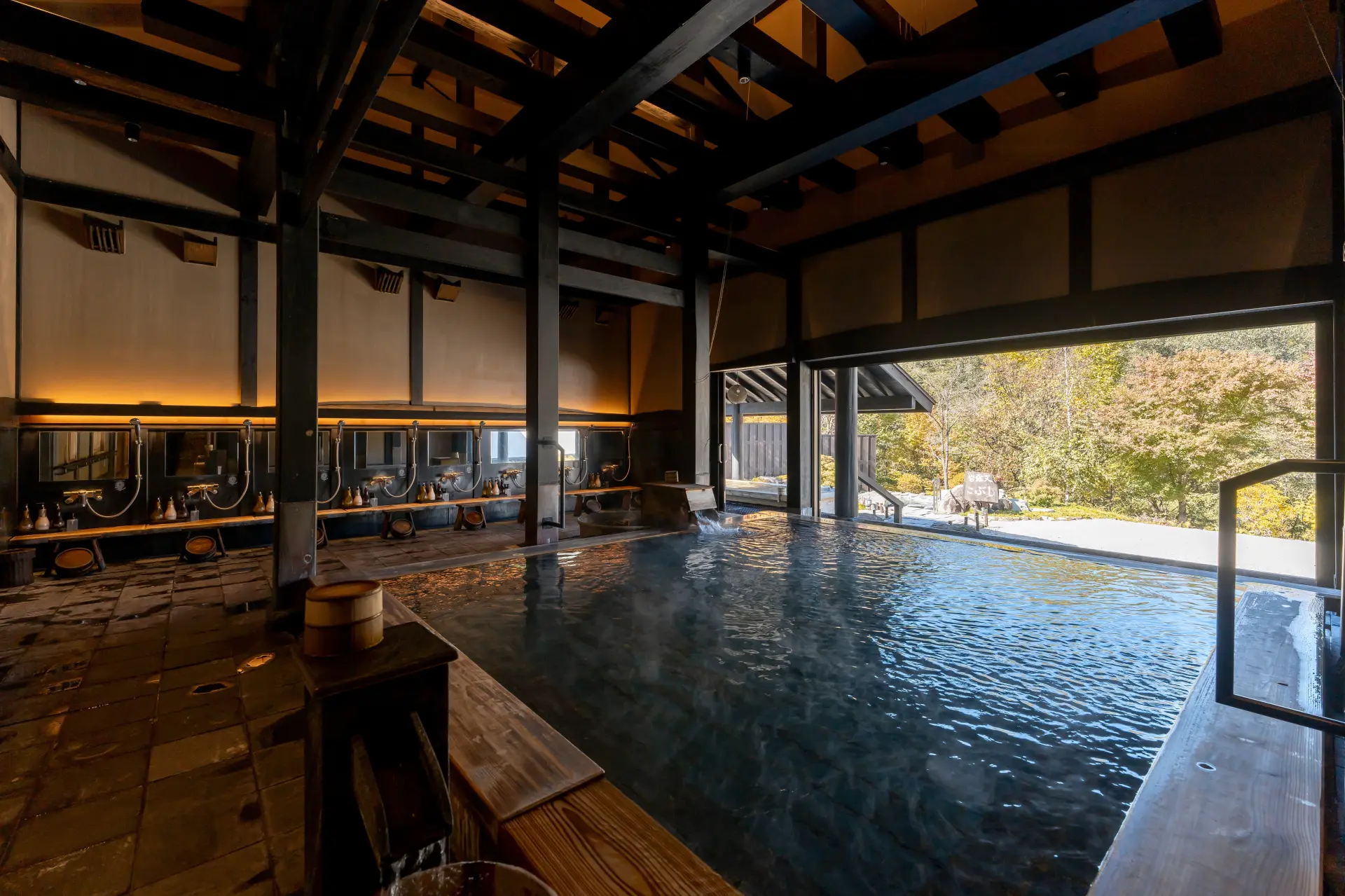
One of the hotel’s most recommended highlights is the natural hot spring Hakuba Himekawa Onsen.
Along with excellent heat retention, you can enjoy views of the great natural surroundings, soothing not only physical fatigue but mental tiredness as well.

2. Hakuba Highland Hotel
A hot spring resort hotel perched on a hill with spectacular views of the Northern Alps.
It is located Approx. 15 minutes on foot from JR Hakuba Station or Approx. 3 minutes by free shuttle bus, and also offers good access to sightseeing spots such as Tsugaike Nature Park and Happo-one.
The hotel offers a variety of room types, including Japanese-Western style rooms, barrier-free rooms, and family rooms, meeting a wide range of needs from families and couples to solo travelers.
The hotel’s appeal lies in its hospitality based on the concept of being “a hotel that can stay close to the hearts of its guests.”
There are many heartwarming touches, including a local buffet centered on Hakuba products and Shinshu ingredients with regional dishes such as bokka-jiru, as well as carefully crafted in-house pamphlets.
The hotel also shares a variety of up-to-date information related to Hakuba Village, so it is a good idea to ask the staff for sightseeing advice.

3. Hotel Sierra Resort Hakuba
A highland resort hotel surrounded by the beautiful forests of Hakuba Village.
Located Approx. 10 minutes from JR Hakuba Station by taxi or reservation-required shuttle bus, it offers a luxurious stay in harmony with nature throughout the year.
Its vast grounds of Approx. 30,000 tsubo feature a wide variety of facilities, including natural hot springs, restaurants, and walking paths.
The interior is unified in a calm European style, and the spacious guest rooms, together with the overall extraordinary atmosphere, create the feel of a relaxing hidden retreat for adults.
For dinner, you can enjoy creative French and Chinese cuisine made with local ingredients, along with drink pairings.
There is also a full range of attentive services, including a lounge serving light meals, ski equipment rentals, and private hot springs available by reservation.
FAQ about Hakuba Sightseeing
Q
When can you ski in Hakuba?
It depends on weather conditions and the ski resort, but many facilities generally set the winter season from late November to late March of the following year.
Q
Are there hot springs in Hakuba?
Hakuba Happo Onsen, which springs up at the foot of Hakuba Mountain, is especially famous. It is known as Japan’s only highly alkaline natural hydrogen hot spring, and you can relax while looking out at the Northern Alps.
Q
What are the highlights of Hakuba in summer?
There are plenty of activities where you can refresh yourself in the cool climate, including trekking while enjoying rare alpine plants and grand mountain scenery.
Summary
This article has introduced Hakuba Village’s highlights, with a focus on the popular sightseeing spots and restaurants you should not miss.
It is famous as a mecca for winter sports, but there are also wonderful sightseeing spots where you can enjoy much more than skiing and snowboarding.
There are many experiences you can have only here, and no matter when you visit, the beautiful seasonal scenery and wide range of activities will keep you entertained.
Why not visit at least once and discover the charm of Hakuba Village for yourself?
Be sure to check out this article as well, which clearly summarizes recommended sightseeing spots, shopping areas, ski resorts, and more to help with your trip to Nagano.