

Fuchu Travel Guide: History, Nature, Horse Racing, Popular Attractions, Food, and Itinerary
Located near the center of Tokyo, Fuchu is about 20–30 minutes from Shinjuku on the Keio Line.
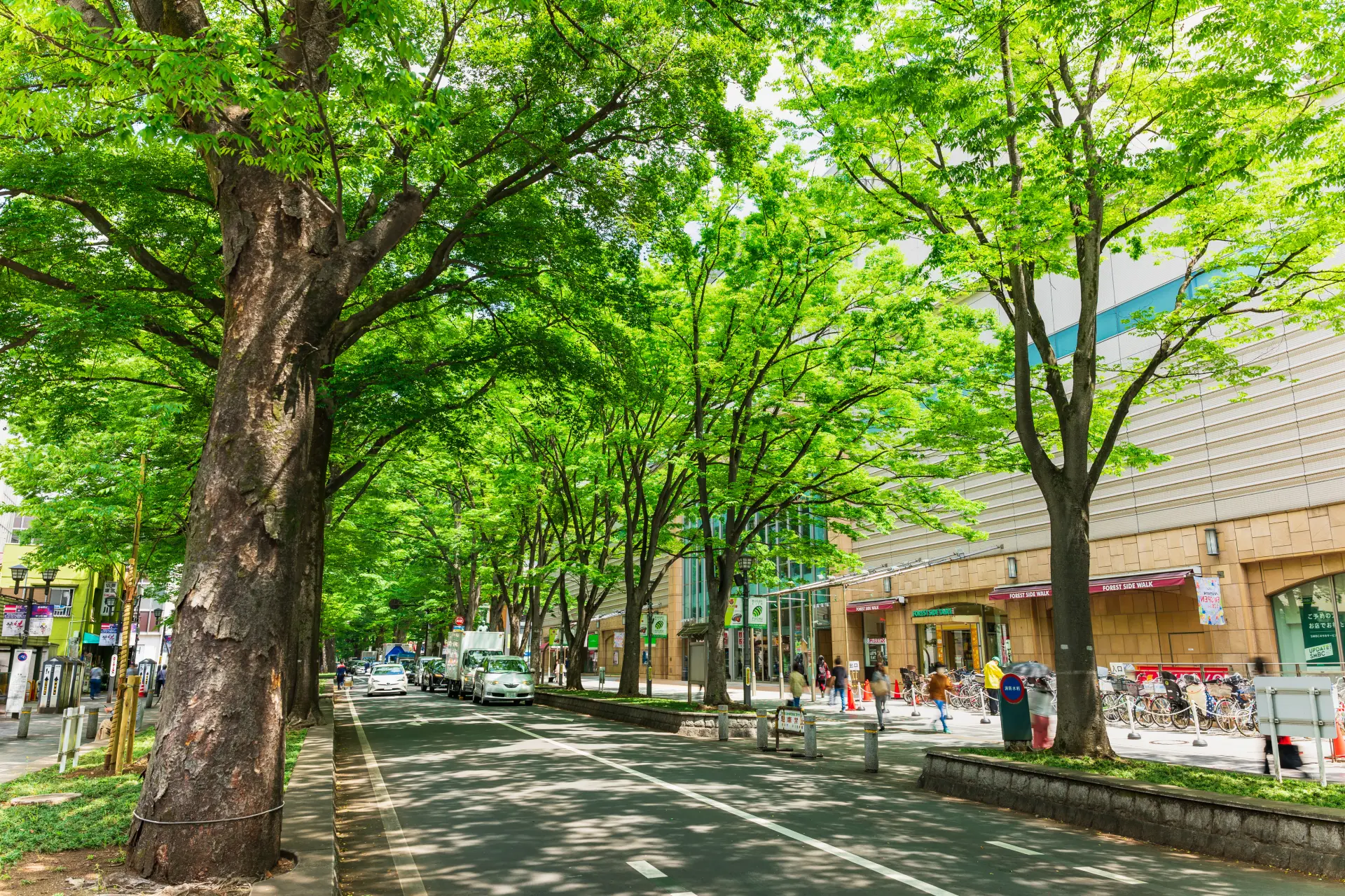
While known as a convenient place to live, with commercial facilities around the station, a short walk reveals a shrine with about 1,900 years of history, the remains of an ancient provincial capital, and a zelkova-lined avenue designated a National Natural Monument.
It also offers attractions for all ages, including Tokyo Racecourse, one of Japan’s largest racecourses; the Fuchu City Kyodonomori Museum, known for its seasonal flowers; an art museum; parks; and factory tours.
Fuchu brings together ancient history, the natural beauty of Musashino, the excitement of horse racing, and flavors cherished by locals—all within easy reach of central Tokyo.
This guide introduces essential attractions, experiences, food, souvenirs, accommodations, and a classic one-day itinerary for first-time visitors to Fuchu.
What Is Fuchu Like?
Fuchu is located near the center of Tokyo.
Fuchu Station on the Keio Line is accessible directly from Shinjuku, making the city a convenient day-trip destination from central Tokyo.
Its history stretches back centuries. Around the late 7th to early 8th century, it became the site of the provincial capital that governed Musashi Province, which encompassed present-day Tokyo, Saitama Prefecture, and part of Kanagawa Prefecture.
It developed as a center of politics, commerce, and culture, and flourished as a post town along the Koshu Kaido highway during the Edo period.
Historical sites centered around Okunitama-jinja Shrine preserve this heritage today.
Within walking distance are the Babadaimon Zelkova Avenue leading from Fuchu Station to the shrine, the Musashi Kokufu Site offering a sense of the former government complex’s scale, and the Historic Site Square of the Provincial Governor’s Office and Ieyasu Palace, where pillars recreate the governor’s residence and office.
Once you realize that an ordinary-looking street was the center of Musashi Province more than 1,000 years ago, you may see the city in a different light.
Fuchu is also a city rich in nature and entertainment.
Depending on the season and purpose of your trip, you can visit the Fuchu City Kyodonomori Museum for plum blossoms, hydrangeas, red spider lilies, and fall foliage; Sengenyama Park for rare Musashino-kisuge daylilies; or Tokyo Racecourse, which has a museum and Japanese garden in addition to horse racing.
Whether you want to explore history, spend a family day out, or devote a day to horse racing and food, Fuchu has something to offer.
Its depth will make you want to return in another season.
Getting to Fuchu and Tips for Sightseeing
Fuchu Station on the Keio Line, the main starting point for sightseeing, is accessible directly from Shinjuku.
Okunitama-jinja Shrine, Babadaimon Zelkova Avenue, the Musashi Kokufu Site, and restaurants around Fuchu Station are easy to explore on foot.
Fuchuhommachi Station on the JR Musashino and Nambu lines is convenient for reaching the Historic Site Square of the Provincial Governor’s Office and Ieyasu Palace, Okunitama-jinja Shrine, and Tokyo Racecourse.
Historical sites and restaurants are also scattered between Fuchu and Fuchuhommachi stations, so walking from one station to the other is an efficient way to explore.
For Fuchunomori Park and the Fuchu Art Museum, use Higashi-fuchu Station on the Keio Line. For the Fuchu City Kyodonomori Museum and the beer factory, taking a bus from Bubaigawara Station is convenient. A bus is also useful for reaching Sengenyama Park.
For a more relaxed visit, focus each day on one area or theme: explore the history around Fuchu and Fuchuhommachi stations on your first day, then visit Tokyo Racecourse, Kyodonomori, or the park and museum in Higashi-fuchu on another day.
10 Popular Attractions in Fuchu
Fuchu offers a wide variety of attractions, from historical sites that tell the story of the city’s origins to places featuring nature, art, and horse racing.
Here are 10 places first-time visitors should see.
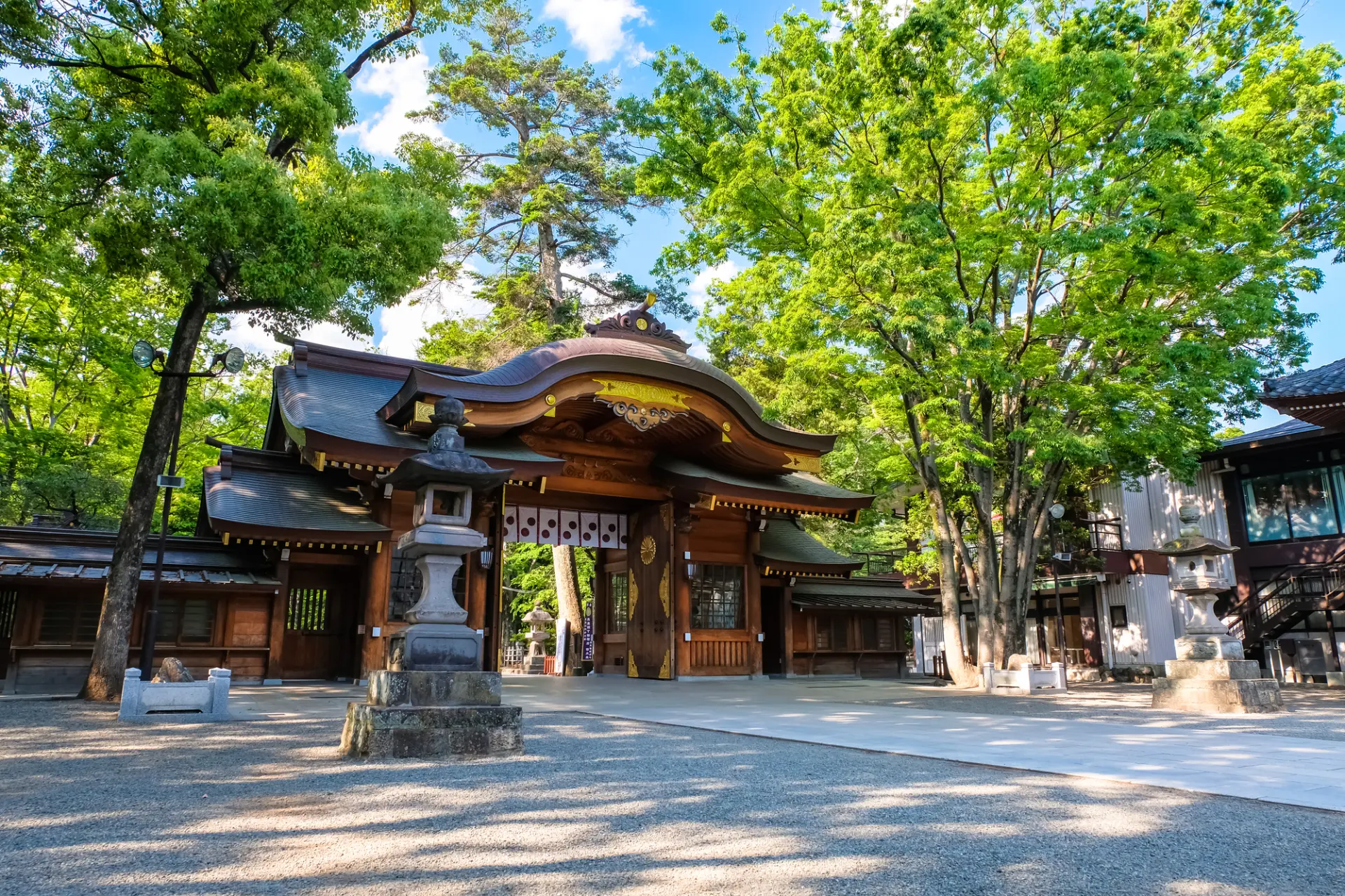
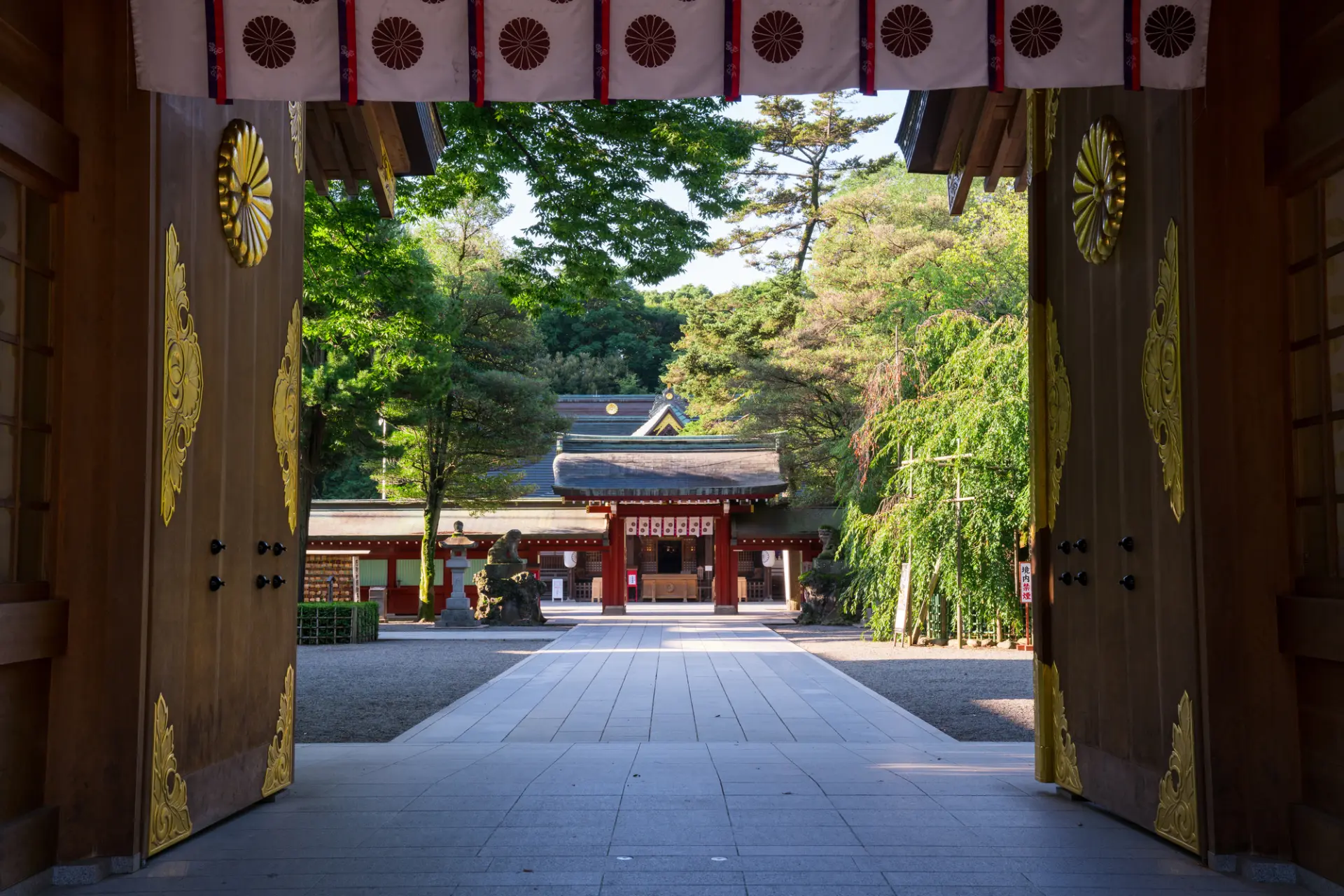
1. Okunitama-jinja Shrine: About 1,900 Years of History Surrounded by Lush Greenery
One of Fuchu’s best-known landmarks is Okunitama-jinja Shrine, dedicated to the guardian deity of Musashi Province.
Its history spans about 1,900 years, and it is revered for protection from misfortune and blessings in relationships.
Pass through the large torii gate and you will find yourself in a remarkably quiet, peaceful setting despite its proximity to central Tokyo.
Highlights include the vermilion Chujakumon and Zuijinmon gates and the dignified worship hall. The grounds also contain several auxiliary shrines, including Miyanome-jinja Shrine, which is revered for prayers for safe childbirth.
Do not miss the large ginkgo tree behind the main sanctuary.
Believed to be more than 1,000 years old, its imposing, widely spreading branches make it a powerful symbol of the shrine’s long history.
The Treasure Hall, which houses portable shrines and large drums, is open on Saturdays, Sundays, national holidays, and shrine festival days.
Numerous festivals are held here throughout the year, so timing your visit to coincide with one is also worthwhile.
2. Babadaimon Zelkova Avenue: Experience Fuchu’s History on Foot
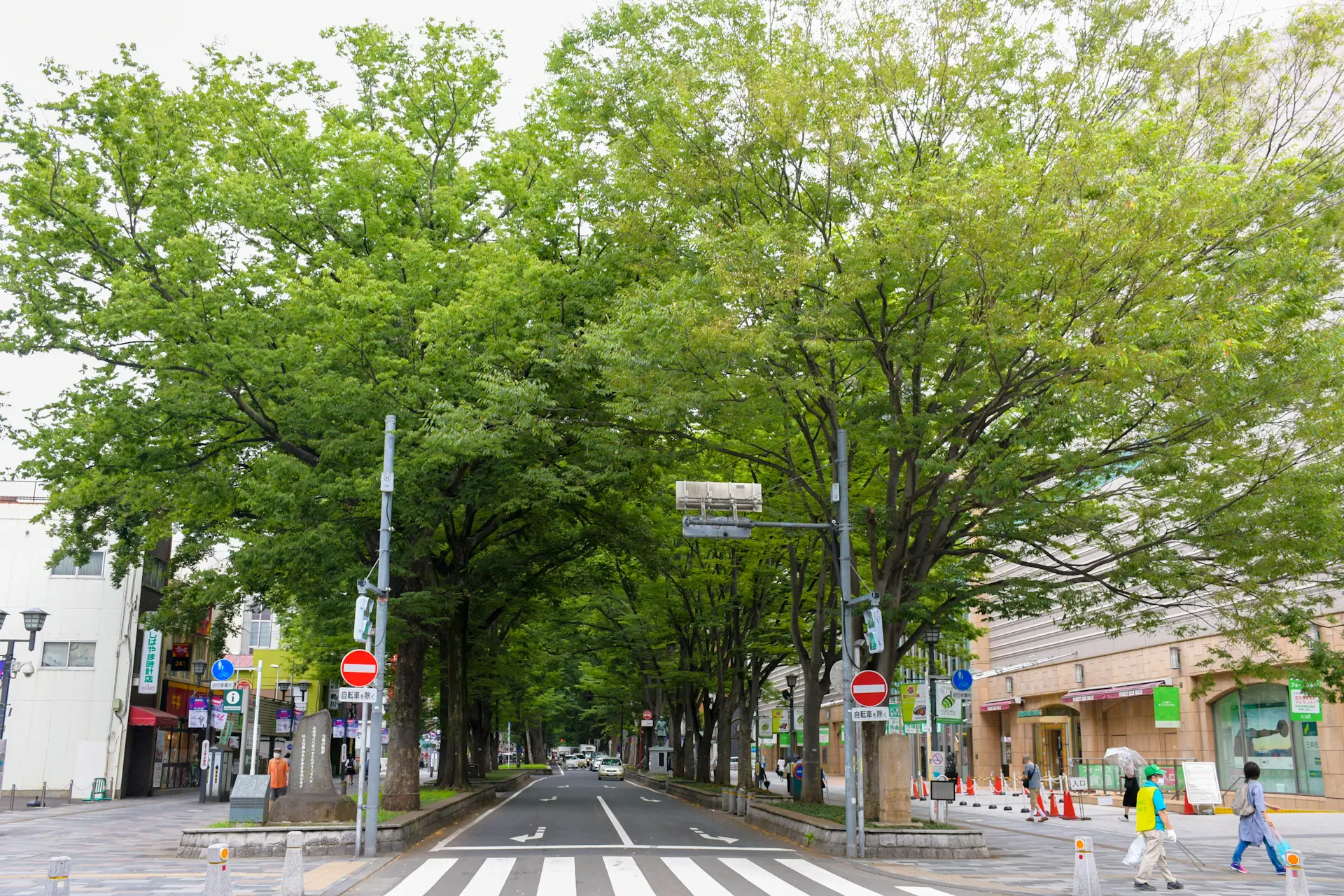
Babadaimon Zelkova Avenue extends for about 500 m from Fuchu Station on the Keio Line toward Okunitama-jinja Shrine.
About 120 zelkova trees line the route, making it Japan’s only zelkova avenue designated a National Natural Monument.
One tradition traces its origins to saplings donated by Minamoto no Yoriyoshi and his son Yoshiie during the Heian period, while another says it was developed when Tokugawa Ieyasu donated a riding ground during the Edo period.
The oldest zelkova is about 400 years old. Standing beside the shrine’s large torii gate, it continues to watch over worshippers.
Fresh green leaves form a canopy overhead in spring, while colorful foliage brightens the city in fall.
The avenue’s appeal lies in being both a historic approach to the shrine and an everyday route used by residents.
When you arrive at Fuchu Station, begin with a leisurely walk beneath the dappled sunlight toward Okunitama-jinja Shrine.
3. Musashi Kokufu Site: Visit the Former Center of Musashi Province
The Musashi Kokufu Site provides visible evidence that present-day Fuchu was once the center of Musashi Province.
From the early Nara period through the middle of the Heian period, each province had a government office where provincial governors conducted official business, and the surrounding urban area was known as the provincial capital.
More than 30 years of excavations revealed that the core government complex once stood within Okunitama-jinja Shrine and the area immediately east of it.
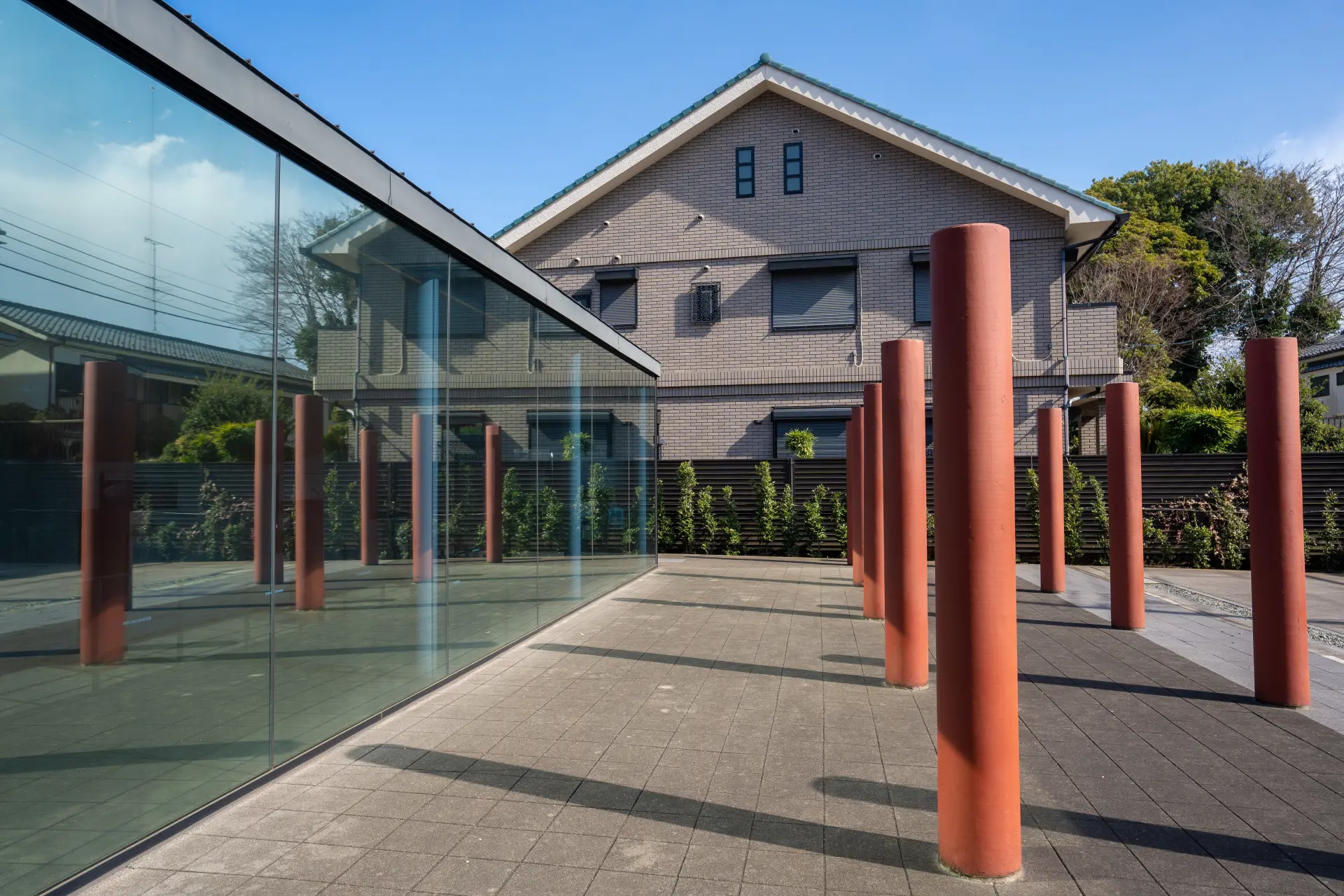
Vermilion pillars at the site mark the locations of building posts identified through excavation.
Looking across the area outlined by these pillars, you can imagine officials working and people and goods moving through the site more than 1,000 years ago.
Vermilion markers on the road also indicate pillar remains, so remember to look down as you walk.
4. Historic Site Square of the Provincial Governor’s Office and Ieyasu Palace: Where Ancient and Edo-Period History Meet
The Historic Site Square of the Provincial Governor’s Office and Ieyasu Palace is about a 2-minute walk from JR Fuchuhommachi Station.
From around the beginning of the Asuka and Nara periods until near the end of the Heian period, this was the site of the residence and office of the provincial governor who administered Musashi Province.
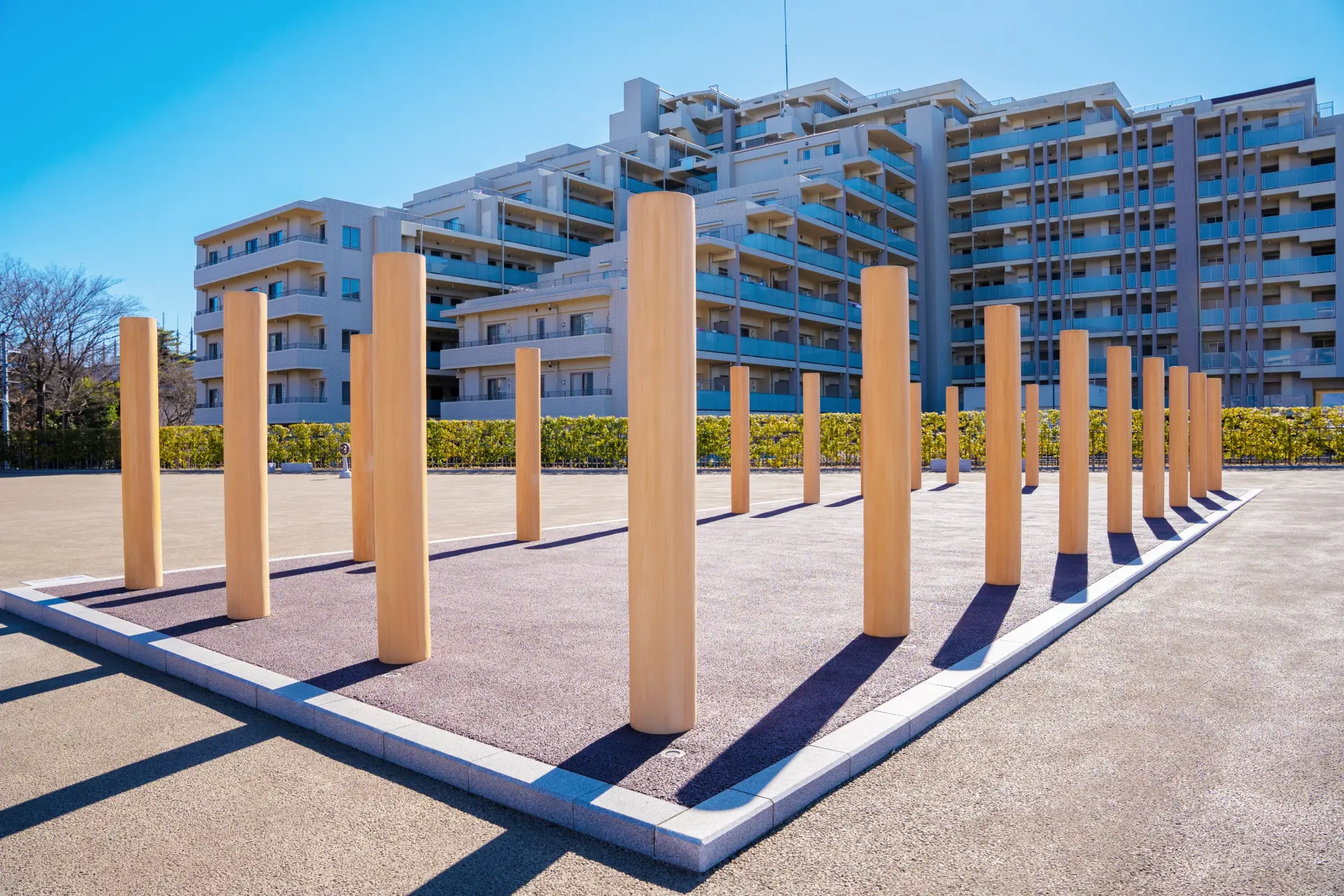
Pillars measuring about 30 cm in diameter and 2.4 m high recreate the former building at full scale.
The structure’s size can be difficult to grasp from flat ruins alone, but walking between the pillars gives you a physical sense of its scale.
Scan the QR code at the site to view a computer-generated reconstruction.
This location is also believed to have had a palace where Tokugawa Ieyasu stayed while falconing.
The ancient provincial governors and Edo-period Tokugawa Ieyasu represent different eras of history layered upon the same place—an archaeological site characteristic of Fuchu.
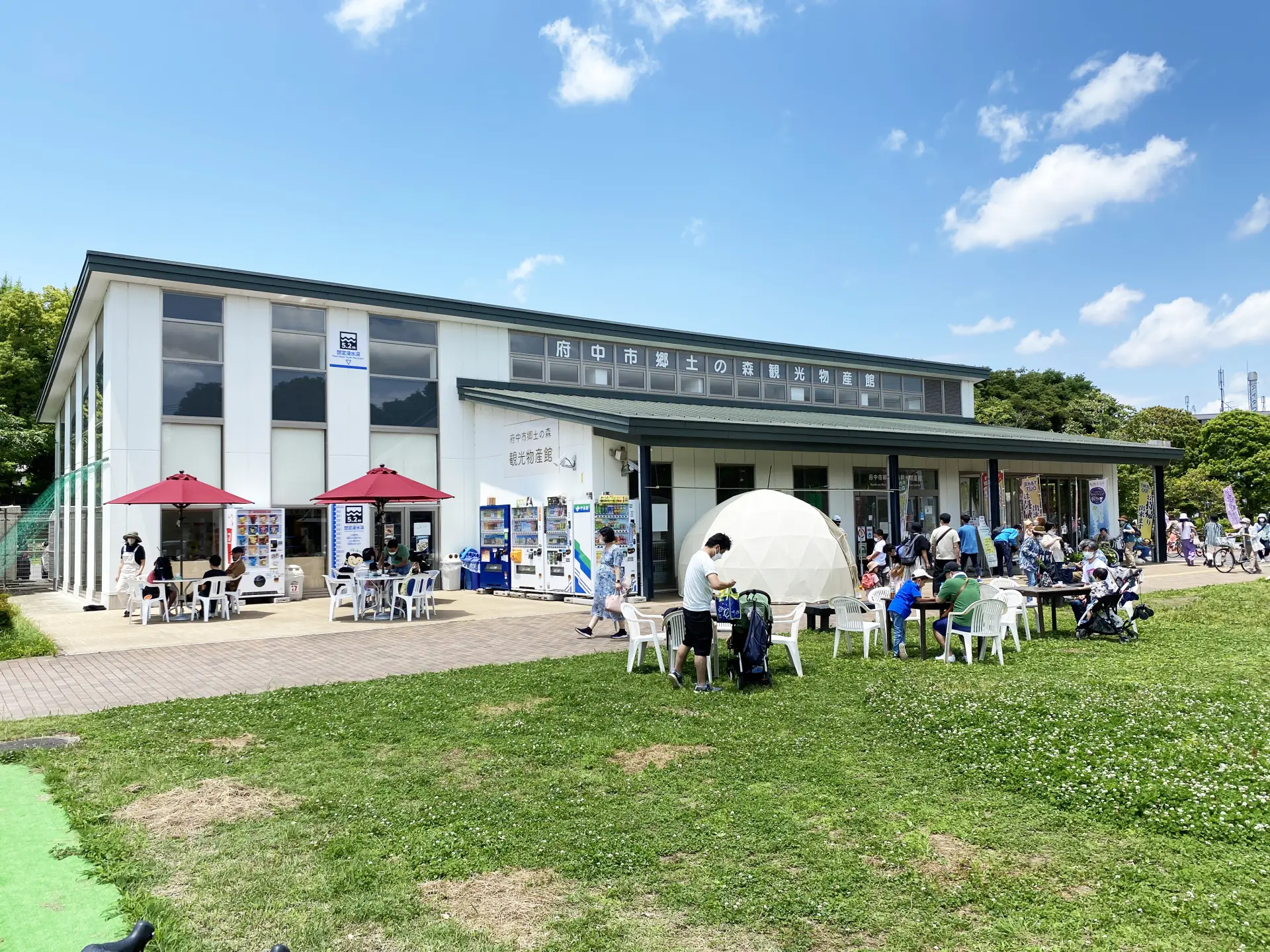
5. Fuchu City Kyodonomori Museum: History and Nature in One Place
The Fuchu City Kyodonomori Museum brings together Fuchu’s history, folk culture, and natural environment across expansive grounds of about 140,000 sq m.
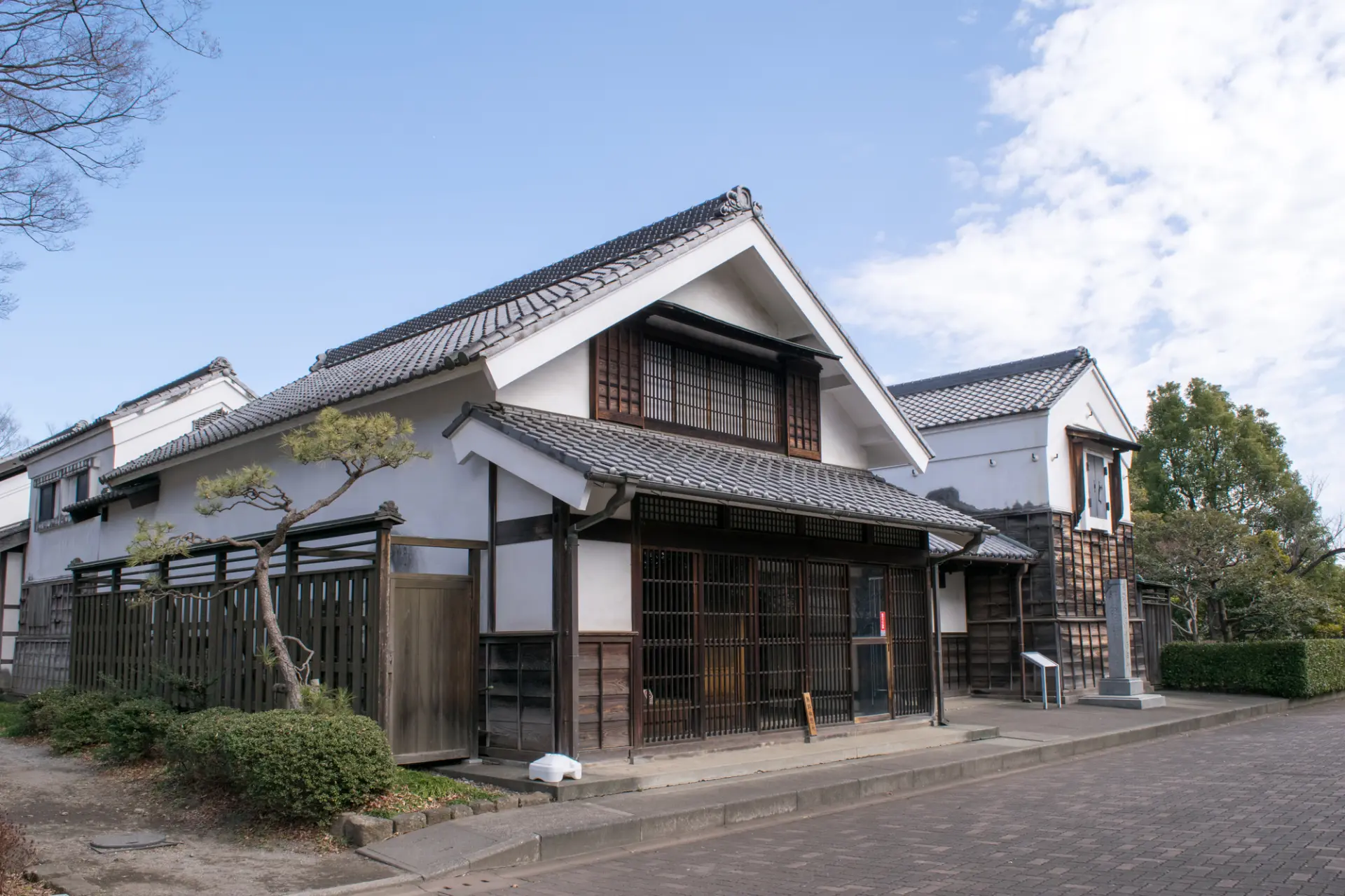
The main museum building contains a permanent exhibition and planetarium, while old farmhouses, merchant houses, and other historic buildings have been relocated or reconstructed outdoors.
The area containing the former Fuchu Town Hall and former Fuchu Post Office resembles a miniature version of old Fuchu.
Walking through the buildings offers an intimate look at daily life from the Edo period to the early Showa period.
Farther inside are a watermill, waterfall, lawn, and wading pond surrounded by rich natural scenery.
Plum trees, hydrangeas, red spider lilies, maples, and ginkgo trees transform the grounds with each season, presenting a new landscape every time you visit.
When tea is being served at the Baikyo-an teahouse, consider having matcha while looking out over the Japanese garden.
As a place to learn about history, admire flowers, and take a leisurely walk, it is a central attraction for any visit to Fuchu.
6. Tokyo Racecourse: A Full Day of Fun Even for Horse Racing Beginners
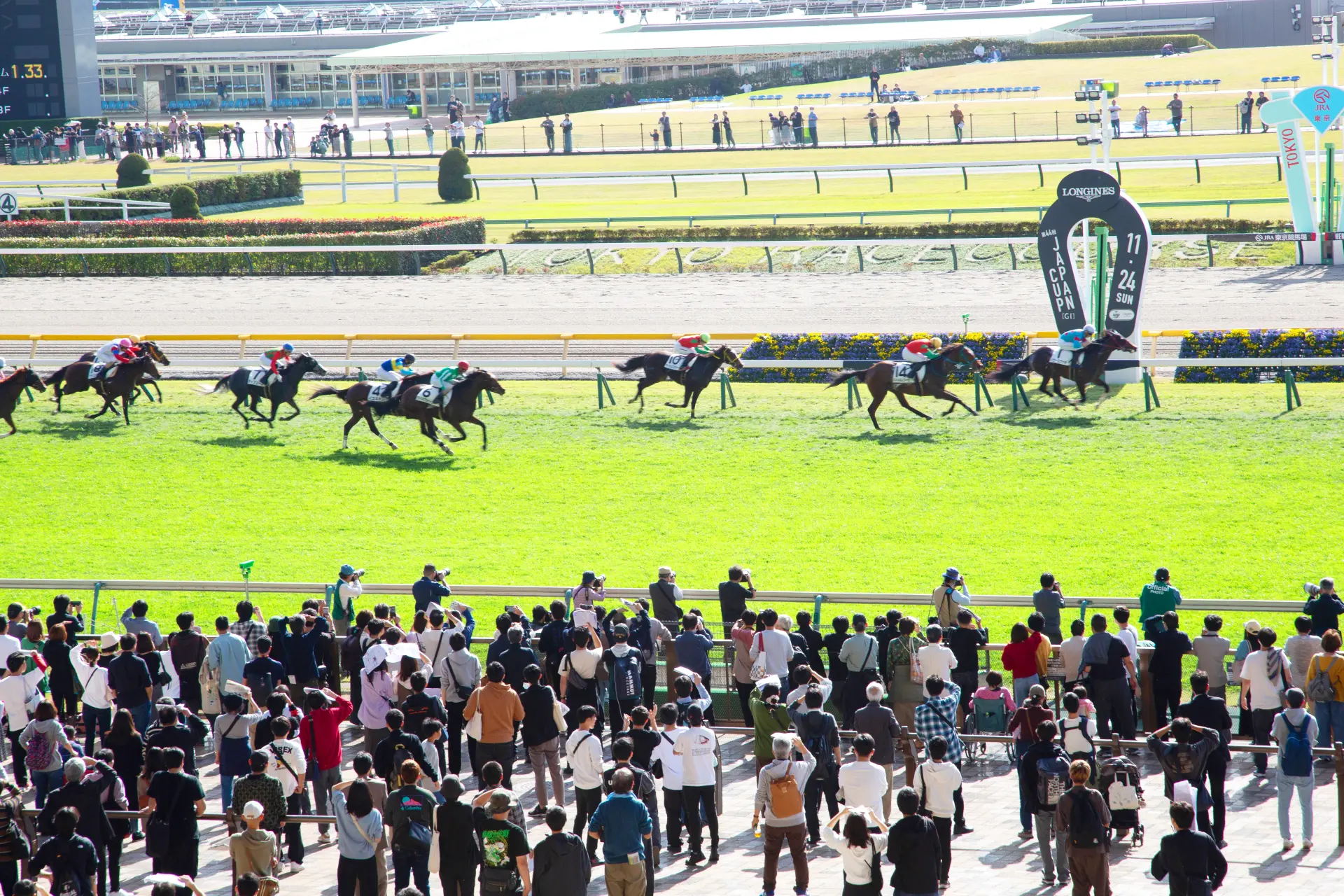
Tokyo Racecourse hosts some of Japan’s leading races, including the Japanese Derby, Tenno Sho (Autumn), and Japan Cup.
Since opening in 1933, this large racecourse has witnessed numerous famous horses and memorable contests.
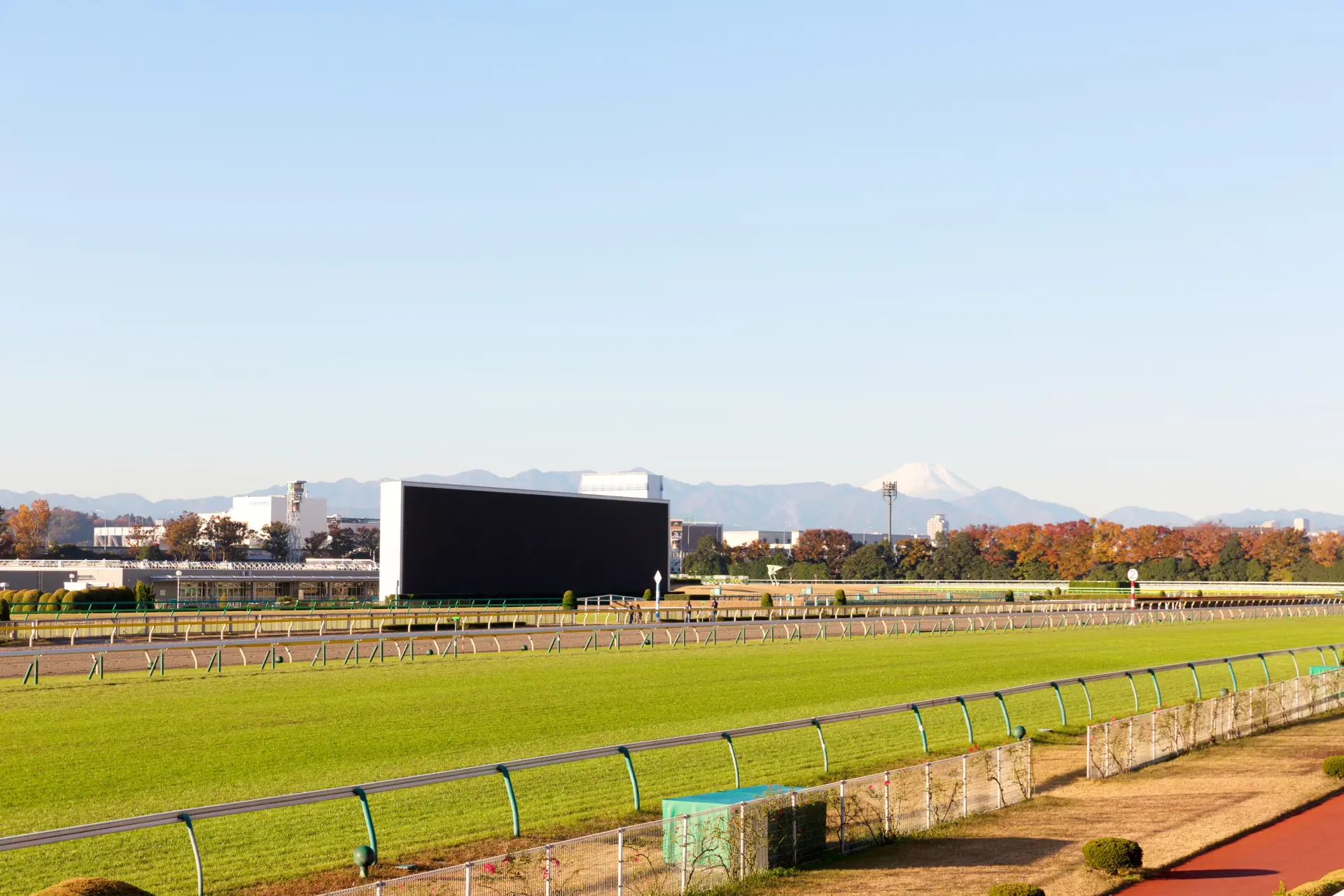
The vast course seen from the Fuji View Stand and the sight of racehorses charging past together are impressive.
The paddock offers a close-up look at horses before each race, while one of the world’s largest multivision screens and the lawn areas provide different ways to experience the action.
But racing is not the only attraction.
The grounds include the JRA Racing Museum, where visitors can learn about horse racing’s history and mechanics; a Japanese garden known for cherry blossoms and fall foliage; and parks where children can play, making it welcoming to beginners and families.
There are also plenty of dining options, including “Long Shot Donuts” and pork cutlet curry—good-luck foods inspired by horse racing.
Admire the horses, experience the excitement of a race, and learn about racing culture.
Tokyo Racecourse alone is well worth spending a full day in Fuchu.
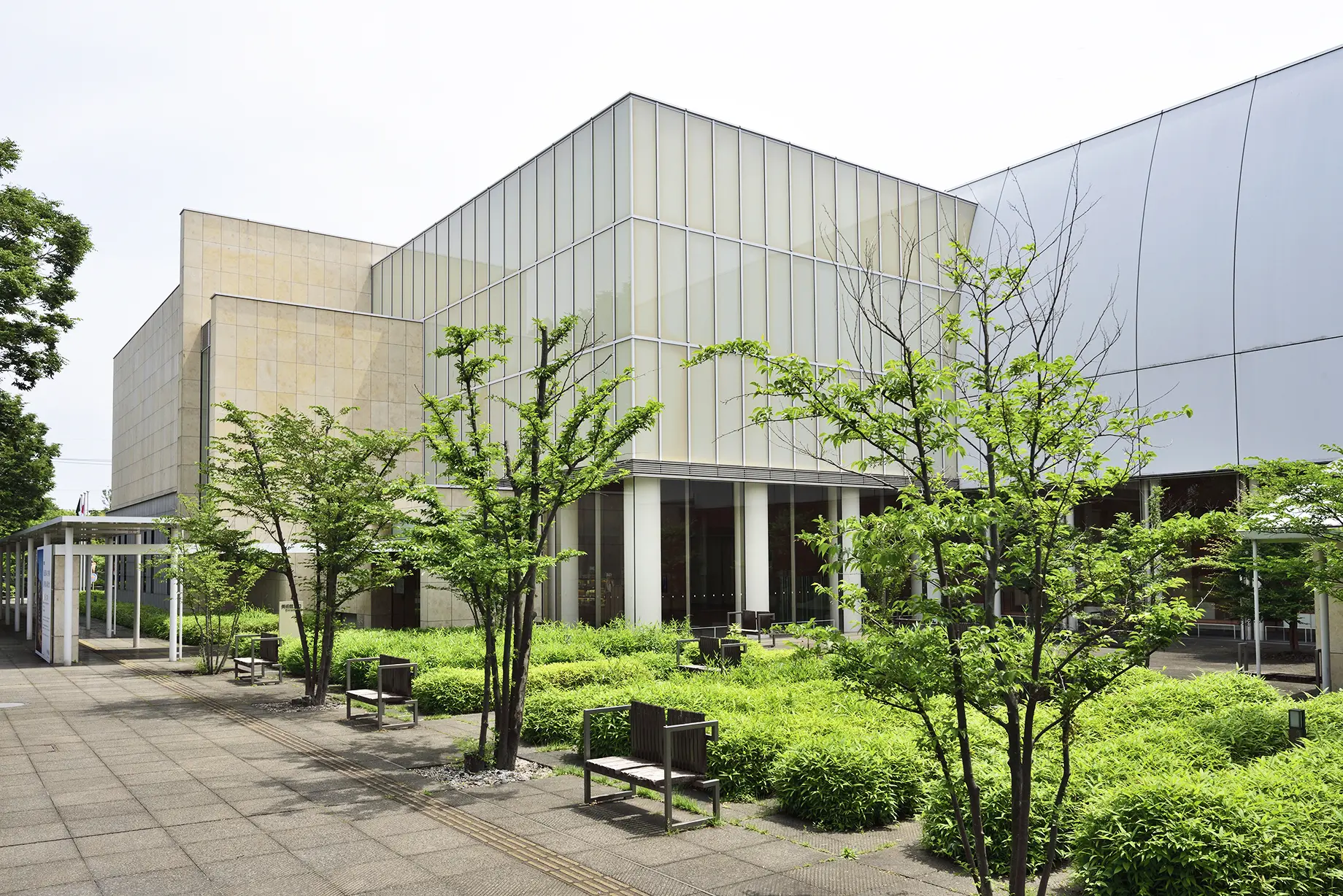
7. Fuchu Art Museum: Art Surrounded by Park Greenery
Located in Fuchunomori Park, the Fuchu Art Museum is based on the theme “Art in Life: A Museum for Reconsidering Life Connected with Beauty.”
Its collection contains more than 2,200 works, primarily paintings from the late Edo period to the present day.
The second floor contains galleries for special and permanent exhibitions, as well as the Noriyuki Ushijima Memorial Gallery, where selected works from the collection are displayed.
The first floor has an art library, citizens’ gallery, museum shop, and cafe that are free to enter, making it easy to stop by even without seeing an exhibition.
Workshops for a broad range of ages are also held in the creative studio and children’s art studio.
After viewing the art, stroll through the park’s greenery or linger over the experience at the cafe. It is a place to step away from the rush of daily life and gently reawaken your senses.
8. Fuchunomori Park: Plenty of Space for Families to Play
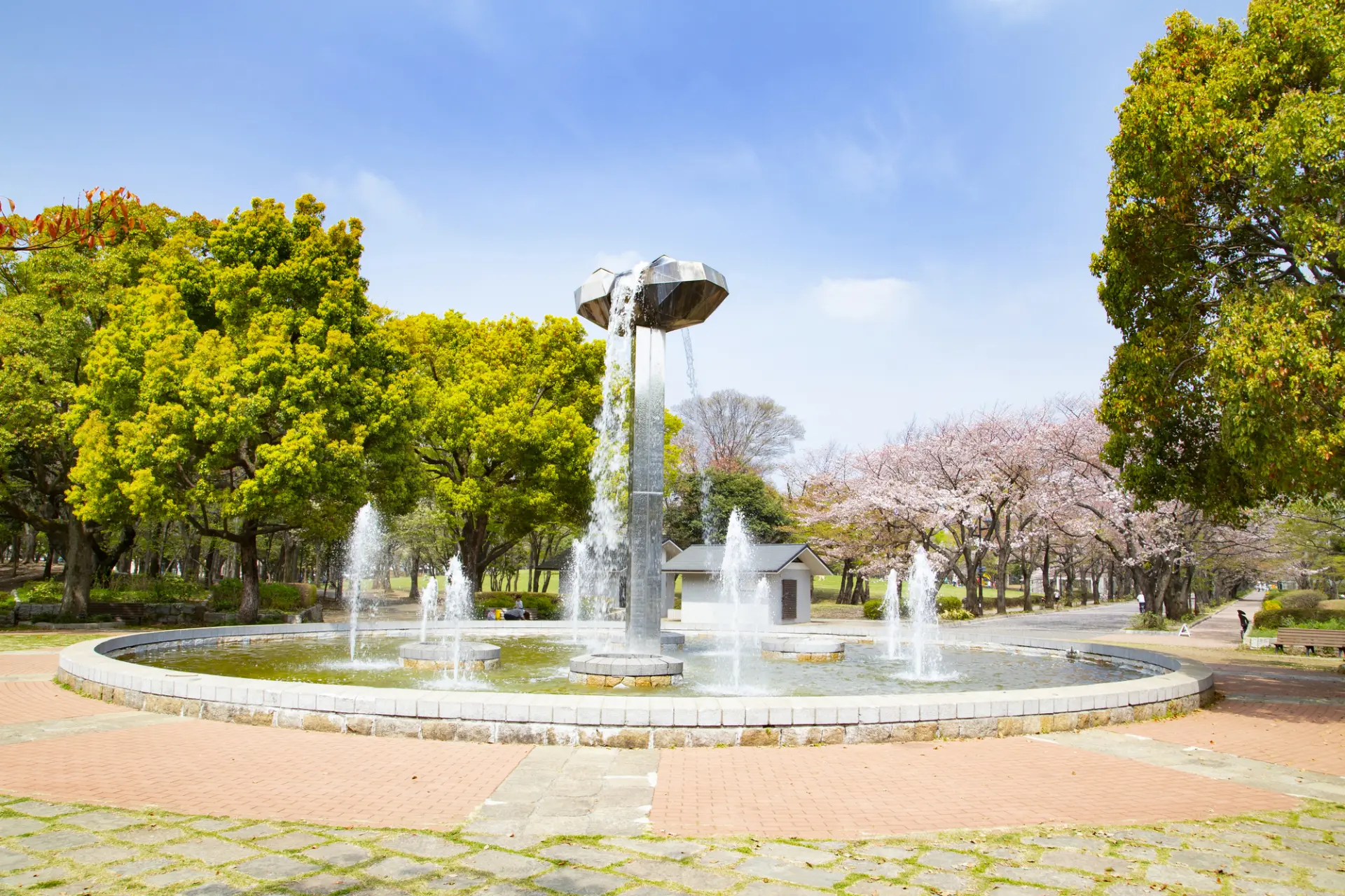
Fuchunomori Park features wooded areas, hills, waterfront plazas, and sports facilities surrounded by greenery.
Colorful playground equipment and summer water play make it ideal for a family day out.
The park’s signature sight is the cherry tree avenue leading to the Flower Promenade.
In spring, the cherry trees bloom together, giving the entire park a festive atmosphere.
Sculptures are scattered throughout the grounds, making a walk in search of art another enjoyable activity.
Combine your visit with the Fuchu Art Museum to experience both nature and art.
This popular community retreat is ideal whenever you want to relax beneath an open sky.
9. Sengenyama Park: Flowers Found Only in Fuchu and Views of Mt. Fuji
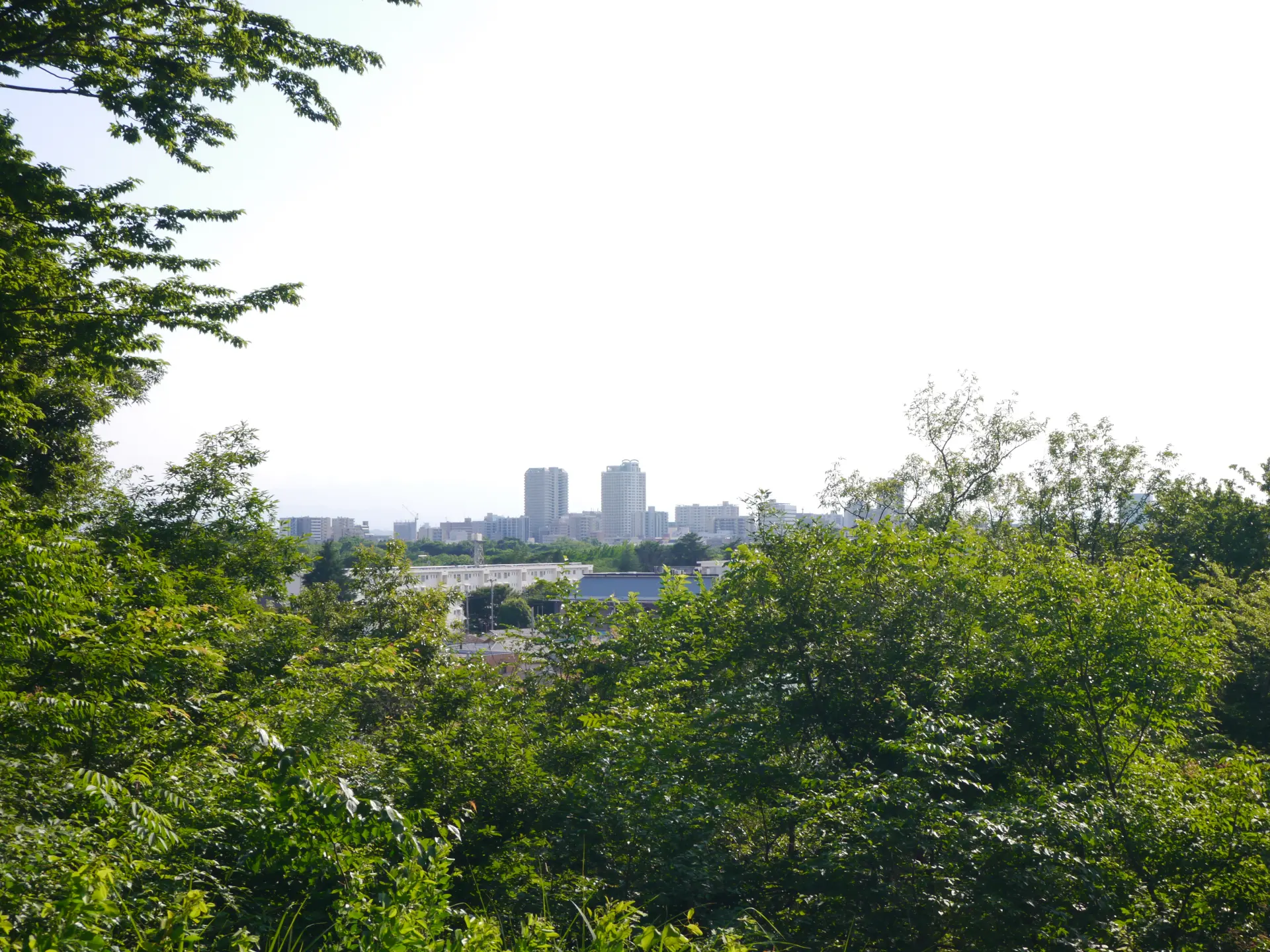
Sengenyama Park has three peaks—Doyama, Nakayama, and Maeyama—rising about 80 m above sea level.
Left as a small hill while the surrounding Tama plateau eroded away, it is now maintained as a park rich in nature and covered in mixed woodland.
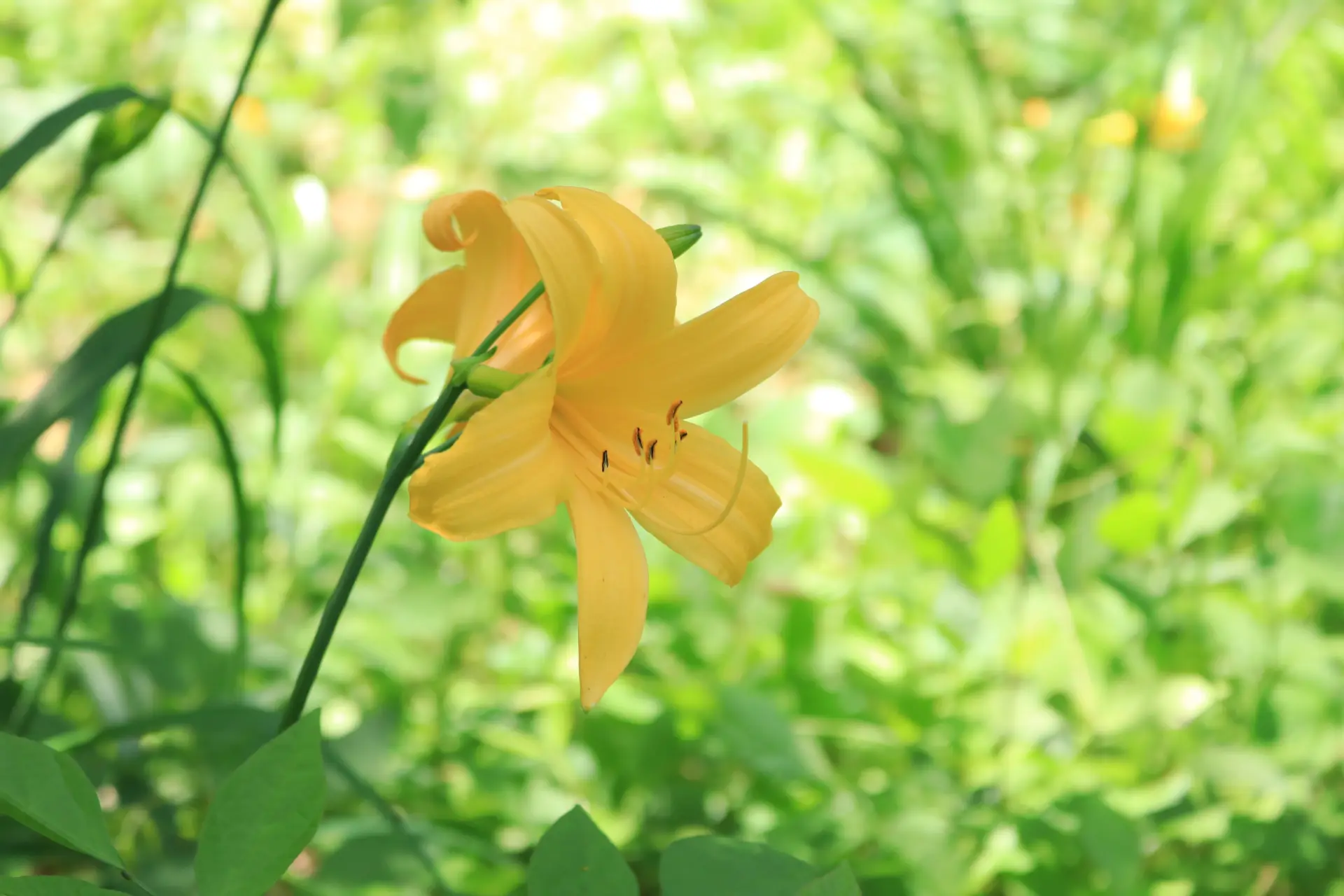
Its main attraction is the Musashino-kisuge daylily, which reaches peak bloom in early May.
This rare plant grows wild only in Sengenyama Park, and the sight of its vivid yellow flowers swaying among the fresh green woodland is distinctive to this location.
Sengen-jinja and Omitarashi-jinja shrines stand within the park, where visitors can walk while observing wild birds and plants.
On clear days, Mt. Fuji may be visible from a viewpoint selected as one of the “100 Views of Mt. Fuji in Kanto.”
The park offers an accessible way to experience Musashino’s natural environment without preparing for a major hike.
10. Dai-Tokyo General Wholesale Center: A Lively Market with Plenty of Food
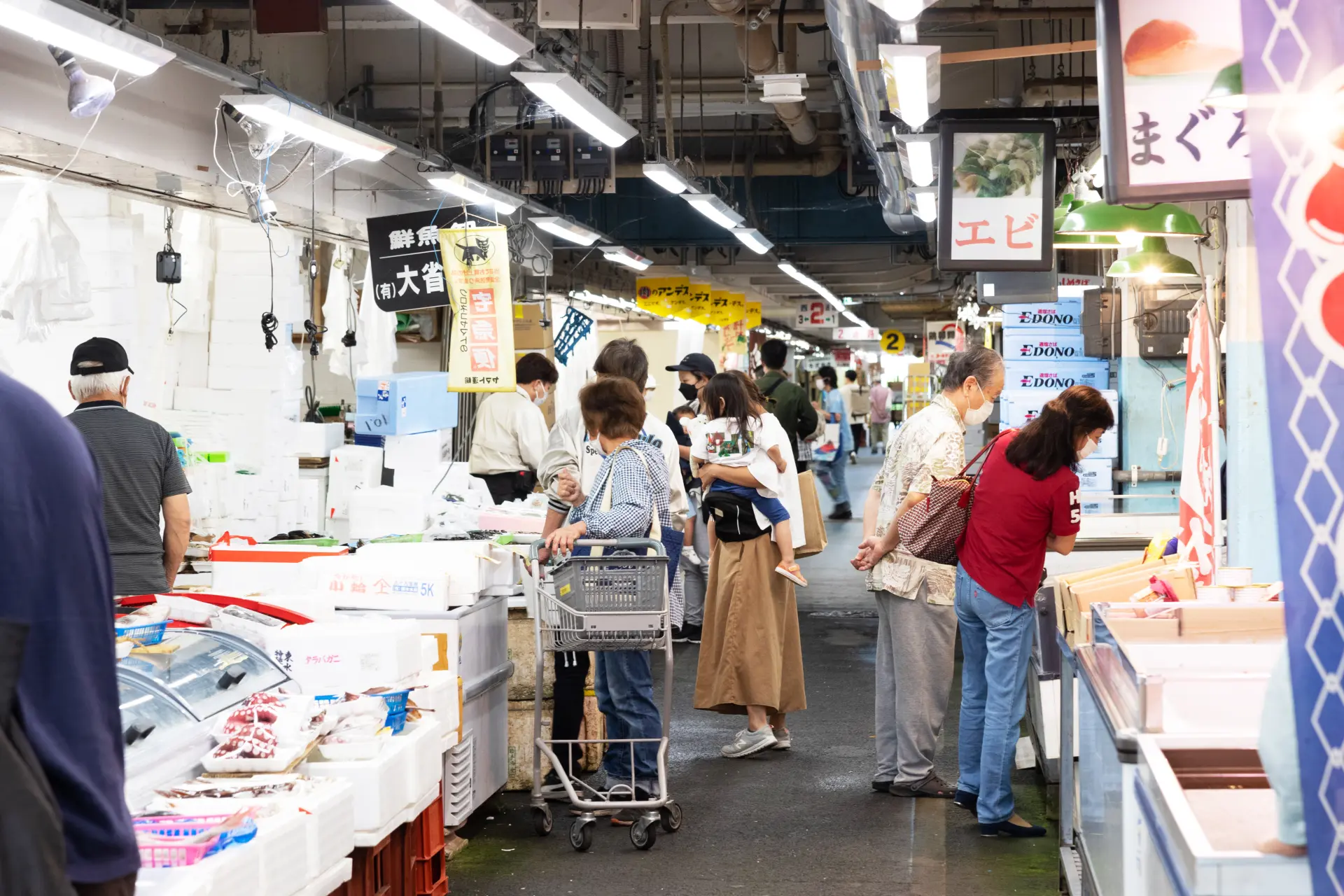
Opened in 1966, the Dai-Tokyo General Wholesale Center is a market where both professionals and the general public can shop freely.
It contains more than 75 specialty stores selling fresh seafood, meat, fruit and vegetables, dried foods, Asian ingredients, household goods, and more.
In the morning, the seafood section is filled with the lively atmosphere of fishmongers, tuna specialists, and dried-fish shops.
Popular items may sell out early, so arrive in the morning if shopping is your main purpose.
Restaurants serving seafood, curry, Asian cuisine, pork cutlets, and more provide plenty of options for a meal after exploring the market.
Some stores sell professional-grade cookware, tableware, and knives, which also make practical Japanese souvenirs.
2 Special Experiences in Fuchu
Fuchu’s appeal extends beyond viewing famous sites to hands-on activities where you can move, taste, and learn.
Here are some experiences distinctive to Fuchu that will make your trip more memorable.
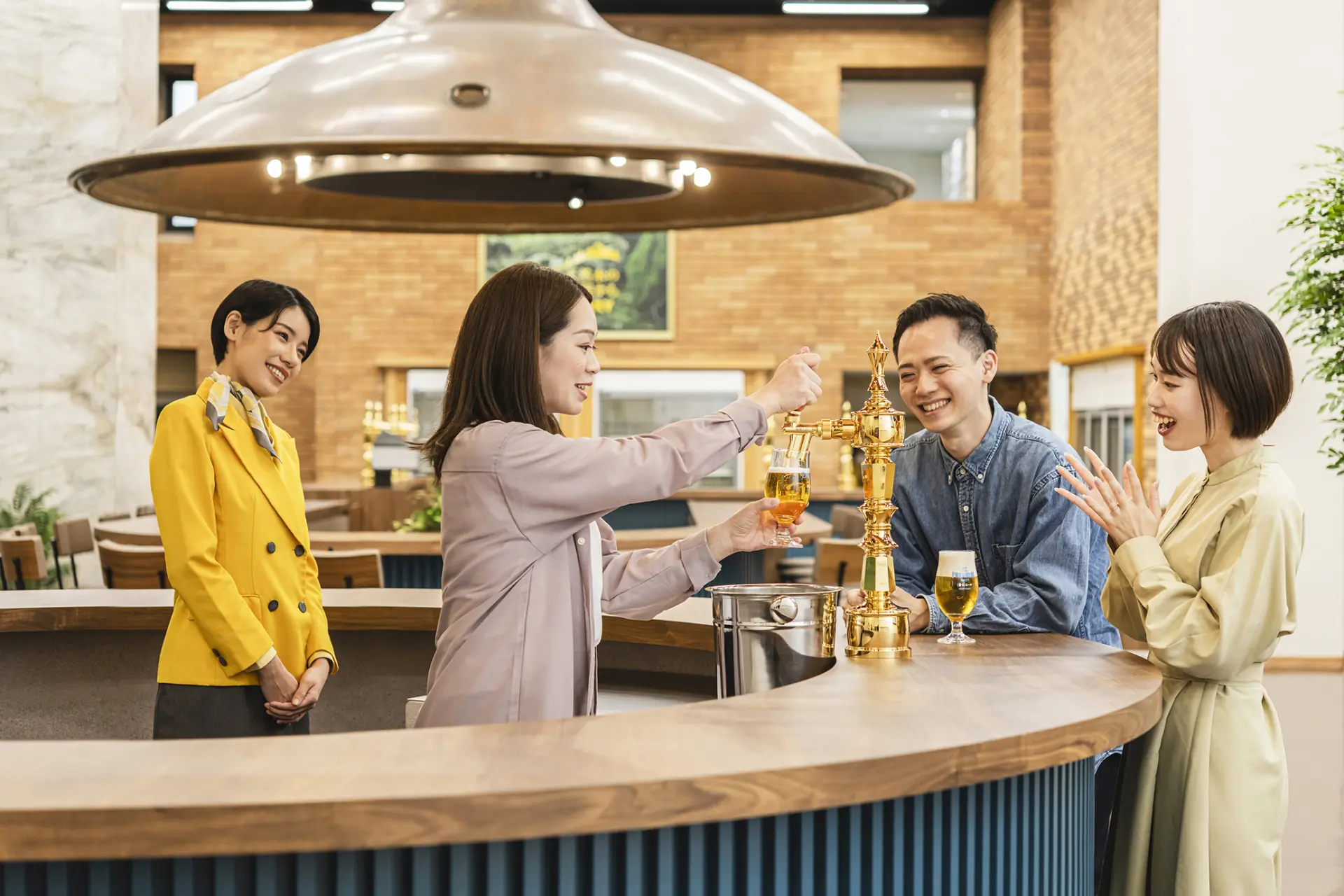
1. Learn How Beer Is Made at Suntory Natural Water Brewery Tokyo-Musashino
Suntory Natural Water Brewery Tokyo-Musashino is the birthplace of The Premium Malt’s.
As Suntory’s first brewery in Tokyo, it offers insight into the company’s meticulous approach to production—including its focus on natural water—and the passion of its brewers.
Tours cover processes such as ingredient selection, brewing, storage, and packaging.
Visual presentations and virtual reality experiences engage the senses as you learn how everyday beer is made.
After the tour, sample freshly poured The Premium Malt’s and other beers.
A glass served at the brewery itself will deepen your understanding of the brewing process.
The on-site shop also sells beer made at the brewery and original merchandise.

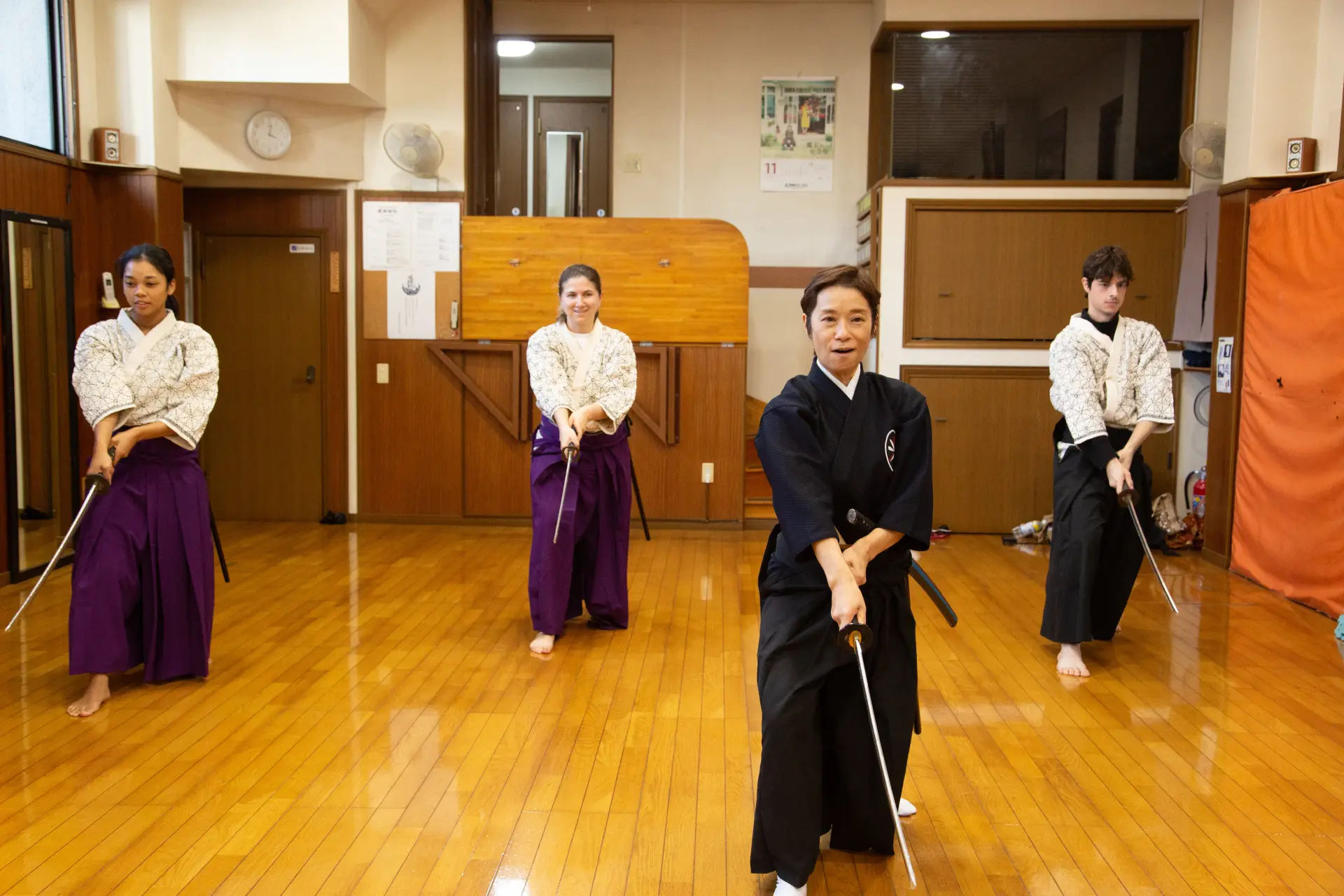
2. Experience Samurai Movements at Geido Tate Hatoryu Takase Dojo
Geido Tate Hatoryu Takase Dojo provides choreographed sword-fighting and action instruction for movies, television, and theater.
Students can learn theatrical sword combat from specialist instructors who have worked on numerous well-known productions.
During the workshop, participants change into traditional kimono and hakama, then practice how to hold and position a sword, deliver a cut, and react to being struck.
After mastering the basic movements, they try an improvised fight sequence with an experienced sword-fighting choreographer.
You will discover how seemingly intense sword fights are created through careful movement and precise coordination between performers.
The experience concludes with a commemorative photo in samurai attire.
It offers an active way to appreciate the depth of traditional Japanese culture and screen performance.

Fuchu’s Best Places for Seasonal Flowers
Fuchu is a city worth revisiting throughout the year.
From plum blossoms in early spring and cherry blossoms in spring to hydrangeas in early summer and red spider lilies and colorful foliage in fall, the changing seasons are visible across the city.
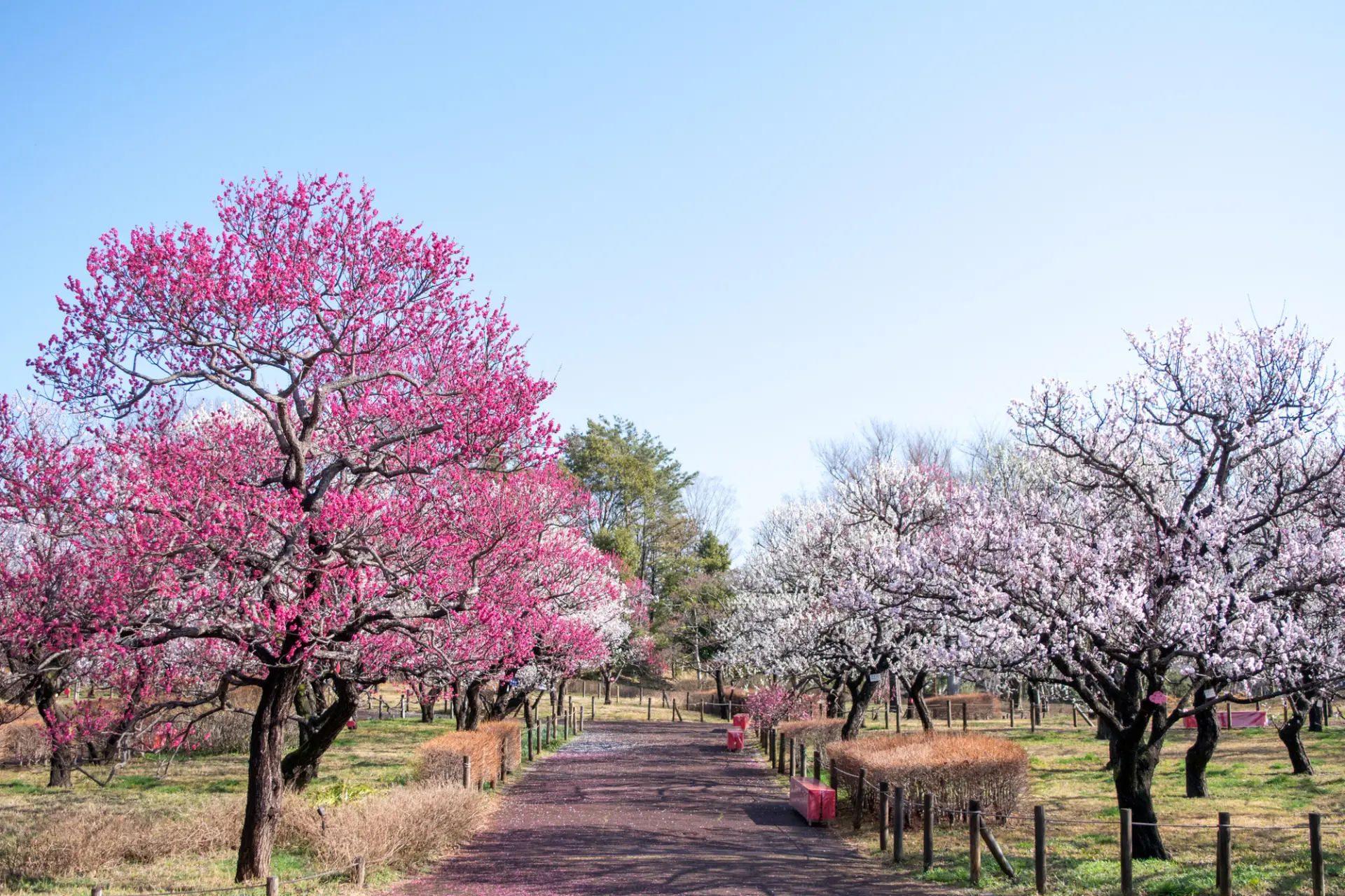
Plum Blossoms at the Fuchu City Kyodonomori Museum Brighten the End of Winter
The Fuchu City Kyodonomori Museum is known for its plum blossoms.
In early spring, a wide variety of plum trees bloom one after another, covering the grounds in white, pale pink, and deep red flowers.
The combination of plum blossoms, old buildings, and waterside scenery evokes a nostalgic Japanese spring.
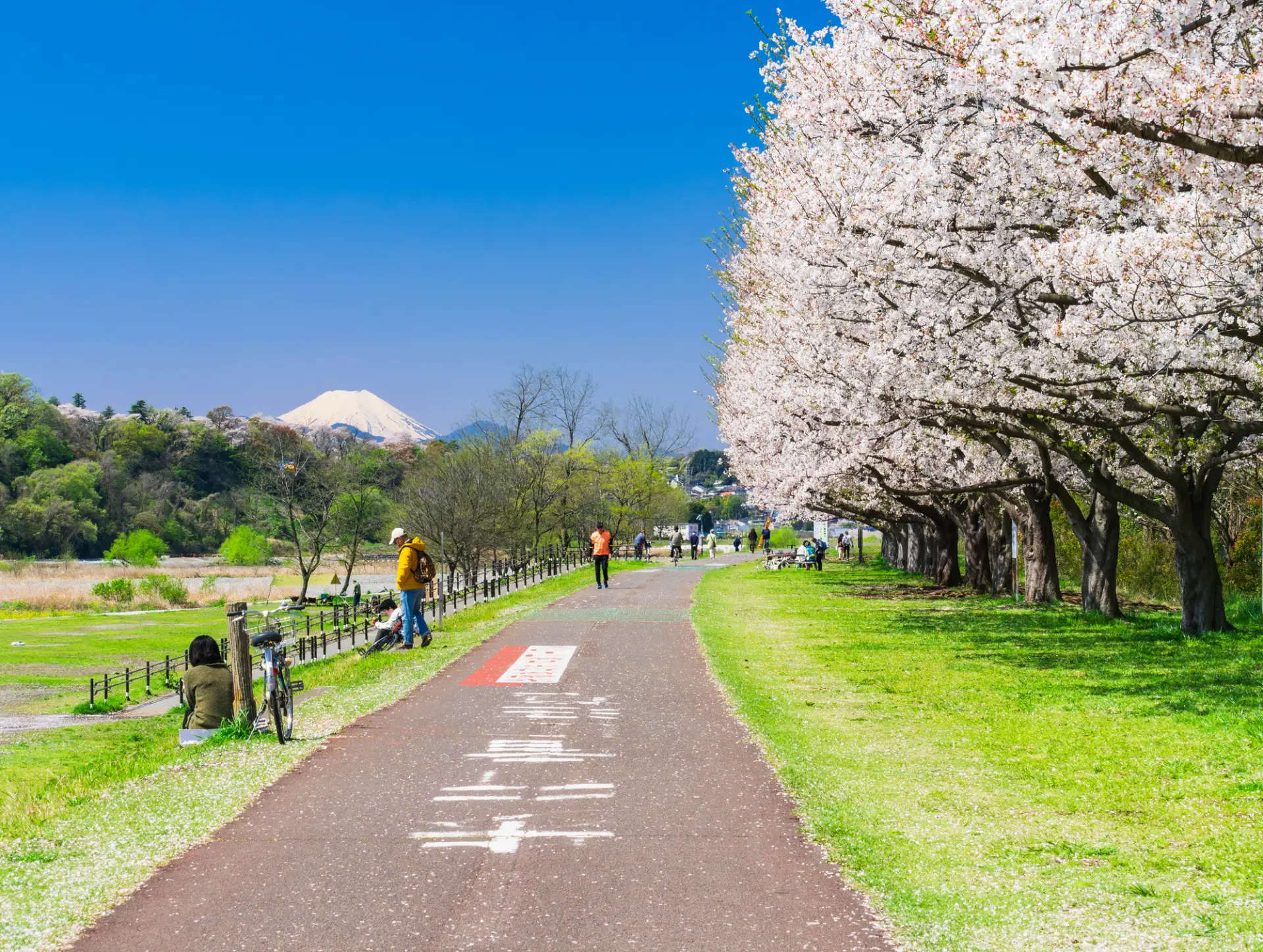
A Spring Cherry Blossom Tour of Fuchu
Okunitama-jinja Shrine is known for the weeping cherry tree in front of its kagura hall.
Its gracefully drooping branches and the vermilion shrine buildings bring a festive spring atmosphere to the grounds.
Fuchu Park and Sakura-dori Avenue are also major cherry blossom destinations in the city.
Someiyoshino cherry trees line Sakura-dori Avenue for about 1.1 km, forming a tunnel of blossoms when in full bloom.
Along the Tama River, the Fuchu Tamagawa Kaze-no-Michi trail combines cherry blossoms with an open waterfront setting.
Musashino-Kisuge Daylilies and Hydrangeas in Early Summer
In early May, the Musashino-kisuge daylilies that grow wild only in Sengenyama Park reach peak bloom.
These yellow flowers against the fresh green woodland create scenery found nowhere else in Fuchu.
From late May through around early July, colorful hydrangeas brighten the Fuchu City Kyodonomori Museum.
The flowers appear even more vivid in the rain, making a walk beneath an umbrella especially atmospheric.
Fall Surrounded by Red Spider Lilies and Colorful Foliage
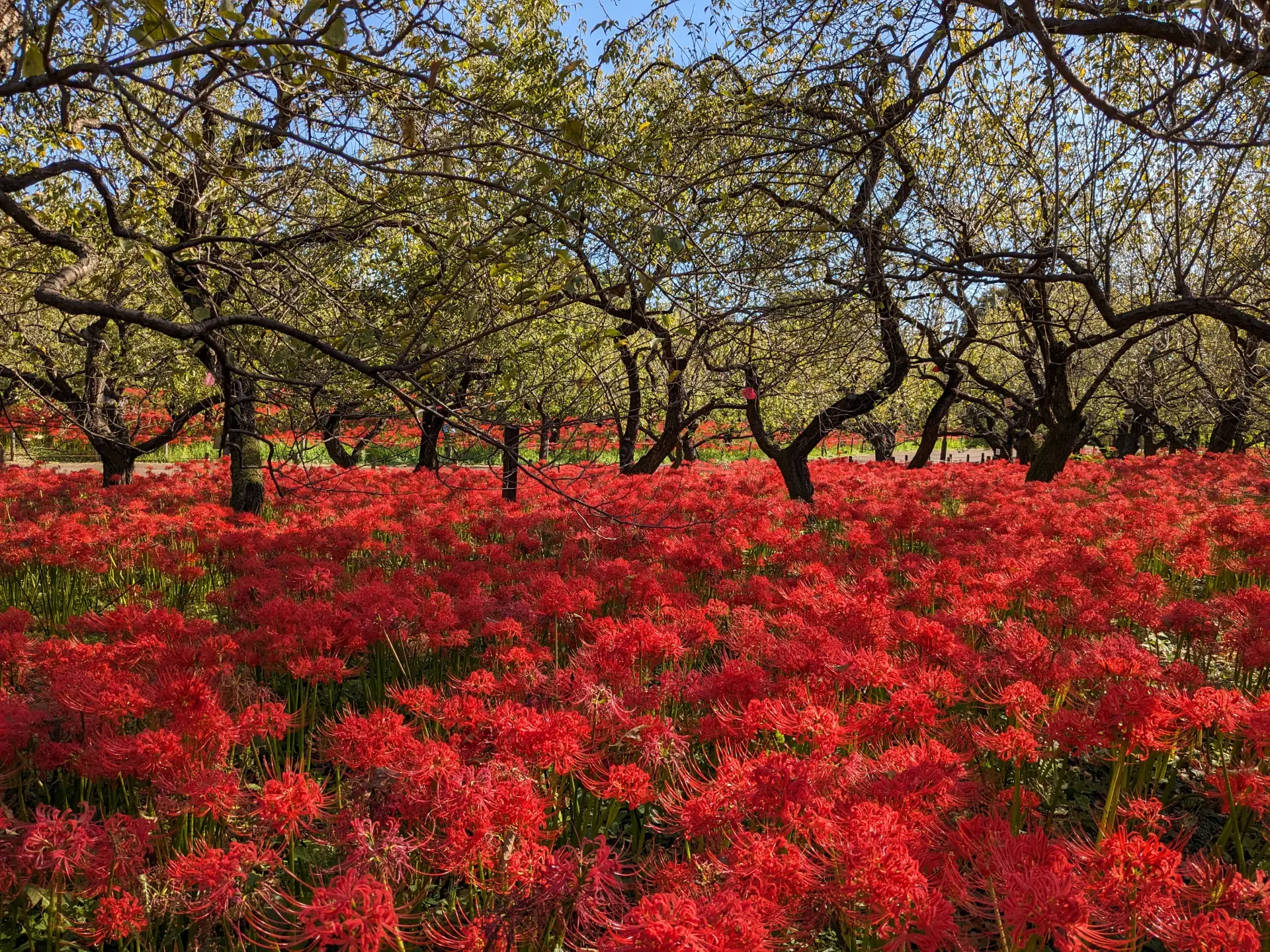
In fall, vermilion red spider lilies color the grounds of the Fuchu City Kyodonomori Museum.
White spider lilies also bloom, creating an enchanting mixture of red and white flowers.
As fall deepens, maple, ginkgo, and zelkova leaves turn red and yellow.
The Momiji Waterfall, surrounded by countless maple trees, is an especially good photography spot.
Babadaimon Zelkova Avenue and the Japanese garden at Tokyo Racecourse also offer seasonal fall scenery.
5 Fuchu Festivals Where You Can Experience Japanese History and Culture
Including the daily Onikkusai offering ceremony, Okunitama-jinja Shrine holds nearly 400 festivals annually.
Some have continued for more than 1,000 years, offering a seasonal look at Japanese history, faith, and the city’s lively spirit.
1. Otori-jinja Shrine Annual Festival and Tori-no-Ichi Market: Rows of Large Decorative Rakes
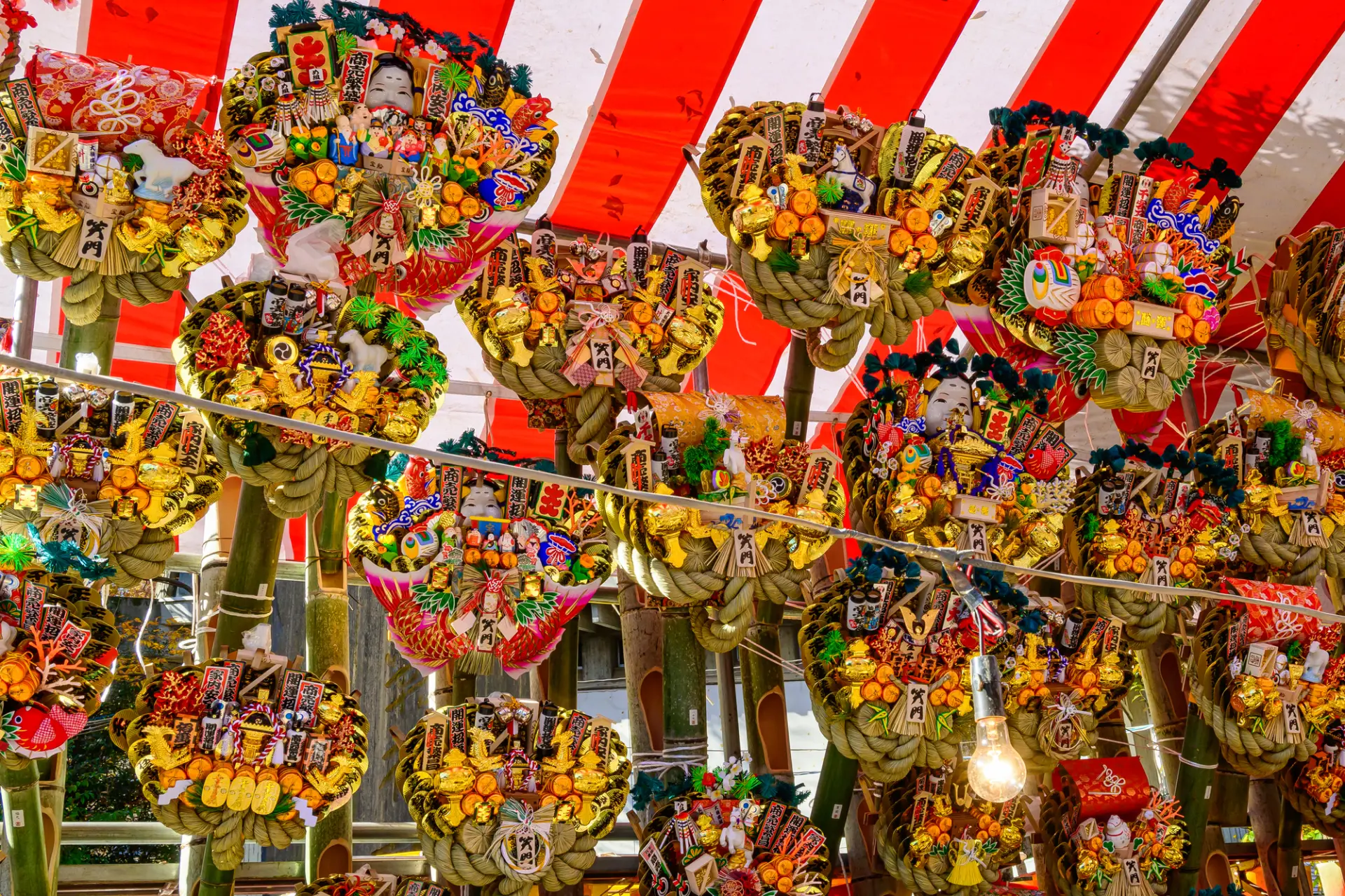
This festival is held to pray for prosperity in business and good fortune, and stalls on the shrine grounds sell lucky bamboo rakes.
Simply looking at the many large and small rakes covered in colorful decorations is enjoyable, and the bustling scene evokes Japan at the end of the year.
2. Setsubun Festival: Lively Bean-Throwing Ceremonies
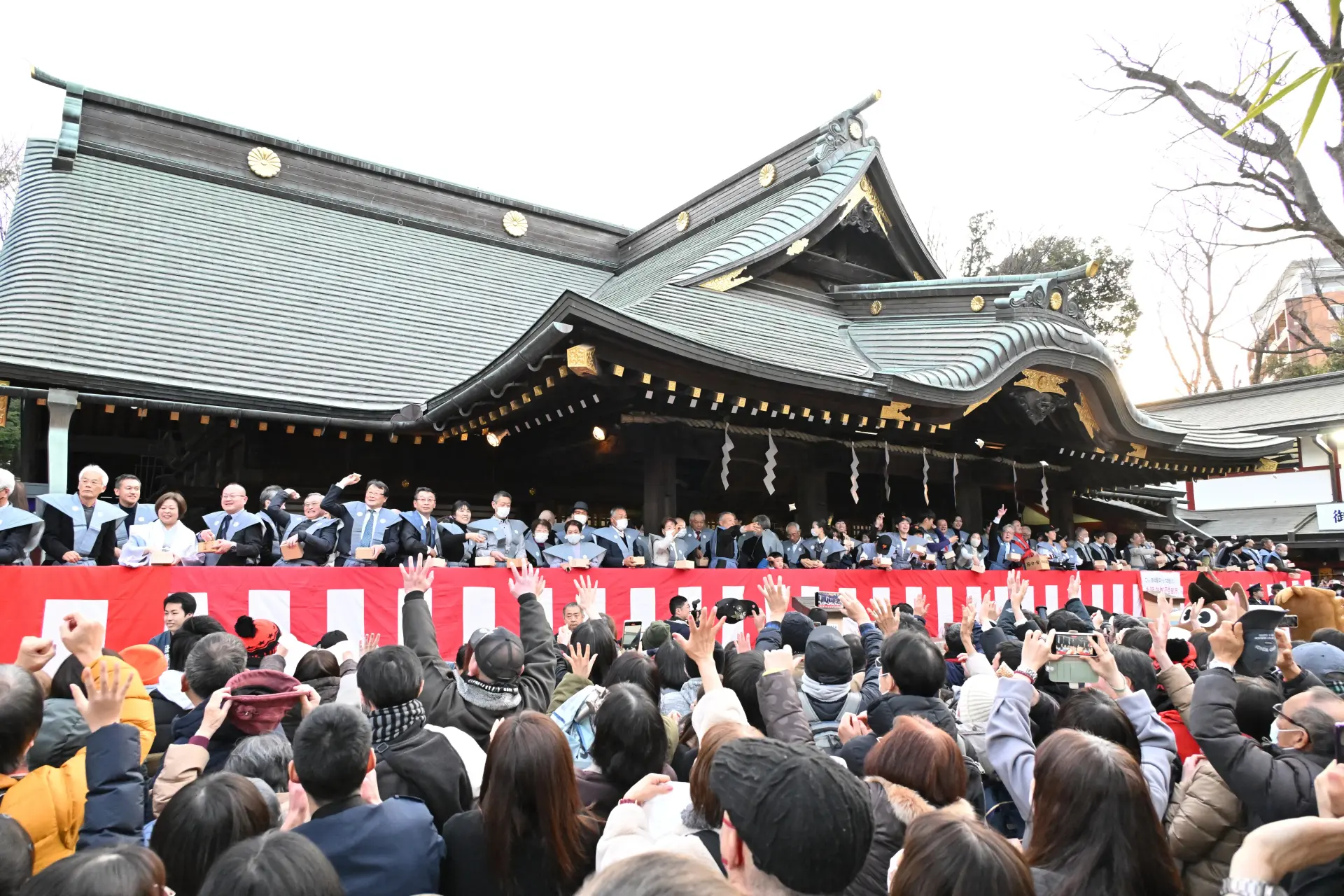
Held before the beginning of spring, the Setsubun Festival drives away misfortune and welcomes good fortune.
The grounds fill with worshippers during the bean-throwing ceremony, offering visitors a firsthand experience of a distinctive Japanese seasonal tradition.
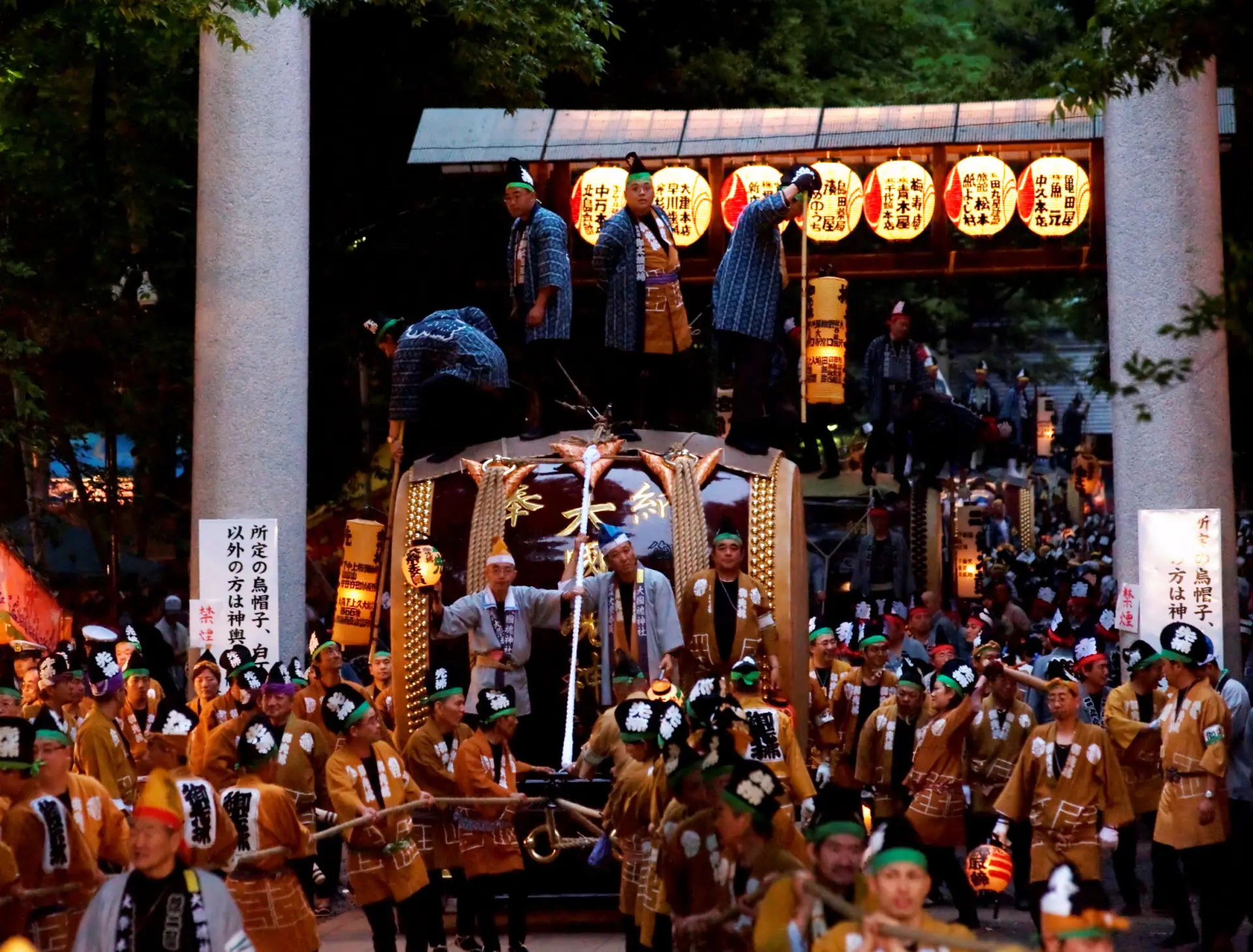
3. Kurayami Festival: Okunitama-jinja Shrine’s Largest Annual Festival
The Kurayami Festival originated as Musashi Province’s provincial festival and has more than 1,000 years of history.
With portable shrines, large drums, and festival float processions among its many highlights, the entire city of Fuchu fills with excitement.
Designated an Intangible Folk Cultural Property by the Tokyo Metropolitan Government, it is Fuchu’s signature festival.
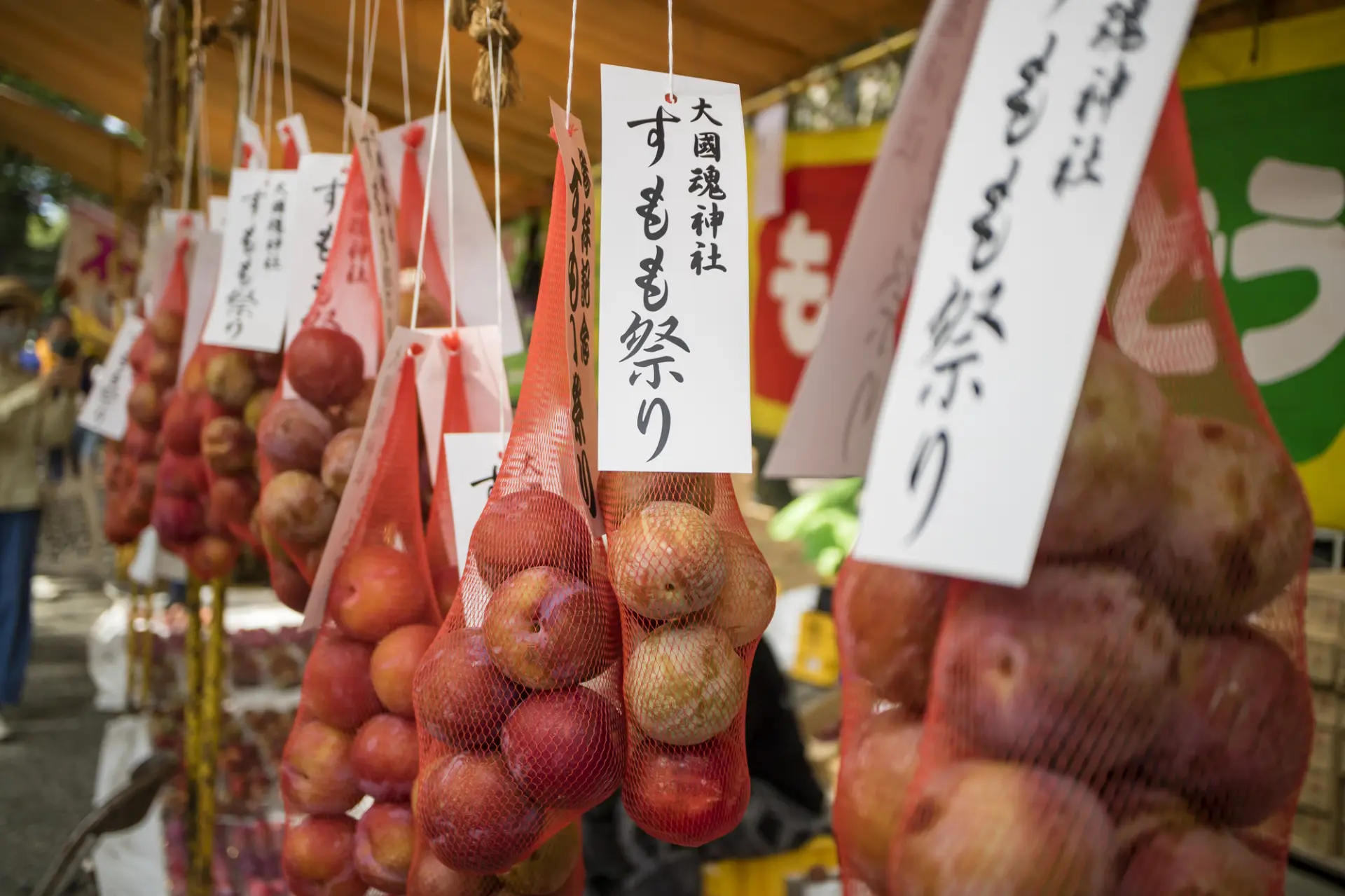
4. Sumomo Festival: A Fuchu Summer Tradition
Held every year on July 20, this festival marks the arrival of summer with stalls selling plums throughout the shrine grounds.
Visitors can savor this seasonal fruit while paying their respects at the shrine.
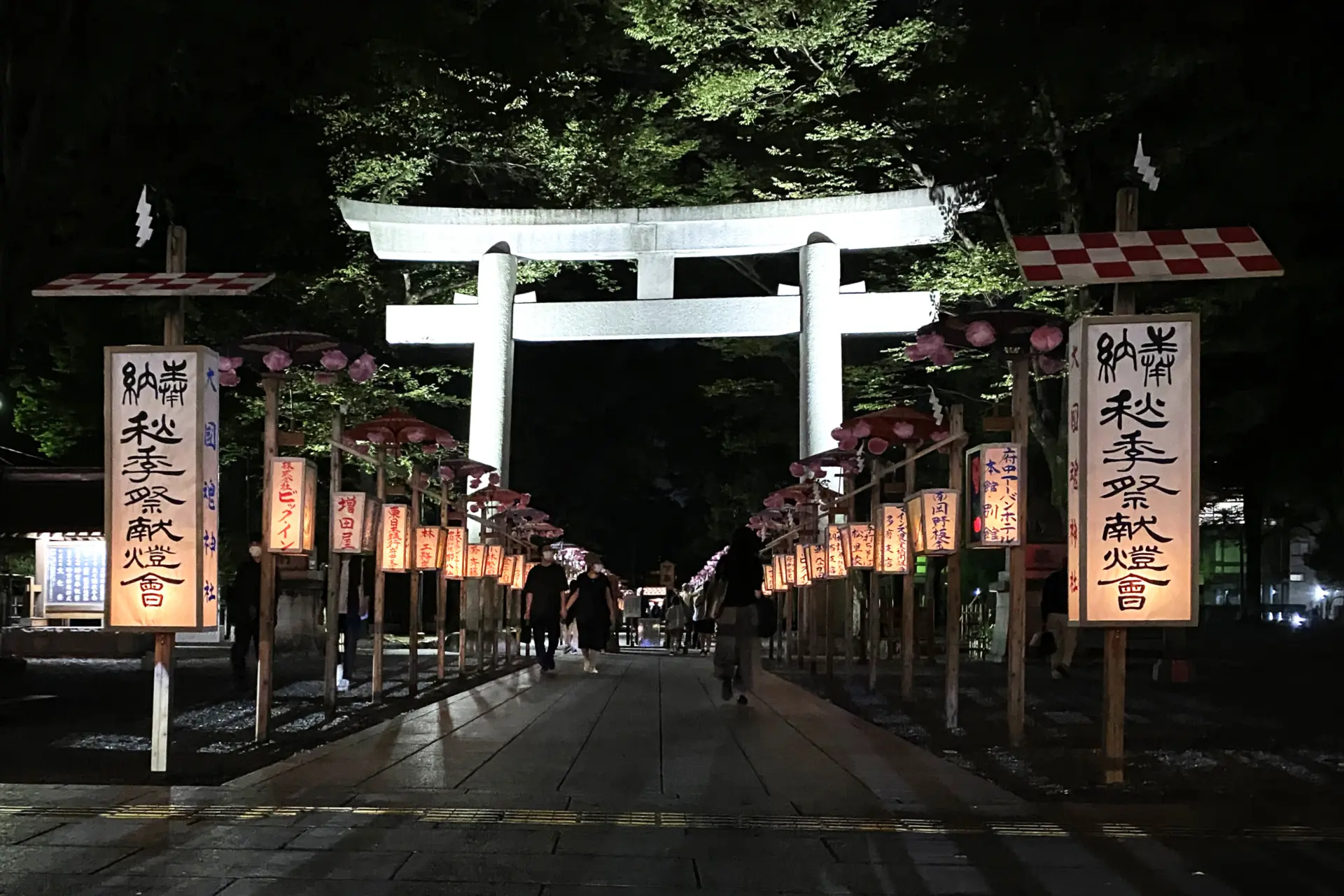
5. Fall Kuri Festival: A Major Fall Festival of Kagura
This fall festival is held annually on September 27 and 28. Kagura sacred dances are offered on the shrine grounds, while lantern light creates an enchanting atmosphere after dark.
It presents a different side of Okunitama-jinja Shrine from the daytime, along with the mood of fall.

7 Popular Places to Eat in Fuchu
After exploring historical sites and parks, sample flavors that have long been cherished in Fuchu.
Here are seven places for different types of trips, ranging from long-established Japanese restaurants and a specialty coffee roaster to a standing bar serving local produce and sake.
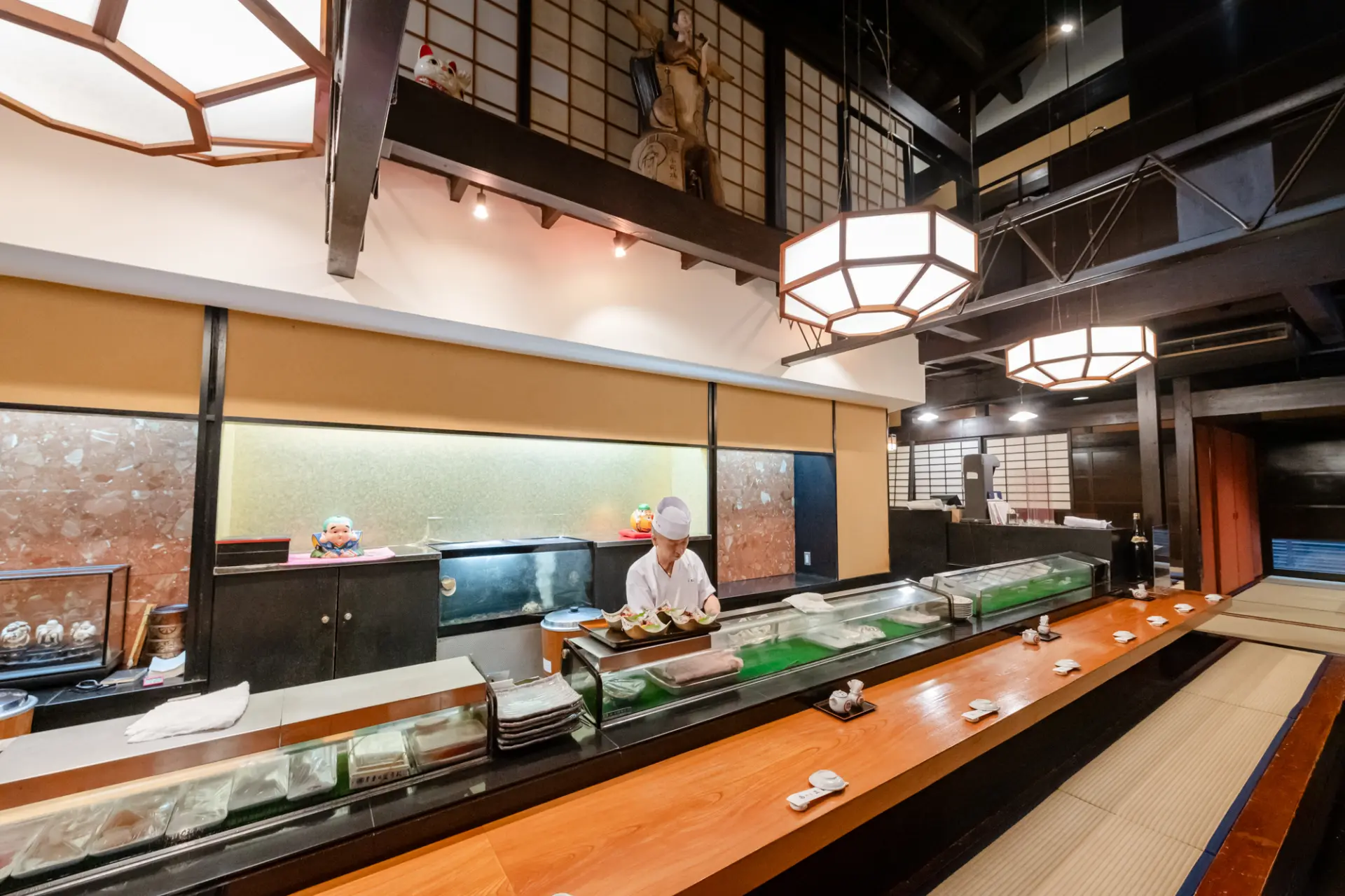
1. Nihon Ryori Mimatsu Honten: Sushi Prepared by Experienced Chefs
About a 1-minute walk from Fuchu Station, this Japanese restaurant retains a traditional atmosphere.
Experienced chefs use seafood purchased daily from Toyosu Market to prepare sushi, sashimi, grilled dishes, and more.
There are counter seats where you can watch the chefs prepare sushi before you and tatami rooms for leisurely meals, making it suitable for everyone from solo travelers to families.
Lunch offers plenty of choices, including nigiri sushi, set meals, rice bowls, and kaiseki-style meal sets. It is a good option when you want authentic Japanese food during a day of sightseeing in Fuchu.
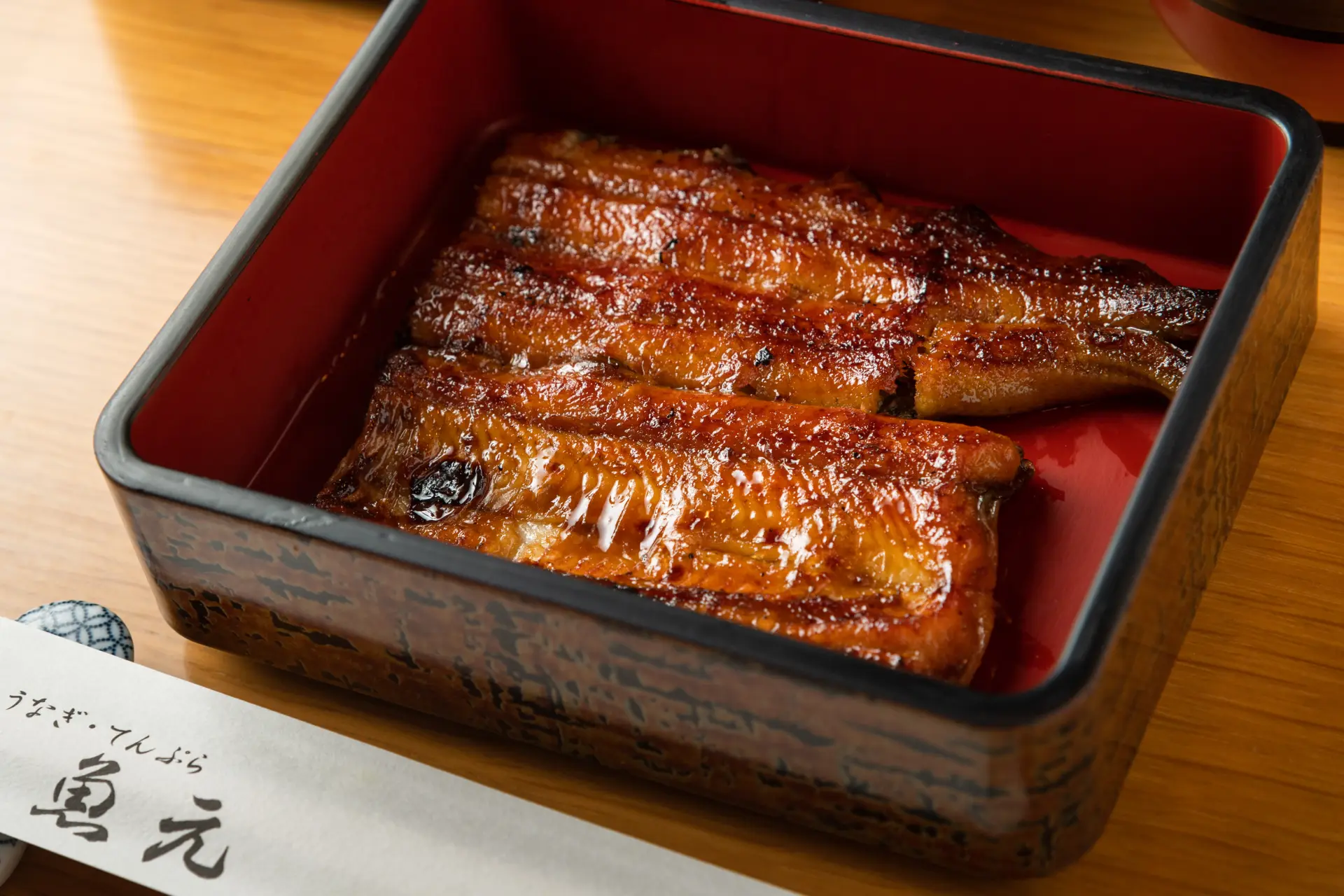
2. Unagi and Japanese Cuisine Uomoto: Unaju with a View of a Japanese Garden
Uomoto is a historic Japanese restaurant established around the end of the Edo period or beginning of the Meiji era.
Despite being within walking distance of Fuchu Station, its location away from the main road and Japanese garden create the peaceful atmosphere of a secluded retreat.
Its specialty is unaju—grilled eel over rice—made with eel from Aichi Prefecture.
Fragrant sansho pepper further enhances the flavor of the tender eel.
It is ideal for anyone seeking a leisurely meal in an atmospheric setting after exploring Fuchu’s history.
3. Ajidokoro Sato: Seasonal Seafood and Aged Fish
This restaurant is about a 3-minute walk from Bubaigawara Station on the Keio and JR Nambu lines.
The owner, who trained in Japanese cuisine, kaiseki, and sushi, serves creative Japanese dishes made with seasonal ingredients.
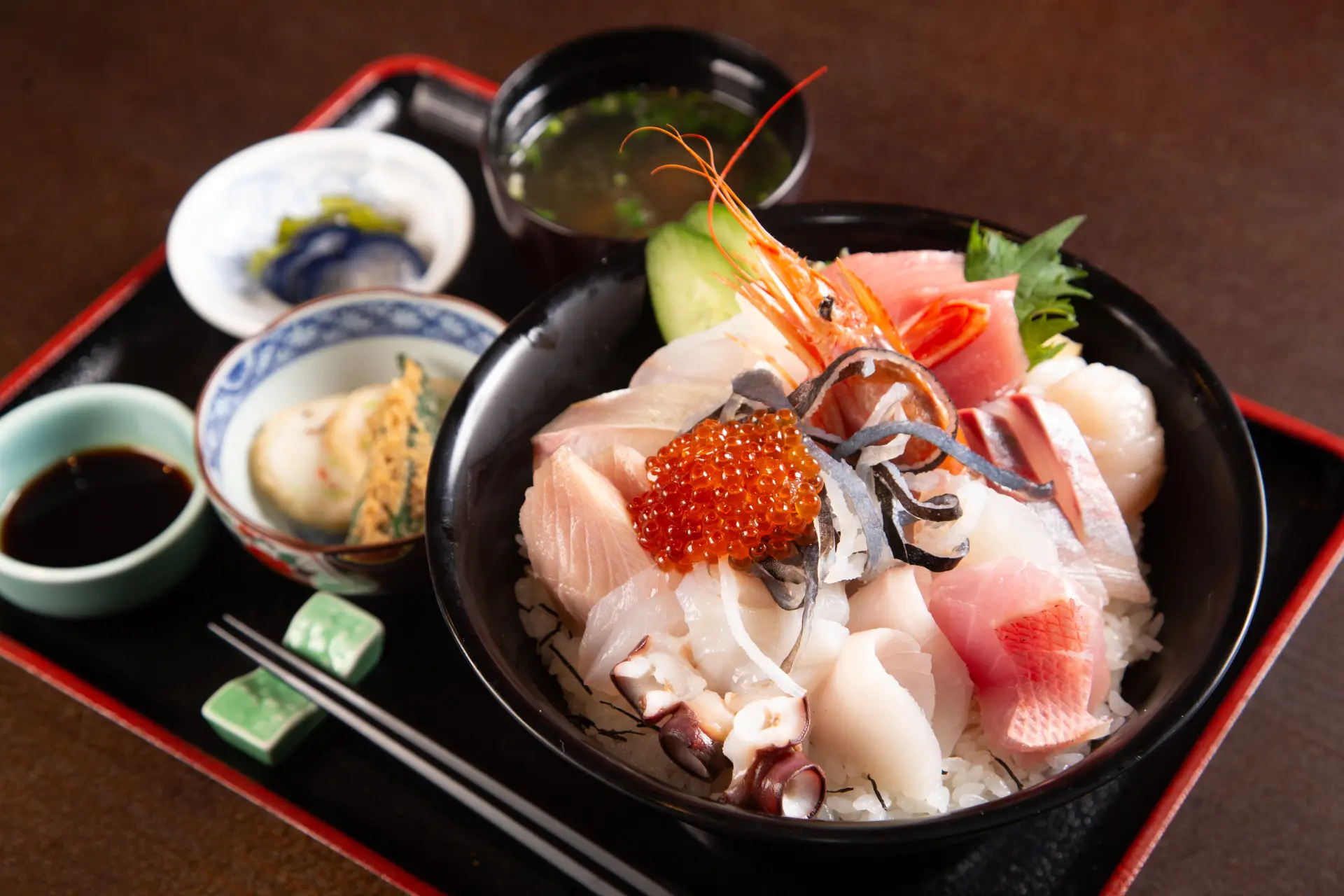
Sashimi and seafood rice bowls prepared with fish sourced from across Japan are especially popular.
The owner spent considerable time researching aged fish, removing excess moisture to concentrate its umami and pairing it with house-made dashi soy sauce.
Open for both lunch and dinner, it is worth visiting specifically for its seafood.
4. Fuchu Sunaba: Stop by Before or After Visiting Okunitama-jinja Shrine
This soba restaurant is about a 3-minute walk from JR Fuchuhommachi Station and close to Okunitama-jinja Shrine.
Popular with local students, families, and shrine visitors, it serves house-made noodles without additives.
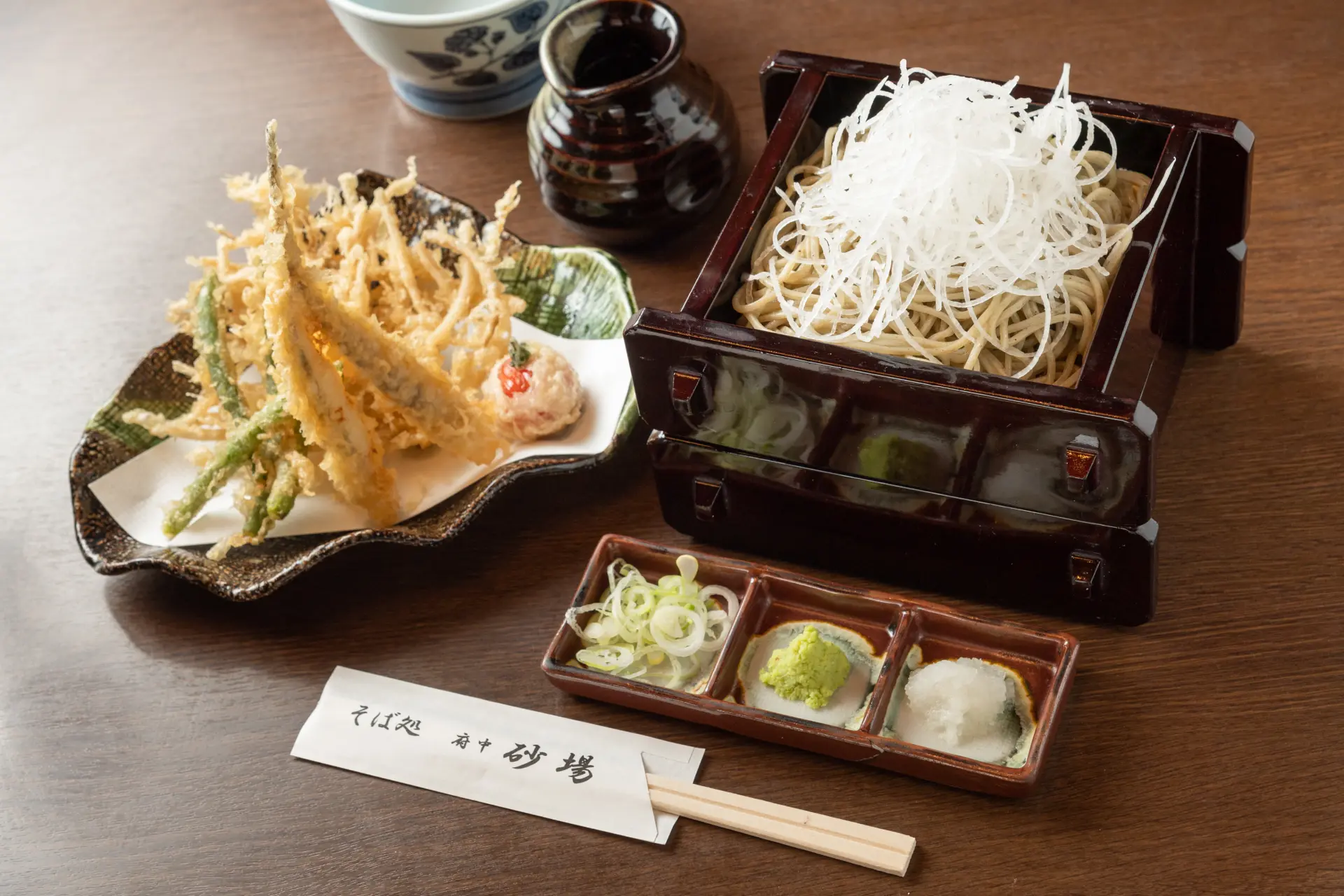
A recommended dish is Sunaba no Moriage Soba: two tiers of cold soba topped generously with shredded daikon and accompanied by burdock root and big-eyed flathead tempura.
The smooth noodles and crisp daikon provide a pleasant contrast and make a satisfying meal after walking around the city.
5. Monamour Seifudo Honten: More Than 150 Years of Pastries and Italian Cuisine
Founded in 1868, Monamour Seifudo Honten is a long-established business located beside Okunitama-jinja Shrine.
The first floor is a French pastry shop, while the second floor operates as an Italian restaurant.
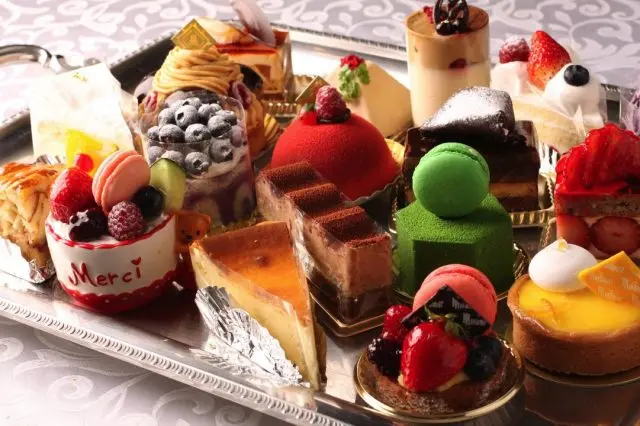
The display case is filled with cakes and baked sweets, including the namesake Monamour, a strawberry cake with custard mousse.
Stop by for coffee and cake while exploring, or sit down for a meal of authentic Italian cuisine featuring seafood.
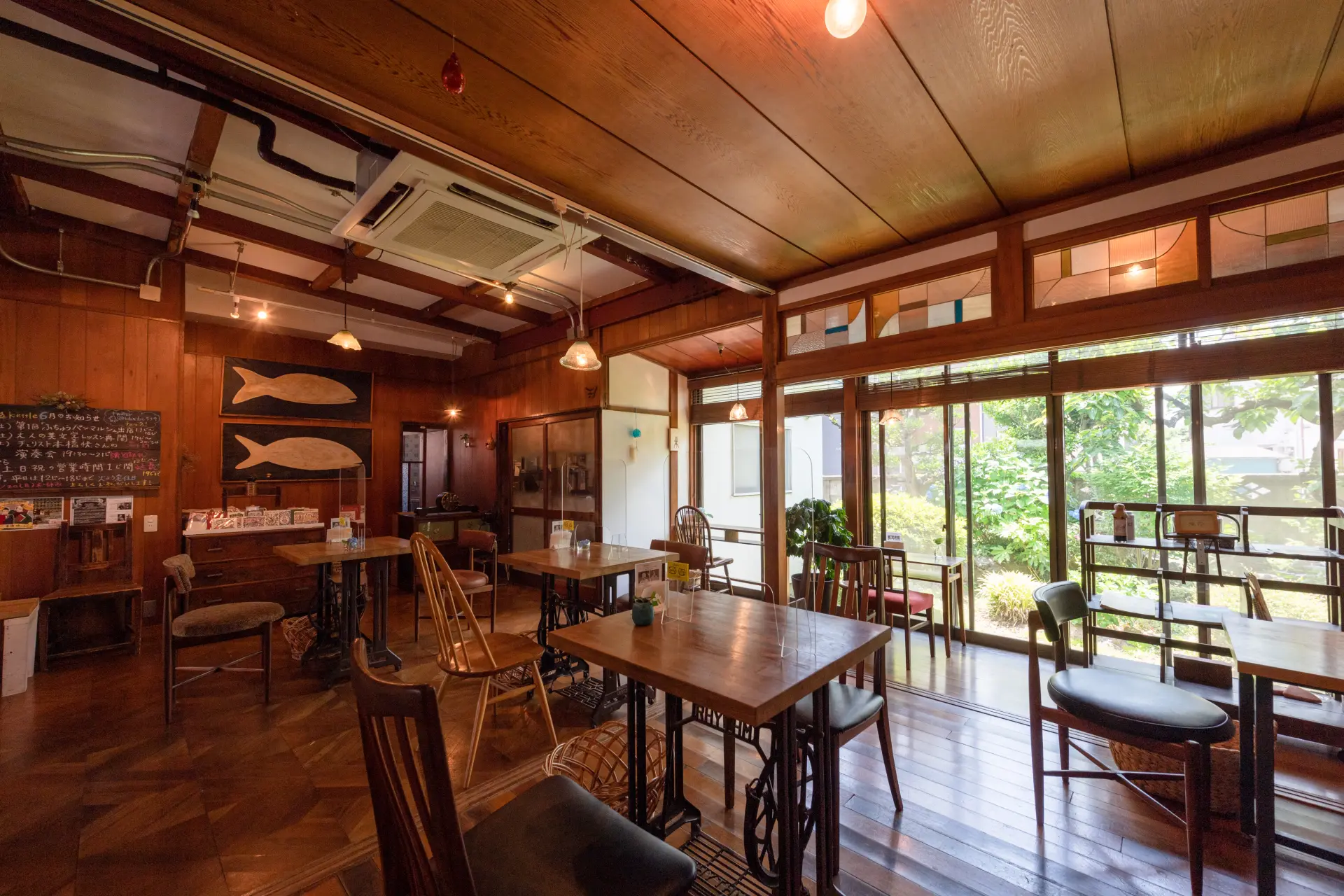
6. Coffea Exlibris Kettle: Discover the Character of Each Cup
This specialty coffee roastery and cafe is tucked away in a residential neighborhood in Higashi-fuchu.
Carefully selected beans are roasted in-house and served using a coffee press that brings out their natural aromas and flavors.
Enjoy a cup with house-made sweets, then purchase any beans you particularly like.
Each bag comes with a stencil-dyed illustration card inspired by the beans’ place of origin, making it a thoughtful gift for coffee lovers.
7. Naorai Stand Miya: Sake and Small Plates Featuring Fuchu Vegetables
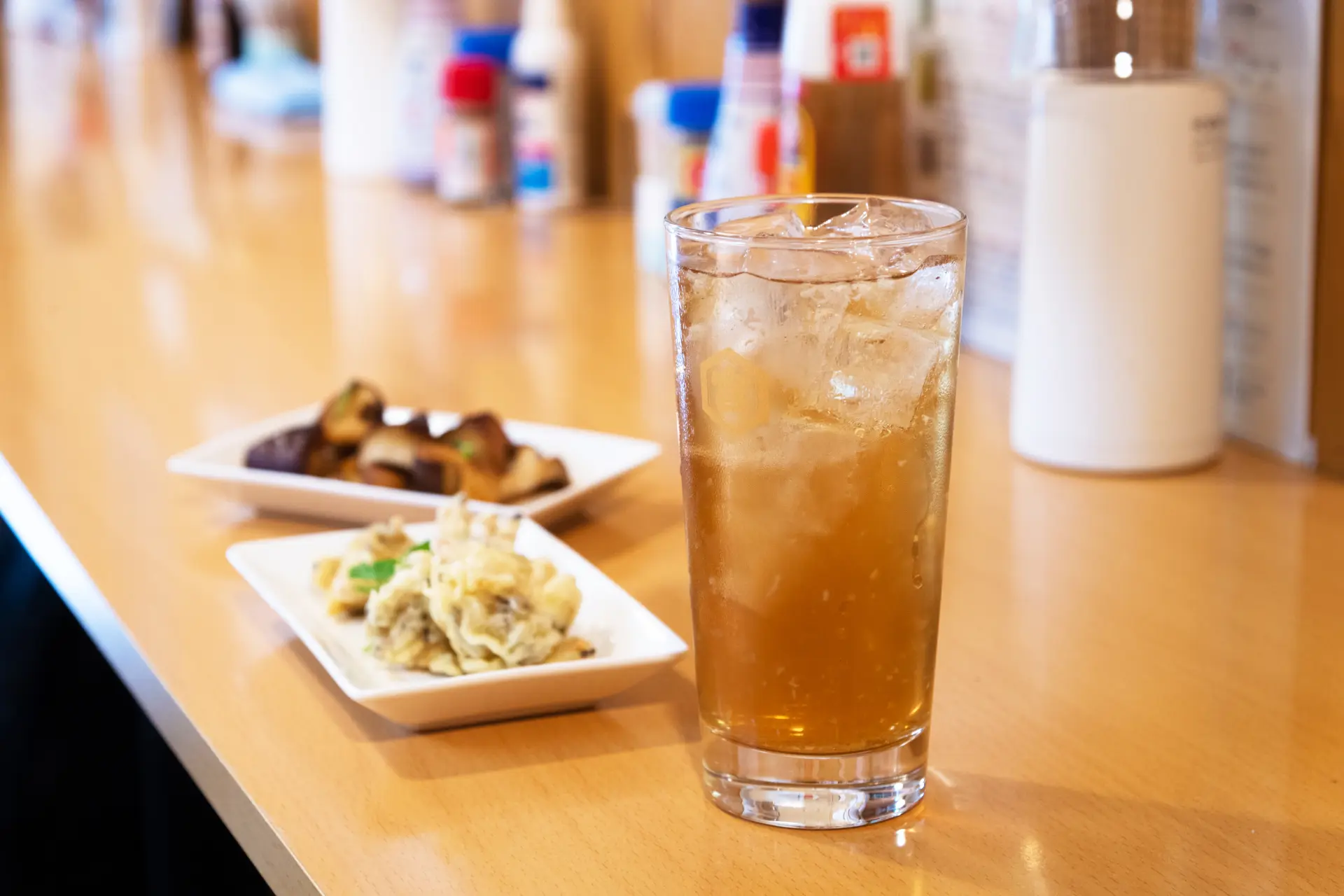
Located beside Okunitama-jinja Shrine, this casual standing bar is easy to visit.
It serves a monthly changing selection of sake and small plates incorporating vegetables grown in Fuchu.
Detailed descriptions explain the characteristics of each sake, making it easy to choose even if you are unfamiliar with different labels.
The owner, a former French chef, prepares a broad range of Japanese and Western dishes, from tempura to rillettes.
At the end of a shrine visit or city walk, reflect on your trip while sampling food and sake a little at a time.
Classic Souvenirs to Buy in Fuchu
To bring a piece of Fuchu home, look for long-established sweets, local sake, and products that reflect the area’s character.
Musashino Sweets from Long-Established Confectioner Aokiya
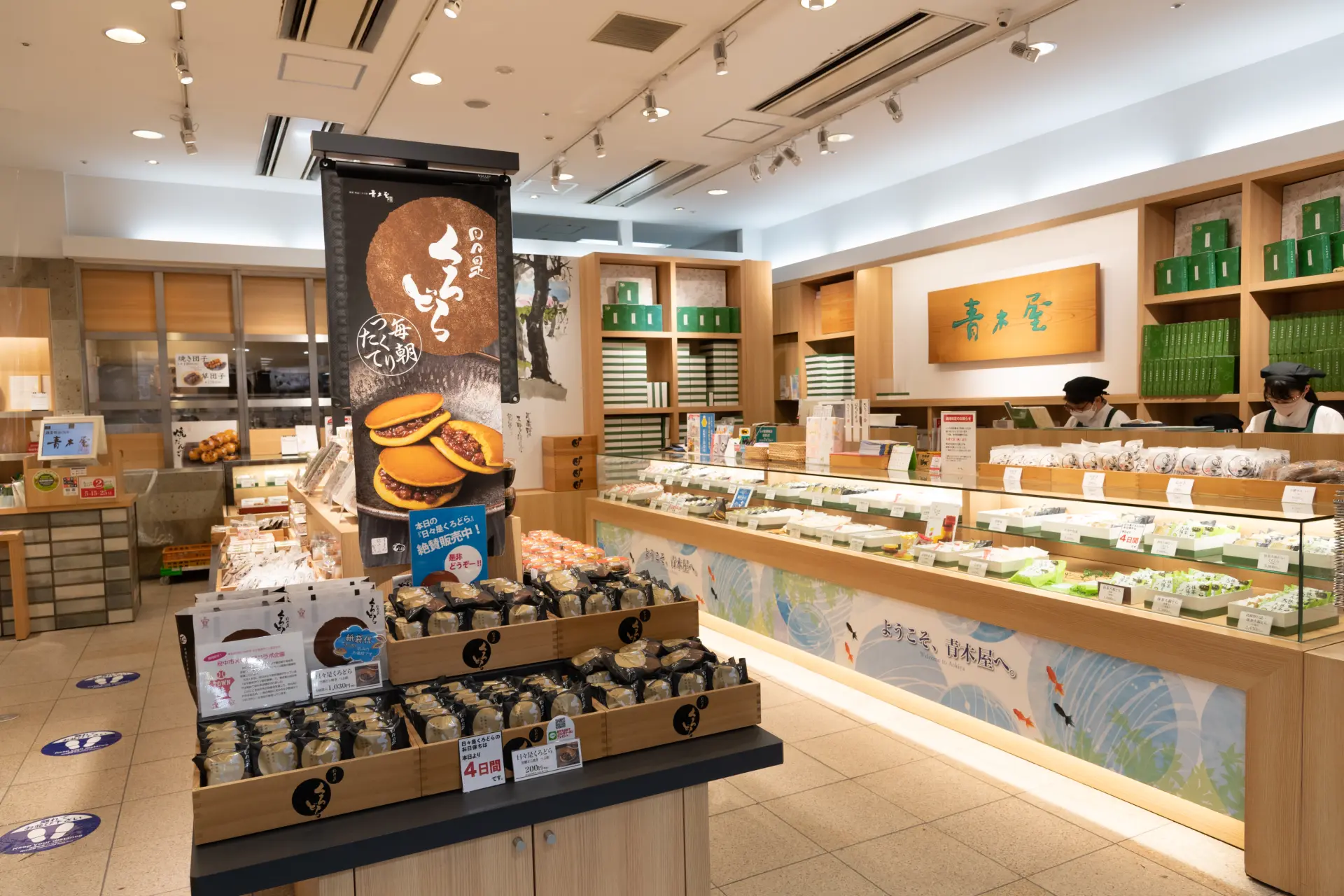
Founded in 1893, Aokiya is one of Fuchu’s leading long-established confectioners.
Its signature Musashino Nisshi is a well-known Musashino sweet consisting of a miniature Baumkuchen filled with chocolate or white chocolate cream.
Another popular item is Hibi Kore Kurodora, made with house-made Hokkaido azuki bean paste sandwiched between cakes containing Okinawan brown sugar.
The Fuchu Keyaki Namiki-dori Shop near Fuchu Station is convenient during sightseeing. In addition to regular and seasonal products, the Kyodonomori Factory Shop sells discounted sweets with irregular shapes created during production.
Fuchu’s Local Sake: Kotsuru
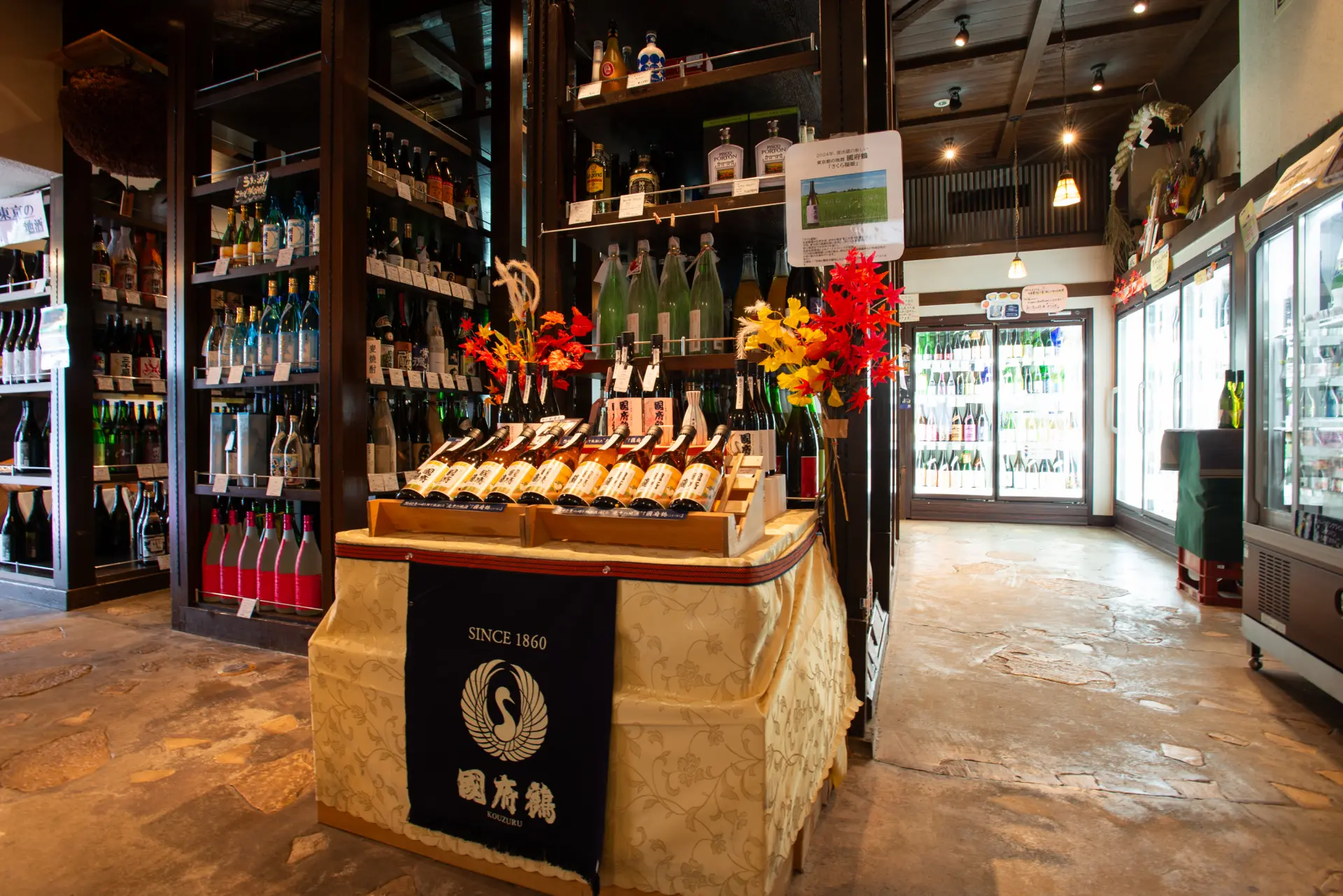
Shuza Nakakyu Honten, which has operated along the old Koshu Kaido highway since 1860, sells Fuchu’s local sake, Kotsuru.
The store carries sake, shochu, wine, whiskey, and other beverages, including selections specific to the season.
Try several varieties in a tasting set to find your favorite before choosing a bottle as a souvenir.
The adjoining Kura Cafe also serves drinks and sweets made with sake lees.
Fuchu City Kyodonomori Tourism and Local Products Center: Fuchu Specialties in One Place
This local products center stands near the main entrance of the Fuchu City Kyodonomori Museum.
It sells vegetables, eggs, processed foods, sweets, and other products from Fuchu, allowing visitors to compare local flavors in one place.
In addition to jam made with Fuchu-grown fruit, rice crackers, and konpeito sugar candy, the FUCHU LUCKY HORSESHOE—a genuine used horseshoe that has been cleaned and polished—is another distinctly Fuchu souvenir.
As a lucky charm fitting for a city with Tokyo Racecourse, it makes a fitting memento of your trip.
3 Recommended Places to Stay While Exploring Fuchu
Fuchu is suitable for a day trip, but an overnight stay allows more time to visit the racecourse, tour the factory, and explore the surrounding Tama area.
1. Hotel Keyaki Gate Tokyo Fuchu: Directly Connected to Fuchu Station for Easy Access Even in the Rain
The hotel is directly connected to Fuchu Station on the Keio Line by a covered pedestrian deck and is about a 1-minute walk away.
It is easy to reach even in the rain and provides a convenient base for exploring central Fuchu.
Rooms range from singles to triples, accommodating solo travelers, families, and groups of friends.
A Japanese and Western breakfast buffet provides plenty of energy for the next day’s sightseeing.

2. Hotel Continental Fuchu: Savor Food and the Afterglow of the Races
Hotel Continental Fuchu is about a 1-minute walk from Fuchu Station.
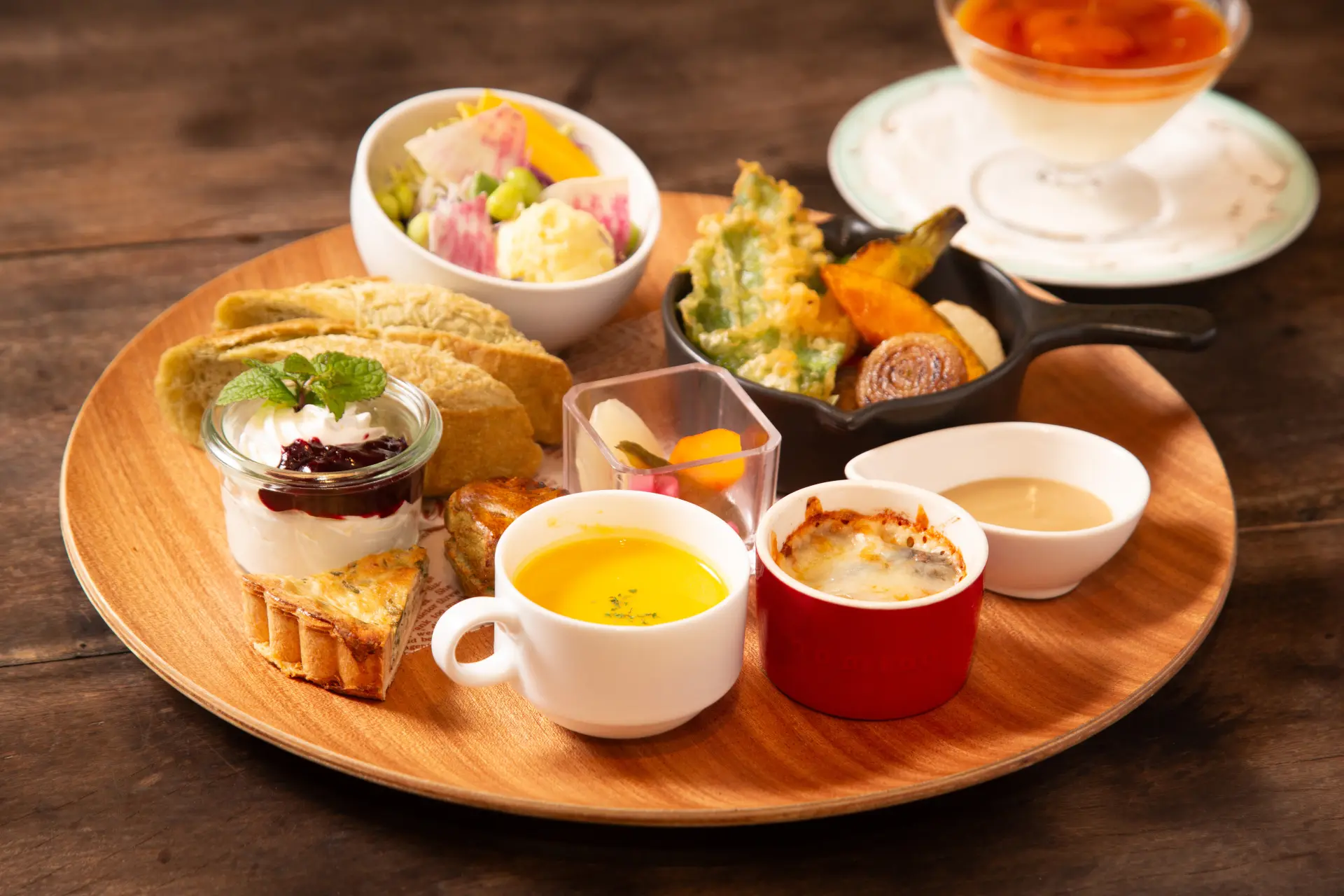
Its three restaurants serve dishes featuring vegetables, herbs, eggs, and other ingredients raised at the hotel’s own Tohoku Farm.
Restaurant Colt also offers horse racing cocktails inspired by famous racehorses.
After a day at Tokyo Racecourse, relax over a drink while savoring the lingering excitement of the races.
Every room has a high-quality bed, allowing you to rest after a long day of walking.
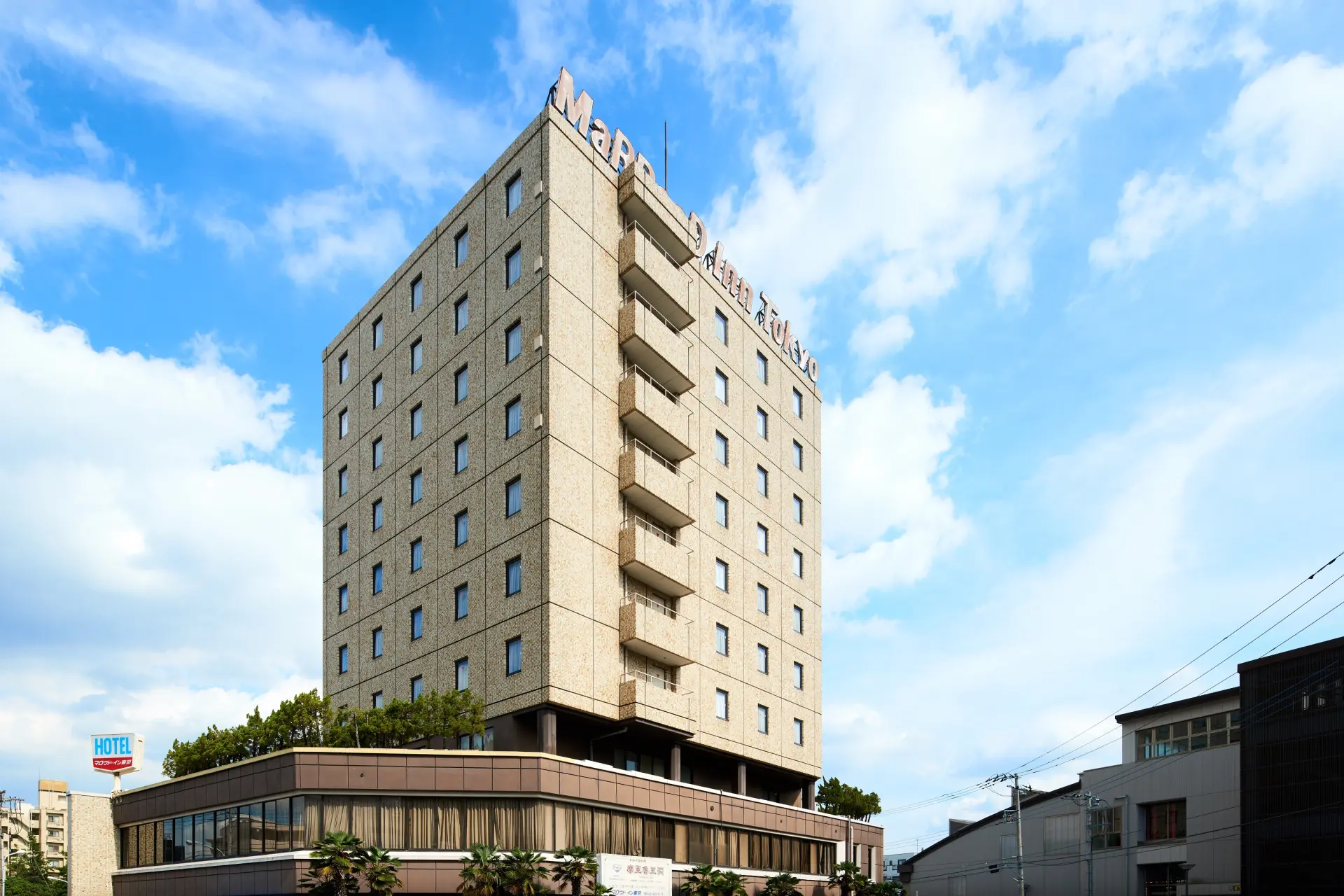
3. Marroad Inn Tokyo: A Relaxing Base in Higashi-Fuchu
Located directly in front of Higashi-fuchu Station on the Keio Line, Marroad Inn Tokyo is about a 1-minute walk away.
Despite its convenient location by the station, it offers a quiet stay in a peaceful residential neighborhood.
The hotel has warmly decorated rooms and an amenity bar where guests can select the items they need.
Its Chinese restaurant is also popular with locals as a casual place to enjoy authentic cuisine.
It is a convenient base for trips to Fuchunomori Park and the Fuchu Art Museum or for venturing farther into the Tama area.
A Classic One-Day Itinerary for First-Time Visitors to Fuchu
For a first visit to Fuchu, follow a route from the historic sites around Fuchu and Fuchuhommachi stations to the Fuchu City Kyodonomori Museum.
This balanced itinerary covers Fuchu’s ancient history, Musashino’s natural scenery, local food, and souvenir shopping.
9:30 a.m. | Walk from Fuchu Station to Babadaimon Zelkova Avenue
After arriving at Fuchu Station on the Keio Line, walk along the zelkova avenue leading to Okunitama-jinja Shrine.
The soft morning light filtering through the trees makes the walk refreshing and heightens anticipation for the day ahead.
10:00 a.m. | Begin Your Fuchu Journey at Okunitama-jinja Shrine
Pass through the large torii gate and proceed to the worship hall.
After paying your respects, visit the auxiliary shrines, the sacred large ginkgo tree, and the Treasure Hall if it is open.
Experiencing about 1,900 years of history conveys the depth of time embodied by the city of Fuchu.
11:00 a.m. | Imagine Ancient Fuchu at the Musashi Kokufu Site
Continue to the Musashi Kokufu Site east of Okunitama-jinja Shrine.
Observe the scale of the building marked by vermilion pillars and imagine the era when officials governing Musashi Province worked here.
11:30 a.m. | Visit the Historic Site Square of the Provincial Governor’s Office and Ieyasu Palace
Walk toward Fuchuhommachi Station to reach the Historic Site Square of the Provincial Governor’s Office and Ieyasu Palace.
Walking between the full-scale pillars and viewing the reconstruction on your smartphone will give you a more three-dimensional sense of the ancient building.
12:15 p.m. | Lunch at a Long-Established Restaurant
For lunch, visit Fuchu Sunaba near Okunitama-jinja Shrine or Nihon Ryori Mimatsu Honten in front of Fuchu Station.
Choose between a casual serving of house-made soba and sushi or Japanese cuisine prepared by experienced chefs, depending on your mood.
1:30 p.m. | Explore the Fuchu City Kyodonomori Museum
In the afternoon, take a bus or other transportation to the Fuchu City Kyodonomori Museum.
Explore the main museum building, reconstructed architecture, seasonal flowers, and waterside scenery.
If you plan to visit the planetarium, allow plenty of time.
If tea is being served, consider having matcha at the Baikyo-an teahouse.
Time spent surrounded by history and nature will slow the pace of your journey.
4:00 p.m. | Shop for Souvenirs at the Local Products Center and Aokiya
After visiting the museum, head to the Fuchu City Kyodonomori Tourism and Local Products Center near the main entrance.
Browse Fuchu-grown produce, processed foods, the FUCHU LUCKY HORSESHOE, and more.
Then stop at the nearby Aokiya Kyodonomori Factory Shop to purchase Musashino Nisshi or Hibi Kore Kurodora.
Try one yourself and you will understand why these sweets have long been cherished in Fuchu.
5:30 p.m. | Choose Local Fuchu Sake at Shuza Nakakyu Honten
Return to the Fuchu Station area and finish your trip at Shuza Nakakyu Honten.
Sample several types of sake and choose a bottle of Fuchu’s local Kotsuru as a souvenir.
If you want to spend more time in Fuchu after dark, have sake and small plates at Naorai Stand Miya near Okunitama-jinja Shrine.
End your trip at a leisurely pace while reflecting on a day spent exploring history and nature.
Plan a Separate Day for Tokyo Racecourse
Tokyo Racecourse can fill an entire day with race viewing, food, the JRA Racing Museum, the Japanese garden, and souvenir shopping.
If visiting on a race day, make the racecourse the main focus of your trip, then enjoy dinner or an overnight stay around Fuchu Station in the evening.
Summary
Fuchu flourished as the center of ancient Musashi Province and is home to Okunitama-jinja Shrine, which has about 1,900 years of history.
Yet it offers far more than its image as a historic city, with attractions including Tokyo Racecourse, one of Japan’s largest racecourses; a museum surrounded by seasonal flowers; art; a factory tour; a choreographed sword-fighting experience; and long-established restaurants.
Walk along the zelkova avenue, visit the shrine, and imagine the ancient city from its vermilion pillars.
Pause to admire seasonal flowers, savor local food, and choose a bottle of Fuchu sake at the end of your trip.
Such a rich travel experience awaits only a short journey from central Tokyo.
For your first visit, begin with a day exploring Fuchu’s history around Okunitama-jinja Shrine and the Musashi Kokufu Site.
Then return during cherry blossom season, on a race day, or when the plum blossoms and fall foliage are at their peak.
Visit Fuchu and discover a different side of the city each time.