

Japan’s Tax-Free Shopping Reform from November 2026: Key Changes, the Refund System, How It Works, and What to Know
Tax-free shopping is one of the pleasures of traveling in Japan. From November 1, 2026, Japan’s tax-free shopping system will change significantly with the introduction of the new “Refund Method.”
While the rules for product categories will become simpler than under the current system, travelers will need to understand the entire process, from making a purchase to customs confirmation upon departure and receiving a refund.
This article provides an easy-to-understand guide to the key changes under the new system, the steps for tax-free shopping, and important points international visitors should know.
In Brief: How Will Japan’s Tax-Free Shopping System Change in November 2026?
From November 1, 2026, Japan’s consumption tax exemption system for international visitors, known as the Tax-Free Shopping System, will undergo major changes with the introduction of the Refund Method.
There will be no transition period during which the current and new systems operate in parallel. The new system will apply to all tax-free goods sold on or after November 1, 2026.
In short, there are four main changes:
-
Shift to the Refund Method
-
No special sealed packaging required for consumable goods
-
Elimination of the distinction between general goods and consumable goods
-
Elimination of the ¥500,000 purchase limit for consumable goods
Each of these changes is important, so let’s look at them one by one.
Shift to a Refund System
The most significant change under the new system is the shift to the “Refund Method,” under which the consumption tax is refunded after departure procedures are completed.
Under the current system, international visitors can purchase eligible goods at tax-free shops without paying consumption tax. From November 1, 2026, however, they will pay the tax-inclusive price at the time of purchase.
The amount equivalent to the consumption tax will be refunded through a designated method after customs confirms upon departure that the tax-free goods are being taken out of Japan.
For international visitors, this means that instead of enjoying the tax savings immediately at the time of purchase, they will pay the full price first and receive the tax amount back later after completing the required procedures. It is therefore a good idea to plan your travel budget with the understanding that the refund will be received later.
The specific refund method and timing will vary depending on the tax-free shop or refund service provider, so be sure to check the details when making your purchase.

No Special Sealed Packaging Required for Consumable Goods
Under the current system, tax-free shops are required to place consumable goods such as food, beverages, cosmetics, and medicines in special sealed packaging. This is mainly intended to prevent the goods from being used or consumed while in Japan, but the requirement can also be inconvenient for travelers, who must keep the items in their sealed packaging.
Under the new system, the special packaging requirement will be abolished, which is also expected to simplify procedures for tax-free shops.
However, the abolition of special packaging does not mean that consumable goods can be freely used or consumed while in Japan. To receive a refund, tax-free goods must still be taken out of Japan.

Elimination of the Distinction Between General Goods and Consumable Goods
Under the current system, clothing, home appliances, watches, and jewelry are classified as “general goods,” while food, cosmetics, medicines, and everyday household items are classified as “consumable goods.” Different tax-free requirements apply to each category.
When both types of goods are included in the same purchase, the purchase amounts and tax-free procedures must be managed separately by category, creating an administrative burden for tax-free shops.
Under the new system, these product categories will be abolished, and eligibility for tax-free shopping will be determined using the same criteria based on the total purchase amount.
For international travelers, this means that tax-free treatment will no longer differ depending on the type of product, simplifying explanations and procedures at checkout. This should make tax-free shopping more straightforward and easier to understand.

Elimination of the ¥500,000 Purchase Limit for Consumable Goods
Under the current system, consumable goods are subject to a tax-exclusive purchase limit of ¥500,000 per eligible tax-free shopper, per tax-free shop, per day. Purchases exceeding this limit are not eligible for tax exemption, which can be a drawback for international visitors looking to buy premium cosmetics or make bulk purchases.
Under the new Refund Method, the ¥500,000 purchase limit will be abolished, giving travelers greater flexibility when shopping. However, this does not mean that there will be no limits or additional requirements for tax-free shopping.
For tax-free goods with a pre-tax price of ¥1,000,000 or more per item, additional rules apply, including a requirement for tax-free shops to record detailed information about the goods. These rules are explained in more detail later in this article.
The minimum purchase amount for tax-free shopping will remain unchanged at ¥5,000 before tax. However, as noted above, purchases can be combined across product categories, and the requirement is met as long as the total purchase amount is at least ¥5,000 before tax.

At a Glance: Comparing the Current and New Systems
The table below provides an overview of the key differences between the current and new systems, including the changes explained above.
| Item | Current System (Through October 2026) | New System (From November 2026) |
|---|---|---|
| Tax-free mechanism | Purchase eligible goods without paying consumption tax | Pay the tax-inclusive price at purchase; receive a refund equivalent to the consumption tax after customs confirms upon departure that the goods are being taken out of Japan |
| Refund methods | None (consumption tax is deducted at the time of purchase) | Cash, credit card, app, bank transfer, or other methods |
| Categories of eligible goods | Two categories: general goods and consumable goods | Categories abolished |
| Eligible purchase amount | General goods: ¥5,000 or more before tax | |
| Consumable goods: ¥5,000-¥500,000 before tax | ¥5,000 or more before tax, with purchases combined regardless of product category | |
| Packaging for consumable goods | Special sealed packaging required | No special packaging required |
| Confirmation upon departure | Goods must be taken out of Japan to qualify for tax exemption | Refund eligibility is confirmed after customs verifies upon departure that the goods are being taken out of Japan |
| Departure deadline | No specific deadline defined by number of days | Customs confirmation required within 90 days from the day after purchase |
| Customs confirmation method | Customs confirms that the goods are being taken out of Japan | Electronic confirmation using a dedicated terminal or similar device; inspection by a customs officer may be required |
| Record retention requirements | Purchase records must be retained | Purchase records and customs confirmation information must be retained |
| Shipping tax-free goods | Traveler-arranged separate shipping abolished on March 31, 2025 | Direct overseas shipping by the tax-free shop remains eligible for export tax exemption |
As shown above, the new system simplifies procedures at the time of purchase, while making customs confirmation upon departure more important.
Although the new process involves some additional steps for international travelers, it also offers greater convenience in some respects, such as the elimination of the purchase limit for consumable goods and the special packaging requirement.
Travelers who are familiar with the current tax-free shopping process may find the changes particularly confusing at first, so it is a good idea to familiarize yourself with the new system before traveling to Japan.
What Is the Difference Between Separate Shipping and Direct Shipping?
Travelers were previously allowed, under certain conditions, to ship tax-free goods overseas themselves, but this “separate shipping” option was abolished on March 31, 2025.
By contrast, “direct shipping,” in which a tax-free shop ships purchased goods directly overseas, will remain available after the new system takes effect in November 2026.
Although separate shipping and direct shipping may sound similar, they are different systems, so it is important to understand the distinction.
Separate Shipping (Not Permitted): The traveler does not personally carry the purchased goods out of Japan, but instead ships them overseas by international mail or another method.
Direct Shipping (Permitted): The traveler enters into a shipping contract at the tax-free shop and hands the purchased goods over to the carrier there, allowing the goods to be shipped directly overseas.
From November 2026, direct shipping will be treated as an export transaction exempt from consumption tax under Article 7 of the Consumption Tax Act, rather than as a tax-free sale under the Refund Method.
As a result, customs confirmation that the goods are being taken out of Japan will not be required upon departure, nor will the tax-free sales procedures under the Tax-Free Shopping System apply.

Japan’s Current Tax-Free Shopping System
The new system was not decided overnight. Its details have taken shape through extensive discussions and consultations among the parties involved.
This section looks at how the current system works, the challenges it faces, the background to the reform, and the process that led to the upcoming changes. Read on to gain a better understanding of why Japan’s tax-free shopping system is changing.
How the Current System Works and Its Challenges
Under the current system, international visitors can receive a consumption tax exemption at the time of purchase by presenting their passports at checkout, allowing them to purchase eligible goods without paying consumption tax.
While this system is simple and easy for international travelers to understand, granting the tax exemption at the time of purchase has created a number of operational challenges. One such issue is suspected cases in which large quantities or high-value goods purchased tax-free were not taken out of Japan but instead resold or diverted within the country.
Another problem is that when authorities attempted to collect the amount equivalent to the exempted consumption tax from travelers who no longer had the goods in their possession upon departure, many of these amounts went unpaid. Such abuse has also undermined the fairness of Japan’s tax-free shopping system.

Background and Timeline of the Reform
In response to these cases of suspected abuse, the government announced plans to review the system in its FY2024 Tax Reform Outline.
The details of the reform were then finalized in the FY2025 Tax Reform Outline, taking into account the need to improve convenience for international travelers and reduce the administrative burden on tax-free shops.
A major aim of the reform is to prevent abuse and ensure the proper operation of the system by requiring customs confirmation upon departure that tax-free goods are actually being taken out of Japan. At the same time, the digitization of tax-free procedures is also moving forward.
From a traveler’s perspective, the new system may seem more complicated, but the changes are intended to ensure the integrity and long-term sustainability of Japan’s tax-free shopping system.
The timeline from finalization of the reform to its implementation is as follows.
| Date | Event | Key Point |
|---|---|---|
| April 1, 2023 | Stricter tax-free eligibility requirements introduced for Japanese nationals temporarily returning to Japan | Eligibility must be verified using a certificate of residence abroad, a copy of the supplementary family register, or other specified documentation |
| FY2024 Tax Reform | Policy established for a fundamental review of the Tax-Free Shopping System | In response to issues such as the suspected domestic resale of tax-free goods, the government announced plans for a new system centered on customs confirmation upon departure, with details to be finalized in the FY2025 Tax Reform |
| FY2025 Tax Reform | Details of the Refund Method finalized | The new system was designed so that tax-free eligibility is confirmed once customs verifies upon departure that the goods are being taken out of Japan |
| April 1, 2025 | Tax exemption through separate shipping abolished | The separate shipping option, under which travelers shipped tax-free purchases overseas themselves, was abolished |
| July 8, 2026 | Details of the Refund Method announced | Japan’s National Tax Agency published a Q&A explaining details of the Refund Method |
| November 1, 2026 | Refund Method takes effect | Full transition to the new system |

Eligible Shoppers, Products, and Stores Under the New System
Even after the shift to the Refund Method, not all travelers or purchases will be eligible for tax-free shopping.
In addition to eligibility requirements for travelers and goods, there are additional recordkeeping requirements for high-value items, as well as certain cases in which tax exemption does not apply.
Let’s take a look at the main requirements and important points to keep in mind.
Who Is Eligible for Tax-Free Shopping?
Only travelers who meet the following conditions are eligible for tax-free shopping.
The basic eligibility requirements remain largely unchanged from the current system, although some changes will be made under the new system to how eligibility is verified and purchase information is handled.
| Nationality | Main Eligibility Requirements |
|---|---|
| Foreign nationals | Individuals with Temporary Visitor, Diplomat, or Official status of residence; individuals granted certain landing permits; members of the U.S. Armed Forces; and others |
| Japanese nationals | Individuals who have continuously maintained a domicile or residence outside Japan for at least two years; documentation proving the required period of overseas residence must be submitted and verified |
Not all foreign nationals are eligible for tax-free shopping. Eligibility is limited to nonresidents who meet certain requirements, including those related to their status of residence.
For example, people staying in Japan under a work-related status of residence are generally not eligible for tax-free shopping.

Products Eligible for Tax-Free Shopping
The current requirement limiting eligible goods to items “ordinarily used in daily life” will be abolished.
Under the new system, goods will generally be eligible regardless of their intended use, except for items considered to carry a high risk of abuse, such as gold and platinum bullion and gold and platinum coins, as well as goods that are already exempt from consumption tax. A wide range of products will therefore be eligible for tax-free shopping, including food, medicines, home appliances, bags, and watches.
However, be careful when purchasing large quantities. If you are unable to personally take the goods out of Japan upon departure, customs will not be able to confirm that they are being taken out of the country.
Tax-free sales can be offered by a wide variety of businesses, including department stores, drugstores, and electronics retailers, as long as the store is authorized to offer tax-free shopping.

Additional Rules for High-Value Goods Priced at ¥1,000,000 or More Before Tax
For individual tax-free goods priced at ¥1,000,000 or more before tax, tax-free shops are required to record detailed information that can identify each item as part of the purchase record.
Depending on the type of product, this may include a combination of information such as the product name, brand, model number, distinctive features such as color or shape, and whether it comes with a certificate of authenticity or warranty. If the product has a serial number, the serial number must also be recorded.
This requirement is intended to ensure that customs can reliably verify high-value tax-free goods upon departure and to prevent fraud, such as presenting a different item from the one actually purchased.
No special application is required from travelers. However, if you plan to make a high-value purchase, keep in mind that the verification process at checkout may take longer than usual.
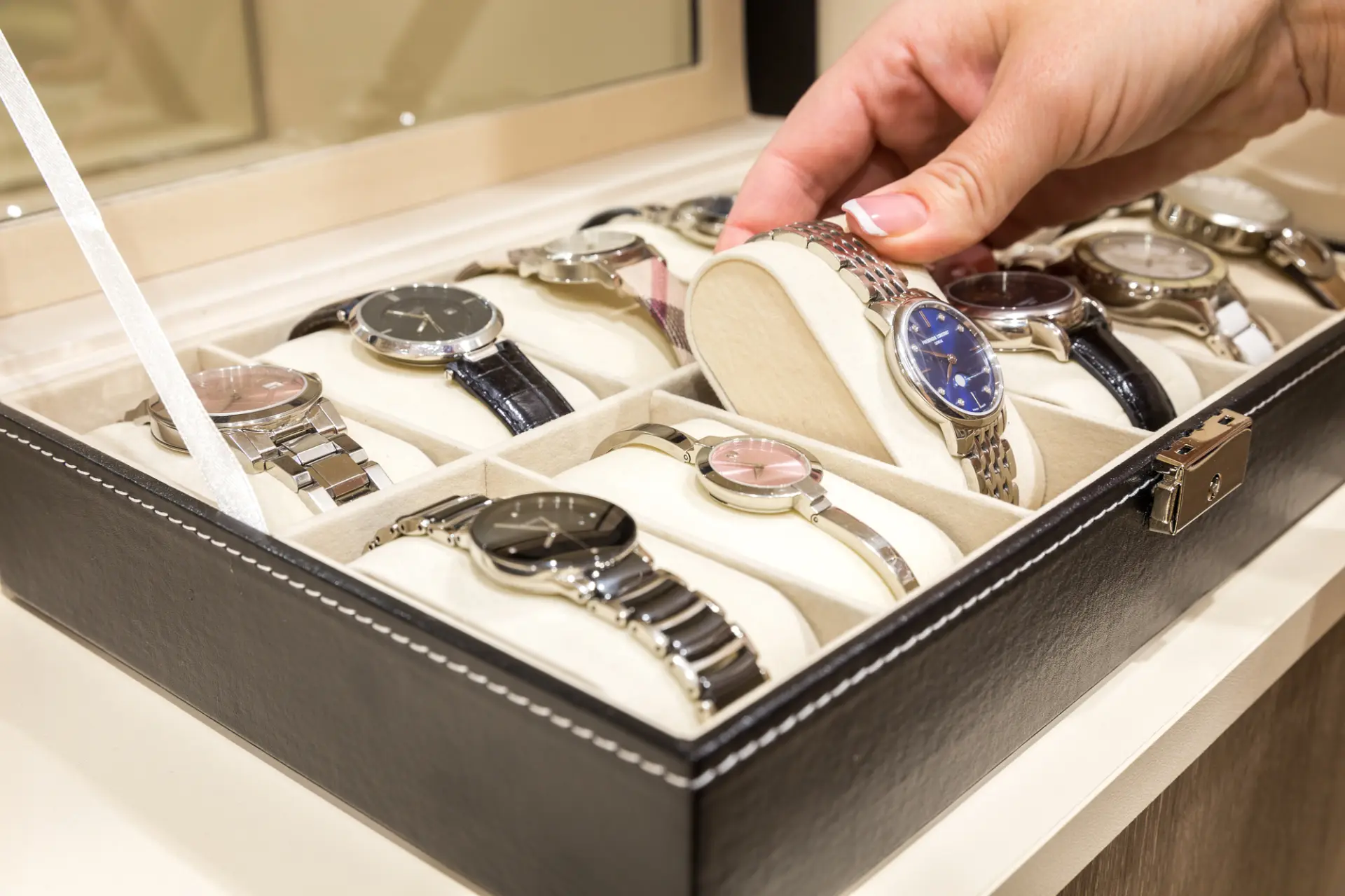
The ¥1,000,000 threshold applies to the pre-tax price of each individual eligible item, not the total amount of a single purchase. For example, if you purchase one item for ¥800,000 before tax and another for ¥300,000 before tax, the combined total is ¥1,100,000, but neither item is subject to the additional recordkeeping requirement.
Cases Where Tax Exemption Does Not Apply
The following are some of the main cases in which tax exemption does not apply under the new system.
To avoid problems, keep in mind that tax-free goods should remain in your possession and be taken out of Japan by you personally.
| Case | Details |
|---|---|
| You do not meet the nonresident requirements | Examples include working in Japan or having stayed in Japan for six months or more since entering the country |
| You do not possess the goods upon departure | The eligible tax-free shopper does not have the goods in their possession upon departure, such as when the goods have been lost or transferred, or customs is otherwise unable to verify them |
| You miss the 90-day deadline | You do not receive customs confirmation upon departure within 90 days from the day after the purchase |
| You purchase goods excluded from tax-free shopping | Gold or platinum bullion, gold or platinum coins, goods already exempt from consumption tax, and other excluded items |
| You use or consume the goods in Japan | You use or consume tax-free goods while still in Japan |

How to Shop Under the Refund Method
Tax-free shopping under the new system involves four main steps. Understanding the process in advance will help you complete the necessary procedures smoothly during your trip to Japan. Let’s take a closer look at each step.
Step 1: Purchase Goods at the Tax-Inclusive Price
When purchasing goods at a tax-free shop, you will pay the tax-inclusive price at checkout.
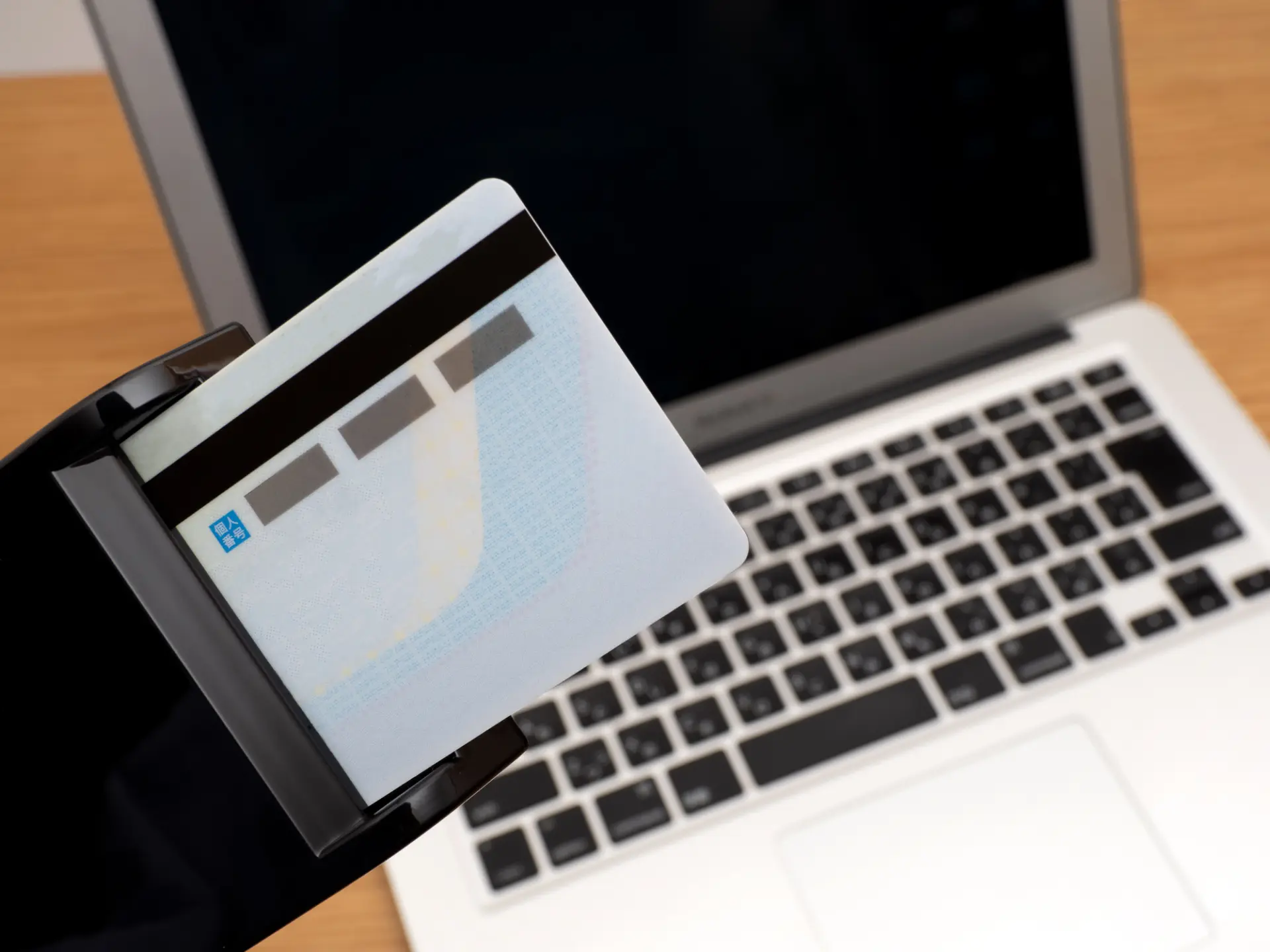
Present your passport to the cashier to verify your eligibility for tax-free shopping. Japanese nationals temporarily returning to Japan will also need to present additional documentation, such as a My Number Card or a certificate of residence abroad.
As noted above, the total purchase amount must be at least ¥5,000 before tax to qualify for tax-free shopping. A tax-inclusive total of ¥5,000 does not meet this requirement. If your purchase comes to around ¥5,000 including tax, be sure to check before paying whether the pre-tax total meets the minimum requirement.
Payment is expected to be made using one of the methods offered by the shop, such as cash or credit card. Keep in mind that at this stage, the tax exemption has not yet been finalized.
Step 2: The Tax-Free Shop Submits the Purchase Record
At checkout, the tax-free shop submits purchase record information to the National Tax Agency’s tax-free sales management system.
The purchase record includes passport details and information about the purchaser and the goods purchased, and is used for customs confirmation upon departure.
Importantly, there is no single nationwide method for how refunds are issued, how refund details are registered, or when refunds are processed. These procedures vary depending on the tax-free shop or refund service provider.
If the shop provides instructions related to your refund, such as accessing a dedicated website via a QR code, be sure to follow them.
Travelers are not required to complete any specific procedures at this stage

Step 3: Have Customs Verify Your Tax-Free Goods at the Airport or Seaport
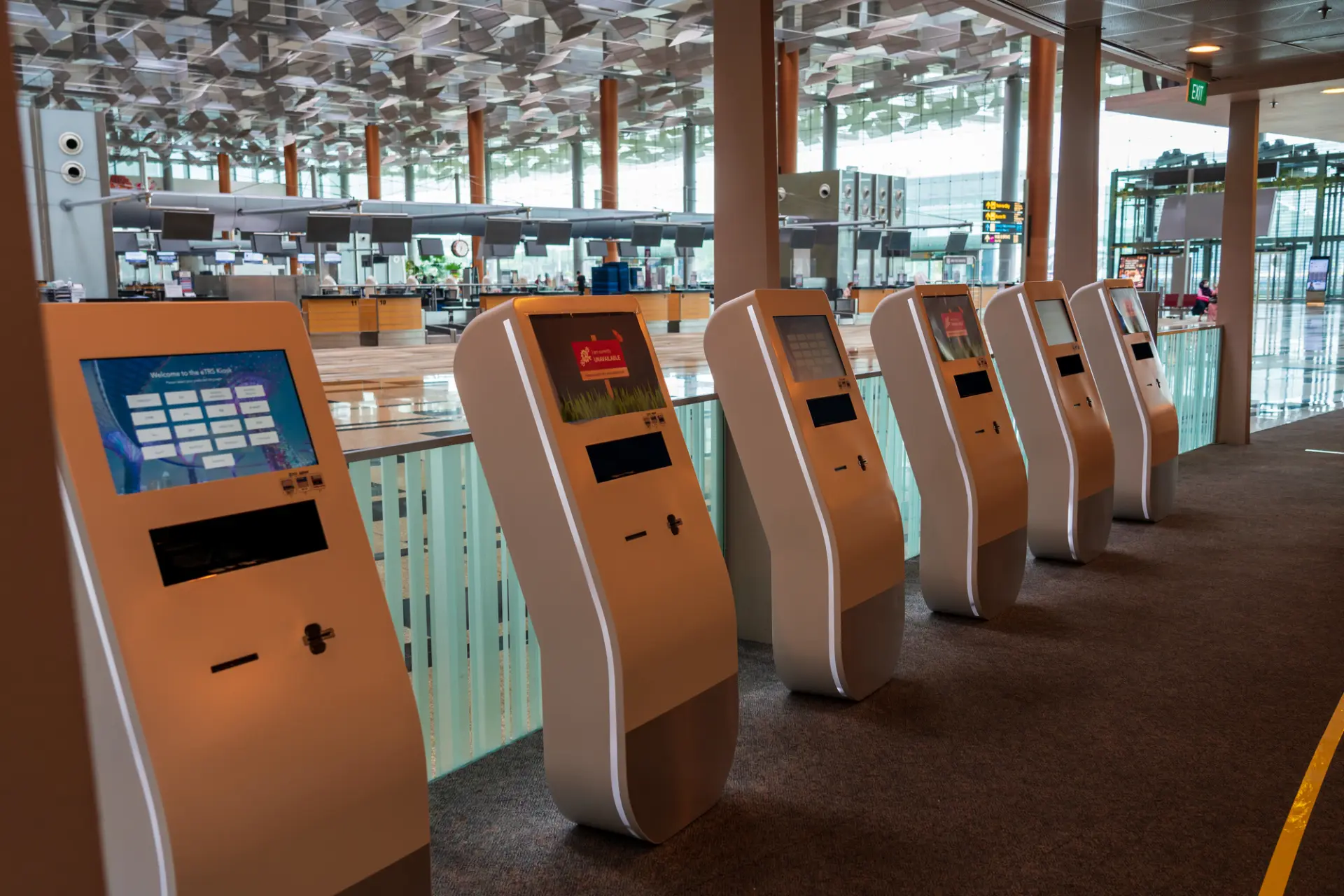
When leaving Japan, scan your passport at a tax-free procedure terminal, such as a kiosk or other electronic terminal, at the airport or seaport to complete customs confirmation.
The process is generally self-service, but a customs officer may ask you to present the goods for inspection if necessary. Keep your tax-free goods readily accessible to help the process go smoothly.
Some terminals offer multilingual support. If you are unsure how to use the terminal, ask staff at the airport or seaport for assistance.
Once customs confirms that your tax-free goods are being taken out of Japan, the tax-free sale is finalized and you become eligible to receive a refund equivalent to the consumption tax.
You Can Also Complete the Procedure Online Through Visit Japan Web
Visit Japan Web (VJW) is a digital service that allows travelers to complete arrival procedures, including immigration and customs declarations, online.
From November 1, 2026, VJW can also be used for departure procedures related to tax-free shopping under the new Refund Method at selected airports, allowing travelers to complete the procedure using a smartphone or other device instead of a dedicated terminal.
The service will be available at seven airports-Narita, Haneda, Kansai, Chubu Centrair, New Chitose, Fukuoka, and Naha-in designated areas of the international departure lobby where travelers can connect to a dedicated Wi-Fi network for the procedure.
Registering with VJW before or after entering Japan can also make tax-free shopping procedures at stores smoother. However, customs confirmation at the airport is still required, and if a customs inspection is deemed necessary, a customs officer will inspect the goods.
Step 4: Receive Your Consumption Tax Refund
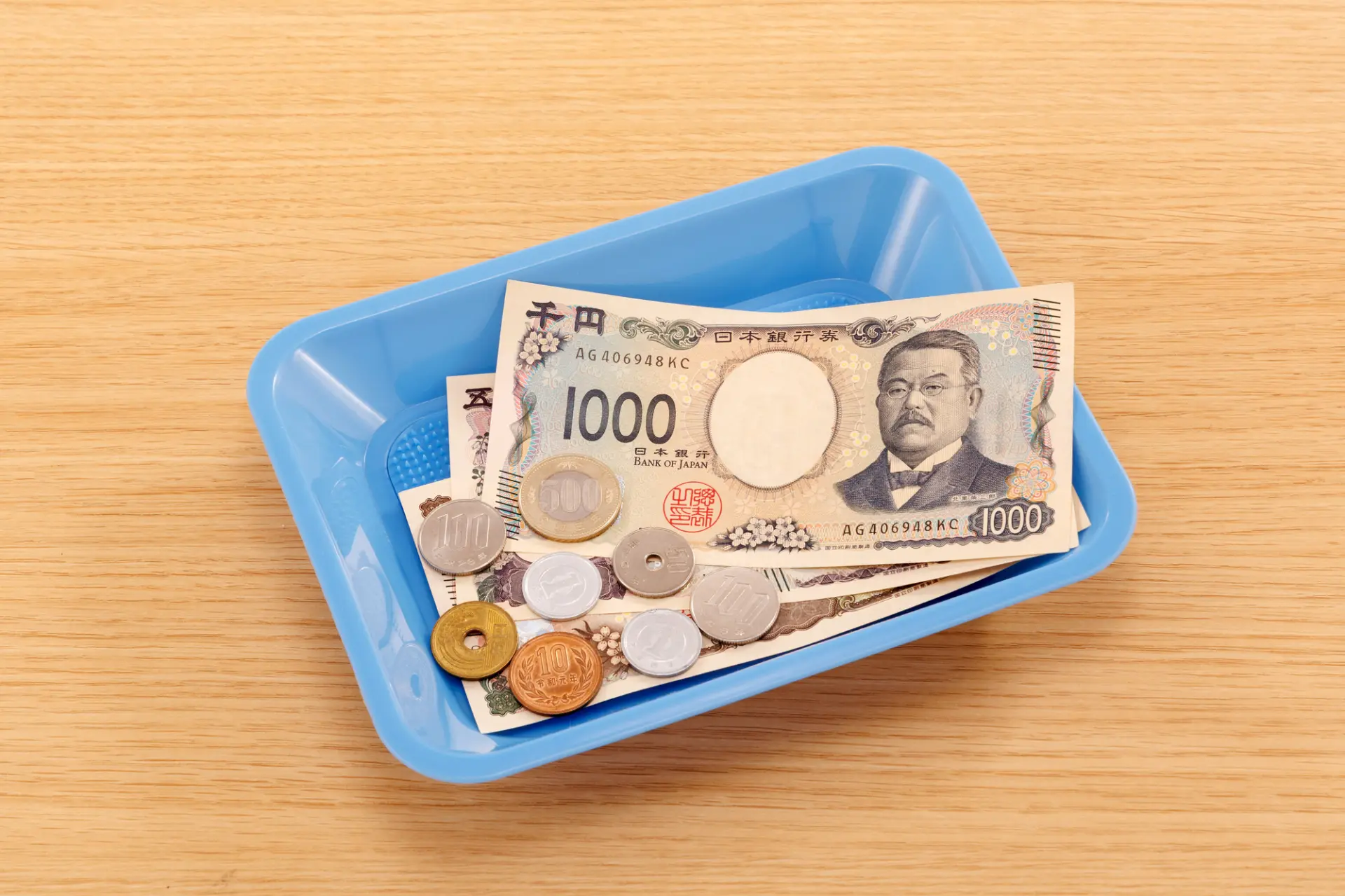
Once customs confirms that the goods are being taken out of Japan, you will receive a refund equivalent to the consumption tax from the tax-free shop or its contracted refund service provider.
The timing of the refund varies depending on the method used. In some cases, you may receive the refund in cash at the departure airport, while in others, it may be credited to your bank account or credit card at a later date.
Be sure to check the details with the shop where you made your purchase or the refund service provider.
For example, if you make purchases at Stores A, B, and C, the refunds may be processed at different times depending on the refund method used by each store.
Advantages and Disadvantages of the New System for Travelers
The Refund Method will bring both positive and negative changes to the shopping experience for travelers.
Simply put, shopping procedures will become simpler, but travelers will need to keep the requirements in mind until they leave Japan.
Enjoying shopping earlier in your trip and then completing the necessary procedures as part of your departure preparations toward the end of your stay may be a practical way to navigate the new system.
The table below summarizes the main advantages and disadvantages from a traveler’s perspective.
| Aspect | Advantages | Disadvantages and Points to Note |
|---|---|---|
| Checkout experience | The distinction between general goods and consumables is eliminated, simplifying the tax-free process at checkout | You no longer receive the tax exemption at the time of purchase and must pay the full tax-inclusive price upfront |
| Handling goods | Special packaging for consumables is eliminated, making purchases easier to carry | Goods used or consumed in Japan will not qualify for tax exemption |
| Purchase flexibility | The purchase limit for consumables is eliminated, making it easier to purchase items in bulk | Detailed information must be recorded for individual high-value items priced at ¥1,000,000 or more before tax |
| Refund procedures | Refunds are issued after customs confirmation at departure, eliminating the need to complete the refund at the time of purchase | Customs confirmation is required upon departure, and you may need to register information for receiving your refund, depending on the refund method |

Important Points to Keep in Mind When Shopping Tax-Free
Here are six important points to keep in mind when shopping tax-free.
Under the new system, travelers need to be aware of certain requirements not only when making purchases but also when leaving Japan.
Be sure to review these points in advance to help the process go smoothly and ensure that you receive your consumption tax refund.
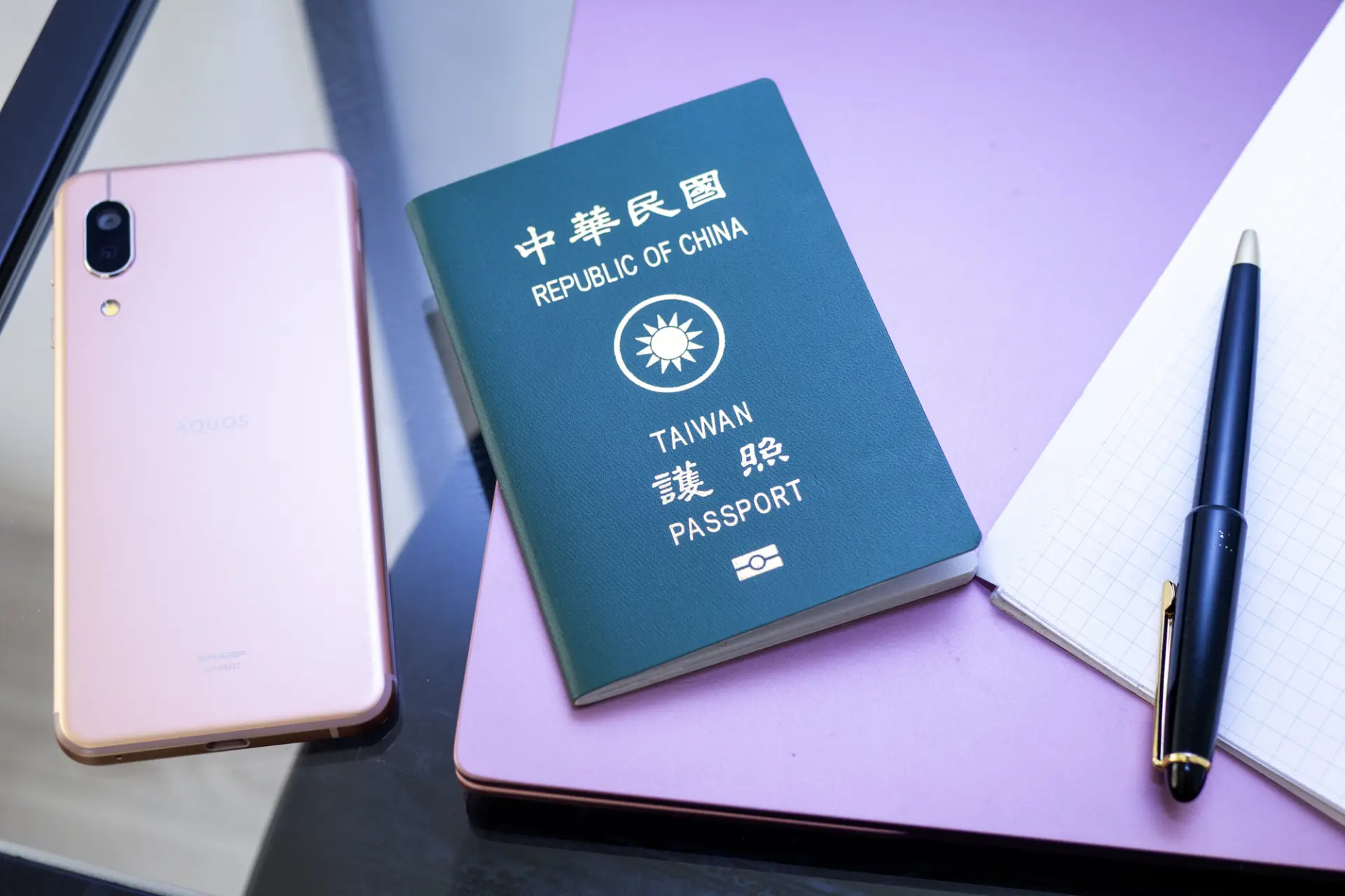
You Must Present Your Passport or Other Documents
Tax-free shops create purchase records based on passport and other required information, so you will need to present your passport when making a purchase.
Depending on your eligibility status, additional supporting documents may also be required, such as for Japanese nationals temporarily returning to Japan.
You can also present your passport information at tax-free shops using a QR code generated through Visit Japan Web.
If you plan to shop tax-free, keep your passport and any other required documents readily available.
Purchasing on Someone Else’s Behalf Is Not Permitted
Tax-free shopping is based on the principle that the purchaser personally takes the goods out of Japan.
One person cannot purchase goods on behalf of friends or family members and combine the amounts as a single tax-free purchase. Purchases made at the request of a third party or for resale are also not eligible for tax exemption.
The requirements for tax exemption are also not met if someone other than the purchaser takes the goods out of Japan.
When shopping as part of a group, make sure each traveler completes their own tax-free procedures so that it is clear which goods were purchased by whom.

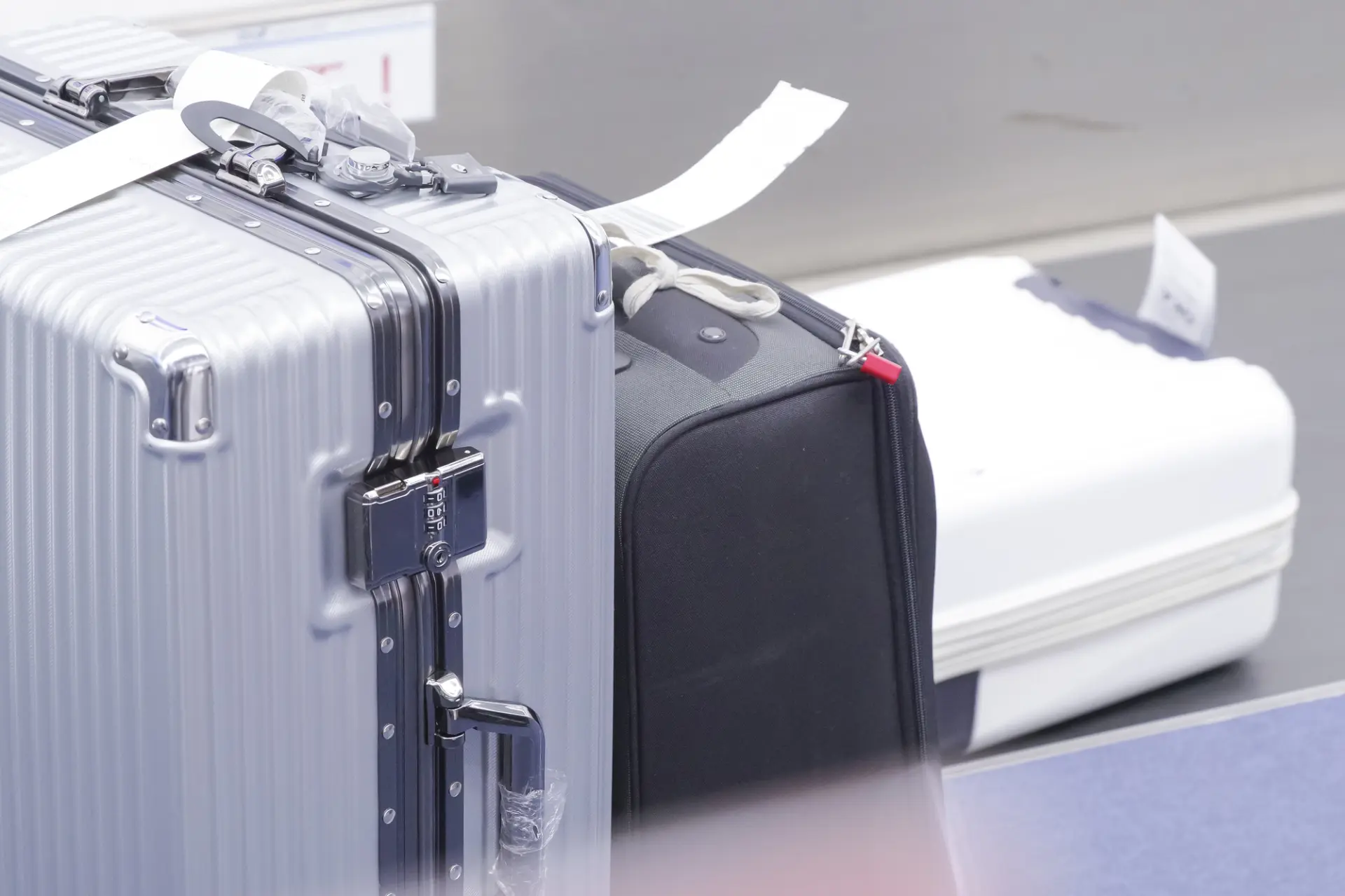
Complete Customs Procedures Before Checking Your Baggage
At the departure airport, you must complete the customs confirmation procedure at a kiosk or other electronic terminal before checking your baggage with the airline.
If no inspection is required, the procedure is complete. If an inspection is required, a customs officer will ask you to present the goods for verification.
In other words, if you check your baggage containing tax-free purchases before completing customs confirmation, you will not be able to complete the procedure and will therefore not receive your consumption tax refund.
Whenever possible, keep your tax-free purchases together in your carry-on baggage and make sure to complete the tax-free procedure before checking any baggage containing tax-free goods.
Arrive at the Airport Early on Your Departure Day
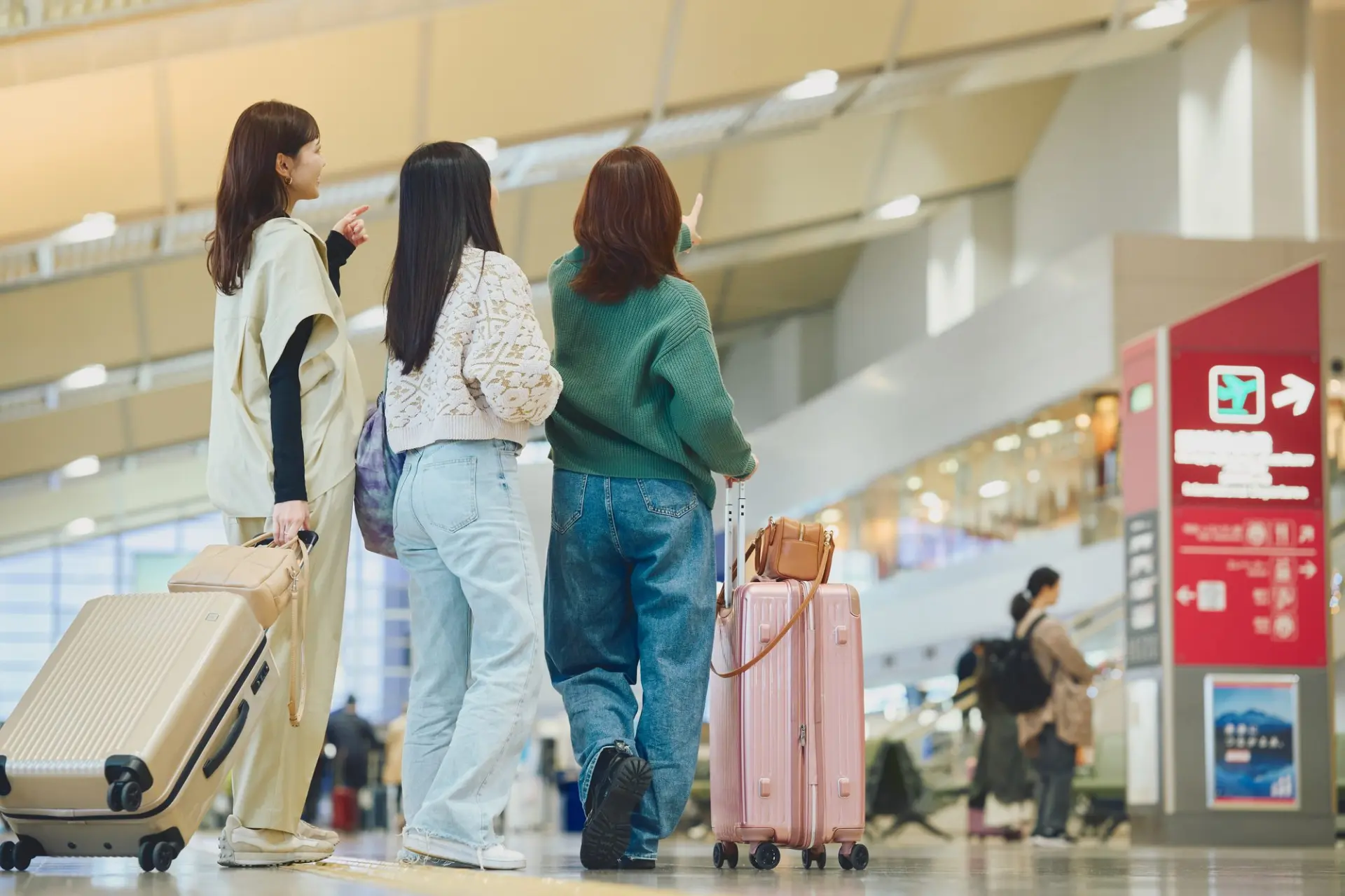
s explained above, under the new system, eligible travelers must receive customs confirmation that their tax-free goods are being taken out of Japan when they depart.
To complete the customs procedures without rushing, plan to arrive at the airport earlier than usual on your departure day.
Airports may be particularly crowded during peak travel periods when large numbers of international visitors are departing, so be sure to allow plenty of extra time when planning your schedule.
No Refund Is Available If You Miss the 90-Day Deadline
Under the Refund Method, customs must confirm upon departure that your tax-free goods are being taken out of Japan within the required 90-day period.
If you leave Japan after the 90-day deadline, you will no longer qualify for tax exemption and will not receive a refund equivalent to the consumption tax.
The 90-day period is counted from the day after the purchase, which is considered Day 1, through Day 90. For example, if you make a purchase on November 1, the deadline is January 30.
Because the 90-day deadline is calculated separately for each purchase based on the purchase date, travelers staying in Japan for an extended period should pay particular attention to when they shop.

Use Official Multilingual Resources
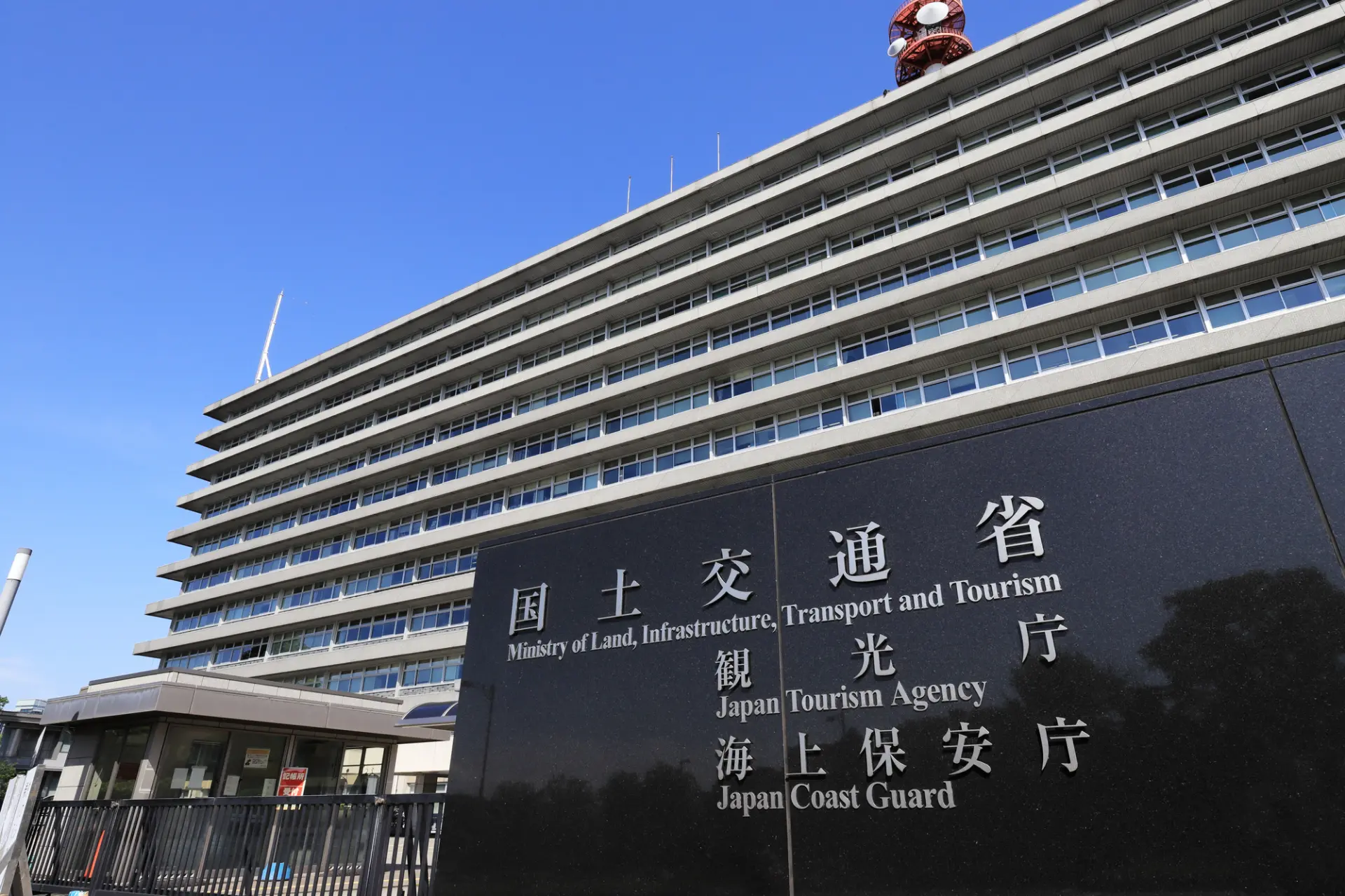
As Japan’s tax-free shopping system will change significantly in November 2026, be sure to check official resources if you have any questions or are unsure about the new procedures.
For example, the Japan Tourism Agency provides materials explaining the Refund Method, specific procedures, and important points to keep in mind.
Below are some useful official websites for further information.
| Resource and Provider | Overview |
|---|---|
| Japan Tourism Agency: Special Page for Travelers | Explains the Refund Method, procedures at tax-free shops, refunds, customs confirmation upon departure, FAQs, and other useful information for travelers |
| Japan Tourism Agency: Multilingual Leaflets and Videos | Provides materials for travelers in Japanese, English, Simplified Chinese, Traditional Chinese, and Korean, covering changes to the system and related procedures |
| National Tax Agency: Revision of the Export Tax-Free Shop System to a Refund System | Provides comprehensive information on the Refund Method, including FAQs, explanatory materials, and other related resources |
Refund Methods and What to Consider
Refund methods are not standardized under Japan’s consumption tax laws and regulations. Tax-free shops may handle refunds themselves or outsource the process to a refund service provider.
Possible refund methods include bank transfers, refunds to credit cards, app-based transfers, and cash refunds at the departure airport or seaport.
Travelers should therefore check the available refund methods, any applicable fees, and other terms at the time of purchase, while also considering which available option will be most convenient for them.
The main methods and their features are listed below.
| Refund Method | Features | Advantages |
|---|---|---|
| Bank transfer | The refund is transferred to a registered bank account | You can receive the refund directly into your account without handling cash |
| Credit card refund | The refund is credited to a registered credit card | You can receive the refund directly as a credit to your card |
| App-based transfer | The refund is issued through a supported app or digital payment service | You can complete the refund process on your smartphone |
| Cash refund at the departure airport or seaport | You receive the refund in cash at the departure airport or seaport after customs confirmation | You can receive the refund immediately before leaving Japan |
Not every tax-free shop will support every refund method.

Frequently Asked Questions About the Tax-Free Shopping Reform
Q
How long will it take to receive my refund?
The time required varies by refund method and provider, so check with the store or refund provider.
Q
Can I use the system at every store?
No. It is limited to authorized Export Tax-Free Shops that support the refund system. Look for the tax-free shop symbol or other signage at the store.
Q
Can I throw away my receipt?
It is best to keep it at least until your refund is complete. Although receipts are not mandatory for customs procedures, they are useful for confirming your purchase details.
Q
Can the refund be credited to a credit card that is not in the shopper’s name?
No uniform requirement has been officially announced at this time. Refund conditions may vary by tax-free store or provider, so using a card in your own name is the safest option.
Q
If I forget to complete the procedure in the store, can I do it later at the airport?
No. To receive a refund, the tax-free sales procedure must be completed at the store when you make the purchase, and the purchase record must be registered. Be careful not to forget when shopping.
Q
How long do airport procedures take?
The standard procedure is to scan your passport at a customs terminal for tax-free procedures, such as an electronic kiosk, and receive confirmation. The time required depends on congestion and whether an inspection is necessary, so allow plenty of time before departure.
Q
What happens to my refund if I do not leave Japan?
The tax exemption will not become valid, and you will not receive a refund equivalent to the consumption tax. The same applies if you do not receive customs confirmation within the required 90-day period. If a refund has already been issued, you may be required to repay the amount to the refund service provider or another relevant party.
Summary
From November 2026, Japan’s tax-free shopping system will change from immediate tax exemption at the time of purchase to a system in which the amount equivalent to consumption tax is refunded after customs confirmation at departure.
Although travelers will need to complete an additional procedure when leaving Japan, the new system will also offer greater convenience, including the elimination of the purchase limit for consumables and special packaging requirements.
Be sure to check your required documents and tax-free purchases in advance, and remember to complete the necessary customs procedures when leaving Japan.
By understanding the new system in advance, you can enjoy a smoother and more convenient shopping experience during your trip to Japan.