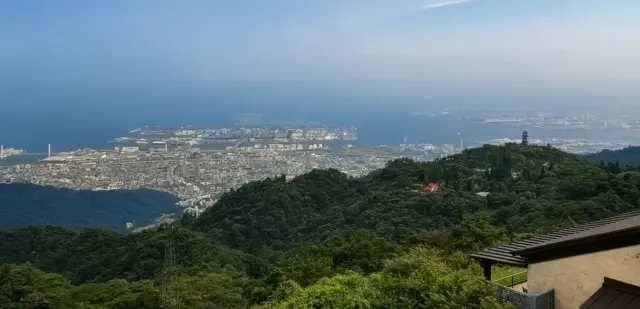
I originally thought Mt. Rokko was only worth visiting at night, but I became a fan as soon as I went up during the day! As the cable car climbed higher, the view outside got more and more beautiful. At the top, the air felt so refreshing, and there were mountain and city views as far as the eye could see. I couldn't stop taking pictures. Although I didn't get to see the legendary million-dollar night view, Mt. Rokko during the day definitely didn't disappoint. Taking a leisurely stroll and enjoying the breeze was so relaxing. If I get the chance, I'll definitely come back and experience both the daytime and nighttime views!
Mt. Rokko (Rokkosan) | Review by 王小鈞
Other Reviews by 王小鈞
-
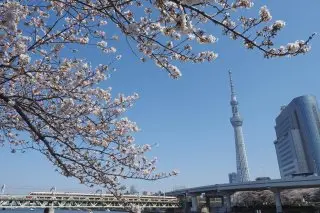
Taito Ward Sumida Park
This park in Taito Ward extends along the western bank of the Sumida River. On the other hand, the park that extends along the eastern bank is the Sumida Ward Sumida Park. In this park, which boasts a site of over 10 hectares, many cherry trees are planted centered around the "Sakura Square".
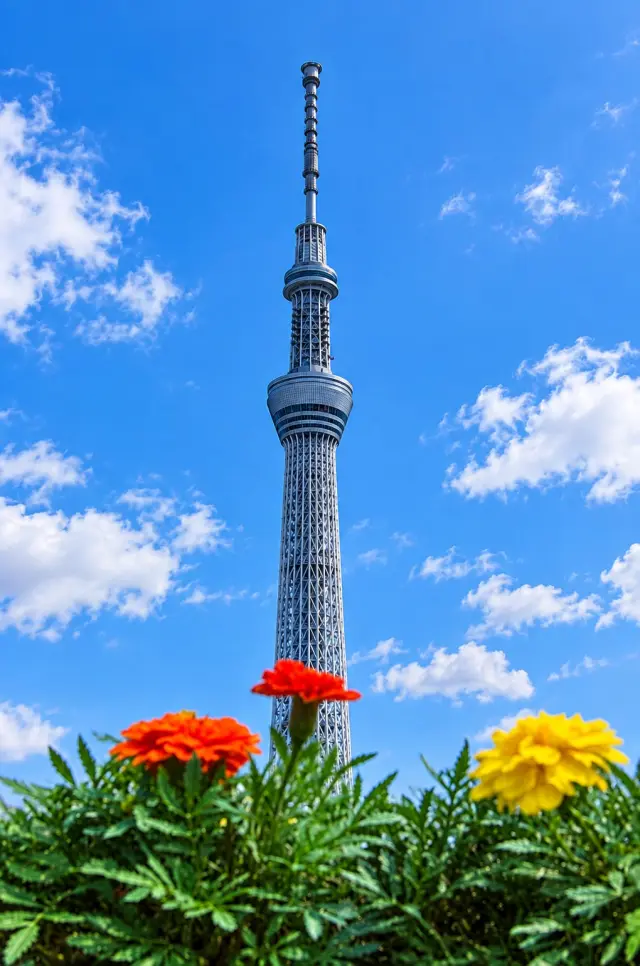
I visited Taito Ward Sumida Park along the Sumida River. It’s a well-known cherry blossom viewing spot in Tokyo and also a popular place to admire and photograph Tokyo Skytree.
Although this visit wasn’t during cherry blossom season, so it lacked the romance of the trees in full bloom, there was plenty of greenery and a refreshing summer atmosphere instead. The weather was wonderful that day, and the blue sky, Sumida River, and Tokyo Skytree in the distance looked beautiful no matter how I photographed them.
Strolling slowly along the river, feeling the breeze, and taking in Tokyo’s cityscape was very relaxing, even without the cherry blossoms.
-
-
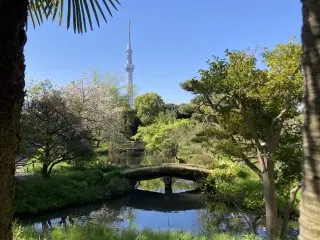
Mukojima-Hyakkaen Gardens
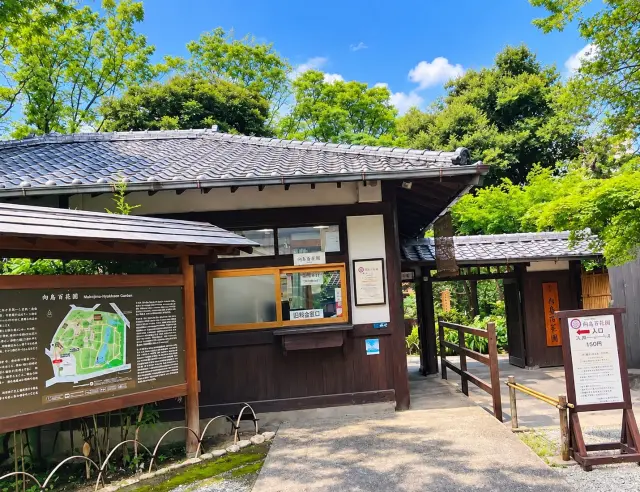
Mukojima-Hyakkaen Gardens is a public urban garden where flowers bloom across all four seasons with the flourishing sense of real Japanese aesthetic. Located near iconic Tokyo landmarks such as the Tokyo Skytree and Sensoji Temple, it's a perfect spot for a leisurely stroll along the Sumida River.
In addition to its lively, bustling streets, Tokyo also has quite a few small gardens full of Japanese charm. This time I visited Mukojima-Hyakkaen Gardens, where different flowers bloom in every season. Walking through the grounds, you can enjoy the leisurely and elegant atmosphere of a Japanese garden.
The garden isn’t very large, but it has a rich variety of flowers and trees, creating different scenery as the seasons change. It’s a great place to slow down, take a walk, and snap some photos. It’s also not far from Tokyo Skytree, Sensoji Temple, and the Sumida River, so it’s easy to visit them all on the same day.
The biggest surprise was that admission was only JPY 150! In a city as expensive as Tokyo, being able to enjoy seasonal flowers at such an affordable price makes it truly worth a visit.
-
-

Oyokogawa Water Park
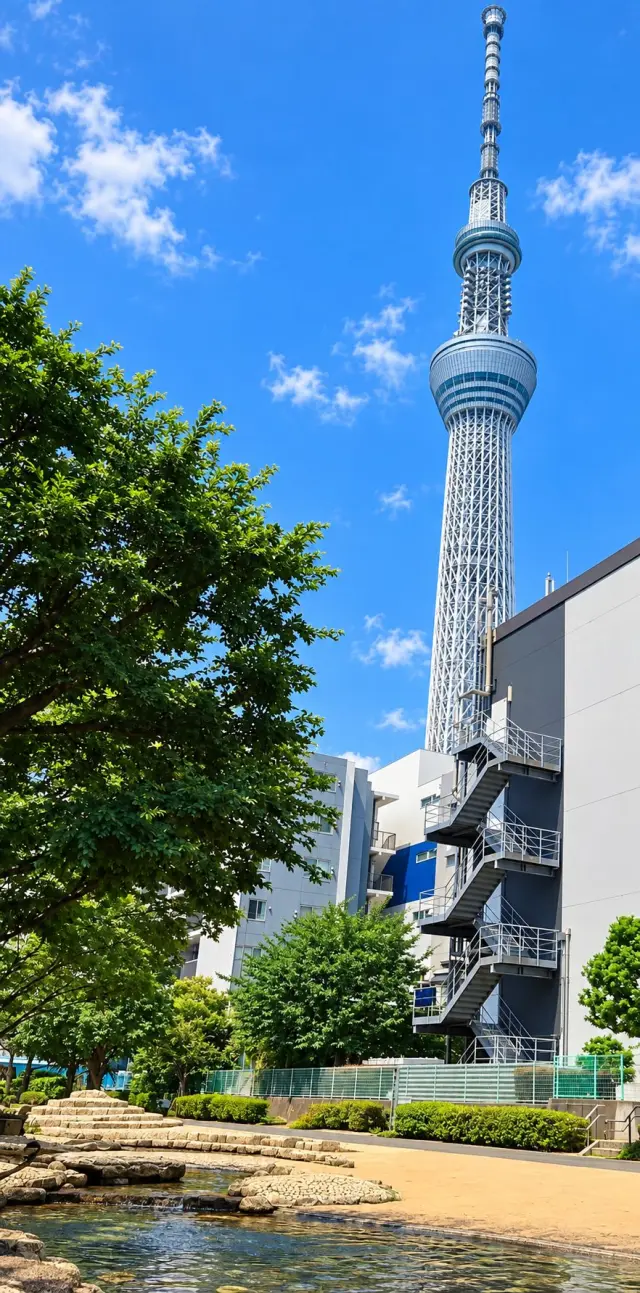
Oyokogawa Water Park, located right next to the Tokyo Skytree, is divided into five zones. With a fishing pond, a splash pond, and large playground equipment, each zone has its own unique charm.
Located next to Tokyo Skytree, Oyokogawa Water Park is divided into five zones. There’s a fishing pond, a splash pond, large playground equipment, and more, with each zone offering something different.
In summer, all the greenery makes it feel especially pleasant. You can hear children laughing and having fun in the splash pond, filling the entire park with energy and a summery atmosphere.
What I like most is that it’s not only a great place for families with children to play in the water. As you stroll through the park, you can also enjoy beautiful views of the lush greenery with Tokyo Skytree in the background.
There’s no need to plan an elaborate itinerary. Just come for a walk, enjoy the breeze, and take some photos to experience the relaxed and pleasant side of Tokyo’s old downtown neighborhoods.
-