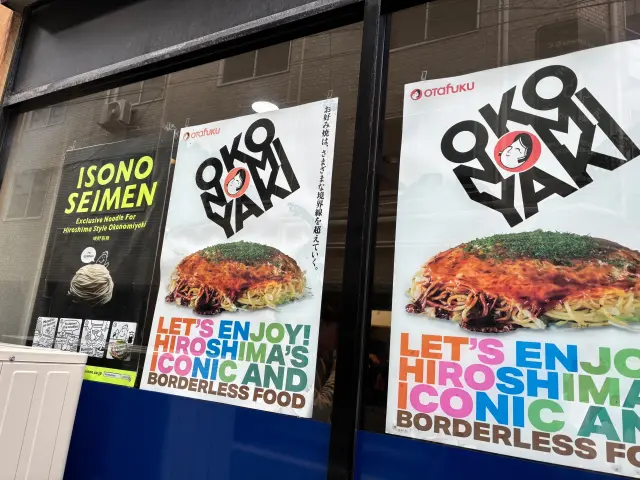
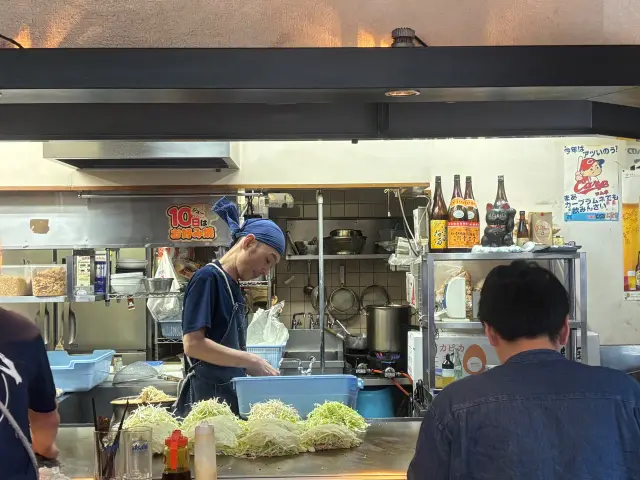
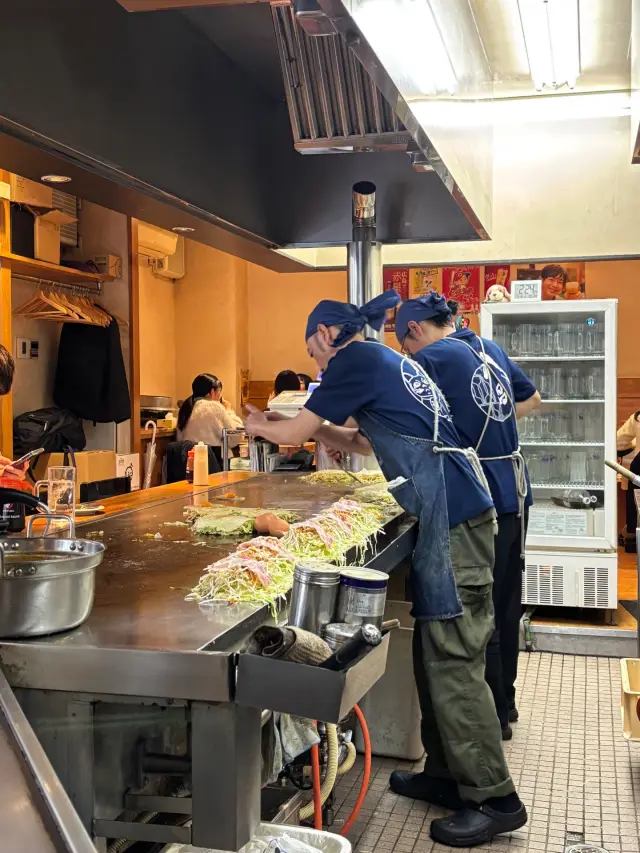
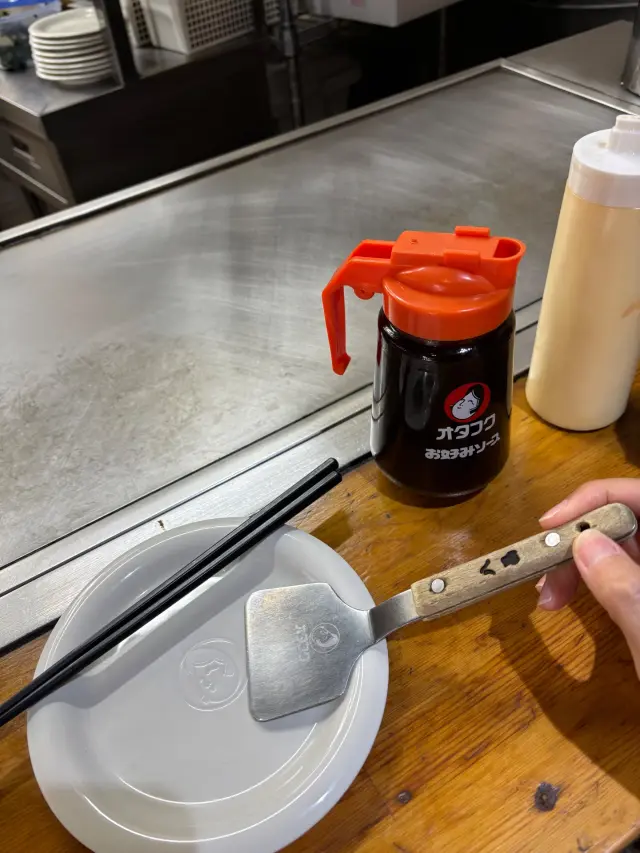
After watching a video by a Japanese reviewer, I came to see what all the fuss was about. Even though I deliberately avoided peak hours, there were still a few people lined up outside, showing just how busy the restaurant is all day. I waited about half an hour, and during that time, watching the chef skillfully work the spatulas over the griddle through the glass was enough to make my mouth water.
The chef deftly piled plenty of cabbage and bean sprouts onto the crispy base, sprinkled on some seasoning, and then laid strips of bacon over the top. The ingredients sizzled on the hot griddle, filling the air with their aroma. All I could do was hope the customers inside would finish quickly and free up a seat so I could finally experience the food I had been looking forward to for so long.
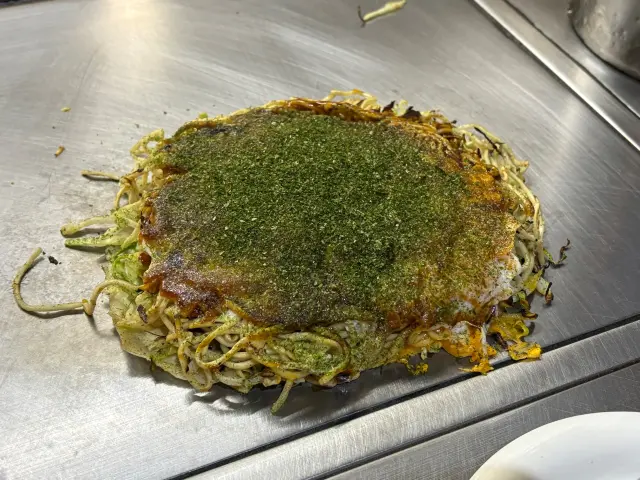
Once seated, I was lucky enough to get a spot at the counter, where I could admire the chef's skills up close. When the piping-hot Hiroshima-style okonomiyaki arrived, I poured sauce over it and eagerly dug in. As I ate, the crisp clanging of spatulas against the griddle rang in my ears. The sights, aromas, and flavors blended together, making me feel as if I had become part of the lively world around the griddle.
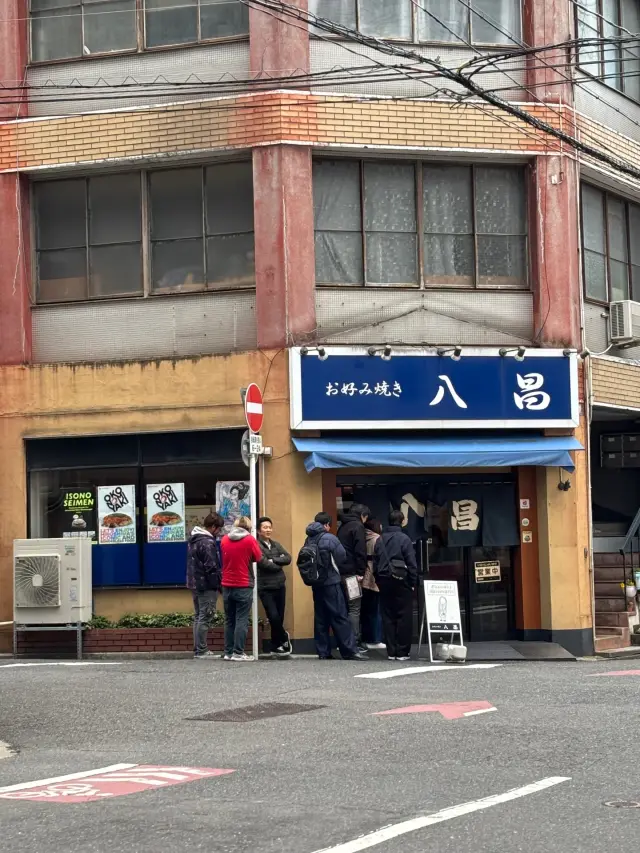
Yagenbori Hassho | Review by Linda Liao
Other Reviews by Linda Liao
-
Shukkeien Garden
Shukkeien Garden dates back to 1620 when Asano Nagaakira, the feudal load, ruled the Hiroshima area and ordered the construction of the garden for his villa.
Shukkeien Garden in Hiroshima is a Japanese garden steeped in history. It's next to the Hiroshima Museum of Art, making it convenient to visit both on the same day. The garden is beautiful, with its ponds, bridges, trees, and teahouses complementing one another. Each season offers a different charm, making it a rare peaceful retreat in the city. After walking through the garden, you can also stop by the museum to enjoy its extensive art collection.
-
-
Kaki Goya Fukuromachi Umihei Shoten
Opened in 2013 as a direct branch of the famous “Milky Tetsuo’s Oyster Hut Ujina”, Kaki Goya Fukuromachi Umihei Shoten continues the oyster hut tradition with the same sourcing methods and focus on freshness. Keep a pin on this go-to spot for Hiroshima oysters all year around.
When visiting Hiroshima, if you want to experience the authentic atmosphere of a Japanese-style izakaya, consider stopping by Umihei Shoten. The interior has a touch of nostalgic Showa-era charm, and the atmosphere is lively and full of local character, with plenty of people gathering after work. It's a great place to relax and enjoy a hearty meal after a full day of sightseeing.
The restaurant offers a wide variety of dishes, but the steamed oysters impressed me the most. A large metal box comes filled with fresh, plump oysters in their shells. The moment you open the lid, the aroma hits you. They have a rich ocean flavor and are sweet and juicy, and every bite lets you savor the oysters' natural freshness. Compared with the more common grilled oysters, I actually prefer them steamed〜I recommend giving them a try. -
-
Hiroshima Electric Railway (Streetcar)
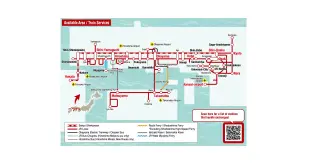
A public transportation operator that runs streetcars and buses primarily in Hiroshima City, and is affectionately known locally as “Hiroden.” It connects central Hiroshima with the Miyajima area, spanning a total length of about 34.6 km. In terms of both fleet size and passenger volume, it has one of Japan’s largest streetcar networks, supporting a wide range of travel from sightseeing to commuting.
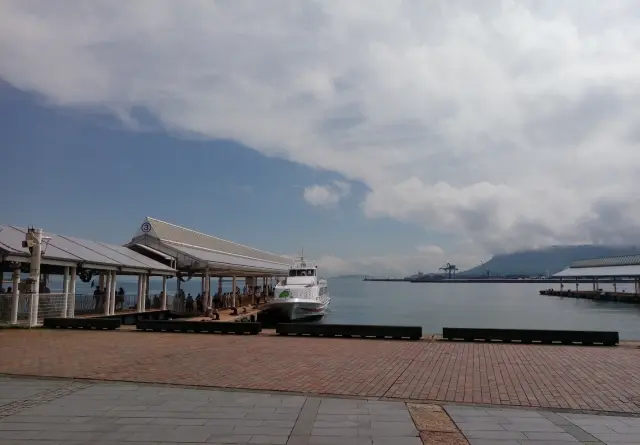
Hiroshima's streetcars are an important means of transportation in the city. Their nostalgic, retro appearance as they travel through the streets is also an iconic part of Hiroshima's cityscape. The routes cover the city, making it easy to travel between various tourist attractions. If you're planning to visit Miyajima, you can also take the streetcar to Miyajimaguchi, then transfer to a ferry to Miyajima. It's very convenient.
-