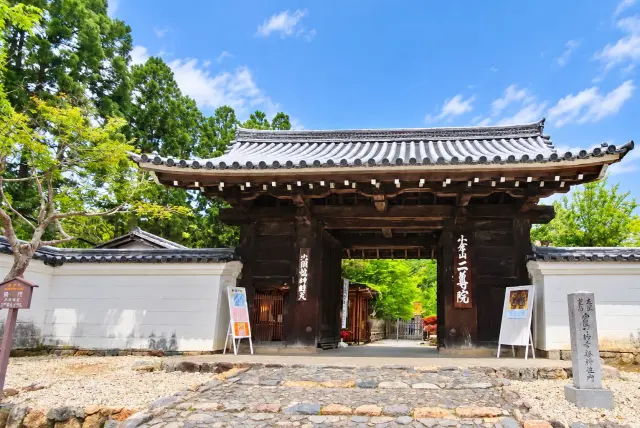
Located at the foot of Mount Ogura in Sagano, Kyoto, Nison-in Temple is a historic Tendai Buddhist temple with deep ties to the Imperial Family. Its official name is “Ogura-yama Nison Kyoin Kedai-ji.” According to tradition, it was commissioned by Emperor Saga and founded by Ennin. The temple enshrines two principal Buddhist images, Shakyamuni Buddha and Amida Buddha, which is why it is called “Nison-in,” or the Temple of Two Buddhas. Mount Ogura, where the temple is located, also has deep connections to the Hyakunin Isshu poetry anthology. Walking around the temple grounds gives you a special sense of Kyoto's historic charm. The weather that day was also beautiful, with sunlight filtering through the greenery and falling on the old temple buildings. The whole area was quiet and pleasant, and walking along the approach really felt like Kyoto.
Ogura-Yama Nison-in Temple | Review by wendy
Other Reviews by wendy
-
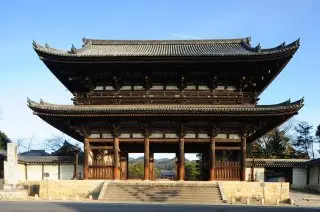
Ninna-ji Temple
The head temple of the Omuro school of the Shingon sect of Buddhism, registered as a UNESCO World Heritage Site as one of the "Historic Monuments of Ancient Kyoto" The construction of the temple began in the early Heian period (886) at the request of Emperor Koko, the 58th emperor, and was completed in 888 by Emperor Uda, the next emperor. The temple name, Ninna, comes from the Japanese era name.
When viewing cherry blossoms in Kyoto, save Ninna-ji Temple for your last stop! With its long-standing ties to the imperial family, Ninna-ji preserves historic buildings such as the Kondo Hall and Goten Palace. The traditional atmosphere and cherry blossoms in full bloom come together to create a beautiful Kyoto scene.
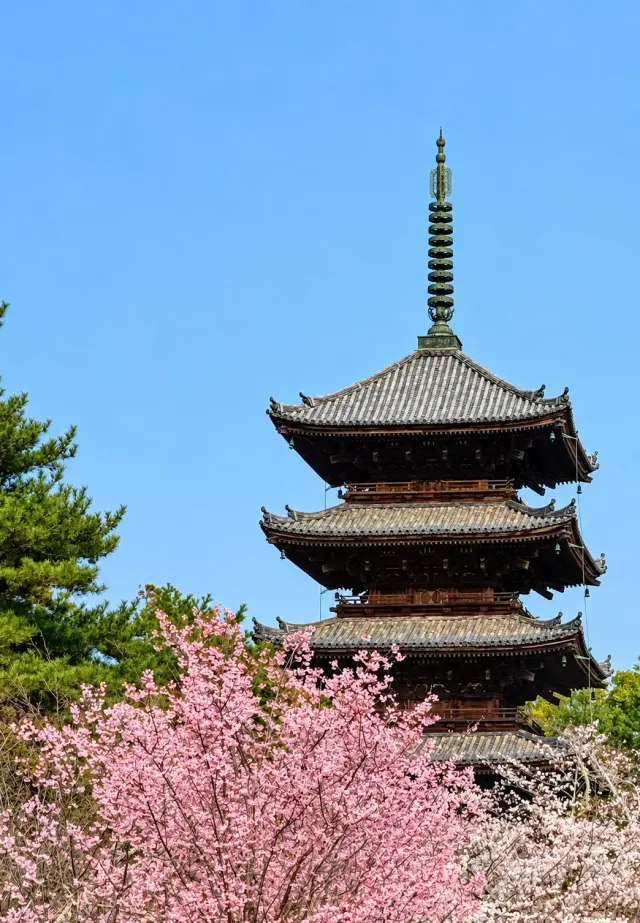
The most captivating sight is the famous Omuro cherry blossoms, which usually bloom a little later than in other parts of Kyoto. When they are in full bloom, the sea of soft pink blossoms against the temple buildings and five-story pagoda truly captures the feeling of spring in Kyoto. On this visit to Ninna-ji, I arrived just as the cherry blossoms were in full bloom. Romantic shades of pink filled the view, and everything looked beautiful in photos.
-
-
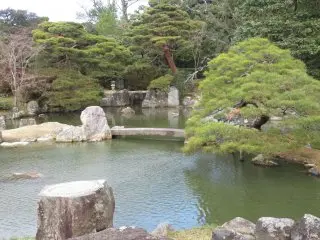
Katsura Imperial Villa
In early Edo Period, Imperial Prince Hachijonomiya Toshihito lived in Katsura Detatched Palace. It was developed over decades, known as a graceful garden throughout the Edo Period and the Imperial Household Agency took over the administration in Meiji Period. The vast ground with hills, ponds and tea houses is the oldest example of circuit style garden that exists.
Katsura Imperial Villa, acclaimed as a masterpiece of Japanese garden design, is also a place I had always wanted to visit in person. It is said that the garden took a long time to design, build, and refine. Only after stepping inside can you truly appreciate the ingenuity of a classical Japanese garden, where the scenery changes with every step.
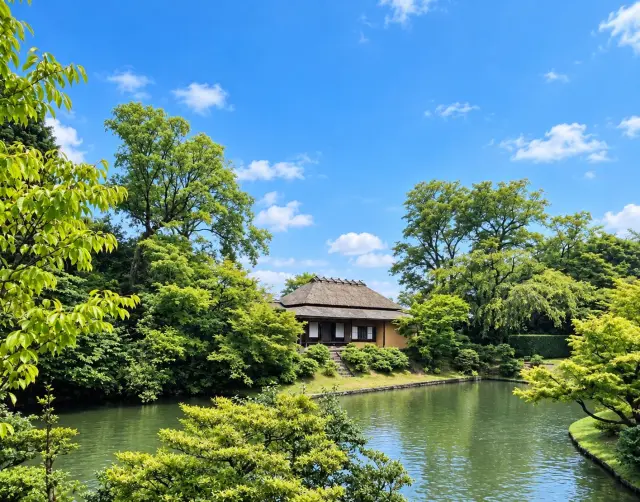
Visiting in summer, there were none of the brilliant cherry blossoms or maple leaves, but instead, everything was lush green. The trees, pond, teahouses, and small bridges created a fresh and peaceful summer scene in the sunlight. As I slowly followed the path through the circuit-style garden, every turn seemed to reveal a different landscape. However, Katsura Imperial Villa is not a place you can simply visit without planning. You need to apply for a reservation in advance and enter at your scheduled time. The site is managed by the Imperial Household Agency. It is recommended that you arrive at least 20 minutes early to verify your identity and check in before waiting for the group to assemble.
Tours are available in Japanese and English, and multilingual audio guides are also provided. Even if you do not understand Japanese, the guide can help you learn more about the history and design behind the garden. The entire tour lasts about an hour, and the group enters and exits together. Along the way, you pass many narrow paths and small bridges, and some sections are uneven, so a certain level of walking ability is definitely required.
-
-
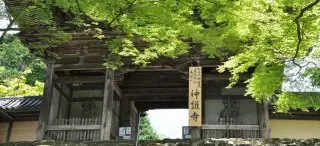
Jingoji Temple
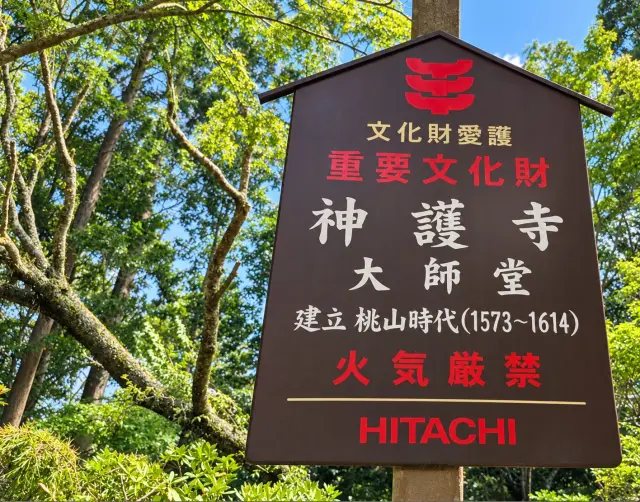
Jingoji Temple stands halfway up Mount Takao, belonging to the Shingon sect of Buddhism. Legend says its founding dates to 781 via Wake no Kiyomaro, the same name that contributed to construction of the Heian capital. From 809, the temple was inhabited by the monk Kukai (Kobo Daishi) for 14 years. Step inside to find the Daishido hall as reconstructed by Kukai, recognized today as a designated Important Cultural Property. The hall keeps a wooden-carved statue of Kobo Daishi (also an Important Cultural Property), and remains open to the public every year in early November.
Hidden in Kyoto's Mount Takao, Jingoji Temple is an ancient temple filled with a sense of history. Following the mountain path to the temple, you are surrounded by greenery and accompanied by the valley, and the natural scenery along the way feels especially pleasant. Jingoji Temple is also one of Kyoto's famous spots for fall foliage. In autumn, the entire mountain is covered in red and yellow, creating a stunning sight. This time, however, I visited in summer. Instead of the brilliant maple leaves, the mountain was covered in lush greenery. The forest felt fresh and peaceful, with a vitality unique to summer.
The climb requires some stamina, but the scenery along the way is beautiful, and walking through the forest is quite soothing. After arriving at the temple, you can feel even more strongly the traces of history and culture left here. The ancient buildings blend with the natural landscape, making it feel as though you are not just here to enjoy the scenery, but are also stepping into Kyoto's long history. If you enjoy natural scenery, hiking, walking, and Japanese history and culture, Jingoji Temple is well worth adding to your Kyoto itinerary.
In summer, the mountains are covered in greenery, while autumn brings spectacular red maple leaves. Each season has its own beauty.
-