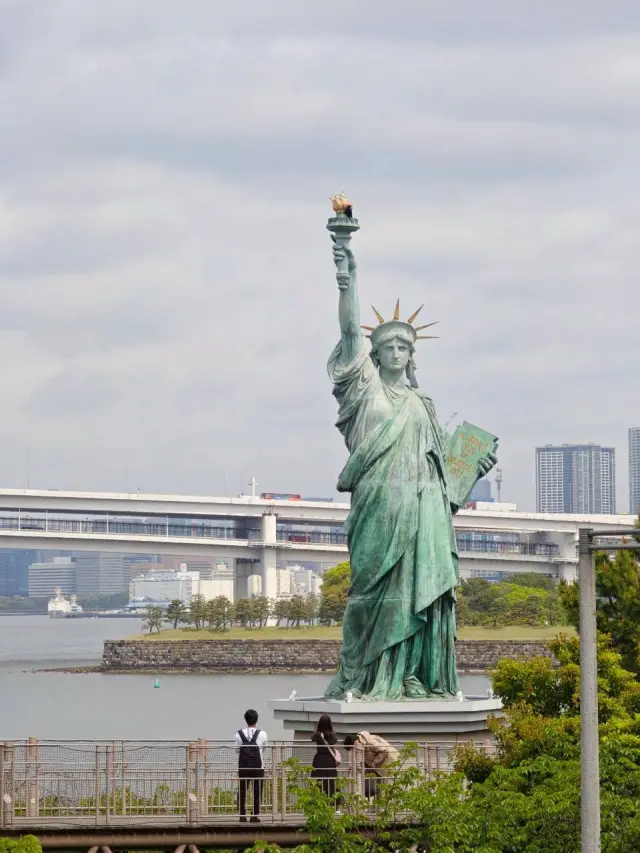
Seeing this Statue of Liberty in Odaiba was still really interesting. The weather wasn't very good that day—the sky was gray and it was a little windy—but it didn't affect my mood while walking around at all. Standing by the water and looking at the Statue of Liberty, with Tokyo Bay and the cityscape behind it, felt a little different from the Tokyo I had imagined, but it was unexpectedly beautiful.
Odaiba Statue of Liberty | Review by Eddie
Other Reviews by Eddie
-
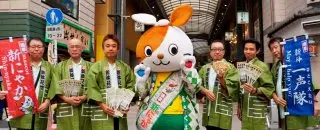
Asakusa Shin Nakamise Shopping Street
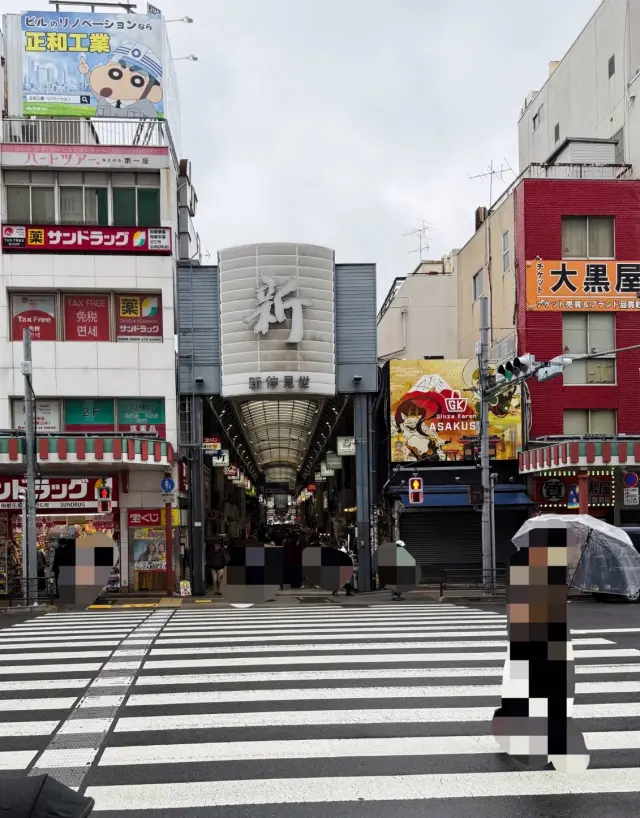
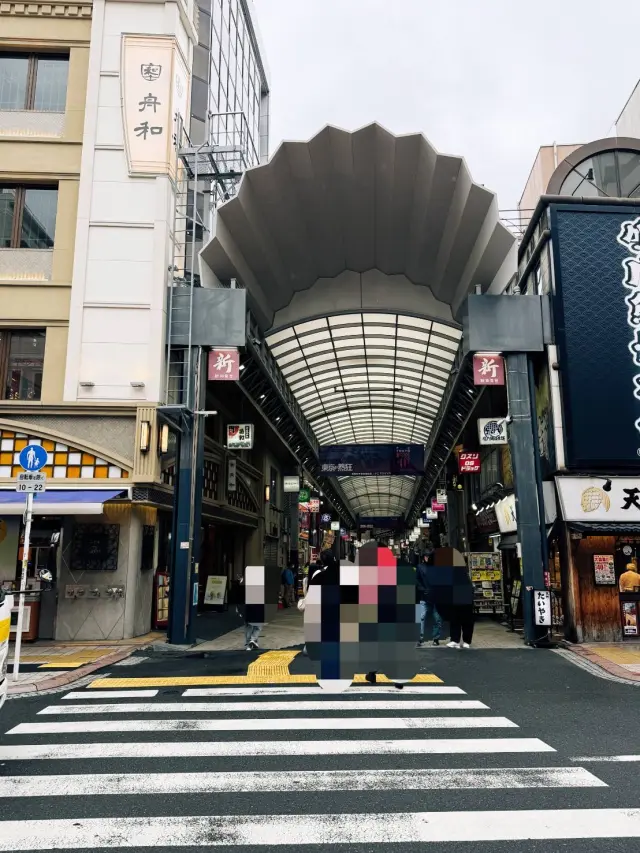
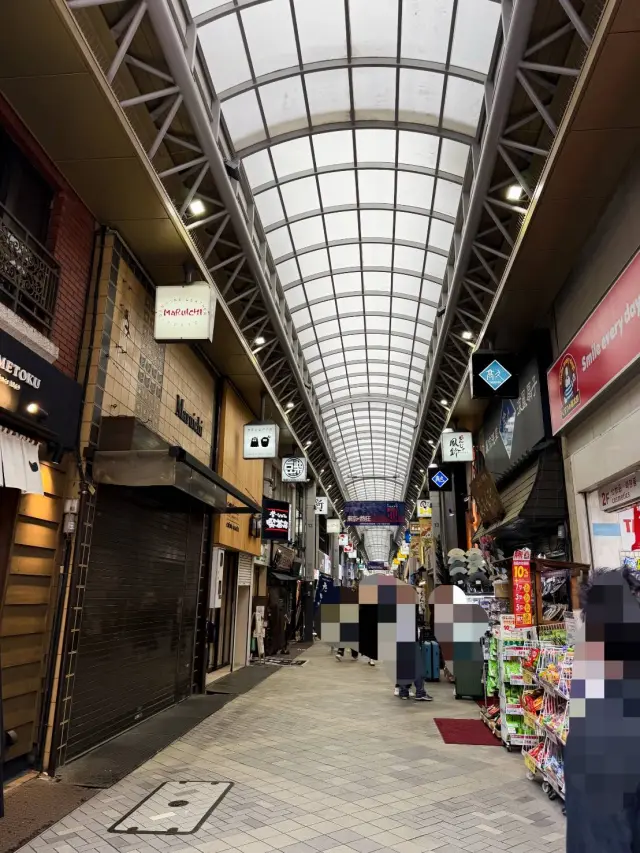
Boasting a history of about 90 years since its inception in the early Showa era, the Asakusa Shin Nakamise Shopping Street crosses Asakusa from east to west, in contrast to the Nakamise Shopping Street that connects the Kaminarimon Gate to Asakusa Temple. It is the largest shopping street in Asakusa, with a total length of 380m, and is composed of five areas.
It was my first time in Tokyo. I took an overnight flight and arrived at Narita Airport a little after 6 a.m. By the time I got to Asakusa, it was already around 9 or 10. I chose to stay in Asakusa because of its more traditional atmosphere. After dropping off my luggage, I quickly headed out, eager to soak up the excitement of my first visit to Tokyo.
I didn't expect the wind and rain to be so heavy that day. Even with an umbrella, I struggled a bit while walking along Shin Nakamise Shopping Street, but it didn't dampen my enthusiasm at all. Seeing Asakusa's lively streets with a touch of old Tokyo for the first time actually made it feel even more like a real trip. Although the weather didn't cooperate, the memory of those first few hours after arriving in Tokyo still feels very special when I think back on it now.
-
-
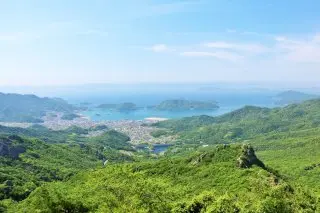
Kankakei (Ropeway)
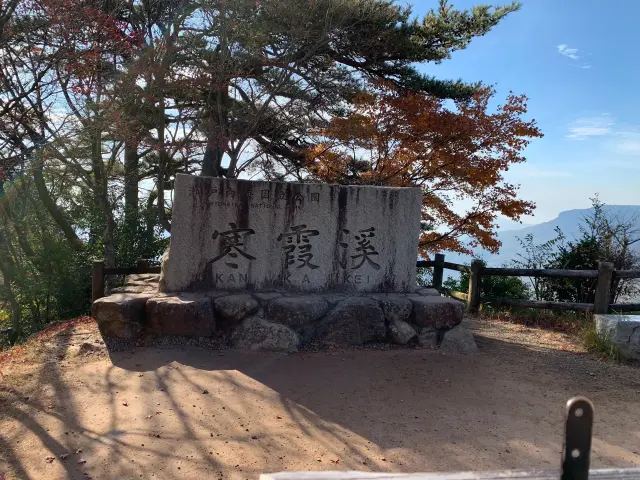
Kankakei is a gorge in Kagawa Prefecture’s Shodo Island. It is located in the heart of Setonaikai National Park. The valley of Kankakei was formed over thousands of years as volcanic andesite and agglomerate were thrust upward via shifting of the earth’s mantle and eroded by rain and wind, creating a spectacular scene of sheer cliffs and rock formations.
I visited Shodoshima in November, and Kankakei was what I was looking forward to the most.
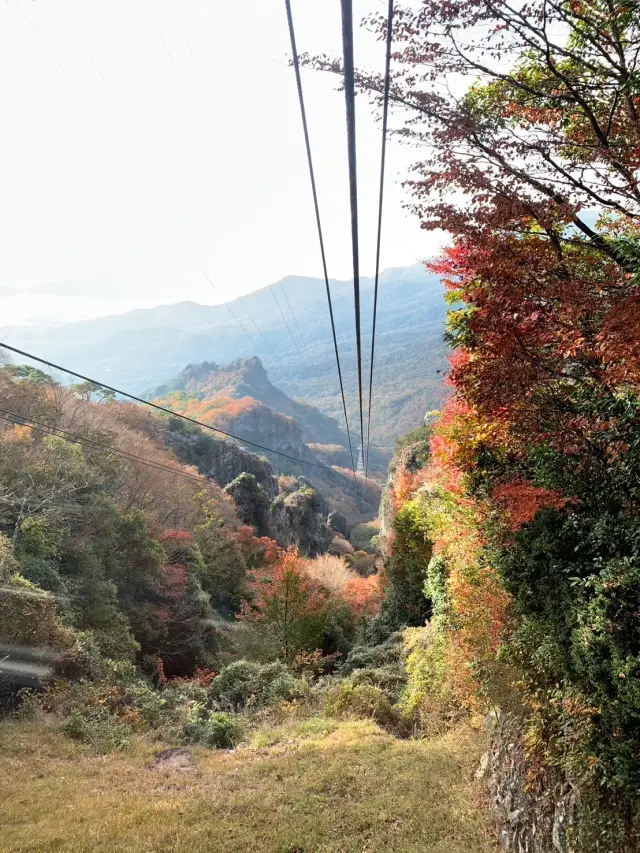
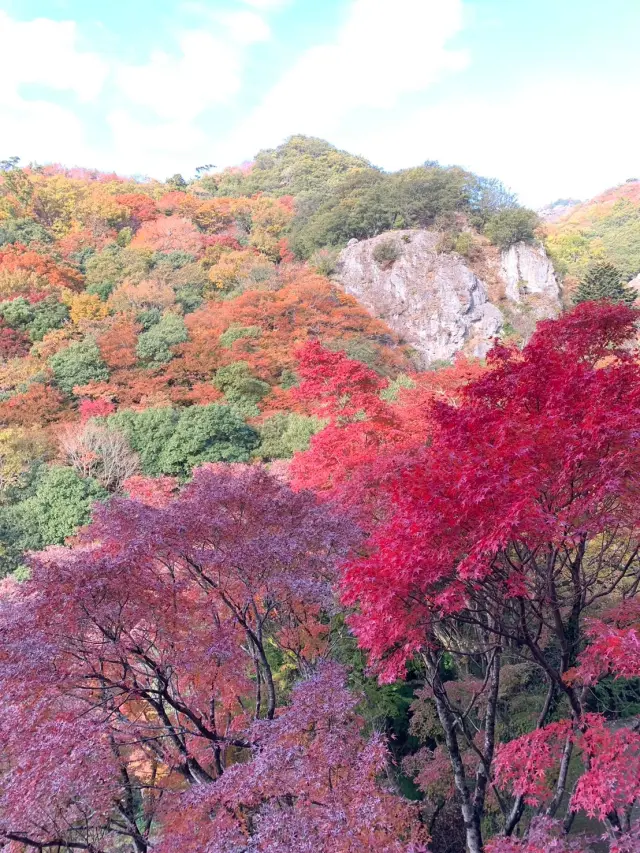
As I rode the ropeway up the mountain, I realized the scenery below was even more beautiful than I had imagined. Many of the maple leaves in the valley had already turned red, mixed with yellow and green trees. Together with Kankakei’s unusually shaped rock formations, the scenery had a lot of depth. The ropeway slowly climbed higher, and the view kept changing as I looked down from different angles.
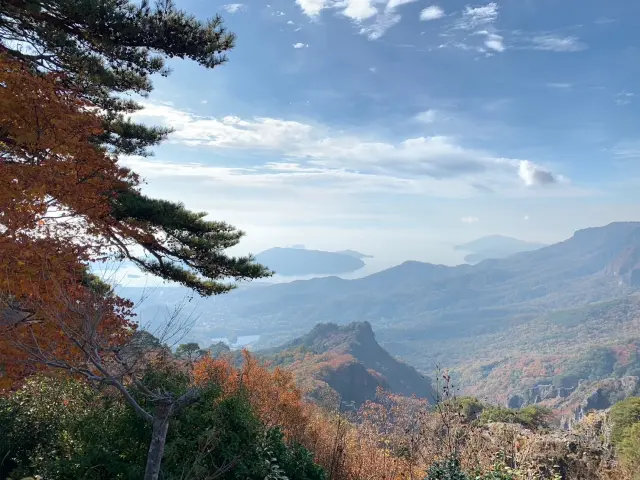
When I reached the top, the weather was great, and I could see the Seto Inland Sea directly from the observation deck. The mountainside in front of me was covered with maple leaves, and farther away were the blue sea and rows of small islands. It felt different from the view I had just seen from the ropeway.
There’s also a place at the top where you can throw clay discs. I bought a small kawarake and threw it toward an iron ring over the valley. It’s said to ward off evil and bring good fortune. It was my first try, so I don’t know if I succeeded, but everyone kept throwing them, and it was unexpectedly fun.
Afterward, I walked around the area a little more. It was already a bit cold on the mountain in November, and there were quite a few fallen leaves on the ground. There really isn’t anything complicated to do at Kankakei—you just ride the ropeway, look at the maple leaves and the sea, and take a leisurely walk. But that was exactly what made it so relaxing for me.
If you happen to visit Shodoshima in November, I think Kankakei is worth checking out. It’s especially beautiful during the fall foliage season.
-
-
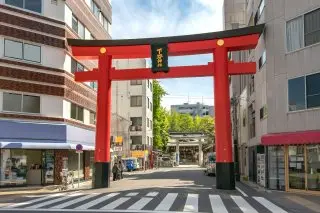
Shitaya Jinja
Known as “the oldest Inari shrine in Tokyo,” it was built in 730. Susanoo no Mikoto’s son, Ootoshi no Kami is enshrined, who presides over five grains and guards industries.
Before coming to Tokyo, I really liked the huge red lantern at Kaminarimon, so this time, instead of staying in busy areas like Shibuya or Shinjuku like everyone else, I chose to stay in Asakusa. Rather than spending all my time in a bustling downtown area, I prefer Asakusa's atmosphere—lively, but not so crowded that it feels overwhelming.
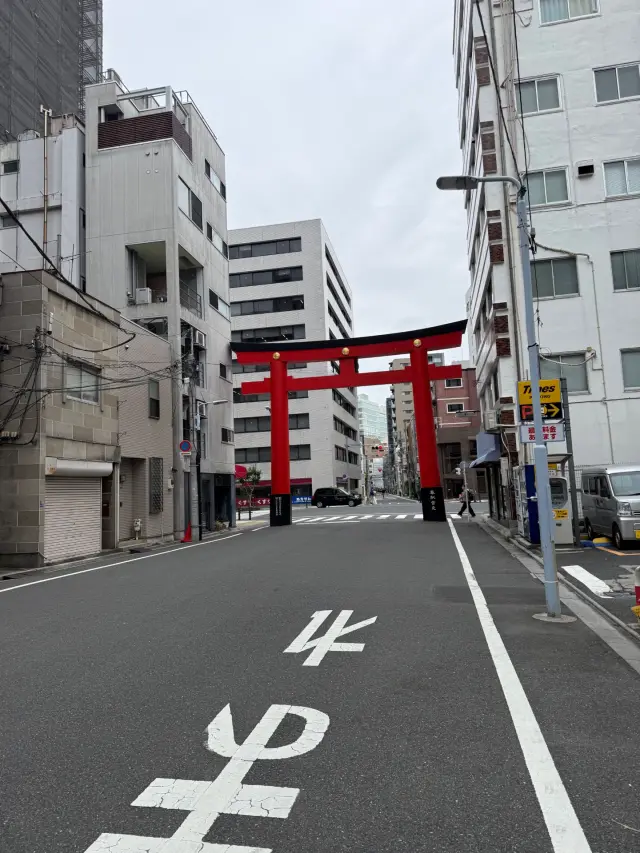
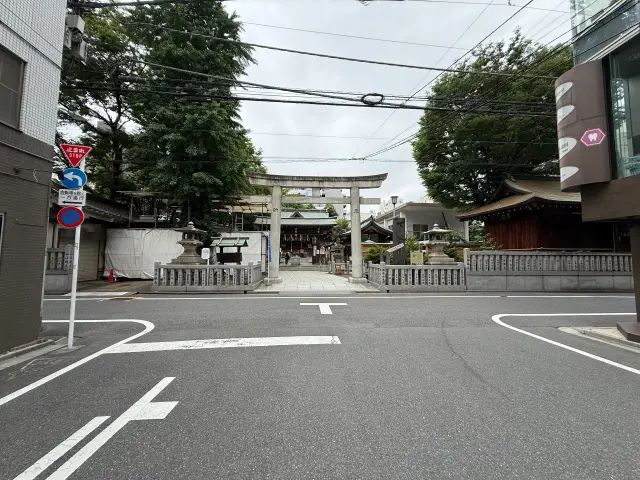
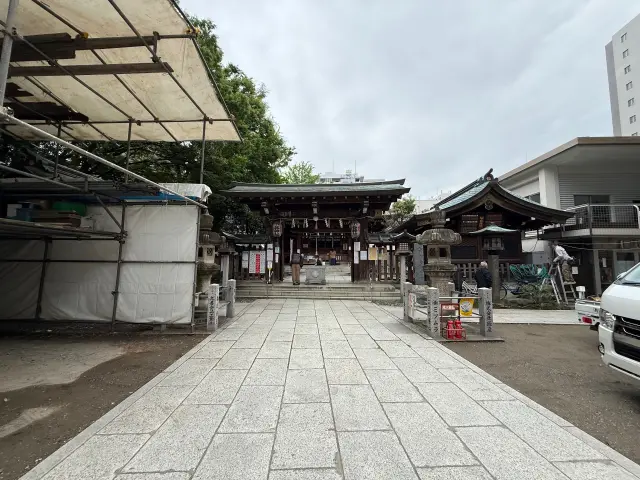
Shitaya Jinja was a place I happened to come across during this trip. I was just strolling along the streets without any particular sights planned when I spotted the entrance to the shrine and realized there was such a charming place tucked away here.
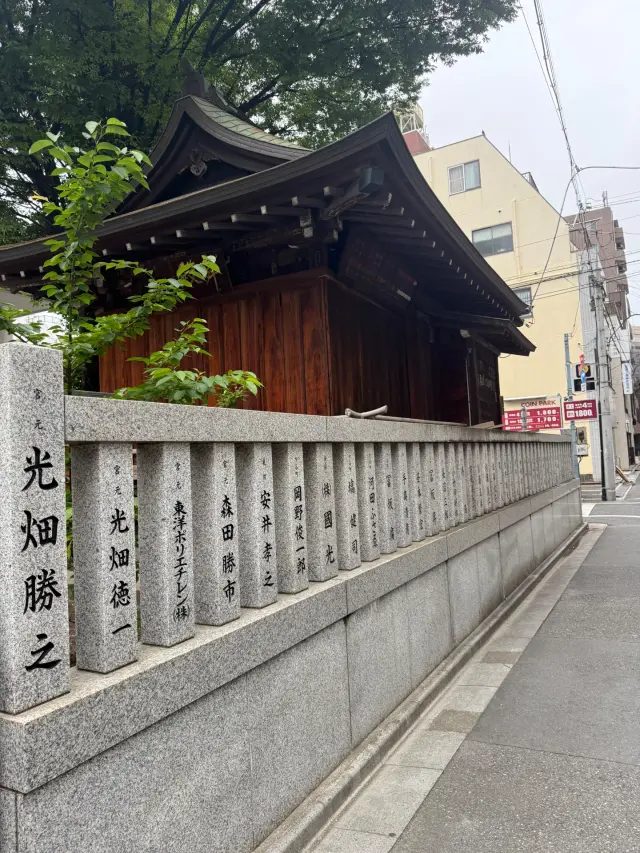
Once inside, there were fewer crowds than around Sensoji Temple and a greater sense of quiet. The red torii gates and traditional shrine buildings blend naturally with the surrounding Tokyo streets, giving it an everyday feel. Sometimes that's what travel is like—when you don't plan out your itinerary in detail, you end up discovering small places you never expected
-