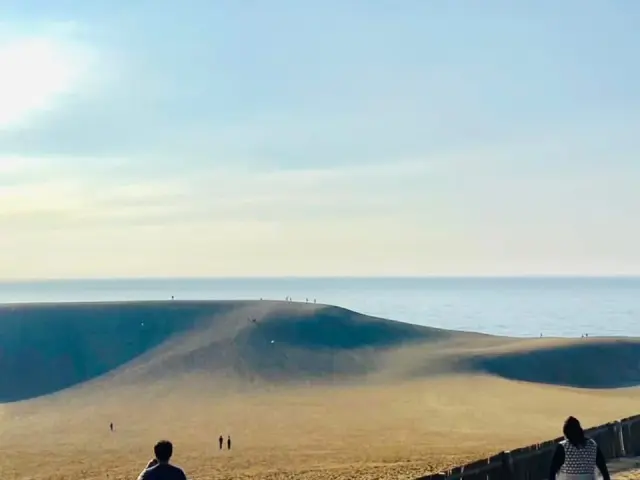
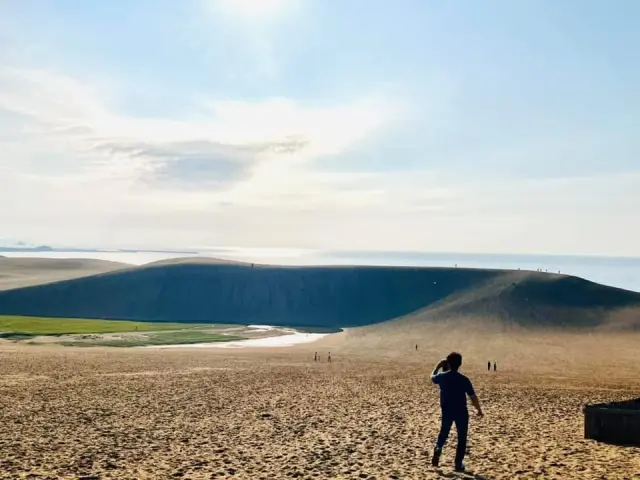
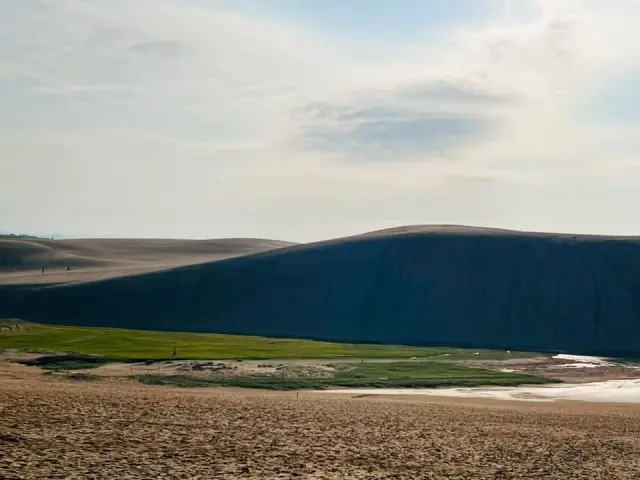
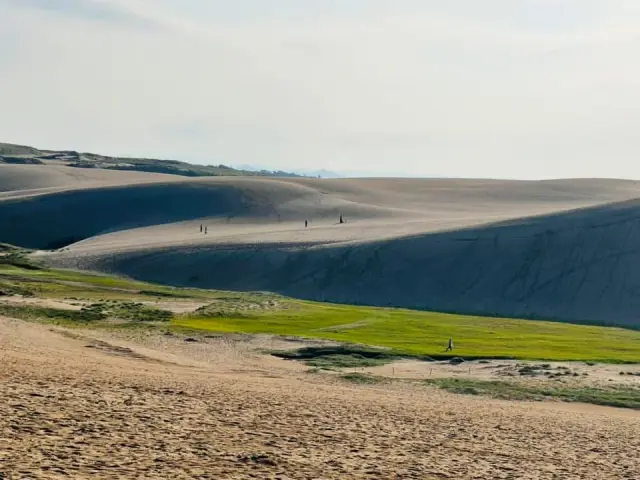
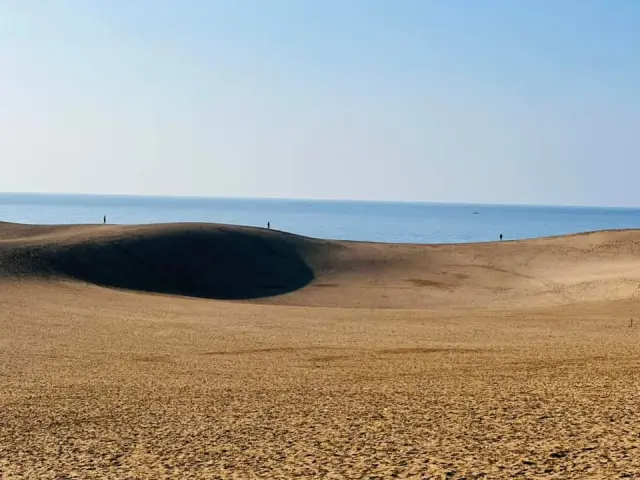
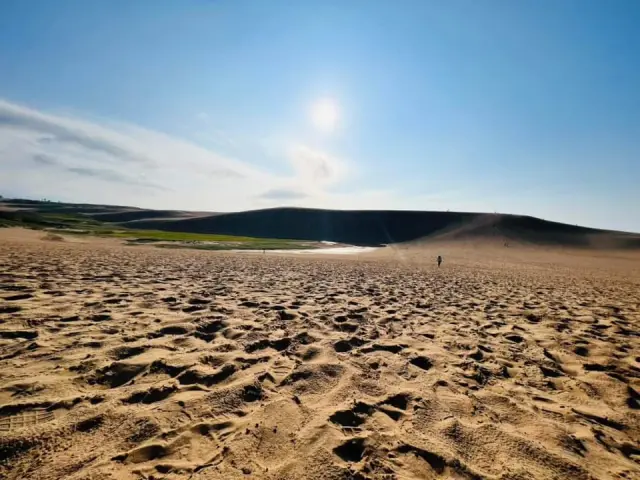
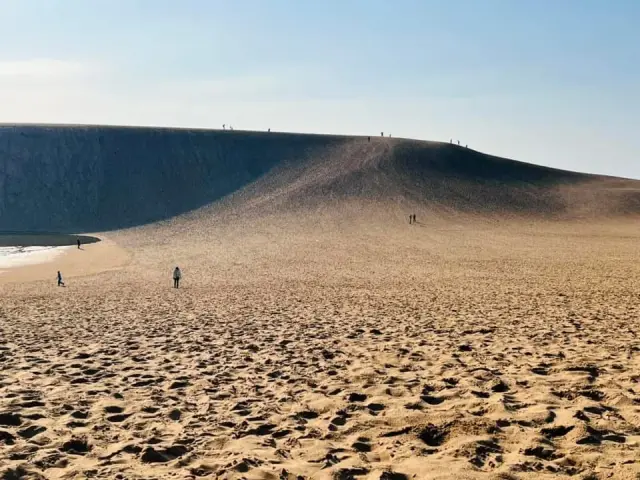
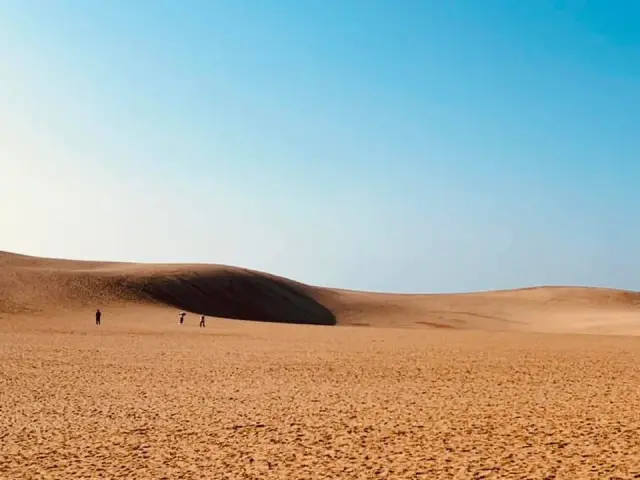
When visiting Tottori, the Tottori Sand Dunes are a must. Located within the San'in Kaigan Geopark, the dunes stretch 2.4 kilometers from north to south and 16 kilometers from east to west, making them Japan's largest coastal sand dunes.
The beautiful wind patterns formed by the Sea of Japan winds and the dune sand are mesmerizing.
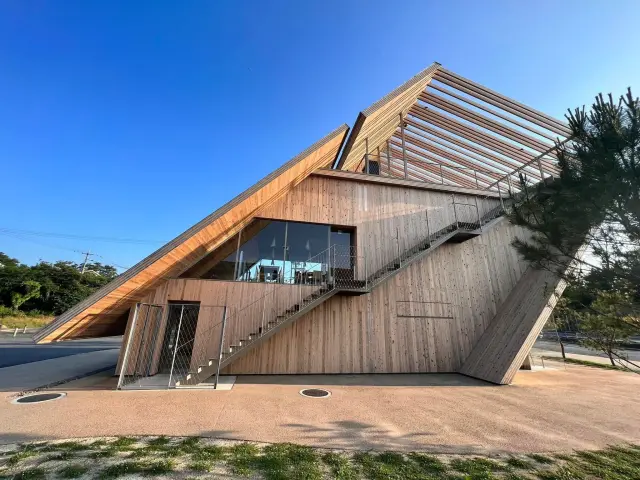
Like a staircase leading to the sky! Takahama Cafe, designed by Kengo Kuma at the Tottori Sand Dunes
Takahama Cafe was built to celebrate the 60th anniversary of the Tottori Sand Dunes Kaikan. The building is angled at 17 degrees and resembles a wooden staircase leading to the sky. It also embodies master architect Kengo Kuma's three concepts of “negative architecture,” “stacking,” and “blending with the environment.” Locally sourced cedar was used and combined with earthquake- and fire-resistant cross-laminated timber (CLT) and reinforced concrete construction.
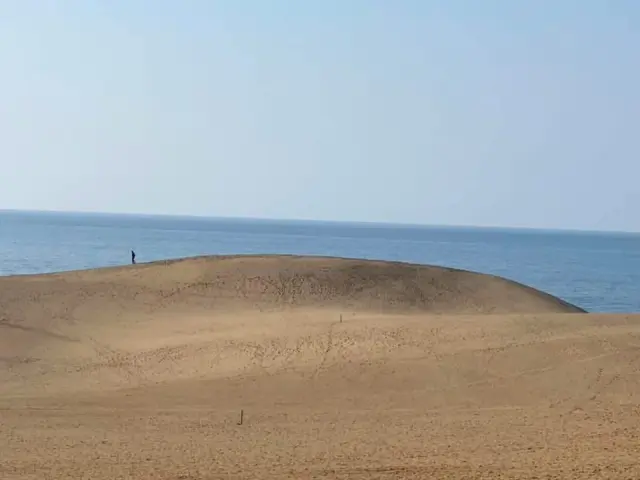
And from the small hill known as “Horse's Back,” you can enjoy a spectacular panoramic view of the Sea of Japan.
Other Reviews by Norton Liang
-
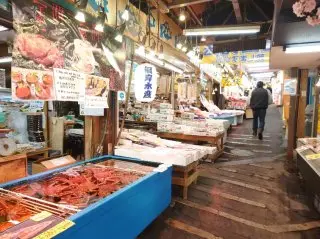
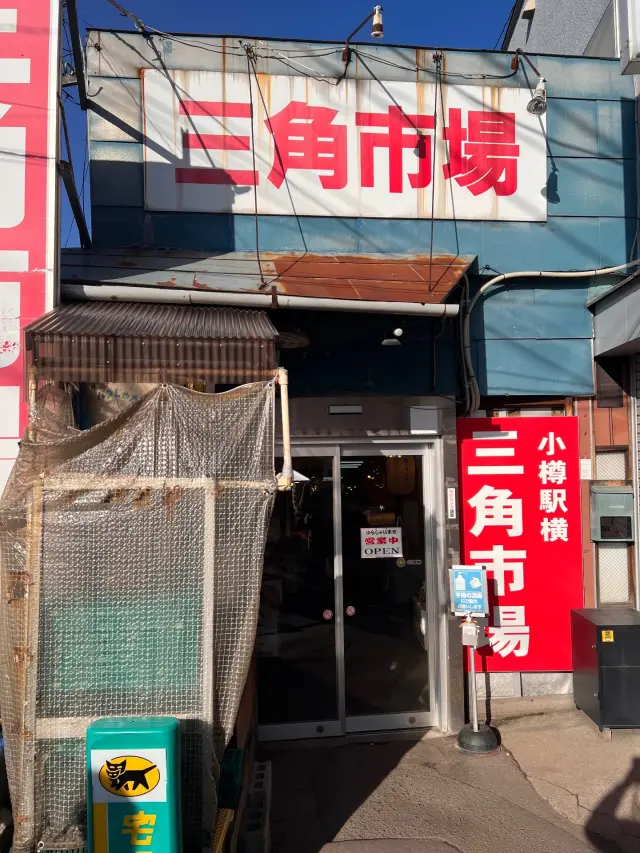
Otaru Triangle Market
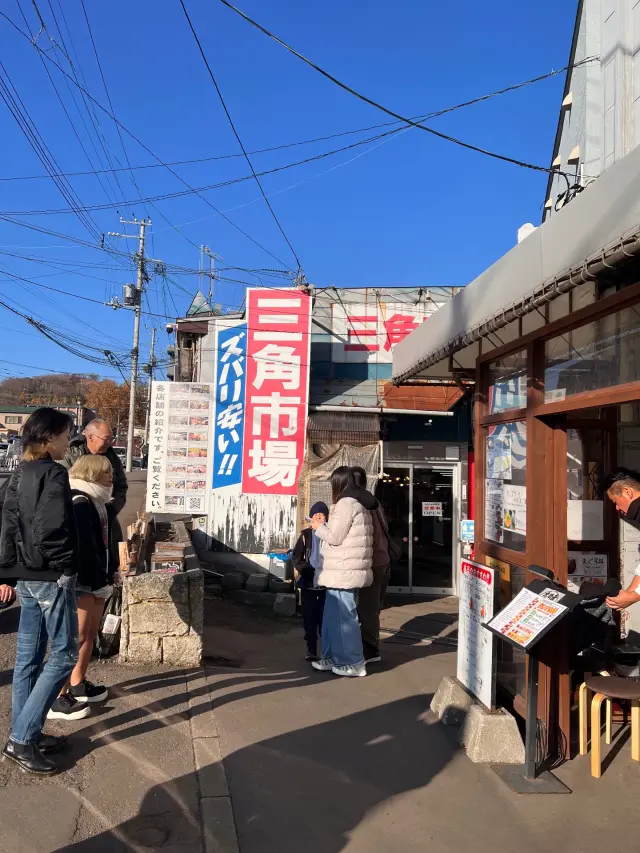
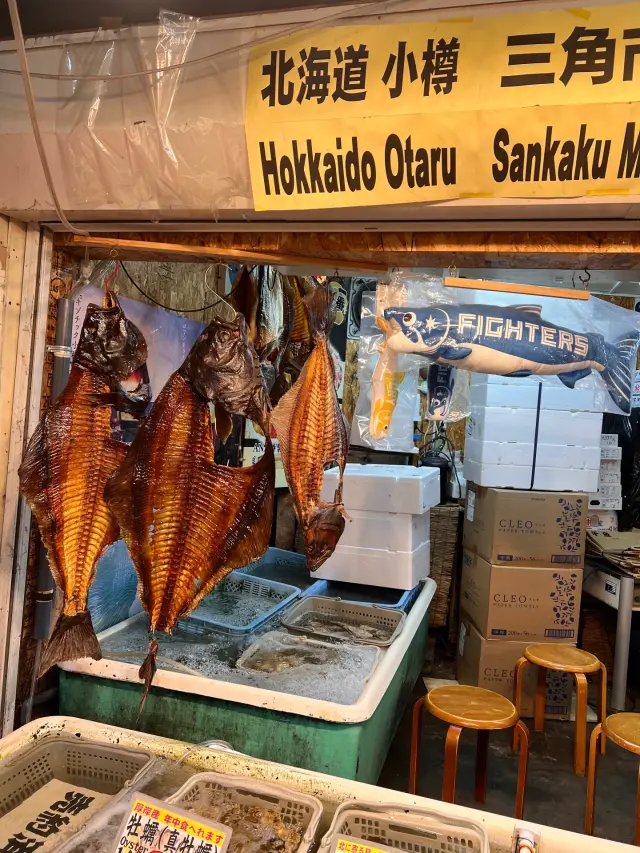
The Otaru Triangle Market, nestled between JR Otaru Station and National Route 5, is a small yet historic marketplace with origins dating back to the 1940s. It began with a few street vendors and developed as a morning market, accumulating over 60 years of history. Just a minute's walk from Otaru Station, the market is conveniently accessible and, except for New Year's Day, is open almost daily. Its reputation for affordable prices attracts a steady flow of both locals and tourists from Japan and abroad. The market's name derives from its triangular-shaped plot and roof.
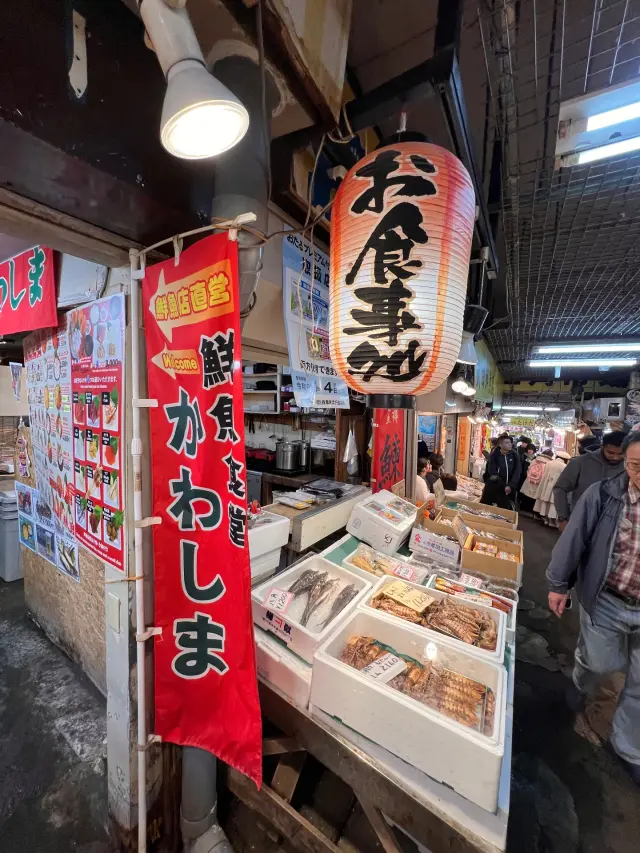
#小樽三角市場 is next to Otaru Station in Otaru, Hokkaido. Named for the triangular shape of the site and building, it’s one of the area’s best-known traditional morning markets and a popular spot for seafood. The narrow, slightly sloped aisle is lined with fish shops, produce stalls, dried goods vendors, and seafood restaurants. It’s bustling from early in the morning.
* Location and access: Right next to Otaru Station (#JR小樽站). Turn left when you exit the station and go up a short flight of stairs to reach the entrance. It’s a very convenient 1–2-minute walk.
* Hours and what to expect: The market is generally open from early morning until late afternoon. Most shops open around 6:00 or 7:00 a.m. and close around 5:00 p.m., though hours vary by vendor and season. It’s a good stop for breakfast or brunch.
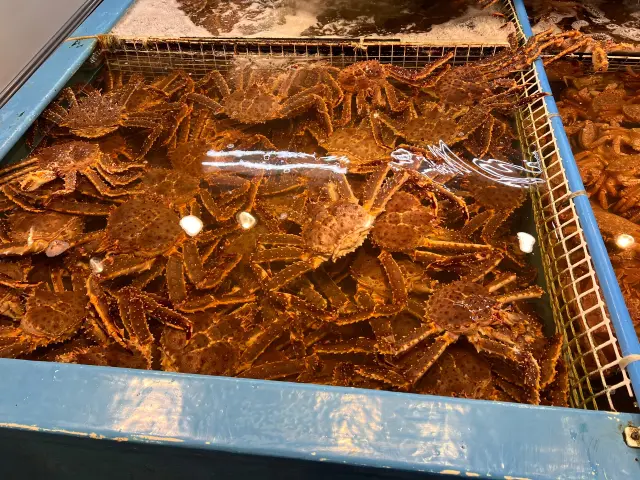
* Local produce, seafood, and souvenirs: Besides live crabs, sea urchin, scallops, and overnight-dried fish, you’ll also find Hokkaido potatoes, cantaloupes, and local snacks.
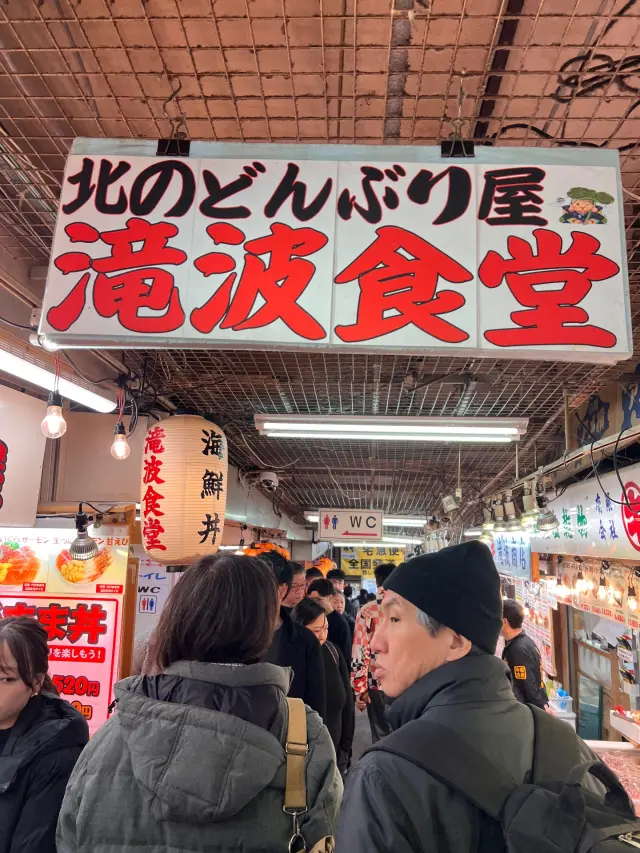
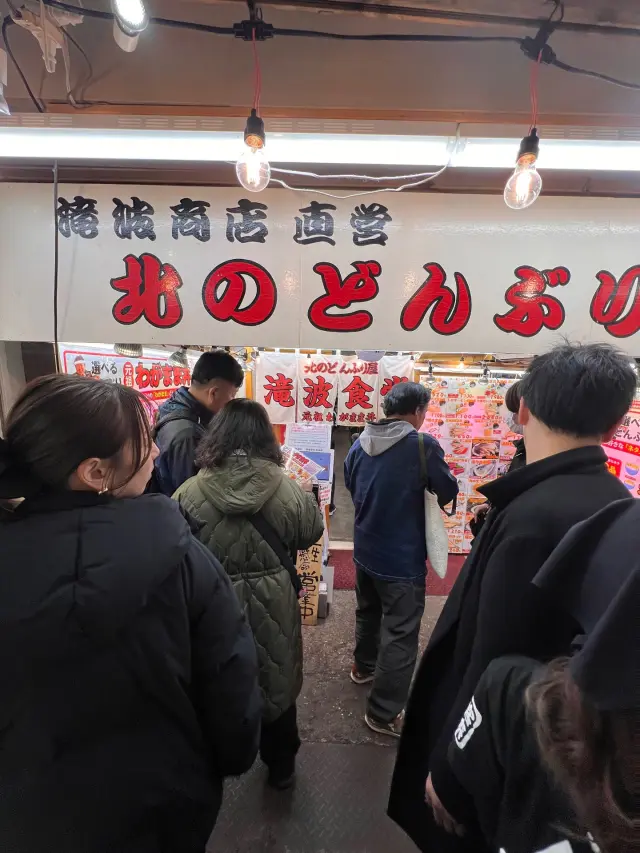
Takinami Donburi Restaurant - Donburi of Otaru North (北のどんぶり屋 滝波食堂) is a very popular seafood restaurant in the market and often draws a line.
* Signature dishes: The restaurant specializes in seafood rice bowls and set meals. You can pick one of the house combinations or choose your own toppings, such as sea urchin, salmon roe, crabmeat, and scallops. It also serves sashimi, grilled dishes, and crab dishes.
* Dining experience: The restaurant is small and lively, and you may have to wait at mealtimes. Visitors are generally impressed by how fresh and sweet the seafood is and by the flexibility to choose their own toppings.
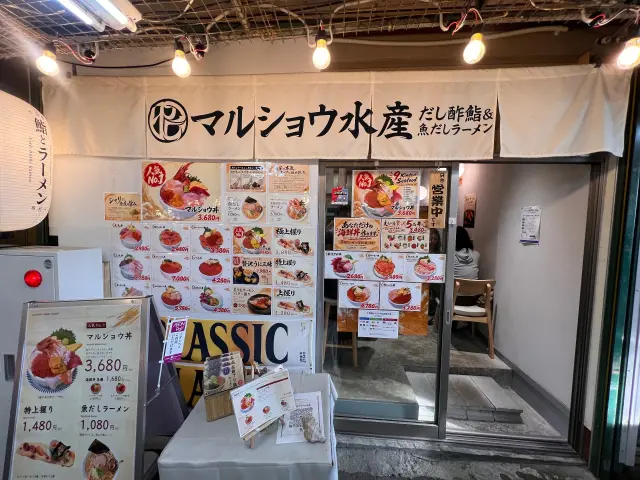
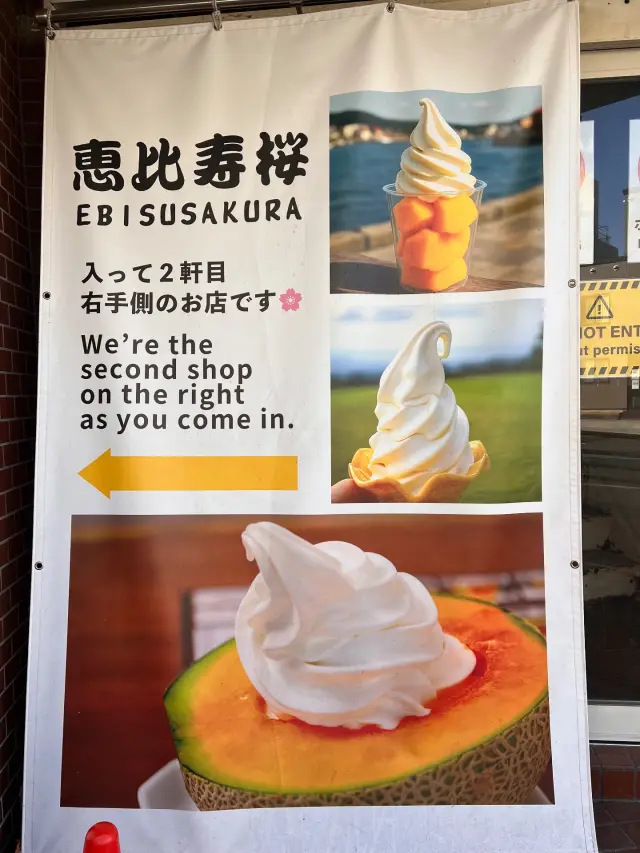
Ebisu Sakura (恵比寿桜) is another Triangle Market spot that gets quite a bit of attention from international visitors. You can see the storefront and posters for its featured dishes in the photos you provided.
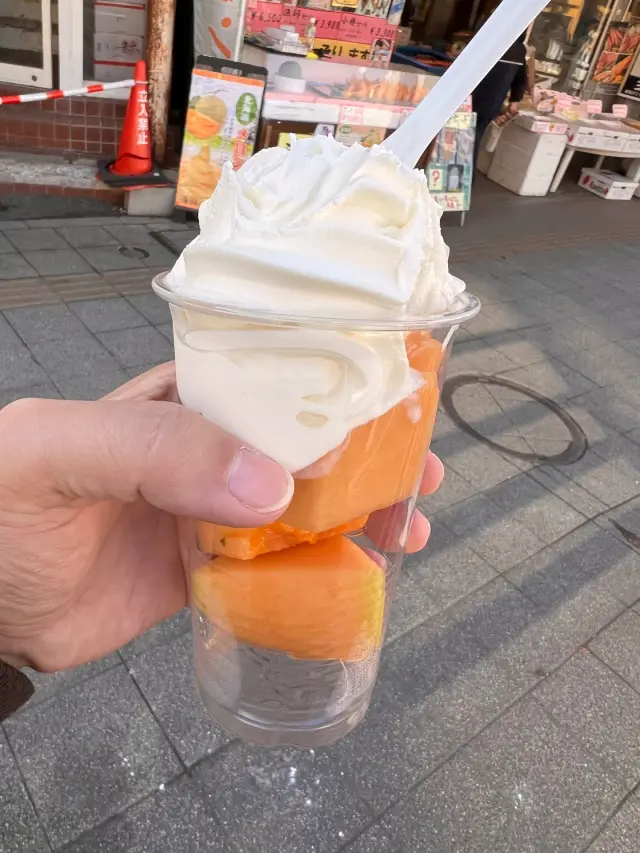
* Menu highlights: Besides seafood rice bowls and live crab dishes, the posters outside show desserts such as cantaloupe with soft serve, giving you a dessert option after your meal at the market.
* Tips for visiting and ordering: The aisle is narrow and crowded, and the floor can be slippery in winter or early in the morning, so watch your step. Opening times and when dishes sell out can vary a bit from one restaurant to another, so it’s best to go early. -
-
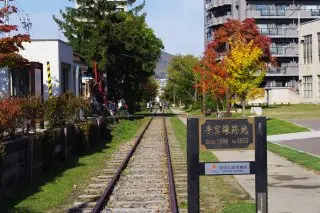
Former Japan National Railways Temiya Line
Part of the first railway in Hokkaido, the "Government-Operated Horonai Railway," was laid to transport coal mined from the Horonai coal mine in the current Mikasa City to the port city of Otaru. It was in operation from its opening in 1880 until its closure in 1985.
I also highly recommend this
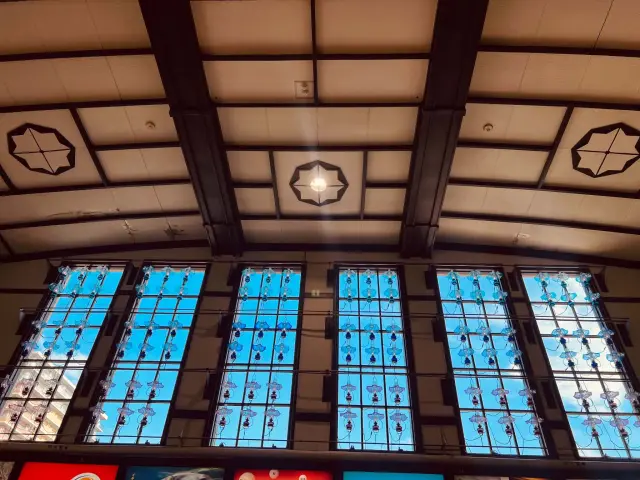
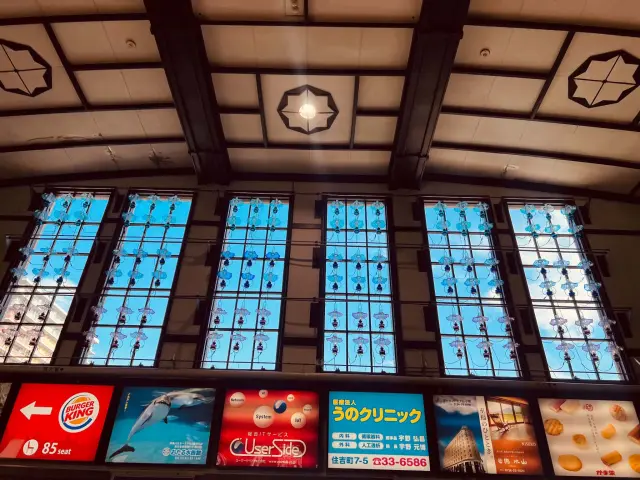
#小樽站 was built in 1903, and the current, third-generation station building was completed in 1934 (Showa 9). It’s one of the oldest reinforced concrete train stations in Hokkaido (#北海道最古老的鋼筋混凝土車站之一), and the entire station is listed as one of Japan’s nationally registered tangible cultural properties (#國家登錄有形文化財).💡1. The station lobby and its high windows with 333 kerosene lamps
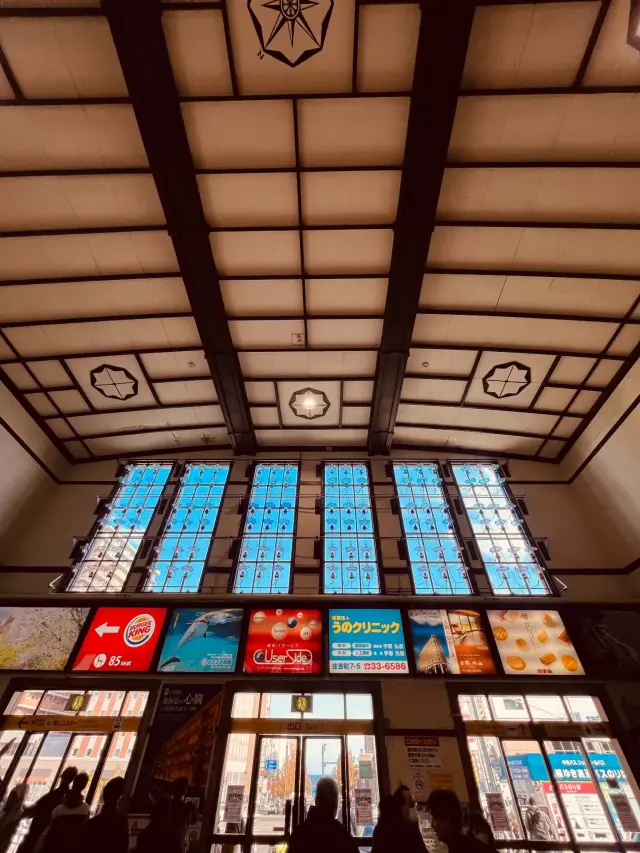
* A symbol of a city known for its glasswork: Otaru is famous for its glasswork, and as many as 333 kerosene lamps made by Kitaichi Glass (#北一硝子) hang in neat rows across the six large windows high up in the lobby. They were donated by local residents and businesses and installed in 1987, when Japanese National Railways was privatized.* The interplay of light and shadow: Like you said, when sunlight streams through the high windows, the clear and slightly blue-tinted glass shades sparkle against the blue sky. The way the light refracts through them really does look like the mosaic stained glass in a church. Then at dusk, when the lamps come on, the whole lobby takes on a warm, nostalgic orange-yellow glow.
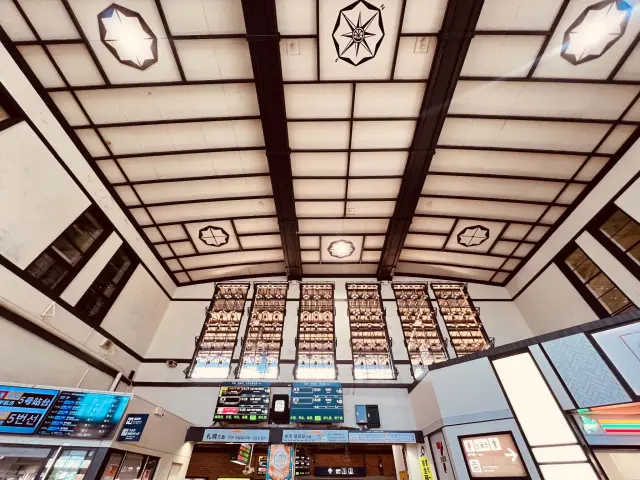
* High grid-patterned ceiling: The lobby has a dark wood lattice ceiling, with symmetrical octagonal light fixtures and a compass motif in the center that nods to Otaru’s history as an important port in Hokkaido.
💡2. Retro details on the platforms (Platforms 4 and 5 / Yujiro Platform)
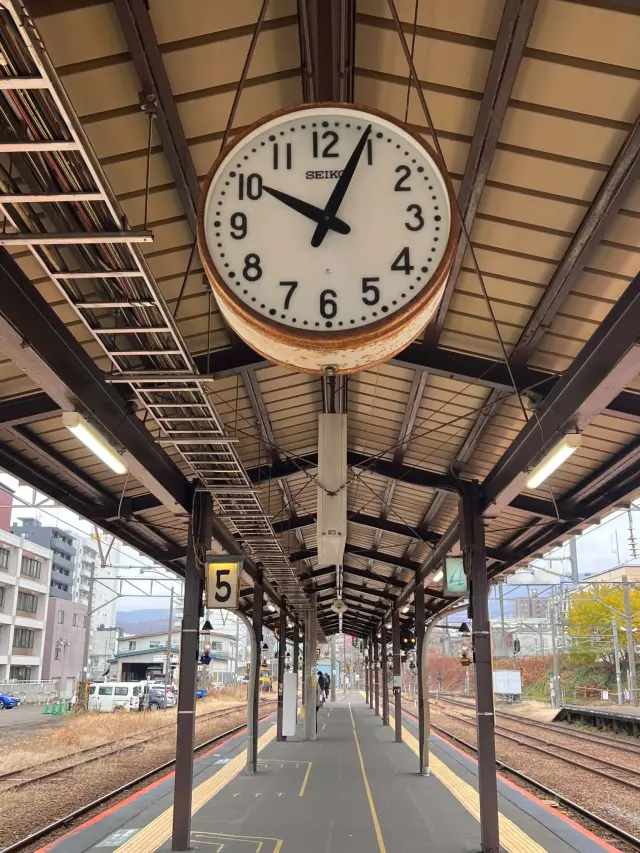
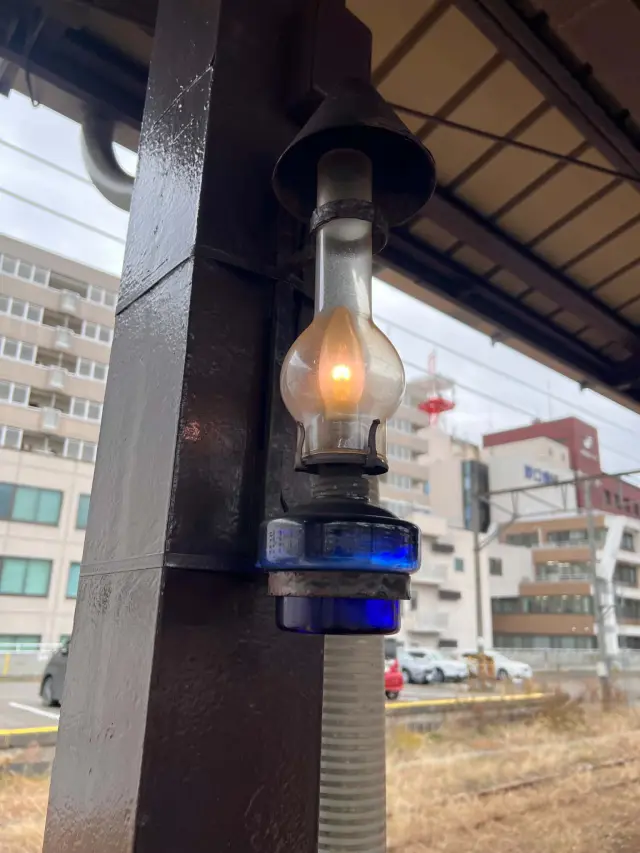
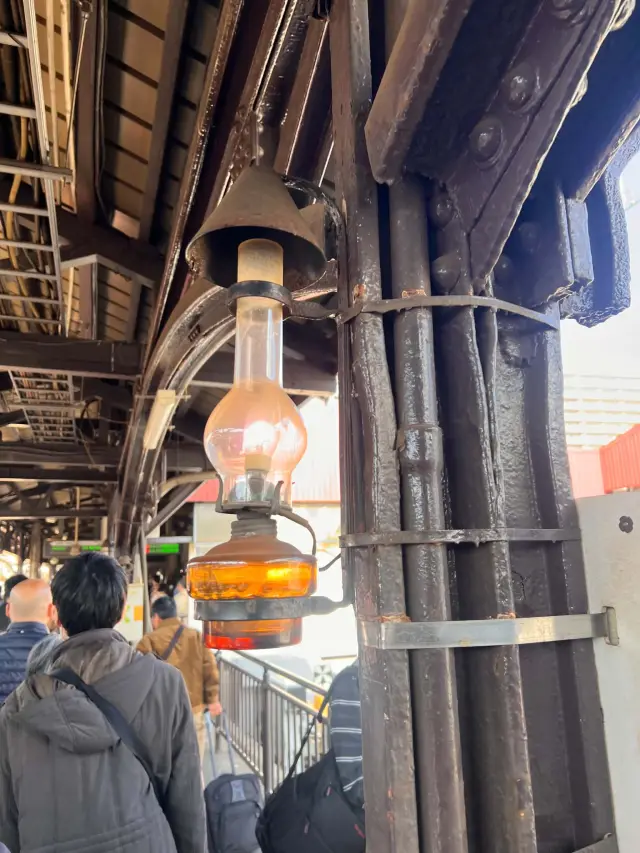
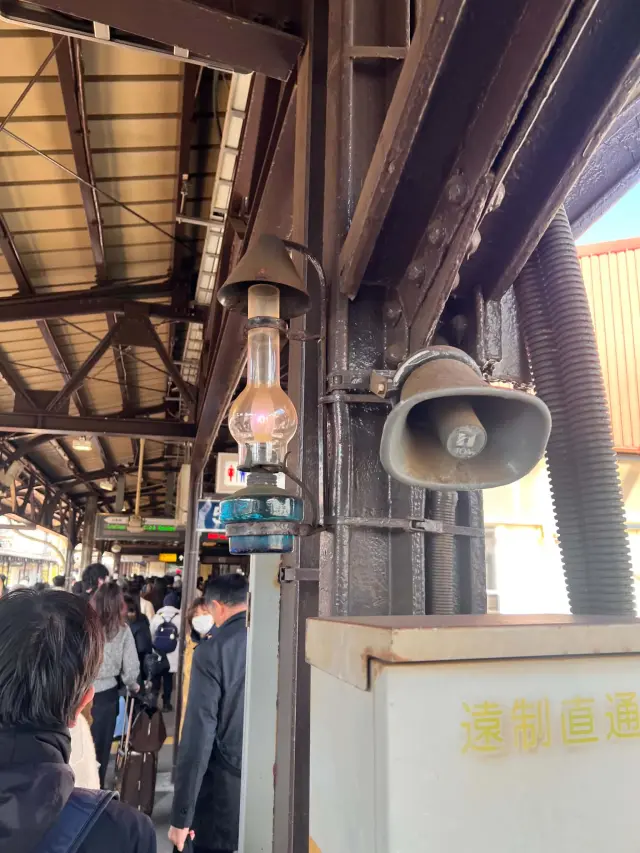
* Kerosene lamps with two colors of glass: Lit kerosene lamps still hang from the cast-iron columns on the platforms (they now use electric bulbs to mimic candlelight). Their glass bases come in amber and deep blue, and they give off a soft glow beside the timeworn ironwork. It’s a favorite spot for travelers to take photos.* Rusty SEIKO clock: The round, double-sided clock hanging under the platform canopy has a naturally rusted, weathered casing. Together with the old canopy supports overhead, made from bent, repurposed rails, it makes you feel like you’ve stepped straight into a Showa-era movie.
* Yujiro Platform: Platform 4 at Otaru Station is also known as Yujiro Platform, named in honor of Showa-era superstar Yujiro Ishihara, who spent his childhood in Otaru.
💡3. The station exterior and stained-glass station sign
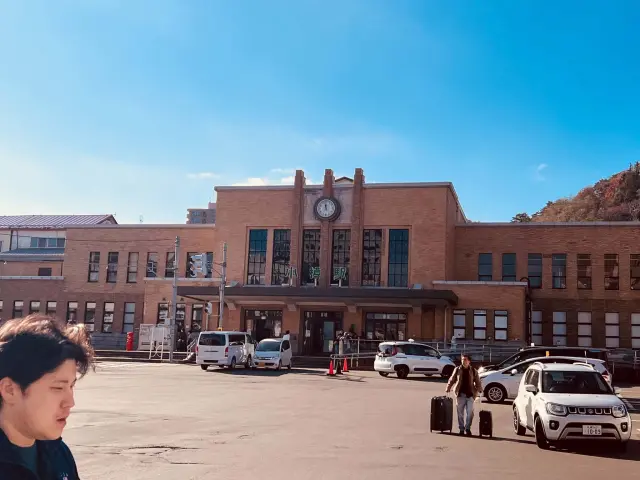
* Symmetrical Showa Modern architecture: Seen from the plaza out front, the light brown tile facade, three projecting vertical columns, and large round clock in the center show the transition from Art Deco to modernism in the 1930s. It has a dignified, elegant look.
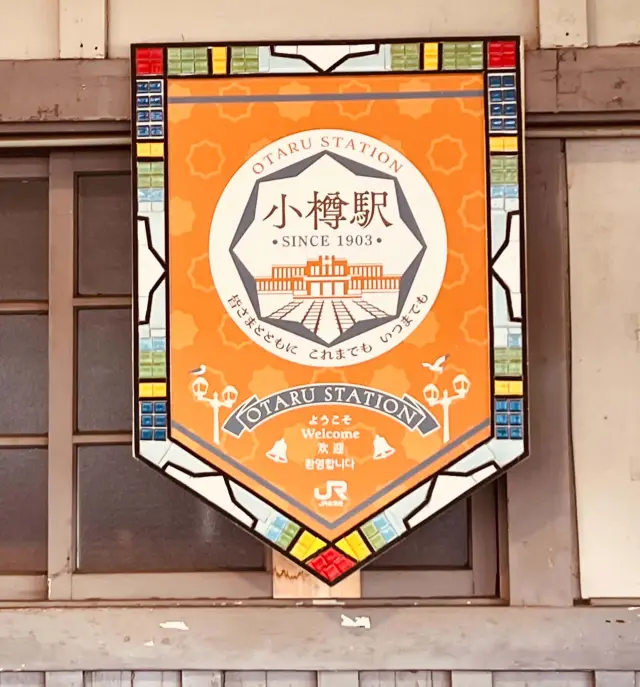
* Stained-glass welcome sign: The banner-shaped sign on the station wall that reads “#小樽駅 SINCE 1903” is framed with colorful pieces of red, yellow, blue, and green stained glass. The center shows the station building and tracks stretching away, perfectly bringing together Otaru’s railroad history and glass art.💡This station isn’t just a transportation hub. It’s a living museum of architecture and craftsmanship in its own right!
-
-

Sapporo Stellar Place
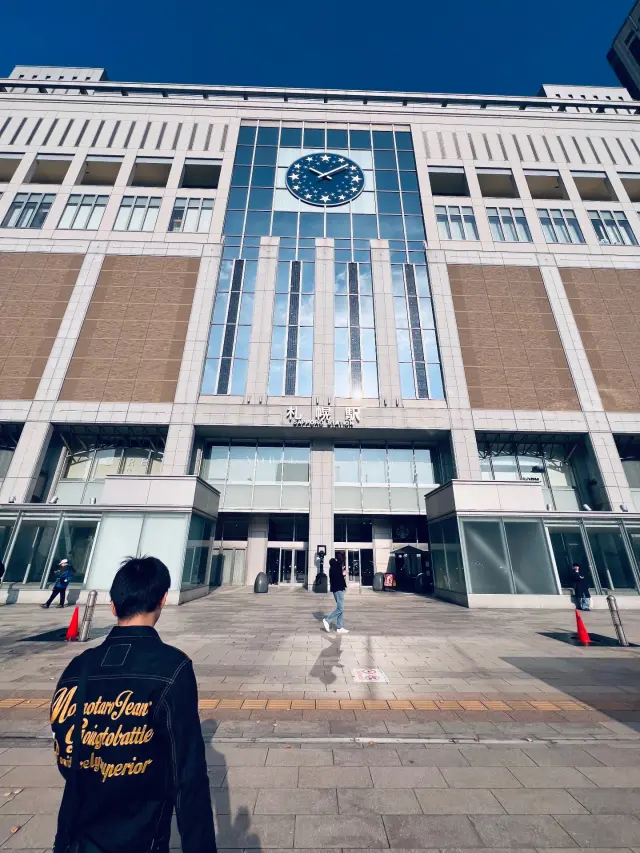
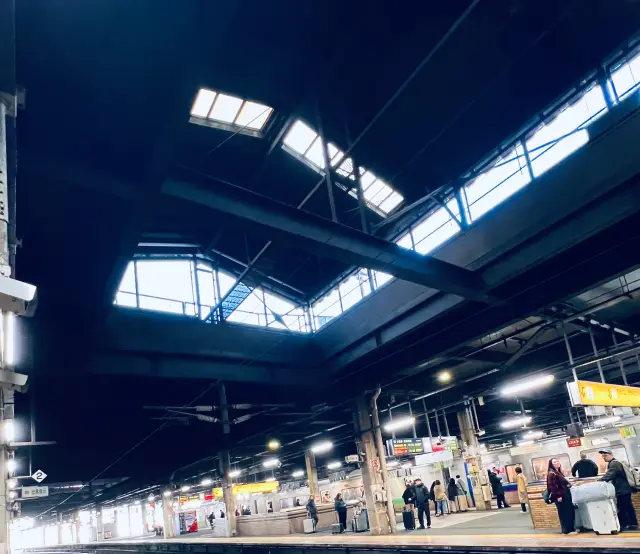
Inside JR Tower is one of Japan’s largest shopping malls, the “Sapporo Stellar Place”. With more than 200 shops, various genres are lined up including fashion, sundries, restaurants, and cafes. The mall is connected to the station, making it easy to access for tourists, and locals who stop by daily. It is Sapporo’s hottest spot.
The most iconic architectural landmarks, public art, and Hokkaido winter scenery at the South Exit Plaza of #札幌車站 (#JRSapporoStation):
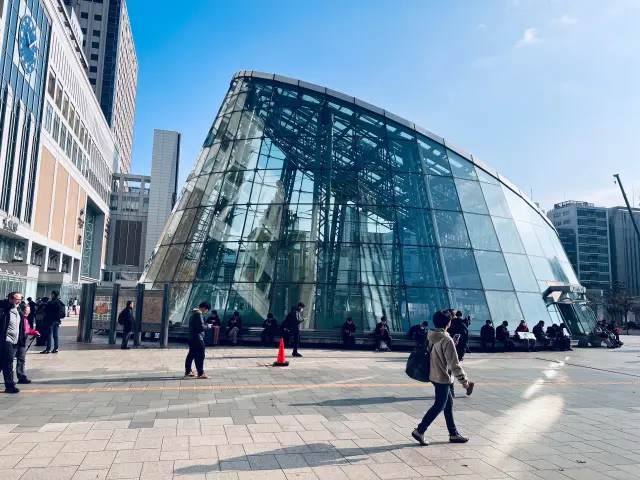
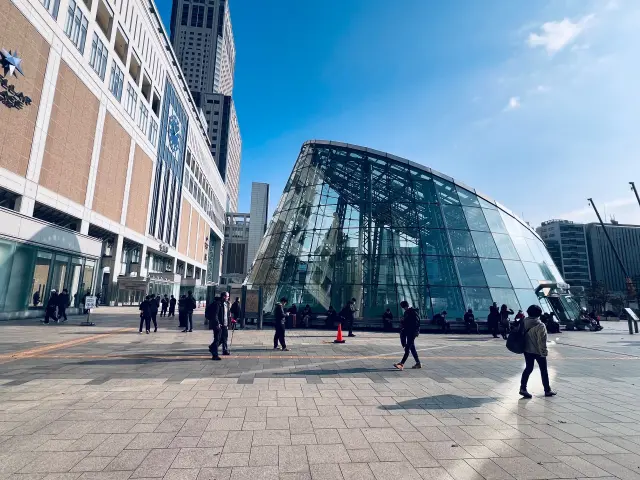
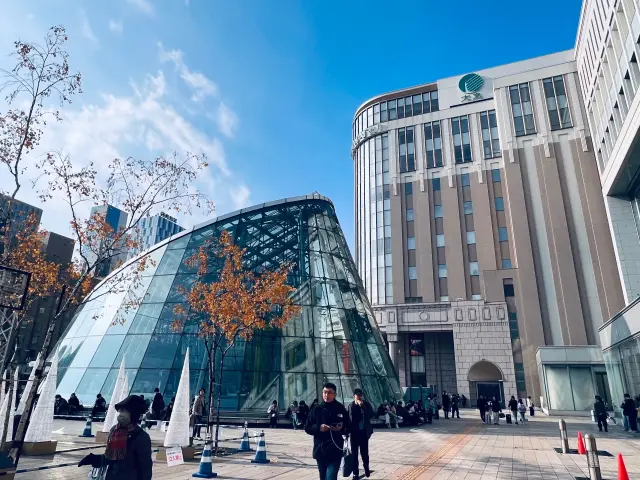
1. Glass structure in front of the station: the “#玻璃巨蛋” (Sapporo Station South Exit Glass Dome) at the #札幌車站 South Exit Plaza
This striking, modern sloping glass structure in the center of Sapporo Station’s South Exit Plaza serves as an important skylight and entrance connecting the aboveground plaza with the underground shopping area (APIA, the Namboku Subway Line, and the Toho Subway Line).
* Architectural design and function: Built with expansive transparent glass curtain walls and a steel framework, its streamlined, angled design not only has a modern appearance but also brings natural light directly into the underground passageways, making the underground space bright and open. During winter snowstorms, it also effectively keeps wind and snow from blowing into the underground shopping area.
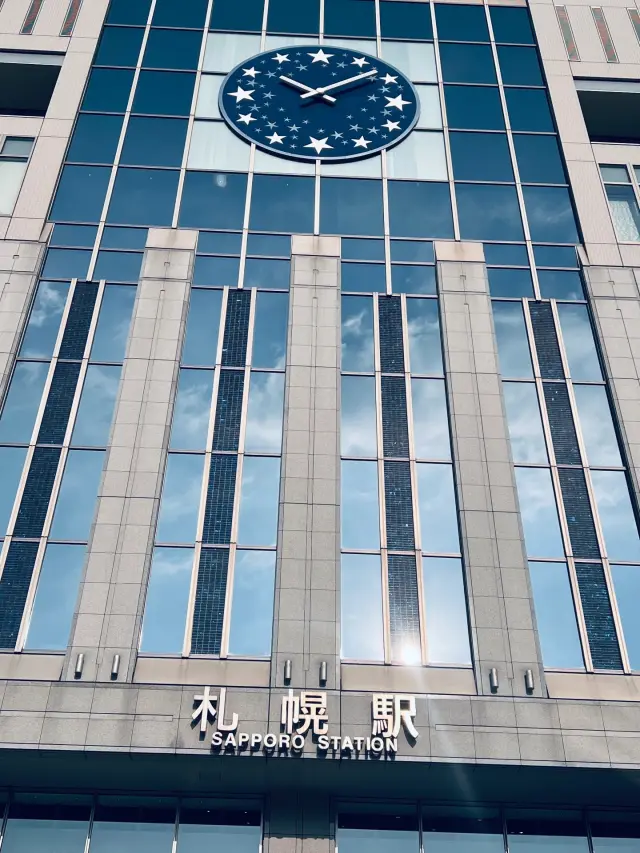
* A landmark where people gather: A continuous ring of benches surrounds the base of the glass structure. Together with JR Tower’s famous “#星之大時鐘” (#星の大時計), designed by architect Takenobu Igarashi, this has become a classic meeting spot (待ち合わせ) for Sapporo residents and visitors.
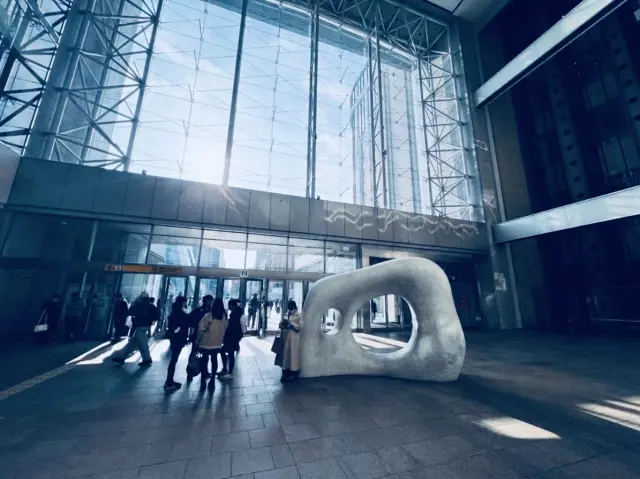
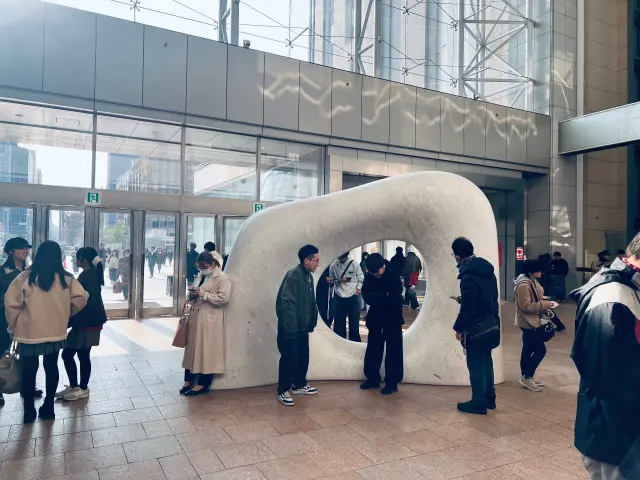
2. The hollow white sculpture inside: “#妙夢” (#Myomu)
When you enter the South Exit concourse of Sapporo Station, in the west concourse near #大丸百貨, you’ll see this highly recognizable pure-white marble sculpture. It is the most popular meeting landmark inside Sapporo Station, similar in status to the Hachiko statue in Shibuya, Tokyo.
* Artist and background: The work is titled Myomu and was created in 2003, when JR Tower opened, by internationally renowned sculptor Kan Yasuda, who is from Bibai, Hokkaido.
* Material and meaning: The sculpture is carved from premium white marble from Carrara, Italy, with a smooth, gently polished surface. There are two circular openings of different sizes running through the center—from one side, it looks like one large opening, while from the other, you can see one large and one small opening. Through its soft curves and hollow form, Kan Yasuda sought to evoke images of a “dreamscape” and a “gateway through space and time.” Many travelers enjoy sitting inside the openings for photos or touching the cool, smooth marble.
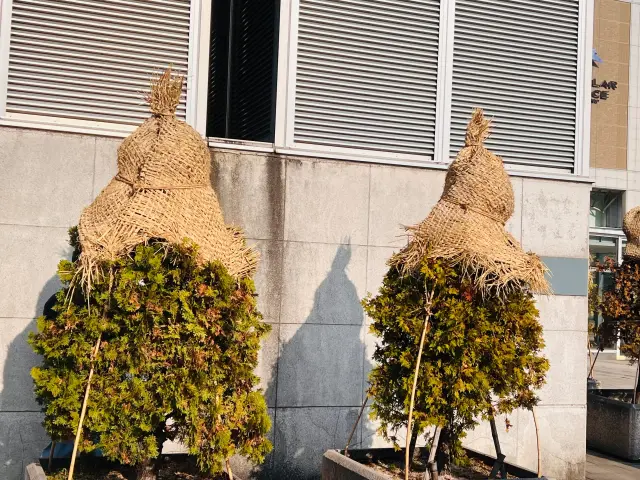
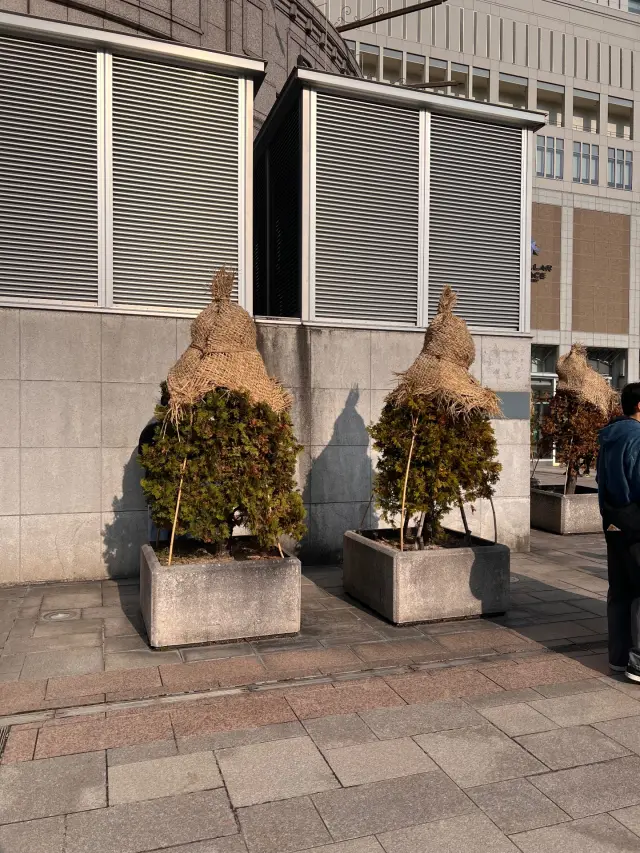
3. The cute Christmas trees “wearing straw hats”: Hokkaido’s traditional winter protection, “#冬圍” (雪吊り / #菰巻き)
The cute little trees in the first photo that look like they’re wearing straw hats and getting ready for Christmas are actually not Christmas decorations. They are a type of winter protection unique to Japan’s snowy regions called “冬圍” (#冬囲い, #Fuyugakoi)!
* Why do they wear “straw hats”? Hokkaido receives extremely heavy snowfall in winter. When heavy snow piles up on evergreen shrubs such as cypress and azaleas, it can easily break their branches, while the bitterly cold wind can damage tender buds. So every year before winter begins, around November, gardeners weave straw into cone-shaped mats called “菰” or “わらぼっち,” place them over the tops of the trees like hats, and secure them with bamboo poles around the sides. This allows snow to slide down the sloped straw hats and protects the trees through the harsh winter.
* Cute seasonal scenery: With their woven straw cones and bundles of straw tied at the top, they look from a distance like little elves in straw hats or rows of Christmas trees wearing straw hats. They have become one of the most heartwarming sights unique to Sapporo’s streets in early winter. -