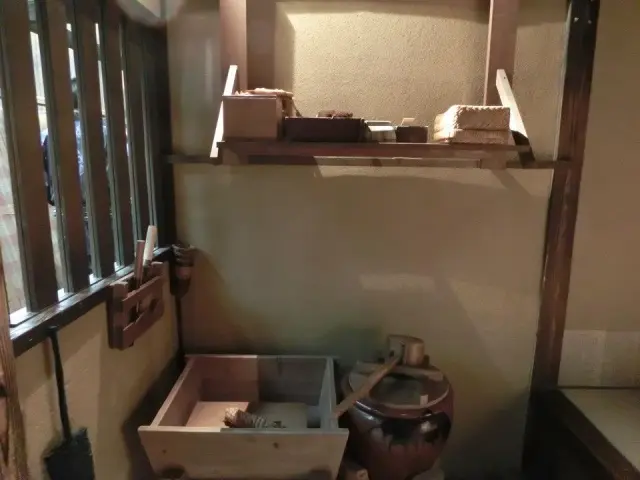
Visiting the Taito City Shitamachi Museum beside Shinobazu Pond in Ueno feels like stepping into a time machine and returning to everyday life in Japan's Showa era. The most distinctive feature is the first floor, where streets and old houses from that time have been recreated as full-scale settings. Everything from the shops and kitchens to the tatami rooms looks very realistic, and you can even step inside the buildings for a close look at everyday household items. The second floor displays historical artifacts and craftspeople's tools from the Meiji through Showa eras. You can also try traditional children's toys such as kendama and spinning tops, while the third floor features regularly changing special exhibitions. These interactive displays offer a deeper sense of the warmth and charm of everyday life in Tokyo's old shitamachi neighborhoods.
Taito City Shitamachi Museum | Review by Linda Liao
Other Reviews by Linda Liao
-

Hakodate Port (Tsugaru Strait Ferry Hakodate Terminal)
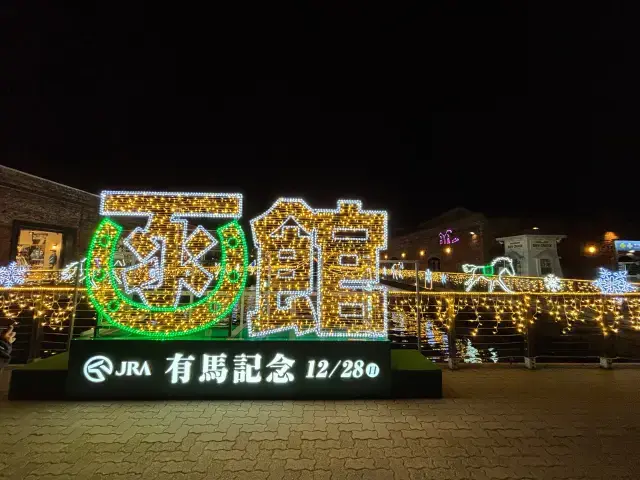
Hakodate Port has been at the center of Hakodate's development since it opened in 1859 (Ansei 6). As one of the first ports to open in Japan, it has greatly contributed to the development of Hakodate as a tourist city. The dynamic landscape of the deep bay and Mount Hakodate, combined with the modern atmosphere and exotic streetscape of the 19th century, make the area 360-degree photogenic!
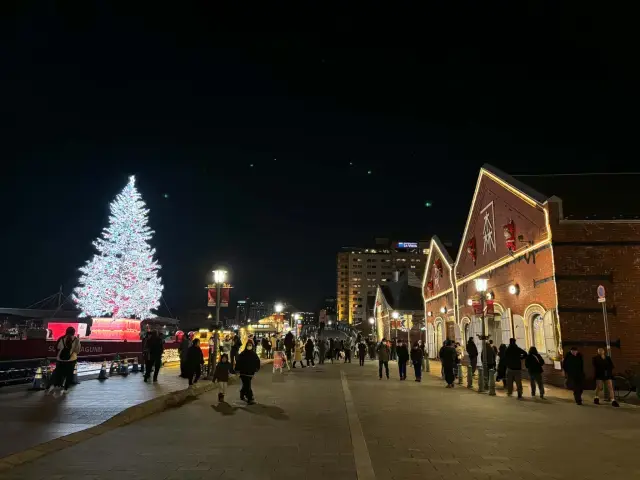
函館灣區這裡鄰近知名的金森紅磚倉庫群,昔日作為港口貿易設施,如今改造成充滿特色的購物商場與餐飲空間,保留濃厚的復古港町風情。沿著海灣散步,可以欣賞停泊的船隻、港口景色與紅磚建築相互映襯。上次冬天造訪時,正好遇上聖誕點燈活動,夜晚燈光倒映在海面上,氣氛格外浪漫。可惜當時海風吹來十分刺骨,不太適合搭船遊覽,只能留在岸邊欣賞燈飾,但絲毫不減函館冬夜獨有的迷人魅力。
-
-

The Tokugawa Art Museum
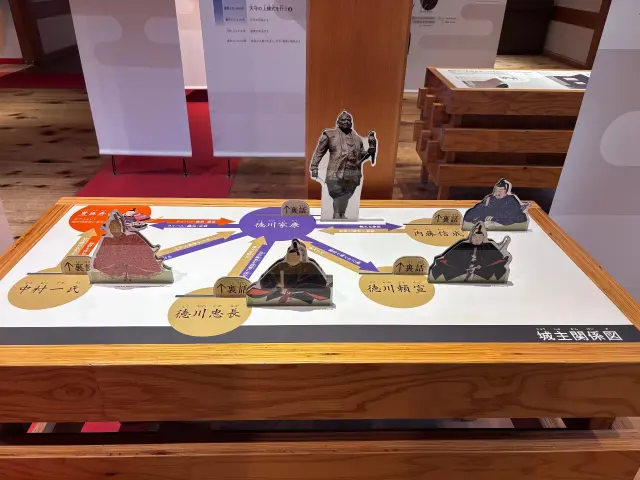
This museum houses and displays treasures passed down through generations of the Owari Tokugawa family. It opened in 1935 under the family’s 19th head, Tokugawa Yoshichika, with the aim of preserving daimyo culture for future generations. Its collection includes renowned swords, armor, tea utensils, Noh-related items, and other objects given to the Owari Tokugawa family by Tokugawa Ieyasu. Together with cherished possessions once owned by successive family heads and their wives, the museum holds more than 10,000 daimyo heirlooms and works of art.
沒想到來到名古屋旅遊,竟然還有德川美術館可以逛!這裡收藏了大量尾張德川家代代相傳的珍貴文物,起源於德川家康第九子德川義直所開創的尾張德川家。為了將家族珍寶與大名文化完整保存下來,德川家第19代當主德川義親於1935年創立美術館。館內展品涵蓋武士盔甲、刀劍、茶道具及華麗的婚嫁用品,還能欣賞珍貴的國寶《源氏物語繪卷》。漫步展廳,彷彿穿越時空,一窺江戶時代大名家族的生活與品味。
-
-
Mitsui Memorial Museum
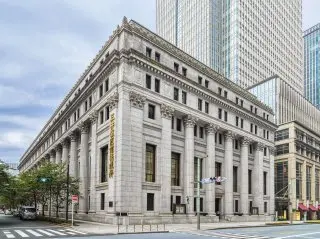
The Mitsui Memorial Museum was established in 2005 to house and exhibit the art collection donated by the Mitsui family, known for their association with the Mitsui Group. Originally located in Nakano Ward as the "Mitsui Bunko Annex," the museum was relocated to Nihonbashi, a historic area deeply connected to the Mitsui family and the Mitsui Group.
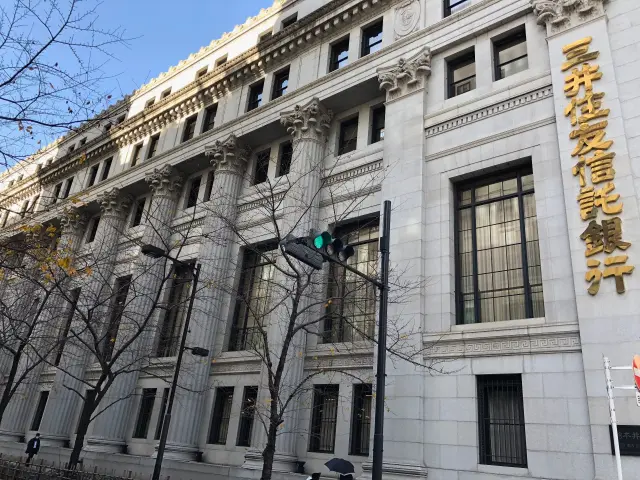
The most interesting thing about the Mitsui Memorial Museum is that it is tucked away inside an impressive classical building. The first time I followed the map here, I thought I was in the wrong place, but the museum is actually on the 7th floor of the Mitsui Main Building. Its collection consists of precious works of art accumulated by the Mitsui family over more than 300 years, including tea ceremony utensils, calligraphy and paintings, swords, and Noh masks. In the past, Japan's wealthy merchants and zaibatsu families often displayed their cultural tastes through art collecting while also supporting artistic creation. They preserved their family collections for generations and later opened them to the public.
Highlights include Maruyama Okyo's National Treasure, the folding screen “Snow-Covered Pine Trees,” and the National Treasure Shino tea bowl “Unohanagaki.” There is also a space modeled after the National Treasure tea house Jo-an. Walking through the museum, you can not only appreciate traditional Japanese aesthetics but also feel as though you have stepped into the art collection of a wealthy family from the past.
-