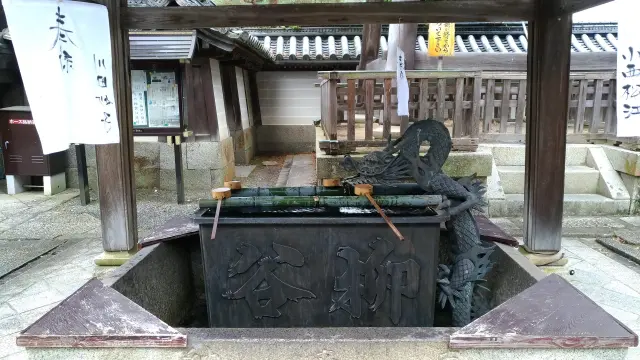
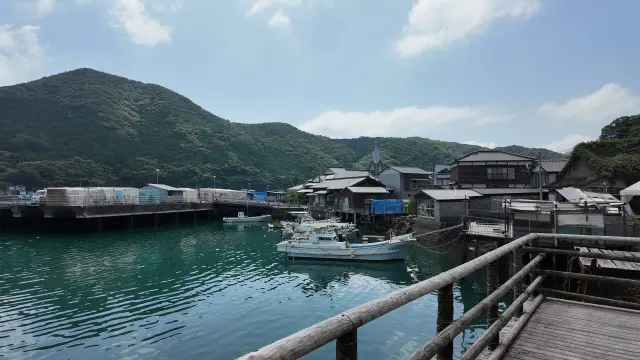
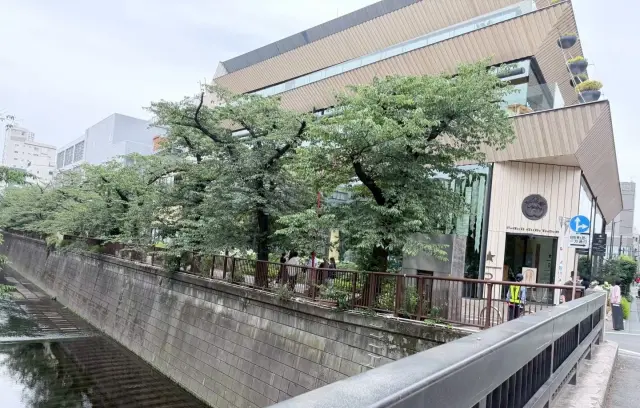
With a history of about 1,400 years, Zenkoji Temple is definitely a must-visit attraction when visiting Nagano Prefecture. It is a heritage site that combines history and religious culture. You can take a bus from Nagano Station. Shops line both sides of the approach leading to Zenkoji Temple. If you come in the afternoon, you can take a leisurely walk from the Niomon Gate to the Sanmon Gate, and then you’ll see Zenkoji Temple’s principal image. For souvenirs, the BEAMS limited-edition Zenkoji items are worth checking out. They feel like special regional collectibles, so travelers who like that sort of thing should definitely add them to their list. Visitors gradually start leaving Zenkoji Temple around 4–5 p.m. If you’re not in a hurry to leave, you can walk back along the approach in front of the temple, where there are also quite a few places to eat, bringing a perfect half-day itinerary to a close.
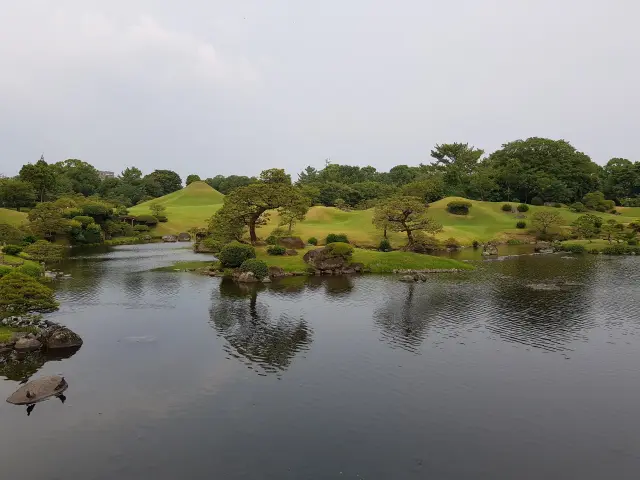
A visit to Suizenji Jojuen Garden, one of Kumamoto’s best-known attractions. As soon as I entered, I was captivated by the beautiful Momoyama-style Japanese strolling garden! Water flowing underground from Aso is cleverly channeled into the central spring-fed pond, and there is even an elaborate miniature Mount Fuji beside it. While strolling along the paths, you can admire the Fuji-like landscaping and beautiful views of the water and hills, as well as visit the solemn Izumi Shrine and the tunnel of vermilion torii gates at Izumi Inari Shrine. The entire garden has a peaceful atmosphere filled with historic charm. It’s an incredibly beautiful and refreshing place that you definitely shouldn’t miss in Kumamoto!
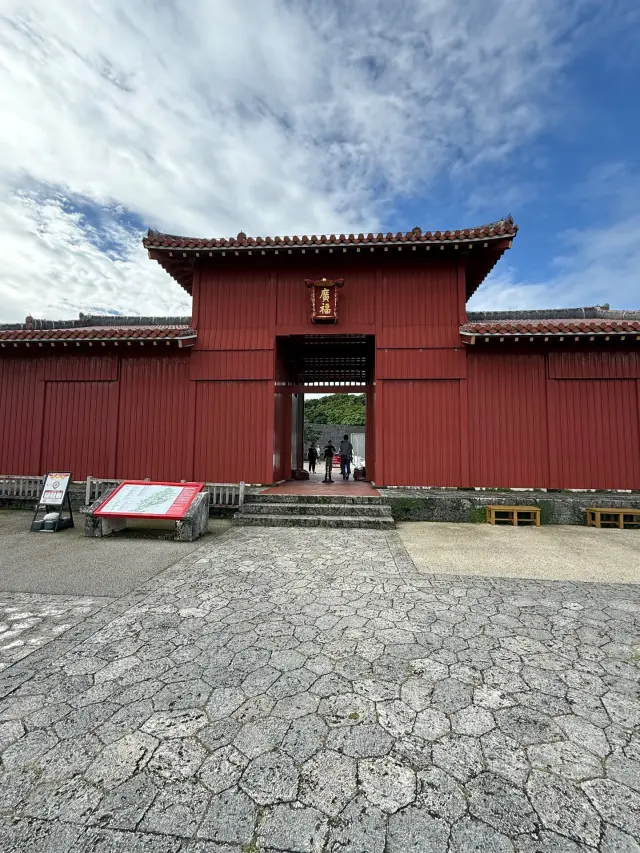
I visited Shurijo Castle before the pandemic, and I never expected to hear on the news not long afterward that it had been damaged by a fire. I felt truly saddened at the time.
When I returned to Okinawa in 2025, of course I had to visit this familiar old friend again. Seeing Shurijo Castle being rebuilt step by step and getting ready to show its original appearance once more made me really happy, and I’m looking forward to the day it’s completed.
Although I still couldn’t see the fully restored Shurijo Castle on this visit, at least I got to witness the reconstruction process. It seems this little wish will have to wait until my next trip to Okinawa! I hope that when I return in 2027, I’ll be able to see Shurijo Castle shining once again with my own eyes. 🇯🇵
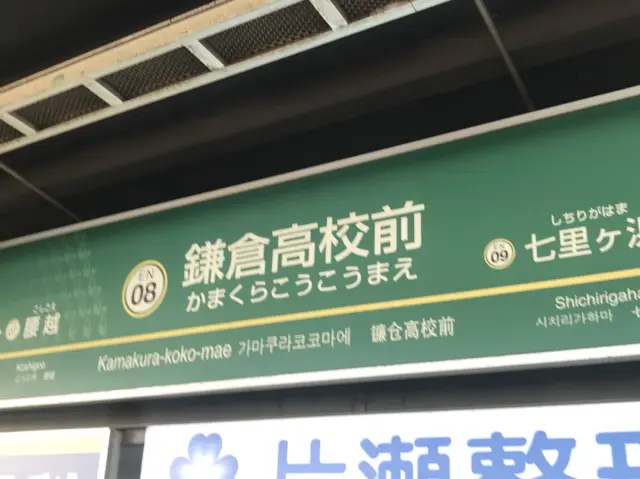
A travel show is featuring sights in Kamakura〜
I still remember the streets of Koshigoe one summer a few years ago. The lively streets happened to be hosting Koyurugi Shrine’s annual summer festival, and residents dressed in traditional happi coats (festival clothing) held lanterns and traffic batons as they kept the neighborhood streets safe.
A retro green train slowly made its way through the narrow streets with its lights on, while modern transportation and the everyday traditions of a century-old shrine festival blended harmoniously here.
A delightful surprise on this trip was finding four little metal birds on a railing dressed in blue-and-white summer sweaters. This gentle tradition, quietly carried on by local residents, brought the journey to an incredibly heartwarming close.
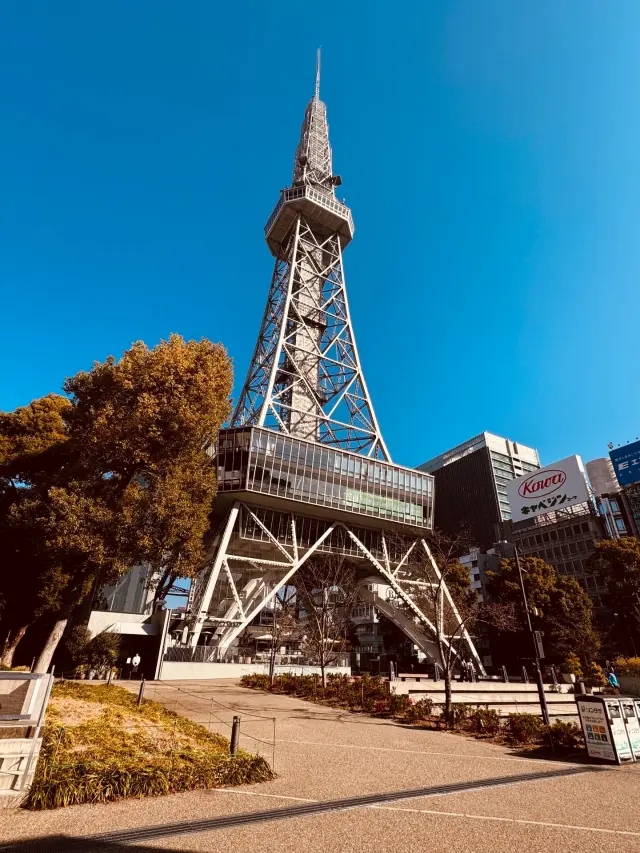
The Kanto region has Tokyo Tower and Tokyo Skytree, and when visiting the Chubu region, you definitely shouldn't miss Chubu Electric Power MIRAI TOWER. Located by Hisaya-odori subway station, it stands 180 meters tall. Although it isn't the tallest tower in Japan, it is an important landmark in the Chubu region and a must-visit spot for night views.
The tower is in Hisaya-odori Park, with a pond in front of it where events are held from time to time. There are shops and restaurants on both sides. The scenery is completely different during the day and at night, making it a great place to have afternoon tea or enjoy dinner and a walk in the evening. At night, mist rises from the park's pond, and the atmosphere and scenery will have you taking plenty of memorable photos with your phone or camera. If you're in Nagoya's Sakae area, remember to stop by for a walk.
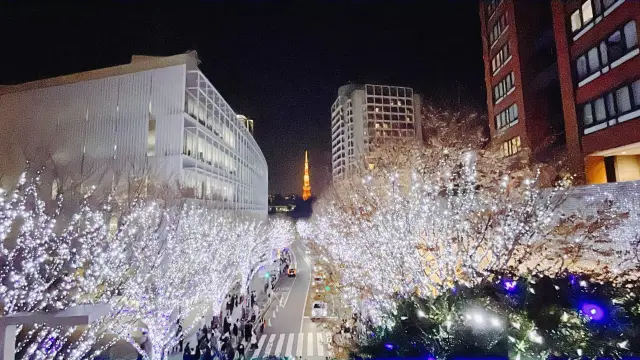
Bustling Tokyo is always especially charming during the Christmas season, and Roppongi Hills is definitely a great place to soak up the holiday atmosphere. The entire neighborhood is decorated with dazzling lights, making it incredibly romantic. You can also stop by the Christmas market, which has an international feel, and the air is filled with festive cheer.
When you get tired from walking around, I highly recommend heading to the nearby Shake Shack for dinner. Although it’s a famous burger chain from the United States, the beef patties in Japan are especially juicy and delicious. On a cold winter night, ordering a classic cheeseburger with a rich, creamy milkshake and taking a big bite is incredibly satisfying. It’s a treat for both the eyes and the taste buds, and a wonderful memory of chilly Tokyo that makes me want to keep coming back.
It was my first time visiting Tokyo around Christmas, so of course I couldn’t miss the hugely popular Christmas market and the classic Roppongi Hills Keyakizaka Illumination.
That day, I slowly walked up the gently sloping street. The rows of zelkova trees lining the road were covered in dazzling lights, like a brilliant galaxy. When I reached the pedestrian bridge in the middle and looked back, Tokyo Tower stood quietly at the end of the glittering sea of colorful lights. The scene was so dreamlike it took my breath away. Experiencing Tokyo’s rich holiday atmosphere on a cold winter night, with such a romantic and breathtaking view, was truly unforgettable and left me with lasting memories. It’s worth a visit.
Showa Kinen Park is just a quick train ride from central Tokyo. When I visited in late fall, the entire park was enveloped in a poetic, desolate beauty that made me feel at peace.
The park was much more expansive than I had imagined. By the time I walked all the way to the famous Japanese garden, my legs were a little sore, but sitting quietly on a bench and taking in the autumn scenery mixed with fallen leaves was especially soothing. There were very few visitors, and the atmosphere had a rare sense of peace and relaxation. If you want to get away from the noise of the city and fully appreciate the pure beauty of fall, I highly recommend taking a walk here.
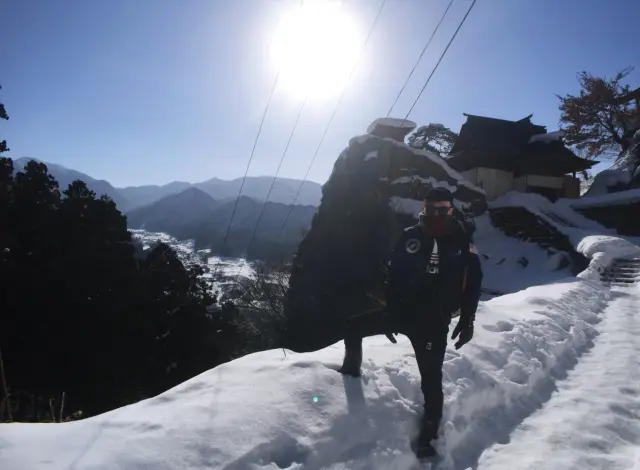
The most exhausting part of climbing Yamadera definitely isn’t the sore legs—it’s those more than 1,000 stone steps that seem to go on forever! Along the way, both sides are lined with towering cedar trees covered in thick snow and old-fashioned stone lanterns. As you climb and gasp for breath, you also have to watch whether the snow underfoot is slippery. But once you manage to reach the top, the view definitely makes all the effort feel worthwhile.
Looking down from beside the ancient temple next to the massive rocks, you can see endless snow-white mountains stretching to the horizon. The small town and rooftops below are all frosted with a layer of snow, and with the huge sun overhead and a cloudless blue sky, the whole scene is incredibly spectacular. The thrill of exploring an ancient mountain trail in the heavy snow while enjoying unbeatable views from the summit was definitely the most exhilarating and memorable snowy-country experience of the entire trip!
As I climbed the steps one by one, the snow crunched beneath my feet, and it was so quiet all around that I could even hear myself breathing. The surrounding trees had been transformed into strange shapes by the accumulated snow, like natural ice and snow sculptures. When I started getting a little out of breath, I stopped and looked back. The sunlight was falling perfectly across the snow and mountaintops, making them sparkle brilliantly. That feeling of being completely removed from the world really made me forget all my worries.
This experience of putting all your strength and willpower into seeing the beautiful scenery really will leave your legs completely worn out, but when you stand at the highest point overlooking the entire valley, the awe and exhilaration you feel are completely beyond words. If you want to experience Japan’s most authentic and breathtaking winter snowscapes, this is definitely a classic place to visit.
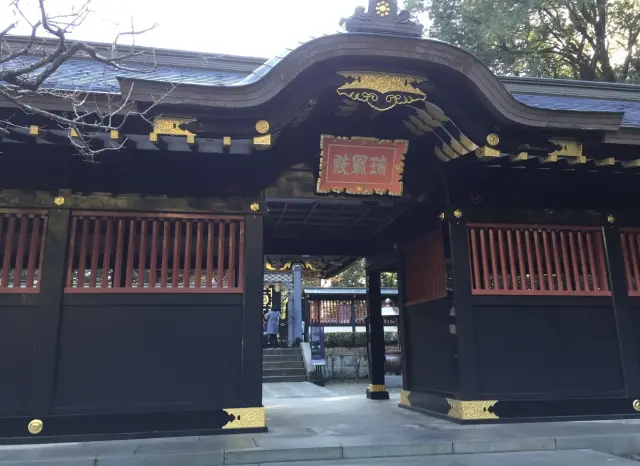
The moment I stepped into the Zuihoden grounds in Sendai, it felt like I had fallen into a hidden forest filled with history and mystery! Right in front of me was a wooden gate with a black lacquer base and incredibly ornate gold-leaf carvings. A striking red plaque bearing the three large characters for “Zuihoden” hung above it, while the gold decorations around it sparkled in the sunlight, perfectly showcasing Date Masamune’s commanding yet refined style of understated luxury.
I slowly wandered along the tranquil path tightly surrounded by towering trees. It was so quiet that all I could hear were my own footsteps, insects, and birds, and the air smelled incredibly fresh. As I walked, I suddenly came across distinctive, finely crafted bronze roof tiles carved with dragon heads. The eyes and scales were so lifelike and detailed that I couldn’t stop snapping photos.
A little farther ahead, an old-fashioned stone sutra tower stood quietly in the lush garden, surrounded by small stone Buddha statues that were both cute and solemn. The whole scene had a strong sense of traditional Japanese Zen. Around a bend, the intricately crafted main hall blended perfectly into the dense forest around it. The contrast of black wood and gold ornamentation looked especially sacred beneath the dappled shadows of the trees.
Being able to stroll at my own pace through a lush historic site without rushing through an itinerary felt so good! Admiring these incredibly well-preserved traditional crafts and ornate buildings along the way was not only a feast for the eyes but also allowed my mind to completely settle. It’s definitely the ultimate way to experience Sendai’s rich history and culture!
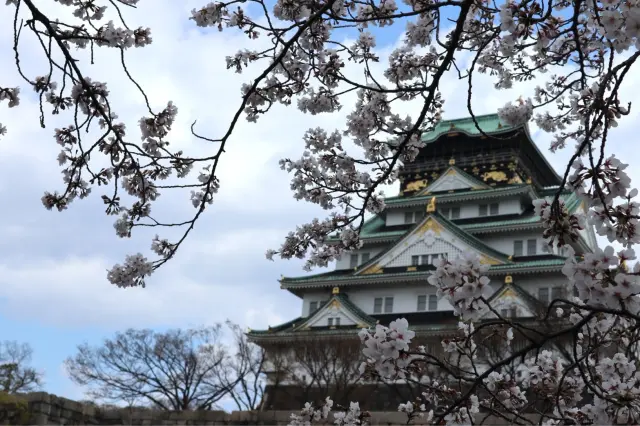
When spring comes to Osaka, the cherry blossom season is what I look forward to most. The park is filled with a lively atmosphere during the Osaka Castle Spring Festival, and from beneath the cherry trees to the edge of the moat, you can see people enjoying the blossoms in different ways everywhere. Groups of friends sit on the ground, eating snacks and having a little drink while admiring the cherry blossoms in front of them. Some people take advantage of the blossoms being at their best to capture as many photos as they can and create their own spring memories. Others simply sit and let their minds wander, watching the petals drift in the wind and quietly enjoying the moment. The blossoms last only a few short days, making this limited spring beauty feel even more precious.
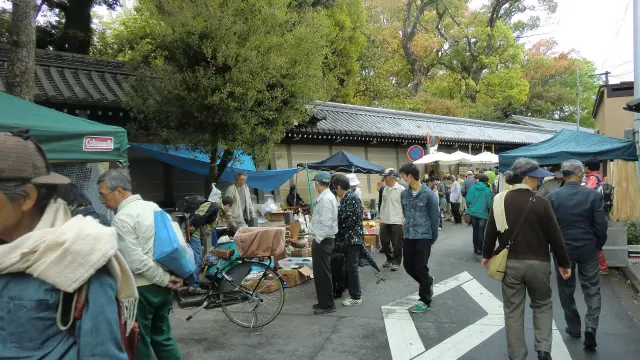
Every time I visit Kitano Tenmangu Shrine, my main reason is the Tenjin Market held on the 25th of each month. If you like kimono, vintage clothing, or kimono accessories, I personally really recommend checking it out. Kyoto has quite a few antique markets, but based on my experience visiting several times, this one has an especially large number of kimono-related stalls. They carry everything from kimono, haori, and obi to obijime and all kinds of kimono accessories, with a very wide selection. Some undergarments and consumable items are even sold new, and the prices are much lower than in stores. For people who are genuinely interested in kimono, this is a great place to hunt for treasures.
The Tenjin Market itself is huge. Besides kimono, there are antiques, old tools, tableware, miscellaneous goods, plants, and all kinds of snacks. The food stalls are mainly concentrated around the main gate. There aren’t many of them, and they’re pretty ordinary, but they’re just there to fill your stomach and give you some energy, so the taste isn’t that important. It’s easy to lose track of time while browsing here. Especially if your main goal is to buy kimono, I recommend coming early because the good items really do get picked out quickly.
Although the market mainly operates in cash, on my later visits I noticed that some stalls had started accepting credit cards. I usually skip the stalls that accept cards, since they mainly sell antiques and similar items, so I assume they offer card payments because the transaction amounts can be quite high. But if you do find something you really want, being able to pay by card is quite convenient, since it’s hard to carry that much cash with you.
Kitano Tenmangu Shrine itself is also well worth visiting. I’ve been here many times, and it feels a little different each time. If you come in February, you can enjoy the plum blossoms while visiting the Tenjin Market. If you happen to come on the 25th, you can also attend the Plum Blossom Festival. In addition to the festival, there is also a grand outdoor tea ceremony served by geiko and maiko from Kyoto’s Kamishichiken district, held among the blooming plum trees. During the Setsubun Festival in early February, geiko and maiko from the Kamishichiken Kabukai also perform a Japanese dance offering at the Kagura Hall. If you want to experience Kyoto’s traditional performing arts, all of these events have their own distinctive character.
I also visited once in April. The cherry blossom season was already nearing its end, so I wasn’t expecting much, but I was very lucky and happened to see a shower of falling cherry blossoms. It was incredibly romantic and ended up becoming one of my strongest memories of Kitano Tenmangu Shrine. After visiting Kitano Tenmangu Shrine, you can continue on to Hirano Shrine, which is also one of Kyoto’s well-known cherry blossom viewing spots. The two places work very well together in one itinerary.
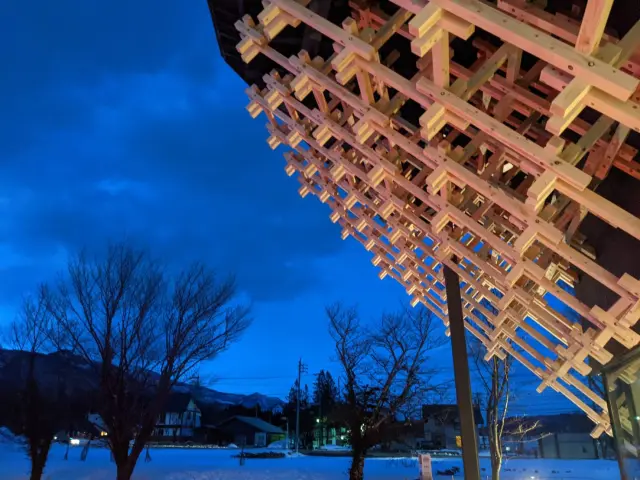
After nightfall, there were hardly any shops to browse near the ski resort. After buying some things at the supermarket, I took a casual walk and unexpectedly ended up at Snow Peak LAND STATION HAKUBA. From a distance, the building looked so warm and inviting that I couldn't help but stop. Designed by Japanese architect Kengo Kuma, the entire building was inspired by Hakuba's natural landscape and uses wood to blend in with the mountain scenery. The roof resembles the undulating ridgeline of the Northern Alps, while the striking wooden lattice ceiling inside was inspired by snow crystals.
Although everything was covered in snow on this winter night, quite a few people had gathered here to chat and rest. The combination of the snowy scenery and warm lighting created an especially charming atmosphere. In addition to Snow Peak products, the building also carries distinctive local Hakuba products and a curated selection of goods, and there is a Starbucks where you can order a hot drink to warm up. The whole building feels like a small art museum hidden in the mountains. This winter night scene that I stumbled upon unexpectedly also became a very memorable part of my trip to Hakuba.
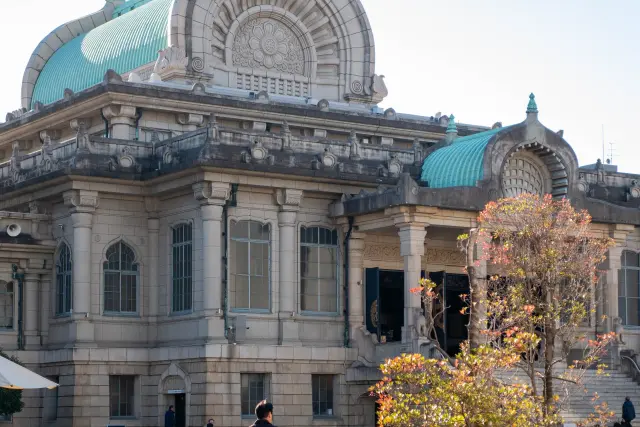
I recommend visiting Tsukiji Outer Market together with Tsukiji Hongwanji, since the two are very close to each other. You can visit Hongwanji first and then walk over to the outer market. Tsukiji Hongwanji itself is quite distinctive, so you can look at the architecture first and then head to the market to eat. It makes for a very smooth itinerary.
If you're visiting Tsukiji, I recommend not arriving too late. When I got there a little after 9:00, I could already clearly feel large numbers of tourists pouring in, and the market was quite lively. In particular, quite a few people were pulling luggage around with them. I personally don't really recommend doing that, because the market aisles aren't very wide to begin with, and once it gets crowded, large pieces of luggage really take up a lot of space.
Because I didn't stay very long this time, I wasn't able to fully explore all the food in the market. I just picked a few tamagoyaki shops to try. Once again, it proved that my stomach prefers Kanto-style tamagoyaki, and I had a very enjoyable time eating my way through them.
Although seafood is the first thing many people think of when visiting Tsukiji, once you actually walk into the outer market, you'll find so many choices that it can be a little overwhelming. In addition to fresh fish, sushi, and seafood bowls, there are also tamagoyaki, dried goods, fruits and vegetables, meat, and more. Although the main market has moved to Toyosu, even a skinny camel is still bigger than a horse, and the location is convenient, so there are still many shops operating here. If it's your first visit, I actually recommend looking up several places you genuinely want to try beforehand. There are simply too many choices, and with the crowds, it's easy to see one place you want to try and then another, until you end up not knowing what to eat at all.
Also keep in mind that Tsukiji isn't simply a tourist food street. It's a district of specialty shops that developed out of a working market, so it's better not to eat while walking.
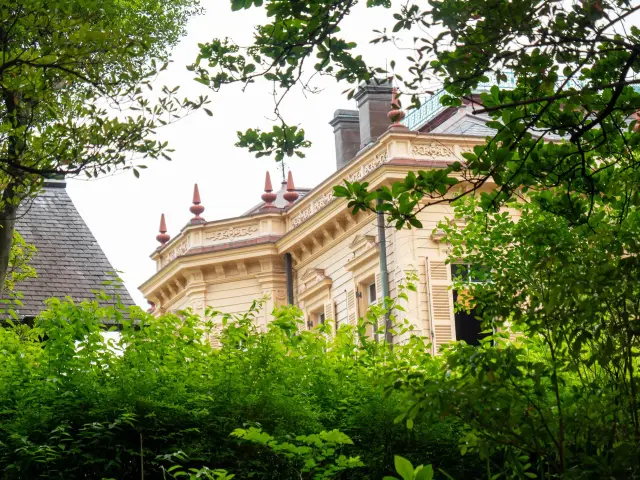
The Former Iwasaki House Garden is a place that I think is well worth taking the time to explore. It was originally the main residence of Hisaya Iwasaki, the third president of Mitsubishi, and was completed in 1896 (Meiji 29). The most interesting thing about the estate is that you can see both an extremely ornate Western-style building and a traditional Japanese-style residence in the same space. This combination of Japanese and Western styles is also a representative feature of upper-class residences from the Meiji era.
The Western-style building is based on the Jacobean style of 17th-century England, with Renaissance, Islamic, and other design elements incorporated into it. Everything from the exterior to the interior details is quite impressive. What particularly stood out to me was the “kinkarakawa-shi” wallpaper inside, which uses washi paper, metal foil, and embossing techniques to create the look of leather wallpaper. It was a very valuable form of interior decoration at the time. Different patterns of kinkarakawa-shi wallpaper can still be seen on the second floor. Unfortunately, photography isn't allowed inside, which was a bit disappointing for me.
The Western-style building was mainly used for receiving guests and social gatherings, while the adjacent Japanese-style building served as the Iwasaki family's more everyday living space. Seeing two completely different architectural styles side by side really gives you a sense of how Japanese homes changed after Japan began widely adopting Western culture during the Meiji era. In addition to the Western-style building and the main hall of the Japanese-style building, the surviving structures include a very distinctive billiards room. It is a wooden building designed to resemble a Swiss mountain lodge and is connected to the Western-style building by an underground passage.
Another thing I really liked here was how distinctive the souvenirs related to kinkarakawa-shi wallpaper were. The bookmarks, card holders, and other items sold on-site aren't exactly cheap, but they may appeal to anyone interested in architecture, paper goods, or historically significant crafts like these. Snacks are also available, so you can take a break while enjoying something to eat.
However, don't underestimate the size of the garden. I felt that it took about five or six minutes just to walk from the ticket booth to the entrance of the residence, and part of the route is uphill. The entire grounds are also much larger than you might imagine from looking at the buildings alone. Although only about one-third of the original property remains today, some elements of a daimyo garden and a large lawn have been preserved.
So, if you want to thoroughly explore the Western-style building, Japanese-style building, and garden, I would recommend allowing at least two to three hours. I was honestly a little tired by the time I finished walking around, but fortunately there is a rest area near the exit. That was very thoughtful for people who have just walked all the way around the grounds.
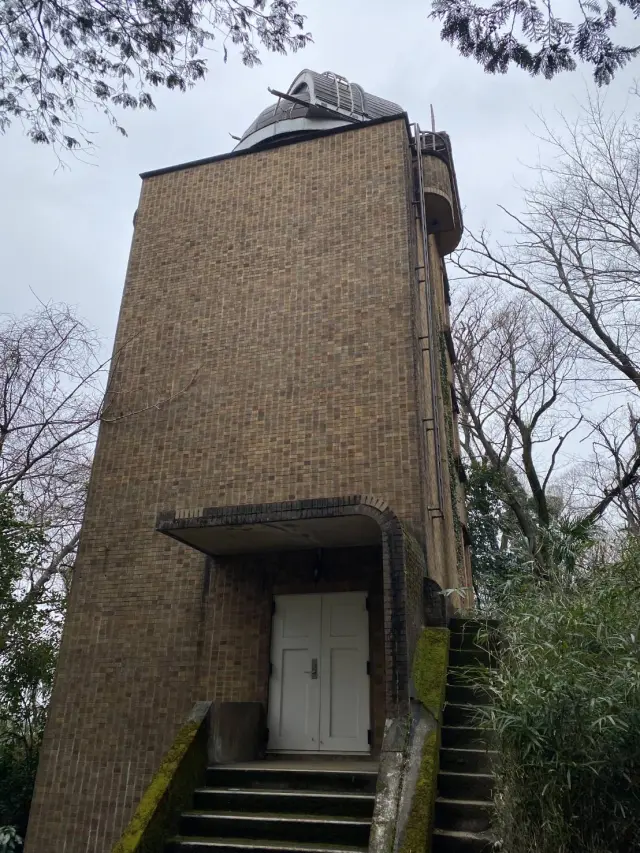
This is a fairly lesser-known but very interesting free attraction. You rarely see large crowds of tourists here, and no admission ticket is required. This time, an expert guided us into astronomical observation areas that are usually difficult to access, where we got an up-close look at retired observation instruments and telescopes that were actually used in the past. They were full of history. Rather than simply viewing an exhibition, it felt more like traveling through time with an expert, learning about the observation missions each piece of old equipment once carried out. It also made astronomical research feel more approachable. As we listened to the explanations along the way, we also learned about the history of astronomical observation in Japan, which began developing in the Meiji era〜
At Fuji Safari Park, you can drive your own car through the park and see the animals up close. It’s very different from visiting a typical zoo and was quite a novel experience.
Along the way, we saw lions, zebras, giraffes, and other animals roaming freely. They seemed to be living pretty well, and since their movements weren’t restricted, there were lots of fun and unexpected moments. We arrived a little late this time and missed the Jungle Bus, which was a bit disappointing. If I have another chance to visit, I’d like to enter earlier and take the Jungle Bus to experience the fun of observing the animals from even closer.
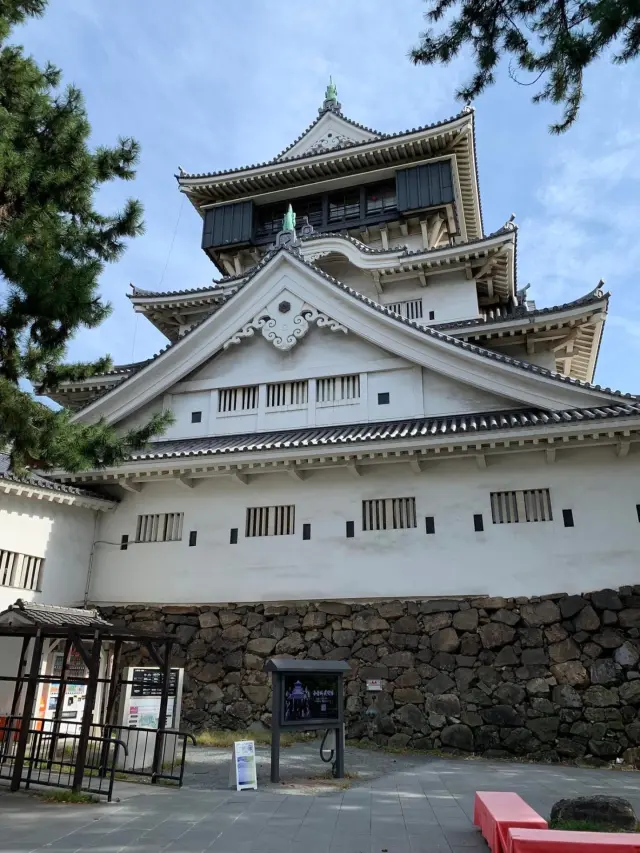
When visiting Kokura, of course you can't miss Kokura Castle. The castle isn't particularly large, but walking around the castle ruins and gardens, you can still get a sense of an old Japanese castle.
What I liked most was seeing Kokura Castle from different angles. The white walls paired with the dark roof look clean and neat. The surrounding trees and moat also give the whole area a quieter feel, so it doesn't feel like the kind of place where you just come to take photos, check in, and leave after seeing it.
If you happen to be traveling in Kitakyushu, I think it's worth setting aside some time to walk around here. There's no need to rush your itinerary—take your time exploring the area around the castle, look at the streets, and get a feel for how Kokura has a slightly different atmosphere from other big cities.
So far, my favorite castle is... Kokura Castle!
I actually only had an hour left to look around, but there happened to be very few people that day, so I had an absolute blast 🤣
And Kokura Castle isn't just a place where you look at historical exhibits. There are lots of interactive features, making it great for learning about the castle while having fun.
I especially liked the “Book of Five Rings” section!
When you put your hand on the scroll, a quote appears on the screen with super cool effects ✨
I tried all five of them〜
There was also a horseback archery experience. I thought it would be pretty easy, but my arms actually got pretty sore!
But I still did it twice〜
And then there was the most ridiculous expense of this trip.
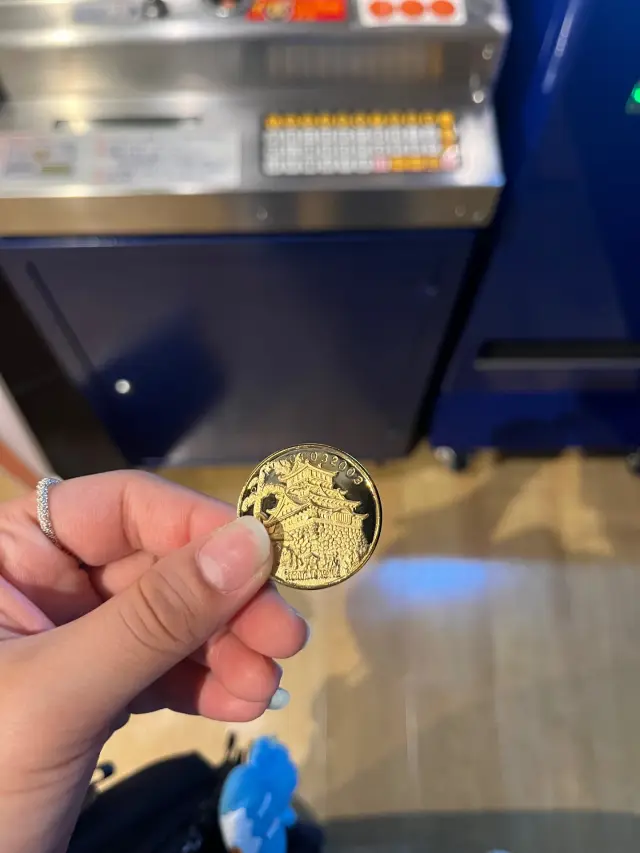
I thought engraving would only cost JPY 30, but then I found out I had to buy a souvenir coin, so it suddenly became JPY 700 🥹
And the worst part is that I... engraved! It! Wrong!
When you think about it, the souvenir coin actually cost more than admission〜 Oh well, I'm on vacation, after all.
Anyway,
travel is full of things you never planned to spend money on, but end up buying anyway!
Also, there's currently an event where anyone with the character “千” in their name can enter for free〜 I'm so jealous.
Kokura Castle also has a VR experience, but I arrived too late and couldn't try it, which was a bit of a shame.
I'll definitely have to come back for it if I get another chance! (Because everything else was so much fun.
And the whole place is really beautiful. Even the restrooms have a faint woody scent 😍
Finally, I went up to the fifth floor and got some photos of Kokura at night.
All I can say is that this place was way more fun than I expected〜 I really recommend it.
There was also a little unexpected twist.
My original plan was: hurry to Kokura Castle → go back to Mojiko and shoot some more footage.
But then...
Pa! Chin! Ko! Appeared!
It was my first time playing pachinko, and it had me trapped for two whole hours 🤣
Luckily, I won in the end!
Suddenly, those two hours didn't feel wasted.
(And I'd always wanted to try it anyway.
So that's it〜 Everyone should go check out Kokura Castle, because even someone like me who doesn't really enjoy visiting castles thought it was a lot of fun!
This is probably every girl's dream world!
At Sanrio Harmony Land in Oita, Kyushu, the entire park is surrounded by the cute magic of Hello Kitty, My Melody, and Kuromi, making even the air feel pink and sparkly✨. As soon as we entered, we came across a bubble water-gun party. The kids jumped around amid bubbles filling the air, and the whole opening felt like falling into a fairy tale—dreamy and fun!
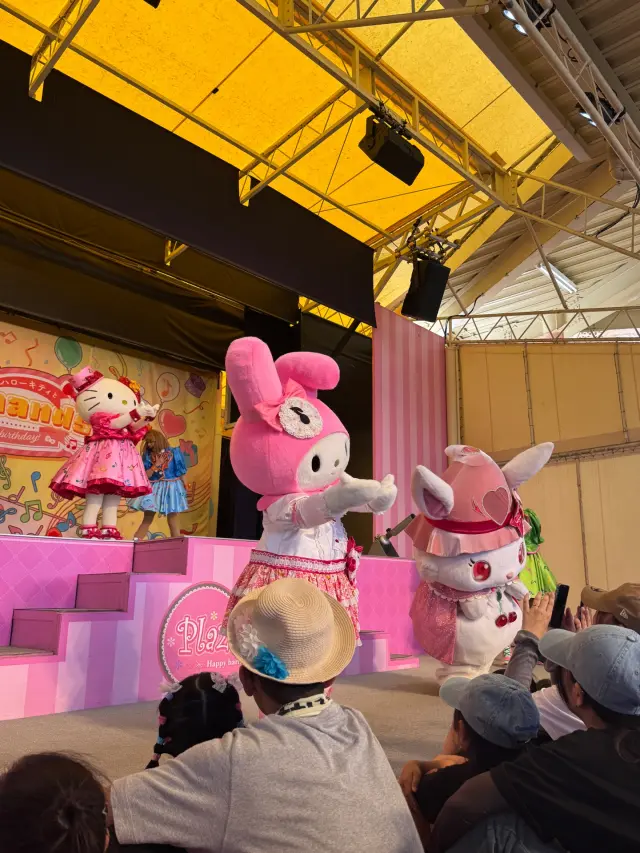
My daughter happened to visit on her birthday, and after receiving a birthday pin, she immediately unlocked the special birthday perks! Not only could she shake hands with Sanrio characters, but she could also join a Happy Birthday show, where Hello Kitty and My Melody appeared in person to sing and dance for the birthday girl.
Every ride in the park is perfect for little kids: a water-gun shooting ride, Ferris wheel, flying ships, roller coaster, and the much-anticipated Kuromi- and My Melody-themed lunch. It completely fulfilled a little girl's dream list.
The one thing you absolutely shouldn't miss is Hello Kitty Castle. Stepping inside the pink castle feels like entering Kitty's secret home, with cute furniture and dreamy rooms, and at the end, you can even take a photo with Hello Kitty.
The signature show, Parade Parallel, features dreamy bubbles floating everywhere and dazzling special effects. Hello Kitty and Dear Daniel lead the way, followed by My Melody, Kuromi, Pompompurin, Cinnamoroll, and the rest of the characters, all dressed in elaborate, gorgeous costumes. Unlike the distant feeling at typical large theme parks, the circular stage here brings the characters and dancers very close to the audience. Every wave and wink feels like they're greeting us personally. Watching the characters lead everyone in singing and dancing, the children around us were so excited that they danced along, and even the adults were swept up in that pure joy and couldn't help clapping to the beat.
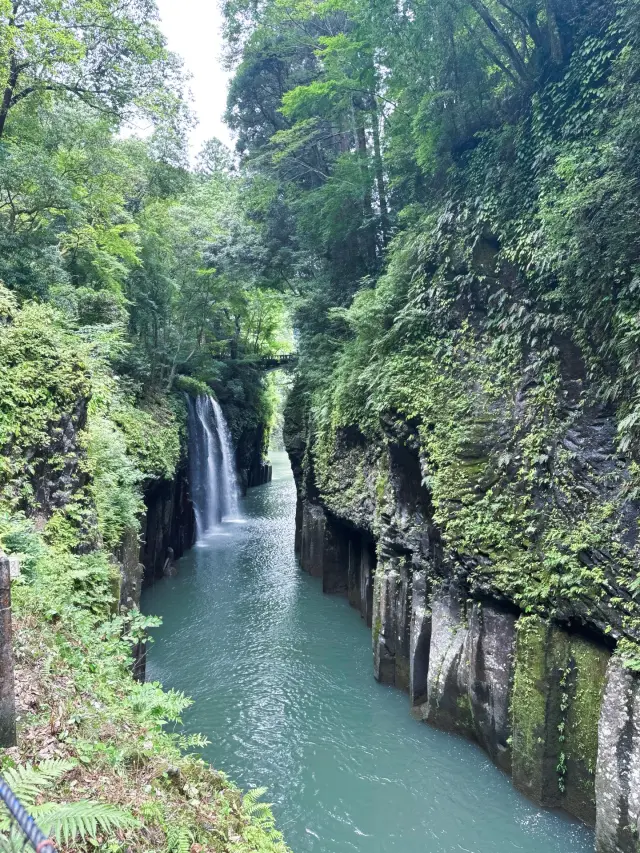
The trail stretches along the Gokase River gorge, flanked by towering cliffs dozens of meters high, made of columnar basalt formed when lava from Mount Aso's eruptions cooled. The finely detailed patterns running vertically along the rock walls look as if they were carved with knives and axes, revealing the magnificent power of nature shaped over millions of years. As you walk through, sunlight filters through the lush green canopy and falls on the clear, emerald-green water. Surrounded by rugged boulders and dense trees, with the faint roar of flowing water in the background, every step feels like walking through a painting.
After crossing the rustic and elegant Shinbashi Bridge, you reach Takimidai, the main observation point along the trail. From here, you get a wider, more complete view of Manai Falls—the pure white stream drops straight through a gap in the cliffs like a ribbon of white silk into the deep green pool below. Even from a distance, you can still feel its surging power and the remote, mystical atmosphere of this land of legends. Looking down at the gorge, usually filled with sightseeing boats, the absence of boats at that time instead gave it a more pristine and tranquil beauty.
Two weeks earlier, I had gotten up right on time specifically to book a boat ride at Takachiho Gorge and was lucky enough to get one of the tickets that sold out in seconds. I've been to Kyushu several times, but Takachiho Gorge was the one place I had never visited. I was looking forward to rowing through the magnificent gorge toward Manai Falls and feeling the spray from the 17-meter-high waterfall beside me.
Unexpectedly, the day before departure, I was notified that the water level was too high and the boat rides had been canceled. It was a little disappointing, but every trip leaves you with a reason to come back next time.
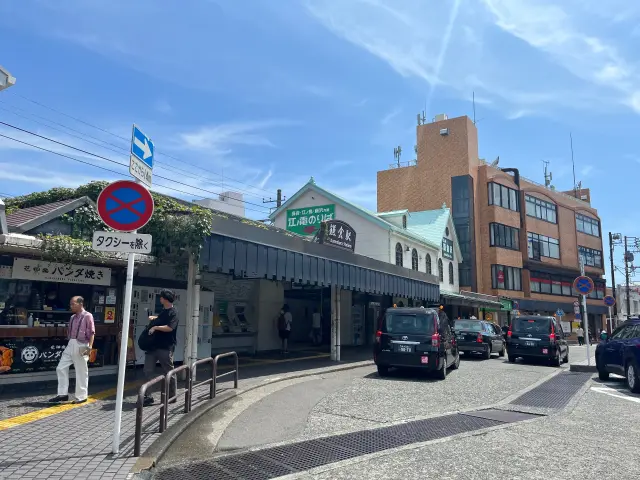
This August, I went back to Komachi Street in Kamakura to look for Lino Drops, a nearby shop that makes accessories from sakura shells. The shop also thoughtfully provides product cards in Chinese for gift recipients. I chose a pair of sakura shell earrings as a souvenir for myself. The Toshimaya main store is also here, with lots of special signature dove-themed merchandise. Everything is so cute that it's hard to choose.
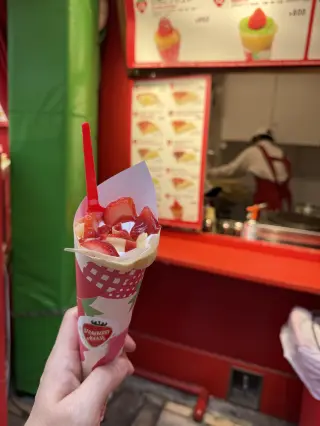
Since it was already August when I visited, I was delighted to see a new strawberry milk soft-serve shop on Komachi Street!
My family has always been really into strawberry flavors🍓
Overall, I was very satisfied, and it didn't leave me thirsty afterward〜
If you like matcha flavors, Komachi Street has that option too〜
If you want to avoid the crowds, I recommend taking the JR train to Kamakura on a weekday morning and leaving some time to explore Komachi Street. You might discover small shops that make you want to come back again and again.
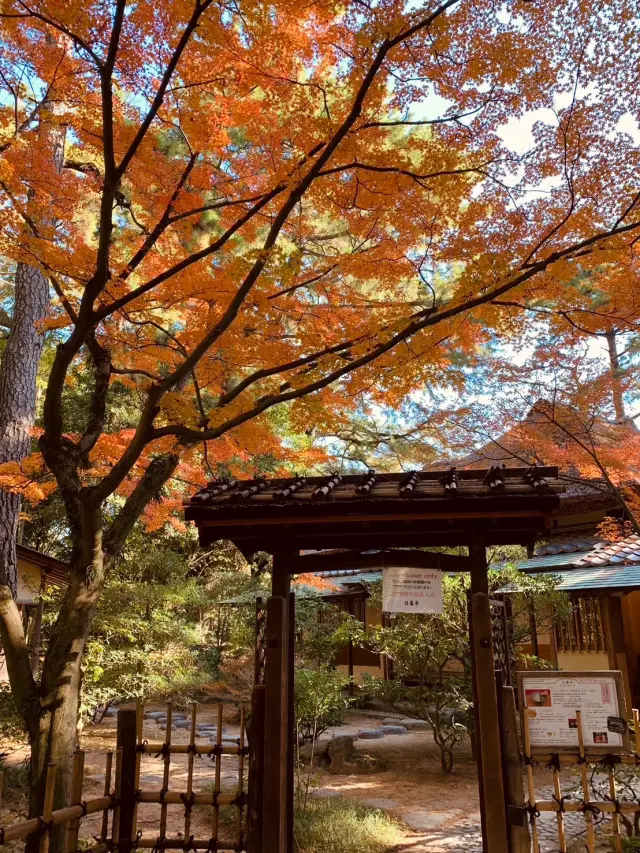
I arrived at Higurashi-tei in Ritsurin Garden just before evening, as the light in the garden was gradually growing softer, making it especially pleasant to walk around.
The maple leaves had also turned red, and as I walked along the pond, I occasionally saw broad stretches of red reflected on the water. I couldn't help but stop and take a few extra moments to look. Together with the pine trees and traditional buildings in the garden, it naturally created an autumn atmosphere.
I wasn't in any particular hurry to get anywhere, so I just strolled slowly through the garden, took photos, and enjoyed the scenery in front of me. By evening, Ritsurin Garden had become much quieter, which made it even easier to appreciate the character of the garden.
Travel Notes from Noboribetsu Marine Park Nixe in Hokkaido, Japan
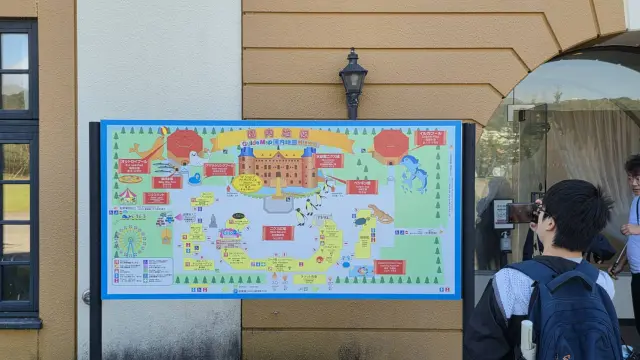
Our Hokkaido trip brought us to Noboribetsu Marine Park Nixe, a marine world that looks like a fairy-tale castle. Upon entering the park, the first thing that caught our eye was the magnificent red-brick castle. It stood out against the deep blue sky and became an unforgettable sight on our journey.
As we strolled through the park, we enjoyed the European-style streetscape and Ferris wheel, but the rich variety of marine life inside was even more impressive. Schools of tropical fish swam through enormous tanks, while colorful coral and reefs created a vivid underwater world. Walking through the transparent underwater tunnel, with fish swimming overhead, was also a fascinating experience.
We took photos in front of the aquarium, capturing the joy and emotion of this trip. Noboribetsu Marine Park Nixe is more than just a place to see marine life. It feels like a journey combining castles, nature, and fairy tales, adding romance and surprise to our Hokkaido trip and leaving us with wonderful memories to look back on.
Lake Shikotsu, Hokkaido | A Gentle Encounter with the Lake and Mountains
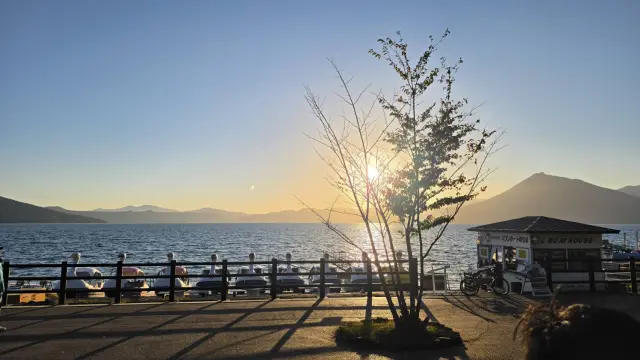
Arriving at Lake Shikotsu in Hokkaido felt like stepping into a peaceful landscape painting. The deep blue lake reflected the sunset, the distant mountains were bathed in golden light, and the greenery along the shore contrasted beautifully with the red iron bridge, adding a touch of romance.
We slowly walked along the lakeshore, watching the swan boats gently rock with the waves. As the breeze brushed against our faces, all the fatigue from the journey gradually faded away. The setting sun filtered through the treetops and fell across the lake, while light and shadow sparkled on the water. It made us stop and preserve this beautiful moment in our memories.
Our visit to Lake Shikotsu was not only a chance to see Hokkaido's magnificent scenery, but also an encounter with a quiet and heartwarming moment during our travels.
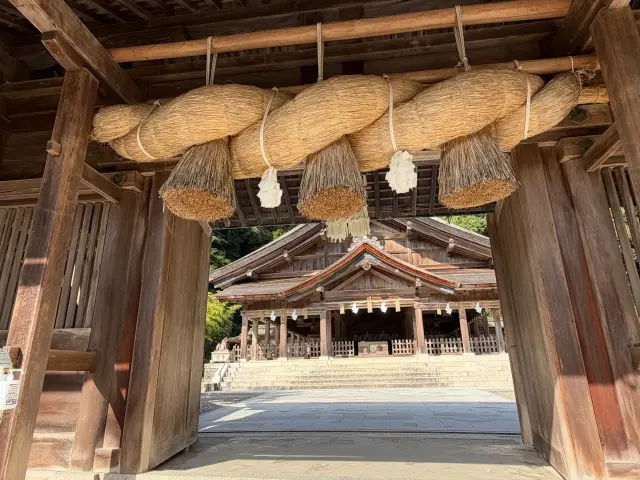
After visiting Izumo Taisha, I came to Miho Shrine. I stayed overnight in Mihonoseki specifically to see the 8:30 a.m. ritual. Miho Shrine is quite small and compact, and the ritual didn't seem as grand as what people online had previously shared, but it was still fine to experience. After all, it's rare to see shrine maidens, and their headdresses were beautiful. People involved in related industries, such as fishing or business, might find the visit more meaningful.
While visiting Yokohama, I made special plans to take the Marine Rouge restaurant cruise, enjoying a meal while admiring the harbor scenery. As the boat slowly left the pier, the view before me also began to change. Seeing Yokohama from the water felt different from viewing it on land.
During the meal, I could enjoy the coastal scenery through the windows, watching the city buildings, harbor, and ocean stretch into the distance. The atmosphere was very relaxing. As the boat continued along, I could also see Yokohama's cityscape from different angles, giving the entire meal an extra sense of occasion.
Rather than simply taking a boat ride to see the scenery, Marine Rouge combines food with harbor views, making the meal itself part of the itinerary. Feeling the sea breeze and looking out at Yokohama at night left me with a very memorable experience.
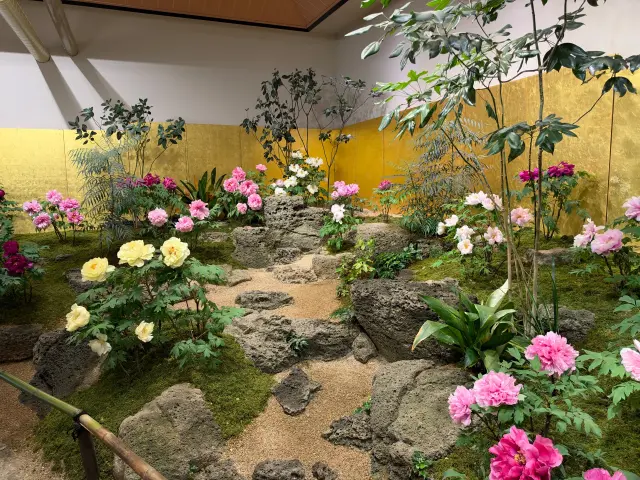
Before the trip, I hadn't planned on visiting Yushien Garden because it was the off-season, but my family wanted to see the red spider lilies, so we added it to our itinerary, and I unexpectedly really liked it. For 2026, the official website said the special red spider lily display would run from 9/18-23, and I saw a Google Maps review saying the flowers still looked good on 9/23. We took the bus from Matsue on 9/24 (transit cards are accepted). There weren't many people, and only three of us got off at Yushien Garden. Admission can be paid with PayPay, and the staff thoughtfully gave us a Chinese brochure.
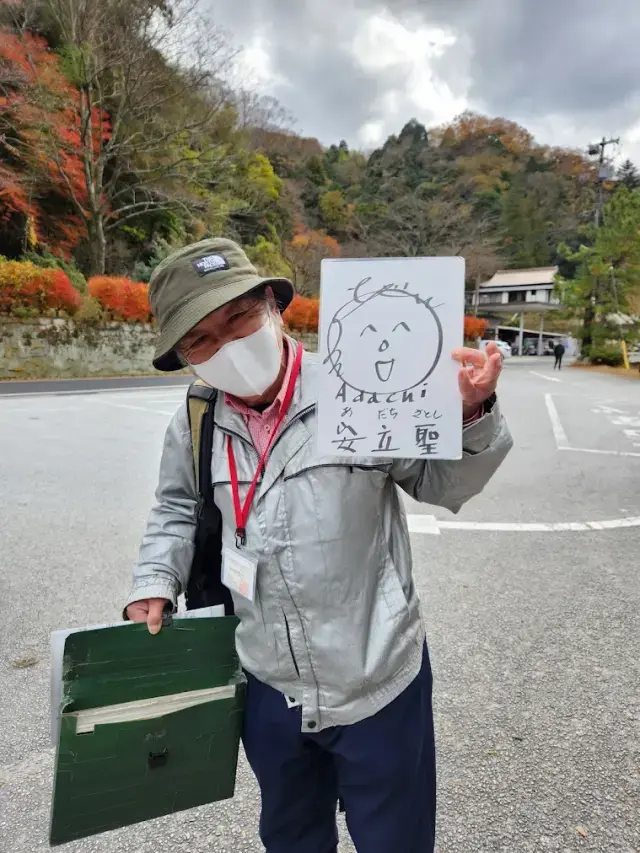
Although we had already visited the crowded Adachi Museum of Art, known as Japan's No. 1 garden, Yushien Garden was very pleasant to walk around because there weren't many people. The pines, peonies, and red spider lilies all looked like paintings. It's perfect for people who enjoy quietly taking in the scenery. There was also a Kobitos scavenger hunt going on, which was very cute.
The shop after the indoor peony area had tasteful items that were a great value, with more selection than the shop at the outer entrance. The view from the teahouse at the end was beautiful.
Off-season admission to Yushien Garden is JPY 1,000 for adults. It's ideal for travelers who enjoy peace and quiet, and you can leisurely see everything in about two hours. For the return trip, we took the bus back to Matsue from where we had gotten off. I hope to visit again when the peony pond display is in full bloom.
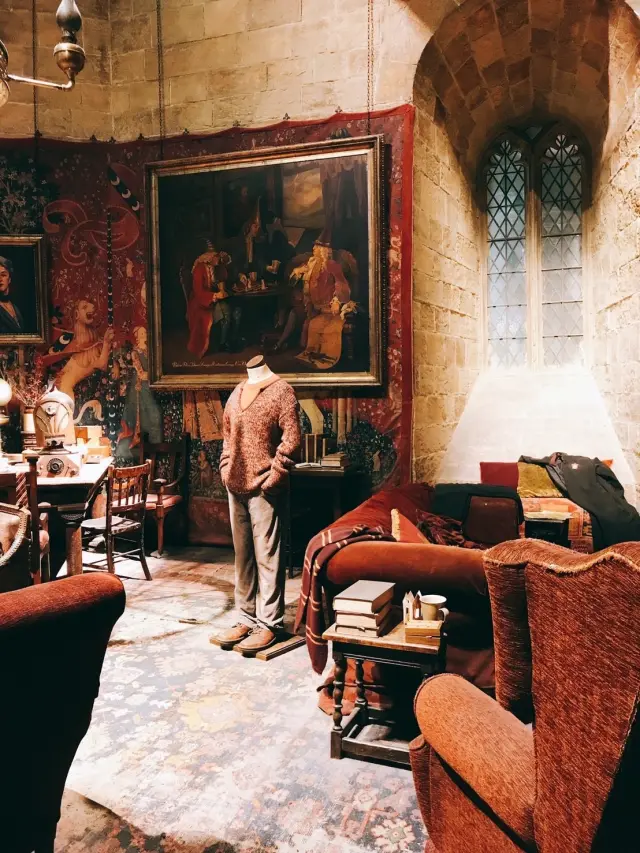
Warner Bros. Studio Tour Tokyo - The Making of Harry Potter
Walking into Warner Bros. Studio Tour Tokyo - The Making of Harry Potter felt like being instantly transported back to childhood, when I would watch the movies and wait for the magic to happen.
The familiar sets and classic character costumes filled every corner with memories, making me think back to how much I once longed for the wizarding world.
It turns out that even after growing up, the stories we once loved can still make our hearts flutter. I took photos and reminisced along the way, as if I were reliving the magical adventures from the movies.
Finally, I browsed the merchandise shop and brought my childhood dreams of magic home with me, leaving the best possible memory of this trip.
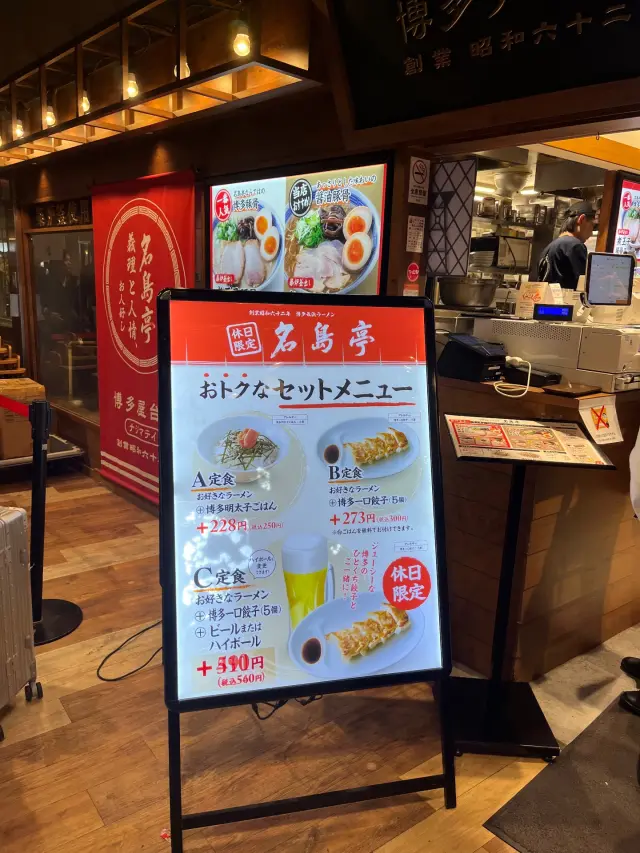
A department store connected to the station. On the second floor by the Chikushi Exit, there’s also a ramen street. It’s pretty small, but it was absolutely packed 😂
So in the end, I just switched to Ichiran Ramen.
There are also lots of things on the first floor, like convenience stores, really tasty mentaiko bread, and tons of souvenirs. A perfect way to drain your wallet, haha.
Oh, and definitely don’t go to the JR West counter to pick up your Kyushu JR Pass!
There’s a separate pickup location specifically for Kyushu.
Last time, I went to the wrong place and ended up wasting more than two hours. I almost made the same mistake again this time... Luckily, I suddenly remembered, or I really would’ve lost it 🤣
The subway and Shinkansen are actually on the same level, and there are signs, but I think you need to look carefully or it’s pretty easy to get lost.
I was originally planning to buy the All Kyushu Pass, but I actually chickened out, hahaha.
Maybe it’s because I booked the hotel for the wrong time yesterday and had to pay an extra TWD 1,500. My wallet has already taken such a beating that it’s dizzy 💫 (and so am I
Finally, I bought a rice ball. So, starting with a salmon rice ball, here begins my second trip around northern Kyushu~~~ (It’s been so long since I wrote a review that I’ve forgotten how, haha)
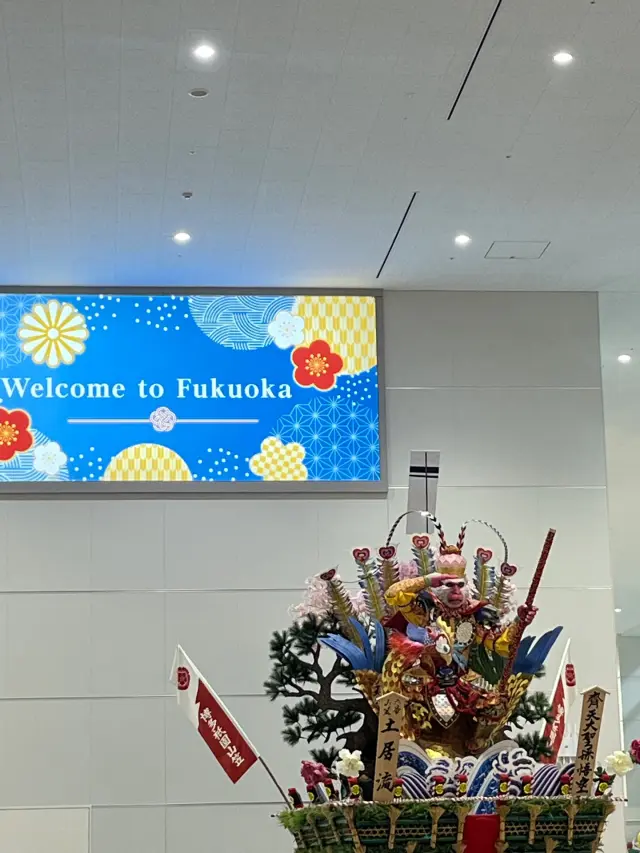
Hehe, this trip is all about leaving Mom behind. She kept saying I was so heartless. Early this morning, I saw Mom off from Busan to Taiwan, and in the afternoon it was my turn to fly from Busan to Fukuoka. It was very quick, less than an hour. My steam eye mask had just cooled down (finally I could take photos and make a post), and as soon as I came out after picking up my luggage, I saw a huge Yamakasa float. So happy〜
This time I took the bus back to central Hakata. The stop was very easy to find, right behind Lawson.
But next time I'll probably take the subway because the bus was a little shaky, plus there were so many people that it was hard to breathe.
JPY 400!
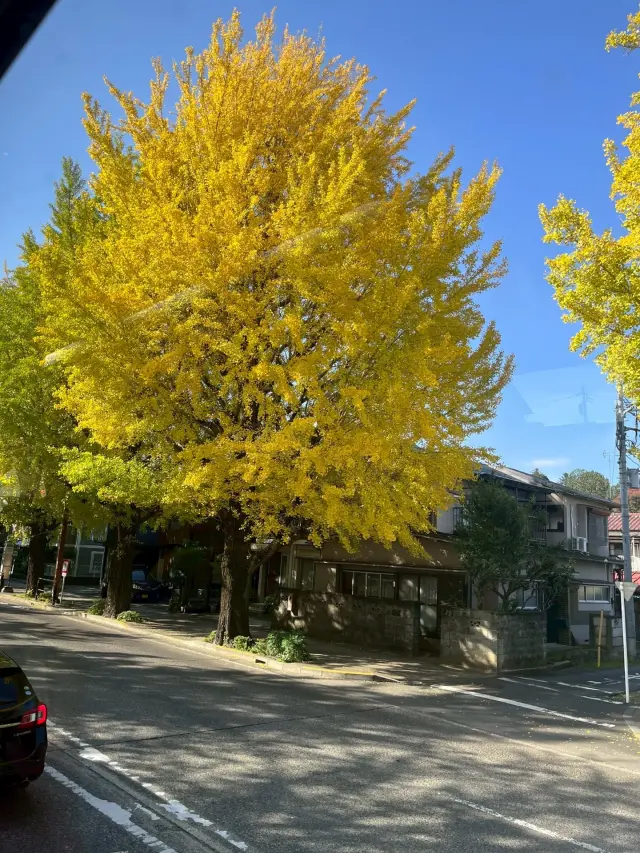
As the weather gradually cools and a single leaf heralds autumn, I think back to my 2025 Tokyo fall foliage trip~
An unexpected discovery during the trip was strolling through a grove of ginkgo trees. The towering canopies on both sides had already turned a rich golden yellow, with sunlight filtering through the leaves. Walking among them, I was surrounded by the beauty and tranquility unique to autumn.
An autumn night beneath TOKYO SKYTREE. I arrived at TOKYO SKYTREE in the evening and looked up at the majestic tower soaring overhead. The warm surrounding lights intertwined with branches covered in orange-yellow leaves in front of me, adding a gentle touch of autumn to the modern architecture.
With autumn on my mind, I could feel in the slightly chilly weather that winter was approaching. May this feeling continue to accompany me on my travels around Japan ^_^
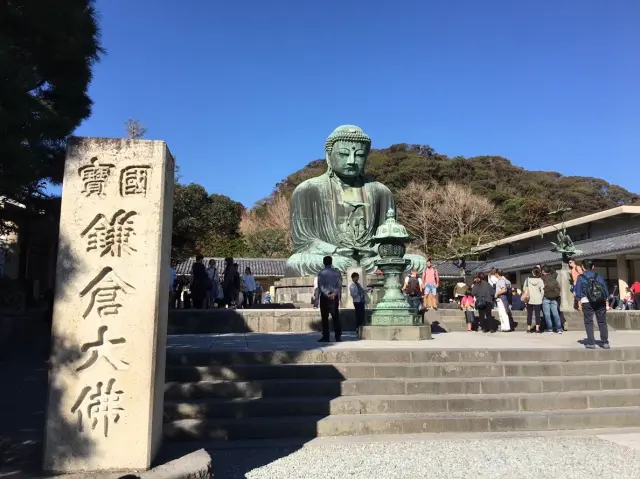
When visiting Kamakura, of course you can’t miss the classic Kotoku-in Temple and the Great Buddha of Kamakura! As soon as you enter the temple grounds, you can see the enormous Great Buddha sitting in the courtyard from a distance. Standing in front of it in person, it really feels more impressive than it looks in photos.
The Great Buddha is one of Kamakura’s most iconic attractions, and the surrounding area is very peaceful, creating a completely different atmosphere from the bustling streets. As you slowly walk closer and admire its details, you can feel the weight of its long history.
I specifically made time to come see it on this trip to Kamakura. Although I didn’t stay very long, it was still well worth seeing the Great Buddha from textbooks and travel photos with my own eyes.
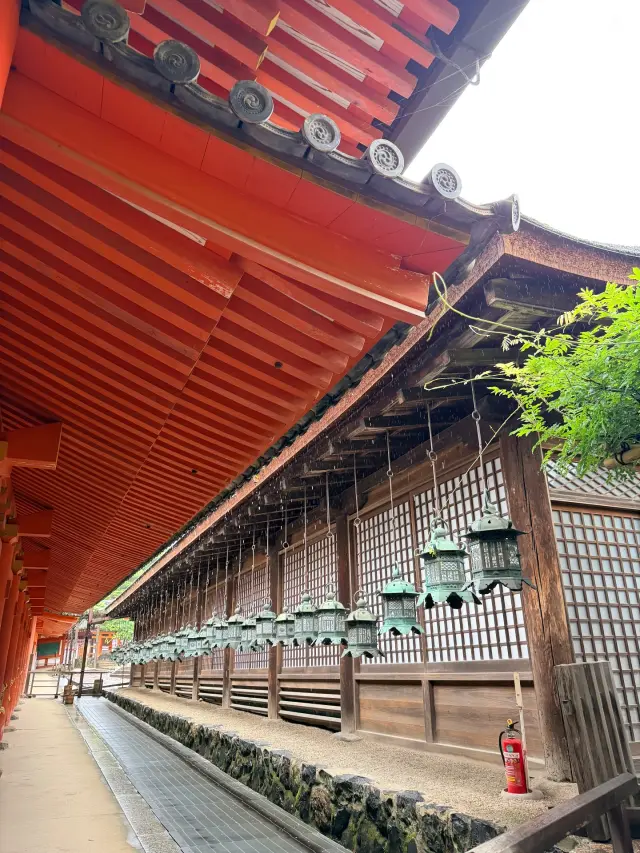
Kasugataisha Shrine in Nara. Unfortunately, it happened to be raining, which made the whole visit feel a little rushed. I had originally hoped to slowly walk along the approach, surrounded by the atmosphere of the ancient capital in nice weather, but instead I had to make my way there under an umbrella.
Along the way, I saw the tall trees, stone lanterns, and rows of hanging lanterns on both sides. Together with the rain-soaked stone path, they created a very quiet and mysterious atmosphere. Although I didn't get the beautiful sunny-day views I had hoped for, Kasugataisha Shrine in the rain had its own unique charm.
Walking through the forest was especially peaceful, and I occasionally saw Nara's deer wandering through it. It really felt like visiting an ancient shrine. Unfortunately, because of the rain, I wasn't able to take my time and fully explore.
If I visit Nara again, I hope the weather will be nice so I can walk through Kasugataisha Shrine once more and make up for all the scenery I didn't get to see enough of this time!
I drove to the Silo Observatory in October, and the view here was incredibly expansive. The entire surface of Lake Toya and the islands in the middle were all visible at a glance. When you take photos next to the large “TOYA” sign, the spectacular lake and mountains are right behind you. You can also occasionally see sightseeing helicopters flying overhead, which makes for a magnificent sight.
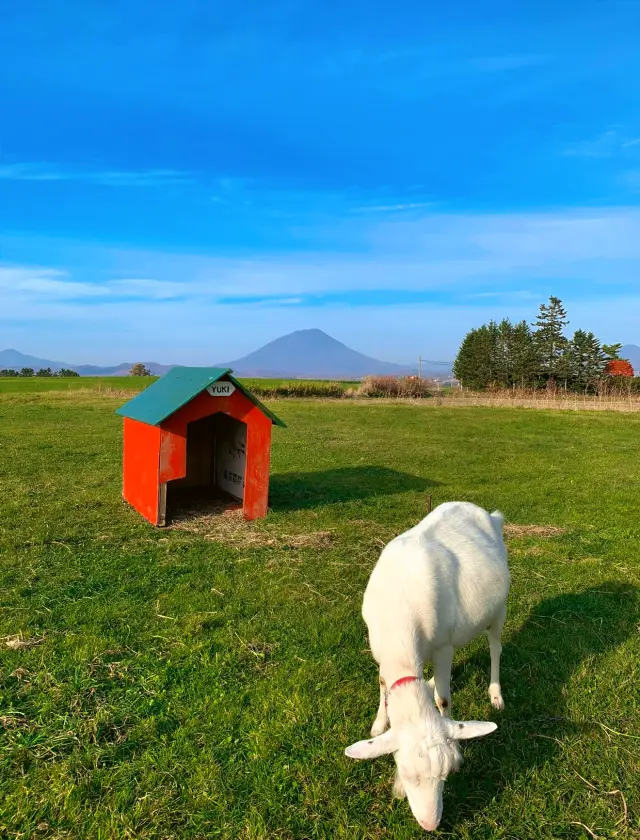
After leaving the observatory, it was only a short drive to nearby Lake Hill Farm. There’s a vast green lawn here, with beautiful Mt. Yotei visible in the distance. There were even cute little white sheep grazing with their heads down, creating a very relaxing atmosphere.
The farm’s ice cream shop is in a small wooden building surrounded by autumn trees, giving it a warm, country feel. I ordered a rich soft-serve ice cream and slowly enjoyed it outside while taking in the expansive scenery. It was the perfect way to relax and enjoy a slower pace.
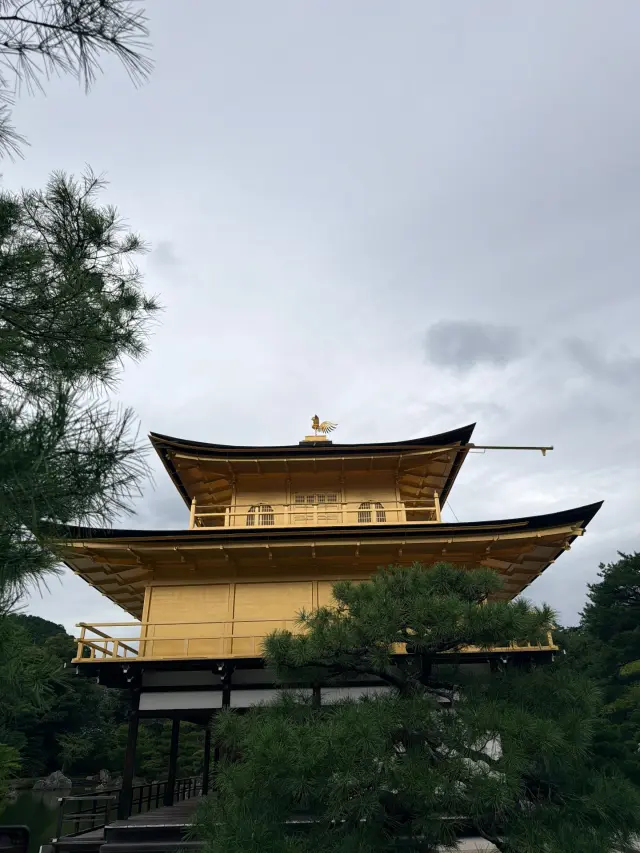
It’s really hard not to be drawn to Kinkaku-ji in Kyoto! Its official name is Rokuon-ji, and its most iconic sight is the glittering golden Shariden reflected in Kyoko-chi Pond. It was still beautiful at first sight and is definitely one of Kyoto’s most representative views.
As you stroll through the garden, you can admire Kinkaku-ji from different angles. With the pond, greenery, and surrounding Japanese garden scenery, every angle offers a different feeling. The golden building is especially striking in the sunlight when the weather is nice.
Although Kinkaku-ji is a very popular attraction in Kyoto and gets quite crowded, once you enter the garden, you can still feel the elegance of a traditional Japanese garden. It’s nice to take your time walking around and taking photos, especially for first-time visitors to Kyoto.
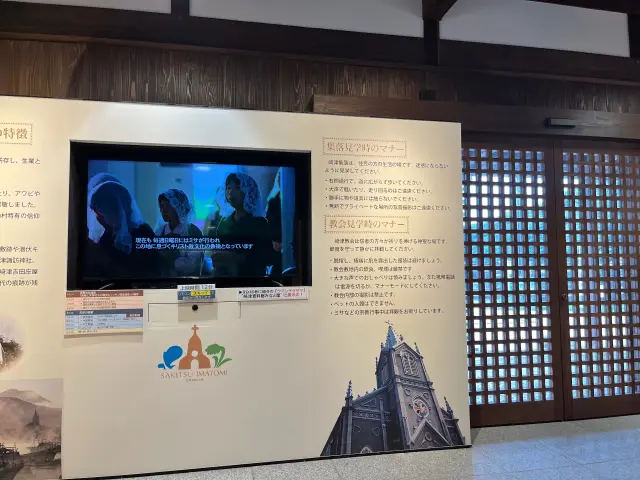
🌿 World Heritage Site・Sakitsu Village
First, I saw the commemorative marker for the “Hidden Christian Sites in the Nagasaki and Amakusa Region” World Heritage Site.
On a quiet afternoon, I strolled through the sparsely populated World Heritage Site of Sakitsu Village. There was no bustling commercial district or crowd of people, so I could take my time observing the houses, streets, and residents’ daily lives.
Sakitsu Village weaves together faith, history, traditional homes, mountains, and the sea.
Christianity went through a period when it was banned. The older guides told stories about this fishing village and how the faith continued to live on here.
A quiet little place where you can walk slowly, look around at your own pace, and take in the stories that remain here.
“Take part in a famous life, enjoy life”〜
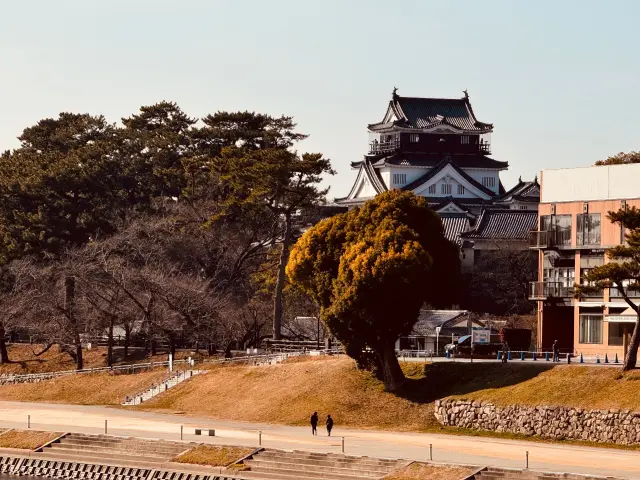
Located in Okazaki City, Aichi Prefecture, it can be reached in about 30 minutes from Meitetsu Nagoya Station. Although it may not be a top priority when visiting Nagoya, Okazaki City is historically significant as the birthplace of Tokugawa Ieyasu, the first shogun of the Edo period, and Okazaki Castle itself has important historical value. It is about a 15-minute walk from Higashi Okazaki Station. Along the way, you will pass Sugo Shrine, Okazaki Park, and Ryujin Shrine, while Okazaki Castle is located inside Okazaki Park. Although the grounds are not very large, you can see the castle keep from Tonobashi Bridge over the Oto River. Okazaki Castle has 3 stories and 5 floors, and from the top you can look out over the Higashi Okazaki area. There aren't many visitors inside, so you can take your time exploring. After visiting Okazaki Castle, you can return to the area near the station for some food and finish up this half-day trip. If you visit Nagoya, remember that you can also stop by this historic site just 30 minutes away.
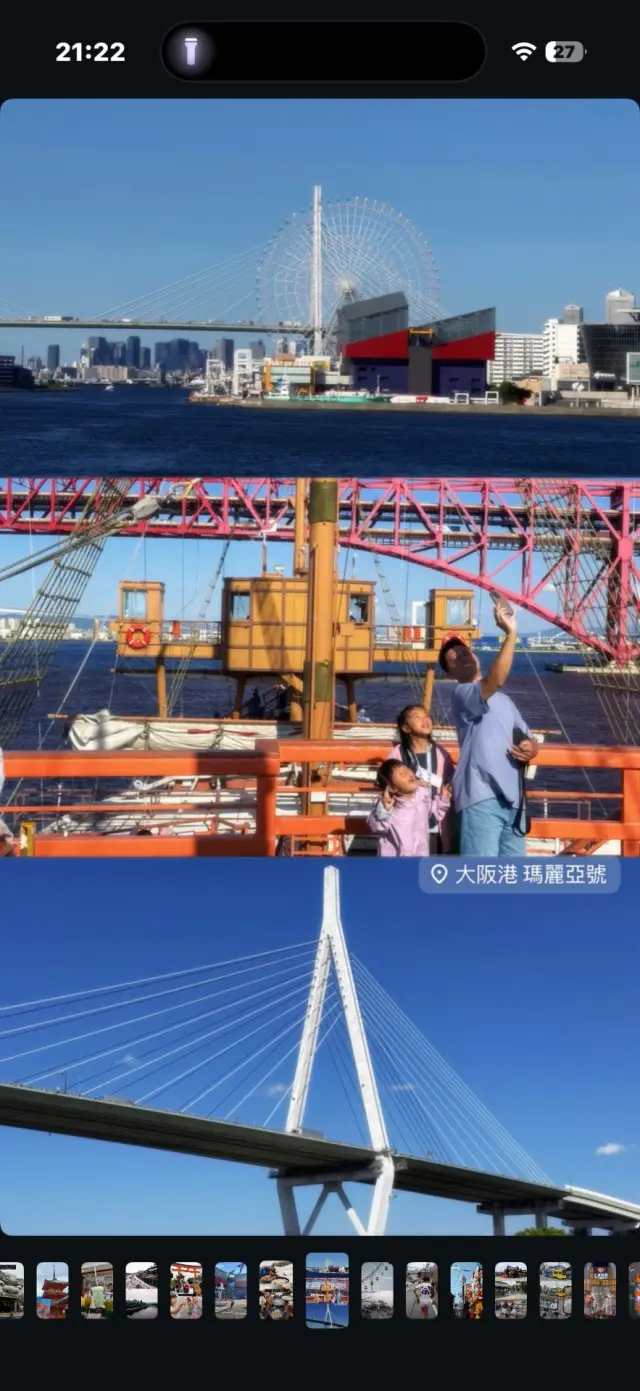
Santa Maria, a sightseeing sailing boat of the Osaka Port
The Santa Maria at Osaka Port is a great stop for families to slow down and relax together during the trip.
After boarding, we took a leisurely walk along the deck with the sea breeze blowing toward us. Osaka Port looks completely different from the boat than it does from land. The kids were excited just to be “heading out to sea on a boat,” enjoying the breeze and taking in the harbor views.
The cruise doesn’t feel rushed. Instead, it has a leisurely pace that lets adults sit down and rest while the kids explore.
If you’re already planning to visit Osaka Port, the Osaka Aquarium Kaiyukan, or the Tempozan area, the Santa Maria is easy to add to your itinerary as a relaxing little cruise during your trip. ⛴️🌊
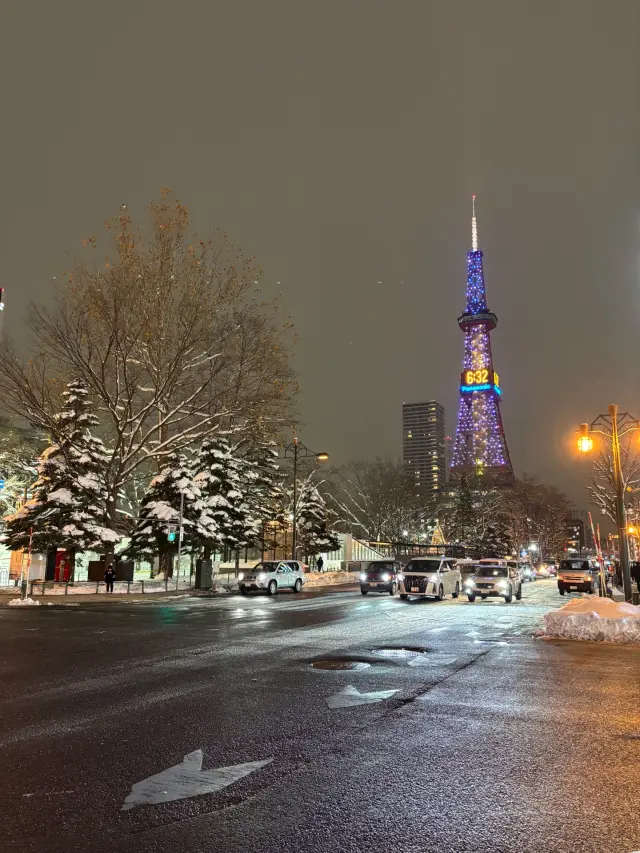
Visiting Sapporo, Hokkaido, in winter, Odori Park seems to be dressed in a silvery-white winter outfit. Strolling through the park, you're greeted by crisp yet refreshing air. Pure white snow blankets the ground, giving the entire city a romantic and peaceful northern atmosphere.
The most exciting part was happening to be there during the Sapporo Snow Festival. The normally spacious Odori Park is transformed into a massive stage of ice and snow, with intricately carved snow and ice sculptures standing throughout the park. Some are grand and imposing, while others feature exquisite details, and they look even more magical under the lights. Walking among them at night, with colorful lights reflected on the sparkling ice and snow, even the cold weather can't dampen the lively atmosphere.
As you admire the spectacular snow sculptures and hear the crunch of snow beneath your feet, everything you see is filled with a charm unique to winter. This visit to Odori Park wasn't just about enjoying the snowy scenery—it felt more like stepping into a magical exhibition that appears only in winter.
The layout of Osaka Aquarium Kaiyukan is truly impressive. After entering, you first take an escalator straight to the top floor, then follow a comfortable spiral ramp downward, viewing the marine life in the same enormous tank from top to bottom and from different angles. The design is excellent. The stamp booklet offered inside is also a lifesaver—the stamp-collecting activity is beautifully designed and fun, and it completely keeps the kids' attention. They can look for stamps along the way, so the adults can explore at ease while the kids have a great time. It's a highly recommended attraction for the whole family to explore together!
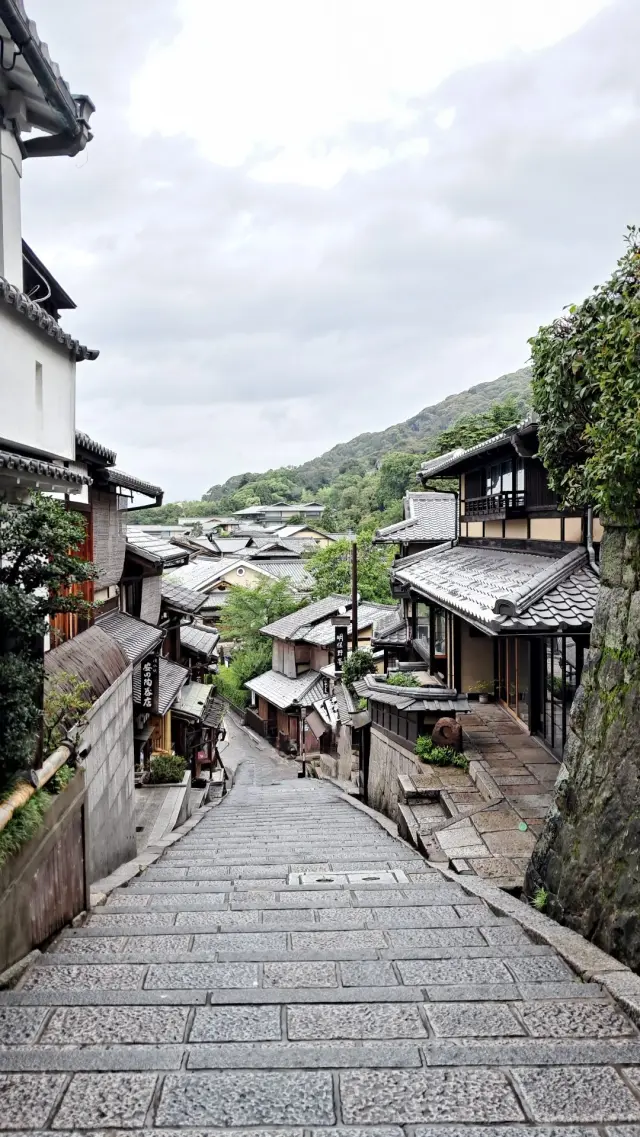
Kiyomizu-dera in the early morning has a charming historic atmosphere. I brought my elders to visit this historic site (I recommend coming early, as it gets more crowded around noon).
Since we were traveling independently, we could wander around at our own pace. From high up at Kiyomizu-dera, we looked down over a sea of greenery and imagined the maple leaves turning red in the fall (I'll definitely visit again if I get the chance).
I bought a commemorative omamori, hoping my family will stay safe and healthy〜❤️
I fell deeply in love with the beauty of Kyoto🥰
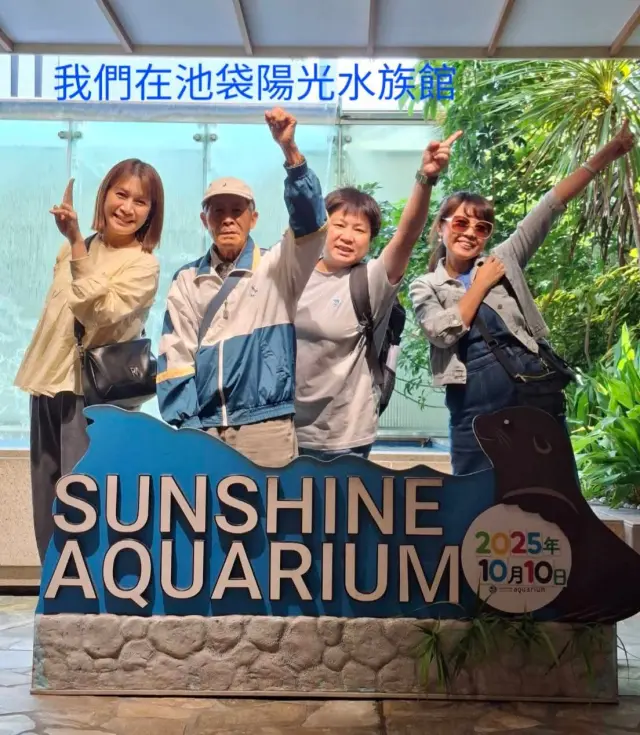
Day two of my independent trip to Tokyo—visiting Sunshine Aquarium at Sunshine City in Ikebukuro.
Being able to visit an aquarium inside a shopping complex made me so happy 😃💕. Watching the penguins leisurely soar through the water and seeing all kinds of fish was so cute. It's great for families with children 🥰
The complex has all kinds of food to choose from. This time, we chose a restaurant with an Okinawan atmosphere. The food was delicious, and the older members of the family really liked it too.
After eating, we browsed the mall and spent a leisurely half day there—highly recommended 😘
Nerima, Tokyo · Musashino Academia Musicae
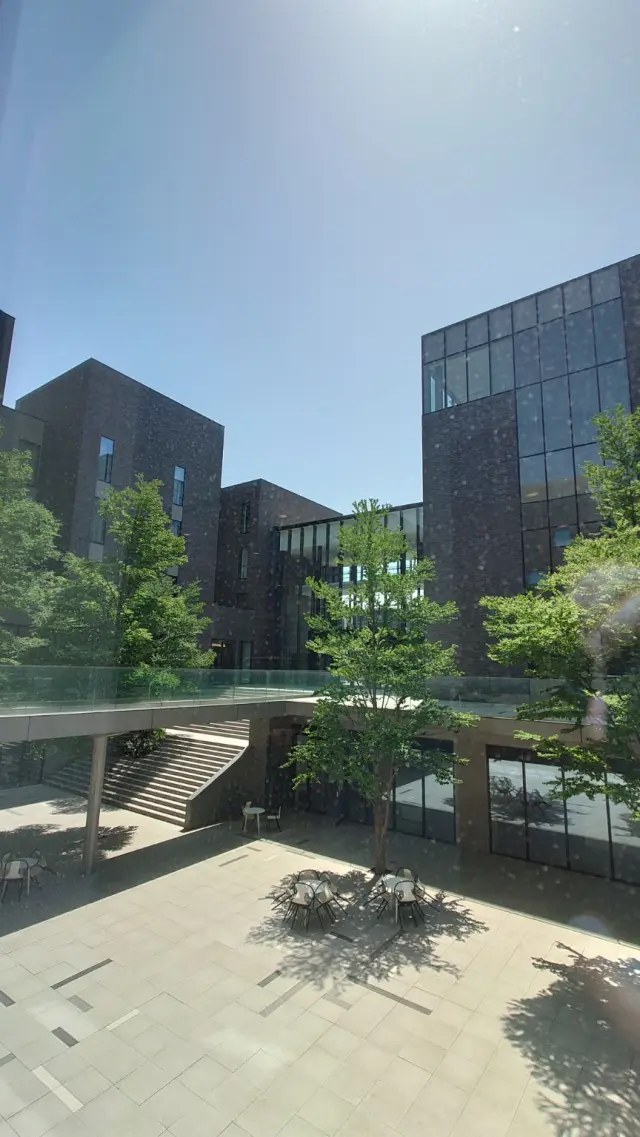
Through an opportunity for musical exchange, we stepped into this world-class music school. From the campus’s stately, richly layered architecture to the elegant library spaces inside, every corner exudes a strong artistic atmosphere. Entering the concert hall, a huge pipe organ stood quietly on the stage. The wooden interior and carefully designed acoustics let us feel the power of music before we even heard a note.
When the orchestra began playing, the stage, space, and sound blended together. The emotion wasn’t just felt by the children; it deeply moved us as well. Watching young students pursue their musical dreams here, we as parents couldn’t help but want to return to our own student days and once again experience the purity and joy of learning amid the sounds of the piano and musical movements.
This trip was not only a musical exchange, but also a journey that reawakened our hearts through music.
AQUA CiTY ODAIBA, a waterfront shopping complex where you can enjoy spectacular seaside views and shopping all in one place!
Located next to Odaiba Marine Park, it offers excellent views and an up-close look at the dreamy nighttime scenery of Rainbow Bridge and Tokyo Bay. Inside, you'll find popular brands, the best photo spot for the Statue of Liberty, a wide variety of international restaurants, and a movie theater. Whether you want to shop till you drop, enjoy great food, or take in the sea breeze and sunset, this is an essential leisure destination in Odaiba!
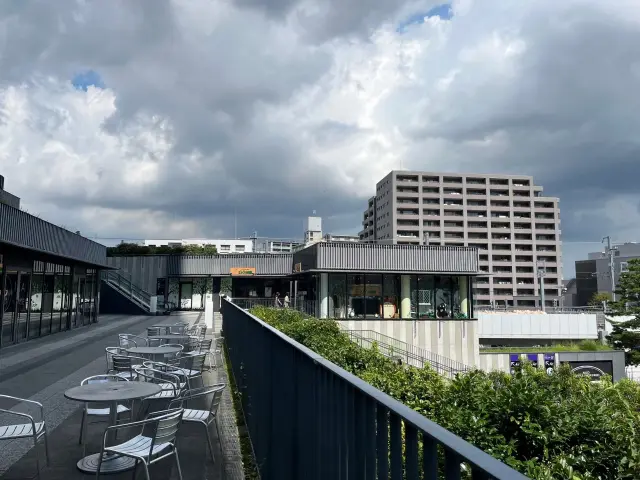
SAN-A Urasoe West Coast PARCO CITY is definitely Okinawa's best, largest shopping mall with unbeatable ocean views!
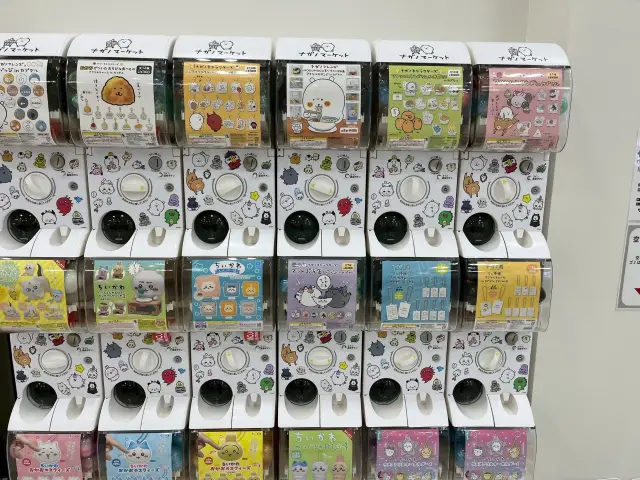
It brings together a wide variety of stores, from trendy clothing and curated vintage shops to an entire section of Chiikawa (ちいかわ) capsule toy machines. There's even an adorable giant Chiikawa balloon display, so there are surprises everywhere you look. The food court also offers plenty of choices, including the classic bubble tea shop Gong cha and delicious local Japanese pork cutlet set meals, so you can eat to your heart's content. With unbeatable ocean views and a comfortable, refreshing space, whether you want to shop, enjoy good food, or take beautiful photos, this is a top choice for an independent trip to Okinawa!
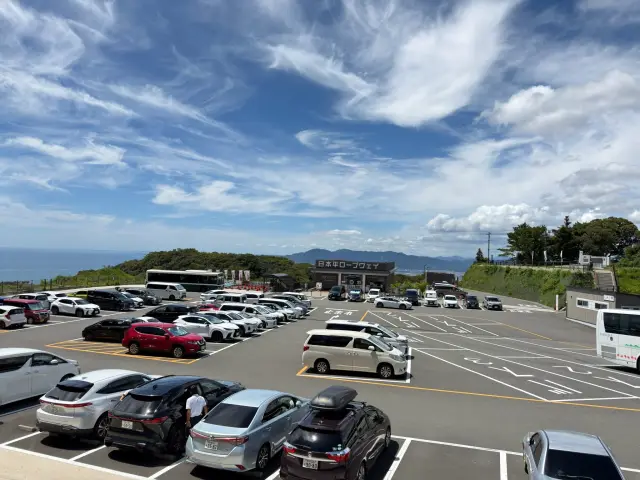
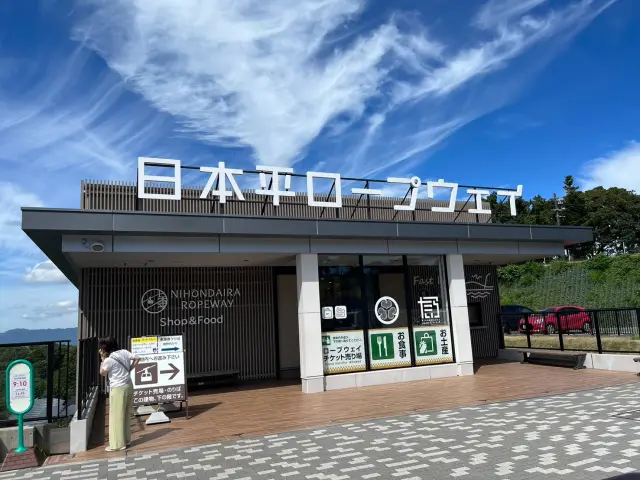
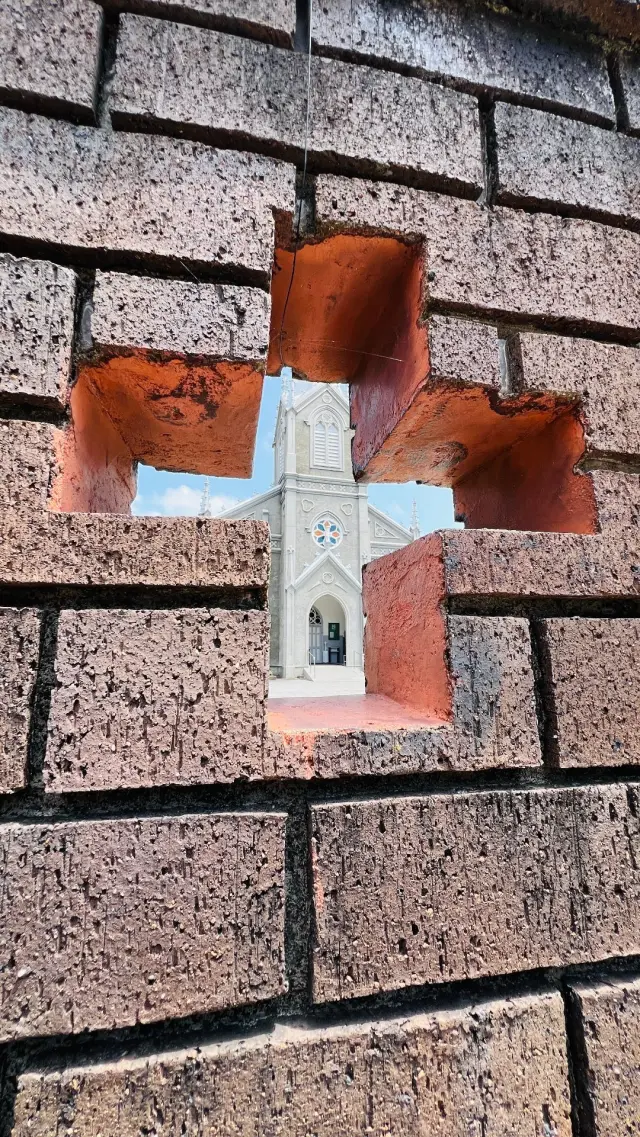
Nihondaira Yume Terrace is located at the summit of Nihondaira, not far from Nihondaira Station on the ropeway to Kunozan Toshogu Shrine, so it's perfect for stopping by after riding the ropeway. The best part is the scenery! When the weather is good, you can see Mt. Fuji, Suruga Bay, and Miho no Matsubara, with a wide-open 360-degree view.
You don't need to plan anything special here. Just feeling the breeze and slowly taking in the mountain and ocean views is very relaxing. I also highly recommend the café inside. Find a seat, have a cup of coffee, and enjoy the scenery—it's truly leisurely.
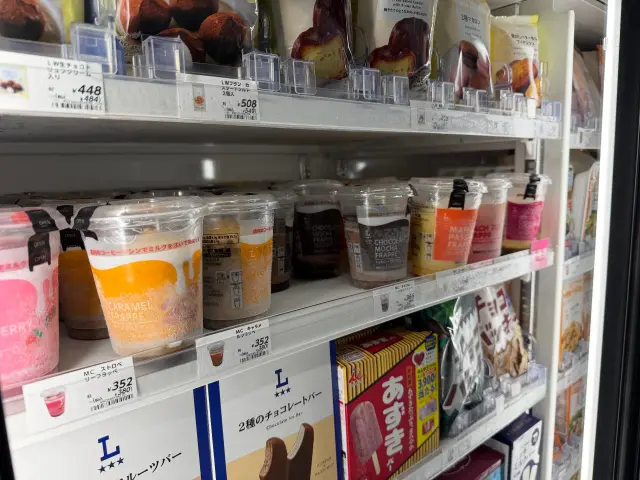
This was my first time trying LAWSON's MACHI café! I bought a Chocolate Mocha Frappe for dessert after my meal. Just add milk from the coffee machine, and it's ready. It's an easy drinkable dessert! Personally, I thought it could be a little less sweet, but the fresh milk and ice went really well together and tasted great! There are many different kinds of frappes, so I'd like to try another one next time! Of course, they also have coffee and café lattes, so I'd like to try those too!
Our one-day Mt. Fuji tour brought us to Owakudani in Hakone.
We took the ropeway to Owakudani, and as it climbed, lush greenery came into view. Unfortunately, it started drizzling, so after getting off, we could only walk around in the rain. The air was filled with the smell of sulfur, and we briefly enjoyed the natural geothermal scenery.
Next, we went to the shop to buy the famous black eggs. They say eating one adds 7 years to your life😱, so of course we had to eat more🤣
The souvenir shops were fun to browse and shop at, with lots of regional limited-edition items. I went overboard again😅
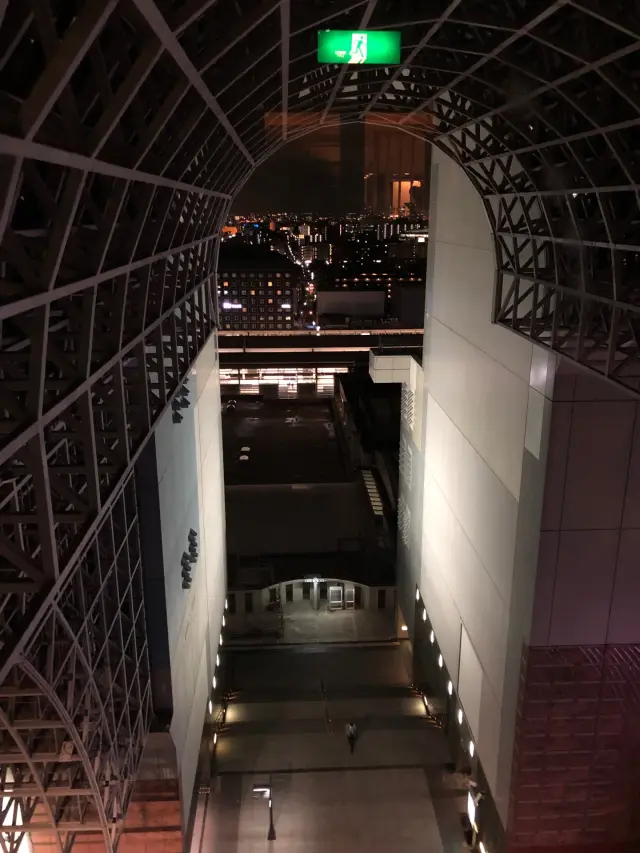
Grand and modern by day, romantic and dazzling at night—Kyoto Station never gets old.
I especially love setting aside some time at the station:
Going upstairs to admire the illuminated Kyoto Tower in the distance
Stocking up on matcha desserts and souvenir boxes in the underground shopping area
Having a steaming bowl of ramen upstairs before catching the train 🍜
As both the starting point and the final stop for travelers, this place truly offers beautiful views, great food, and shopping all in one〜Next time you're passing through, don't rush off. Set aside some time to explore and take photos.
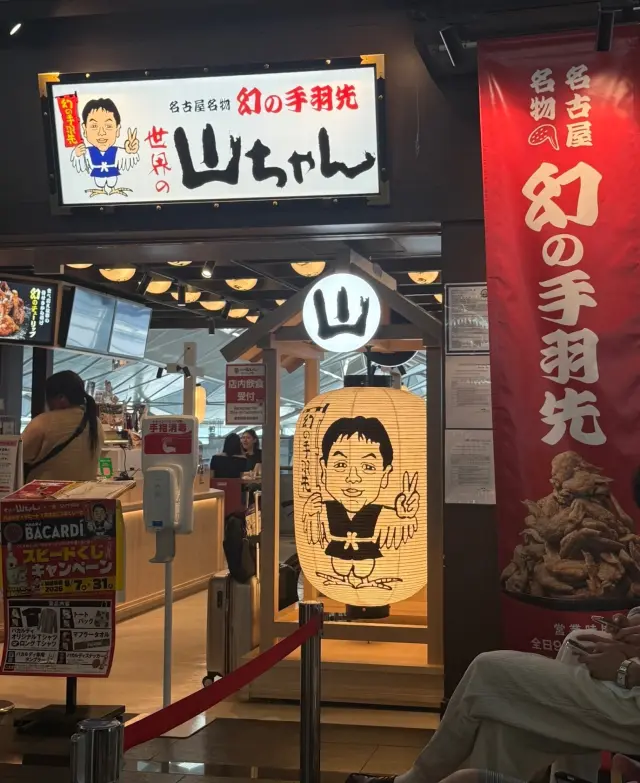
A friend recommended Sekai no Yamachan as a must-eat in Nagoya, especially their signature tebasaki—fried chicken wings. If you want something lighter with more variety, order one of their set meals. The chopstick sleeve has fun illustrations showing “How to Enjoy Maboroshi no Tebasaki.” Follow the instructions and you can eat the wings completely clean〜 The outside is crispy without being greasy, while the meat is tender and juicy. The salty, fragrant pepper seasoning has a slight kick that leaves you licking your fingers and wanting more.
Besides the fried chicken wings, we also had miso fried pork skewers and fried shrimp rice balls that day. Very satisfying! Although Sekai no Yamachan also has a location in Taipei, when you're in Nagoya, you have to eat it locally for the real experience.
To get to Kunozan Toshogu Shrine, you first take the cable car, with beautiful views of the forest and Suruga Bay along the way. After arriving, you climb the stone steps, surrounded by lush green trees. Walking up the steps feels like traveling through time.
The shrine buildings themselves are also very ornate, with vermilion structures and intricate carvings. The details are really worth taking your time to appreciate.
Looking out over Suruga Bay from the mountain, the ocean view combined with the ancient shrine creates a very special atmosphere〜
The whole trip is a little tiring, but the scenery and atmosphere along the way make it well worth it!
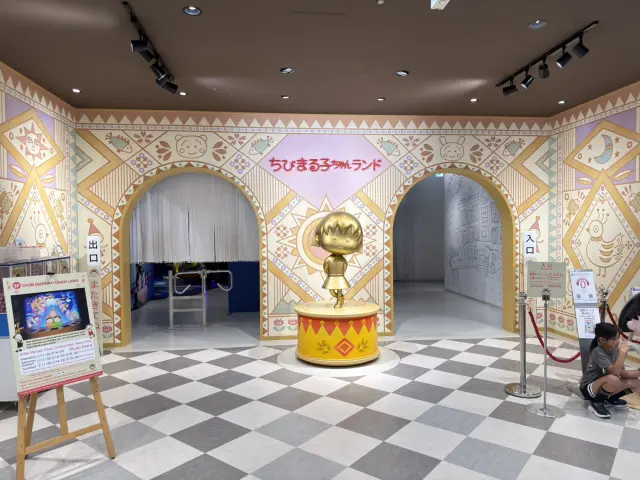
As soon as you step into the world of Chibi Maruko-chan, it really feels like you're going back to your childhood.
The familiar Maruko, her classmates, and all kinds of classic scenes are brought to life in 3D. As you walk around taking pictures, you can't help looking for the characters you know.
You may also get a chance to interact and take pictures with “Maruko herself”!
There are 2 appearances on weekdays and 3 on holidays. If the timing works out, I highly recommend adding it to your plans. Seeing Maruko appear in person is really cute!
Chibi Maruko-chan Land is also inside S-PULSE DREAM PLAZA, so after visiting, you can grab a meal, browse the shops, and do some shopping, making it very convenient to plan your day.
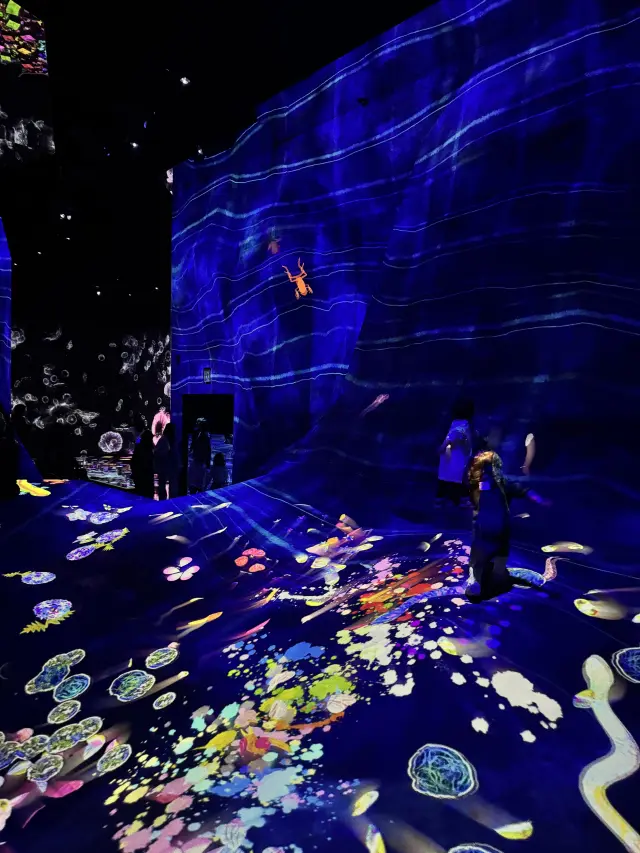
Drawn in by the “Art Aquarium Exhibition Nagoya 2026” poster at the entrance of the Chunichi Building, I went inside and bought a ticket to see the exhibition combining goldfish, aquarium art, lighting, music, fragrances, and more. It was eye-opening.
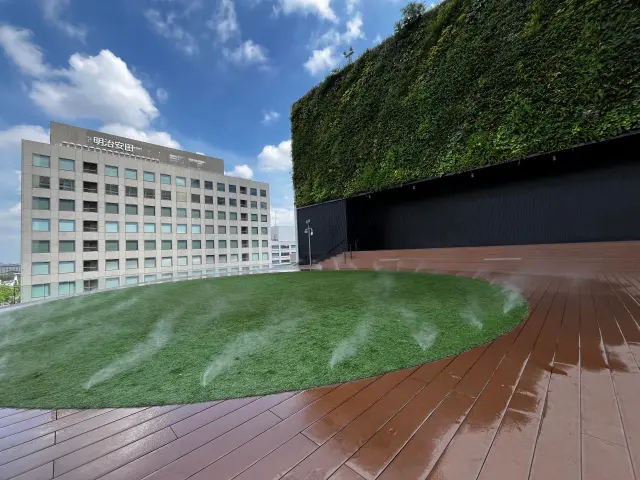
After leaving the exhibition, I went up to the observation deck on the 7th floor. I didn’t expect to find such a great view overlooking downtown Sakae and the city streets. Those who aren’t afraid of heights might want to get a little closer to the parapet for a bird’s-eye view.
The building has well-known outdoor brand stores and popular home goods shops, as well as all kinds of restaurants on B1. Before heading home, I walked around, did some shopping, and had a cup of Blue Bottle Coffee, bringing my summer 2026 trip to Japan to a perfect close.
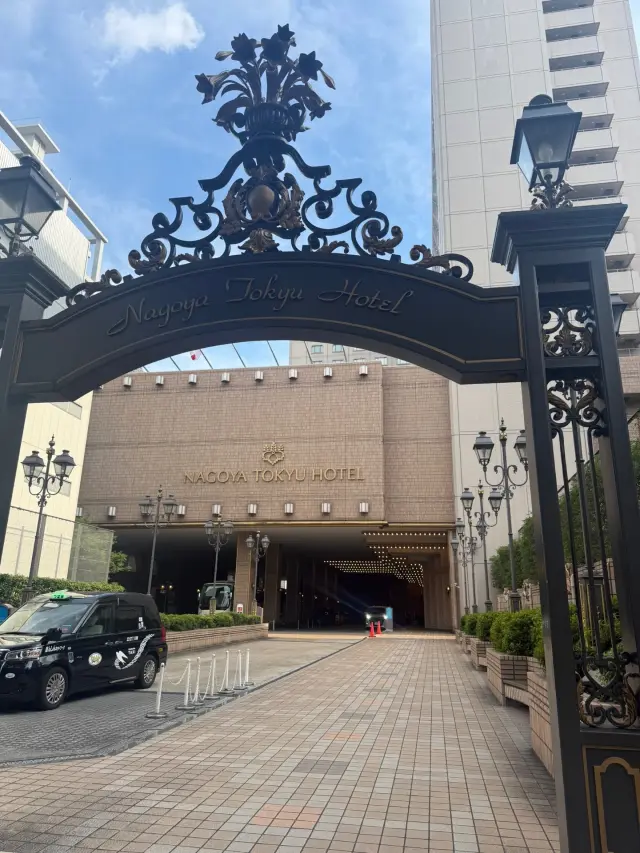
After finishing our trip to Nanki, we stopped in Nagoya and stayed at the Nagoya Tokyu Hotel in the city center. The European-style lobby has an impressive atmosphere, and the hotel also has restaurants, a piano bar, and several boutiques. For breakfast, you can choose between the buffet on the first floor or Japanese cuisine on the second floor. There is a 24-hour drugstore right next to the hotel. Walk about 5 minutes in the opposite direction and you’ll reach department stores, shopping centers, and underground malls. There are also many restaurants, fast-food places, and convenience stores along the way, making it easy to dine or shop. Overall, it was a very comfortable and convenient stay.
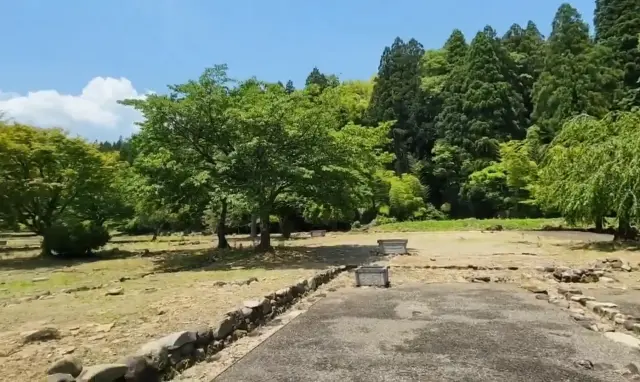
I really loved the Ichijodani Asakura Clan Ruins! It's about a 30-minute ride from the west exit of Fukui Station. This castle town once flourished for a hundred years during the Warring States period, but now only peace and greenery remain, making it feel like a secluded paradise untouched by the world. I strolled through the ruins, admired the restored Karamon Gate and samurai residences, and imagined the prosperity of Echizen under five generations of the Asakura clan. The castle town was burned down by Oda's forces in 1573, and archaeological excavations have now brought its former appearance back to life. This was the place on my Fukui trip that surprised me and that I really liked!
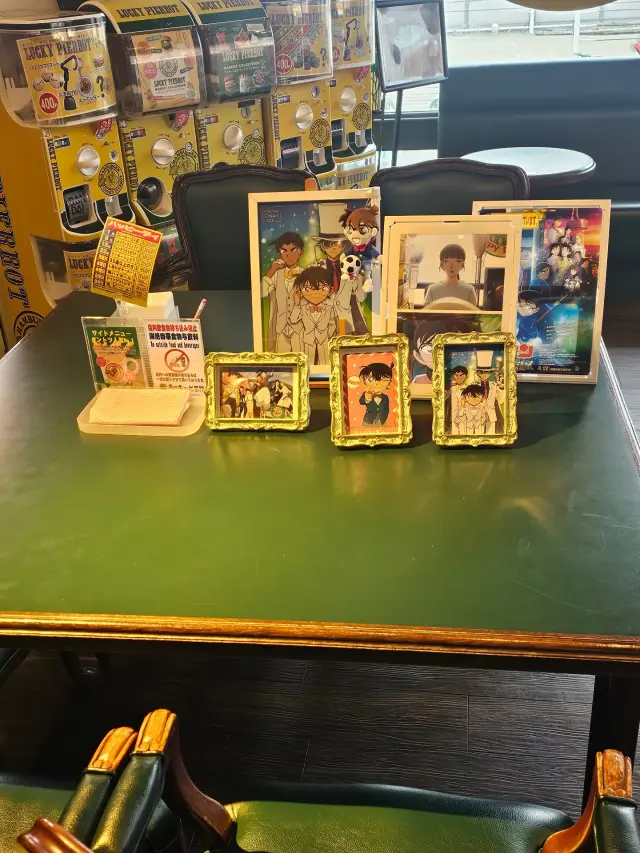
This is another location I came to specifically to visit a spot featured in Detective Conan: The Million-dollar Pentagram. The interior looks exactly like the scene in the movie, which is genuinely moving for Conan fans.
This time, I again ordered the restaurant's signature Chinese Chicken Burger. Maybe it was because I hadn't eaten all day, but this one somehow tasted especially good. (Additional note: The Chinese Chicken Burger is the restaurant's best-selling item. It has crispy fried chicken with a distinctive sauce. Some people describe it as sweet-and-sour, but I personally think it tastes better than regular sweet-and-sour sauce.) The balance of sweet and tangy flavors in the sauce is especially good, and the portion is just right. Even though I don't usually like sweet-and-sour sauce, I really like the flavor of this burger.
Also, this location is larger than the other one. In addition to burgers, it sells merchandise, so you can browse around after eating.
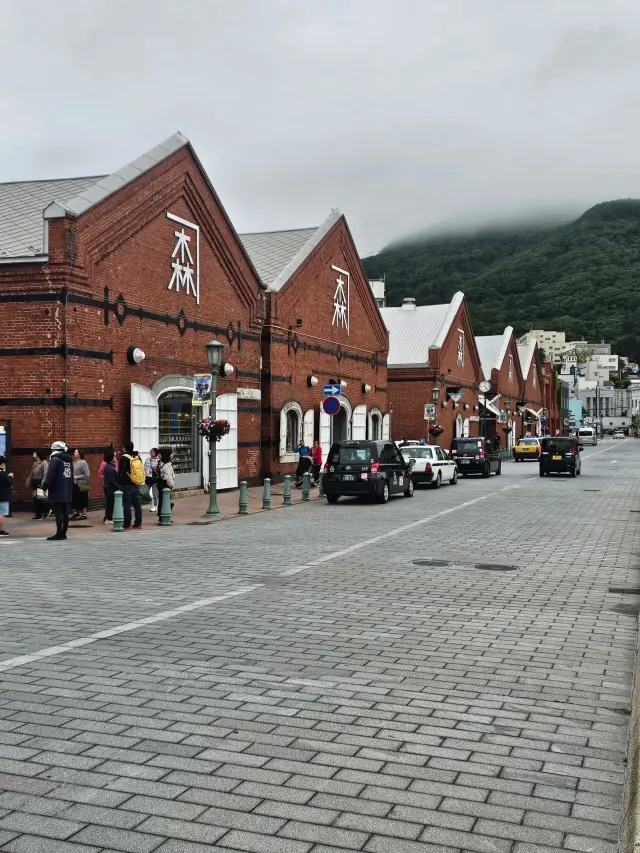
The restaurant's official slogan is "函館に恋して 海がよんでいる," which roughly means "Fall in love with Hakodate, captivated by the sea." Enjoying the romantic atmosphere while eating a burger and looking out at the ocean view in Hakodate—if you're planning to visit the Kanemori Red Brick Warehouse, I'd recommend this location over the other one.
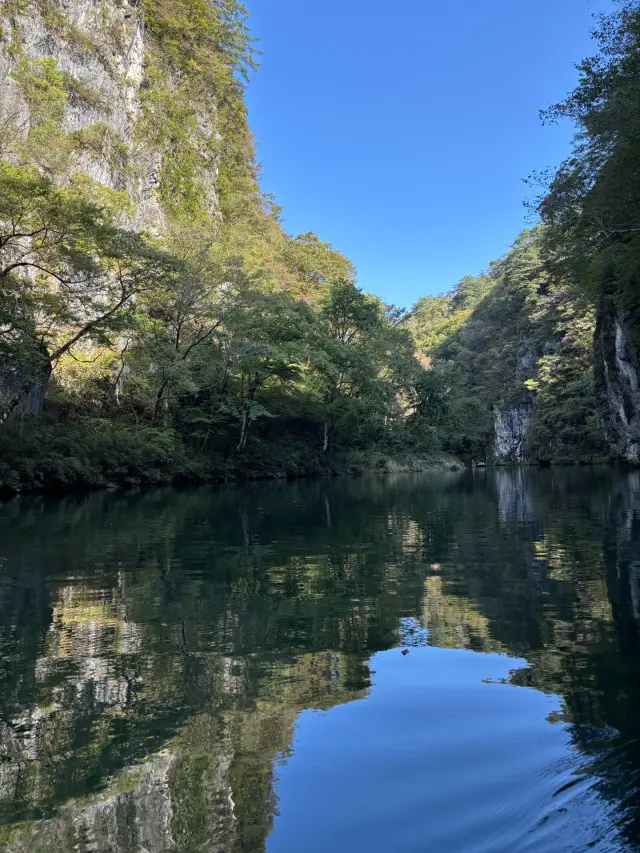
What I looked forward to most when visiting Geibikei Gorge in Iwate Prefecture was riding a traditional boat and experiencing the magnificent scenery of this natural gorge firsthand. The small boat slowly traveled along the stream, with towering rock walls rising on both sides. Shaped over many years by wind, rain, and flowing water, the rocks have taken on all kinds of unusual forms. As the boatman skillfully worked the oar, everything around us felt especially peaceful, with only the murmur of the water and the sound of the oar cutting through the surface.
Along the way, the boatman introduced the scenery and legends of the area, adding some fun to the otherwise tranquil valley. As the boat went deeper into the gorge, looking up at the towering cliffs on both sides made me feel the grandeur of nature and how small I was. Especially on a clear day, sunlight fills the valley, and the greenery and rock walls reflected on the water are so beautiful that it's hard to look away.
The Geibikei Gorge boat ride wasn't rushed, giving me a chance to truly slow down and quietly enjoy the scenery. Though it was only a short trip, it left me with very vivid travel memories and showed me the unique charm of Tohoku's natural landscapes.
This is one of the places I recommend visiting at least once in your lifetime!
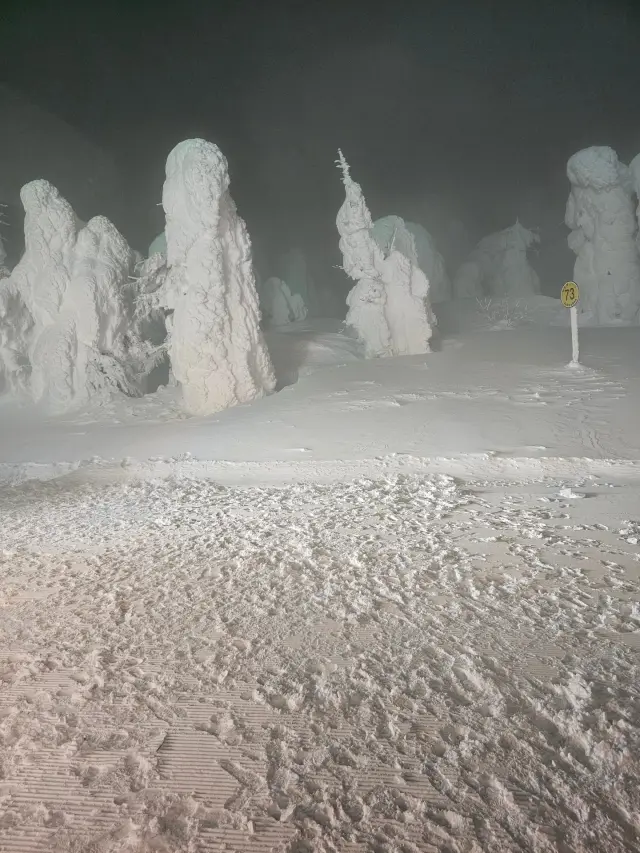
At first, I had only seen photos online and wasn't that interested in Zao's juhyo, but after seeing them in person, I was completely amazed by nature's incredible handiwork.
While doing research before the trip, I read online that juhyo form when winter snow and ice freeze onto trees and continue to accumulate, eventually transforming conifer forests high in the mountains into a fantastical landscape resembling snow monsters. Such a spectacular sight requires very unique climatic and natural conditions, so there are actually very few places in the world where juhyo can be seen. Luckily, Japan, which is very close to Taiwan, happens to have one. Before I left, everyone who had been there told me, “Make sure to dress warmly! Otherwise, your fingers and toes might just fall off along the way.”
(In the end, my fingers and toes didn't fall off, but one of my eyeglass lenses did. Fortunately, a kind woman helped me find it. I'm not sure if it was because of the cold, but it was very difficult to get the lens back into the frame. Once we got down the mountain, though, it wasn't a problem. If you wear glasses, I suggest switching to contacts to reduce fogging and the risk of losing your glasses.)
We went in February, right when the juhyo are at their most spectacular (though if you're unlucky enough to encounter a blizzard, visibility will be much lower). Fortunately, the blizzard we encountered wasn't too severe. Although it was unbelievably cold, we could still clearly see the snow monsters before us.
You really need to dress warmly! A waterproof jacket and snow boots are essential, and I also strongly recommend waterproof gloves. I even put foot warmers under my feet.)
Before leaving, we booked the ropeway and the nighttime snowcat tour, “Juhyo Fantasy Corridor.” I highly, highly recommend this tour! The snowcat was a little crowded, and the ride was quite bumpy, but the scenery along the way was so fantastical that it's hard to describe. Every snow monster had a completely different shape. As I looked at them, I thought—the snow monsters are just like us: every person is a one-of-a-kind presence in this world.
The snowcat takes everyone to a designated spot (I'm not sure if it's where the lighting looks best, but I thought it was the most beautiful), and then you get off and have about ten minutes of free time (maybe they don't let you stay out long because they're afraid everyone will freeze to death), allowing you to truly immerse yourself in the dreamlike snowy scenery. If you're not afraid of the cold, you can also try rolling around in the snow. The snow is icy cold and feels soft and fluffy, and because the temperature is so low, it doesn't melt easily. Even after rolling around in it, your clothes are still dry when you get up!
This trip to see the Zao juhyo completely changed my original impression that they “looked just okay in photos.” Some scenery really has to be seen with your own eyes before you can understand just how incredible nature can be.
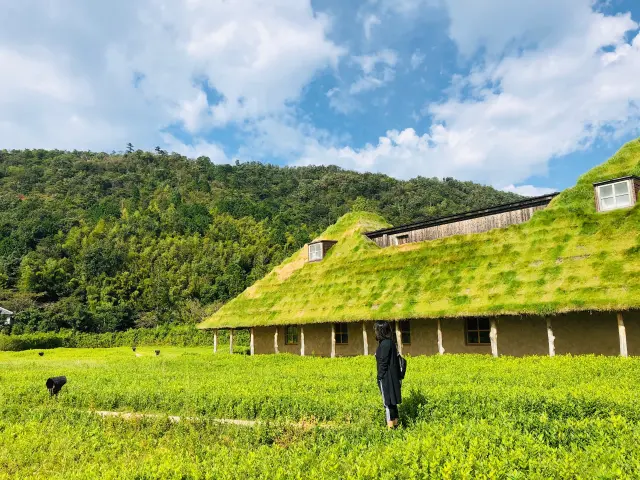
As soon as I arrived at La Collina in Omihachiman, Shiga, I was completely captivated by the scenery before me.
The roof of the main building is covered in lush green grass, and the design is super cute. It's incredibly photogenic from every angle—any casual shot looks like a dreamy Instagram photo.
The architecture isn't the only eye-catching thing here—the desserts didn't disappoint at all! The signature cookies are rich, fragrant, and crispy. With all the greenery and the gentle breeze, my body, mind, soul, and appetite were all deeply satisfied! I highly recommend it to anyone who loves taking photos and enjoying good food. Be sure to add it to your must-visit list for Shiga.
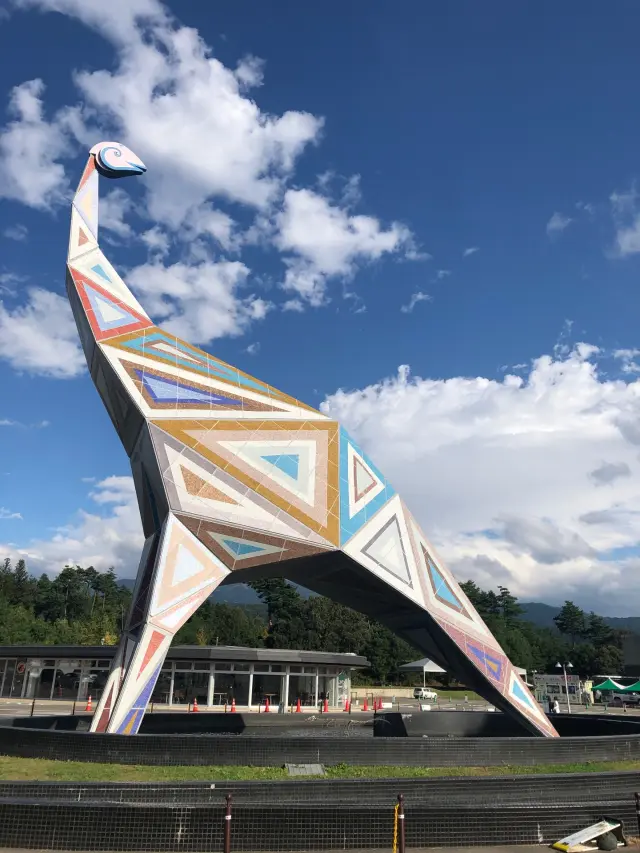
I brought family and friends to the Fukui Prefectural Dinosaur Museum.
It truly lives up to its reputation as a world-class dinosaur destination. Both the indoor and outdoor areas are so well done.
Inside, there are incredibly impressive skeleton fossils and animatronic dinosaurs, with lots of information to learn; the outdoor area is also huge, and the kids explored the dinosaur forest, discovering all kinds of surprises. They had so much fun they didn't want to leave〜
Seeing everyone having such a great time, I truly think this is a dream destination for families with kids! I highly recommend it to anyone with a dinosaur fan in the family.
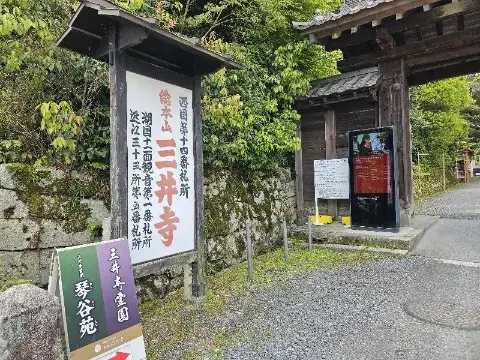
Take the Keihan Ishiyama-Sakamoto Line and get off at Miidera Station. As you follow the walking path, you can see Mii-dera Temple standing on the hill in the distance. Along the way, you pass the Lake Biwa Canal, where visitors leisurely cruise in boats.
The temple grounds are vast. Stepping inside, you feel an old-fashioned simplicity and tranquility that is difficult to put into words. There are many different goshuin available at the entrance, drawing the attention of travelers. Walking up the stone steps surrounded by the refreshing scent of the trees, I surprisingly did not feel tired at all. The wooden temple buildings truly seem to have the magical power to cleanse away the troubles of the world. Looking down from the high ground beside the main hall, the breathtaking beauty of Lake Biwa fills your view like a magnificent landscape painting.
This time I stayed at the Nishitetsu Grand Hotel in Tenjin, and the location was really convenient! The Tenjin shopping district is right outside, with department stores, drugstores, convenience stores, and restaurants all nearby, so there was no need to worry about finding somewhere to shop or get a late-night snack.
Although the hotel has been open for quite some time, it is very well maintained. The lobby has the refined feel of a long-established hotel, and the staff were very friendly. The room was a little more spacious than a typical Japanese business hotel, and it didn't feel too cramped even with two large suitcases open. Overall, it was quite comfortable.
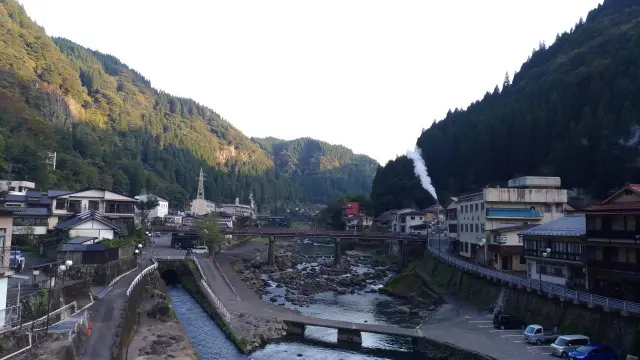
Tsuetate Onsen is a hot spring town with a lot of character. It doesn't have much of the commercialized hustle and bustle, and walking through the streets, you can really feel the old-town atmosphere. Strolling along the river, seeing the traditional inns on both sides and the hot spring steam rising, it truly feels like a Japanese hot spring town. The pace here is very relaxed, making it perfect for slowing down, exploring, soaking in the hot springs, and enjoying the tranquility of the mountains. Although the area isn't large, every corner has its own character. It's a relaxing little place that's worth spending time at.
Dolphin Watching Reservation Center (Amakusa City, Kumamoto)
The activity I was looking forward to most was dolphin watching, and after experiencing it, I really thought it was worth it! Not long after heading out by boat, we saw several groups of dolphins. They would occasionally leap out of the water and swim alongside the boat, much closer than I expected. Seeing them in person was incredibly exciting—the impact is something photos and videos just can't capture. The captain was also very experienced and would slow down so everyone could take their time watching. The boat didn't keep chasing the dolphins, which made me feel that they really respected the dolphins' natural habitat.
Amakusa’s Sakitsu Village (Component of a UNESCO World Cultural Heritage Site)
This was my first time visiting Sakitsu Village, and I really loved the atmosphere here. It isn't overly commercialized or crowded. The whole village is quiet and laid-back, making it perfect for slowing down and taking a leisurely stroll. Walking through the alleys, you can see well-preserved old houses and fishing village streets, along with seaside views that feel very relaxing. The most impressive part was Sakitsu Church. It stands quietly in the village and blends very naturally with the surrounding fishing village scenery, giving you a sense of the village's rich history and culture. Taking photos and enjoying the ocean views along the way, every corner has its own charm.
I arrived at Kami-Suwa Station on the afternoon of 7/30 and checked in at 4:00. After getting settled and resting, I took a bus to the station, then a taxi to Tateishi Park for JPY 1,700. I think the best times are 18:45–19:15 for the sunset and evening glow; 19:15–20:00, when the sky changes from blue to deep blue (Magic Hour) with a hint of pink, while the mirror-like lake reflects the city lights as they come on; and after 20:00 for the full night view. However, there are really a lot of mosquitoes on summer evenings, so I recommend preparing insect repellent in advance! From the observation deck, you can take in the entire view of Lake Suwa, the city, and the surrounding mountains. It's well worth staying awhile. The park is clean and has an observation platform and rest areas, with excellent views for photos. Overall, this is a classic spot you absolutely shouldn't miss when visiting Suwa. It offers different scenery during the day and at night. Highly recommended.
Oiyamanara in front of Kushida Shrine
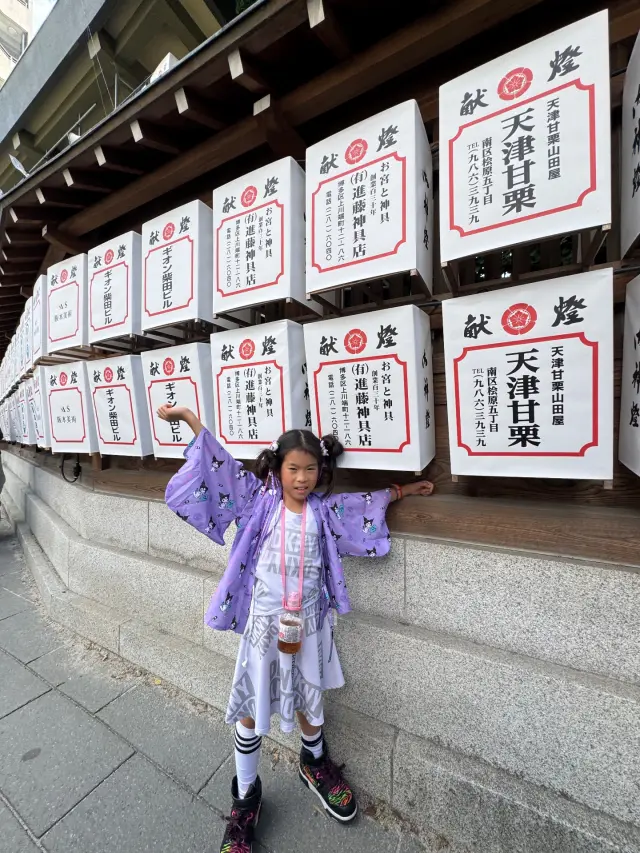
Oiyamanara begins at Kushida Shrine, Hakata’s guardian shrine. Men in traditional attire carry floats weighing over a ton and race through the streets, shouting “Oisa! Oisa!” The event symbolizes prayers for safety and protection from misfortune and disease, while showcasing Hakata’s strong sense of teamwork.
With more than 760 years of history, this festival is designated as an Important Intangible Folk Cultural Property of Japan and is recognized by UNESCO as Intangible Cultural Heritage. It’s one of Fukuoka’s most exhilarating summer traditions.
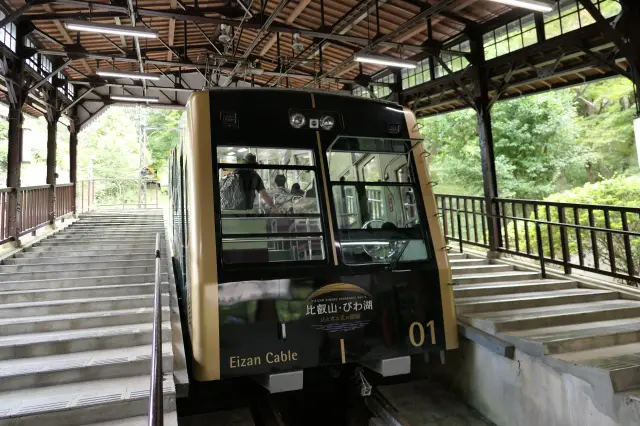
The most enjoyable way to get from Kyoto to Mt. Hiei is via the Eizan Railway. Starting at Demachiyanagi Station, take the Hiei sightseeing train to Yase, then walk to the Eizan Cable station. The cable car climbs steadily up the mountainside, reaching the ropeway station in about 9 minutes. From there, transfer to the ropeway for the ride to the summit of Mt. Hiei.
Getting to Enryakuji requires several transfers, but the whole journey feels like a fun adventure with a variety of transportation along the way. I especially loved the Eizan Railway’s deep green and gold color scheme—it looks sophisticated and stylish.
Since I was heading to Shiga for more sightseeing after coming down the mountain, I bought the Mt. Hiei Free Pass. It didn’t save me much money, but the convenience made it worthwhile. One pass made the entire trip seamless.
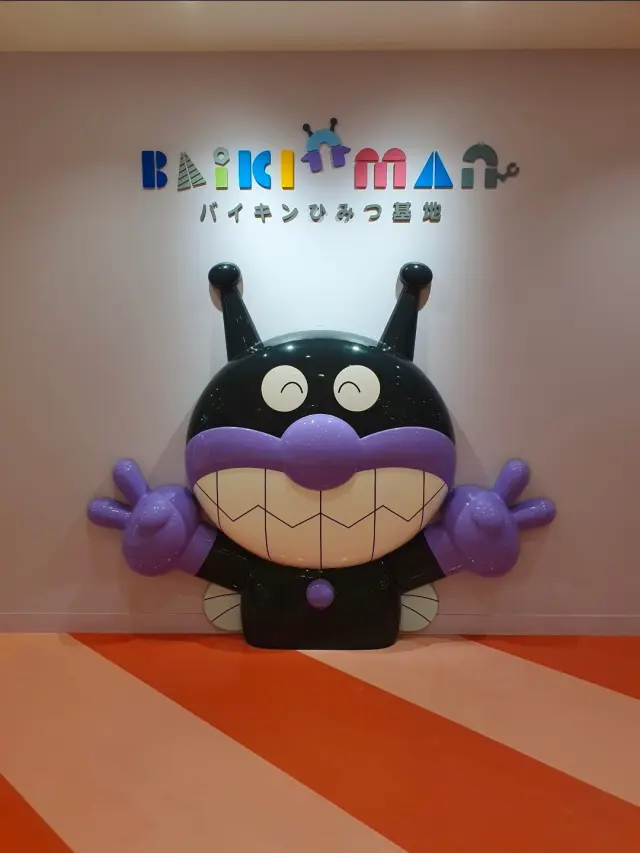
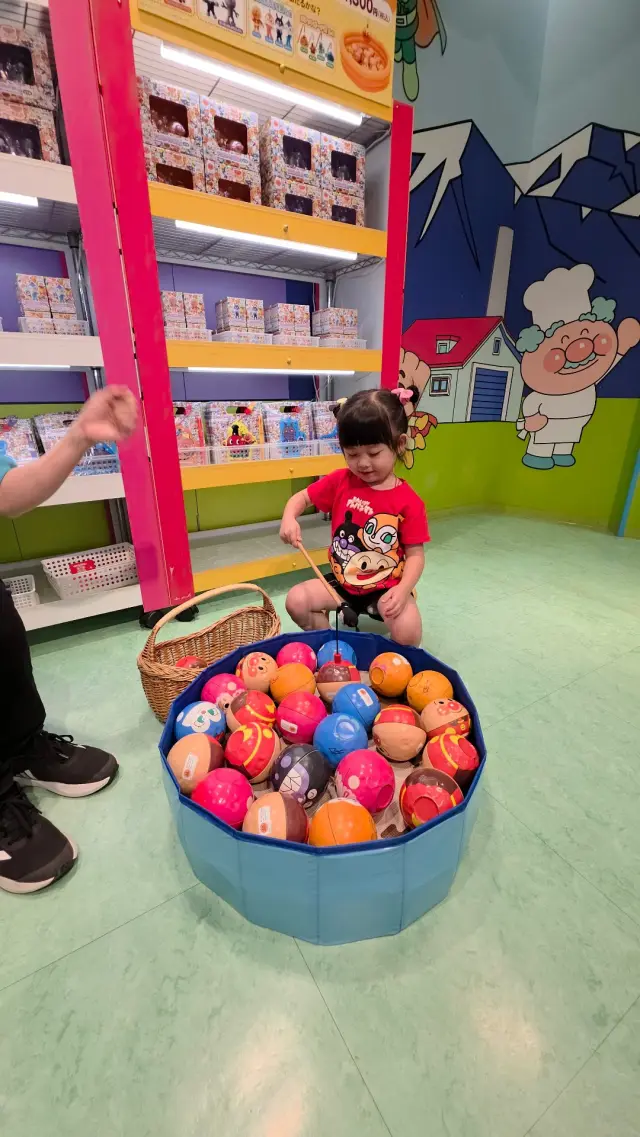
It was our first time visiting the Yokohama Anpanman Children's Museum, and now I finally understand why so many parents highly recommend it!
From the moment you step inside, it feels like you’ve entered the world of Anpanman. Familiar characters are everywhere, and there are live performances where kids can sing and dance along. The atmosphere is super cheerful. The kids were busy exploring and playing pretend, while the adults were busy taking photos. Seeing the children smile so happily made it all worth it.
If you’re traveling to Yokohama with little ones, I really recommend setting aside half a day for this place!
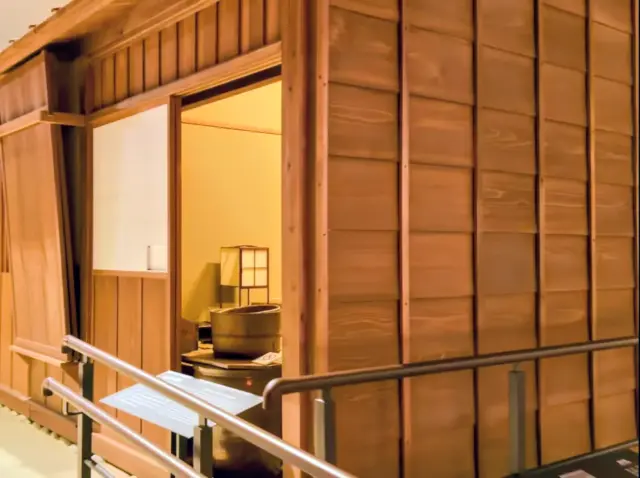
I thought I’d just be looking at exhibits, but I ended up spending hours here! The Edo-Tokyo Museum brings the story of Tokyo, from the Edo period to the modern day, to life with models, recreated scenes, and artifacts. It really feels immersive.
Standing on the recreated Nihonbashi Bridge felt like traveling back hundreds of years. Anyone who loves Japanese culture or history will really enjoy it. Even if you’re not usually into museums, it’s easy to keep exploring and completely lose track of time.
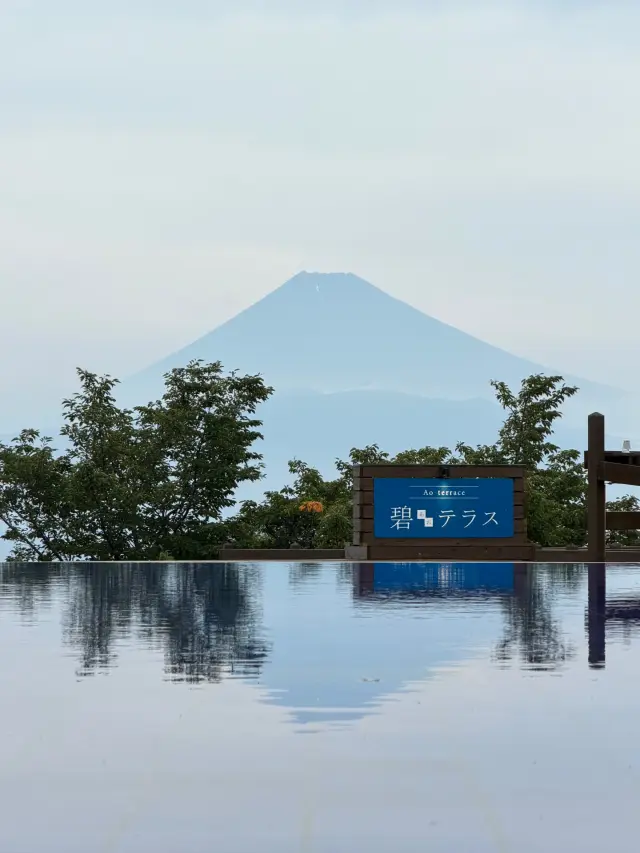
The views at Izu Panorama Park are absolutely worth the visit. Taking the ropeway and enjoying the mountain and ocean scenery along the way was so relaxing.
From the summit, you can see Suruga Bay in the distance. It was cloudy at ground level, but by the time I reached the top, the weather was clear—and super hot! I was so happy to see Mt. Fuji. The view was incredibly wide open.
The park is well laid out, the walking paths are easy to navigate, and there are lots of great photo spots. I highly recommend adding this to your Izu trip.
I arrived a little after noon and spent time there taking in the scenery, resting, and enjoying a limited-edition matcha drink! Around 4:30 PM, I was about to head down, but then the clouds cleared even more and Mt. Fuji became super visible! I stayed until 5:15 PM, and I was the only person left—the last one to go down. It was truly beautiful!
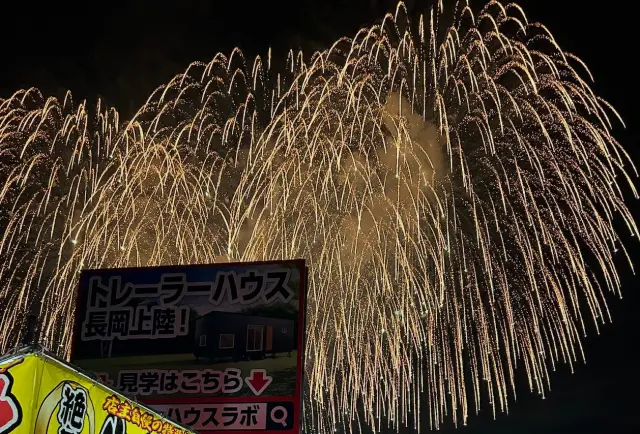
Both the fireworks and the event organization itself are fantastic.
The fireworks from the viewing seats are truly impressive, and the event is run so well that you can enjoy them in relative comfort.
There are a lot of spectators, but I think going by Shinkansen or train is very smooth and convenient.
Between Nagaoka Station and the viewing area, there are plenty of places to buy food and drinks, including shops, food stalls, and local supermarkets. It’s fun to walk while imagining how you’ll spend the evening watching the fireworks.
The viewing areas are divided into many large sections, but there are plenty of signs, guidance, and staff directing people, so even if you get a little lost, you’ll definitely make it to your seat. There are many people, but they’ve put a lot of thought into keeping everyone moving smoothly, so there is less confusion and heavy crowding than you might expect.
Warner Bros. Studio Tour Tokyo - The Making of Harry Potter
This was a place where you could fully immerse yourself in the world of Harry Potter.
You can comfortably follow along and see scenes and settings from the movies, as well as behind-the-scenes details about the production. Since it’s mostly indoors, you can enjoy it anytime without worrying about the season.
When you enter, there’s a museum shop and a cafe. The museum shop has all kinds of Harry Potter-related items, so I think it’s a good idea to first look for things to enjoy during your visit, then stop by again at the end for souvenirs or keepsakes.
Once the tour starts, you follow the staff at first, but after that you’re free to explore on your own. If you take your time, it takes about 3–4 hours. There are also places along the way where you can eat or try Butterbeer, so you could easily spend a relaxing full day there. There was one smoking area inside.
This is one of the filming locations from Detective Conan: The Million-Dollar Pentagram, and it’s a must-visit spot for Conan fans in Hakodate.
There are lots of different areas to explore, so I recommend setting aside an afternoon to stroll around at a relaxed pace. There’s also a souvenir area inside, where you can find many Hakodate-exclusive items. The cheese squid, in particular, is a must-buy if you see it.
After closing at 7:30 p.m., the buildings are lit up, and the nighttime view feels completely different from the daytime. It has a really romantic atmosphere.
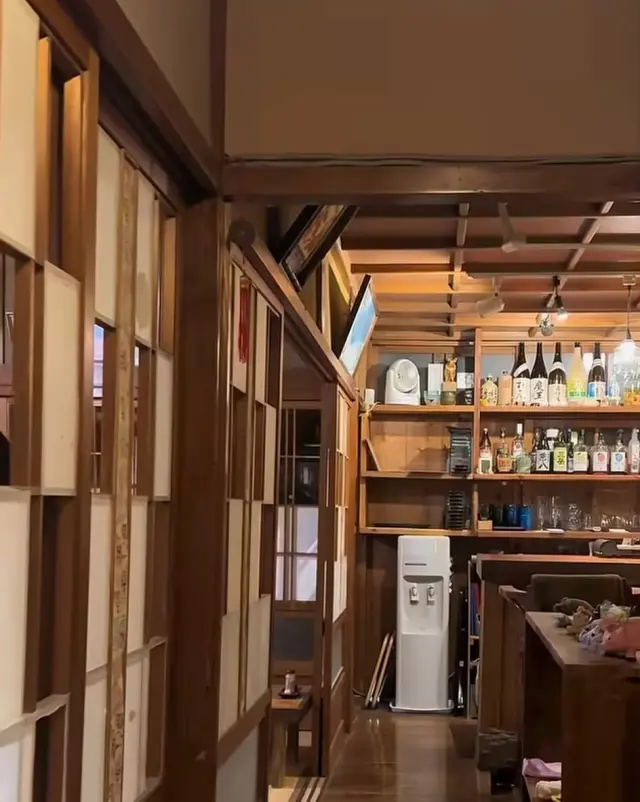
This place is really worth visiting! The old Okinawan house has so much character, and eating while sitting on tatami mats gives it a really special Japan travel vibe.
Their signature Okinawan black pork shabu-shabu is tender and flavorful. The shoulder, pork belly, and thigh each have their own texture, and everything is served with fresh vegetables and Okinawan side dishes. The quality is great across the board. The ingredients are fresh, the portions are just right, and the meal is very satisfying.
If you want to experience authentic local food in Okinawa, I definitely recommend adding this place to your itinerary. The atmosphere is comfortable, the food is delicious, and it’s the kind of restaurant I’d want to come back to.
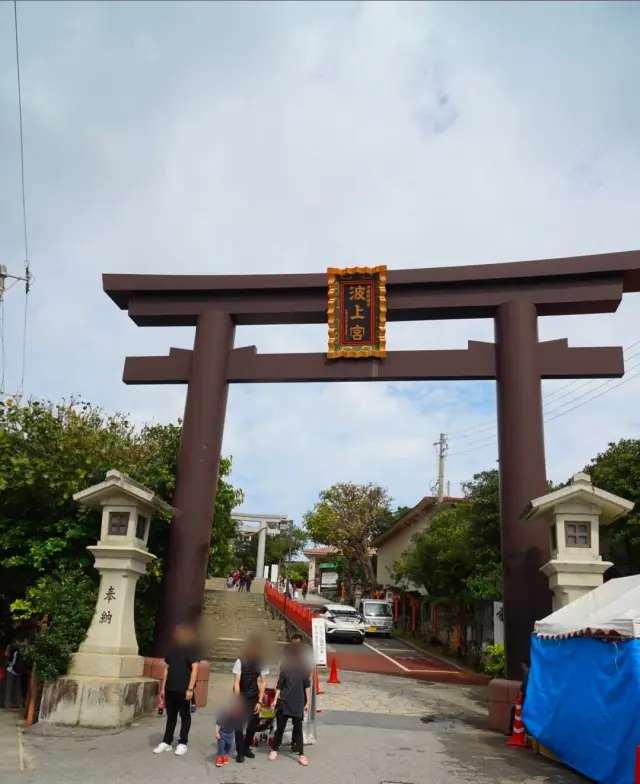
If you’re visiting Naha, Okinawa, don’t miss Naminoue Shrine, surrounded by the bright blue sea. Set on a seaside cliff, the shrine looks from a distance as if it’s floating above the waves, which is how it got its name. Locals affectionately call it “Nanmin-san,” and since ancient times it has been a sacred place to pray for safety, abundant harvests, and smooth voyages.
The vivid vermilion worship hall, paired with Okinawa’s unique tropical atmosphere, looks especially beautiful in the sunlight. The moment you step inside, you can feel a setting that is both solemn and full of island charm. There are also stories of prayers offered to the gods of “NIRAI-KANAI,” the ideal paradise beyond the sea, giving the shrine a mysterious appeal rooted in Ryukyu culture.
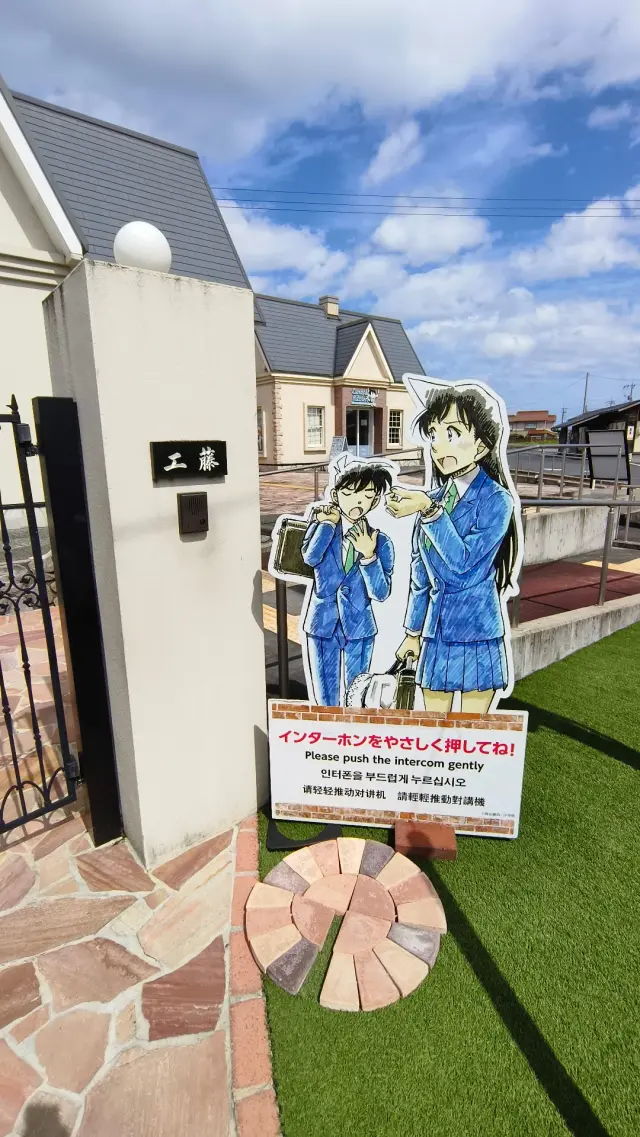
This is a must-visit spot for Conan fans. The moment you step out of JR Yura Station, it feels like you’ve truly entered the world of Detective Conan.
Inside and outside the station, familiar characters are everywhere. As you walk slowly along “Conan Street,” you’ll come across statues and murals of Conan, Ran Mouri, Ai Haibara, Kaito Kid, and more. It’s only about a 15–20 minute walk, but fans may easily spend an hour taking photos and hunting for little details, not wanting to leave.
Once you arrive at the Gosho Aoyama Manga Factory, it feels even more like stepping into the creator’s imagination. You can see valuable original manuscripts, character designs, and stories behind the work, along with plenty of interactive experiences. It brings back the excitement of falling in love with Conan for the first time.
The nearby Beika Shopping Street is also worth taking your time to explore. From the buildings and food to the exclusive merchandise, there are little surprises everywhere that only fans will fully appreciate.
This isn’t just a place for photos. It’s a pilgrimage town where Conan fans will keep saying, “I know this!” and “So this really exists!”
I’d recommend planning at least half a day here. But for true Conan fans, even a full day might not feel like enough.
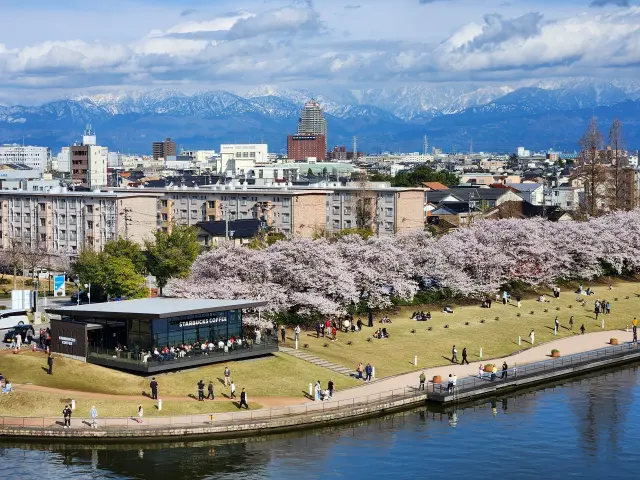
This was my first time planning a trip to the three Hokuriku prefectures, and I already knew that the Fugan Canal area in Toyama and the Starbucks nearby were quite famous.
But in this canal park with the cherry blossoms in full bloom, no matter where I walked or what angle I shot from, I could capture beautiful scenery with just my phone. It really proves that this place lives up to its reputation.
I truly felt how wonderful it is here. My impression of Toyama Prefecture completely changed. Surrounded by the Tateyama Mountain Range, this city is absolutely worth visiting—even staying in long-term. I loved it here!
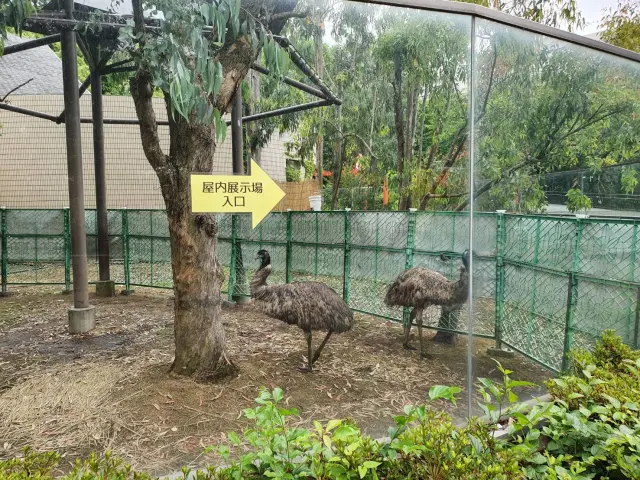
Tennoji Zoo was originally just one stop on our trip, but it ended up being one of the biggest surprises in Osaka! It’s right in the city, so getting there is super convenient. With about 170 species and 1,000 animals, it’s much bigger than I expected.
What impressed me most was that the animals all seemed well cared for. Their spaces were roomy, and the grounds were clean and well maintained, without the usual zoo smell. We took our time walking around and saw giraffes, polar bears, penguins, and lions. Before we knew it, we had spent several hours there.
If you’re traveling independently in Osaka and want a spot that both adults and kids will enjoy, Tennoji Zoo is definitely worth adding to your itinerary!
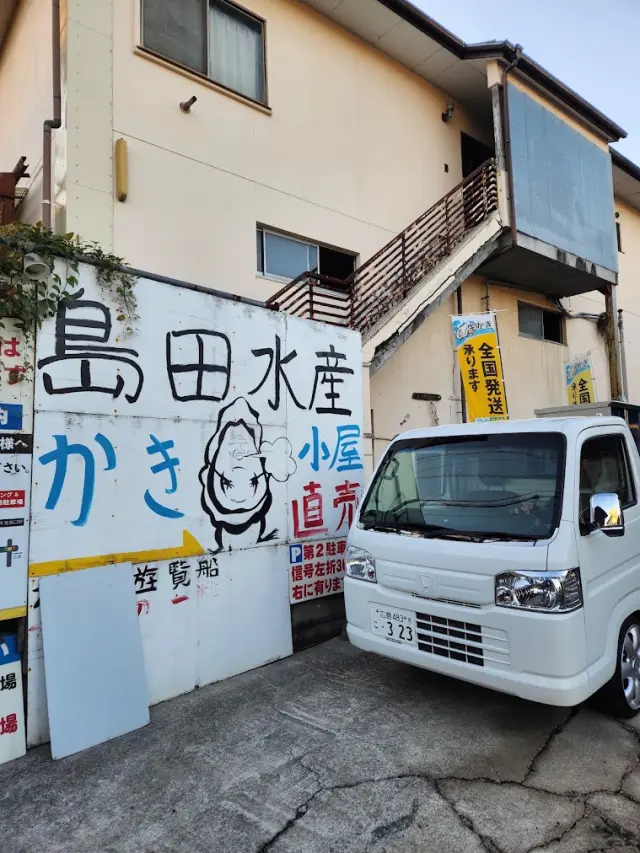
I’ve eaten oysters before, but I’d never seen how they’re harvested...
This time, we headed out before dawn to join Shimada Suisan’s tour, and it was truly eye-opening! Besides seeing Itsukushima Shrine from the water, we also got to watch the oyster harvesting and cleaning process. To top it off, we had a warm, comforting breakfast of fresh oyster porridge and plump grilled oysters.
Huge respect to all the hardworking staff! Thanks to them, we get to enjoy delicious oysters!
Iwami Ginzan, the first mining site in Asia to be registered as a World Cultural Heritage Site, is truly a place worth wandering through. The local people take great pride in preserving their culture, and everything you see has been carefully kept as it was 200 to 300 years ago during the Edo period. There’s no sense of commercialization at all.
We learned a lot from our friendly guide and had a wonderful afternoon stroll. Because of time, we didn’t make it to the mining area farther back, but I’d definitely love to visit again someday!
The cave exploration at Akiyoshido is a must-try activity for travelers who love adventure!
It was my first visit, and instead of taking the standard route, we headed down underground. My favorite part was when the guide asked us to turn off all our headlamps so we could experience the deep darkness and silence inside the cave. All we could hear was the gentle sound of flowing water, and it really helped us slow down and feel calm.
Along the way, we also learned how to look at rocks and stalactites. I had no idea that the material used for Todaiji Temple’s bronze Great Buddha also came from here! The whole activity took about two hours. It was physically demanding and we were drenched in sweat, but seeing the stunning blue-green underground lake at the end was the best reward and surprise. Highly recommended!!!
In May, I traveled to Nagoya with my little one, and the thing we were most looking forward to was visiting Nagoya Anpanman Children's Museum & Park.
This place is truly a paradise for kids. The park is clean, comfortable, and full of bright colors. You can see Anpanman and other adorable characters everywhere, so my child was excited from the moment we walked in.
There are plenty of indoor play areas, outdoor attractions, and themed restaurants full of playful charm. Whether you’re playing, taking photos, or having a meal, you’ll come away with lots of great memories.
It was raining heavily that morning, so I was worried it might affect our plans. Luckily, the rain stopped in the afternoon, and the outdoor show we had been looking forward to went on as planned. Seeing the characters interact so warmly with the kids made my little one laugh nonstop.
We played from morning until the afternoon and still didn’t want to leave. It’s a fantastic spot for families with children. If you’re traveling independently in Nagoya with kids, I highly recommend setting aside a full day here. I’m sure both adults and children will leave with unforgettable and happy travel memories.
So! In!cred!i!bly! beautiful!
When the weather is nice, every photo turns out great. The scenery along the way is lovely, and when you pass through the tunnel, there’s even a little LED light show on the ceiling.
The classic stop in the middle of the high railway bridge goes without saying. Looking down over the gorge is spectacular, and the staff even blow bubbles so everyone can take photos. It feels totally dreamy!
Since it’s designed to let passengers enjoy the views better, it’s completely open-air with no roof. The direct sun can be a bit hot, so be sure to bring sun protection. But honestly, if you’re lucky enough to see this amazing scenery in good weather, a little sun along the way is totally worth it.
Yanagidani Kannon is best known for its seasonal flower-filled water basins, but it's not easy to get to. I happened to visit on the 17th, the monthly festival day, when they offered a paid shuttle bus, so I decided to add it to my itinerary.
The temple grounds were larger than I expected. As I made my way around, I didn't see any of the flower water basins. Later, I found out there are several purification pavilions scattered throughout the grounds, so I'm not sure if I simply missed them. If you're coming specifically for the flower water basins, I recommend checking the official website or Instagram first to confirm where they are and whether they're on display, so you don't end up disappointed like I was.
Amakusa’s Sakitsu Village (Component of a UNESCO World Cultural Heritage Site)
Taking a slow walk along the road into this quiet little fishing village felt simple, grounded, and really soothing.
The water was so clear, reflecting the fishing boats and small hills. Beside the homes were fruit trees heavy with fruit and beautifully cared-for plants.
There weren’t crowds of noisy tourists, just traces of residents living their everyday lives with care.
Together with its moving history of faith, this is a meaningful hidden gem that I really loved.
I came here on a tour, so I didn’t have to worry about transportation at all. Awesome!
I was really surprised after visiting the Starbucks Reserve Roastery Tokyo. It's completely different from a typical Starbucks! The moment you step inside, you're surrounded by the aroma of coffee beans. The huge copper roaster is an impressive sight, and it's fascinating to watch the beans move through the copper pipes. Each of the four floors has a different style, and the wooden interior designed by Kengo Kuma feels warm and refined. You can also see the Meguro River in the distance from the third-floor terrace.
The baristas are incredibly skilled, and the freshly roasted beans have such a rich aroma. You can watch the entire process as the coffee goes from green beans to a finished drink. The overall experience is fantastic, and coffee lovers should definitely make a pilgrimage here!
Over the past two years, we’ve started planning our trips around Japan’s sightseeing trains and then arranging the rest of the itinerary around them. For those of us who don’t drive, it’s an especially convenient and comfortable way to travel.
We were lucky enough to book the only sightseeing train that runs from Chichibu to Tokyo, the "52 Seats of Happiness," for Sunday, 2026/06/07 at 4:00 PM, departing Chichibu for Shinjuku. Since we wanted to make it a day trip and also choose the French dinner service with live onboard music, this is the itinerary we ended up with:
At 9:00 in the morning, we took the Laview train from Ikebukuro Station, which first launched in March 2019. The ride took about 70 minutes. As soon as we arrived in Chichibu and exited the station, we saw the hot spring festival collaboration with Beitou in Taiwan. Right next to it was an area filled with all kinds of souvenirs and food.
About a five-minute walk away is Chichibu’s most famous ramen shop, and my personal number one, "Chindatsu." After a satisfying meal, we strolled through the thoughtfully designed streets. The shops along the way were all decorated in such a warm and charming style. In about 15 minutes, we reached Chichibu Shrine. It shares the cultural motif of the three cute monkeys with Nikko Toshogu Shrine, but its traditional shrine architecture paired with brighter colors gives it a very different feel.
After soaking in the spiritual atmosphere, we passed a supermarket that was amazing for shopping, then headed to the hot spring facility next to the station. The large public bath overlooks the mountains, and there are also stone slabs where you can lie down and relax, which was perfect for easing the fatigue from walking 20,000 steps a day over the past few days.
The "52 Seats of Happiness" train is arranged like a French restaurant, and the meal was made with fresh, delicious ingredients. The authentic French sauces were impressively well done, and the live violin performance by a highly skilled musician was the perfect finishing touch to this trip.
If I hadn’t received a stay voucher from Hizenya, I probably still wouldn’t know about Tsuetate Onsen. Tucked away in a valley on the border of Kumamoto and Oita, it feels like a hidden world of its own compared with nearby, better-known Kurokawa Onsen.
While exploring the hot spring town, I was warmly greeted by locals, which really gave me a sense of the heartfelt charm you only find in rural Japan. There wasn’t even a hint of commercialism on the streets. Spending a night here felt like pure peace and tranquility. If you’re looking for a slow-paced hot spring getaway, Tsuetate Onsen is definitely the right choice!
I stayed here with my best friend this time, and it felt incredibly relaxing and comfortable. Once we got to the room, we honestly didn’t want to leave. The terrace opens out to nature, with birdsong, insects chirping, and the sound of the stream all around us, plus nothing but lush greenery in front of us. After soaking in the hot spring, we sat on the terrace together, chatting, drinking tea, and just zoning out. Doing absolutely nothing turned out to be the most relaxing luxury.
Dinner was a carefully prepared kaiseki meal by the hotel, and they thoughtfully checked our dietary restrictions before our stay. As my friend and I enjoyed the food and shared stories from our trip, each course arrived one by one. Not only was everything delicious, but even the plating and tableware were beautifully chosen. You could really see the care that went into it.
The meal featured lots of seasonal ingredients, so we got to enjoy their freshest and most natural flavors. Even though dinner lasted nearly two hours, it didn’t feel long at all. If anything, it gave us more time to slowly enjoy both the food and the view outside. There was no pressure to rush to the next thing, just a happy, meaningful time together that left me feeling completely satisfied.
What impressed me most during the stay was how much the hotel valued privacy. The staff never hovered or interrupted too much, but whenever we needed anything, they were quick to help. That made the whole stay feel both comfortable and reassuring, and it let us fully enjoy our relaxing time together without any worries.
When it was time to pack and leave, I really didn’t want to go. This little trip with my best friend didn’t involve a packed itinerary. We simply slowed down and enjoyed the scenery, the food, and each other’s company, and that made it feel especially healing.
If you love nature, care about the quality of where you stay, and want a place to relax and recharge with a close friend, I’d absolutely recommend this place.
Some hotels are easy to forget after you stay there, but this one is different. The setting, the food, and the service all left a lasting impression. It’s also a wonderful place to unwind with your best friend, have heartfelt conversations, and enjoy a stress-free trip.
When we arrived at the station, we felt a little nervous, wondering whether anyone would be there to pick us up. However, our worries quickly proved unnecessary. Before long, we saw the driver approaching us with a warm smile. He kindly offered to take our luggage and reassured us that a staff member would be available to communicate in our language, so there was no need to worry. This immediately left us with an excellent first impression.
Upon arriving at the hotel, we received a truly Japanese-style warm welcome that made us feel incredibly comfortable and cared for. We enjoyed a welcome drink in the lounge while our host thoughtfully introduced the hotel’s facilities and bar, encouraging us to relax and fully enjoy our stay. We were then escorted to our room, and everything felt effortless and inviting.
We spent a wonderfully peaceful time in our room. Sitting on the terrace doing absolutely nothing, listening to the birds singing and the gentle sound of the stream, soaking in the hot spring bath, and sipping tea while reclining on a lounge chair-it was the perfect way to unwind and completely relax.
The dining experience was equally impressive. The meals were carefully prepared according to our preferred dining times, and the staff had thoughtfully inquired about any dietary restrictions beforehand. Surrounded by beautiful scenery, we enjoyed first-class service, spacious surroundings, and a deep respect for our privacy. These aspects exceeded our expectations and made us feel truly valued.
Our host was always quick to respond whenever we needed assistance, which was deeply touching. It reminded me of something I once read: the best service is not about constant attention, but about always being there when needed.
On the second day, we enjoyed breakfast outdoors. After breakfast, we packed our luggage, reluctant to leave after such a wonderful two-day, one-night stay. As we departed, all the staff members, along with a lady who I believe was the owner, stood at the entrance to bid us farewell. I would like to thank her for creating such a beautiful property and for her meticulous attention to every detail.
This was truly an exceptional experience. I wholeheartedly recommend it to anyone who loves nature, values privacy and quality, and is looking for a place to rejuvenate both body and mind. A stay here is something you will remember for a lifetime.
Dolphin Watching Reservation Center (Amakusa City, Kumamoto)
There’s a realistic dolphin statue by the entrance with the day’s date on it, so you can take a one-of-a-kind souvenir photo.
We were lucky to have great weather. The waves were calm, and the boat ride out was very smooth. The clear seawater sparkled like crystal in the sunlight. There are 200 to 300 wild bottlenose dolphins living here, and the captain expertly guided us to them, so there was hardly any worry about missing out.
Seeing so many dolphins swimming and jumping up close with my own eyes was incredibly exciting and moving! Watching their graceful movements underwater and hearing the vivid, real sound of their blows made it more than just a chance to see cute animals. It also gave me a deeper appreciation for the beauty of our planet and the importance of cherishing it.
The white soy sauce ramen broth looks light, but it has a lot of depth and doesn’t taste overly salty. Once the noodles soak up the broth, they go down really smoothly.
It was my first time trying Hakata’s specialty gurukawa, and the chicken skin was grilled crispy on the outside and pleasantly chewy inside. The more you chew, the more flavorful it gets, and it pairs really well with the ramen. If you’re around Tenjin, I definitely recommend giving this place a try. The white soy sauce ramen with their signature chicken skin skewers is a combo that makes me want to come back again.
The theater-style aquarium "AQUARIUM × ART átoa" in Kobe Harbor has an architectural concept that beautifully combines the port city's historical memory with the symbolism of rebirth after the Great Hanshin Earthquake.
Architectural concept: "The Uplift"
The building symbolizes "land rising from the sea." Its rugged, rock-layer-like exterior represents Kobe gathering its strength again after the devastation and destruction of the 1995 Great Hanshin Earthquake, showing a resilient life force and being "reborn" where the mountains and sea meet.
Coming to Kobe, a city I had overlooked for so long, the harbor moved me far beyond just the Ferris wheel 🎡 and Kobe Port Tower. What touched me even more was the rebirth of this land, its vibrant blue tones, and the powerful impact this building had on me!
An architectural vibe that instantly transports you to Europe.
A great old European-style district for a relaxing stroll!
Kobe’s Former Foreign Settlement was designated as a residential area for foreigners after the Meiji Restoration. Today, it still preserves its classic Western architecture and tree-lined grid streets. Lined with international luxury brands, fashion boutiques, and stylish cafes, it’s one of Kobe’s most romantic European-style spots for shopping and walking around. 📍
Nothing was more a part of my childhood than Studio Ghibli. This time, I visited Ghibli Park, and although it was a bit of a shame that I could only get the stroll pass and couldn’t enter every area, just seeing Howl’s Moving Castle and spotting the little surprises along the way that only Ghibli fans would notice already made me incredibly emotional.
Next time I come here, I hope I can get tickets for all areas and really explore every corner of the park 🥹
From Shinjuku Station, you can take a highway bus straight to Gotemba Premium Outlets, so it’s very convenient to get there.
The outlet has all kinds of brand-name clothing and shoes, and you can see views of Mount Fuji everywhere. The hotel is at the highest point, and the large windows in the lobby and the room frame Mount Fuji like a beautiful painting.
Staying at this hotel left me with wonderful memories, and I think it’s absolutely worth experiencing.
What impressed me most on this visit to Amanohashidate Kasamatsu Park was the moment I stepped onto the observation deck. The view in front of me was truly different from what you see in photos. It wasn’t until I saw Amanohashidate with my own eyes—known as the “Flying Dragon View”—that I understood why this place is so famous. Riding the cable car slowly up the mountain was very relaxing, with lovely scenery along the way. At the top, the air was fresh and naturally made me slow down.
Even though there were quite a few visitors that day, the overall environment was very well maintained, so it never felt crowded or overwhelming. I especially enjoyed sitting in the viewing area, feeling the breeze, and looking out at the bay and mountains in the distance. It felt like all the stress I’d built up in everyday life was just swept away. Amanohashidate Kasamatsu Park is more than just a photo spot—it’s a place where you can truly slow down and appreciate the beauty of nature. If I get the chance to travel to northern Kyoto again, I would definitely want to come back.
You have to take off your shoes as soon as you enter, and in some areas you even walk directly through water. With the lighting, music, and mirrored spaces, it feels incredibly immersive.
My favorite was the Floating Flower Garden. The flowers slowly change as people move around, and seeing it in person felt absolutely dreamy. Photos really can’t capture what it looks like with your own eyes.
The overall flow was smooth, and the staff were all very kind. Even though it was pretty crowded, it was still well worth taking your time to experience.
I highly recommend coming with friends or your partner. It really feels like a brief escape from the real world. If it’s your first time in Tokyo, I think this is definitely one of the spots worth adding to your itinerary. The new exhibition area was especially fun too, with lots of interactive elements!
Thank you for signing up.
A confirmation email has been sent to your registered email address.
If you do not receive the email, it may have been filtered into your spam folder.
If you have enabled domain-specific reception settings, please check your settings to ensure that emails from our site can be received.


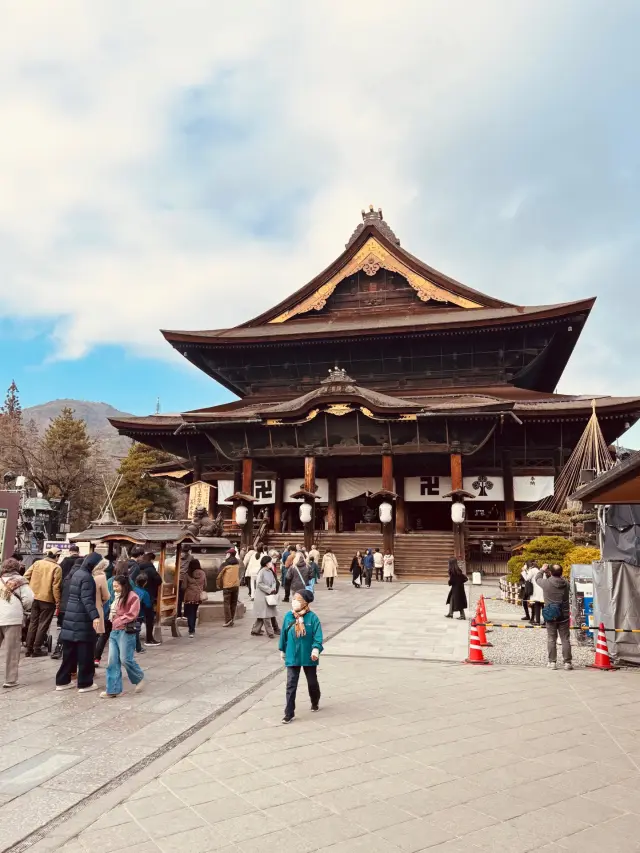
 hdwf2002