

Kamikochi Travel Guide: Discover Japan's Breathtaking Alpine Scenery
Kamikochi is renowned as one of Japan's most spectacular mountain destinations.
Surrounded by breathtaking mountain scenery and pristine nature, visitors can enjoy hiking and mountain climbing while taking in the stunning landscapes up close. The crisp mountain air and refreshing views only add to its appeal.
In this guide, we'll explore the highlights of Kamikochi and what makes this scenic destination so special, along with a detailed look at its various hiking trails.
Read on to discover everything you need to know to make the most of your visit to Kamikochi.
What is Kamikochi Like?
Kamikochi is a scenic mountain area in Matsumoto City, Nagano Prefecture, located along the upper reaches of the Azusa River in the southern Hida Mountains, also known as the Northern Alps.
Kamikochi is designated by the Japanese government as both a Special Place of Scenic Beauty and a Special Natural Monument. Very few places in Japan hold both designations, with Kurobe Gorge in Toyama Prefecture being another rare example.
Kamikochi's greatest appeal lies in the opportunity to hike or climb amid breathtaking natural scenery, with towering mountains reaching elevations of around 3,000 meters rising close by.
Beyond the majestic mountain peaks, visitors can enjoy a remarkable variety of beautiful landscapes, including picturesque ponds and crystal-clear rivers. Kamikochi's natural beauty has earned admiration both in Japan and around the world.
Kamikochi first gained international recognition thanks to British missionary Walter Weston. In his 1896 book, Mountaineering and Exploration in the Japanese Alps, Weston praised the area's magnificent scenery, helping introduce Kamikochi to audiences around the world.
With accessible hiking trails suitable for beginners, Kamikochi is also an inviting destination for those new to outdoor adventures.

Access to Kamikochi
Here's how to get to Kamikochi from Nagano Station, a major transportation hub for exploring Nagano Prefecture.
Although slightly more expensive than other transportation options, taking a direct bus is a convenient choice, allowing you to reach Kamikochi without any transfers.
- Route
- Take the direct Sawayaka Shinshu-go bus from Nagano Station to Kamikochi Bus Terminal
- Travel time
- Approx. 3 hours
What Is the Best Season to Visit Kamikochi?
May and June are among the best months to visit Kamikochi, when the area comes alive with fresh greenery.
During this time, the vibrant green foliage creates a stunning contrast against the clear blue skies.
Another advantage is that Kamikochi tends to be less crowded than in July and August, allowing visitors to explore its beautiful landscapes at a more leisurely pace.
Keep in mind that mornings and evenings can still be chilly, even in May and June, so be sure to bring some warm layers.
Note: Kamikochi is generally open from mid-to-late April through November 15 and is closed during the winter months.

What to Wear When Visiting Kamikochi
Temperatures in Kamikochi can vary considerably depending on the time of day and where you are.
To stay comfortable, wear flexible, easy-to-move-in clothing that allows you to add or remove layers as temperatures change.
Quick-drying base layers, long-sleeved shirts, and warm outerwear are essentials regardless of the season.
Spring and fall bring particularly large temperature differences between day and night, so it's a good idea to pack a fleece jacket, a windproof mountain jacket, a neck warmer, and gloves.
Even in summer, temperatures can feel chilly depending on the weather. Be sure to bring a windbreaker, a spare shirt, and a hat to stay comfortable throughout your visit.
Average Monthly High and Low Temperatures in Kamikochi
The table below shows the average monthly high and low temperatures in Kamikochi, calculated using 2022 data published by the Kamikochi Visitor Center (Ministry of the Environment).
Use these figures as a guide when planning what to wear for your visit.
| Month | High | Low |
|---|---|---|
| Late April | 13.7°C | 2.2°C |
| Late May | 16.2°C | 4.7°C |
| June | 20.0°C | 10.0°C |
| July | 23.0°C | 13.7°C |
| August | 21.7°C | 15.4°C |
| September | 20.0°C | 12.1°C |
| October | 12.5°C | 3.6°C |
| Early November | 8.9°C | -1.1°C |
4 Must-See Attractions in Kamikochi
Kamikochi is home to countless places where visitors can immerse themselves in nature, with breathtaking scenery found nowhere else.
Even the same mountains, rivers, and ponds take on different appearances depending on where you view them from, making every spot uniquely captivating.
With so many beautiful places to explore, we've handpicked four must-see attractions in Kamikochi that you won't want to miss.
1. Kappa Bridge
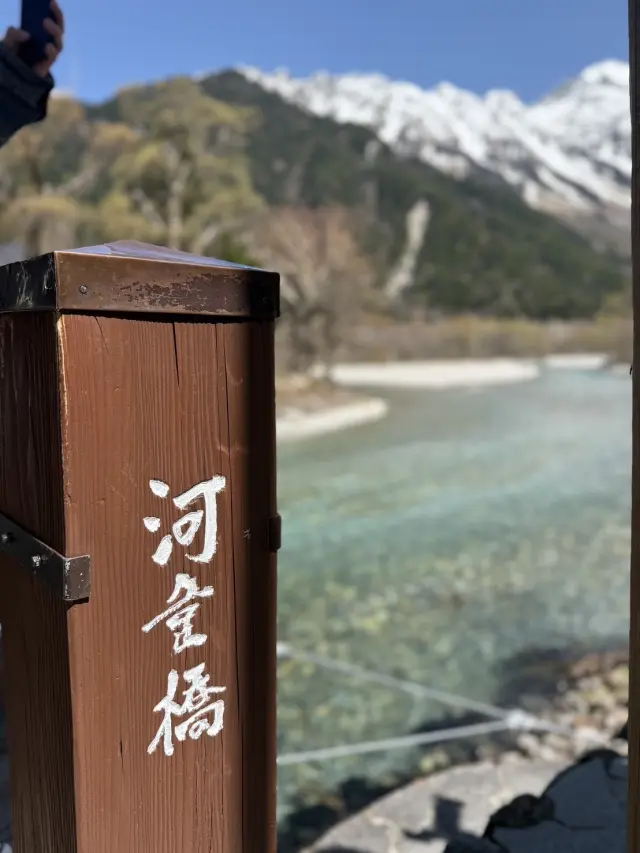
Kappa Bridge was originally a wooden bridge constructed with beams extending from both banks of the river.
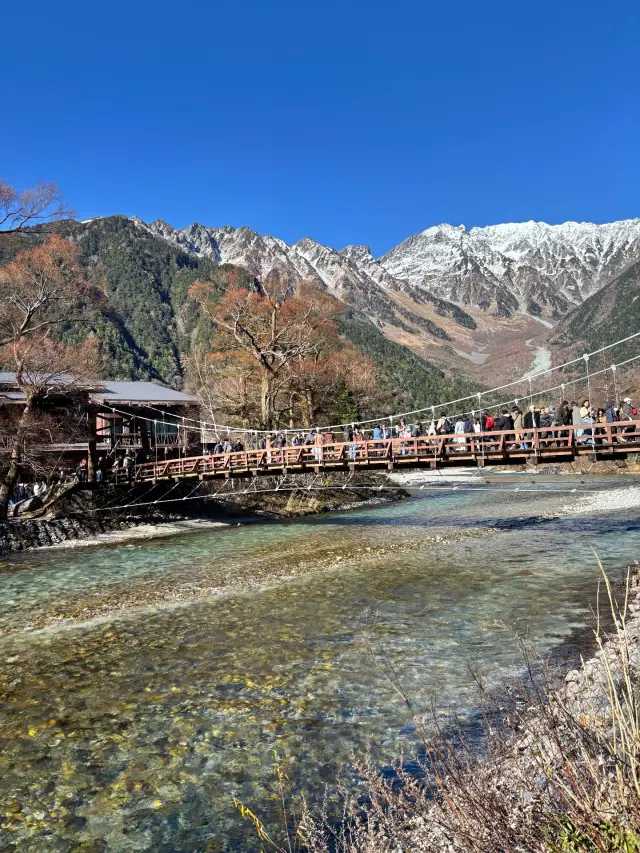
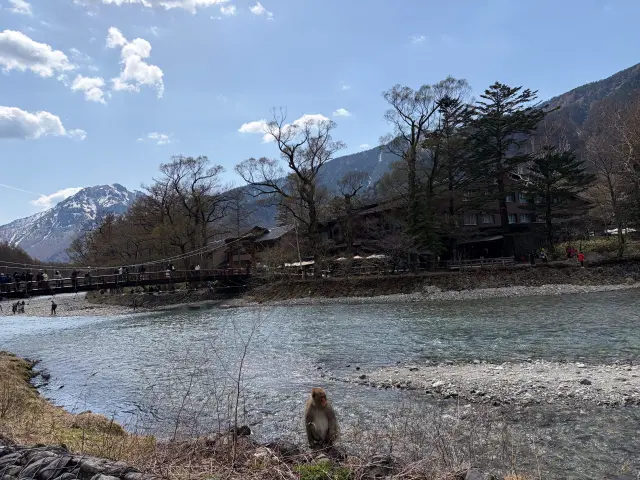
It was converted into a suspension bridge in 1910, and the current structure is the fifth-generation bridge, rebuilt in 1997.
Made of Japanese larch wood, the suspension bridge measures 3.1 meters wide and 36.6 meters long and has become an iconic symbol of Kamikochi.
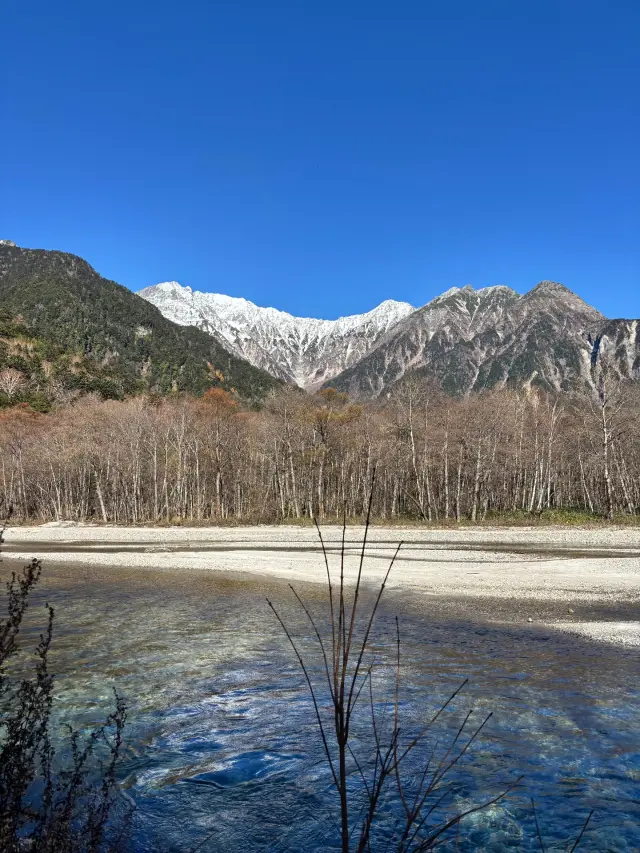
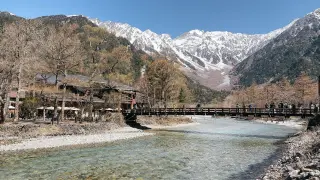
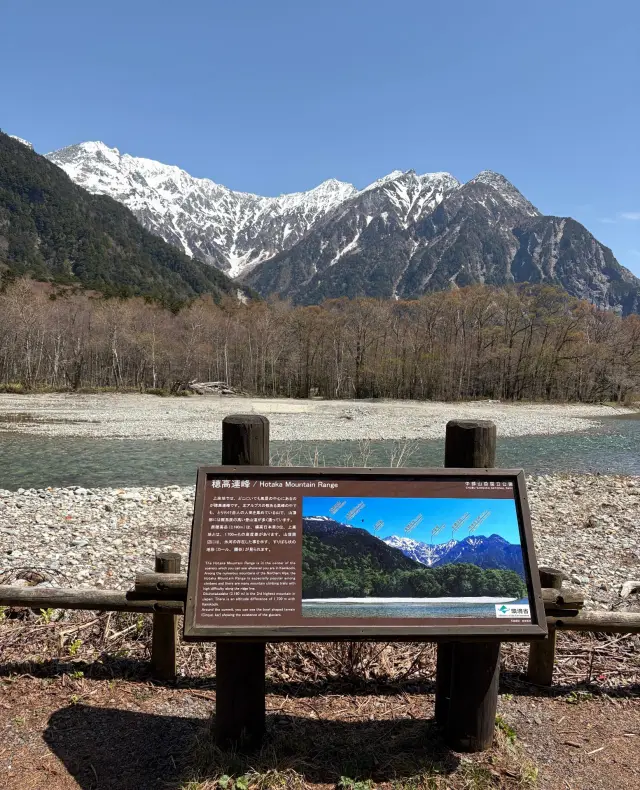
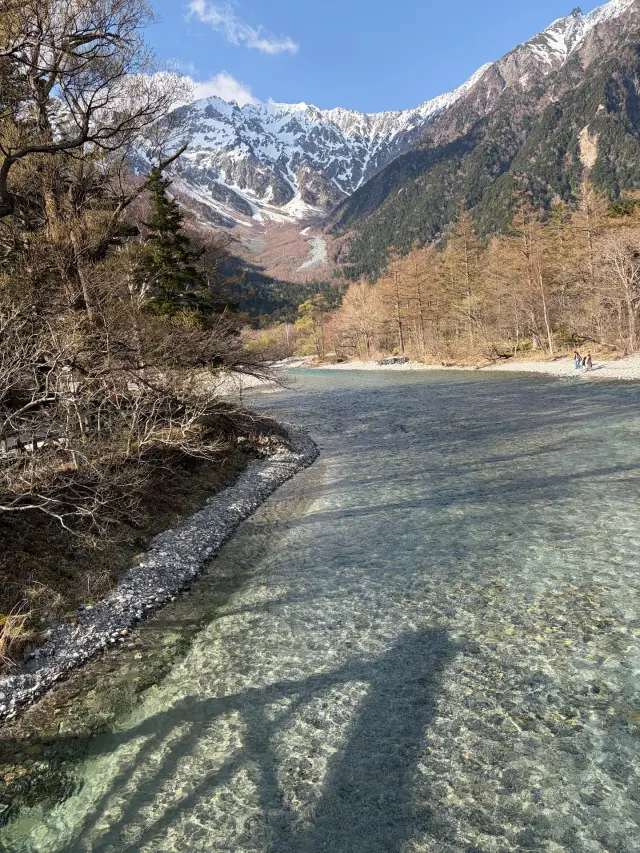
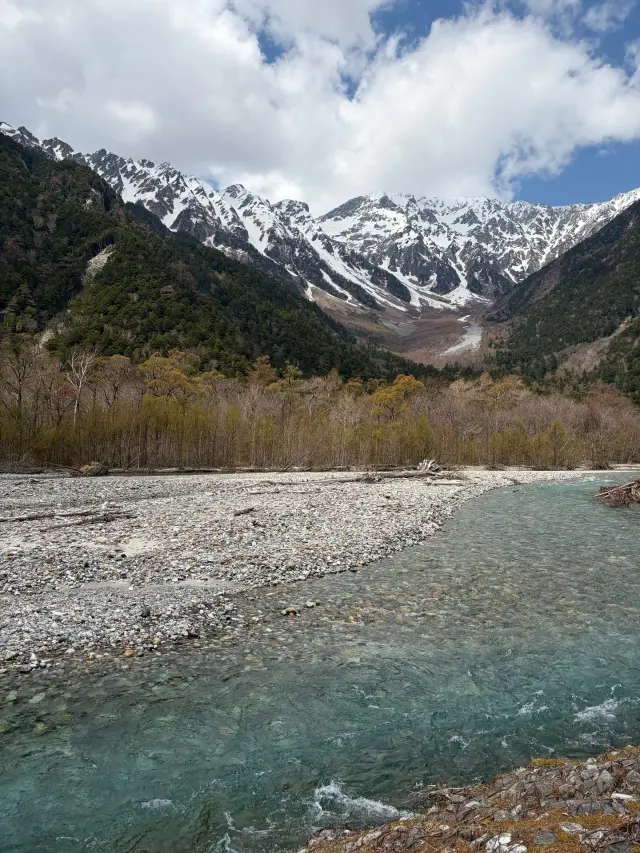
From the bridge, visitors can enjoy breathtaking views of the Hotaka Mountain Range and Dakesawa Gorge, a scenic valley nestled partway up the mountains.

2. Taisho Pond
Taisho Pond was formed when the eruption of Mount Yake in 1915 blocked the flow of the Azusa River.
The pond's emerald-green waters beautifully reflect the surrounding mountains of Kamikochi.
The remains of submerged trees rise from the water, creating a mysterious, almost otherworldly landscape. Located at an elevation of 1,490 meters, the pond is surrounded by beautiful forests of white birch trees, which thrive at this altitude.
On clear days, Taisho Pond offers stunning reflections of the Hotaka Mountain Range. For an equally enchanting experience, visit early in the morning after rainfall, when mist rises from the water, or enjoy the spectacular star-filled sky at night.

3. Shinhotaka Ropeway
Shinhotaka Ropeway is located in Shinhotaka Onsen, part of the Okuhida Onsengo hot spring area in the mountains of Takayama City.
The ropeway offers a spectacular 3,200-meter journey through the air, taking visitors from Shinhotaka Onsen Station to Nishihotakaguchi Station via two connecting ropeways.
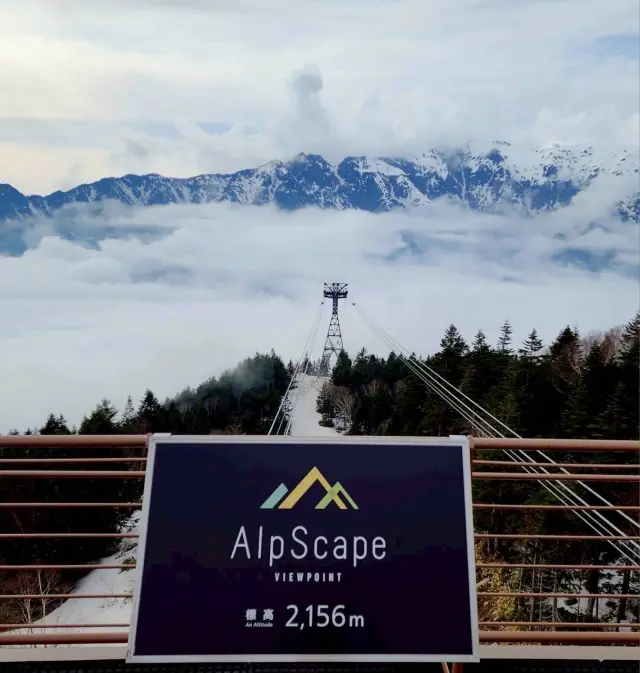
Upon arriving at Nishihotakaguchi Station, located 2,156 meters above sea level, head to the rooftop observation deck.
Here, breathtaking 360-degree panoramic views of the Northern Alps unfold before you, including Mount Nishi-Hotaka, Mount Yari, and Mount Kasa.
The scenery is so spectacular that it earned two stars in the Michelin Green Guide Japan.

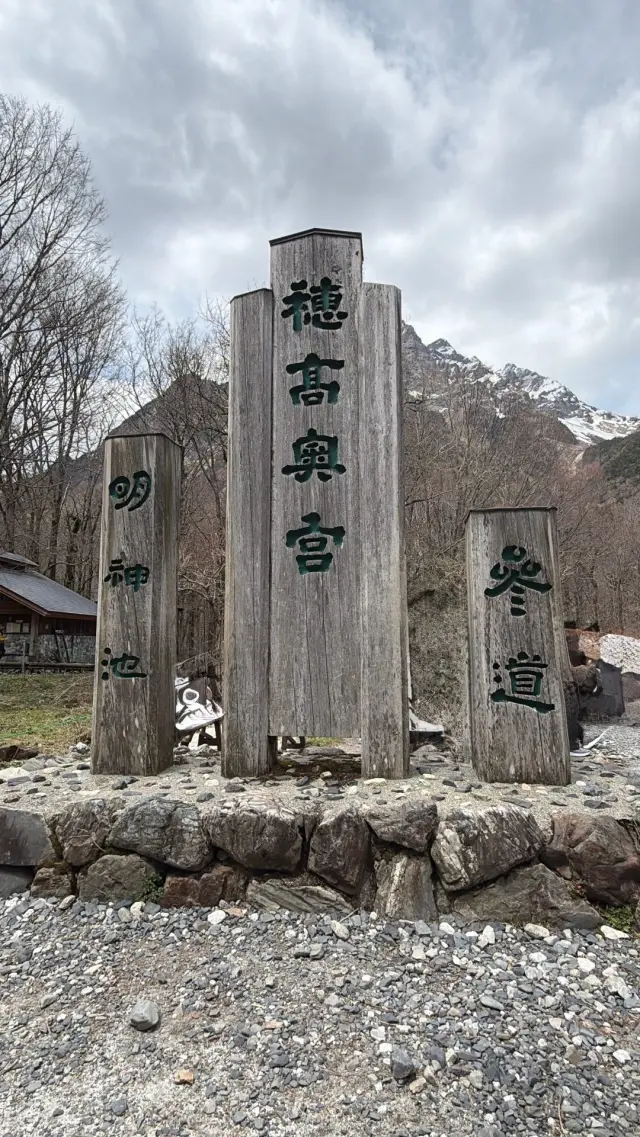
4. Myojin Pond
Nestled quietly among coniferous trees, Myojin Pond is a tranquil retreat in Kamikochi. Consisting of two ponds, Ichinoike and Ninoike, it can be reached via two walking trails along either bank of the Azusa River. Both routes take about an hour from Kappa Bridge, making for a pleasant, leisurely hike.
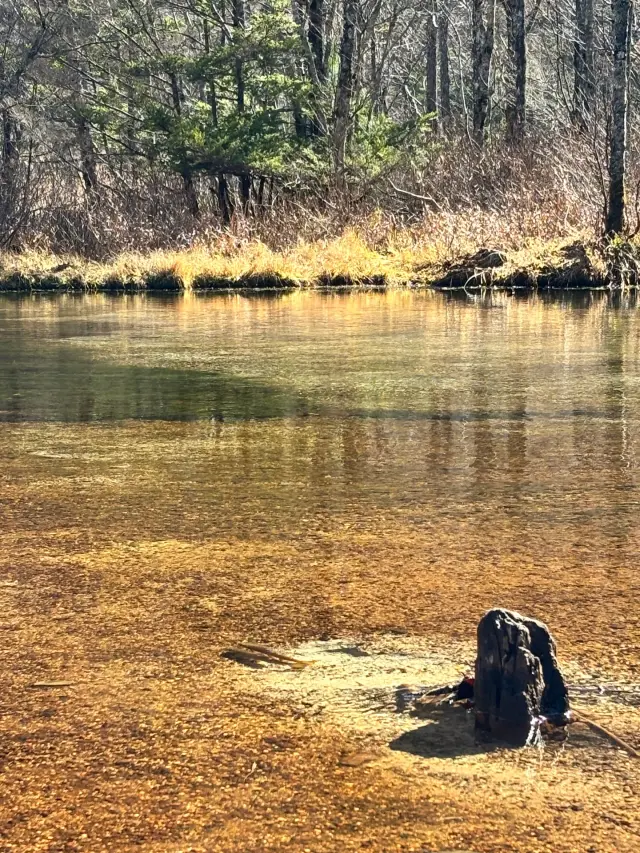
True to its former name, Kagamiike, meaning "Mirror Pond," Ichinoike's crystal-clear waters beautifully reflect the surrounding landscape. The scenery changes with the seasons, from fresh spring greenery to vibrant autumn foliage. You may even spot wild birds such as mallards and mandarin ducks swimming across the pond.

Kamikochi Hiking Trails for Every Fitness Level and Schedule
Kamikochi offers a wide range of hiking trails, from easy, leisurely walks to more challenging routes for experienced hikers.
With numerous trails to explore across different areas, you can choose one that suits your fitness level and hiking experience.
The classic route, however, is the trail from Taisho Pond to Kappa Bridge.
If you have more time and energy, consider venturing beyond Kappa Bridge along the Kappa Bridge-Myojin Nature Trail, or exploring even farther along the Oku-Kamikochi Nature Trail.
The round trip from Kappa Bridge, the starting point for the trails introduced below, to Tokusawa at the far end takes approximately four hours.
Use the following guide to find the hiking route that best suits your time, fitness level, and interests.
Nature Study Trail: An Easy Hike for Beginners
The Nature Study Trail connecting Taisho Pond and Kappa Bridge is easy enough to explore in sneakers.
With many well-maintained sections, the trail is also suitable for beginners.
The greatest appeal of hiking between Taisho Pond and Kappa Bridge is the magnificent natural scenery, which takes on a different character with each season.
From rivers and mountains to wetlands, the trail offers a diverse range of beautiful landscapes, with something new to discover along the way.
Let's take a closer look at four hiking routes in the area between Taisho Pond and Kappa Bridge.
Forest Course (Taisho Pond-Tashiro Bridge)
This is one of Kamikochi's classic hiking routes, taking you through a coniferous forest with beautiful views of the surrounding mountains.
Although the trail passes through some wetlands, most of the walk takes place beneath the trees, offering a wonderful opportunity to immerse yourself in nature.
The trail takes approximately 40 minutes one way and has minimal elevation changes, making it an easy, beginner-friendly hike.

Azusa River Course (Taisho Pond-Tashiro Bridge)
Another popular hiking route alongside the Forest Course, this trail also takes approximately 40 minutes one way.
With its relatively gentle terrain, the trail is easy to walk and suitable for beginners, although it tends to be busier than the Forest Course.
As you walk through the woods, you'll catch glimpses of the river at various points along the way.
You may even spot ducks swimming on the water, adding to the variety of natural scenery you can enjoy along the trail.

Azusa River Left Bank Course (Tashiro Bridge-Kappabashi Bridge)
This 1.5-kilometer trail takes approximately 20 minutes to walk.
With minimal elevation changes and a relatively short walking time, it's an easy route suitable for beginners.
The impressive stands of larch trees create a beautiful setting for a leisurely stroll, with stunning views of the surrounding mountains along the way.

Azusa River Right Bank Course (Tashiro Bridge-Kappabashi Bridge)
Like the left bank route, this trail takes approximately 20 minutes to walk. At around 1.6 kilometers long, it's also nearly identical in distance.
Highlights along the way include the Weston Monument and scenic wetlands. This route also seems to be slightly more popular than the left bank trail.
For the best of both routes, consider taking one on the way out and the other on your return, allowing you to enjoy the different scenery each has to offer.

Kappa Bridge-Myojin Nature Trail: A More Immersive Hiking Experience
Hiking shoes are recommended for the Kappa Bridge-Myojin Nature Trail, which connects Kappa Bridge and Myojin.
Compared to the trails between Taisho Pond and Kappa Bridge, this route is slightly more challenging, making the hiking experience all the more rewarding.
Along with its atmospheric forest trails, one of the highlights is the variety of seasonal flowers that bloom throughout the year.
Let's take a closer look at the two hiking routes between Kappa Bridge and Myojin.
Azusa River Left Bank Course (Kappabashi Bridge-Myojin)
This trail is approximately 3 kilometers long and takes about 60 minutes to complete. Allow a little extra time if you plan to stop and admire the scenery or take breaks along the way.
The trail is mostly flat and easy to walk, although there are some gentle slopes. While the difficulty level isn't particularly high, it's not necessarily suitable for complete beginners, so be sure to come prepared and pace yourself.
One of the highlights of this route is the refreshing experience of walking among the trees, with beautiful sunlight filtering through the forest canopy.

Azusa River Right Bank Course (Kappabashi Bridge-Myojin)
This trail is slightly longer than the left bank route, stretching approximately 3.5 kilometers and taking about 70 minutes to complete.
With a series of gentle ups and downs along the way, it's a little more challenging than the left bank route. Be sure to allow plenty of time and pace yourself according to your fitness level.
One of the highlights of this route is its proximity to the Azusa River, where the gentle sound of flowing water creates a peaceful, soothing atmosphere.

Oku-Kamikochi Nature Trail: A More Challenging Hiking Experience
The Oku-Kamikochi Nature Trail stretches from Myojin to Tokusawa.
Although the trail is relatively flat, the longer distance can make it challenging for those with limited stamina.
At just under 4 kilometers long, the trail takes approximately 60 to 70 minutes to complete, with additional time needed for breaks along the way.
Before setting out, make sure you're physically prepared for the hike and equipped with appropriate clothing and gear.
With far fewer people along this stretch of the trail, you can enjoy a quieter hiking experience and take your time appreciating the beautiful natural surroundings.

2 Recommended Restaurants in Kamikochi for Before or After Sightseeing
Here are some recommended places to eat before or after sightseeing in Kamikochi.
At the places introduced here, you can enjoy Kamikochi’s scenery while dining or savor dishes made with local ingredients, giving you an experience unique to the area.
1. Kamikochi Shokudo
Located on the second floor of the Kamikochi Tourism Center, this restaurant overlooks Kamikochi Bus Terminal, a bustling hub for tourists and mountain climbers during peak season.
Here, you can enjoy dishes made with locally sourced ingredients from Shinshu while taking in magnificent views of the Hotaka Mountain Range.
Opening at 6:00 a.m., the restaurant is a convenient stop for those setting out on an early morning trek.
The menu features both Japanese- and Western-style breakfast sets, along with a variety of set meals, soba noodles, rice bowls, and katsu curry (Japanese-style curry with a breaded cutlet).

2. Kamonji Goya
This mountain lodge was built in 1880 by Kamijo Kamonji, who served as a mountain guide for Walter Weston, known as the father of modern mountaineering in Japan.
A beloved resting place in Kamikochi, a gateway to mountaineering in the Northern Alps, the lodge has welcomed visitors for generations. Today, fifth-generation owner Mizuho Kamijo carries on its rich history and traditions, welcoming both overnight guests and diners.
The lodge's undisputed signature dish is salt-grilled Japanese char, slowly cooked over a traditional irori (sunken hearth).
Fresh fish are scooped from a holding pool in the clear stream flowing past the lodge, then skewered and carefully grilled over a wood fire in the hearth for each order.
The result is exceptionally delicious, and eating the fish whole, including the head, is a great way to appreciate its full flavor.

2 Recommended Places to Stay in Kamikochi for a Memorable Getaway
Kamikochi offers countless breathtaking views, from beautiful sunrises to spectacular sunsets, that only those staying overnight can fully experience.
To make the most of your visit to Kamikochi, consider spending at least one night in the area.
Accommodations in Kamikochi offer more than just magnificent natural scenery. Guests can also savor delicious dishes made with locally sourced ingredients.
Uniquely designed guest rooms are another highlight, offering a chance to enjoy experiences far removed from everyday life.
If you're planning an overnight stay in Kamikochi, be sure to check out the recommended accommodations below.
1. Kamikochi Hotel Shirakabaso
Located directly across from Kappa Bridge, one of Kamikochi's most iconic landmarks, this hotel is just a five-minute walk from Kamikochi Bus Terminal.
With easy access to popular attractions such as Taisho Pond and Myojin Pond, the hotel makes an ideal base for exploring Kamikochi, one of Japan's most celebrated scenic destinations. On clear days, guests can enjoy breathtaking views of the Hotaka Mountain Range.
The hotel offers a variety of guest rooms to suit different travel styles, from rooms with large windows framing spectacular views of the Hotaka Mountain Range to elegant rooms that blend traditional Japanese aesthetics with modern design.

2. Kamikochi Imperial Hotel
Opened in 1933, this hotel was Japan's first full-fledged mountain resort hotel.
Its distinctive red gabled roof and log cabin-style exterior have remained unchanged since its opening. Step inside, and you'll find a warm, inviting interior filled with natural wood accents, centered around the hotel's iconic fireplace.
With a range of facilities, including restaurants, the hotel offers an elegant retreat surrounded by Kamikochi's magnificent natural scenery.
The hotel has 74 guest rooms across seven different types, ranging from cozy mountain lodge-style rooms with ceilings that follow the slope of the roof to spacious suites with separate living rooms.

Reviews
Some reviews are AI-translated.
-
2026/11
Kamikochi is about 1,500 meters above sea level and is part of Chubu-Sangaku National Park. It is known as the “place where the gods descend” and as a hidden scenic wonder of the Japanese Alps. We visited just before it closed for the season on 11/15 and were very lucky to have perfectly clear skies. The temperature was around 7 degrees in the morning, and there were still plenty of spaces at the Sawando parking lot at 9:00.
We got off at Taisho Pond and walked to Kappa Bridge. Although the weather was good, there was some standing water along parts of the trail, so older visitors should take extra care. There are great photo spots all along the way. This section takes about 1.5–2 hours to complete. It really is as beautiful as a painting and well worth it!
To protect the environment, private vehicles are prohibited from entering throughout the year. From the Sawando parking lot, you can take a bus 🚌 or taxi 🚕. Taxis charge fixed fares. For our route, the fare from the Sawando parking lot to Taisho Pond was JPY 4,900, and from Kappa Bridge to the Sawando parking lot it was JPY 6,000. For 3–4 people, taking a taxi is actually more convenient, and you won’t have to line up and wait for the bus!
One final reminder: If you’re driving, don’t leave too late, because the line to pay for parking can get very long! -
-
Only when I personally stepped into the embrace of Japan's Northern Alps did I understand what paradise on earth means. This is truly a pristine journey everyone should experience once in a lifetime.
In the early morning, Taisho Pond is ethereal and mirror-like, reflecting the majesty of Mount Yake and the lingering snow. As the morning mist clears, it feels like stepping into a painting. Strolling to the iconic Kappa Bridge, you see the emerald waters of the Azusa River rushing by, clear as a mirror, with the magnificent Hotaka mountain range rising behind you. Enjoying desserts and dairy products in nature's embrace is the ultimate pleasure.
Venturing deeper into the forest to reach Myojin Pond, I felt the serene, solemn, and sacred atmosphere in front of the inner shrine of Hotaka Shrine, washing away all the noise of everyday life. If your schedule allows, you can also take the Shinhotaka Ropeway's double-decker cable car up into the clouds for a 360-degree view of the sea of clouds and endless snowcapped peaks. The view is absolutely breathtaking.
This hike through Kamikochi, whether for enjoying the outdoors or finding inner peace, left me with a pure and deeply moving experience that I'll never forget. -
-
There’s none of the noise of the city here—just the sound of flowing water, birdsong, and a gentle breeze moving through the treetops. It naturally makes you slow down and quietly enjoy the healing power of nature.
Whether you’re walking to Kappa Bridge or wandering along the trails, every angle is so beautiful that it’s hard to leave.If I could choose only one natural spot in Japan to visit in my lifetime, I think Kamikochi would be my answer. This hidden gem, known as the “hometown of the gods,” is truly worth experiencing in person at least once.
-


FAQ about Kamikochi
Q
How much time do I need to explore Kamikochi?
It depends on the route and attractions you choose, but visiting the main sights takes about 1 to 1.5 hours. If you plan to go hiking, allow 3 to 4 hours.
Q
Are there places to stay in Kamikochi?
Yes, there are several accommodation options conveniently located near popular attractions and public transportation.
Summary
In this guide, we've explored Kamikochi's breathtaking natural scenery and introduced its hiking trails, including their walking times and difficulty levels.
From beginner-friendly walks to more challenging routes for experienced hikers, Kamikochi offers a wide range of trails to suit different fitness levels and schedules. Along the way, you can enjoy the area's stunning and diverse natural landscapes.
If you're looking to immerse yourself in the beauty of nature, Kamikochi is a destination well worth visiting.
For more travel inspiration, check out our guide to the best sightseeing spots in Nagano Prefecture.
Author
Writers & Editors
GOOD LUCK TRIP Editors
Sharing lesser-known ways to experience Japan with the world!