
![[Shikoku Transportation Guide] Smooth Travel for Your First Trip! A Complete Introduction to Access and Transportation Options](https://static.gltjp.com/glt/data/article/22000/21173/20251024_102808_ee9685db_w1920.webp)
[Shikoku Transportation Guide] Smooth Travel for Your First Trip! A Complete Introduction to Access and Transportation Options
Made up of four prefectures, the Shikoku region offers natural beauty, traditional culture, local cuisine, and activities, making it a place where you can enjoy a wide range of experiences at a relaxed pace.
Since each prefecture has its own distinct character, touring all of Shikoku is also a popular travel style.
This article introduces an access guide centered on an overview of the Shikoku region, sightseeing hubs, major transportation options, and ways to travel between prefectures.
We have gathered the information you need so you can enjoy your first trip to Shikoku with peace of mind, so be sure to read to the end.
What is Shikoku Like?
Located southwest of Honshu and northeast of Kyushu, the Shikoku region is one of Japan’s four main islands.
It consists of the four prefectures of Kagawa, Ehime, Kochi, and Tokushima, with the Seto Inland Sea to the north and the Pacific Ocean to the south.
The Shikoku region covers Approx. 18,298 square kilometers, making it about the same size as Iwate Prefecture or Slovenia in Europe.
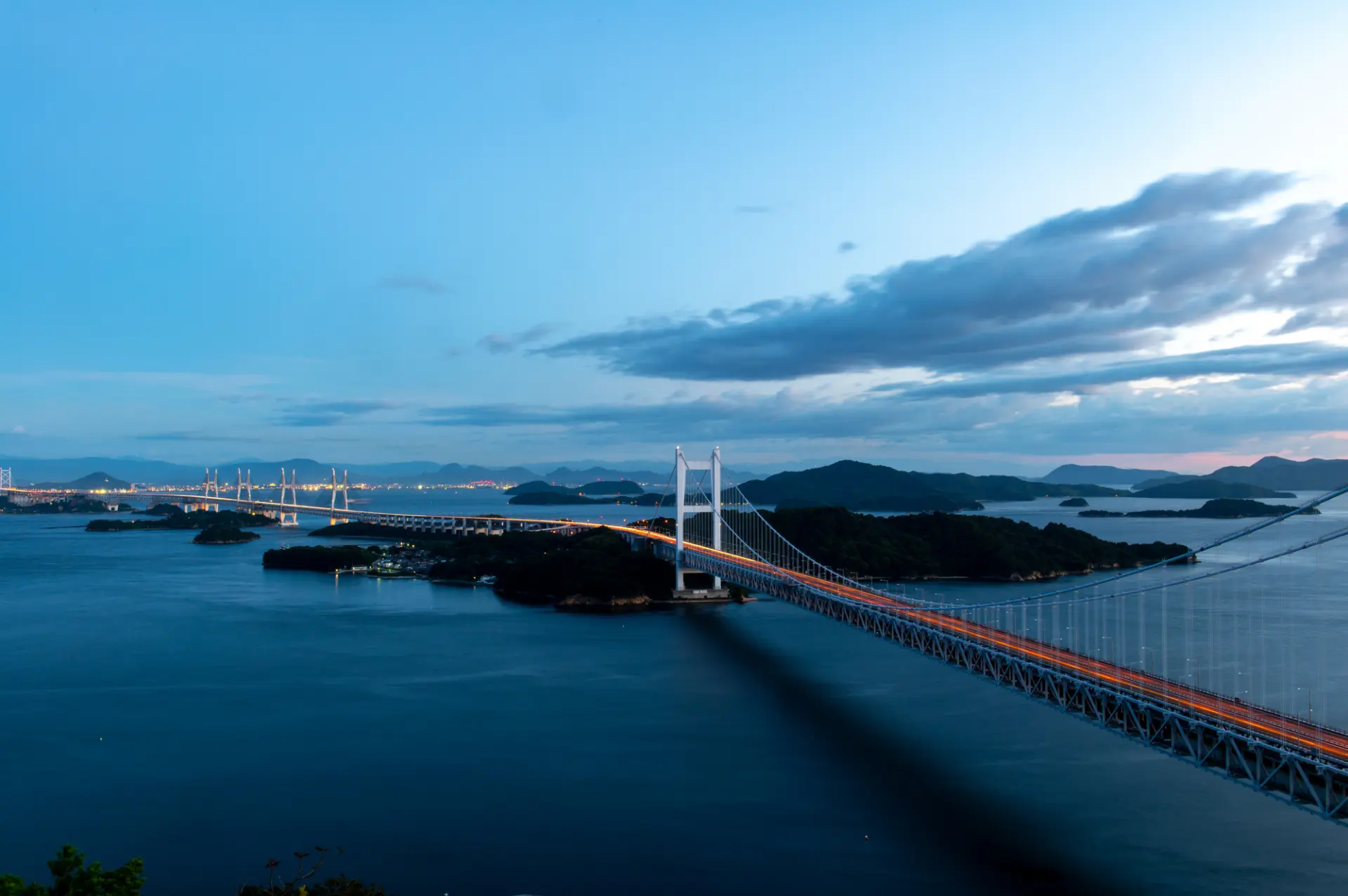
Although there is no Shinkansen service in Shikoku, it is connected to Honshu by the Seto Ohashi Bridge (Okayama-Kagawa), the Akashi Kaikyo Bridge and Onaruto Bridge (Hyogo-Awaji Island-Tokushima), and the Shimanami Kaido (Hiroshima-Ehime), making access by car and rail possible.
Each prefecture also has its own airport, mainly serving domestic flights, so it is possible to travel to and from destinations within Japan and abroad by air.
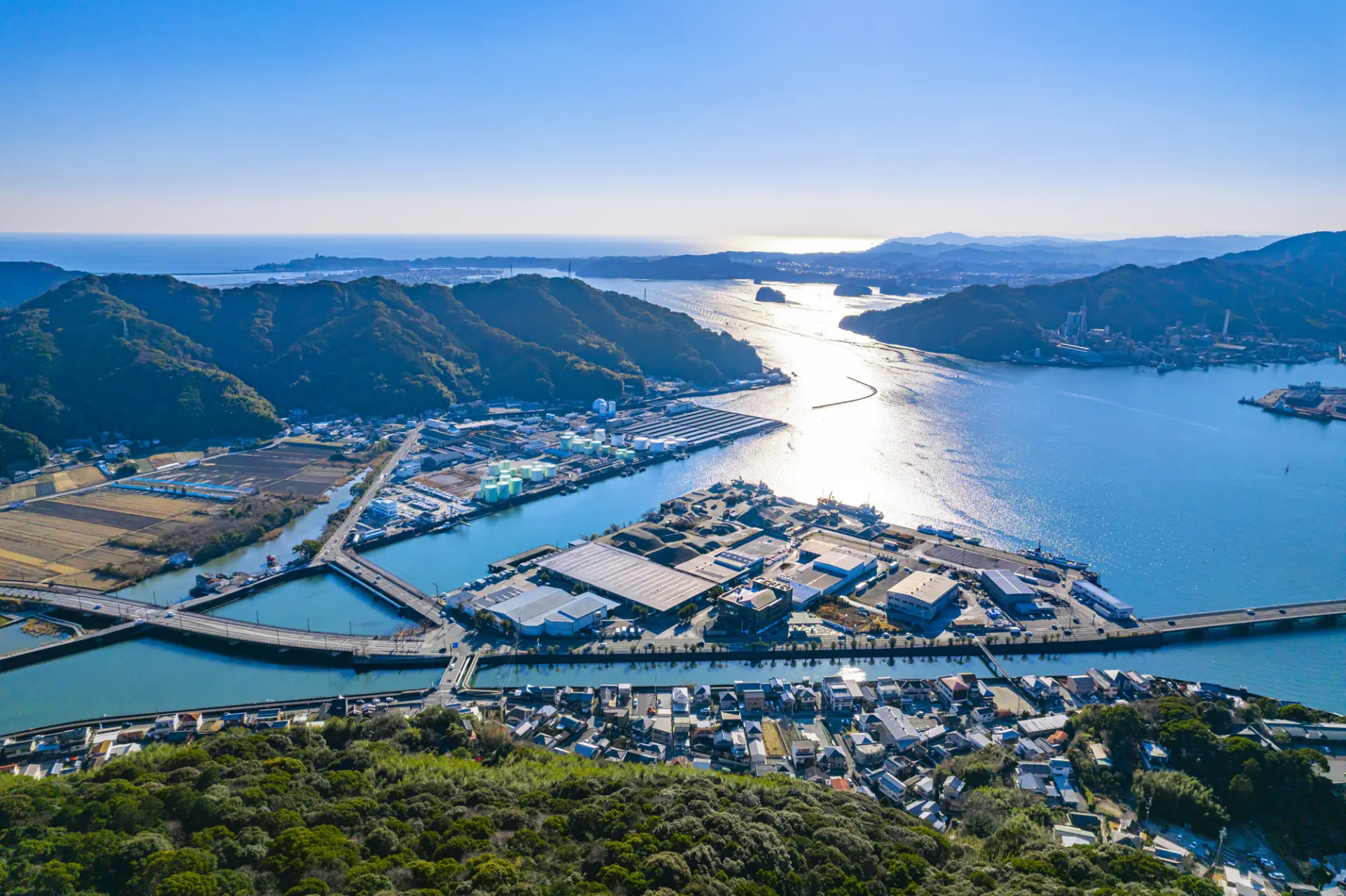

Four Cities That Serve as Bases for Sightseeing in Shikoku
The most convenient cities to use as a base for a trip to Shikoku are Takamatsu City (Kagawa Prefecture), Matsuyama City (Ehime Prefecture), Kochi City (Kochi Prefecture), and Tokushima City (Tokushima Prefecture).
On the map of Japan, Takamatsu lies to the north, Tokushima to the east, Matsuyama slightly west of the center, and Kochi to the south.
These four cities are located in the central areas of their prefectures and play important roles as regional hubs of transportation, economy, and culture.
Below, we introduce the appeal and highlights of each city, along with the advantages of using each one as your travel base.
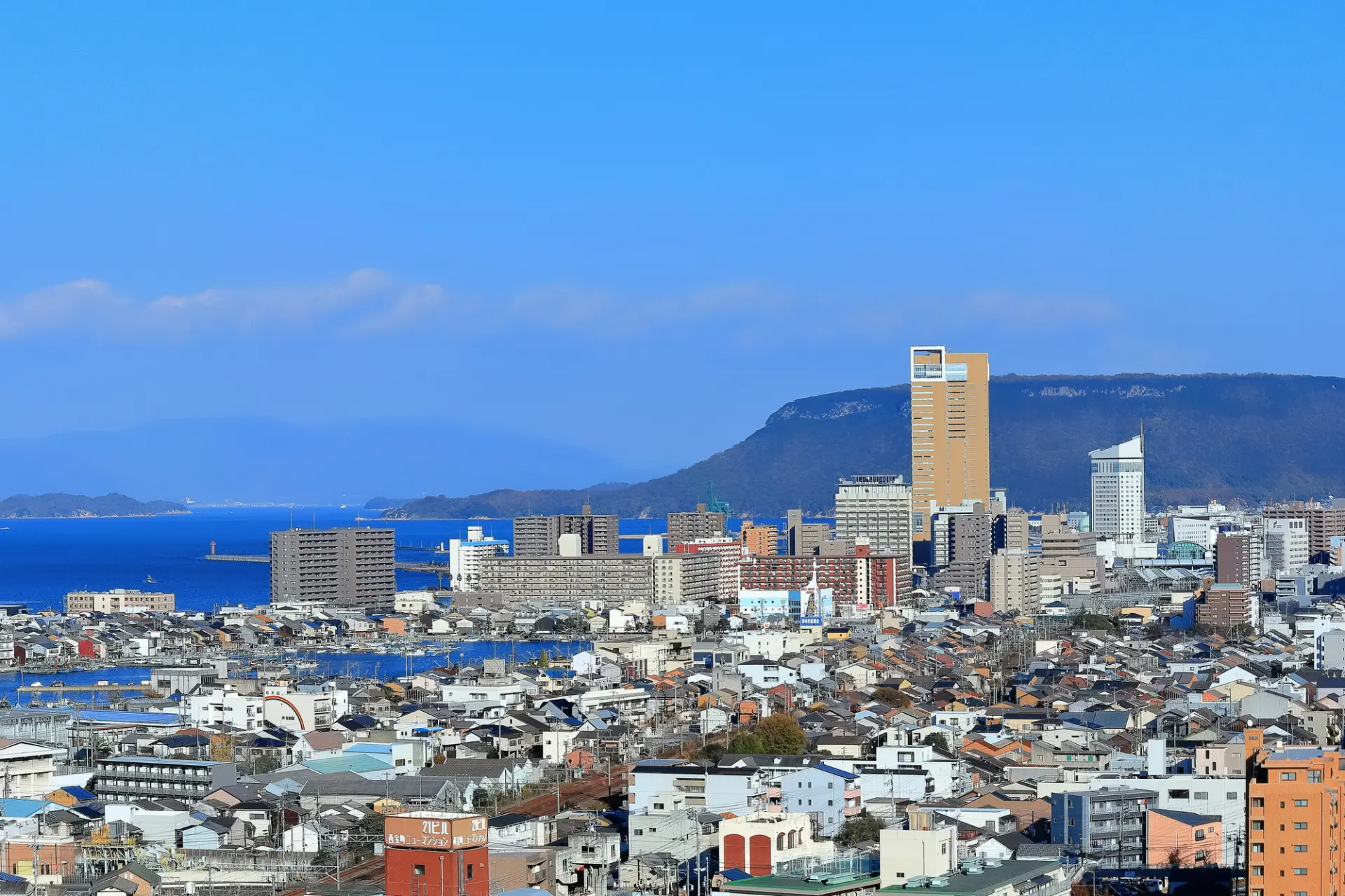
Takamatsu City, Kagawa Prefecture, the Gateway to Shikoku
Located in northeastern Shikoku, Takamatsu City is a port town facing the Seto Inland Sea.
Because it is connected to Honshu by sea and rail across the water, it is known as the gateway to Shikoku.
With Takamatsu Airport, Takamatsu Station, and Takamatsu Port all in place, the transportation network is well developed, and ferries make it possible to visit remote islands such as Naoshima and Shodoshima on a day trip.
Access to destinations both within and outside Shikoku is excellent, making it an ideal starting point for a Shikoku trip.
It also has plenty of restaurants and accommodations, making sightseeing easy, so it is especially recommended for first-time visitors to Shikoku.
Though compact, the city is packed with attractions, including nature, history, and culture.
There are many famous sightseeing spots, such as Ritsurin Garden, a nationally designated Special Place of Scenic Beauty, Yashima with its spectacular views of the Seto Inland Sea, and Takamatsu Castle, one of Japan’s three great sea castles.

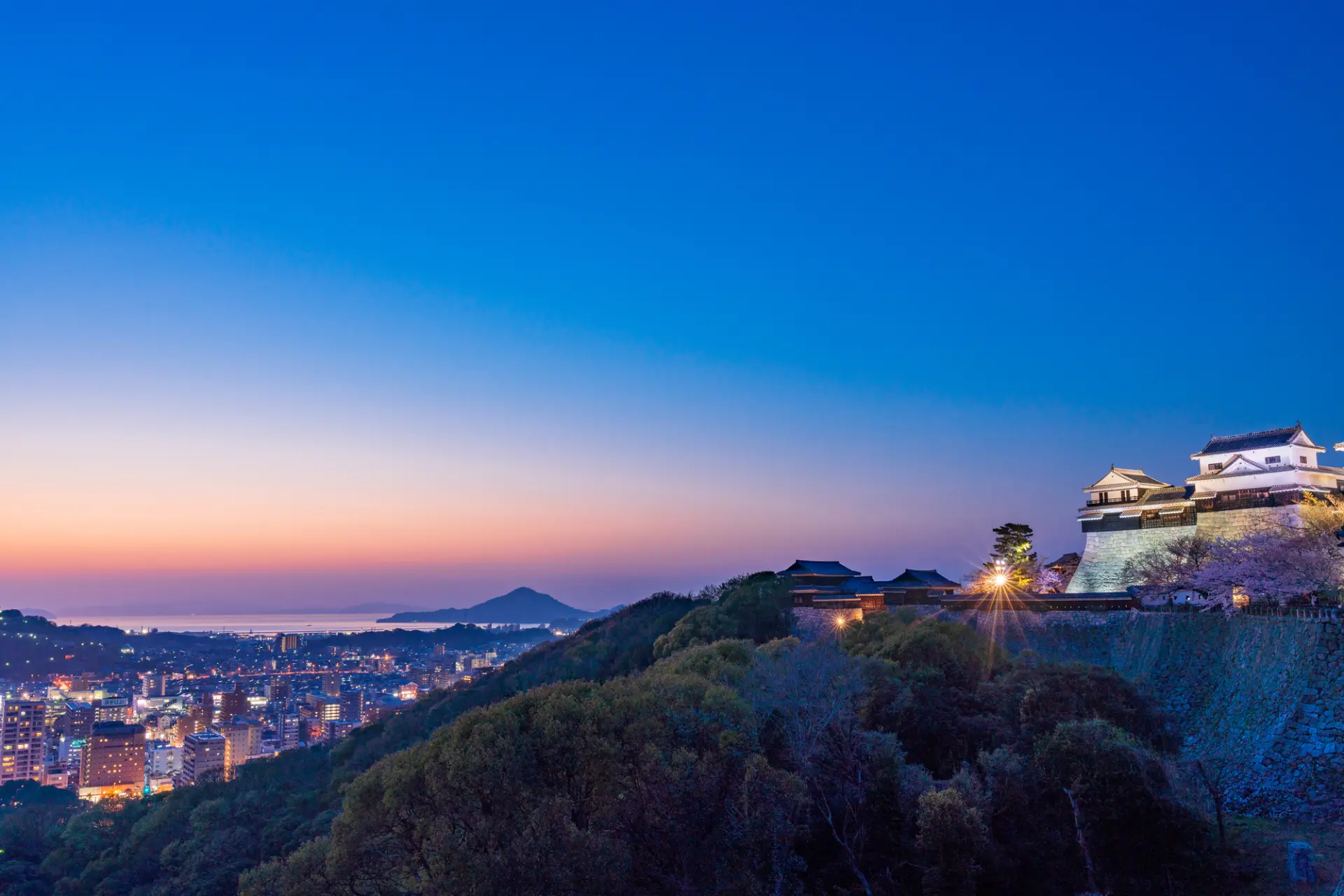
Matsuyama City, Ehime Prefecture, a Sightseeing Base with Strong Cultural Appeal
Matsuyama City is the largest city in Shikoku, located on the Matsuyama Plain facing the Seto Inland Sea in northwestern Shikoku.
With Matsuyama Airport, Matsuyama Station, and Matsuyama Tourist Port, it is a key transportation hub with relatively good access from Honshu and other parts of Shikoku.
The city has a well-developed network of streetcars and buses, and its major attractions are concentrated in the center, making it easy to explore.
Using it as a base for your Shikoku trip will help you travel efficiently and enjoy more places.
Matsuyama itself is also full of highlights, including its symbol Matsuyama Castle, Dogo Onsen Honkan, said to be Japan’s oldest hot spring, and Ishiteji Temple, the 51st temple of the Shikoku 88 Temple Pilgrimage.
It also offers cultural appeal as the setting of novels by Natsume Soseki and Ryotaro Shiba, allowing you to enjoy a variety of experiences in one place.

Kochi City, Kochi Prefecture, Ideal as a Midpoint Base for a Shikoku Trip
Located in southern Shikoku, almost in the center of Kochi Prefecture, Kochi City is a nature-rich city facing the Pacific Ocean.
It offers the convenience of being Approx. 30 minutes from Kochi Ryoma Airport to the city center, and the city itself also has convenient public transportation such as streetcars and buses.
It has good access to the prefecture’s major sightseeing spots and is also relatively easy to travel from there to other parts of Shikoku, making it a recommended midpoint base for a Shikoku trip.
Kochi City itself is an attractive destination where history, food, nature, and culture come together.
Top-class sightseeing spots in Japan are scattered around the city, including Kochi Castle with its original keep, Katsurahama Beach with its beautiful white sand and green pines, and the Sunday Market, an open-air market with more than 300 years of history.
Another highlight is its wide range of unique local gourmet foods, represented by chicken nanban, ice cream-style “ice kurin,” and Ryoma Burger.
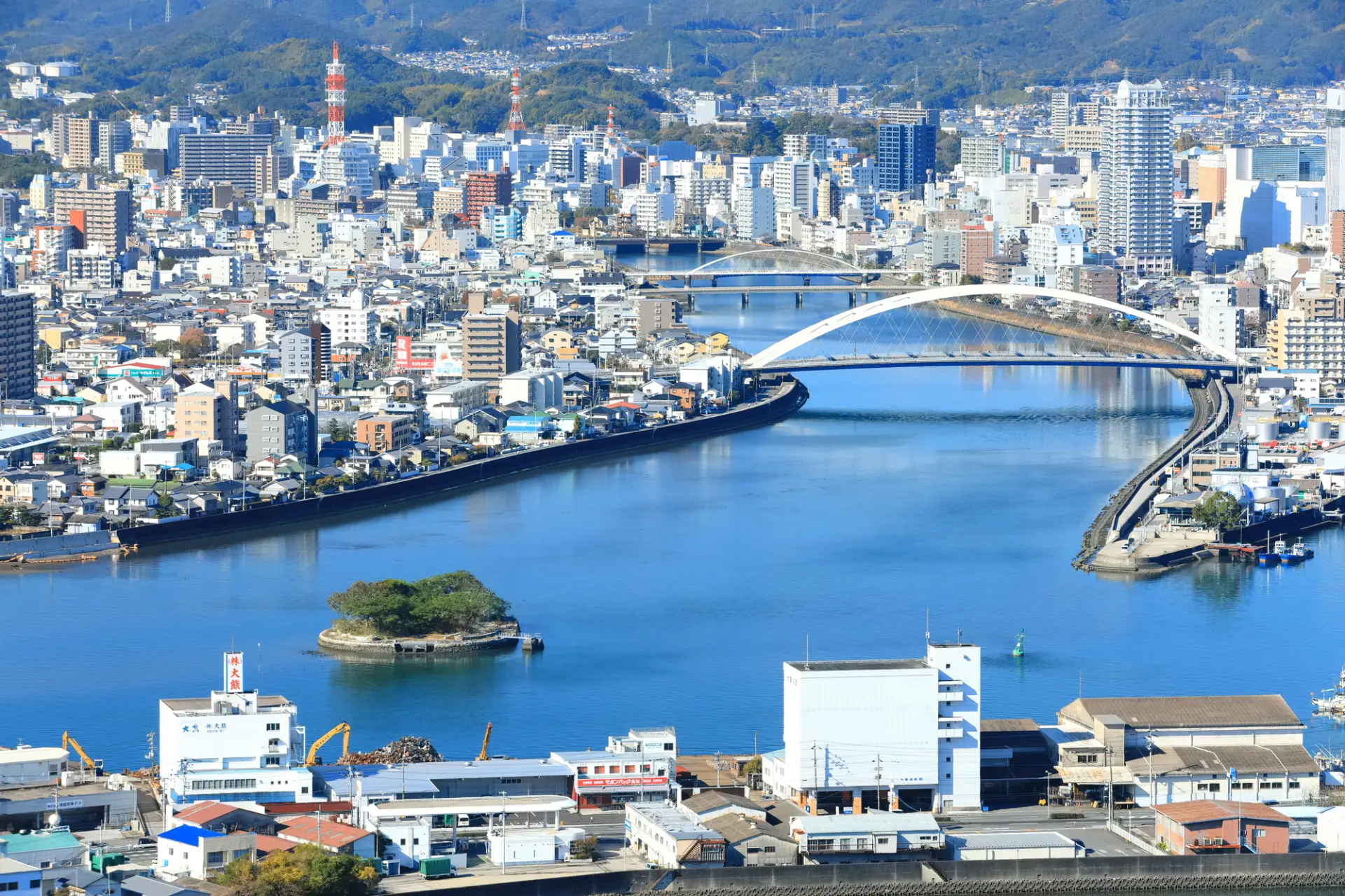
Tokushima City, Tokushima Prefecture, the Gateway from Kansai and Awaji Island
Located in eastern Shikoku near the mouth of the Yoshino River, Tokushima City is a water city where unique traditional culture lives on.
It serves as the eastern gateway to Shikoku and is convenient as a sightseeing base in Tokushima and as a base for the Shikoku pilgrimage.
Via the Akashi Kaikyo Bridge, it also offers excellent access from the Kansai area and Awaji Island.
The city has tourist information centers and wide-area tourism stations, providing extensive information and guide services for visitors.
For that reason, using Tokushima City as your base for a Shikoku trip makes it easier to smoothly visit famous spots both inside and outside the prefecture.
The urban area is surrounded by mountains, rivers, and the sea, so nature is always close by.
It has iconic spots such as the Awa Odori Kaikan and Mount Bizan, and you can also enjoy experiences unique to Tokushima in the city, including Awa Odori dancing, indigo dyeing, and the Hyotan Island cruise.
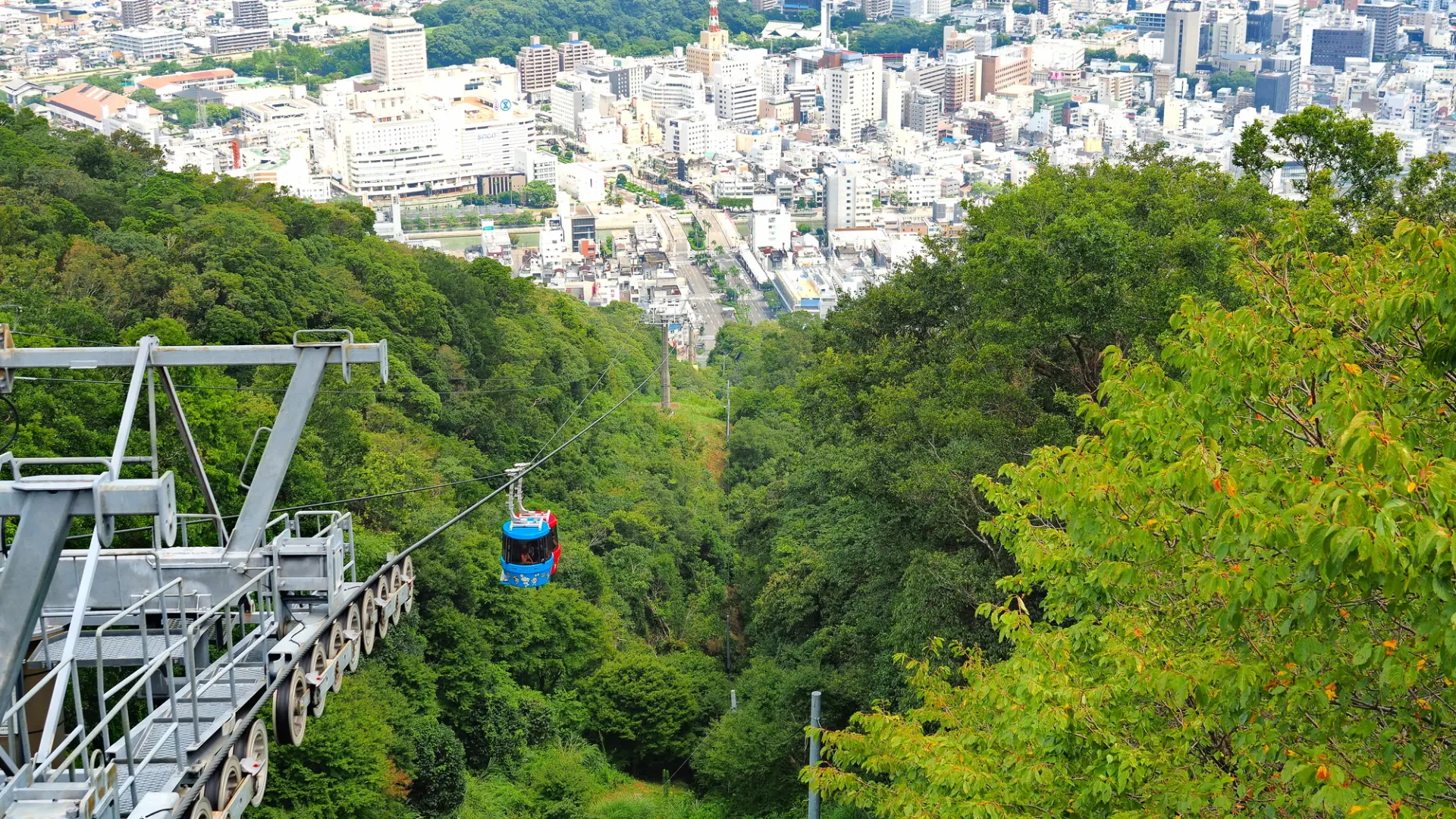
Access to Shikoku
Along with basic information on the airports in Shikoku’s four prefectures, this section introduces access to each prefecture from Taiwan and major cities in Japan.
As flights are limited, please use this as a reference when planning your travel schedule and sightseeing itinerary.
Main Destination Cities and Features of Each Prefecture’s Airport
The table below summarizes the overview and features of each airport in Shikoku.
| Location | Airport Name | Main Destination Cities | Features |
|---|---|---|---|
| Takamatsu City, Kagawa Prefecture | Takamatsu Airport |
・Tokyo ・Seoul ・Taipei |
It offers good access from the Honshu area and various parts of Shikoku, and it is also close to the city center at Approx. 20 km away. |
| Matsuyama City, Ehime Prefecture | Matsuyama Airport |
・Tokyo ・Osaka ・Seoul ・Taipei |
It is close to the city center, with Matsuyama Station about 30 minutes away, making it highly convenient as a sightseeing base. |
| Nankoku City, Kochi Prefecture | Kochi Ryoma Airport |
・Tokyo ・Osaka ・Nagoya |
Kochi Station is about 30 minutes away, and the compact, easy-to-understand layout supports its convenience as a gateway. |
| Itano District, Tokushima Prefecture | Tokushima Awaodori Airport |
・Tokyo ・Fukuoka ・Seoul |
Tokushima Station is about 30 minutes away, and the airport is used as a gateway for sightseeing in the city. |
Access from Major Cities in Japan
Here is a simple introduction to access from major cities in Japan to Shikoku.
All of these routes have short travel times and require few transfers.
| Departure Point | Arrival Point | Fastest Transportation Option | Travel Time (Approx.) |
|---|---|---|---|
| Tokyo | Takamatsu City, Kagawa Prefecture | Plane (Haneda → Takamatsu Airport) | Approx. 1 hour 20 minutes + Approx. 40 minutes to the city |
| Osaka | Takamatsu City, Kagawa Prefecture | JR (Shinkansen + Marine Liner) | Approx. 2 hours |
| Fukuoka | Matsuyama City, Ehime Prefecture | Plane (Fukuoka Airport → Matsuyama Airport) | 40 minutes + Approx. 30 minutes to the city |
| Hiroshima | Takamatsu City, Kagawa Prefecture | Shinkansen + Marine Liner (via Okayama) | Approx. 2 hours |
Major Transportation Options for Traveling Around Shikoku’s Prefectures
Next, we will introduce the main ways to travel between prefectures within Shikoku.
There are no regular flights connecting Takamatsu Airport, Matsuyama Airport, Kochi Ryoma Airport, and Tokushima Awaodori Airport, so travel within Shikoku is basically by train, bus, or rental car.
1. JR Shikoku Limited Express Trains
JR Shikoku connects Kagawa, Ehime, Kochi, and Tokushima, and runs throughout the Shikoku region.
The main lines are as follows.
| Line Name | Section | Overview |
|---|---|---|
| Honshi-Bisan Line (Seto Ohashi Line) | Kojima Station (Okayama) to Utazu Station (Kagawa) | A line connecting Honshu and Shikoku via the Seto Ohashi Bridge |
| Yosan Line | Takamatsu Station to Matsuyama Station to Uwajima Station (Ehime) | A line running along the Seto Inland Sea |
| Yodo Line | Kita-Uwajima Station (Ehime) to Wakai Station (Kochi) | A line running along the Shimanto River |
| Kotoku Line | Takamatsu Station to Tokushima Station | A line connecting the Setouchi coastal area |
| Dosan Line | Tadotsu Station (Kagawa) to Kubokawa Station (Kochi) | A line crossing the mountainous interior of Shikoku and connecting Kochi with the north |
When traveling across prefectural borders by rail, it is common to use limited express trains, which can greatly reduce travel time.
However, fares are relatively high, and compared with urban areas, services are less frequent.
Limited express trains are recommended for travelers who prioritize comfort and time over cost.
From here, we will introduce the main limited express trains connecting Shikoku’s major cities.
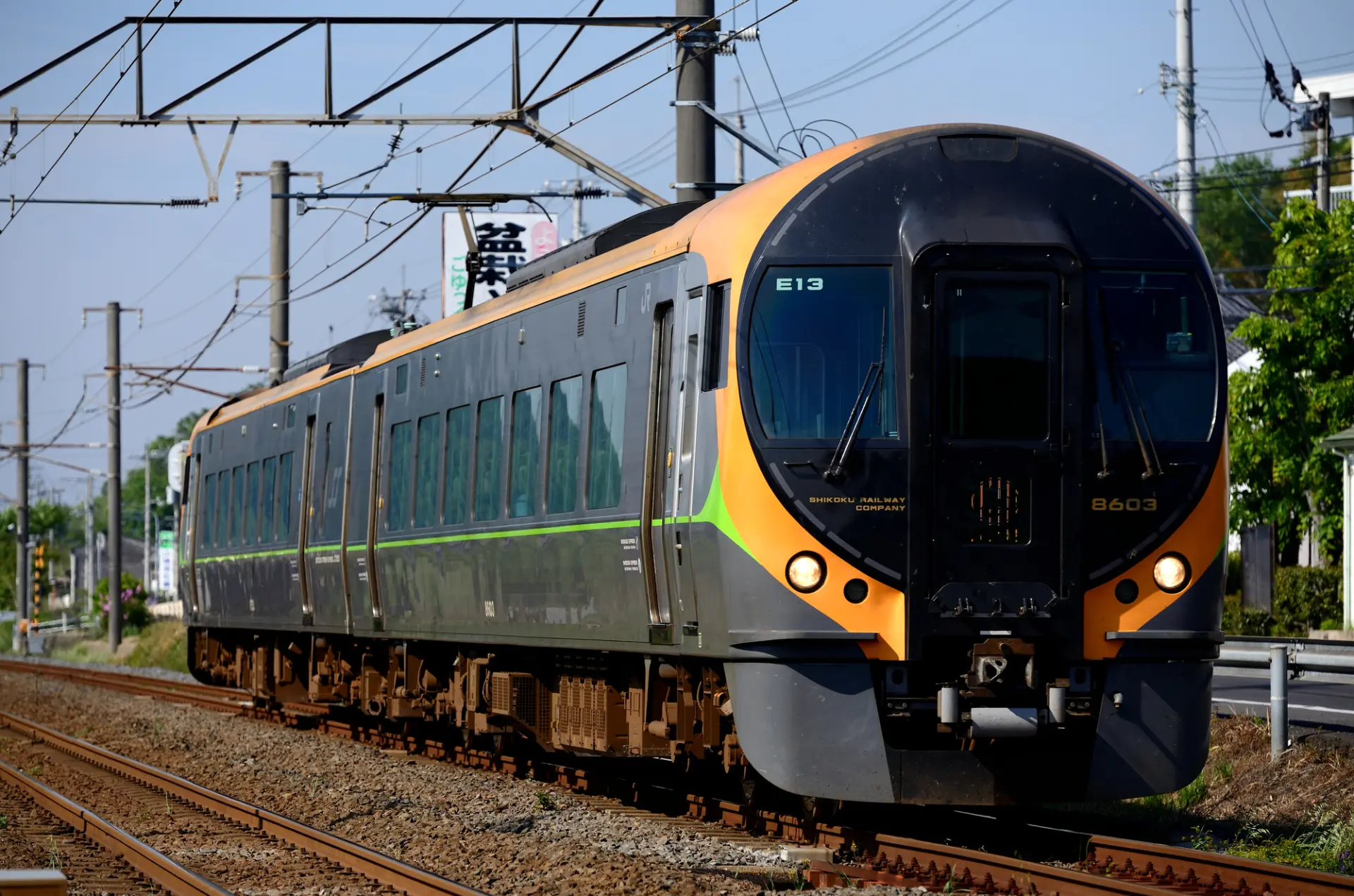
The “Ishizuchi” Limited Express Connecting Kagawa and Ehime
The Ishizuchi limited express is a train connecting Takamatsu Station and Matsuyama Station via the Yosan Line.
It stops at major stations in northern Shikoku along the way, including Utazu, Tadotsu, and Imabari, and takes around 2 hours 30 minutes.
With about one train per hour, it runs more frequently than any other JR Shikoku limited express. Its convenience is another major draw.
It is a good option when you want to travel quickly between Takamatsu and Matsuyama or between intermediate stations.
It is also recommended for travelers who want to enjoy the beautiful scenery of the Seto Inland Sea from the window and make the journey itself part of the trip.
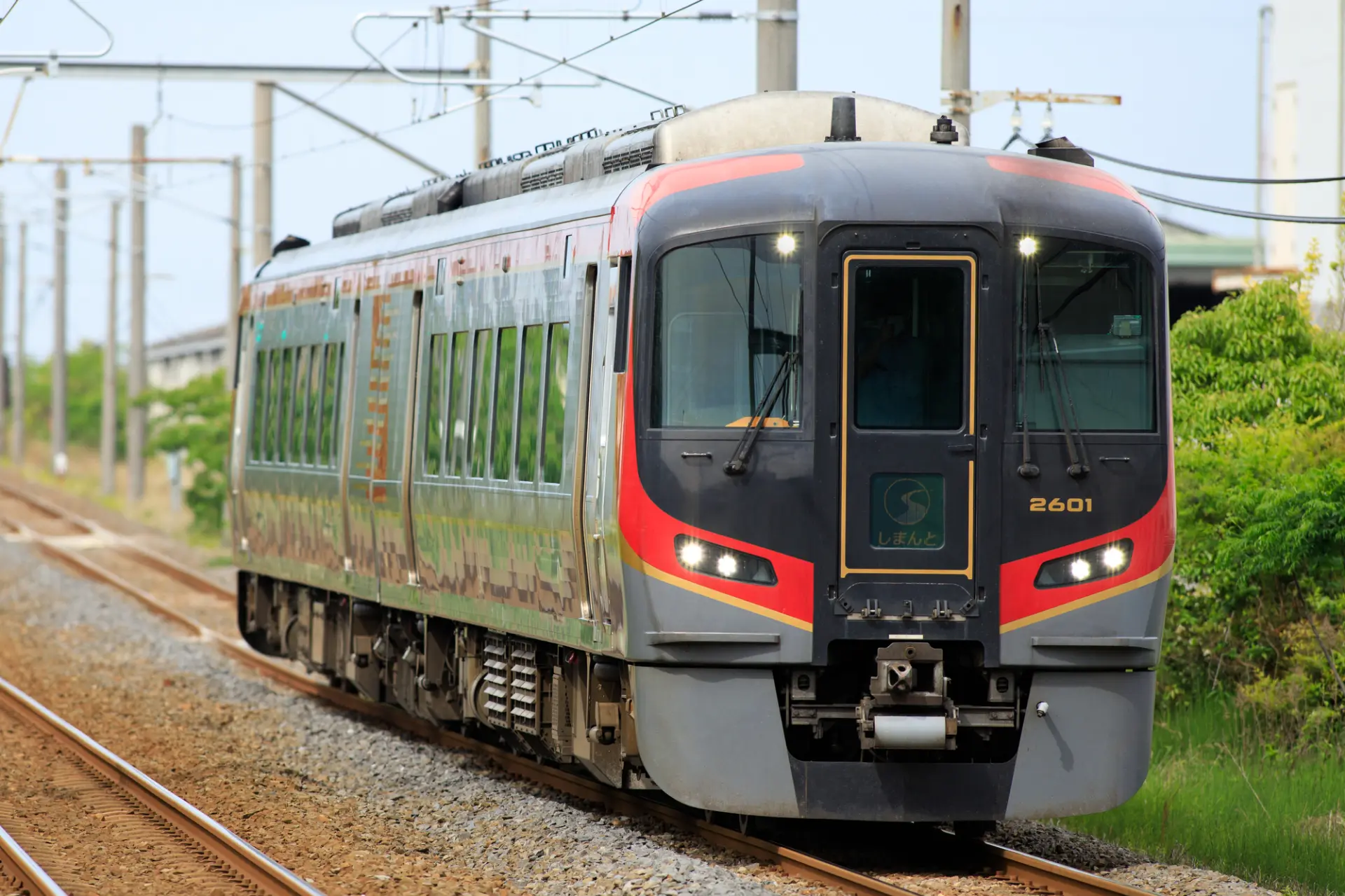
The “Shimanto” Limited Express Connecting Kagawa and Kochi
The Shimanto limited express is a train that mainly runs between Takamatsu Station and Kochi Station via the Dosan Line.
Some trains continue west from Kochi Station and go as far as Nakamura Station and Sukumo Station.
Main stops include Utazu, Kotohira, and Awa-Ikeda, and the trip takes Approx. 2 hours 15 minutes from Takamatsu to Kochi and Approx. 4 hours from Takamatsu to Nakamura or Sukumo.
Another attractive feature is that every seat is equipped with a power outlet and free Wi-Fi.
In addition to travel along the sections above, it is also recommended as a sightseeing ride to enjoy the scenic beauty of the Oboke and Koboke gorges and the spectacular views of the Shimanto River from the window.
However, please note that there are only two services per day.
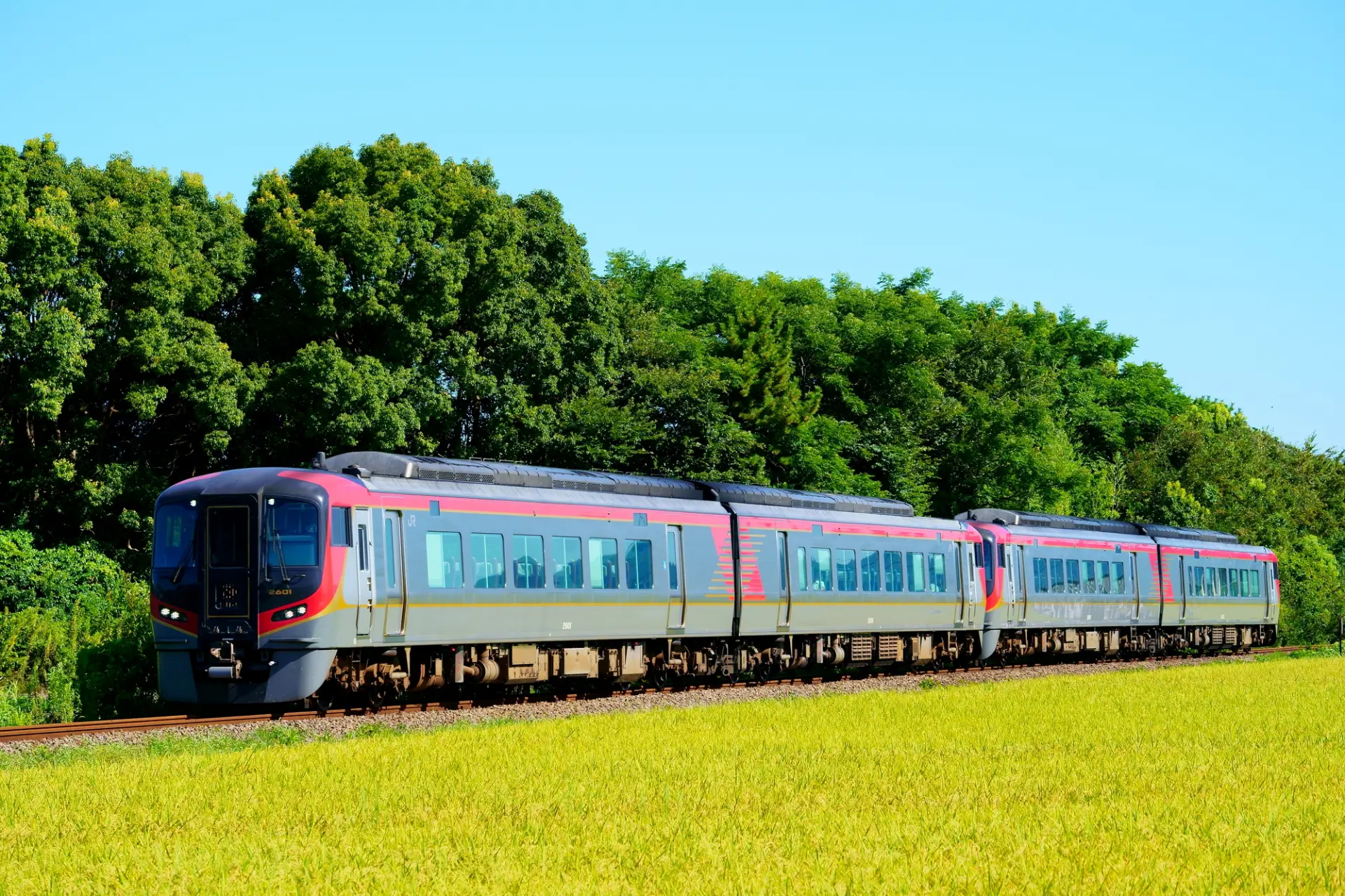
The “Uzushio” Limited Express Connecting Kagawa and Tokushima
The Uzushio limited express is a train connecting Takamatsu Station and Tokushima Station via the Kotoku Line in Approx. 1 hour 10 minutes.
Intermediate stops include Ritsurin, Shido, Sanbonmatsu, and Itano, making it a convenient line for crossing the prefectural border from Kagawa to Tokushima.
It also has the second-highest number of daily services after the Ishizuchi, making it easier to fit into your schedule.
It is recommended when you want to travel faster and more comfortably than by local train, or when sightseeing both Tokushima and Kagawa on a day trip.
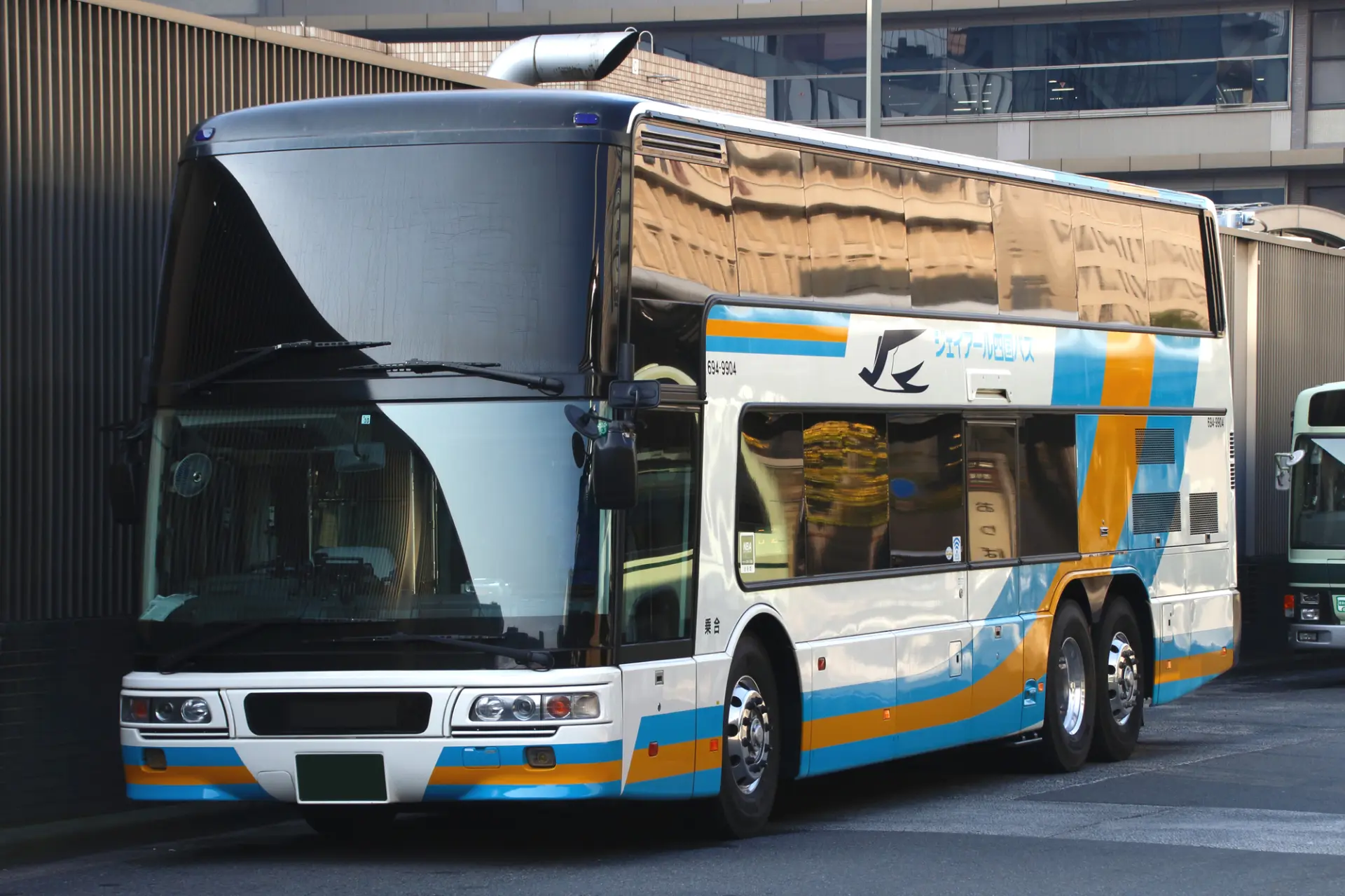
2. Highway Buses (JR Shikoku Bus)
JR Shikoku highway buses mainly operate five routes within Shikoku: Takamatsu⇄Matsuyama, Takamatsu⇄Kochi, Tokushima⇄Matsuyama, Tokushima⇄Kochi, and Matsuyama⇄Kochi.
The biggest advantage of using highway buses is that they are more affordable than trains.
Depending on your destination, they may also get you closer, which can make the journey itself easier.
Another plus is the onboard facilities: in principle, they come with Wi-Fi and power outlets, allow checked baggage on some routes, and offer roomy seats.
On the other hand, they are easily affected by weather and traffic congestion, so they are not suitable for tight schedules.
This varies by person, but it is also worth considering the fatigue and stress of long rides.
They are recommended when keeping costs down is your priority, when you want to use your time effectively, or when heading to places that are hard to reach by rail.
However, advance reservations are required, so please keep that in mind.
3. Rental Cars
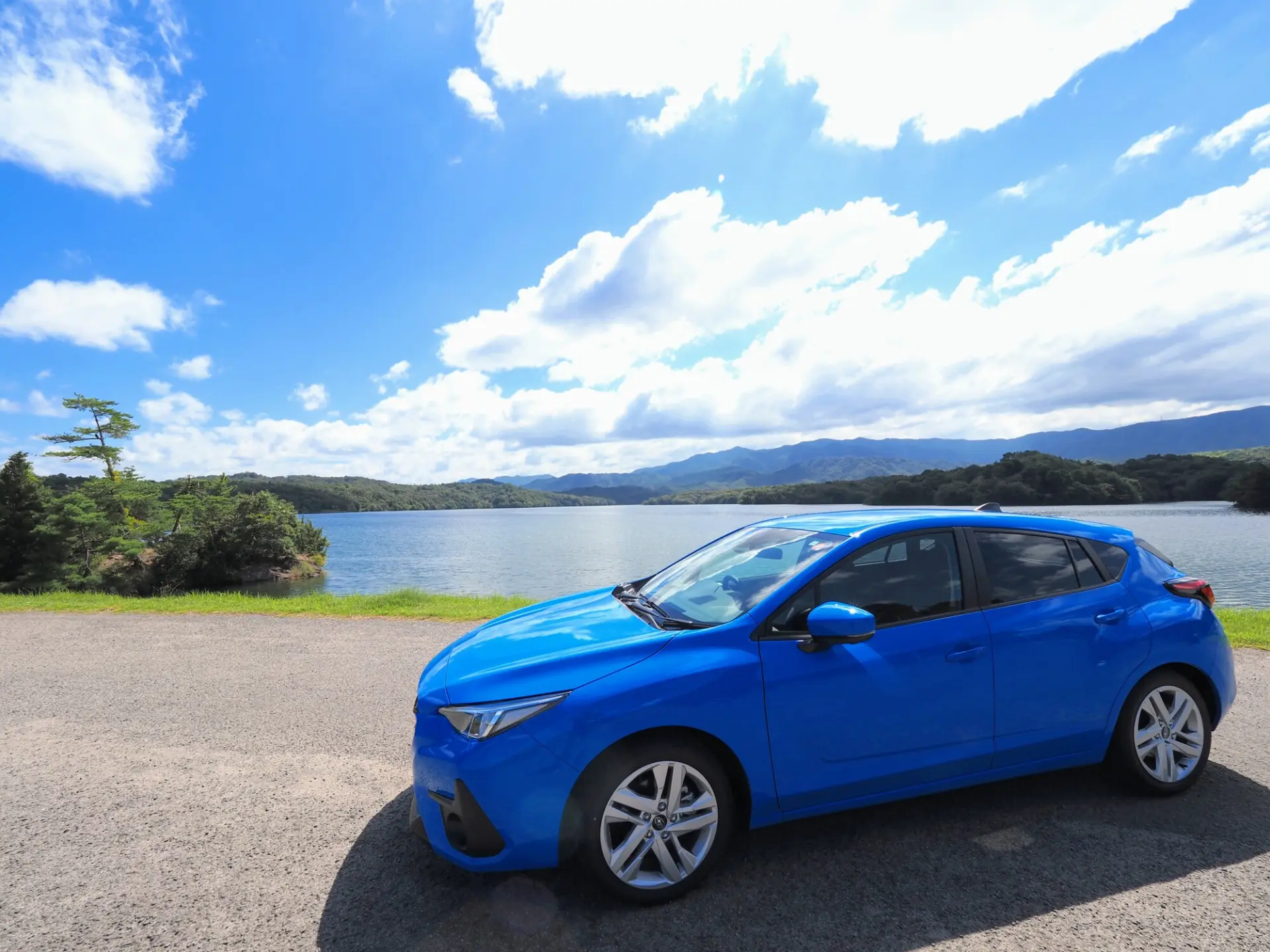
The advantage of traveling by rental car is that it expands the range of places you can visit and lets you plan your schedule freely.
You can decide your destination and route on the spot without being tied to train or highway bus timetables.
Since all four prefectures of Shikoku have many sightseeing spots in mountainous areas as well, your options increase dramatically.
If you are traveling with several people, you can split transportation costs and enjoy your time together in the car.
However, roads may be narrow, sharply curved, or have poor visibility, so driving can be a heavy burden if you are not used to it.
Fatigue also increases the risk of accidents and can reduce overall satisfaction with your trip, while costs such as gas, expressway tolls, and parking fees can also add up.
For these reasons, rental cars are recommended for travelers who want to visit multiple prefectures in a short period or go to places with limited public transportation.
Major Ways to Get Around Within Each Prefecture in Shikoku
From here, we will introduce the main ways to get around within each prefecture in Shikoku.
The best option depends on the spots you want to visit and how you plan to travel, so it is recommended to use this as a reference while comparing it with your sightseeing plan.
However, please keep in mind that trains and buses are generally infrequent in every prefecture.
In some areas, there are only a few services per day, so consider renting a car if you want more flexibility for sightseeing and transportation.
Main Transportation Options in Kagawa
Kagawa Prefecture is the smallest prefecture in Japan by area, and its major sightseeing spots are relatively compactly arranged.
Another feature is that it has a well-developed transportation network, making it easy to explore.
In central Takamatsu and nearby areas, JR Shikoku (Yosan Line, Kotoku Line, Dosan Line) and Kotoden (Kotohira Line, Nagao Line, Shido Line) are available, providing access to many spots.
There are also plenty of local bus services, including airport limousine buses and community buses, making travel within the city and nearby areas convenient.
Remote islands such as Shodoshima and Naoshima can be reached by ferry from Takamatsu Port.
On the other hand, public transportation is limited in suburban and mountainous areas, so using a rental car is recommended.
- Areas You Can Sightsee Using Only Public Transportation
-
・Central Takamatsu (Ritsurin Garden, Yashima, Tamamo Park, etc.)
・Kotohira Town area (Kotohiragu Shrine, Kotohira Park, etc.) - Areas Where a Rental Car Is Recommended
-
・Suburban and mountainous areas (Mitoyo City, Kanonji City, around the Seto Ohashi Bridge, etc.)
・Some areas on remote islands
・When traveling widely around the prefecture or around the islands
Main Transportation Options in Tokushima
The main transportation options in Tokushima Prefecture are JR Shikoku (Kotoku Line, Tokushima Line, Mugi Line, Naruto Line), local buses, and highway buses.
The transportation network is centered on Tokushima Station, but services are very limited.
As the prefecture as a whole is car-oriented, it is fair to say that a rental car (or taxi) is essential if you want to sightsee outside central Tokushima City.
- Areas You Can Sightsee Using Only Public Transportation
-
・Central Tokushima City (Mount Bizan, Tokushima Central Park, Awa Odori Kaikan, etc.)
・Central Naruto City (Naruto Park, Onaruto Bridge Promenade “Uzu no Michi,” etc.) - Areas Where a Rental Car Is Recommended
-
・Western areas such as Iya Valley and Oboke
・Southern areas such as Kaiyo Town and Anan City
・The Yoshino River basin, mountainous areas, and areas around remote islands
Main Transportation Options in Ehime
The main transportation options in Ehime Prefecture are JR Shikoku (Yosan Line, Uchiko Line, Yodo Line), Iyotetsu (streetcars and local buses), and Setouchi Bus.
The railway network centers on the Yosan Line, connecting Matsuyama, Imabari, and Uwajima, while Iyotetsu covers the main areas within Matsuyama City.
For sightseeing on remote islands and touring the islands of the Seto Inland Sea, regular ferries and high-speed boats from the ports are the standard option, while the Shimanami Kaido, famous for cycling, is popular to explore by rental bicycle.
- Areas You Can Sightsee Using Only Public Transportation
-
・Central Matsuyama City (Dogo Onsen, Matsuyama Castle, Saka no Ue no Kumo Museum, etc.)
・Central Imabari City (Imabari Castle, Fukiage Shrine, Omishima Fuji Park, etc.) - Areas Where a Rental Car Is Recommended
-
・Seiyo and Uwajima areas (Shikoku Karst)
・Mountainous areas around Mount Tsurugi and the Ishizuchi mountain range
・Sightseeing on remote islands
Main Transportation Options in Kochi
The main transportation options in Kochi Prefecture are JR Shikoku (Dosan Line, Yodo Line), Tosa Kuroshio Railway (Gomen-Nahari Line, Nakamura-Sukumo Line), and Tosaden Kotsu (streetcars and local buses).
The Dosan Line is the prefecture’s main railway artery, connecting Kochi City with destinations inside and outside the prefecture, while the Tosa Kuroshio Railway and Yodo Line extend toward the north-south axis and mountainous areas.
Urban areas have a well-developed Tosaden transportation network, making sightseeing relatively easy.
On the other hand, villages and sightseeing spots away from the coast have few services, so access is mainly by rental car.
- Areas You Can Sightsee Using Only Public Transportation
- ・Central Kochi City (Kochi Castle, Hirome Market, Harimayabashi Bridge, etc.)
- Areas Where a Rental Car Is Recommended
-
・The Shimanto River basin area
・Southwestern areas such as Cape Ashizuri, Sukumo, and Tosashimizu
・Mountainous areas and areas around remote islands
Recommended Rail Pass for Touring Shikoku: “Shikoku Free Ticket”
The Shikoku Free Ticket is a rail pass that allows unlimited rides for three consecutive days on JR Shikoku’s entire network in ordinary-class non-reserved seats, including limited express trains, the Tosa Kuroshio Railway line between Kubokawa Station and Wakai Station, and some local bus routes.
It can be purchased for 18,000 yen for adults and 9,000 yen for children at JR Shikoku station ticket offices and major travel agencies within Shikoku.
It is recommended for travelers on a 3-day, 2-night trip who want to use limited express trains to travel efficiently between Takamatsu, Matsuyama, Kochi, and Tokushima while securing enough time for sightseeing.
FAQ about Transportation in Shikoku
Q
How long does it take to drive around all of Shikoku?
If you are simply traveling around without sightseeing, you can drive around the whole island in one day using expressways. If you also want to enjoy sightseeing, Approx. 7 to 10 days is a good guideline.
Q
What IC cards can be used in Shikoku?
On some trains in Kagawa and Ehime, 10 major nationwide transportation IC cards such as ICOCA can be used, and in Kochi, the local IC card DESUCA is available. In Tokushima, nationwide transportation IC cards are scheduled to become available on some route buses from March 2026.
Q
Is it inconvenient to sightsee in Shikoku without a car?
Depending on the sightseeing spots you want to visit, you can still enjoy Shikoku using only public transportation, but in terms of convenience and comfort, a rental car is recommended.
Summary
We have introduced Shikoku’s basic information, sightseeing hubs, and the main ways to travel within and between its prefectures.
The Shikoku region is full of attractions different from Honshu, including spectacular scenery, local food, culture, and nature, so visiting it is sure to bring new discoveries and encounters.
Another highlight is that you can enjoy it in many different ways, whether by taking your time in one place or visiting multiple prefectures to experience their differences.
Be sure to also read this article, which brings together popular sightseeing spots in all four prefectures.