
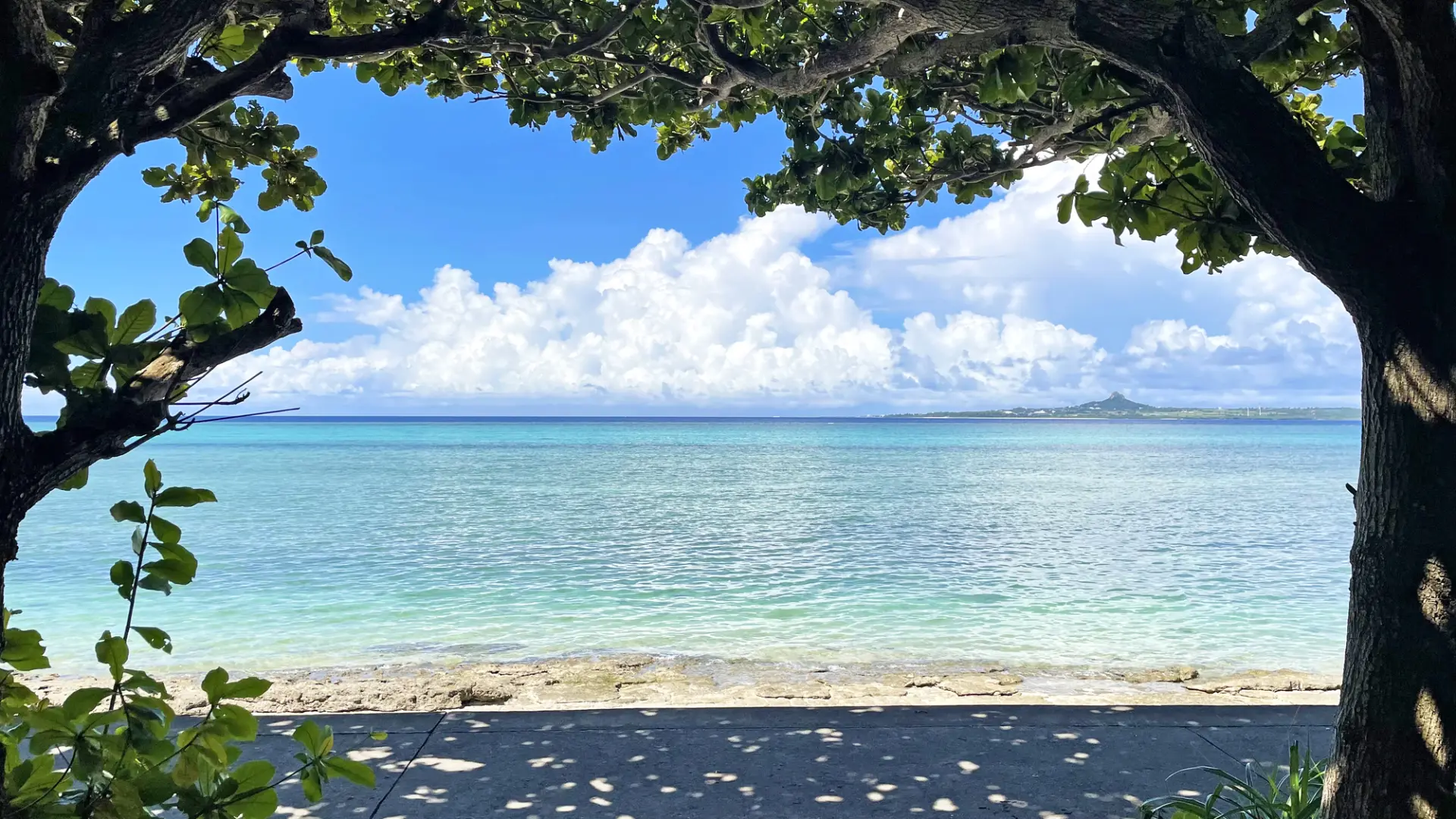
Okinawa Fall Travel Guide: A Relaxing Journey Through the Sea, Forests, and Culture
On a fall trip to Okinawa, discover Ryukyu history and culture at Shurijo Castle Park and Tsuboya Yachimun Street, then explore subtropical nature at Bios no Oka and the Bise Fukugi Tree Road.
September remains hot and summery, but temperatures fall through October and November, making walking and outdoor sightseeing more comfortable. Swimming and marine activities are available at some locations until around October, while fall festivals and illuminations offer even more options.
Experience the many sides of Okinawa, from ocean scenery and forests to traditional culture and seasonal events.
How to Experience Okinawa's Sea, Forests, and Culture in Fall
Fall in Okinawa lets you combine a walk through Shuri's historic streets with visits to subtropical forests and views of the blue sea.
Illuminations begin in late October, adding seasonal events to the itinerary. Travel at a relaxed pace from Naha through central and northern Okinawa to discover the island's nature and culture.
11 Popular Okinawa Attractions to Visit in Fall
Fall is an ideal season for exploring Okinawa's historic streets, subtropical forests, and coastal scenery. The options range from experiencing Ryukyu culture on a walk through Shuri to observing plants and marine life in central and northern Okinawa. Venture across the island to visit these attractions, including several that pair well with fall events.
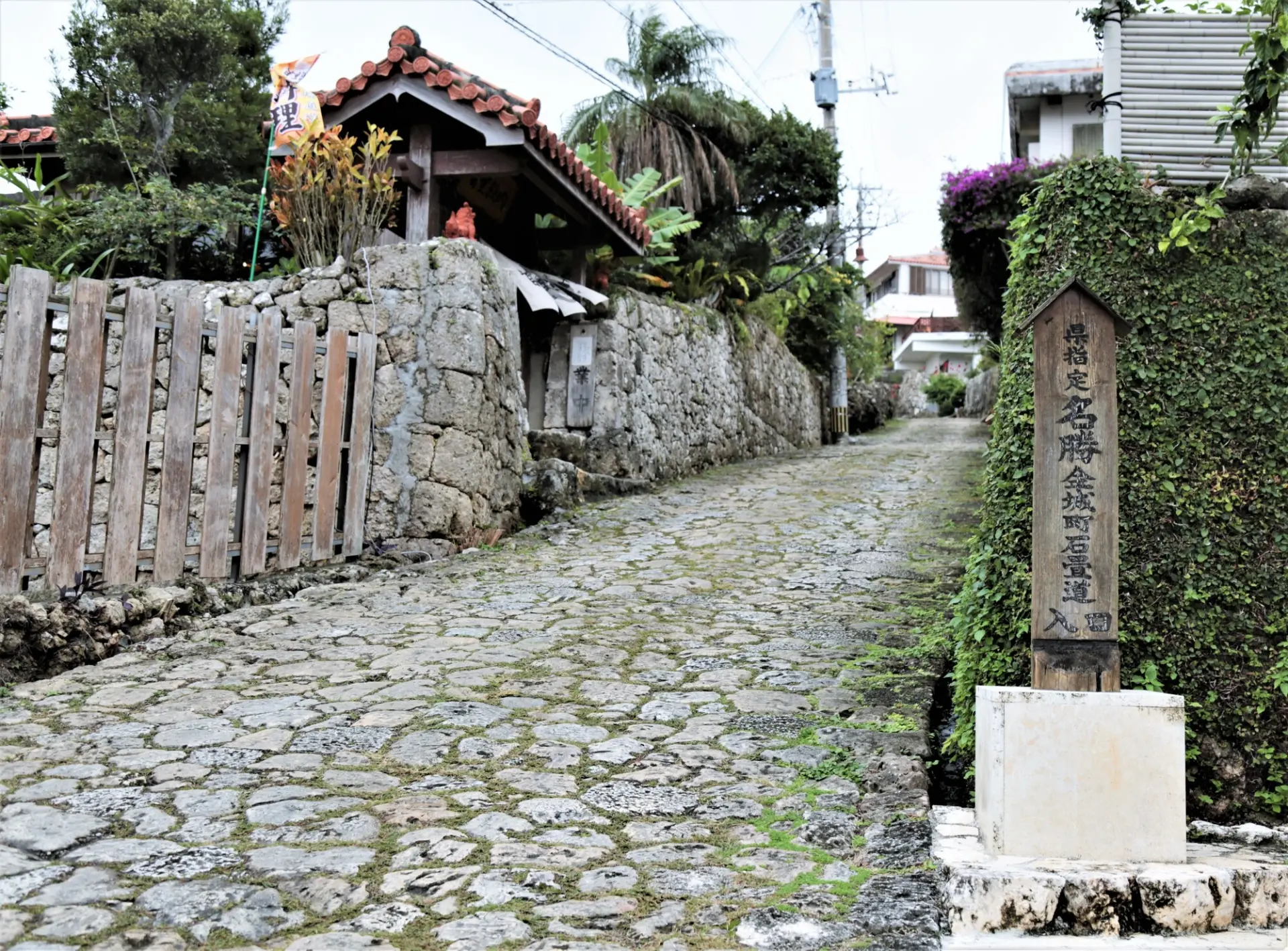
1. Shurijo Castle Park (Naha City)
Centered on Shurijo Castle, known for its vivid vermilion color, this park conveys the history and culture of the Ryukyu Kingdom. It stands on a hill overlooking Naha and is surrounded by gracefully curving castle walls.
The castle flourished as the political, diplomatic, and cultural center of the Ryukyu Kingdom, which lasted 450 years from 1429 to 1879. Its ruins were inscribed as a UNESCO World Cultural Heritage Site in 2000.
2. Shuri Kinjo-cho Stone-Paved Road (Naha City)
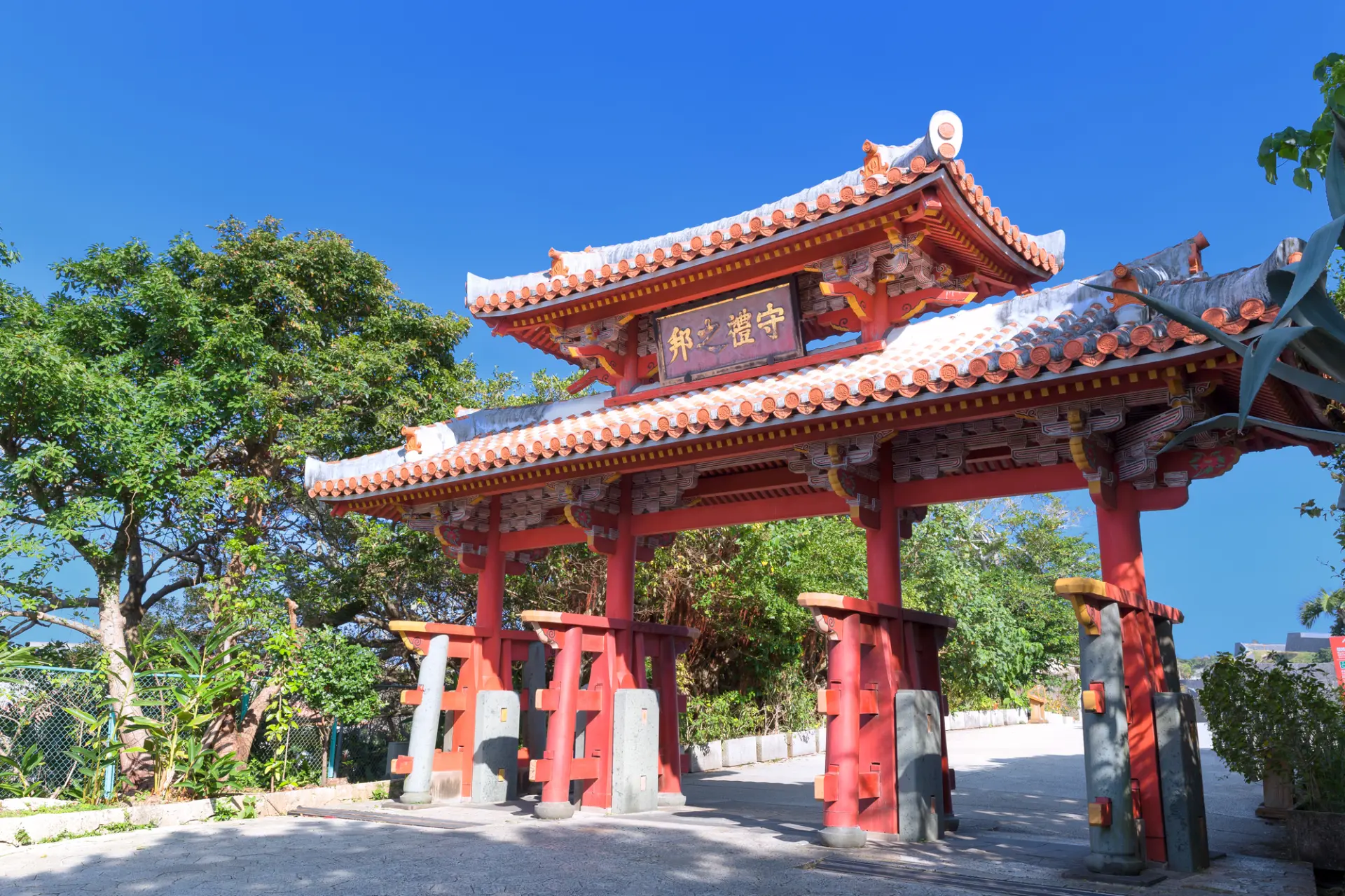
This historic stone-paved road in Shuri Kinjo-cho preserves traces of the Ryukyu Kingdom era. Walk about 300 m downhill from Shurijo Castle over uneven Ryukyu limestone. The road is approximately 4 m wide on average and paved with stones measuring about 20 to 30 cm.
Shuri Kinjo-cho miraculously escaped wartime destruction, leaving both the stone road and the walls surrounding residences intact. Combine it with a visit to Shurijo Castle to follow a surviving route from the days of the Ryukyu Kingdom.
3. Tsuboya Yachimun Street (Naha City)
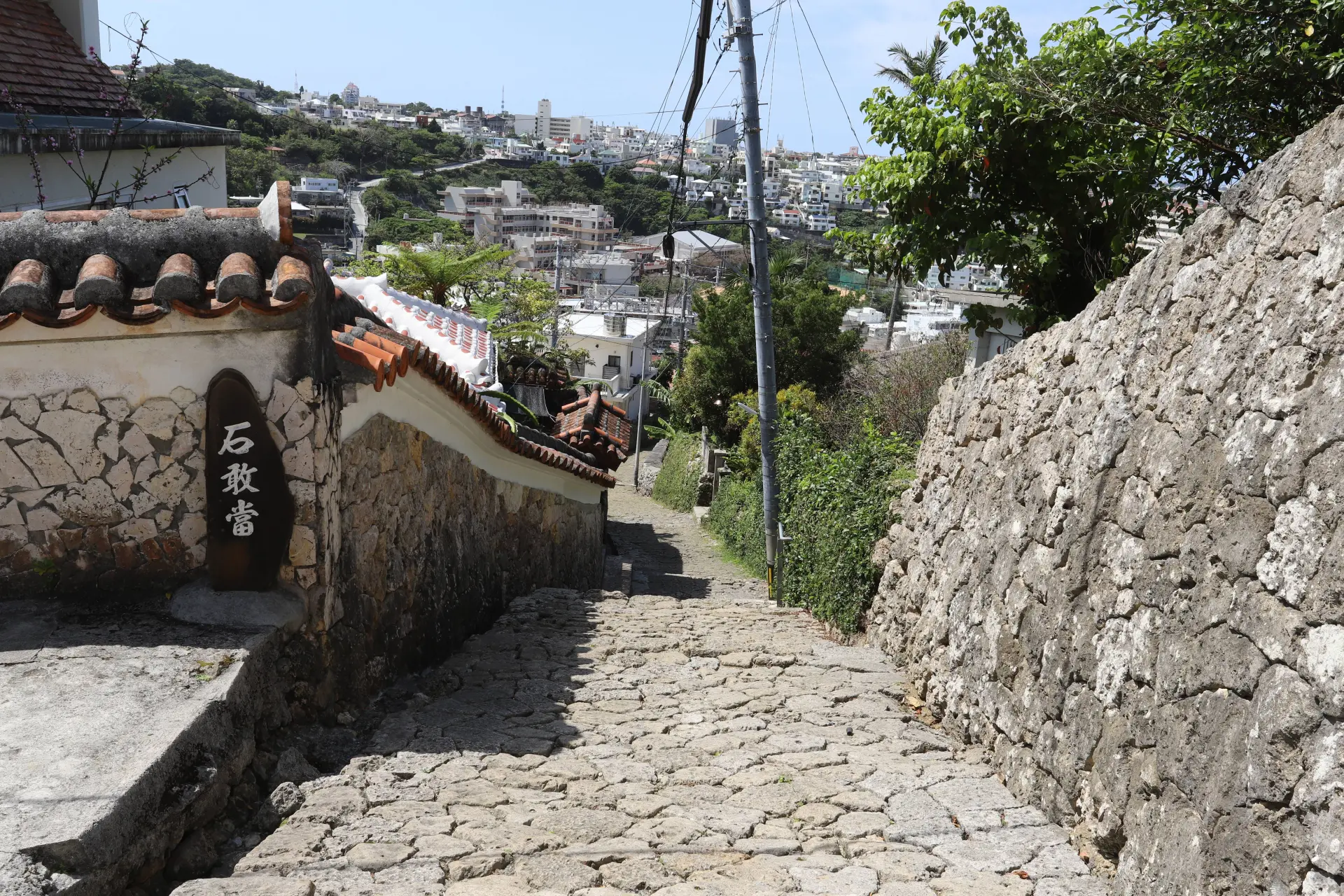
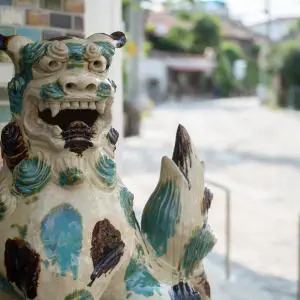
This walking destination in Tsuboya offers a look at the history and present-day culture of yachimun, Okinawa's distinctive pottery. Yachimun workshops, shops, and galleries line the approximately 400 m street paved with Ryukyu limestone.
The Naha Municipal Tsuboya Pottery Museum stands at the western entrance, where visitors can learn about its history and techniques. Turn into the side streets to explore a maze of narrow lanes known as sujigwa while browsing for pottery amid the traditional Tsuboya townscape.
4. Shikinaen Royal Garden (Naha City)
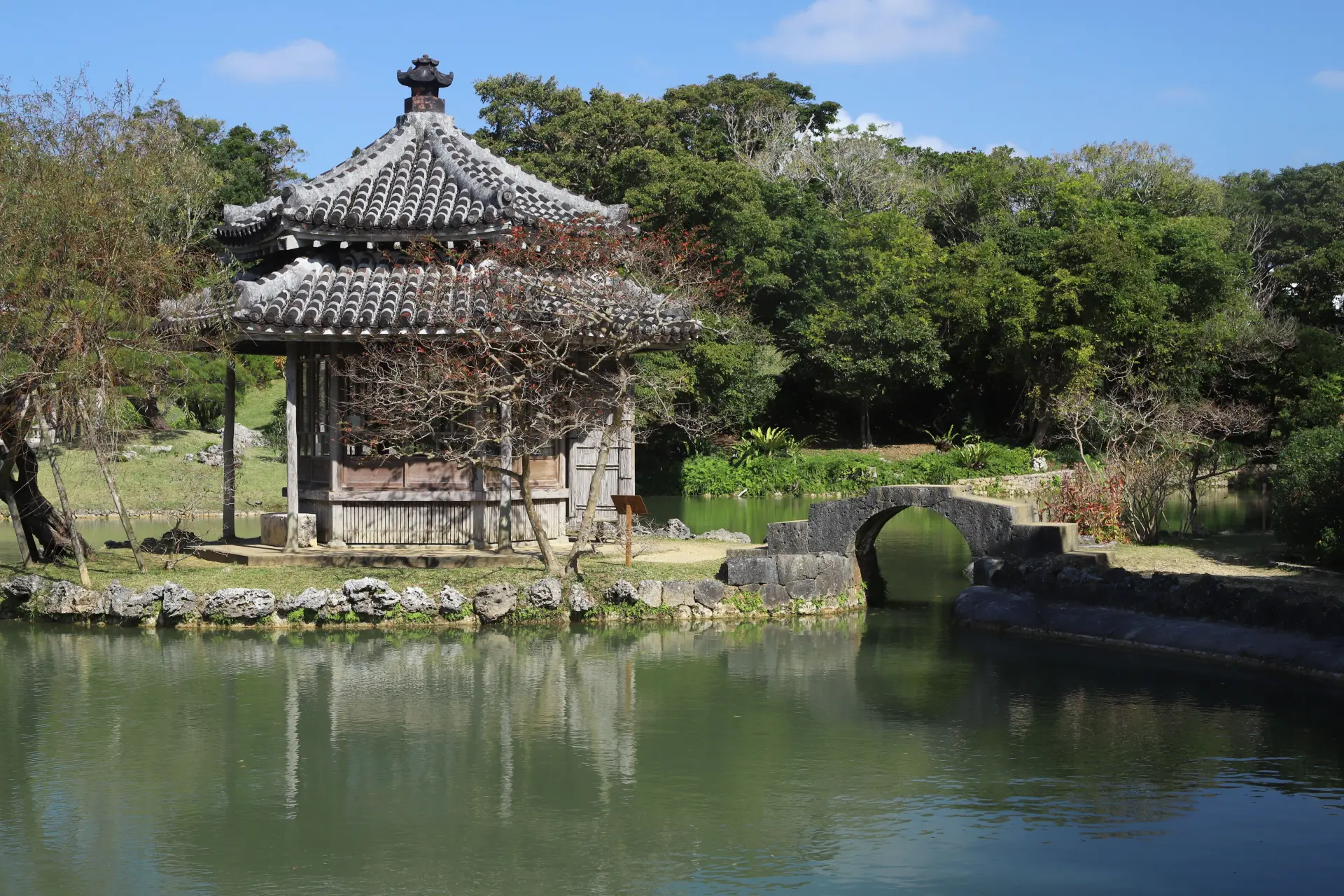
Completed in 1799 during the reign of King Sho On, the 15th king of the Ryukyu Kingdom's Second Sho Dynasty, this was the royal family's largest villa. It served as a retreat for royalty and a venue for entertaining Chinese imperial envoys.
Another highlight is the garden, which incorporates a Japanese stroll-garden design around a pond while blending distinctive Ryukyuan elements with Japanese and Chinese culture. It became part of a UNESCO World Cultural Heritage Site in 2000. Stroll through the grounds while tracing the kingdom's culture of the time.

5. Bios no Oka (Uruma City)
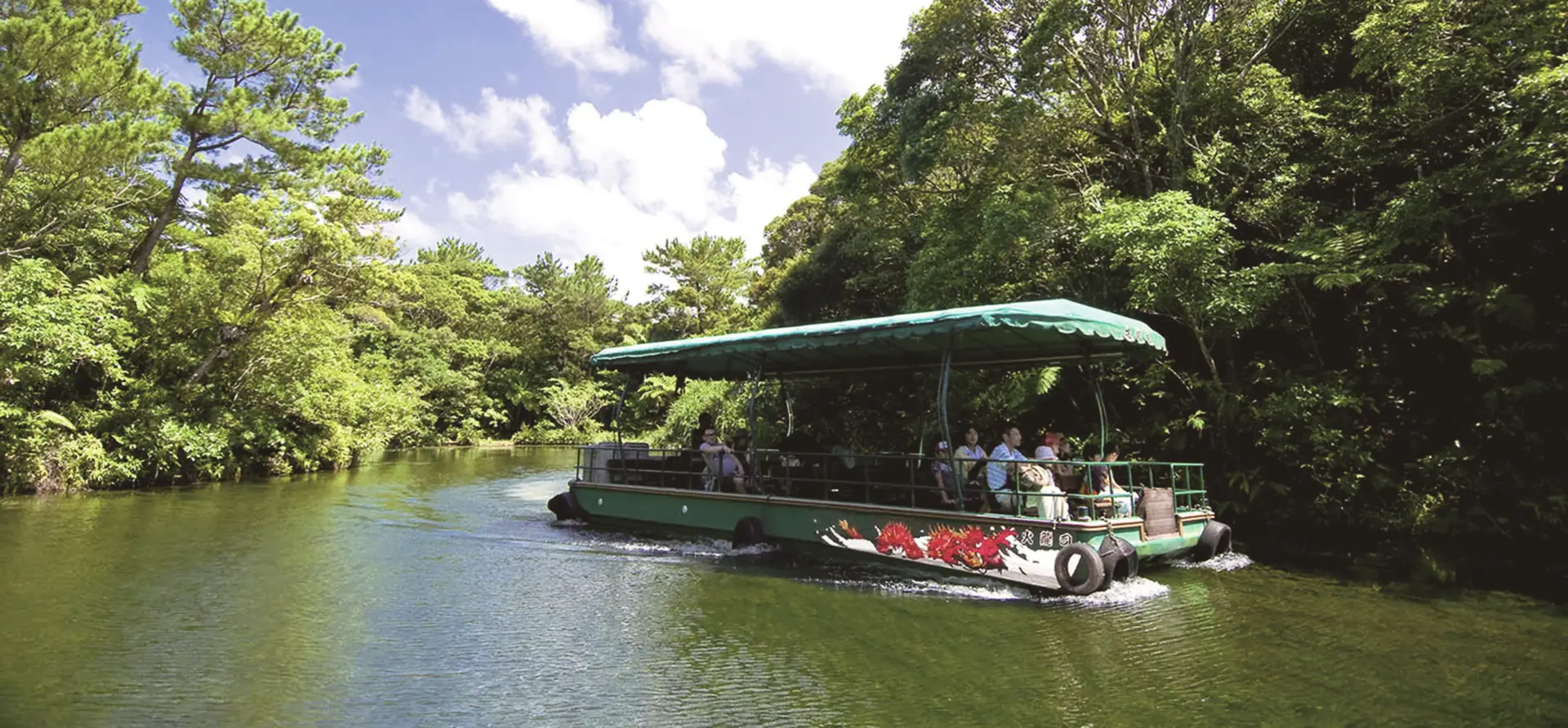
This botanical nature park in central Okinawa combines lake activities with abundant nature. Fern-filled forests spread across the grounds, colorful orchids thrive, and the distinctive subtropical environment is carefully maintained.
On the Lake Appreciation Boat, visitors can take a guided jungle cruise along an approximately 1 km winding lake. Paddle across the water and venture through the forest while observing unusual plants and animals.
6. Churayashi Park Okinawa Southeast Botanical Gardens (Okinawa City)
One of Japan's largest outdoor botanical gardens, it is home to more than 50,000 plants representing approximately 1,300 species. Visitors can observe tropical and subtropical plants throughout the Aquatic Garden and Botanical Garden, including baobabs, dragon trees, and rows of king palms that can only grow in greenhouses on mainland Japan.
Okinawa Prefecture's largest illumination event is also held here each year from late October. Explore tropical plants by day, then return as fall deepens to see the garden illuminated at night.
7. Bise Fukugi Tree Road (Motobu Town)
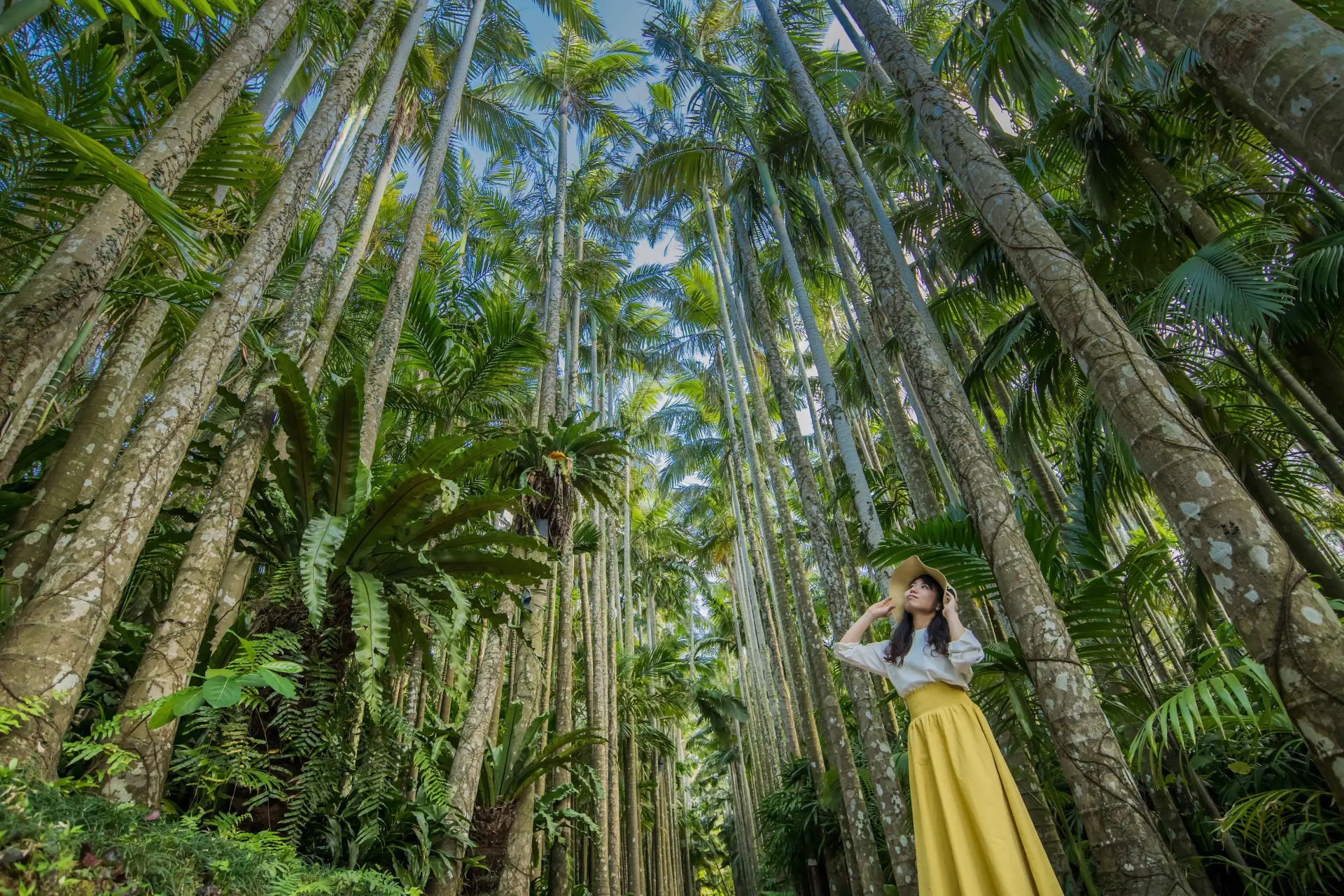
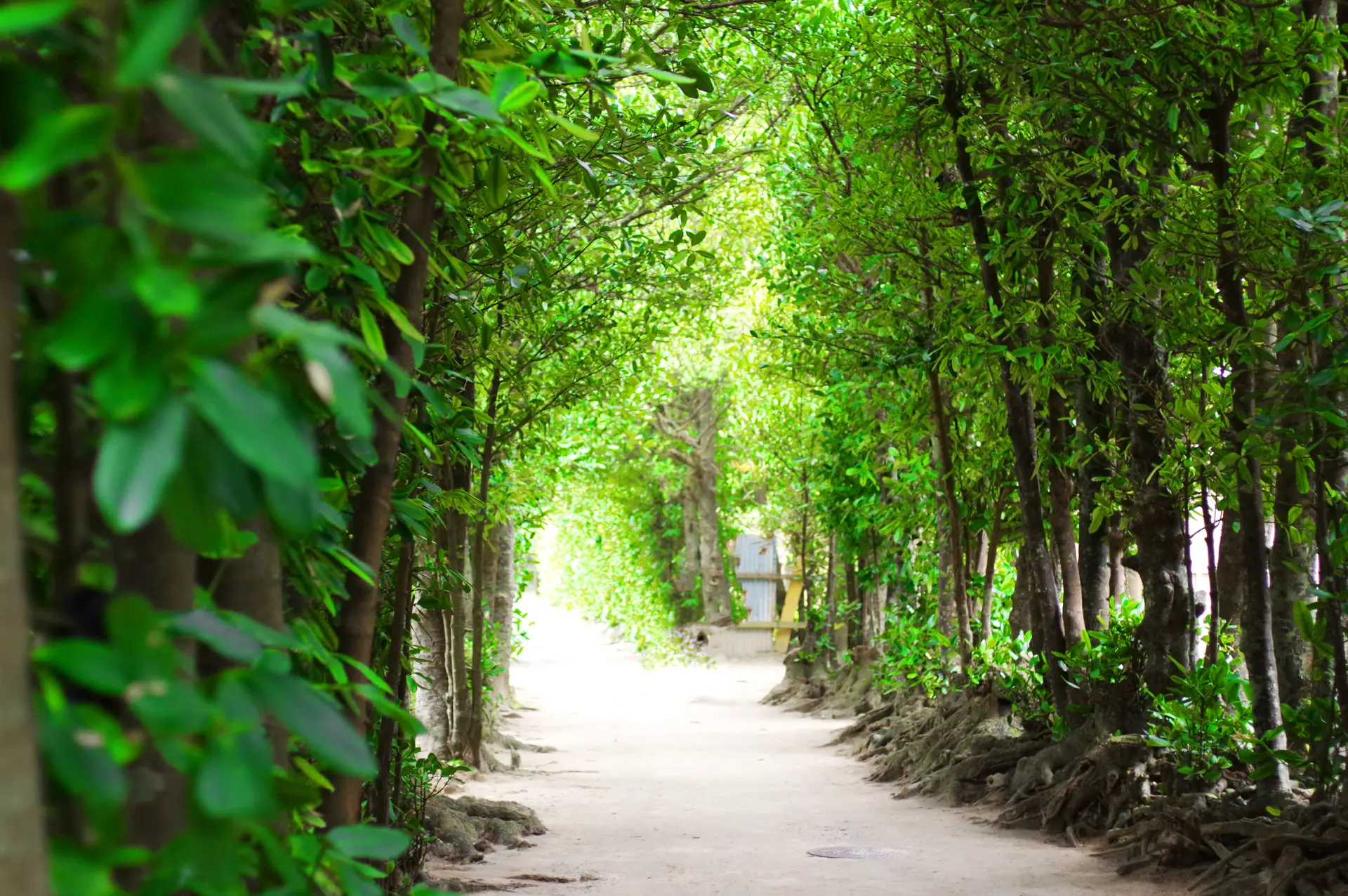
Rows of green fukugi trees line the roads of a traditional village in the Bise district of Motobu Town. Along the narrow lanes, overlapping leaves from the trees surrounding the homes create continuous shade from the sun.
Thousands of fukugi trees measuring 10 to 20 m tall line both sides of approximately 1 km of lanes, creating an atmosphere reminiscent of the Ryukyu era. Explore by water buffalo cart or rental bicycle, and stop by the Couple Fukugi Trees near the entrance.
8. Busena Marine Park (Nago City)
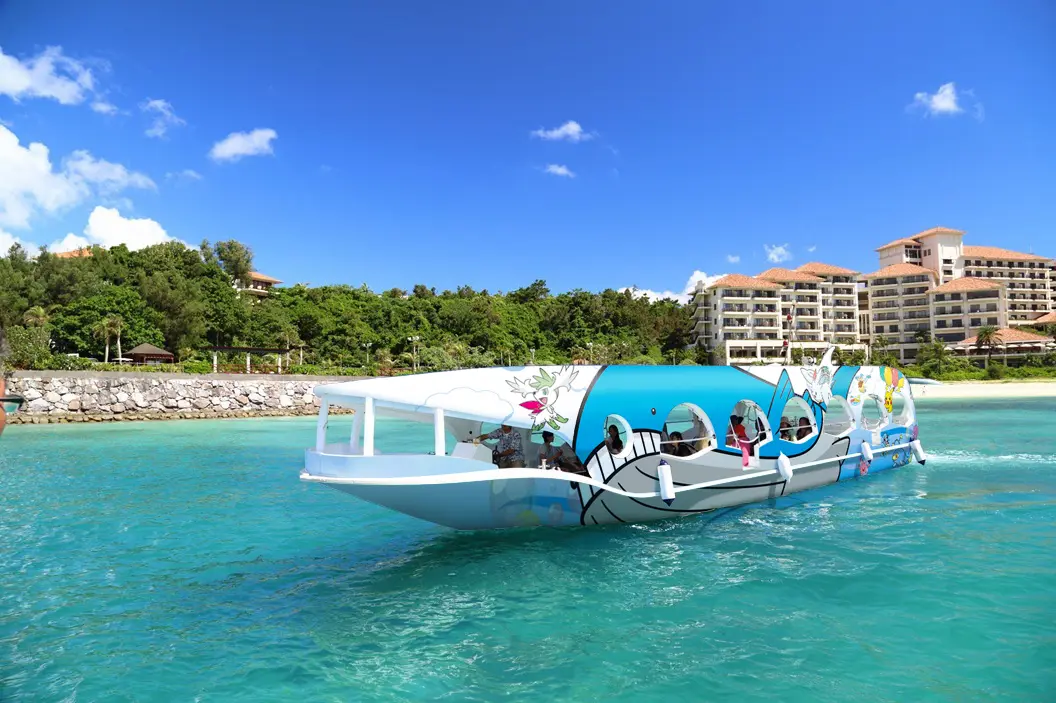
This attraction lets visitors experience the waters around Cape Busena from both above and below the surface. A whale-shaped glass-bottom boat cruises over the natural habitat of colorful fish, visible through glass panels in the floor.
The cape is also home to the only underwater observatory on Okinawa's main island. Even in poor weather, visitors can easily look beneath the waves from inside the tower and see colorful subtropical fish such as spangled emperor, sergeant major, and parrotfish.
9. Orion Happy Park (Nago City)
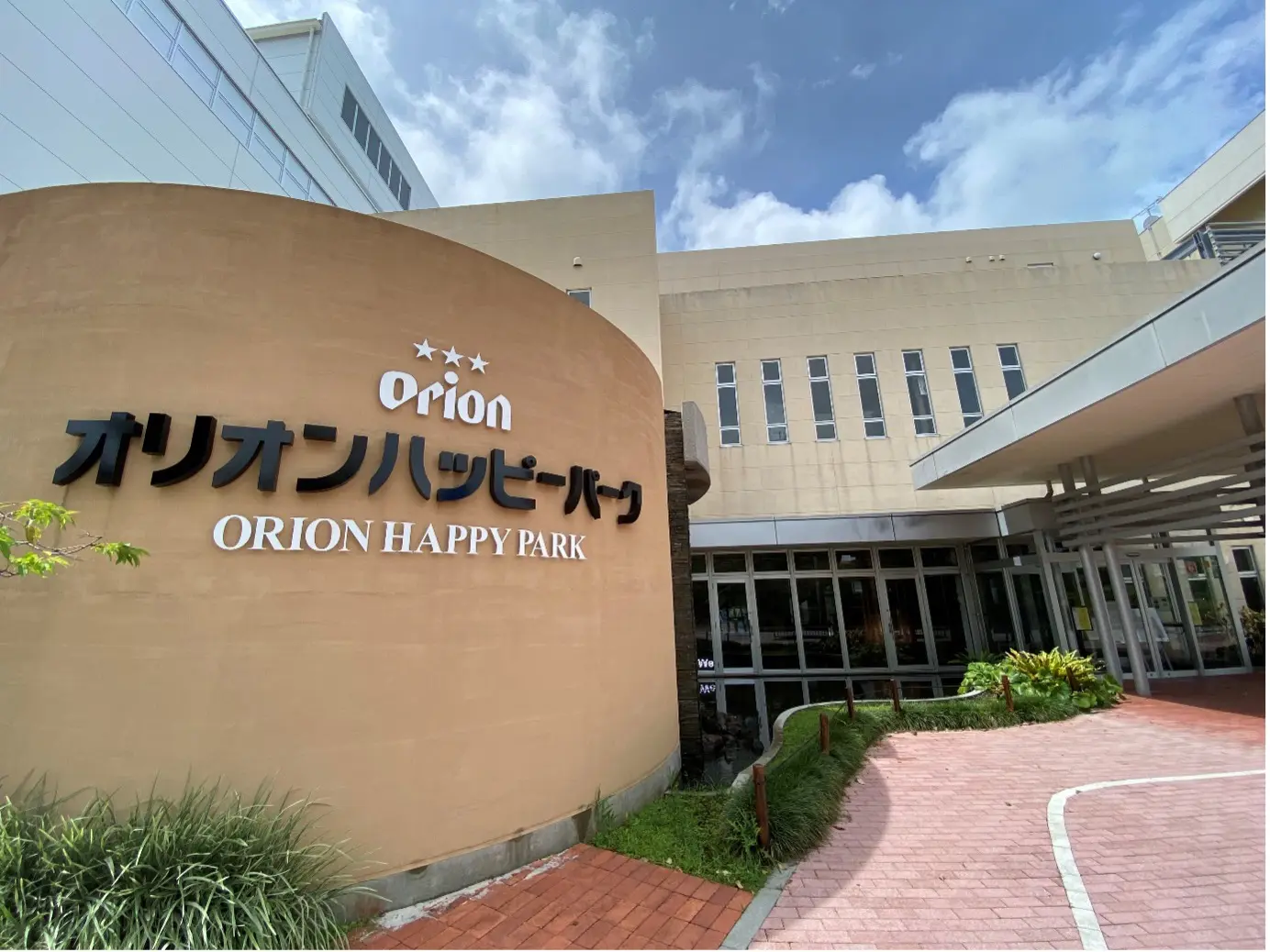
This Nago City attraction offers an up-close look at how one of Okinawa's signature beers is made. Highlights include an informative factory tour, photo spots throughout the facility, and freshly brewed beer.
After the tour, visitors can sample up to two beers. Nonalcoholic beer and sanpin tea are also available. Learn what goes on behind the scenes indoors, then finish with a taste of freshly brewed beer.

10. Senagajima Umikaji Terrace (Tomigusuku City)
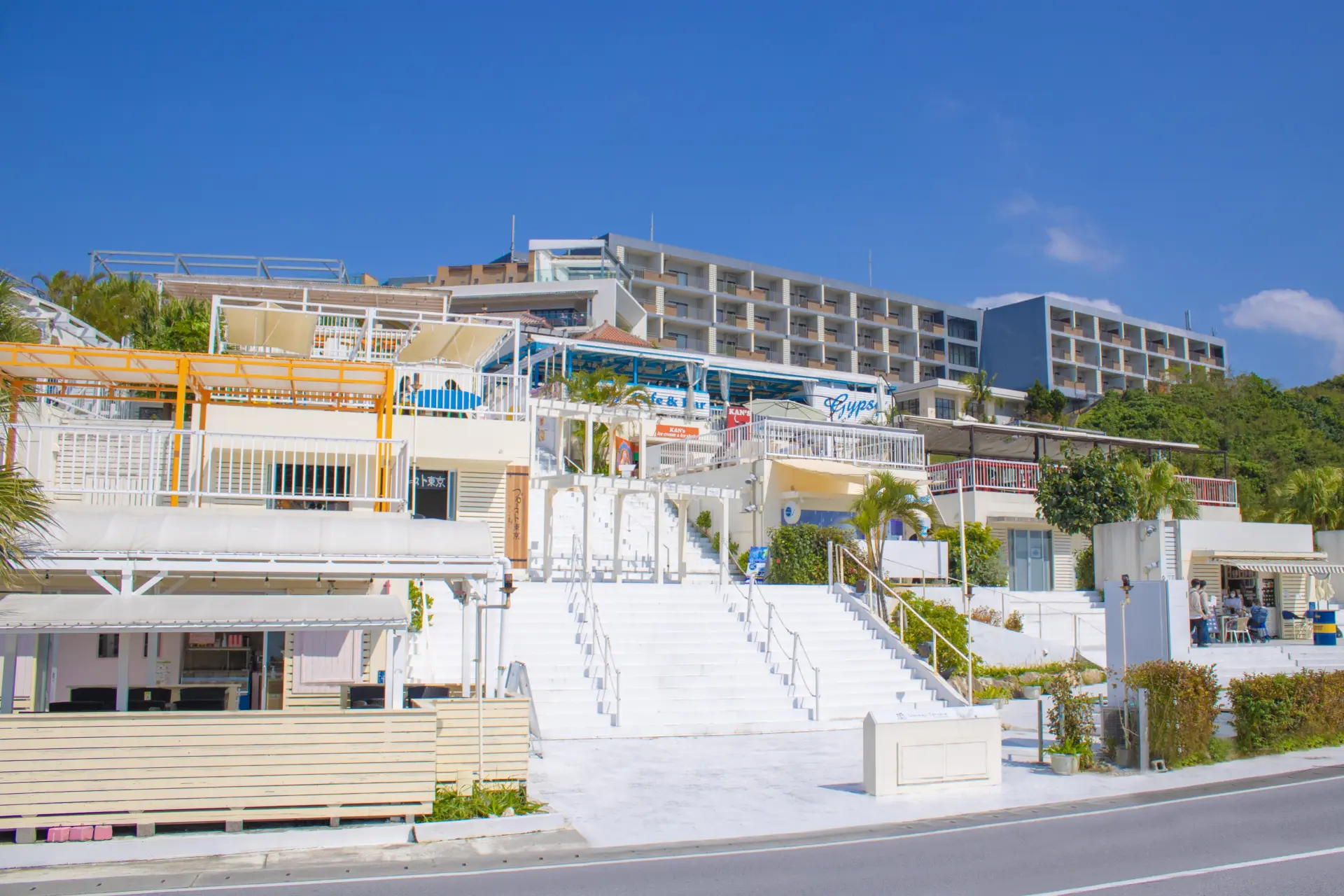
About 15 minutes by car or bus from Naha Airport, this resort complex spreads across Senaga Island, which has a circumference of 1.8 km. Around 45 establishments are found across the island, including restaurants serving Okinawa soba and taco rice, accessory shops, and relaxation salons.
The white buildings lining a hillside facing the emerald-green sea resemble a small town. Convenient to visit after arriving in Okinawa or before a flight, it offers dining and shopping with ocean views.
11. Nanjo Art Museum (Nanjo City)
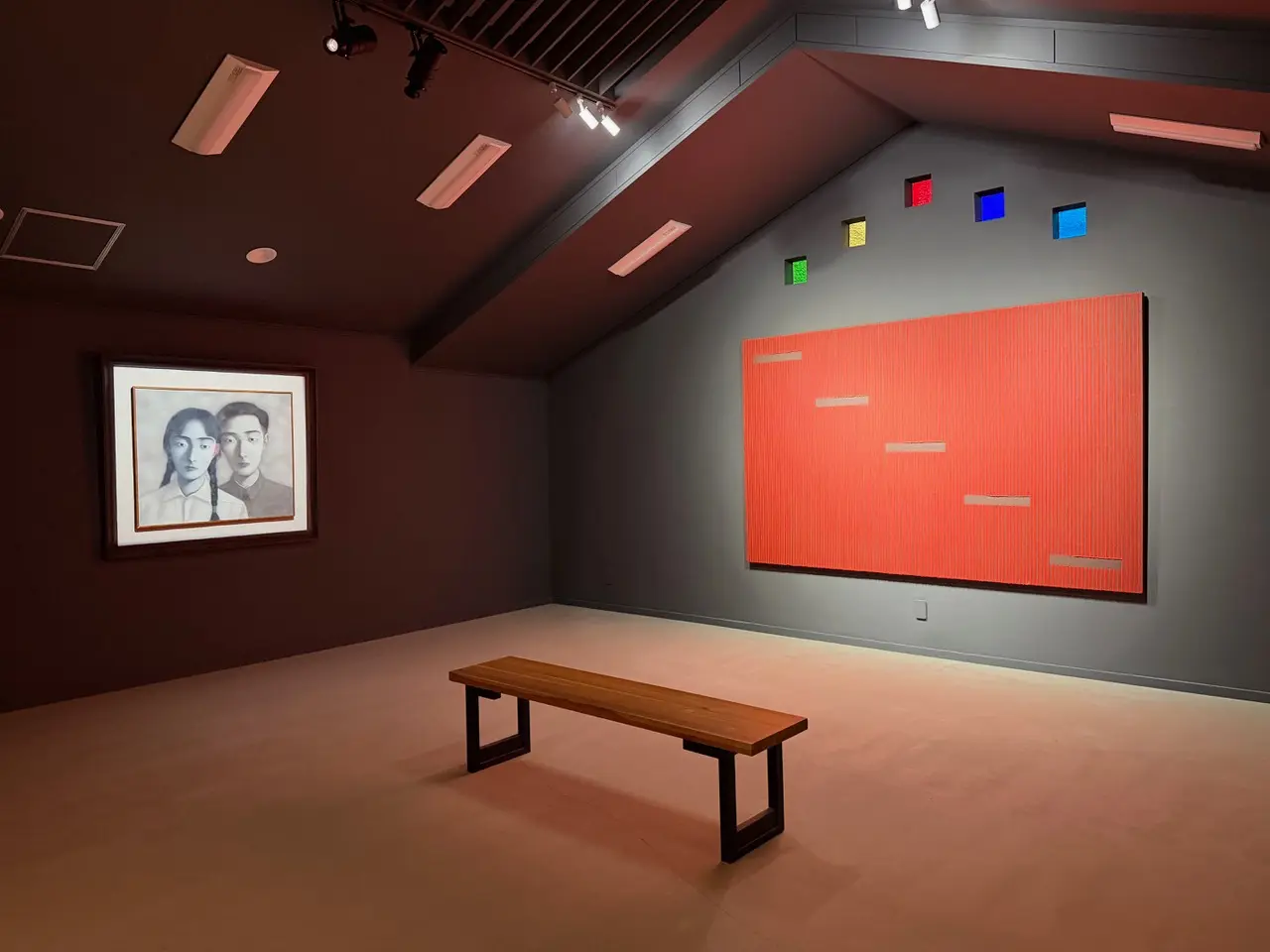
This Nanjo City museum presents contemporary art amid a forest overlooking the Pacific Ocean. Rather than simply displaying works in conventional galleries, it describes itself as a “scenic art museum,” where art is experienced through nature, architecture, and living spaces.
The permanent gallery displays a diverse collection of works by contemporary artists from Japan and abroad, including Yayoi Kusama, Park Seo-Bo, and Zhang Xiaogang. Explore the indoor and outdoor spaces where art, architecture, and nature come together.
Make Your Fall Trip to Okinawa Even More Enjoyable: 3 Notable Events
October and November in Okinawa bring a wide variety of events, from long-standing traditions and illuminations to a carnival where diverse cultures meet.
Go beyond daytime sightseeing by joining the festivities with local residents or walking through a botanical garden filled with lights. Consider adding these events to your fall itinerary if the timing matches your trip.
1. Naha Great Tug-of-War (Naha City)
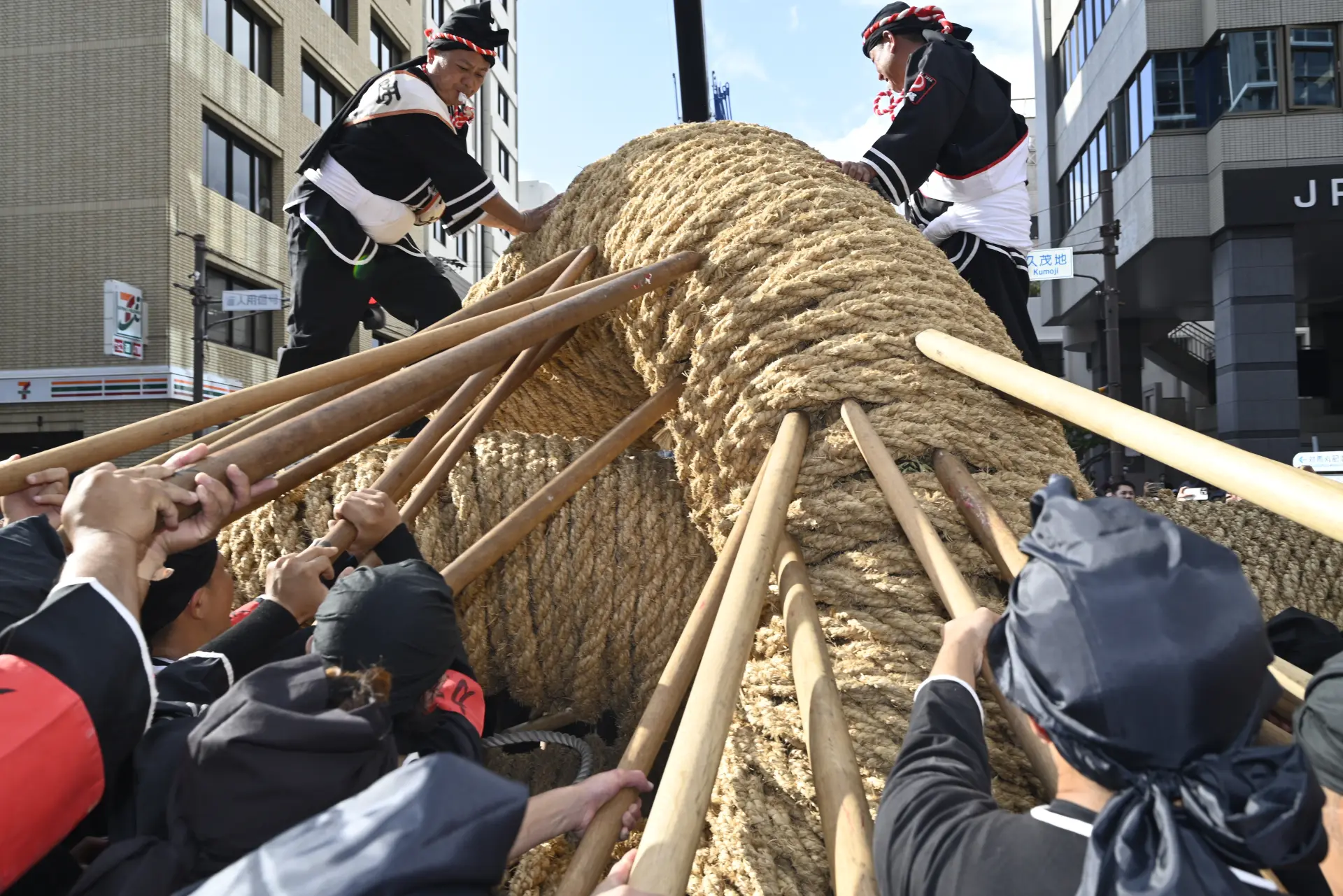
Held in central Naha every October, this traditional event invites public participation. A procession carrying large community banners marches from Yui Rail Makishi Station to the Okinawa Prefectural Government Office while playing traditional instruments.
The tug-of-war features a massive rope weighing approximately 40 metric tons that has been recognized by Guinness World Records, and visitors may join on the day. Crowds divide into east and west teams and pull together, then share their excitement with kachashi dancing after the winner is decided.
2. Okinawa Tropical Illumination (Okinawa City)
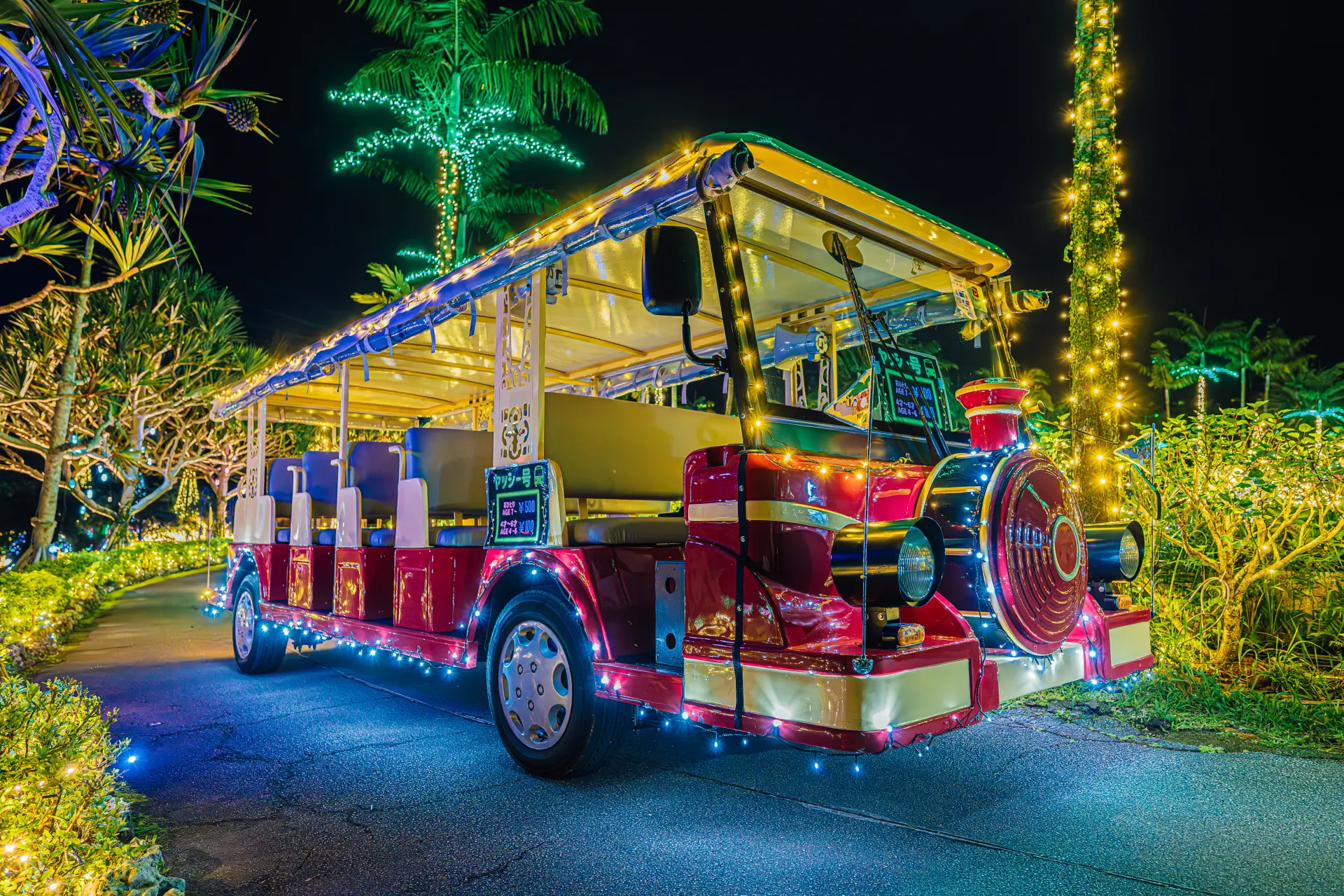
This illumination event fills Churayashi Park Okinawa Southeast Botanical Gardens with tropical-themed lights. Based on the theme “A Paradise of Light Filled with Tropical Seas and Flowers,” it features motifs distinctive to a botanical garden, including magnificent lotus flowers, palm trees, hibiscus, and jade vines.
The Lotus of Light recreates summer-blooming lotus flowers in light, accompanied by music and laser effects. Beginning in late October, the illuminated scenery brightens Okinawa's fall nights.
3. Okinawa International Carnival (Okinawa City)
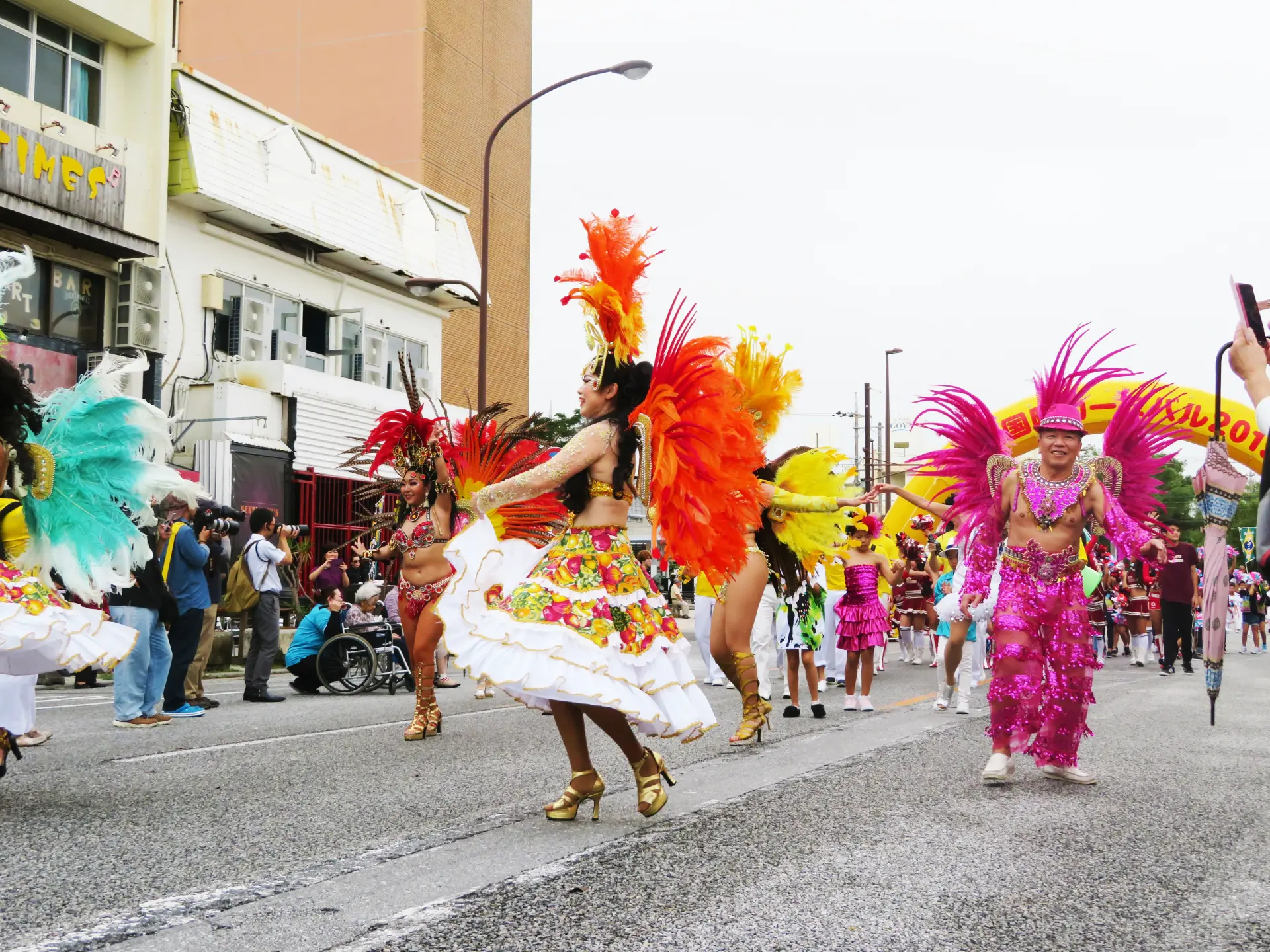
Held around November each year, this carnival centers on Koza Gate Street in Okinawa City. Its lively parade includes community groups in various costumes, local dance teams, and teams of foreign residents living in Okinawa City.
Performances include Ryukyu dance, street dance, eisa, folk performing arts, musicals, live music, and brass bands. It is a distinctly Okinawa City event where diverse cultures come together.
5 Places to Eat During a Fall Trip to Okinawa
Between walks around town and nature excursions, sample local flavors such as Okinawa soba and taco rice.
From a coffee stand overlooking the sea to a restaurant housed in a traditional Ryukyu home, the settings themselves embody Okinawa's character. Add these five establishments to your sightseeing route to savor both the food and scenery.
1. Shuri Soba (Naha City)
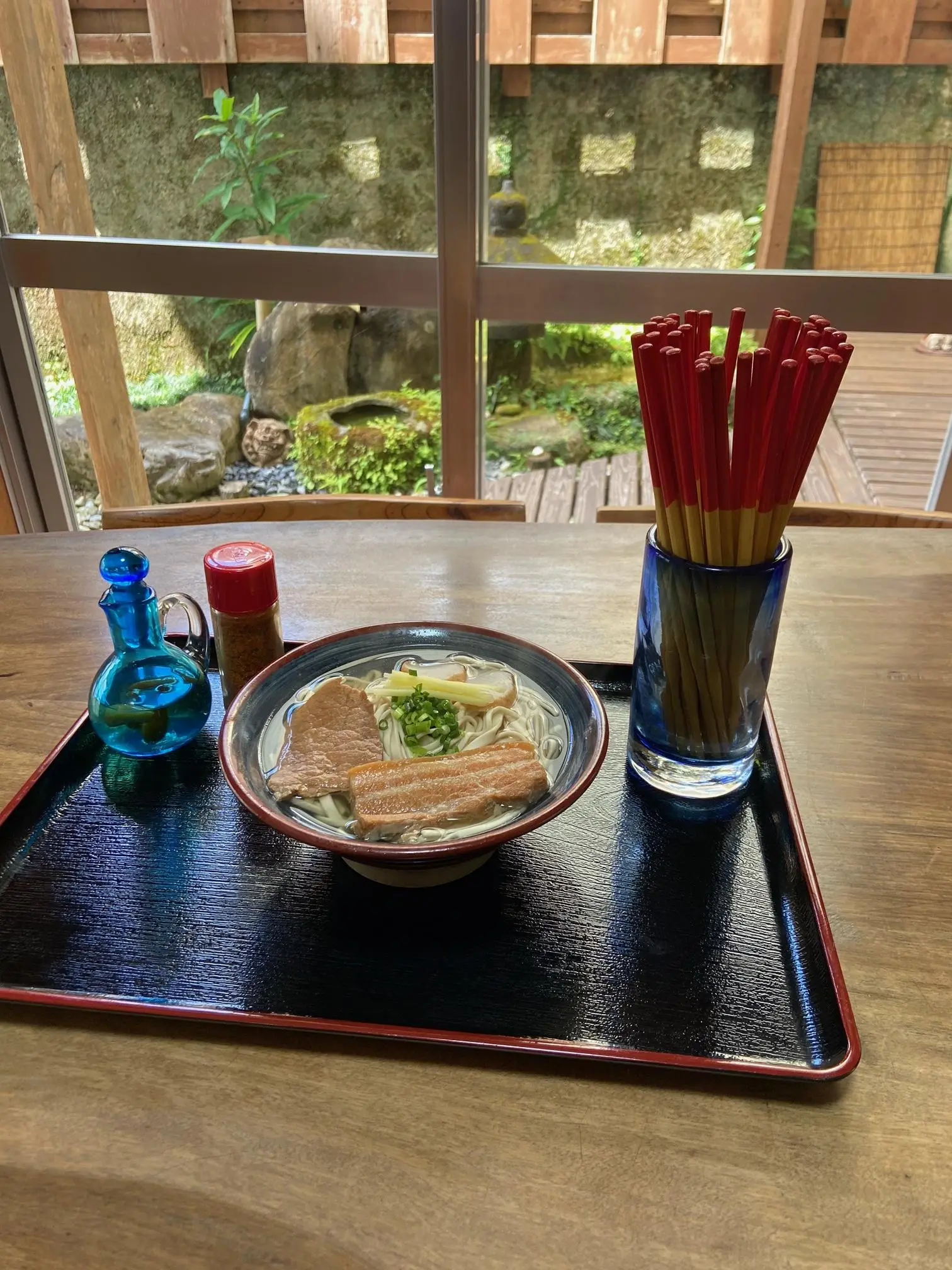
Located in a residential neighborhood a short walk from Shurijo Castle, this Okinawa soba restaurant is also popular with locals. Apart from its signature Shuri Soba, the menu is simple: simmered dishes, rice balls, jushi seasoned rice, and shaved-ice zenzai.
Shuri Soba combines firm, chewy, handmade flat noodles with a clear broth made from pork, dried bonito flakes, and Okinawan salt. The classic bowl is topped with pork belly, pork loin, fish cake, thinly sliced ginger, and green onions. Add a side of simmered dishes or jushi infused with savory broth.
2. ZHYVAGO COFFEE WORKS OKINAWA (Chatan Town)
Located on the waterfront in American Village, this coffee stand offers a coffee culture blending Okinawa's west coast with the American West Coast.
Choose between indoor tables and terrace seating overlooking the sea; the view is especially impressive at sunset. In addition to coffee, the menu includes shakes, tea, orange juice, and the popular cheesecake. Take your order to go and enjoy it by the water during a walk.

3. Taco Rice Cafe Kijimuna Depot Island Branch (Chatan Town)
Located in Depot Island at American Village, this restaurant specializes in taco rice, an Okinawa-born comfort food. Along with classic taco rice topped with irresistible spicy salsa, try the Omutaco, featuring fluffy, creamy eggs over taco rice.
A wide selection of toppings includes bacon, mozzarella, and avocado. Stop by while shopping or exploring to customize this Okinawan favorite to your taste.

4. Century-Old House Ufuya (Nago City)
Reached by a mountain road outside central Nago, this Okinawan restaurant was created by relocating and restoring traditional Ryukyu homes. The main Asato residence is a restored house built more than 100 years ago during the Meiji period.
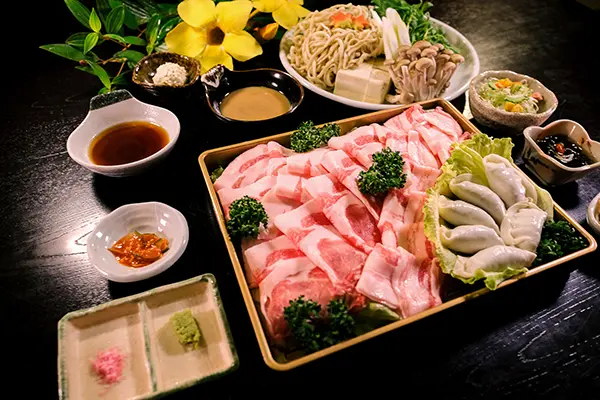
The menu includes Okinawa soba made with fresh noodles produced on the premises, Agu pork shabu-shabu, and steak made with Okinawa-raised wagyu beef. Take your time savoring Okinawan cuisine while viewing the traditional house and waterfall.
5. A Happy Pancake Umikaji Terrace Okinawa Branch (Tomigusuku City)
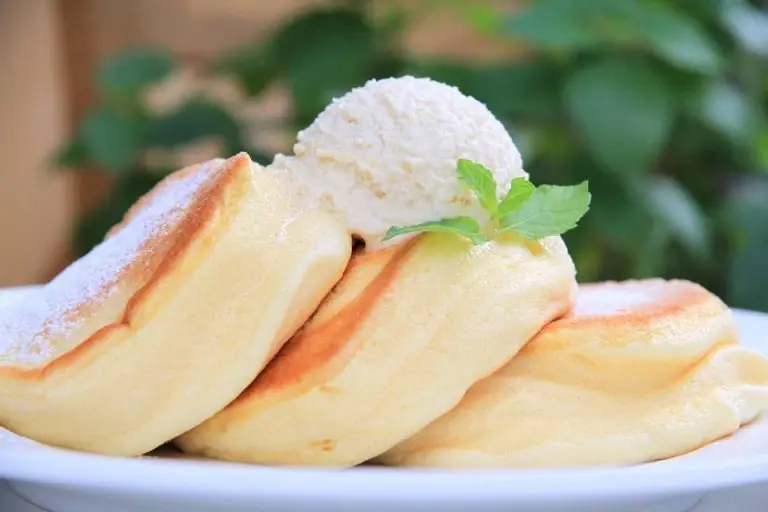
This popular restaurant at Senagajima Umikaji Terrace pairs carefully crafted pancakes with ocean views. Its fluffy pancakes are made with ingredients such as fresh eggs, butter from Hokkaido milk, and New Zealand manuka honey, with each one taking 20 minutes to cook.
The terrace, with both table and counter seating, offers panoramic views of the Okinawan sea. Airplanes taking off and landing at the airport pass directly ahead, providing a backdrop of sea and sky for a sweet plate of pancakes.

3 Convenient Hotels for Exploring Okinawa in Fall
On a fall journey from Naha through central and northern Okinawa, time spent at the hotel can also be part of the experience.
These three hotels each offer a different kind of stay, from ocean-view rooms and spaces inspired by their connection to Yanbaru to a wide range of activities. After sightseeing, return to the resort and unwind close to Okinawa's sea and nature.
1. The Busena Terrace (Nago City)
Standing on Cape Busena, one of Japan's largest resort areas, this hotel offers a refined getaway for adults. Accommodations fall into three categories: Standard Floor, Club Floor and Suites, and Club Cottages.
A diverse selection of restaurants, shops, spa treatments, and marine activities creates an elegant resort experience for adults. With Cape Busena's nature close at hand, dining, spa treatments, and leisurely time at the hotel can become highlights of the trip.
2. Oriental Hotel Okinawa Resort & Spa (Nago City)
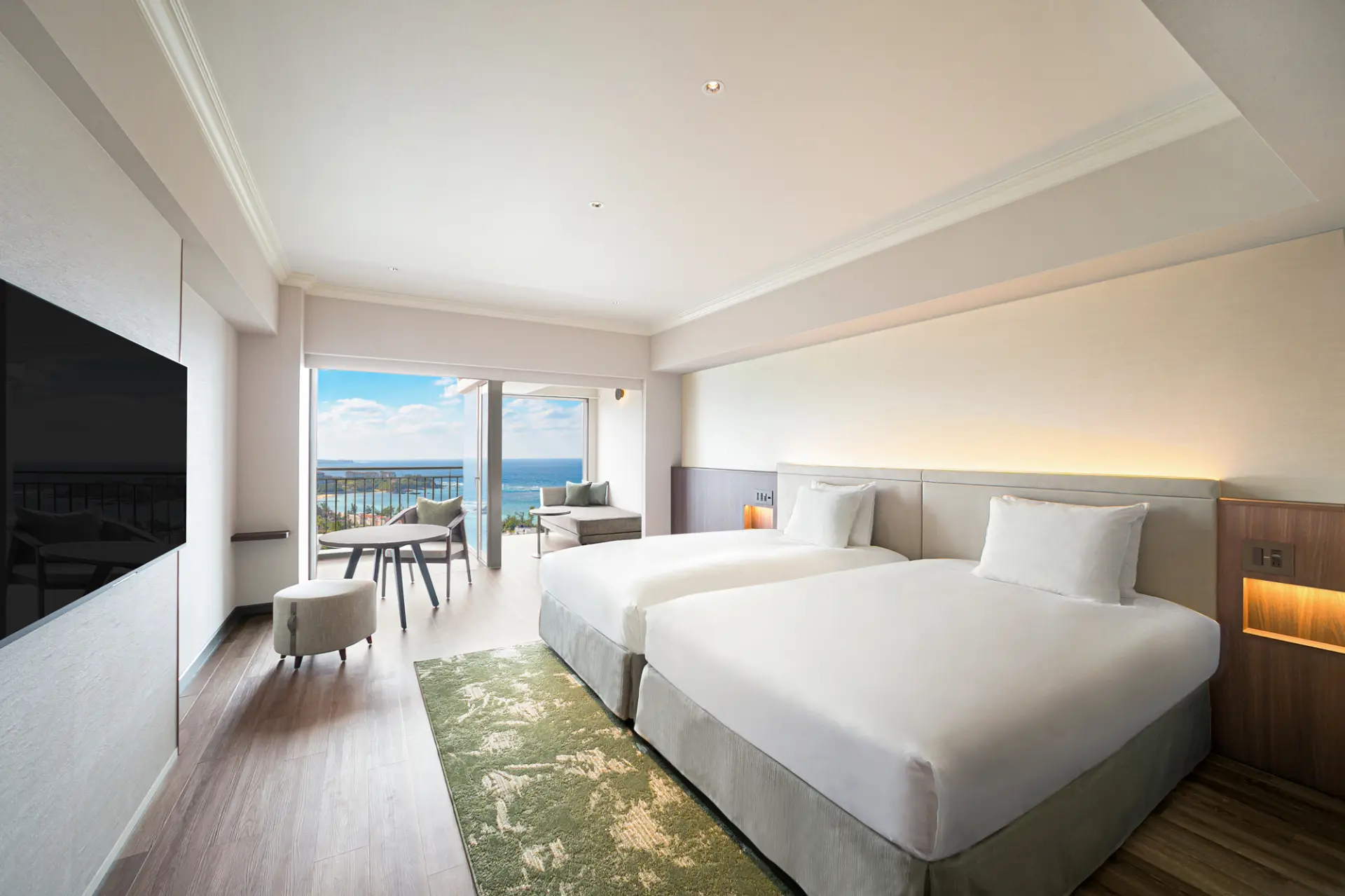
This resort hotel stands at the gateway to Yanbaru in northern Okinawa's main island, a designated UNESCO World Natural Heritage Site. Based on the concept “Play with the Island, Connect with the Forest,” it offers experiences that connect guests with Yanbaru through the hotel.
The lobby welcomes guests with lush greenery featuring plants native to Yanbaru, while the guest rooms have floor-to-ceiling glass living areas overlooking the East China Sea. With dishes made from Okinawan ingredients, it is a convenient base for exploring the north.
3. Renaissance Okinawa Resort (Onna Village)
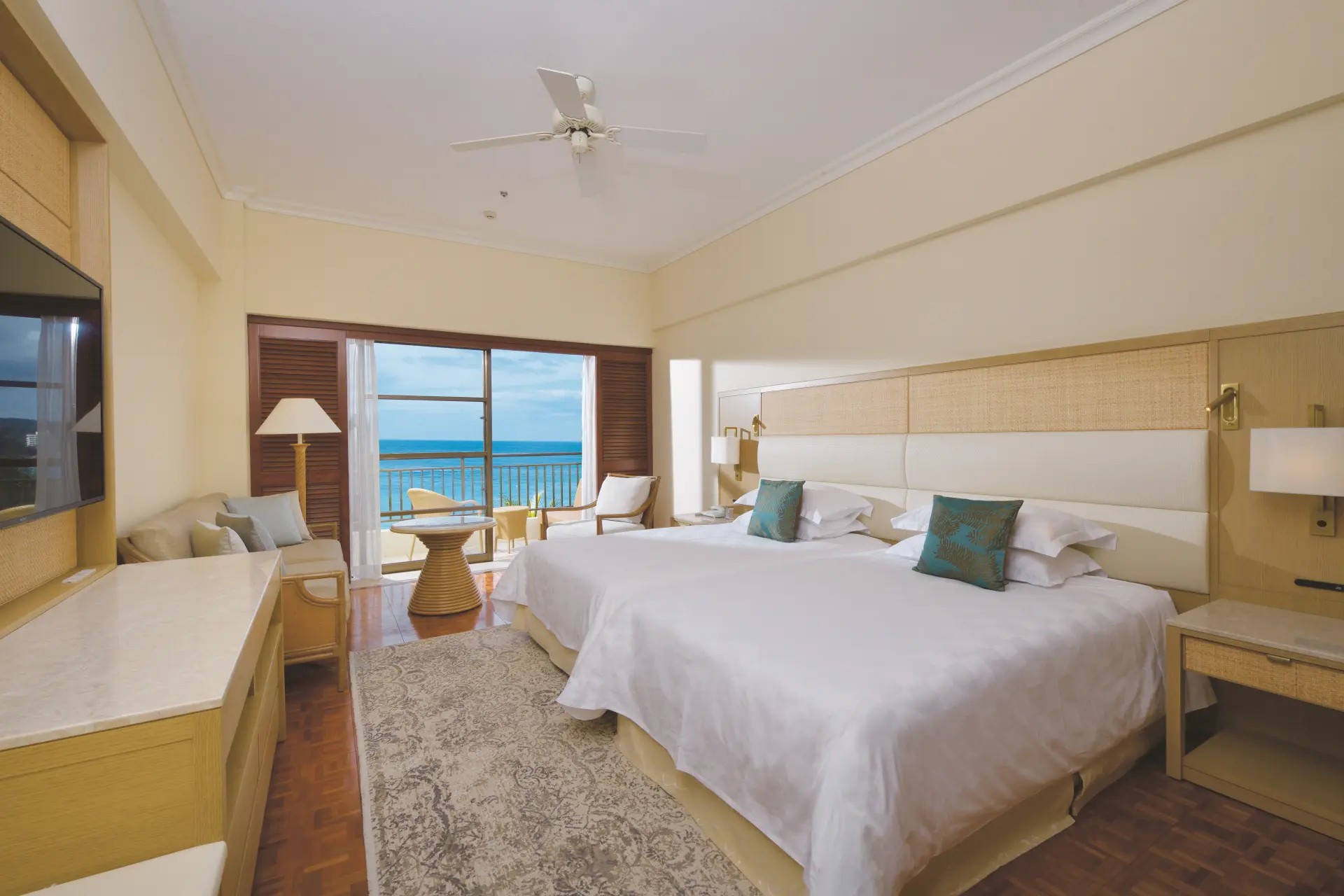
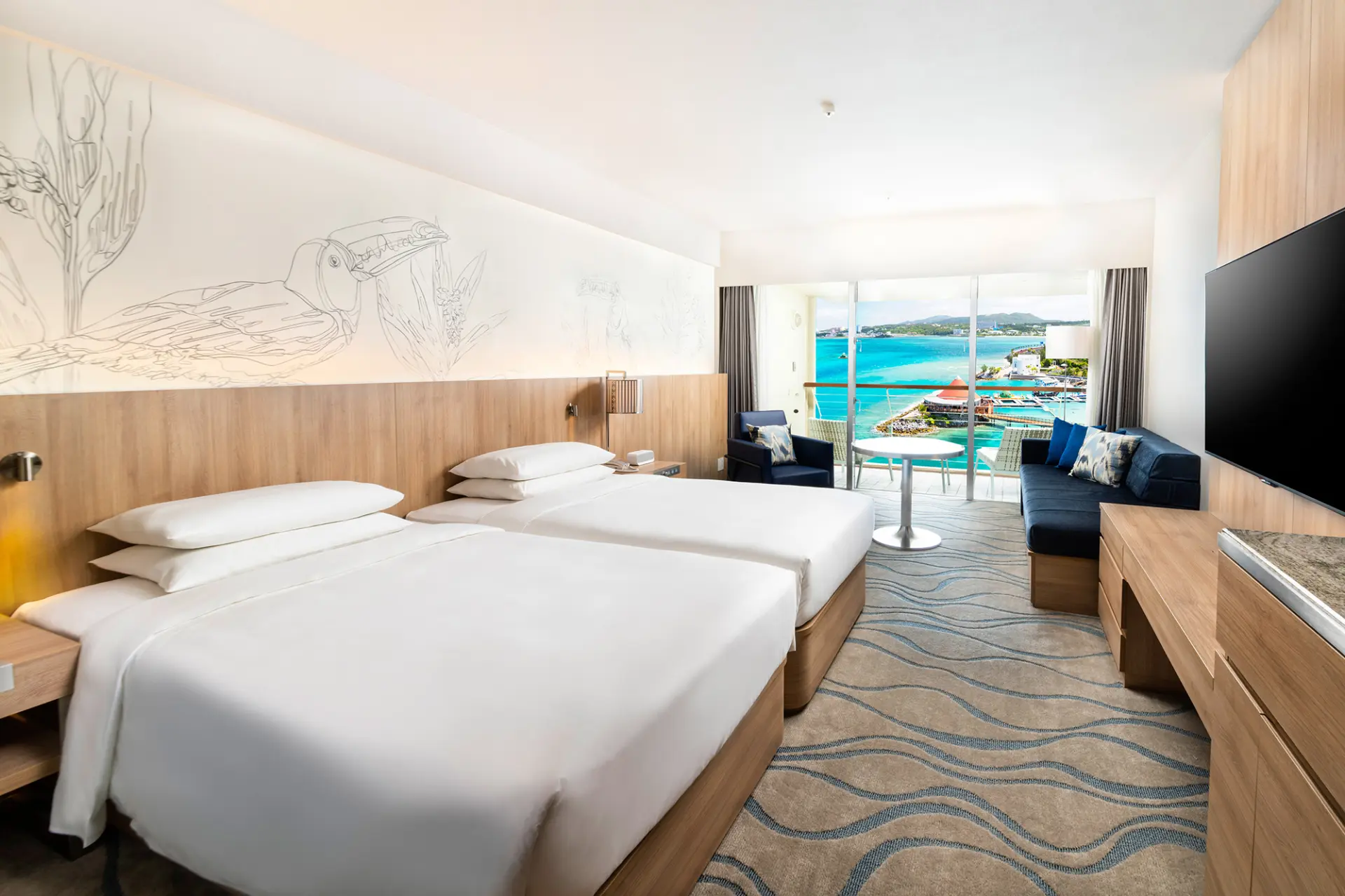
Located on the west coast of Okinawa's main island, this resort hotel offers a stay close to the sea. All 377 guest rooms have ocean-view balconies overlooking the East China Sea.
The hotel has nine restaurants and bars serving Japanese and Western cuisine, sushi, barbecue, and more. It also offers a wide variety of activities, including snorkeling, diving, and dolphin encounters. A resort stay filled with ocean views, recreation, and dining awaits.
Recommended Fall Itinerary Connecting Okinawa's Highlights from Naha to the North
Begin with Naha's history and culture, then continue to the subtropical nature and sea of central and northern Okinawa.
For a two-day, one-night trip, rent a car at Naha Airport on the first day, explore Shuri and Tsuboya, and then head to central Okinawa. On the second day, visit Bios no Oka, Cape Busena, and Nago.
Travel from south to north across the main island, connecting Okinawa's distinctive townscapes, forests, sea, and food.
Day 1
- Arrange a rental car at Naha Airport
- Visit Shurijo Castle Park
- Walk along the Shuri Kinjo-cho Stone-Paved Road
- Have lunch at Shuri Soba
- Explore Tsuboya Yachimun Street
- Head to Churayashi Park Okinawa Southeast Botanical Gardens
- Stay overnight in the Onna Village or Nago area
Day 2
- Depart from the hotel
- Experience subtropical nature at Bios no Oka
- Visit the underwater observatory and ride a glass-bottom boat at Busena Marine Park
- Have an Okinawan lunch at Century-Old House Ufuya
- Tour the factory at Orion Happy Park (advance reservation required)
- Return the rental car at Naha Airport
Average Fall Temperatures in Okinawa
The average temperature in September is 82.2°F, and daytime highs often exceed 86°F, so it still feels like summer. In October, the average falls to 77.9°F, easing the intense heat and making walking and outdoor sightseeing more comfortable. November's average is a pleasant 72.5°F, though mornings, evenings, and windy days may feel slightly cool.
| Month | September | October | November |
|---|---|---|---|
| Temperature | 82.2°F | 77.9°F | 72.5°F |
What to Wear in Okinawa in Fall
Short sleeves and lightweight clothing are comfortable in September, but the sun remains strong, so remember a hat, sunglasses, and sun protection.
Short sleeves are also suitable on many October days, though mornings and evenings can feel slightly cool. Bringing a light outer layer is recommended.
Long-sleeved shirts and cardigans are useful in November, while a light jacket will keep you comfortable near the coast or in windy locations.
Frequently Asked Questions About Visiting Okinawa in Fall
Q
Can I swim in Okinawa in fall?
Sea temperatures remain warm from September through October, and many beaches offer swimming and marine activities. Swimming seasons vary by beach, so check operating information in advance. Air and water temperatures gradually fall in November, but many people still go diving and snorkeling in wetsuits.
Q
Do I still need to watch for typhoons in Okinawa in fall?
Typhoons approach relatively often in September, with the number gradually declining from October onward. Check the latest weather forecasts and transportation updates before your trip, and allow extra flexibility in your schedule.
Q
Do I need a rental car for sightseeing in Okinawa in fall?
You can explore Naha by Yui Rail and local bus, but a rental car is convenient for traveling to central and northern parts of the main island. Cars may sell out over holiday weekends and regular weekends, so booking early is recommended.
Q
What activities are recommended in Okinawa in fall?
With milder temperatures, fall is an ideal season for walking around town, nature excursions, glass-bottom boat rides, kayaking, and other outdoor experiences. Illumination events also begin at night, revealing a different side of Okinawa from the daytime.
Summary
A fall trip to Okinawa combines walks through Shuri's historic streets, subtropical forest excursions, and ocean views in a single journey. October and November also bring seasonal events such as traditional festivals and illuminations.
Travel from Naha through central and northern Okinawa, sampling Okinawa soba and local cuisine as you explore the island's autumn appeal beyond its beaches.