
Gujo Hachiman Travel Guide: Explore the Castle Town of Water and Dance—Top Spots and Suggested Itinerary
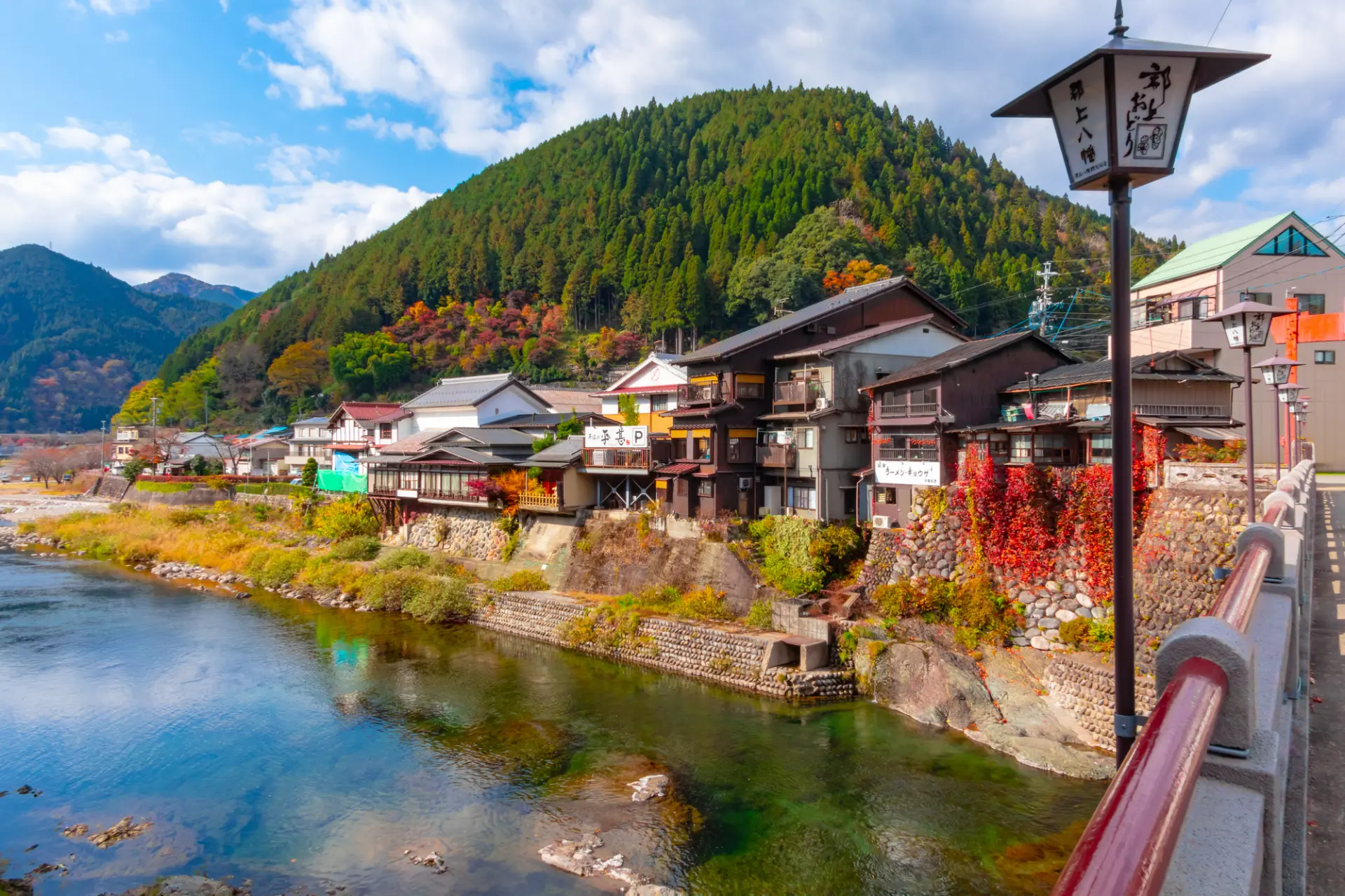
Gujo Hachiman is a castle town extending along the Yoshida River in the upper reaches of the Nagara River, near the center of Gifu Prefecture.
With waterways running throughout its streets, it is also known as a “town of water,” where water has long been closely connected to daily life.
This town, shaped by water and history, offers a wide variety of attractions, including traditional culture, craftsmanship, and local cuisine.
This article covers everything you need to plan your trip, from Gujo Hachiman’s highlights and transportation options to popular attractions and a suggested itinerary.
It is designed to be helpful even for first-time visitors, so read on to the end.
What Is Gujo Hachiman Like?
Gujo Hachiman, located in central Gujo City, Gifu Prefecture, is a castle town blessed with clear water and a rich history.
Traditional townhouses, waterways, and narrow alleys are scattered throughout the historic streets that developed around Gujo Hachiman Castle, lending the town a distinctive atmosphere even when simply strolling around.
Kajiyamachi, Shokuninmachi, and Yanagimachi are designated as a National Important Preservation District for Groups of Traditional Buildings and retain traces of the early Edo period (1603–1868).
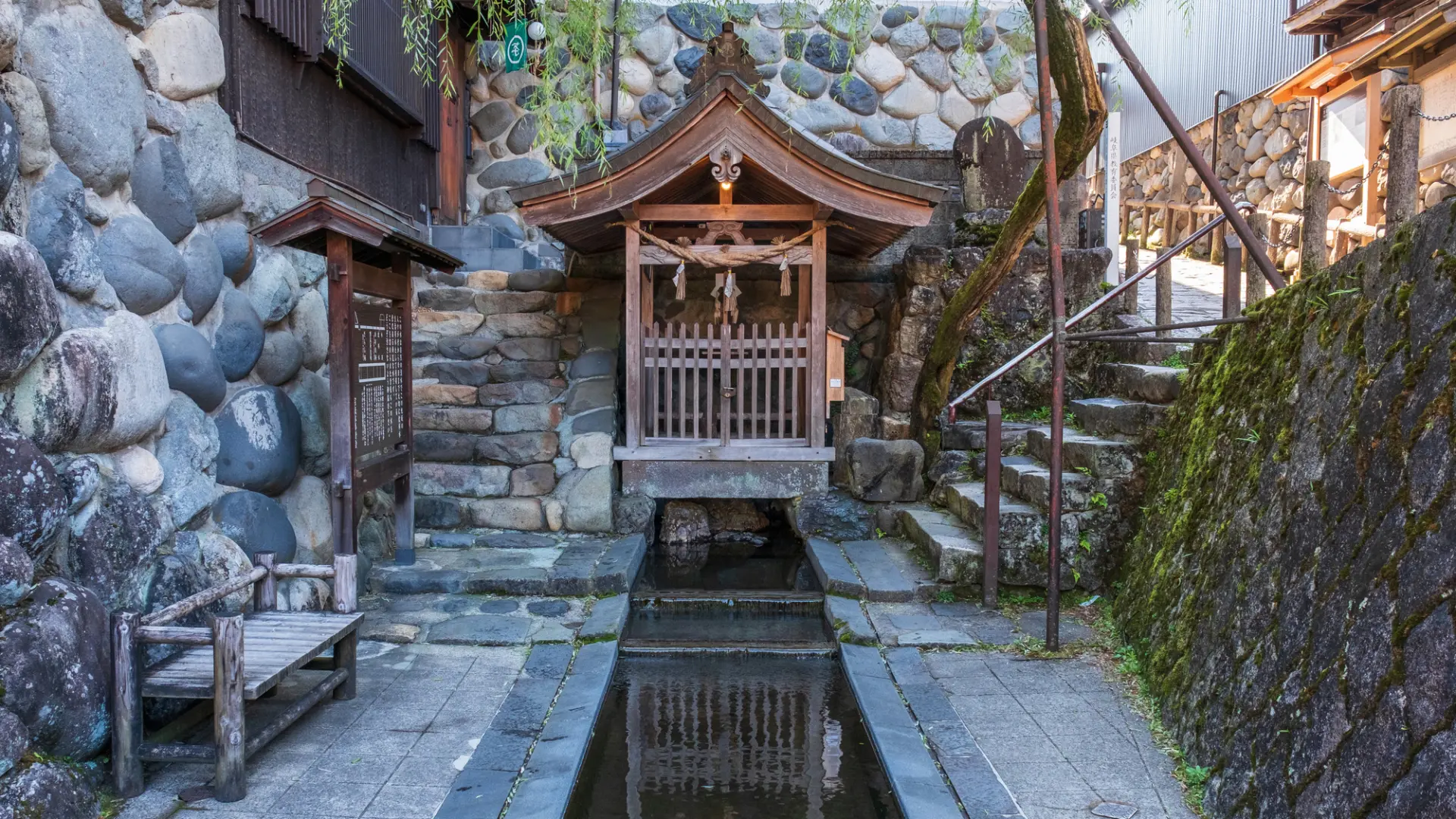
Also known as a “town of water,” Gujo Hachiman features many landscapes where water remains closely connected to everyday life, including Sogisui Spring—the first site selected for Japan’s 100 Remarkable Waters—and the Yoshida River Waterside Promenade.
The town also offers many other attractions, including the traditional Gujo Odori dance, local cuisine, and sightseeing spots.
Listen to the flowing streams and experience the area’s food and culture to gain a deeper appreciation of the town’s character.
How to Get to Gujo Hachiman
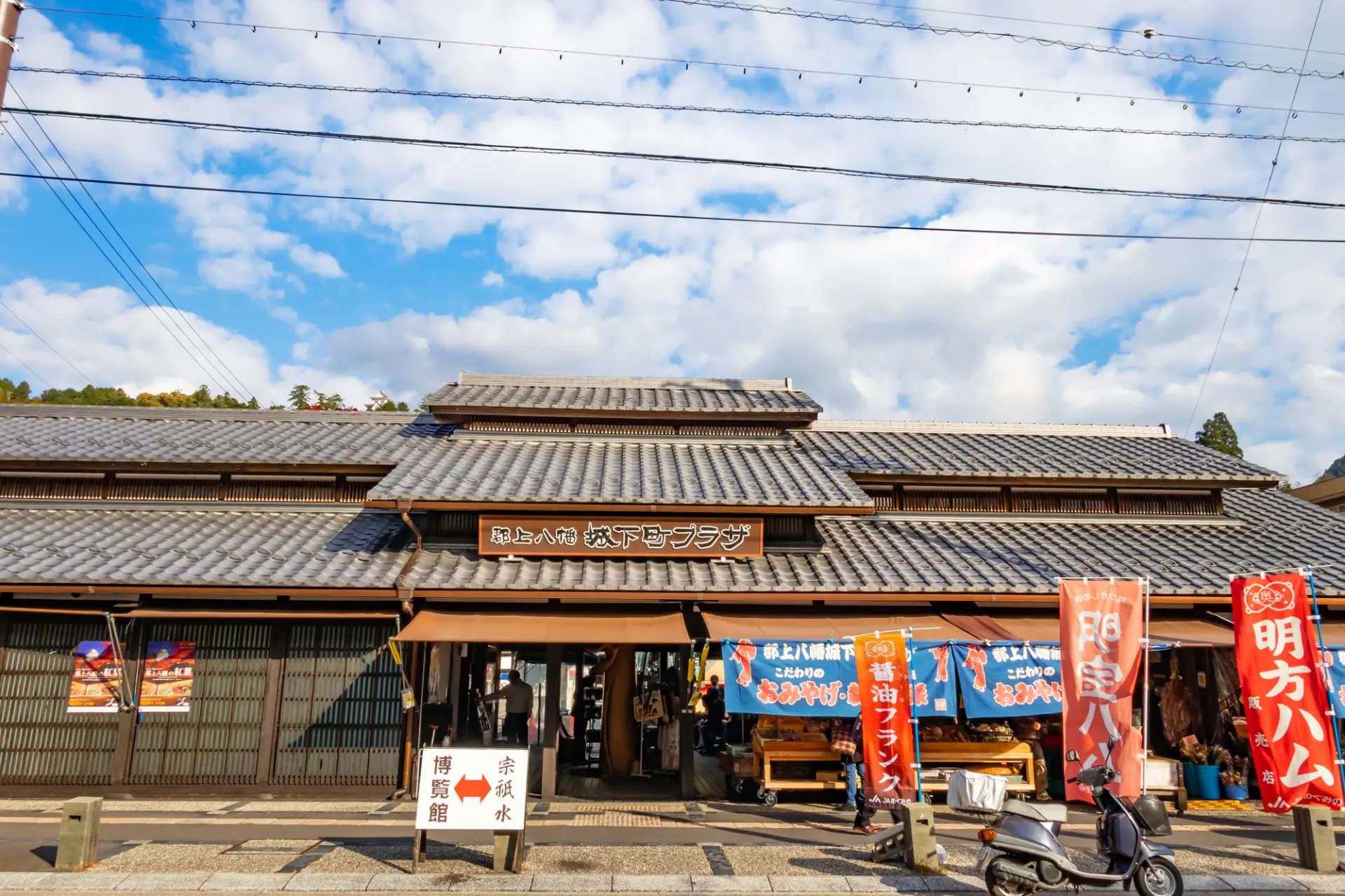
The main gateways for sightseeing in Gujo Hachiman are Gujo-Hachiman Station on the Nagaragawa Railway and Gujo Hachiman Jokamachi Plaza for highway buses.
When traveling by train, it takes about 20 minutes to walk from the station to the town center.
If you have heavy luggage or are visiting in hot weather, the Mame Bus, which circulates through town, is a convenient option.
Highway buses provide direct access to the castle town area, while nearby attractions can be explored by combining public transportation with walking.
A rental car or taxi is also convenient when visiting attractions outside the town center.
Below are routes starting from Nagoya Station, which is easily accessible from both Tokyo and Osaka.
| Transportation | Route | Travel Time |
|---|---|---|
| Train + highway bus |
1. Take the JR Tokaido Main Line from JR Nagoya Station to Gifu Station, then proceed to the bus stop outside the North Exit 2. Board the Gifu Bus Highway Hachiman Line at Bus Stop 14 at Gifu Station and get off at Gujo Hachiman Jokamachi Plaza |
About 2 hours |
| Train |
1. Take the JR Tokaido Main Line from JR Nagoya Station to Gifu Station 2. Take the JR Takayama Main Line from Gifu Station to Mino-Ota Station 3. Take the Nagaragawa Railway from Mino-Ota Station to Gujo-Hachiman Station. The town center is about a 20-minute walk away |
About 2 hours 20 minutes |
Best Times to Visit Gujo Hachiman
Summer and fall are the best seasons to visit Gujo Hachiman.
During the lively summer Gujo Odori season, lanterns illuminate the streets at night as the sounds of wooden geta sandals and singing echo through the historic townscape.
Walking through the castle town after dark reveals a different side of Gujo Hachiman and allows visitors to experience the season’s distinctive atmosphere.
In fall, the foliage around Gujo Hachiman Castle reaches its peak.
The contrast between the red and gold leaves covering Mount Hachiman and the white castle keep creates a dramatic view known as the “Burning Castle.”
After quietly appreciating the beauty of the mountain castle, visitors can also savor seasonal cuisine.
3 Experiences to Try in Gujo Hachiman
Here are three experiences worth trying in Gujo Hachiman.
Each offers a different way to discover the culture, daily life, and traditions rooted in the region.
If you are visiting Gujo Hachiman, take the opportunity to experience what makes the area distinctive.
1. Join Gujo Odori, a UNESCO Intangible Cultural Heritage Tradition
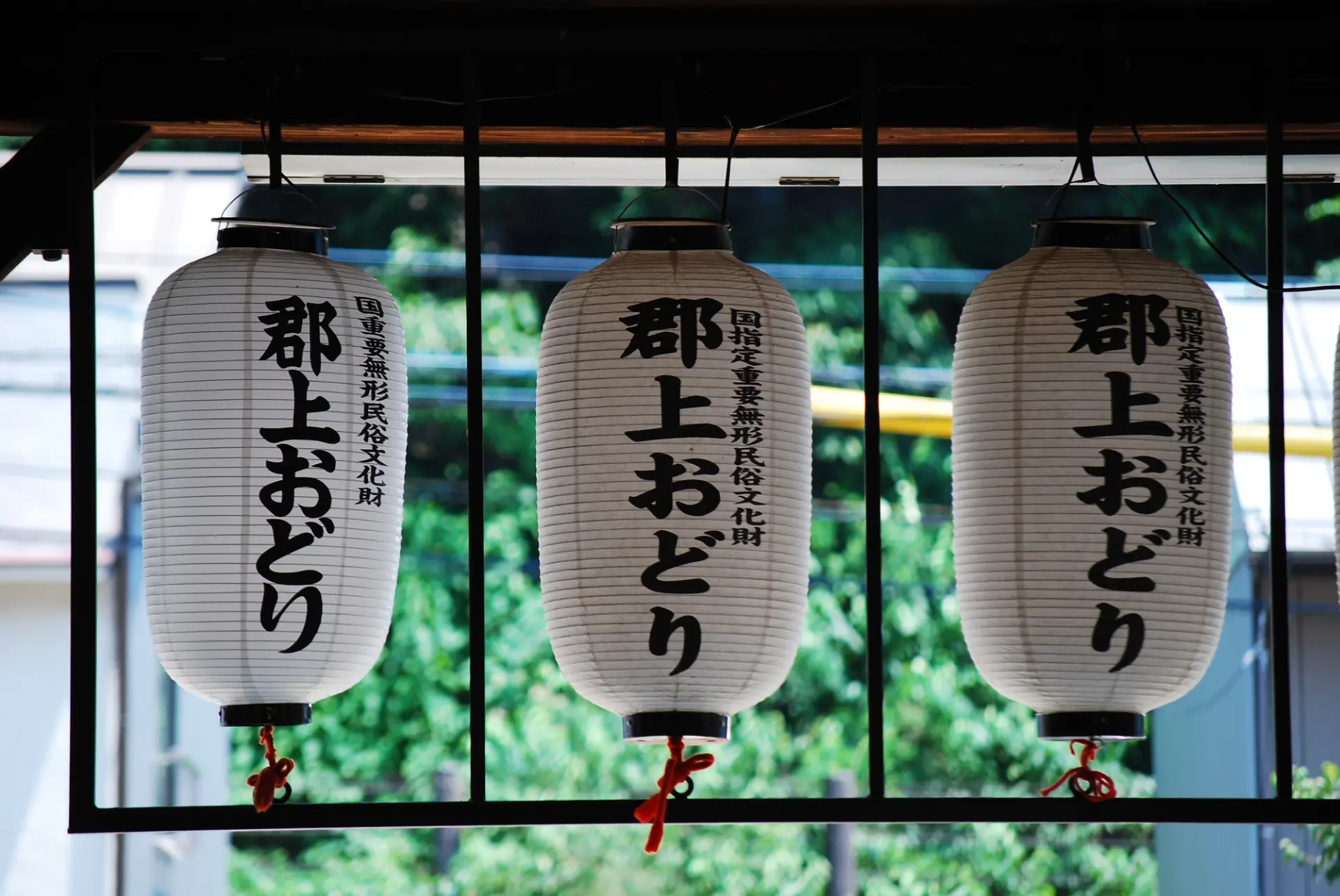
No introduction to Gujo Hachiman would be complete without Gujo Odori, Japan’s longest-running Bon dance festival.
With a history of about 420 years, this traditional performing art is designated as an Important Intangible Folk Cultural Property of Japan. In 2022, it was inscribed on UNESCO’s Representative List of the Intangible Cultural Heritage of Humanity as one of Japan’s Furyu-odori ritual dances.
Its greatest appeal is that visitors and local residents all dance together. No special preparation is necessary, allowing travelers to experience an authentic Bon dance with ease.
The steps, including those for the song “Kawasaki,” are very simple, and dancers soon pick them up by following the people around them.
The festival is generally held from summer through early fall. From August 13 to 16, the Tetsuya Odori all-night dancing continues from evening until dawn and draws about 300,000 enthusiastic participants each year.
Participation is free, so step into the circle filled with the sounds of geta sandals and singing for a memorable travel experience.
2. Try Making Replica Food
Gujo Hachiman is known as the birthplace of the realistic replica food commonly displayed outside restaurants in Japan.
The industry’s roots date back more than 80 years, and the area remains a major production center, accounting for about 60% of Japan’s replica food output.
Workshops around town allow visitors to make their own remarkably realistic dishes and desserts.
One process involves dripping colorful wax into hot water and shaping it. Learning the technique is engaging, while the challenge of getting the wax to behave as intended keeps both adults and children absorbed in the activity.
The time required varies by project, but participants can take their finished creations home, making them ideal one-of-a-kind souvenirs.
These workshops are popular, so reservations are recommended.

3. Walk Through the Historic Streets and Waterside Scenery
Exploring the town on foot is an essential part of any visit to Gujo Hachiman.
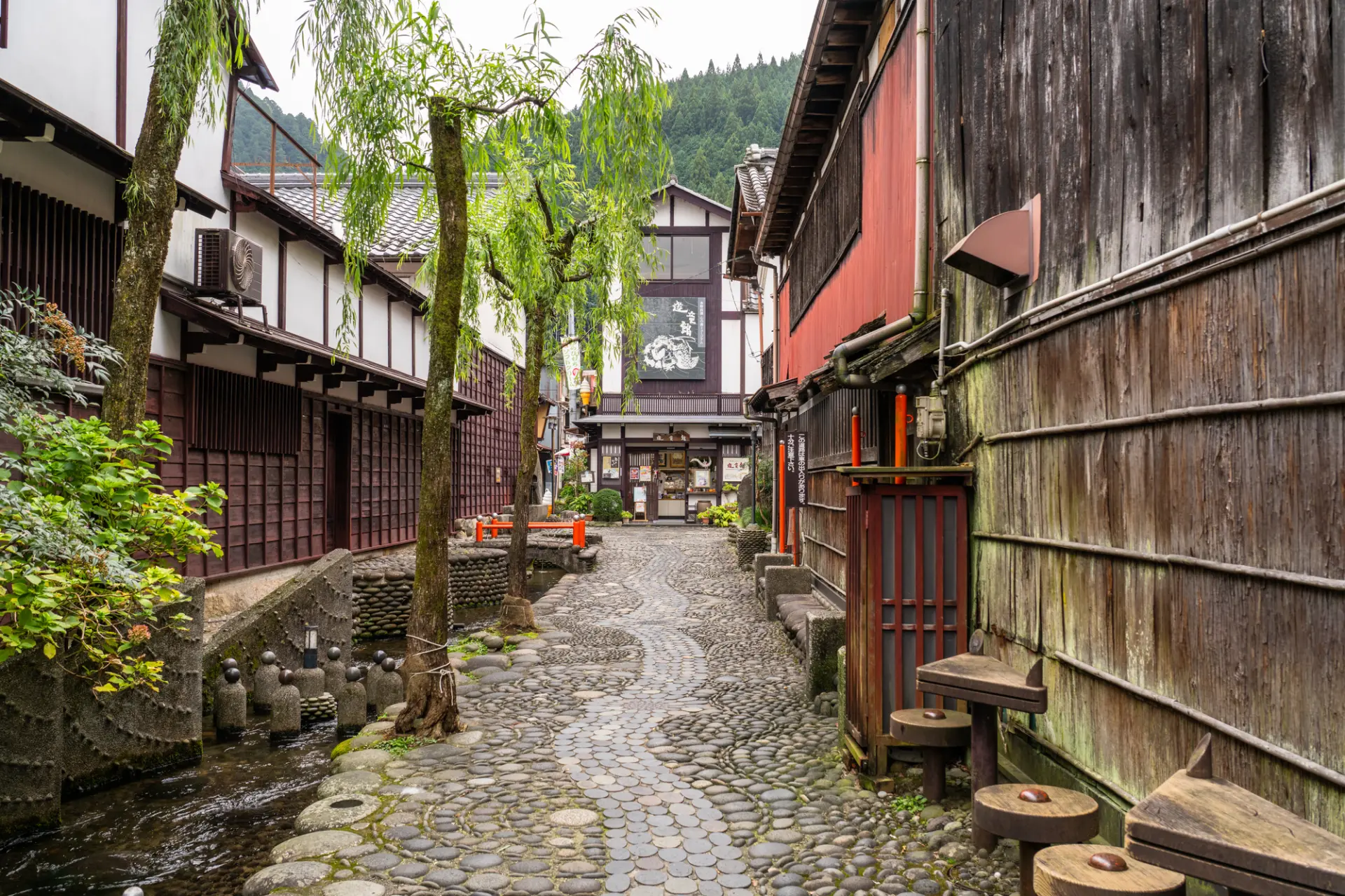
Homes featuring traditional architectural details, including projecting fire walls and red-brown latticework, still line the former castle town, while clear irrigation channels flow beneath the eaves.
Rather than following a set route, wander freely through the alleys while listening for the sound of water. Along the way, you will encounter scenery that reflects the town’s close relationship between water and daily life.
Take your time and visit the main sites with a camera in hand.
Main Places to Visit
| Shokuninmachi, Kajiyamachi, and Yanagimachi | A National Important Preservation District for Groups of Traditional Buildings that retains much of its early Edo-period character |
|---|---|
| Sogisui Spring | A symbol of the town that continues to convey its culture of water and daily life |
| Igawa Lane | A walking path beside an irrigation channel where carp and char can be seen swimming up close in the clear water |
| Yoshida River | A clear river flowing through the town center, with views from the bridges showcasing its transparent water and the surrounding mountains |
| Yanaka Water Lane | A lane paved with about 80,000 river stones from the Nagara and Yoshida rivers, where waterways and willow trees evoke the atmosphere of Kyoto |
3 Popular Attractions Not to Miss in Gujo Hachiman
Gujo Hachiman is dotted with appealing attractions where visitors can experience its history, culture, and natural surroundings up close.
Combining these sites with a walk through the historic streets will make your trip even more rewarding.
Here are three classic attractions that offer a strong sense of Gujo Hachiman even when time is limited.
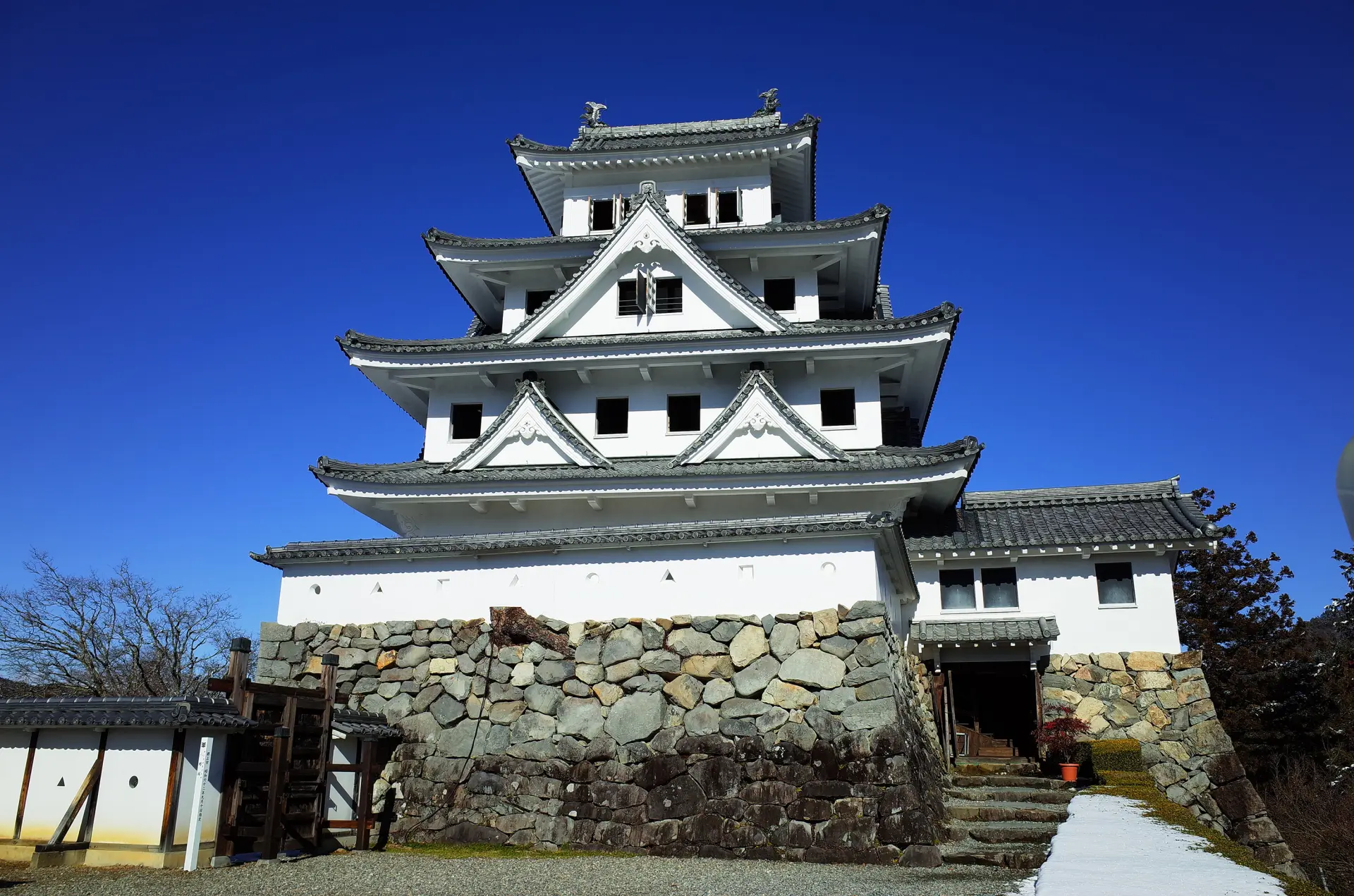
1. Gujo Hachiman Castle
This castle stands atop Mount Hachiman, northeast of central Gujo Hachiman.
Its history began in 1559, near the end of the Warring States period, when military commander Endo Morikazu built a fort here for battle.
The present keep was reconstructed in wood in 1933, based on Ogaki Castle, and is Japan’s oldest surviving wooden reconstructed castle keep.
The scenery created by the white castle and the changing seasons is remarkable and was praised by author Ryotaro Shiba in his travel series “Kaido wo Yuku.”
2. Gujo Hachiman Former Government Memorial Hall
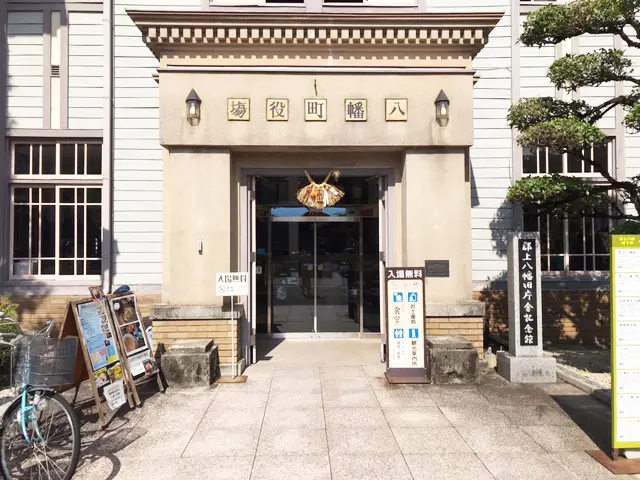
This retro-style building in Gujo Hachiman’s preserved castle town serves as a comprehensive tourist information center.
Built in 1936, it is a two-story, Western-style wooden building with about 8,611 square feet of floor space.
Its harmonious design features wood-clad exterior walls and tall windows.
The roof uses truss construction, a method often employed for gymnasiums and halls, making the building technologically advanced for its time.
It served as the Hachiman Town Hall until 1994 and was designated a National Registered Cultural Property in 1998.
3. Jion Zenji Temple
Founded in 1606, this Zen temple belongs to the Myoshinji school of Rinzai Buddhism.
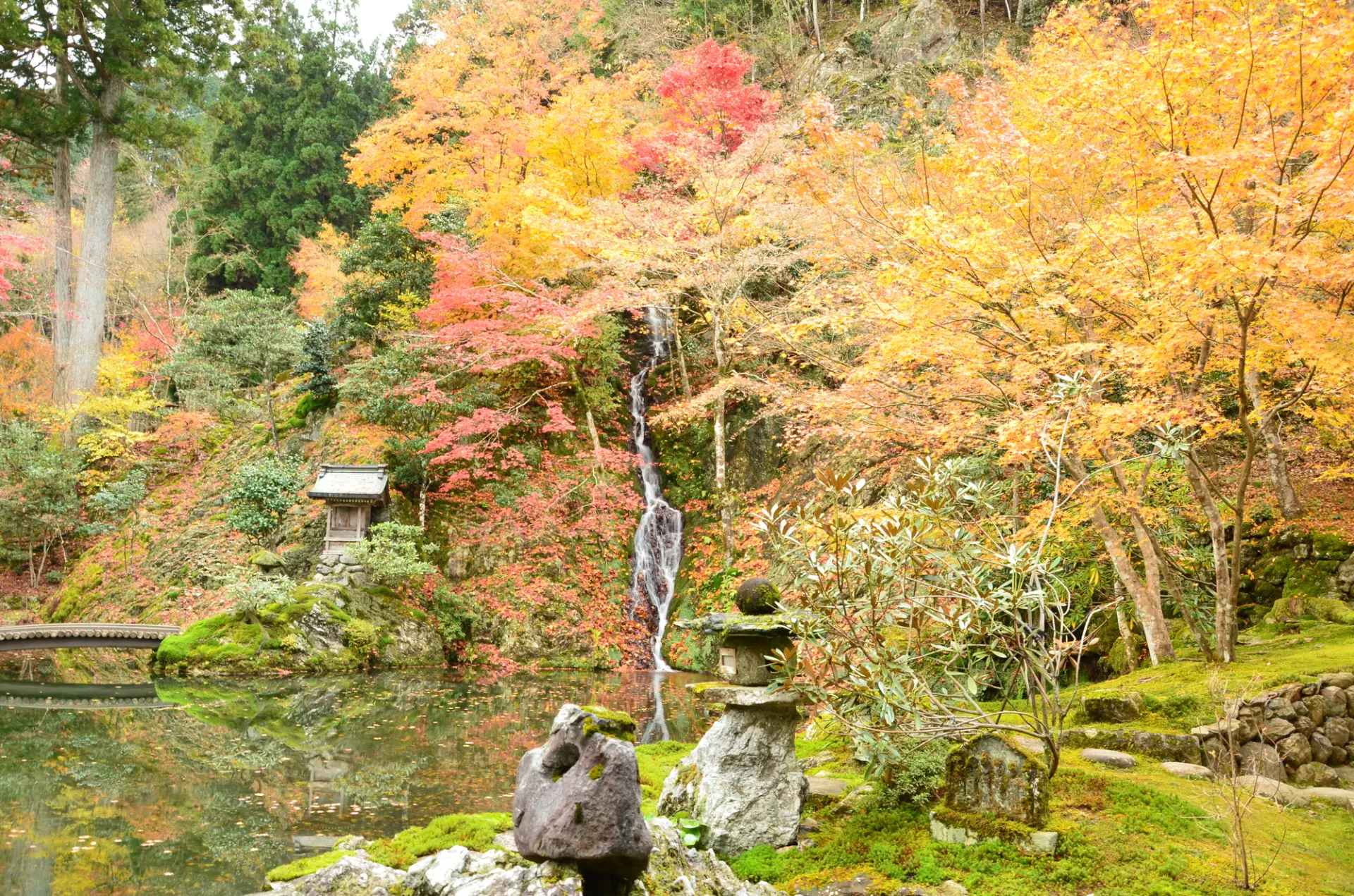
Located in the castle town, it is known for its rear garden, Tessoen, which is designated as a Place of Scenic Beauty by Gujo City.
The highlight is a seated-viewing garden with maple trees arranged around a pond against a rocky hillside.
Amid the profound and powerful atmosphere created by the sound of a waterfall, the garden takes on different appearances throughout the seasons, from fresh green foliage in early summer and autumn leaves to snowy winter scenery.
A suikinkutsu water harp in the garden produces clear, resonant sounds reminiscent of a koto, allowing visitors to appreciate the atmosphere with both their eyes and ears.
This space, where natural beauty and tranquility coexist, is an ideal place to take a break while exploring the town.
3 Recommended Nature Spots Near Gujo Hachiman
Next are three recommended places near Gujo Hachiman.
A short drive beyond town leads to dramatic natural scenery shaped by the surrounding mountains.
These places offer a different appeal from the historic streets, so consider visiting them along with the castle town.
1. Otaki Limestone Cave
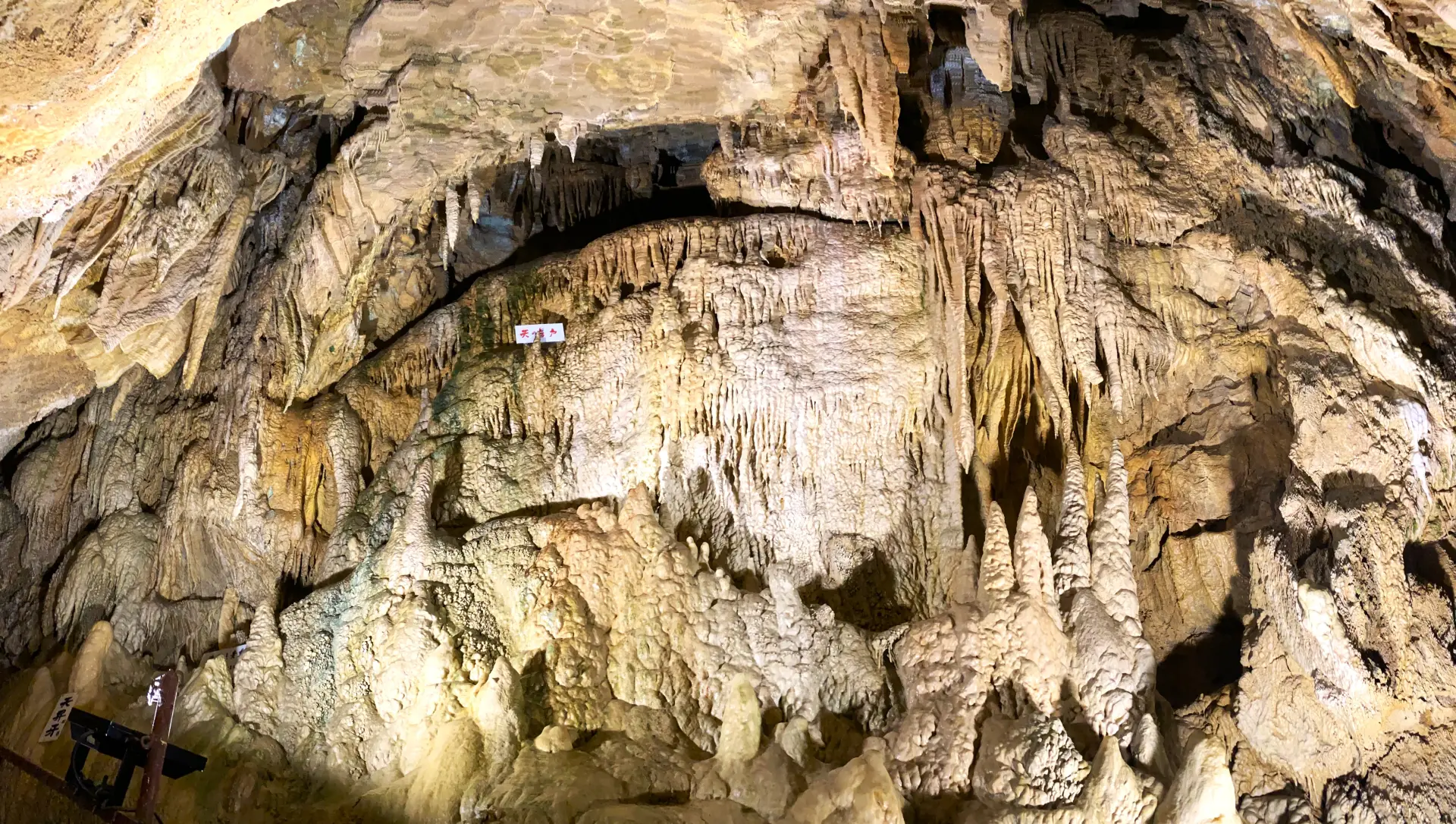
Surrounded by mountain scenery, this is one of Gifu Prefecture’s largest limestone caves. About 2,300 feet of its roughly 1.2-mile total length is open to the public.
Located in the mountains at an elevation of about 984 feet, the cave entrance is reached by a rare wooden cable car.
Inside, cool air with an average temperature of 54–57°F creates the silence of another world.
At the deepest point is one of Japan’s largest underground waterfalls, with a drop of about 98 feet. The abundant flow of water represented by this waterfall continues to shape the cave’s stalactites little by little.
2. Amidagataki Falls
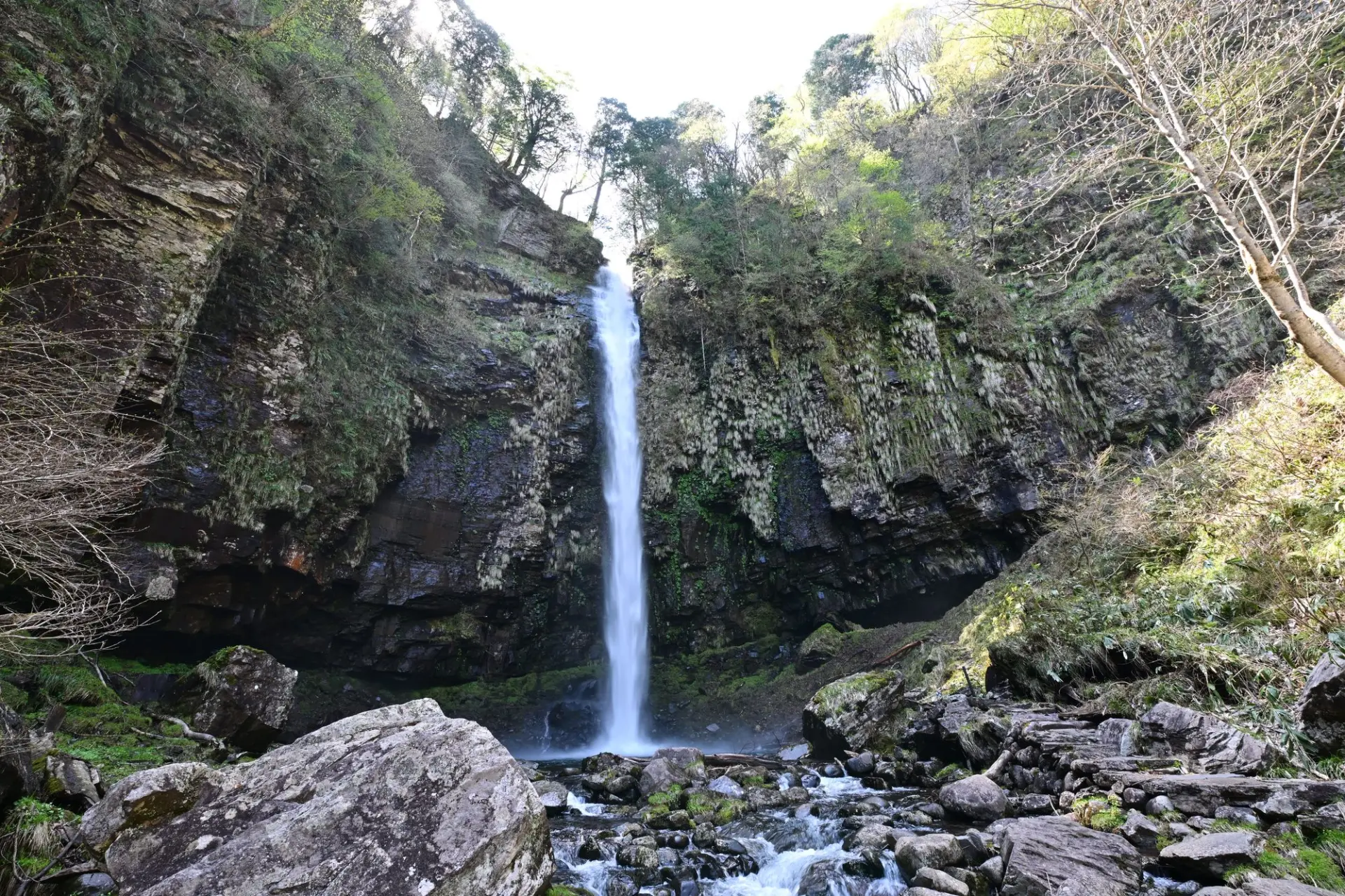
For imposing natural scenery near Gujo Hachiman, visit Amidagataki Falls.
Located in Shirotori, Gujo City, this waterfall has a drop of about 197 feet. It is considered the finest waterfall in the Tokai region and is included among both Japan’s 100 Best Waterfalls and Gifu Prefecture’s 50 Remarkable Waters.
Its main attraction is the tremendous power of the water thundering down between the trees.
A walking trail leads close to the plunge pool, allowing visitors to experience the waterfall at close range.
In addition to the view, the spray feels like a natural shower, and the cool air surrounding the falls offers welcome relief.
In summer, visitors can also try flowing somen noodles at Amidagataki-so.
3. Seiryu Nagara River Ayu Park
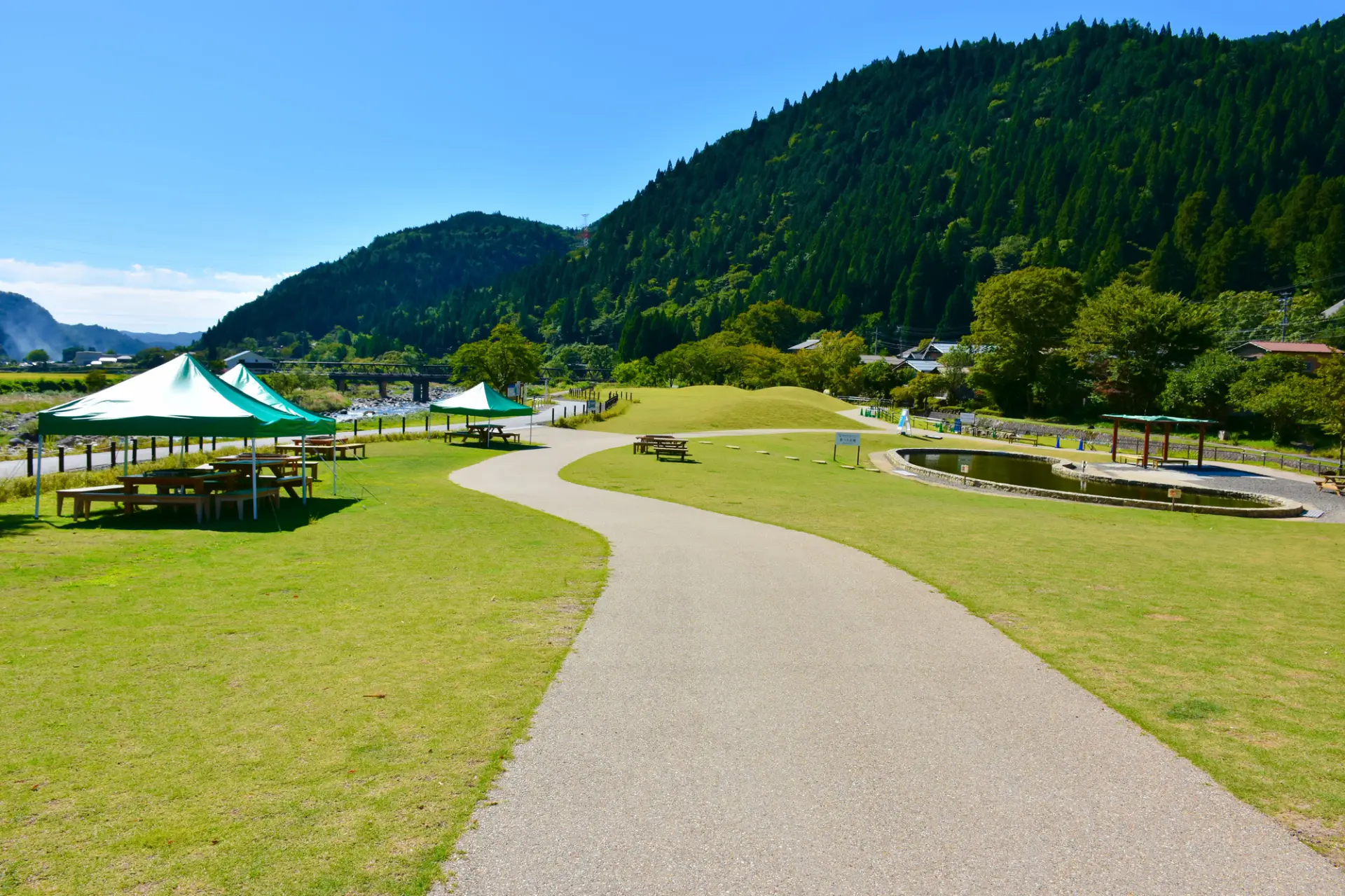
Seiryu Nagara River Ayu Park is a hands-on facility established as an information center for the “Ayu of the Nagara River System,” a Globally Important Agricultural Heritage System.
Visitors can learn about the Nagara River’s natural environment, ayu fishing, and local life while interacting with the river and its fish.
One of the most popular activities is catching ayu by hand in the park’s artificial river.
Even young children can participate, and the ayu they catch can be grilled with salt and eaten.
The experience also provides families with an opportunity to think about the value of life and where food comes from.
A variety of other craft activities are available, including making chopsticks from thinned timber, making bamboo skewers, and painting wind chimes.
The open setting surrounded by clear streams and mountains is pleasant and well suited to experiencing Gujo’s culture.
3 Local Specialties to Try in Gujo Hachiman
A visit to Gujo Hachiman should include not only its history and nature but also its locally rooted food culture.
The area offers ingredients nurtured by its rich natural environment and dishes prepared using cooking methods passed down through the community.
Here are three particularly recommended local specialties.
1. Gujo Ayu
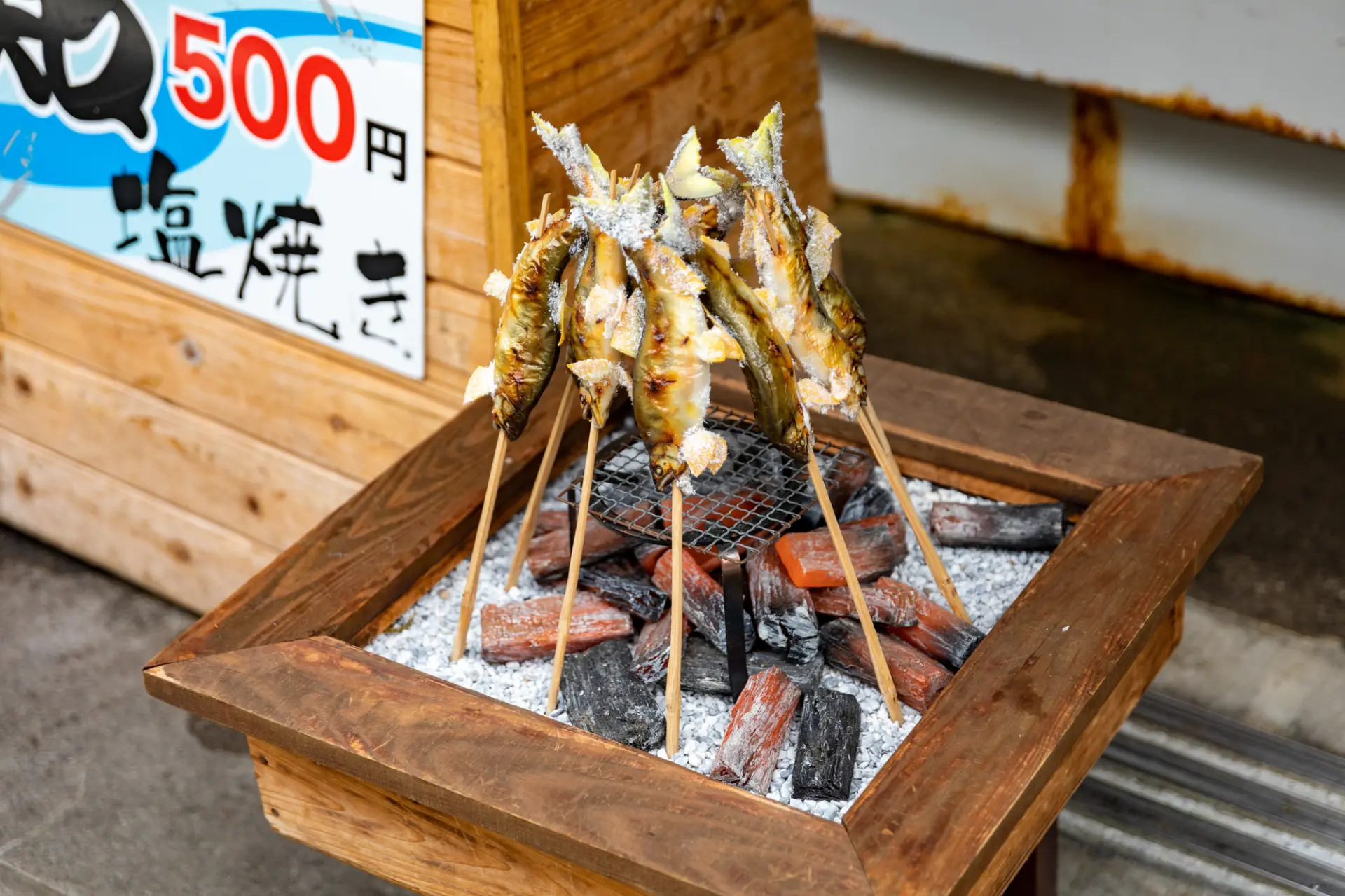
Gujo ayu is an essential local specialty of Gujo Hachiman.
Wild Gujo ayu caught in the upper Nagara River are raised in swift currents and clean water, giving them firm flesh, a delicate aroma, and a rich flavor.
In 2008, Gujo ayu won the grand prize at the National Clear Stream Ayu Tasting Competition and has since become a nationally recognized brand.
Besides the classic salt-grilled preparation, restaurants serve the fish in many forms, including sweet-simmered ayu, ayu sushi, and rice cooked with ayu.
Recommended Restaurants Serving Gujo Ayu
| Gujo Hachiman Yana | A restaurant serving dishes made with wild Gujo ayu. Various set courses include salt-grilled ayu, sweet-simmered ayu, and ayu rice, all accompanied by views of the Nagara River. |
| Yoshidaya Minokin | An eel restaurant operated by the long-established Yoshidaya, founded in 1880. It serves dishes made with wild Gujo ayu caught in the Yoshida and Nagara rivers. |
| Charcoal-Grilled Eel Uotora | A long-established eel restaurant founded in 1930. It is also certified to serve Gujo ayu and offers wild Gujo ayu during the summer. |
Hours, closing days, and availability vary by season and fishing period
2. Keichan
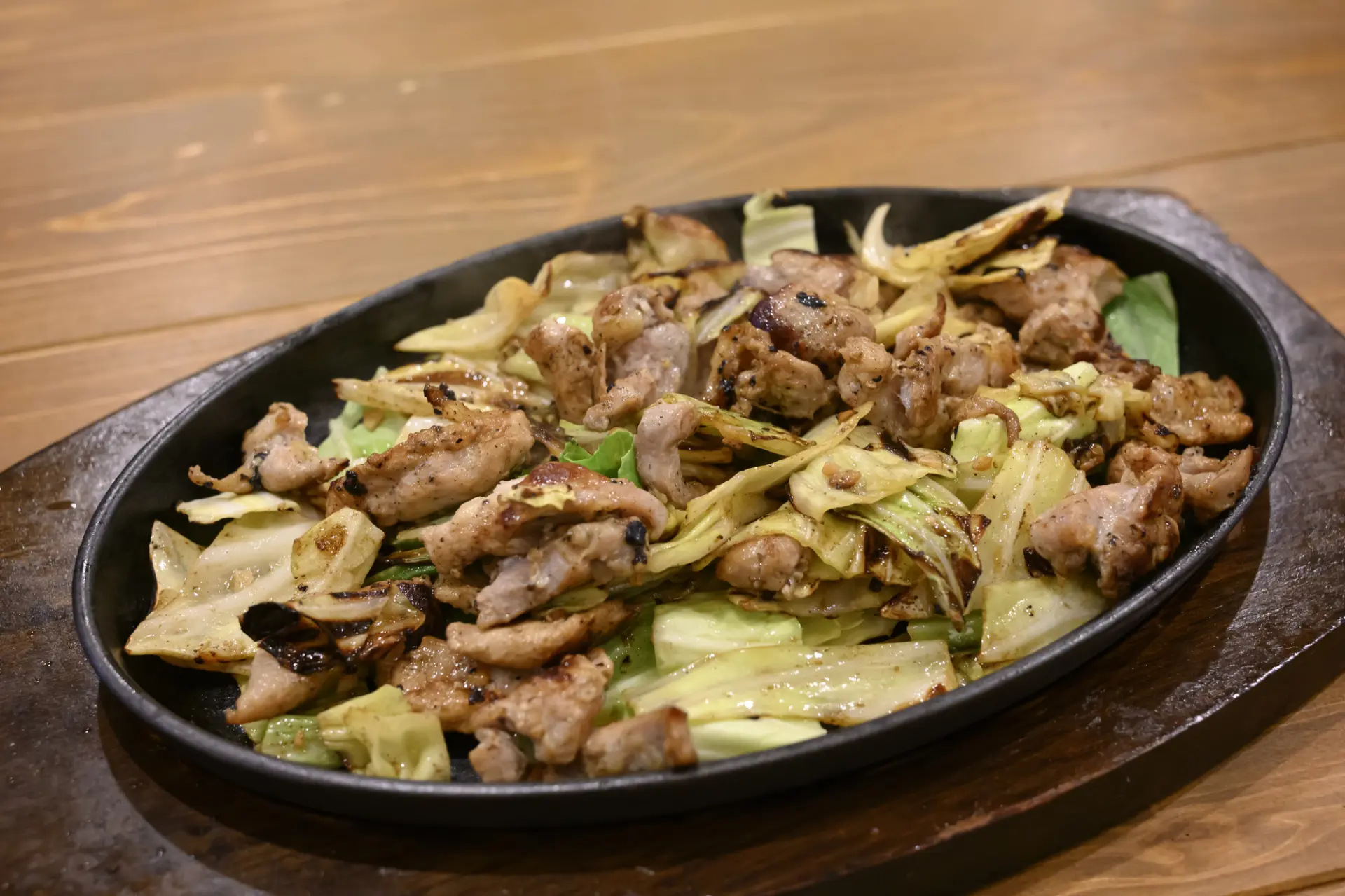
Keichan is a local Gifu dish long enjoyed in the Oku-Mino region, including Gujo City.
Originating as home cooking, it is made by stir-frying chicken marinated in a sauce based on miso, soy sauce, and garlic together with cabbage, bean sprouts, and seasonal vegetables.
Its defining feature is the closely guarded seasoning recipe used by each restaurant.
Even though the dish is always called keichan, its flavor varies depending on the cut of chicken and seasoning, making it interesting to compare versions from different restaurants.
Simple yet savory and aromatic, it pairs well with both rice and alcoholic drinks. This casual local favorite is widely loved as one of the region’s soul foods.
Recommended Restaurants Serving Keichan
| Shinbashitei | A long-established local cuisine restaurant founded in 1937. Its keichan features young chicken and vegetables grilled with a house-made seasoned sauce. |
| Sakoo Shoten Gokoku no Keichan | A restaurant specializing in keichan, ideal for those who want to savor an authentic version of the dish. |
| Shinobu | A restaurant serving keichan made exclusively with Oku-Mino chicken thighs. The chicken is marinated in a special blend of miso and mirin, then cooked in front of diners on a well-seasoned iron griddle. |
Confirm hours and closing days in advance
3. Pickle Steak
Pickle steak is a home-style dish long enjoyed in Gujo.
This simple dish is made by grilling kirizuke—winter preserves of salted Chinese cabbage, turnips, and other vegetables—on an iron griddle and binding them with egg.
Pickles that have fermented over a long period develop a pleasant tartness that pairs well with the mild flavor of softly cooked egg.
Though rustic, the dish has considerable depth of flavor, and its unexpected combination of pickles and egg makes a lasting impression.
Recommended Restaurants Serving Pickle Steak
| Akari | Offering an extensive menu ranging from sashimi to meat dishes, this restaurant also serves pickle steak and is convenient for dinner. |
| Teppan Cuisine Izumisaka | A local cuisine restaurant in Gujo Hachiman’s castle town serving pickle steak and dishes made with regional ingredients. |
| Daihachi | In addition to pickle steak, this restaurant serves regional dishes such as Gujo ayu, wild boar hot pot, and amago trout set meals. |
Confirm hours and closing days in advance

Suggested Gujo Hachiman Sightseeing Itinerary
Based on the information above, here is a suggested sightseeing itinerary for Gujo Hachiman.
This plan efficiently covers the main attractions in one day, but it involves a great deal of walking and an uphill route to Gujo Hachiman Castle. Travelers concerned about their stamina should allow extra time.
If you visit in summer, be sure to join Gujo Odori.
- 10:00 AM Start at Gujo-Hachiman Station and see its retro-style station building, which opened in 1929
- 10:25 AM Tour the early Showa-era Western-style wooden architecture of the Gujo Hachiman Former Government Memorial Hall and pick up maps and brochures
- 10:40 AM Explore the historic streets and sites of the castle town, including Shokuninmachi, Kajiyamachi, Yanagimachi, Sogisui Spring, Igawa Lane, the Yoshida River, and Yanaka Water Lane
- 12:15 PM For lunch, try local dishes featuring the bounty of the clear rivers, such as ayu or eel
- 1:00 PM Learn about Gujo Hachiman’s history, culture, and Gujo Odori at Gujo Hachiman Hakurankan Museum
- 2:00 PM Take in panoramic views of the castle town from Japan’s oldest wooden reconstructed castle keep at Gujo Hachiman Castle
- 3:20 PM Try making replica food at Sample Kobo Retro Art Museum; advance reservations are recommended
- 4:20 PM Shop for souvenirs in the local specialties section of Gujo Hachiman Jokamachi Plaza and take a final break before ending the trip
- 5:00 PM Return to Gujo-Hachiman Station and begin the journey home
Frequently Asked Questions About Gujo Hachiman
Q
How much time is needed to explore Gujo Hachiman?
Allow half a day, or about 3–4 hours, to explore central Gujo Hachiman. Plan on a full day if you also want to visit attractions in the surrounding area.
Q
What foods are recommended for eating while walking around Gujo Hachiman?
Recommended options include mitarashi dango coated in a savory-sweet grilled sauce, refreshing kuzumochi ice pops that are ideal for summer, and gohei mochi with an egoma seed-flavored sauce.
Q
Can I explore Gujo Hachiman without a car?
The castle town area can be explored on foot, but a rental car or taxi is recommended for visiting nature spots outside the town center.
Summary
This article has introduced Gujo Hachiman’s background, highlights, and popular attractions.
The town brings together many attractions, including the beauty of a lifestyle shaped by water, a castle town retaining traces of the early Edo period, and Gujo Odori, which is recognized as UNESCO Intangible Cultural Heritage.
It is easy to visit on a day trip from Nagoya and can be explored in a half day, a full day, or an overnight two-day trip, depending on your travel style.
If you want to step away from daily life and encounter a traditional Japanese townscape, consider visiting Gujo Hachiman.
Also see the following article for a suggested Gifu itinerary tracing the legacy and ambitions of Japan’s Warring States military commanders, including a visit to Gujo Hachiman.