

Chofu Travel Guide: Jindaiji Temple, Kitaro-Themed Strolls, Film Culture, and Local Soba
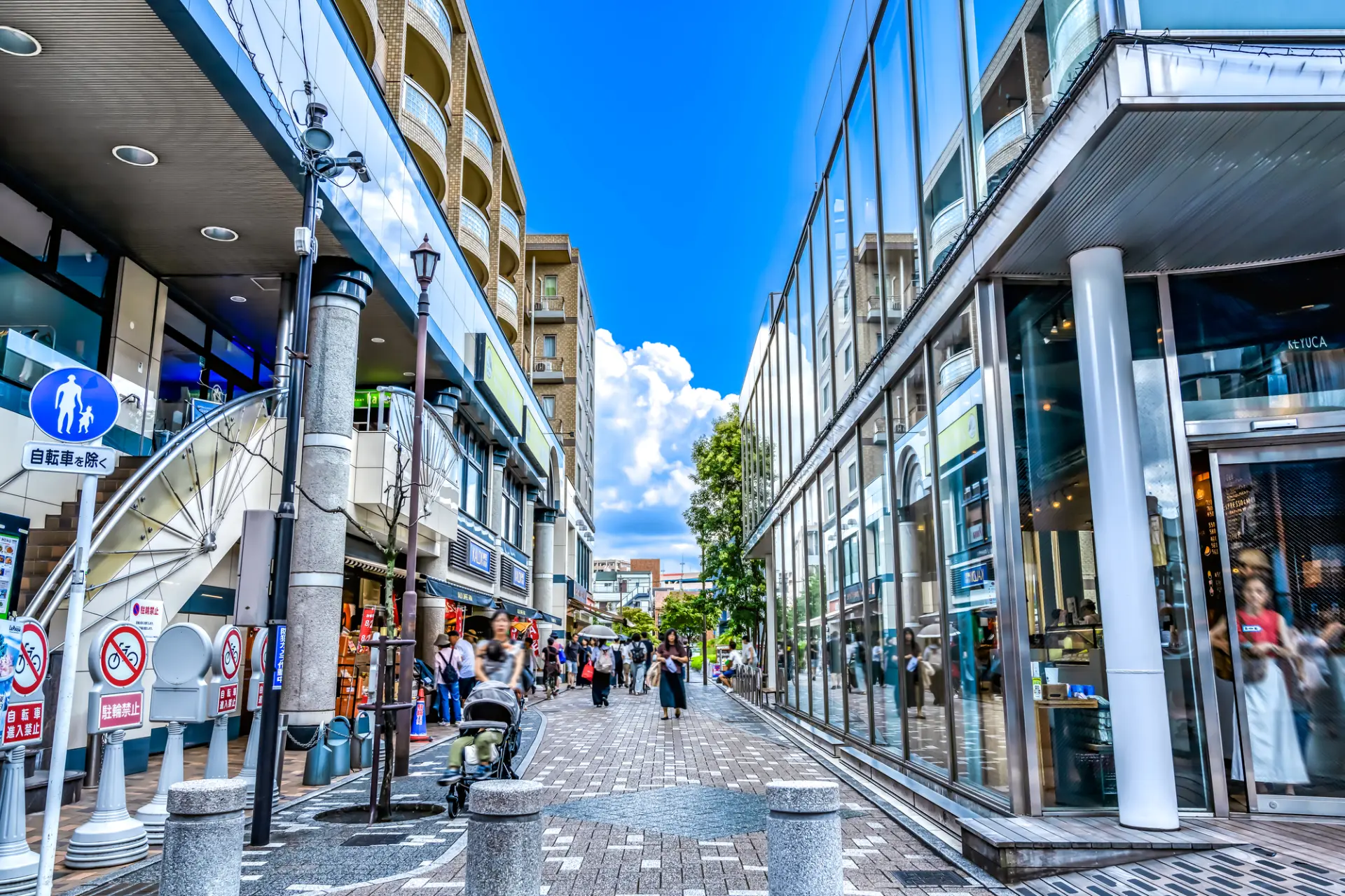
Located near the center of Tokyo, Chofu is an appealing area where abundant nature and historic streetscapes coexist. Film and manga culture have deep roots here, while a wide variety of attractions and local specialties can be found throughout the city.
This article introduces Chofu, its recommended sightseeing spots, and a suggested itinerary. Read on for an easy-to-follow guide designed to help first-time visitors make the most of their trip.
What Is Chofu Like?
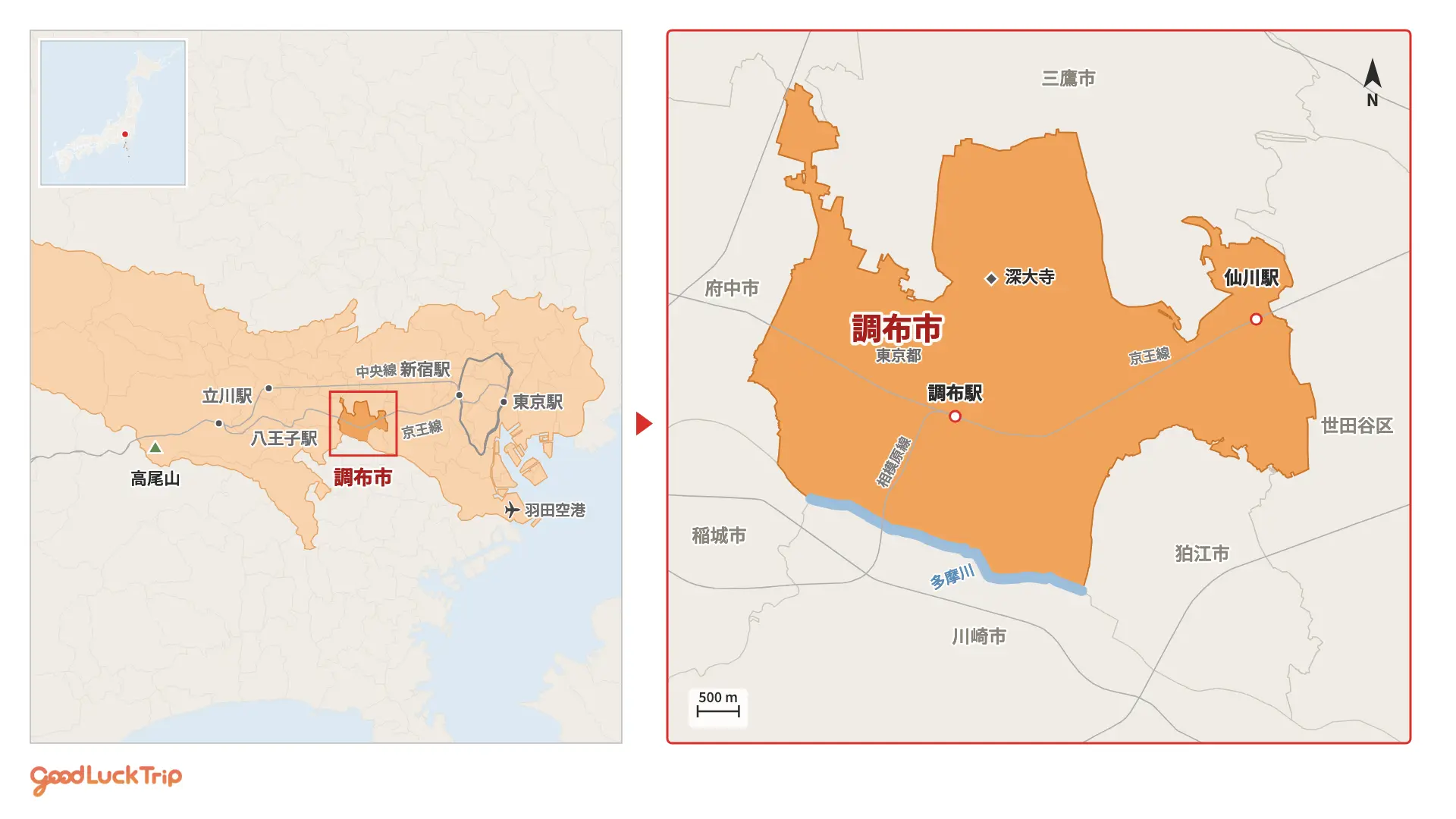
Chofu City is located near the center of Tokyo, in the southeastern part of the Tama area. Despite its easy access from central Tokyo, the city retains historic temples, greenery reminiscent of old Musashino, and neighborhoods with distinctive character.
For sightseeing purposes, Chofu can broadly be divided into the following three areas. These informal groupings make it easier to understand what each part of the city has to offer. With such a diverse range of attractions, visitors can plan their trip around their interests and mood.
- Jindaiji Area
- Known for its historic temple, abundant greenery, and famous Jindaiji soba. Recommended for visitors who want to stroll and dine in a peaceful setting.
- Chofu Station Area
- The city center, home to numerous shopping facilities and restaurants. Known as a “city of film,” it offers opportunities to explore local film culture as well as sites associated with the manga “GeGeGe no Kitaro.”
- Sengawa Area
- Known for its sophisticated streetscape and cultural atmosphere. Visitors can explore cafes, shops, theaters, and more while enjoying a leisurely walk around town.
How to Get to Chofu
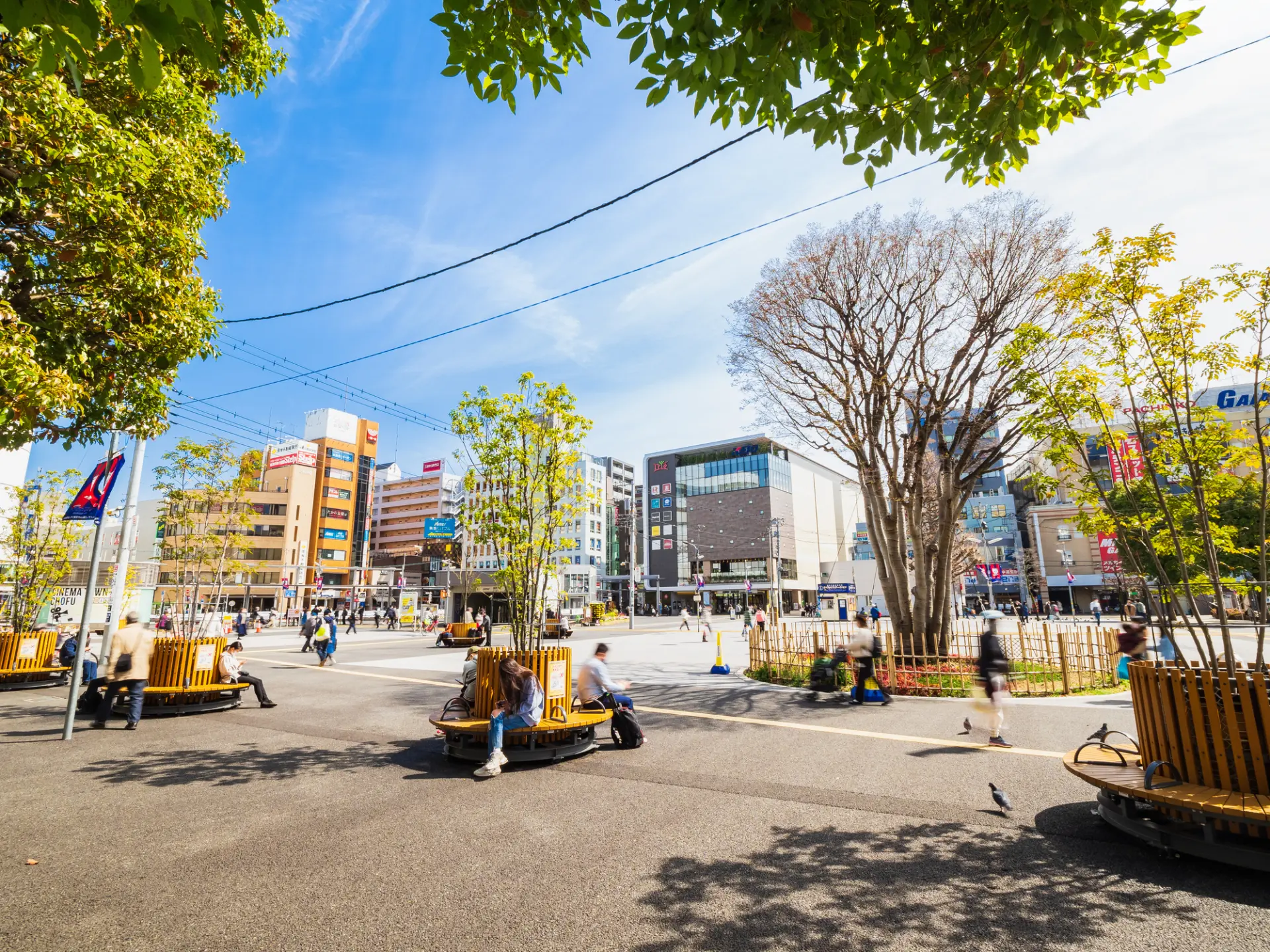
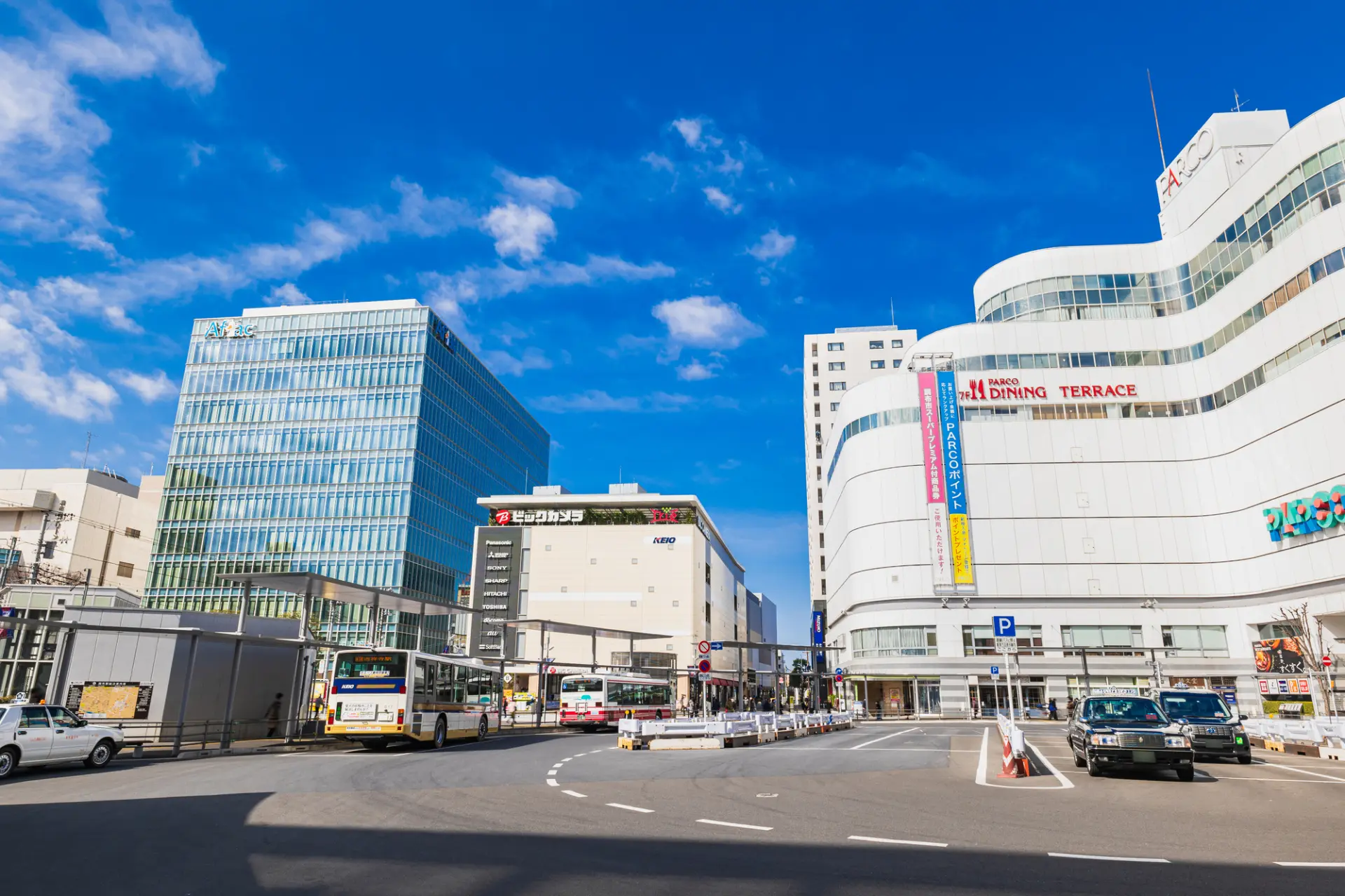
The main gateway for sightseeing in Chofu is Chofu Station on the Keio and Keio Sagamihara lines.
In addition to exploring the area around the station, visitors can take buses from the north-side bus terminal toward Jindaiji, making it convenient to reach major attractions. Depending on your destination, Sengawa Station or Tsutsujigaoka Station on the same line may also be convenient.
Below are routes from Shinjuku Station and Shibuya Station, both easily accessible within Tokyo.
| Starting Point | Route | Travel Time |
|---|---|---|
| Shinjuku Station | Take a limited express train on the Keio Line from Shinjuku Station and get off at Chofu Station. | About 20 minutes |
| Shibuya Station |
1. Take an express train on the Keio Inokashira Line from Shibuya Station and get off at Meidaimae Station. 2. Take a limited express train on the Keio Line from Meidaimae Station and get off at Chofu Station. |
About 25 minutes |
When Is the Best Time to Visit Chofu?
Spring and fall are the best seasons for sightseeing in Chofu.
From late March to early May in a typical year, various varieties of cherry blossoms come into bloom one after another at Jindai Botanical Gardens, including weeping cherry trees, Jindai-akebono, and Somei-yoshino. From plum blossoms in early spring to wisteria, tree peonies, and peonies, flowers bloom at different times, making this an ideal season to stroll through the area’s abundant nature while admiring the changing floral scenery.
Fall, meanwhile, brings together flowers, food, and culture. Various events are held, including the Autumn Rose Festival at Jindai Botanical Gardens, the Jindaiji Soba Festival, which invites visitors to explore local soba restaurants, and GeGeGe-ki, commemorating the anniversary of Shigeru Mizuki’s death. The leaves also begin changing color in November, providing a colorful natural backdrop for exploring the city.
5 Recommended Attractions in Chofu
Here are five recommended attractions in Chofu. From history and nature to culture, these destinations offer a variety of experiences and provide a sense of the city’s character as you explore. Use this list as inspiration when planning your visit.
1. Jindaiji Temple: A Historic Temple with More Than 1,200 Years of History
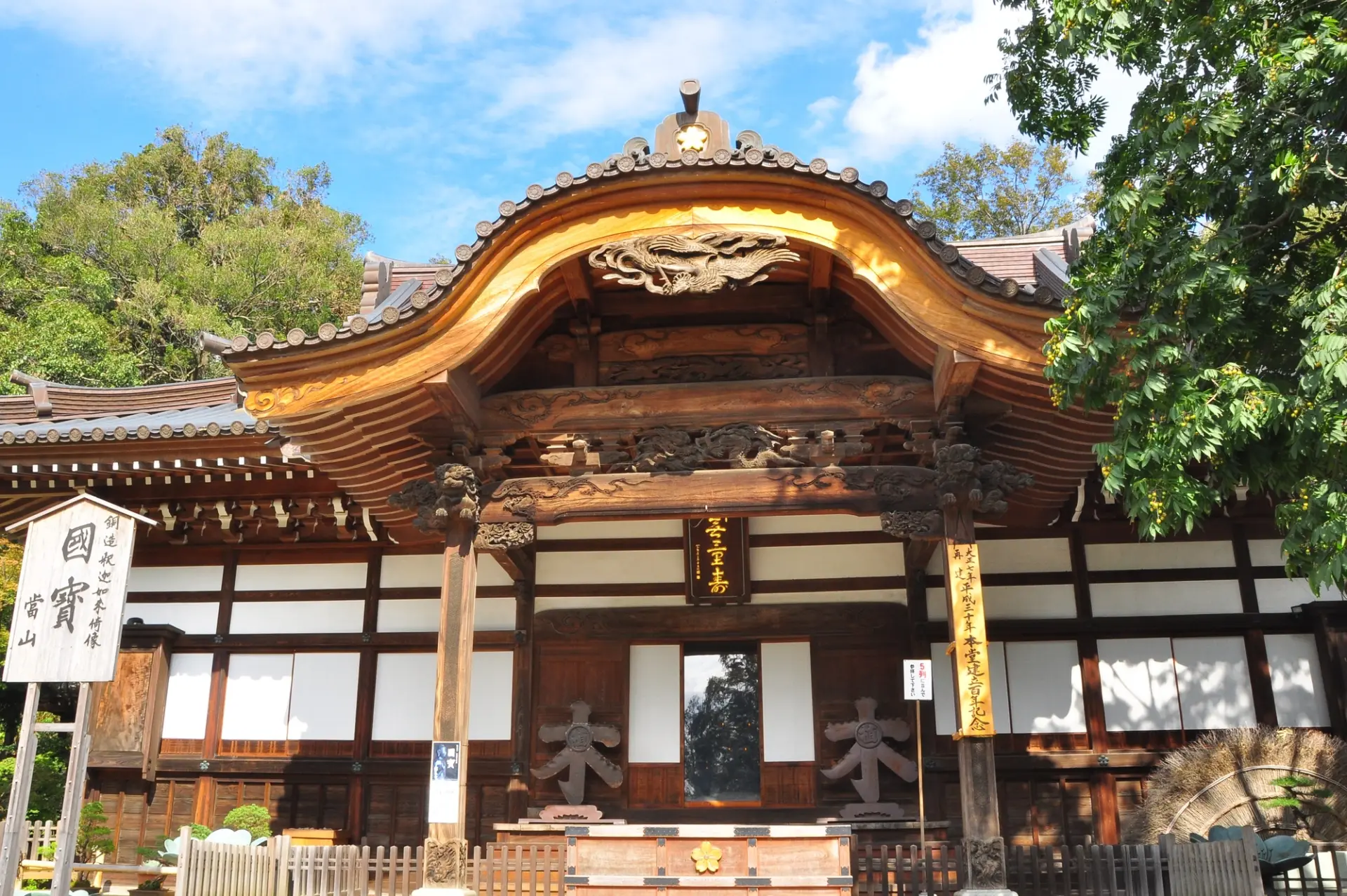
This historic temple was founded in 733 and is known as a place to pray for protection from misfortune and good relationships. The Shakado Hall houses a National Treasure statue of Shaka Nyorai, the historical Buddha. Spring water flows through the lush temple grounds, and soba production developed here thanks to the area’s abundant water supply.
More than 20 soba restaurants operate nearby, making the noodles a local specialty. In addition to New Year’s visits and Setsubun, the area draws large crowds for events such as the Daruma Market, held every year on March 3 and 4; the summer Hozuki Festival, usually held in late July; and the fall Soba Festival.
- Official Name
- Fugakusan-Shorakuin Jindaiji Temple
- Founded
- 733
- Postal Code
- 182-0017
- Address
-
5-15-1 Jindaiji Motomachi, Chofu, Tokyo
Google Maps - Telephone
- 042-486-5511
- Admission
- Free
- Closed
- No holidays
- Hours
-
6:00am-5:00pm
*Subject to change. - Access
-
(1) About 1 minute on foot from the terminal Jindaiji bus stop on the No. 34 bus bound for Jindaiji, a 15-minute ride from the No. 14 bus stop at the Central Exit of Chofu Station on the Keio Line.
(2) About 1 minute on foot from the terminal Jindaiji bus stop on the No. 21 bus bound for Jindaiji, a 15-minute ride from the North Exit of Tsutsujiga Oka Station on the Keio Line.
(3) About 3 minutes on foot from the terminal Jindaiji bus stop on the No. 65 bus, a 25-minute ride from the No. 3 bus stop at the South Exit of Mitaka Station on the JR Chuo Line. - Official Website
- Official Website(Japanese)
2. Jindai Botanical Gardens: A Metropolitan Park with About 4,800 Plant Species
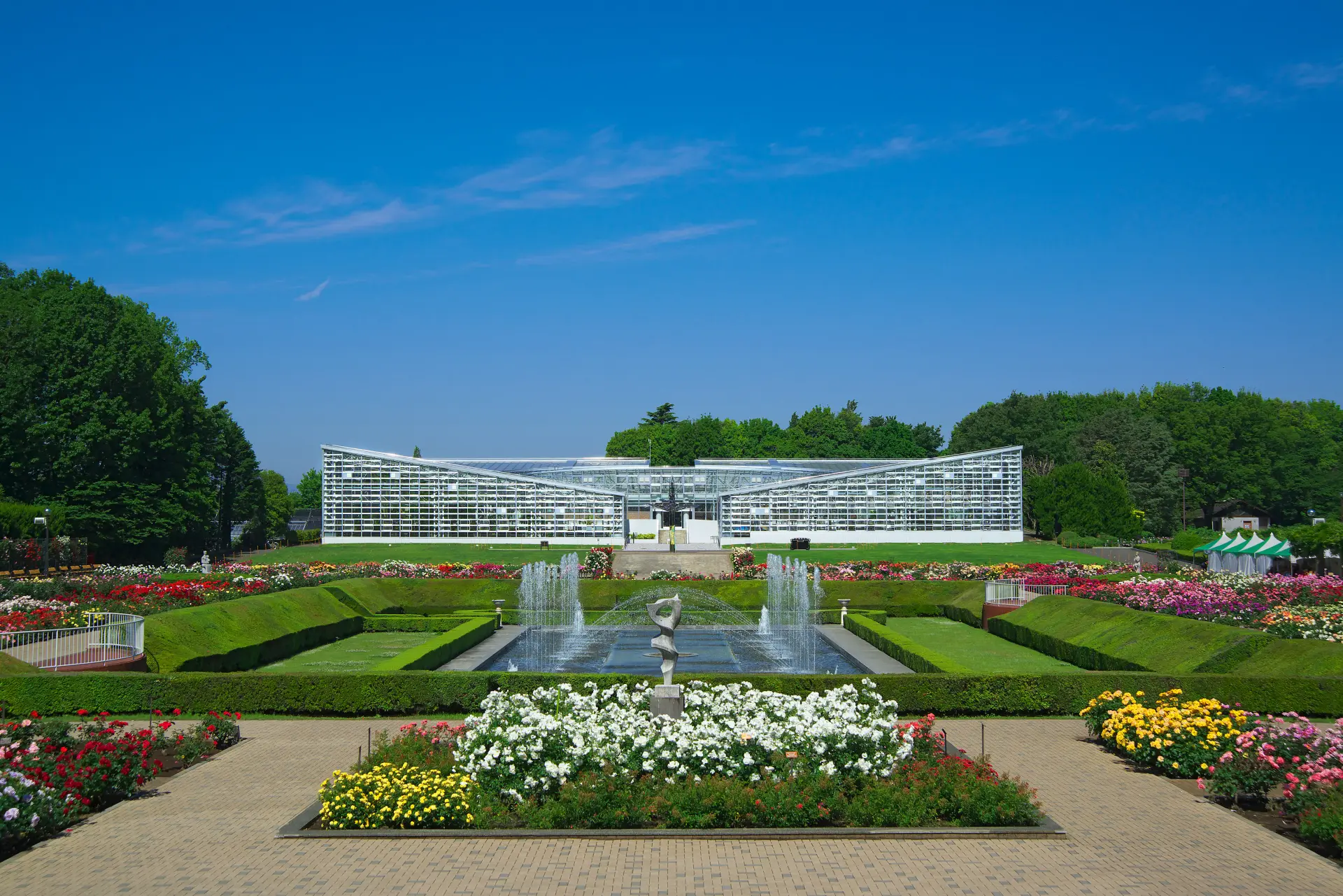
This botanical garden covers approximately 124 acres and contains around 100,000 trees and plants representing about 4,800 varieties. The grounds are divided by plant type into areas such as the rose garden, azalea garden, and plum garden, each offering a colorful display when the flowers reach their peak. Events are also held to coincide with flowering seasons, so check the schedule before visiting.
A large greenhouse next to the rose garden is another highlight, offering a look at rare tropical plants and vividly colored flowers that are not usually seen in everyday life.
- Name in Japanese
- 神代植物公園
- Address
-
2-chome・5-chome Jindaijimotomachi , 1-chome・2-chome Jindaijikitamachi, 4-chome・5-chome Jindaijiminamimachi, Chofu City, Tokyo
Google Maps - Telephone
- 042-483-2300
- Closed
-
Mondays (closed the following day if Monday is a national holiday, substitute holiday, or Tokyo Citizen’s Day)
New Year’s holiday period (From December 29th to January 1st) - Business Hours
- 9:30am - 5:00pm(Admission allowed until 4:00pm)
- Admission
- Adults 500yen, Ages 65 and older 250yen, Junior high school students 200yen, Free for elementary school students and younger
- Access
- Take a bus from Keio Line Chofu Station and get off at “Jindai Botanical Gardens” (Keio Bus) or “Jindai Botanical Gardens Mae” (Odakyu Bus), then walk a short distance.
- Official Website
- Official Website (Japanese)
3. Fudaten Shrine: An Ancient Shrine Associated with “GeGeGe no Kitaro”
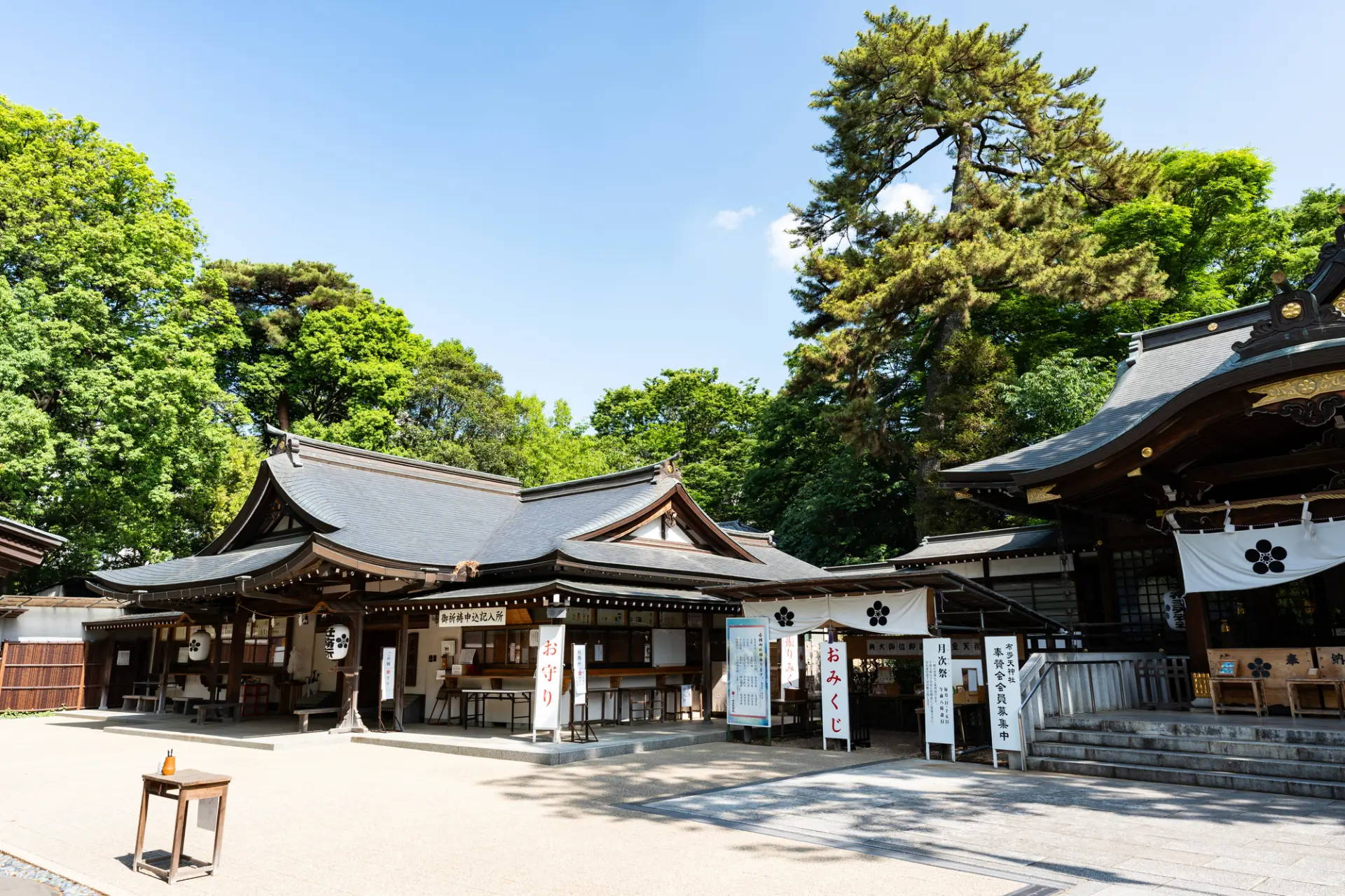
Fudaten Shrine is one of the Tama area’s leading ancient shrines and is listed in the Engishiki, a collection of laws and regulations completed in 927. According to shrine tradition, it was founded during the reign of Emperor Suinin, the 11th emperor of Japan. The enshrined deities are Sukunahikona-no-Mikoto and Sugawara no Michizane, and the shrine attracts worshippers praying for academic success and passing examinations. The grounds, shaded by old and towering trees, have a peaceful atmosphere and contain numerous historic features, including the main sanctuary and guardian lion-dog statues designated as cultural properties by Chofu City.
In “GeGeGe no Kitaro,” Kitaro is depicted as living in the wooded area at the back of the shrine grounds, allowing visitors to imagine the manga’s world as they pay their respects.
- Name in Japanese
- 布多天神社
- Postal Code
- 182-0021
- Address
-
1-8-1 Chofugaoka, Chofu City, Tokyo
Google Maps - Phone
- 042-489-0022
- Hours
- Prayer ceremonies are generally held hourly from 9:30 a.m. Reservations are given priority, and times may change due to events and other circumstances.
- Access
- 5-minute walk from the Central Gate of Chofu Station on the Keio Line
- Official website
- Official website (Japanese)
4. Kitaro Hiroba: A Park with a Slide Shaped Like Kitaro’s House
Kitaro Hiroba is a park themed around “GeGeGe no Kitaro.” Its playground equipment and sculptures bring the world of Shigeru Mizuki’s manga to life, including a Nurikabe climbing wall, an Ittan-momen bench, and a slide shaped like Kitaro’s house. Visitors can also search for yokai such as Yamabiko and Konaki-jiji hidden throughout the park and take commemorative photos with them.
On the way from Chofu Station to the park, visitors will also pass through the Shigeru Mizuki Zone, where a bronze statue of Neko Musume and character-themed lights make the walk itself entertaining.

- Name in Japanese
- 鬼太郎ひろば
- Postal Code
- 182-0034
- Address
-
1-58-5 Shimoishiwara, Chofu City, Tokyo
Google Maps - Phone
- 042-481-7081 (Chofu City Greenery and Parks Division)
- Access
- 12-minute walk from the Central Exit of Chofu Station on the Keio Line
- Official website
- Official website (Japanese)
5. Mushakoji Saneatsu Memorial Museum: Discover Literature and Art
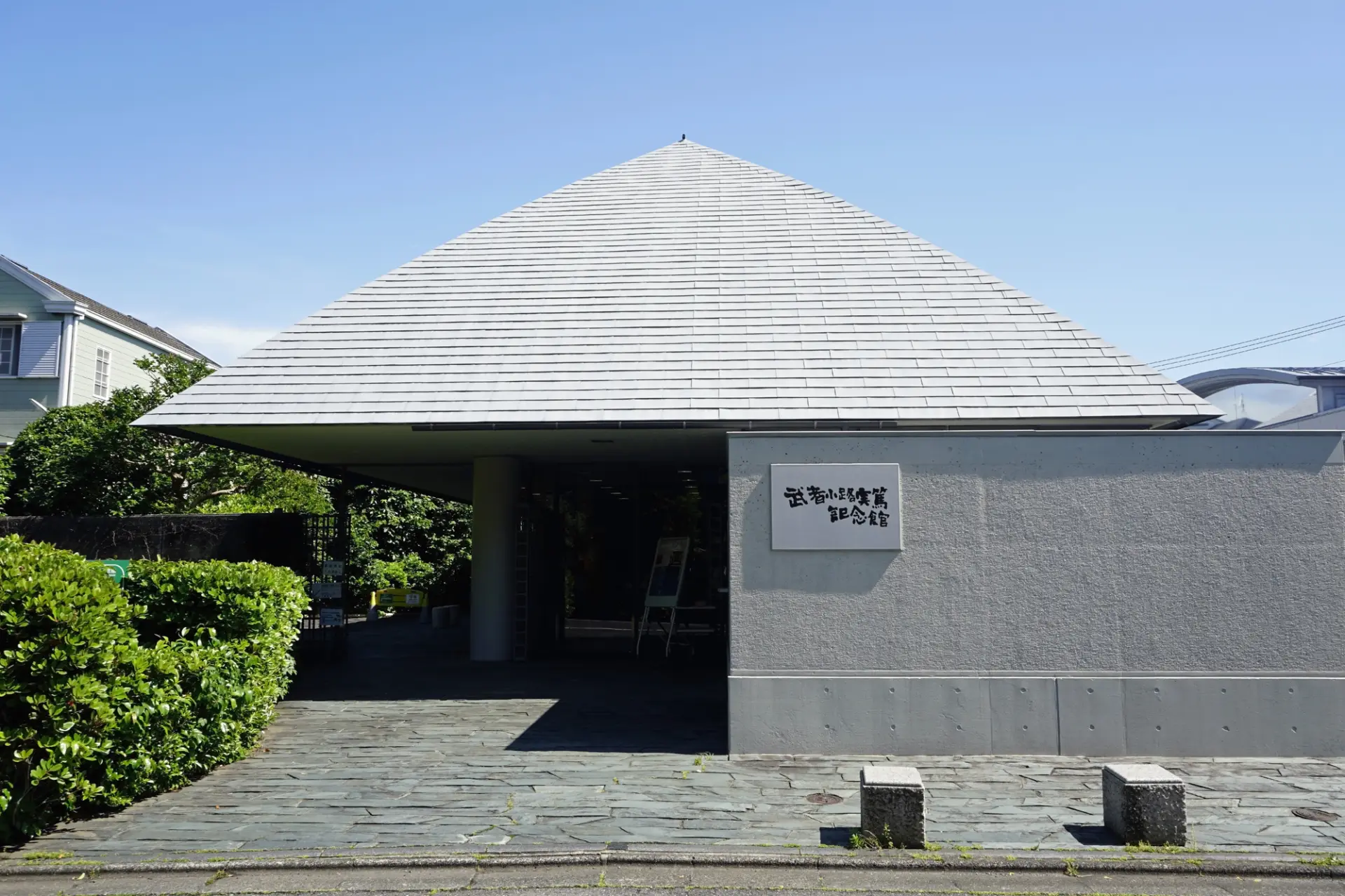
The Mushakoji Saneatsu Memorial Museum presents the life and achievements of author Saneatsu Mushakoji. A leading figure in the Shirakaba literary movement, he produced more than 7,000 literary works, including novels, plays, and poems.
Through handwritten manuscripts, calligraphy, paintings, and pieces from his personal art collection, visitors can learn about his creative work and relationships with other people. The exhibits change approximately every five weeks, offering different discoveries depending on when you visit.
The adjacent Saneatsu Park is another highlight. The former residence where he spent about the final 20 years of his life is preserved in the park and is registered as a National Tangible Cultural Property. Visitors can also tour the interior on designated open days.
- Name in Japanese
- 調布市武者小路実篤記念館
- Postal Code
- 182-0003
- Address
-
1-8-30 Wakabacho, Chofu City, Tokyo
Google Maps - Phone
- 03-3326-0648
- Closed on
- Mondays, or the following weekday when Monday is a national holiday; December 29-January 3. The exhibition and reading rooms may have additional closure dates.
- Hours
- 9:00 a.m.-5:00 p.m. (reading room: 10:00 a.m.-4:00 p.m.)
- Admission
- Adults: ¥200; elementary and junior high school students: ¥100
- Access
- 10-minute walk from Sengawa Station or Tsutsujigaoka Station on the Keio Line
- Credit Cards
- Accepted
- Official website
- Official website (Japanese)
Explore Chofu, a City of Film and Manga
Chofu has a distinctive character shaped by its history of filmmaking and the culture of Shigeru Mizuki’s manga. Learning a little about this background before exploring may change the way you see the streets around you.
Here are some of the experiences that make walking around Chofu especially rewarding.
Search for Yokai at Kitaro Chaya and Tenjin-dori Shopping Street
Shigeru Mizuki lived and created manga in Chofu for more than 50 years.
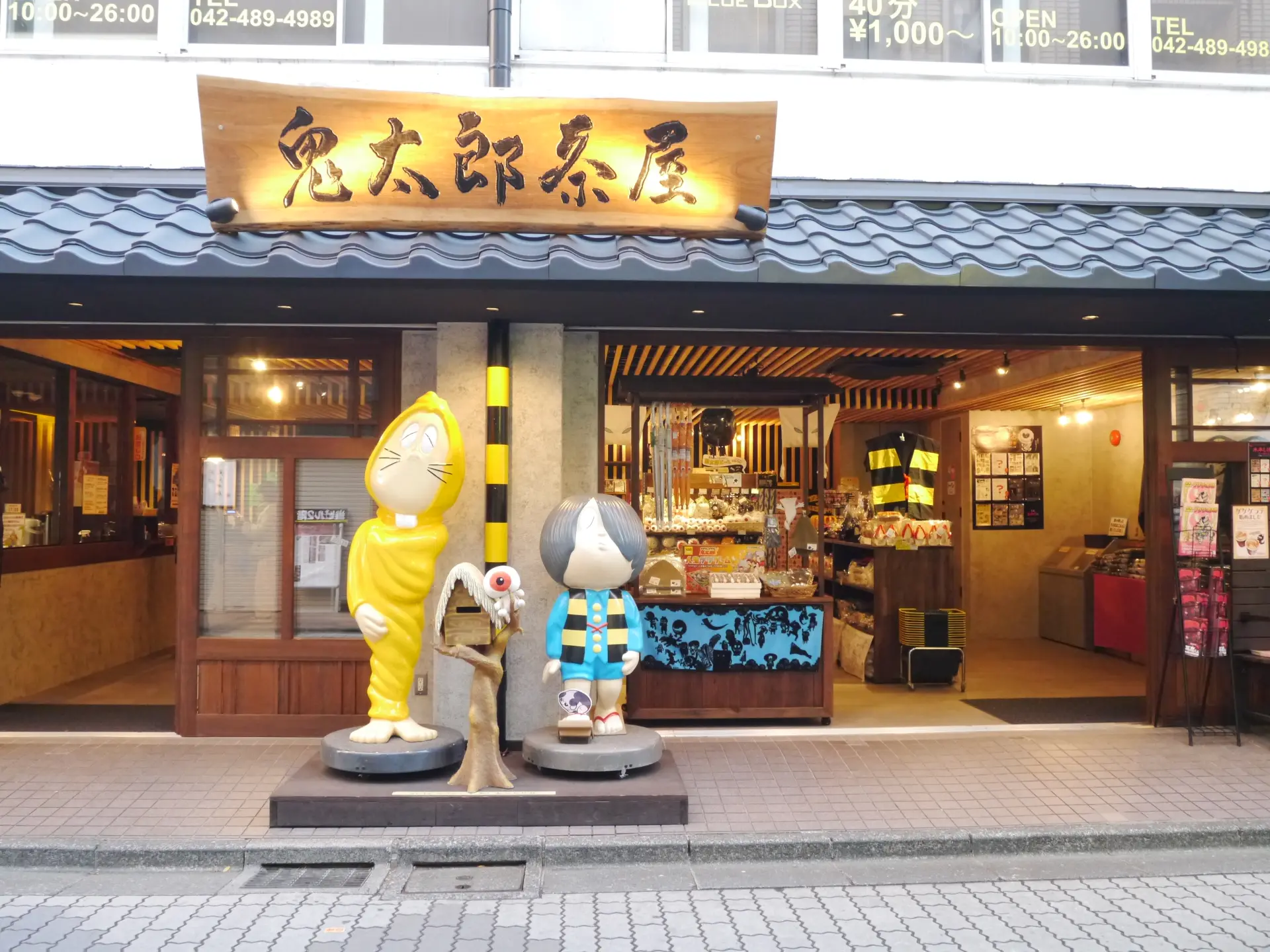
Tenjin-dori Shopping Street, about a 5-minute walk from Chofu Station, is said to have been the route Mizuki walked every day between his home and his workplace near the station. Today, it is also affectionately known as Kitaro Street, with monuments of Kitaro, Neko Musume, and other yokai scattered throughout the shopping district. Stroll through the area in search of your favorite characters and stop by Kitaro Chaya along the way. The shop carries merchandise related to the series, including exclusive products, and also offers an extensive takeout menu.
Across the street is the Kitaro Chaya Hanare cafe, where visitors can take a break in a retro Showa-era setting immersed in the world of yokai.
- Name in Japanese
- 鬼太郎茶屋
- Postal Code
- 182-0024
- Address
-
1-34-1 Fuda, Chofu City, Tokyo
Google Maps - Telephone
- 042-482-4059
- Closed
- Tuesdays (If it is a national holiday, the next day is closed)
- Business Hours
- 10:00am - 6:00pm (Takeout orders close at 5:00pm)
- Access
- About a 5 minute walk from the Keio line at Chofu Station
- Credit Cards
- Accepted
- Official Website
- Official Website (Japanese)
Learn About the History of Chofu as a City of Film
Chofu’s reputation as a city of film began with the Tamagawa film studio, which opened near present-day Keio-tamagawa Station in 1933. The natural environment was well suited to filming both period and contemporary dramas, while the area’s high-quality groundwater, essential for developing film, helped attract studios. During the golden age of Japanese cinema in the 1950s, numerous studios produced movies here, and Chofu became so active that it was called the “Hollywood of the East.”
Today, around 40 film and video-related companies remain based in the city, including Kadokawa Daiei Studio and Nikkatsu Chofu Studio. Their interiors are generally closed to the public, but a walk through the surrounding area offers a sense of the distinctive atmosphere that continues Chofu’s filmmaking legacy.

Experience Film Culture at Related Sites and Events
Chofu’s film culture can be found in many places throughout the city.
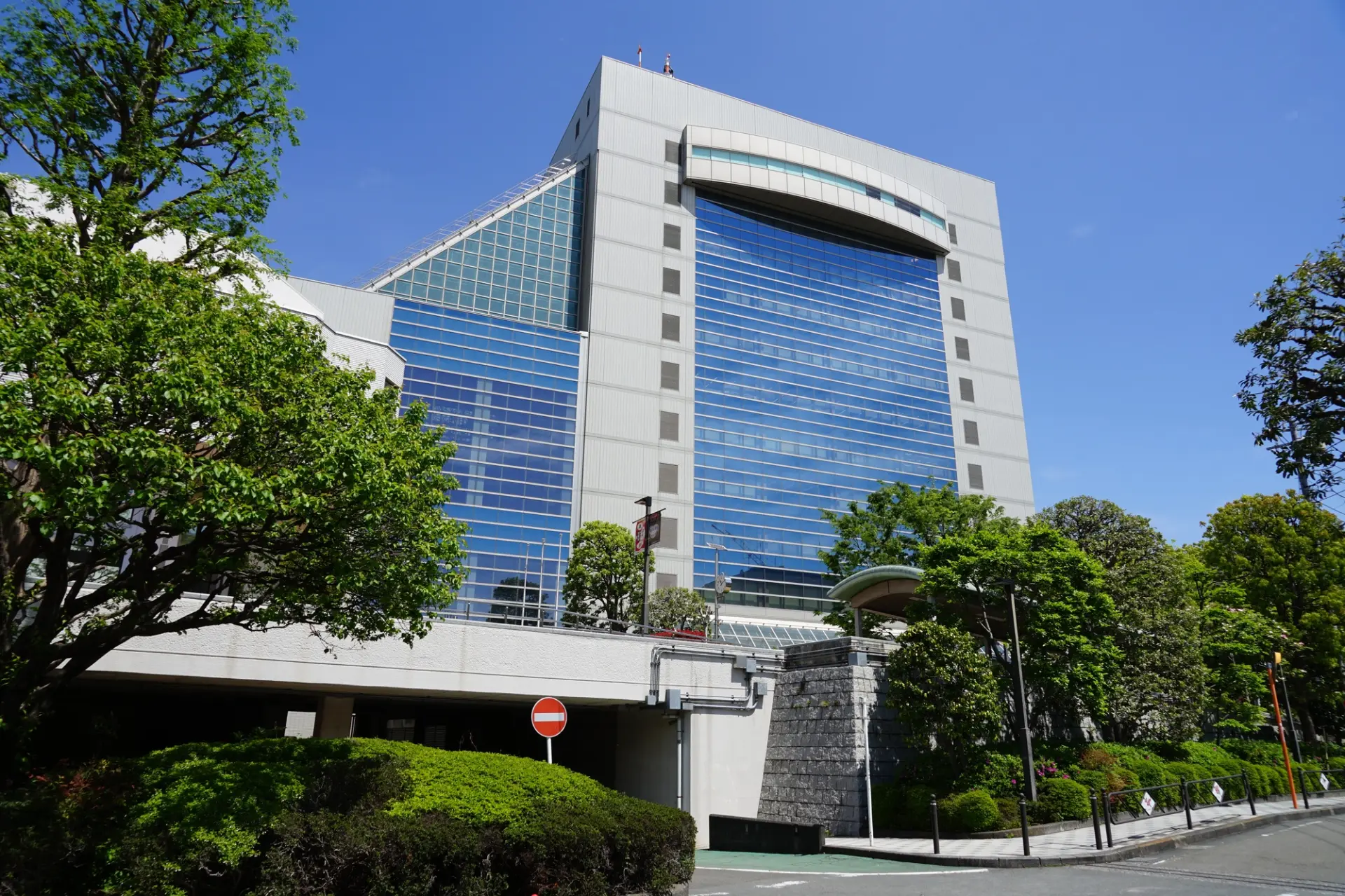
For example, the Film Reference Room on the 5th floor of Chofu City Cultural Hall Tazukuri houses books, magazines, scripts, pamphlets, and other film-related materials, particularly from Nikkatsu and Daiei. Some of these materials can be viewed inside the facility, offering insight into classic movies and the history of filmmaking.
To visit sites associated with cinema, head to Tamagawa 5-chome Children’s Park, home to the Monument to Film Actors, engraved with the names of movie stars, and the Monument to the Birthplace of Film in Chofu.
The Cinema Festival in Chofu, City of Film is also held each February. In addition to movie screenings, the festival features guest talks, exhibitions of related materials, workshops, and a variety of other programs.

3 Experiences Unique to Chofu
When visiting Chofu, make time not only for sightseeing but also for experiences unique to the city. Learning about the culture and attractions rooted in the local community will make your travel memories even more meaningful. Here are three recommended experiences.
1. Sample Local Snacks and Make Pottery and Daruma Dolls Along the Jindaiji Approach
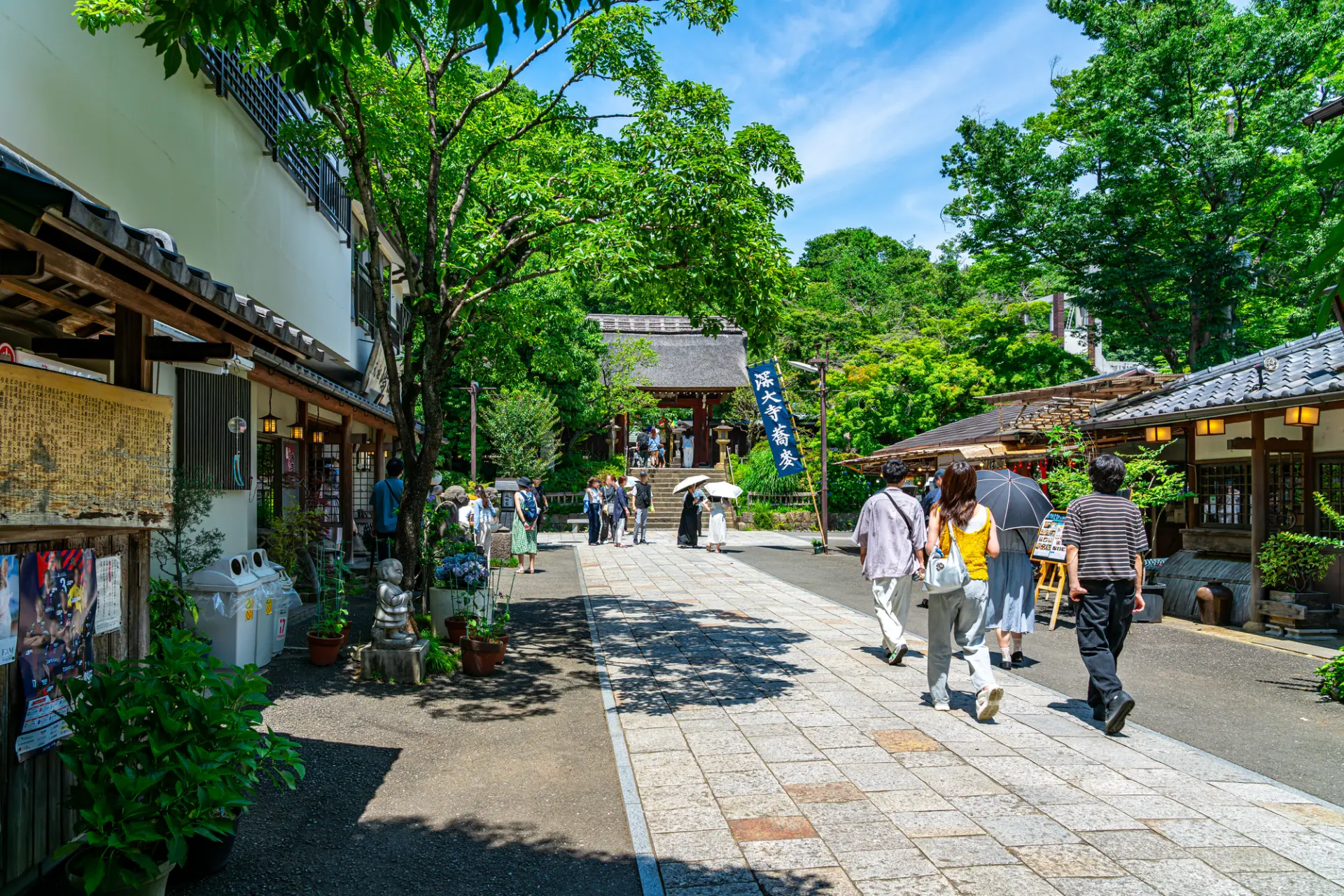
A visit to Jindaiji is about more than worshipping at the temple; the surrounding area is also worth exploring. The approach is lined with tempting local specialties such as soba bread, soy sauce-glazed rice dumplings, and soba buns. Sample sweets and light snacks while taking in the atmosphere of this traditional temple town.
For a hands-on craft experience, try rakuyaki pottery painting, which lets you decorate an unglazed piece of your choice. Your original pottery will be fired in about 20 minutes, making it an ideal travel souvenir. If you have more time, consider visiting Daruchan no Ouchi. There, you can spend about 2 hours making a Chofu Daruma by writing a wish on the doll, covering it with fabric, and painting its face.
Finish your visit with a Jindaiji Beer, made using renowned water from the Chichibu mountain range, the same source as Jindaiji’s spring water, and savor the memories of your trip.
- Japanese Name
- だるチャンのおうち
- Postal code
- 182-0017
- Address
-
5-5-1 Jindaiji-motomachi, Chofu-shi, Tokyo
Google Maps - Telephone
- 042-444-7880
- Closed
- Tuesday and Wednesday (may close due to weather or events)
- Hours
- 11:00 am-4:00 pm
- Budget
- Workshop fee [per adult] 5,500 yen
- Access
-
1) From Keio Line Chofu Station, about 15 minutes by Odakyu Bus; get off at Jindaiji Iriguchi, right by the shop.
2) From JR and Keio Inokashira Line Kichijoji Station, get off at Jindaiji Iriguchi; about a 2-minute walk.
3) From Keio Line Tsutsujigaoka Station, get off at Otozaka; right by the shop. - Credit cards
- Accepted
- Official Website
- Official Website (Japanese)
2. Learn the Secrets of Mayonnaise at Mayo Terrace
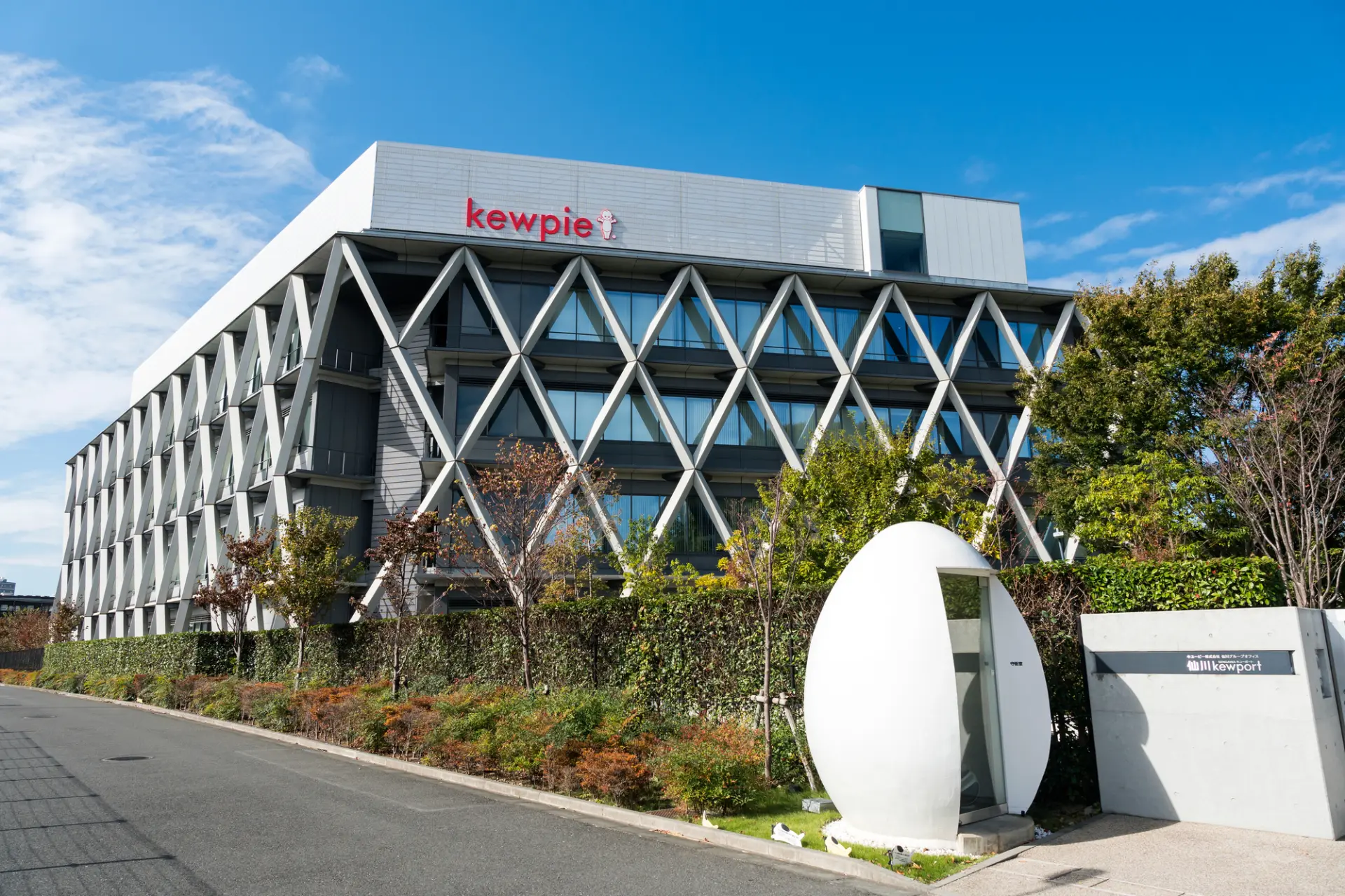
Mayo Terrace is a mayonnaise-themed visitor facility operated by Kewpie. The facility is divided into five areas, where guided tours introduce the history of mayonnaise, the secrets behind its flavor, and innovations in its production.
Playful exhibits include the Mayonnaise Dome, approximately 500,000 times the size of an actual mayonnaise bottle, and the Factory Walk, where visitors pass through an air shower and experience factory hygiene procedures. At the end, visitors can sample vegetables and discover new ways to appreciate mayonnaise. Admission is free, and the experience is suitable for everyone from children to adults.
Advance reservations are required. Entry is permitted from 20 minutes before the tour begins.
- Name in Japanese
- マヨテラス
- Postal Code
- 182-0002
- Address
-
Sengawa Kewport, 2-5-7 Sengawacho, Chofu City, Tokyo
Google Maps - Phone
- 03-5384-7770 (10:00 a.m.-12:00 p.m. and 1:00 p.m.-4:30 p.m. on opening days)
- Closed on
- Saturdays, Sundays, national holidays, and other temporary closure dates. The facility may occasionally open on Saturdays.
- Hours
- Advance reservations are required. Check the official reservation calendar for available tour dates and times.
- Admission
- Free
- Access
- 7-minute walk from Sengawa Station on the Keio Line
- Official website
- Official website (Japanese)
3. Soak in the Dark-Colored Water at Jindaiji Natural Hot Spring Yumori no Sato
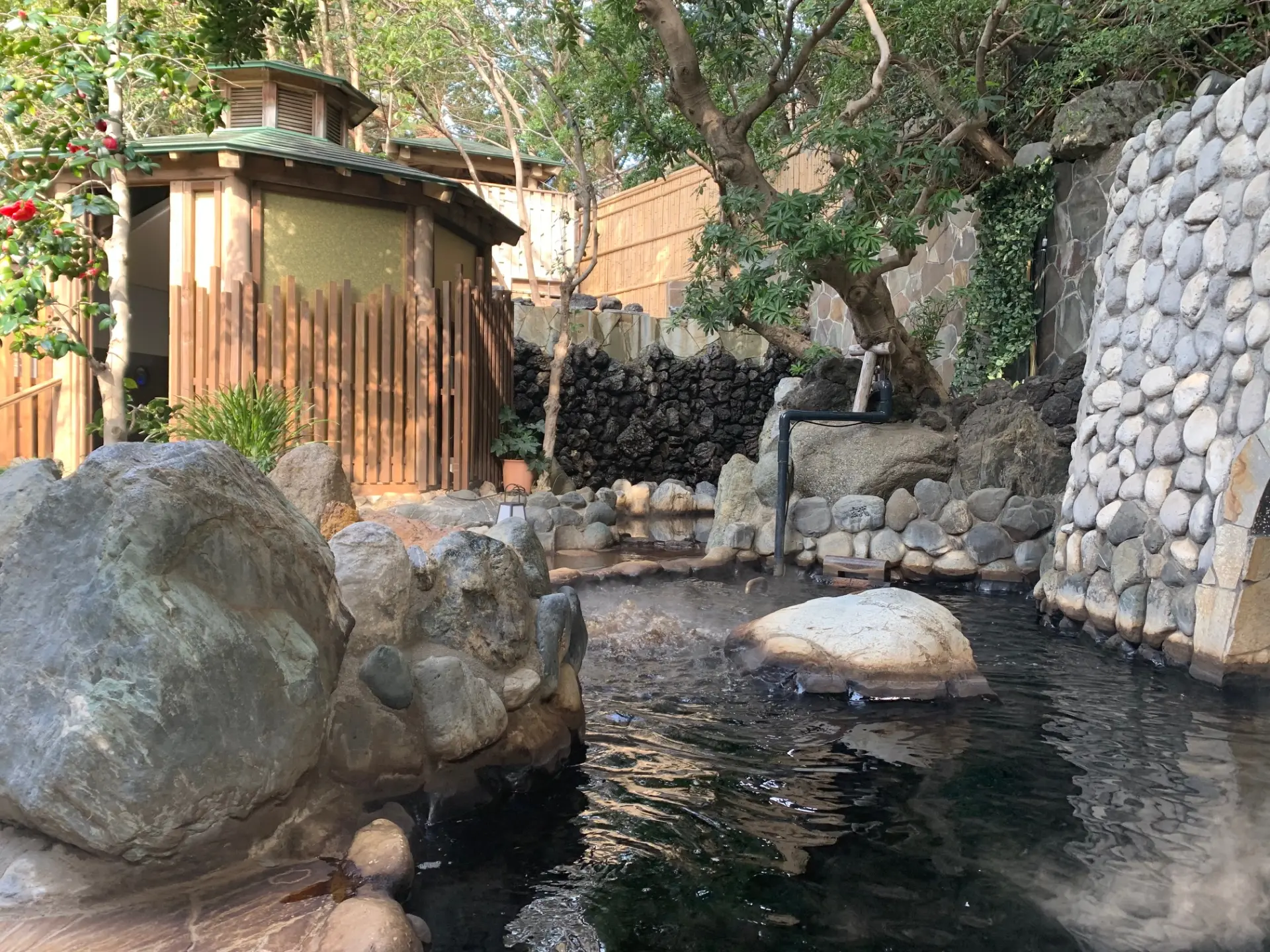
This day-use hot spring offers high-quality water that soothes both body and mind. The natural sodium chloride spring has a salt concentration similar to that of the human body, placing very little strain on bathers. The water is poured into the baths at its original concentration without being diluted.
The surprisingly jet-black color comes from the high concentration of humic acid, an organic substance created as plants such as kelp and ferns matured in a geological layer about 4,900 feet underground. The facility offers several types of baths, including an open-air bath and cold-water bath, as well as a stone sauna and conventional sauna. Its design also incorporates feng shui principles.
- Name in Japanese
- 深大寺天然温泉 湯守の里
- Postal Code
- 182-0017
- Address
-
2-12-2 Jindaiji Motomachi, Chofu City, Tokyo
Google Maps - Telephone
- 042-499-7777
- Closed
-
No holidays
※Temporary closures are possible. - Business Hours
- 10:00am - 10:00pm
- Admission
-
Mon to Fri: 1,080 yen、infants & elementary school children 650 yen
Sat,Sun, Holidays, Peak times: 1,180 yen、infants & elementary school children 750 yen
※Some services, such as massages or the bedrock baths, require extra charges. - Access
- Around 8 minutes travel time via the free shuttle service from the Chofu Station North Exit on the Keio line, or the Musashisakai Station South Exit on the JR Chuo line.
- Credit Cards
- Accepted
- Official Website
- Official Website (Japanese)
Try Chofu’s Famous Jindaiji Soba: 3 Recommended Restaurants
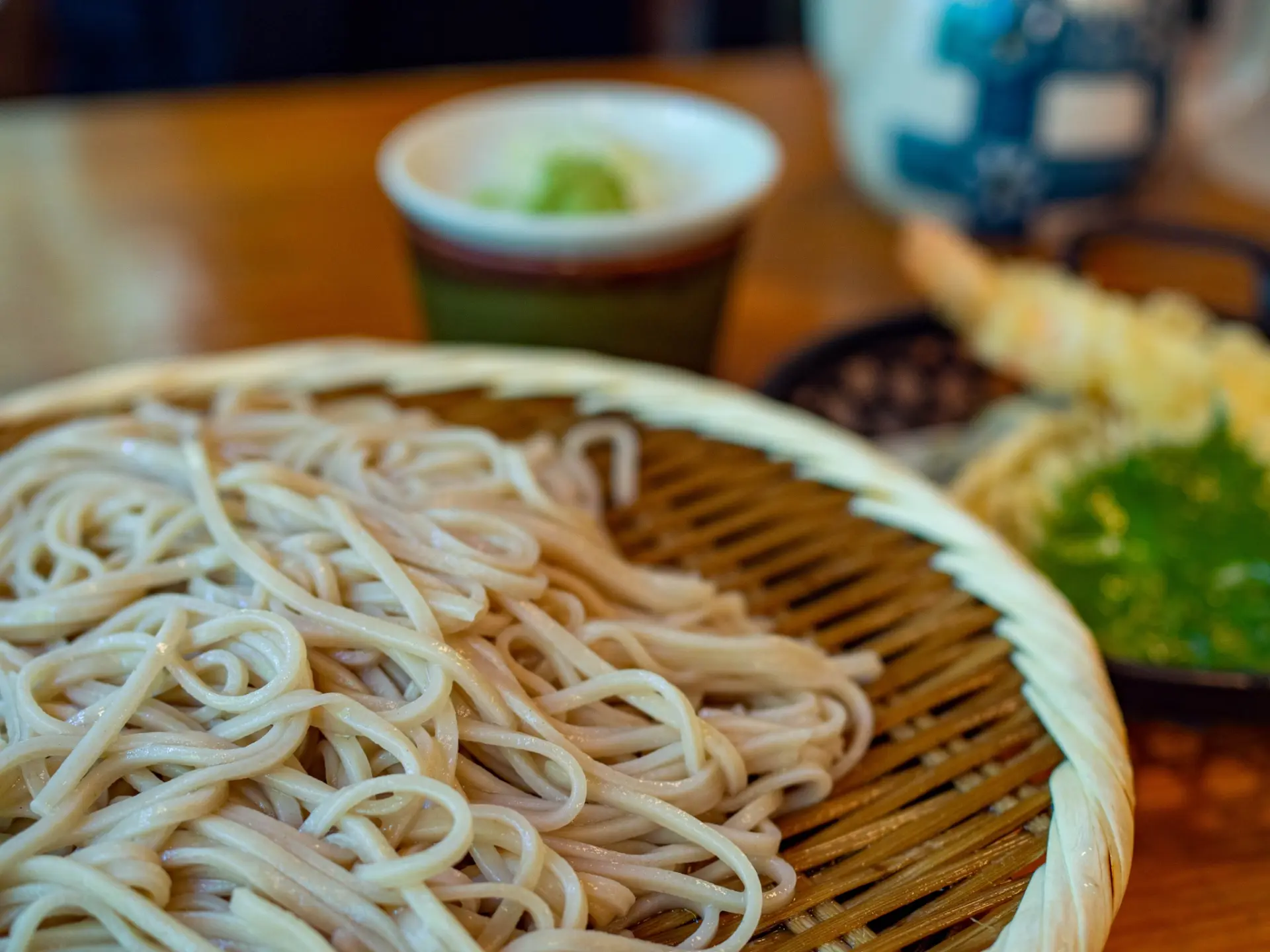
No sightseeing trip to Chofu is complete without trying its famous Jindaiji soba.
The tradition is said to have begun during the Edo period (1603-1868), when tenant farmers grew buckwheat on the plateau north of Jindaiji, where conditions were well suited to its cultivation, and supplied buckwheat flour to the temple. During the Genroku era, the soba was presented to Imperial Prince Koben, head priest of Kaneiji Temple in Ueno, who praised it and helped spread its reputation. After Jindai Botanical Gardens opened in 1961, more soba restaurants began serving visitors, and today around 20 establishments operate in the area.
Each restaurant has its own character, with different proportions of buckwheat flour, noodle thicknesses, and dipping-sauce flavors.
Recommended Restaurants Serving Jindaiji Soba
- Jindaiji Handmade Soba Yusui
- A restaurant specializing in handmade noodles made with domestically produced, stone-ground buckwheat flour. It serves Yusui Soba, made with 90% buckwheat flour, and Jindaiji Soba, made with 80% buckwheat flour and 20% wheat flour.
- Ganso Shimadaya
- A long-established restaurant founded in the 1860s and located directly in front of Jindaiji Temple’s main gate. The recommended dish is the Wild Plant Tempura Set.
- Jindaiji Soba Kiyoshi
- A soba restaurant known for its refined, Kyoto-style flavors. In addition to its signature duck seiro soba and herring soba, it serves alcoholic beverages and a selection of side dishes.
Check current business hours and closing days before visiting.
- Name in Japanese
- 湧水
- Postal Code
- 182-0017
- Address
-
5-9-1 Jindaiji Motomachi, Chofu, Tokyo
Google Maps - Tel
- 0424-98-1323
- Closed
- Thursday (and other irregular closed dates)
- Business Hours
-
Weekdays: 10:30am - around 6:00pm
Weekend and public holidays: 10:30am - around 7:00pm
*Subject to change. - Budget
- 600-2,000 yen
- Access
- Take the bus from Keio Electric Railway Keio Line Chofu Station, get off at Jindaiji Temple entrance bus stop. It is about a 2 minute walk from there.
- Credit Cards
- Not accepted
- Official Website
- Official Website (Japanese)
For Sweets Near Jindaiji, Visit Kajitsuya Coffee Chofu Jindaiji
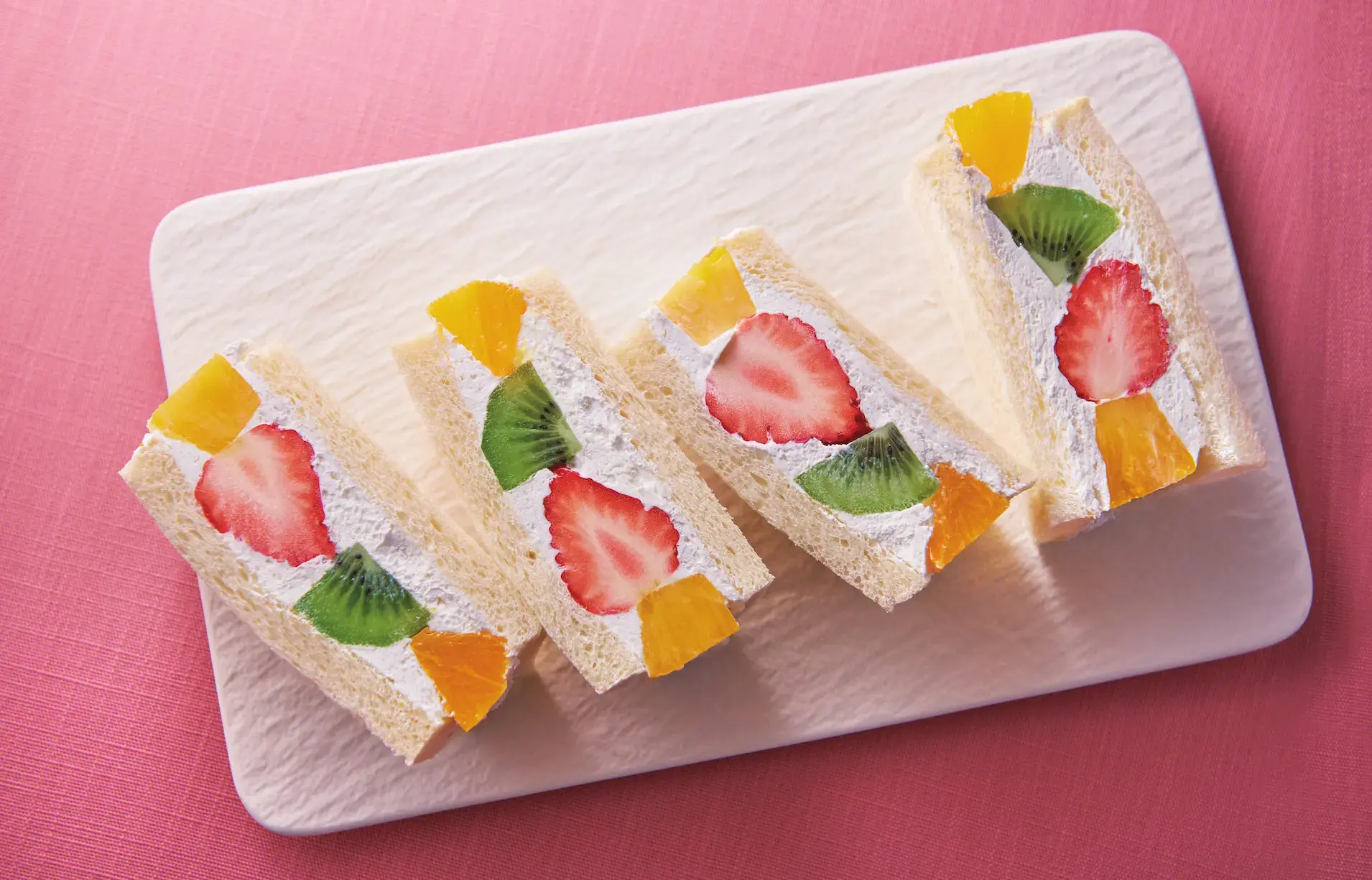
This cafe offers dishes made with generous amounts of seasonal fruit.
Guests can savor carefully selected fruit in parfaits, sandwiches, and other dishes, along with seasonal parfaits and desserts.
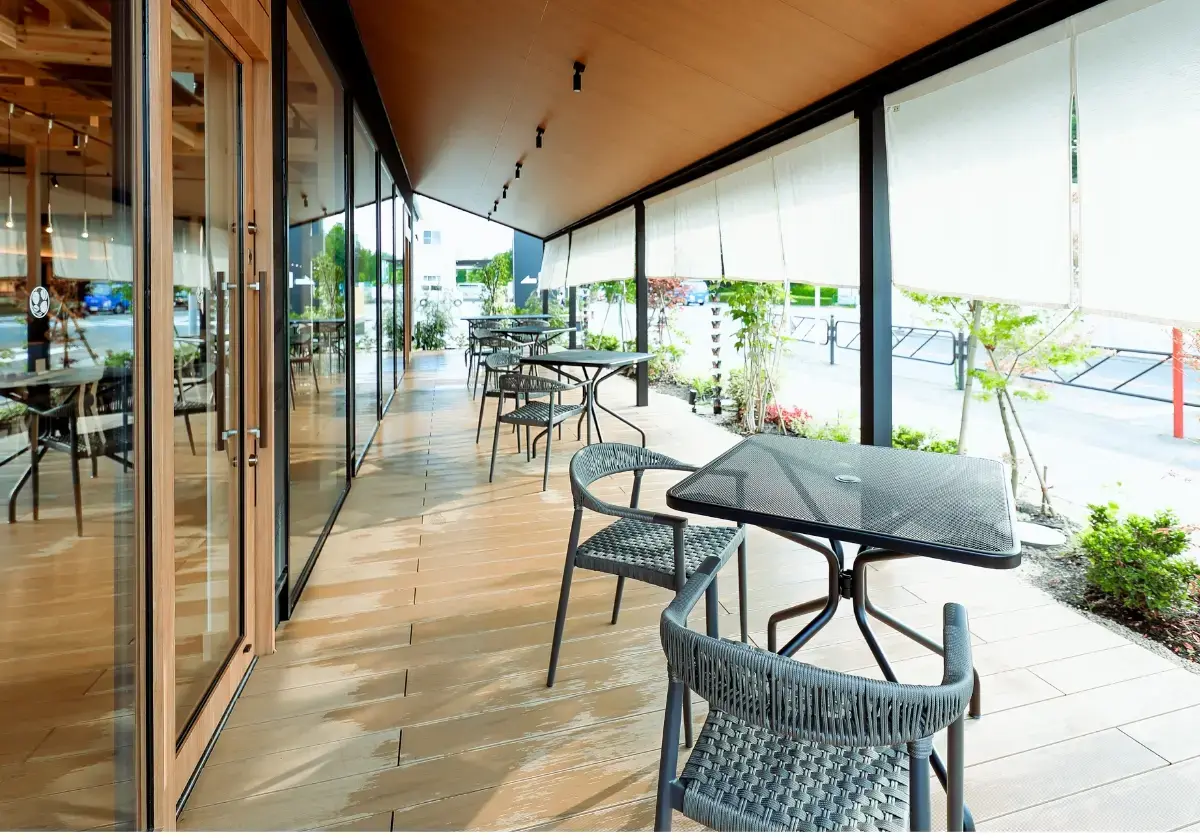
The extensive drink menu includes Kajitsuya Blend Coffee, created by a certified coffee appraiser to pair well with the food. Guests can spend a relaxing time in the warm, wood-accented Japanese-modern interior or on the terrace.
-
The Fruit Mix, featuring a variety of fruits
-

Fruit Tea, filled with rich fruit aromas
-
Terrace seating recommended on pleasant days
- Name in Japanese
- 果実屋珈琲 調布深大寺店
- Postal Code
- 182-0012
- Address
-
1-1-1 Jindaijihigashimachi, Chofu, Tokyo
Google Maps - Phone
- 042-452-8868
- Closed on
- Year-end and New Year holidays
- Hours
- Cafe 8:00am–6:00pm (Last drink order at 5:30pm), Takeout shop 8:00am–6:00pm (Kajitsuya Shokupan available from 10:00am)
- Access
- Take a bus from Keio Line Chofu Station, JR and Keio Inokashira Line Kichijoji Station, or JR Mitaka Station, and get off at Nishihara
- Credit Cards
- Accepted
- Official website
- Official website (Japanese)
Recommended One-Day Chofu Itinerary
Based on the attractions introduced above, here is a suggested sightseeing itinerary for Chofu.
This classic route visits Jindaiji Temple and Jindai Botanical Gardens from morning through early afternoon before exploring the area around Chofu Station later in the day. Feel free to substitute destinations according to your interests and travel companions.
- 10:00 a.m. Begin sightseeing by taking a Keio Bus bound for Jindaiji from the north side of Chofu Station.
- 10:35 a.m. Visit the grounds of “Jindaiji Temple” and stroll along the approach surrounded by abundant greenery and the historic temple gate.
- 11:30 a.m. Try the famous Jindaiji soba at “Soba Restaurant Yusui,” then take a break with dessert at “Kajitsuya Coffee Chofu Jindaiji.”
- 12:55 p.m. Explore the seasonal flowers, rose garden, large greenhouse, and other areas of “Jindai Botanical Gardens.”
- 2:25 p.m. Take a Keio Bus from the Jindai Botanical Gardens bus stop back to Chofu Station.
- 3:00 p.m. Stroll through “Tenjin-dori Shopping Street” while searching for yokai monuments. Browse for merchandise at “Kitaro Chaya,” then take a tea break at the Kitaro Chaya Hanare cafe. Advance reservations are recommended.
- 4:00 p.m. Visit Fudaten Shrine and reflect on its connection to “GeGeGe no Kitaro.”
- 5:00 p.m. Return to Chofu Station and head home.
Travel times are approximate and may vary depending on the length of each visit, walking speed, and other factors.
Frequently Asked Questions About Visiting Chofu
Q
How much time do I need to explore Chofu?
Allow about half a day if you mainly plan to explore the Jindaiji area. A full day is recommended if you also want to visit the areas around Chofu Station and Sengawa.
Q
Can I go sightseeing in Chofu on a rainy day?
Yes. Consider planning your day around indoor attractions such as the large greenhouse at Jindai Botanical Gardens, Kitaro Chaya Hanare, and AEON Cinema Theatus Chofu.
Q
Is Kitaro Chaya located at Jindaiji Temple?
The former shop on the approach to Jindaiji Temple closed in August 2024 and reopened in Tenjin-dori Shopping Street in November of the same year.
Summary
This article has introduced Chofu’s main features, attractions, and recommended experiences.
One of Chofu’s charms is discovering small stories wherever you walk and finding yourself wanting to return. A wide variety of experiences await, from the tranquility of an ancient temple and the comfort of flowers and greenery to famous soba, playful yokai characters, and the city’s history of filmmaking. If any of these destinations catch your interest, consider visiting them in person.
Also be sure to check out the following travel guide to Fuchu, which is easy to visit together with Chofu.