
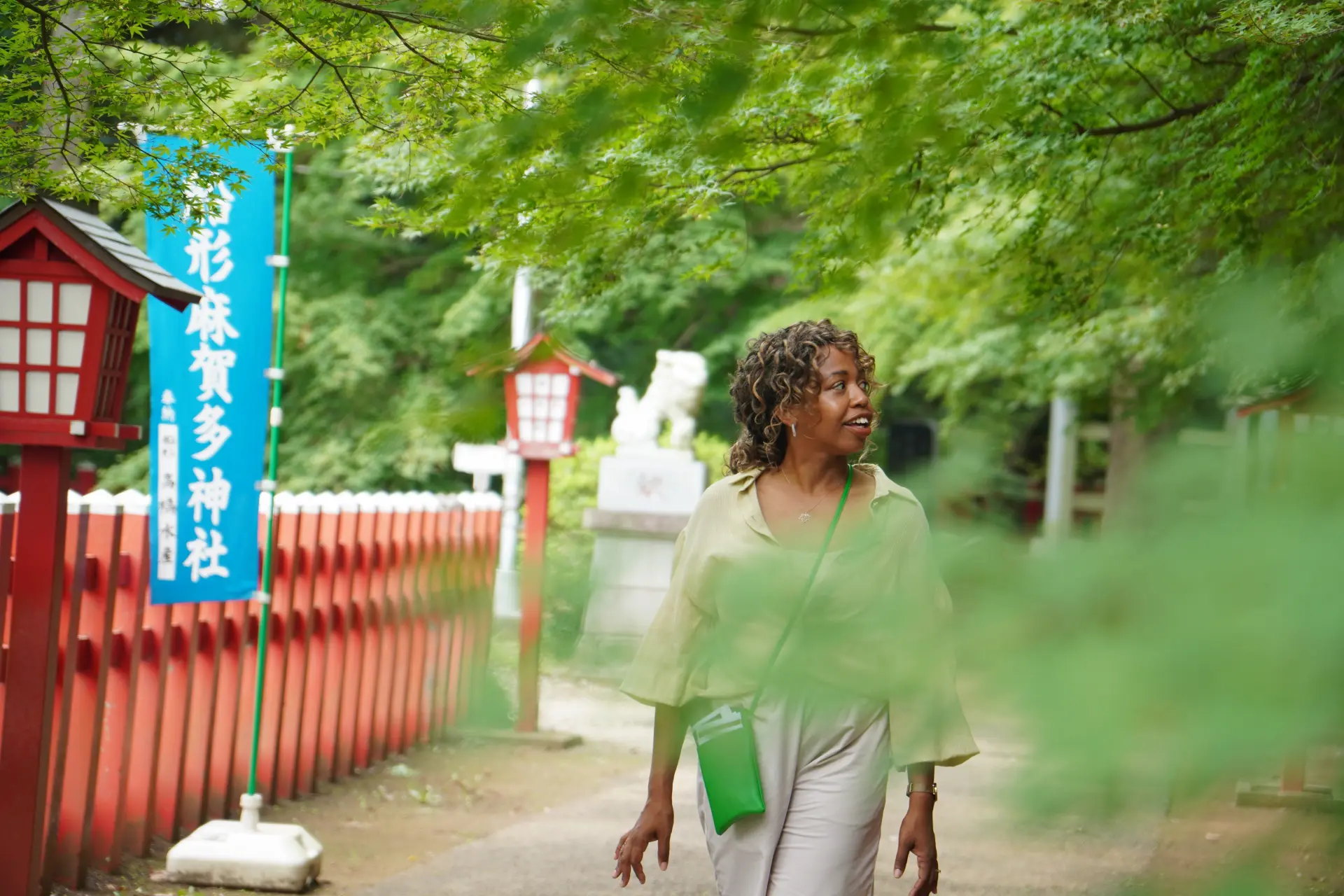
Beyond Narita Airport: A Two-Day, One-Night Journey through Japan’s Temple and Castle Towns
Did you know that one of Japan’s best-known temples, welcoming more than 10 million visitors each year, lies just a short distance from Narita International Airport, one of Japan’s main gateways? Its name is Naritasan Shinshoji Temple. Beyond its expansive grounds lies a temple town that has long welcomed visitors coming to pray. This article introduces a two-day, one-night itinerary exploring temple town and castle town culture, with Naritasan Shinshoji Temple at its heart. Visit shrines and temples, explore former samurai houses and grand residences, and stroll through historic streets as you discover the Japanese culture waiting a little beyond the airport.
What Is Keisei Electric Railway?
This journey uses Keisei Electric Railway, a railway company operating routes from eastern Tokyo through northwestern and northeastern Chiba Prefecture. Its history dates back to 1909, when it was founded to carry visitors to Naritasan Shinshoji Temple. Today, it serves local communities while also operating the Skyliner limited express between central Tokyo and Narita Airport. As a major provider of airport access, it is used by travelers from Japan and around the world.
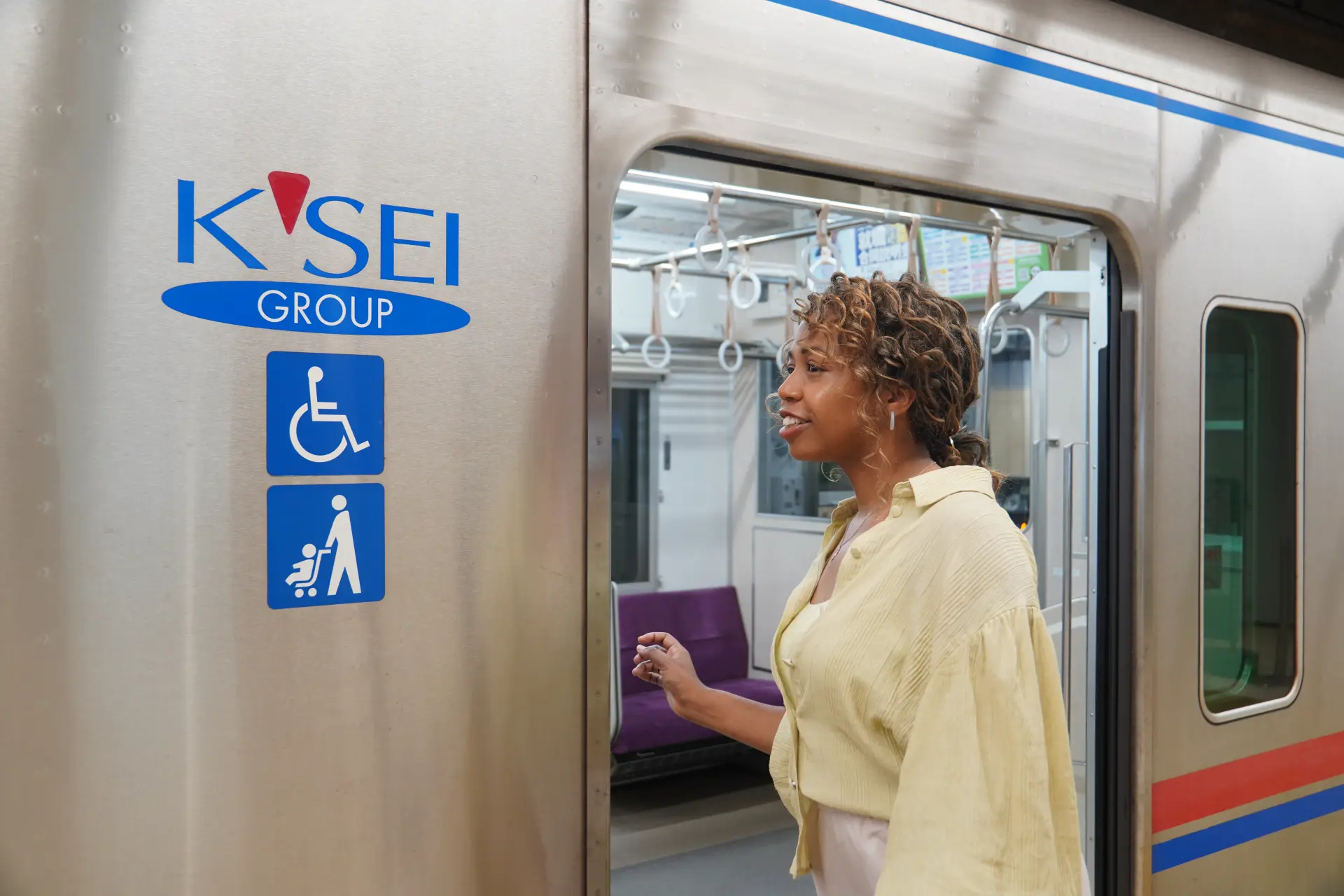
A Two-Day, One-Night Itinerary Visiting Naritasan Shinshoji Temple, Sakura’s Samurai Houses, and the Former Residence of Lord Hotta
This itinerary takes you to Narita and Sakura by Keisei Electric Railway. Spend the first day discovering the history and food culture of the temple town surrounding Naritasan Shinshoji Temple. On the second day, explore Sakura, a former castle town, and visit its samurai houses and historic residences. Connect the two towns by rail and experience the Japanese history and culture passed down in each community.
Day 1 | Discover Narita’s Spiritual Traditions and Temple Town Heritage
Begin with a day exploring Narita’s spiritual traditions and temple town culture, centered on Naritasan Shinshoji Temple. Walk along the Omotesando approach, which has welcomed temple visitors for generations, and discover Narita’s distinctive history and culture through its sacred sites and food.
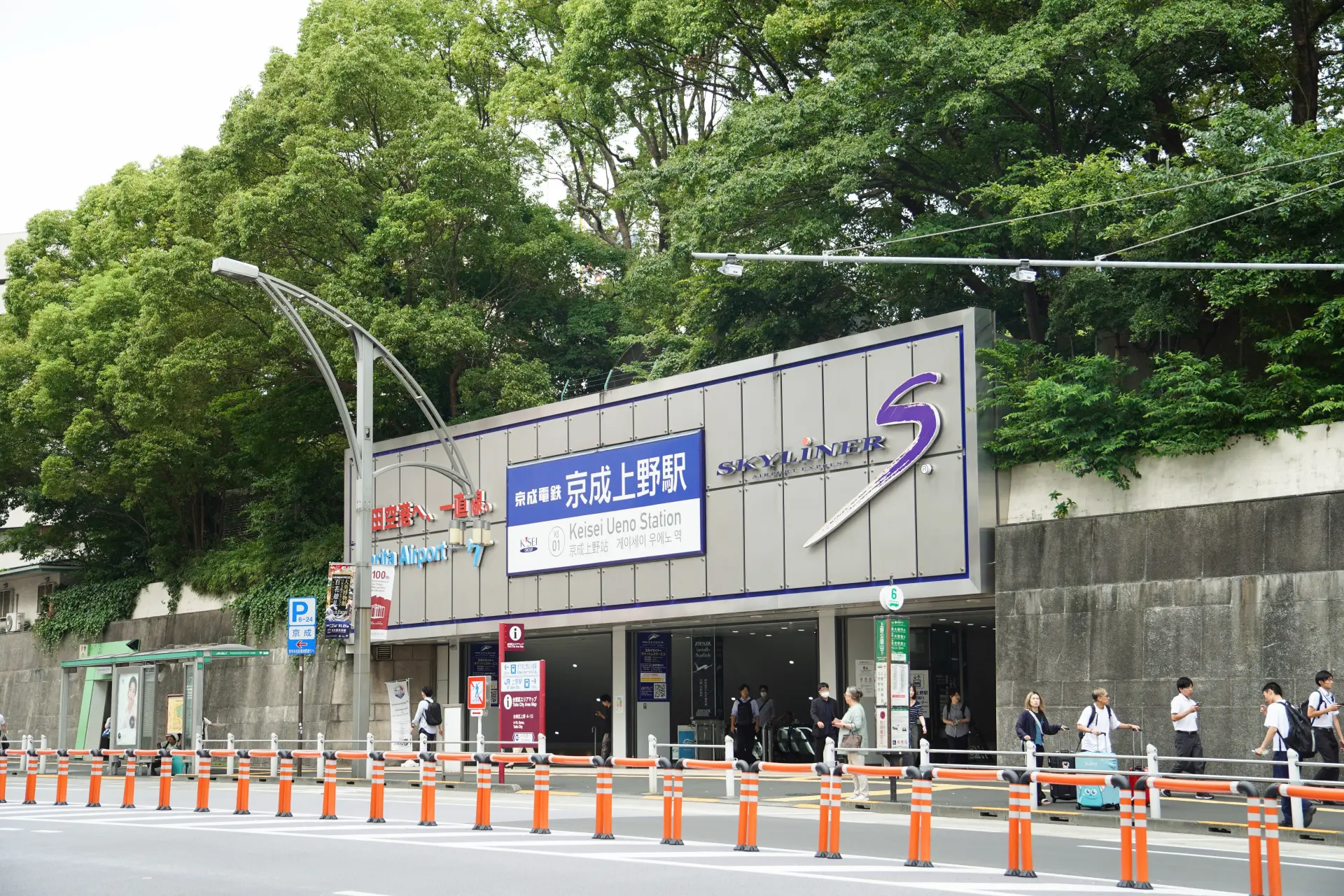
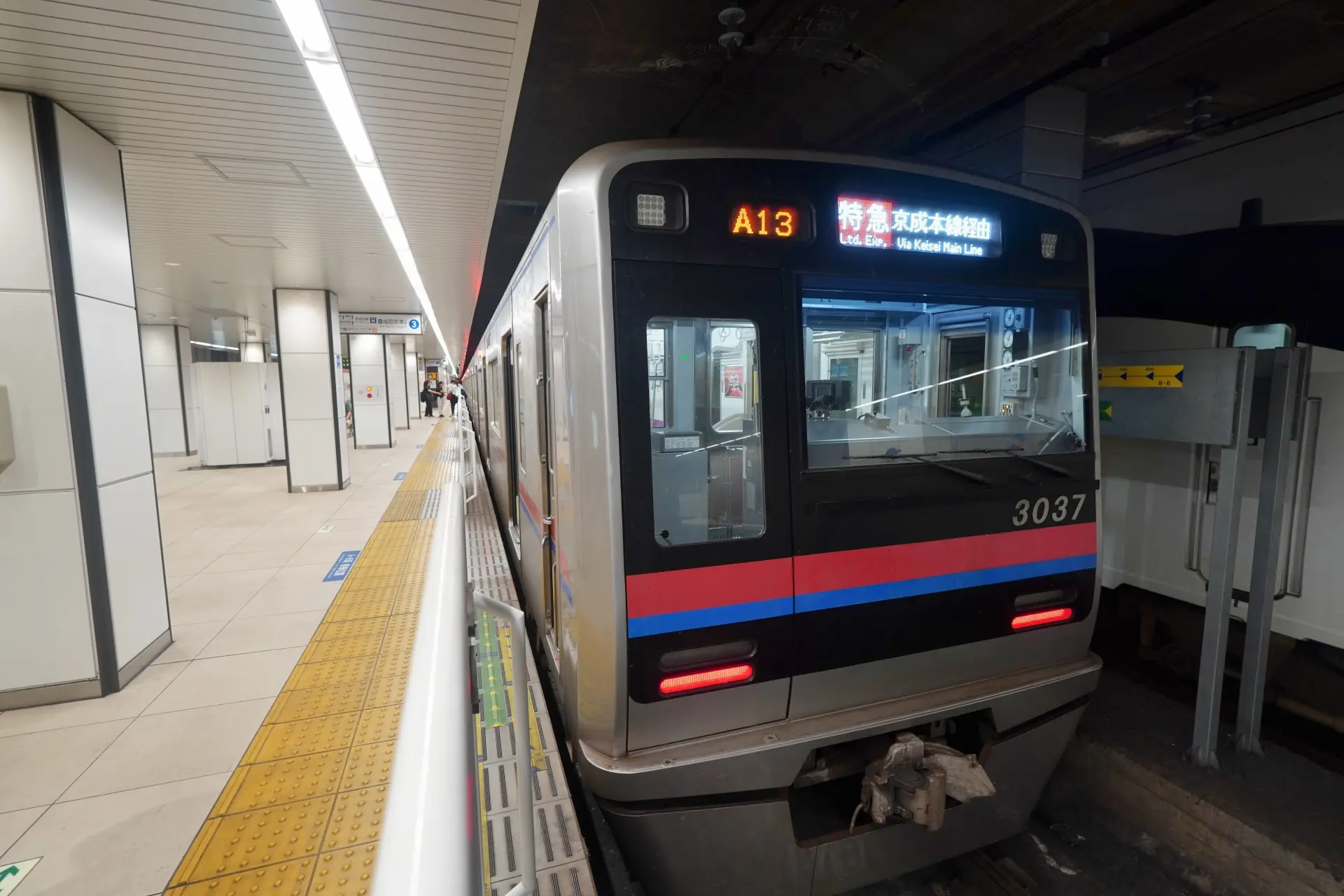
Take the Keisei Main Line from Keisei-Ueno Station to Sogosando Station
The journey begins at Keisei-Ueno Station in Tokyo’s Ueno district. Board a Limited Express service on the Keisei Main Line and head toward Narita, getting off at Sogosando Station.
Feel the Spiritual Atmosphere of Makata Shrine
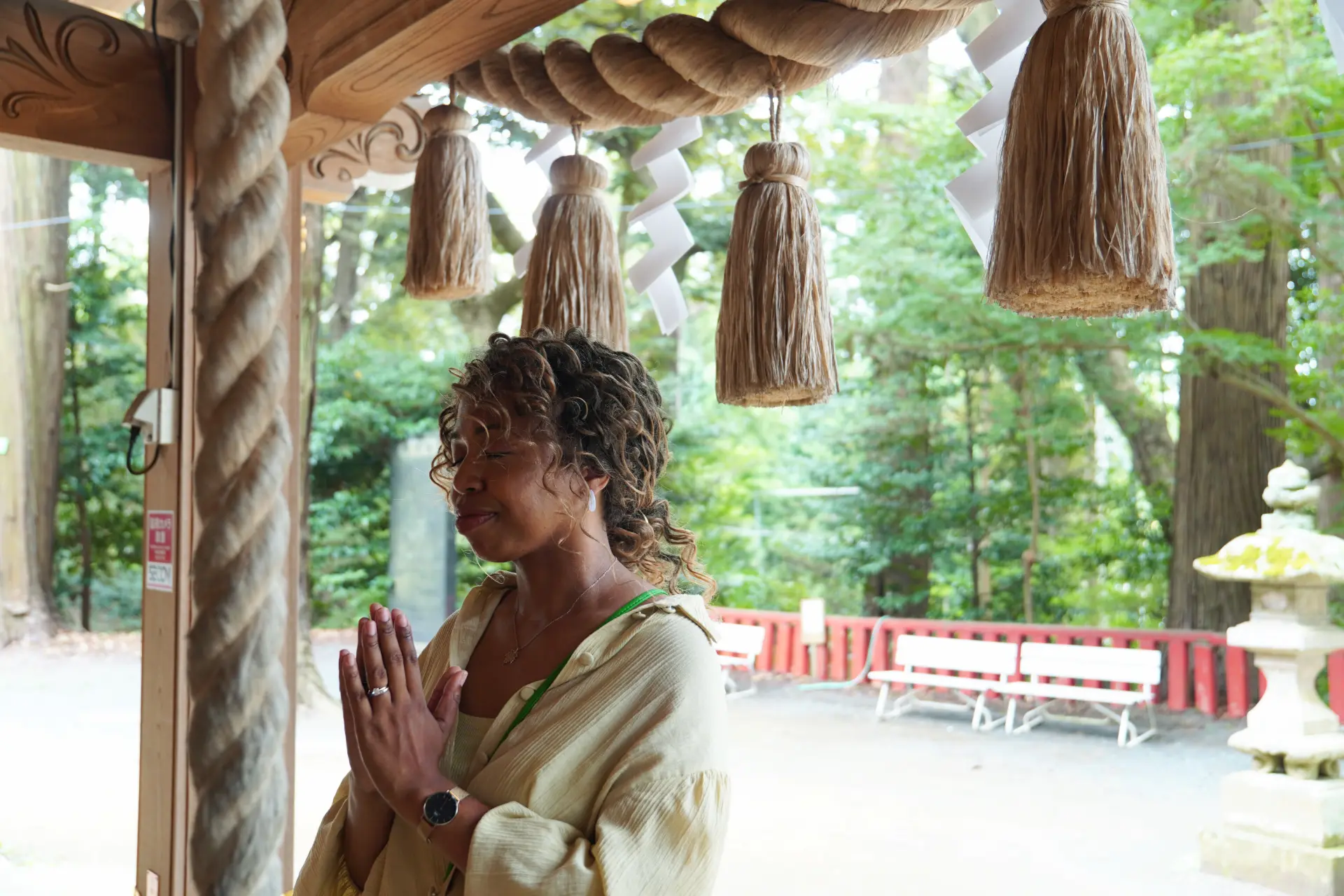
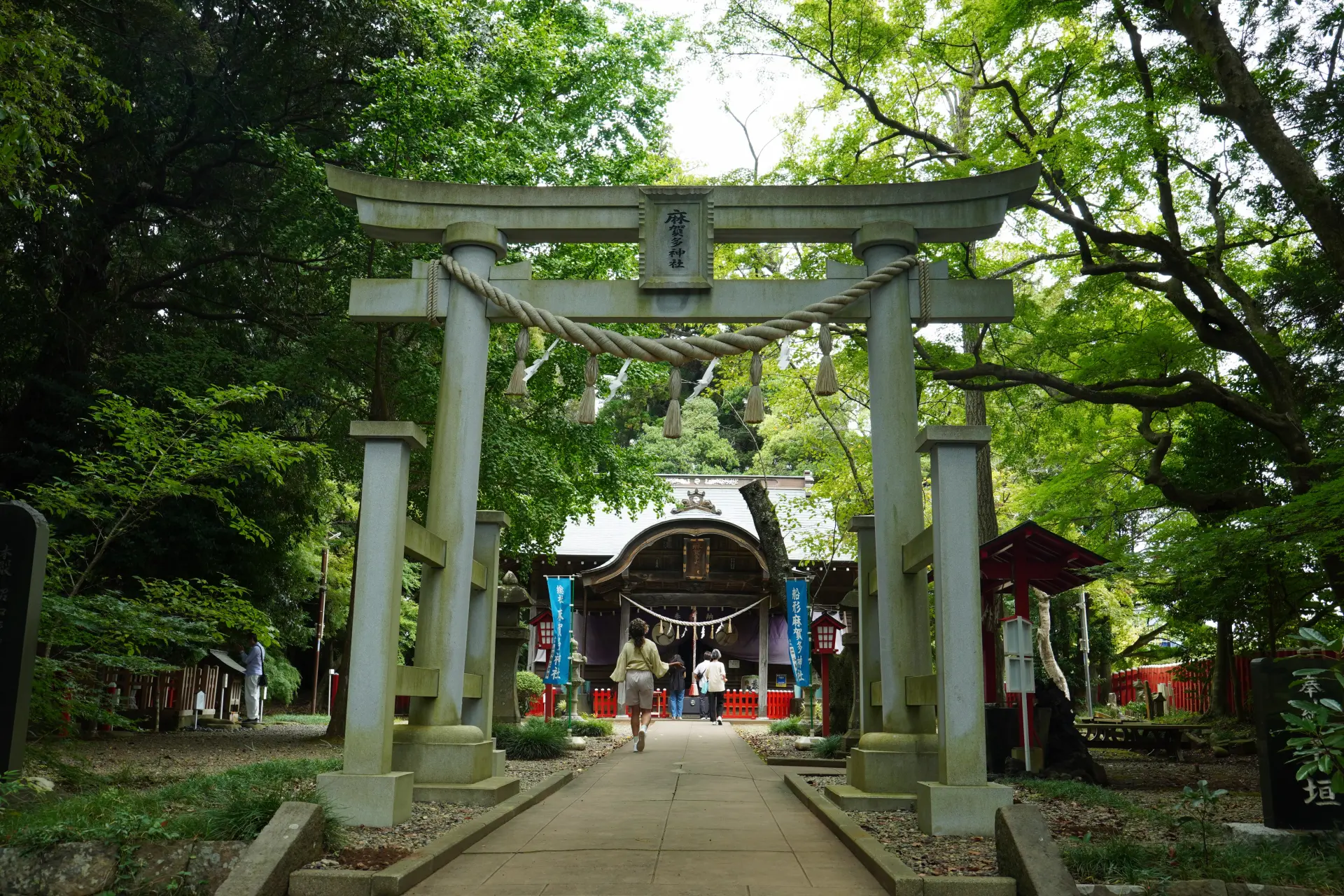
After arriving at Sogosando Station, take a taxi to Makata Shrine in Daikata, Narita City, the head shrine of 18 Makata shrines around Lake Inbanuma. Long affectionately known as Makata-sama, the shrine is believed to bestow blessings that bring all things together and nurture their growth. Visitors come with prayers for everything from success in love, safe childbirth, and raising children to good health and thriving businesses.
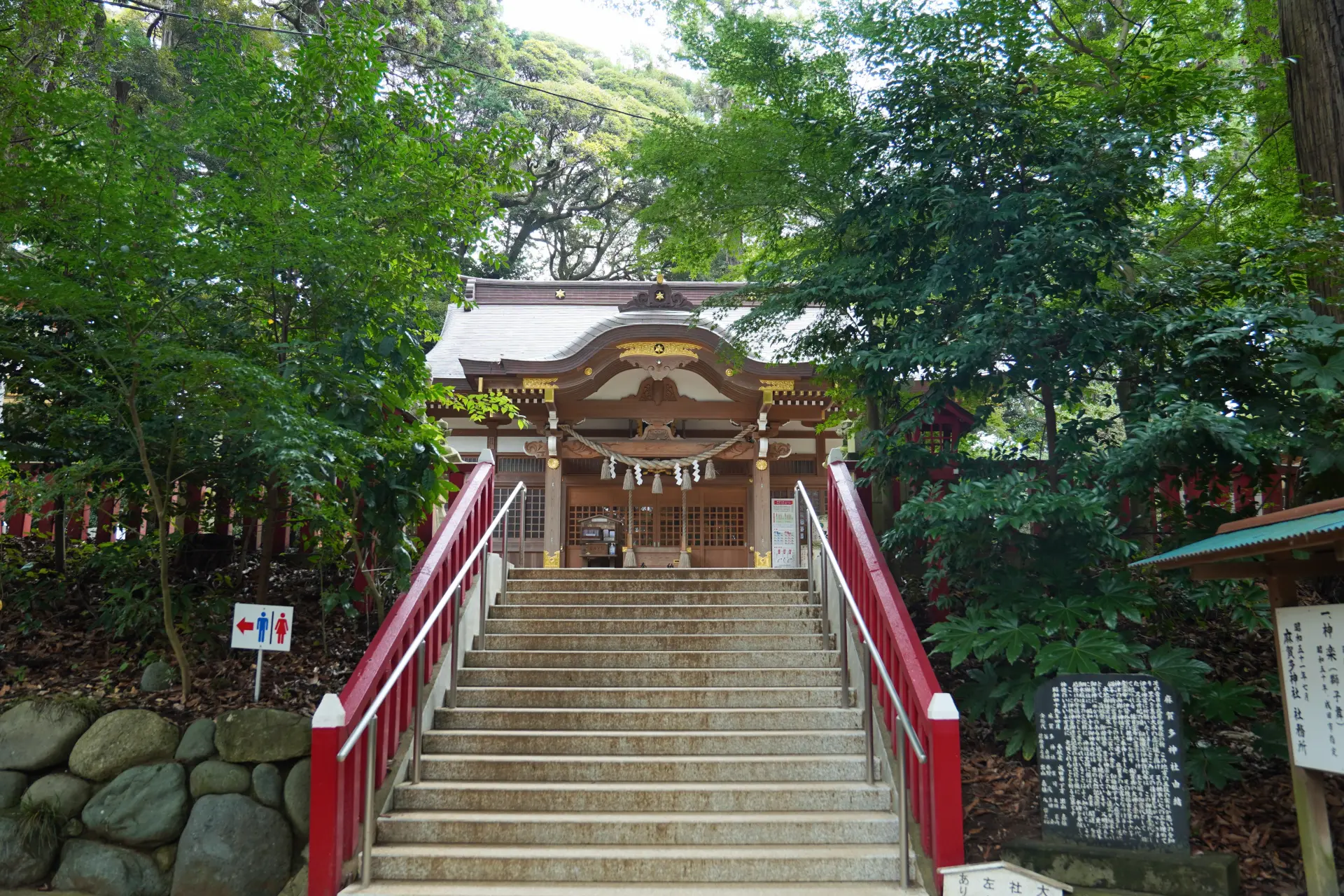
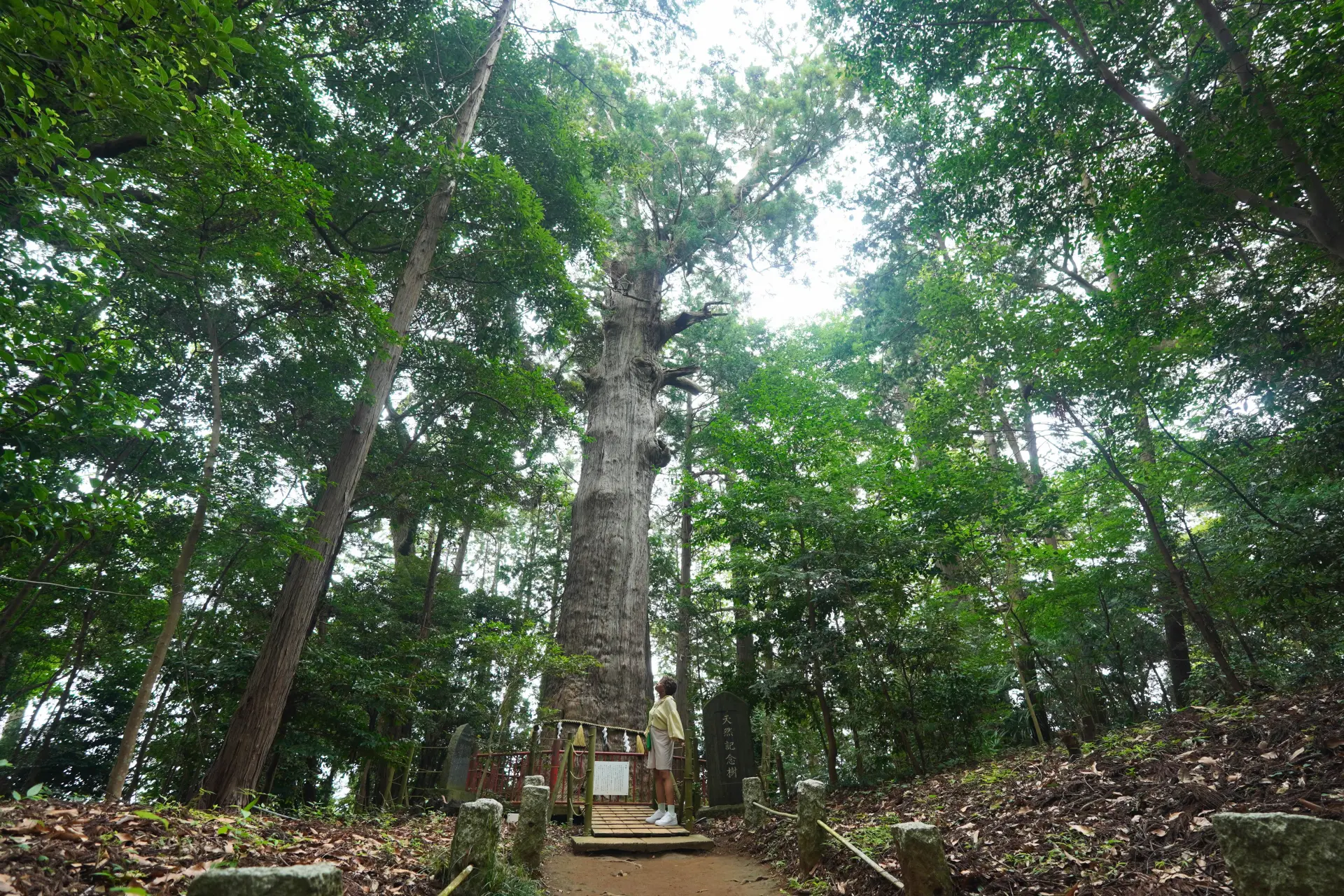
At the back left of the grounds stands a sacred tree believed to be more than 1,300 years old. Often described as the largest cedar in eastern Japan, this enormous tree has an awe-inspiring presence. Believed to offer blessings for longevity, it now draws many visitors seeking spiritual energy.
If time allows, continue to the Okumiya, about a 20-minute walk from the head shrine. Considered the birthplace of Makata Shrine, this historic site adjoins a burial mound said to be the resting place of Itsukori-no-Mikoto, the shrine’s founder. Surrounded by trees, its grounds have a solemn, mysterious atmosphere distinct from that of the head shrine. Take a quiet moment here to look forward to the two days ahead.
- Japanese Name
- 麻賀多神社
- Postal Code
- 286-0003
- Address
-
1 Daikata, Narita City, Chiba Prefecture
Google Map - Phone
- 0476-28-5736
- Hours
- 9:00 am–5:00 pm (shrine office)
- Closed
- None
- Official Website
- Official Website
Stroll and Snack along Naritasan Omotesando Street
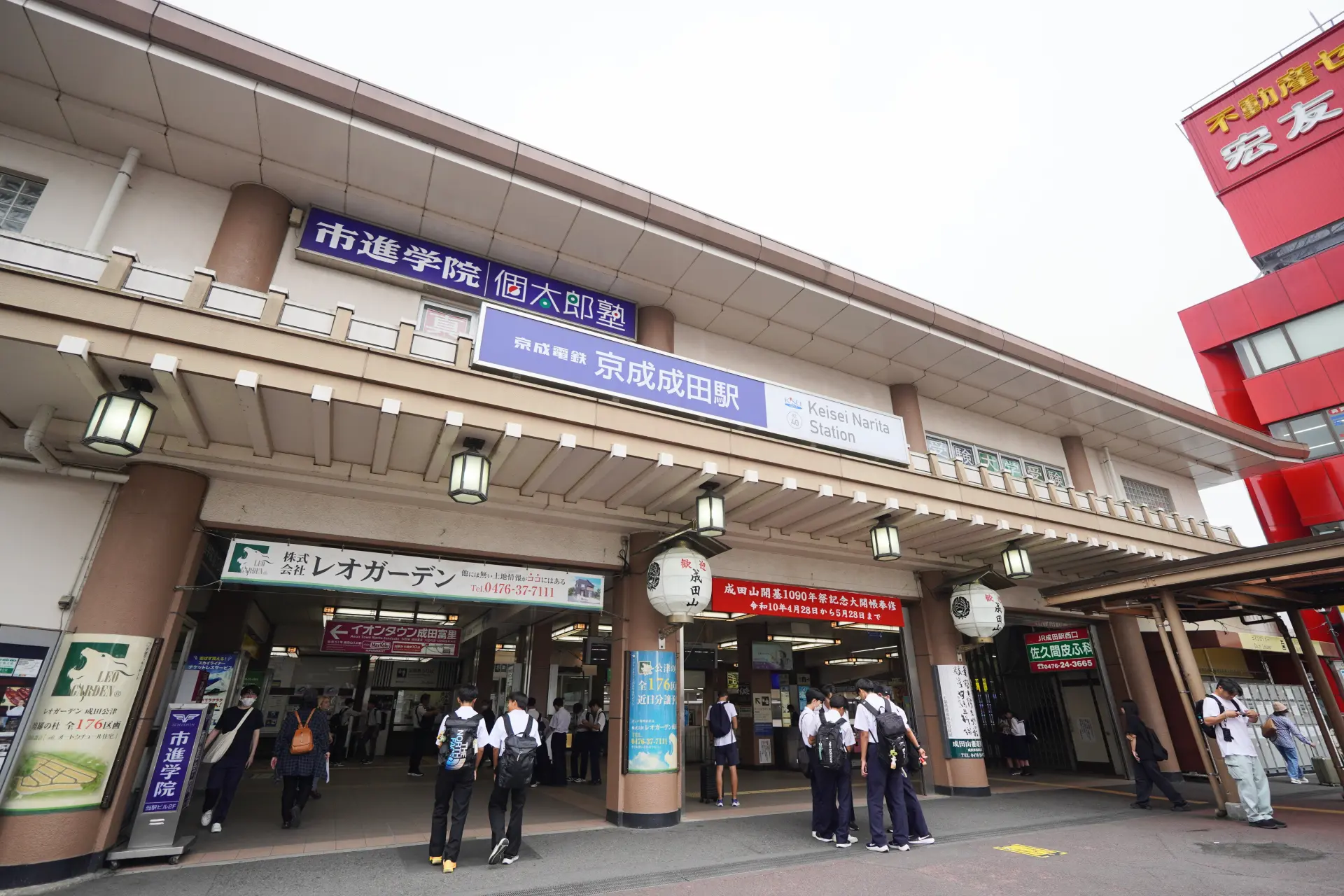
Continue to Keisei-Narita Station, leave your luggage in a coin locker near the station, and set off along the Omotesando approach to Naritasan. This street has flourished as part of the temple town since the Edo period (1603–1867). Today, more than 150 restaurants and souvenir shops line the route.
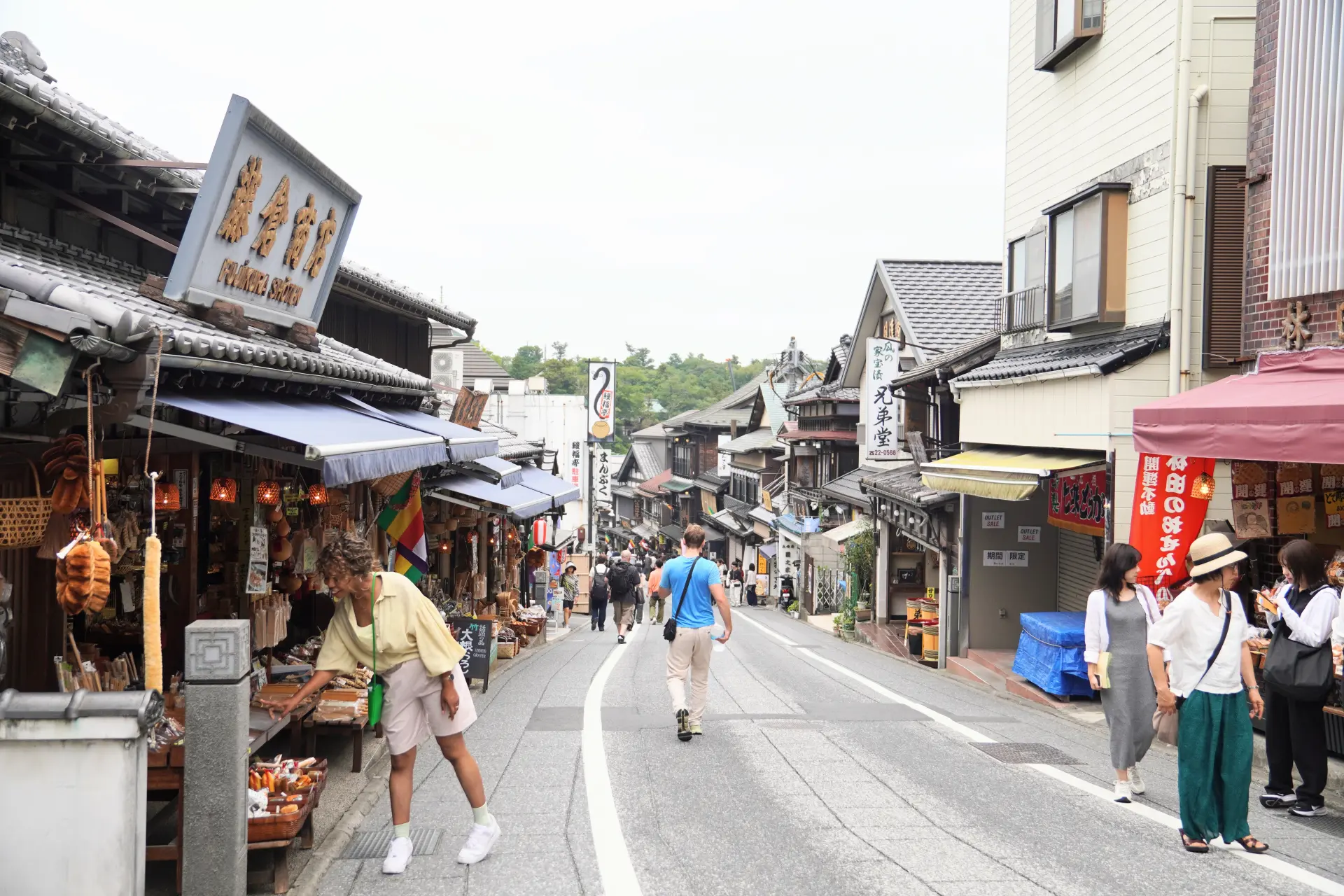
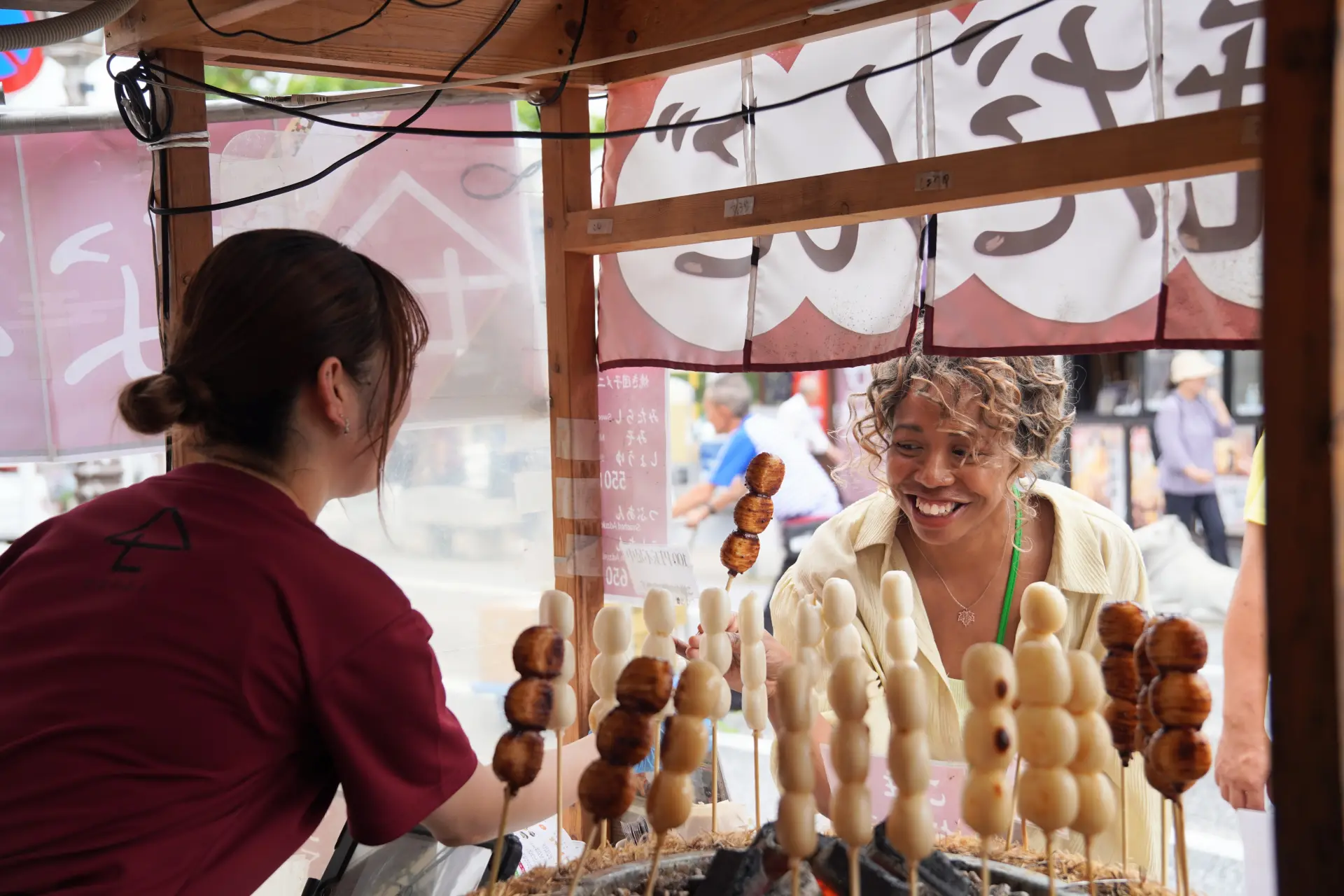
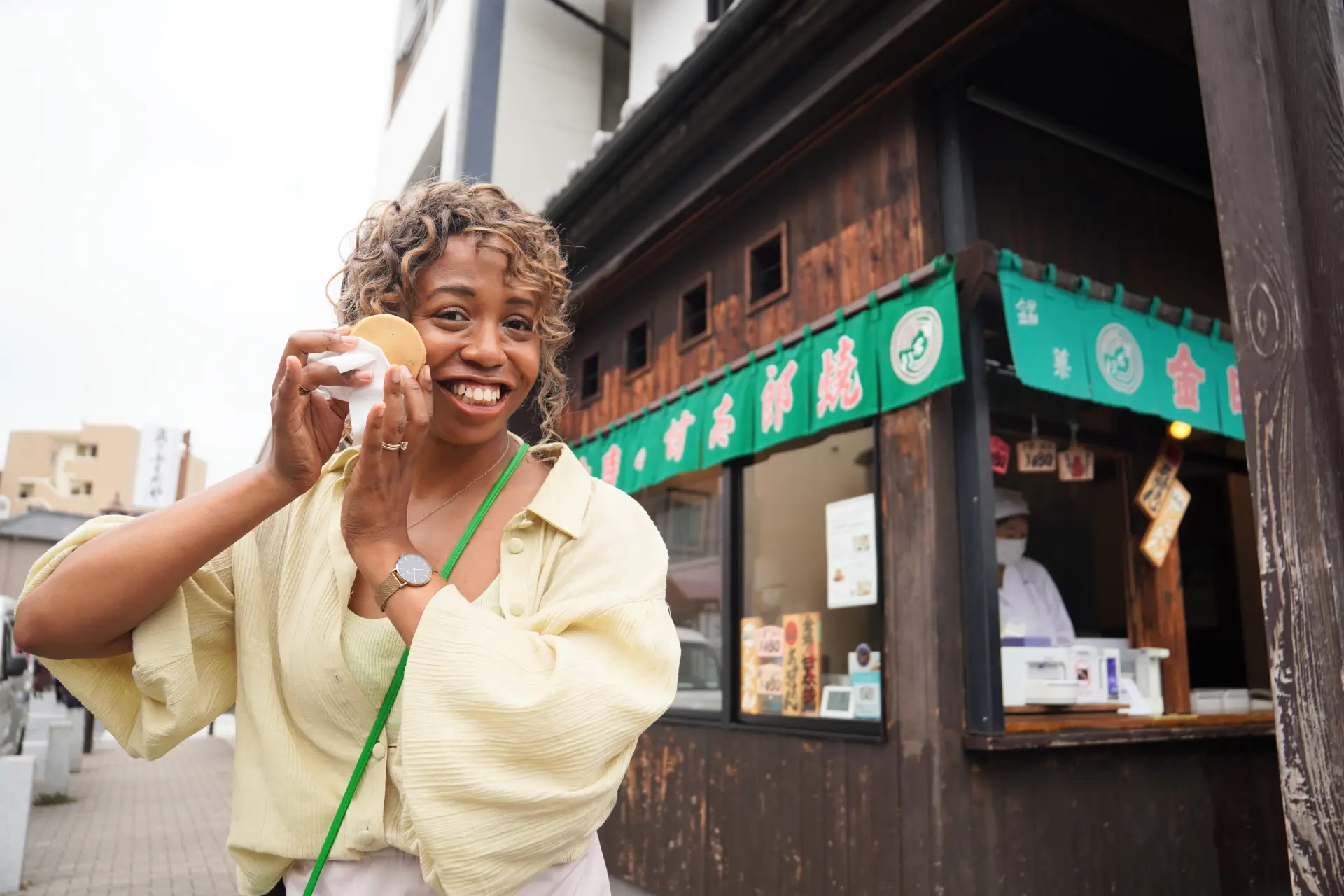
The approximately 800-meter street offers plenty of snacks to enjoy along the way, including dango dumplings and round obanyaki cakes. Businesses dating back to the Edo period and historic buildings still stand here, making even a simple walk feel like a journey back in time. Take your time browsing and sampling local treats as you make your way toward Naritasan.
Visit Naritasan Shinshoji Temple, a Leading Destination for New Year’s Prayers
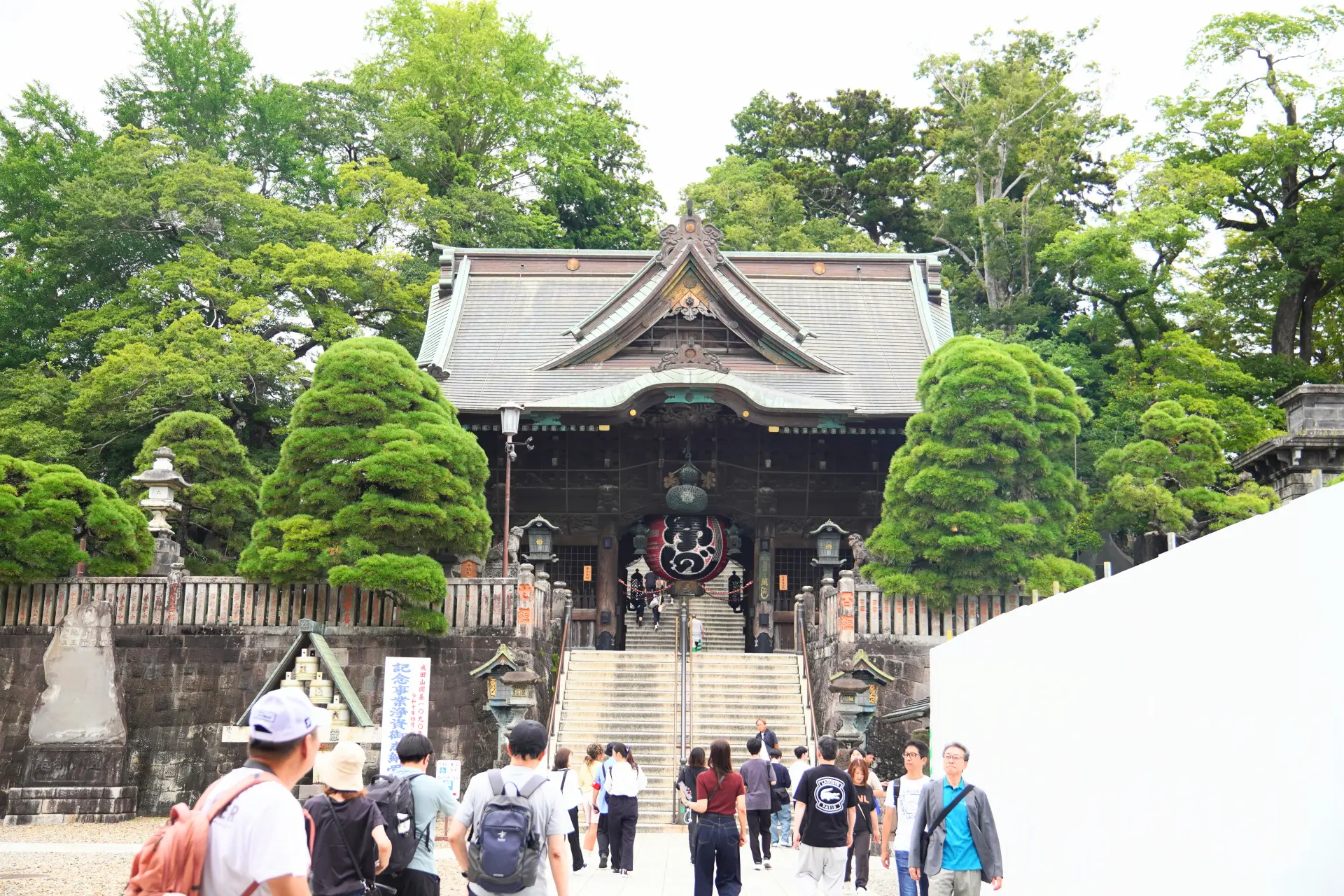
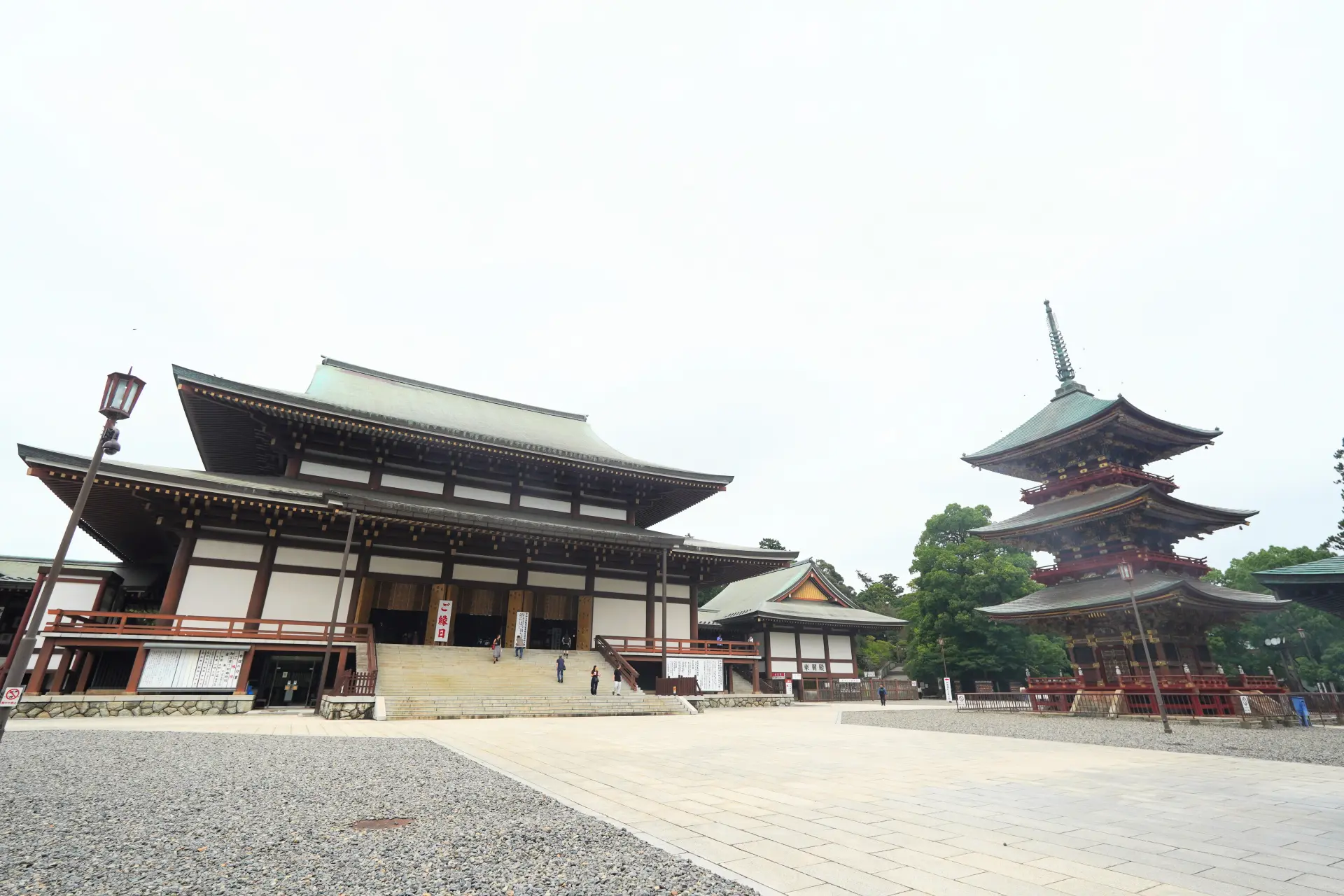
With more than 1,000 years of history, Naritasan Shinshoji Temple is a head temple of the Chisan school of Shingon Buddhism. Around three million people visit during the first three days of the New Year. It is also known as one of Japan’s leading destinations for hatsumode, the first shrine or temple visit of the year, second only to Meiji Jingu in popularity.
One connection that helped spread Naritasan’s fame across Japan was its association with the Edo-period kabuki actor Ichikawa Danjuro I. The Ichikawa Danjuro family adopted the theatrical house name Naritaya, and their deep devotion to Fudo Myoo is said to have encouraged ordinary people to visit Naritasan. Historic structures throughout the grounds include the Daihondo, or Great Main Hall, the Three-storied Pagoda, and Niomon Gate. Explore the expansive grounds and discover the faith and culture preserved here for more than a millennium.
Enjoy an Eel Lunch at Natoritei, with More Than a Century of History
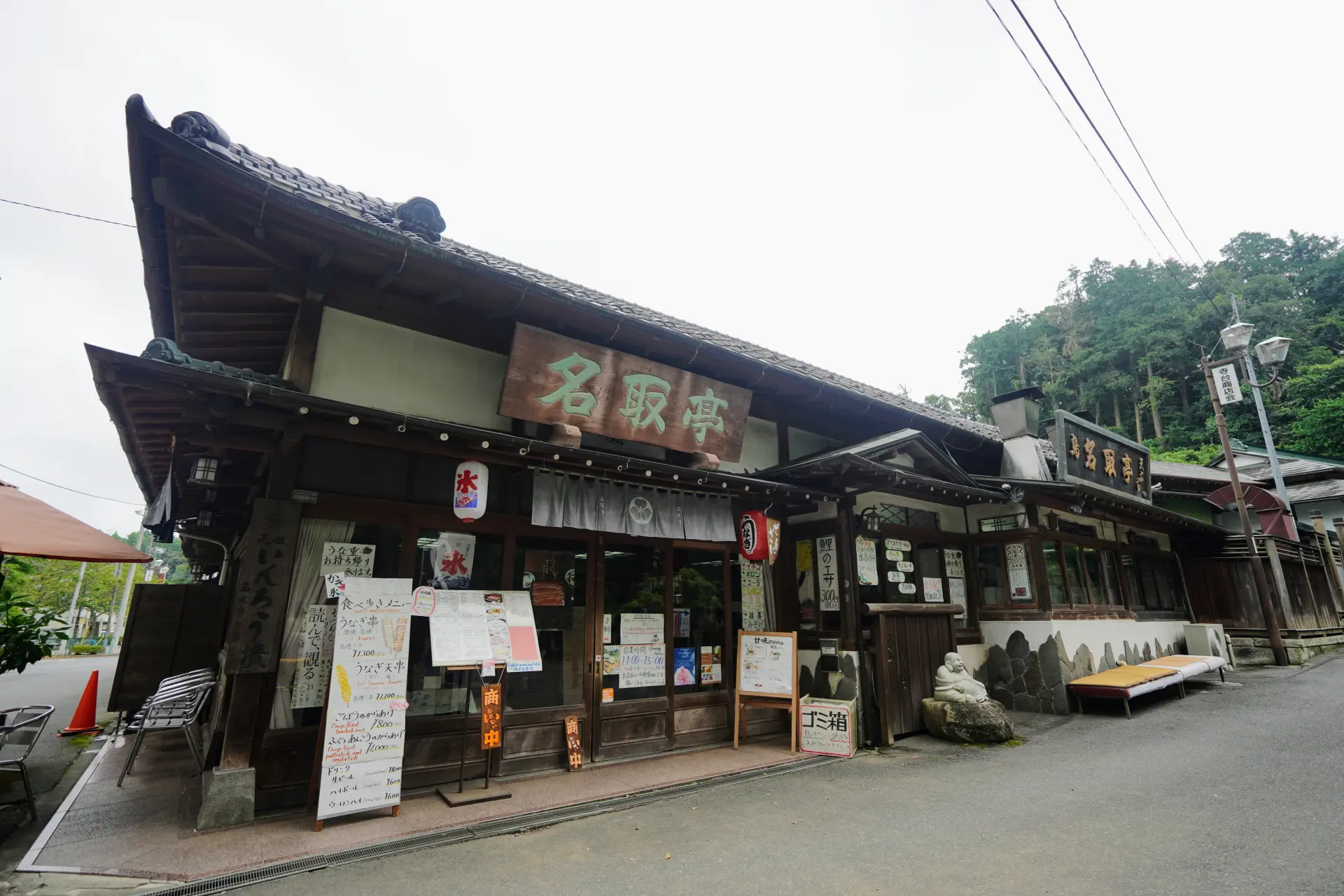
For lunch, visit Natoritei, a restaurant tucked away beyond the main temple grounds. With more than 100 years of history, it is a place to try eel, a Naritasan specialty. Eel dishes are said to have become popular around the temple when inns and traditional restaurants began serving eel caught in Lake Inbanuma to visiting pilgrims.
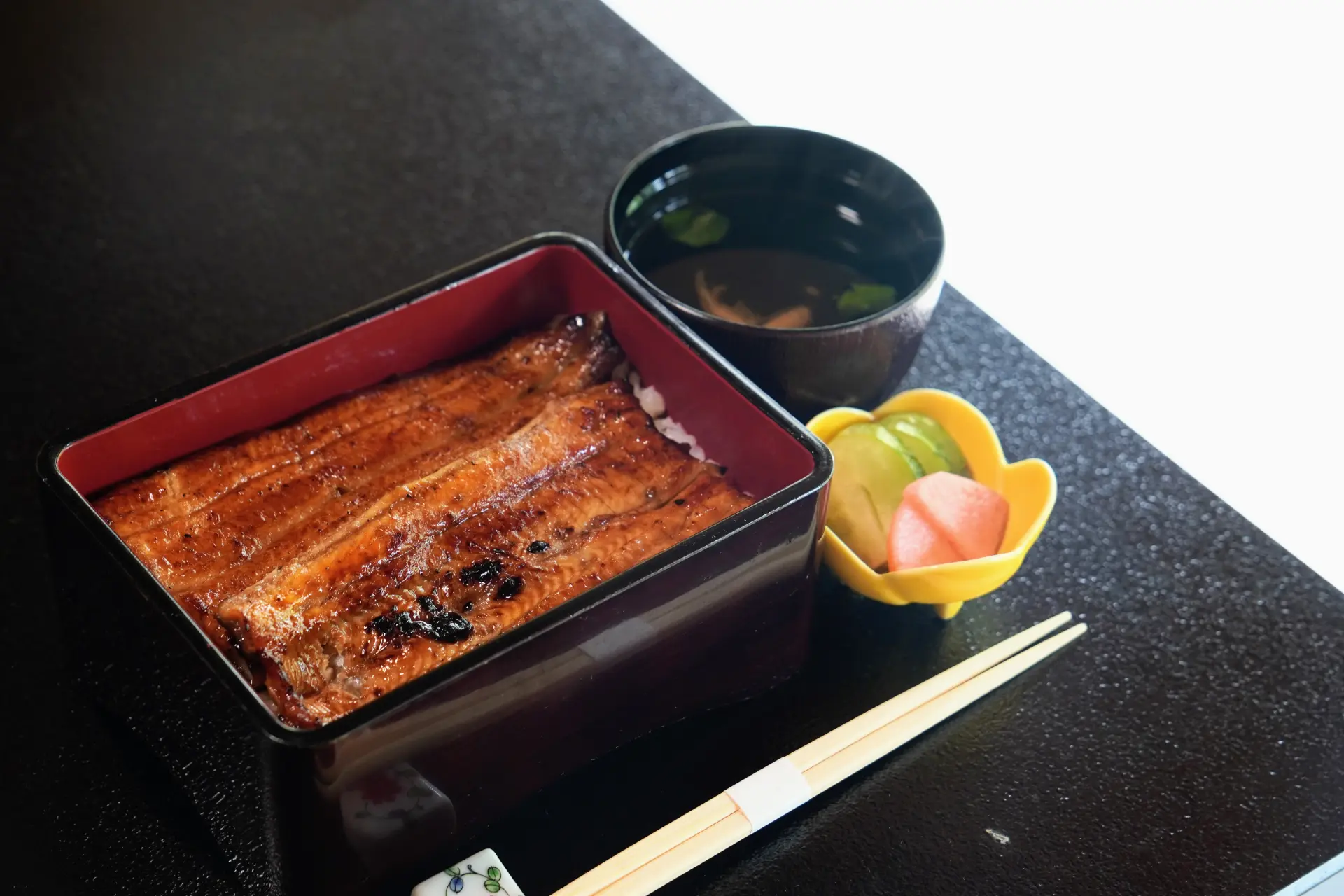
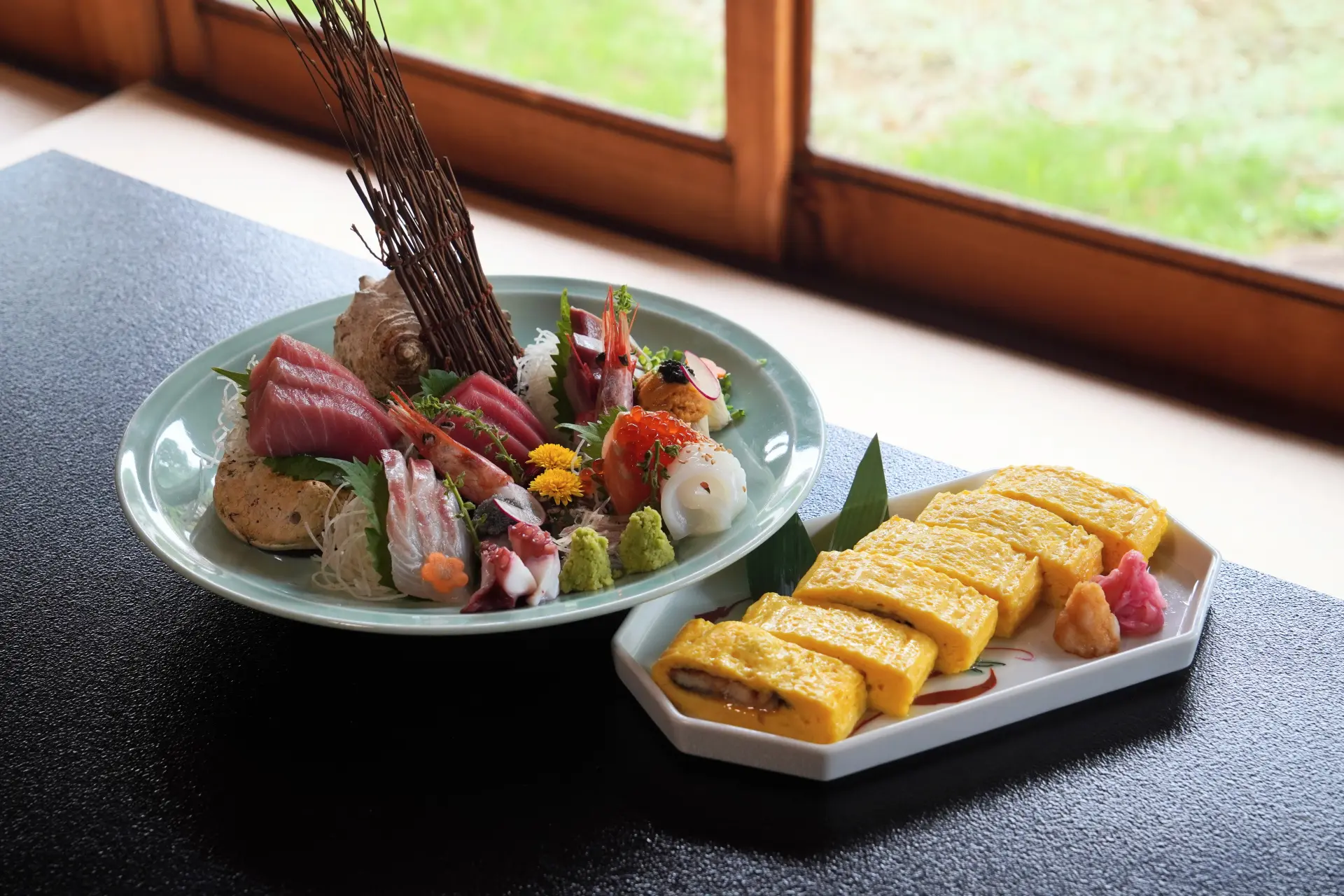
Eel remains Natoritei’s signature offering. Tender flesh, richly browned skin, and a secret sauce come together in a dish well worth trying in Narita. Alongside unaju, grilled eel over rice served in a box, the menu includes yakitori, sashimi, tempura, and more. The yakitori prepared with the restaurant’s eel sauce is particularly delicious and keeps many customers coming back.
The restaurant also has a separate dining building overlooking a beautiful Japanese garden, as well as private rooms for a more intimate meal. Enjoy a leisurely lunch with a touch of indulgence, accompanied by the attentive hospitality of a long-established restaurant.
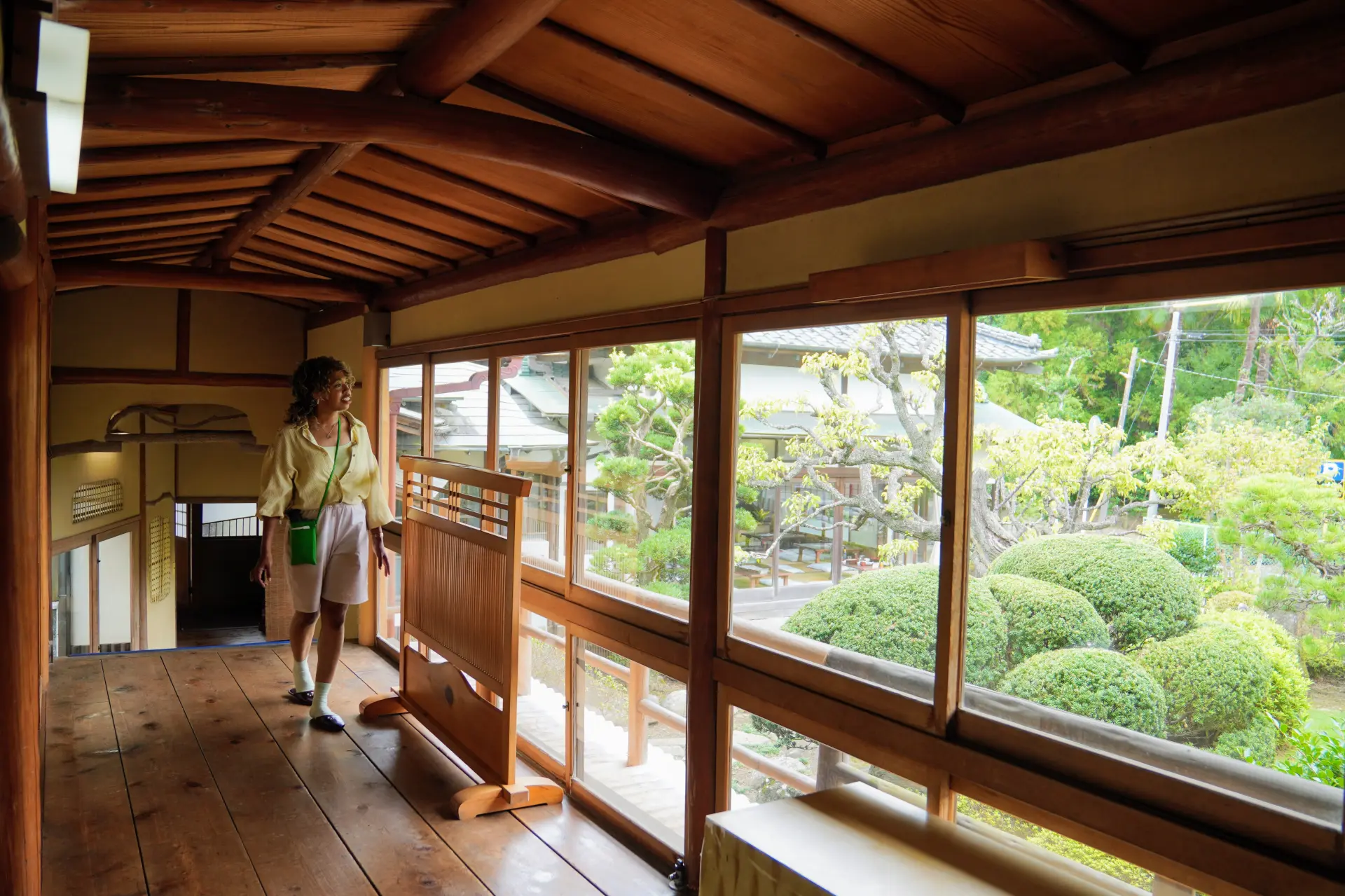
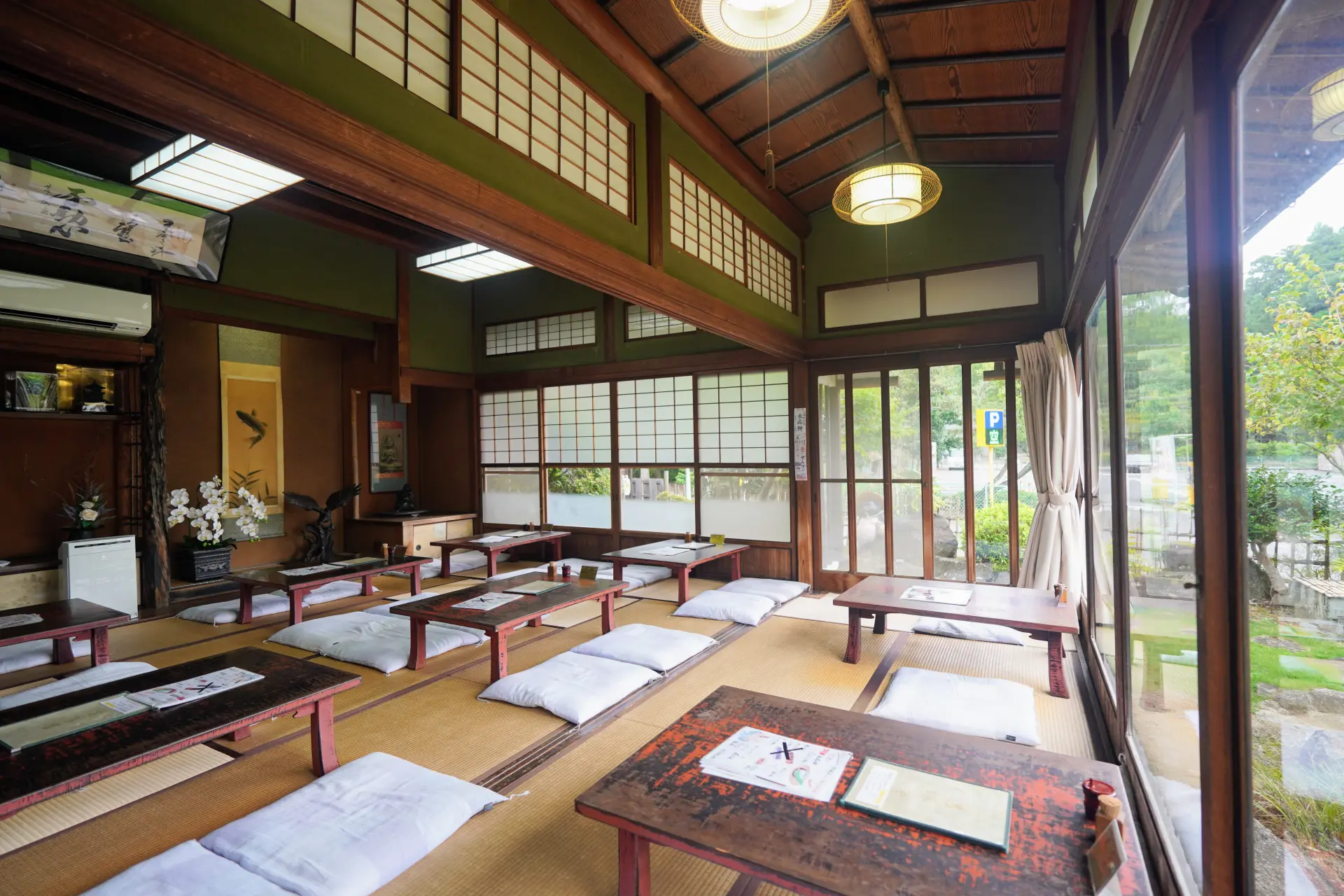
- Japanese Name
- 名取亭
- Postal Code
- 286-0022
- Address
-
575 Teradai, Narita City, Chiba Prefecture
Google Map - Phone
- 0476-22-0355
- Hours
- 11:00 am–3:00 pm (last order 2:30 pm)
- Closed
- None
- Official Website
- Official Website
Spend a Peaceful Afternoon in Naritasan Park
Just beside Natoritei, Naritasan Park spreads out behind the temple. Covering approximately 165,000 square meters, its spacious grounds offer ponds filled with koi, abundant trees, and changing scenery throughout the seasons. Step away from the bustle of the temple grounds, and the atmosphere becomes noticeably more relaxed. Stroll slowly among the trees, breathe in the forest air, and enjoy a restful afternoon.
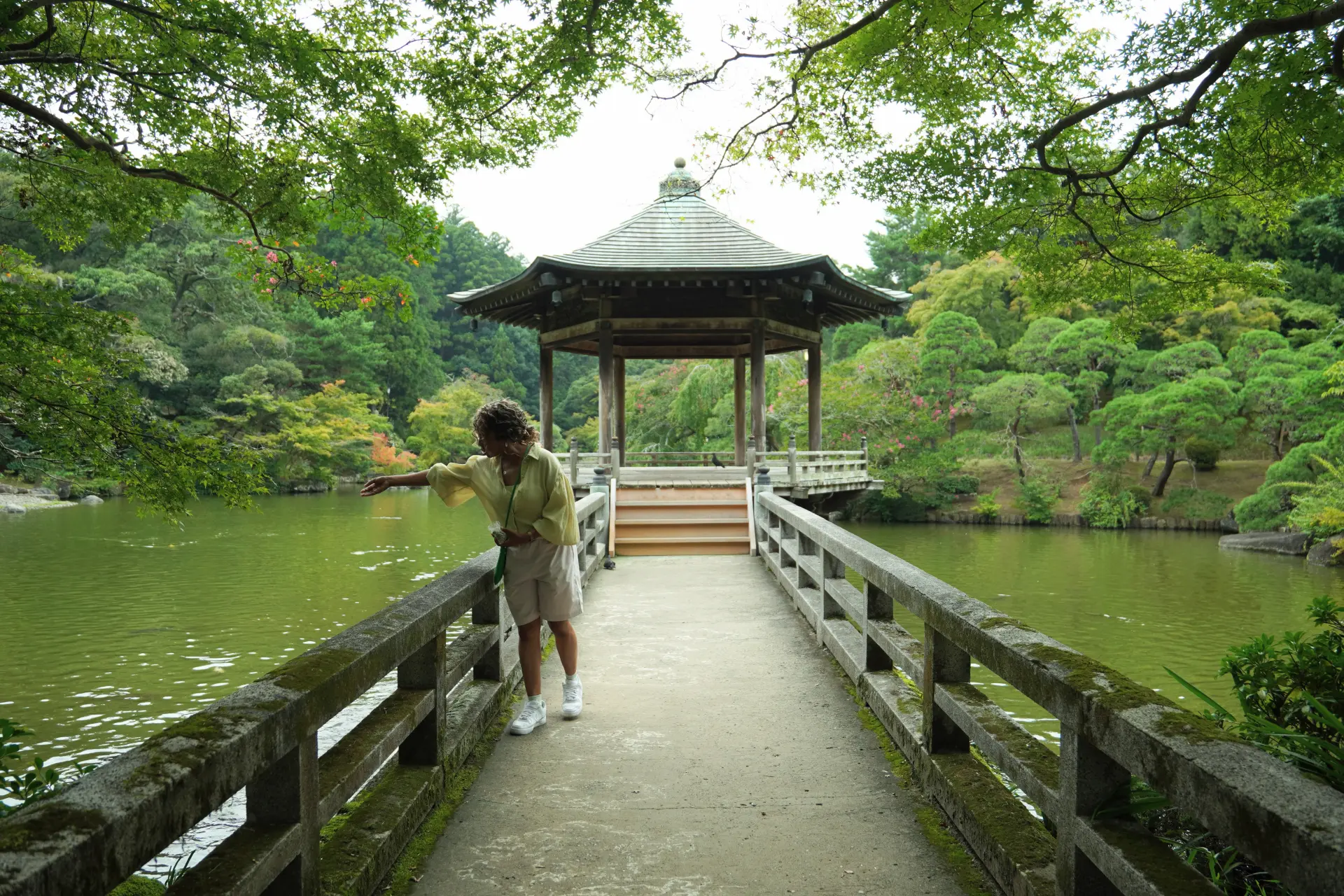
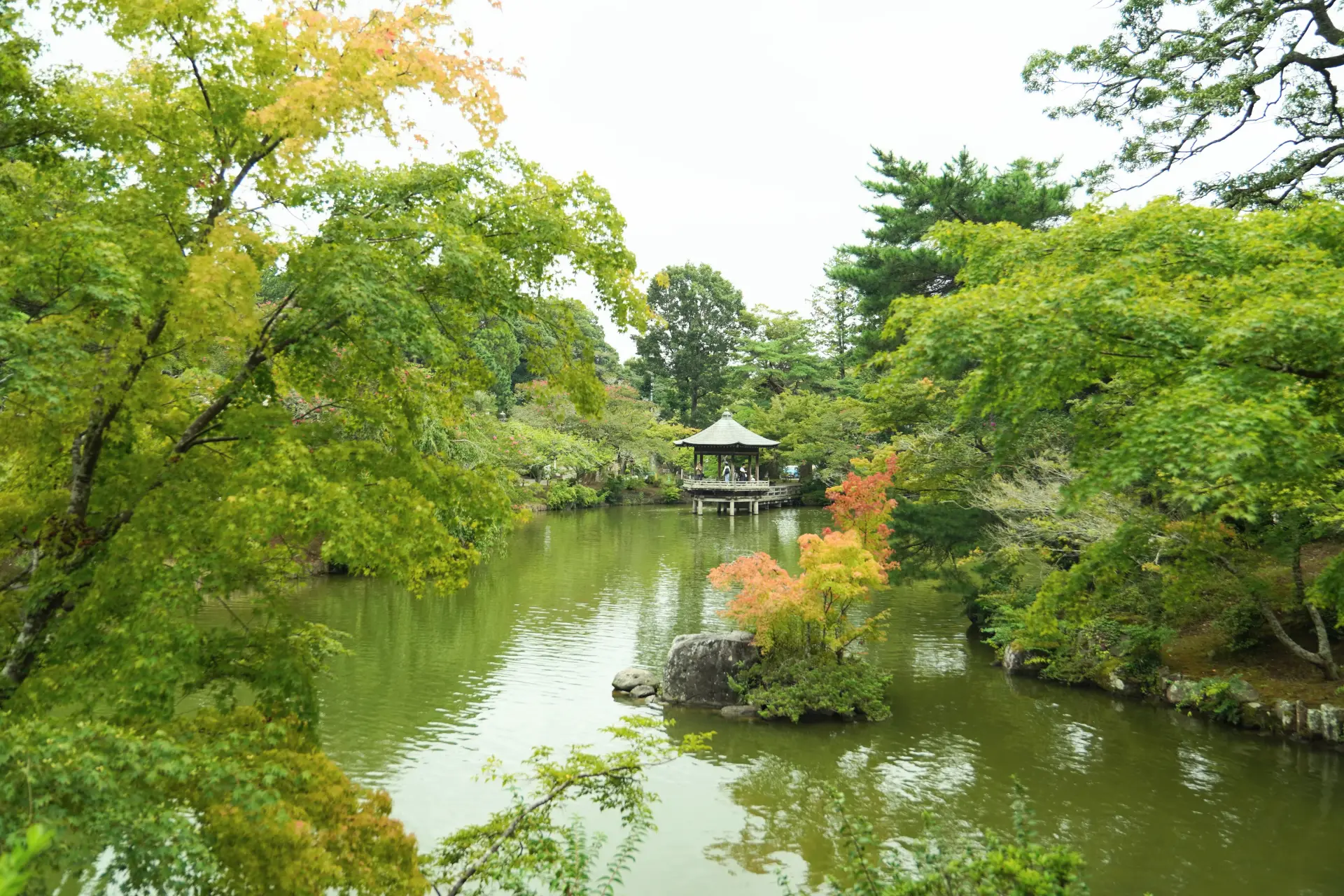
Pray for Business Success and Career Advancement at Shusse Inari
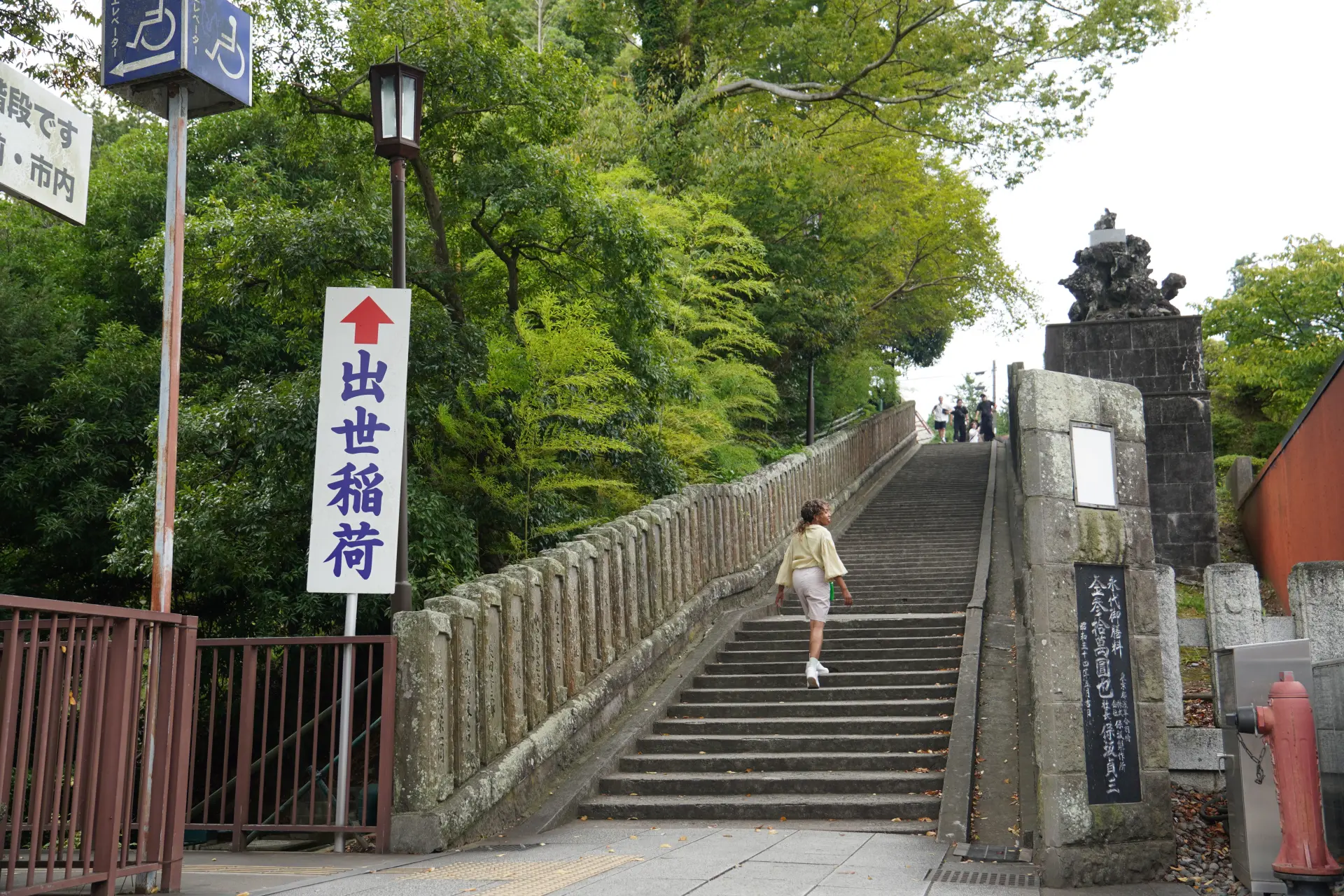
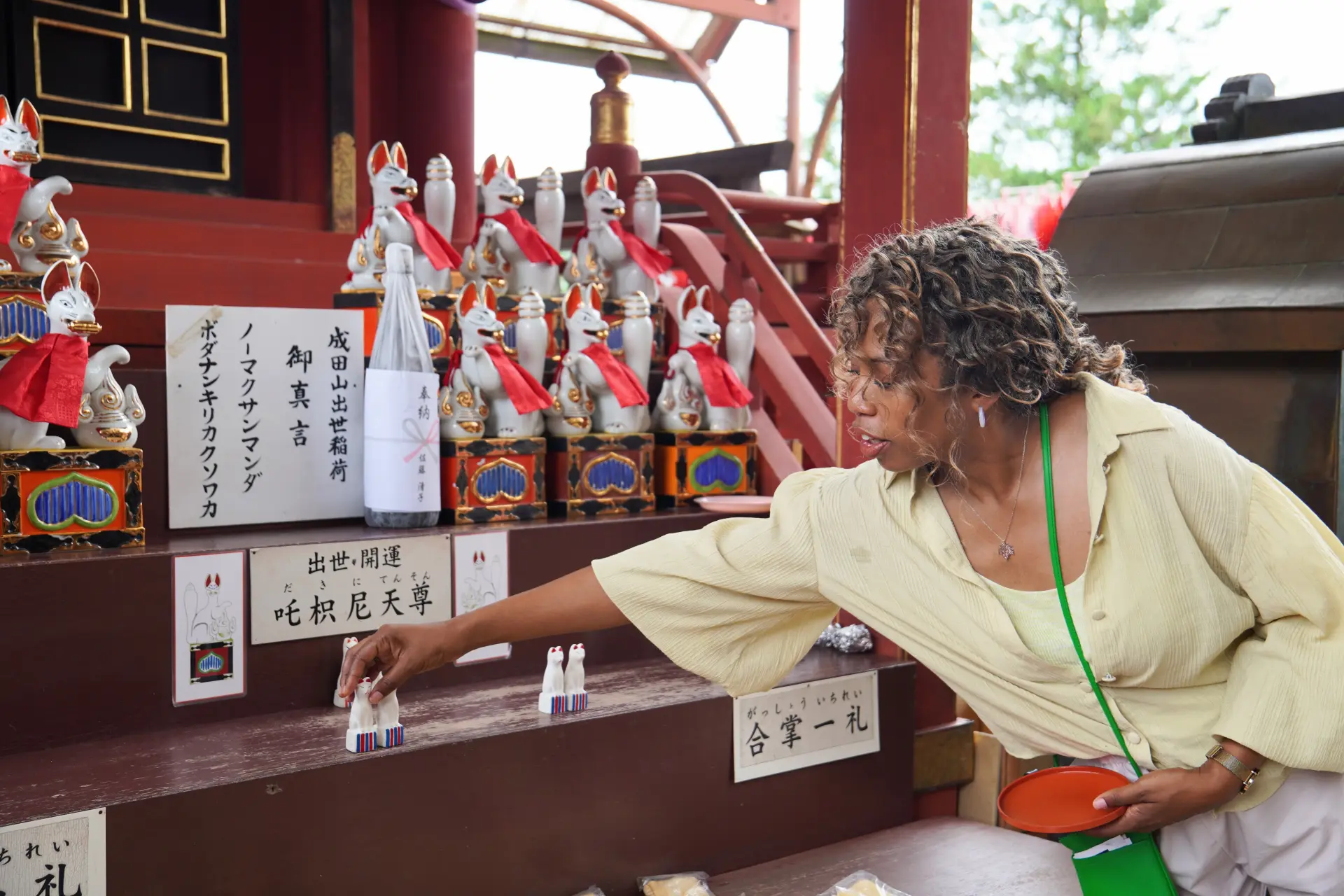
Next, follow the path to the left of the Great Main Hall and climb a long flight of stone steps to Dakinitendo Hall, commonly known as Shusse Inari. As its name suggests, this sacred site is associated with blessings for business prosperity, good fortune, and career advancement. It has a strong following among business owners and other professionals.
Stay at Wishton Hotel Yukari
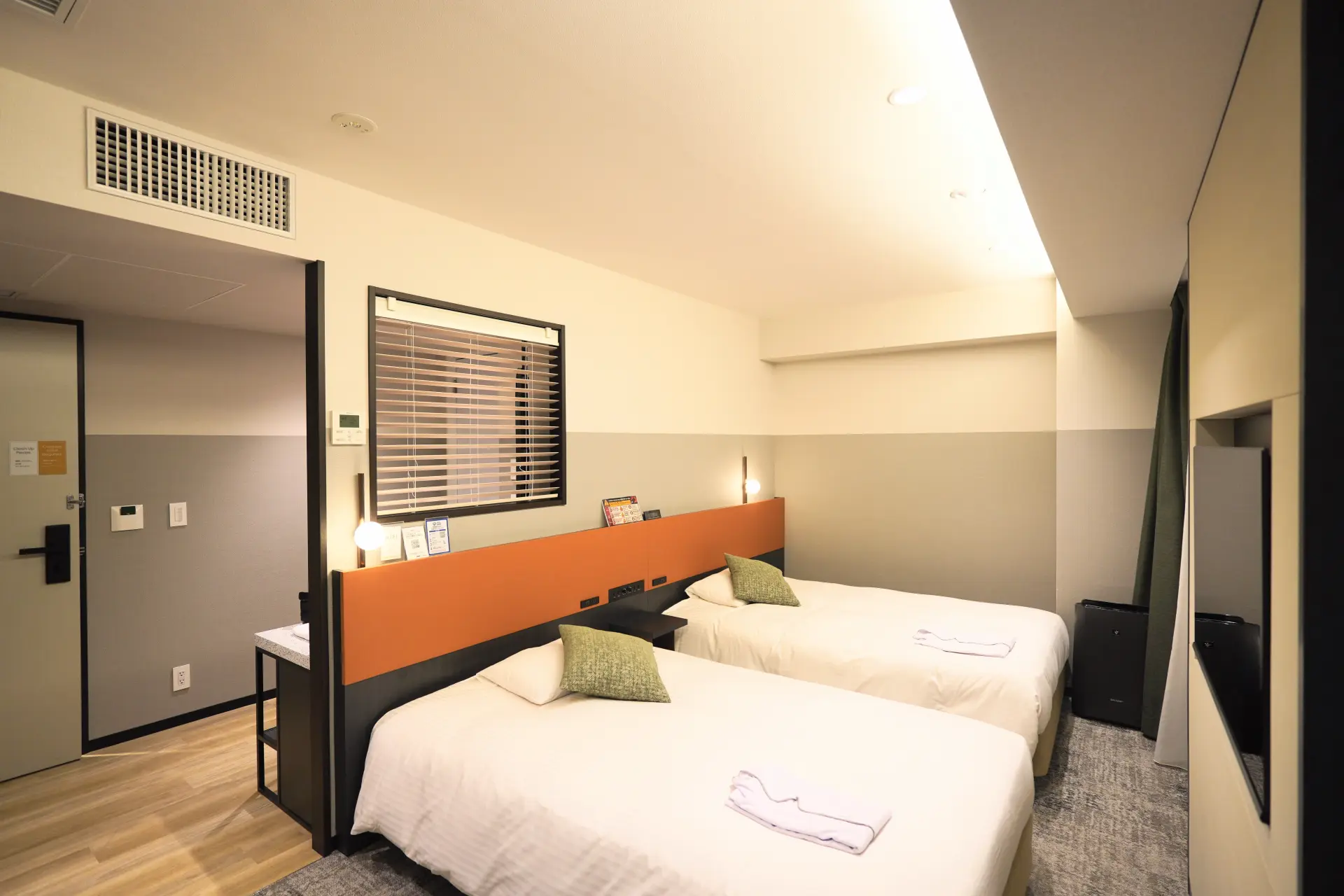
After a full day exploring Naritasan, take the Keisei Main Line from Keisei-Narita Station to Yukarigaoka Station. Check in at Wishton Hotel Yukari, directly connected to the station, to round off your first day. The hotel is conveniently located about 30 minutes by train from Narita International Airport. Its direct station connection also makes it a practical choice for travelers using the airport.
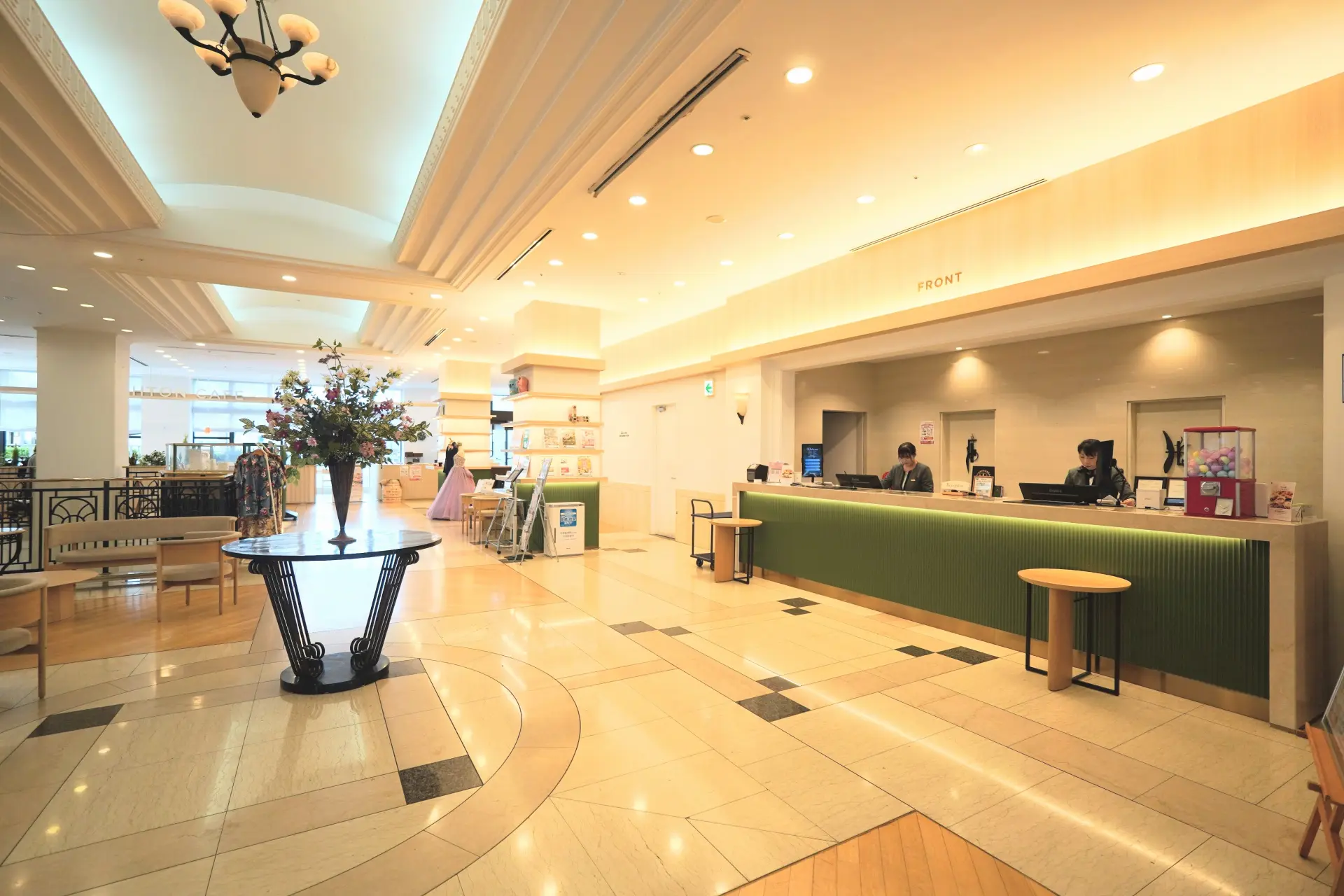
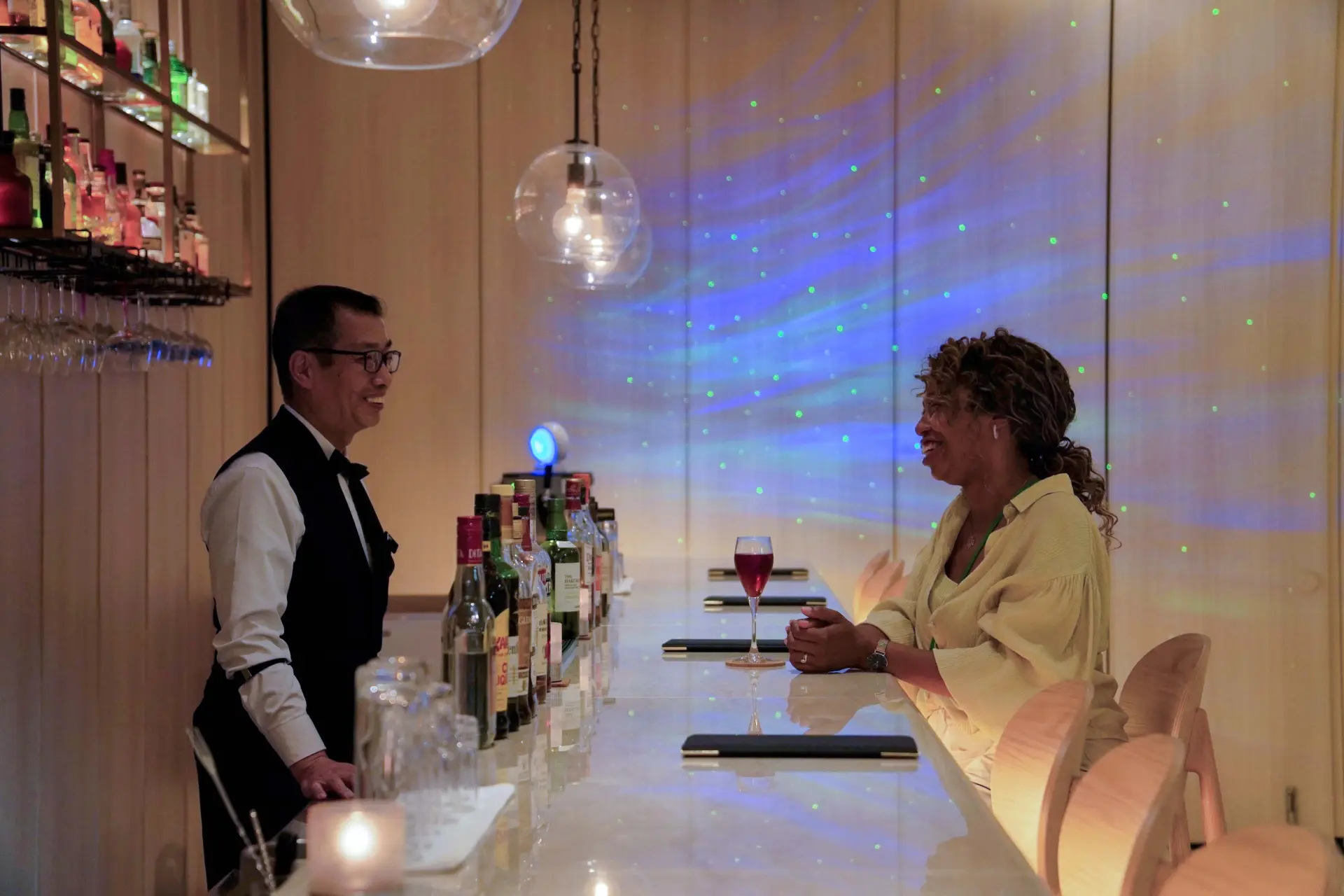
With restaurants, a bar, and a café on site, you can continue to relax after returning to the hotel. At the bar, the bartender can select a wine to suit your preferences or create an original cocktail. Enjoy a drink and a conversation as you reflect on the day’s travels and settle into the evening.

- Japanese Name
- ウィシュトンホテル・ユーカリ
- Postal Code
- 285-0858
- Address
-
4-8-1 Yukarigaoka, Sakura City, Chiba Prefecture
Google Map - Phone
- 043-489-6111
- Check-in
- 3:00 pm
- Check-out
- 11:00 am
- Official Website
- Official Website
Day 2 | Explore Sakura’s Samurai Heritage and Japanese Aesthetics
Spend the second day in Sakura, which flourished as a castle town. Visit former samurai houses and historic residences to discover the samurai culture and Japanese sense of beauty that remain part of the town today.
Walk up Hiyodori-zaka Slope, a Path Preserved since the Edo Period
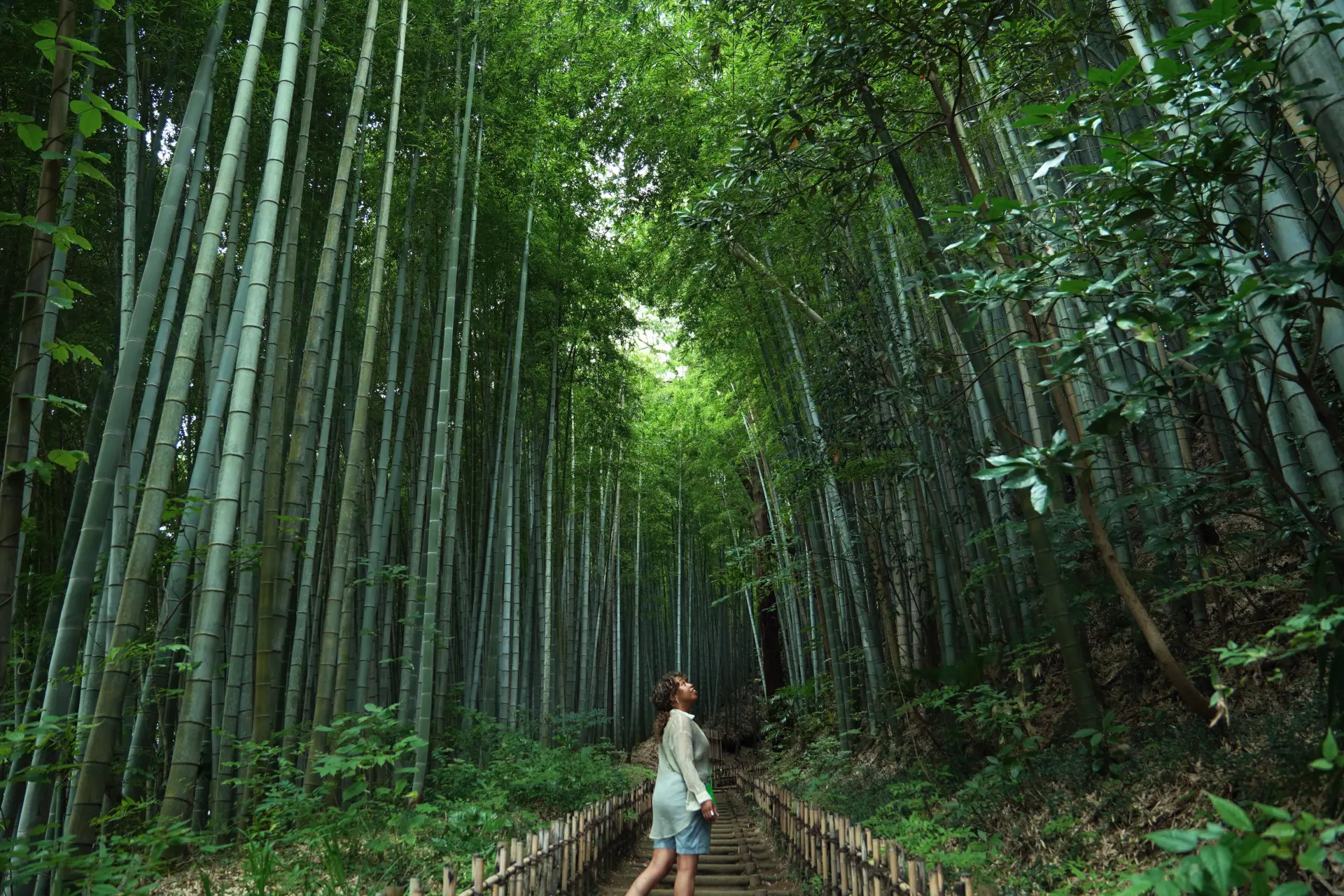
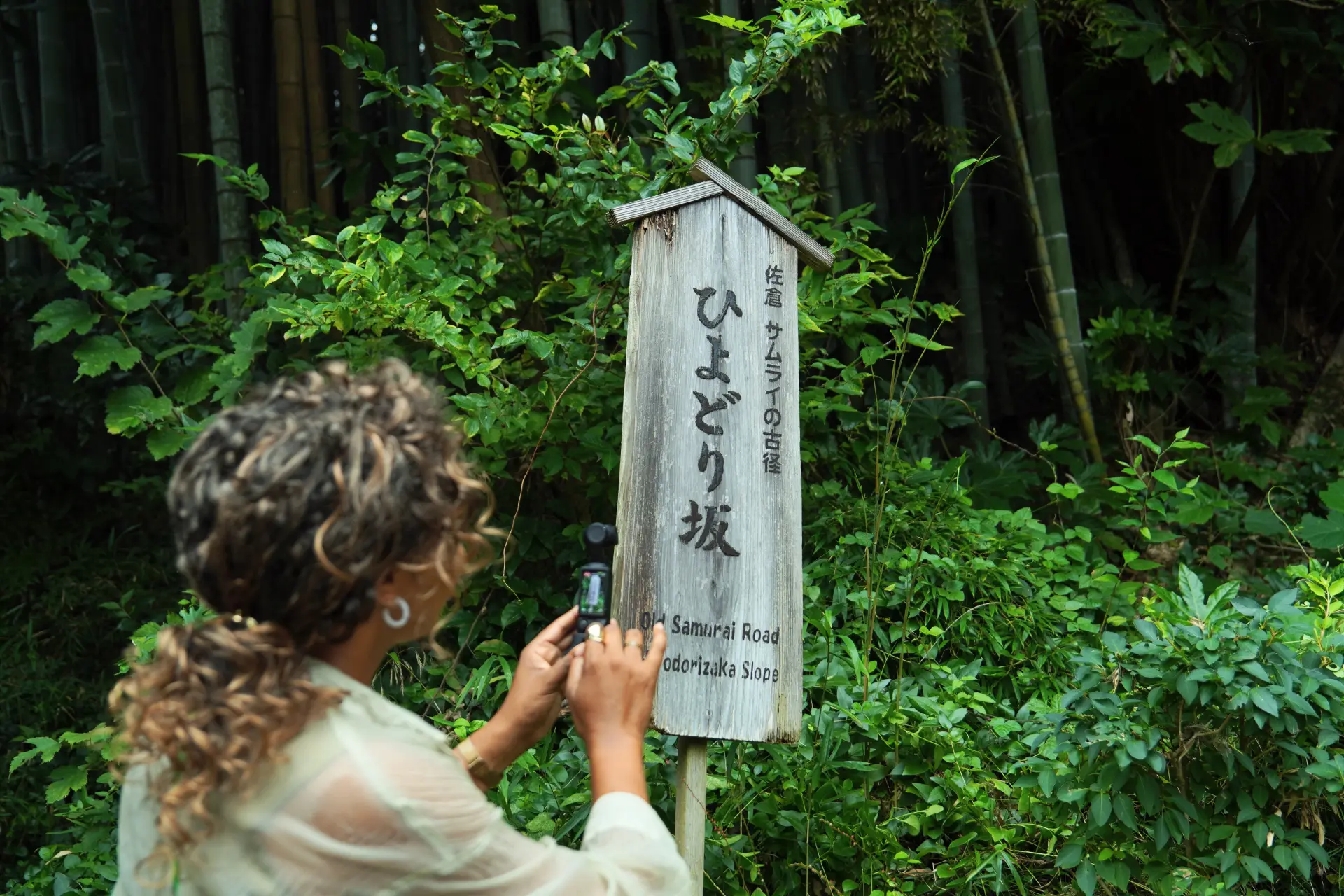
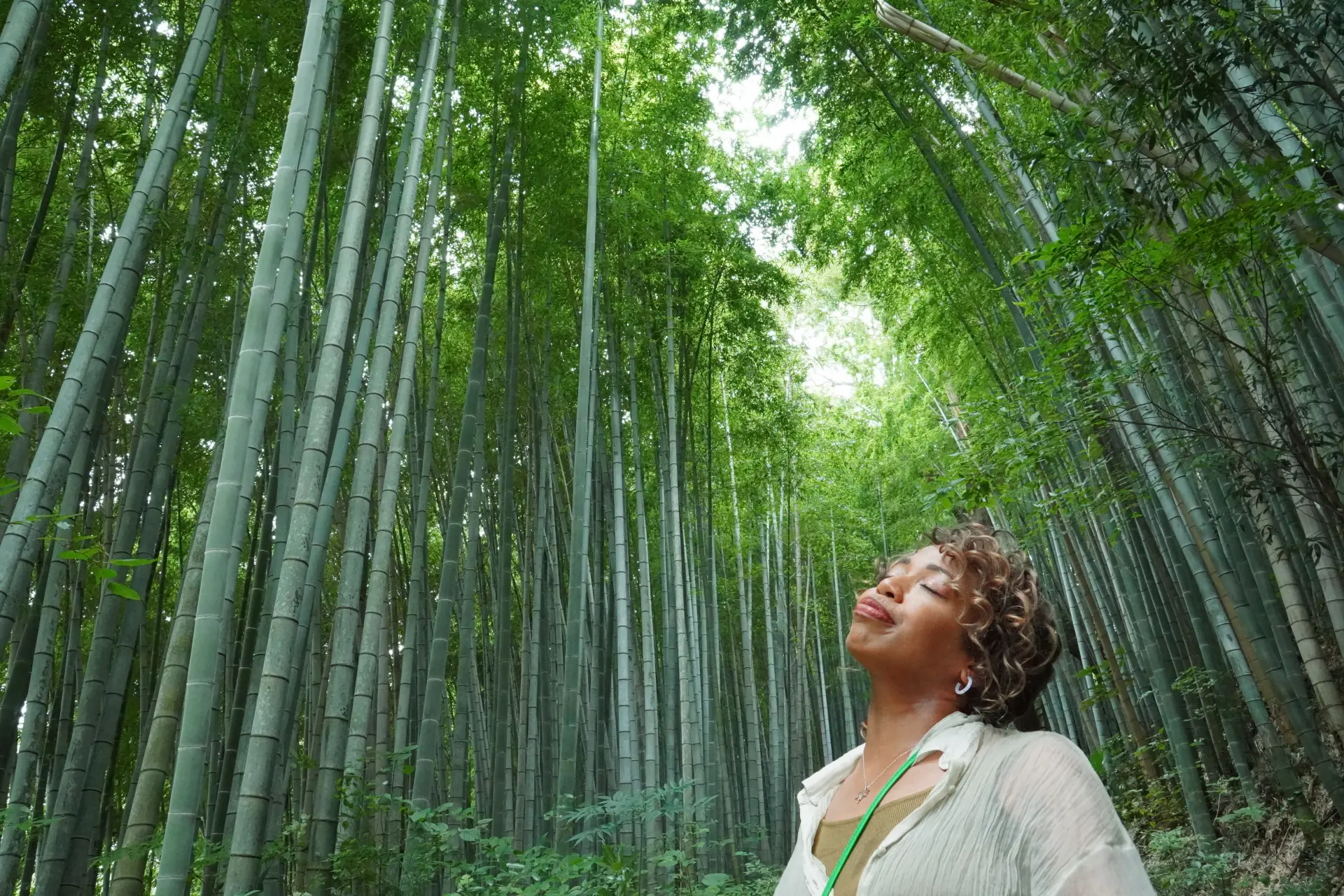
Begin at Hiyodori-zaka Slope, about a 20-minute walk from Keisei-Sakura Station. Also known as the Old Samurai Road, this atmospheric path winds through a bamboo grove. Said to have changed little since the Edo period, the slope is lined with traditional bamboo fences. Walk beneath the canopy of green bamboo, and you may feel as though you have wandered into another era. Take your time climbing the path, admiring the light filtering into the quiet grove and the stone paving underfoot.
- Japanese Name
- ひよどり坂
- Postal Code
- 285-0017
- Address
-
5-23 Jonai-cho, Sakura City, Chiba Prefecture
Google Map
Compare Three Historic Homes at the Samurai Houses in Sakura
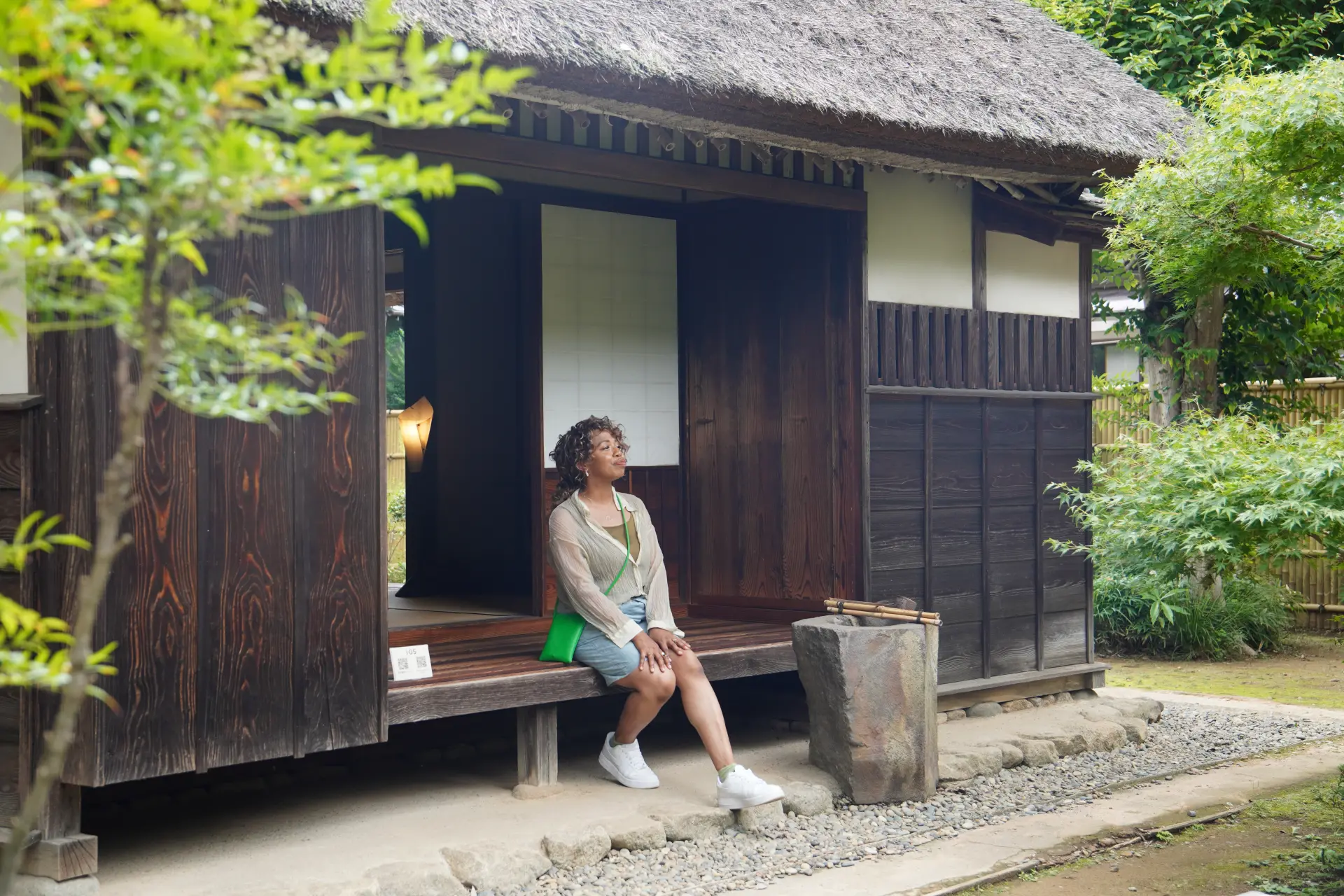
At the top of Hiyodori-zaka Slope are the Samurai Houses in Sakura. Three houses from the late Edo period, once home to samurai serving the Sakura Domain, are open to visitors. Each was home to a samurai of a different rank. Comparing their size, layouts, and construction offers a glimpse of how samurai lived and how social status shaped their daily lives.
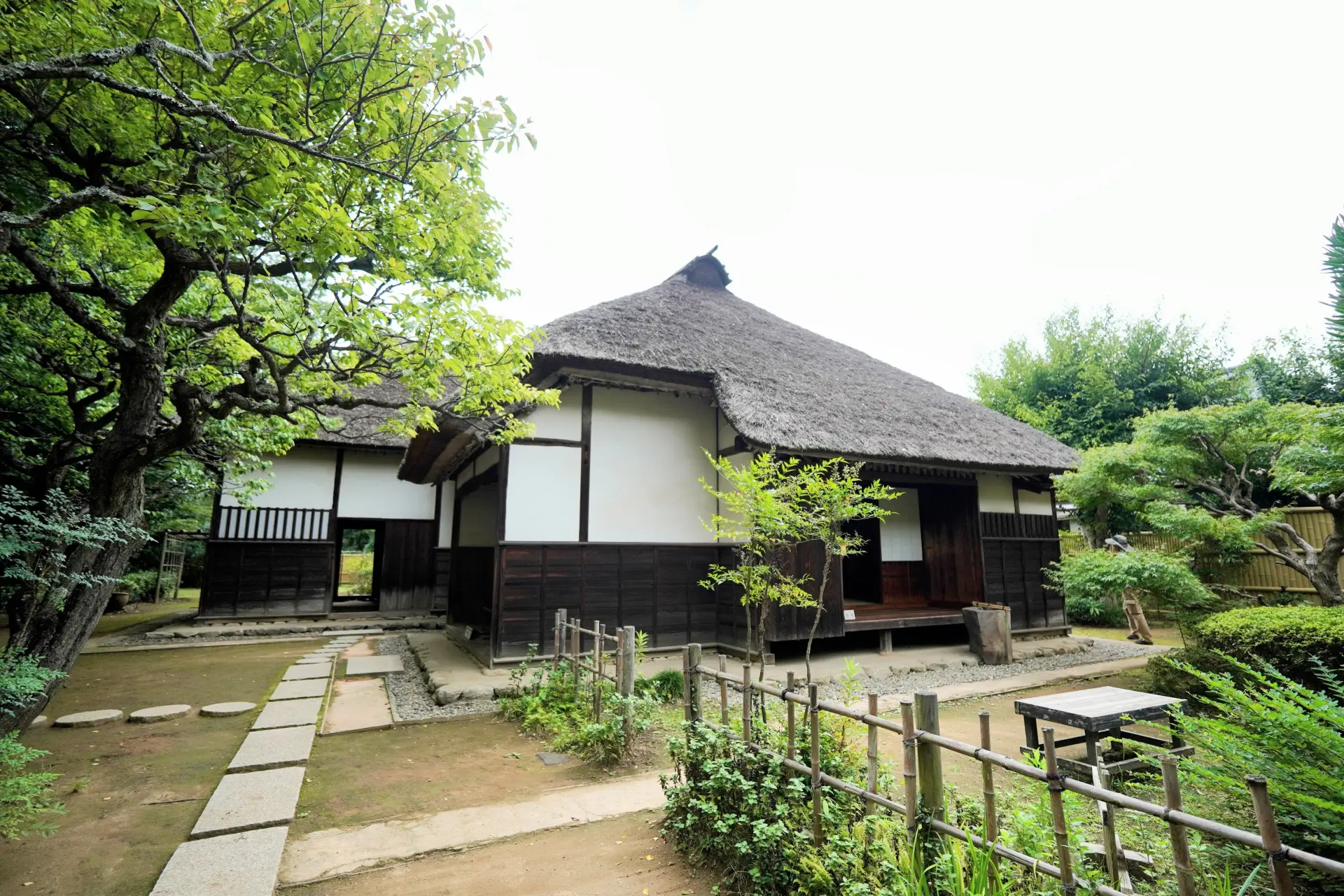
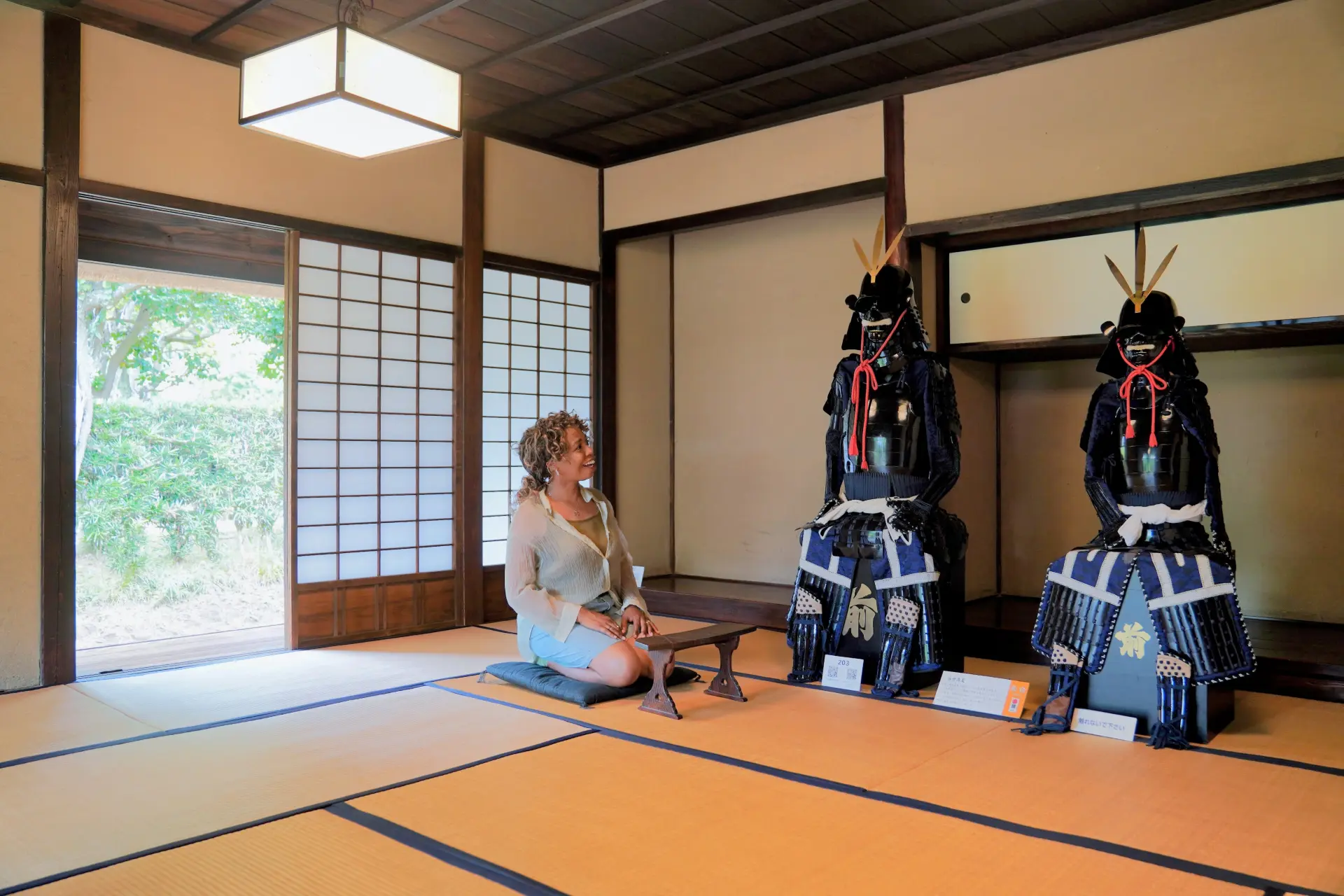
Scan the QR codes inside to listen to explanations of the houses in 13 languages. This makes the site easy to explore with a smartphone, even if you are unfamiliar with Japanese history or architecture. The houses are striking for their simplicity, with just the essentials and no lavish ornamentation. Spend a little time in the spaces where samurai once went about their daily lives, imagining what life was like here.
- Japanese Name
- 佐倉武家屋敷
- Postal Code
- 285-0016
- Address
-
57 Miyakojimachi, Sakura City, Chiba Prefecture
Google Map - Phone
- 043-486-2947
- Hours
- 9:00 am–5:00 pm (last admission 4:30 pm)
- Closed
- Mondays (Tuesday if Monday is a public holiday) and the New Year holidays
- Official Website
- Official Website
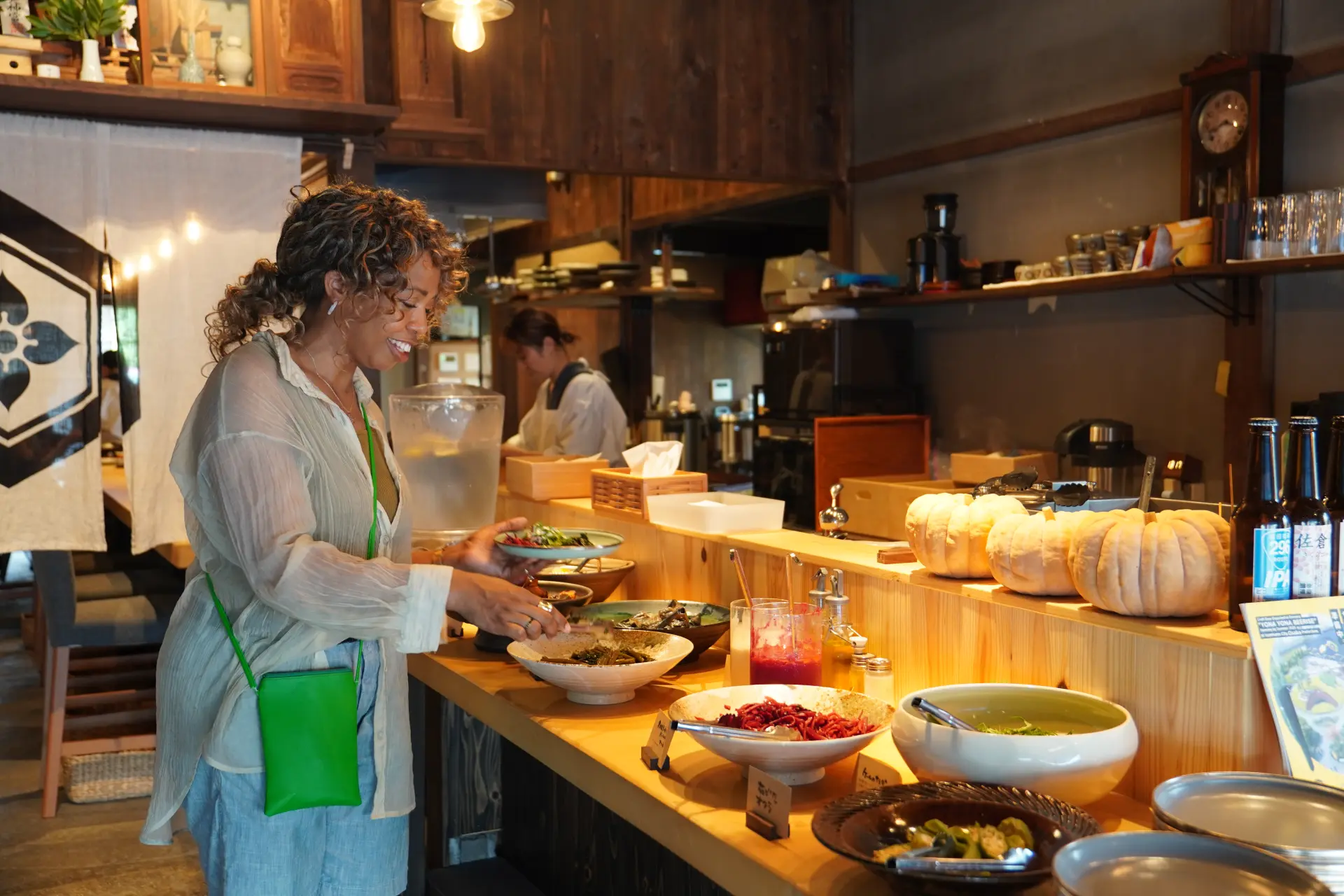
Enjoy Lunch in a Historic House at Mugitoro Surugaya
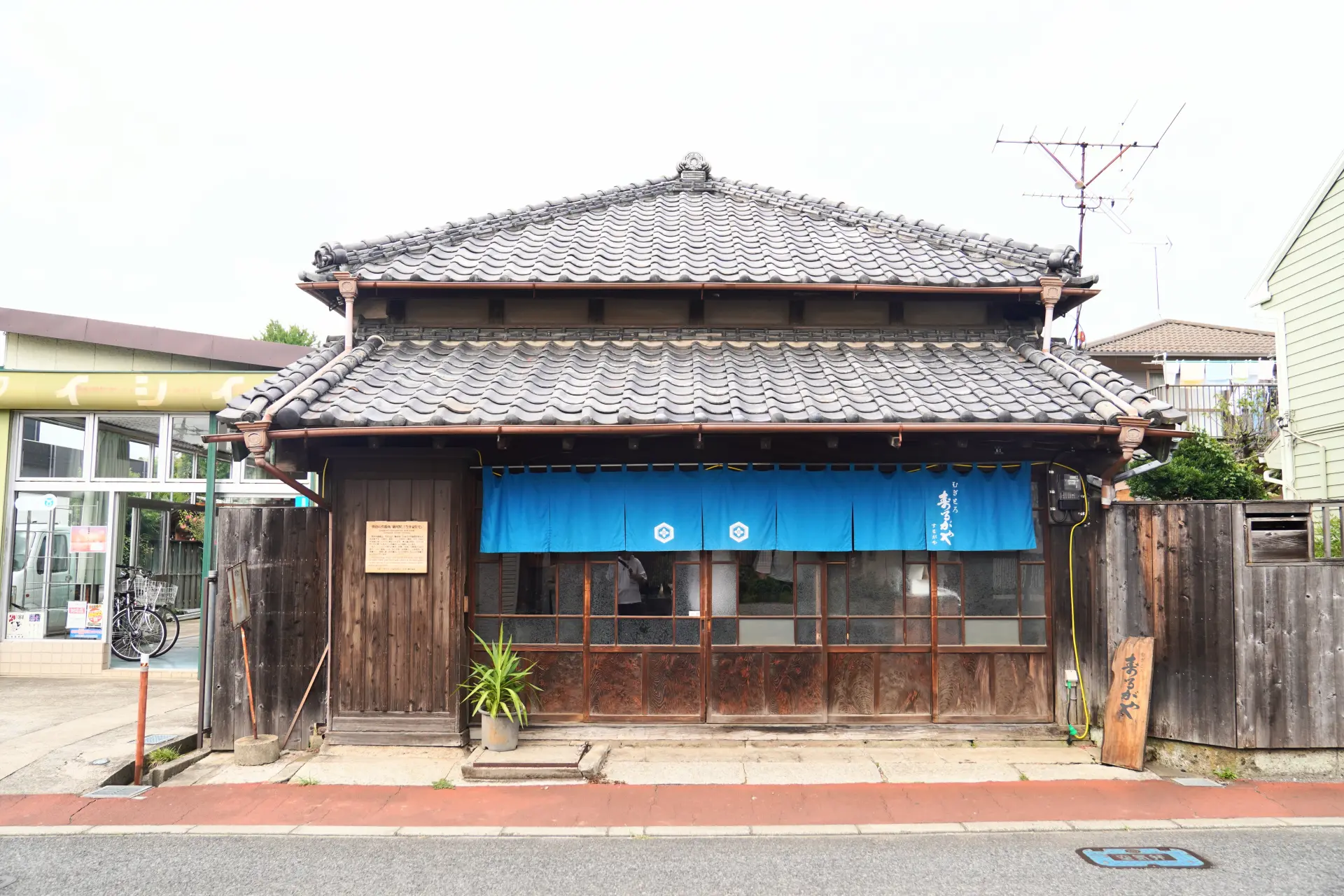
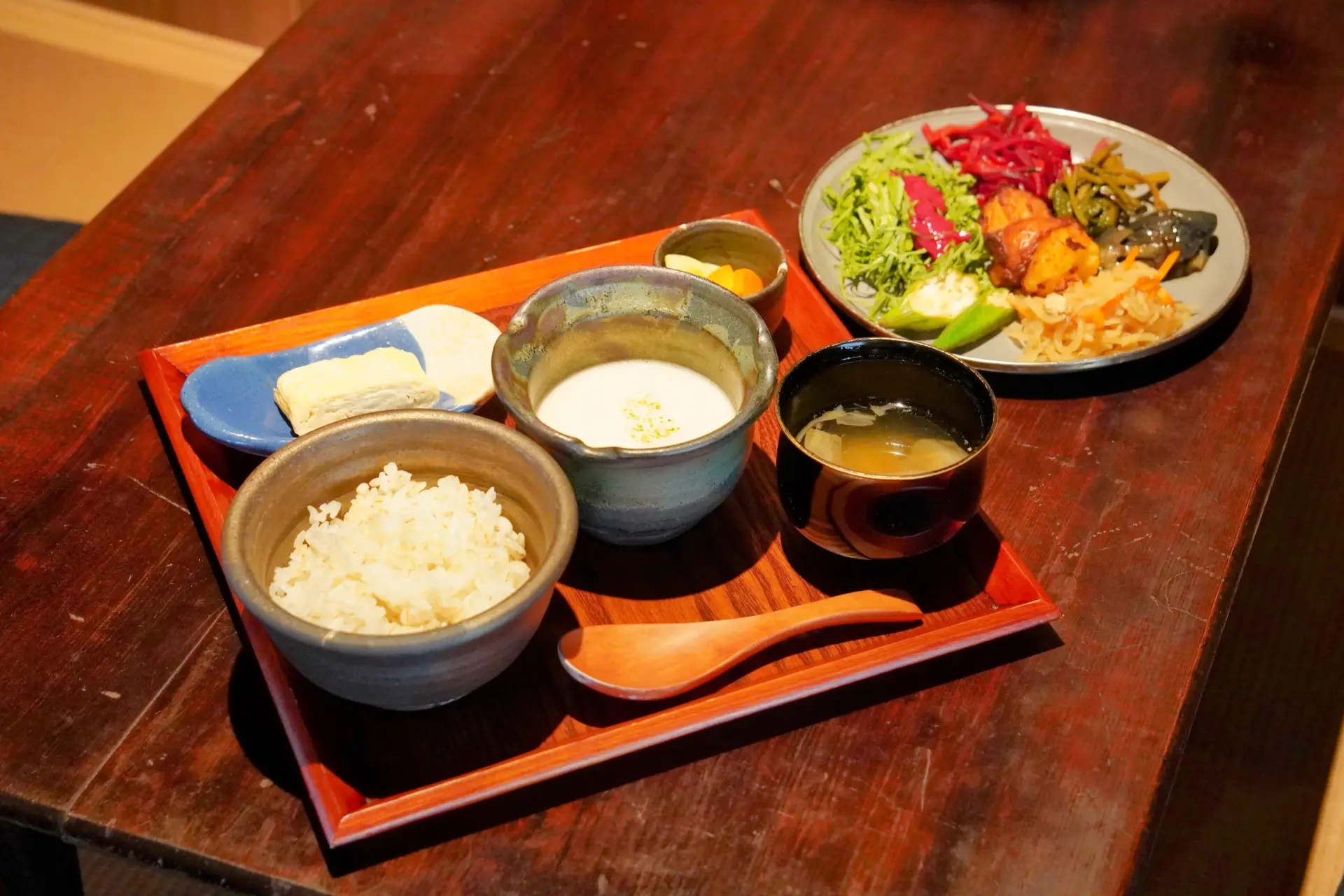
For lunch, visit Mugitoro Surugaya, a Japanese restaurant housed in a traditional home that is a nationally registered Tangible Cultural Property. Popular for dishes featuring plenty of local vegetables, the restaurant serves a Mugitoro Set Meal with grated yamatoimo yam and rice mixed with barley, as well as oden and fish dishes.
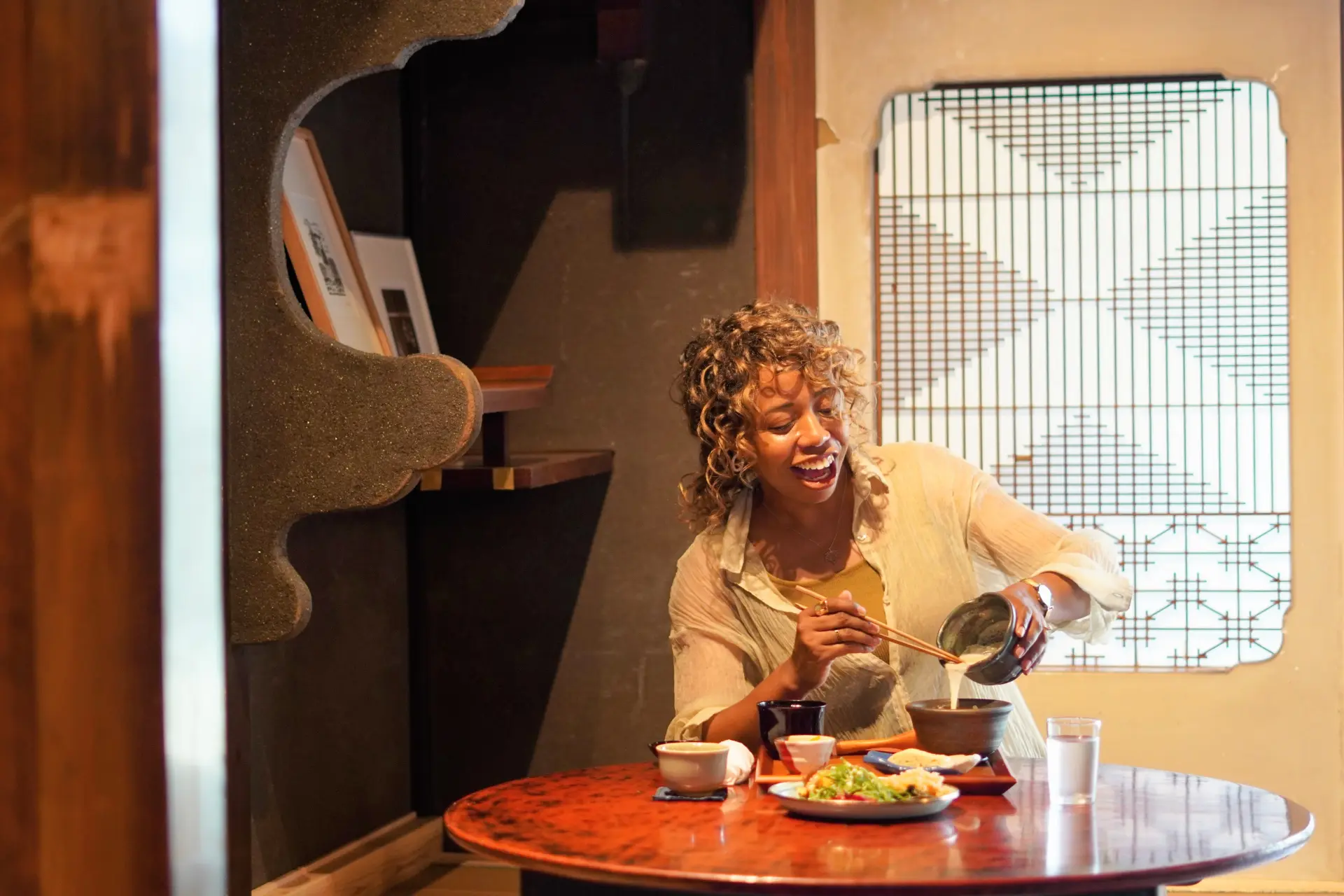
Another highlight is the obanzai buffet included with every meal. Featuring Japanese home-style side dishes made mainly with vegetables from Zairai Farm, it offers gentle, comforting flavors.
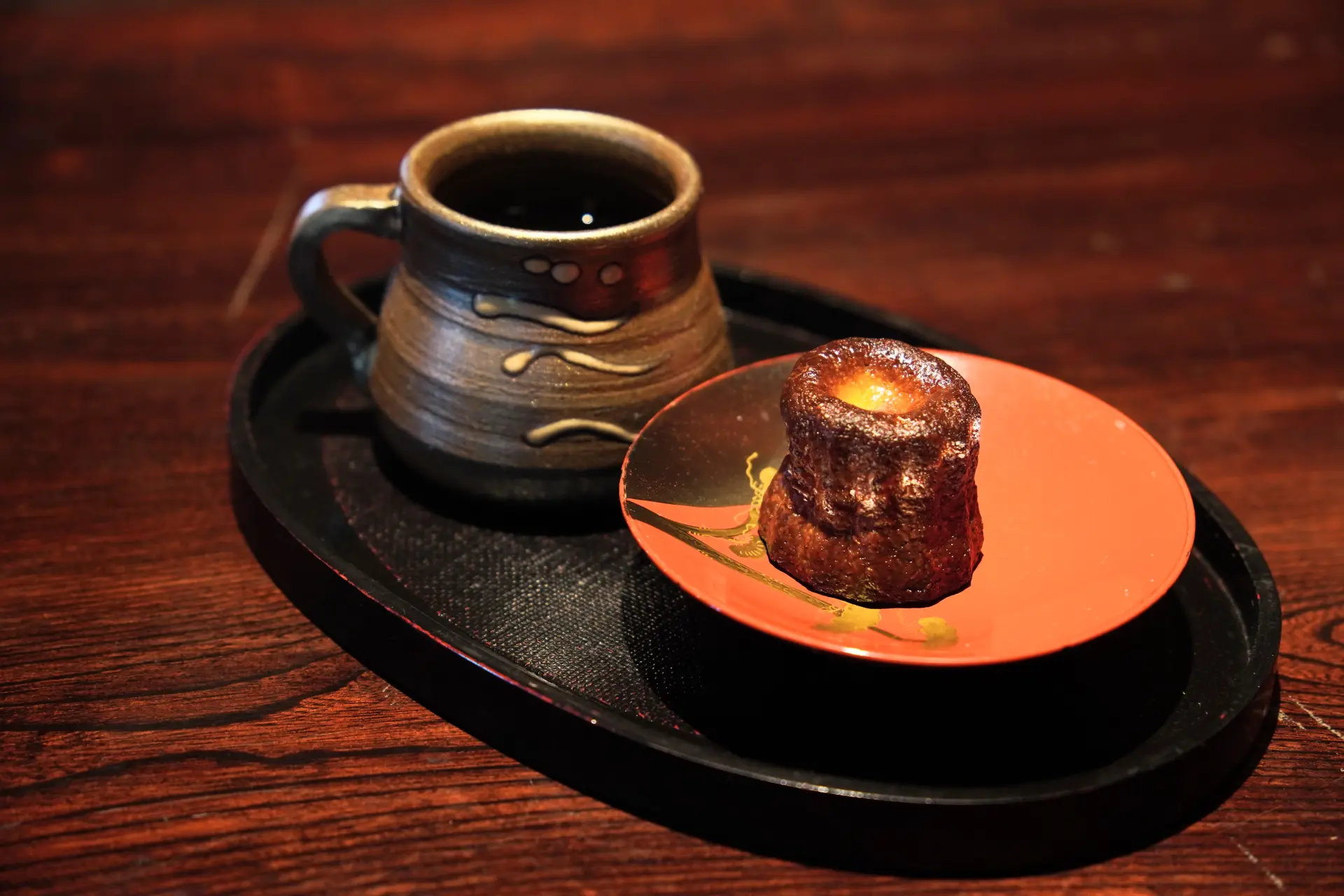
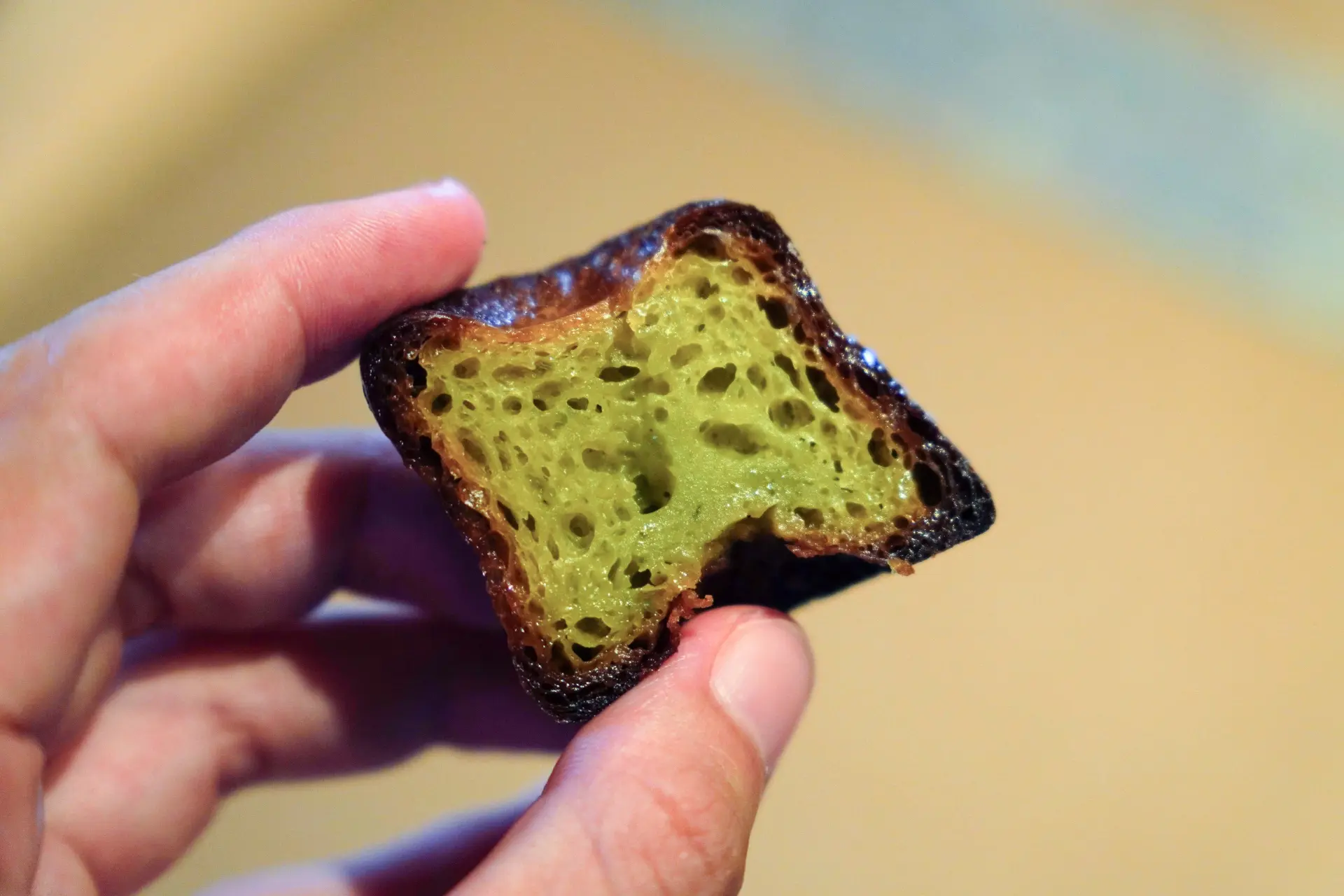
Finish with a Sakura Canelé made with kale, a local specialty of Sakura. Its vivid green color makes it a distinctive treat. Take your time over this final meal of the trip, enjoying wholesome dishes made with local ingredients in a historic setting.
- Japanese Name
- むぎとろ 寿るがや
- Postal Code
- 285-0023
- Address
-
48 Shinmachi, Sakura City, Chiba Prefecture
Google Map - Phone
- 043-372-3151
- Hours
- 11:30 am–3:00 pm; also open 5:30 pm–10:00 pm on Fridays and Saturdays
- Closed
- Sundays, Mondays, and Tuesdays
- Official Social Media
- Official Social Media
Discover Meiji-Era Aristocratic Life at the Former Residence of Lord Hotta
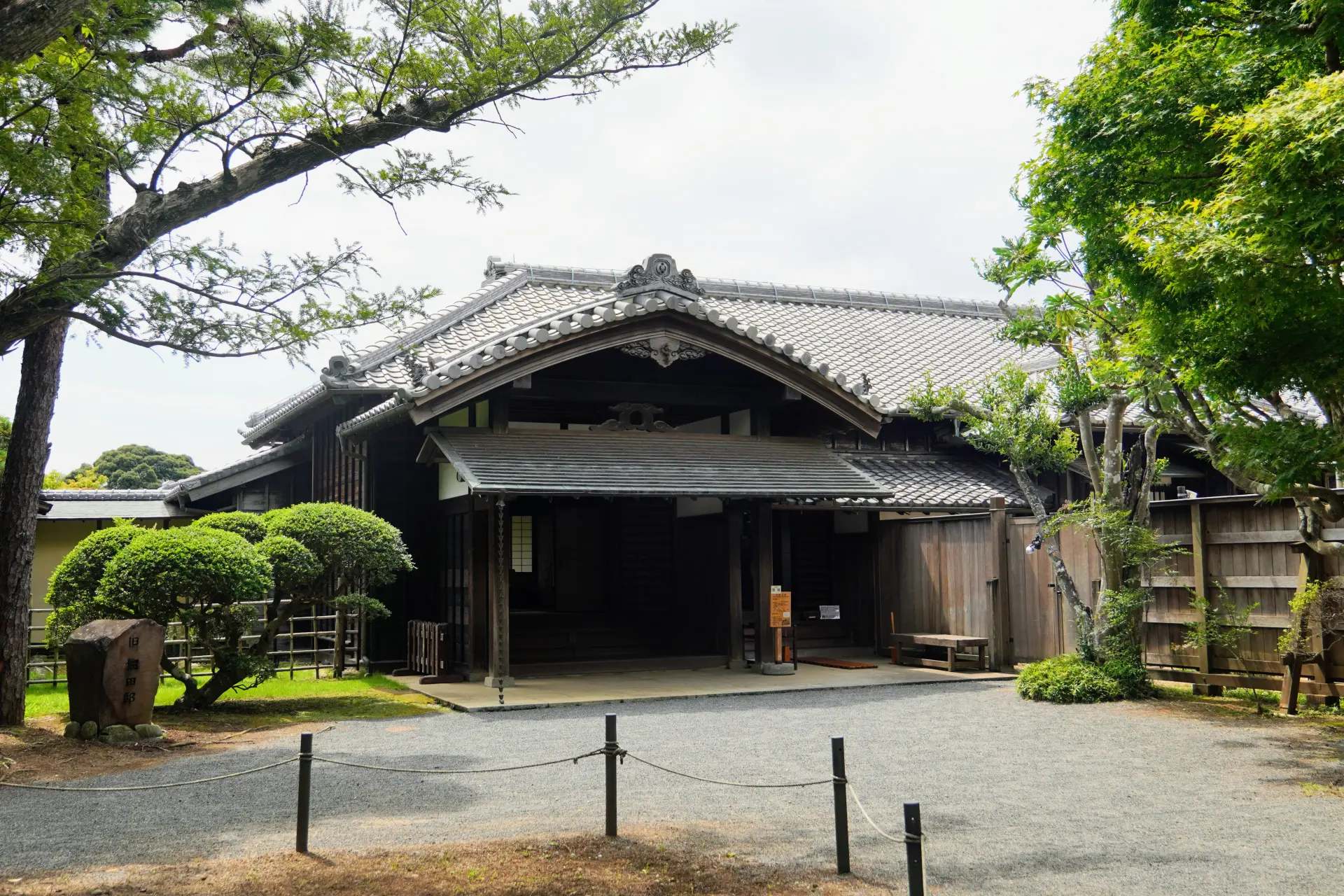
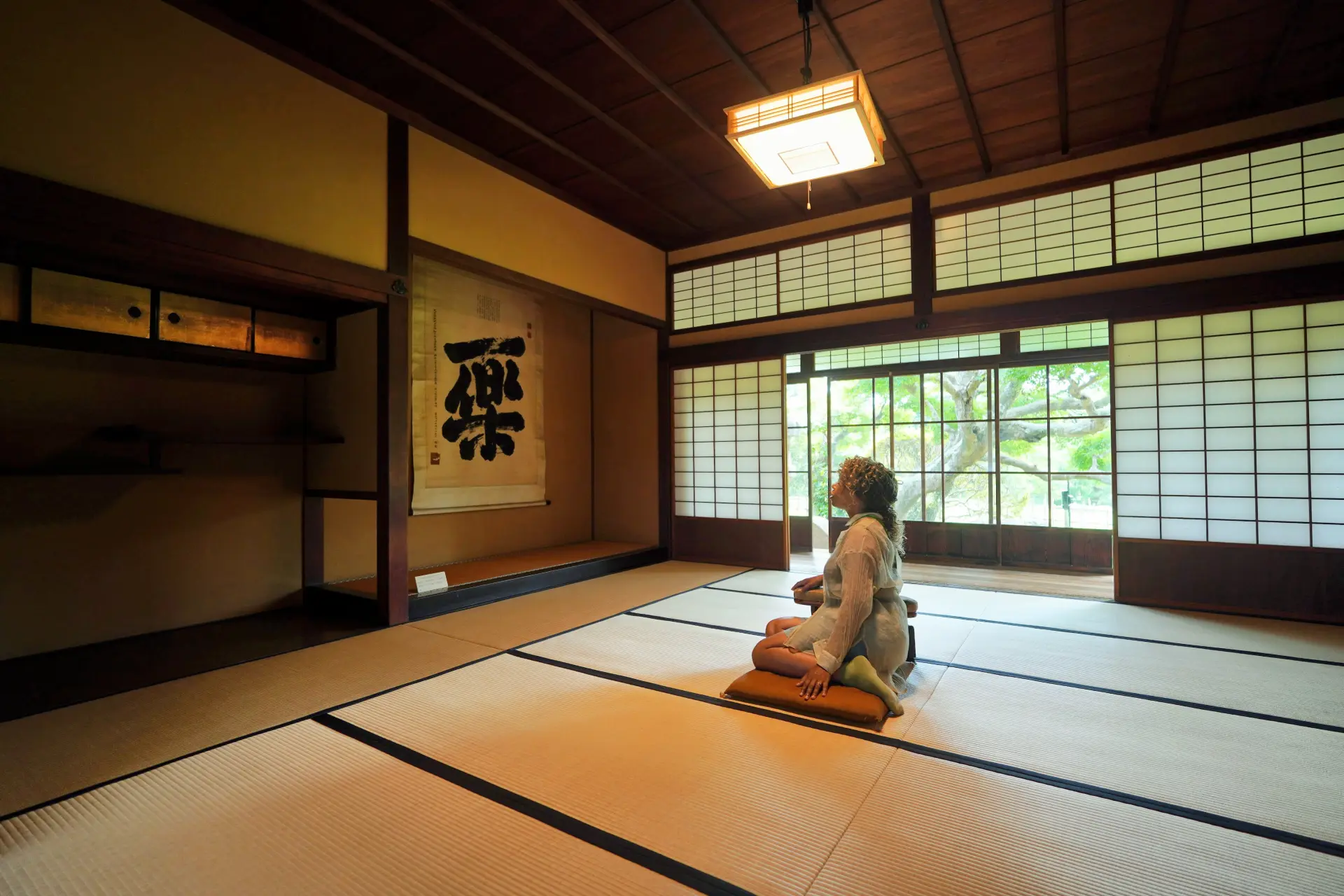
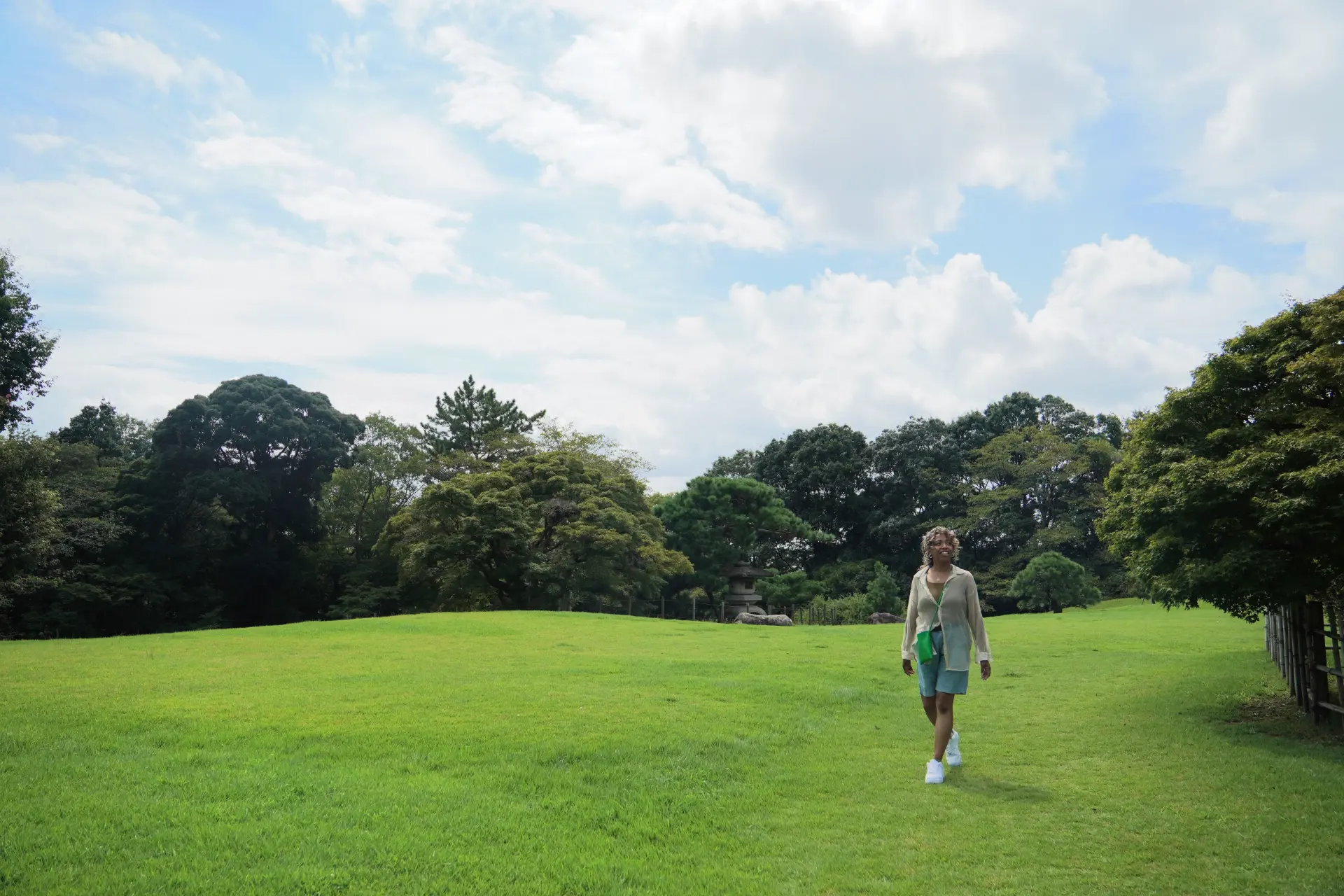
Continue to the Former Residence of Lord Hotta, built in 1890 by Masatomo Hotta, the last lord of the Sakura Domain. Its buildings are nationally designated as an Important Cultural Property under the name of the former Hotta family residence. The property preserves the distinctive features of an elite Japanese-style home from the Meiji period (1868–1912). Its garden is nationally designated as a Place of Scenic Beauty under the name Former Hotta Masatomo Garden and is open to the public as Sakura Garden. Explore the historic residence and garden for a glimpse of how a former feudal lord’s family lived during the Meiji period.
- Japanese Name
- 旧堀田邸
- Postal Code
- 285-0025
- Address
-
274 Kaburagimachi, Sakura City, Chiba Prefecture
Google Map - Phone
- 043-483-2390
- Hours
- 9:30 am–4:30 pm (last admission 4:00 pm)
- Closed
- Mondays (Tuesday if Monday is a public holiday) and the New Year holidays
- Official Website
- Official Website
Trace Changes in Japanese Daily Life at the National Museum of Japanese History
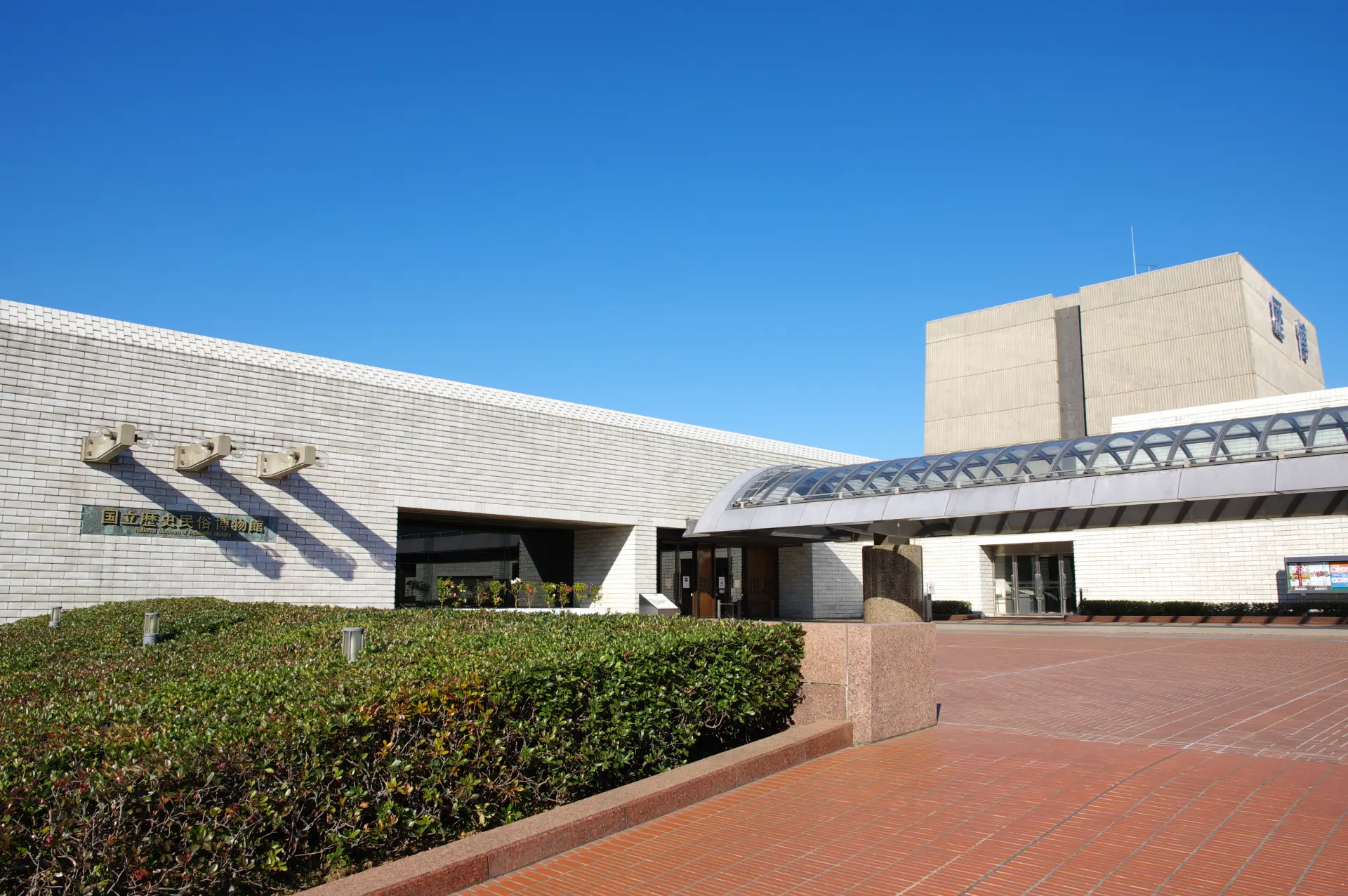
Take a taxi from the Former Residence of Lord Hotta to the National Museum of Japanese History. The museum introduces Japanese history and culture from prehistoric and ancient times to the present, with a focus on how people lived. Explore the displays from different periods and follow changes in clothing, food, housing, and annual traditions.
Return from Keisei-Sakura Station to Keisei-Ueno Station
Finish the trip by taking the Keisei Main Line from Keisei-Sakura Station to Keisei-Ueno Station. Watch the scenery through the window and reflect on the past two days.
What to Know Before Following This Itinerary
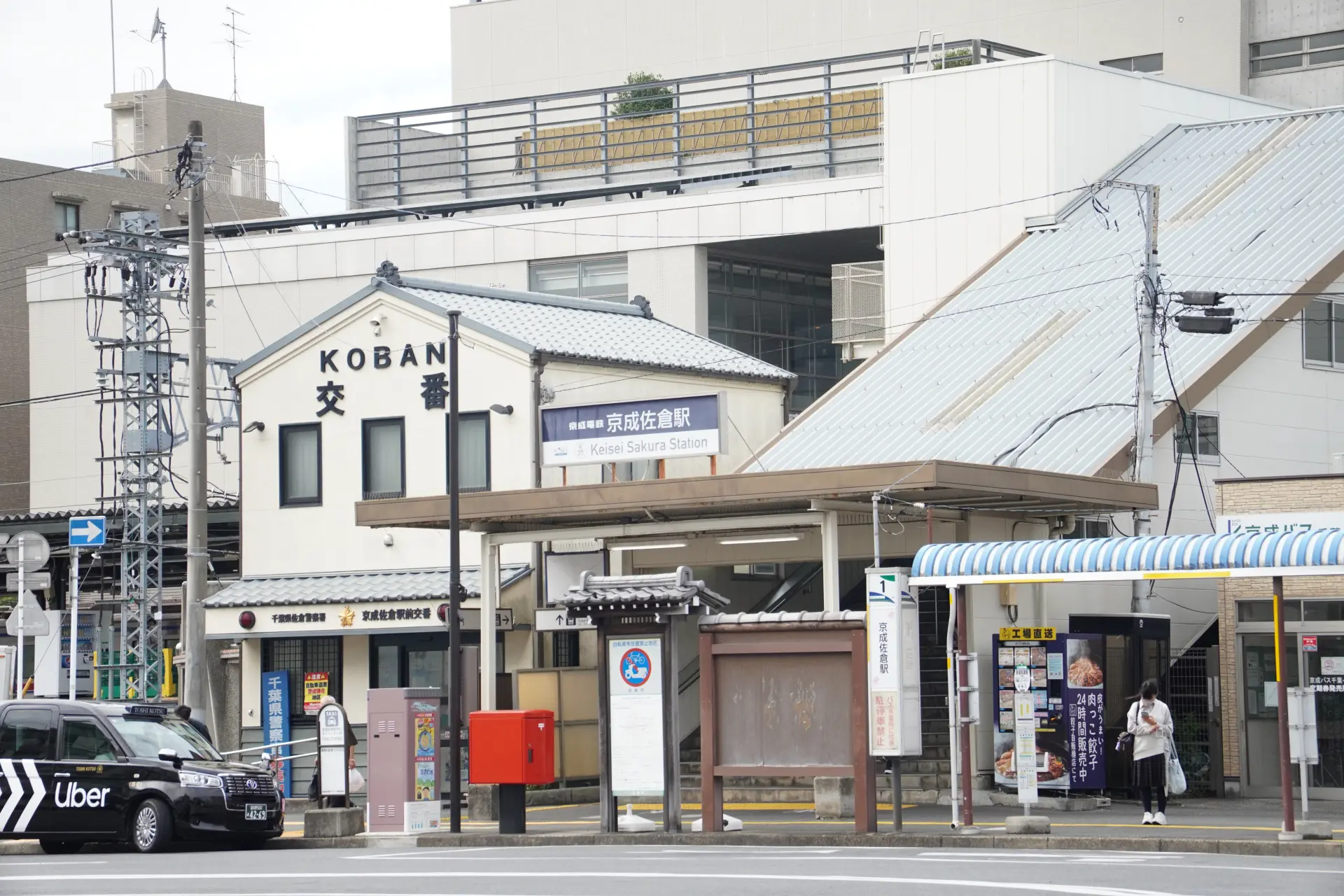
The Keisei Main Line has several service types, with different stopping patterns. Before boarding for Narita or Sakura, check the train’s destination and the stations it serves. Keisei-Narita Station is your base on the first day, and Keisei-Sakura Station on the second, with much of the sightseeing involving walks to shrines, temples, and historic streets. Leave large bags in station coin lockers or similar storage facilities so you can explore more comfortably.
Access and Itinerary for Your Two-Day Narita and Sakura Cultural Journey
This two-day, one-night itinerary explores Narita and Sakura from Keisei-Ueno Station. Here is an overview of access and the suggested schedule.
Getting to the Starting and Finishing Point
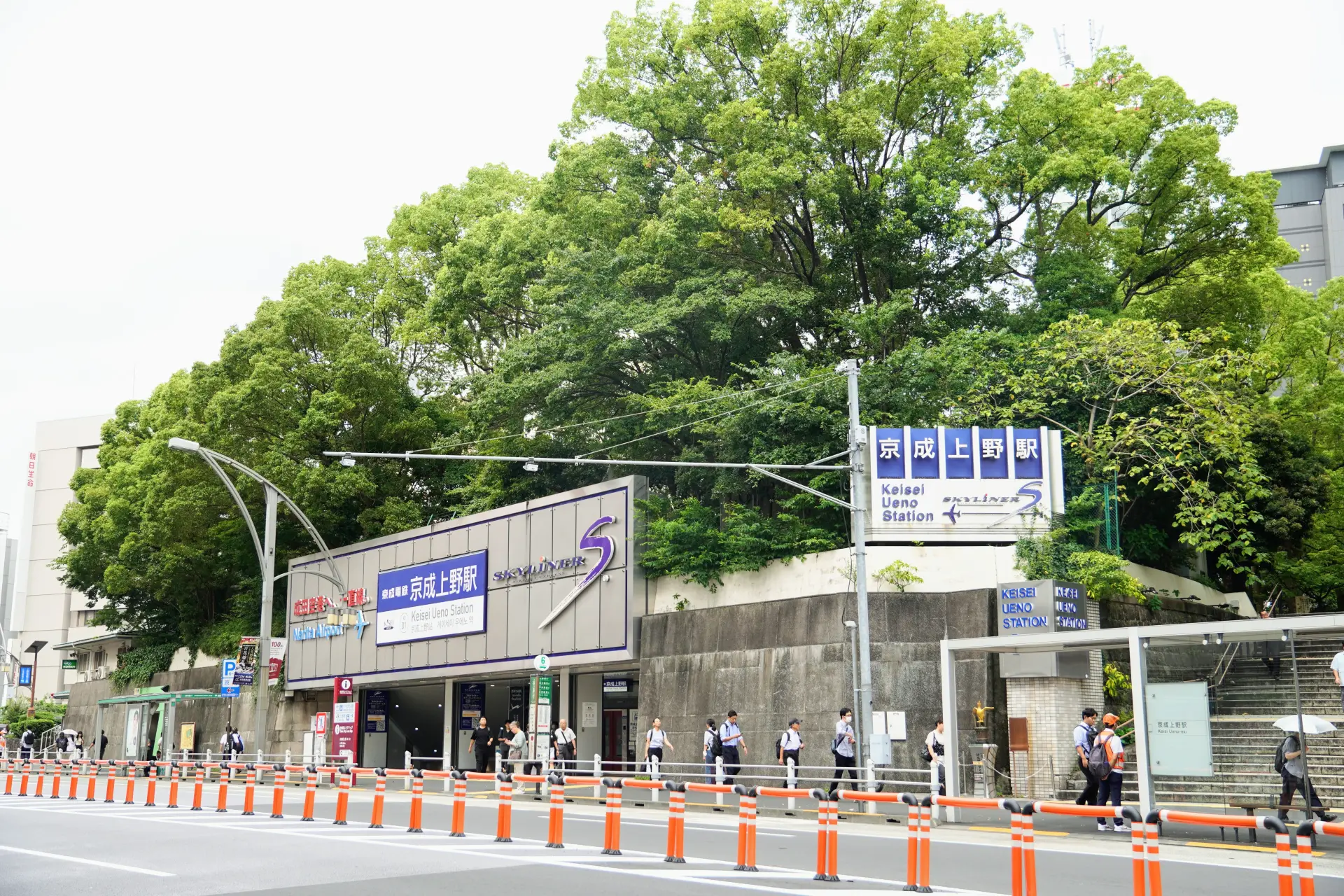
The itinerary starts and ends at Keisei-Ueno Station. The station is within walking distance of both JR Ueno Station and Tokyo Metro’s Ueno Station, making it easy to combine this itinerary with sightseeing in Tokyo.
Suggested Itinerary
Day 1
- 9:00 am Depart from Keisei-Ueno Station and take the Keisei Main Line to Sogosando Station
- 10:30 am Visit Makata Shrine
- About 10 minutes by taxi from Sogosando Station.
- 11:30 am Explore the temple town
- 12:00 pm Visit Naritasan Shinshoji Temple
- 1:00 pm Lunch at Natoritei
- 2:30 pm Explore Naritasan Park
- 3:00 pm Visit Dakinitendo Hall, commonly known as Shusse Inari
- 4:00 pm Stroll along the temple approach
- 5:00 pm Depart from Keisei-Narita Station and take the Keisei Main Line to Yukarigaoka Station
Day 2
- 9:30 am Depart from Yukarigaoka Station for Keisei-Sakura Station
- 10:00 am Walk from Keisei-Sakura Station to Hiyodori-zaka Slope
- 10:20 am Walk up Hiyodori-zaka Slope
- 10:40 am Explore the Samurai Houses
- 11:30 am Lunch at Mugitoro Surugaya
- Around 12:45 pm Discover aristocratic life at the Former Residence of Lord Hotta
- Around 1:30 pm Take a taxi from the Former Residence of Lord Hotta to the National Museum of Japanese History
- 1:45–3:30 pm Trace changes in Japanese daily life at the National Museum of Japanese History
- 3:30 pm Travel from the National Museum of Japanese History to Keisei-Sakura Station
- Around 4:15 pm Depart from Keisei-Sakura Station and take the Keisei Main Line to Keisei-Ueno Station
Frequently Asked Questions about This Narita and Sakura Itinerary
Q
Are reservations needed at any of the places on this itinerary?
The restaurants and hotel featured here are all popular, so reservations are recommended.
Q
Can I enjoy the itinerary on a rainy day?
Yes. Wearing a raincoat is convenient because it leaves your hands free. Shrines and temples can feel especially atmospheric and mysterious in the rain, making rainy-day visits rewarding.
Q
Where can I buy train tickets?
Tickets are available at all the stations featured in this itinerary. IC transit cards such as Suica can also be used.
Summary
From the temple town surrounding Naritasan Shinshoji Temple to Sakura, which flourished as the castle town of the Sakura Domain, these two days offer a close encounter with Japanese history and culture near Narita Airport. Visit shrines, temples, historic buildings, and traditional streets to discover the heritage preserved here. Venture a little beyond the airport by Keisei Electric Railway, and you can experience the everyday life and culture rooted in these communities as well as their sightseeing attractions. On your next trip, visit Narita and Sakura to discover a different side of Japan.
*This article was produced by the Greater Tokyo Tourism Organization, a general incorporated association, with support from the comprehensive DMO support program.
Author
Writers & Editors
GOOD LUCK TRIP Editors
Sharing lesser-known ways to experience Japan with the world!