Things to Do
Kansai Region
World Heritage Sites
-
-
-
-
![The "Main hall" with the famous "Stage of Kiyomizu" built on the slope of the mountain]()
Kyoto
Shrines & Temples
Mt. Otowa Kiyomizu-dera Temple
4.71 28A place that should be visited when traveling to Kyoto, the temple selected as a World Cultural Heritage.
Related Articles
-
![]()
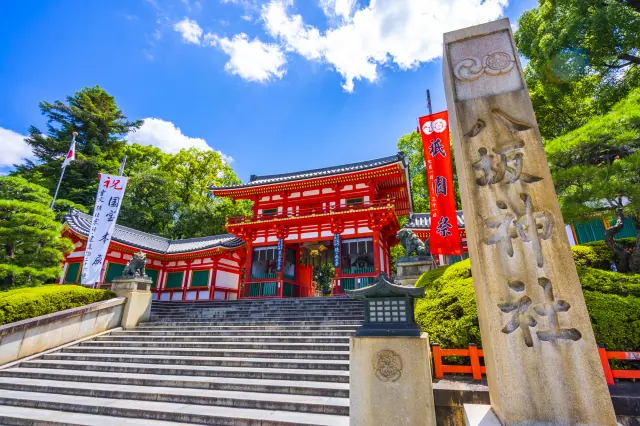
[Yasaka Shrine Travel Guide] A Famous Kyoto Power Spot for Beauty, Connections, and Good Fortune
With a long and storied history, Kyoto’s Yasaka Shrine is the head shrine of Yasaka Shrines and Gion Shrines across Japan. Enshrining a variety of high-ranking deities, it’s known as one of Kyoto’s most famous power spots, even in a city filled with temples and shrines. Beyond that, the grounds are packed with historically valuable architecture and plenty of highlights. To help you fully enjoy Yasaka Shrine and receive its many blessings, we’ll introduce the main must-sees, the best seasons to visit, and noteworthy events.
-
![]()
Experience Japan’s Timeless Charm, Woven from History and Nature: A Kiyomizu-dera Travel Guide
Kiyomizu-dera is one of Kyoto’s most popular sightseeing spots, as famous as Kinkaku-ji and Arashiyama. It’s packed with highlights, from many historically valuable buildings designated as National Treasures and Important Cultural Properties to beautiful natural scenery. To help you fully enjoy Kiyomizu-dera, one of Kyoto’s must-visit attractions, we’ll introduce not only the can’t-miss highlights, but also its history and the best seasons to visit.
-
![]()
Special outdoor lighting of Kyoto’s autumn leaves at Kiyomizu-dera Temple
I went to Kyoto and saw Kiyomizu-dera Temple at night for the first time. They had special outdoor lighting set up to make the autumn leaves appear even more magical than usual.
-
-
![The Great Buddha Hall, one of the largest wooden structures in the world
Photo Credit: Todaiji Temple]()
Nara
Shrines & Temples
Todaiji Temple
4.67 18The temple was built in the Nara period (710-794) and is registered as a World Heritage Site as a "cultural asset of the ancient capital Nara”.
Related Articles
-
![]()
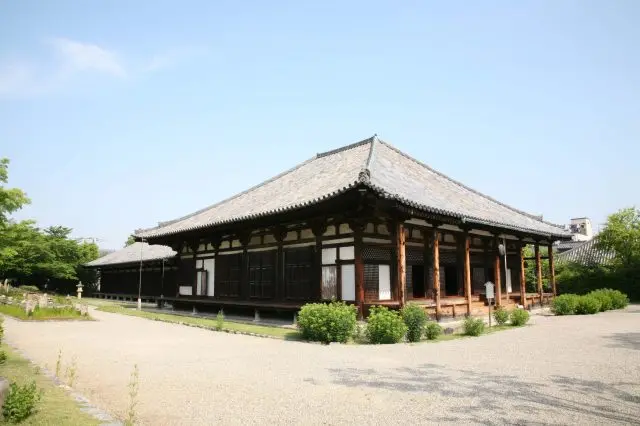
A Travel Guide to Gango-ji, Japan’s Oldest Full-Scale Buddhist Temple
The UNESCO World Heritage-listed “Gango-ji” is home to many buildings and Buddhist statues designated as National Treasures and Important Cultural Properties. Often said to be the birthplace of Japanese Buddhism, it is renowned as a temple of great historical and cultural value. From the “East Gate,” the main gate, to highlights such as the “Main Hall” and other grounds buildings, there is plenty to see, and seasonal flowers charm visitors year-round. This article introduces everything you need to enjoy “Gango-ji,” from its history to recommended sightseeing spots-use it as a helpful reference.
-
![]()
A Tōdai-ji Travel Guide to Timeless History and Culture
Tōdai-ji, famous for the Great Buddha of Nara. Beyond its many historic structures designated as National Treasures and Important Cultural Properties, the temple also offers easy-to-join Buddhist experiences like sutra copying and Buddha image tracing that can help calm the mind. Don’t miss the daily “Eleven-Faced Goma Fire Ritual Prayer” and the Tōdai-ji Museum, where you can learn more about its history. Here’s the history and must-see spots to know so you can fully enjoy Tōdai-ji, packed with highlights.
-
-
-
-
![Kiiji that goes along the west coast of Kii Peninsula
※Photo provided Kumano Hongu Tourism Association]()
Wakayama,Mie
Tourist Attractions
Kumano Kodo Path
4.46 13Designated as the World Cultural Treasure. The historic path leading to the holy Three Kumano Mountain shrines.
Related Articles
-
![]()
Kumano Kodo Travel Guide: Set Out on a Journey Through Japan’s History and Spiritual Traditions
The Kumano Kodo is a pilgrimage route, essentially a path used to visit shrines and temples. With its mystical atmosphere and rich nature, the Kumano Kodo lets you explore historic spots and is still traveled by many visitors today. This article introduces Kumano Kodo sightseeing spots and explains its five routes in detail. Since the Kumano Kodo covers a wide area with plenty to see, it’s best to read up with this guide before you go.
-
![]()
40 Things to Do in Wakayama
Wakayama Prefecture, blessed with oceans, mountains, and rivers, is a popular travel destination filled with historical sites, World Heritage locations, leisure spots, hot springs, and more. From scenic attractions that showcase Japan’s beautiful seasonal landscapes to accommodations, cuisine, and hot springs, we’ve carefully selected the best recommendations for your visit.
-
![]()
30 Things to Do in Mie
Mie Prefecture is home to many spiritually significant sites, such as Ise Jingu, one of Japan's premier power spots, and the Kumano Kodo pilgrimage route, a UNESCO World Heritage site. The picturesque scenery, surrounded by both sea and mountains, is sure to soothe your soul. Additionally, you can enjoy delicious gourmet dishes made from the bounty of the land and sea. Why not visit Mie for a trip that will recharge both your mind and body?
-
-
![A big gate, about 112-feet tall and 182-feet wide]()
Wakayama
Shrines & Temples
Kumano Hongu Taisha Shrine
4.45 11112-feet-tall shrine gate is the landmark. The sacred place for Kumano Pilgrimage
Related Articles
-
![]()
Kansai, where you can “Experience the Real Japan” that you have been looking for.
The Kansai region is a “treasure house of Japanese culture” with a rich cultural resource remaining from its history as a former prosperous capital. There is a new, high-quality cultural tour that offers multiple cultural experiences in special settings with top-notch people who have mastered culture, art, or faith rooted in the Kansai region. Here are some travel reports from actual tour participants. Take part in this tour that is sure to become a once-in-a-lifetime precious trip.
-
![]()
Meet "real Japan" in Kansai - an exclusive experience.
Kansai Region hosted a capital city in ancient times and has served as the nation’s hub. It has produced many types of culture, which are handed down to this day. Touring the Kansai Area allows you to trace back the source of Japanese culture. The guide by the Japanese-culture-and-arts expert and the exclusive space are woven together into this acclaimed video. Enjoy a simulated cultural experience in the space usually closed off from the public.
-
-
-
-
-
-
-
-
-
-
-
-