Kumano Kodo

Verified [Verified] denotes information that has been published with confirmation of its owing parties.

Kumano Kodo

A historic network of pilgrimage routes leading to the sacred Kumano Sanzan, designated as a UNESCO World Cultural Heritage Site.

3.65 16

Last update :

The Kumano Kodo is a network of pilgrimage routes leading to the Kumano Sanzan, a collective name for Kumano Hongu Taisha Grand Shrine, Kumano Hayatama Taisha Grand Shrine, Kumano Nachi Taisha Grand Shrine, and Nachisan Seiganto-ji Temple. As devotion to Kumano grew, members of the Imperial family began using these routes to make pilgrimages to Kumano, and the practice eventually spread to the general public.

The routes are broadly divided into five: the Kii-ji Route, which follows the western coast of the Kii Peninsula and was the route most frequently used by pilgrims in ancient times; the Nakahechi Route, which runs through the mountains from Tanabe; the Ohechi Route, which follows the coast from Tanabe; the Kohechi Route, the shortest route connecting Mount Koya and Kumano; and the Iseji Route, which connects Ise Jingu with Kumano. Each route differs in total distance and elevation, with options ranging from beginner-friendly to advanced. Be sure to research the routes in advance and choose one suited to your fitness level and purpose.

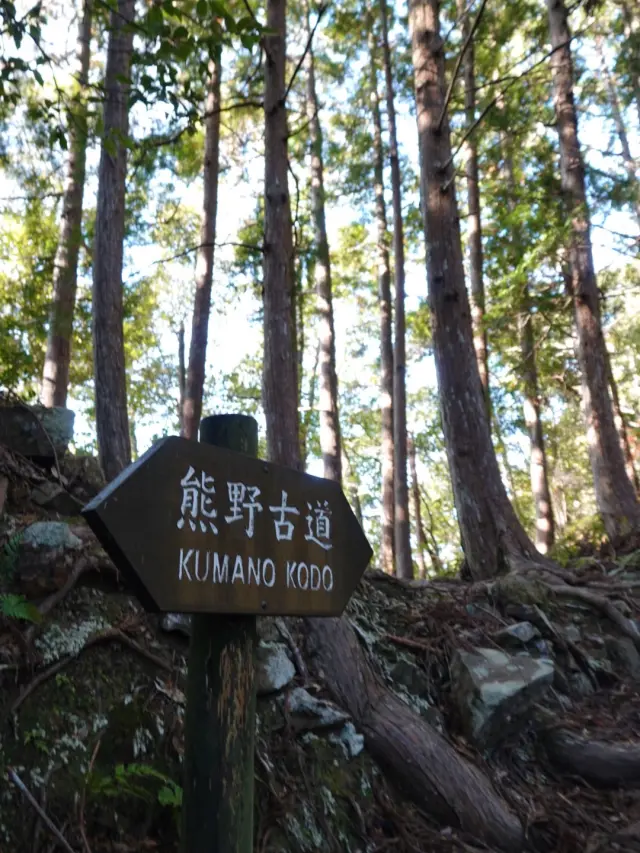
Once in the mountains, you may encounter narrow sections and paths damaged by wind and rain. Equipment that could damage the trails, such as spiked hiking boots and sharp-tipped trekking poles, is restricted. Be sure to check the official website and other sources for the rules regarding hiking and pilgrimage. With respect and a calm state of mind, experience Kumano, a place rooted in nature worship that greatly influenced the development and exchange of religion and culture in Japan.

Highlights

  • There are five main routes.
  • Before visiting, research a route suited to your fitness level and purpose, including how to access it.
  • Walk with a calm state of mind, mindful of the prayers offered to the deities and Buddhas believed to dwell in nature.

Photos

  • The Kii-ji Route, which follows the western coast of the Kii PeninsulaPhoto courtesy of the Kumano Hongu Tourist Association

    The Kii-ji Route, which follows the western coast of the Kii PeninsulaPhoto courtesy of the Kumano Hongu Tourist Association

  • The Nakahechi Route, which runs through the mountains from TanabePhoto courtesy of the Kumano Hongu Tourist Association

    The Nakahechi Route, which runs through the mountains from TanabePhoto courtesy of the Kumano Hongu Tourist Association

  • The Ohechi Route, which follows the coast from TanabePhoto courtesy of the Kumano Hongu Tourist Association

    The Ohechi Route, which follows the coast from TanabePhoto courtesy of the Kumano Hongu Tourist Association

  • The Kohechi Route, the shortest route connecting Mount Koya and Kumano

    The Kohechi Route, the shortest route connecting Mount Koya and Kumano

  • The Iseji Route, connecting Ise Jingu and Kumano

    The Iseji Route, connecting Ise Jingu and Kumano

  • Wildflowers along the Kumano Kodo

    Wildflowers along the Kumano Kodo

  • Kumano Sanzan: Kumano Hongu Taisha Grand Shrine (Oyunohara)

    Kumano Sanzan: Kumano Hongu Taisha Grand Shrine (Oyunohara)

  • Kumano Sanzan: Kumano Hayatama Taisha Grand Shrine

    Kumano Sanzan: Kumano Hayatama Taisha Grand Shrine

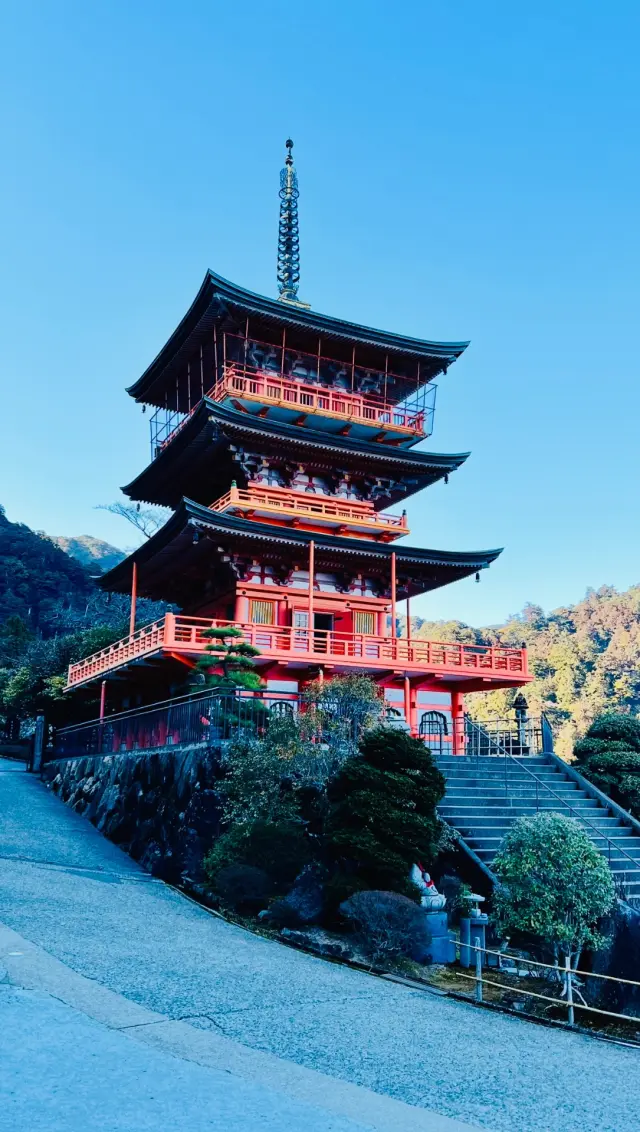
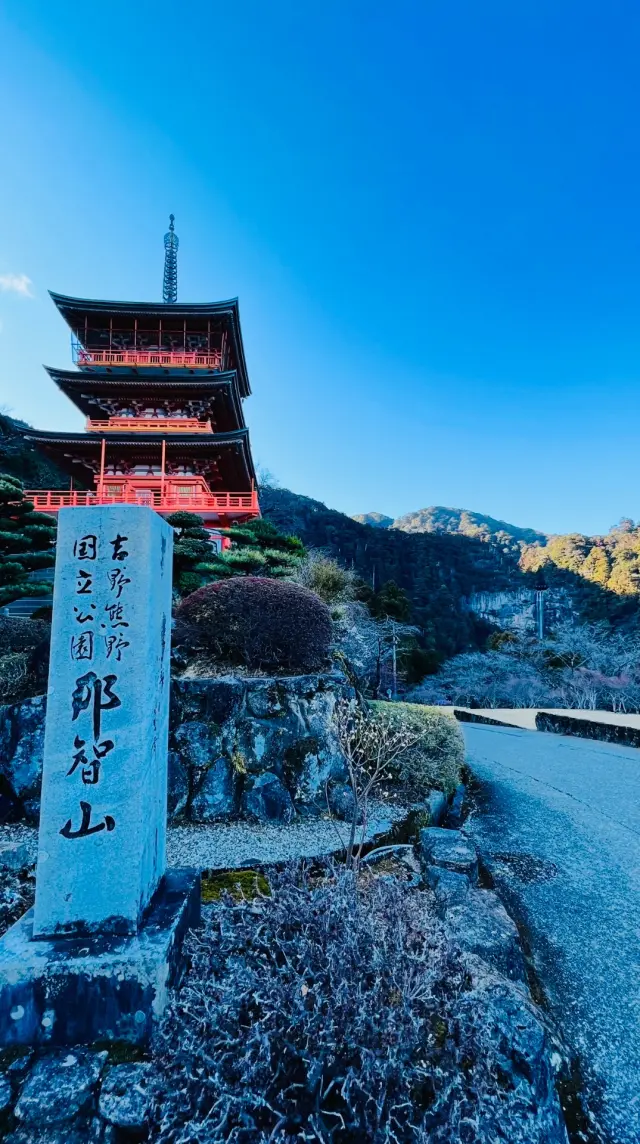
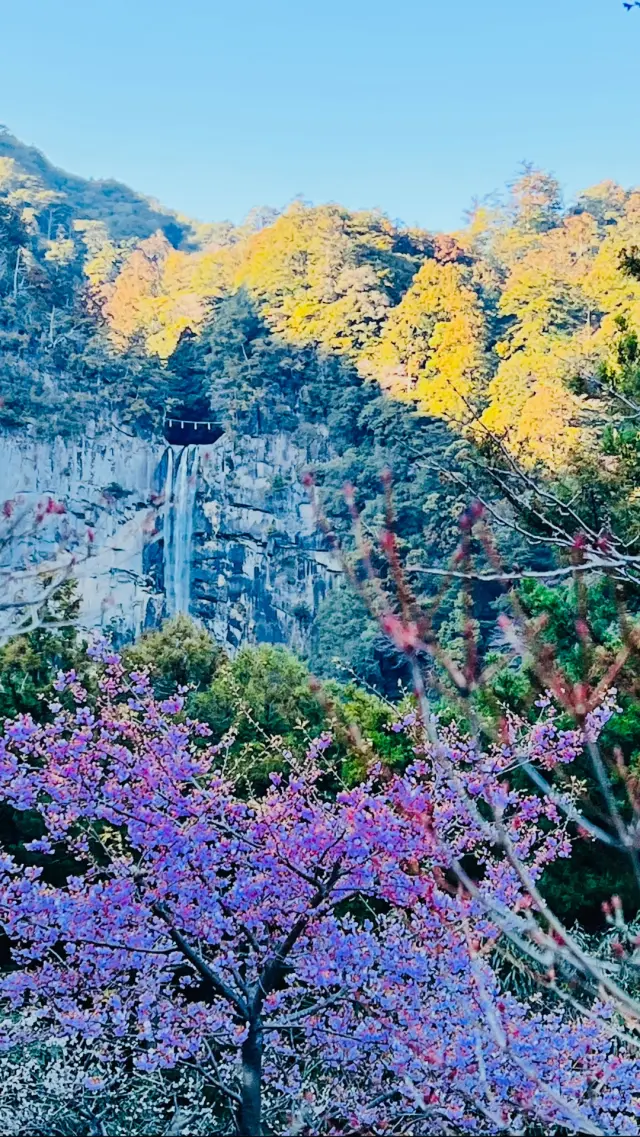
  • Kumano Sanzan: Kumano Nachi Taisha Grand Shrine

    Kumano Sanzan: Kumano Nachi Taisha Grand Shrine

Reviews

16

Some reviews are AI-translated.

  • See More

    Walking the World Heritage-listed Kumano Kodo yourself is definitely on many people’s dream bucket lists. Along with Spain’s Camino de Santiago, it is one of only two pilgrimage routes in the world recognized as World Heritage sites. I set out on this trail to experience the legendary journey of energy, surrounded by towering ancient trees everywhere I looked. Although some sections aren’t easy and require a bit of effort, slowing down and quietly taking in the pure tranquility of the forest is truly healing. I’d also like to share that if you usually use trekking poles, remember to put protective caps on the tips so you don’t damage the precious ancient trail.

    Whenever I walk around a spiritual place like this, I always feel completely recharged. Perhaps it’s like the Japanese belief that spirits inhabit all things—after returning to nature’s embrace, my tired body and mind felt incredibly enriched and fulfilled. The Kumano Kodo is a place you should visit at least once in your life. It’s well worth it.

  • See More

    Are the pressures of work and life leaving you physically and mentally exhausted? Then take a trip along the Kumano Kodo. I guarantee you'll feel energized again!
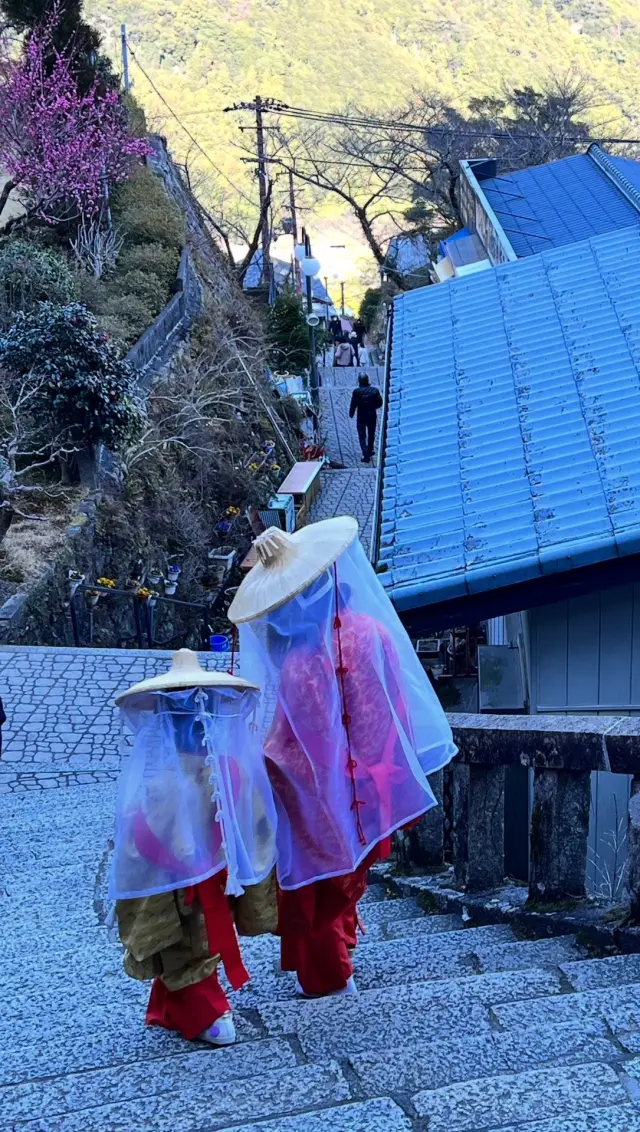
    Spring. I chose the easiest route, from Daimonzaka to Kumano Nachi Taisha. This stone-paved path is easy to walk and takes hardly any effort.
    Along the way, I happened to meet Mrs. Saito and her child, who were dressed in Heian-period clothing. They spoke softly to each other the whole way, warmly and proactively greeted travelers, and often smiled at each other. Their parent-child relationship was truly admirable.
    The quiet ancient trail is perfect for walking slowly. Surrounded by the forest, your body, mind, and spirit can find healing. Saying I was “reborn” would be an exaggeration, but saying I found “relief” definitely wouldn't be. You really should give it a try!

  • See More

    The Nakahechi route of the Kumano Kodo lets you experience so much culture, history, and nature. This time, I brought my child along and we visited many World Heritage sites along the way. Kumano is a wonderful place worth visiting at least once in your life 🥰

  • See More

    Some parts of the mountain trail have big elevation changes. It took a bit of time, but I managed to finish the Kumano Kodo hike without any problems.

  • See More

    Kumano Kodo in winter feels so mysterious. I’d love to visit again if I get the chance~😏

Learn More

Details

Name in Japanese
熊野古道
Postal Code
647-1731
Address
Hongu, Hongu-cho, Tanabe City, Wakayama Prefecture
Phone
0735-42-0735 (Kumano Hongu Tourist Association)
Closed on
Open year-round
Hours
Open at all times
Admission
Free
Access
1) [Kumano Hongu Taisha Grand Shrine] About 2 hours by Kumano Gobo Nankai Bus from Kii-Tanabe Station on the JR Kisei Main Line, or about 1 hour by Kumano Gobo Nankai Bus from Shingu Station. Get off at Hongu Taisha-mae; the shrine is just steps away.
2) [Kumano Hayatama Taisha Grand Shrine] About 5 minutes by Kumano Gobo Nankai Bus from Shingu Station on the JR Kisei Main Line, or about 30 minutes by Kumano Gobo Nankai Bus from JR Kii-Katsuura Station. Get off at Hayatama Taisha-mae; the shrine is just steps away.
3) [Kumano Nachi Taisha Grand Shrine] About 30 minutes by Kumano Gobo Nankai Bus from Kii-Katsuura Station on the JR Kisei Main Line. Get off at Nachisan, then walk about 10 minutes.
Credit Cards
Not accepted
Official website
Official website (Japanese)
Hokkaido Tohoku Kanto Chubu Hokuriku Kansai Chugoku Shikoku Kyushu Okinawa