
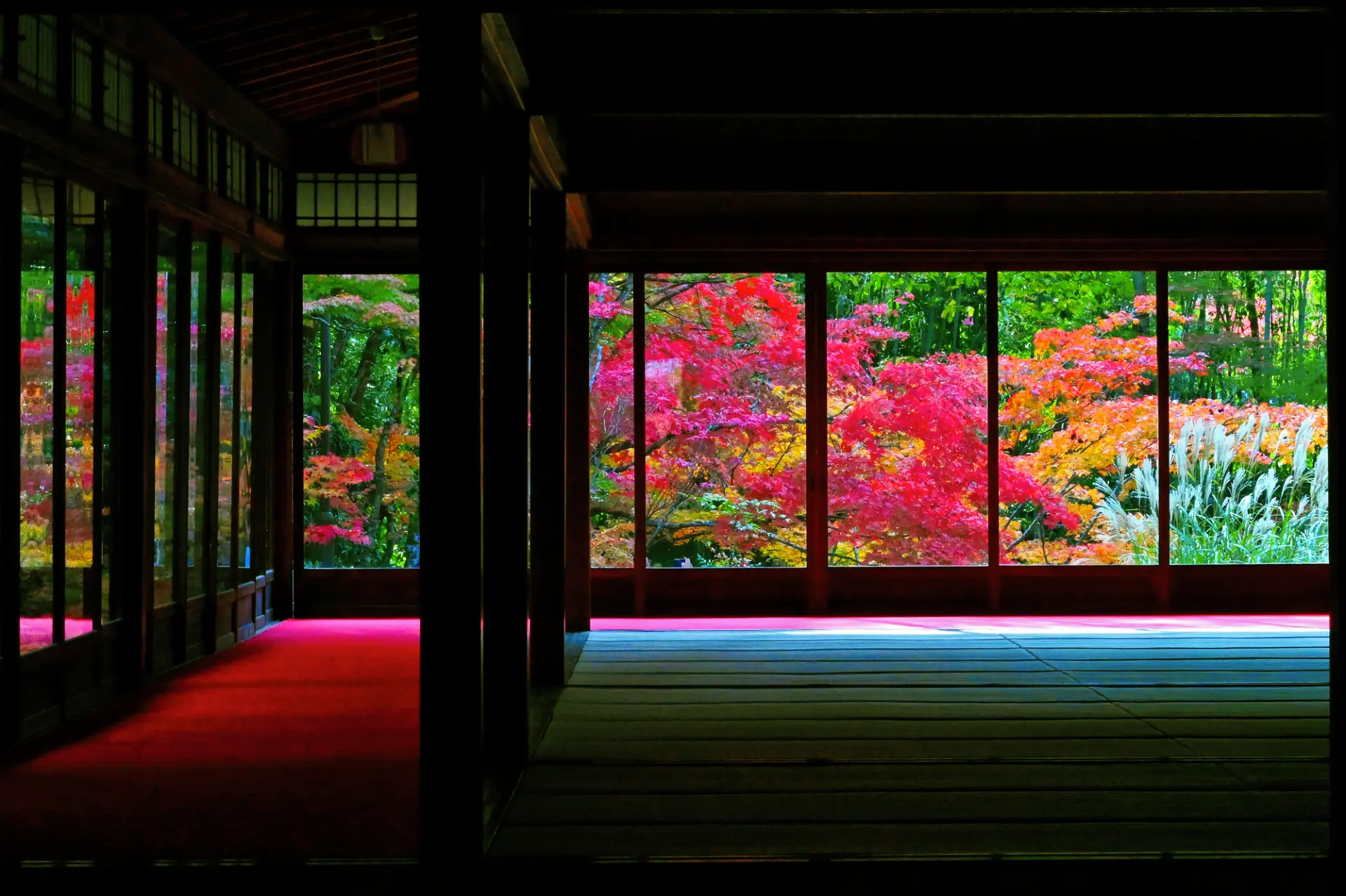
Kyoto Fall Travel Guide: Fall Foliage, History, Culture, and Art
Fall in Kyoto brings gradually cooler weather, making it pleasant to explore the city on foot. Even before the leaves reach their peak colors, there is plenty to experience, from art and festivals to seasonal food.
Visit historic temples such as Nanzen-ji and Kennin-ji, discover art at the Kyoto City KYOCERA Museum of Art, and head to Uji to see Byodoin Temple and savor Uji tea. Venture beyond Kyoto City to Yawata, Oyamazaki, and Miyazu to encounter the distinctive fall scenery and culture of each area.
As the season progresses, explore Kyoto's history, culture, art, cuisine, and hot springs for a fall journey that goes far beyond the foliage.
How to Experience Kyoto in Fall, Month by Month
The experience of fall in Kyoto changes gradually depending on the month you visit.
September is ideal for museums and Uji tea, October for the Jidai Matsuri and walks through historic neighborhoods, and November for combining fall foliage at temples and shrines with hot springs.
Choose activities suited to each month to experience more of Kyoto's fall than foliage alone.
September: Get an Early Start on the Cultural Season with Museums and Uji Tea
With summer heat lingering in September, this is a good time to balance outdoor sightseeing with museums and tea culture rather than spending long hours outside.
View exhibitions and architecture at the Kyoto City KYOCERA Museum of Art, then explore the villa architecture and art at the Asahi Group Oyamazaki Villa Museum of Art.
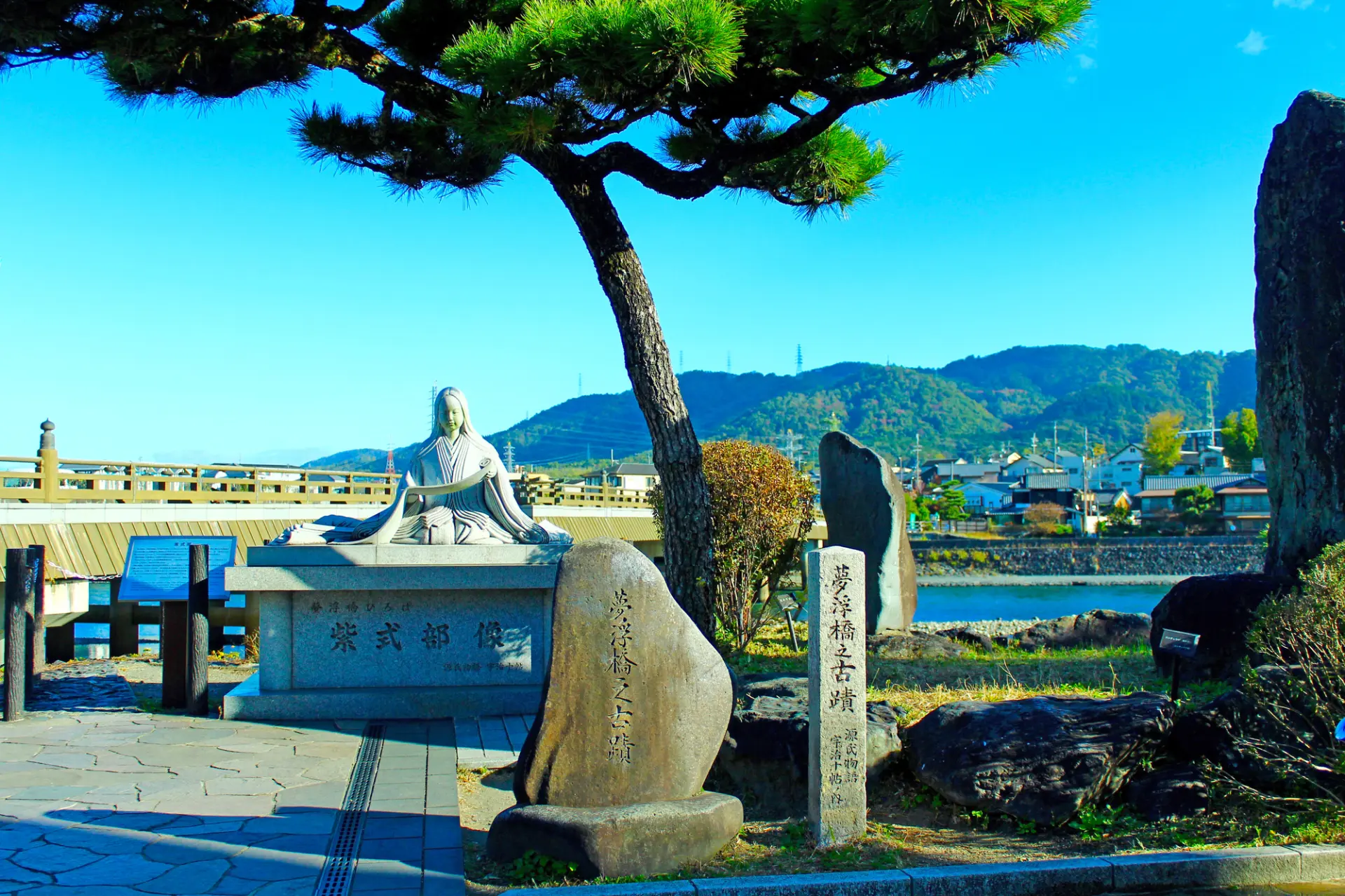
If you venture to Uji, visit Byodoin Temple and then take time to savor Uji tea at Kyoto Uji Matcha Cuisine Tatsumiya or Tsujiri Uji Main Store. Before the leaves begin to change, the start of fall offers a relaxed opportunity to explore culture, art, and Uji tea.
October: Experience the Jidai Matsuri and Fall Walks Through the City
As the heat eases in October, it becomes more comfortable to explore temples, shrines, gardens, and museums on foot.
Visit Kennin-ji Temple in Gion, then explore Nanzen-ji Temple, Murin-an, and the Kyoto City KYOCERA Museum of Art around Okazaki.
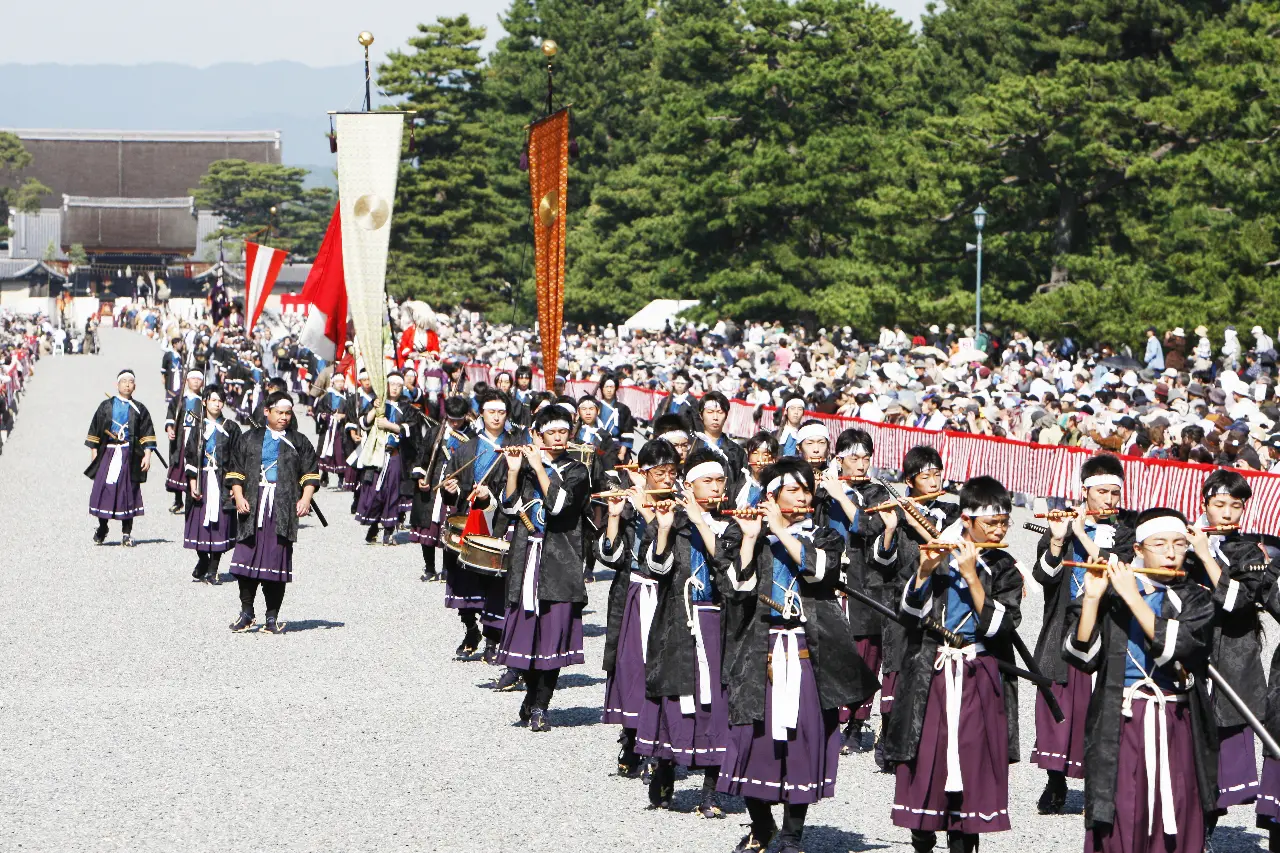
On October 22, the Jidai Matsuri, one of Kyoto's three major festivals, is held. A procession of approximately 2,000 people dressed in costumes representing eras from the Meiji Restoration back to the founding of Heian-kyo travels from the Kyoto Imperial Palace grounds to Heian Jingu Shrine.
It makes for a fall day in Kyoto that moves seamlessly among history, culture, art, and festival traditions.
November: Make the Most of Temple Foliage and Hot Springs
In November, trees across Kyoto change color, creating seasonal scenery alongside temples, shrines, and gardens.
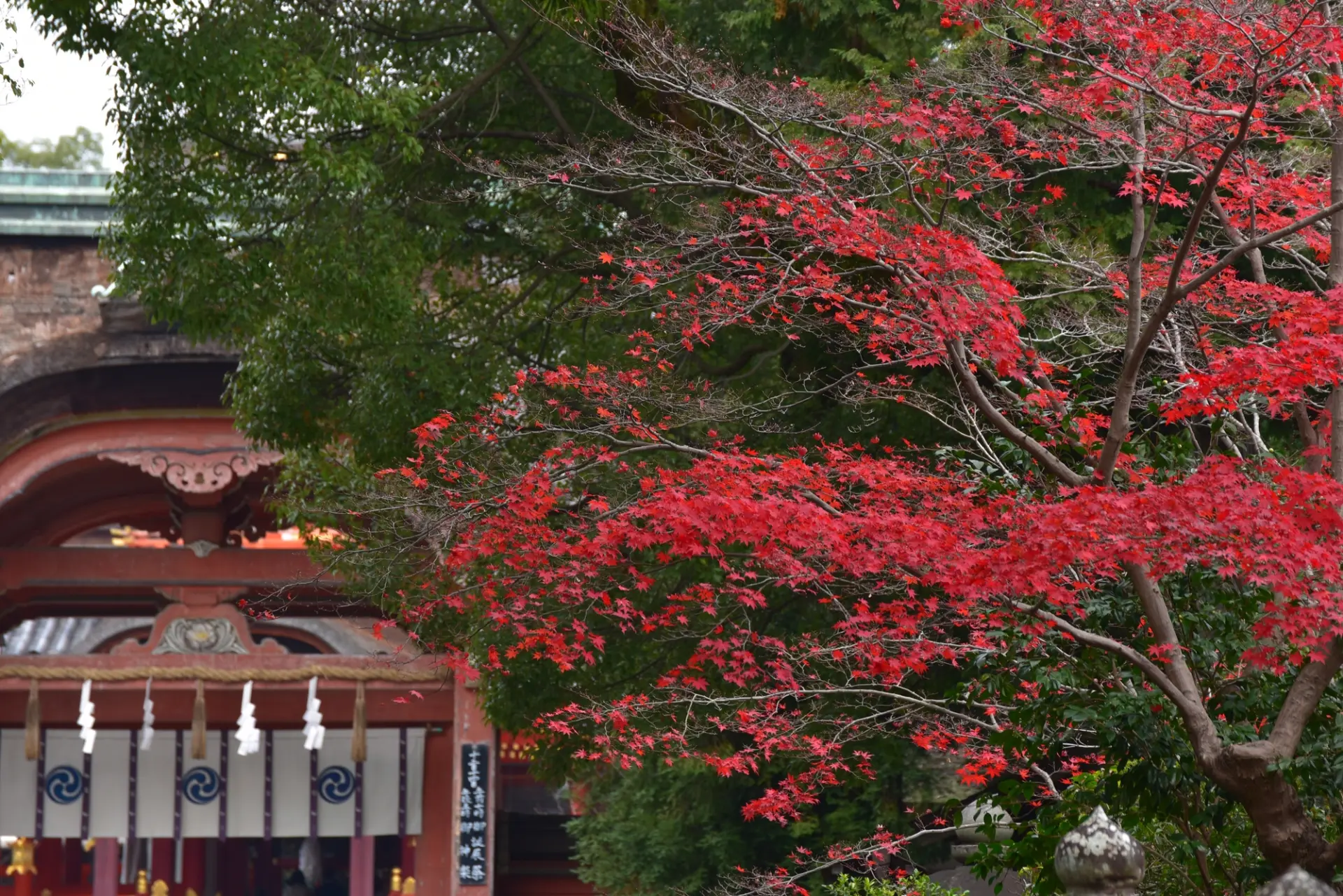
Explore Nanzen-ji Temple and Murin-an, admire the foliage at Kiyomizu-dera Temple and Kurodani Konkai Komyo-ji Temple, or venture farther to Byodoin Temple in Uji and Iwashimizu Hachimangu Shrine in Yawata.
Extending your journey to Nariaiji Temple in Miyazu reveals fall scenery distinct from that of Kyoto City. After viewing the foliage, head to a hot spring inn in Kameoka or Arashiyama and end a day of history, culture, and seasonal scenery with a relaxing soak.
7 Popular Kyoto Attractions to Visit in Fall
To explore Kyoto's history, culture, and art, look beyond temples and gardens to include modern architecture and museums.
The temple complexes of Nanzen-ji and Kennin-ji, the modern Japanese garden at Murin-an, and the galleries of the Kyoto City KYOCERA Museum of Art each reveal a different period in Kyoto's history.
These seven destinations offer a deeper look at the many layers of the ancient capital as you explore.
1. Nanzen-ji Temple (Kyoto City)
This temple has a distinguished history as Japan's first Zen temple established by imperial decree. Its Hojo contains sliding-door paintings by the Kano school, carvings attributed to Hidari Jingoro, and a rock garden designed by Kobori Enshu.
The Sanmon Gate was rebuilt in the early Edo period by Todo Takatora and also appears in the kabuki play "Sanmon Gosan no Kiri." Between Nanzen-in and the Hojo Garden stands the Suirokaku Aqueduct, built during the Meiji period to carry water from the Lake Biwa Canal. A walk through the grounds reveals temple architecture followed by modern civil engineering.
2. Murin-an (Kyoto City)
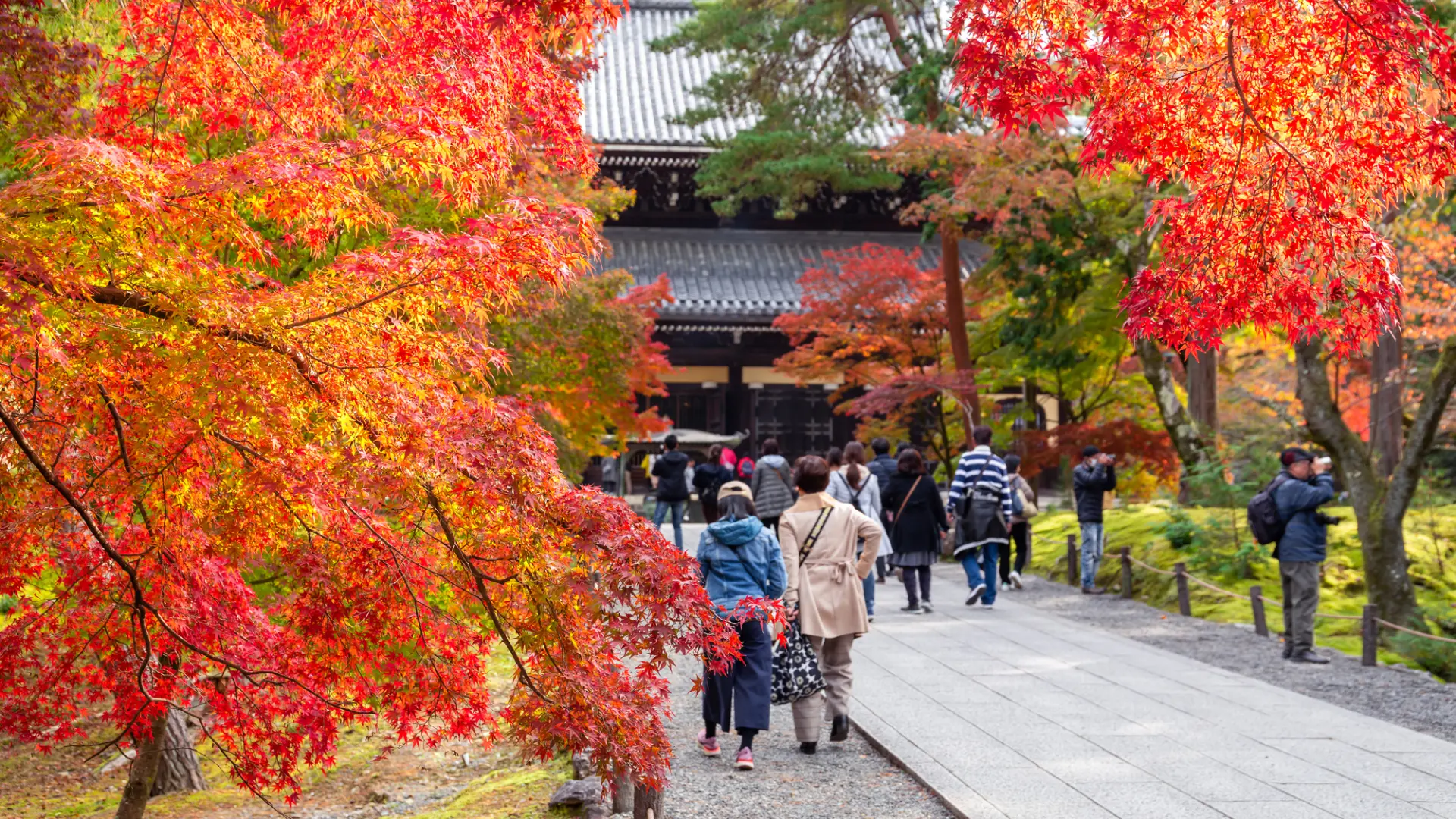
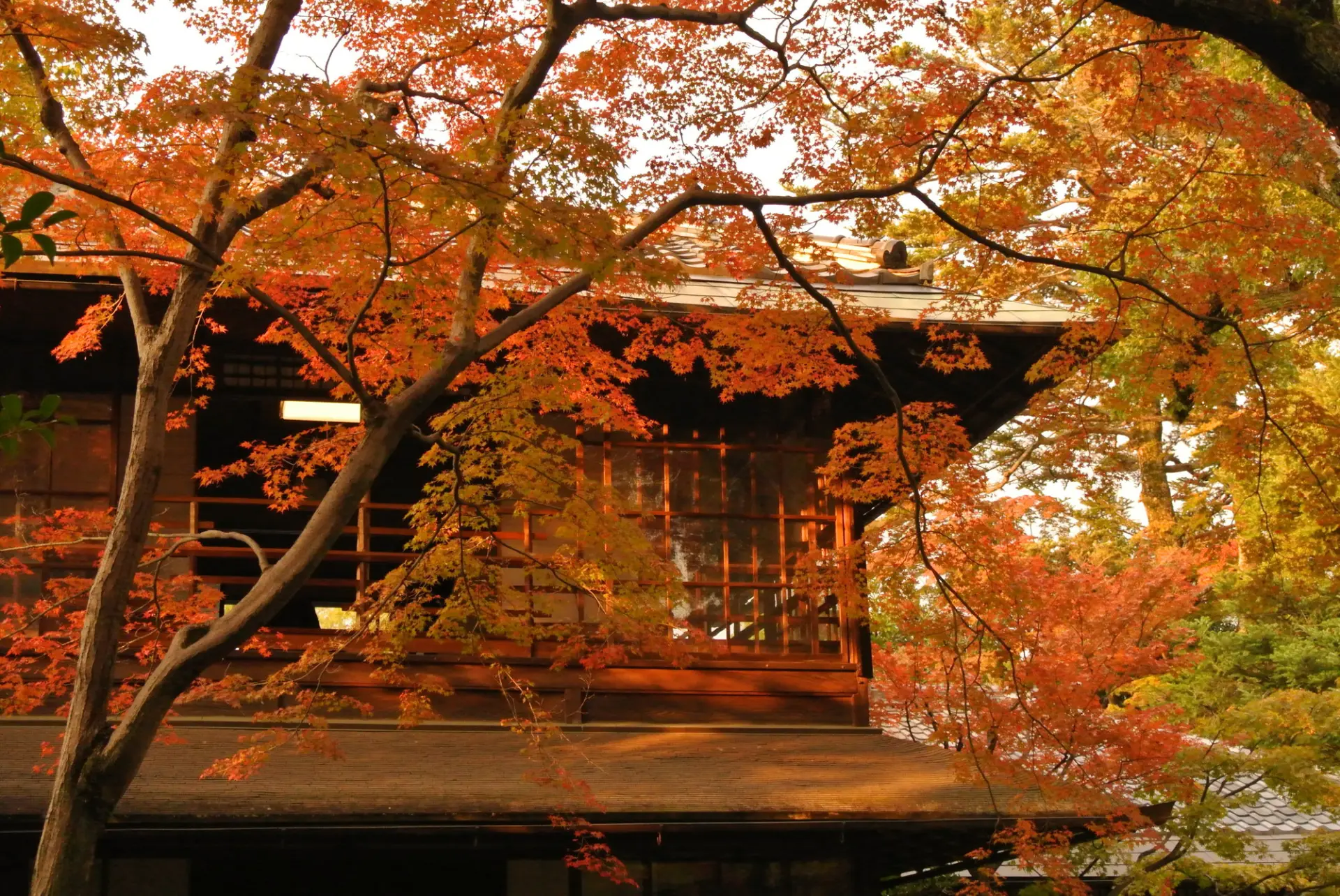
The former villa of Aritomo Yamagata consists of a garden incorporating the Higashiyama mountains as borrowed scenery, a main house, a Western-style building, and a tea room. It is the only garden among the villas in the Nanzen-ji area open year-round and is designated a national Place of Scenic Beauty.
Walking through the garden, visitors encounter bright lawns and streams fed by the Lake Biwa Canal while viewing a modern Japanese garden designed by seventh-generation landscape architect Jihei Ogawa up close. At the garden café, drinks and sweets are served in the same place where Aritomo Yamagata once admired the garden.
3. Kyoto City KYOCERA Museum of Art (Kyoto City)
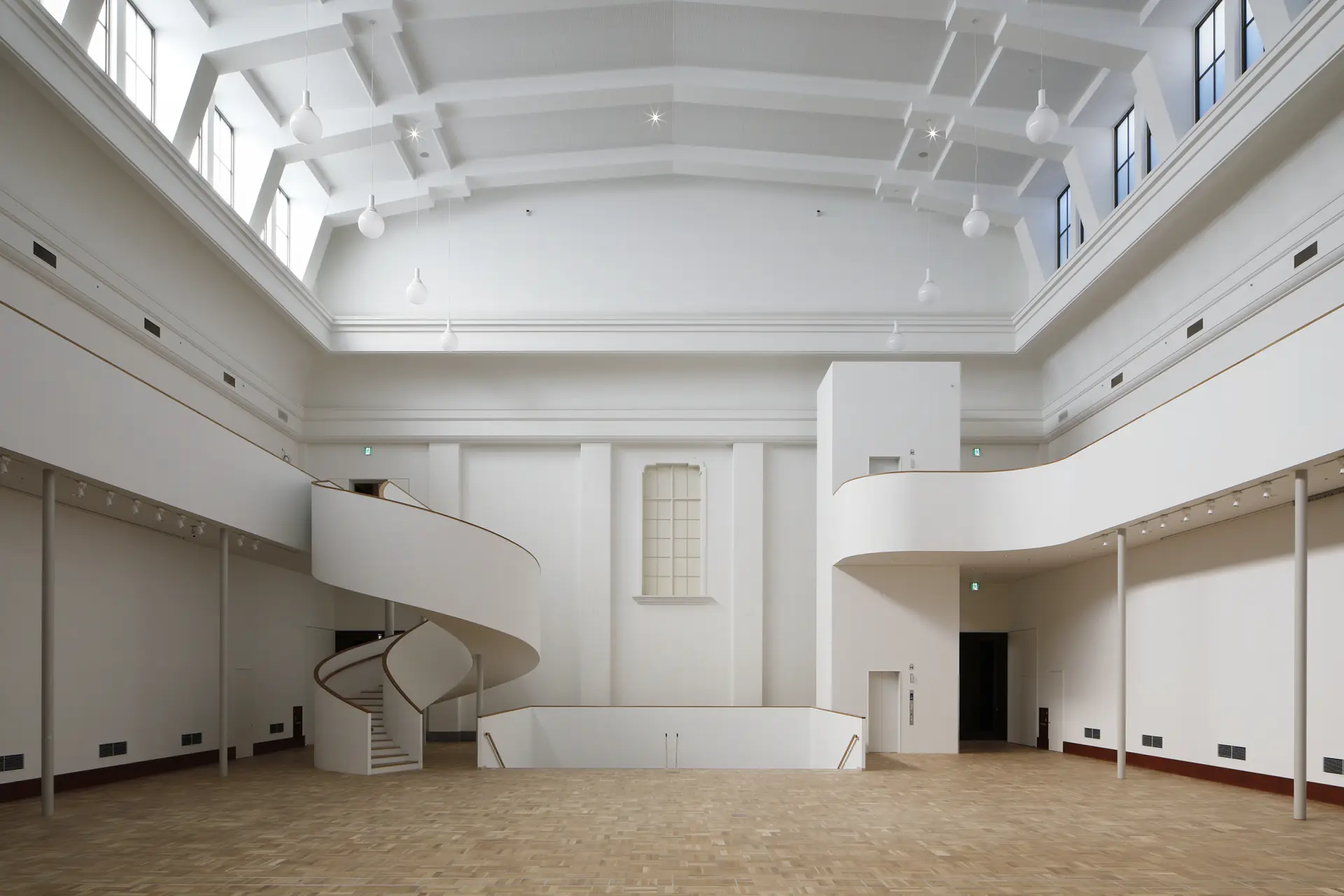
This museum combines historic architecture blending Japanese and Western styles with contemporary exhibition spaces. Its collection contains more than 3,800 works, primarily from Kyoto's modern painting circles, including Japanese-style and Western-style paintings, sculptures, prints, crafts, and calligraphy.
As you walk through the museum, the atmosphere changes from the bright Central Hall to the Hall of Light, the Sky Courtyard, and the Higashiyama Cube, which accommodates contemporary art. Take in the architecture itself while exploring works from a wide range of periods and genres.
4. Kennin-ji Temple (Kyoto City)
Known as Kyoto's oldest Zen temple, Kennin-ji is the head temple of the Kennin-ji school of Rinzai Zen Buddhism. Its Chokushimon Gate, Sanmon Gate, Hatto Hall, and Hojo are arranged in a straight line, forming a layout characteristic of Zen temple complexes.
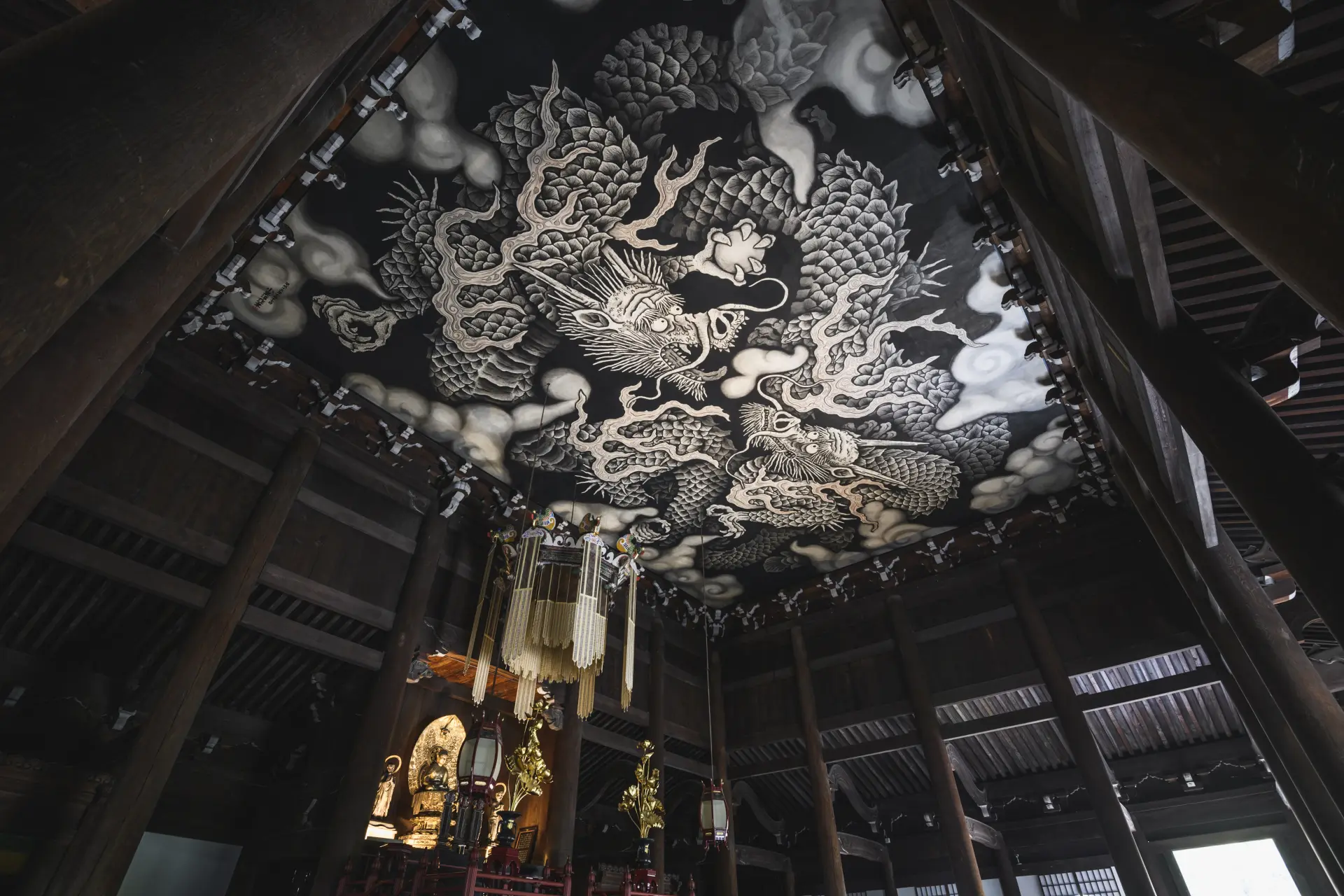
The famous Twin Dragons ceiling painting was created by artist Junsaku Koizumi in 2002 to commemorate the temple's 800th anniversary and covers an impressive area of approximately 1,900 square feet. The Hojo contains sliding-door paintings by Kaiho Yusho, while the main temple building displays a high-resolution digital reproduction of Tawaraya Sotatsu's National Treasure, Wind God and Thunder God Screens, allowing visitors to appreciate architecture and painting together.
5. Byodoin Temple (Uji City)
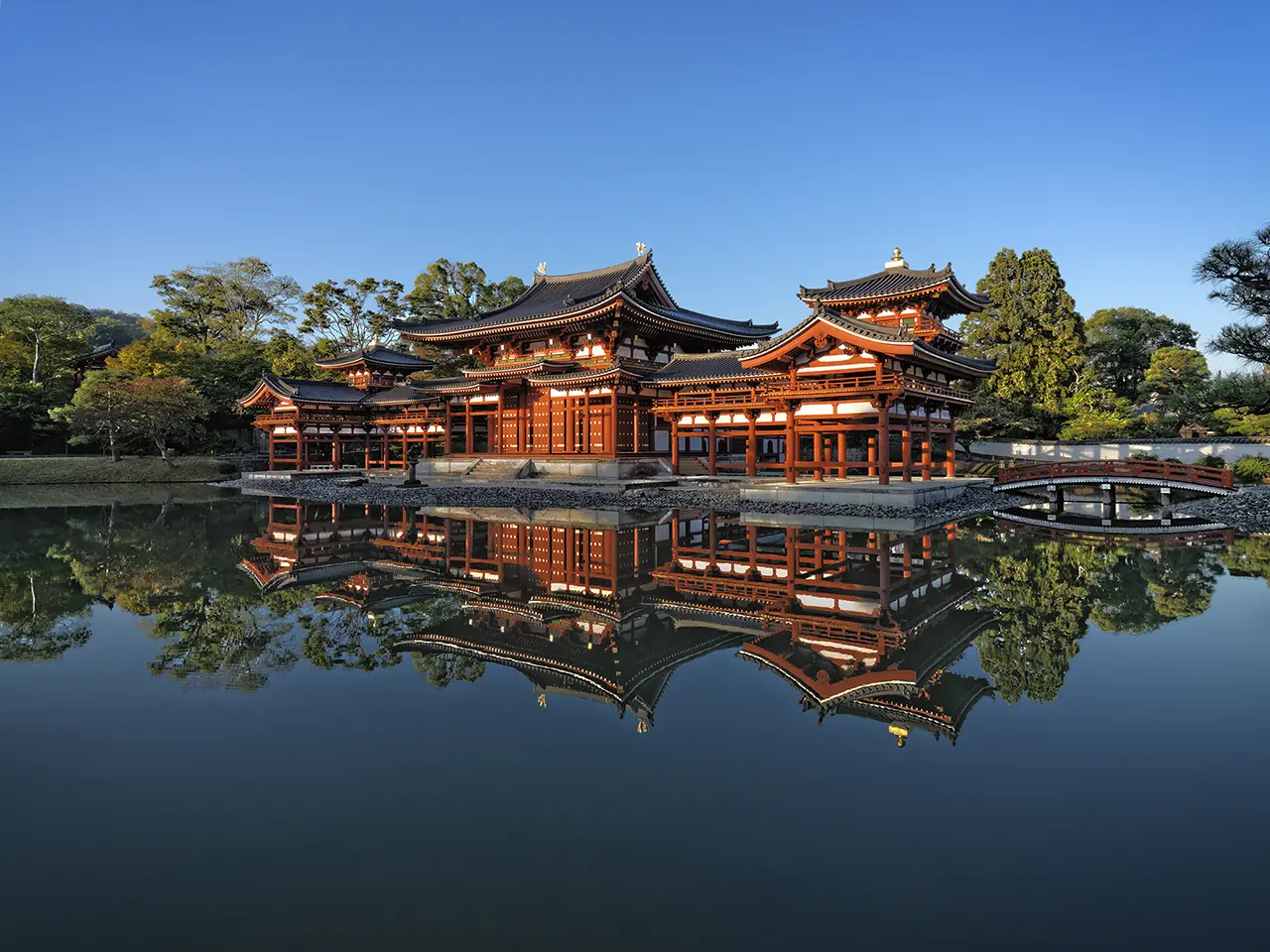
Byodoin is one of Uji's best-known temples and offers insight into the history and art of the Heian period. Enter the grounds and view Phoenix Hall, which enshrines a statue of Amida Buddha, from the front to appreciate its magnificent symmetry.
The Byodoin Museum Hoshokan displays many treasures passed down through the temple, including a temple bell, phoenix ornaments, and statues of Bodhisattvas on Clouds. At the Toka tearoom on the grounds, visitors can also try exclusive blends made with tea leaves grown in Uji, naturally continuing their temple visit with an Uji tea experience.
6. Iwashimizu Hachimangu Shrine (Yawata City)
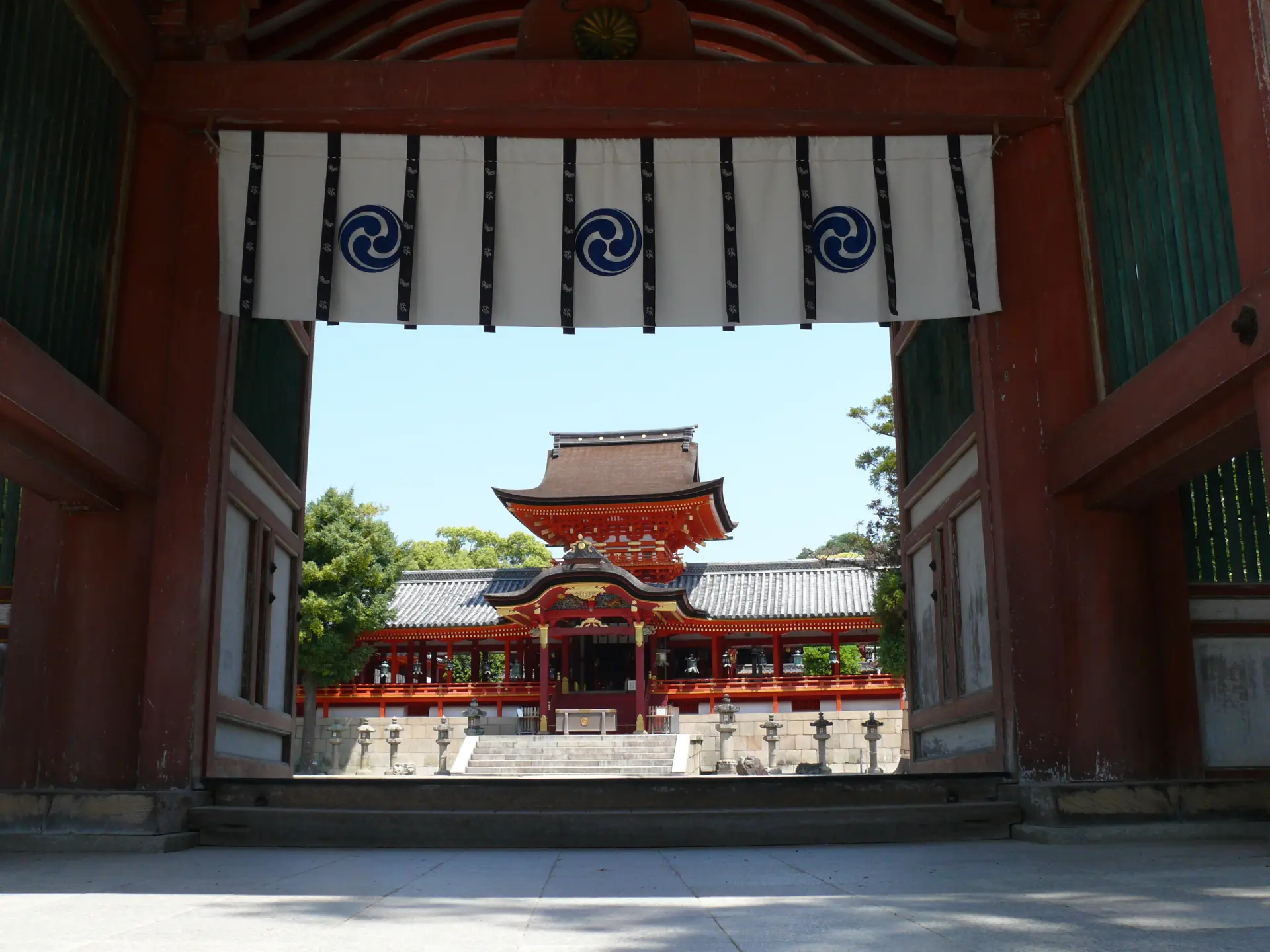
This historic shrine stands on Mount Otokoyama between Kyoto and Osaka. It was long revered as a protector of the imperial family and the nation, and after the rise of the Seiwa Genji clan, many warriors visited to pray for victory.
The main sanctuary has a distinctive architectural style known as Hachiman-zukuri. The present structure was built by Iemitsu, the third shogun of the Tokugawa family. Near the shrine buildings stands a large camphor tree said to have been donated by Kusunoki Masashige, its branches still covered in abundant leaves.
7. Asahi Group Oyamazaki Villa Museum of Art (Oyamazaki Town)
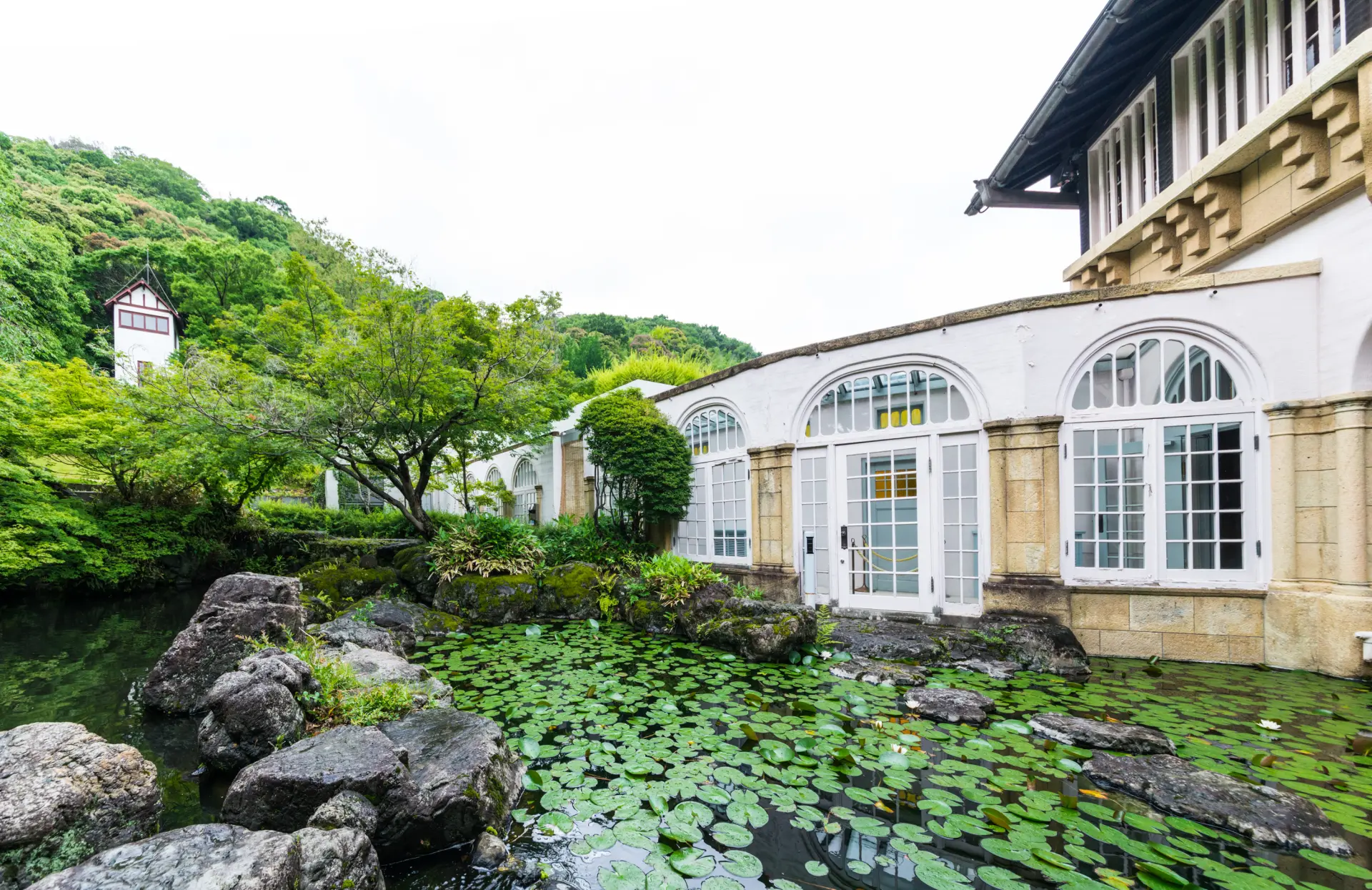
This museum occupies a villa built by businessman Shotaro Kaga. It stands at the foot of Mount Tennozan, which separates Kyoto and Osaka and was also the site of the decisive Battle of Yamazaki.
The museum displays ceramics and other works associated with the mingei folk craft movement by artists such as Kanjiro Kawai, Shoji Hamada, and Bernard Leach, as well as works from Claude Monet's Water Lilies series. Along with its collection of approximately 1,000 pieces, the contrasting architecture of the main building and annexes is also worth noting.
3 Places to See Fall Foliage in Kyoto
The combination of temple and shrine architecture with colorful leaves is one of Kyoto's signature fall scenes.
At Kiyomizu-dera Temple, Kurodani Konkai Komyo-ji Temple, and Nariaiji Temple, trees change color amid different historical settings and landscapes. Travel from the city center as far as Miyazu to experience the distinct fall scenery at each temple.

1. Otowasan Kiyomizu-dera Temple (Kyoto City)
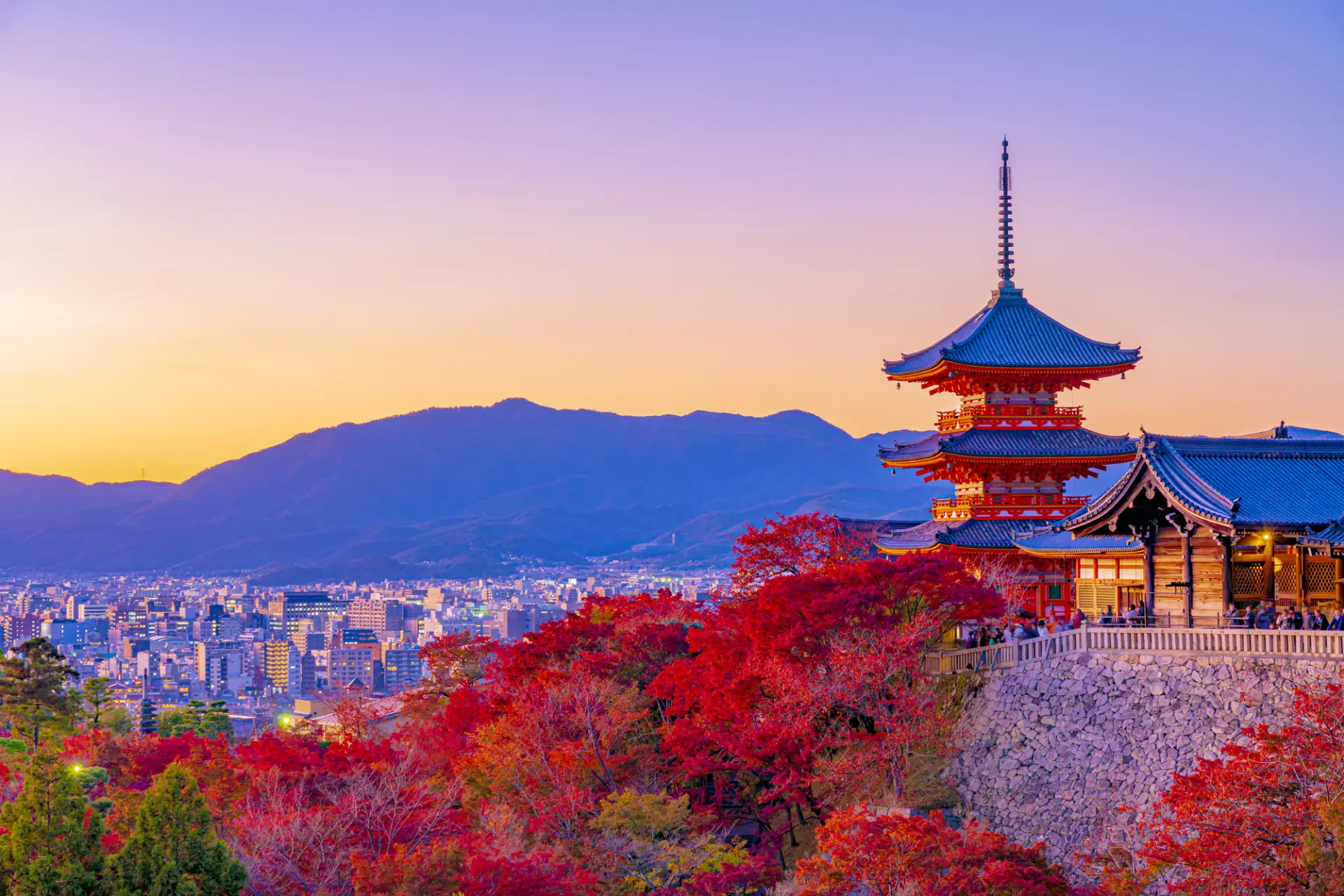
This World Cultural Heritage temple complex spreads across the slopes of Mount Otowa. As you climb the hill and walk from the Nio-mon Gate past the three-story pagoda to the Main Hall, the scenery continually changes with the elevation of the grounds.
The approximately 1.4-million-square-foot grounds on the mountainside contain more than 30 temple structures and monuments, including National Treasures and Important Cultural Properties. The Main Hall's approximately 43-foot-high stage was built using a traditional method of interlocking timbers without nails. The foliage generally reaches peak color from mid- to late November, when visitors can walk through fall scenery formed by historic temple buildings and colorful trees.
2. Kurodani Konkai Komyo-ji Temple (Kyoto City)
This head temple of the Jodo school of Buddhism brings together the history of the final years of the shogunate and fall foliage. Buildings including the Sanmon Gate, Amida Hall, and Mieido Hall are scattered throughout the grounds, which also served as the headquarters of Matsudaira Katamori, lord of the Aizu domain, during the closing years of the Edo period.
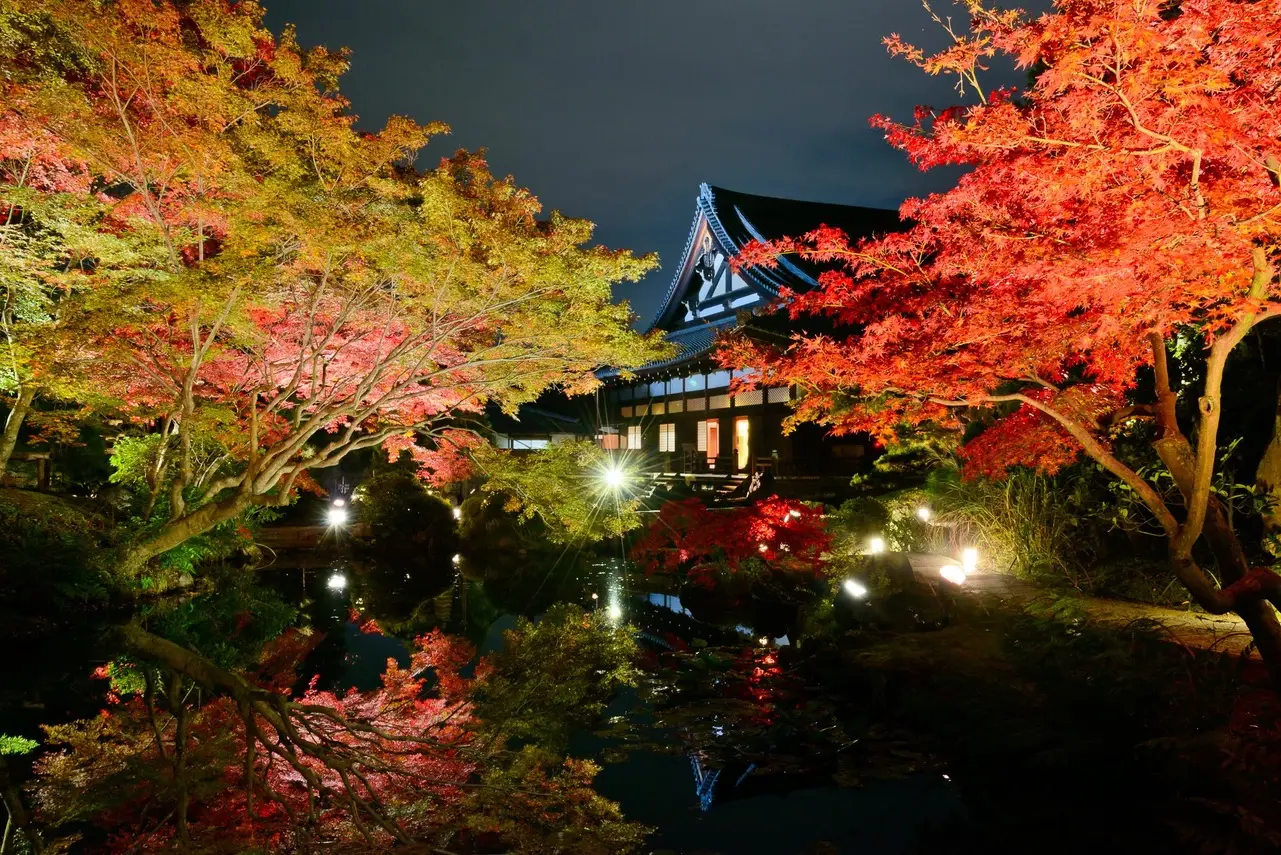
During the annual special fall viewing, visitors can enter the usually closed Shoin and the Shiun Garden, a stroll garden known for its fall foliage. The leaves typically reach peak color from mid- to late November, and the grounds are illuminated at night during this period. Walk through the Shoin and garden to see vivid seasonal colors complementing the historic temple.
3. Nariaiji Temple (Miyazu City)
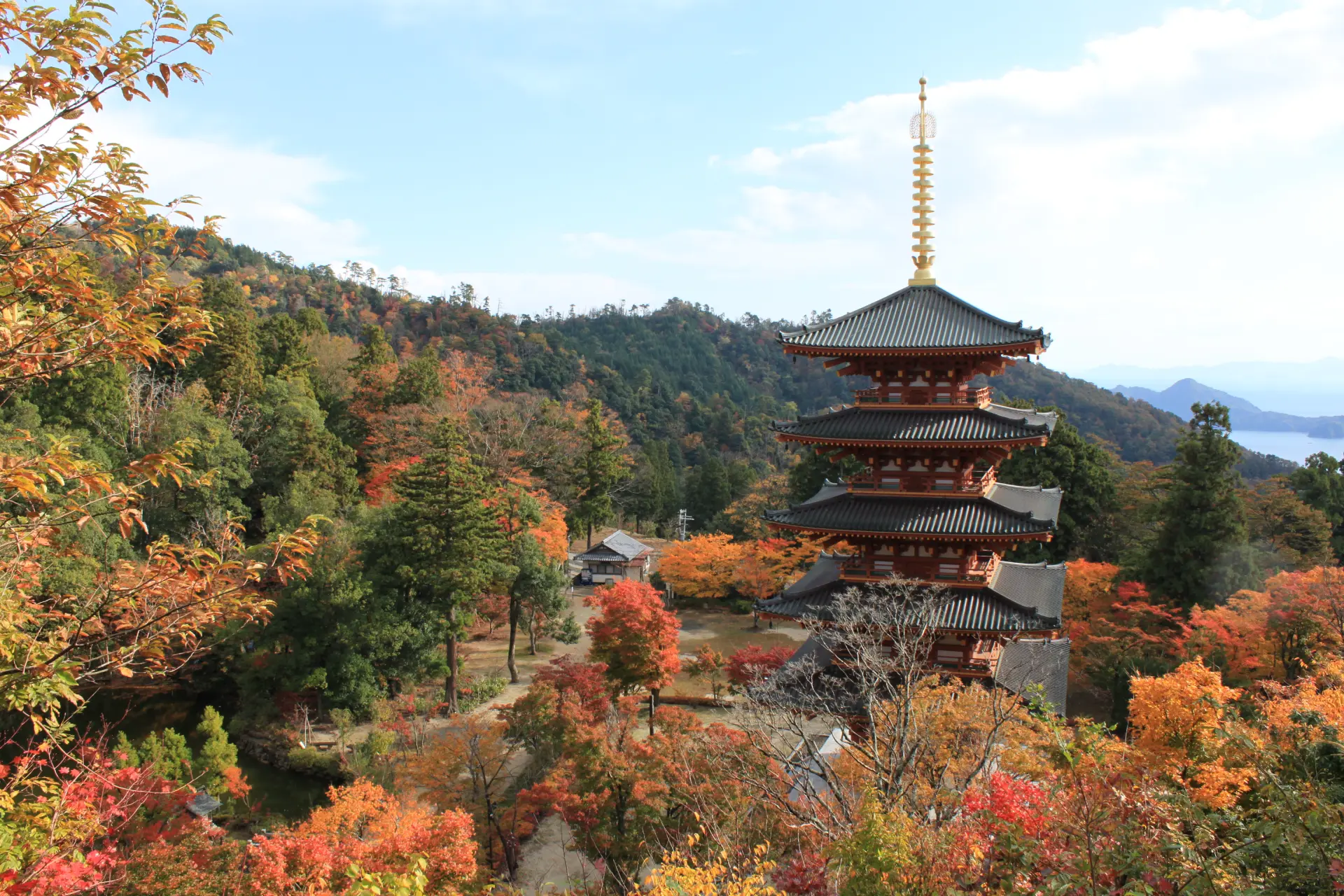
Founded in 704, this temple stands halfway up Mount Nariai overlooking Amanohashidate. Its grounds contain the Bottomless Pond, associated with an old tale about defeating a giant serpent, the Front-Facing Dragon attributed to Hidari Jingoro, and a five-story pagoda.
The temple draws visitors with changing scenery throughout the year: 3,000 cherry trees in spring, rhododendrons in early summer, colorful foliage and illuminations in fall, and snow-covered landscapes in winter. The leaves generally reach peak color from mid- to late November. After visiting the temple, continue to the panoramic observation deck at the summit for views of Amanohashidate and mountains covered in fall colors.
5 Kyoto Restaurants to Visit on a Fall Outing
Between visits to temples, shrines, and museums, make time to experience Kyoto's food culture. Flavors vary by area, from Nanzen-ji's boiled tofu and Okazaki's Kyoto cuisine to matcha dishes and Uji tea in Uji and seafood from Tango.
Connecting sightseeing with local cuisine adds greater depth to the journey.
1. Nanzenji Junsei (Kyoto City)
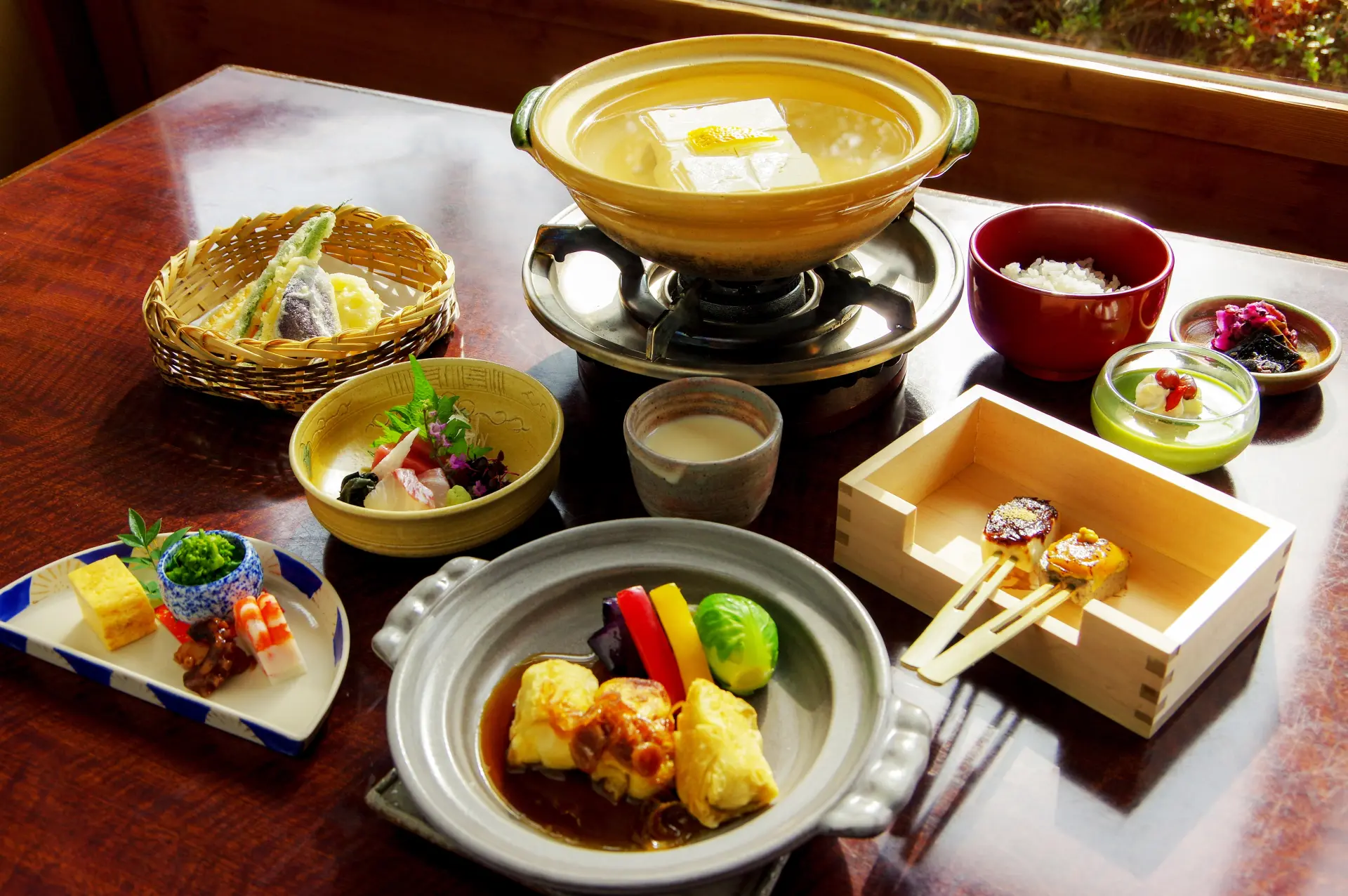
This long-established restaurant on the approach to Nanzen-ji Temple has helped preserve the local tradition of yudofu, or boiled tofu. Guests can savor its signature yudofu and yuba while overlooking a stroll garden measuring approximately 43,000 square feet.
Junsei Shoin, located within the garden, was built as a medical school during the Edo period and is now a nationally Registered Tangible Cultural Property. The satisfying Hana Course offers a choice of yudofu made with Japanese soybeans or freshly prepared yuba as the main dish, accompanied by simmered dishes, dengaku, and more. Enjoy warm yudofu while admiring the garden and historic building.
2. Kyoto Cuisine Rokumori (Kyoto City)
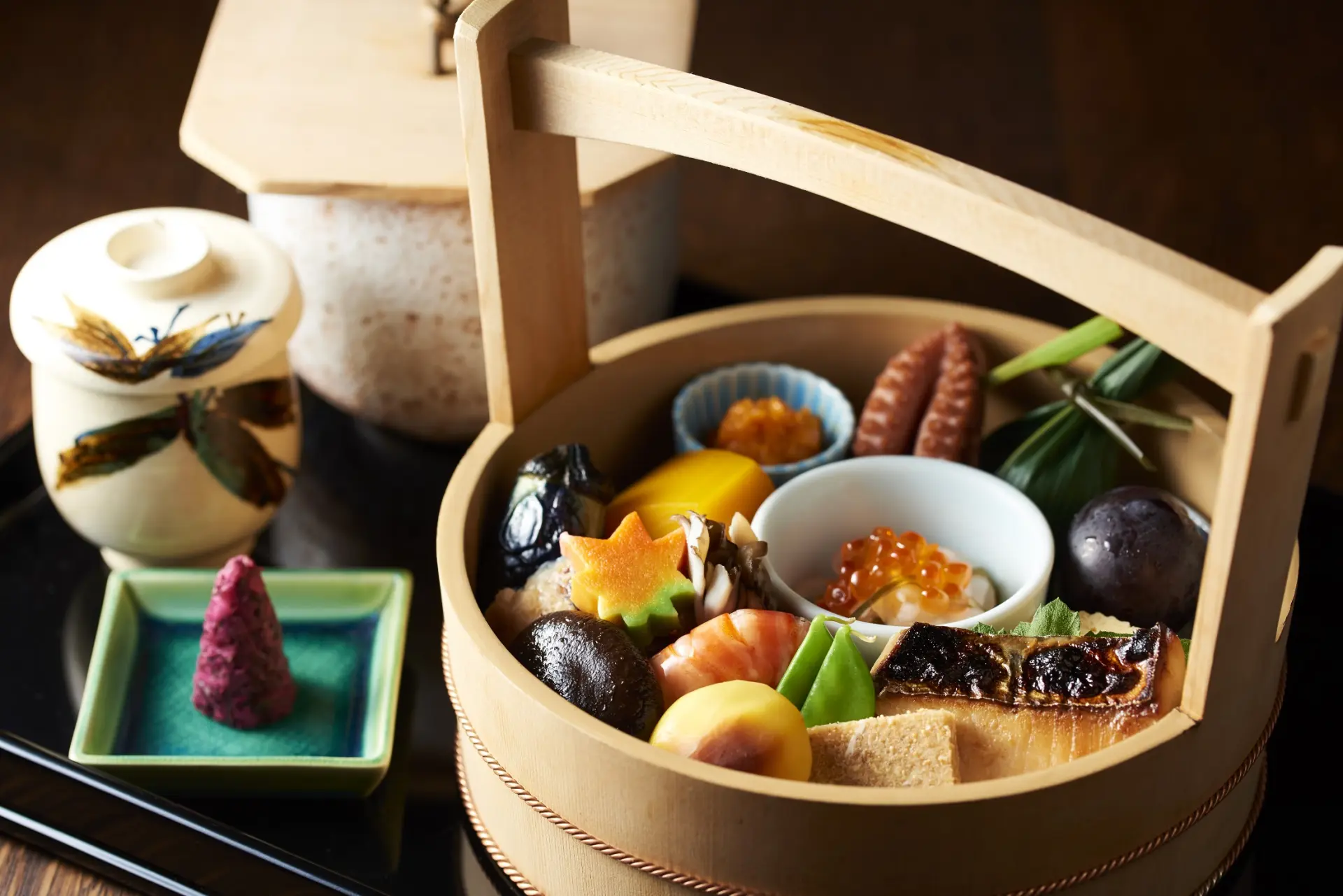
Founded in 1899, this Kyoto cuisine restaurant stands beside the Lake Biwa Canal near Heian Jingu Shrine. Its signature dish is the Teoke Bento, a colorful assortment served in an elegant wooden bucket crafted by Living National Treasure Kiyotsugu Nakagawa. It features a carefully arranged selection of seasonal ingredients.
The restaurant also offers Creative Heian Dynasty Cuisine, which recreates meals eaten by Heian-period aristocrats based on historical sources and adapts them for modern tastes. In Okazaki, guests can explore the history of Kyoto cuisine while appreciating not only the food but also the tableware and presentation.
3. Kyoto Uji Matcha Cuisine Tatsumiya (Uji City)
Overlooking the Uji River, this matcha cuisine restaurant traces its origins to a tea wholesaler founded in 1840. Its defining feature is an innovative approach that transforms tea from something to drink into something to eat, opening up new possibilities for matcha.
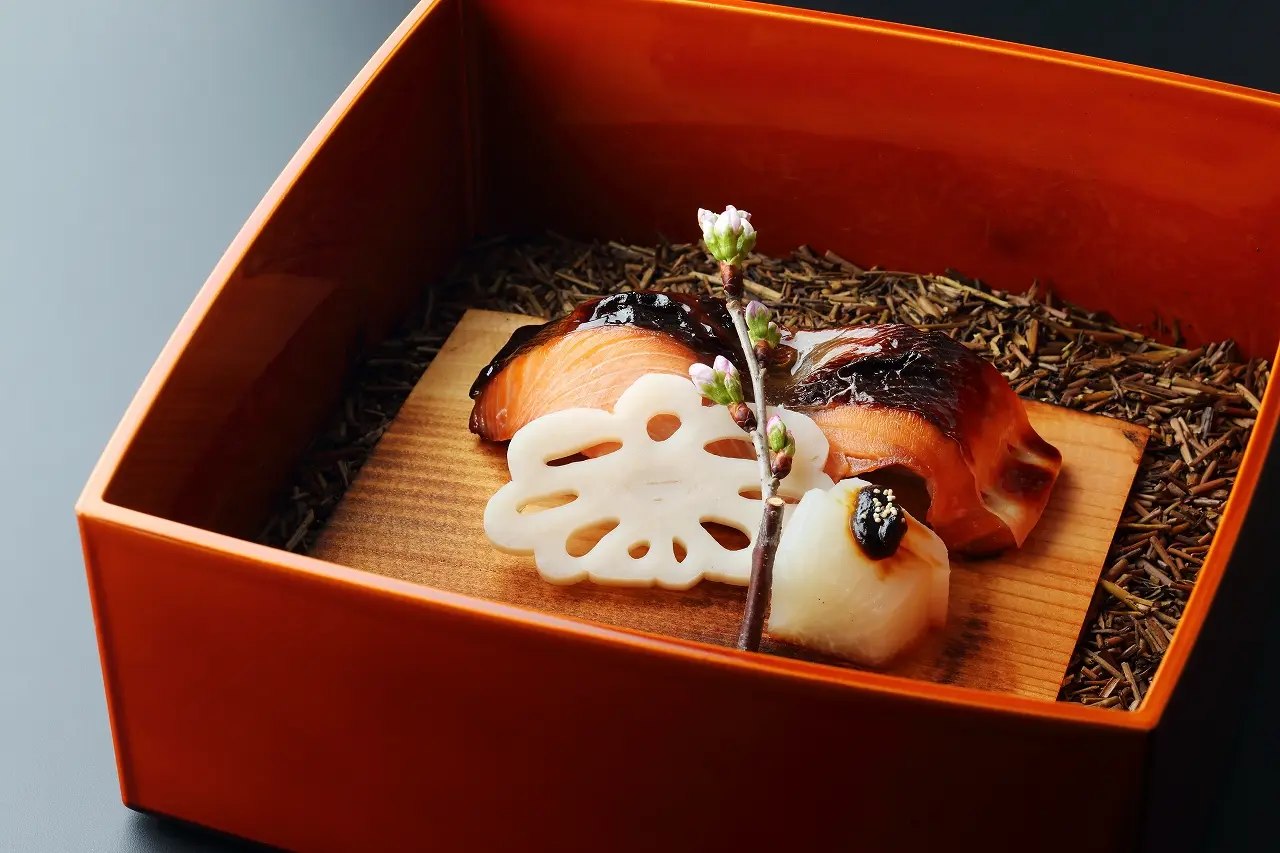
Dishes include Matcha Tofu, made with premium Uji matcha over three full days, and Tea-Fragrant Grilled Trout, prepared with roasted gyokuro tea stems. Drawing on knowledge developed through its history as a tea wholesaler, the restaurant combines matcha with seasonal flavors in a meal that presents Uji tea as cuisine.
4. Tsujiri Uji Main Store (Uji City)
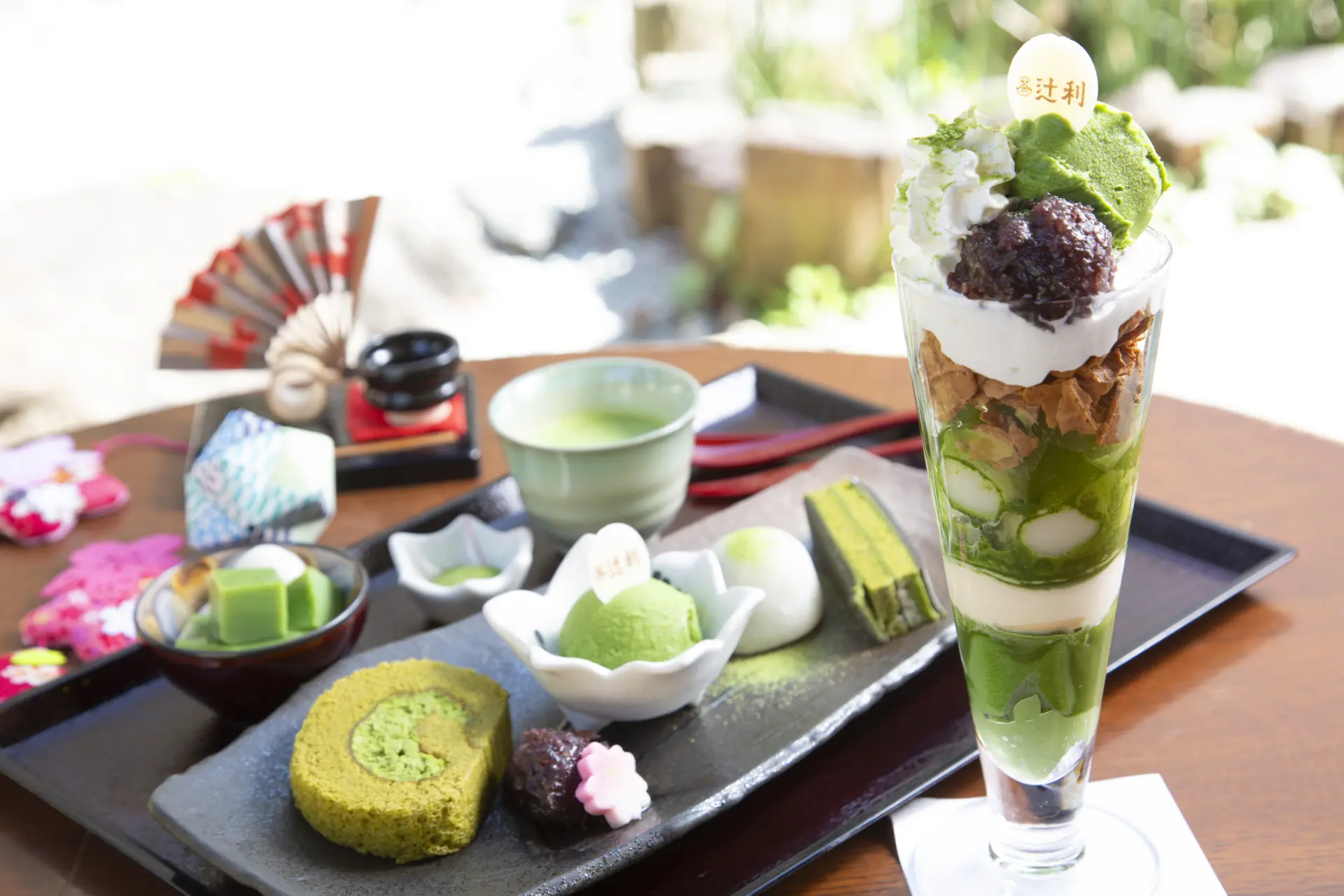
This shop operated by a long-established Uji tea company with more than 165 years of history combines a retail area with a tearoom. Stop by while exploring Uji to choose from parfaits and Japanese sweets made with stone-ground matcha, as well as a selection of tea leaves.
The calm interior overlooking a courtyard also provides a relaxing setting for tea. Conveniently paired with visits to Byodoin Temple and Uji Bridge, it offers a chance to savor Uji tea between sightseeing stops and select tea leaves or sweets as souvenirs.
5. Tsuruya Shokudo (Miyazu City)
This casual restaurant on the rear approach to Motoise Kono Shrine serves dishes made with ingredients from Tango. Its menu makes generous use of fresh local ingredients from the Tango region.
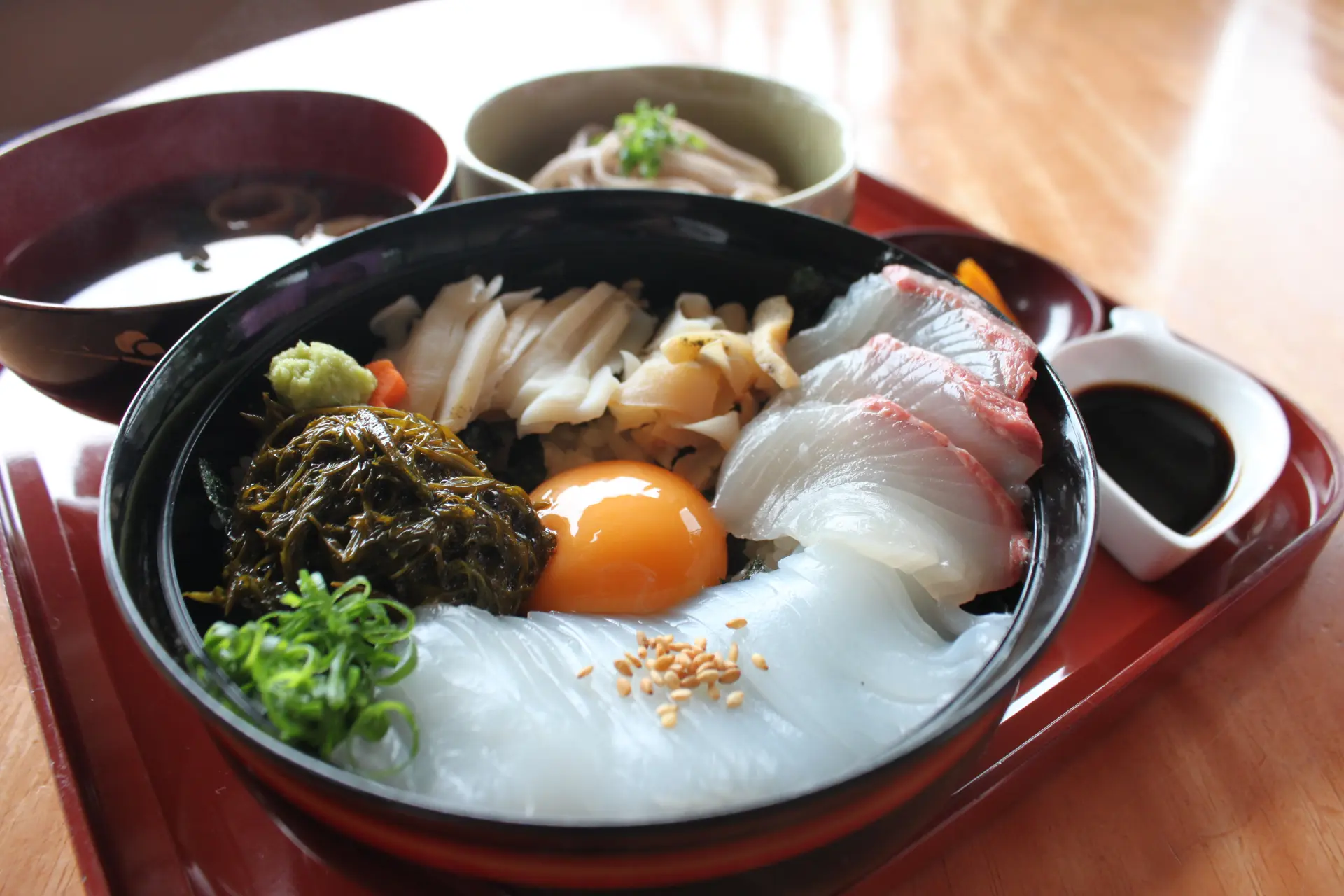
A particular highlight is the Tango Treasure Bowl, topped with akamoku seaweed, seasonal local squid, and locally sourced Japanese ivory shell. The menu also includes a rice bowl made with Kanadaru sardines, noodles made with ancient red rice, and a chiffon parfait flavored with matcha from Miyazu's long-established Isono Kaikado. Enjoy the distinctive flavors of Tango while looking out over Amanohashidate from the terrace.
3 Convenient Hotels for a Fall Trip to Kyoto
Where you stay can be a major part of a fall trip to Kyoto. Options include a luxury hotel opposite Nijo Castle, a long-established inn at Yunohana Onsen in Kameoka, and a hot spring inn in Arashiyama.
Here are three accommodations where a day of exploring can continue with gardens, hot springs, and seasonal cuisine.
1. HOTEL THE MITSUI KYOTO (Kyoto City)
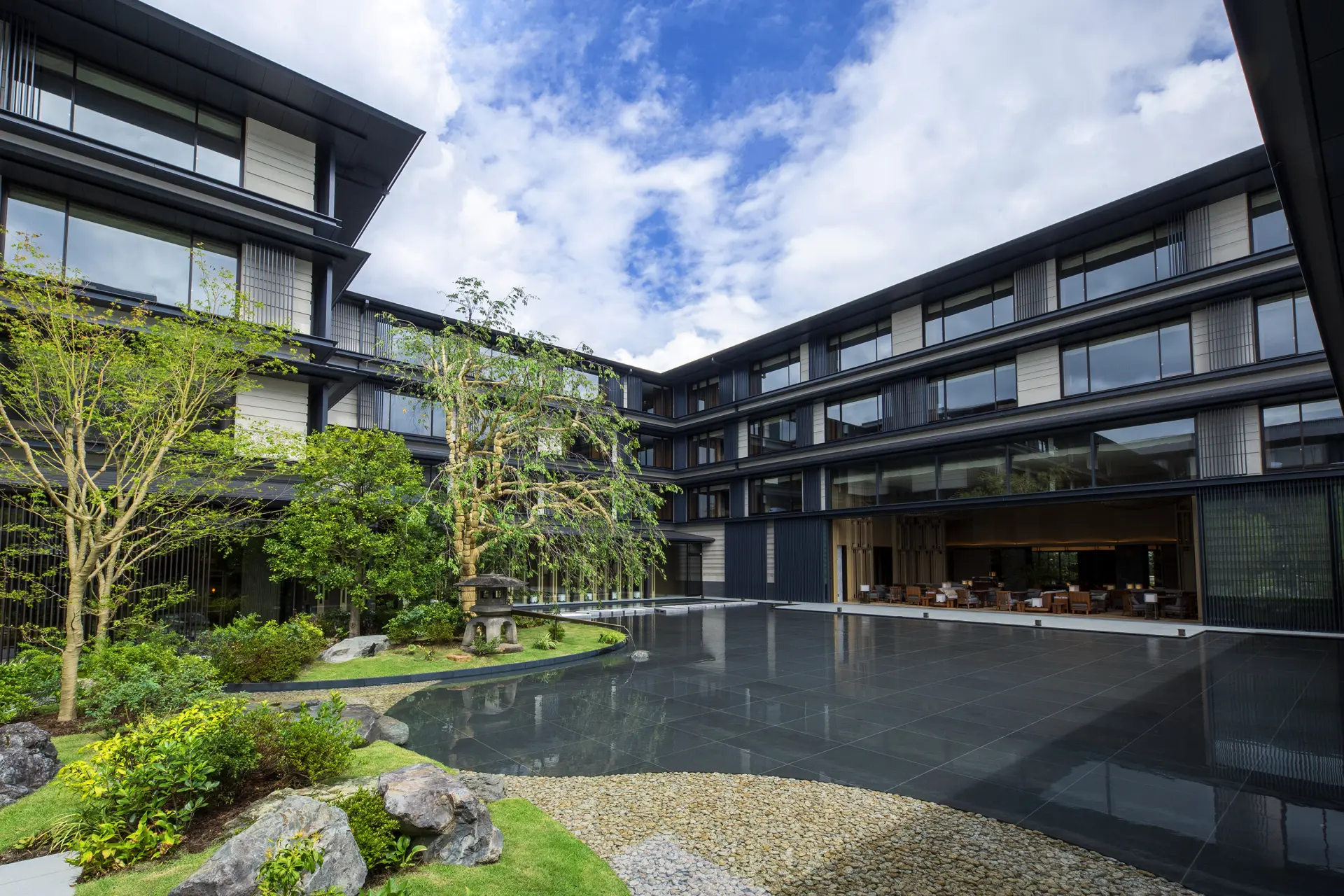
This luxury hotel stands directly across from the World Heritage Site of Nijo Castle on the former site of the Mitsui family's principal residence. Beyond the gate lies a spacious garden of approximately 14,000 square feet, designed to carry on the relationship between the Mitsui residence and its garden.
The distinctive entrance is the Kajimiya Gate, originally built in 1703 and restored using the skills of contemporary master shrine and temple carpenters. Among its 161 guest rooms are suites overlooking Nijo Castle and rooms with open-air baths supplied by natural hot spring water. With restaurants and a bar surrounding the garden as well as natural hot spring facilities, guests can continue relaxing at the hotel after sightseeing in Kyoto.
2. Sumiya Kiho-an (Kameoka City)
A thatched-roof gate welcomes guests to this long-established hot spring inn at Yunohana Onsen in Kameoka. Its baths each have a different character, including a women's open-air bath with a tub made from a 1,000-year-old cherry tree and a men's open-air bath lined with blue stone from Shikoku.
The 25 comfortable guest rooms combine traditional Japanese design with modern touches, creating the feeling of relaxing amid the mountains visible outside the windows. The dining room serves monthly kaiseki menus featuring ingredients from Kyoto, extending the experience from the hot springs to seasonal cuisine.
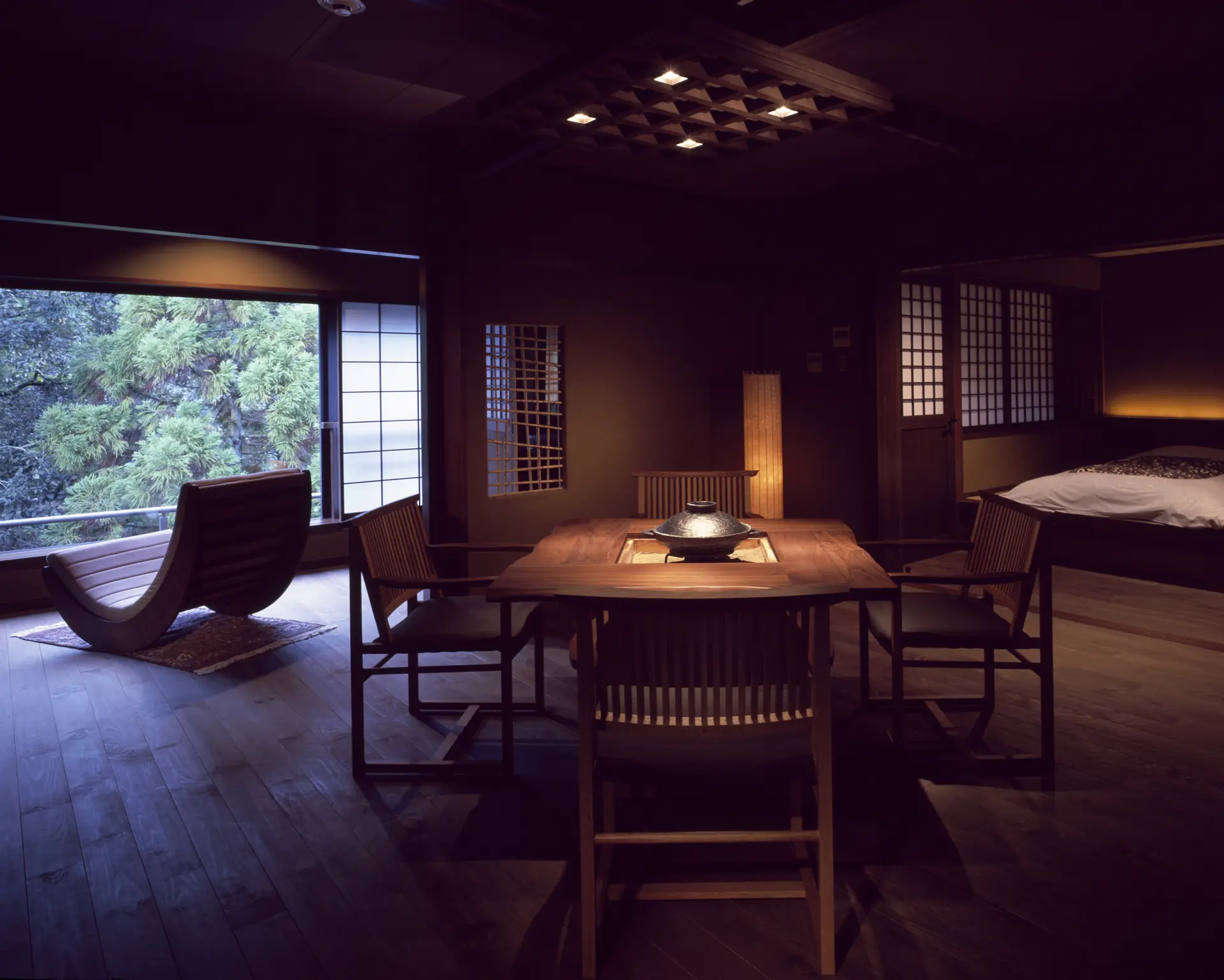
3. Kyoto Arashiyama Onsen Kadensho (Kyoto City)
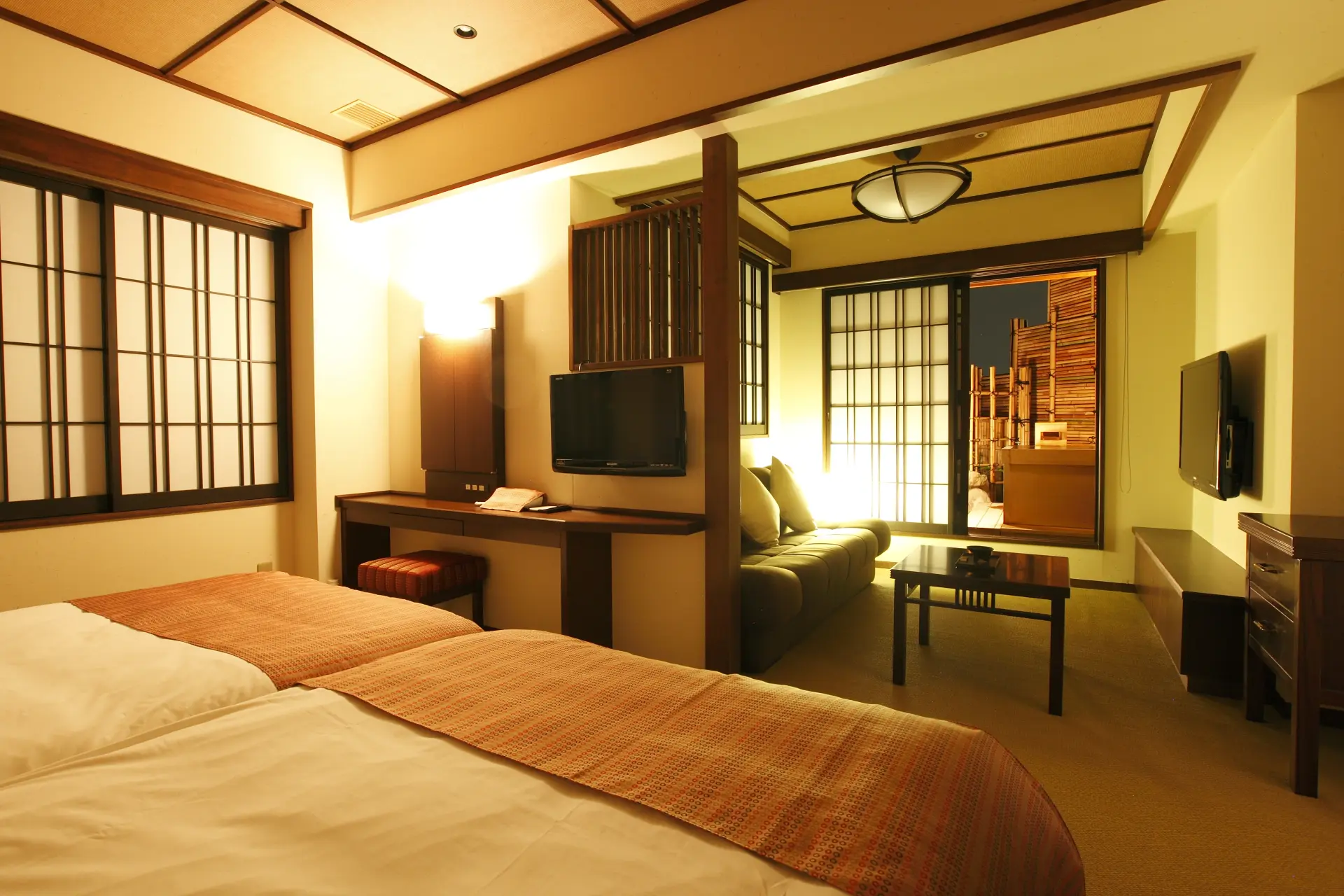
This Japanese-style hot spring inn in Arashiyama incorporates natural hot springs and the atmosphere of Kyoto. Its 105 guest rooms come in three styles—Kyoto Machiya, Kyoto Japanese, and Kyoto Modern—with 10 room variations when different layouts are included.
Guests can soak in natural Arashiyama hot spring water in the indoor section of the large communal bath, then experience five private bathhouses, each with a different atmosphere. Dinner is the seasonal Shiki Yuzenn meal based on the concept of one soup and five dishes, accompanied by a choice of Kyoto-style side dishes and freshly fried tempura. It is a fitting way to end a day in Arashiyama with hot springs and Kyoto cuisine.
Two-Day, One-Night Fall Itinerary in Kyoto
This two-day, one-night itinerary combines a day exploring temples, gardens, and museums in Kyoto City with a day trip to Uji and Yawata.
Spend the first day around Keage and Okazaki, then visit Byodoin Temple, experience Uji tea, and continue to Iwashimizu Hachimangu Shrine on the second day. The route brings together history, culture, art, and food at a comfortable pace for a multifaceted experience of fall in Kyoto.
- Day 1
- Kyoto Station → Take the subway to Keage → Visit Nanzen-ji Temple → View the modern Japanese garden at Murin-an → Have yudofu for lunch at Nanzenji Junsei → Explore the exhibitions and architecture at the Kyoto City KYOCERA Museum of Art → See the fall foliage at Kurodani Konkai Komyo-ji Temple → Have dinner at Kyoto Cuisine Rokumori → Stay at HOTEL THE MITSUI KYOTO
- Day 2
- HOTEL THE MITSUI KYOTO → Take the train to Uji → Visit Byodoin Temple → Walk around Uji Bridge → Have lunch at Kyoto Uji Matcha Cuisine Tatsumiya → Savor Uji tea and sweets at Tsujiri Uji Main Store → Take the Keihan train to Yawata → Ride the approach cable car up Mount Otokoyama and visit Iwashimizu Hachimangu Shrine → Return to Kyoto City → Depart from Kyoto Station
Average Fall Temperatures in Kyoto
Temperatures in Kyoto City drop significantly from September through November.
The average temperature in September is 75.9°F, with summer heat still lingering, while October averages 65.1°F and is more comfortable for exploring on foot. By November, the average falls to 54.5°F, so prepare for chilly mornings and evenings.
If traveling to northern or mountainous parts of Kyoto Prefecture, such as Miyazu or Kameoka, keep in mind that they may be colder than Kyoto City when planning what to wear.
| Month | September | October | November |
|---|---|---|---|
| Temperature | 75.9°F | 65.1°F | 54.5°F |
What to Wear in Kyoto in Fall
In September, short sleeves or lightweight long sleeves are generally suitable, along with a light outer layer for mornings, evenings, and air-conditioned spaces.
In October, layer a jacket over a long-sleeved shirt or lightweight sweater so you can adjust to changing temperatures.
In November, make use of a coat, heavier jacket, scarf, or wrap.
Because sightseeing often involves walking through temple and shrine grounds, gardens, and hilly streets, comfortable, broken-in walking shoes are a good choice.
Frequently Asked Questions About Visiting Kyoto in Fall
Q
What is the best time to visit Kyoto in fall?
October is recommended for comfortable weather, walking around the city, and visiting temples and shrines. If fall foliage is your main purpose, mid- to late November is generally best. The Jidai Matsuri is held on October 22. Although summer heat lingers in September, focusing on museums and Uji tea offers a relatively relaxed way to experience Kyoto's cultural season.
Q
When does Kyoto's fall foliage usually reach peak color?
At many popular foliage destinations in Kyoto City, the leaves generally reach peak color from mid- to late November. This is also the usual guideline for Kiyomizu-dera Temple, Konkai Komyo-ji Temple, and Nariaiji Temple in Miyazu City. However, timing varies depending on the year's temperatures, elevation, and area, so check the latest foliage information before traveling.
Q
Can I still experience fall in Kyoto in September?
Although summer heat remains in September, combining museums with Uji tea offers a distinctly Kyoto cultural experience even before the leaves change. Visit the Kyoto City KYOCERA Museum of Art or the Asahi Group Oyamazaki Villa Museum of Art, then head to Uji to see Byodoin Temple and try matcha cuisine or Uji tea.
Q
How can I avoid crowds during the fall foliage season?
Visit on a weekday morning and arrive at popular temples and shrines just after they open. If a facility requires advance reservations or offers timed-entry tickets, book early. Roads and city buses can become crowded, so use subways and trains where possible and explore destinations within a single area on foot for smoother travel.
Q
Can I visit Amanohashidate and Nariaiji Temple on a day trip from Kyoto City?
A day trip is possible, but you will need to depart early in the morning. A direct limited express train from Kyoto Station to Amanohashidate Station takes approximately 2 hours 14 minutes. To reach Nariaiji Temple, continue by sightseeing boat, cable car or chairlift, and mountain bus. If you also want plenty of time for sightseeing and dining around Amanohashidate, an overnight stay in the Miyazu or Amanohashidate area will allow for a more relaxed visit.
Summary
Fall in Kyoto offers more than colorful leaves, bringing together the history of temples and shrines, art museums, Uji tea, Kyoto cuisine, and hot springs.
September centers on culture and art, October on city walks and the Jidai Matsuri, and November on fall foliage and hot springs.
From trips through Kyoto City and Uji featuring Nanzen-ji and Byodoin temples to journeys as far as Miyazu and Nariaiji Temple, each month and area reveals a different side of Kyoto in fall.
Rather than focusing only on the foliage, combine history, art, and cuisine for a richer fall journey through Kyoto.