Nagoya Castle

Verified [Verified] denotes information that has been published with confirmation of its owing parties.

Nagoya Castle

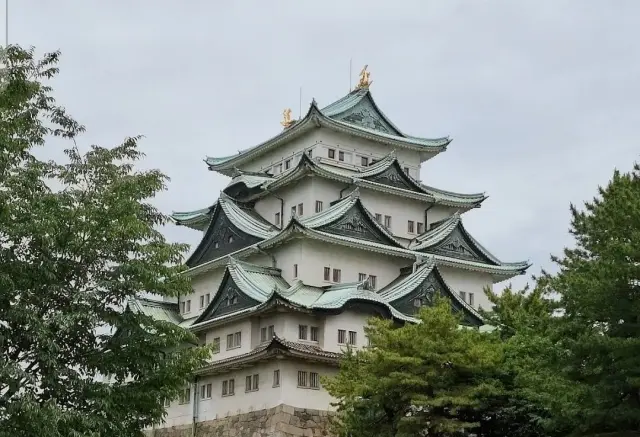
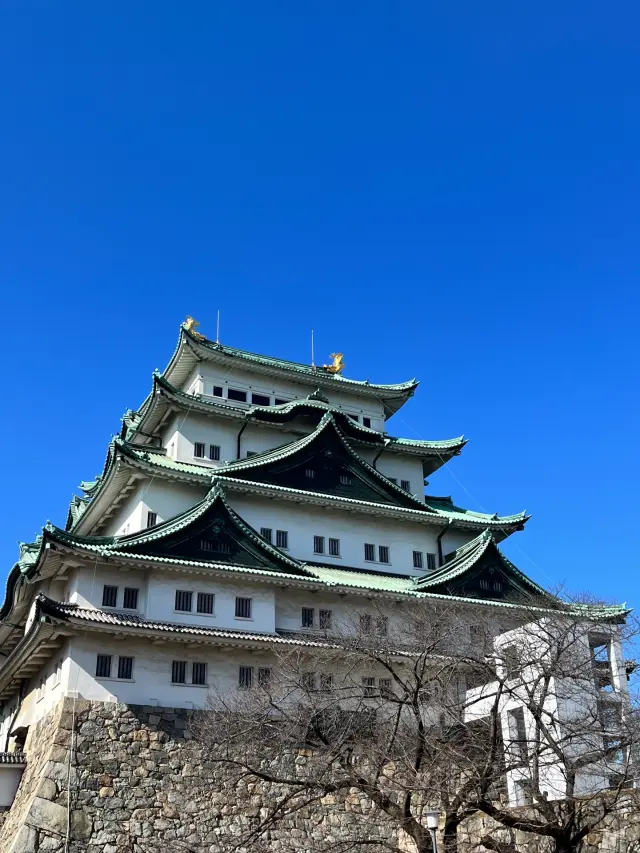
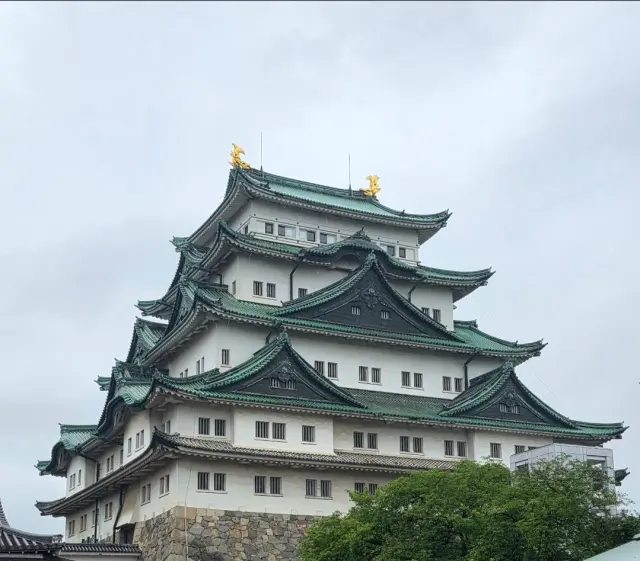
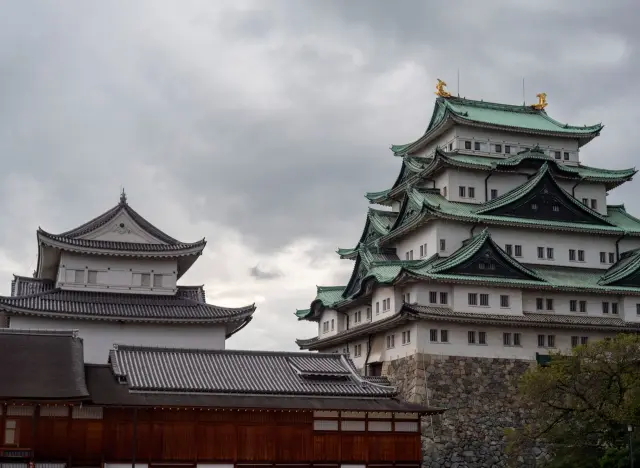
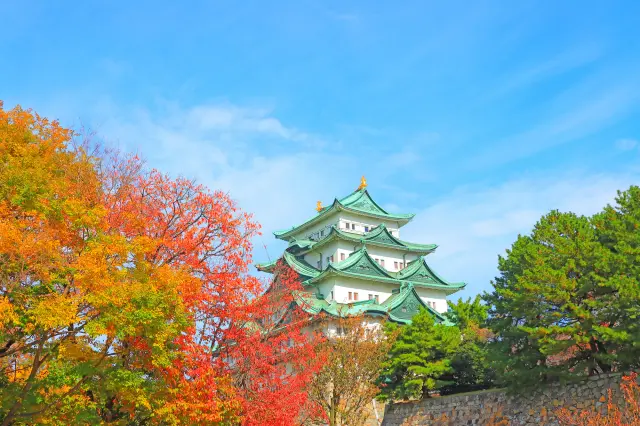
The castle tower (tenshukaku)has two shining Kinshachi, Golden Tiger-fish roof ornaments shining, and the majestic Hommaru palace is decorated with wall and screen paintings.

4.56 27

Last update :
Supervised by :  Nagoya Castle

One of the largest castles in Japan, built in the early Edo period on the orders of Tokugawa Ieyasu, the founder of the Edo shogunate, the five-story castle tower is topped with shining two Kinshachi, one male and one female that has become a symbol of Nagoya.

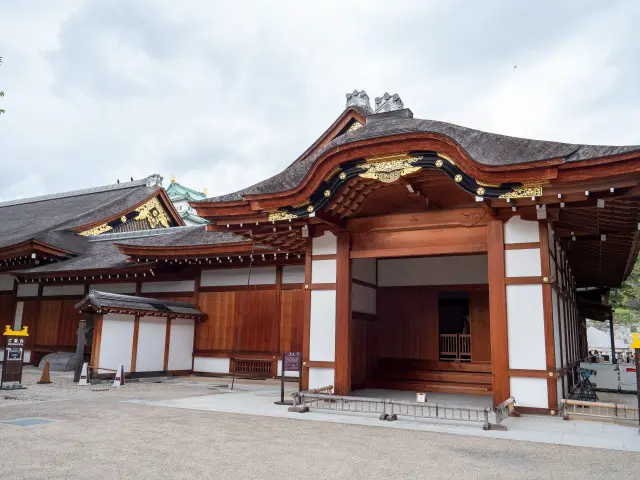
The Hommaru Palace, built in 1615 as a residence for the feudal lord and a place for politics, is also worth seeing.
It was burnt down with the castle tower in the war in 1945, but the wooden reconstruction work started in 2009 and was completed and opened to the public in 2018.
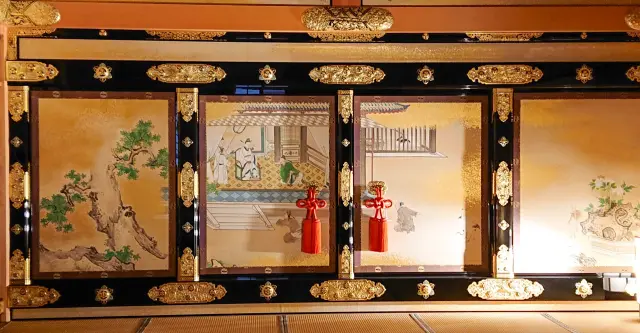
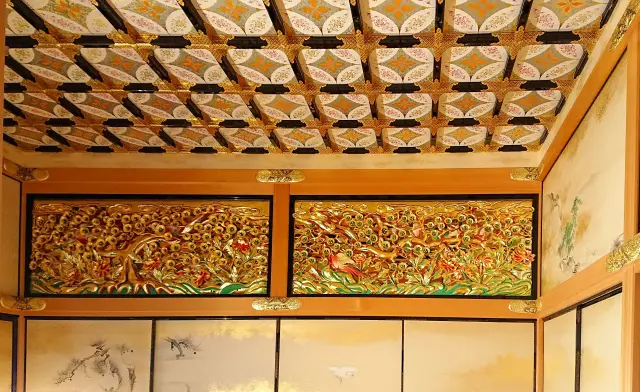
The interior is beautifully decorated with wall and screen paintings by the “Kano School”, a group of painters active from the Muromachi to Edo periods.
In 1634, the most gorgeous and luxurious "Jorakuden" was added to the building, and it served as a lodging place for the shogun of Edo when heading to Kyoto.

Highlights

  • The castle tower with Kinshachi shining on the roof, is a symbol of Nagoya.
  • "The Hommaru Palace, which is decorated with wall and screen paintings by the Kano School has great artistic value.
  • The castle was built on the orders of Tokugawa Ieyasu, who established the Edo shogunate.
  • The stone wall built with the leading act of Kato Kiyomasa is magnificent.
  • The castle tower is being closed.

Photos

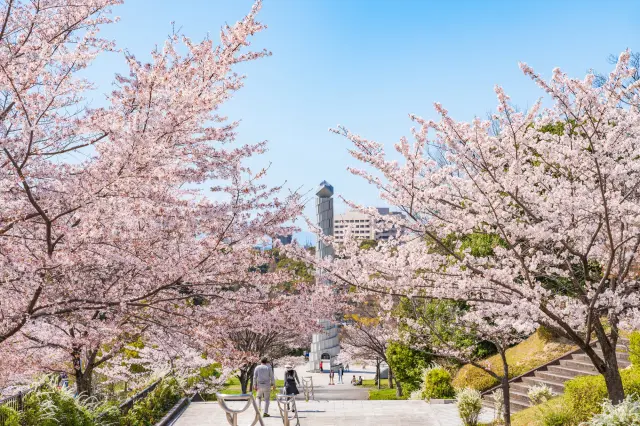
  • The cherry blossoms and the castle tower (tenshukaku).

    The cherry blossoms and the castle tower (tenshukaku).

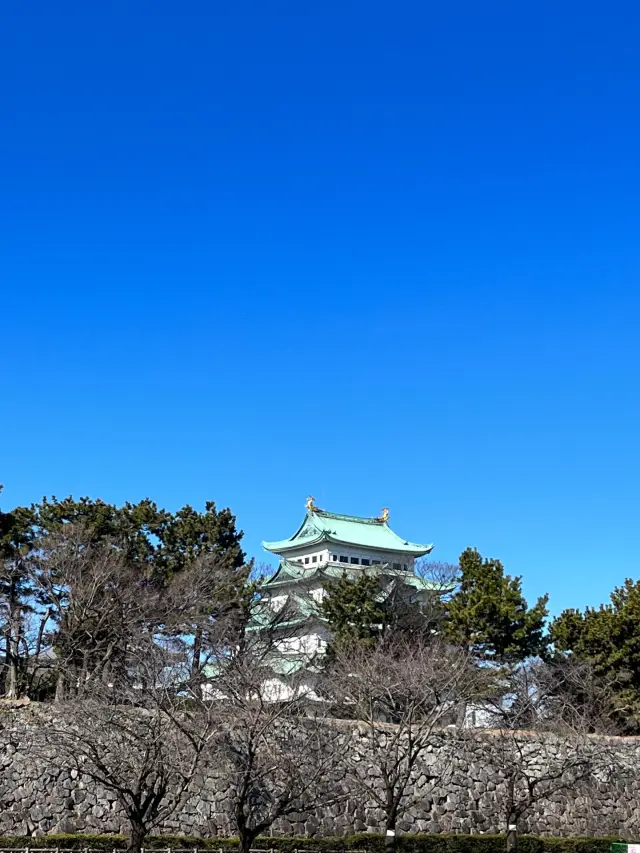
  • The stone wall built with the leading act of Kato Kiyomasa is magnificent.

    The stone wall built with the leading act of Kato Kiyomasa is magnificent.

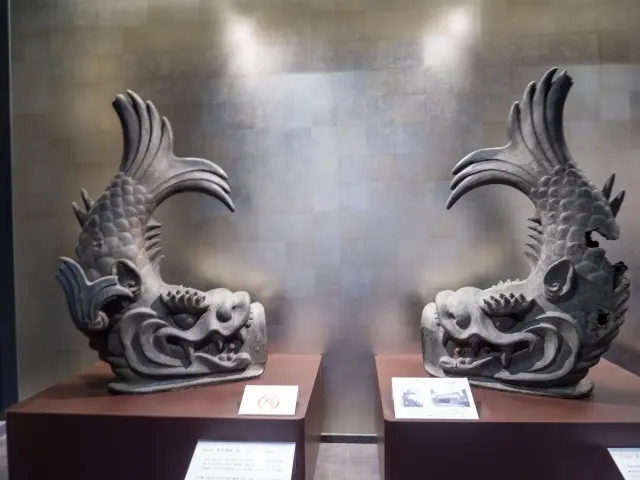
  • The Kinshachi shining on the roof is a symbol of Nagoya.

    The Kinshachi shining on the roof is a symbol of Nagoya.

  • It is also beautifully lit up at night.

    It is also beautifully lit up at night.

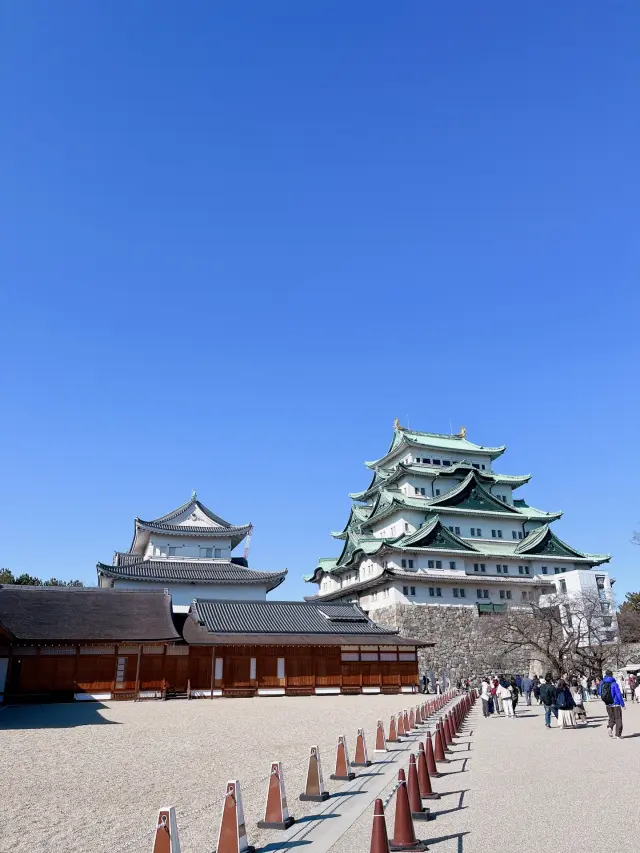
  • Hommaru Palace which was completed and opened to the public in 2018 after the wooden restoration work was completed.

    Hommaru Palace which was completed and opened to the public in 2018 after the wooden restoration work was completed.

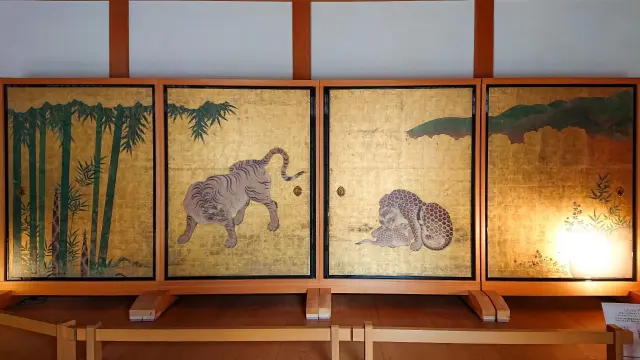
  • "Ichigenkan (Entrance hall)" with pictures of tigers and leopards.

    "Ichigenkan (Entrance hall)" with pictures of tigers and leopards.

Reviews

27

Some reviews are AI-translated.

  • See More

    It was drizzling when I visited Nagoya Castle. I thought there might be fewer people, but I was way off—it’s a popular attraction, so it was still packed with tourists!
    Nagoya Castle truly deserves its reputation as one of Japan’s three great castles. The most eye-catching feature is the pair of gleaming golden shachihoko atop the castle tower. They stood out even more against the gray sky and looked incredibly majestic. As I slowly explored the grounds, every corner felt steeped in history, and the rain added a unique atmosphere. This is definitely worth including in your Nagoya itinerary. It’s not only beautiful for photos, but also offers a wonderful glimpse into the Edo period.

  • See More

    I wasn't particularly interested in Nagoya Castle until I learned that the city had faithfully reconstructed Honmaru Palace—including spaces such as Jorakuden Hall and Yudono Shoin—using surviving prewar plans, photographs, measurements, and wall paintings. In other words, Nagoya Castle offers more than just a castle keep; you can also visit the shogun's residence. Once I learned that, I was determined to go.
    Honmaru Palace was what I looked forward to most, and it was every bit as breathtaking as I expected. From the entrance and Omote Shoin to Jorakuden Hall, there was a succession of gold-leaf wall paintings, carved transoms, decorative metalwork, and elaborately designed ceilings. It was so lavish that my neck started to ache from constantly looking up. I could also hear other visitors gasping in amazement.
    Yudono Shoin was equally fascinating. This was the shogun's private bathing and relaxation area. Rather than a bathtub, it featured a steam bath. The craftsmanship of the woodwork was exquisite, and even the bathing area had the refinement expected of a facility reserved for the shogun.
    Because the palace contains almost no furniture or household items, some rooms can look similar, making it difficult to immediately imagine how they were used. However, by closely observing differences in floor height, the subjects of the wall paintings, ceilings, transoms, and seating arrangements, you can still see how each space reflected status and hierarchy.
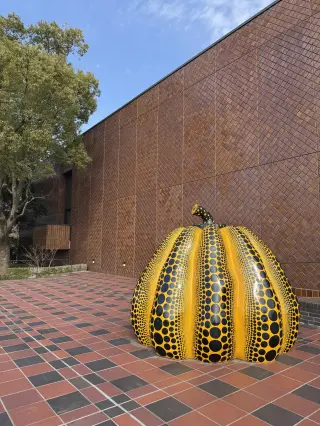
    If time allows, I highly recommend visiting Nagoya Castle and the Tokugawa Art Museum together. Honmaru Palace showcases the architectural spaces and formal order of the samurai class, while the museum preserves armor, tea utensils, paintings, calligraphy, and everyday objects from the Owari Tokugawa family. Together, they provide a much clearer understanding of daimyo culture and daily life at the time.
    I used to have low expectations for Nagoya Castle, but now I feel that simply being able to walk through such a meticulously reconstructed palace makes the visit worthwhile—even without access to the castle keep.

  • See More

    Nagoya Castle is grand and impressive, and the golden shachihoko on the roof really stand out. It’s one of Nagoya’s iconic landmarks. Inside, there are plenty of historical artifacts on display, along with beautiful garden views. It’s worth taking your time to explore.

  • See More

    Nagoya Castle is one of the must-visit attractions when traveling to Nagoya. It’s very easy to get to, with convenient subway access. Even on a weekday, there were still many tourists, and the area felt lively.

    Unfortunately, the castle tower was under renovation during my visit, so I couldn’t go inside. Still, the impressive architecture, golden shachihoko decorations, and garden scenery were well worth seeing. It made for a wonderful travel memory.

  • See More

    Meiji Mura is a fun place with a great sense of history.

Details

Name in Japanese
名古屋城
Postal Code
460-0031
Address
1-1 Hommaru, Naka-ku, Nagoya City, Aichi
Tel
052-231-1700 (Nafoyajo Sogo Jimusho)
Closed
Year-end and New Year holidays (varies depending on the events.)
Hours
9:00am - 4:30pm (Admission to Hommaru Palace is till 4:00pm.)
Admission
500yen for Adults, Free for junior high school students and younger,
<Combo ticket with Tokugawa-en> 640yen for Adults.
Directions
1) About 5 minutes walk from Nagoyajo (Nagoya Castle) Station on the Nagoya Municipal Subway.
2) About 22 minutes by the Me~guru, Nagoya Sightseeing Route Bus service from Nagoya Station, only a few minutes walk after getting off at Nagoya Castle bus stop.
Credit Cards
Accepted (Visa, MasterCard, JCB, UnionPay, American Express, Diners Club, DISCOVER) * Cash is only accepted for the combo ticket with Tokugawa-en.
Official Website
Official Website (English)