
Todaiji Temple

Verified [Verified] denotes information that has been published with confirmation of its owing parties.

Todaiji Temple

The temple was built in the Nara period (710-794) and is registered as a World Heritage Site as a "cultural asset of the ancient capital Nara”.

4.39 24

Last update :
Supervised by :  Todaiji Temple

In the Nara period (710-794), Emperor Shomu had the Rushana Daibutsu (Great Buddha) built at his request, and a memorial service was held in 752. This temple is one of the representative temples of Nara. It took nearly 40 years to build the temple complex. After the capital was moved from Heijo-kyo to Nara, the temple was well protected and prospered. In 1180 in the Kamakura period and again in 1567 in the Edo period, most of the temple buildings including the Daibutsuden were destroyed by fire, but they were restored with the cooperation of many people.

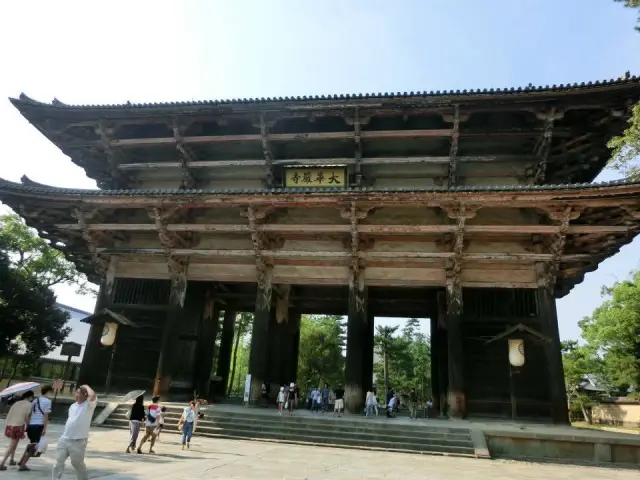
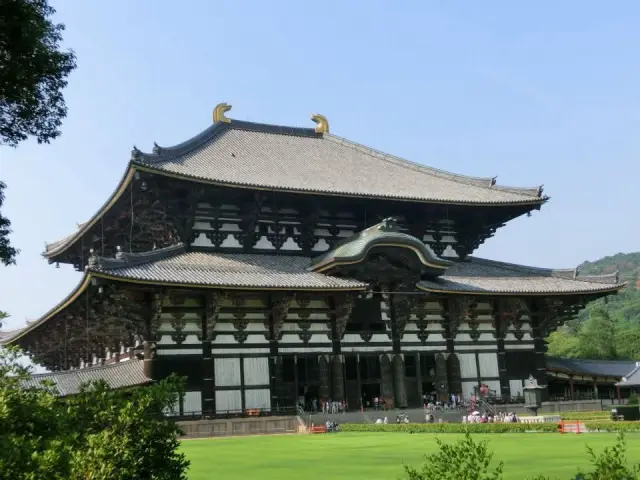
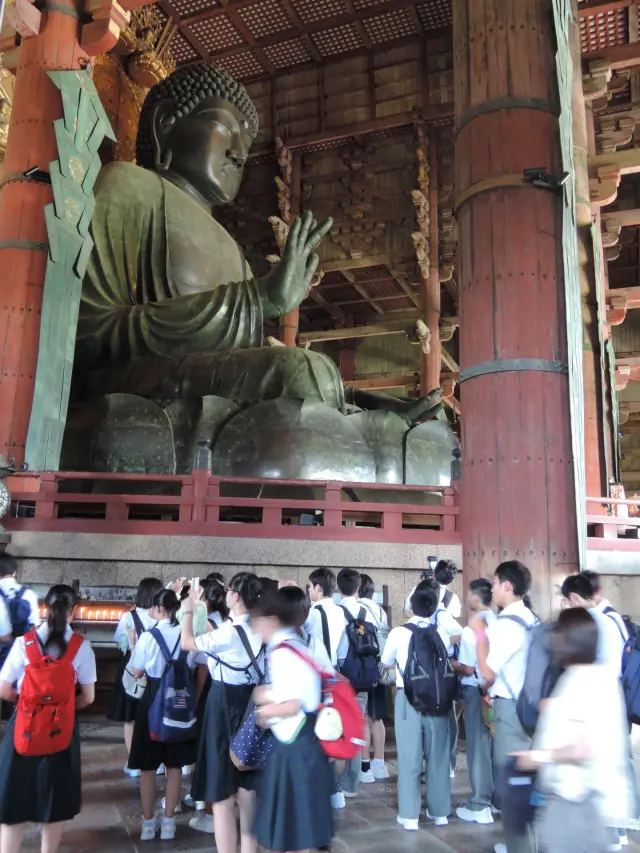
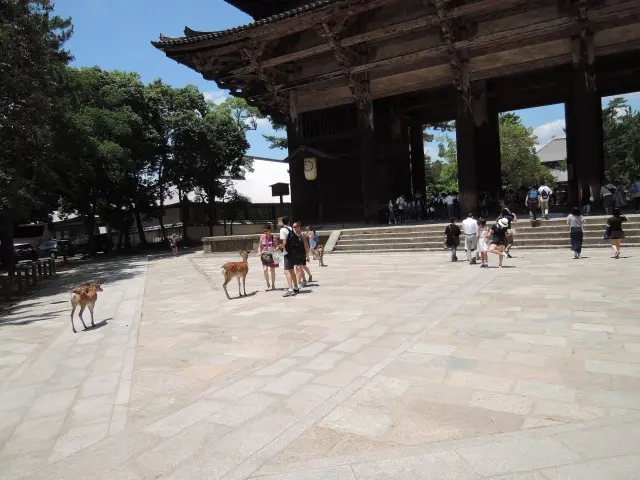
The Daibutsuden, one of the world's largest wooden structures, houses the seated statue of Rushana Butsu, popularly known as the "Great Buddha of Nara'', the oldest building in Todaiji's architecture, Hokkedo (Sangetsudo), and Nandaimon, the largest gate in Japan. The west side of the Shosoin Temple, which has survived two wars and still retains the original architecture of the temple, is also a must-see.

In 1998, the temple was registered as a World Heritage Site along with Kasuga Taisha Shrine and Kofukuji Temple as "Cultural Properties of the Ancient Capital Nara”.

Highlights

  • The temple was built in the Nara period (710-794) and is registered as a World Heritage site.
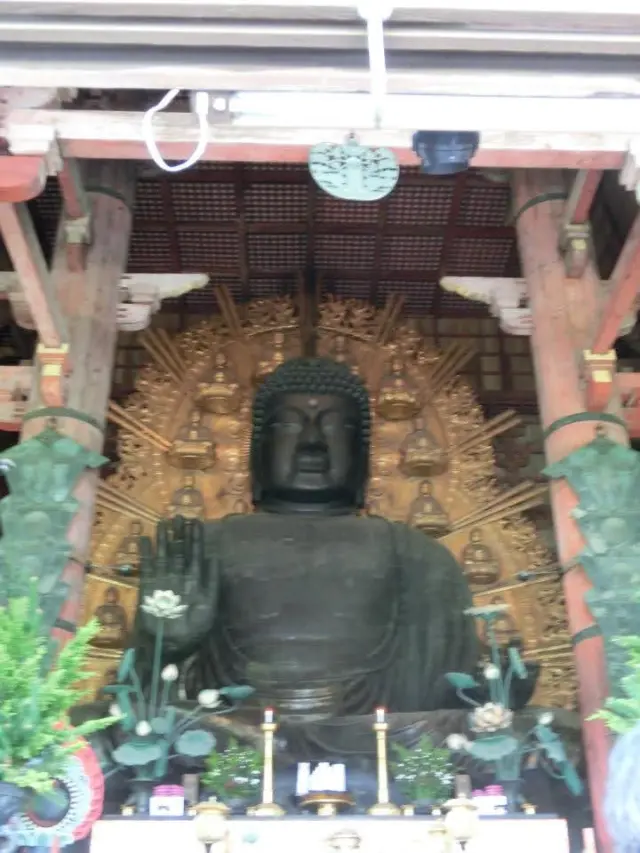
  • The main image enshrined in the Daibutsuden is the seated statue of Rushana Butsu, popularly known as the "Great Buddha of Nara".
  • It has many national treasures and important cultural assets, including the Daibutsuden, one of the largest wooden structures in the world.
  • You can also stop by the museum that introduces the history of Todaiji Temple and its cultural assets such as Buddhist statues and crafts.

Photos

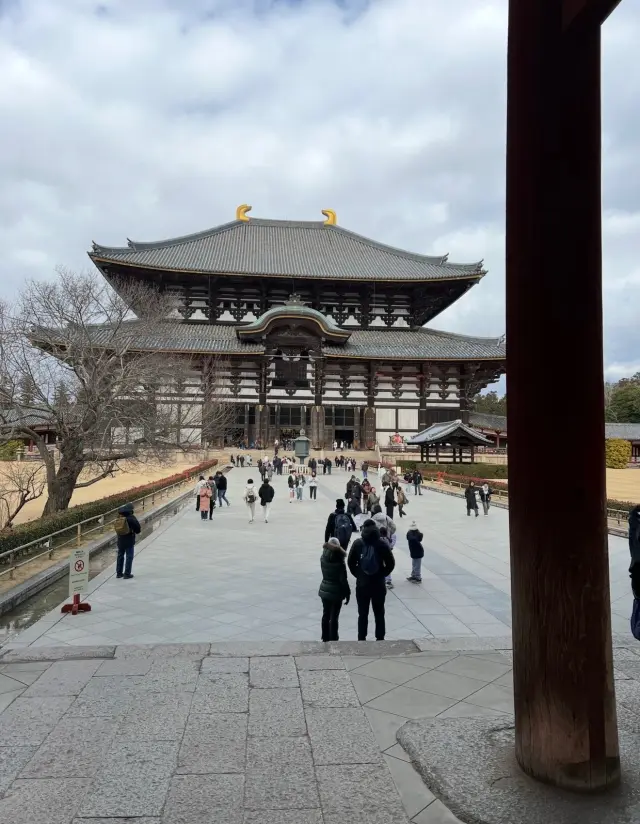
  • The Great Buddha Hall, one of the largest wooden structures in the world
Photo Credit: Todaiji Temple

    The Great Buddha Hall, one of the largest wooden structures in the world Photo Credit: Todaiji Temple

Reviews

24

Some reviews are AI-translated.

  • See More

    After passing through the main gate and entering the grounds, the first thing you see is the Great Buddha Hall (Kondo), said to be one of the world's largest wooden buildings. Just standing before this enormous ancient structure is enough to appreciate the height of human architectural craftsmanship. Inside the hall, you are greeted by the massive 15-meter-tall bronze Great Buddha of Nara (Rushana Buddha), gazing compassionately down upon all beings. Standing at its feet and looking up in person brings an indescribable sense of awe and calm.

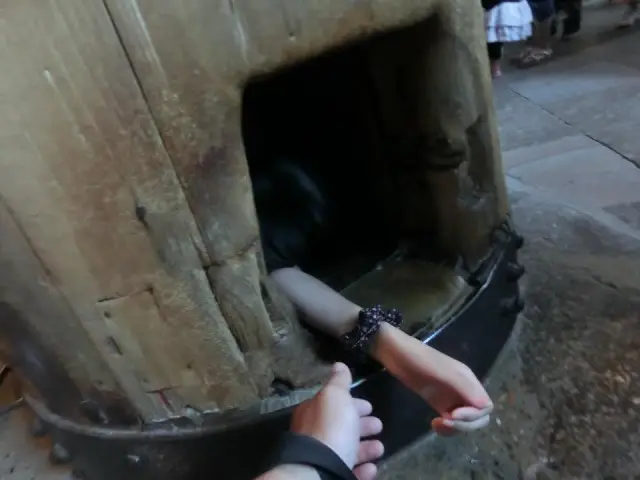
    Besides the impressive Great Buddha, the hall also has a famous pillar with a hole said to be the same size as the Great Buddha's nostril. It is said that anyone who can pass through the hole will be blessed with safety and good luck. Many visitors always line up to try, making it a very fun and cheerful experience.

    I highly recommend including Todaiji Temple in an in-depth walking itinerary when visiting Nara. Whether you want to experience the majestic presence of a thousand-year-old temple or pay your respects to the solemn Great Buddha, it will definitely leave you with profound and awe-inspiring cultural memories of your trip to Kansai!

  • See More

    Todaiji is a historic temple known for its majestic Great Buddha of Nara and one of the world's largest wooden Great Buddha halls. When you step inside, the sense of solemnity and awe is truly something photos can't capture.

    Behind the Great Buddha is a wooden pillar with a hole in it, said to be about the same size as the Buddha's nostril. Legend has it that if you can crawl through it, you'll be blessed with good health and protection from misfortune. Thinking back to my first visit to Nara, I was young and a little reckless. When I saw everyone lining up, I crawled in without hesitation, and to my surprise, I actually made it through! But when I visited again later, I wasn't as brave. I looked at the opening and decided to "just admire it," worried I'd crawl in and get stuck (lol).

  • See More

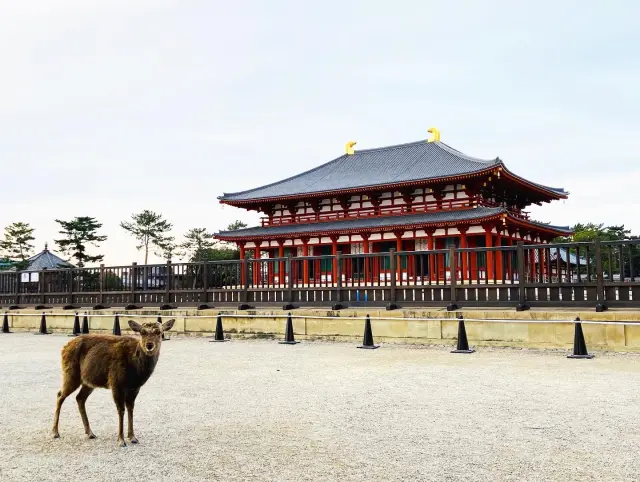
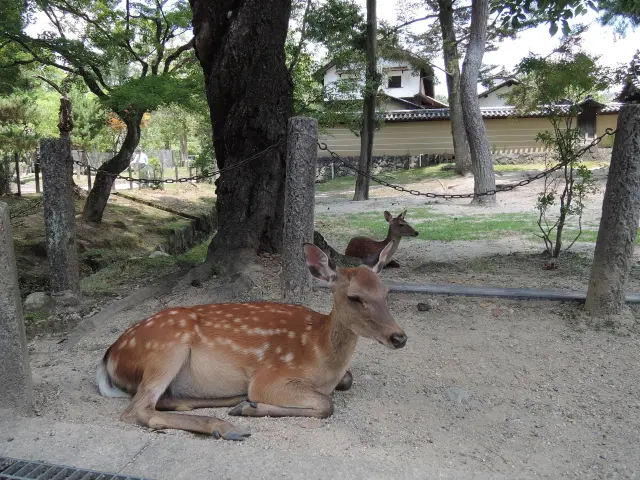
    As you enter Todaiji Temple, the Great Buddha Hall is truly magnificent. Seeing the enormous Rushana Buddha up close gives you an even deeper appreciation for the history and religious culture of Japan's ancient capital. The grounds are peaceful, and adorable deer wander around freely, adding to the fun of the visit.

  • See More

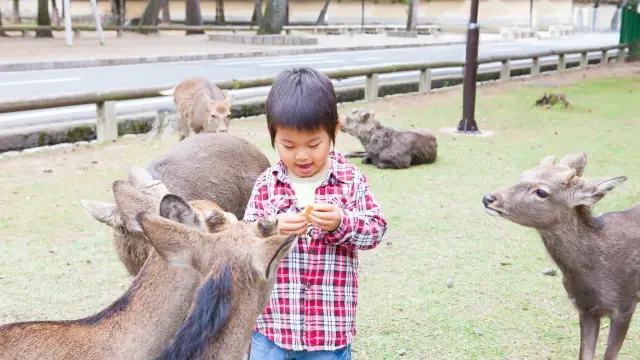
    When visiting Todaiji Temple in Nara, what I was looking forward to most was interacting with the adorable deer!

    The deer are considered messengers of the gods, and they’ll come right up to people as soon as they see them. They’re honestly so soothing to be around. Of course, I bought some deer crackers to feed them, but they were even more enthusiastic than I expected. When I wasn’t paying attention, one of them actually kicked me, which was scary and funny at the same time.

    Just a reminder: keep a little distance when feeding them, hold on to your deer crackers, and don’t tease them. That way, you can safely enjoy the fun of interacting with the deer!

  • See More

    A day trip to Todaiji Temple lets you take your time exploring the Great Buddha Hall and admire the solemn, majestic Great Buddha of Nara up close. You can also visit Nigatsudo, Hokke-do, Kaidan-do, and more. Every corner has its own historical story and offers a chance to experience the culture of Japan’s ancient capital.

    I recommend setting aside a little time to interact with the deer and take some photos so you can bring home your own special memories of Nara.

Details

Name in Japanese
東大寺
Postal Code
630-8587
Address
406-1 Zoshicho, Nara City, Nara
Tel
0742-22-5511
Regular holidays
No holidays (open to the public) ※The Todaiji Museum is closed temporarily.
Hours
Opening Hours: Daibutsuden (Hall of the Great Buddha): 7:30am - 5:30pm (April-October), 8:00am - 5:00pm (November-March); Hokkedo and Senteido: 8:30 - 16:00 (April-October), 9:30am - 5:30pm (November-March); Todaiji Museum: 9:30am - 5:00pm
*last entry 30 minutes before closing
Admission
Adults (junior high school students and older): 800 yen, Elementary school students: 400 yen *Admission fees are required for Daibutsuden, Hokkedo (Sangetsudo), Kaidan-in Senju-do, and Todaiji Museum.
Adults (junior high school students and older): 1,200 yen, elementary school students: 600 yen
Access
1) JR Yamato Line and Kintetsu Nara Line Nara Station from the city loop bus "Todaiji Temple, Daibutsu-den, Kasuga Taisha-mae", 5 minutes walk
2) Kintetsu Nara Line Nara Station from Nara Station (Omiya-dori route and Nara Park route) "Daibutsu-den-mae Garage", get off
3) 20 minutes walk from Nara Station on the Kintetsu Nara Line
Credit Cards
Not accepted
Official Website
Official Website (English)
Hokkaido Tohoku Kanto Chubu Hokuriku Kansai Chugoku Shikoku Kyushu Okinawa