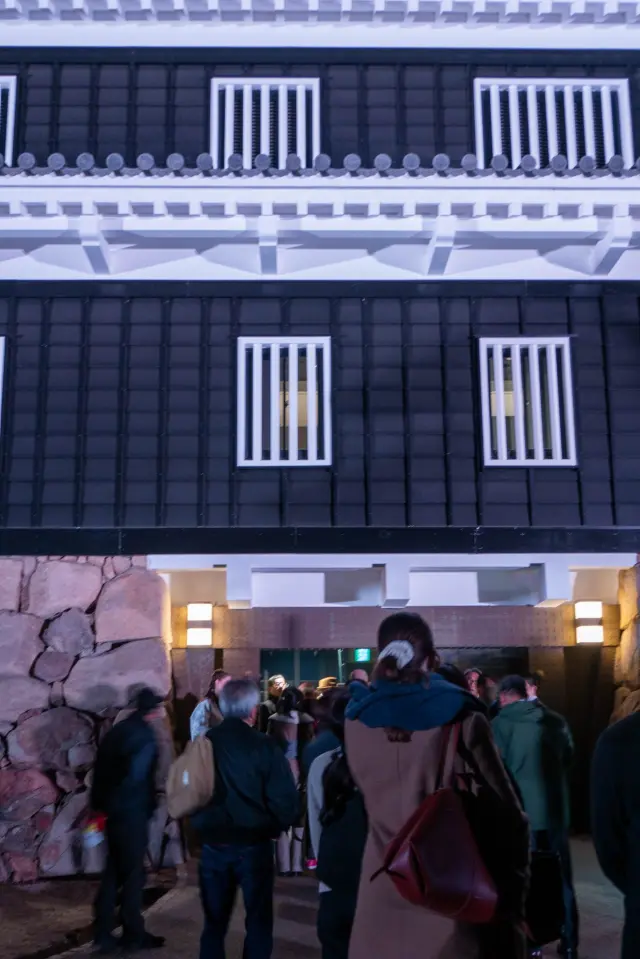
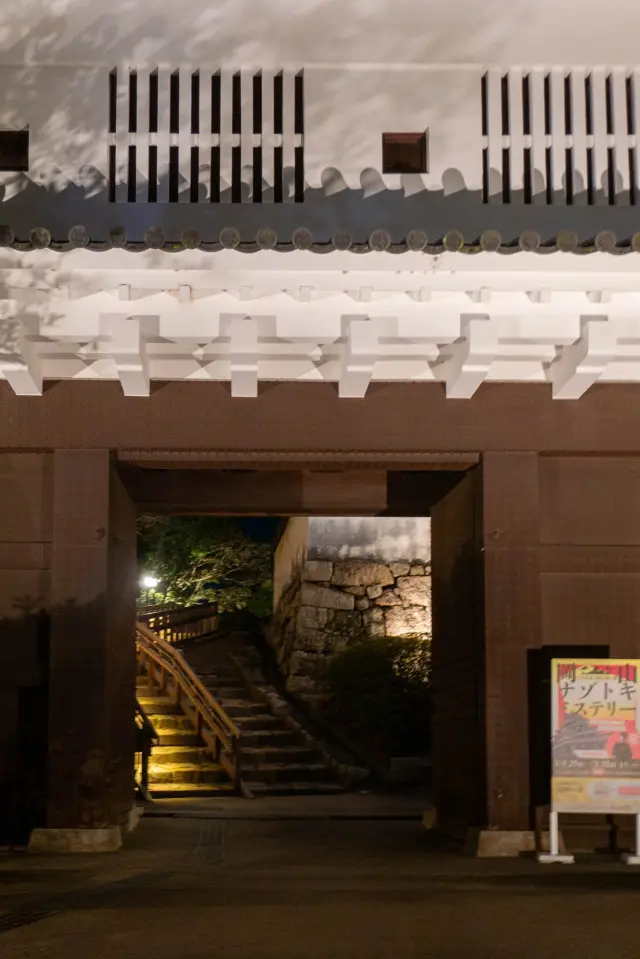
The main reason I visited Okayama Castle this time was to attend a local sake event held inside the castle at night. You can take the streetcar to Shiroshita Station and then walk about 10 minutes to Okayama Castle. However, if you come at night, the route from Shiroshita Station to the castle isn’t particularly well lit. I found this stretch of the walk a little scary, and the lighting only noticeably increased after I actually entered the Okayama Castle and Ujo Park area. If you’re visiting at night, I recommend having your phone’s flashlight ready so you can at least feel safer while walking.
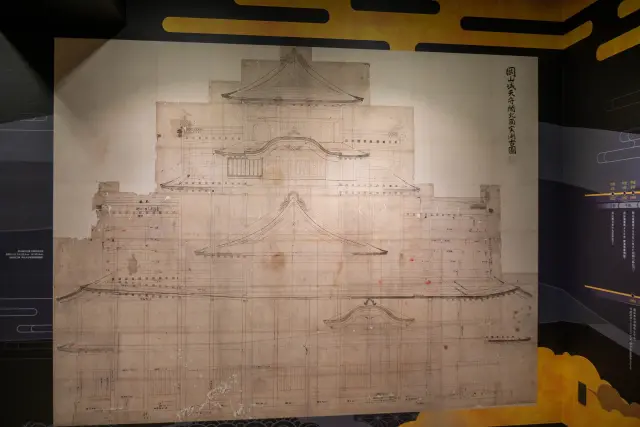
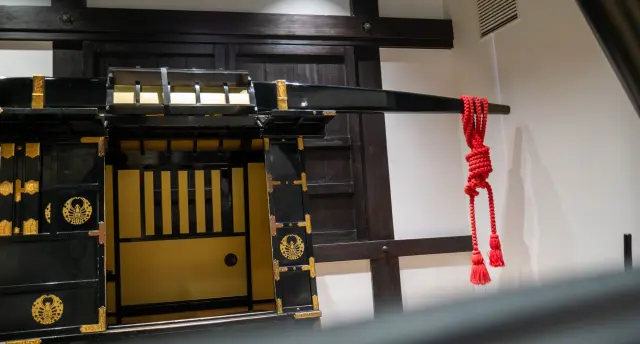
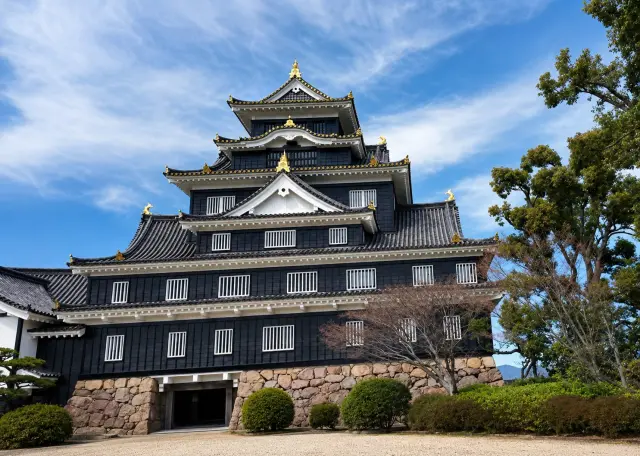
The castle tower you see at Okayama Castle today is a reconstruction. The original tower was destroyed in the 1945 air raid on Okayama and wasn’t rebuilt until 1966. Once inside, I felt it was more like a history museum themed around Okayama Castle. In addition to historical exhibits, there are also plenty of interactive activities and experiences, such as trying on samurai and princess costumes and riding in an Edo-period palanquin.
If you collect stamps from Japan’s 100 Famous Castles, you can get the Okayama Castle stamp here as well. The stamp is currently located near the reception area on the first basement floor. However, since it’s inside the paid area, you still need to purchase admission to use it. If you have the Okayama Enjoy Pass, you can use it here to redeem a package that includes admission to the Okayama Castle tower and a seasonal fruit parfait at Ujo Cafe.
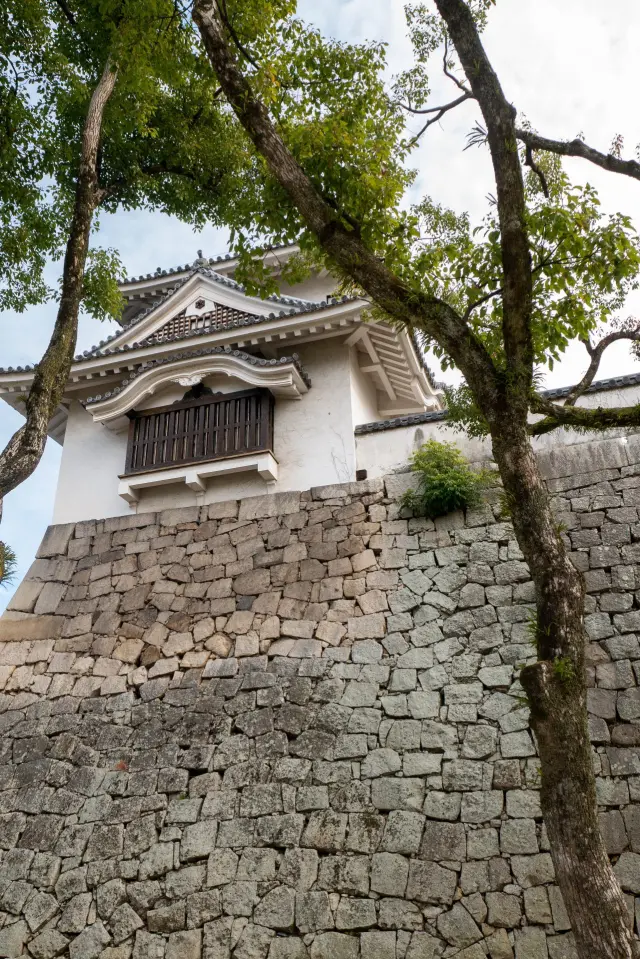
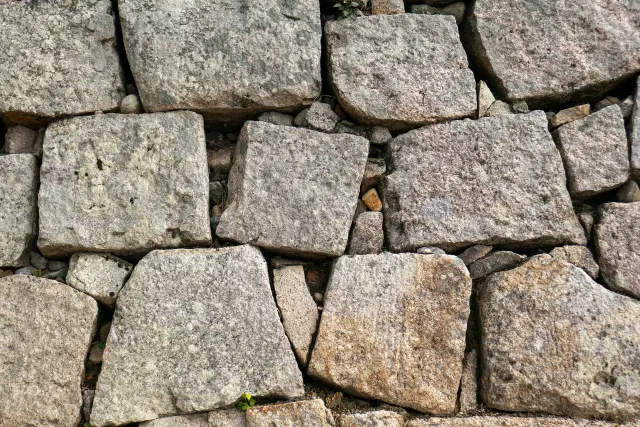
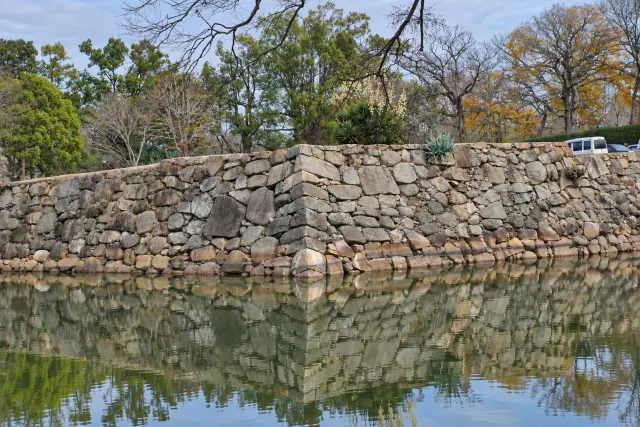
However, rather than the castle tower itself, I found the truly interesting parts of Okayama Castle to be the remaining stone walls and castle ruins around it. The honmaru still has stone walls from different periods. You can see traces of the castle construction from the time of Ukita Hideie, sections left from later expansions by the Ikeda clan, and even excavated stone walls and markings left by stonemasons. Looking closely at the stone walls actually gives you a stronger sense of how Okayama Castle changed under different lords and through different eras. Compared with the reconstructed castle tower, I personally felt that these unassuming stone walls and ruins were more distinctive of Okayama Castle.