Holly's Reviews Page 2/10

Holly’s Profile Page
  • Tsukiji Hongwanji Temple

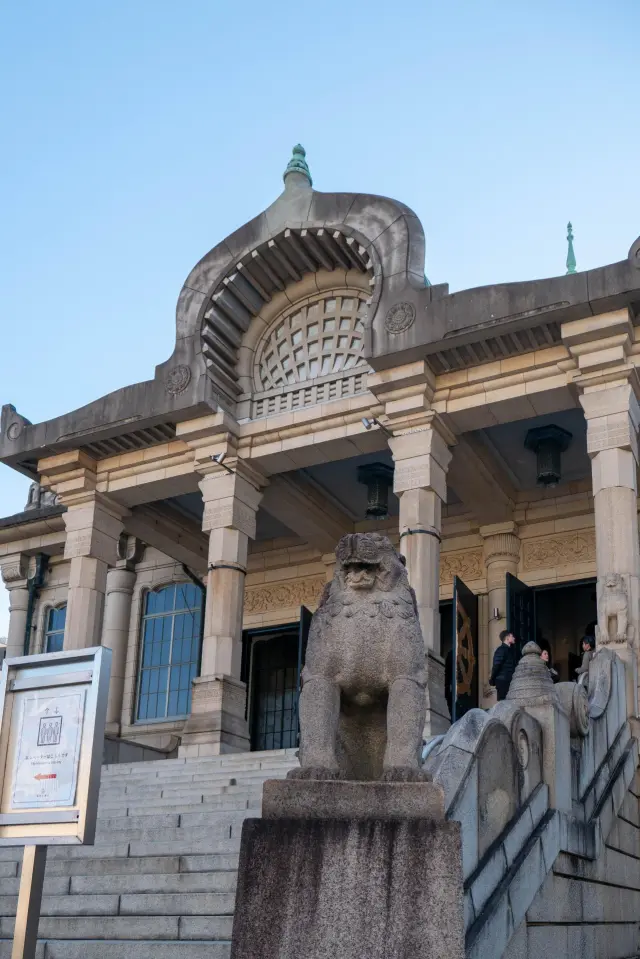
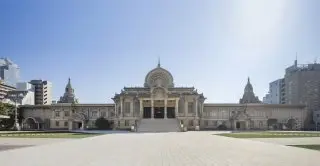
    Located near the Tokyo Tsukiji Market, Tsukiji Hongwanji is a temple of the Jodo Shinshu Hongwanji Sect, whose head temple is Nishi Hongwanji in Kyoto.

    • Tsukiji, Odaiba, Toyosu
    • Shrines & Temples
    See More

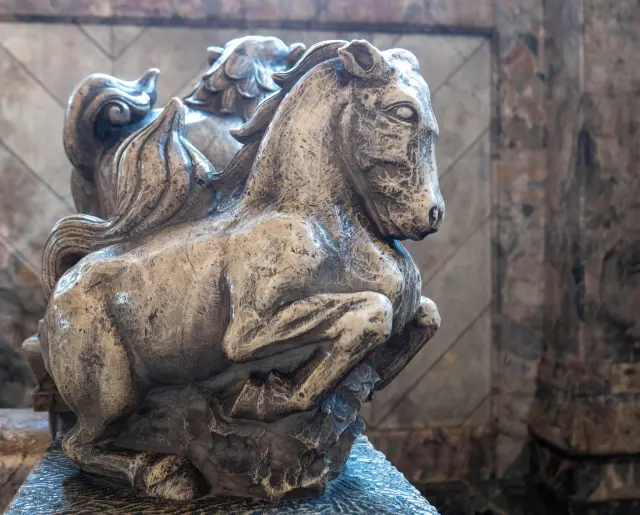
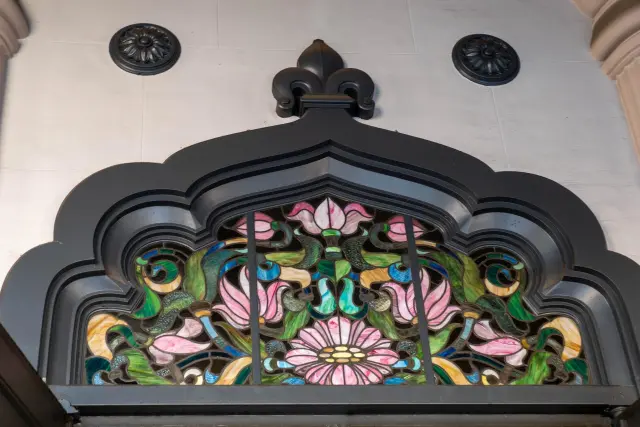
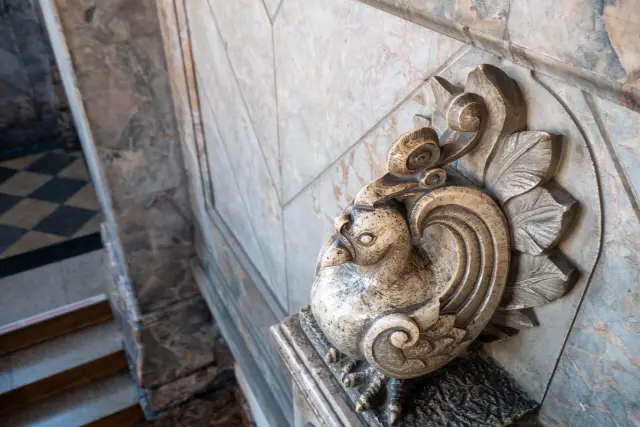
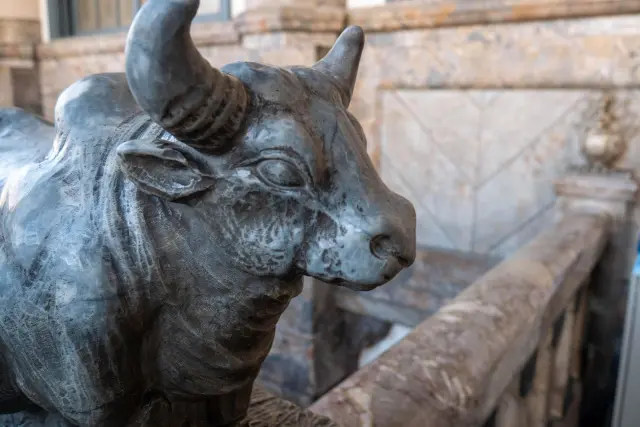
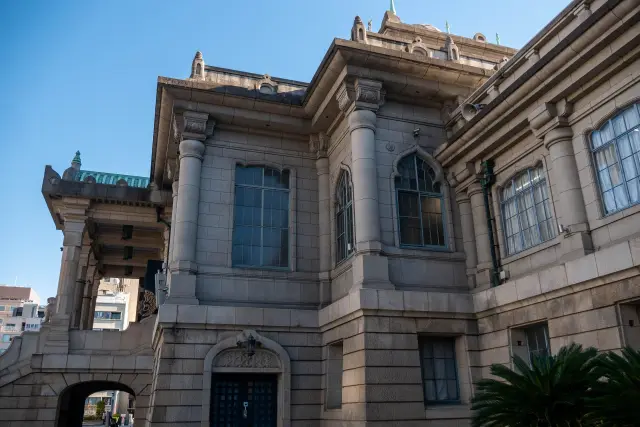
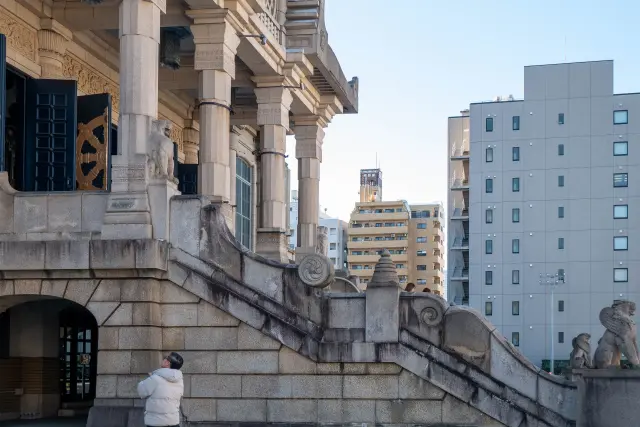
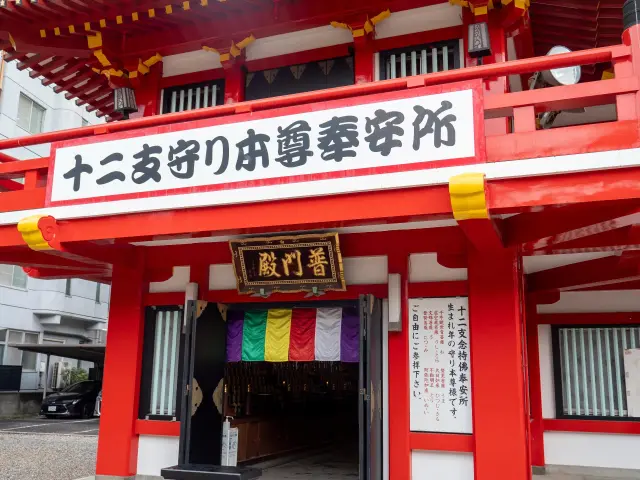
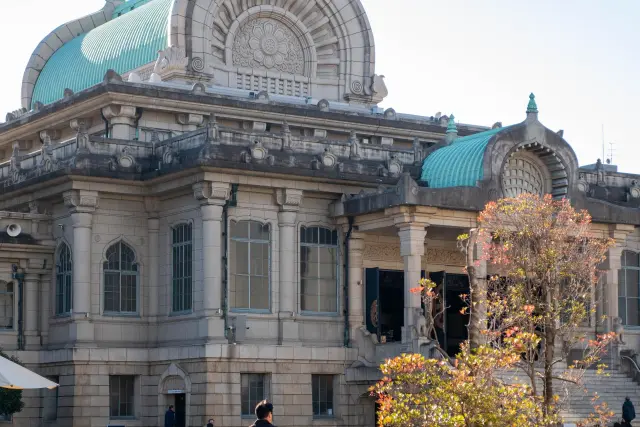
    Tsukiji Hongwanji Temple was originally just a place I planned to stop by on my way to Tsukiji Market, but after seeing it in person, its architecture ended up leaving a deep impression on me. The current main hall was designed by architectural historian Chuta Ito, and its exterior has a strong Indian and South Asian Buddhist architectural style. The dome, stonework, and overall silhouette are completely different from what you would normally picture as a Japanese temple.
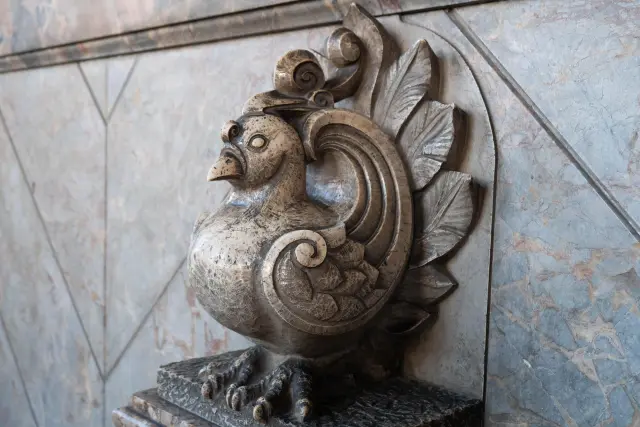
    But what is really interesting is that when you get closer, you notice that it still retains much of the refinement distinctive to Japanese architecture. The animal carvings, decorative details, stained glass, and interior furnishings do not simply copy an Indian style. They incorporate a lot of Japanese aesthetics and craftsmanship, so the building looks very foreign overall, yet very Japanese when viewed closely. This kind of blend is truly uncommon among Japanese temples.
    There is also a large pipe organ inside the main hall, which is quite unusual in a Buddhist temple. Unfortunately, photography is prohibited in the worship area. Otherwise, the contrast between the interior and exterior would be even more striking, since the inside of the main hall looks much like many other Hongwanji temples.
    The Tsumugi cafe next to Tsukiji Hongwanji Temple is also well known, and its signature offering is the “18-Dish Breakfast,” which lets you try a variety of small Japanese dishes at once. I did not pay much attention to the breakfast hours this time, which was a bit of a shame. If you are planning to continue on to Tsukiji Market for food afterward, I would recommend watching how much you eat, or you may end up full before you even explore the market.
  • Osu Kannon Temple

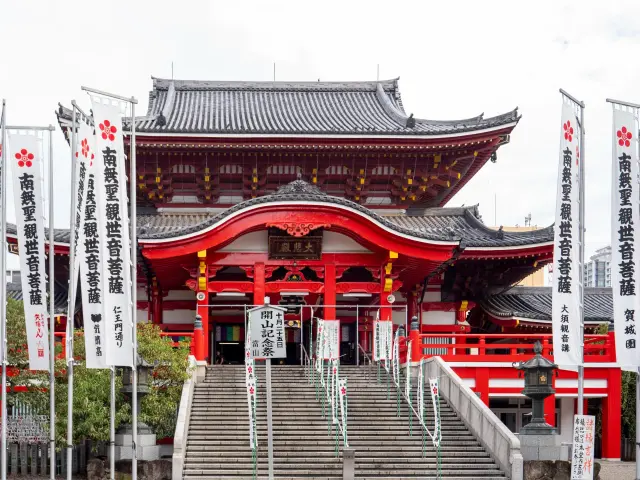
    This temple is the branch headquarters of Shingon Sect, Chisan School, officially called “Kitanosan Shinpukuji Hoshoin Temple ”. It started in Hashima City, Gifu and moved to the current location by General Tokugawa Iyeyasu’s order. It is regarded as one of Japan’s Three Kannon Temples along with Asakusa Kannon in Tokyo and Tsu Kannon in Mie.

    • Sakae, Fushimi, Osu
    • Shrines & Temples
    See More

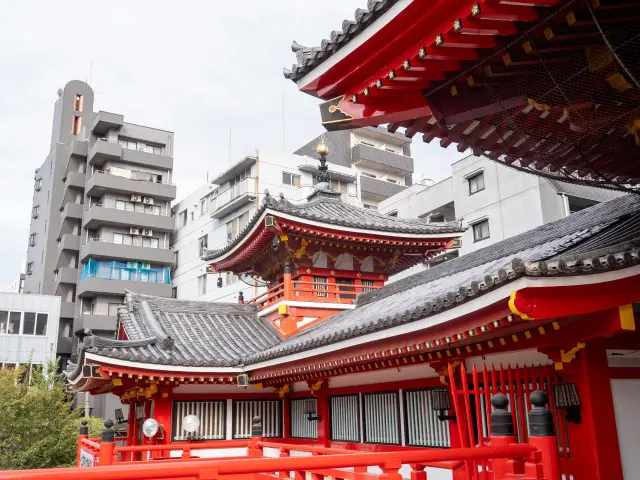
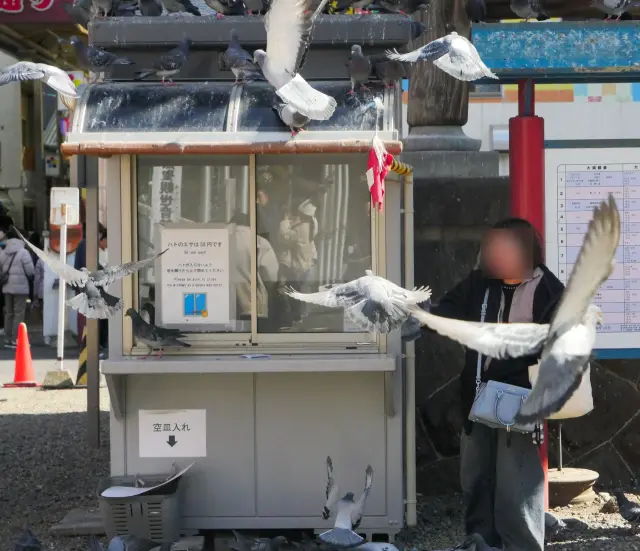
    Osu Kannon Temple itself is well worth exploring carefully. Its vermilion main hall is quite striking, and the temple grounds feel more lively and down-to-earth than I had expected, without an overly formal sense of distance. The temple enshrines Kannon Bodhisattva and is one of Nagoya’s most prominent temples devoted to Kannon worship. What impressed me most during my visit was actually the large number of pigeons on the grounds. They often fight over food in front of the main hall, and it can be a little scary when a large flock takes off at once. They are not particularly aggressive, but you should still be careful if you feed them.
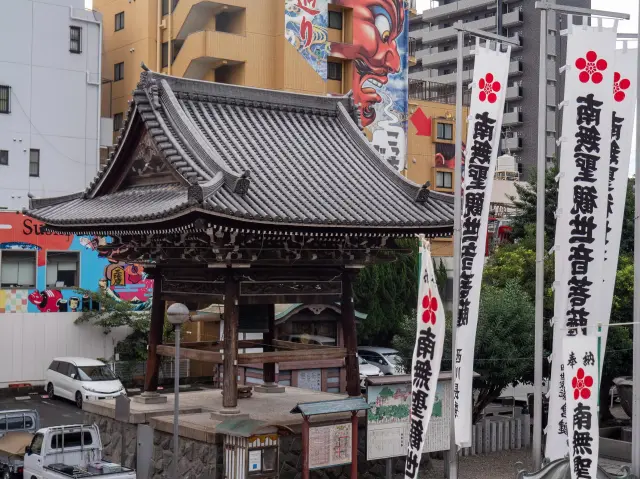
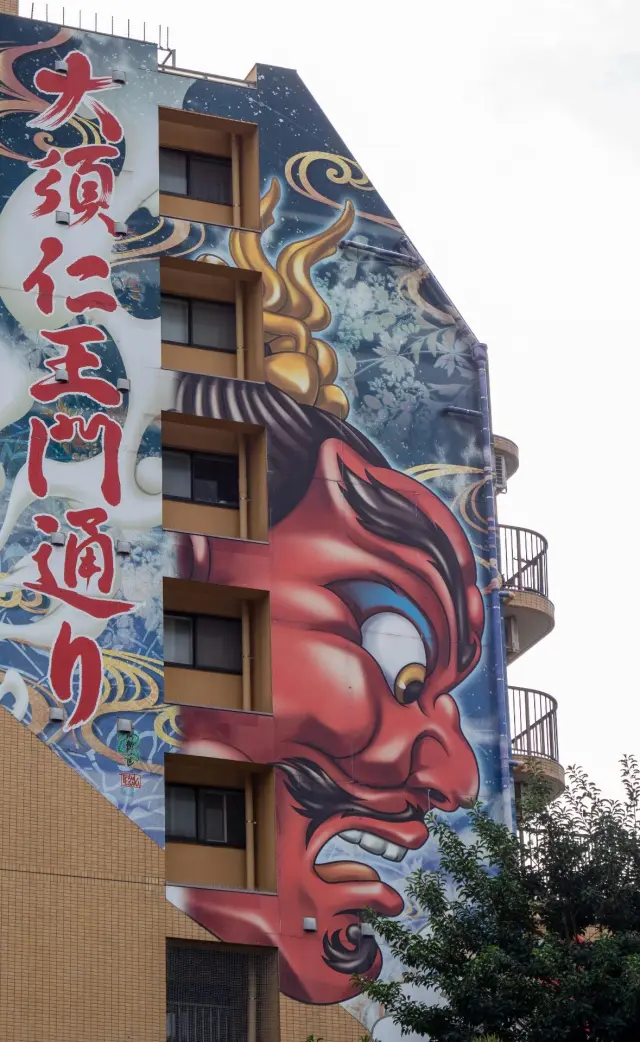
    Like Sensoji Temple, this temple is often said to be a place where it is relatively easy to draw a bad-luck fortune. Fortunately, I have visited several times and have always drawn good luck, so I am quite grateful for Kannon’s care. In addition to the main hall, the grounds also include a bell tower, Niomon Gate, and purification pavilion. The amulets and other items available here are also distinctive.
    Near the bell tower, there is also a mechanical puppet display called “Muneharu Ranman,” which performs automatically every day at 11:00, 13:00, 15:00, 17:00, and 18:30. It is themed around Tokugawa Muneharu, lord of the Owari Domain. If you are interested, you can time your visit to see it.

  • Kurashiki Denim Street

    Kurashiki Denim Street is a specialty spot for denim from Kojima, Kurashiki City, known as the birthplace of Japanese-made jeans. It offers a wide range of denim products, including Kojima-made jeans, bags, accessories, and interior goods, with easy-to-shop sections for men, women & kids, and miscellaneous goods. One of its charms is being able to casually experience “Kurashiki denim” while comparing differences in texture and finish.

    • Okayama
    • Miscellaneous Goods
    See More

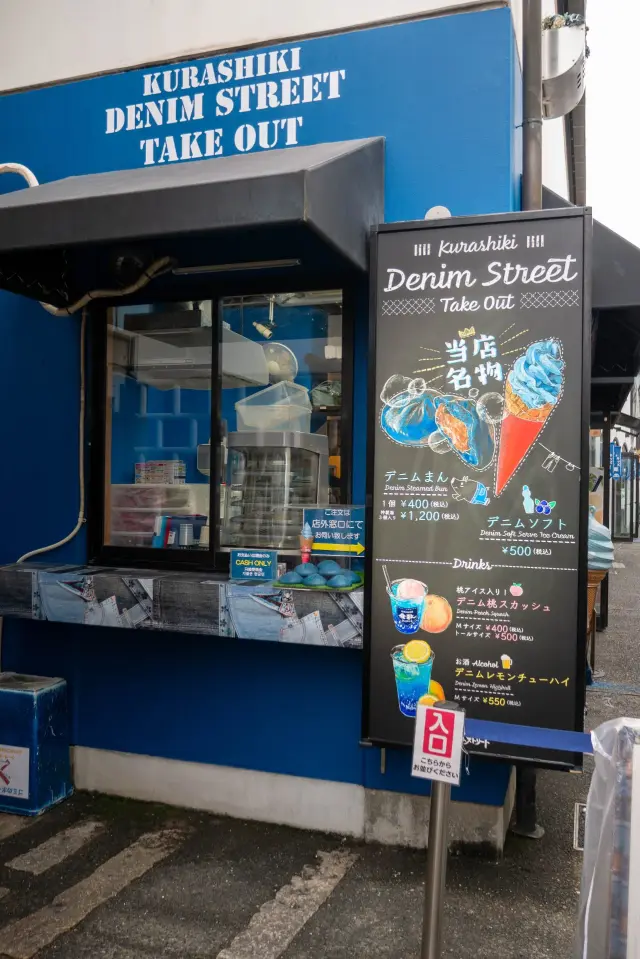
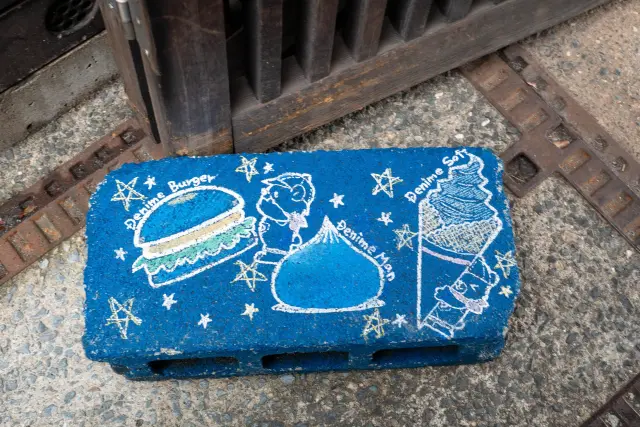
    Kurashiki Denim Street is located in the Kurashiki Bikan Historical Quarter. I had seen it featured on a Japanese TV show before, and it is best known for its blue “denim buns” and “denim soft-serve ice cream.” But after seeing the actual color, I suddenly lost my appetite and decided not to try them after all.
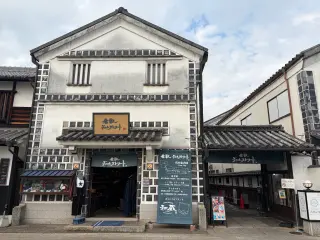
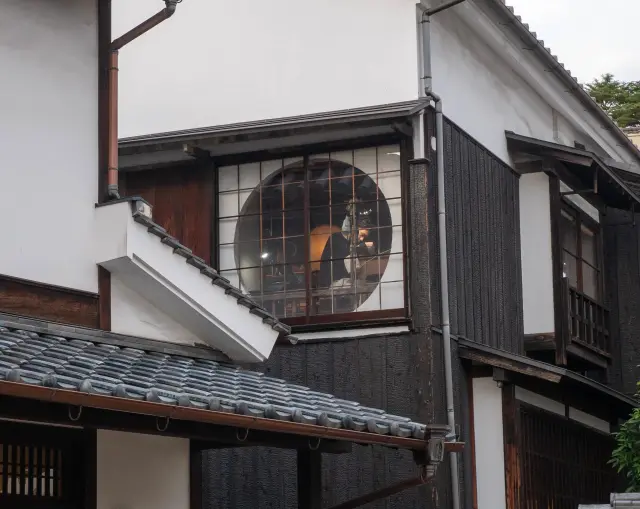
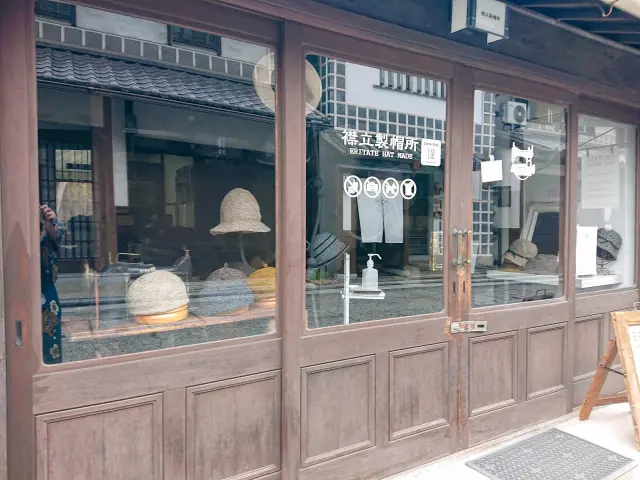
    Although it is called “Denim Street,” it is actually more like a small alley-style shopping area with denim products from brands based in Kojima. Everything throughout the area, from the signs and decorations to the merchandise, uses a lot of blue, making it stand out sharply amid the white walls and black roof tiles of the Kurashiki Bikan Historical Quarter.
    What is interesting about this place is that it is not just a “blue photo spot.” It is genuinely connected to Kurashiki’s local industries. Kojima in particular has a long history of developing textile- and denim-related industries and is also an important birthplace of domestically produced Japanese jeans. So the abundance of denim elements in Kurashiki is not a forced tourism theme, but part of the local industry.
    Once, while riding the train, I happened to see high school students heading home from school, and their uniform jackets had a denim-like look. That was something I never could have imagined when I was a student. It was really unique to see the local industry blend so naturally into everyday life.
    If your itinerary does not leave enough time for a separate trip to Kojima, Kurashiki Denim Street is a good alternative for a simple introduction to denim culture. People interested in jeans, canvas, and fabric products will find more to browse. Even for general tourists, it can be treated as a small, highly distinctive spot within the Bikan Historical Quarter.
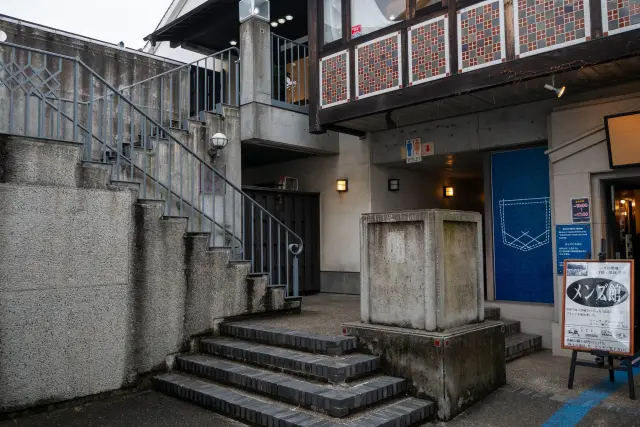
    As a side note, the public restroom near the back of Denim Street is also very nicely designed and blends harmoniously with the surrounding scenery. Even small details like this make it clear that Kurashiki puts a lot of care into its tourist spaces.

  • Shoren-in Monzeki Temple

    One of the head temples of the Tendai sect, this temple has long-standing ties to the Imperial family. Its principal image is the Shijoko Nyorai Mandala, and it houses the National Treasure Ao Fudo Myoo, one of Japan’s three great Fudo Myoo statues. It began as a residence for monks of Enryaku-ji Temple on Mount Hiei, and was once home to eminent monks including Saicho and Ennin. A monzeki temple is a temple where members of the Imperial family or court nobility served as head priest.

    • Gion, Higashiyama, Yamashina
    • Shrines & Temples
    See More

    If you want to collect goshuin at Shoren-in Monzeki Temple, I would personally recommend visiting during the day. During special nighttime viewings, the goshuin available at the temple office are more likely to be prewritten. If you want one written for you on the spot, you have a better chance during the day.
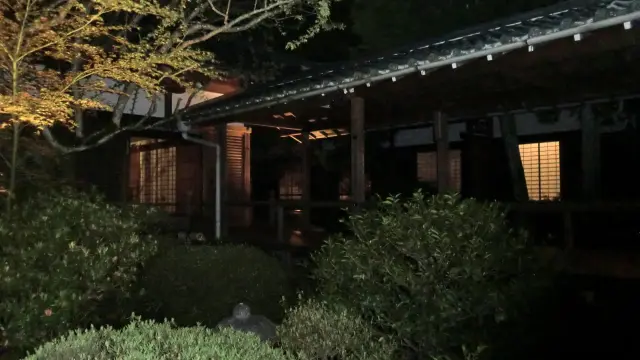
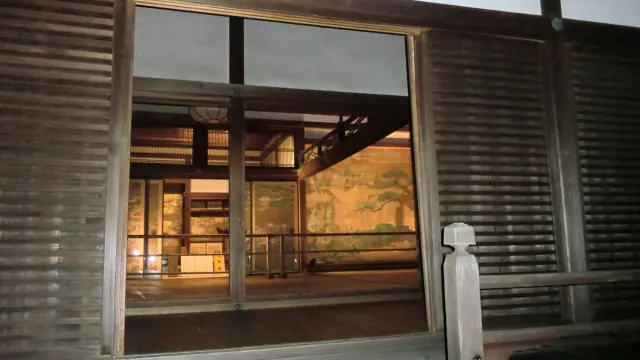
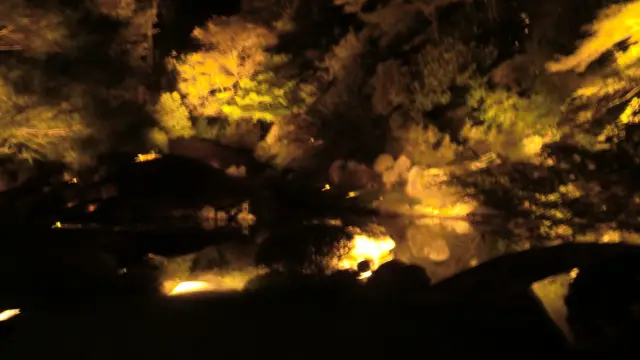
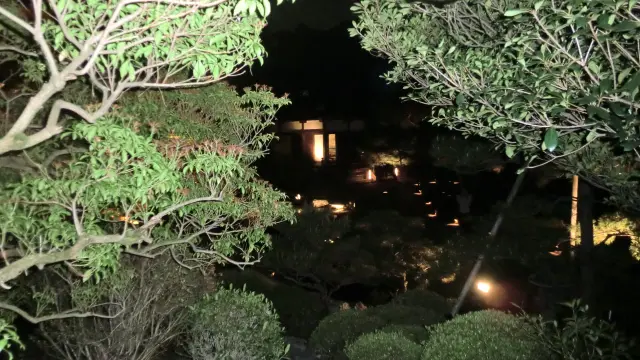
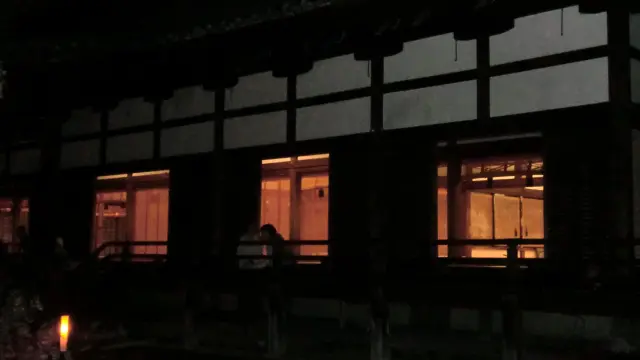
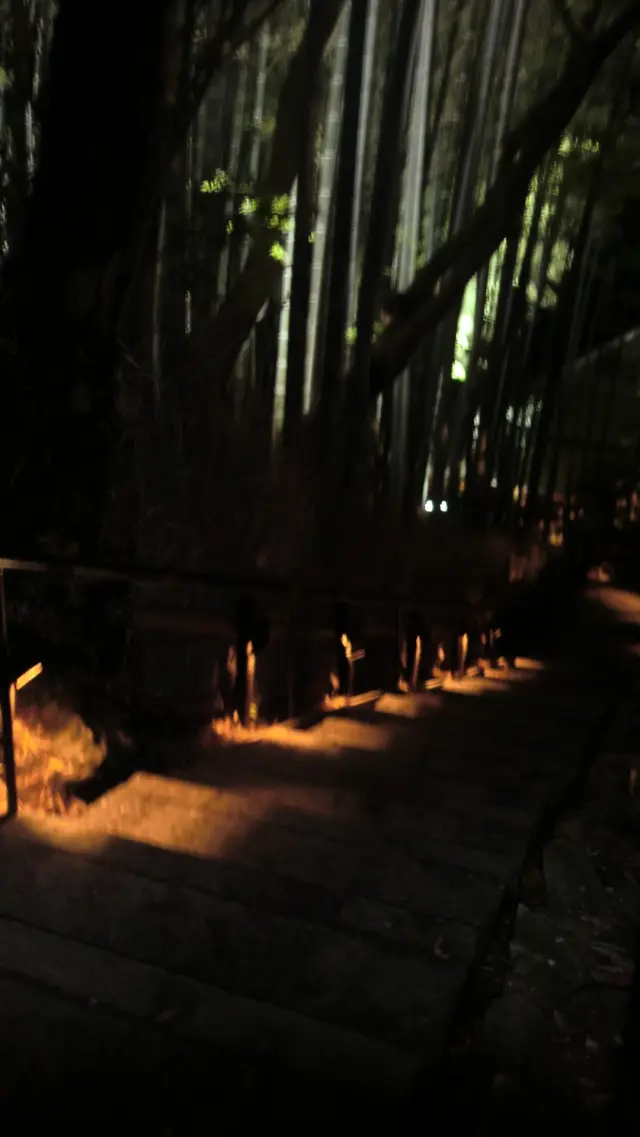
    The nighttime illumination is certainly beautiful, and the garden and buildings take on a very quiet, mysterious atmosphere under the dim lighting. However, the drawback is also obvious: many of the architectural details are difficult to see. If your main purpose is to appreciate Shoren-in itself, including its temple buildings, painted sliding panels, and gardens, I would actually recommend visiting during the day.
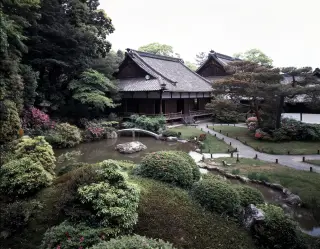
    In addition to Kachoden Hall, Kogosho, the Main Hall, and Shinden Hall, Shoren-in’s grounds include a strolling pond garden centered on Ryujin Pond, traditionally said to have been designed by Soami. There is also the Kirishima Garden, which is traditionally associated with Kobori Enshu. These are all better appreciated slowly during the day, especially the details of the gardens, the proportions of the buildings, and the borrowed scenery, much of which is lost under the nighttime lighting.
    Special nighttime viewings also usually cost a little more than regular daytime admission, so unless you are visiting specifically for the illumination, I personally think the overall value is better during the day. Of course, if you really enjoy the quiet and slightly mysterious atmosphere of temples at night, Shoren-in’s illumination is still worth experiencing once.
    At the time, I did not have enough photography experience, and looking back now, I feel like I did not make the most of the illumination that evening. Shoren-in’s nighttime lighting is dim to begin with. In many areas, instead of lighting up an entire building, it uses localized lighting to create atmosphere. So if you want to take photos, it is best to prepare a camera or phone with good low-light capabilities. If there is not even much moonlight that day, the demands on your equipment and your ability to hold it steady will be even greater.

  • Nanjo Art Museum

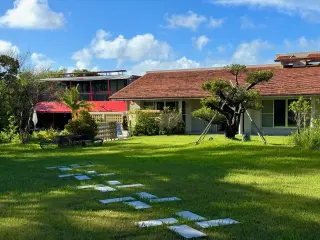
    An art museum located in Nanjo City in southern Okinawa’s main island. Rather than simply viewing works in exhibition rooms, it presents itself as a “scenic art museum” where visitors can experience art through nature, architecture, and spaces of everyday life. The permanent exhibition room features a wide range of works by contemporary artists from Japan and abroad, including pieces by Yayoi Kusama, Park Seo-Bo, and Zhang Xiaogang.

    • Naha, Shuri, Itoman, Nanjo
    • Museums
    See More

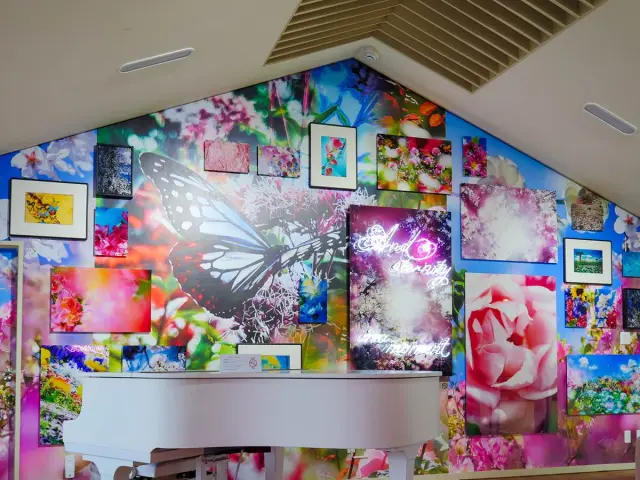
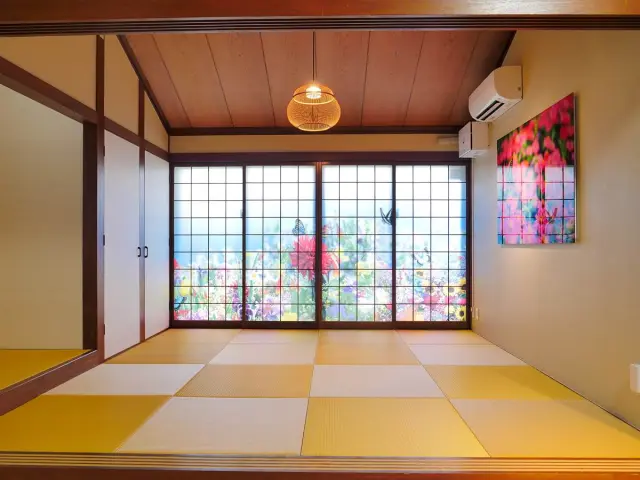
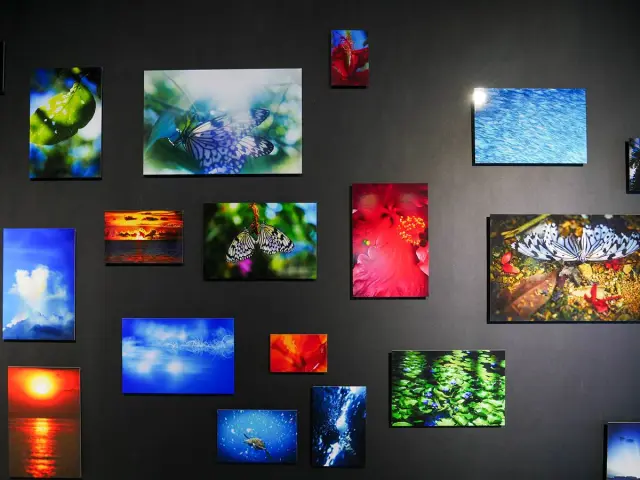
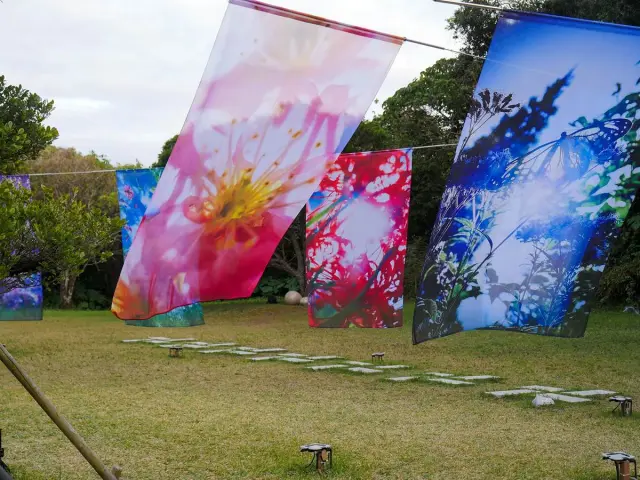
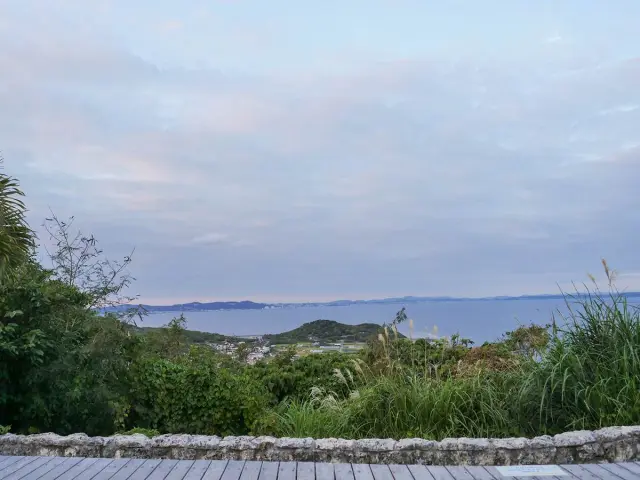
    The main reason I made a special trip to the Nanjo Art Museum this time was that the “Mika Ninagawa Exhibition with EiM: Dancing with Shadows in the Light” happened to be on. During the exhibition, the museum extended its hours into the evening, which made planning my itinerary much easier. The biggest advantage here is that it isn’t too crowded. You can take your time in each exhibition area without constantly being pushed along by the people behind you, making it easier to fully appreciate Mika Ninagawa’s use of color, flowers, light, and shadow.
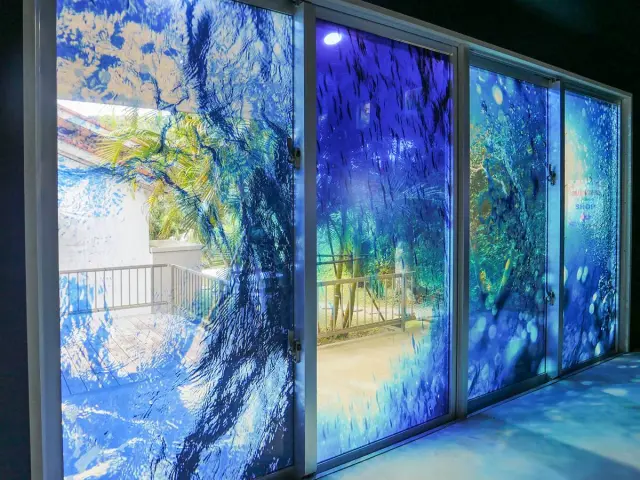
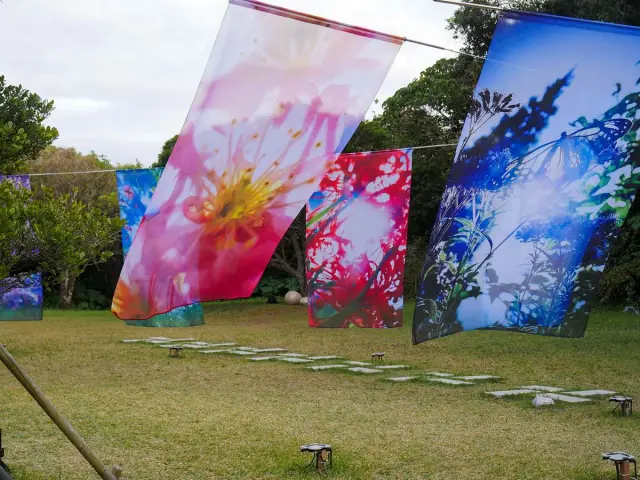
    I especially like the way she photographs flowers. Later, I even tried using some of her ideas for composition and lighting when photographing Atami-zakura cherry blossoms, and unexpectedly got several photos that I was very happy with. The exhibition wasn’t limited to the indoor spaces either. Some of the works extended outdoors and into the views through the windows. With mountains on one side of the Nanjo Art Museum and the ocean on the other, the exhibition blended very well with Okinawa’s natural environment. If you aren’t in a hurry, it’s a nice place to find somewhere to sit and simply enjoy the ocean view.
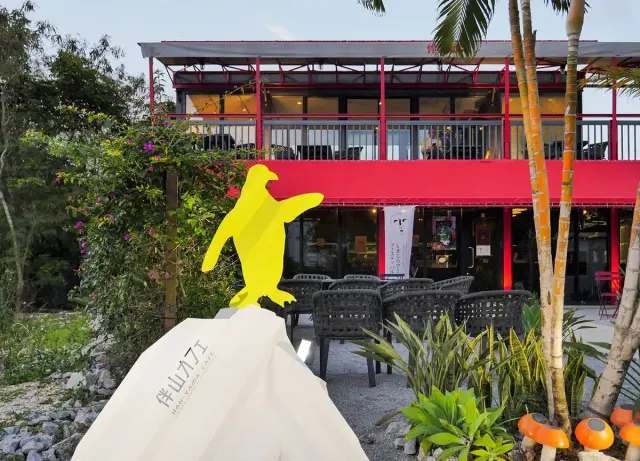
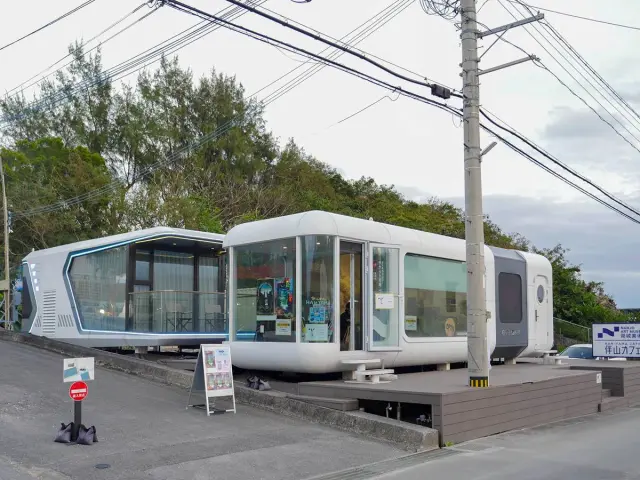
    The Nanjo Art Museum is in a relatively remote location in Chinen, Nanjo City, near the World Heritage Site Sefa-Utaki. I had originally planned to visit Sefa-Utaki as well, but I got a little lost while riding there on a scooter and ran out of time, so I had to give up. The ticketing and administrative area is also distinctive, built from shipping containers. Electronic ticketing and various payment methods are mainly used, and the overall process is very convenient. Since it isn’t as easy to stop by as a museum in the city, I’d recommend checking the current exhibition first and making the trip only if it genuinely interests you. Otherwise, the museum itself is just okay.
    There was also a memorable little moment during this visit. Just before I was about to leave, someone by the café suddenly started playing the piano and singing an Okinawan folk tune. It gave the previously quiet museum a more down-to-earth atmosphere and became the most memorable part of my visit.

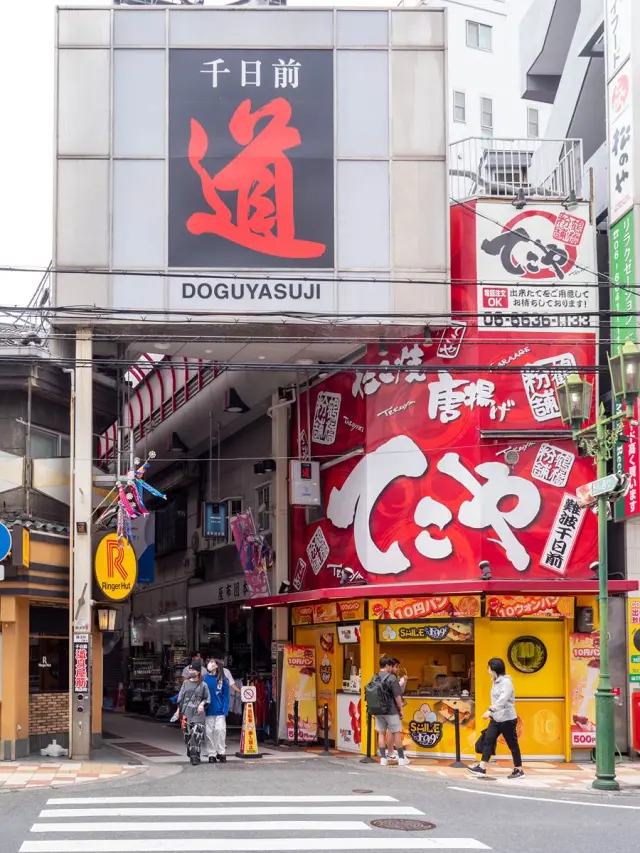
  • Sennichimae Doguyasuji Shopping Street

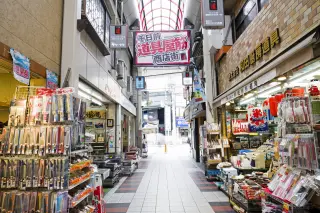
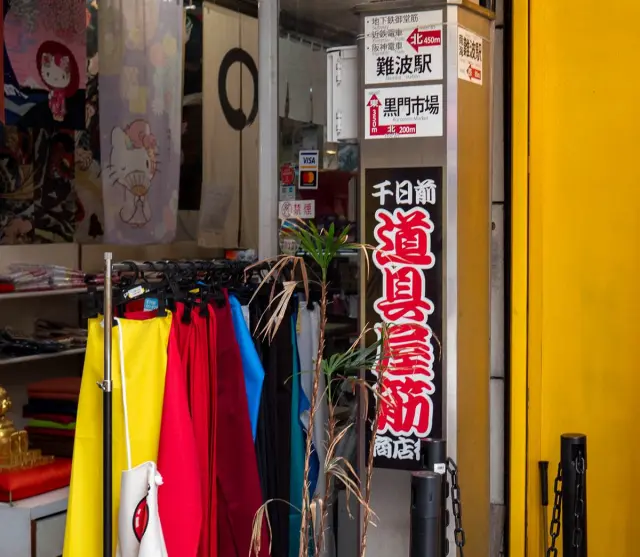
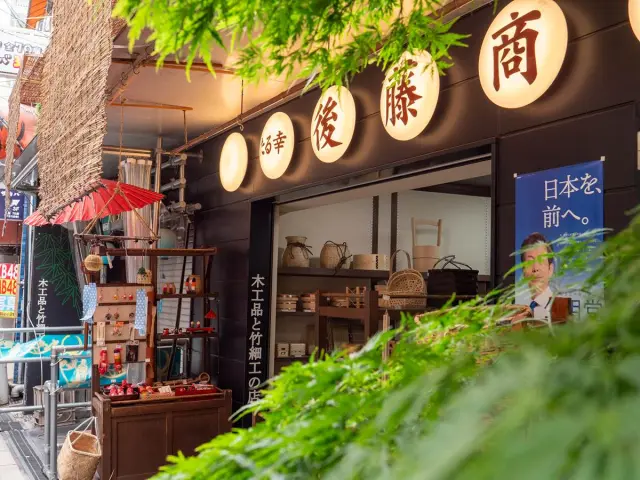
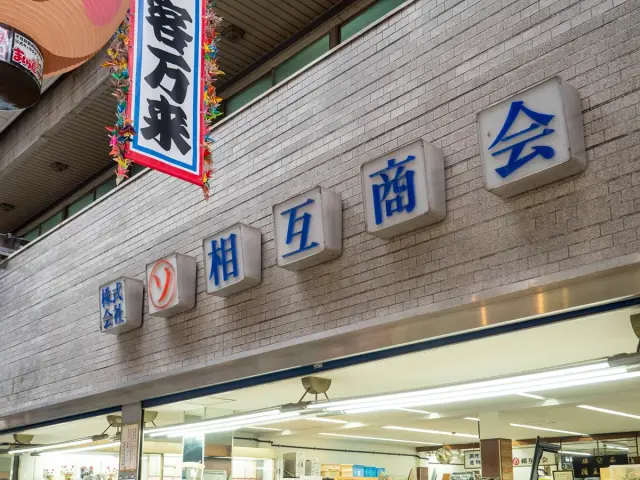
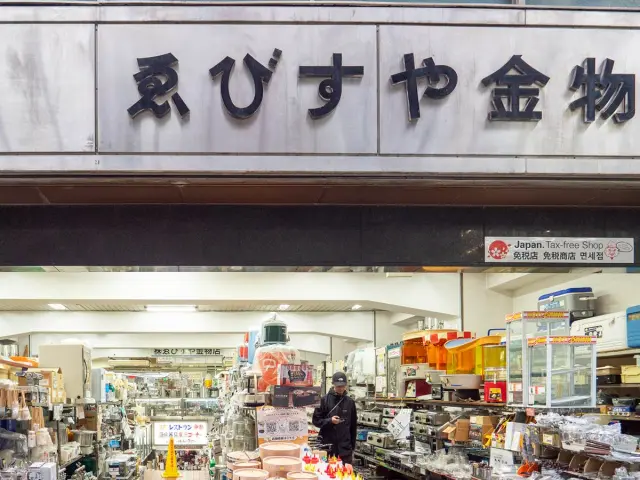
    About 50 stores are lined up in a 150-meter-long arcade. As the name "Doguya-suji" suggests, the stores sell only the tools that support Osaka's food culture, ranging from kitchen equipment used by professionals to tableware for the general public.

    • Shinsaibashi, Namba, Nipponbashi (Minami)
    • Shopping Streets
    See More

    At first, I thought Sennichimae Doguyasuji Shopping Street would be similar to Kappabashi in Tokyo, but after actually exploring it, it was definitely much smaller. Kappabashi has more stores, especially when it comes to large commercial kitchen equipment and professional restaurant supplies. Sennichimae also mainly sells restaurant and kitchen supplies, but everything is more concentrated, which actually makes it more practical for the average tourist.
    After comparing the two, I think Sennichimae Doguyasuji's biggest advantage is its prices. While it doesn't have the overwhelming amount of merchandise that Kappabashi does, many of the pots, tableware, and small kitchen items are very reasonably priced, and it basically has everything you would expect. You can find pots and pans, knives, tableware, and food replica products, and there are also food replica-making experiences available. Unless you're shopping professionally, the selection here is more than enough.
    The location is also very convenient. Namba, Sennichimae, Nipponbashi, and Dotonbori are all nearby, so it's easy to combine this with other popular shopping areas. You can easily spend most of the day walking around and browsing. To me, it feels a bit like a “smaller version of Kappabashi”—smaller in scale, but more concentrated, with prices that can also be a pleasant surprise.
    By the way, the drink vending machines in the alleys around this area are also interesting. Prices are often lower than in popular tourist areas, and occasionally you'll find some more retro or unusual drinks. If you keep an eye out while shopping, it's surprisingly easy to come across these little surprises.

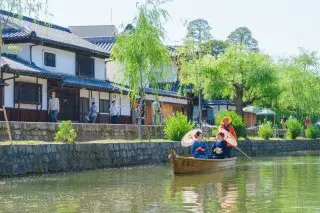
  • Kurashiki Bikan Historical Quarter

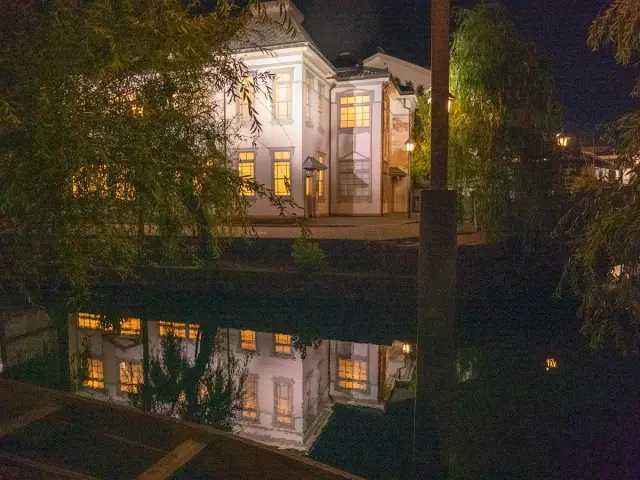
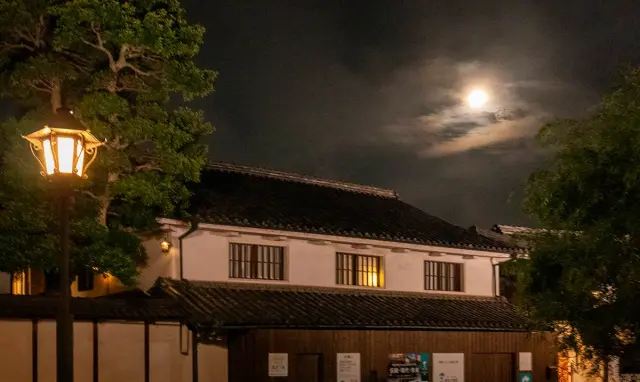
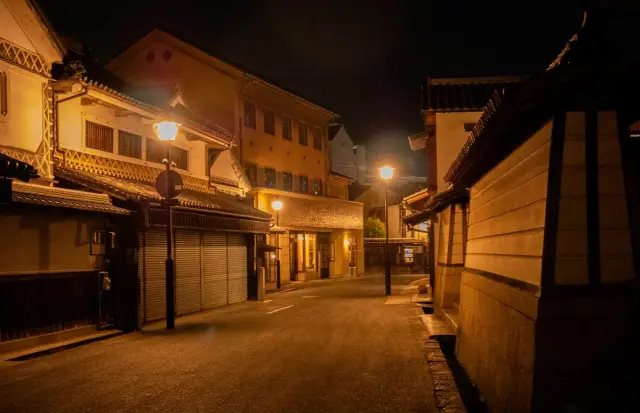
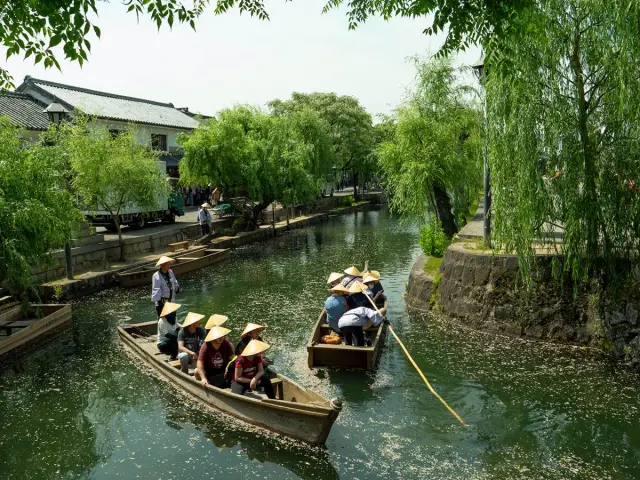
    The traditional streets of the Kurashiki Bikan Historical Quarter feature white walled warehouses, grid pattern walls, Namako-kabe, and rows of weeping trees, creating a beautiful and charming townscape. This harmonious and historic scenery is very popular with tourists.

    • Okayama
    • Famous Places
    See More

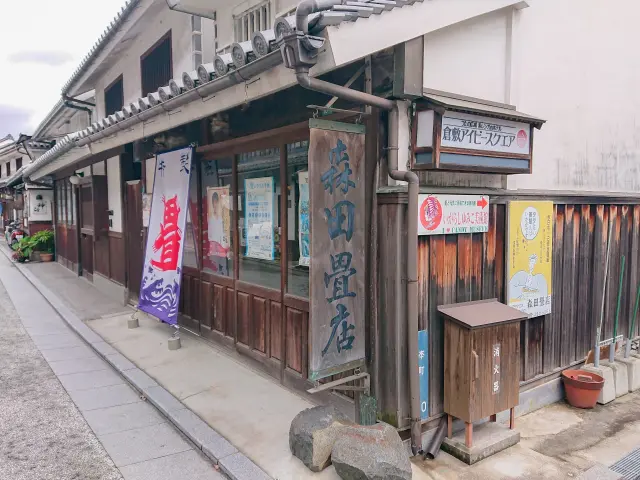
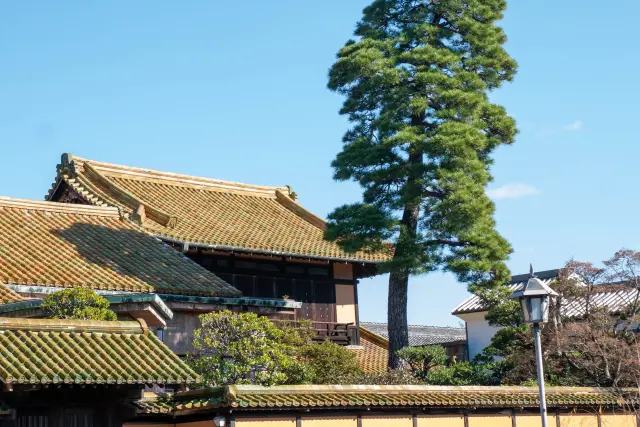
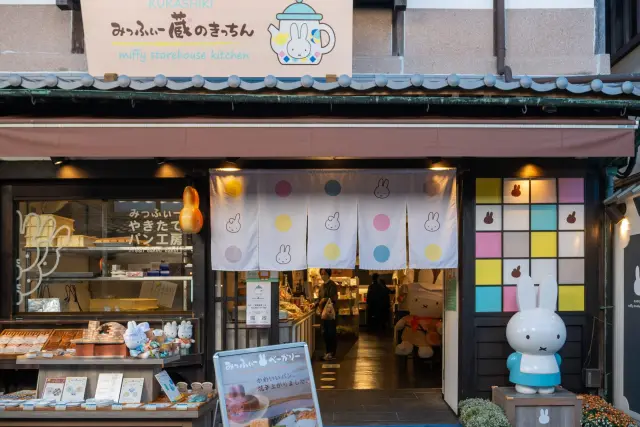
    I think the Kurashiki Bikan Historical Quarter is an old Japanese district that's best appreciated at a leisurely pace. It doesn't feel overly contrived. The white walls and black roof tiles, the Kurashiki River, the willow trees, and the old houses all come together to give the entire neighborhood its own unique atmosphere. During the day, you can visit places such as the Ohara Museum of Art, Achi Shrine, Hayashi Genjuro Shoten, and the Kuniyoshi Museum, while also stopping for sweets, browsing small shops and souvenirs, and trying some hands-on activities. It actually takes more time to explore than you might expect.
    I've visited several times, and the clearest impression I've had is that Kurashiki isn't a place you can fully explore in a single visit. The first time, you may focus on the classic riverside scenery and old-town atmosphere. On later visits, you'll discover the small shops, historic buildings, shrines, and less noticeable galleries tucked away in the alleys. Together, they create a relaxed, unhurried feeling and reveal scenery shaped by the meeting of the present and the past. The atmosphere also feels different depending on the time of day you visit.
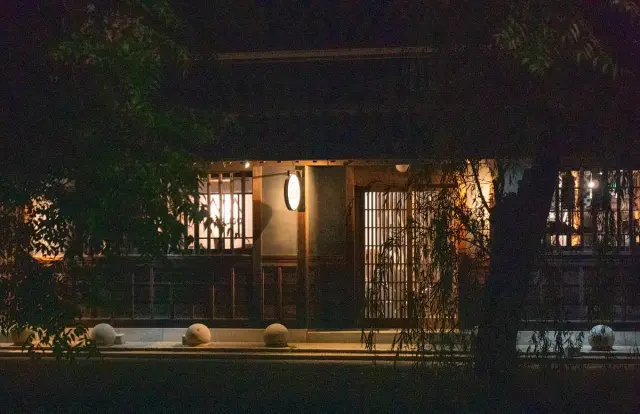
    I highly recommend staying until at least dusk, or even into the evening. Kurashiki is livelier during the day and has more tourists. After dusk, the crowds gradually thin out and the shops begin to close, leaving the riverside and white-walled streets surprisingly quiet. When the nighttime lights reflect on the water and white walls, it feels completely different from the daytime. If time allows, I'd suggest setting aside at least half a day to a full day rather than treating it as just a quick stop near Okayama.

  • Nijo-jo Castle

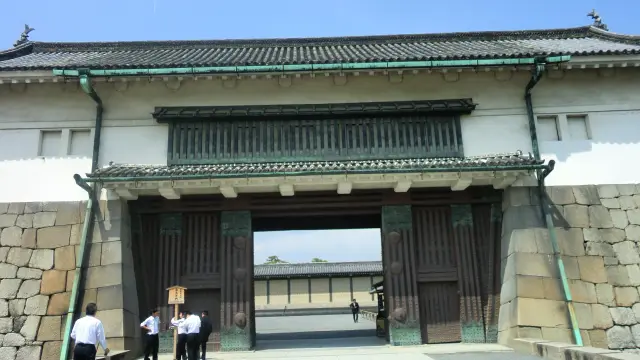
    After winning the Battle of Sekigahara in 1600 and unifying the country, Tokugawa Ieyasu had Nijo-jo Castle built as his base in Kyoto. It is a historical monument with a history of over 410 years as a castle in the heart of the capital. It was designated a UNESCO world heritage site as a part of the “Historic Monuments of Ancient Kyoto” in 1994.

    • Kyoto Station, Shijo Kawaramachi, Kyoto Imperial Palace
    • Shrines & Temples
    See More

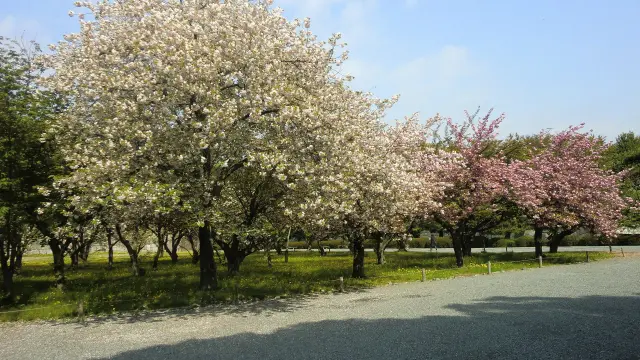
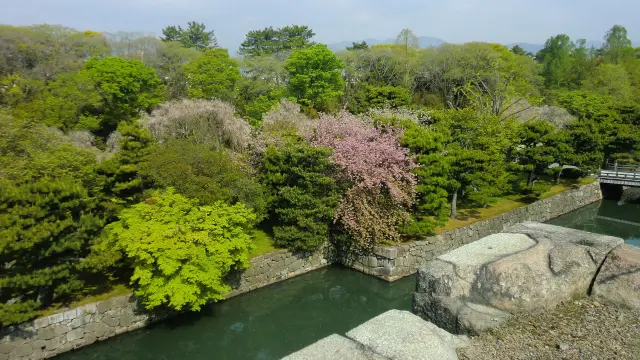
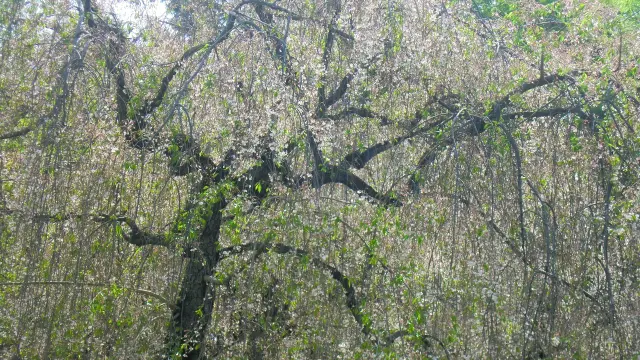
    Nijo-jo Castle is very famous for its cherry blossoms. There are many varieties inside the castle grounds, from early-blooming to late-blooming ones, so the viewing season lasts longer than at places with only one variety. The Nijo-jo Castle Cherry Blossom Festival and nighttime illuminations are also held every spring. Although I visited near the end of cherry blossom season, luckily I still saw quite a few trees in full bloom.
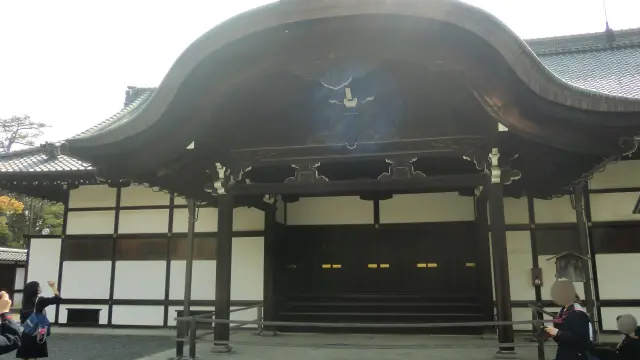
    Nijo-jo Castle is also very important in Japan’s modern history. It was at Ninomaru Palace that the 15th shogun, Tokugawa Yoshinobu, asked for opinions on returning political authority to the emperor. He later formally returned power to the imperial court, symbolizing the end of Tokugawa shogunate rule. Today, when visiting Ninomaru Palace, you can also see mannequins in the Great Hall recreating this historical scene.
    Another interesting feature of Ninomaru Palace is the corridor commonly known as the “nightingale floor.” It makes a sound when you walk on it. I tried really hard to see if I could cross without making any noise, but it was simply impossible. As soon as you put any weight on it, it chirps.
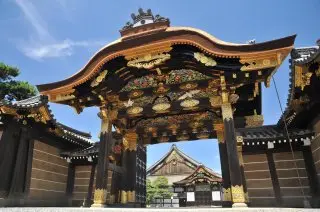
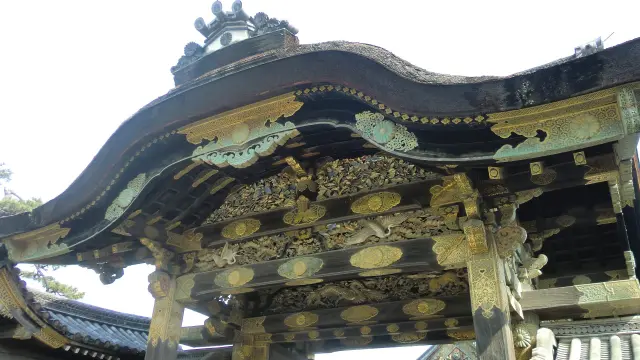
    My personal favorite is still the Karamon Gate before entering Ninomaru Palace. The cypress-bark roof has karahafu gables on both the front and back, and the gate is covered in vividly colored carvings of pine, bamboo, plum blossoms, cranes, Chinese guardian lions, and more. It’s truly magnificent. Many traditional buildings in Kyoto tend to have a more understated feel, but the Karamon gates at Nijo-jo Castle and Toyokuni Shrine take a completely different approach. Just looking at them, you can really feel the difference that comes with being in power.
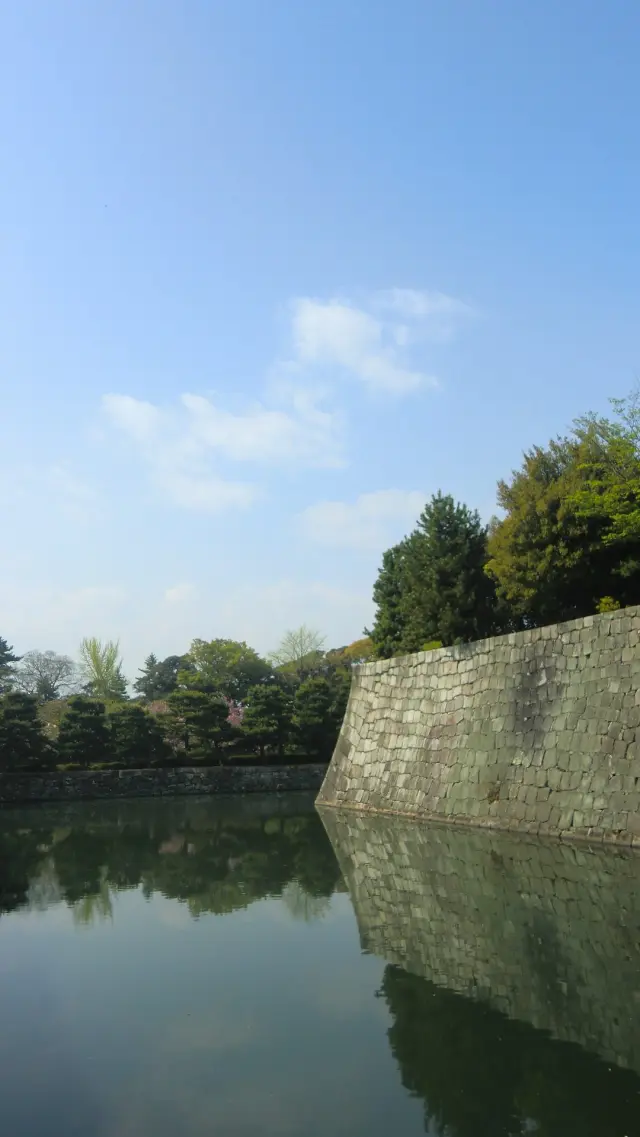
    Nijo-jo Castle originally also had a five-story keep, said to have been relocated from Fushimi Castle, but it burned down after being struck by lightning in 1750 and was never rebuilt. Today, you can only climb the former keep’s stone base to see the ruins and surrounding scenery, which feels a little unfortunate. But from another perspective, the truly valuable part of Nijo-jo Castle isn’t the keep, but the fact that Ninomaru Palace has survived. Most of the original palaces at Edo Castle, Osaka Castle, and Nagoya Castle have disappeared, and Nagoya Castle’s Honmaru Palace was only recently reconstructed based on historical records. Although part of Kawagoe Castle’s Honmaru Palace remains, it is no longer a complete palace complex. Nijo-jo Castle’s Ninomaru Palace, however, has been preserved intact, along with its Kano school wall paintings, transoms, and decorative metal fittings. This is what truly makes it irreplaceable among Japanese castle architecture.

  • Fushimi Inari Taisha

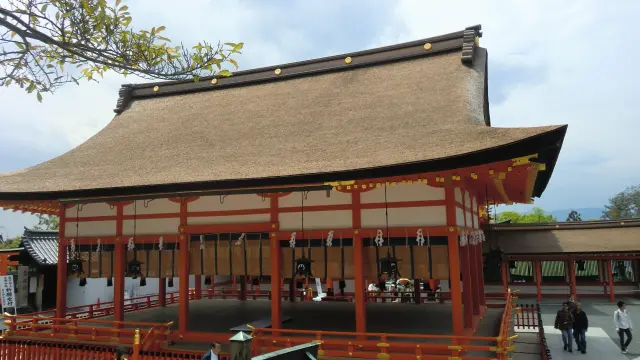
    It is the head shrine of about 30,000 Inari shrines which are traditionally familiar throughout Japan and the god is worshiped for bountiful harvests of grain, business prosperity, the safety of households, recovery from illness, and wish fulfillment. This shrine was established in 711 AD.

    • Fushimi, Rakunan
    • Shrines & Temples
    See More

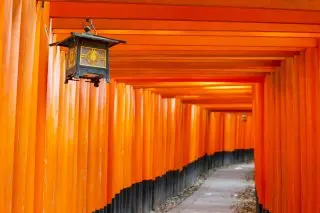
    Fushimi Inari Taisha really is one of Kyoto’s classic sights and is well worth visiting at least once. Probably because it’s so famous, the approach and shopping street at the foot of the mountain are almost always bustling. If you want a quieter visit, I highly recommend coming early, seeing the shrine and walking through the Senbon Torii first. By the time you come back down, the shops will be starting to open, so you can grab something to eat, recharge, and then continue with your next activity.
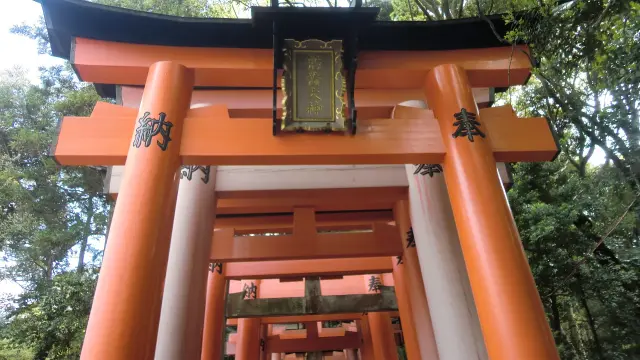
    The shrine’s most iconic feature is, of course, the Senbon Torii. Rows of vermilion torii gates stretch all the way into the mountain, and actually walking through them is still very impressive. Once, I really did climb all the way up Mount Inari to the area around Ichinomine, near the summit. I have to say, the scenery on the mountain itself isn’t especially spectacular, but the atmosphere is completely different from below. At the bottom, there are still tourists, shops, and bustling crowds, but it gets quieter the higher you go. Eventually, all that’s left is the forest, torii gates, and small shrines, creating an even stronger sense of mystery.
    There’s also the famous “Omokaru Stone” next to the Okusha Hohaisho. First, make a wish in front of the stone lantern, then lift the round stone on top. If it feels lighter than you imagined, it means your wish is more likely to come true. If it feels heavier than expected, it means you may need to put in more effort. When I lifted it, all I could think was that it was pretty heavy. Apparently, the problem wasn’t the stone—my wish was just too heavy.
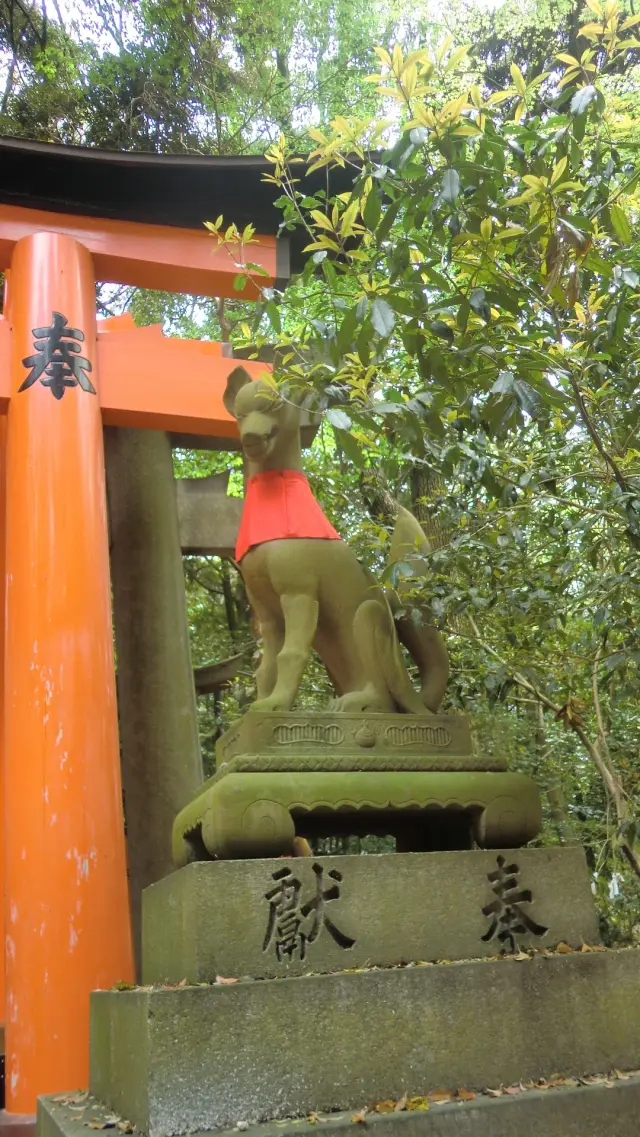
    What truly makes Fushimi Inari Taisha special isn’t just the Senbon Torii itself, but also the fox messengers seen everywhere. If time and energy allow, I recommend not stopping at the first section of the Senbon Torii. Walk at least a little farther up, and you’ll see a completely different side of Fushimi Inari Taisha.

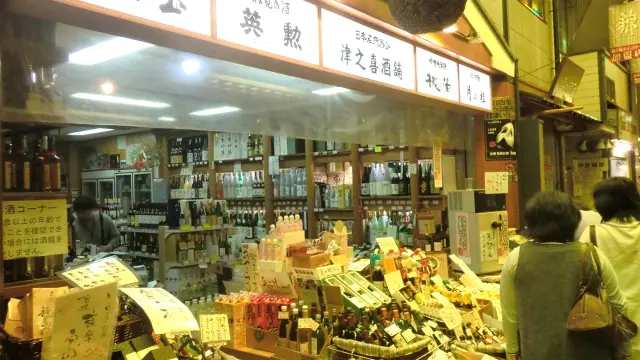
  • Nishiki Market

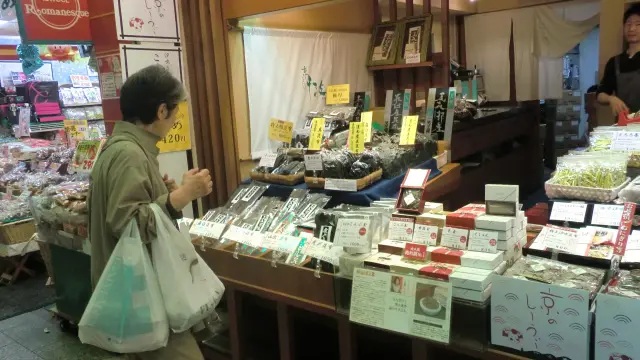
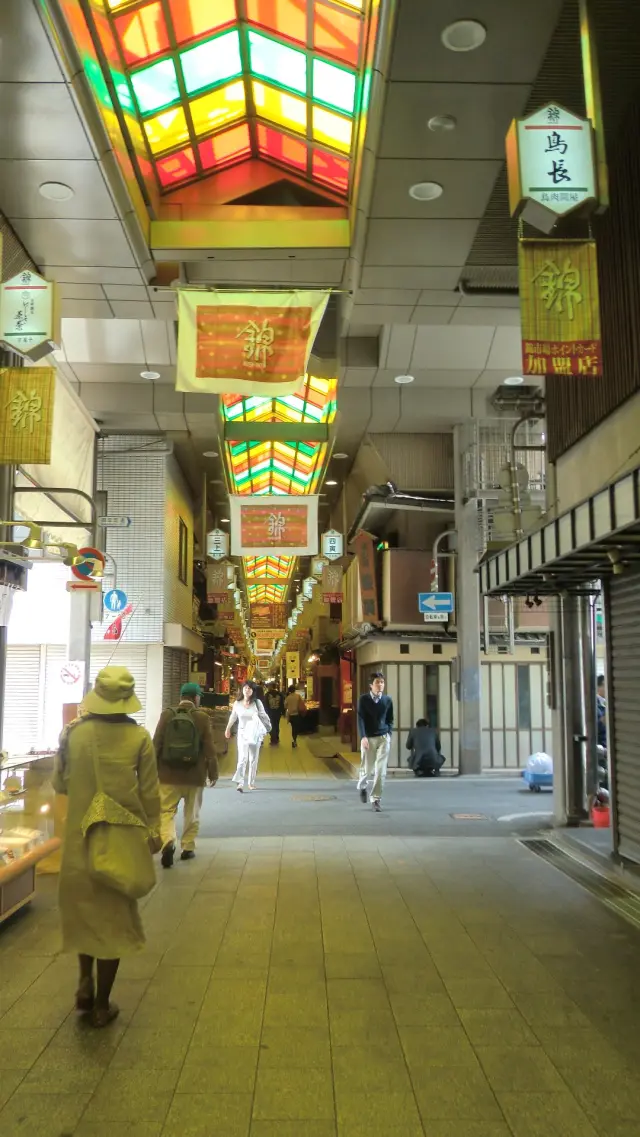
    Nishiki Market is located on Nishikikoji Street, north of Shijo Street, Kyoto’s main street. The fish market thrived here, and in 1615, it received official permission from the Edo Shogunate to expand. It is called “Kyoto’s kitchen” and offers a wide range of foods such as Kyoto vegetables, fresh-water fish from Lake Biwa, Hamo (conger pike), Guji (tilefish), Sasakarei (half-dried flounder), Yuba (tofu skin), Namafu, and pickles. Most of Kyoto’s special ingredients can be found here.

    • Kyoto Station, Shijo Kawaramachi, Kyoto Imperial Palace
    • Shopping Streets
    See More

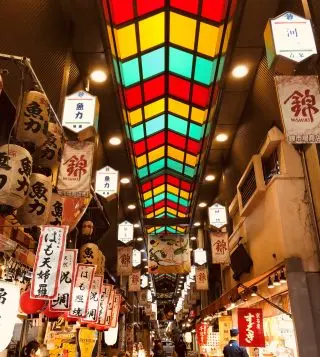
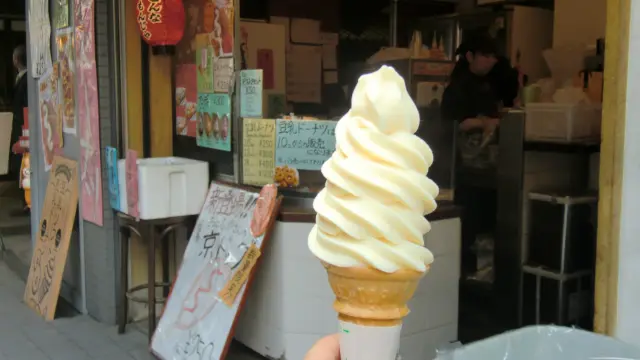
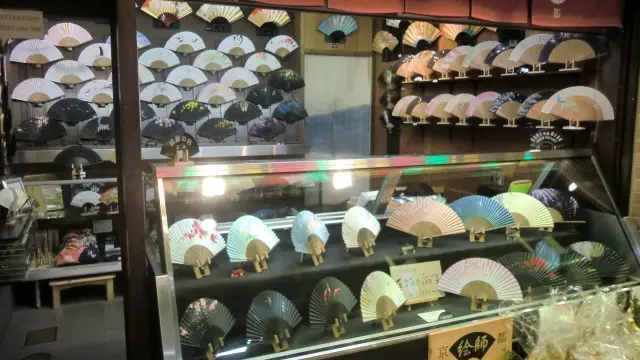
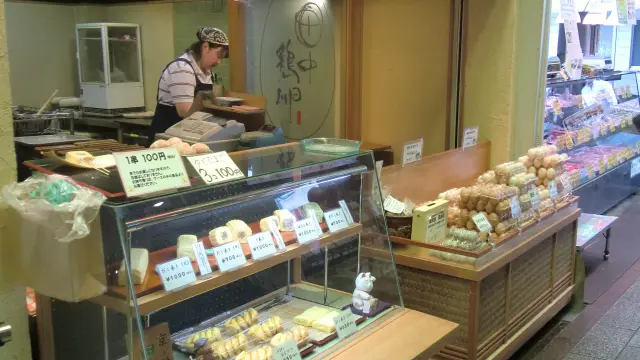
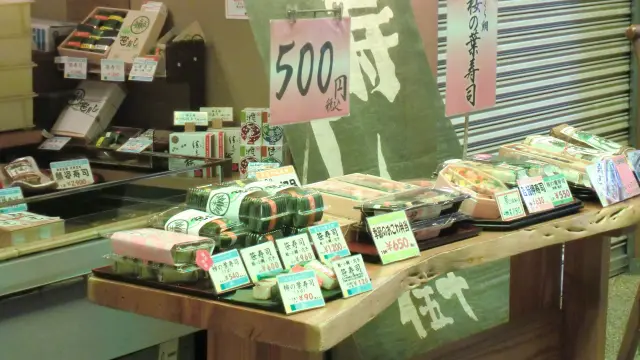
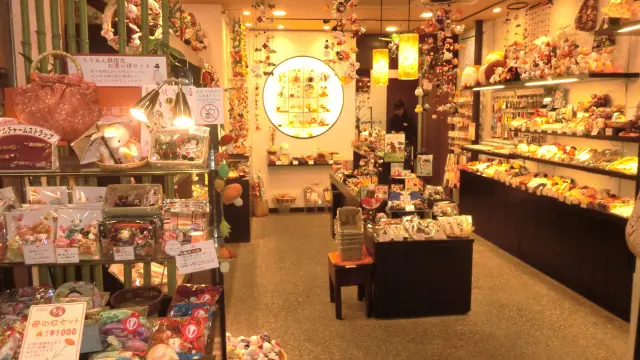
    Nishiki Market felt to me like a blend of a Japanese shopping street and traditional markets such as Kizu Market and Omicho Market. The entire street is packed with shops selling everything from Kyoto pickles, tofu, tamagoyaki, seafood, and dried goods to wagashi and matcha desserts. However, Nishiki Market now officially reminds visitors not to eat while walking. After purchasing food, it is best to eat in front of the shop or in a designated area inside.

    That said, there aren't many places where you can sit down and eat, so you may want to have something beforehand and then come browse. It's good for trying small snacks, while many items are better bought to eat back at your hotel. This time, I also bought tamagoyaki from one shop. I had high expectations, but after eating it, I realized I really do seem to prefer the Kanto style. I looked it up afterward and learned that Kansai-style tamagoyaki mainly features the flavor of dashi and is lighter, while I prefer the sweeter Kanto version with a more pronounced flavor. Another interesting item commonly seen in the market is baby octopus stuffed with a quail egg. A whole baby octopus has a quail egg inside, giving it a very distinctive appearance. This was also my first time trying it here, and it was a memorable snack.

    At the eastern end of Nishiki Market is Nishiki Tenmangu Shrine. The main deity enshrined here is Sugawara no Michizane, so like other Tenmangu shrines, it is known for worship related to learning and wisdom and is very popular. After all, who wouldn't want to pray for knowledge and wisdom? The grounds also have “Nishiki Water,” which springs from about 30 meters underground. It's very convenient to stop by and pray after reaching the end of the market.
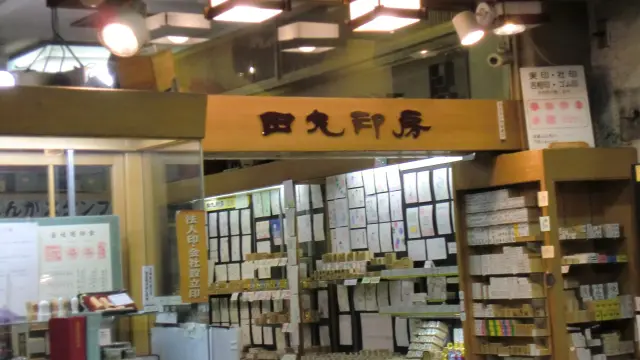
    Next to Nishiki Tenmangu Shrine is the Shinkyogoku branch of Tamaru Inbo, which I make a point of visiting every time I come. Their “Kyo Ufufu Stamps” come in around 1,000 designs, ranging from Japanese-style patterns and Kyoto themes to amusing text stamps. If you like planners and stamps, it's really easy to lose control here. The prices certainly aren't cheap, but the stamp designs and craftsmanship are excellent, and I personally feel the quality justifies the price.
Hokkaido Tohoku Kanto Chubu Hokuriku Kansai Chugoku Shikoku Kyushu Okinawa