Tsukiji Hongwanji Temple

Verified [Verified] denotes information that has been published with confirmation of its owing parties.

Tsukiji Hongwanji Temple

A temple of the Jodo Shinshu Hongwanji Sect, characterized by its oriental-inspired exterior.

3.20 2

Last update :

Located near the Tokyo Tsukiji Market, Tsukiji Hongwanji is a temple of the Jodo Shinshu Hongwanji Sect, whose head temple is Nishi Hongwanji in Kyoto.

The temple was originally founded near Asakusa in 1617, but was destroyed by a fire in 1657. The land given to the temple by the shogunate for reconstruction was in the sea, so they reclaimed the land to build the temple, which is the origin of the name "Tsukiji" (literally "constructed land"). After another fire caused by the Great Kanto Earthquake of 1923, the current main worship hall was rebuilt in 1934.

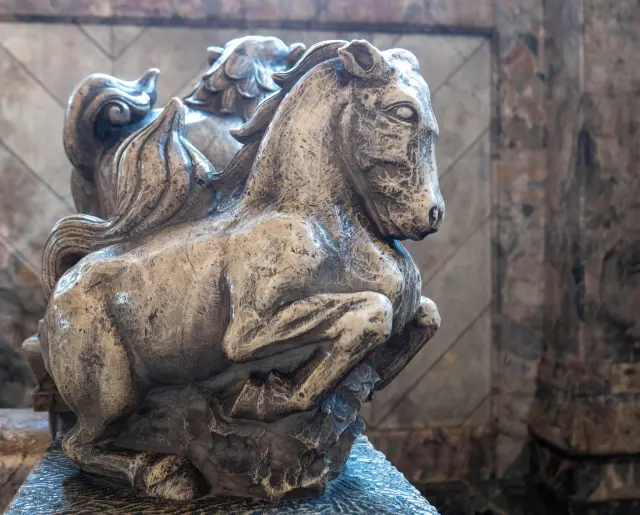
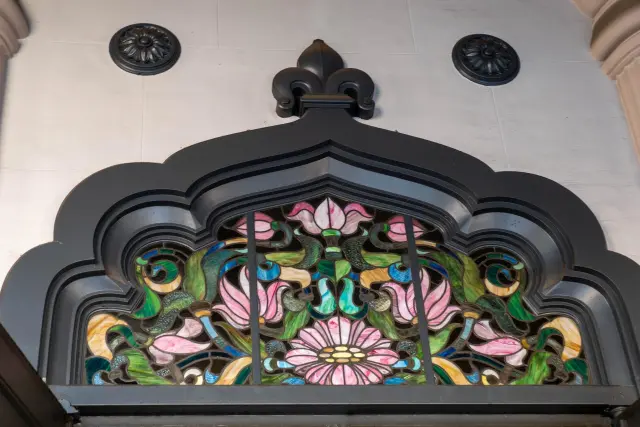
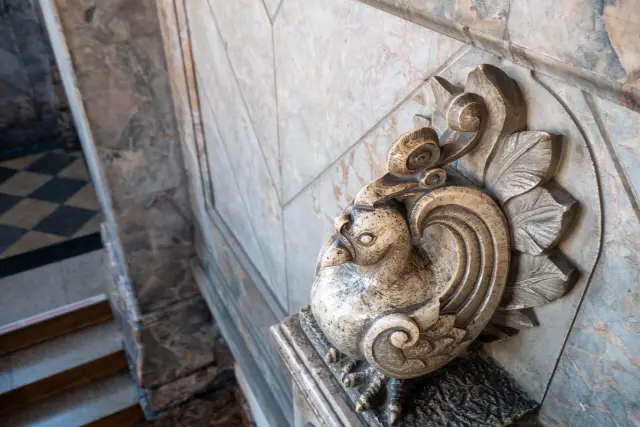
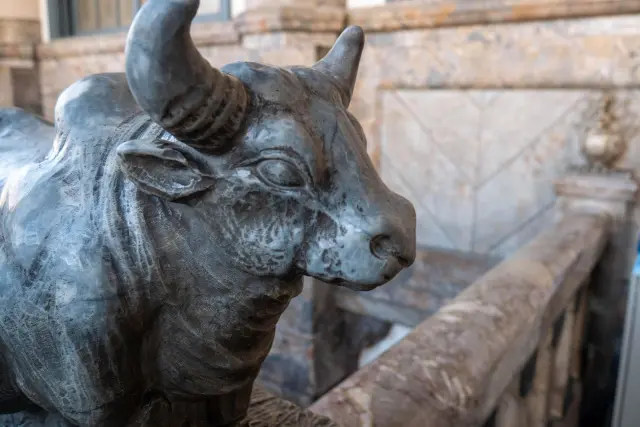
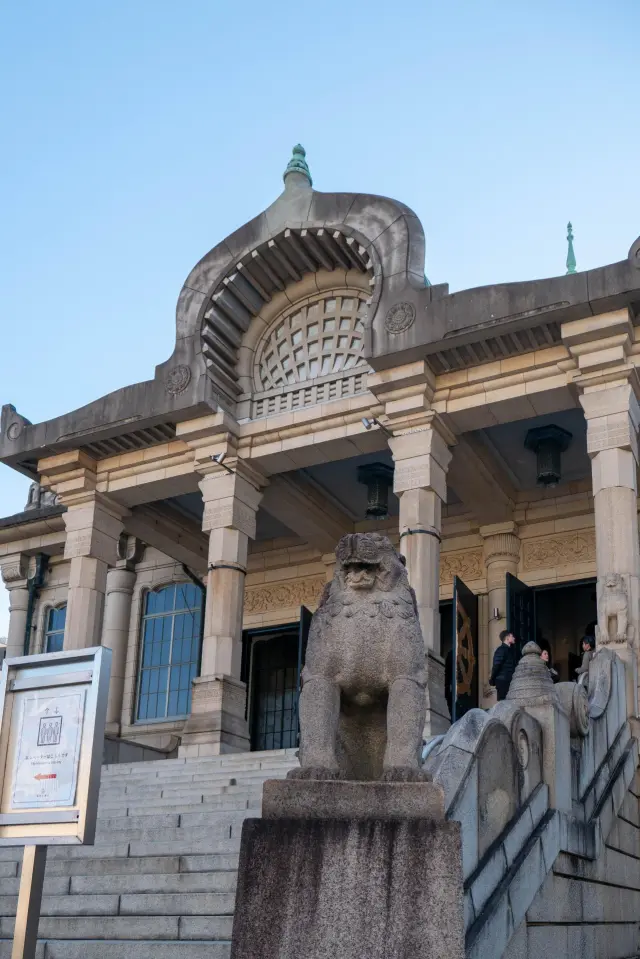
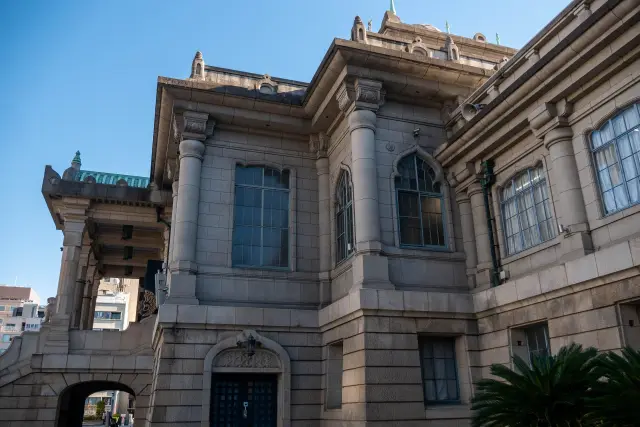
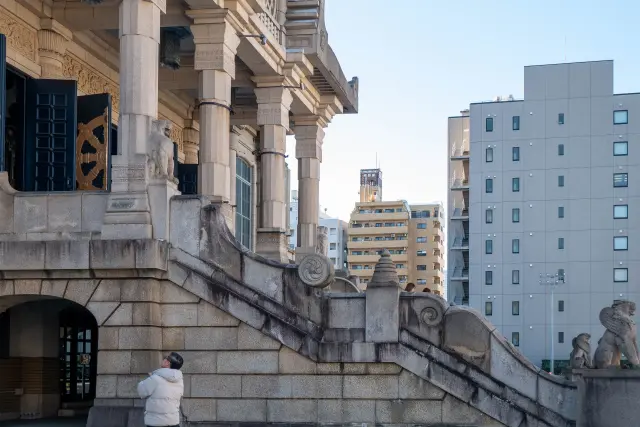
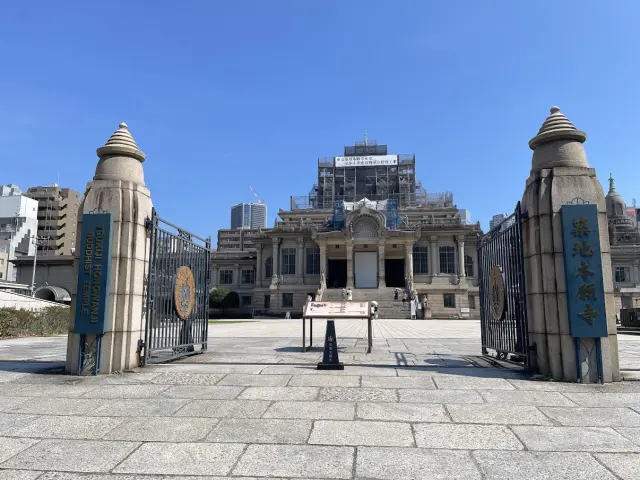
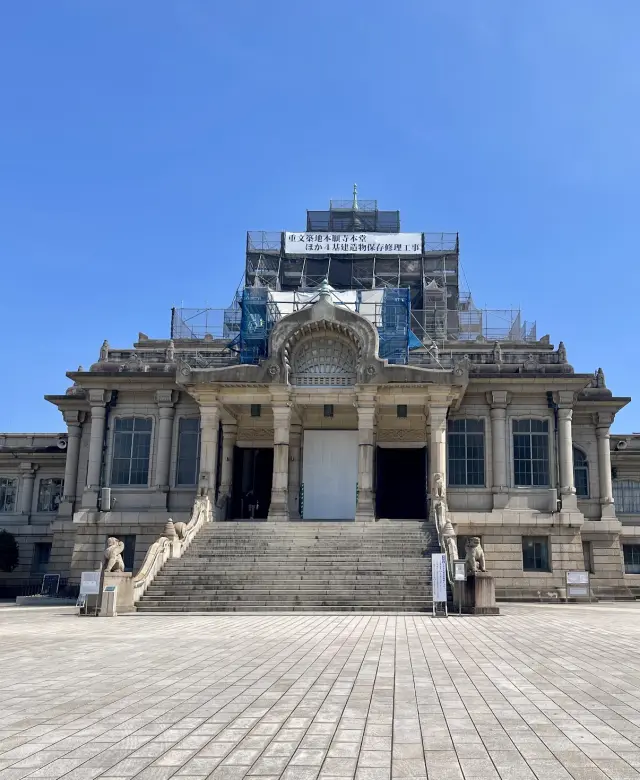
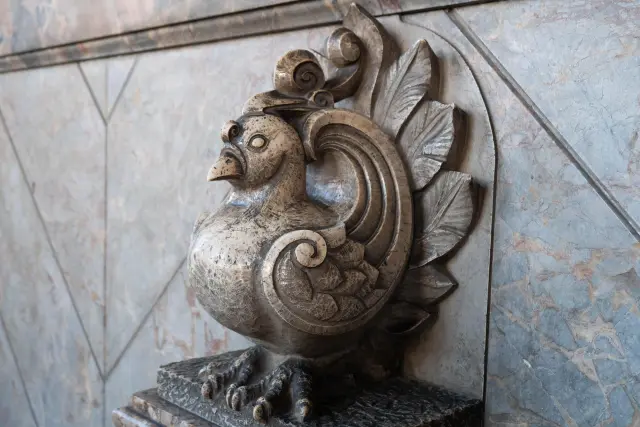
The main worship hall, designed by Dr. Ito Chuta, a honorary professor at Imperial University and an architect, is characterized by an oriental exterior that resembles ancient Buddhist architecture, with stained glass and animal sculptures. Inside, however, it follows the traditional structure of Jodo Shinshu temples. It is also unusual for a temple to have a pipe organ installed, which was donated by the Buddhist Missionary Society in 1970 to promote Buddhist music. There is a pipe organ concert once a month.

In addition, there are several restaurants, including the café "Tsumugi", which is popular for its "18-item breakfast", and "Shisui", where you can enjoy the Tsukiji Hongwanji's specialty, soba noodles.

Highlights

  • The origin of the name "Tsukiji" comes from the act of reclaiming the sea to build the temple.
  • The distinctive exterior modeled after ancient Buddhist architecture.
  • In 2014, the main worship hall, the gate posts, and the stone walls were designated as important cultural properties of Japan.
  • The main worship hall is equipped with a pipe organ.

Photos

  • An exterior modeled after ancient Buddhist architecture of Asia

    An exterior modeled after ancient Buddhist architecture of Asia

  • Stained glass at the entrance of the main worship hall

    Stained glass at the entrance of the main worship hall

  • The main worship hall where the principal deity, Amitabha Tathagata, is enshrined

    The main worship hall where the principal deity, Amitabha Tathagata, is enshrined

  • A pipe organ composed of approximately 2,000 pipes

    A pipe organ composed of approximately 2,000 pipes

Official FAQs

Frequently Asked Questions have been vetted and answered directly by each listing.

Q

Are there any brochures in foreign languages? (If possible, please inform us of the languages available.)

A

Yes, available in English, Chinese, Korean, German, Spanish, Italian, French, Portuguese, and Russian.

Q

Do you have temple’s red ink stamps?

A

No, we don’t have.

Q

Is there a parking lot?

A

Available for visitors.

Q

Are coin lockers available?

A

Not available.

Q

Is there an English-speaking community?

A

At Tsukiji Hongwanji, we hold a dharma gathering in English every last Saturday of the month starting at 5:30pm. Why not listen to Buddha's teachings in English? Another joy is the social interaction at the tea gathering held after the dharma gathering.
Time: 5:30pm - 6:45pm
Location: Kodo Hall (Next to the main worship hall on the 2nd floor)

Reviews

2

Some reviews are AI-translated.

  • See More

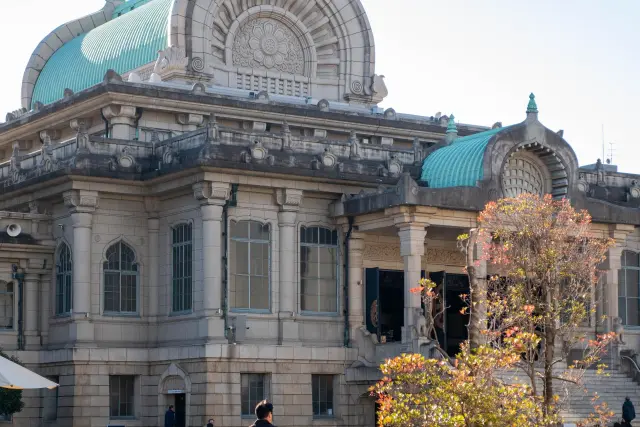
    Tsukiji Hongwanji Temple was originally just a place I planned to stop by on my way to Tsukiji Market, but after seeing it in person, its architecture ended up leaving a deep impression on me. The current main hall was designed by architectural historian Chuta Ito, and its exterior has a strong Indian and South Asian Buddhist architectural style. The dome, stonework, and overall silhouette are completely different from what you would normally picture as a Japanese temple.

    But what is really interesting is that when you get closer, you notice that it still retains much of the refinement distinctive to Japanese architecture. The animal carvings, decorative details, stained glass, and interior furnishings do not simply copy an Indian style. They incorporate a lot of Japanese aesthetics and craftsmanship, so the building looks very foreign overall, yet very Japanese when viewed closely. This kind of blend is truly uncommon among Japanese temples.

    There is also a large pipe organ inside the main hall, which is quite unusual in a Buddhist temple. Unfortunately, photography is prohibited in the worship area. Otherwise, the contrast between the interior and exterior would be even more striking, since the inside of the main hall looks much like many other Hongwanji temples.

    The Tsumugi cafe next to Tsukiji Hongwanji Temple is also well known, and its signature offering is the “18-Dish Breakfast,” which lets you try a variety of small Japanese dishes at once. I did not pay much attention to the breakfast hours this time, which was a bit of a shame. If you are planning to continue on to Tsukiji Market for food afterward, I would recommend watching how much you eat, or you may end up full before you even explore the market.
  • See More

    Tsukiji Hongwanji Temple has such a unique exterior. At first glance I thought I’d stumbled onto an Indian temple.

    It’s totally different from typical Japanese temples, and the architecture really sticks with you.

Details

Name in Japanese
築地本願寺
Postal Code
104-8435
Address
3-15-1 Tsukiji, Chuo-ku, Tokyo
Telephone
0120-792-048 (Contact Center: 9:00am - 5:00pm every day)
Closed
No holidays
Hours
6:00am - 4:00pm (Closes after the evening service at 4:00pm)
Admission
Free
Access
(1) About 1 minute on foot from Exit 1 of Tsukiji Station on the Tokyo Metro Hibiya Line
(2) About 5 minutes on foot from Exit 4 of Shintomicho Station on the Tokyo Metro Yurakucho Line
(3) About 5 minutes on foot from Exit 5 of Higashi-Ginza Station on the Toei Subway Asakusa Line
(4) About 5 minutes on foot from Exit A1 of Tsukiji-Shijo Station on the Toei Subway Oedo Line
Official Website
Official Website (English)
Hokkaido Tohoku Kanto Chubu Hokuriku Kansai Chugoku Shikoku Kyushu Okinawa