
Japan’s Service Areas and Parking Areas: Pavilions of Local Culture—14 Picks from a Highway Expert
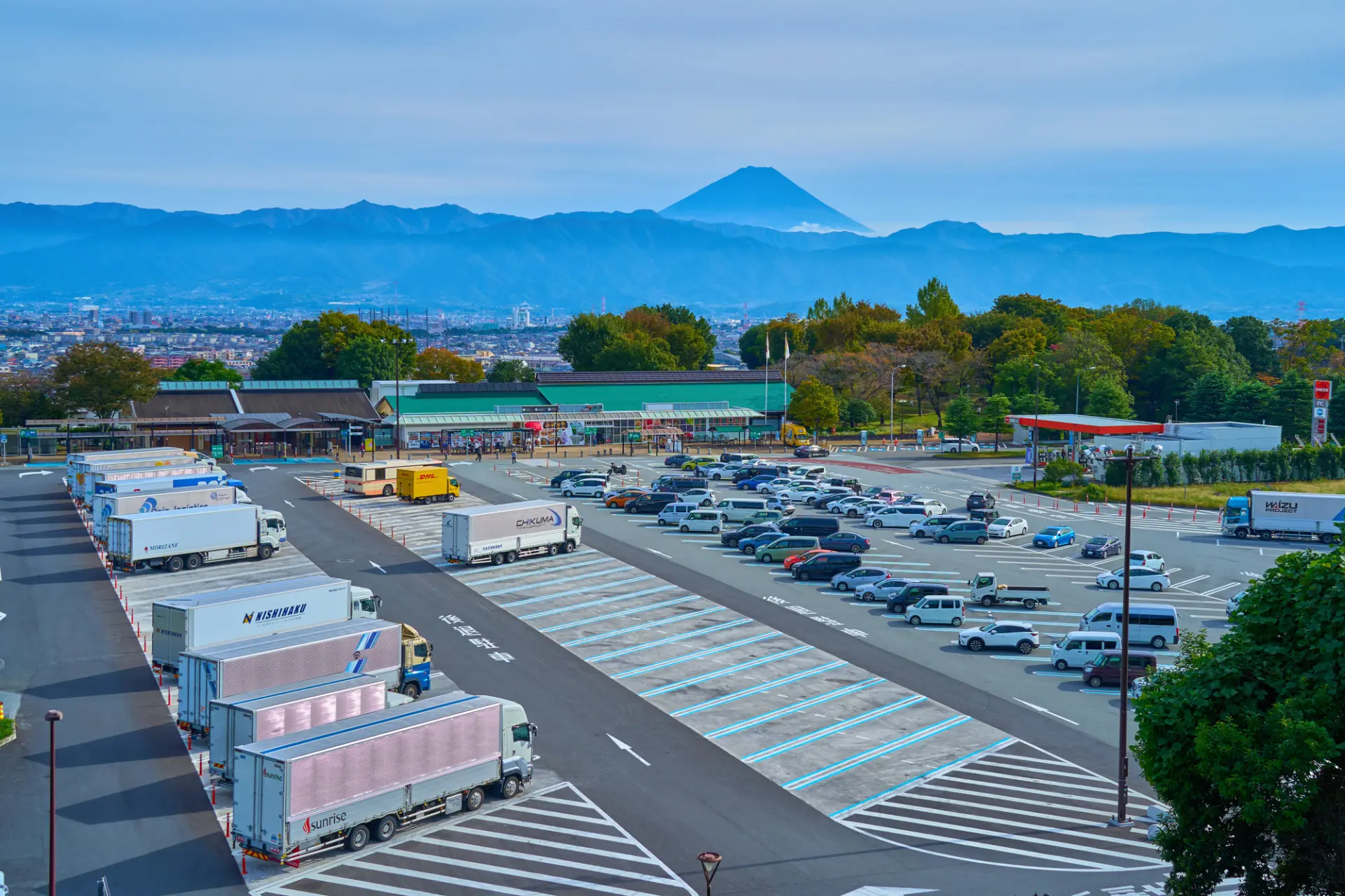
Whether traveling by car or tour bus, service areas (SAs) and parking areas (PAs) are essential stops on any journey along Japan’s expressways. People stop for different reasons—to use the restroom, take a break, eat, or shop—but nearly everyone has visited one at least once.
Yet Japan’s SAs and PAs are more than just places to stop along the way. They are worth visiting as destinations in their own right.
So says Mirai Yamagata, an intercity expressway researcher and president of the Japan SAPA Association. This one-of-a-kind “Highway Talent,” who has spent more than 15 years visiting all 891 SAs and PAs across Japan, shares their little-known appeal and her favorite locations around the country.
A Highway Talent with a Passion for Expressways, SAs, and PAs
I’m Mirai Yamagata, an “intercity expressway researcher,” “president of the Japan SAPA Association,” and “Highway Talent.” Those titles probably leave you wondering what exactly I do, so let me briefly explain.
First, there are “intercity expressways.” Japan’s expressways can broadly be divided into two types: urban expressways and intercity expressways. Urban expressways, such as the Metropolitan Expressway and Hanshin Expressway, operate within metropolitan areas. Intercity expressways, including the Tomei, Meishin, and Chuo expressways, connect one city with another. My research focuses primarily on intercity expressways.
Next is the Japan SAPA Association. “SAPA” is a term we coined by combining SA and PA. We originally founded it as a casual association where fans of SAs, PAs, and expressways could come together. Once the secretary-general and I began our activities, however, expressway operators started to see us as more than just a fan group, partly because my work as a Highway Talent had given me some public recognition. Before we knew it, we had become something like an unofficial support team and liaison for the expressway operators.
I may speak passionately about expressways, SAs, and PAs now, but I actually started out as a national-highway enthusiast. After traveling Japan’s national highways—including notoriously rough routes known as “kokudo”—by car, on foot, and by bicycle, I wondered what to try next. That was when I turned to expressways, about 15 years ago.

Understanding the Difference Between SAs and PAs
Now let’s turn to the subject of this article: SAs and PAs. Starting with the basics, do you know the difference between them?
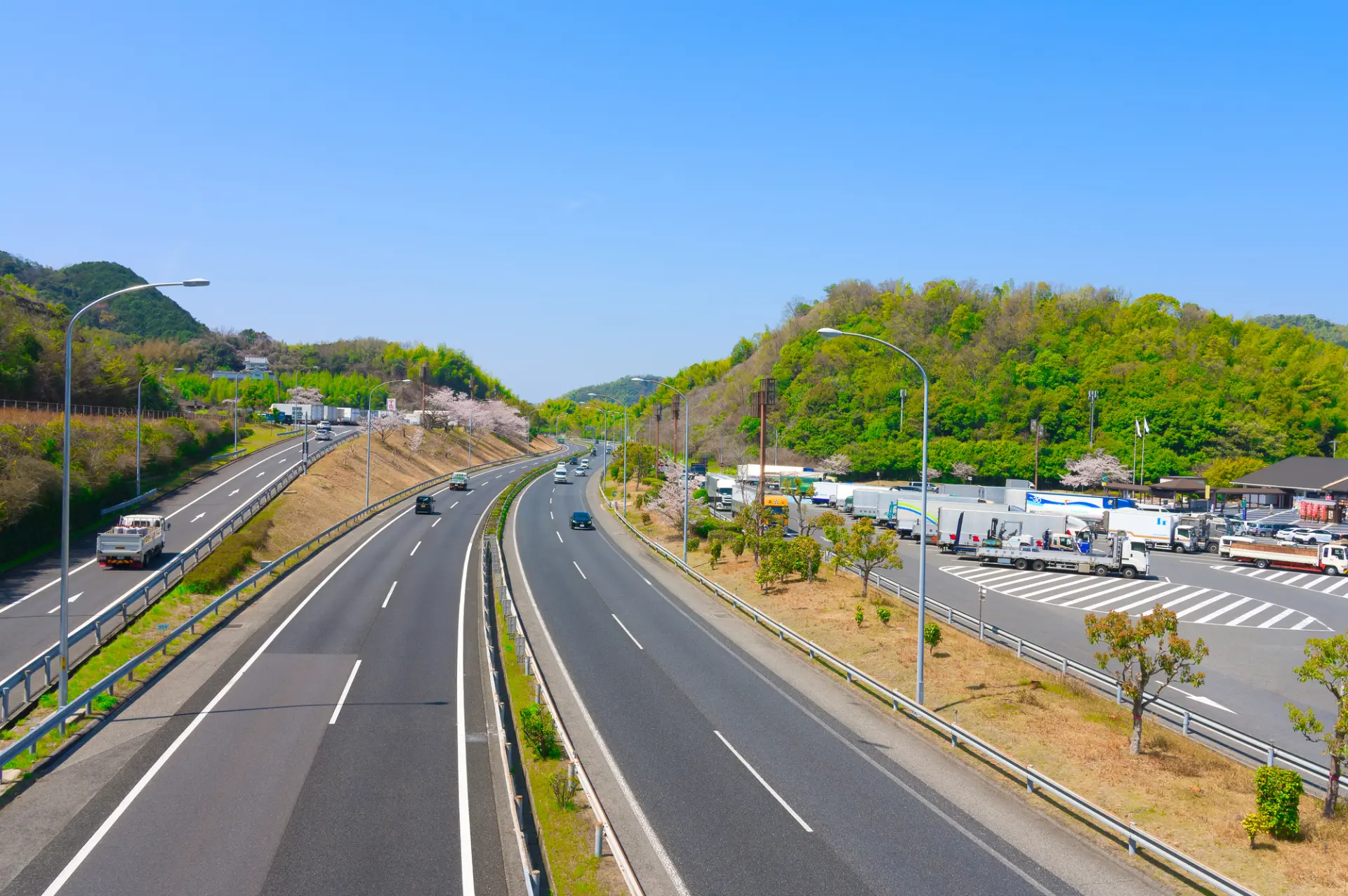
SAs are rest facilities generally located about every 31 miles. They typically have stores, restrooms, restaurants, gas stations, and other facilities. The terms “inbound” and “outbound” are determined according to the starting and ending points of each route.
When the Meishin Expressway was built, cars were not as capable as they are today. Gas stations and auto repair shops were therefore placed at 31-mile intervals, establishing the standard still used in Japan. The original emphasis was largely on supporting vehicles. Even if your low-fuel warning light came on, you could expect to refuel at one of the next one or two SAs. On roads built with newer technology, such as the Shin-Tomei Expressway, or on sections with a speed limit of 75 mph, 31 miles can pass very quickly, so the interval may be extended to around 37–43 miles.
PAs, meanwhile, supplement SAs and are generally located about every 9–16 miles. People often assume that SAs are large and PAs are small, but that is not always the case. Facilities are designed flexibly to suit each route’s circumstances. A PA before a tunnel might have a gas station, for example, while one near a major city might be built on a larger scale.
A highway oasis (HO), incidentally, is a recreational facility integrated with an urban park or similar attraction and accessible from both the expressway and local roads. These facilities are generally operated by public-private ventures rather than expressway operators. They are built next to SAs or PAs and can be accessed from them. In other words, they are entirely different from SAs and PAs. Apart from extremely rare exceptions such as Kawaguchi Highway Oasis (Kawaguchi PA) on the Metropolitan Expressway, they are essentially park facilities operated by public-private ventures.
SAs and PAs Are Pavilions Showcasing Their Regions
As of September 2026, there are 891 SAs and PAs across Japan. In fact, even the Ministry of Land, Infrastructure, Transport and Tourism does not have a precise real-time count, so the Japan SAPA Association counts them and publishes the data.
I call these SAs and PAs “expressway pavilions that showcase local culture.” If you imagine the entire expressway network as one enormous exposition site, each SA and PA is a pavilion presenting the appeal of its region. The dedication and passion of the businesses operating inside these facilities are remarkable. When I visit and ask about an unfamiliar product, I hear all kinds of behind-the-scenes stories, such as, “We source it from that particular producer, and I personally negotiated with them to carry it here.”
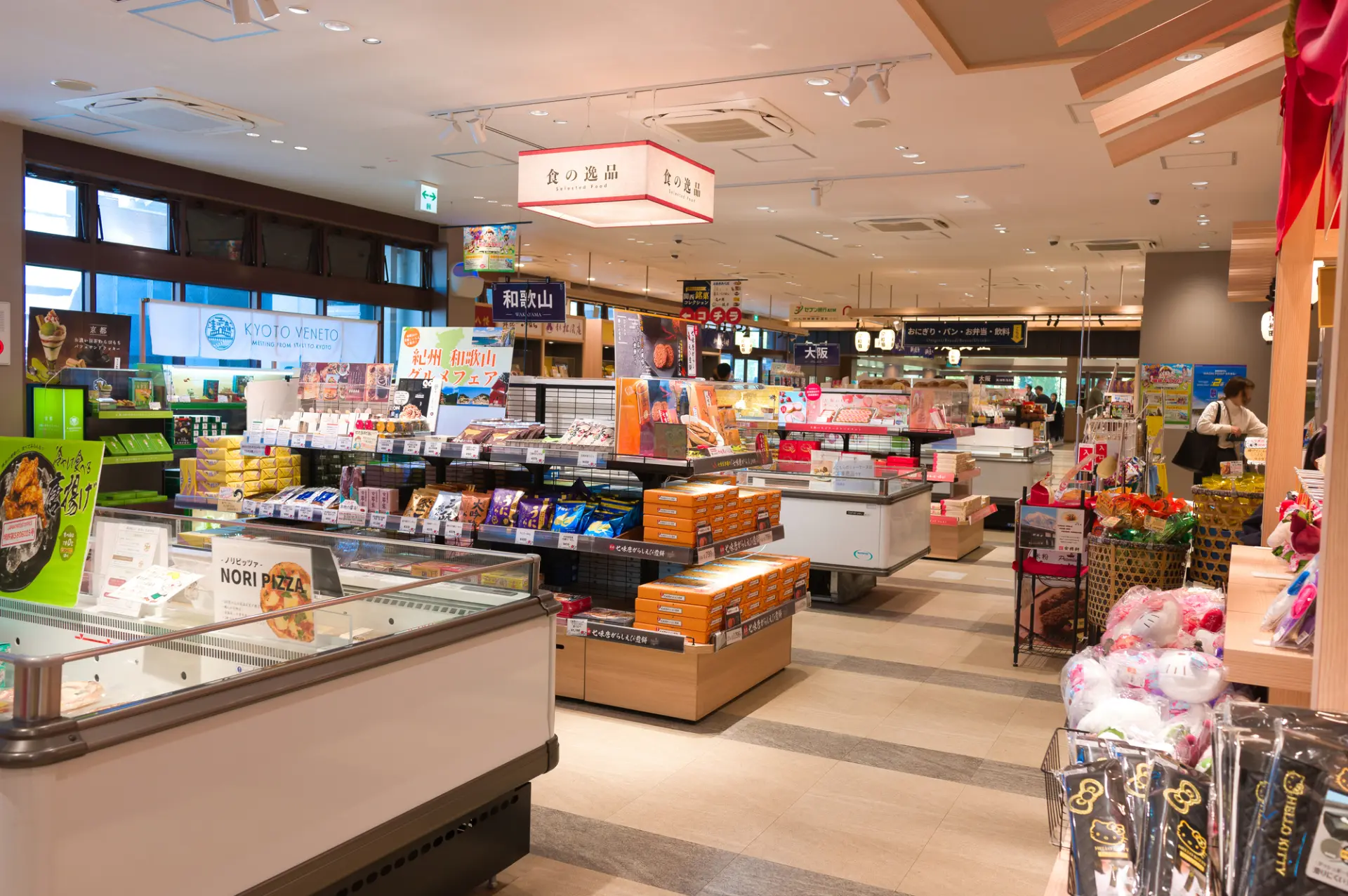
People may once have imagined SAs and PAs as places with the same souvenirs and cafeterias everywhere, but that has changed completely. Their sales floors and product selections frequently change with the seasons and according to the preferences of each manager. Apart from staple souvenirs, they are constantly evolving. That is why we say SAs and PAs are “living things.”
What an Expert Looks for: Stores, Restrooms, and More
Given my work, I am often asked what I pay attention to when visiting an SA or PA. I mainly look at three things: the restrooms, the scenery, and the sales floor. The sales floor in particular immediately tells me when the manager has changed. Each manager’s personality comes through clearly in its atmosphere.
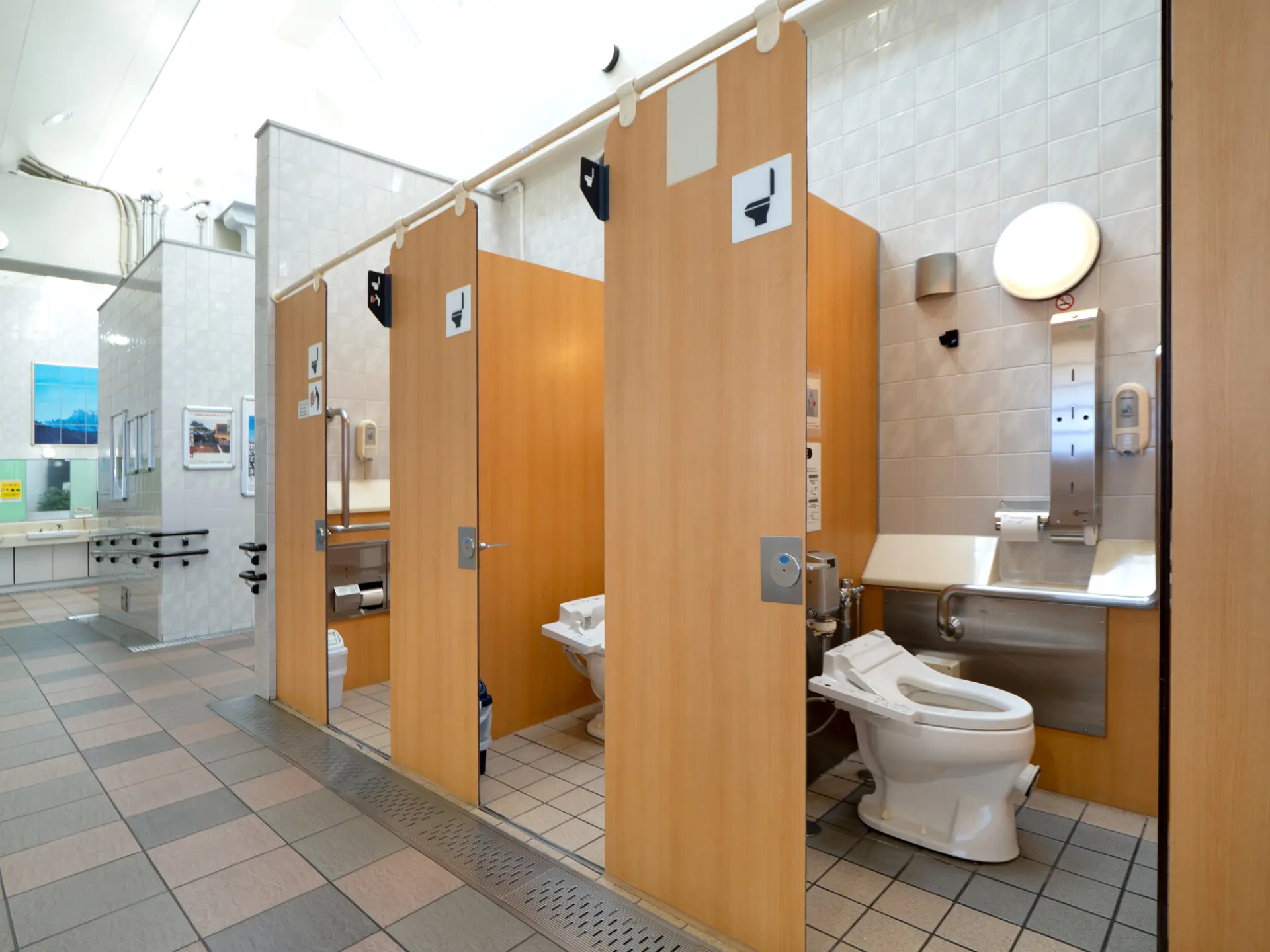
Restrooms are probably another important consideration for visitors. I can confidently say that the most beautiful restrooms in Japan are at its SAs and PAs! Each of the three expressway operators—NEXCO East, Central, and West—has its own distinctive approach, but I believe the restrooms in the NEXCO Central region are among the finest. They are cleaned and maintained so thoroughly that it would not be an exaggeration to say they are cleaner than those at luxury department stores or famous theme parks.
I even observe the placement of equipment inside each stall and the position and height of the hooks for bags. Everything has been carefully calculated, including whether shorter people and older adults can hang up a bag without bending down. I think that level of consideration is wonderful.
Food is another major attraction of SAs and PAs.
Of all 891 SAs and PAs nationwide, I actually think the PAs on the Metropolitan Expressway serve the best food. Staffed PAs on the Metropolitan Expressway are used every day by truck drivers, sales representatives, and other working people. To provide food that these regular customers will not tire of, menus are developed mainly by women accustomed to cooking for their families. The dishes recreate the comforting flavors of home cooking, and they are genuinely delicious.
Worth a Special Trip: 14 Recommended SAPAs Across Japan
Here are my carefully selected favorites from the 891 SAs and PAs across Japan. These are subjective choices based entirely on my own experiences, so please treat them as suggestions. When you visit for yourself, I hope you will value your own impressions—whether you think, “Now I understand,” or “I see it differently”—and enjoy exploring SAs and PAs in your own way.
1. Tohoku: Tsugaru SA, Outbound, Tohoku Expressway (Hirakawa, Aomori)
Try Apple Picking in Tsugaru, One of Japan’s Leading Apple-Growing Regions
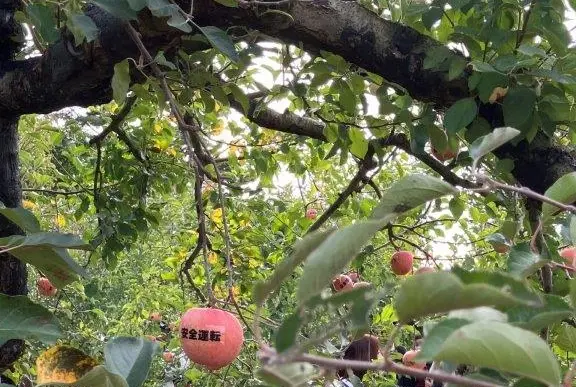
Our first stop in Tohoku is the outbound Tsugaru SA on the Tohoku Expressway, the northernmost SA on Honshu. It is usually a relatively simple, peaceful SA, but for a limited period it offers a fruit-picking experience. Tsugaru is famous for its apples. For about one week in late October each year, the apple orchard on the property opens to the public for apple picking. Best of all, it is free! The number of apples you can pick is limited, of course, but apple picking at an SA is a rare experience that is difficult to find anywhere else.
2. Tohoku: Chojahara SA, Outbound, Tohoku Expressway (Osaki, Miyagi)
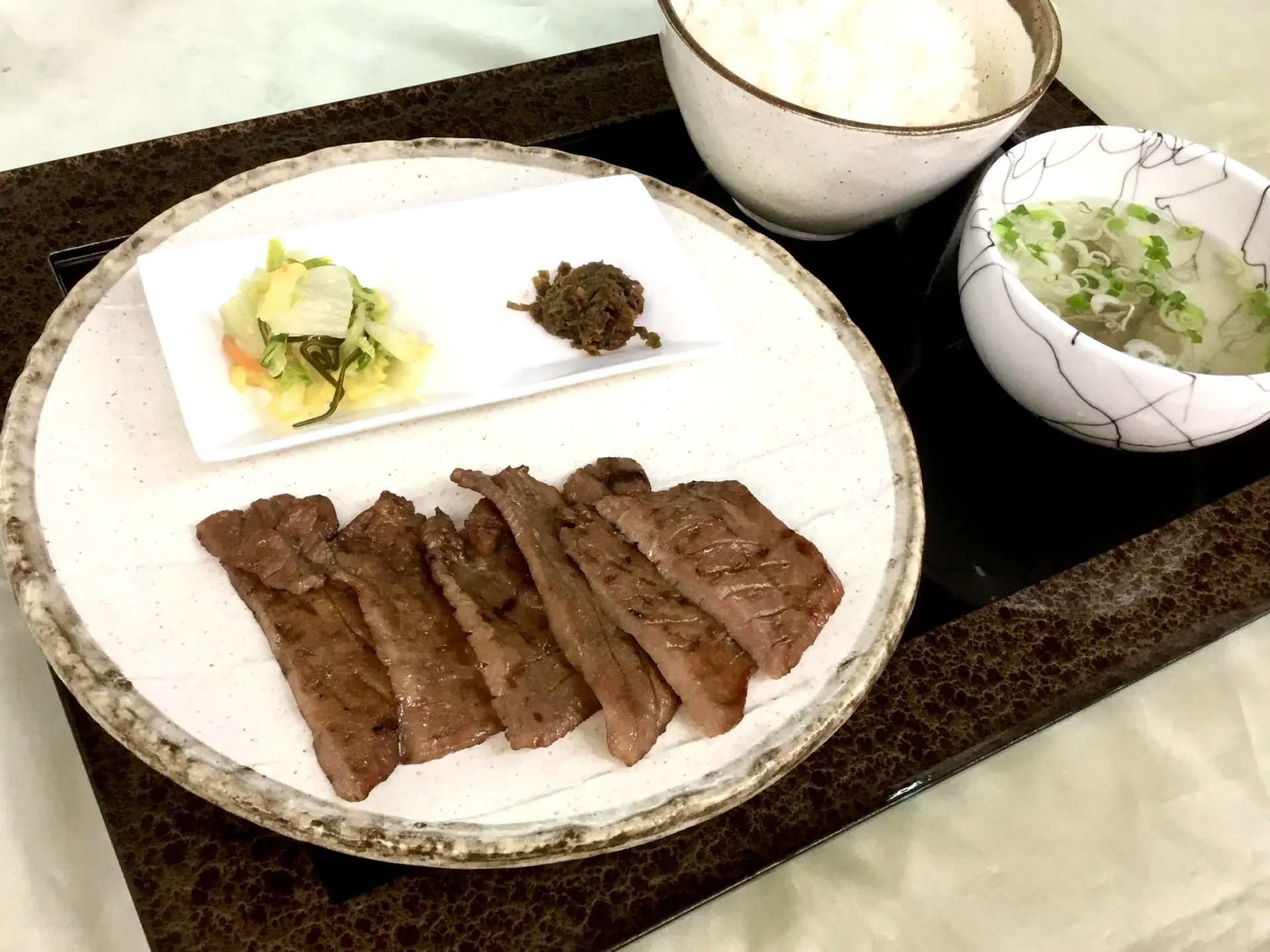
Miyagi Culture, from Beef Tongue to Local Specialties
Our next stop in Tohoku is Chojahara SA in Miyagi Prefecture, beginning with the outbound side. Its food court serves local specialties such as beef tongue, while the extensive souvenir selection includes famous sweets and regional products. I find it especially appealing as a place to discover Miyagi’s food culture. It is an SA where travelers on the Tohoku Expressway can experience the distinctive character of both Tohoku and Miyagi.
3. Tohoku: Chojahara SA, Inbound, Tohoku Expressway (Osaki, Miyagi)
Relax Amid Wetland Scenery and Rare Waterbirds
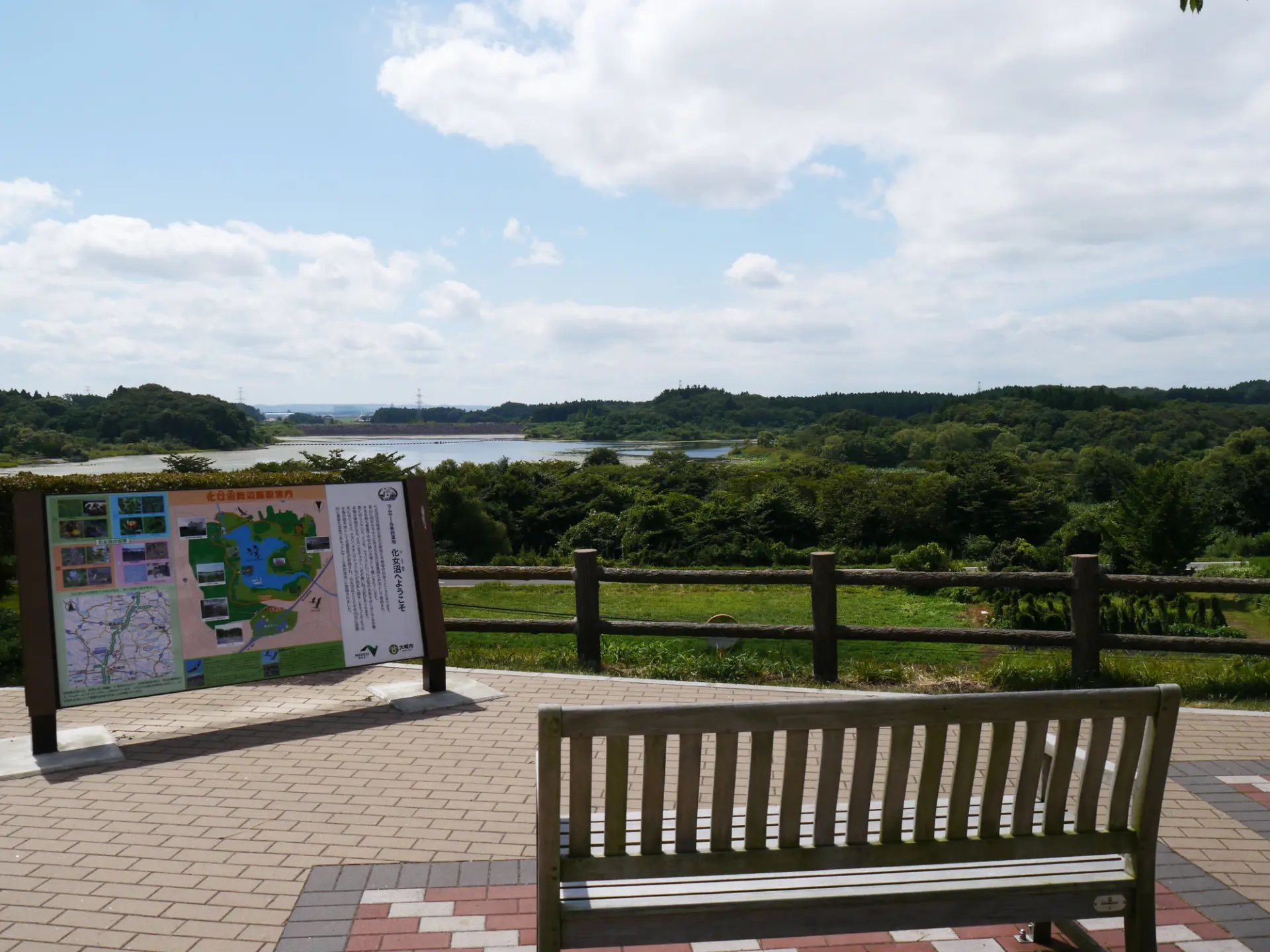
The inbound side, meanwhile, is next to Kejonuma, a wetland registered under the Ramsar Convention, an international treaty concerning wetlands of global importance as waterbird habitats. Its outstanding natural environment is a major attraction. Lotus flowers bloom on the water in summer, while rare waterbirds such as bean geese, greater white-fronted geese, and whooper swans gather here to rest in winter. An observation deck makes this an unusual SA where visitors can take a break from driving and enjoy serious birdwatching.
4. Kanto: Sano SA, Inbound and Outbound, Tohoku Expressway (Sano, Tochigi)
Walk Between Both Sides and Visit Them Back-to-Back
Next, in the Kanto region, is Sano SA. This is a particularly interesting facility, beginning with its distinctive layout. It uses what is known as a “single-side consolidated, directionally separated” design. The inbound and outbound grounds are concentrated on one side of the road, while their buildings and facilities remain separate. Visitors can walk between them, meaning they can experience both the inbound and outbound sides.
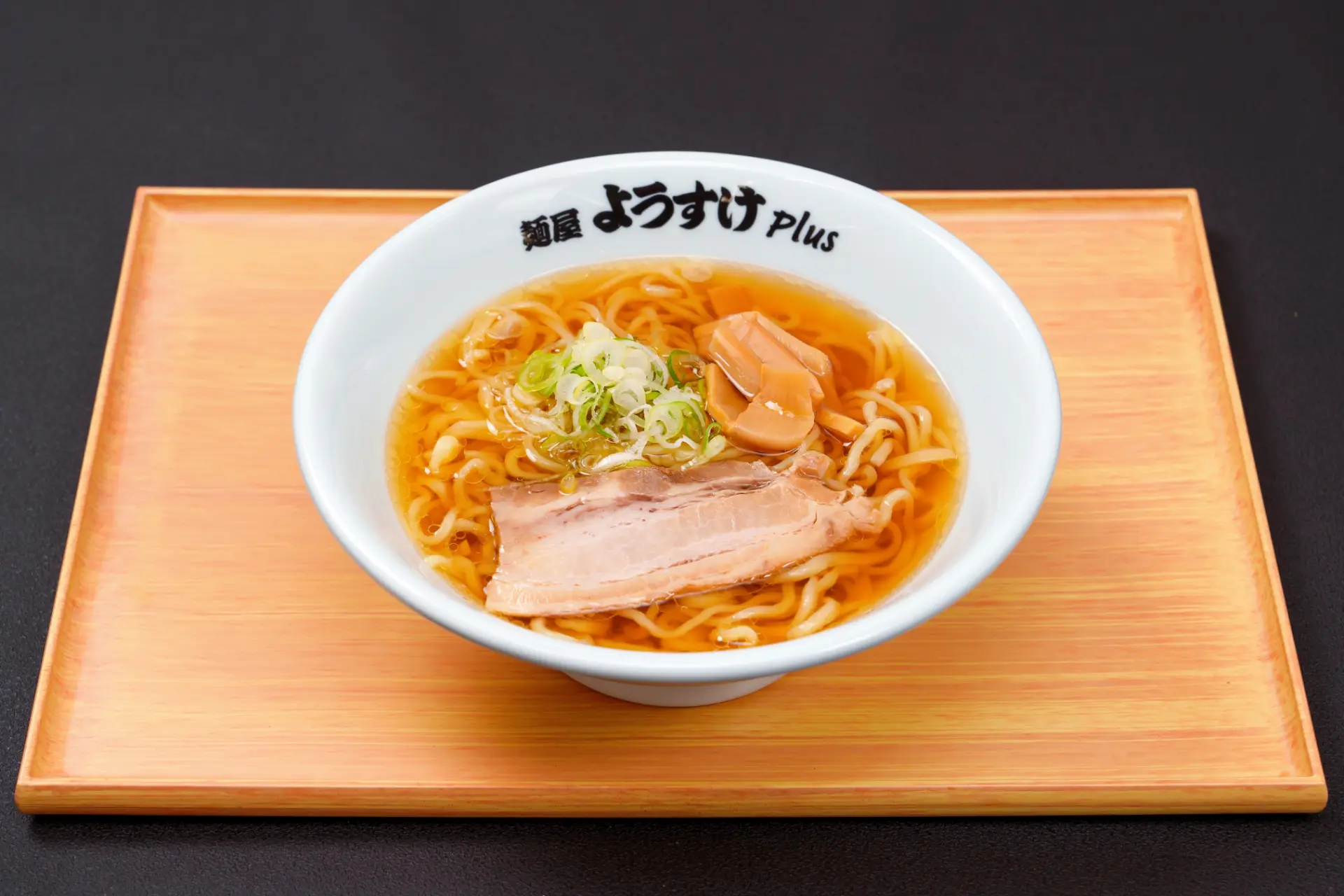
The outbound side was renovated in summer 2022, followed by the inbound side in spring 2026. The inbound facility was overseen by internationally renowned architect Kengo Kuma. Sano is also famous for Sano ramen. Different restaurants operate on the inbound and outbound sides, so I recommend visiting both and comparing their ramen.
5. Kanto: Kawaguchi Highway Oasis (Kawaguchi, Saitama)
The Metropolitan Expressway’s First Highway Oasis, with Great Food and Family Fun
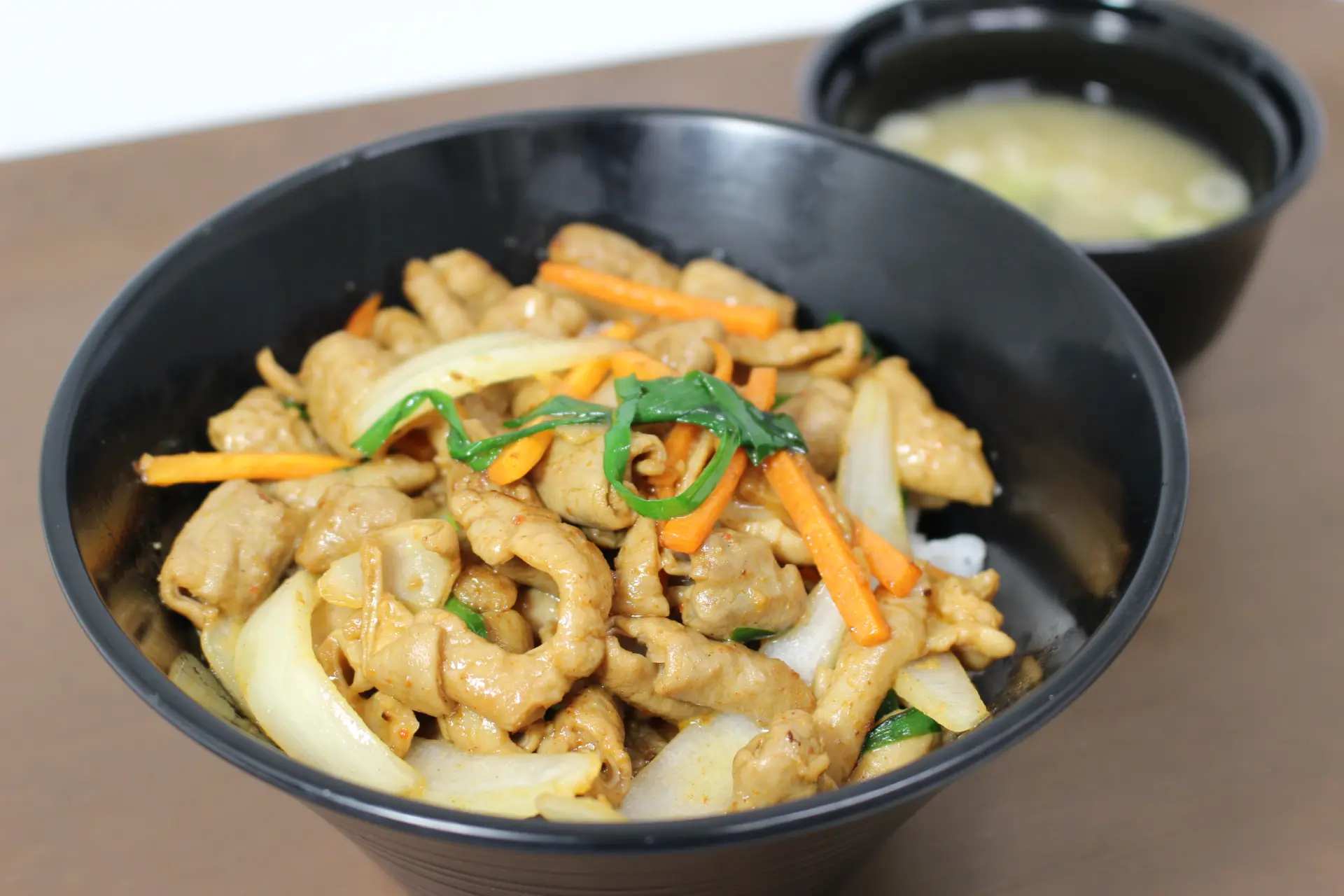
Another recommendation in Kanto is Kawaguchi Highway Oasis. Opened in spring 2022, it became the first highway oasis on the Metropolitan Expressway by connecting Kawaguchi PA on the Kawaguchi Route with Iina Park Kawaguchi, a park operated by the city. In addition to the convenience of access from both the expressway and local roads, the food is exceptionally good! Of the many dishes available, I strongly recommend the grilled offal rice bowl. It has been a signature dish loved by many fans since the days of Kawaguchi PA, and it is well worth trying.
The grounds also feature ASOBooN, a large all-weather play facility where families can spend an entire day together.
6. Chubu: Fujikawa SA, Outbound, Tomei Expressway (Fuji, Shizuoka)
The Best SA or PA for Spectacular Views of Mount Fuji
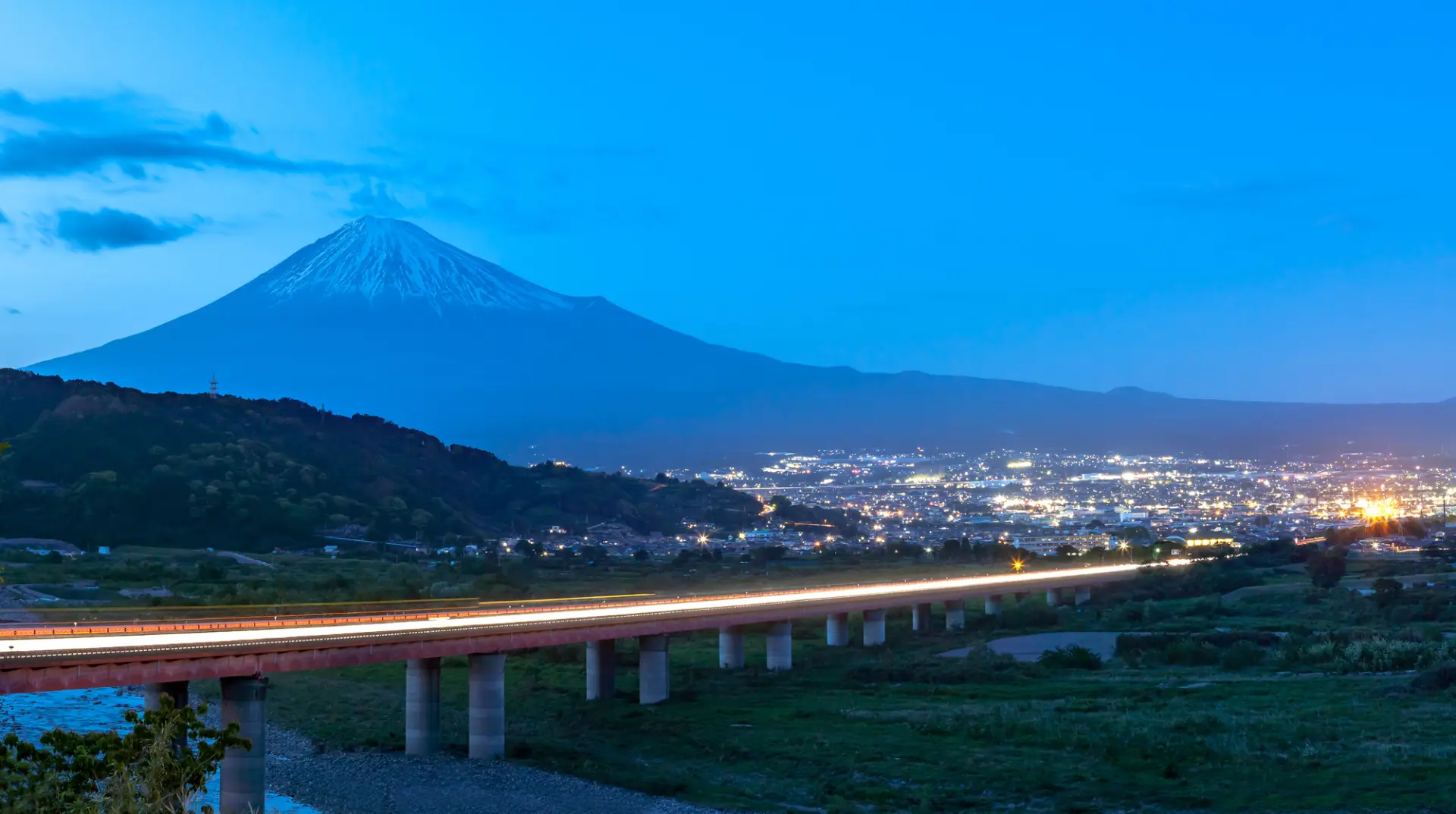
We now move to the Chubu region and the NEXCO Central service area. Our first stop is the outbound Fujikawa SA on the Tomei Expressway. This is the best location for viewing and photographing Mount Fuji from an SA or PA! The combination of majestic Mount Fuji and the Fujikawa Bridge, known as the Red Bridge, looks like a picture postcard. The view changes with the season and time of day, so stop by more than once and try to capture your perfect shot.
7. Chubu: Fujikawa SA, Inbound, Tomei Expressway (Fuji, Shizuoka)
Panoramic Views of Mount Fuji and the Expressway from a Ferris Wheel
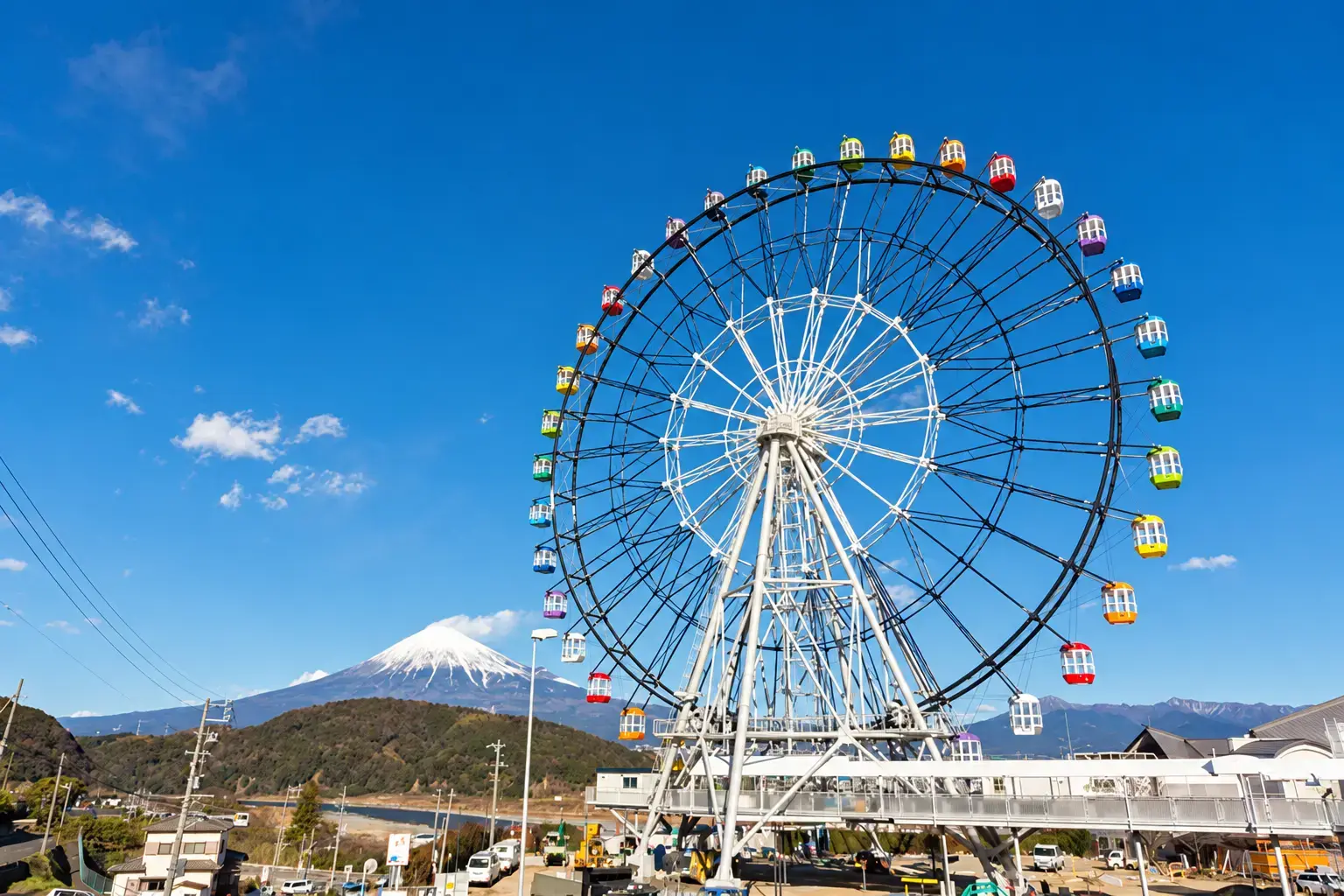
The main attraction on the inbound side is its Ferris wheel. To be honest, I used to think, “A Ferris wheel? Really?” But viewing Mount Fuji from the top is actually quite interesting. More than that, I love looking down at the expressway and SA parking areas. I watch the traffic and say things like, “The outbound side is busy today,” while observing how crowded it is. The Ferris wheel operates until 7:00 p.m. on weekends and public holidays, making it fun to watch the lights of cars traveling along the expressway.
The neighboring roadside station also has a planetarium.
8. Chubu: Futaba SA, Outbound, Chuo Expressway (Kai, Yamanashi)
An Outstanding Selection of Japanese and International Cuisine
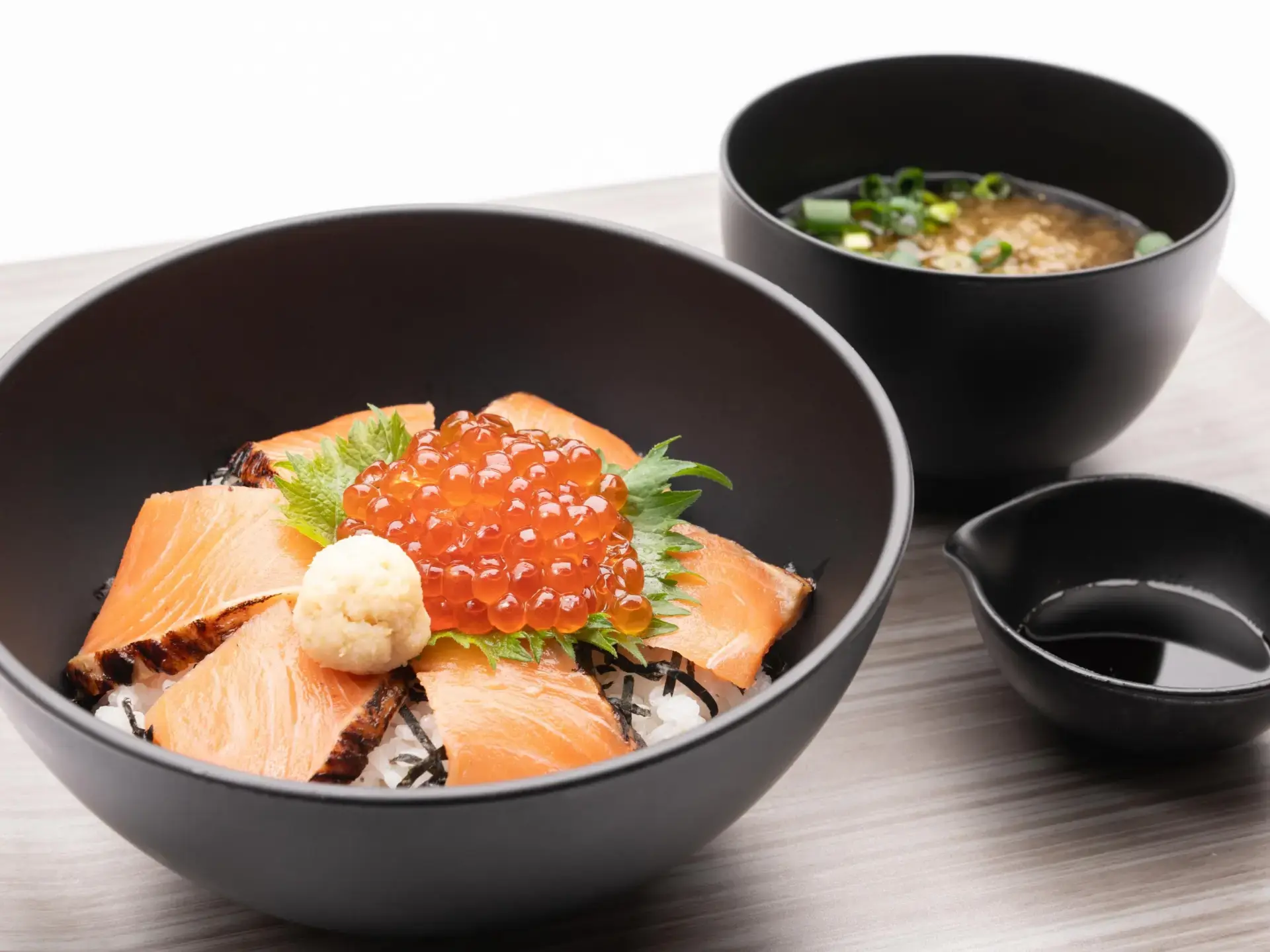
Another Chubu recommendation is the outbound Futaba SA on the Chuo Expressway. Operated by local infrastructure company Yamanashi Kotsu, it serves as a gateway to Yamanashi Prefecture. What makes it especially interesting is the wide variety of dishes that go beyond regional boundaries. Alongside meals made with local ingredients, you will find dishes featuring basmati rice and even seafood from Shiretoko, Hokkaido, despite Yamanashi being landlocked. I was invited to a tasting when the menu was being revised, and the food was unbelievably good. The SA serves sophisticated dishes so delicious that it is difficult to stop eating.
You can also catch a distant glimpse of Mount Fuji.
9. Kansai: Takarazuka-kita SA, Inbound and Outbound, Shin-Meishin Expressway (Takarazuka, Hyogo)
Enter the World of Takarazuka at One of Western Japan’s Largest SAs
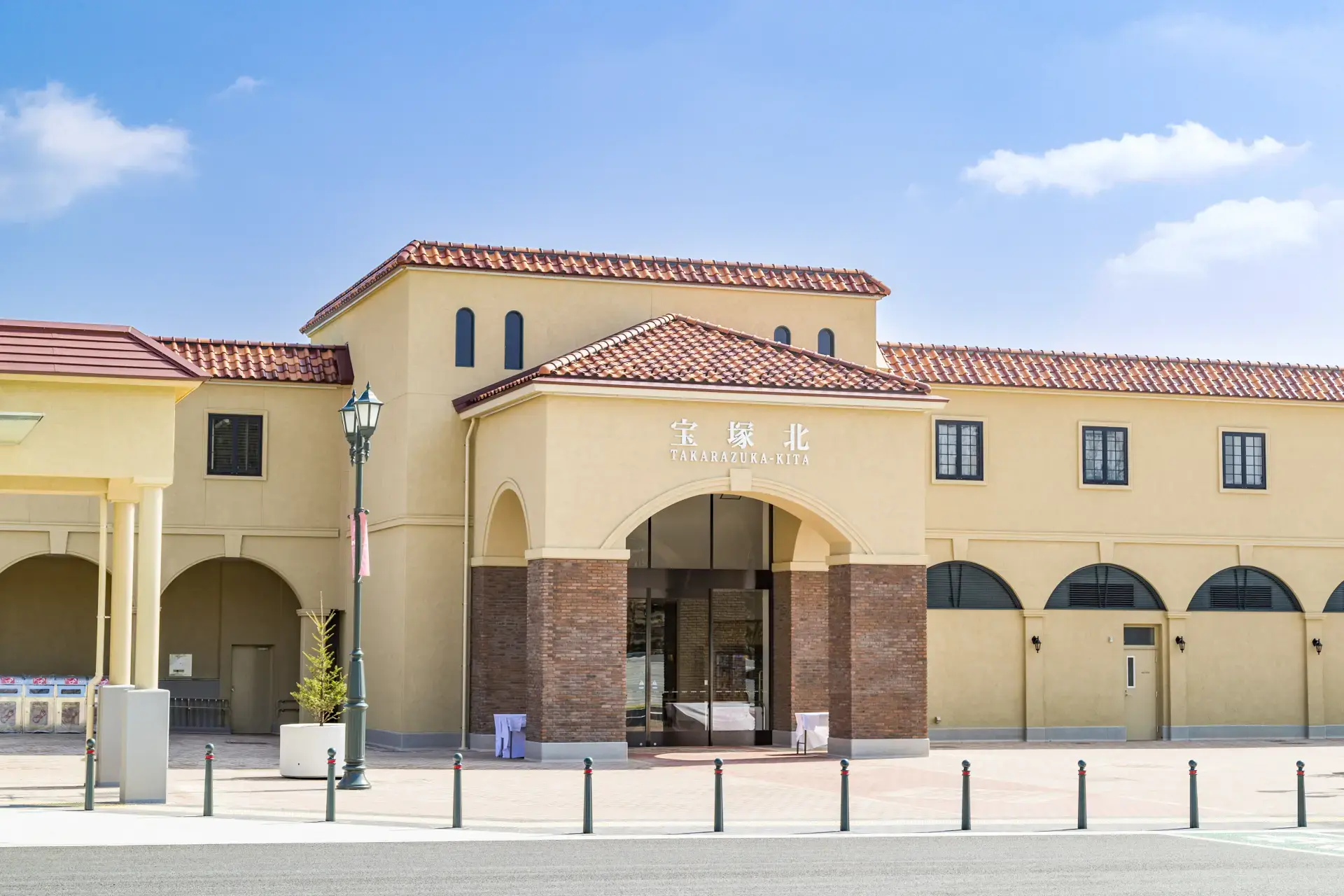
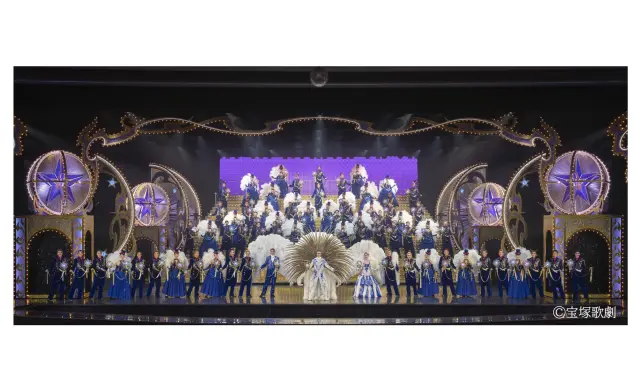
My first recommendation in Kansai is Takarazuka-kita SA on the Shin-Meishin Expressway. Opened in spring 2018, this consolidated SA serves both directions and is one of the largest in western Japan. Above all, it immerses visitors in the world of Takarazuka, a city famous for musical theater. Designed around the concept of “Takarazuka Modern,” the buildings feature a unified Southern European-style exterior, while merchandise and displays related to world-famous manga artist Osamu Tezuka, who had close ties to Takarazuka, are exhibited throughout the facility. It creates the excitement of visiting a Takarazuka theme park. Because it is operated by an entertainment company, visitors are treated to a variety of events and creative attractions.
10. Kansai: Miki SA, Outbound, Sanyo Expressway (Miki, Hyogo)
Exceptional Italian Food That May Change Your Mind About Disliked Ingredients
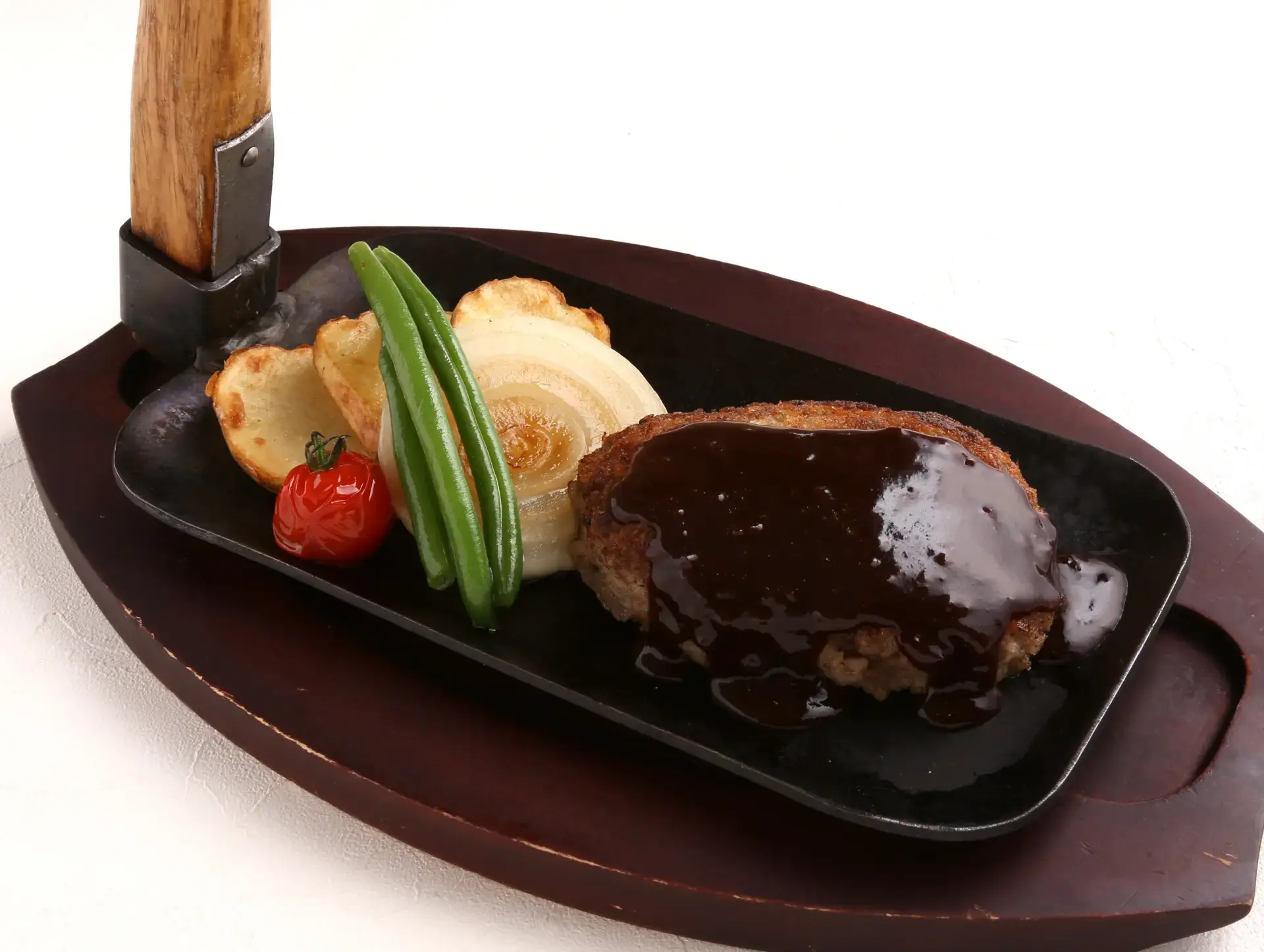
My second Kansai pick is the outbound Miki SA, a place I love partly because of a very personal experience. The Italian restaurant here serves extraordinarily delicious food, attracting fans from across Japan. Its dishes mainly feature local specialties and ingredients from Awaji Island. Although I love food, I used to dislike quite a few ingredients. But after eating eggplant and asparagus here, I not only overcame my dislike of them—I came to love them. That is how fresh and delicious they were. I hope everyone has an opportunity to try the food here.
11. Kansai: Amagasaki PA, Inbound, Hanshin Expressway Route 3 Kobe Line (Amagasaki, Hyogo)
A State-of-the-Art Urban Oasis Unlike Any Unstaffed PA
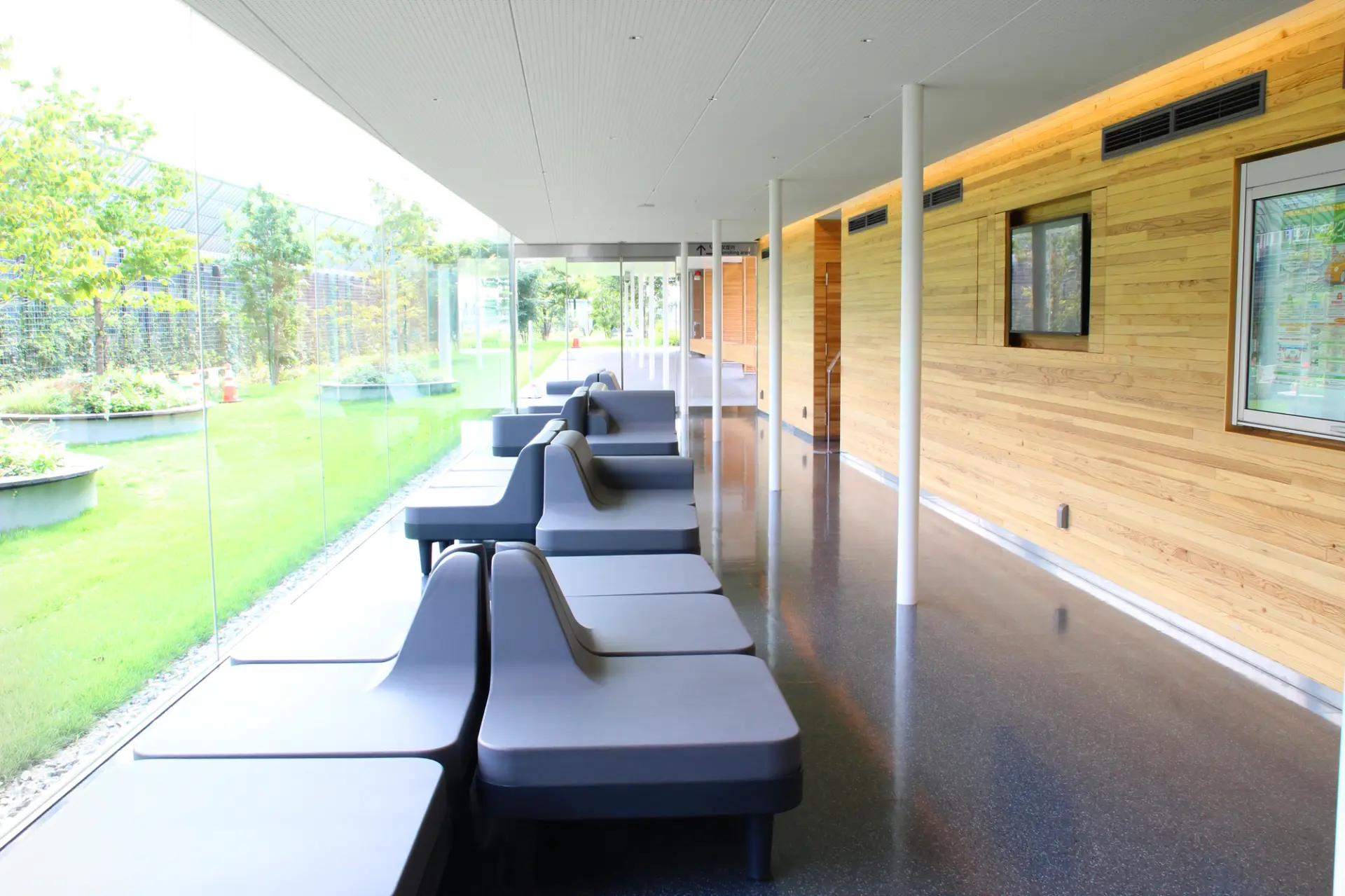
Since we are in Kansai, let me add one more. Amagasaki PA on the Hanshin Expressway is easily one of my top one or two favorites among all 891 SAs and PAs nationwide. It is an unstaffed facility, and many people may imagine an unstaffed PA as small, lonely, and bare. But this one is completely different. It is a cutting-edge unstaffed PA that seems to have leaped into the future. Cleverly built on the former site of a mainline toll plaza, it has an exceptionally peaceful atmosphere despite the expressway running immediately beside it. With green trees and a design that incorporates the warmth of wood throughout, it feels like an oasis on an urban expressway. I am particularly fond of the evening sunlight reflected by the wood and the moonlight at night.
12. Chugoku and Shikoku: Kurushima-Kaikyo SA, Inbound and Outbound, Nishiseto Expressway (Imabari, Ehime)
Location, Scenery, Food, and Architecture: The King of SAs
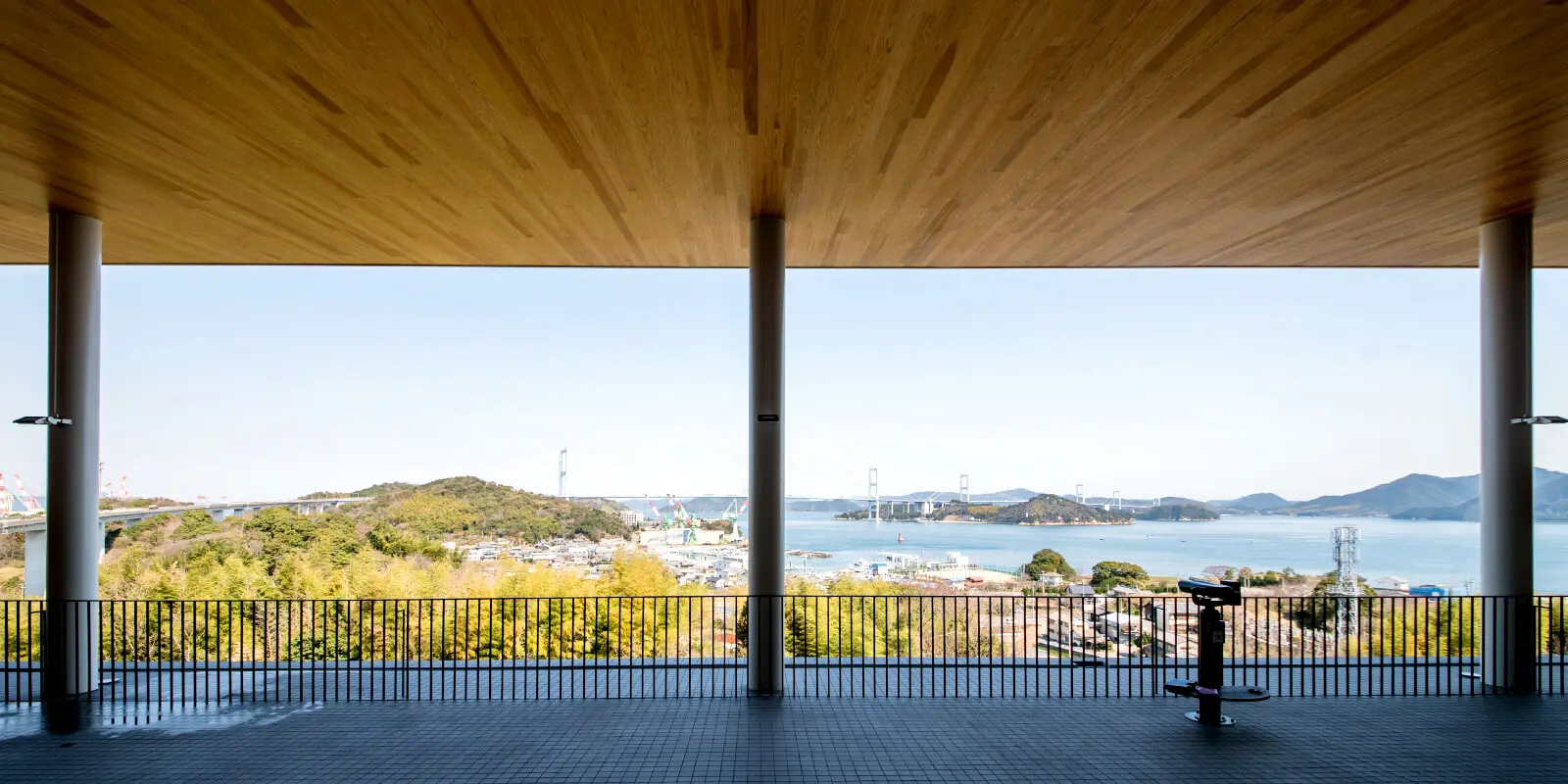
In the Chugoku and Shikoku regions, I cannot help but recommend this one. Kurushima-Kaikyo SA is located on the Nishiseto Expressway, part of the Shimanami Kaido, which is renowned as a destination for driving, motorcycle touring, and cycling. It is my absolute favorite—the king of SAs! First, there is its dramatic location on a cliff and the scenery created by the Shimanami islands, sea, and bridges. Then there is the extensive selection of regional cuisine, including the local specialty tai-meshi, or sea bream rice. Finally, there is the modern architecture, designed around the concept of an escape from everyday life. Once I stop here, I never want to leave. It is worth making this SA the sole destination of a trip.
Because it is a consolidated facility serving both directions, you can stop here on both legs of a round trip along the Shimanami Kaido.
13. Chugoku and Shikoku: Dannoura PA, Outbound, Kanmon Expressway (Shimonoseki, Yamaguchi)
Savor Authentic Shimonoseki Pufferfish and Admire the Kanmon Strait
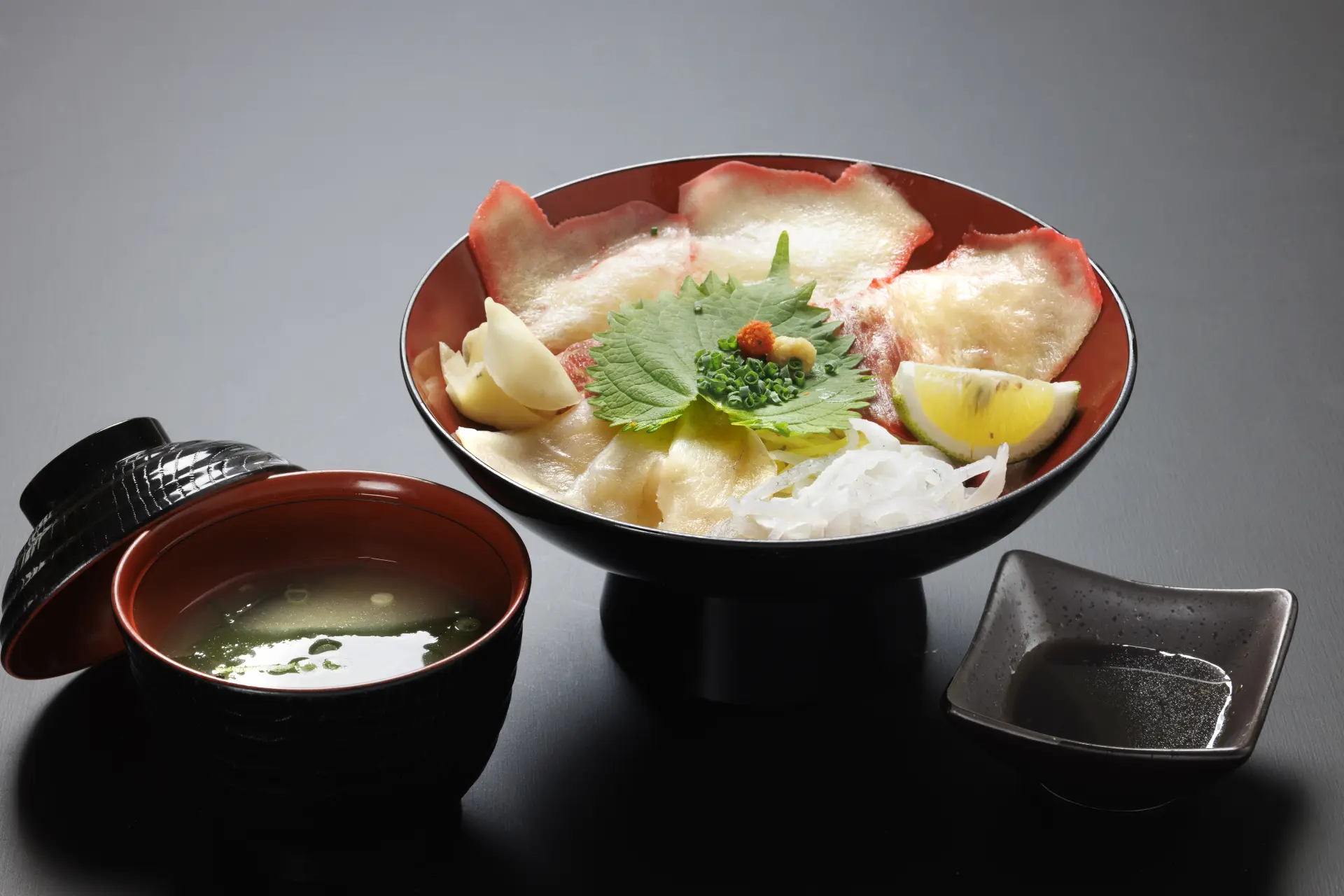
Our second Chugoku and Shikoku recommendation is Dannoura PA, located at the westernmost point of Honshu just before entering Kyushu. Seafood is unquestionably the highlight here! Shopping for dried fish and other products is fun, but this is also the place to enjoy a hearty seafood meal before heading into Kyushu. If you try only one type of seafood, make it authentic Shimonoseki fuku, or pufferfish. Very few expressway SAs or PAs serve genuine pufferfish cuisine.
The scenery is another major attraction. The deck offers sweeping views of the impressive Kanmon Bridge and Mojiko on the opposite shore. Being able to see both at once is a considerable part of its appeal.
The property also has a highway hotel, so another recommended plan is to enjoy the seafood, stay overnight, and cross into Kyushu the following morning.
14. Kyushu and Okinawa: Beppuwan SA, Inbound and Outbound, Higashi-Kyushu Expressway (Beppu, Oita)
A Refined SA with Spectacular Views and Sophisticated Dining
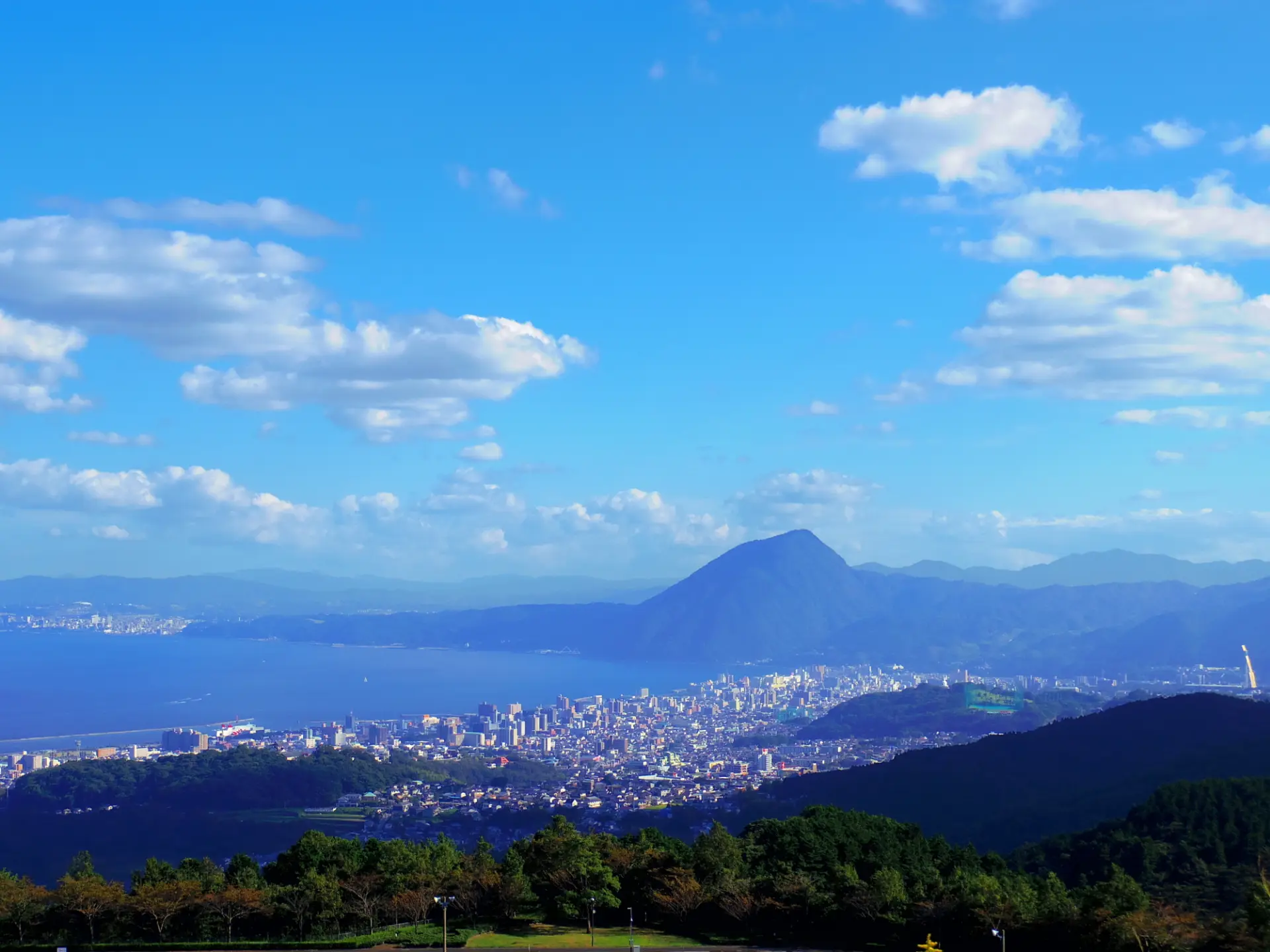
We have finally reached our last region, Kyushu and Okinawa. My recommendation in Kyushu is Beppuwan SA on the Higashi-Kyushu Expressway. The inbound and outbound sides are connected by a walking path, allowing visitors to move between them on foot. The panoramic view of Beppu Bay from a hill about 1,247 feet above sea level is spectacular in every sense of the word. It is widely known not only in Kyushu but throughout Japan. This slightly refined SA also offers sophisticated dining experiences, including wood-fired pizza and afternoon tea.
How to Get Even More Out of SAs, PAs, and Expressway Travel
1) Choose a Nearby PA Rather Than a Distant SA
Travelers who do not regularly drive on expressways often aim for an SA when they need a break, imagining that its larger size means it will have everything they need. During peak travel periods such as Golden Week, the Obon holidays, and the New Year holidays, however, vehicles concentrate at SAs and create severe congestion. Pushing yourself to reach an SA farther ahead can also leave you stuck in traffic or increase the risk of an accident due to fatigue. To help prevent accidents and make the most of your trip, I want travelers to take frequent breaks at PAs along the way. Remember: “Choose a nearby PA rather than a distant SA.” Better yet, avoid packing your schedule too tightly and leave enough time to stop at every SA and PA along the route.
2) Ask the Staff About Anything
Whenever you stop at an SA or PA, ask the staff at the stores and facilities for advice. You can ask anything: “What products do you recommend?” “What tastes best at this time of year?” or “What local attractions should I visit?” The people working at SAs and PAs are excellent guides who know their regions inside and out. They can provide genuine insights beyond what may be trending on social media, such as, “This is actually the tastiest item,” or “This is in season right now.” The conversations and connections that grow from these exchanges are also sure to make your journey many times more rewarding.
Summary
Today, SAs and PAs are travel destinations filled with a wide variety of attractions.
Through the guidance of Yamagata, whose passion extends to roads, expressways, SAs, and PAs, we learned about the many different sides of these facilities. They are undoubtedly places to rest while traveling on the expressway, but it has become clear that they offer far more than that. On your next trip, consider making an SA or PA itself the destination. It may become an opportunity to gain a deeper understanding of the region.
