Japan Travel Catalog
-
-

Gion, Higashiyama, Yamashina
Shrines & Temples
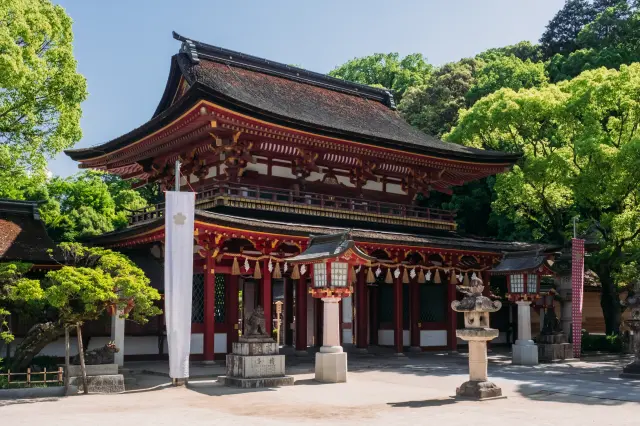
Yasaka Shrine
3.87 18An ancient shrine with over 1,300-year history since before the relocation of Japan’s capital to Heian-kyo, it is also known as the birthplace of the Gion Festival, and has been highly revered.
Related Articles
-

Experience Japan’s Timeless Charm, Woven from History and Nature: A Kiyomizu-dera Travel Guide
Kiyomizu-dera is one of Kyoto’s most popular sightseeing spots, as famous as Kinkaku-ji and Arashiyama. It’s packed with highlights, from many historically valuable buildings designated as National Treasures and Important Cultural Properties to beautiful natural scenery. To help you fully enjoy Kiyomizu-dera, one of Kyoto’s must-visit attractions, we’ll introduce not only the can’t-miss highlights, but also its history and the best seasons to visit.
-
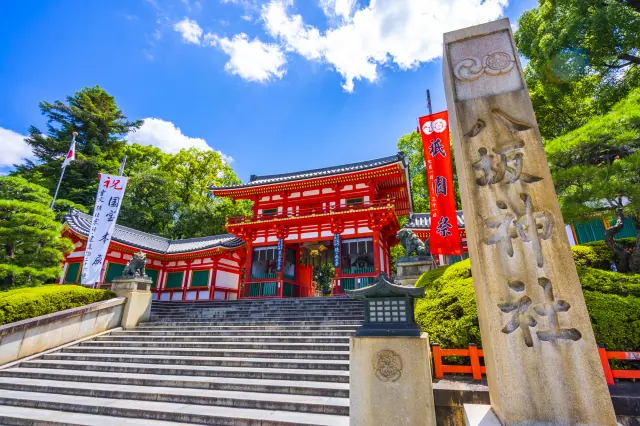
[Yasaka Shrine Travel Guide] A Famous Kyoto Power Spot for Beauty, Connections, and Good Fortune
With a long and storied history, Kyoto’s Yasaka Shrine is the head shrine of Yasaka Shrines and Gion Shrines across Japan. Enshrining a variety of high-ranking deities, it’s known as one of Kyoto’s most famous power spots, even in a city filled with temples and shrines. Beyond that, the grounds are packed with historically valuable architecture and plenty of highlights. To help you fully enjoy Yasaka Shrine and receive its many blessings, we’ll introduce the main must-sees, the best seasons to visit, and noteworthy events.
-

Kyoto in the fall - Illuminated Fall Foliage at Kodai-ji -
In this article, we will introduce you some pictures that were taken at Kodai-ji on November 28th 2010, during a time of night-time special viewing. The temple is in the walking distance from Yasaka-jinja and it is famous for a superb garden.
-
-

Fuchu, Chofu, Tama
Shrines & Temples
Okunitama-jinja Shrine
3.86 19A shrine that boats over 1900 years of history and the guardian dieties of the Musashi Province.
Related Articles
-

Experience Japan’s History and Culture Through the Four Seasons in Fuchu! 5 Must-See Festivals at Okunitama-jinja Shrine
Okunitama-jinja Shrine in Fuchu, one of Tokyo’s five major shrines, hosts nearly 400 festivals a year when you include the daily Onikkusai ritual (a ceremony offering food to the gods). Some of these festivals have lasted for over 1,000 years, and most have histories stretching back at least several centuries. The shrine is a must-visit for anyone wishing to experience different aspects of Japan’s history and culture as they change with the seasons. This article introduces five carefully selected festivals out of the approximately 400 held at Okunitama-jinja Shrine.
-

Only 25 minutes from Shinjuku! Original Sushi-Making & Sake Tasting Tour in Fuchu City
In the 7th century, Fuchu City was the capital of the Musashi Province (covering almost all of modern-day Tokyo, Saitama and part of Kanagawa Prefectures). During the Edo period, the city thrived as a post town. Nowadays, we offer a comprehensive tour where participants can explore Japanese history, culture, and delicious food.
-
-

Asakusa, Tokyo Skytree
Commercial Buildings
TOKYO Solamachi
3.86 19Spreading from the Base of TOKYO SKYTREE, a Retail Complex with a Wide Variety of Shops and Entertainment.
Related Articles
-

[Tokyo Skytree Travel Guide] Enjoy One-of-a-Kind Views and Experiences You Can Only Have Here
Tokyo Skytree is Tokyo’s newest symbol and one of its top attractions. Only here can you take in the entire metropolis from the world’s tallest tower. The skyline spread out below is truly breathtaking. With dining, shopping, and plenty of entertainment options, there are many ways to enjoy your visit. In this guide, we’ll take a closer look at what makes Tokyo Skytree special, plus the can’t-miss highlights to help you make the most of your trip.
-

Tokyo・Asakusa Photo spots for cherry blossoms around Tokyo Skytree area.
There are a lot of scenic spots for photo taking near Asakusa Station, as there are Sumida River, cherry blossoms and Tokyo Skytree.
-

The Ultimate Guide to Experiencing Sumida Aquarium
Sumida Aquarium is a fully indoor aquarium located within Tokyo Skytree Town®︎. It’s a relaxing space, much like a park, where you can drop by after enjoying shopping and dining in Tokyo Skytree Town. This article introduces the highlights and must-know tips for visiting Sumida Aquarium. Check it out before your trip to make the most of your visit!
-
-
-
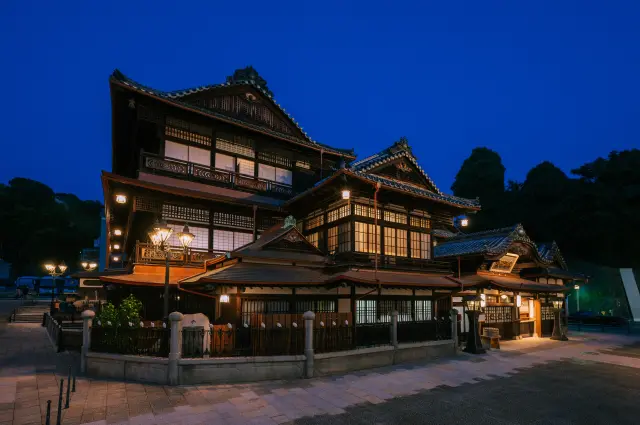
Ehime
Bathing & Spa Facilities
Dōgo Onsen Honkan
3.84 18A beloved symbol of Dōgo Onsen revamped in impeccable style and restored beauty for optimum comfort.
Related Articles
-

Matsuyama Travel Guide: Top Attractions, Hidden Gems, Food, and Souvenirs
Matsuyama City in Ehime Prefecture has a great selection of historic sites to visit, such as the nation’s oldest hot spring retreat, the Dogo Onsen, and Matsuyama Castle, a symbol of the city. As most sites are near Matsuyama Station and the Dogo Onsen, you can easily visit several in one day. Here, we will introduce our most highly recommended sites in Matsuyama.
-

[Dogo Onsen Travel Guide] Soak in Japan’s Oldest Hot Spring and Timeless Atmosphere
Among Japan’s many hot spring destinations, Dogo Onsen stands out for its especially long history. It’s even mentioned in the Nihon Shoki, compiled in 720, and is considered one of the oldest hot springs in Japan. From essential details to recommended ryokan and local eats, here’s a thorough look at what makes Dogo Onsen so special.
-
-
-
-
-

Iwate
Shrines & Temples
Chuson-ji Temple
3.81 18A Temple Famous for the Glistening National Treasure “Konjikidō Golden Hall” and Lotuses.
Related Articles
-
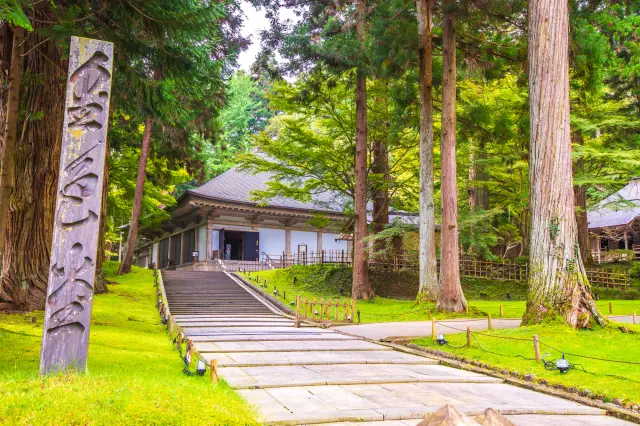
Chuson-ji Travel Guide: Experience a Sacred Site of Gold, Prayer, and Quiet
Chuson-ji in Hiraizumi, Iwate Prefecture, is one of the Tohoku region’s leading centers of Buddhist culture, established by the Oshu Fujiwara clan. Its quiet temple grounds form a place of prayer where nature and history come together, offering a special setting for a peaceful visit. This article introduces Chuson-ji’s overview, highlights, and cultural experiences.
-

In Awe of Sheer Nature: Top 18 Autumn Foliage Spots in Tohoku
Tohoku is a destination replete with unbeatable nature and remarkable spots to catch vibrant leaves in autumn. Across the region you’ll find an array of foliage spots so vast it may be hard to pick, with anything from mountains blanketed in autumn colors, beautifully tinted valleys and mountain roads perfect for a drive amidst the autumn scenery, to lakeshores adorned in seasonal hues and more.
-

Visiting Iwate Prefecture’s World Heritage Site, “Hiraizumi”
“Hiraizumi - Temples, Gardens, and Archaeological Sites Representing the Buddhist Pure Land” was registered as a World Heritage Site in 2011. It is composed of five parts, all located within Hiraizumi Town of Iwate Prefecture: Chuson-ji Temple, Motsu-ji Temple, Kanjizaioin Ato, Muryokoin Ato, and Mt. Kinkeisan. This article will introduce each of these five locations.
-
-
-
-
-
-
-
-
-

Tennoji, Shinsekai
Observatories
Tsutenkaku Tower
3.75 20A 108-meter high, iconic observation tower in Osaka modeled after the Eiffel Tower in Paris.
Related Articles
-

[Shinsekai Travel Guide] Enjoy Tsutenkaku and the Bustling Shopping Streets!
Shinsekai is a must-visit destination where you can experience the unique sights and flavors of Osaka. No trip to Osaka is complete without a stop in this iconic district, known for its vibrant atmosphere and delicious street food. With countless attractions, just strolling through the neon-lit streets lined with flashy signs can be an experience in itself. However, there’s so much more to Shinsekai than meets the eye. For first-time visitors, this guide will help you make the most of your time, ensuring you fully immerse yourself in the culture, food, and excitement of Shinsekai. Read through before your Osaka adventure and get ready to explore like a pro!
-

[Tsutenkaku Travel Guide] Enjoy Osaka’s Iconic Tower
Alongside the Glico sign in Dotonbori and Kuidaore Taro, Tsutenkaku is one of Osaka’s most recognizable symbols. Tsutenkaku is famous, but many people still aren’t sure what you can do there. This article explains what Tsutenkaku is like and what to see. Read up before you visit Shinsekai and Tsutenkaku.
-
-

Yamanashi
Nature Spots
Oshino Hakkai – The 8 Springs of Oshino
3.75 20Sacred Ponds Borne from Mt. Fuji’s Melted Snow.
Related Articles
-
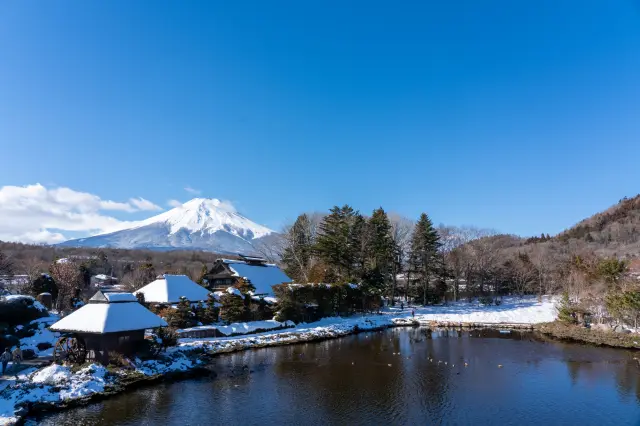
[Oshino Hakkai Travel Guide] Explore Stunning Views of Crystal-Clear Ponds and Mt. Fuji
Oshino Hakkai, located in Yamanashi Prefecture, is a group of eight spring-fed ponds sourced by underground water from Mt. Fuji. Famous as “the place where Mt. Fuji looks the most beautiful in Japan,” this vast natural area is filled with scenic spots. It is also part of the UNESCO World Cultural Heritage site “Fujisan, sacred place and source of artistic inspiration,” and its mystical scenery attracts visitors from Japan and around the world. This article introduces an overview of Oshino Hakkai, its charms, and the highlights of its eight ponds. It also brings together useful information in an easy-to-understand way for first-time visitors, so be sure to read to the end.
-

Experience the Breathtaking Beauty of the Mountains! 32 Tourist Spots in Yamanashi
Surrounded by majestic mountains such as Mt. Fuji, Yatsugatake, and the Southern Alps, Yamanashi offers stunning views in every season. The picturesque landscapes featuring Mt. Fuji and the lakes are a must-see. In this article, we'll introduce you to the best spots to enjoy Yamanashi's natural beauty, along with recommended accommodations, dining, and shopping areas.
-

Enjoy Nature in All Seasons! Top 17 Popular Tourist Spots Around Lake Kawaguchiko
Lake Kawaguchiko, where you can see the “upside-down Fuji,” one of Japan's most scenic views, is easily accessible from the city center and is a popular tourist destination for enjoying the natural scenery throughout the seasons. There are accommodations where you can soak in open-air hot springs with views of Mt. Fuji and dining options where you can savor Yamanashi's gourmet cuisine, offering a variety of enjoyable experiences.
-
-

Hiroshima
Museums
Atomic Bomb Dome (Hiroshima Peace Memorial Park)
3.75 18An esteemed building artifact that stands in remembrance of the bombing of Japan. The Peace Bell stands at Hiroshima Peace Memorial Park
Related Articles
-

Learn and Reflect on the Devastation and Horror of the Atomic Bomb: A Guide to Hiroshima Peace Memorial Museum
Hiroshima Peace Memorial Museum is a place that conveys the raw devastation and damage caused by the atomic bomb through materials and photographs. One of its defining features is the chance to encounter a history that can only be told in Japan, the first and only country in the world to have suffered an atomic bombing, and in recent years, the number of international visitors has increased. In this article, we will explain in detail what exhibits can be found at Hiroshima Peace Memorial Museum and what you can experience there. By reading to the end, you will understand the significance of Hiroshima Peace Memorial Museum and may feel inspired to visit in order to better grasp the damage caused by the atomic bomb and the reality of nuclear weapons.
-

History and Essential Information to Know Before Visiting the Atomic Bomb Dome, a World Heritage Site
Japan is the only country in the world to have suffered atomic bombings, with the first atomic bomb in human history dropped on Hiroshima Prefecture on August 6, 1945, and another dropped on Nagasaki Prefecture three days later. The Atomic Bomb Dome is a historic structure that conveys the tragic reality of the countless victims and stands as a reminder so that the same mistake is never repeated. This article takes a detailed look at the significance of the Atomic Bomb Dome and the devastation of the atomic bombing through its history. By reading to the end, you will gain a deeper understanding of the Atomic Bomb Dome and be able to feel the reality of the atomic bombing damage when you visit.
-