


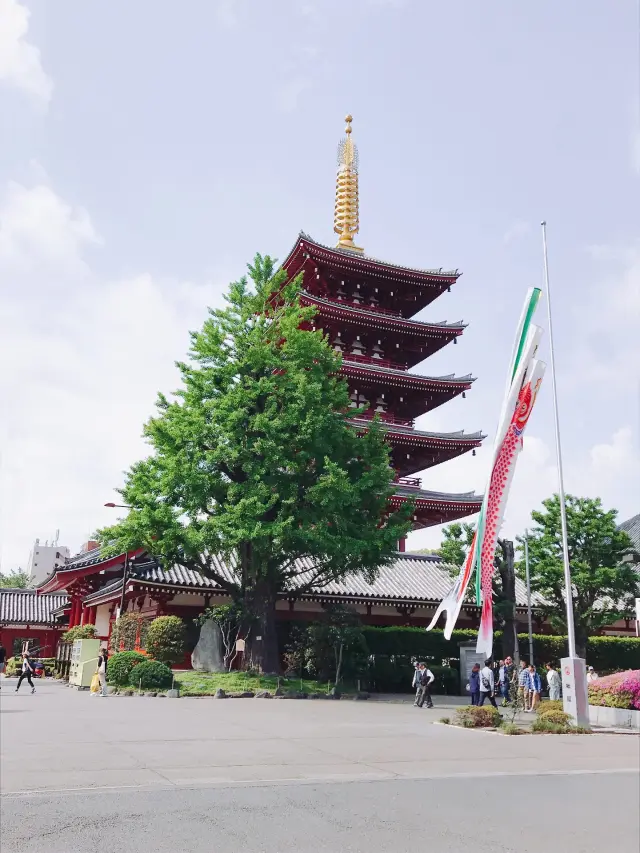
Senso-ji Temple

Verified [Verified] denotes information that has been published with confirmation of its owing parties.

Senso-ji Temple

One of Japan's most visited temples, with over 1,300 years of history. It is also the oldest temple in Tokyo.

4.75 79

Last update :
Supervised by :  Senso-ji Temple

One of Asakusa's leading tourist attractions, Senso-ji Temple welcomes more than 30 million visitors annually. This iconic Tokyo temple hosts many annual events, including New Year's visits and Setsubun.
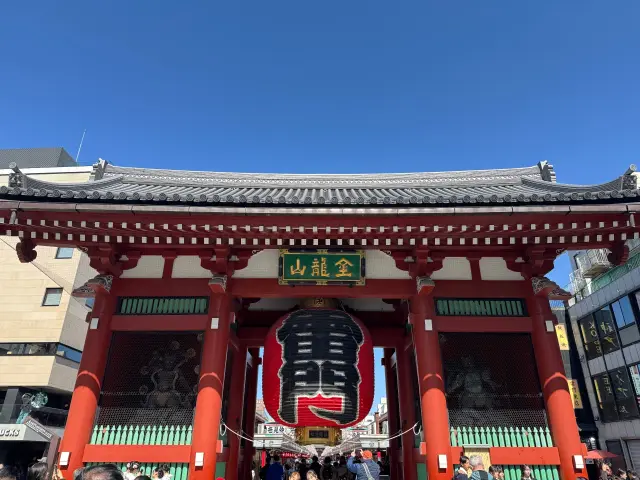
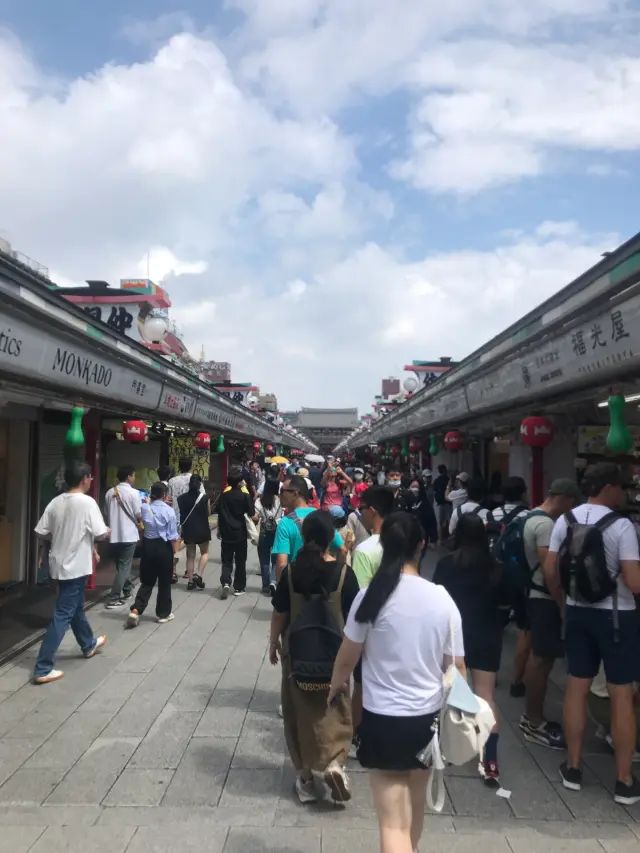
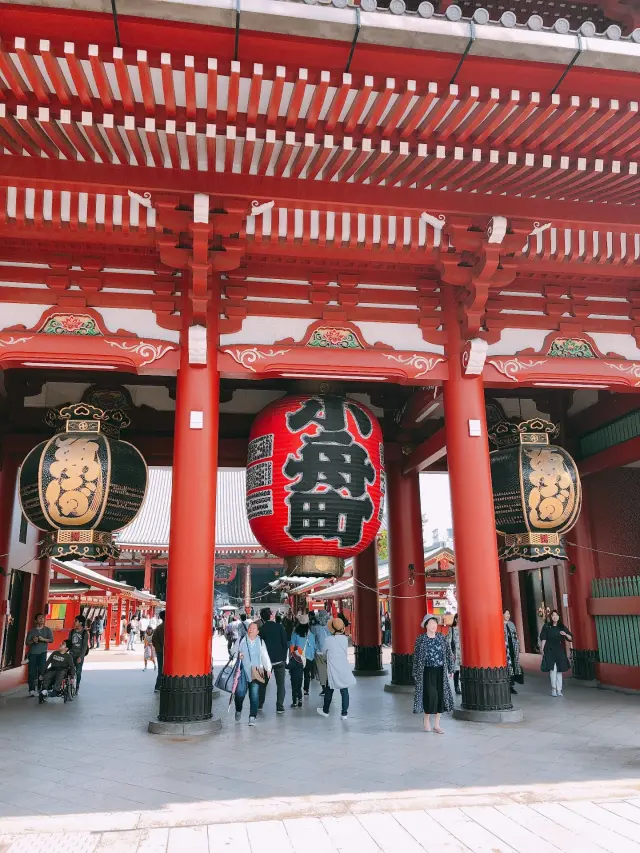
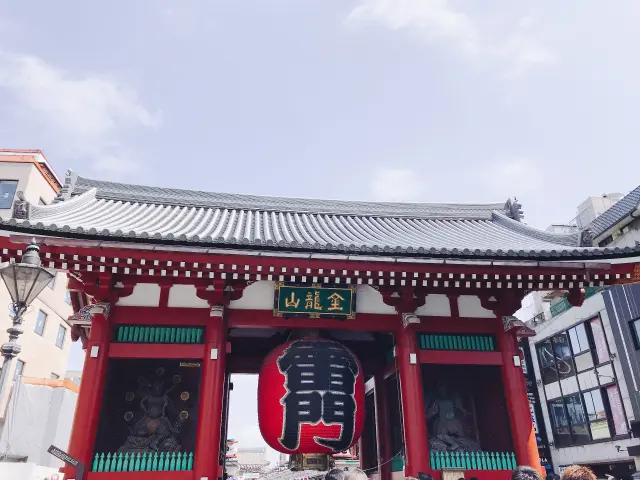
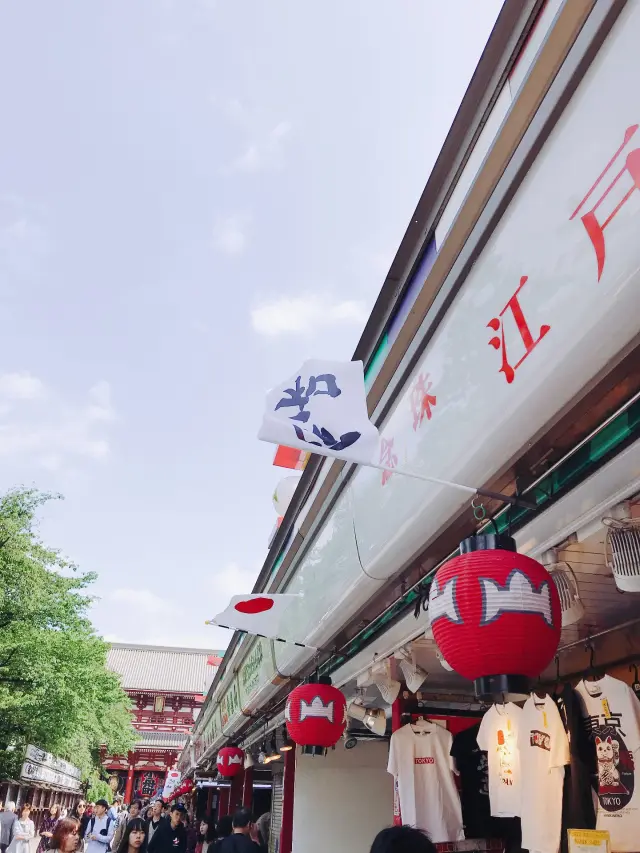
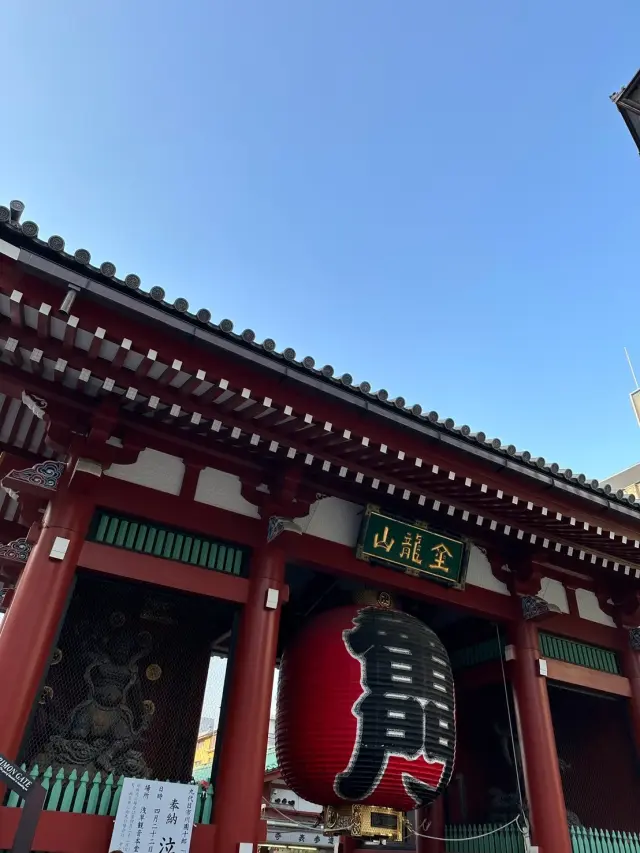
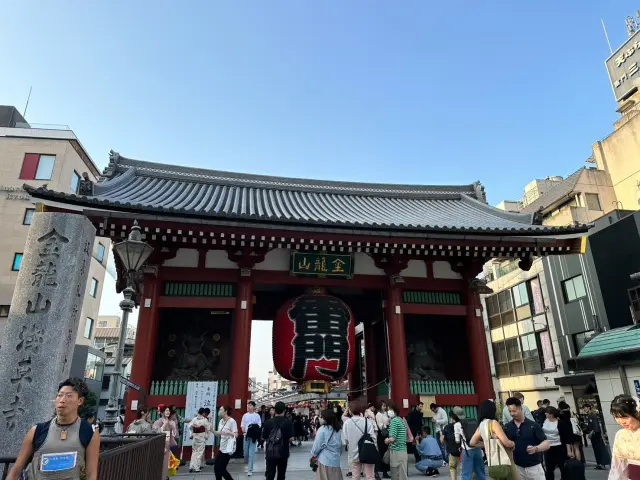
Kaminarimon Gate, a symbol of Asakusa, features a large red lantern flanked by statues of Fujin, the god of wind, and Raijin, the god of thunder. The approximately 820-foot-long Nakamise Shopping Street, extending from Kaminarimon Gate to the Main Hall, is lined with souvenir shops and food vendors.
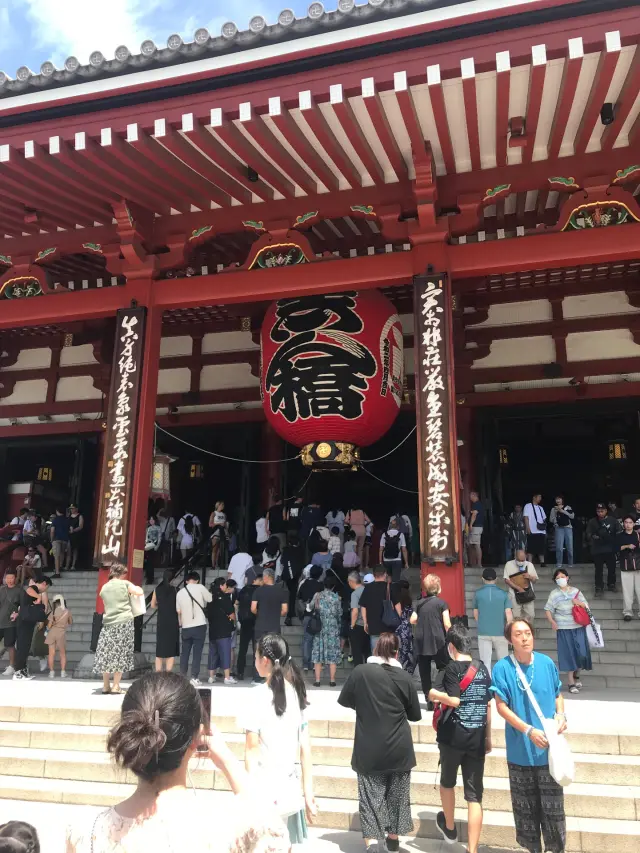
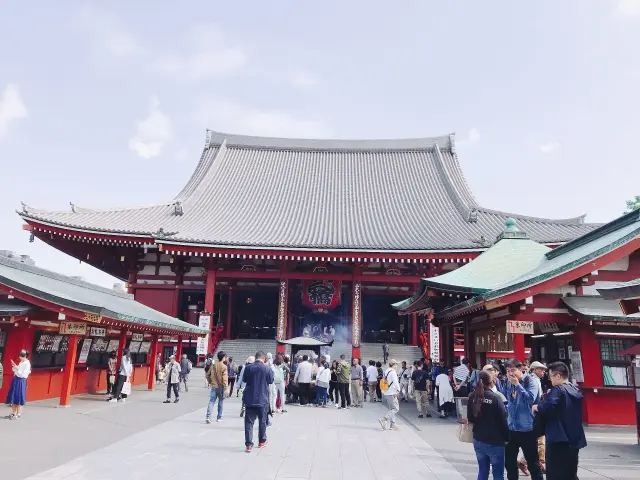
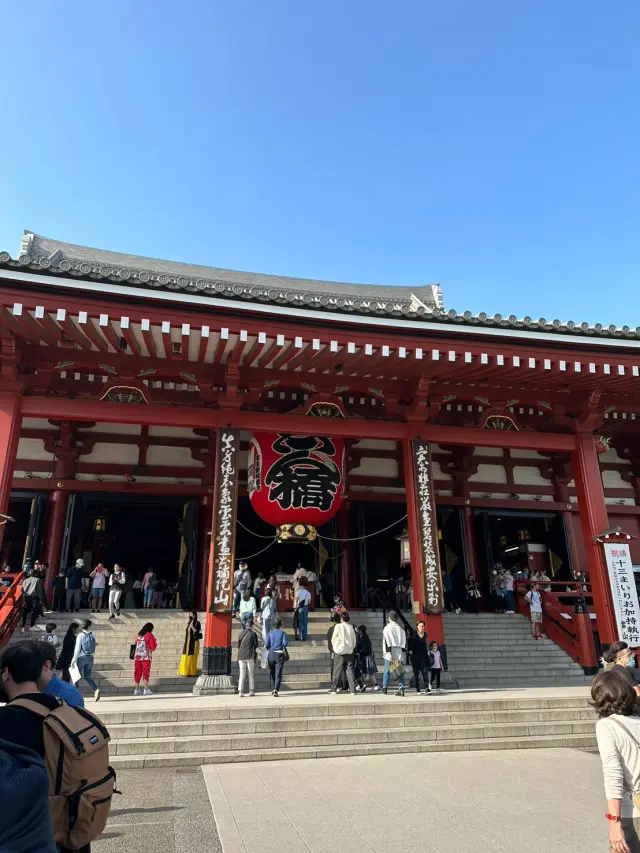
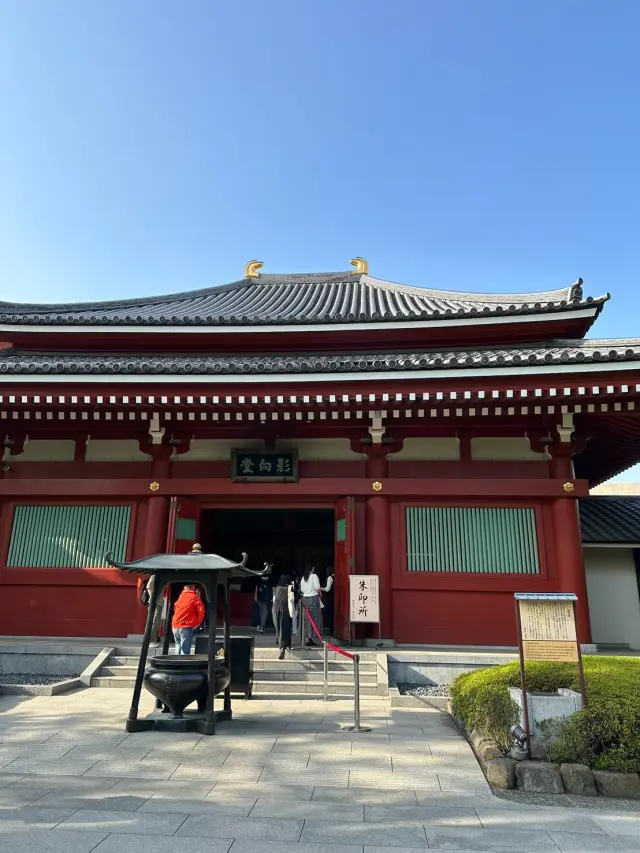
In front of the Main Hall is a large incense burner. The smoke is said to promote healing when directed toward an ailing part of the body, and many visitors waft it over themselves before entering the hall to pray.

Highlights

  • Take a commemorative photo at Kaminarimon Gate, the symbol of Asakusa.
  • Smoke from the incense burner is said to promote healing when directed toward an ailing part of the body.
  • After praying at the temple, stroll along Nakamise Shopping Street and browse its many shops.

Photos

  • Kaminarimon Gate at Senso-ji Temple (© Senso-ji Temple)

    Kaminarimon Gate at Senso-ji Temple (© Senso-ji Temple)

  • Nakamise at Senso-ji Temple (© Senso-ji Temple)

    Nakamise at Senso-ji Temple (© Senso-ji Temple)

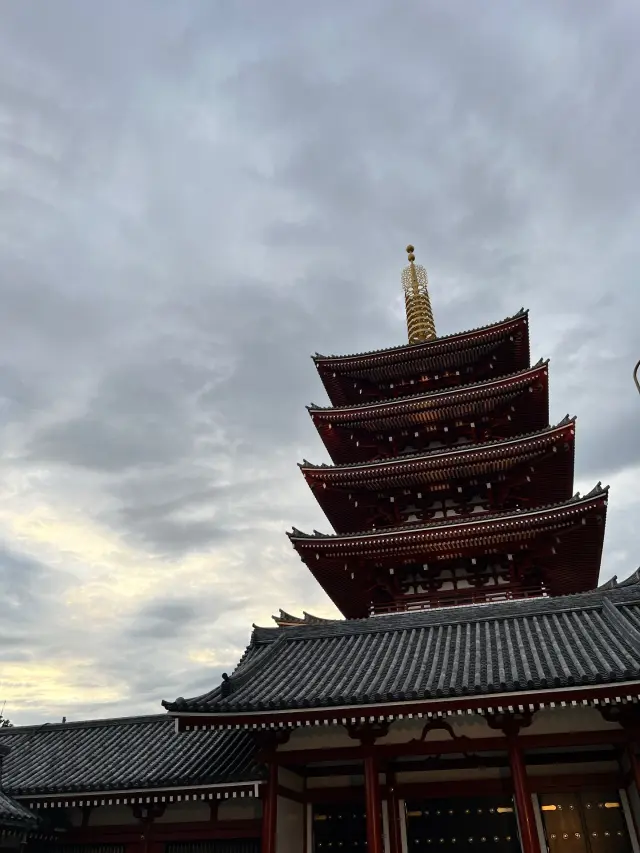
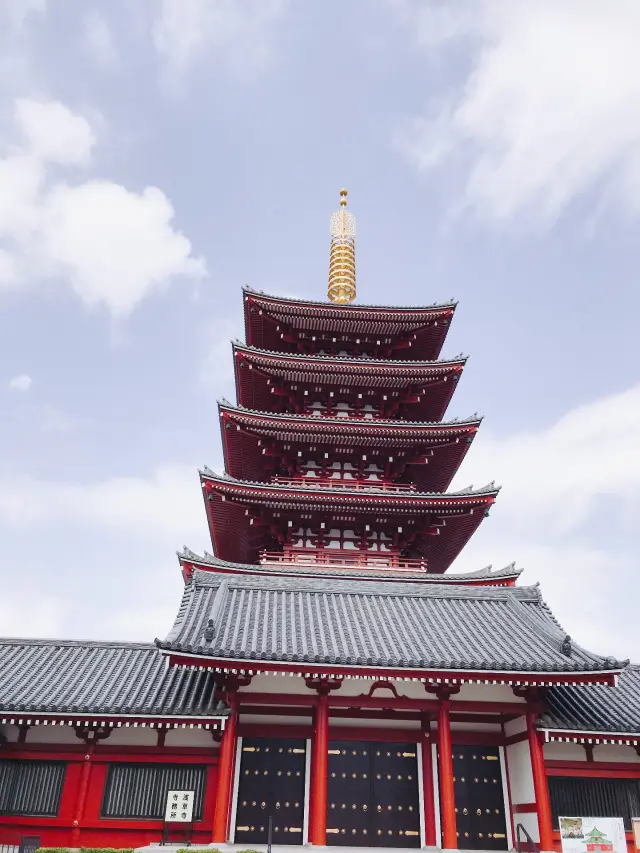
  • Main Hall of Senso-ji Temple (© Senso-ji Temple)

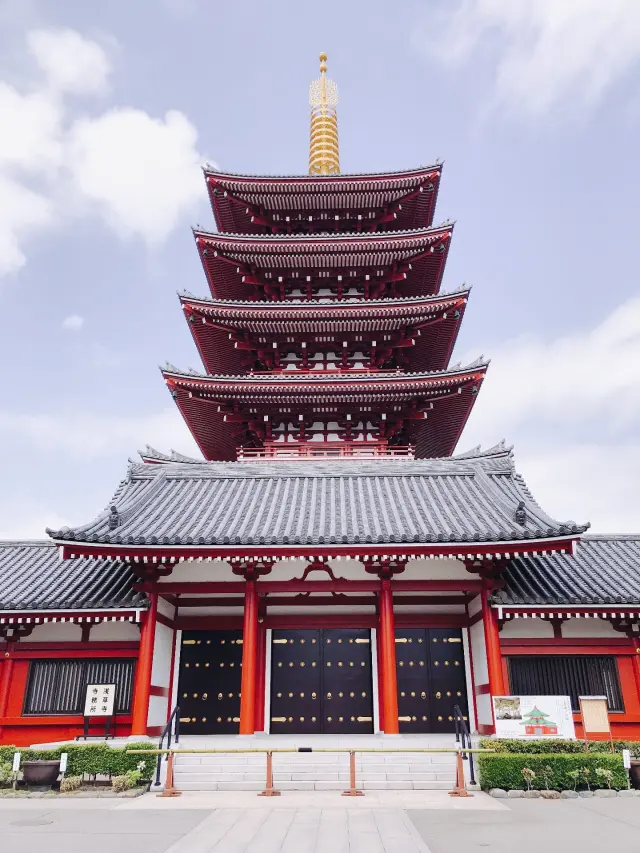
    Main Hall of Senso-ji Temple (© Senso-ji Temple)

Official FAQs

Frequently Asked Questions have been vetted and answered directly by each listing.

Q

What accessibility facilities are available?

A

An elevator is located to the left when facing the Main Hall and is available for visitors who have difficulty using the stairs. There is also one accessible restroom to the right of Hozomon Gate and another farther behind the Main Hall. They are equipped with wheelchair handrails, diaper-changing tables, and baby chairs.

Q

Is it possible to see the temple's principal image?

A

The principal image and the maedachi image that represents it are both hidden Buddhist images and cannot normally be viewed during worship. However, the maedachi image is revealed once a year, at 2:00 p.m. on December 13.

Q

Is it true that many of the omikuji fortunes are bad luck?

A

It is often said that Senso-ji's omikuji have a high proportion of bad-luck results, but the temple continues to use the traditional system as it has been handed down since ancient times. Those who draw bad luck need not be afraid. By living sincerely and patiently, their fortune may change for the better.

Reviews

79

Some reviews are AI-translated.

  • See More

    The Kaminarimon lantern is an Asakusa landmark. The whole street has all kinds of food, and the temple's history makes tourists from around the world want to come on a pilgrimage.

  • See More

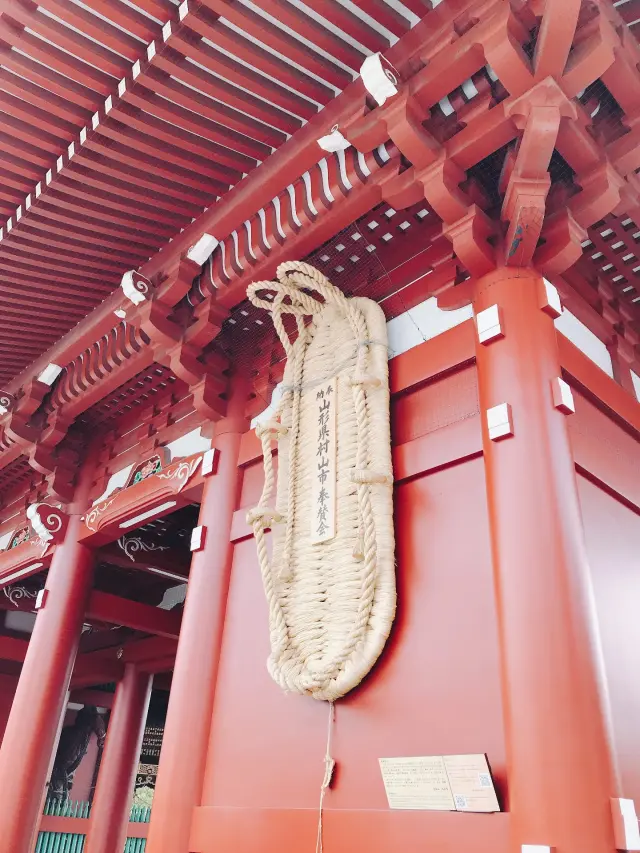
    The moment you walk out of the subway station and see that ridiculously huge red lantern at Kaminarimon Gate, you instantly feel like, “I’m really in Tokyo!” Built in the seventh century, Senso-ji Temple is the oldest historic temple in Tokyo and the heart and soul of the city’s old downtown area. Pass through Kaminarimon Gate and enter the bustling Nakamise shopping street, where dozens of old Edo-style shops line both sides. The aromas of freshly baked ningyo-yaki cakes, soy sauce from grilled rice crackers, and sweet matcha desserts all mingle together, and the atmosphere is incredibly lively as you walk around and browse. Continue through Hozomon Gate, with its giant straw sandals, to the main hall. Waft the smoke from the incense burner over your head and body to pray for good health and wisdom, then shake the fortune-telling box nearby and draw an omikuji. Even if you happen to draw bad luck, there’s no need to worry—just tie it to the rack nearby and leave all that bad luck behind at the temple!

  • See More

    It's almost impossible to get a photo of the huge red lantern with absolutely no one in it. Sensoji Temple is probably a must-visit attraction for anyone traveling to Tokyo! Sensoji is the oldest temple in Tokyo, and the Kaminarimon lantern at the entrance is very distinctive. I originally wanted to take a photo with it, but the crowd was so big that I could barely get through, so I gave up. The shopping street outside the temple has all kinds of little souvenirs and is a lot of fun to browse! There are also plenty of places to eat nearby. It's definitely worth setting aside half a day to explore.

  • See More

    When it comes to Tokyo's most iconic and famous attractions, Sensoji Temple, with its thousand-year history, is definitely one of the top ones. To avoid the frighteningly huge daytime crowds, we got up especially early and went during the peaceful golden hours of the morning.

    As soon as we reached the entrance, the magnificent gate with the huge red Kaminarimon lantern hanging above was truly breathtaking up close and inspired a sense of solemn respect. Looking more carefully, we even saw the enormous straw sandals hanging under the gate, with plenty of fascinating details to take in. After passing through Kaminarimon and slowly walking into the temple grounds, the vivid vermilion eaves looked especially solemn and beautiful against the clear blue sky and white clouds.

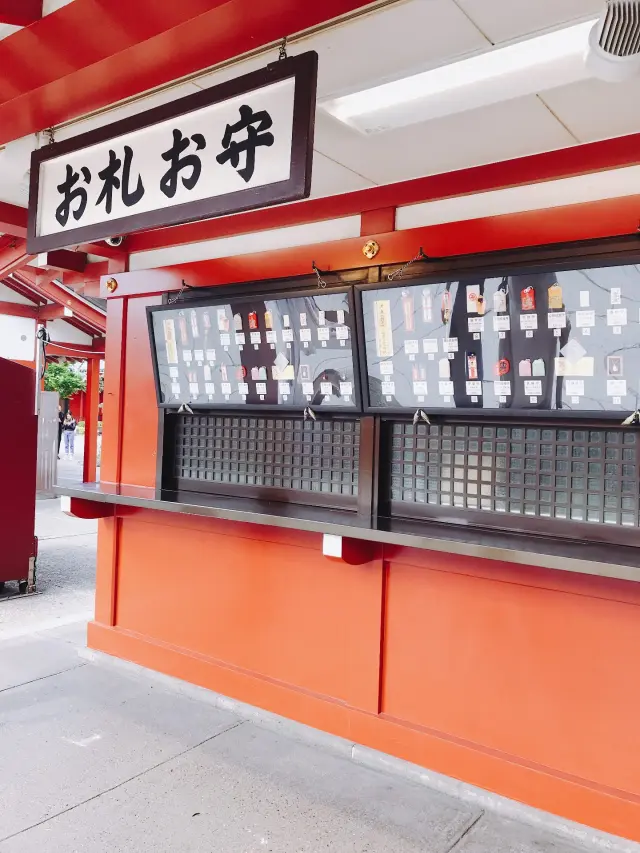
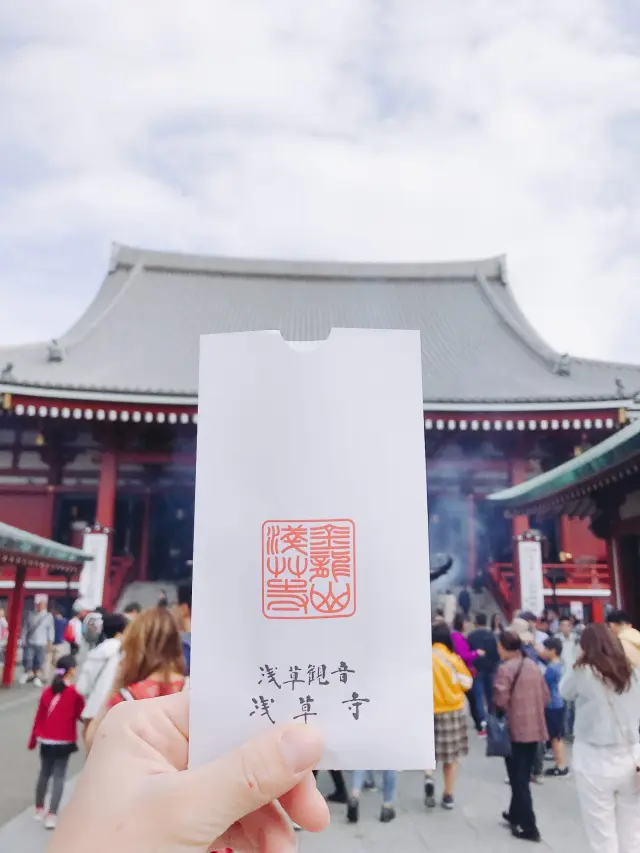
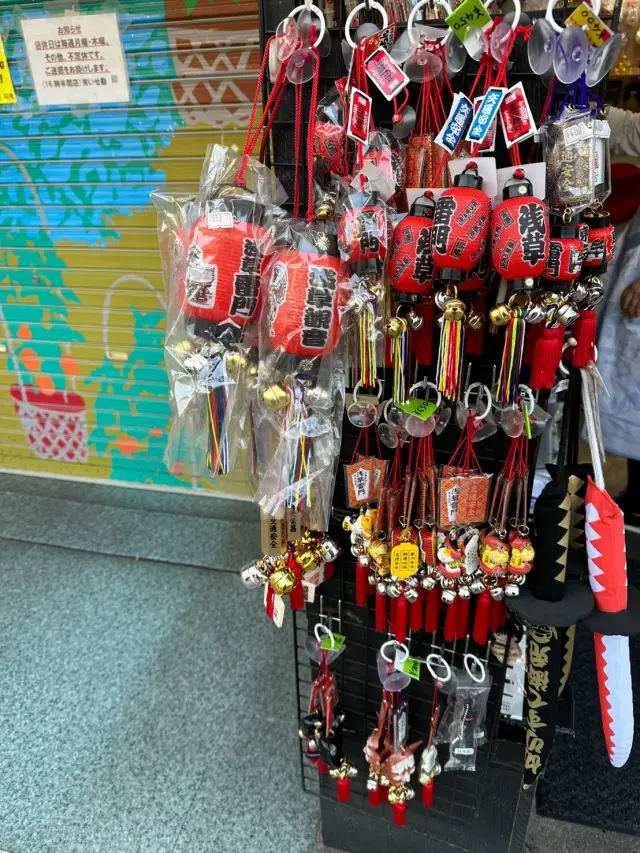
    We quietly waited in line to worship and pray for safety. Afterward, we followed the local custom by drawing a fortune and choosing a delicate omamori as a keepsake. With only a few visitors around in the morning, being able to stroll quietly and fully appreciate the calm depth of this thousand-year-old temple felt like an incredibly luxurious experience. After worshiping, we headed to the lively Nakamise Shopping Street in front of the temple, sampling snacks and choosing souvenirs along the way. The whole outing offered plenty to see and do and was a classic Tokyo experience that should not be missed.

  • See More

    After passing through Kaminarimon Gate, you’ll come to the lively Nakamise shopping street, lined with all kinds of souvenir shops, traditional snacks, and uniquely Japanese products. It’s fun to browse and eat along the way. However, this visit really made me realize just how incredible the crowds at Sensoji Temple can be. It was packed with people from the entrance all the way to the area around the temple. You have to wait for an opening to take a good photo, and sometimes you can only move slowly along with the crowd.

    Even with all the crowds, once you reach the main hall of Sensoji Temple, you can still feel its solemn, historic atmosphere. Watching everyone pray sincerely, draw fortunes, and ask for blessings naturally makes you slow down and experience Japan’s traditional temple culture.

    Although the number of visitors this time was honestly a little overwhelming, Sensoji Temple is still well worth visiting when you’re in Tokyo! If you want to avoid the crowds, I recommend coming earlier. You may have a better chance of getting the photos you want.

Details

Name in Japanese
金龍山 浅草寺
Founded
628
Postal Code
111-0032
Address
2-3-1 Asakusa, Taito City, Tokyo
Phone
03-3842-0181 (9:00 a.m.-4:30 p.m., except Sundays and national holidays)
Admission
Free
Closed on
Open year-round
Hours
6:00 a.m.-5:00 p.m. (April-September) 6:30 a.m.-5:00 p.m. (October-March)
Access
(1) About a 5-minute walk from Asakusa Station on the Tobu Skytree Line
(2) A 5-minute walk from Asakusa Station on the Tokyo Metro Ginza Line
(3) A 5-minute walk from Asakusa Station on the Tsukuba Express
(4) A 5-minute walk from Exit A4 of Asakusa Station on the Toei Asakusa Line
Official website
Official website (Japanese)
Hokkaido Tohoku Kanto Chubu Hokuriku Kansai Chugoku Shikoku Kyushu Okinawa